
 Ask ChatGPT

- Podcasts
- Let's Get Dressed
- Meet The Brand Making UPF Clothing Chic
In short
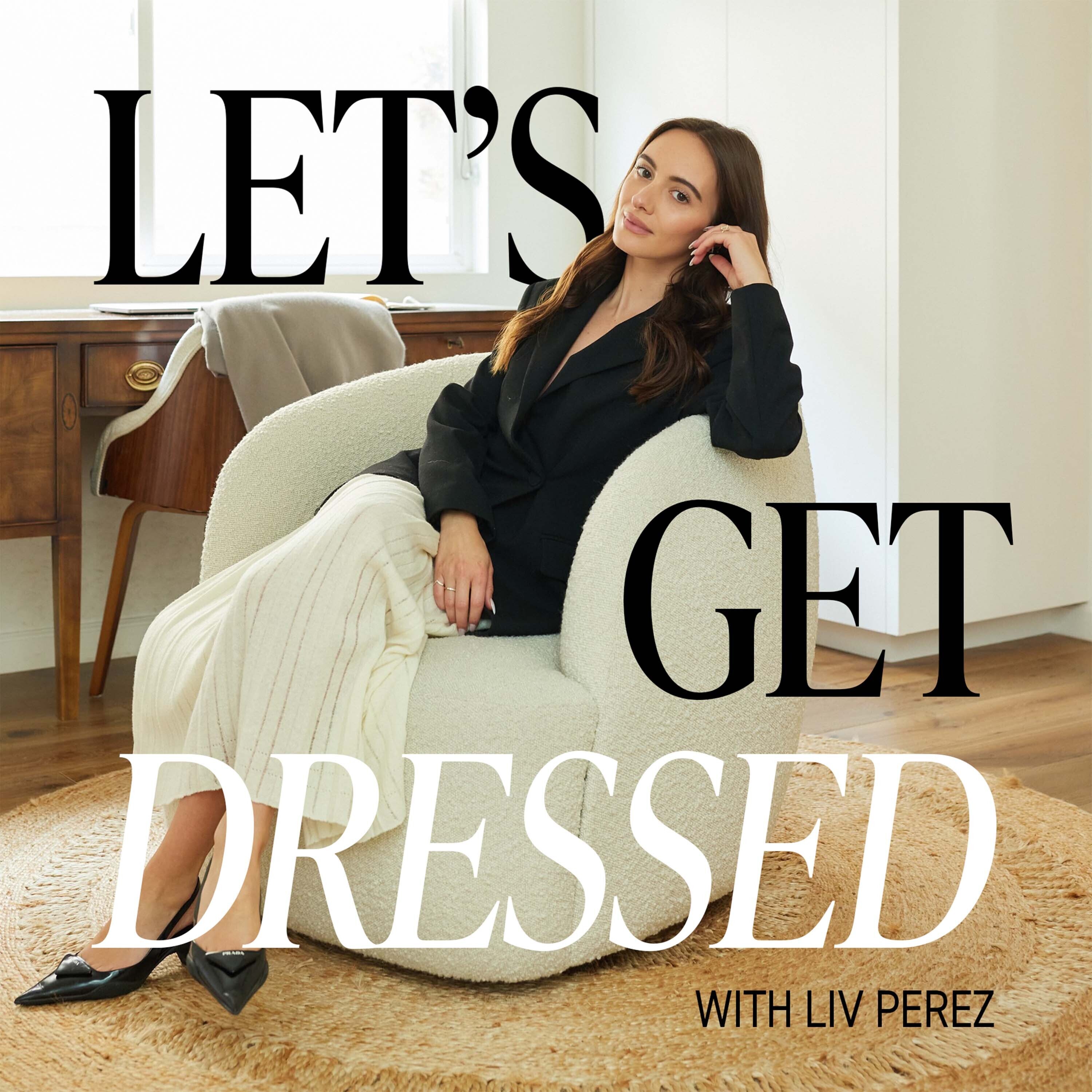
Host: Liv Perez
Guest
Emma Gerber, co-founder of Claudent
Episode Description
The episode focuses on the emerging brand Claudent, which specializes in stylish UPF 50+ clothing that combines sun protection with fashion. The discussion delves into the challenges and innovations in UPF fabric technology and how Claudent is reshaping the narrative around sun-safe clothing.
Written by AI. May contain mistakes.

Ask about this episode
Get the gist, explore an idea or ask about something said.
 Claude
On Let's Get Dressed, what are the key points of this episode?
Searching your listeningTranscript
Automatic transcript. May contain errors.
0:01Hi, everyone. Welcome back to another episode of Let's Get Dressed. It's your host Liv Perez. Did you know that the average white t-shirt only has a UPF rating of about 5? Meaning that 20 % of UV rays will still reach your skin on a daily basis. And yet we all go about our day throwing clothes on and thinking that we're protected from the sun's rays. This week we are diving into the world of UPF fashion. What it means and getting to know a brand that is making sun-safe clothing actually chic. Today, I'm joined by one of my oldest friends, Emma Gerber. We've actually known each other since we were babies, and she also just so happens to be building one of the most exciting brands in the sun care space right now.
0:45It's called Claudent, and it's designing stylish, elevated UPF 50-plus clothing that not only protects your skin, but also makes you want to wear sun-safe clothing. We talk about the science of UPF fabric, why most quote-unquote sun-protected clothes actually wash out after a few cycles and how her brand is combining function and fashion all at once. If you are someone who loves sun safety, but also if you're just looking for really great summer basics, I know you guys are going to love getting to know Emma and love the brand. Before we get going, a quick housekeeping note. If you love this podcast, you will definitely love my new Substack newsletter, Let's Get Dressed.
1:24As a subscriber, you will get weekly fashion deep dives, daily styling tips, trend forecasting, and access to an incredible community of fashion lovers alike. And as a thank you to you guys for being my podcast listeners, I'm giving you three months free when you subscribe for the full year. That's just$63 for exclusive content and access to my private style chat, where you can ask me questions directly, like what to wear to a friend's wedding or how to style that new shoe that you just got for your closet. You can sign up through the link in the show notes, and I hope to see you guys there. Let's go get dressed with Claudette's Emma Gerber.
2:02Welcome to the pod. Thank you. I'm so excited that you're here. Me too. It's been a while since I've had, actually, I don't think I've had like an OG childhood friend on the pod. Maybe I have. I don't think so. Okay, well, I'm honored. Yeah, I don't think so. This like feels fun. Yeah, feels like comfortable. Yeah, usually I have guests like come over and they come to the pod and like the dog is in the back of the room. No one knows the dog's here and you're like, keep the dog out. No, I like want the dog to kiss me on the face. Yeah, so he's here. If anybody here is Bodie running around, I'm sorry, but we're also not that sorry.
2:31No, why not? How are you? Good. How are you? What's going on in life? Nothing. I'm going on a trip tomorrow. So today I'm just trying to, after this, organize, pack. The day before you leave for a trip is, to me, hell on earth. I have like the most pre-trip anxiety. Yeah. No matter what. Yep. I was just listening to a podcast episode this morning about this, about how like people spiral in chaos moments. And I think it was a Mel Robbins episode. And she was like, when I have so much to do, all of a sudden I'll just pick up a different activity. Like I'll start cleaning my house. The house doesn't need to be cleaned, but there's like 10 ,000 other things I need to do.
3:06I just like make a list of like all the things I have to do today and why they're annoying. And then I will do them at like 4 p.m. Do you prioritize them in order of annoyingness? No, I just put them all off and then whatever closes first gets done first. So like the drugstore will be last. The dry cleaner will be first. Right, right, right. But are you doing the most annoying thing first or are you leaving it to the end? Probably leaving it to the end. Why do we do that? Paralyzed with fear. Paralyzed with fear, but also like I set myself up to fail. Yeah. I'm like, just do the hard thing first.
3:38Enjoy the rest of your day. We all procrastinate. It's human nature. Last Monday, I had a full calendar of things I needed to get done, right? And then I woke up and I saw something like on our YouTube that I didn't like. I spent the rest of the day redoing the entire YouTube channel. Yeah, of course. Wasn't even on my to-do list. Didn't need to be doing it, but spent the entire day doing that and didn't hit any of the like pretty urgent things that I needed to do on my to-do list. It's a sickness. I wonder if it's like the ability to like start and stop something that you decided to do. Like you saw something you didn't like and it was like easy to fix it and you got to like see the fruits of your labor immediately.
4:16You weren't like planting the seed for something. You were like, I'm going to fix this right now. And then you were done and you got to be like fulfilled. I do think there's something to that because when I make my to-do list, like on Friday for the next week, it sits with me all weekend. That's a crazy habit. You do it on Friday and you think about it all weekend. You see what I mean? It's like the more time and space you give to these things to breathe, the more they fester. Whereas like if I just woke up or maybe I waited till Sunday night. Yeah. So I woke up Monday organized. But yeah, I'm that way.
4:46Like sometimes even right now, I'm like, what do I have to do next Monday? Oh, I'm like mourning of. And then I liked sometimes I even write that down things I've already done so that I can get the satisfaction of checking it off. Now I do this thing at the end of the day where if I don't feel accomplished, I actually wrote down everything I did that day. So I could be like, look at how much you actually did. I like that. Positive affirmations. I'm not like an affirmations girly, but like I will do things that actually remind me of all the things like, you know, practice. Right. I feel like we do that at the beginning of the day, but what about at the end of the day?
5:17No, that's more. I like that. Yeah. Okay. Great. Now I'm thinking about all the things I need to do next week. My heart rate is a little bit elevated now. I mean, it was when we started, but it's okay. We're still here. I'm thrilled to have you on the pod today. I feel like you and I first connected on your brand when I did the UPF segment for the Today Show two years ago. And I actually remember that being very eye-opening because obviously UPF is something that is so important we should all be wearing, especially peak summer. But I was shocked at how many people didn't know about it and how limited the assortment of UPF clothes were.
5:53Not to say that the brands that are selling it are not great brands, affordable, accessible to a lot of people, but it was very refined, like, or sorry, it was very niche. Like the Athletes of the world, the Lululemons, there's this one brand, Coolie Bar, I think you and I talked about that, like, I think hits a very specific demographic, but there hasn't been like a cool fashion brand that's been like, let's also make it sun safe. So I remember us connecting on that and it was the first time I heard you were doing all of this and I was so excited about it. So tell me a little bit about like the origin story of Claudette.
6:22Yeah. So my business partner actually is allergic to the sun, which I was not totally like sure was a real thing unless you had to be like a real shut-in, but she has like a, like a Claritin Allegra everyday routine that allows her to not like break out in hives and be allergic to the sun. And she was like shopping around and she was sort of seeing what was out there because it's something that started affecting her in her late twenties, early thirties. And so she was like, I don't necessarily want to wear the UPF clothing that exists in the market. I don't want to only be wearing like a paisley print or a pastel color.
6:59I want to look how I want to look and I want to feel comfortable. And I want to feel like me while still wearing UPF clothing in order to sort of decrease the symptoms of her allergy. Right. And so she was like looking, searching far and wide and she was talking to me about it. And she was like, I feel like maybe we should do this. And I was like, not totally well-versed in the UPF space. And then we just sort of started toying around with the idea. And for me, it felt really personal because in middle school, my dad was diagnosed with melanoma. And so I definitely like was very aware of skin cancer and sun protection and the importance of SPF.
7:38And I think the idea that you could just wear something really easy that gives you that added layer of sun protection and doesn't. I do totally support wearing sunscreen every day. Everyone should wear sunscreen. But there's like no user error. Like I'm putting my shirt on. I don't need to remember to reapply every 90 minutes. I'm not going to miss a spot that is like invisible to the naked eye because I know where my clothes are on my body. And so that's sort of how we started. Allergic to the sun is a, that's a tough one. I know it's really, especially living in Los Angeles feels a bit tricky.
8:15Yeah. It's sunny here 90 % of the time. Yeah. And I guess it affects like about 10 % of the population is called polymorphic light eruption. And it's not debilitating by any means, but it's quite uncomfortable. Hives, right? Hives, rash. It's very uncomfortable. Wow. Yeah. I've not heard of that before, but I feel like it's when I, I remember being younger and I feel like there were those allergies that, or more so as I know people who, as they've gotten older have developed an allergy that they haven't had when they were kids. Yeah. They say, I think it's like every seven or nine years, your allergies change.
8:52I think they say, don't they say that about most things in the body. Oh, really? Like every, I've always heard that like every seven years your hormones adjust or something like that. I don't know if there's fact to that, but I have heard that. Yeah. I was lactose intolerant as a child. And you're not anymore. My sister one day woke up insanely allergic to bananas. Really? Yeah. She cannot, Austin cannot eat bananas. She just woke up one morning and ate one. Had a banana like she did every day and had like a full allergic breakout. New thing to be scared about. Great. Let's add it to the list of other things.
9:24I think of things like that. Okay. So she's, she has this regimen every day that she sticks to. Every day. But it's more like, like if she's like running a quick errand, it's not something she has to be super worried about, but it's like prolonged outdoor exposure, vacation, summer. Right. Yeah. You know, it's interesting. I feel now more than ever, sun care is huge. I have friends who are, who have completely demonized the sun, unlike anything I've ever seen. Whereas, As you know, I remember growing up being in the sun was like the thing. I think our parents were, you know, sunbathing, no sunscreen for years.
9:58But I feel like there are also so many things now that I'm learning about sun care that maybe I didn't know before. Like, I didn't know that reapplying even was a big thing. Like, and I've seen a lot of that language on TikTok recently of like, okay, you put sunscreen on in the morning, but are you reapplying it through the day? I don't even do that. 90 minutes is not a long time. It only lasts 90 minutes. I mean, I am not a dermatologist or a doctor, but I have been told that you should reapply your sunscreen every 90 minutes. I mean, I put sunscreen on when I even when I am just working from home all day.
10:28It's also the same thing when you're on a plane. I've always heard if you're in the window seat, you need to be wearing sunblock. Interesting. Or in the car. Or in the car. That's a big one. And I see that a lot in Los Angeles. People who will drive with UPF gloves. My mom has, you know, all the things that like protect the car on her windows. Yeah, there's been a lot of advancements. Yeah, I think also like, I mean, I grew up with like a mom who loved the sun, like worked at a tanning salon when she was in high school, like loved the sun and a dad who was really scared of the sun. Right. Who like, because I grew up like being a competitive equestrian, I was outside every day for a long period of time.
11:06And my dad's like crazy about the shade and sunscreen or I was like, my mom's like with the foil outside. and so it's interesting to kind of like I don't know I think I ended up somewhere in the middle yeah and then now with like what I do and who I work with sort of finding a way to be both like right I still am gonna wear my bathing suit I still want an hour in my bikini by the pool but then I want to be able to get myself out of the sun yes I think there's a nice balance I also like I love not that I love hearing you know about your dad going through this really challenging time. But I do think the best brands are from founders who have personal experiences with things and want to create a solution, not just for themselves, but for a lot of other people.
11:49Okay. So let's get into UPF a little bit. What does it stand for? And then tell me a little bit about the difference between wearing a UPF shirt and just wearing a traditional long sleeve. Yeah. So UPF is for like all intents and purposes, like SPF for your clothing or for a fabric. And And so anything above a UPF 30 plus is going to be widely considered protective. And anything under a UPF 30 is just more or less like your day-to-day cotton shirt. And your average white cotton tee is going to be about a UPF 3 to a 5. So that means that one out of every five UVA and UVB rays is still penetrating your skin through your clothing.
12:33Whereas a UPF 50 plus garment, which ours are, only one out of every 50. Wow. Okay. is still penetrating your skin. I remember when you and I were talking about, we did a pre-call for this and you were talking about how in the industry right now, there are a lot of quote unquote UPF clothes that aren't really UPF and that come out in the wash really quickly. What should people be looking for as they're shopping UPF? Like other certain certifications, standards that really make the world of difference. Yeah. So we test everything with the AATCC, which is the American Association of Textile Chemists and Colorists.
13:09Okay. And they are sort of responsible for the standards that you test to. And we test everything to their AATCC standards. And so, as I said before, like a 30 plus is going to give you pretty good protection, 50 plus being the highest possible rating. And for us, what was really important is to not use any chemical treatments. So a lot of your like lower price point, like Amazon, like$15 Amazon basics, UPF shirt is going to be a chemical treatment. And what, what happens is the more you wash it, the more the protection is going to wash out. So you really only have on average about 30 washes for your shirt before it's just like wearing any other shirt.
13:55Whereas ours is actually about how the fabric is woven and what it's woven with. And you will have your protection for the lifetime of your garment. So that's not to say if your shirt lasts a hundred years, it'll still be a 50 plus, but it'll never go before 30. Whereas a chemical treatment will wash out to the single digits. There is so much I feel like that you have to go through to make these products what they are. what was that process like even just like as a brand founder as a designer like what was the learning curve of finding all the right suppliers right vendors right certifications what was that like it was really hard I think we tested probably over 1500 fabric headers and we felt really passionate about not making what people think UPF clothing feels like we didn't want to make a rash guard.
14:50We didn't want to make something super hot and slinky and like not comfortable. We wanted it to feel like when you grab your favorite vintage button up from your closet to throw over your bathing suit. And so what we were able to find kind of off the bat was more athletic fabric. So like to make our polo shirt and our tennis skirt, like that was not necessarily what we set out to do, but what we made with our first collection. And then we ended up finding a mill who made the best UPF fabric we could find on the market for what we wanted to make, but it was still not what we wanted. And so we did like six months to a year process with them, sending things that we loved and owned, being like, how can we get closer to this hand feel?
15:35How can we get closer to this drape? And sort of working with them to create something totally proprietary. So it was really tough, but I think we were really confident in what we wanted. to do and how we wanted the fabric to feel. And I think it's been an interesting journey because from like a sustainability standpoint, we didn't want to make something super wasteful and we didn't want to make something super bad for the environment. But in order to achieve a UPF 50 plus, you do, or at least in my experience, have to use some synthetic fibers and some synthetic blends. and so the sort of trade-off being one shirt that will last you your lifetime instead of maybe five shirts made from a natural fiber with a chemical treatment that will only last you one summer so bet fewer better as opposed to natural fibers that will not last for a long time with the protection.
16:39I do think there's a sustainable aspect to that. Yeah. And I think like, it's not sexy to be like, it's a poly blend. It's a nylon blend. There's definitely some trade-offs with that, but we're using recycled wherever possible. And I think just like fewer, better things, no matter really what they are is the way that I want to live my life and the way that I think can become the most sustainable. Like not to say that we wouldn't love a natural alternative and we are experimenting with Tencel and recycled spandex and things like that. But that was sort of the choice that we made was recycled synthetic fibers that have that inherent protection as opposed to chemicals and natural fibers.
17:25I mean, there really aren't a lot of brands doing this. No, I mean, I think it's big in a lot of other countries. I think like Cooley Bar and Solbari, these sort of like giants of UPF space are Australian. Right. And I think in like when I was in Japan, I don't know if you noticed this on your trip, but I felt like everyone was wearing gloves. Yes. Even if they were wearing like a tube top and a tank top, they were wearing gloves. Also, just in general. I mean, when I was there, it was really warm. We were there at the end of May and locals were covered head to toe. I was in like a tank top and pants, but there was no sacrifice on that.
17:59It was they were fully protected. Yeah. So I feel like in Asia, in Australia, it is quite a more popular thing. But here it's not. I think it's for babies. I think especially because I learned recently that like you can't put sunscreen on your baby until they're like six months old. Yep. So I think for children, it's really important. And I think older people and golfers or deep sea fishermen, like people with these sort of like really specific needs. But in terms of like day-to-day use, I don't really. I did a pop up in Hawaii and this woman was like, did you invent this? I'm like, I didn't invent it.
18:34That's crazy in Hawaii. But it's interesting that you think that. Yeah. I mean, I think Americans have given it an unsexy connotation. I think people think of sun protection as a chore. I was having this conversation with my friend recently and he was like, your clothes are so expensive. Like my friend was looking at your website because she wanted to support you, but it's too expensive. She doesn't want to spend that because sun protection feels like a chore. You're not like, I don't want to buy a$250 shirt for something I don't really want to do. And so what we're sort of trying to bridge the gap on is like, yes, it's expensive.
19:08And yes, it is sun protection, but it's also just a good shirt. And I think like, look, yes, there's the melanoma, the skin cancer, all these really serious reasons why you need sun protection. But living in a place like LA, there's also vanity. You want to protect your neck and chest. You want to protect your skin. You want, I don't know. I feel like we live in a place where people are getting peels and people are getting facials and people are doing these treatments that make them even more sensitive to this laser hair removal. Right. Drinking a margarita. I mean, I feel like you see aging most on your neck and chest versus.
19:45Yeah. And your tops of your hands. Yes. Like I get Botox, but when I, I noticed now when I wake up after sleeping on my side, sometimes my whole chest is wrinkled and I'm like, I should probably not. I actually, when I go out now, I'm putting more sunscreen on my chest than I am anywhere else if I'm by the pool. Yeah. And I just think like that's maybe a more fun angle. Like I want to look good. I want to look good for longer. And so I need to take care of my skin. Not like, oh, I have to wear sunscreen every day. Yeah. Let's reposition it. Yeah. Let's let's completely rebrand the idea. You can look chic and look young forever.
20:22What do you think are some like big misconceptions around UPF that people are getting wrong? Maybe in the way that they wear it or they buy it. Is there something where you're like, let's let's clear the air on that? I think that it all feels like a rash guard and that you're going to be really hot. Like I think whenever I'm like, oh, it's sun protective clothing. people are like, oh, it's hot. I don't want to wear that in the summer. I'm not comfortable. It's thick. I understand why you think that. And I've definitely been on vacation and bought the souvenir store rash guard. That's uncomfortable because it was a need, not a want.
20:57But I think the idea that clothes you want to wear can be UPF 50 plus is not something that people think is true. And so I think we're really trying to be that first piece of UPF clothing that you buy. So it's like, I like this shirt. I like these pants. And it's an added bonus. Not like, oh, I need to buy this weird printed rash guard because I have a bad burn. Is there a world, and this is my limited knowledge on manufacturing, I'm trying to think of why big fashion brands don't just include UPF in some of their like, like, for example, if I was a brand that really did a lot of like summer dresses, I would be wanting to include UPF in all my clothing just as an added bonus.
21:39Yeah. What is the like guardrail there? Are they just not wanting to invest in the material? Is it expensive? Like, why are we just not seeing it more in fashion in general? I think, I mean, in my experience, it's really expensive, but I also am making such limited quantities and I make everything in Los Angeles. So that's just sort of a triple whammy for expensive. I also think it's really hard to find nice UPF fabric. I think it's sort of a chicken or an egg. Like is, would there be nicer UPF fabric on the market if more people use UPF and would more or would more people use UPF if there was nicer UPF fabric on the market.
22:12Talk to me a little bit about the process of designing something that's a bit more fashion forward. Like I was saying earlier, there's not a lot of options out there. And I'm sure that there's a very like strategic conversation around like, hey, we're going to include these fabrics, but also we're going to be selling things that people actually want to wear in their everyday lives. Like a great pair of green pants that I've obsessing over or, you know, an amazing blue button down that somebody can wear to the office, to the beach. And I feel like that's not really being done. So talk to me about a little bit about that process.
22:42Yeah. So I think definitely like the biggest hurdle is coverage. Like how many different ways are you going to make a long sleeve or a long pant? And so I think what we're trying to do is be super modular. So I think you could wear this button up with a bikini bottom if that's who you are and that's what you want. But you can also wear our mock neck turtleneck under this button up if you want the longer sleeve, you want to cover your neck. So it's sort of trying to speak to a wider swath of people who want different levels of sun protection and like no judgment. Like if you want to wear our short short, I want to wear it and it's easy and it's comfortable and I'm still getting that added sun protection.
23:25And so I think we're sort of trying to toe the line with what is really obvious from a sun protection standpoint like I do sort of think this is an obvious easy shirt it's long sleeve it's full length covers your skin it has buttons so you can button it all the way up if you want but then we're developing our SS 26 collection right now and like I'm making a backless silk dress you are and maybe that's not obvious and And maybe it's not the most sun protective garment in the world, but there's a girl who wants to wear that and does appreciate the added benefit, but it's not the be all end all. Like they don't want to be wearing a long sleeve turtleneck, long pants and high socks in Mexico.
24:16Some is better than none, in my opinion. And I think being able to offer a fashion forward selection for something that people really do care about is amazing. I think, and I love the collection you just did. I think the colors are so great. And that to me really caught my attention this time. I know your first collection was very athletic focus. You had the tennis skirt. Yeah. This really felt like a foray into something that like, I can't wait to wear. Like I'm going to wear the button down in shorts to the beach this weekend and I can't wait. Yeah. I think what was interesting is I loved our first collection and I thought it was really beautiful and I loved the fabrics, but I never reached for it.
24:50And like, I'm willing to admit that I own them. I wear them sometimes, but it's not what I want to wear this. I want to wear these pants. I want to wear the, we just made a relaxed short. That's like a slouchy oversized short. I reach for it every day. And the fact that we can make something that is sun protective and useful and just like nice to wear. Yeah. It's just like really fulfilling and really exciting. As a small brand, do you feel like there's been something specifically that has helped you get a lot of attention, whether it's like an ad campaign that you did marketing on Instagram? Like what do you think has been a really good fire for you guys?
25:33In a sort of interesting way, I think being able to pop up in real life has made the biggest difference because sort of what you were asking about like preconceived notions of UPF fabric. I think people like have put it in this box in their head where they're like, oh, I don't like it. And so we did a pop-up at a hotel in Hawaii and people were like, oh, this is nice. Like this is comfortable. This is lightweight. And then we see them come back on our website or we did a trunk show at my mom's house or we did one in Montecito. And I think sort of, yes, I love Instagram and I love our shoots and we work with creative, talented, beautiful, wonderful people.
26:14But I think the like being able to feel the fabric is what makes the biggest difference for us. And I think it's the biggest hurdle because it's expensive and it's hard to find these places around the country to pop up and to bring the inventory and all of those things. But I do think being able to change people's minds about what UPF clothing feels like is what's helping us the most. We're in one resort in Hawaii, two resorts in Mexico, and we're going to go in a new hotel that's opening in the Rockaways in New York. Cool. So like that sort of has been our niche. Yeah. But I think we'll get emails being like, oh, I bought this pair of shorts at this hotel, but they didn't have the top.
26:56Like, I want the matching top. And so I think sort of in a weird way where like, I think Instagram and ads and all those things and influencers have been great for us. But I do think for the everyday customer, being able to change their mind in person is what is really helpful. That makes a lot of sense. Just being able to feel it and be like, oh, it's not, as you were saying earlier, it's not that rash guard material. Like it's a whole other thing. Yeah. I'm like, oh, this is just like a great pair of pants. Yeah. It's not like a weird swim legging with like my reef walkers. The green pants. Yeah.
27:29I would say if anyone's listening right now and wants to buy something, it's either the shirt you're wearing or the green pants. The green pants are great. They are sold out in extra small, but if you want another size. Yeah. But also the top you're wearing, the button up shirt. I have it in like a cerulean blue and you are wearing it in like a light, beautiful blue that has made your eyes look really great this whole time. But highly recommend both of those. What has been your proudest moment so far with the brand? I think there's two. I think what I was saying before, like making these things that I reach for in my closet is just like a crazy experience.
28:02I think like I always loved fashion and I always like I made like this weird bootleg magazine as a child in my house with my parents. And like it was just always such like a far-fledged dream idea. I went to film school, didn't think I was going to do fashion. But then like to be like, oh, I'm getting dressed and I'm not wearing it because I have to or because it's like mine. I'm wearing it because I want to. And I find that really fulfilling. And then every time a stranger orders on my website, it like sets my heart aflutter. Oh, because I feel like selling to your friends and family is one thing.
28:36And then you get these people that are like one, two degrees of separation. You're like, oh, that's like blanks cousin. Like you're so grateful, but you're like getting those people where you're like, how did you find this? Yeah. Like, where did you come from? And you still want it. And you don't like care about me as a person. You just want my product. I don't know. I find it really exciting and kind of weird and fun. A real impact somewhere like someone you convinced someone of the product without having to have a personal relationship. Yeah. I don't know. I find it really exciting. I'm like, oh, like you're at you're like from a state I've never been to.
29:09Right. Like you still want the shirt for people listening right now who maybe we eventually want to start a brand or think it's a crazy idea and no one's going to buy it, what would be your biggest piece of advice? You don't bet on yourself. How can you expect anyone else to? So true. So, I mean, that's obviously very privileged. A lot of people don't have the ability to do that, but I think you have to believe in yourself and you have to bet on yourself and you can't expect customers, investors, coworkers, partners to bet on you if you're not willing to do it on yourself. Love that. Thanks for coming on the show.
29:43Thank you for having me. This was so fun.
30:10BITE sachs
From the publisher
This week I’m joined by one of my oldest friends, Emma Gerber, who just so happens to be building one of the most exciting brands in the suncare space. Claudent is designing stylish, elevated UPF 50+ clothing that not only protects your skin but makes you want to wear sun-safe looks every day. We talk about the science behind UPF fabric, why most “sun-protective” clothes wash out after a few cycles, and how her brand is redefining fashion-meets-function.
Shop Claudent here https://claudent.com
Get 20% an annual membership of my new substack Let's Get Dressed here https://letsgetdressed.substack.com/lgd
Love the show? Follow us and leave a review on Apple Podcasts and Spotify. To watch this episode, head to YouTube.com/@LivvPerez
For more behind-the-scenes, follow Liv on Instagram, @LivvPerez, on TikTok @Livv.Perez, and shop her closet here https://shopmy.us/livvperez
Let’s Get Dressed
YouTube: https://www.youtube.com/@livvperez
Instagram: https://www.instagram.com/letsgetdressedpod/
Newsletter: https://substack.com/@livvperez
Liv Perez
Instagram: www.instagram.com/livvperez
TikTok: www.tiktok.com/livv.perez
ShopMy: https://shopmy.us/livvperez
Hosted on Acast. See acast.com/privacy for more information.
More from Let's Get Dressed
All episodes
We use cookies.They keep VO running smoothly and help us improve it. Privacy policy