
 Live Well Be Well with Sarah Ann Macklin | Health, Lifestyle, Nutrition
20 Nov 2026 · 4m

 Add vo to ChatGPT or Claude to ask about everything you hear
vo listened to this episode to put together the overview and transcript, so there may be the odd mistake.
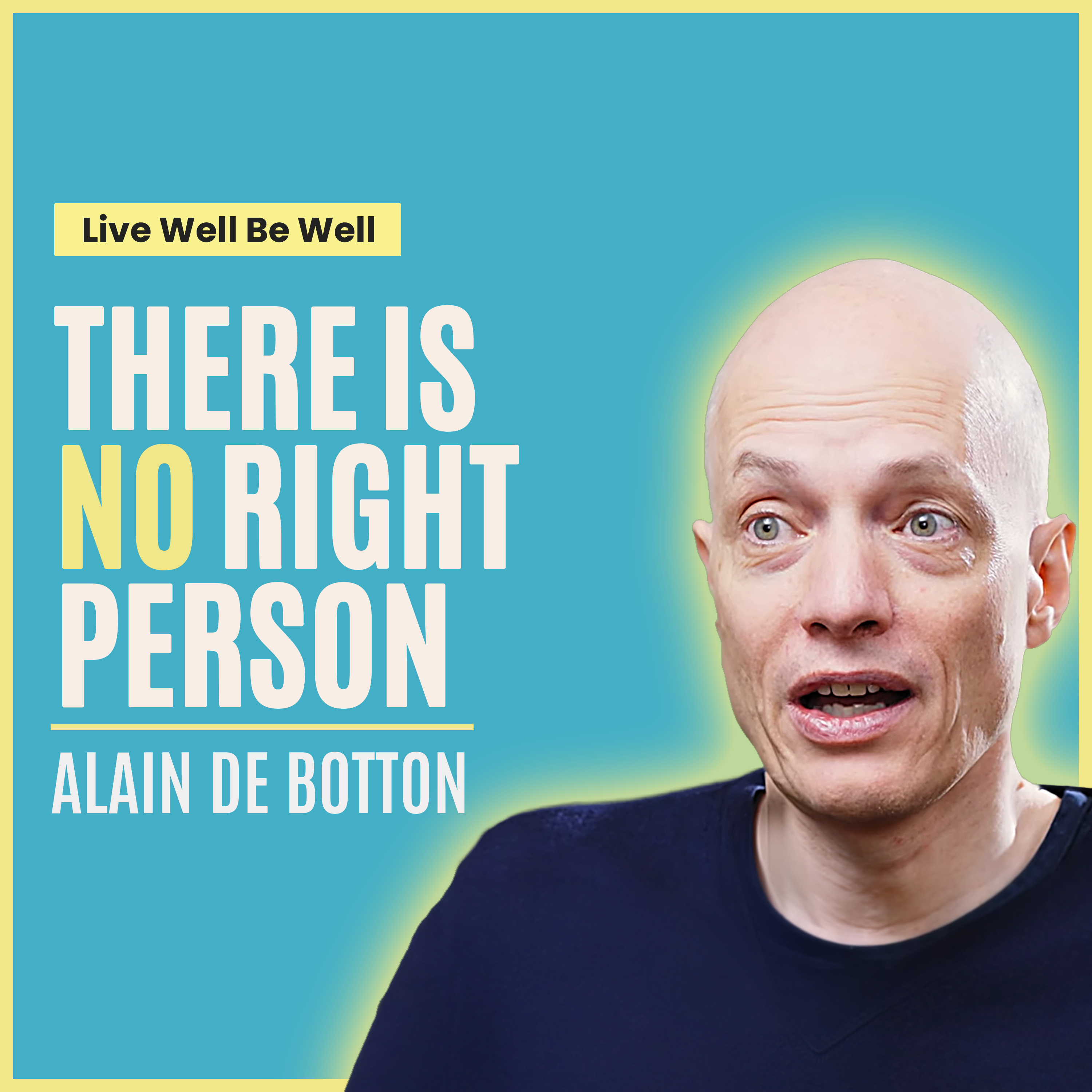
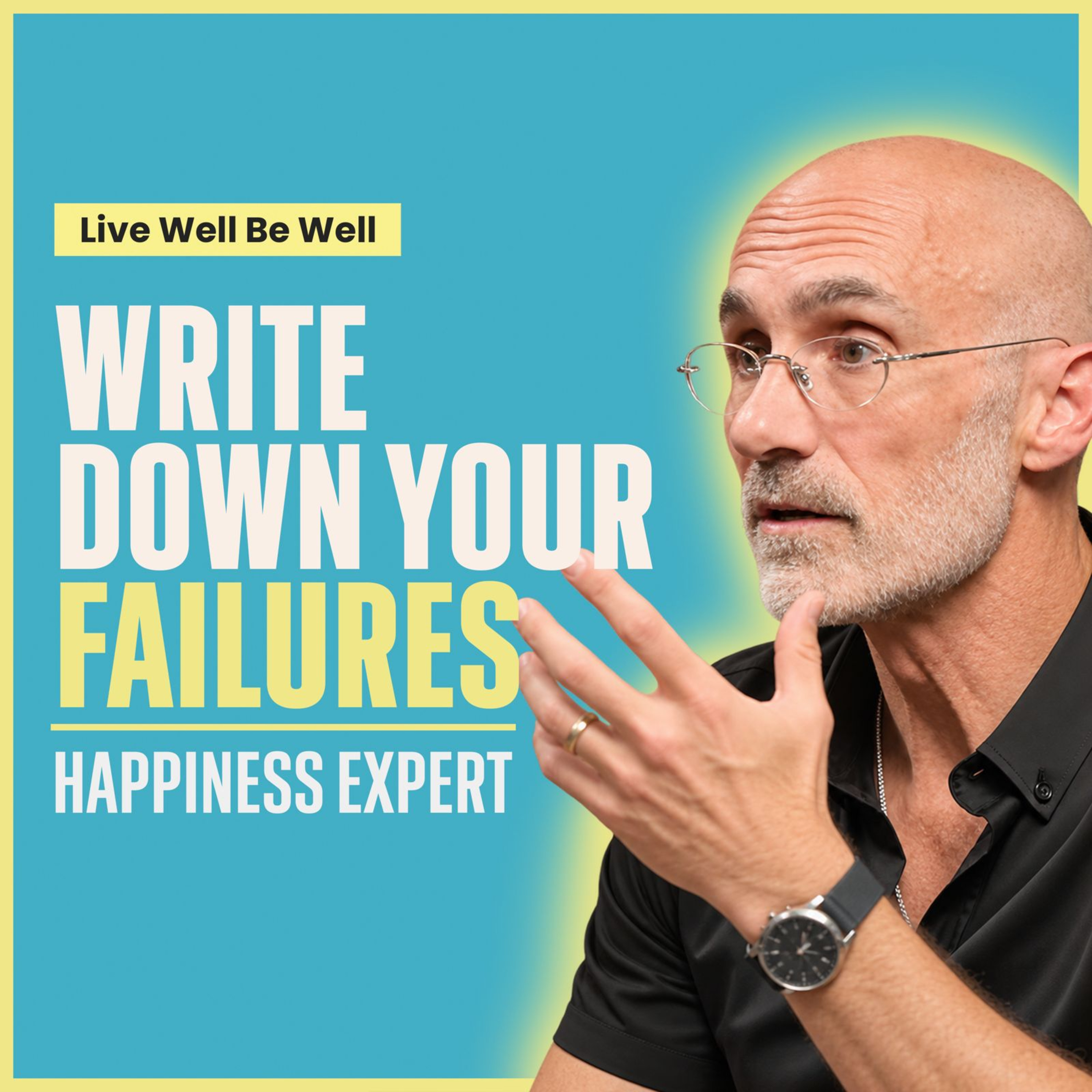
How to stop caring what people think by balancing vulnerability and invulnerability—being open when it pays, but setting boundaries in hostile professional settings.
Alain de Botton (author/thinker; speaks about vulnerability, strength, and social connection).
Vulnerability isn’t always good; invulnerability can be necessary with unfriendly people. Strength can come from being at peace with “weakness” (e.g., admitting you’ve been crying without shame). Connection requires risk: deeper conversation comes from sharing what could be used against you by an enemy but can be used for you by a friend. Humiliation fear causes loneliness; a tactic is to preempt it by “humiliating yourself” daily (jokingly calling yourself an idiot, embracing mistakes).
“Looking at clouds” vs sharing painful feelings with an ex; storytelling as a gateway to richer conversation.
0:00Where do you think that we've learned the idea that vulnerability is a weakness when every meaningful experience requires it?
0:07Alain de Botton: Let's make an argument for the fact that vulnerability is sometimes a bad idea, particularly in professional life, particularly with people who are not friendly. You know, we do live in a hard world in many ways. And I think that the confusing bit of the conversation around vulnerability is that sometimes vulnerability is very important and sometimes invulnerability is very important. It wouldn't be an issue unless there were two poles of this debate. And the tricky thing in modern life is how to navigate things so that you can be vulnerable when you need to be vulnerable, when vulnerability pays.
0:37Alain de Botton: And also, you know, draw boundaries and know how to say no and know how to put your wall up when that's necessary too. And, you know, both belong to a healthy life. And I'd say that you can suffer at both ends of the spectrum. Why does telling the truth about our fragility make us stronger, though, not weaker? Well, I think there's a way in which if you're fully at peace with things that are so-called weak, you oddly do become quite strong. So to be able to declare, even if I said to you now, Sarah, I've been crying all night, you might go, well, this is quite strange because this guy's sitting here, his podcast, he's looking serious, and he's admitting to something, which normally people who admit with enormous shame, reservation, doubt, etc.
1:24Alain de Botton: And yet he's coming out with it in a manner that seems fairly self-confident and blithe, etc. And then you think, okay, so in order to be this strong about something weak, there must be an interesting balance in this person around weakness and strength. And I think that's often what we look for. We look for weakness well-handled. I think that's a very desirable trait. If someone is able to take you into the broken bits of their personality, but do so with relative self-confidence, if that isn't a paradox. It's meant to be a little bit of a paradox. Yeah, but it is a paradox. What I find interesting is the people that I've connected to the most are the ones that have been the most vulnerable with me, yet we struggle to do that ourselves.
2:08Stories are an amazing example of that. People that can storytell really well, you can connect to.
2:13Alain de Botton: I mean, connection is about taking a risk with someone. You know, if you say to me, what have you been doing for the weekend? And I say, oh, I've just been looking at the clouds. That's not going to get anywhere. But if the moment that I say to you something like, well, actually, I was speaking to my ex-girlfriend and it was quite painful. And, you know, we both felt a lot of emotion. Immediately, we're into richer territory and something is beginning to happen. So conversation is filled with little gateways that you almost don't notice. It's like somebody says, oh, do you go on holiday? what happened.
2:44Alain de Botton: You've got a choice. You can either stay on the surface or you can go a little bit deep. And what deep means is to show something that an enemy could use against you. And if an enemy can use it against you, a friend can use it for you. So that's why it's a gateway to friendship. And that's why all friendship is always a gamble that you could be exploited. You could suffer from the gift that you've given, but it's a risk worth taking ultimately. You know, we look, we can always sit alone under the bed, you know, surrounded by our armour. Fantastic. It's just a bit lonely. So if you want to break through loneliness, you have to take a risk.
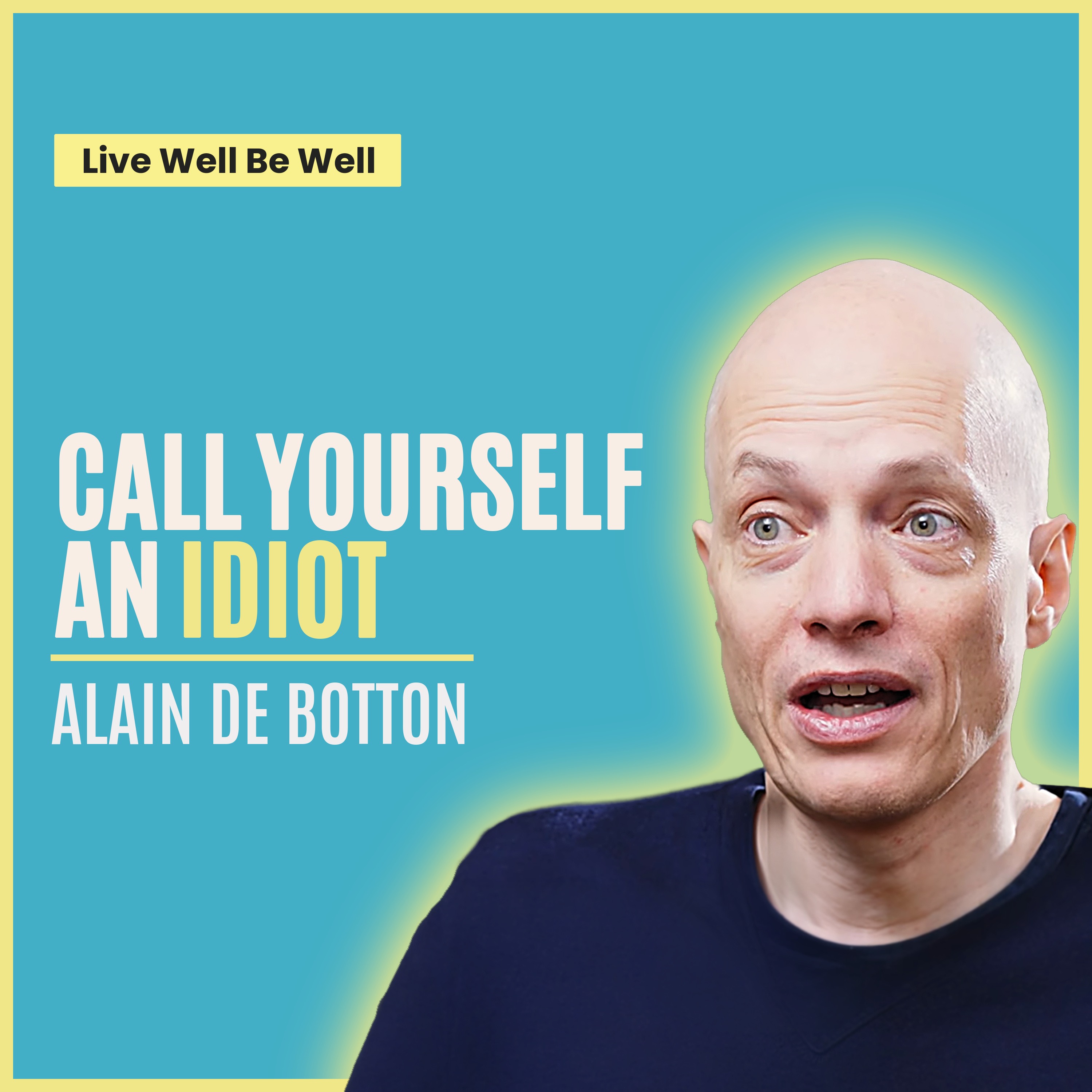
3:17Alain de Botton: And it's a risk around potentially being humiliated. And I think we're so scared of humiliation that we miss out on so many lovely things. And I've got a trick for you. If you want to get over humiliation, rather than going, I won't be humiliated, humiliate yourself. Tell yourself every morning, I'm a bit of an idiot. Life's not right for me. I've made 100 million mistakes. You know, doctors have seen me naked in strange positions. You know what I mean? Medical examination. It's like, throw dignity out the window and start to live. I mean, we're so hampered by an exaggerated notion of how dignified we need to be in order to have a good life.
3:54Alain de Botton: Well, throw that out the window. Take a little bit of a risk. Make yourself fully at home with being a bit of an idiot. We spend so long fearing that someone might think us an idiot. You know the best way to cope with that? Just declare yourself an idiot way before anyone else gets a chance to. Get ahead of the opposition. They're saying, oh, I think that person might not be so clever. Don't worry. We factored that in a long time ago. Idiocy has been baked in. You're not telling me anything I didn't know. And with that kind of assurance of your own vulnerability, you actually become invulnerable to all sorts of attacks.
This week's Live Well Be Well Moment is with Alain de Botton, philosopher, author and founder of The School of Life.
We hear so much about the power of vulnerability, so I loved that Alain pushed back on it. He explains when opening up helps and when it doesn't, why real connection always involves a risk, and the slightly ridiculous thing he suggests telling yourself every morning to stop fearing humiliation.
My book 'Healthy Shouldn't Be This Hard': https://www.amazon.co.uk/Healthy-Shouldnt-Be-This-Hard-ebook/dp/B0G1DHNRV5
📖 If this resonates, you can join the thousands who read The Compassionate Cure each week.
https://sarahmacklin.substack.com/
Let's be friends!
📷 Instagram: https://www.instagram.com/sarahannmacklin/
📹 Subscribe: https://www.youtube.com/@livewellbewellsarah
🐦 Twitter: https://x.com/SarahAnnMacklin
📱 TikTok: https://www.tiktok.com/@livewellbewellpodcast
💌 Newsletter: https://sarahmacklin.substack.com/
Scan the code with your iPhone camera
Listen in the app.