 Ask ChatGPT

How the “purple tsunami” of voter backlash against data centers shaped recent elections and what it could mean for AI regulation, compute supply, and industry strategy.
Rob Flaherty, co-founder of Tomorrow Together (Democratic super PAC focused on AI, launched Sept.); previously ran digital for Joe Biden 2020, served in the Biden White House, and was deputy campaign manager for the 2024 Biden-Harris campaign; also a podcaster (co-host of Nobody Knows Anything).
Data centers became a proxy for broader anger about AI—seen as job-taking, unaffordable, and corrupt—though they weren’t the only issue. Most ballot measures restricting data centers passed. OpenAI may rebrand data centers as “compute campuses,” but the biggest compute crunch is expected around 2028.
Texas Gov. race (Gina Hinojosa won on a data center moratorium; James Tallarico beat Ken Paxton, opposing data centers without community consent). Ohio Senate (Sherrod Brown beat John Husted, “face of data centers”); 14 Ohio towns passed bans/restrictions; Piqua recalled officials backing a Meta data center. Wisconsin ad backlash (“Data Center David Crowley”) still lost.
Written by AI. May contain mistakes.
Discussion on the impact of the midterm elections on AI and data centers.
“The official podcast of The Singularity starts now.”
Exploring the results of Texas elections and their implications for data centers.
“What effects did data centers and the opposition to them have on these races?”
Insights into Ohio's election outcomes and local bans on data centers.
“The Senate race featured these dynamics where the Democrat Sherrod Brown beat Senator John Husted, whom he called the face of data centers.”
Discussion on the wider implications of data center opposition across the country.
“You've got to go, is what I'm being told.”
Exploring how upcoming regulations may affect data center construction and AI companies.
“There have been some people speculating that actually, oh, it wasn't that big a deal in voters' minds.”
Discussion on whether the election results will slow down AI progress and data center development.
“So I just predict that they will be able to adjust a little bit better than the newer and leaner startups that are trying to do the same thing.”
The discussion revolves around the contrasting views on data centers and AI's role in society.
“to the Trump view of AI, which is that we need to go as fast as possible.”
Rob Flaherty shares insights about how AI and data centers impacted recent elections.
“Change the way you sleep with soft, 100 % organic cotton sheets from Bowl & Branch.”
Discussion on public demands for societal reforms regarding technology and AI.
“Like people want taxes against these companies.”
Exploration of the political landscape surrounding AI regulation and future expectations.
“So there are still two years to go until the presidential election.”
The hosts express their anticipation and concerns regarding the new iPhone Duo and its features.
“I'm very nervous, you know, because I've seen all the people posting their videos of their cracked screens and whatnot.”
The hosts share details about the production team and the support behind the show.
“Machine Gods is made in partnership with NPR.”
The hosts encourage listener interaction and wrap up the episode.
“You can send those questions, voice memos, and short videos to hey at machine gods.fm or leave a comment wherever you're getting the podcast.”

Get the gist, explore an idea or ask about something said.
 Claude
On Machine Gods, what are the key points of this episode?
Searching your listeningAutomatic transcript. May contain errors.
0:00This message comes from Lovable, a lead sponsor of Machine Gods. You know, Kevin and I are both obsessed with vibe coding. And Lovable makes it easy to go beyond vibes to host and run your apps too. Just describe what you need and Lovable creates it and takes it live with hosting, payments, and AI features. Visit lovable.com to get started. Did a big tech backlash swing the midterms? Do data centers have a future on Earth? How are Democrats going to govern AI? I'm Kevin Roos. And I'm Casey Newton. And from San Francisco. And Washington, D.C. This is Machine Gods in partnership with NPR. The official podcast of The Singularity starts now.
0:37Evan, there you are. I've been looking all over the studio for you. Casey, I am in Washington, our nation's capital today, where I have been pounding the pavement. Wait, did you go there to stop the steal? Yes, we're rioting at the data centers in Loudoun County. I've got my Viking hat in my backpack. We're going to go cause a ruckus. No, I'm here giving some talks and doing some more of my book tour. But it is a very fitting day to be in Washington because we have had this giant election. And everyone here is just obsessed with politics, obviously, and is talking about what this means for not just the future of the country, but specifically for the future of AI and tech.
1:25This has been a very central issue in this year's campaign and election. So we should talk about it. I mean, before we do that, have you been sort of like down at the Washington Monument? Are there any like sullen-looking oligarchs just staring mournfully into their reflections in the algae-encrusted reflecting pool? I thought they got the algae out. No, I am not there right now. I am not in the center of the city. but I am at a school where I have been talking with students and teachers and administrators about AI. And let me tell you, Casey, people are fired up. It feels like especially people on the left see this as like a historic sweep of the elections.
2:06Lots of wins at the state and local level, too. But what we really want to focus on today are the AI components of this election. What effects did data centers and the opposition to them have on these races? How did the candidates running on explicit AI or anti-AI platforms do? And what can we learn about what might happen in the new term with all of these new Democrats in the legislature? That's right. I think our best sense is that this election may not have been decided primarily on tech issues, But tech was undeniably a huge component of campaigns across the country. And because Democrats now have control of both houses of Congress, I do expect governance over tech is going to look very different, Kevin.
2:53Totally. So let's talk about a few of the races that we were looking at and what happened in them. The first one is obviously one of the big races from this week. The governor of Texas will now be a Democrat for the first time since 1995. 1995, Democrat Gina Hinojosa beat Greg Abbott. She ran on a data center moratorium. She also ran on ending the tax breaks given to data centers in Texas. That was accompanied by another big win for Democrats in Texas, where James Tallarico beat Ken Paxton, becoming the first Democratic Senate win in Texas since 1988. Tallarico was also opposed to data centers without community consent and attacked Paxton for taking data center money.
3:40Casey, did any of these Texas results surprise you? I was hugely surprised last night. I didn't think we were going to see these kind of numbers, and I'm not going to pretend otherwise. What I think is really interesting about the Texas numbers, Kevin, is that eventually both Abbott and Paxton, the Republican opponents here, did come around and start to oppose data centers as well, but it did not help them. And that suggests to me that to the extent that data centers were a factor in the Texas races, there may have been something of a punitive element here. And voters in Texas said, hey, we're really unhappy about the data centers you've already approved, and we're going to punish you for it.
4:17Yeah, exactly. And I also think Texas is a very important state for the AI industry. It's where a lot of the new data center construction has been happening. It was seen for years by the AI companies as a very friendly place to build data centers. And now I think it is going to become a lot harder for them in the state to go forward with their expansion plans. I also want to talk about what happened in my home state of Ohio, where there was just even more of a resounding defeat for data centers and AI candidates in general. The Senate race featured these dynamics where the Democrat Sherrod Brown beat Senator John Husted, whom he called the face of data centers.
4:57There were also just a bunch of data center measures on the ballot more than any other state. and of those ballot measures, all or almost all of them went in favor of the bans or restrictions. So at least 14 towns in Ohio passed bans or restrictions on data centers. Ten of them were outright bans. And in one Ohio City, Pequot, voters not only passed a ban on data centers over 25 megawatts, but they recalled the mayor and two commissioners who had backed a proposed data center for Meta. So you can see the same story playing out in Georgia, Michigan, all over the place. In fact, one of my favorite websites that I was looking at last night was data centers on the ballot, which was sort of tracking the results in all of these state-level measures and ballot proposals.
5:46And they found that as of Wednesday, 38 out of the 39 measures that had been resolved to restrict data centers had passed or were leading, with about eight of them still uncounted. So all but one of these measures passed. I thought the Piqua story was really interesting. And I guess since you're from there, I have to ask, have you ever been to Piqua? I don't think I ever have. I'm not exactly sure where that is. You've got to go, is what I'm being told. But I found the whole story of Piqua very interesting because this is a deeply red part of Ohio. Piqua is a sort of conservative-leaning town.
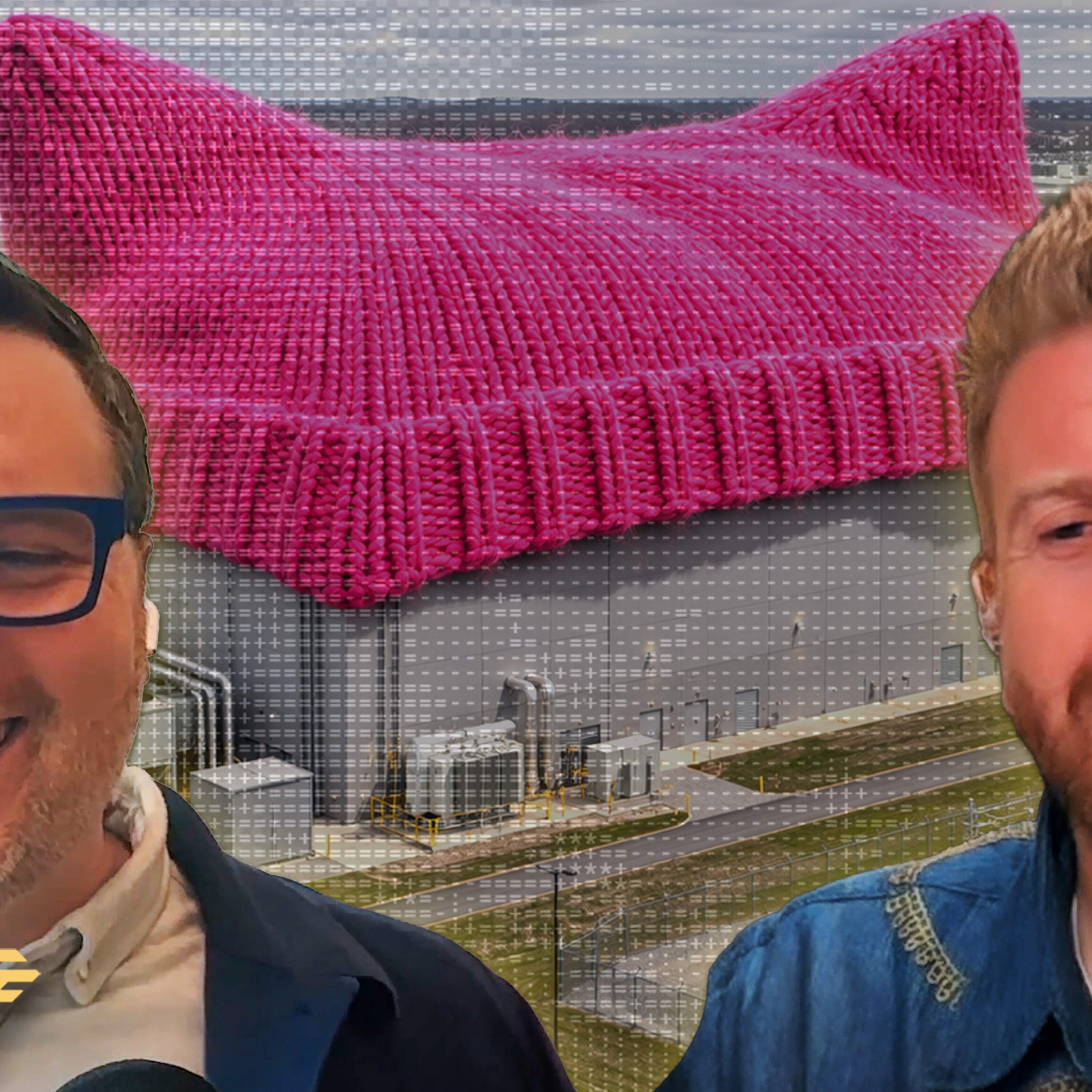
6:27And as you just pointed out, Kevin, this wasn't just about banning future data centers. It was about punishing the people who had been ready to pass them, right? And that was not a sort of blue wave coming in and sort of changing the politics. This was Republican voters saying absolutely not to these data centers. So I just think that's an important thing to keep in mind as we talk about this blue wave election is that when it comes to data centers, it was a giant purple tsunami saying no. Right. So I'm curious, Casey, what you make of the role that data centers played in this. There have been some people speculating that actually, oh, it wasn't that big a deal in voters' minds.
7:07They cared much more about things like the economy or gas prices or the war in Iran or tariffs played a much bigger role, that data centers were actually just kind of riding off the popularity of those much more salient issues. Where do you come down on that? Yeah, I basically agree with that take. I do not think that AI decided this election in any meaningful way. And you can do a little sort of back of the envelope napkin math to help you get to that idea, Kevin, because lots of Republicans oppose data centers, too, and it did not help them. Wired had a really interesting report on this. In Wisconsin, a Republican named Tom Tiffany attacked a Democrat named David Crowley in his campaign, dubbing him Data Center David Crowley.
7:54They get very creative in Wisconsin. And the Republican lost anyway, sort of despite making this a major issue, Kevin. So did an incumbent named Mike Lawler in New York's 17th congressional district. He had aired ads slamming his Democratic opponents past statements that New York, quote, needs data centers. And so I think this just goes to show you that it is not as simple as saying data center's bad, you win the race. the U.S. elections are decided on many, many issues. Data centers are just one of them. Got it. So let's talk about the reaction to the election from the AI industry, from the people who want to build data centers, who have plans to build data centers.
8:40What do we know about how the labs or the tech companies are reacting or preparing for this world in which it might be much harder for them to get data centers built and up and running. Well, smartly this week, Kevin, even before the midterms took place, we saw OpenAI get way ahead of this issue by announcing that they would now refer to data centers as compute campuses. So by taking this historic first step, they really sort of reset the conversation around the issue, and America's waking up excited to get on campus and see what all the computing is about. So that was kind of the first major step that I saw.
9:17What else are you seeing out there? I was curious after the results started coming in about what this would actually mean for like the frontier AI labs and their compute commitments. And it's a little unclear. Semi-Analysis, the great chip and semiconductor newsletter, found that while 2027's compute capacity was not particularly at risk because a lot of that has already been built and is just sort of being finalized now, the real fight is over 2028, where most of that power and data center capacity hasn't started construction yet. So I think if you're looking at what does this mean for OpenAI or Anthropic or any of the frontier companies, you're probably looking at 2028 as being the moment where they start to really feel the crunch.
10:00Yeah, I think this is a really important point because I think there are a lot of folks who would like to see a slowdown begin right away. and based on those numbers, Kevin, we're expecting these companies to have access to all of the compute that they had planned for for more than one year. So maybe, you know, this crunch will hit in 2028 and we will be talking about it then, but for now, this doesn't really change things, maybe in a way that opponents to data centers would like. Right, and I think it's also going to be true that it doesn't fall on all data centers equally. I've been thinking about the fate of the so-called neoclouds, these companies that spring up to kind of build data centers, to provide, you know, chips to the hyperscalers in the frontier labs.
10:46And they generally work on spec. They will build a data center and then try to find a customer for it. Or they will have a contract with an AI lab and they will build a data center to support that. I think if I were a betting man, which I am not, I would bet that neoclouds are going to have a harder time with these new regulations that Democrats are looking to put in place. The hyperscalers, the Microsofts, the Amazons, the Googles, they already have data centers that they can kind of repurpose to serve the new customers. They are just going to have an easier time navigating. They can put data centers outside the U.S.
11:22more easily. So I just predict that they will be able to adjust a little bit better than the newer and leaner startups that are trying to do the same thing. To me, the question is just what happens to data centers outside the United States? We know that attitudes toward AI vary pretty widely, actually, around the world. America is something of an outlier in terms of just how much of the population really, really dislikes it. So there is a chance that the labs will just be able to go build in South America, the Middle East, Europe. That's kind of an open question and something that I think we should be watching closely.
11:58The other place we're going to be looking, of course, is space. Elon Musk, who was absolutely mogged in this election, spending something like half a billion dollars only to see almost all of his candidates lose. He tweeted on Wednesday, Kevin, that space-based data centers were starting to look really interesting. And it made me wonder, what about space-based housing for trillionaires? Is that looking interesting? And where are we on that project? Yeah, he's looking now. He's got his eye on a place on the moon. Look, I think the space data center thing is easier said than done. But I absolutely think this was part of the motivation for these frontier companies to look at putting data centers in space.
12:40They have known for months now, if not years, that data centers were becoming increasingly polarizing and unpopular. I think they expected that something like this could happen with this blue wave. and it could be easier at some point in the future to put a data center into space where there is no one to yell at you or show up at your city council meeting and vote you out of office. That's true, although people are worried about the influence of the NIMGs, of course, the not-in-my-galaxy crowd.
13:12Yes. So, Casey, what is your take on sort of whether this means that we are effectively pacing the frontier, whether this will amount to slowing down AI progress and whether that could actually be a good thing. So to state as clearly as I can, this is not pacing the frontier, right? Some of our listeners may remember the 2010s when not only did Democrats have control over the House and the Senate, but they had the presidency as well. There was no meaningful tech regulation passed during that time. Now we're gonna be in a situation with a lame duck president who is in a different party than the party that controls Congress.
13:49And are they going to be able to reach any sort of accord on regulation? Major open question. And keep in mind that the Democrats who just won are for the most part diametrically opposed to the Trump view of AI, which is that we need to go as fast as possible. So there is this major schism right now between the kind of tech right, the sort of Musk, Sachs, Zuckerberg wing of the Republican Party, which has been dominating AI policy for the past two years, and the party that's just coming in. So my hope is that they'll be able to reach an agreement, but philosophically, these folks remain diametrically opposed.
14:23I guess I'm of two minds about the data center opposition and the results we saw in the elections this week. You and I have both been somewhat critical of a lot of the opposition to data centers, some of which has been based on, I think, bad information, in particular the, like, water figures that people always throw around. And I personally think that there are things about the build-out that could be quite good, forcing upgrades to our electrical grid, bringing new tax revenue to places that have been like hollowed out by post-industrialization. I'm worried that slowing that down risks like crashing the economy because so much of the American growth story right now is just AI infrastructure continuing to be built forever.
15:08But this other half of me is like, well, this is what we needed. We needed more democratic buy-in from this whole AI project. You know, how many times on this show have we said, like, this technology is just being controlled by too few people in too much secrecy. These data centers showed up in these towns and cities. They were, you know, buried in NDAs and shell companies and code names. And, like, often people didn't really know they were happening until it was too late to object. And I think what we saw this week is just people saying, hell no. Like that's, you know, maybe we will allow these data centers, but it's going to be on our terms and you're going to have to talk to us before we do it.
15:53And there's going to have to be something in it for us and our community. So I guess that's what gives me some optimism, even though I remain somewhat skeptical of the larger opposition project to data centers, is like this actually is what democratic buy-in looks like. And one of my hobby horses, the thing that I've been saying over and over again on my book tour is like, We just need people from more walks of life to get involved in what is happening in AI. And to me, this feels like people getting involved. Absolutely. I agree with that. I felt very heartened by this, honestly, Kevin. I think that there has been so much bad government involved in the making of these data centers, thanks to all of the NDAs, the secrecies, ramming it through in the dark of night.
16:38And I think that's going to end. And I will make a prediction right now, which is I think that more American data centers are going to be approved in the next two years. They're just going to be approved having gone through a process that local communities feel good about, where it's not being done in secret, where the companies are making promises not to increase electricity bills on providing real benefits to the community. The tech oligarchs are just going to have to pay up now, and I do believe that if they could just strike a better bargain, Americans, at least in some places, will probably come around.
17:13So that is what should have been happening from the beginning. It's just it took maybe a blue wave for it to happen. Well, and I think in a sort of weird, perverse way, this sort of justifies the secrecy that all the companies were doing. They were making the bet that they had to do this in secret because the minute people found out about it, they were going to get really pissed and start trying to stop it. No, that's the worst possible lesson you could draw from any of this. I'm not saying it's a good thing. I'm saying they were wrong to do it. But tactically, I think their impulse that like they had to sneak this stuff through because it was going to be incredibly unpopular.
17:47Like we've now seen how unpopular it is when people understand what's going on. No, I think that is ridiculous. I think there's absolutely a world where they came in and they said, hey, we want to figure out what would make this a good deal for you. Let's talk about it in public and not make everyone involved signed an NDA. And I would happily live in that world. Okay. Well, we'll agree to disagree on that. But Casey, there's so much more to talk about here. But I wanted to actually bring in someone who has been working directly on this. Our guest today is Rob Flaherty. He is the co-founder of Tomorrow Together, a Democratic super PAC focused on AI that launched in September.
18:23He has been doing a lot of not only testing of messages about AI in data centers, but also strategizing about how Democrats and other candidates should be talking about AI. Prior to this, he was a big deal in the Joe Biden 2020 campaign where he ran the digital campaign. He was in the Biden White House, and he was the deputy campaign manager on the 2024 Biden-Harris campaign. He's also a podcaster. He co-hosts the show Nobody Knows Anything. And just a guy who I think knows more than either of us do about the actual political ramifications of what we saw this week with the midterms. Let's bring him in.
19:03This message comes from Whole Foods Market. Host Thanksgiving with industry-leading quality standards from Whole Foods Market. There are no antibiotics in their meat department ever, so carve up turkey and spiral-cut ham with peace of mind. Shop organic sides like stuffing mix and cranberry sauce from 365 brand. And all their delectable pies are made with no high-fructose corn syrup. Gourmet Thanksgiving flavors with the quality you want only at Whole Foods Market. This message comes from U.S. Bank. Chief Product Officer Shruti Patel shares how U.S. Bank Business Essentials combines business checking and payments in one simple solution.
19:41We wanted to make banking really easy for small business. And all of the time and cost we can save them in their back office operations helps them focus more on running their business more effectively and serving the customers well. Learn more at usbank.com slash business. Member FDIC. This message comes from Capella University. You know that feeling when there's a spark building inside you, that you were meant for more? That's your own drive pushing you towards what's next. Capella University gets that. With their FlexPath learning format, you can set the pace and earn your degree without putting life on pause.
20:20You've built experience and know what you're capable of. Now, this is your time to turn that momentum into more. The only real question is, what can't you do? Learn more at capella.edu. This message comes from Bowl & Branch. Change the way you sleep with soft, 100 % organic cotton sheets from Bowl & Branch. Designed to help you fall asleep faster. With airy blankets, cloud-like duvets, and breathable sheets. Experience pure comfort on night one and feel your sheets get softer with every wash. Discover the difference with 15 % off your first order at bowlandbranch.com with code NPR. Exclusions apply.
21:01See site for details. Rob Flaherty, welcome to Machine Gods. Guys, it's so fun to be here. I feel like I'm like stepping into my headphones. This is like, you know, long time listener, first time caller. Thank you. Thank you. How are you feeling this morning? How late were you up? Were you dancing on tables? What's your emotional state this morning? I'm delirious, but I'm feeling good. This is good. It's been a while since it's like, oh, wow, a really great election. So I'm feeling solid about that. I was up. I think I went to bed at like 2.30. Reasonable hour? I'm Scott Cologne-pilled. And so I was trying to see how Mississippi was going to come in.
21:46And I think we won't know for a little bit. so I decided to go to bed. That's good. And we should say we're recording this on Wednesday. It won't come out until Friday. So by then, people will have had a little time to digest and make sense of the races. But, like, what surprised you most about these elections when it comes to specifically, like, the politics of AI? Casey and I were just debating before you came on whether this was actually an election that was about AI and data centers or whether data centers and AI were just sort of this issue that kind of rode in on the backs of these other much more salient issues for voters?
22:23Yeah, I think the answer to that question is like a little bit of both and a little bit of it depends where. I actually think it was more of part of this election than I expected it to be. A, you had races that literally kind of hinged on the issue like Ohio Senate, Texas Gov, where they were sort of the big point of litigation. But then it did sort of ambiently creep in through everything. I think when we polled – I have a group that polls on AI and runs ads on AI. When we polled, we found that voters in a lot of these districts were sort of linking it to affordability and corruption and sort of almost thought of it as like a plot device or a story or like the final boss of their economic discontent.
23:07And so in many ways, it was its own issue, and it also sort of rode on the back of other issues in different places. So say more about that because we've often talked on the show about data centers being just kind of avatar for AI in general. And people have lots of reasons to be worried about AI. It might take their job. It might kill them. But you're saying that voters are actually telling a more complicated story where these data centers are kind of an avatar of something else. So can you like flesh out what is that story that voters are telling when they're opposing these in their communities?
23:37I mean, it is in many ways they're mad at AI. You know, there was a poll from a Republican firm in February. It was really interesting. If you ask voters, this data center is going to be for video games and streaming. It's plus one. And if you ask, you say it's for developing AI models or training AI models, it's underwater 23 points. So the story people are sort of saying to themselves is like, this thing is in my backyard. It is being used to train stuff that's going to make my job, that's going to take my job away. and I get no say over any of this. And I'm really mad about that. Rob, you've been testing AI messages on voters in this cycle.
24:18Obviously, there are a lot of different things you could tell someone who may be voting on AI or data centers. You could talk about how it could raise their electricity prices. You could frame it around protecting your kids from chatbot psychosis. You could talk about how tech billionaires are trying to shove this technology down your throats. What messages are testing well with Democratic voters in this cycle? Yeah, so we polled in five battleground house districts, and now we are currently in the field right now in a bunch more to see how it went down. The thing that we found that was really surprising—well, I'll come back to this—but the best ad that we tested was an ad about kids and chatbots.
24:59And that's sort of what people responded to the best. But it does tell you there's a lot of ways that people are mad about this. and they get those dimensions. I will say this. This totally blew me away. We did a David Sachs ad that was mostly just a troll and it was, you know, David Sachs, you know, is part of the corrupt story of AI and, you know, everyone's getting rich but you and all that kind of stuff. That was actually, it tested off the freaking charts and it is sort of an indicator that the AI as corruption story was also really powerful. Podcasts are so powerful, and David Sachs is, among other things, a podcaster.
25:42So I take that to mean that Americans really vote on podcasts. You can make the leap. Yeah, they do. I want to try to hone in a little bit more, though, on what the issue actually meant in this election. Because, Rob, as you well know, there are a lot of Republicans who oppose data centers, too. There are Republican attorneys general who are going after AI labs about the specific issue of kids and chatbots. So is it really smart to read this as like Democrats have figured out the right AI strategy or is there something else going on here? Because from my reading, there was plenty of Republican outrage over AI as well in this election.
26:19No, I think this is actually a really important point because there's like the politics of how do you win on AI, which is the thing I care about. But there's also the like, how do you get stuff done on AI so that we don't all like die. And I actually think that the Republicans being like that is a good sign for getting things done on this, but it's also an indicator of where the public is. And so I do think that actually bodes well for how things could potentially move in like a divided, less divided, still divided Washington. But do I think Democrats have like solved the problem? Absolutely not.
26:54And I think that the way that this is gonna be shaped for 2028 is gonna be very, very different. from the way it was shaped in 2026. And so I think there's going to have to be some continued experimentation, different people taking different angles, and that'll happen over the next year or so. We'll talk about that. How do you expect it to be different in 2028, the message, than it is this year? On a presidential campaign, you tend to have a more aspirational and also custom-tailored thing. A lot of these Senate and House campaigns, they sort of say the same thing. Generally, it's pretty homogenous.
27:25When you're in a presidential campaign, you're trying to tell a story about the aspirations of the country and of your mission and all of that. And so I think that data point of AI as the plot device or the story that sort of sums up people's blah about the status quo and about the economy and about the systems around them, I think that is going to be a huge part of the way that people have to talk about this. I think that voters are asking for pretty bold solutions. Like the Center for Shared AI Prosperity is this group that pulls AI policies. And the stuff that comes back is like really progressive.
28:01Like people want taxes against these companies. They want universal health care. They want job guarantees. They view it as a societal problem. They want societal solutions. And so I think that, you know, Democrats are – it's going to be incumbent upon them to go big. I think the other thing that is like the elephant in the room is like there might be a Three Mile Island incident between now and the campaign. that may very well change the entire dynamics of all of this. You know, I think even just Jacob Coxon and like what happened in the wake of all of that, it made AI safety kind of a commodity amongst high-profile Democrats.
28:38Like everybody is for AI safety. The question is just going to be like, are you for pre-deployment evaluators? Are you for employee level access? Like whatever, but like people are going to say that. I think the real questions are going to be in that, like what does society look like in a world with AI and AGI? And I think that that's where people need to be thinking. Let's take a quick break. When we come back more with Rob Flaherty. This message comes from Whole Foods Market. Host Thanksgiving with industry-leading quality standards from Whole Foods Market. There are no antibiotics in their meat department ever.
29:11So carve up turkey and spiral cut ham with peace of mind. Shop organic sides like stuffing mix and cranberry sauce from 365 brand. And all their delectable pies are made with no high-fructose corn syrup. Gourmet Thanksgiving flavors with the quality you want, only at Whole Foods Market. This message comes from U.S. Bank. Chief Product Officer Shruti Patel shares how U.S. Bank Business Essentials combines business checking and payments in one simple solution. We wanted to make banking really easy for small business. And all of the time and cost we can save them in their back office operations helps them focus more on running their business more effectively and serving the customers well.
29:54Learn more at usbank.com slash business. Member FDIC. This message comes from LinkedIn ads. Ever invest in something that seemed incredible at first but didn't live up to the hype? For marketers, that's impressions. When ads don't create revenue, that's a tough conversation with the CFO. Instead, invest in results your CFO will love. LinkedIn Ads generates the highest ROAS of all major ad networks. So advertise on LinkedIn. Spend$250 and get a$250 credit. Just go to linkedin.com slash nprpod. Terms and conditions apply. This message comes from Mint Mobile. While others have been hiking your bill, Mint Mobile has kept their wireless plans starting at$15 a month.
30:41Switch to Mint Mobile and get three months of premium wireless service for$15 a month. Go to mintmobile.com slash switch. Upfront payment of$45 for a three-month plan required,$15 per month equivalent. New customer offer, first three months only, then full price plan options available. Taxes and fees extra. So there are still two years to go until the presidential election. the Democrats will get a chance to attempt to govern from Congress, although, of course, they will have to do that alongside President Trump. I think until now, Kevin and I have mostly assumed that it would be extremely difficult to get any sort of AI safety-related legislation passed, just sort of, you know, given the sort of oligarchs who seem to have control of the issue in the White House right now.
31:26How much do you expect that to change? And, like, where do you think Democrats might go first trying to regulate AI next year? Yeah, I, you know, I'm a little more optimistic today than I was at this time yesterday about something on safety being able to happen, both because Democrats have both chambers, but also because Republicans are clearly afraid on this issue. And like, you can kind of see in the way Trump has been talking in the last little bit about, you know, not wanting to veto everything. There's a possibility you could probably move something on safety through. Would it be like the optimal thing?
32:05No. But I think there's some real possibilities here. I'm a little less bullish on ratepayer protections. But I do think that like, we should be thinking about it this way if you're a Democrat. The thing you need to do immediately with Trump in office, which is like, get a safety bill done to the maximum extent that you can. But then there's like, when you come into office in 2029, there needs to be some kind of big bill. that deals with societal implications, the economy, bigger safety stuff that we may not have been able to get. I think that we kind of need to be building towards that, but getting what we can right now.
32:38Let's talk about the industry response. This week, Rob, OpenAI said it would begin referring to data centers as compute campuses. How many points do you expect that to add to the favorability score of data centers over the next two years? I think, let's try other ones. Data bouncy castles. Data magic kingdoms. I talked to a guy who does data center comms. I forget, for one of the labs doing consulting work or whatever. And he said, as a joke, he put, what if we added like food courts to the data centers into a focus group? And he said that the guy who did the group came back and said, that was the worst idea I've ever seen tested.
33:24that was very funny um yeah uh i wish i wish them the best of luck with their ai compute campuses maybe a little bit more seriously how do you expect the industry to react to this i mean you know they can now see that the vast majority of americans in a bipartisan way basically just hate everything that they are up to so where does industry turn in a time like this How does the lobbying change? What should we sort of keep our eyes on? Yeah, I think that the OpenAI memo that that was in was actually a pretty instructive document in a couple of ways. Because Lehane has this way of raising the right questions but being the wrong guy.
34:09This is Chris Lehane, OpenAI, top policy guy. And so he asks real big questions, I think are the right ones, about what does society look like in a world of powerful AI? How do you deal with the anxiety about modernity that people feel like you need to be and there needs to be like an FDR level response? I think that stuff is true. But then also in this memo, you have him saying that voting against the CapEx buildout will be viewed like voting for the Iraq War in 2002, which is totally bananas and just not reflective of how the politics of this moment are lined up. I think what you're seeing in that is that like it's a little bit him trying to appeal to where he thinks Democrats are going to go and co-opt it, right?
34:51And be like, I'm part of this too. So I think you're going to see a little bit of that. There's also going to be the like standard – like you're seeing this right now from like the various shills in the space. No one actually cares about this issue. It doesn't really matter. You don't want to over-torque on it. Don't listen to these, you know, these safety groups who are pushing you to care too much about it. And so I think they're trying to they're trying to like co-op the Democratic Party's way of thinking about this and stay at the same time that nobody cares about this. And difficult, difficult circle to square, I think.
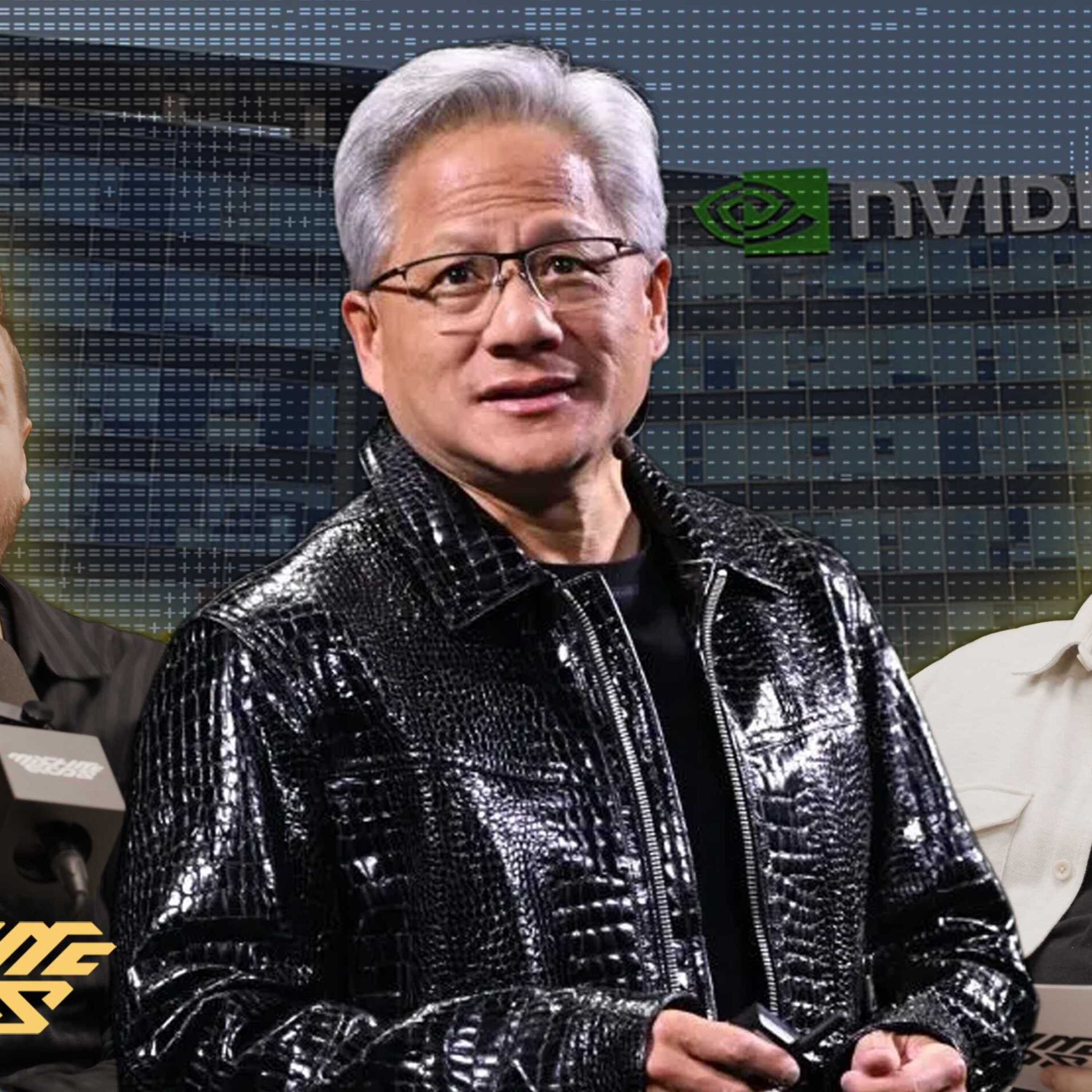
35:28Yeah. I mean, to me, it just seems very clear that like this is a winning message for everyone. Like there is no natural constituency for data centers. It's like if you are not an executive at a company that makes AI, if you're not, you know, an NVIDIA lobbyist who wants to sell a bunch of chips, like I have not seen any sort of grassroots popular support for data centers. Even though I think there are good arguments to be made on that side. It's just it is so politically toxic right now that I would expect in 2028 Democrats and Republicans, this is going to be like their central message somehow.
36:03and they are going to find ways of like running against each other without like, I guess I previously thought that there'd be some sort of neat polarization where like Democrats would be anti-AI and Republicans would be pro-AI. But now I think they'll just be kind of anti-AI in different ways. What do you think? Yeah, I think that's right. The coalition math here is bananas. And I actually think that like, you can see a world where it really does scramble a lot of our politics, right? I mean, even everyone talks about how the Democratic primary is going to work on this, but the Republican primary is shaping up to have a lot of fissures too.
36:35J.D. Vance is, I think, pretty tied to the accelerationist side, though he may try not to be. You have Ron DeSantis firing missiles at the White House all day, every day. Josh Hawley is basically X-risk-pilled. It's going to break down in a lot of different directions. And so I don't think any party necessarily has a monopoly on this issue. And there's all this sort of, you talk to AI safety people and they'll say, well, you can't let this issue polarize. It has to be bipartisan. And like, it is insofar as everyone is afraid of the voter backlash here. There is no constituency. I mean, there are a few messages that test worse than the China stuff.
37:16You know, we need to innovate to compete with China. And even if that is a real problem, voters do not give one shit about that. And so, you know, that's like a real thing. The other thing that I thought was interesting, CSAP also did this polling, Center for Shared AI Prosperity, where if a politician said that AI was not going to cost jobs, the net trust in that politician goes down 50 points. Like people think you're lying. So I just think that you're right that everyone is going to be kind of trying to figure out how to win the scramble on this issue. Well, Rob, as we sort of wrap up here, give us a thought on what you think AI politics are going to look like a year from now.
37:53All of the compute that was planned for 2027 appears like it's going to get built. We know the labs are all racing at 100 miles an hour, but we're going to have a new Congress. So what do you think the conversation is next November? I think next November you are going to have a number of presidential candidates who are going to release AI plans of various strength. I think every Democratic candidate who runs is going to be for AI regulation in one way or another. I think the question is, are they racing to the top? And, you know, what are the dimensions of that race on the safety side? And what are they on the rebuilding society side?
38:35And so you're going to start to see that competition happening on the left. You're going to see it really, I think, pronounced on the right. You'll see sort of really wide variance because there's nobody in the Democratic Party who's going to be against AI regs. You will have those people in the Republican Party. And so what that's going to look like will be interesting. And then in Congress, I am pretty bullish that by this time next year, something will move on AI safety. I don't know that everyone will be happy with it, but something will move. And I think that, again, like I said, the X factor is just do the worst predictions come true in the next year?
39:11I think it is probably more likely that we will see something like that happen than like scale job loss between now and the 2028 election. So I think that's the other big question. The other thing, too, is does the bubble burst? And what does that do? Once we have to start talking about bailouts, which seems to be a non-starter, once we have to start talking about what do we do about people's 401ks, like those kinds of questions. So I think there's like some known knowns and some like real things that could influence the conversation in very short order. Well, Rob, thanks for coming on. I hope we get to discuss all of this someday over a Panda Express meal at an AI Compute Campus food court.
39:50But until then, really appreciate you coming on. Thank you, guys. This is fun.
40:11sides like stuffing mix and cranberry sauce from 365 brand. And all their delectable pies are made with no high-fructose corn syrup. Gourmet Thanksgiving flavors with the quality you want only at Whole Foods Market. This message comes from U.S. Bank. Chief Product Officer Shruti Patel shares how U.S. Bank Business Essentials combines business checking and payments in one simple solution. We wanted to make banking really easy for small business. And all of the time and cost we can save them in their back office operations, helps them focus more on running their business more effectively and serving the customers well.
40:50Learn more at usbank.com slash business. Member FDIC. This message comes from LinkedIn ads. Ever invest in something that seemed incredible at first, but didn't live up to the hype? For marketers, that's impressions. When ads don't create revenue. That's a tough conversation with the CFO. Instead, invest in results your CFO will love. LinkedIn Ads generates the highest ROAS of all major ad networks. So advertise on LinkedIn, spend$250 and get a$250 credit. Just go to linkedin.com slash NPR pod. Terms and conditions apply. This message comes from Mint Mobile. While others have been hiking your bill, Mint Mobile has kept their wireless plans starting at$15 a month.
41:37Switch to Mint Mobile and get three months of premium wireless service for 15 bucks a month. Go to mintmobile.com slash switch. Upfront payment of$45 for a three-month plan required,$15 per month equivalent. New customer offer first three months only, then full price plan options available. Taxes and fees extra. My iPhone duo is coming today, supposedly. Really? Very exciting. I'm very nervous, you know, because I've seen all the people posting their videos of their cracked screens and whatnot. So I hope I don't get one of the defective ones. But I do intend to flex that around the office and probably break it.
42:17Now, I'll tell you what's cracked about the iPhone Duo. It's getting the TikTok and the Instagram reels up on the separate screens and just scrolling until you don't feel any pain anymore. Just sort of fully go until nothing makes sense and you wake up in the nervous hospital. So that's what I plan on doing once I get my iPhone duo at the end of January. That's exciting. Well, I hope you'll visit me in the asylum where I have gone from too much brain rot. Casey, who makes this show? Machine Gods is made in partnership with NPR. With generous support from the Tarbell Center for AI Journalism, the William and Flora Hewlett Foundation, and Emerson Collective.
42:58This episode was produced by Sasha Ashall and Jacob Bloomberg. Our senior producer is Rachel Cohn. Our executive producer is Dinoosh Parvanay. Original music by Armin Bazarian. Branding and visual design by Alex Castro. Special thanks to Oren Rosenbaum, Nadine Zylstra, and Erica Berry. Every week, we're going to answer your questions about AI and technology. You can send those questions, voice memos, and short videos to hey at machine gods.fm or leave a comment wherever you're getting the podcast. And for the love of the gods, don't forget to like and subscribe. Until next time, stay blessed.
43:38This message comes from Mint Mobile. While others have been hiking your bill, Mint Mobile has kept their wireless plans starting at$15 a month. Switch to Mint Mobile and get three months of premium wireless service for$15 a month. Go to mintmobile.com slash switch. Upfront payment of$45 for a three-month plan required,$15 per month equivalent. New customer offer first three months only, then full price plan options available. Taxes and fees extra. This message comes from Capella University. That spark you feel? That's your drive for more. Capella University's FlexPath learning format lets you earn your degree at your pace, without putting life on pause.
44:15Learn more at capella.edu. This message comes from Bolin Branch. Change the way you sleep with soft, 100 % organic cotton bedding from Bowlin Branch. Designed to help you fall asleep faster and never sleep hot, while wrapped in luxurious comfort, airy blankets, cloud-like duvets, and breathable sheets. Experience pure comfort and feel your bedding get softer with every wash. Discover the difference with 15 % off your first order at bowlinbranch.com with code NPR. Exclusions apply. See site for details.