Ask ChatGPT

 Marketplace Morning Report
28 Oct 2026 · 6m · 3 chapters
The episode discusses how Texas’s statewide Railroad Commission race could affect gas prices nationwide, because the commission regulates oil and gas production. Guest Elizabeth Troval (Marketplace) reports; experts James Coleman (University of Minnesota) and David Spence (UT Austin) explain the commission’s power.
the commission’s decisions on drilling permits, spacing from neighbors, and environmental impacts influence production and greenhouse gas emissions beyond Texas; historically it was a model for OPEC; it has three elected members. Notable example: methane emissions from the Permian Basin. The episode also includes segments on VantageScore credit scoring, Federal Reserve rate expectations with Susan Schmidt (Exchange Capital Resources), and Cheesecake Factory earnings, plus a promo for How We Survive about a San Diego farm heat wave.
Written by AI. May contain mistakes.
Explore the Texas Railroad Commission's influence on oil and gas regulation.
“For example, one of the statewide offices Texas voters will decide on next week is Railroad Commissioner.”
Gain insights into current economic conditions and the Federal Reserve's decisions.
“Markets are waiting today for the Federal Reserve's interest rate decision coming up later.”
Learn how the Cheesecake Factory navigated financial challenges and political attention.
“But the Cheesecake Factory beat analyst expectations on Tuesday.”

Get the gist, explore an idea or ask about something said.
 Claude
On Marketplace Morning Report, what are the key points of this episode?
Searching your listeningAutomatic transcript. May contain errors.
0:00VantageScore, the modern credit score used by 3 ,700 institutions, including 9 of the top 10 banks. Using over 400 % more data than legacy credit scores and built with trended and alternative data, VantageScore is more predictive, scoring 33 million more consumers than conventional credit scores. Now accepted by Fannie Mae and Freddie Mac for conforming mortgages, VantageScore 4.0 safely unlocks approximately 2.7 million new mortgages and up to$1 trillion in new loans. Better credit score, better data, better mortgage decisions. VantageScore.com. One statewide race in Texas that matters for the prices the whole country pays at the pump.
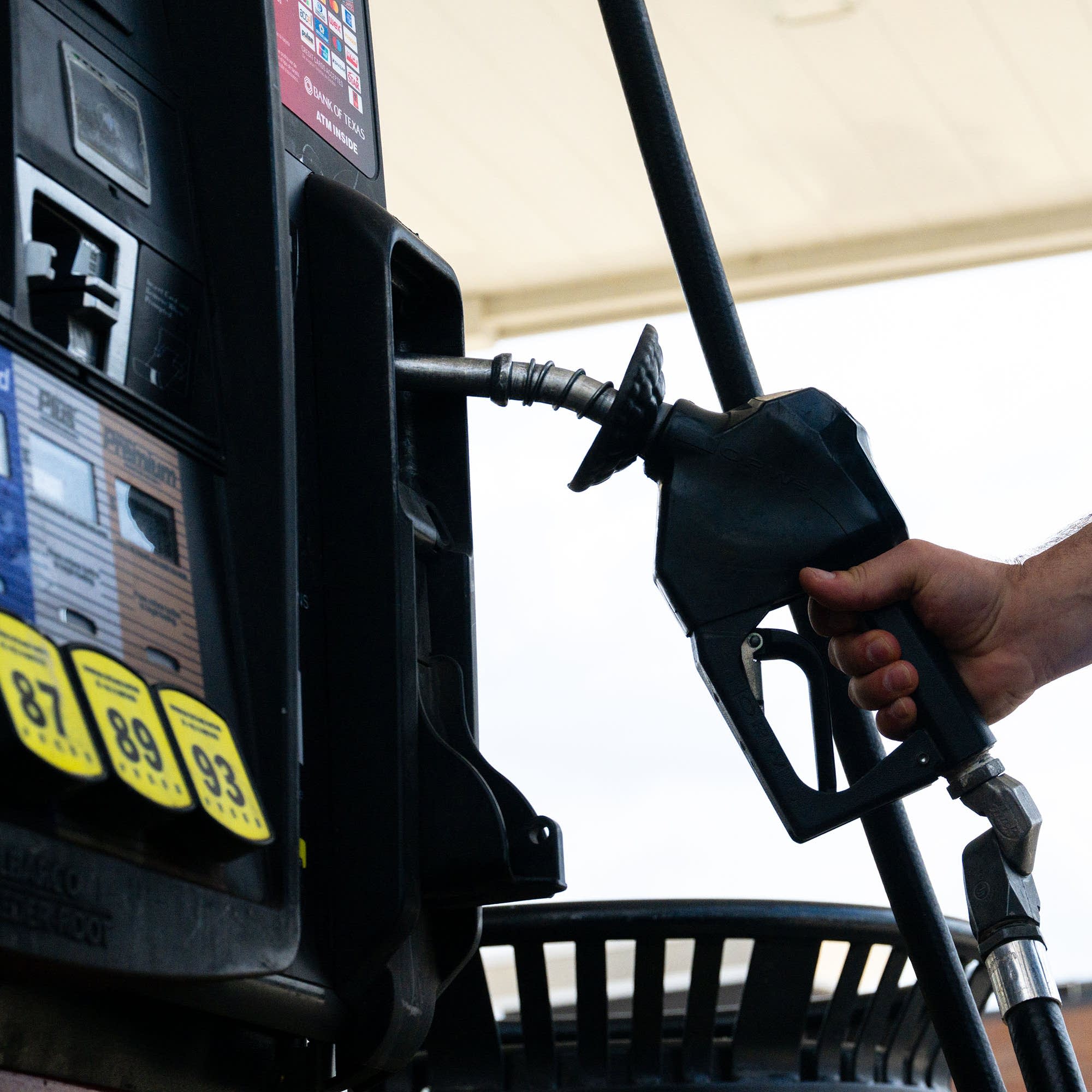
0:43From Marketplace in Washington, I'm Kimberly Adams. The federal races for control of Congress may be getting most of the attention in the final days leading up to the midterm elections, but there are also many state and local races, including a few that could have an impact even outside of their districts. For example, one of the statewide offices Texas voters will decide on next week is Railroad Commissioner. It's a role that has little to do with trains and everything to do with the state's oil and gas industry. The contest has been in the spotlight because of a racist social media post by the Republican candidate.
1:19But as Marketplace's Elizabeth Troval reports, the position has real power over a statewide industry that produces more crude oil than most countries. The Texas Railroad Commission used to regulate railroads. Now it oversees oil and gas production. And it was a model for OPEC as an oil cartel that sets production limits, says James Coleman with the University of Minnesota. In terms of history, it's the most important oil and gas regulator. And nowadays, you'd have to say that it's in the top two or three oil and gas regulators around the world. The commission has three elected members. They make all manner of decisions in terms of oil and gas drilling.
2:01So can you get a permit for a well? When you're drilling a well, how close to your neighbor's property can you come? And those decisions are important because Texas provides so much of the country's and the world's oil and gas, says David Spence with UT Austin. And so the rates of production, the way in which it's produced, the degree to which we allow greenhouse gases and smog precursors to be part of that process, all those things affect people beyond the borders of Texas. One example is the large amount of methane, a greenhouse gas released from oil and gas fields in the state's Permian Basin.
2:43I'm Elizabeth Troval for Marketplace.
3:03VantageScore, the modern credit score used by 3 ,700 institutions, including nine of the top 10 banks. Using over 400 % more data than legacy credit scores and built with trended and alternative data, Vantage Score is more predictive, scoring 33 million more consumers than conventional credit scores. Now accepted by Fannie Mae and Freddie Mac for conforming mortgages, Vantage Score 4.0 safely unlocks approximately 2.7 million new mortgages and up to$1 trillion in new loans. Better credit score, better data, better mortgage decisions. VantageScore.com. Running a business is hard enough, so why make it harder with a dozen different apps that don't talk to each other.
3:43Introducing Odoo, the only business software you'll ever need. It's an all-in-one, fully integrated platform that makes your work easier. From CRM, accounting, inventory, e-commerce, and more. And the best part, Odoo replaces multiple expensive platforms for a fraction of the cost. This is why over thousands of businesses have made the switch. So why not you? Try Odoo for free at odoo.com. That's O-D-O-O dot com. Markets are waiting today for the Federal Reserve's interest rate decision coming up later. And we've been getting new data all morning about trade plus retail and wholesale inventories.
4:19It's a busy week for economic data. And here to help break it all down is Susan Schmidt, Portfolio Manager at Exchange Capital Resources. Good morning, Susan. Good morning. The conference board released its consumer confidence numbers for September yesterday. And it seems like folks are starting to feel a bit better about the economy. What's behind that improvement. Quite a surprise for investors in the market. It's not clear what's behind this. The price of oil is still high. We're still seeing cost pressures flow through to the products and thus consumer wallets. And yet consumer confidence backed up.
4:55I think investors are just thinking that the consumer's grown tired of the background noise. They've come to accept it. It's just noise that persists. And so they've moved past that. Consumer spending doesn't seem to have backed off at all. It's Fed Day. Financial markets are betting that the Federal Reserve will hold interest rates steady. Why did the general consensus land on that? Well, it is interesting that the markets now have determined that this will be a hold meeting, but everyone thinks that they should get a raise in the next Fed meeting, which will happen in early December. So consensus has moved from the last Fed meeting.
5:30The majority was expecting that we'd see a raise again this meeting. Now people are thinking they'll hold off. I think it's because generally the Fed doesn't like to move in advance of elections. And people are also thinking that commentary from the Fed governors, but not Fed Chair Kevin Warsh, because he doesn't like talking to the market or letting people know what he might be thinking. But other governors have indicated that maybe they're all right just waiting one more meeting to see what happens, dependent on the data that's released. Speaking of the data, you know, of course, the Fed has its dual mandate and looking at two aspects of the economy, the labor market and inflation.
6:10What do we know about those two things heading into the announcement today? Well, we know that labor seems to be holding, but we also know that inflation seems to be maybe edging up, but certainly not going down. So that's the big conundrum for the Fed. How much can they push the interest rate without sacrificing employment and damaging the labor force? That debate continues. They are looking at that economic data very closely, but I think they're also trying to balance the other things going around, like inflation. Consumer confidence implies that the consumer is going to continue spending. Remember that we're approaching the holiday season.
6:50If they're spending now, they're going to be spending more in a couple of months. That makes a difference to the economy. That could actually push inflation a little bit more. The Fed has to take all of that into consideration and weigh out when they want to make that next interest rate move. Susan Schmidt is Portfolio Manager at Exchange Capital Resources. Thank you. Thank you. It's been a tough time for the restaurant industry, with fewer Americans spending their money on eating out. But the Cheesecake Factory beat analyst expectations on Tuesday. The chain reported third quarter earnings with a quarterly revenue of just over a billion dollars.
7:29This comes as the chain made headlines in recent days for being at the center of a political feud between President Trump and former President Obama, who compared the current president's design aesthetic to the restaurant's decor. The Cheesecake Factory, which trades under the ticker symbol CAKE, is down about 2 % in early trading. In Washington, I'm Kimberly Adams with the Marketplace Morning Report.
8:01From APM American Public Media. I'm Amy Scott, and this week on our podcast, How We Survive, I visit a farm outside San Diego that lost nearly everything to an early heat wave. The heat came in, like massive premature heat wave, for like a week or two, upper 90s, and it just thwarted everything. Like most small farms, they didn't have crop insurance, so business partners came up with a plan to bet on the weather. Calci even created a contract for them. Well, the trade was if it reaches over 90 degrees over two consecutive days this week, then we would win. So, fingers crossed. Well, did the bet pay off?
8:48Find out on this week's episode of How We Survive, available on your favorite podcast app.
One of the statewide offices Texas voters will decide on next week is railroad commissioner. It's a role that has nothing to do with trains and everything to do with the state’s oil and gas industry. The position has real power over an industry that produces more crude oil than most countries. This morning, we dig in. Plus, we'll talk about a consumer sentiment improvement and why financial markets are betting that the Federal Reserve will hold interest rates steady.
Every story has an economic angle. Want some in your inbox? Subscribe to our daily or weekly newsletter.
Marketplace Morning Report is more than a radio show. Check out our original reporting and financial literacy content at marketplace.org — and consider making an investment in our future.
Stories from this episode: