 Marketplace Morning Report
12 Nov 2026 · 7m

 Add vo to ChatGPT or Claude to ask about everything you hear
vo listened to this episode to put together the overview and transcript, so there may be the odd mistake.
The episode covers two topics: alleged personal misconduct by NVIDIA CEO Jensen Huang and the impact of SNAP policy changes on Oklahoma. On NVIDIA, reports say the board may consider ousting Huang after a second extramarital affair, following New York Times reporting of a relationship with an NVIDIA executive who reported to him and earlier reports of a relationship with a suspected Chinese spy. The episode links this to concerns about concentrated corporate power in a company making about 90% of AI chips and asks whether new Congress will add transparency/accountability guardrails. Guest Amy Edmondson (Harvard Business School leadership professor) says power is too concentrated and emphasizes transparency, accountability, and workplace demoralization. The second segment features Anna Pope (KOSU/Harvest Public Media journalist) on SNAP: Oklahoma SNAP shoppers fell 22.5% from July 2025 to July 2026 (~154,000 people). She cites expanded work requirements, scrapped SNAP education, reduced eligibility for certain legal immigrants, and shifted costs to states. Examples include a North Oklahoma grocer reporting a 90% drop in SNAP sales and Lawton Food Bank expecting increased demand.
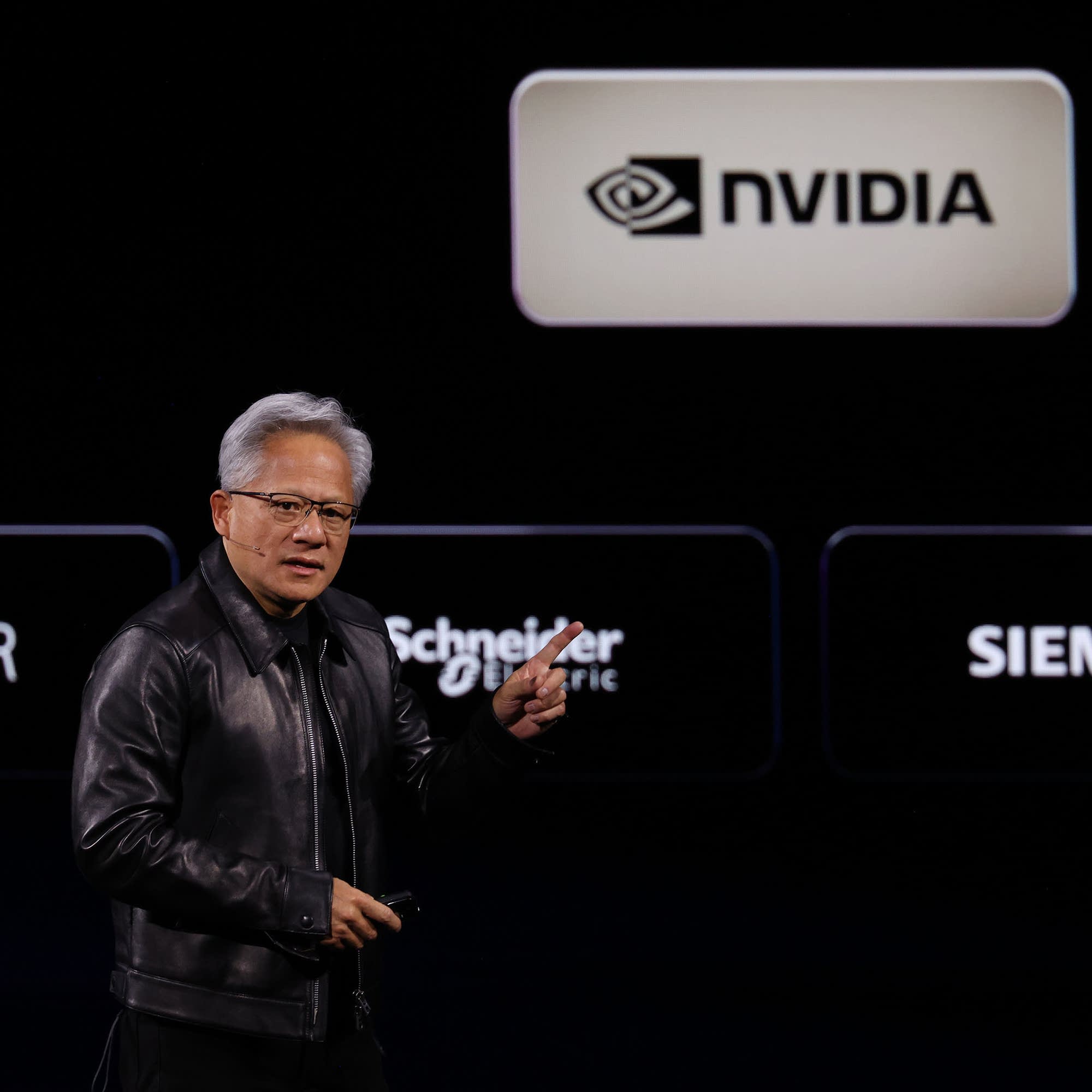
0:01Another damaging revelation about NVIDIA's CEO. From Marketplace in Washington, I'm Kimberly Adams. There are reports this morning that the board of NVIDIA is meeting to decide whether to oust CEO Jensen Huang after news of a second extramarital affair for Huang. The New York Times reported yesterday that he had a relationship with an NVIDIA executive who reported to him. This follows news of Huang's relationship with a suspected Chinese spy. NVIDIA stock is down 7.4 % in pre-market trading. All of this raises questions about the consolidation of power in one of the biggest companies in the world responsible for 90 % of the chips used in AI.
0:43Do we need more guardrails to prevent something like this from spilling into the rest of the economy? Amy Edmondson is a professor of leadership and management at Harvard Business School. Professor, good morning. Good morning. Given the geopolitical and security stakes of some of these high-profile CEOs that are now so enmeshed in the U.S. economy, what, if any, public policy changes do you think we might see from the new Congress when it comes to these companies that are playing such a big role in our lives now? I think it's hard to say what those changes should be. It's easier to say that there need to be changes for the very reason that your question suggests.
1:27There's potentially too much power in the hands of too few that are not even state actors, they're companies. And that power has not only U.S. implications, but worldwide geopolitical implications. So one policy implication is that we certainly need more transparency and accountability. What do you think this news and news like this when it happens at other companies does to the workplace and the people actually working there? I think it's very demoralizing because I give everyone the benefit of the doubt. And I think most employees at a place like NVIDIA are incredibly hardworking and smart and capable.
2:08And they want to believe that they're contributing to value, that they're making the world a better place through the work that they do. And it can feel like a betrayal to discover that a leader may inadvertently have been harming the value of their work and also putting the state and the company at risk. Amy Edmondson is a professor of leadership and management at the Harvard Business School. Professor, thank you so much. Thank you.
3:07lost coverage this year. For more, I'm joined now by Anna Pope with KOSU in Oklahoma and Harvest Public Media. Anna, good morning. Good morning. So let's talk SNAP enrollment, which has been falling around the country, but it's hitting Oklahoma particularly hard. What are some of the numbers you're seeing? Yeah, so since July 2025 to July 2026, we've seen about a 22.5 % decrease in SNAP shoppers in the state. And so that's roughly about 154 ,000 Oklahomans falling off the program. And why are they falling off the program? Well, there's a number of things that have happened in the SNAP program since the Trump administration took office again.
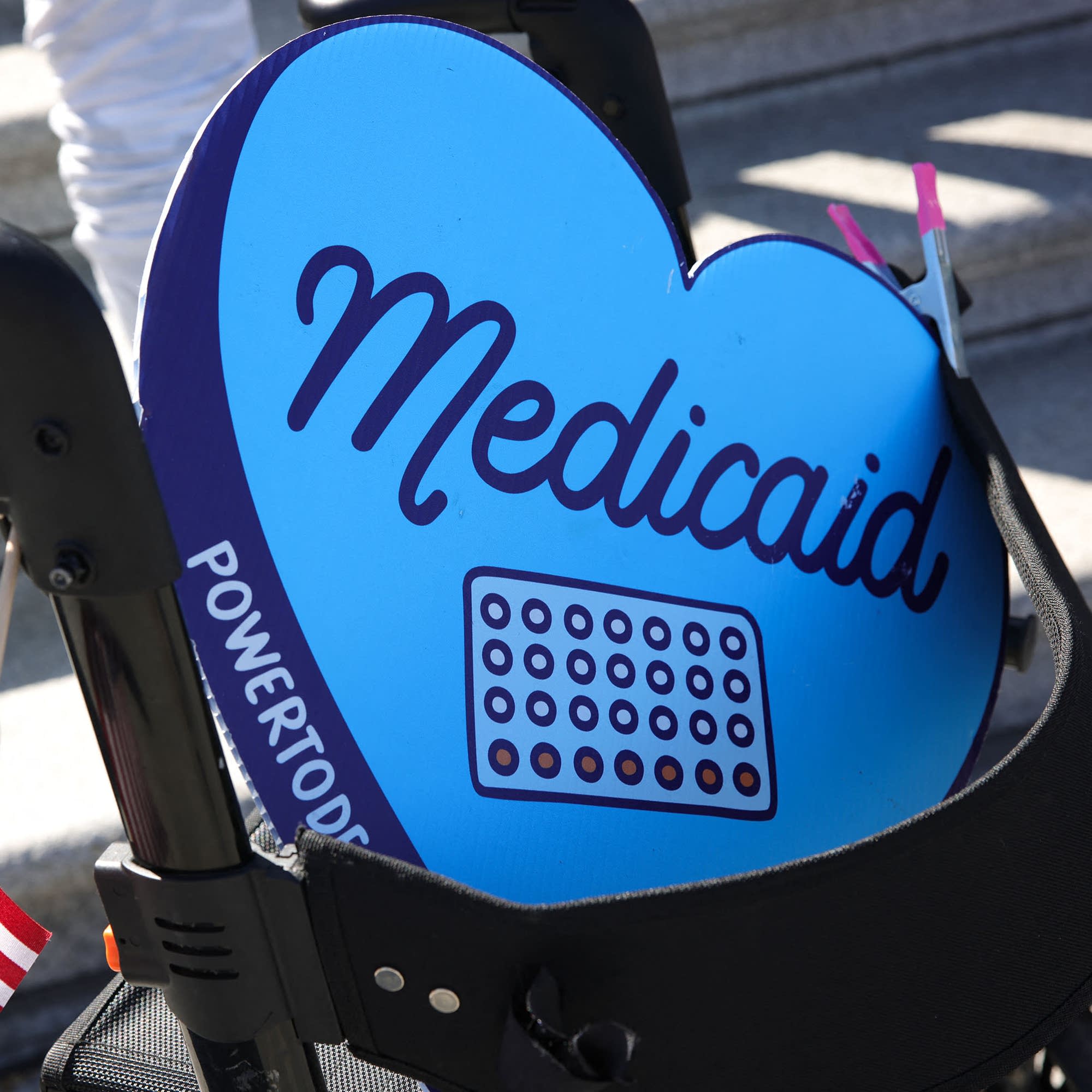
3:51A lot of changes on a state and federal level. You know, we've seen through the One Big Beautiful Bill Act, namely that Congress has expanded work requirements for participants, scrapped the SNAP education program, cut off eligibility for certain legal immigrants, and shifted hundreds of millions of dollars in administrative and benefit costs to states. So all of these things are kind of happening all at once. Do you have any sense yet of the impact that those changes, especially people falling off of SNAP, is having for the Oklahoma economy? Yeah, so because of how many people have fallen off the program in SNAP, A lot of people who haven't had problems recertifying before are having problems.
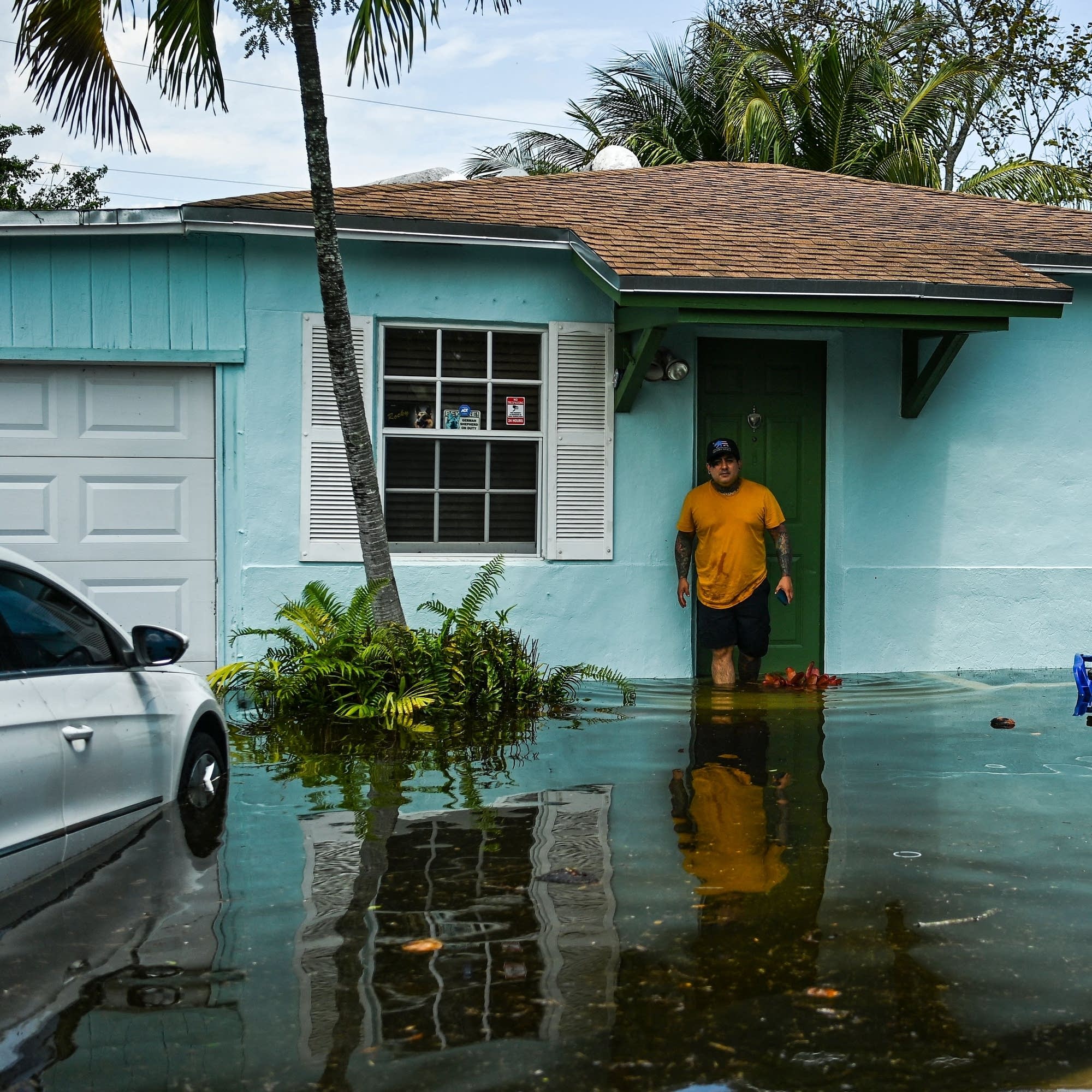
4:37And so when you have less participants in the program, that means there's less dollars being spent on a local level, right? So I went to a rural area in North Oklahoma, Pond Creek, and I spoke to a local grocer there. And they've seen about a 90 % drop in SNAP sales. And, you know, that doesn't just impact their grocery store. That's also a local economy because what we know about Snap is that it's a multiplier, right? Figures show about every dollar spent in a local economy. It's probably about$1.50 returning to that local economy. You also visited several food banks that are helping to feed people who've lost their benefits.
5:22What did you see there? One of the places I visited to learn more about what food insecurity has looked like in Oklahoma communities as these changes have unfolded was at the Lawton Food Bank. And there I met Alex Minter-McCain. She's the executive director of the Lawton Food Bank. And she has seen more demand for these services. The biggest thing that we are trying to project and prepare for is just how many of our clients that receive SNAP funds currently are going to be coming to the food bank needing additional food than what they're currently getting right now. So they're trying to predict, you know, how many people will need this service as they fall off this program.
6:10But then also how many people, you know, will just be seeking the service merely because they're facing more costs at the grocery store. Anna Pope is a multimedia journalist covering agriculture and rural affairs at KOSU and Harvest Public Media. Anna, thank you. Thank you so much. In Washington, I'm Kimberly Adams with the Marketplace Morning Report. From APM, American Public Media.
6:58the way you or your kids think about money, the economy, and real life. And if your kids have outgrown the show, what would you like to see from us next? Marketplace.org slash survey. Thank you.
The board of Nvidia is reportedly meeting to decide whether to oust CEO Jensen Huang after news of a second extramarital affair. Nvidia stock is down in pre-market trading. This all raises questions about the consolidation of power in one of the biggest companies in the world, responsible for 90% of the chips used in AI. Do we need more guardrails to prevent something like this from spilling into the rest of the economy? And later: how SNAP cuts are playing out in Oklahoma.
Every story has an economic angle. Want some in your inbox? Subscribe to our daily or weekly newsletter.
Marketplace Morning Report is more than a radio show. Check out our original reporting and financial literacy content at marketplace.org — and consider making an investment in our future.
Stories from this podcast:
Scan the code with your iPhone camera
Listen in the app.