 Ask ChatGPT



The episode covers two main topics: (1) U.S. oil refineries shifting production away from gasoline toward “middle distillates” like diesel and jet fuel, driven by higher prices and supply disruptions. It cites a Federal Energy Information Administration analysis and explains three factors: Iran-related Middle East supply problems, Ukraine attacks on Russian refineries plus Russia’s pseudo diesel export ban, and volatile Chinese diesel exports. Examples include refineries running longer than usual during October maintenance, lower diesel/jet inventories than since 2003, and warnings that continued exports could cause another price shock. (2) A discussion of global populism’s resurgence, featuring David Rennie (The Economist) arguing it’s driven by economic change and “magical solutions,” not just elite corruption.
Matt Smith (Kepler analytics), Tom Tsang (Texas Christian University), Tom Closa (Gulf Oil), and David Rennie (The Economist).
Written by AI. May contain mistakes.
Discover why U.S. refineries are moving away from gasoline to diesel and jet fuel.
“With gas prices so high, why are refineries making other products instead?”
Examine the rise of left-wing populism and its implications for global politics.
“Introducing Odoo, the only business software you'll ever need.”

Get the gist, explore an idea or ask about something said.
 Claude
On Marketplace Morning Report, what are the key points of this episode?
Searching your listeningAutomatic transcript. May contain errors.
0:00Running a business is hard enough, so why make it harder with a dozen different apps that don't talk to each other. Introducing Odoo, the only business software you'll ever need. It's an all-in-one, fully integrated platform that makes your work easier. From CRM, accounting, inventory, e-commerce, and more. And the best part, Odoo replaces multiple expensive platforms for a fraction of the cost. This is why over thousands of businesses have made the switch. So why not you? Try Odoo for free at odoo.com. That's O-D-O-O dot com. With gas prices so high, why are refineries making other products instead?
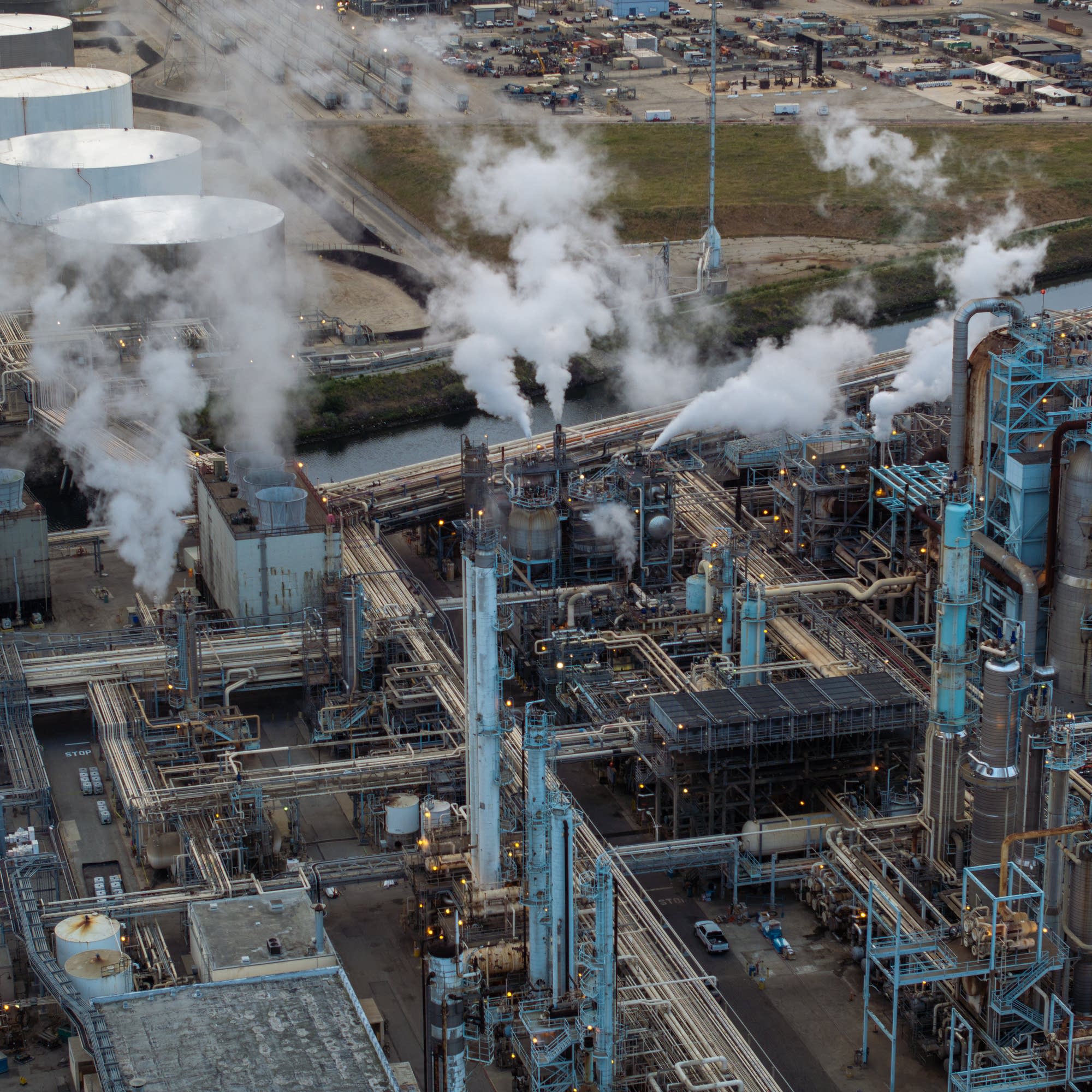
0:36From Marketplace in Washington, I'm Kimberly Adams. This year, oil refineries in the U.S. have been shifting some of their production capacity away from refining gasoline and into producing more of what the industry calls middle distillates, diesel and jet fuel. That's according to a new analysis by the Federal Energy Information Administration. Marketplace's Henry Epp reports. Three factors have been making diesel and jet fuel more expensive. The war in Iran has made it harder to get crude oil and refined products, including diesel, out of the Middle East. Then there's Ukraine attacking Russian oil refineries, says Matt Smith at the analytics firm Kepler.
1:14And so that has caused Russia to put a pseudo-export ban of diesel in place. Finally, China's diesel exports have been volatile as it tries to weather the other two supply snags. And so when it comes to getting diesel and jet fuel... The U.S. has essentially become the supplier of last resort. Meaning U.S. refiners can make a ton of money producing diesel right now. So that's what they're doing. Back in October, when refineries typically paused production to do maintenance, Tom Tsang at Texas Christian University says more than usual kept running. That indicates to me that they are putting off routine maintenance because of these prices.
1:51Inventories of these fuels are lower than they've been since 2003. Now is usually when companies start to build them back up, says Tom Closa at Gulf Oil. The agricultural harvest seasons are pretty much over around the world, and it's too soon to really see any winter demand for heating oil. Closa says if refiners keep exporting instead of building up inventories, we could be in for another price shock. I'm Henry Epp for Marketplace.
2:40Gifts mean more when they have the power to give more. They can inspire more discovery, give more confidence, and unwrap more of who you are. This Black Friday, give a gift that goes beyond the box. The Dell XPS 13 laptop. With a beautiful design and cutting-edge performance, it helps you unlock more possibilities. It's the thinnest, lightest XPS laptop yet, with touchscreen, a backlit keyboard, and long-lasting battery life to power you through your day. Built with a durable aluminum chassis weighing just 2.2 pounds and Intel Core processors, it's fast, reliable, and portable enough to keep up wherever you go.
3:14Visit Dell.com to explore the possibilities with XPS. While shopping, you'll also find great perks like Dell rewards, fast free shipping, premium support, and financing with flexible payment options. Plus, you can find great deals on monitors and accessories. That means you can score a whole new setup now for less. This Black Friday sale is one you don't want to miss. Head to Dell.com slash deals. That's Dell.com slash deals. Running a business is hard enough, so why make it harder with a dozen different apps that don't talk to each other? Introducing Odoo, the only business software you'll ever need.
3:49It's an all-in-one, fully integrated platform that makes your work easier. From CRM, accounting, inventory, e-commerce, and more. And the best part, Odoo replaces multiple expensive platforms for a fraction of the cost. This is why over thousands of businesses have made the switch. So why not you? Try Odoo for free at odoo.com. That's O-D-O-O dot com. This week brought big wins for left-wing populist politicians like Sherrod Brown in Ohio and Abdullah Syed in Michigan. Populists often campaign with messaging aligning themselves with common people as opposed to a perceived corrupt class or the elite.
4:28And if this all sounds familiar, it's because we've seen plenty of populist messages and candidates on the right as well, not just here in the U.S., but also globally. It's something that David Rennie, geopolitics editor at The Economist, has been following. David, good morning. Good morning. After President Trump was elected in 2016, a lot of experts predicted that it would set off this wave of right-wing populism around the world. Walk me through what's actually happened since then. I think you can clearly. You know, it's not an accident, I think, that a decade ago we had the first election of Donald Trump.
5:01We had the Brexit vote here in Britain. We saw a big sweep to the hard right in election after election in Latin America. We saw in Europe rising poll numbers for lots and lots of hard right wing parties. Now, was that Trump as the pied piper leading everyone in the same direction? Or are these all in some ways people rising up to meet the moment because the economy is changing in ways that leave an awful lot of people feeling left behind? I don't know where I come down on that debate. I think it's kind of a bit of everything in one. And I think that's also a corrective against some of the happy talk that we see in the wake of the extraordinary blue wave you've seen in the United States.
5:41And look at Brazil, where Lula, the left-wing sitting president, beat back a very nasty populist right-winger. But the problem is you could also point to rising right-wing poll numbers in lots of European countries. Probably the next president of France is going to be Marine Le Pen. So I think populism has not burned itself out. And part of it is because the economy, the economic numbers continue to be like a sort of hurricane generating ocean. There's just a lot of heat out there that is, I think, making room for politicians with magical solutions to voters who are feeling betrayed and left behind and want to be told that if only the right people were in charge, everything would be different overnight.
6:20But some of these populist messages really do resonate with voters because they feel it deeply. They see billionaires in charge while they're suffering. How then are people supposed to recognize when it's magical thinking versus when it's actually an avenue to real policy change? We should never blame the voters for bad politicians. You're absolutely right. But here's the problem. The fact that there are corrupt elites enriching themselves doesn't mean that there's more money sitting in the Treasury. And some of the sort of solutions like taxing billionaires, if you look at how much money that raises, it doesn't begin to address the fundamental structural problems.
7:05So, you know, if you look at France's crisis, one of the problems is they're spending just a gigantic share of their revenue on things like pensions. In the meantime, you see Marine Le Pen, frontrunner of the hard right populists in France, saying that she's going to cancel a planned increase in the retirement age, which is going to put an unbelievable strain on the budget. There's no taxes you could levy on the billionaires in France that would fill the gap that is going to be left if you can't tackle things like the retirement age. Now that the US midterms are over, what other elections are you watching globally?
7:36There's a whole bunch. And, you know, to be a bit parochial, looking at Europe, we have over the next 12 months a really alarming set of elections. We've got a snap election in Spain this month. The right is going to win that. We've got elections in France. That's a really big one. We've then got Poland, Italy. Given all the problems sitting in the intres of today's elected governments, including here in Europe, there's no reason to be too cheerful and think that populists aren't going to make a lot of headway. David Rennie is geopolitics editor at The Economist. David, thank you. Thank you. You can hear more of my conversation with David at marketplace.org.
8:12In Washington, I'm Kimberly Adams with the Marketplace Morning Report from APM American Public Media. I'm Amy Scott. And this week on our podcast, How We Survive, I visit a farm outside San Diego that lost nearly everything to an early heat wave. The heat came in, like massive premature heat wave, for like a week or two, upper 90s, and it just thwarted everything. Like most small farms, they didn't have crop insurance, so business partners came up with a plan to bet on the weather. Calci even created a contract for them. Well, the trade was if it reaches over 90 degrees over two consecutive days this week, then we would win.
8:59So fingers crossed. Well, did the bet pay off? Find out on this week's episode of How We Survive, available on your favorite podcast app.
A new analysis from the federal Energy Information Administration shows that this year, oil refineries in the U.S. have been shifting some of their production capacity away from gasoline. They’re producing more “middle distillates,” which includes jet fuel and diesel. The global supply of those products has been tight. Later in the episode, we’ll continue to look at the success of populist political candidates in the U.S. and abroad.
Every story has an economic angle. Want some in your inbox? Subscribe to our daily or weekly newsletter.
Marketplace Morning Report is more than a radio show. Check out our original reporting and financial literacy content at marketplace.org — and consider making an investment in our future.