 Marketplace Morning Report
18 Nov 2026 · 7m


 Add vo to ChatGPT or Claude to ask about everything you hear
vo listened to this episode to put together the overview and transcript, so there may be the odd mistake.
The episode covers (1) who benefits from Anthropic’s IPO, (2) housing starts rising despite weak permits, (3) what NVIDIA’s strong earnings say about AI demand, and (4) environmental impacts of Alabama hyperscale data centers on waterways and endangered fish.
Jay Ritter (University of Florida, IPO research). Juan Fade Mensa (University of Illinois Chicago, startup/angel investing). Susan Schmidt (Exchange Capital Resources, portfolio manager). Rachel Schaefer (Alabama resident near Hurricane Creek). Nick Phillips (Applied Digital, data center project). Worth Pugh (University of Alabama, environmental biologist). Chase Brownstein (Yale scientists involved in identifying Birmingham darter).
IPO gains favor founders/employees and early strategic investors; Amazon and Alphabet together own over a quarter of Anthropic. Housing starts rose 9.9% while permits hit lows since 2020, tied to rising mortgage rates. NVIDIA’s record sales show AI chip demand remains strong. Data center runoff/sediment could harm aquatic life, potentially endangering the Birmingham darter.
Hurricane Creek near Tuscaloosa; Birmingham darter (two-inch fish) threatened by QTS; retention ponds and diesel-leak prevention claimed by Applied Digital.
0:00Who stands to gain the most from Anthropics IPO? From Marketplace in New York, I'm Kimberly Adams. Anthropic, the company behind the AI chatbot Claude, is going public tomorrow. We'll learn later today how much its shares will cost when they start trading on the NASDAQ. According to the Wall Street Journal, it's likely to be more than$80 a share. This is projected to be one of the biggest initial public offerings ever. Marketplace's Samantha Fields has more on who tends to score big when companies go public. Anthropic has already made a whole lot of people rich on paper. With the IPO this week, it becomes real.
0:38Obviously, the founders and longtime employees, they got shares at very low prices and will have very big percentage gains. Jay Ritter at the University of Florida says it's not just people who've been at Anthropic since the beginning who are in a good spot. It's also the case that some of the strategic investors, Amazon and Alphabet have quite a few shares. Together, those two companies own more than a quarter of Anthropic stock. Juan Fade Mensa at the University of Illinois, Chicago, says plenty of other companies and wealthy individuals also invest in startups, sometimes in the early risky days.
1:19So they might be providing the first million dollars to a company. And if then that company grows and becomes what Anthropic is today, that relatively small investment at a very, very early stage allows these angel investors to make a substantial return when a company like Anthropik goes public. Other major investors include foreign government sovereign wealth funds and venture capital firms, which often invest on behalf of other companies, university endowments, and pension funds. I'm Samantha Fields for Marketplace. This morning, the Census Bureau released new data on housing starts for October.
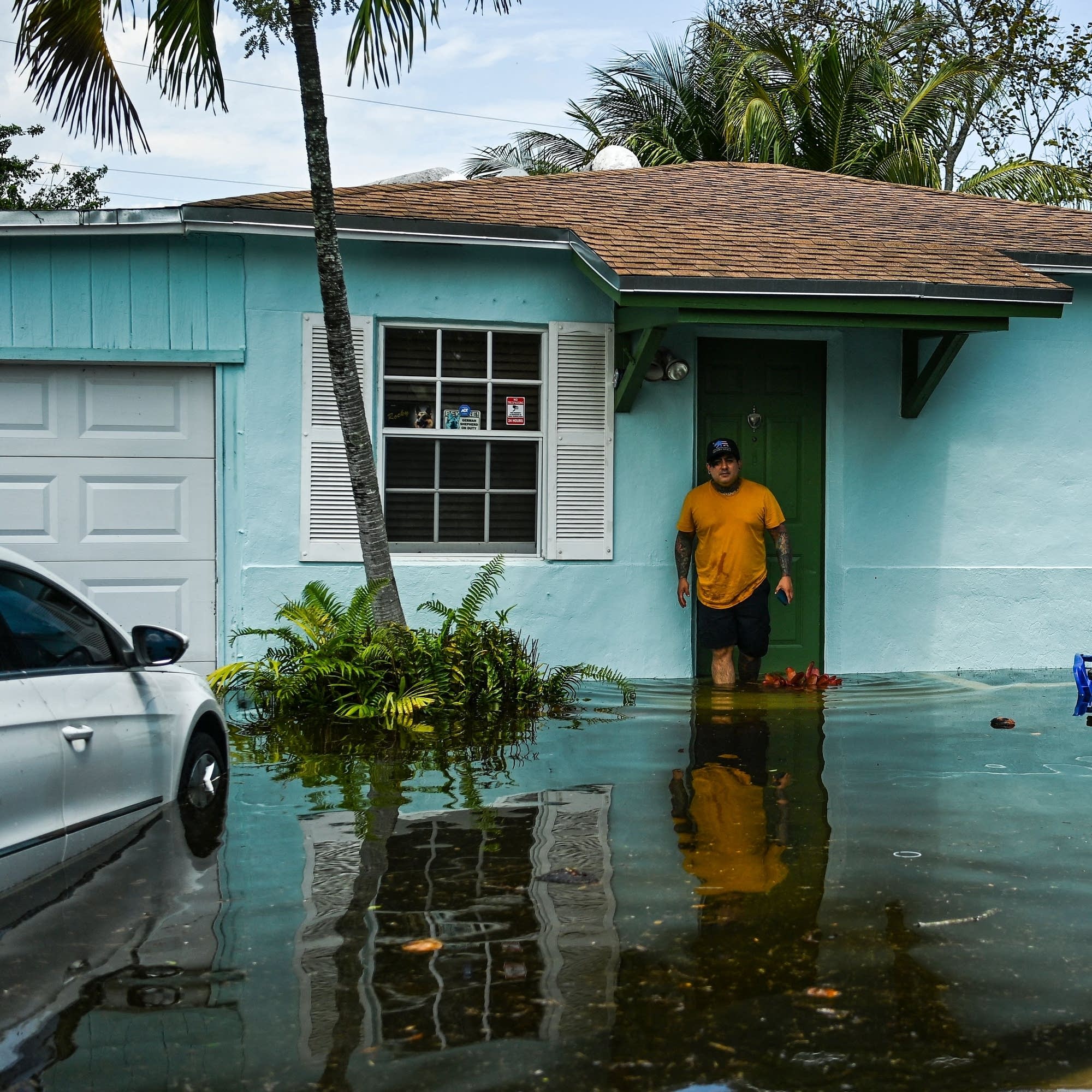
1:53They went up 9.9 percent compared to September. For more on this and some of the AI news we're following, we're joined by Susan Schmidt, Portfolio Manager at Exchange Capital Resources. And Susan, this housing data kind of bucks the sluggish trend we've seen of both new home construction and existing home sales. So why do you think housing starts went up in October? Housing starts did go up, but it is perplexing to investors because at the same time, we saw building permits get released and building permits went down month over month. In fact, building permits are the lowest they've been since 2020.
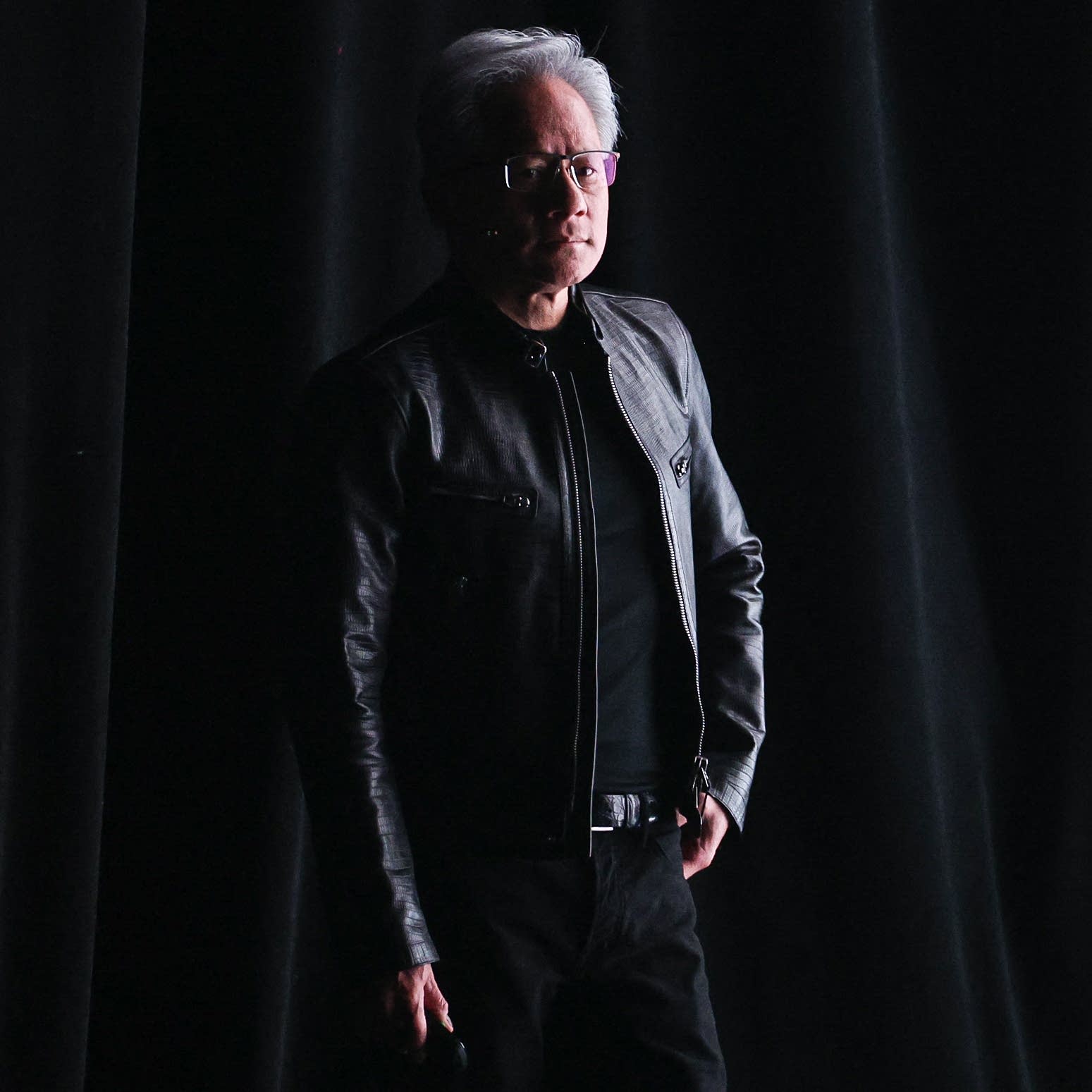
2:29What we are seeing is that interest rates are going up, mortgage rates are going up along with them, and investors probably are looking at this thinking permits that decrease in numbers is the signal that's going to rule the day. NVIDIA reported another quarter of record-breaking sales yesterday after the bell, despite all of the scandal. What does that tell us about the state of the artificial intelligence industry more broadly? Well, there is a lot of drama at the headline level going around NVIDIA management, what's happening. But the numbers that came out yesterday in their earnings report were very strong.
3:05That tells you that the underlying demand for AI tools like the NVIDIA chips continues to be extremely strong and the market is not backing down. Susan Schmidt is Portfolio Manager at Exchange Capital Resources. Thank you, Susan. Thank you.
3:40We've been reporting a fair amount recently on how data center projects can affect the people living nearby. But the facilities can affect more than just people. In Alabama, a pair of data center projects will shunt runoff to rivers and creeks, potentially damaging the plants and animals that live there and threatening to make one fish go extinct. Marketplace's Kaylee Wells reports. Rachel Schaefer says she doesn't use the word magic lightly, but... There are magical places in the world, and I'm a very practical woman and may feel silly saying this, but there is something magical about Hurricane Creek.
4:17Hurricane Creek runs right behind her house, just east of Tuscaloosa, Alabama. She moved here a couple years ago during a multi-year battle with Lyme disease. She'd get tremors, excruciating pain, but then she'd go outside... And I would sit there with my eyes closed and I'd listen to the creek and I would breathe in sunlight and I would breathe out black and I'd open my eyes and I just like my whole nervous system would just be like. Her health is better, but now she's worried about the health of the creek. She lives about 10 miles downstream from a proposed hyperscale data center. Applied Digital, the company behind the project, has a permit to let stormwater run off into the creek during construction.
4:59Nick Phillips with Applied Digital says the data center will have retention ponds to control runoff and measures in place to prevent diesel leaks. We have no interest in damaging a creek. That's not good for us. That's not good for nature. It's not good for the community. But those mitigation strategies don't convince environmental biologist Worth Pugh with the University of Alabama. The construction itself is going to free up a whole lot of fine sediments that's going to end up in the river. And that fine sediment threatens aquatic animals. It literally buries them where they are sometimes, or it buries their habitat so it's inaccessible to them.
5:35Pew's especially worried about the Birmingham Darter, a two-inch long yellow fish with bright red and black stripes. It lives in another creek, a half hour east, threatened by another hyperscale data center. He's out wading in the water, counting them. We are often documenting the doomed in conservation biology. The Birmingham darter was only identified as a distinct species a couple years ago by some Yale scientists, including Chase Brownstein. The real consensus is this is really a dangerous situation for this fish. Several environmental groups have threatened to file a lawsuit to get the fish on the endangered species list.
6:12Brownstein says it takes less than two hours to drive around the fish's entire habitat. So if a data center made a chunk of the river uninhabitable? It would be the equivalent, say, of like taking away a continent's worth of real estate for people. That would really harm the population. The developer of the project that threatens the Birmingham darter, QTS, declined an interview. Its website says it will avoid wetlands and minimize community impact. In Midfield, Alabama, I'm Kaylee Wells for Marketplace. And in New York, I'm Kimberly Adams with the Marketplace Morning Report.
6:52From APM American Public Media.
7:21And if your kids have outgrown the show, what would you like to see from us next? Marketplace.org slash survey. Thank you.
Anthropic — the company behind the AI chatbot Claude — is going public tomorrow. When it starts trading on the Nasdaq, shares could be more than $80. This is projected to be one of the biggest initial public offerings ever, and long-time employees and early investors should expect a substantial payday. Also in this morning's podcast: a look at housing starts and the environmental threats from Alabama data center projects.
Every story has an economic angle. Want some in your inbox? Subscribe to our daily or weekly newsletter.
Marketplace Morning Report is more than a radio show. Check out our original reporting and financial literacy content at marketplace.org — and consider making an investment in our future.
Read the stories from this episode:
Scan the code with your iPhone camera
Listen in the app.