 Marketplace Morning Report
30 Oct 2026 · 6m

 Add vo to ChatGPT or Claude to ask about everything you hear
vo listened to this episode to put together the overview and transcript, so there may be the odd mistake.
The episode links federal immigration enforcement to a construction labor shortage that contributes to the housing shortfall, then shifts to concerns about rapid data-center growth in Alabama.
Chidi Umez-Rowley (Workers’ Defense Project, supports construction workers and families in Texas); Brianna (wife of a deported construction worker, South Texas; U.S. citizen); Ronnie Cavazos (homebuilder in the Rio Grande Valley).
Immigration crackdowns lead to arrests/deportations of construction workers, making even documented workers fear harassment and slowing jobsite staffing; this reduces homebuilding output (19,000 fewer homes in 2024 cited).
a South Texas man stopped en route to a job and later deported; Cavazos adding fences around sites; Lowndes County, Alabama approving a 20-year $1.1B tax abatement for a proposed data center despite residents’ light/noise and diesel-generator pollution worries.
0:00VantageScore, the modern credit score used by 3 ,700 institutions, including 9 of the top 10 banks. Using over 400 % more data than legacy credit scores and built with trended and alternative data, VantageScore is more predictive, scoring 33 million more consumers than conventional credit scores. Now accepted by Fannie Mae and Freddie Mac for conforming mortgages, VantageScore 4.0 safely unlocks approximately 2.7 million new mortgages and up to$1 trillion in new loans. Better credit score, better data, better mortgage decisions. VantageScore.com. We are not building enough homes. Immigration is part of the reason why.
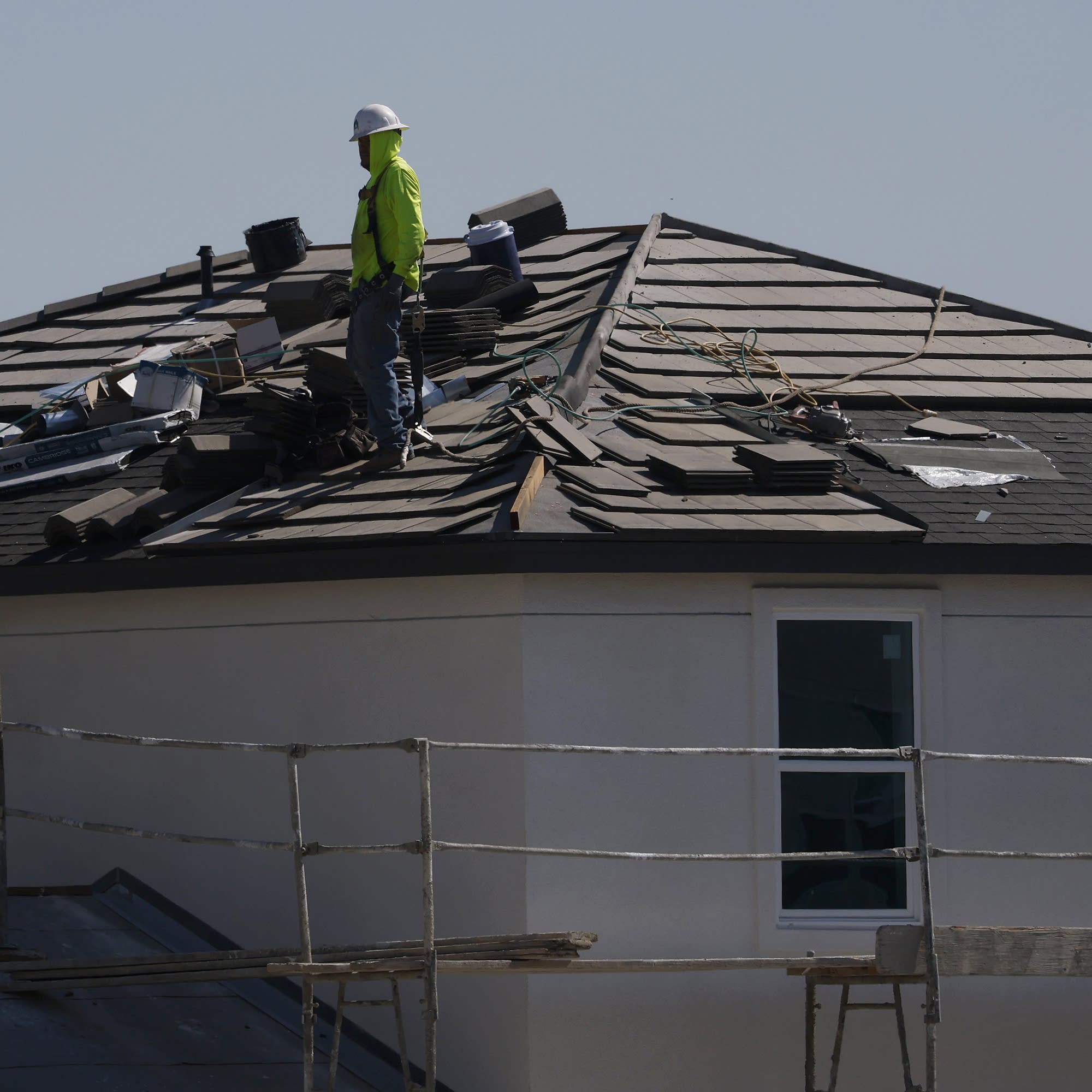
0:41And we are building a lot of data centers, especially in rural areas. From Marketplace in Washington, I'm Kimberly Adams. Homebuilders constructed 19 ,000 fewer homes in 2024 because of the lack of skilled labor. That's according to a construction industry estimate from last year. A big factor in the labor shortage, the federal government's immigration crackdown, which has led to the arrests of many construction workers, often from job sites. As Marketplace's Elizabeth Trovol reports, it's impacting the industry and the economic lives of construction workers and their families. Last summer, authorities pulled over a man in South Texas on his way to a construction job.
1:23He's being handcuffed by authorities in this video recorded by a family member. The man was later deported to Mexico. I sit down with his wife, Brianna, in her South Texas apartment. She shares immigration documents with me that show how her husband tried to come here the right way.
1:48Brianna is a U.S. citizen, but because of her husband's ongoing immigration case, we're using a different name. In an instant, she says her family went from two incomes to one. Her husband was bringing home$500 a week from his construction work.
2:12Without that joint income, she's struggling to support her two daughters and pay rent and utilities on the$1 ,350 she's making an hour. She's decided to move her family to Mexico. What happened to Breonna's family is not uncommon in Texas, as law enforcement targets construction workers. Immigration enforcement is impacting their ability even to go to work, especially to just live regular lives, going to the grocery store, to the doctor. They are afraid. Chidi Umez-Rowley is with the Workers' Defense Project, a group that supports construction workers and their families in Texas. They still have to provide for their families.
2:55And so they have to go to work to a certain extent, but they do that very cautiously. That can mean taking different routes, being on alert, and for people who are documented, always traveling with paperwork. Homebuilder Ronnie Cavazos in the Rio Grande Valley has put up fences around his work sites to try and create a barrier between immigration officials and his workers. He says it helps. That can only do so much. If you're driving a van or if you're driving a work truck and there's a ladder in the back or it remotely looks like you're in construction, you're going to get pulled over. Yeah. And so guys are afraid to come to work.
3:36And he says it's not just undocumented workers who aren't showing up. Even the ones that are documented, I don't want to go, bro. Like, I'm going to get pulled over and I'm going to get harassed and I might get taken in just because I need to prove that I'm now a citizen. And so that has obviously slowed down our workforce. Vaso says he doubts him like a profit on his projects this year because of workforce delays and costs. But this is also personal for him. This is all I've ever done. My dad was a framer, also immigrant from Mexico. In that time, he did it legally. It was easier to do it back then.
4:14Across the country, roughly a third of construction tradesmen are foreign-born, according to the National Association of Home Builders. Cavazos says he wonders about the next generation of construction workers. Without immigrants and their labor, who will build the houses? In the Rio Grande Valley, I'm Elizabeth Troval for Marketplace.
5:00Using over 400 % more data than legacy credit scores and built with trended and alternative data, VantageScore is more predictive, scoring 33 million more consumers than conventional credit scores. Now accepted by Fannie Mae and Freddie Mac for conforming mortgages, VantageScore 4.0 safely unlocks approximately 2.7 million new mortgages and up to$1 trillion in new loans. Better credit score, better data, better mortgage decisions. VantageScore.com. This episode is brought to you by Business Roundtable in partnership with the Human Potential Network. Skilled tradespeople build, maintain, and strengthen the infrastructure and communities Americans rely on every day through its Skilled Trades for America initiative.
5:43Business Roundtable is bringing together leading employers to expand training, apprenticeships, and other pathways into these essential careers. To learn more about how America's leading companies are investing in workers, visit businessroundtable.org. On the ballot in many of the midterm elections is what to do about, or who gets to decide what to do about, the rapid increase in the number of data centers. There are more than 1 ,500 sites nationwide where a data center is either under development or proposed. Marketplace's Kaylee Wells recently spent several days reporting on this across Alabama.
6:19She spoke to neighbors of one proposed site in Lowndes County. The data center developer says it'll create hundreds of jobs and generate tens of millions in tax revenue for the county every year. But the people living nearby worry about light and noise pollution, in the kind of place people move to escape light and noise pollution. We're not against development. Lori Russell lives next to the development site. We're not against moving ahead. We want to. We want to see good things happen to this county. But it never seems to be the things that we really need. We could use a grocery store. We could use a medical facility.
6:54We could use a good restaurant. Residents are also worried about pollution pollution from the data center's backup generators, which run on diesel. And that will impact more than just the closest residents, says Rob Friedman of the Natural Resources Defense Council. It's not just the 150-plus households that are in direct proximity, but it's also, you know, you have schools, you have houses of worship, you have other community sites. Those concerns don't seem to have swayed local elected officials. The county commission recently approved a 20-year,$1.1 billion tax abatement for the project and ended some recent meetings without taking public comments.
7:32In Lowndes County, Alabama, I'm Kaylee Wells for Marketplace. You can hear more of Kaylee's reporting from Alabama at Marketplace.org. Our executive producer is Nancy Fargali. Our digital team includes Antoinette Brock, Emily McCune, and Dylan Miettinen. Our engineers are Sam Keenan and David Schreck. In Washington, I'm Kimberly Adams with the Marketplace Morning Report.
7:58From APM, American Public Media. I'm Amy Scott, and this week on our podcast, How We Survive, I visit a farm outside San Diego that lost nearly everything to an early heat wave. The heat came in, like massive premature heat wave, for like a week or two, upper 90s, and it just thwarted everything. Like most small farms, they didn't have crop insurance, so business partners came up with a plan to bet on the weather. Calci even created a contract for them. Well, the trade was if it reaches over 90 degrees over two consecutive days this week, then we would win. So, fingers crossed. Well, did the bet pay off?
8:45Find out on this week's episode of How We Survive, available on your favorite podcast app.
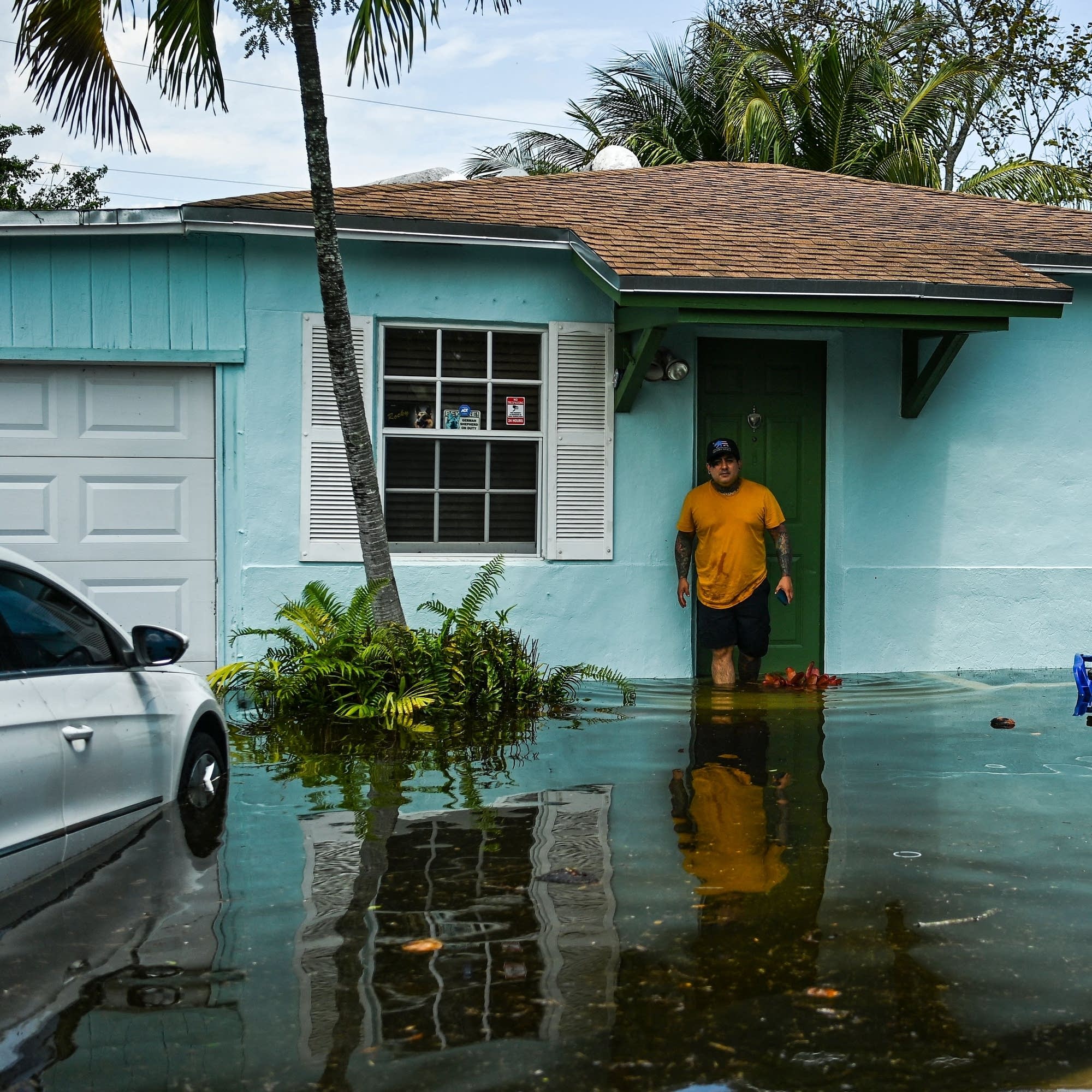
Homebuilders constructed 19,000 fewer homes in 2024 because of the lack of skilled labor, according to a construction industry estimate from last year. A big factor in the labor shortage is the federal government's immigration crackdown, which has led to the arrest of many construction workers, often at job sites. This morning, we hear from some families and businesses impacted. Also: weighing jobs and tax revenue versus pollution concerns near proposed data centers.
Every story has an economic angle. Want some in your inbox? Subscribe to our daily or weekly newsletter.
Marketplace Morning Report is more than a radio show. Check out our original reporting and financial literacy content at marketplace.org — and consider making an investment in our future.
Read the stories from this episode:
Scan the code with your iPhone camera
Listen in the app.