 Marketplace Morning Report
27 Oct 2026 · 6m

 Add vo to ChatGPT or Claude to ask about everything you hear
vo listened to this episode to put together the overview and transcript, so there may be the odd mistake.
The episode connects U.S. innovation policy to two areas: clean energy investment and immigration rules affecting tech talent. It notes that despite federal clean-energy tax-credit rollbacks, wind turbine orders hit a three-year high (Apr–Jun), with solar and battery storage surging; drivers include “safe harboring” as developers rush to meet deadlines. It warns solar/wind uncertainty after next year if AI-driven data-center demand slows. The second segment covers the Trump administration’s crackdown on H-1B visas, suspending eight major tech firms (including Microsoft and Adobe).
Zeke Hernandez (Wharton professor).
evidence doesn’t show H-1B displaces Americans; U.S. wages/jobs rise where H-1B is used, and firms may move work abroad if denied. Examples: AI PhD workforce includes over half foreign-born; targeted CEOs include NVIDIA’s Jensen Huang.
0:00Gifts mean more when they have the power to unwrap more of who you are. This Black Friday, give a gift that goes beyond the box, the Dell XPS 13 laptop. It's the thinnest, lightest XPS laptop yet with a long battery life, beautiful design, and powerful performance with Intel Core processors. The XTS laptop unlocks more of what you love. Plus, at Dell.com, you'll find perks like Dell rewards, fast, free shipping and flexible financing, and big savings on monitors and accessories. Head to Dell.com slash deals. That's Dell.com slash deals. Running a business is hard enough, so why make it harder with a dozen different apps that don't talk to each other?
0:35Introducing Odoo, the only business software you'll ever need. It's an all-in-one, fully integrated platform that makes your work easier. From CRM, accounting, inventory, e-commerce, and more. And the best part, Odoo replaces multiple expensive platforms for a fraction of the cost. This is why over thousands of businesses have made the switch. So why not you? Try Odoo for free at odoo.com. That's O-D-O-O dot com. Why clean energy investments are on the rise. From Marketplace in Washington, I'm Kimberly Adams. Despite a federal rollback when it comes to clean energy investments, orders for wind turbines hit their highest level in three years between April and June of this year.
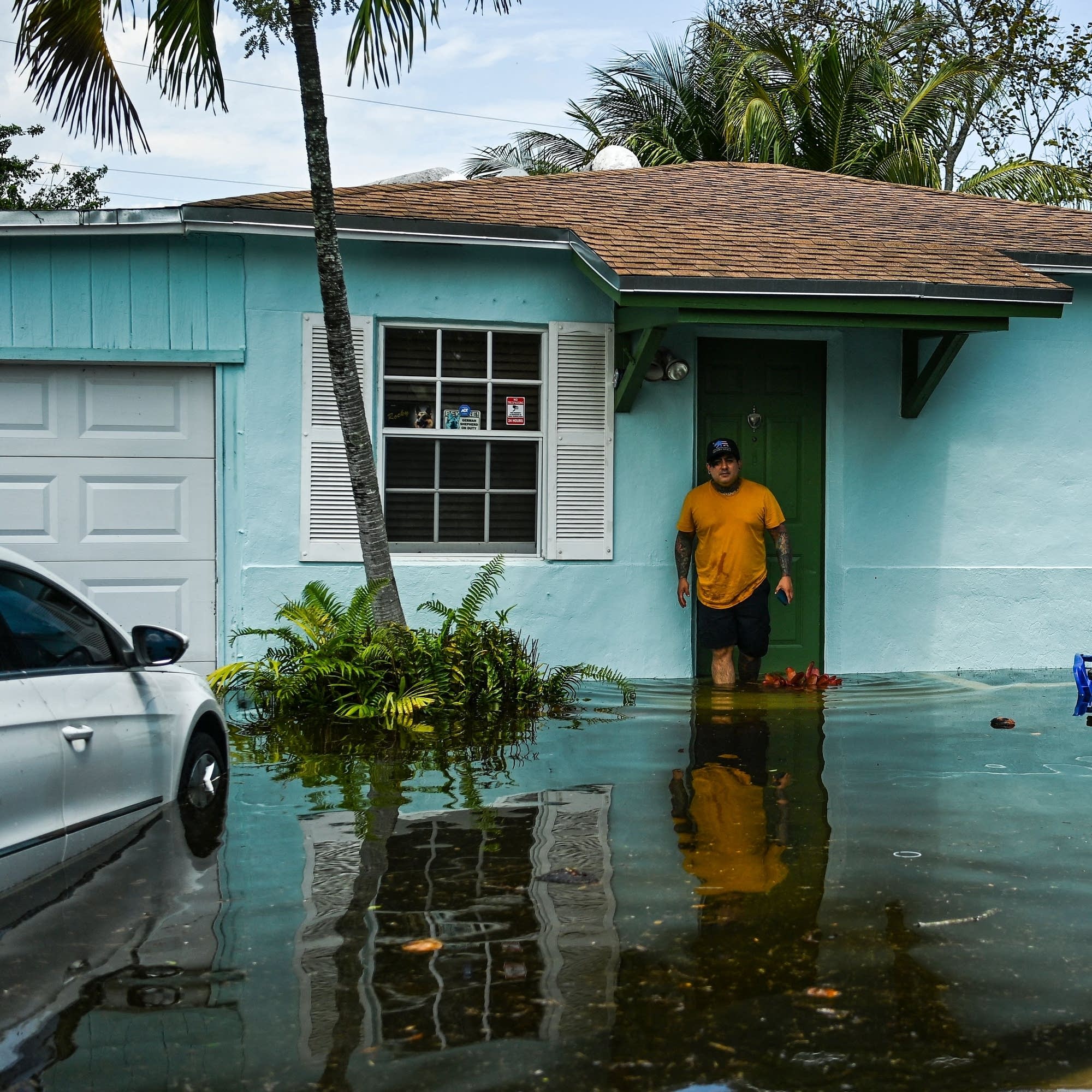
1:17That's according to the energy analytics company Wood McKenzie. Solar and battery storage installations are surging too. Marketplace's Henry Epp explains why. Biden-era tax credits for wind and solar were supposed to be available through 2032. Then last year, Republicans passed the One Big Beautiful Bill Act, which limited tax credits availability to projects that started by this past July. And everything needs to be done in the next few years. So wind and solar developers are working fast. This is called safe harboring. Leah Stokes is at UC Santa Barbara. It's not just a tax credit rush that's leading to what Bloomberg NEF says could be a record year for companies installing clean energy.
1:58They're of course doing this during a time period when demand for electricity is growing so much. Primarily from data centers powering AI. The problem for the solar and wind industries, says David Victor at UC San Diego, is what happens if AI companies slow down their buildout of data centers. And when that bubble bursts, as many people expect will happen, that's going to create a lot of chaos. And frankly, a lot of projects are probably going to be postponed, if not outright canceled. That, plus the expiration of tax credits, Victor says, mean the outlook for solar and wind after next year is pretty uncertain.
2:33I'm Henry App for Marketplace.
3:12Thank you. So why not you? Try Odoo for free at odoo.com. That's O-D-O-O dot com. Gifts mean more when they have the power to give more. They can inspire more discovery, give more confidence, and unwrap more of who you are. This Black Friday, give a gift that goes beyond the box. The Dell XPS 13 laptop. With a beautiful design and cutting-edge performance, it helps you unlock more possibilities. It's the thinnest, lightest XPS laptop yet. with touchscreen, a backlit keyboard, and long-lasting battery life to power you through your day. Built with a durable aluminum chassis weighing just 2.2 pounds and Intel Core processors, it's fast, reliable, and portable enough to keep up wherever you go.
3:56Visit Dell.com to explore the possibilities with XPS. While shopping, you'll also find great perks like Dell rewards, fast free shipping, premium support, and financing with flexible payment options. Plus, you can find great deals on monitors and accessories. That means you can score a whole new setup now for less. This Black Friday sale is one you don't want to miss. Head to Dell.com slash deals. That's Dell.com slash deals.
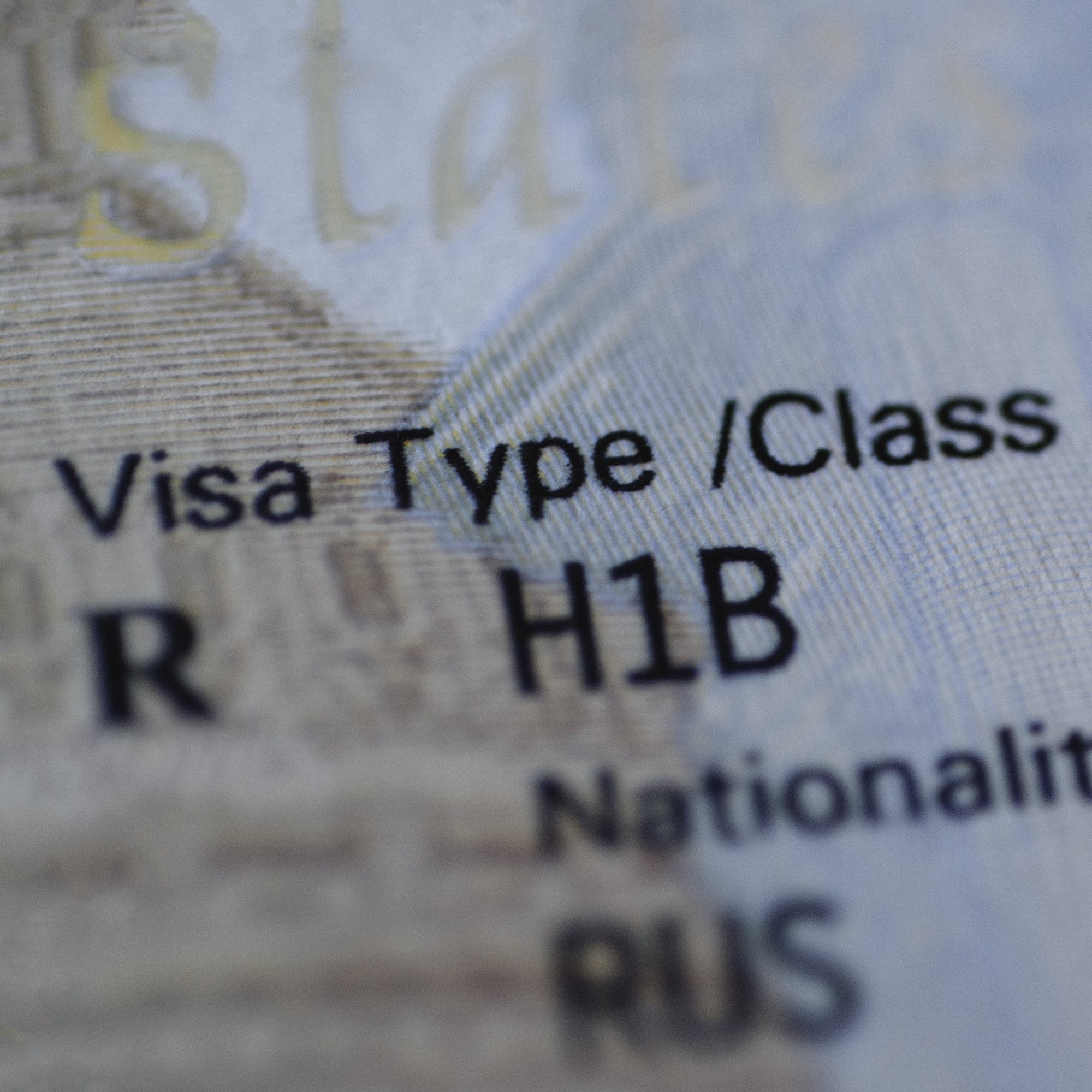
4:22The Trump administration has escalated its crackdown on legal immigration pathways that involve foreign workers and students. In one of the more recent examples of this, the administration suspended eight major tech companies, including Microsoft and Adobe, from using the H-1B visa program to help foreign workers get U.S. permanent residency. For more on this, let's consult Zeke Hernandez, a professor at the University of Pennsylvania's Wharton School. Zeke, welcome back to the show. Thanks so much for having me again. Let's start with some background on this specific visa program, the H-1B. Remind us how companies use it and how prevalent it is.
5:01Yeah, the H-1B visa is the main avenue for firms to hire skilled workers. Firms can hire H-1B workers for up to six years on this visa, and then they can choose to sponsor them for a green card for permanent residence after that period. And for the last 20 years, there's only been 85 ,000 H-1B visas available per year. So the demand for them is much, much higher than the number available. The Trump administration wants to suspend certain companies from using this program. And part of the accusation is that these companies are using this visa program to prioritize foreign workers over American workers.
5:42How common is that in reality? The short of it is that the evidence does not support that. And in fact, it shows the opposite. It shows that for every H-1B worker hired in an area, jobs and wages for U.S. college-educated natives go up. And also, there is strong evidence showing that when firms miss out on hiring these H-1B workers, they actually take those jobs outside the United States because there aren't enough U.S.-born workers in these areas. So where is the Trump administration getting this? I don't know. they're not getting it from strong empirical evidence. There has been a longstanding interest group that really dislikes the H-1B program.
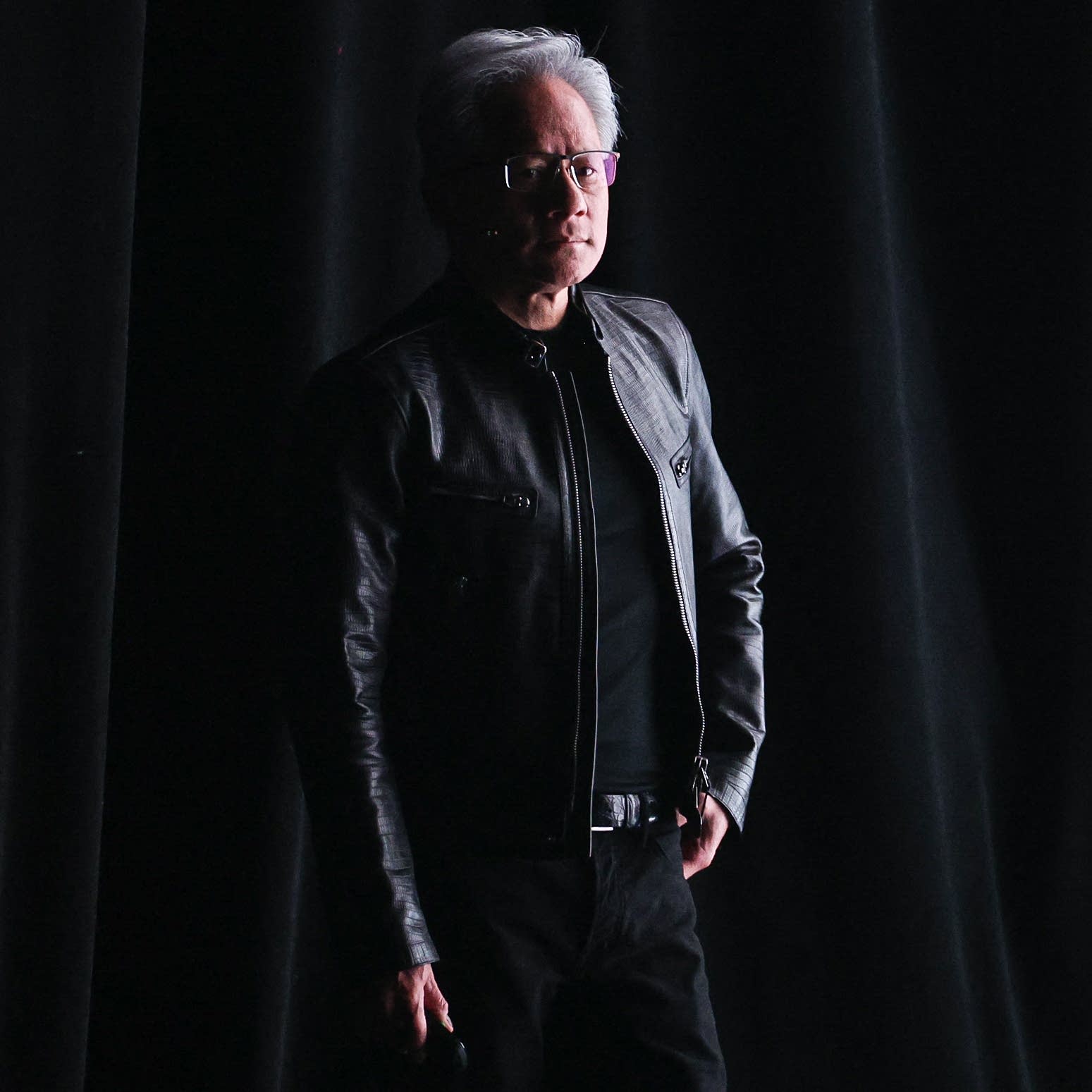
6:25Those groups mainly point to anecdotes. Those cases are real, but there's a difference between an anecdote of occasional abuse of the program and the systematic evidence that tells us that the program has been very good for U.S. companies and U.S. workers. What has the U.S. economy historically gained from immigration? Well, so much. These people who come here to work, particularly those that are skilled that tend to come on the H-1B program, they have an enormous, enormous effect on entrepreneurship. The very same day that the crackdown on Microsoft and other companies happened, the president did a ceremony to honor six of the CEOs of the largest tech companies, five of whom are foreign-born, like Jensen Huang of NVIDIA.
7:08And so remember, you're not just getting bodies that work. You're getting brains that innovate. And the beneficiaries of those things are not foreigners. They're Americans. The Trump administration says, as you've kind of laid out there, that it wants the United States to be a leader in high tech industries. And leaders from the companies targeted by this latest crackdown say that cracking down on H-1B visas actually undermines that very goal. What do you make of that argument? It's spot on. If you want the United States to have some of the best artificial intelligence talent in the world, that talent needs to be trained by people who are already the best in the world.
7:48And as it turns out, well over half of PhDs in AI in the United States are foreigners, right? Why would you make it harder for companies to hire those foreigners? And so I think once you realize that both sides can win and that the economic pie can grow as they interact together, then you don't have to act out of fear, you can start making it more possible for firms to hire these workers for the benefit of American consumers, American businesses, American taxpayers. Zeke Hernandez is a professor at the University of Pennsylvania's Wharton School. Thank you so much. Thanks for having me again. Our producers are Emma Condon, Tamar Fagan, and Ariana Rosas.
8:26Our senior producer is Alex Schroeder. Our supervising senior producer is Meredith Gerritsen-Morby. And in Washington, I'm Kimberly Julie Adams with the Marketplace Morning Report.
8:44From APM American Public Media. I'm Amy Scott, and this week on our podcast, How We Survive, I visit a farm outside San Diego that lost nearly everything to an early heat wave. The heat came in, like massive premature heat wave, for like a week or two. upper 90s, and it just thwarted everything. Like most small farms, they didn't have crop insurance, so business partners came up with a plan to bet on the weather. Calci even created a contract for them. Well, the trade was if it reaches over 90 degrees over two consecutive days this week, then we would win. So fingers crossed. Well, did the bet pay off?
9:31Find out on this week's episode of How We Survive, available on your favorite podcast app.
The Trump administration has escalated its crackdown on legal immigration pathways that involve foreign workers and students. The most recent example is the suspension of eight major tech companies — including Microsoft and Adobe — from using the H-1B visa program to help workers obtain U.S. permanent residency. Trump officials have argued the program takes jobs from American-born workers. This morning, we’ll fact-check that claim. But first, we’ll hear why clean energy investments are on the rise.
Every story has an economic angle. Want some in your inbox? Subscribe to our daily or weekly newsletter.
Marketplace Morning Report is more than a radio show. Check out our original reporting and financial literacy content at marketplace.org — and consider making an investment in our future.
Read the stories from this podcast:
Scan the code with your iPhone camera
Listen in the app.