 Ask ChatGPT


Two-part Marketplace episode. First: why tech failures feel coordinated across banks, airlines, and the internet (Outlook outage, Chase login/transfer issues, United flight delays, nationwide ground stop). Second: “surveillance”/personalized pricing—how AI and data can charge different customers different prices, and how widespread it is.
Nancy Marshall-Ginzer (Marketplace, New York) covers systems outages; Neil Saunders (Managing Director and Retail Analyst at Global Data) discusses retail pricing practices.
Interconnected legacy systems and software/AI-driven upgrades can cascade into broader outages. Personalized pricing is less common in mainstream retail but growing; dynamic pricing changes for everyone, while personalized pricing changes for individuals.
Chase software bug; United pilot plane-weight calculation system; FAA router wiring; FTC investigating airlines/rideshare/Walmart; NYC Council ban on surveillance pricing.
Written by AI. May contain mistakes.
Exploration of recent technical issues affecting banks and airlines.
“From Marketplace in New York, I'm Kimberly Adams.”
A discussion on personalized and dynamic pricing in retail.
“If you've ever wondered if the price you're seeing when shopping online is the same price that everyone else is seeing, the answer, increasingly, is probably not.”

Get the gist, explore an idea or ask about something said.
 Claude
On Marketplace Morning Report, what are the key points of this episode?
Searching your listeningAutomatic transcript. May contain errors.
0:00VantageScore, the modern credit score used by 3 ,700 institutions, including 9 of the top 10 banks. Using over 400 % more data than legacy credit scores and built with trended and alternative data, VantageScore is more predictive, scoring 33 million more consumers than conventional credit scores. Now accepted by Fannie Mae and Freddie Mac for conforming mortgages, VantageScore 4.0 safely unlocks approximately 2.7 million new mortgages and up to$1 trillion in new loans. Better credit score, better data, better mortgage decisions. VantageScore.com. Why does it feel like everything is breaking down all at the same time?
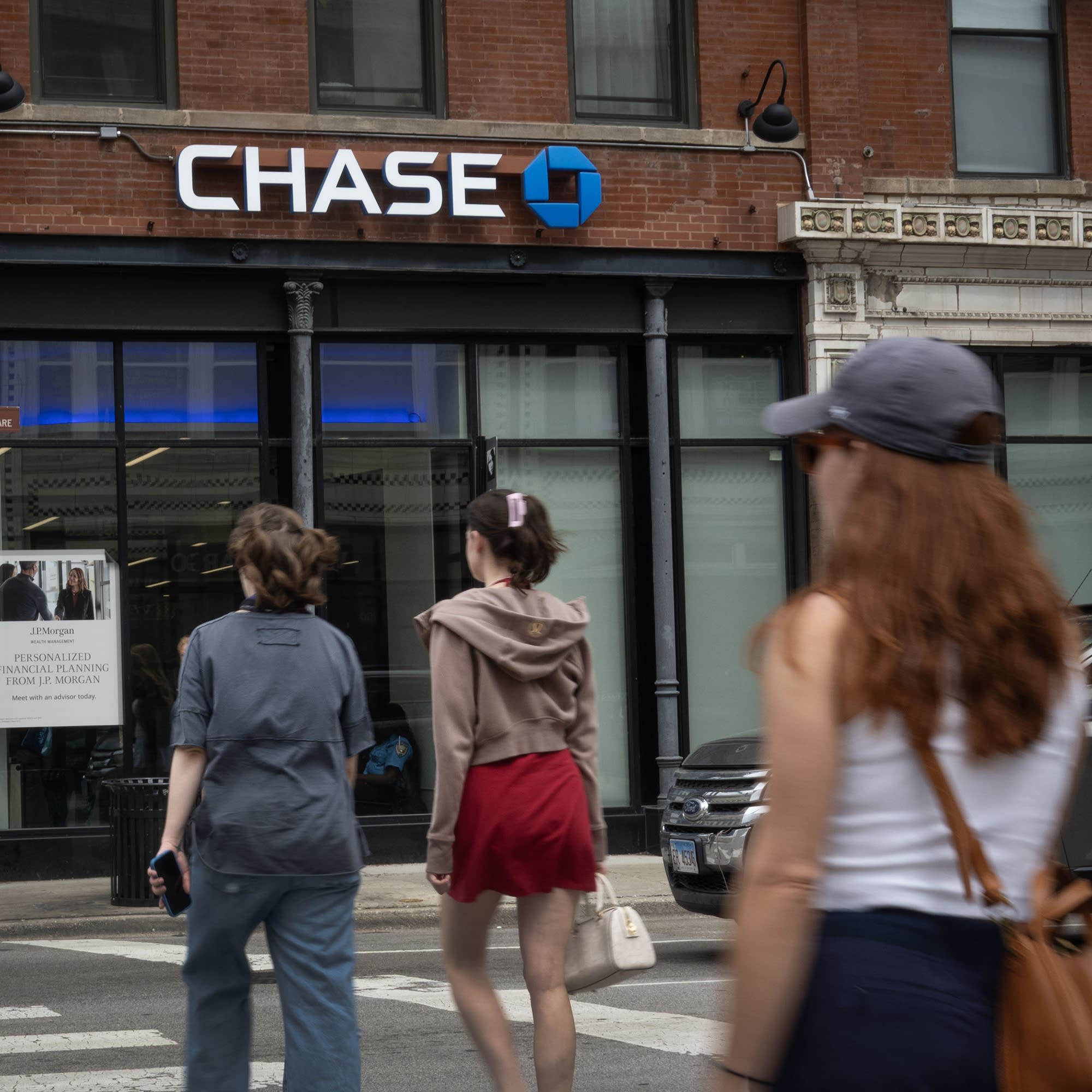
0:41From Marketplace in New York, I'm Kimberly Adams. First, we couldn't get our email last week when Microsoft's Outlook went down. Then there was that nationwide ground stuff. And yesterday, some of us couldn't access our bank accounts. What is going on? Marketplace's Nancy Marshall-Ginzer is here with more. Good morning, Nancy. Good morning. Let's start with the most recent incident at Chase Bank. Customers at Chase and some other banks like Wells Fargo couldn't log into their accounts or in some cases transfer money. What happened there? Well, in a post on X, Chase says it, quote, experienced a temporary issue related to a software bug.
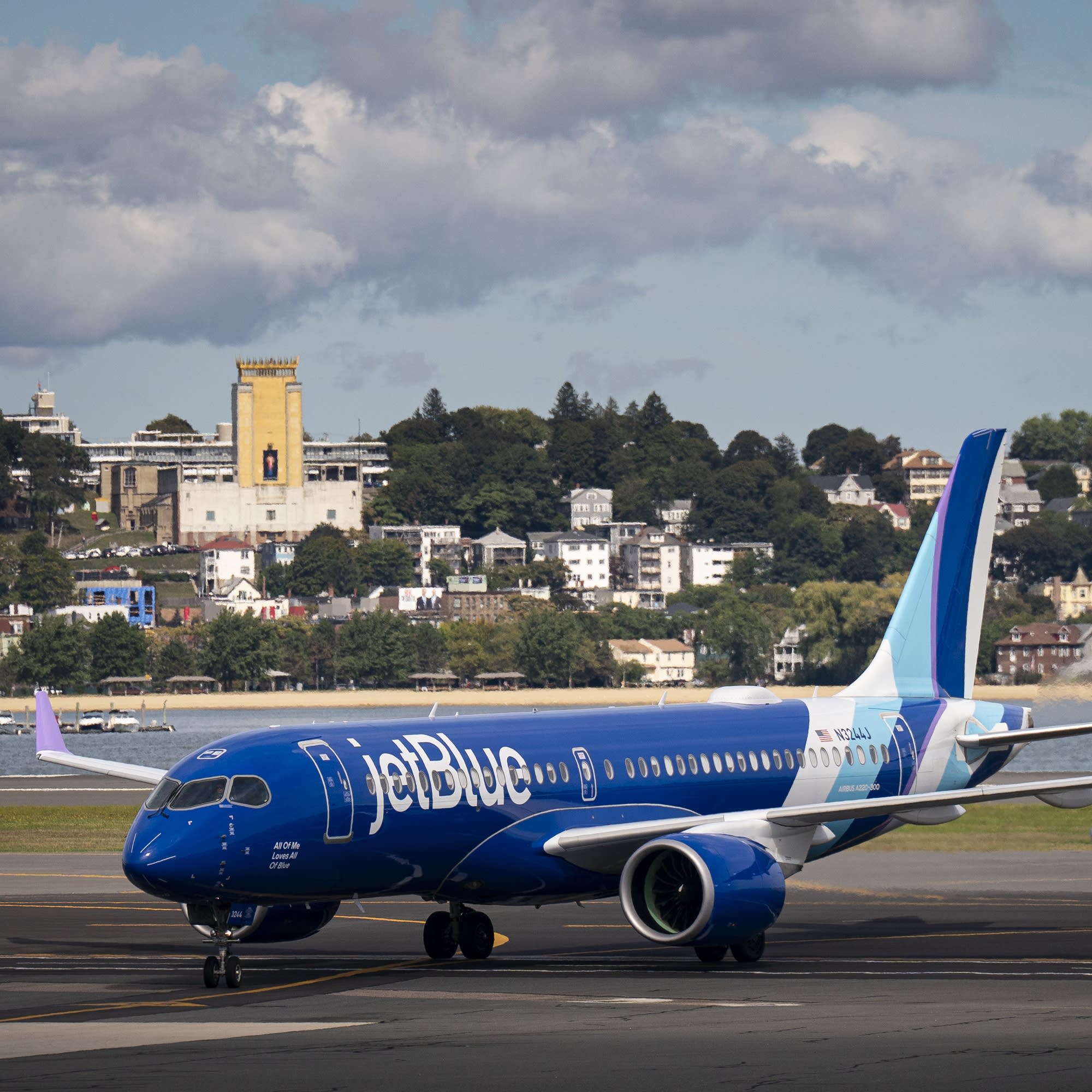
1:20Chase insists this is not a systematic issue, but it did say other banks were affected if they were involved in a transaction with Chase. OK, on to the airlines. What's going on with United Airlines? They had to ground flights for about an hour and a half last night. Yeah, United says it experienced a technology-related issue that impacted some departing flights. The problem apparently involved the system United pilots used to calculate the weight of a plane, and that delayed those planes' departures. Flights already in the air were not affected. Now, as far as last week's nationwide ground stop goes, The Transportation Department says that was caused when new wiring was installed on an old router.
2:04The FBI is now examining that router. And Microsoft says last week's problems with Outlook were also caused by a software bug. What's going on with all these glitches and shutdowns due to technical issues? Well, the main issue is everything is so interconnected, Kimberly. So a problem at one bank spreads to other banks. With the airlines, that FAA router went haywire and overloaded the air traffic control system. These old legacy systems are just stretched to their limits. They're being patched. When AI finds vulnerabilities, they're also being upgraded. And those upgrades can lead to glitches or even outages.
2:46Thanks, Nancy. You're welcome.
3:12We'll see you next time.
3:27a backlit keyboard and long-lasting battery life to power you through your day. Built with a durable aluminum chassis weighing just 2.2 pounds and Intel Core processors, it's fast, reliable, and portable enough to keep up wherever you go. Visit Dell.com to explore the possibilities with XPS. While shopping, you'll also find great perks like Dell rewards, fast free shipping, premium support, and financing with flexible payment options. Plus, you can find great deals on monitors and accessories. That means you can score a whole new setup now for less. This Black Friday sale is one you don't want to miss.
4:00Head to Dell.com slash deals. That's Dell.com slash deals. Think cybersecurity audits have to be complicated? Think again. Meet the new ThoroughPass, the end-to-end cybersecurity auditor, combining expert auditors, intelligent technology, and seamless integrations with the tools you already use. From scoping to final report, ThoroughPass brings everything together for a smarter, simpler audit experience. because your audit shouldn't slow your business down. Discover a better way to get audited at ThoroughPass.com. That's T-H-O-R-O-P-A-S-S dot com. ThoroughPass, AI-powered, expert-led. If you've ever wondered if the price you're seeing when shopping online is the same price that everyone else is seeing, the answer, increasingly, is probably not.
4:46But just last week, the New York City Council moved to ban the use of so-called surveillance pricing. But just how widespread is this practice? For more, we're joined by Neil Saunders. He's Managing Director and Retail Analyst at Global Data. Neil, good morning. Good morning. We've been hearing a lot about companies increasingly using technology and people's personal data to charge customers different prices. How widespread is that really right now? I don't think it's all that widespread among the mainstream retailers. but it is cropping up more and more because it's easy for some retailers that want to do it to put it in place because AI can work out personalized pricing.
5:32And of course, when things are digital, you're seeing the prices on your browser. You don't see what's on everyone else's browser. So it's not all that common, not in retail anyway, but it's certainly becoming something of an issue. You said personalized pricing. I've also heard surveillance pricing, dynamic pricing. What is the difference between all of these terms, if there is one? Well, I think the main difference is that dynamic pricing doesn't stay static over time. It fluctuates, but actually it fluctuates for everyone. Everyone gets the same price. Personalized pricing is a little bit different.
6:10It's when people get charged different amounts for the exact same product, even at the same time. The Federal Trade Commission has launched an investigation into the pricing practices of several big airlines, rideshare companies and retailers, including Walmart. What's the latest there? Well, we don't really know what's going to come out of that investigation. I think that they are looking into a range of different factors around pricing, some of which may be quite legitimate because ride sharing, for example, it does fluctuate with demand. And actually, in some ways, that's quite reasonable if there's scarcity and there are fewer drivers out there.
6:52And I think the same is true of airlines. The difference between those and retail, though, is that both of those have quite constrained supply. There's not an unlimited number of airline seats and there's not an unlimited number of cars on the road. Within retail, whilst it's not unlimited, goods are really plentiful. So I think that's why the consumer will kind of accept the pricing of things like airlines and Uber services fluctuating over time, but they're much less likely to tolerate it in retail. How would a person even know if they were experiencing personalized or surveillance pricing? Well, I think that's the difficult thing.
7:38Many people may not know, because unless you are tracking and tracing prices over time, it's very, very difficult to know whether that price is changing. I think one of the things that consumers do often pick up on, though, is when the shelf edge is different to what they get charged at the register. It's not because of surveillance pricing, and it's not because of dynamic pricing. It's just because the pricing centrally has been changed. So some people do see that, but you have to be savvy enough to remember what that shelf edge price was. And if you're buying a lot of stuff, say in a supermarket, you're not going to remember all those prices.
8:17So it's actually a really, really difficult thing for people to track and trace. Neil Saunders is Managing Director and Retail Analyst at Global Data. Neil, thank you. You're welcome. In New York, I'm Kimberly Adams with the Marketplace Morning Report.
8:38From APM, American Public Media.
First, we couldn't get our email last week when Microsoft Outlook went down. Then, there was that nationwide ground stop. And just yesterday, some customers of Chase, Wells Fargo, and other banks couldn't access their accounts or transfer money. What the heck is going on? Also in this podcast, companies are increasingly using surveillance or dynamic pricing, but more locales are now looking to ban the practice. We dig in.
Every story has an economic angle. Want some in your inbox? Subscribe to our daily or weekly newsletter.
Marketplace Morning Report is more than a radio show. Check out our original reporting and financial literacy content at marketplace.org — and consider making an investment in our future.
Stories from this episode: