 Ask ChatGPT



The episode explains why JetBlue is “in the red,” tying the airline’s financial stress to Fed rate-hike expectations and to JetBlue-specific shocks.
Henry Epp (Marketplace) interviews/frames the airline story; Samuel Engel (ICF consulting) analyzes JetBlue’s business model and “K-shaped” market pressures; Edward Russell (freelance aviation journalist) outlines possible outcomes.
JetBlue faces about $8B debt (~6x company value), no annual profit since 2019, and higher jet fuel creating negative cash flow that complicates debt repayment/refinancing. A nationwide FAA ground stoppage hit JetBlue harder than other airlines (largest share of canceled flights).
JetBlue’s premiumification plan (first-class on domestic flights starting December, Boston lounge, expanded business class) and the Spirit Airlines bankruptcy leading to fare increases on its routes.
Written by AI. May contain mistakes.
Analysis of the potential Federal Reserve interest rate hike and its implications.
“officials at the Federal Reserve will meet to make their next decision on interest rates.”
Exploration of JetBlue's recent challenges and its response strategy.
“Last week's nationwide FAA ground stoppage hit JetBlue particularly hard.”

Get the gist, explore an idea or ask about something said.
 Claude
On Marketplace Morning Report, what are the key points of this episode?
Searching your listeningAutomatic transcript. May contain errors.
0:00Vantage Score, the modern credit score used by 3 ,700 institutions, including nine of the top 10 banks. Using over 400 % more data than legacy credit scores and built with trended and alternative data, Vantage Score is more predictive, scoring 33 million more consumers than conventional credit scores. Now accepted by Fannie Mae and Freddie Mac for conforming mortgages, Vantage Score 4.0 safely unlocks approximately 2.7 million new mortgages and up to$1 trillion in new loans. Better credit score, better data, better mortgage decisions. VantageScore.com. We're very likely to get a rate hike at the next Fed meeting, but size really does matter.
0:43From Marketplace in New York, I'm Kimberly Adams. In a little less than three weeks, officials at the Federal Reserve will meet to make their next decision on interest rates. As of now, central bankers are expected to raise rates by a quarter of a percentage point like they did in September. That said, Fed Governor Christopher Waller was on CNBC this week making the case that the Fed should hike rates by half a percentage point. Marketplace's Justin Ho looked into the logic behind a bigger rate hike and what it would mean for all of us in this economy. The Federal Reserve typically moves rates by a quarter percentage point at a time because it doesn't want to shock the economy if there's no reason to, says Tim Dewey with SGH Macro Advisors.
1:23The general logic behind a moderate pace of rate changes is to give the economy time to adjust. But Fed Governor Christopher Waller says right now, the Fed might need to shock the economy if it really wants to bring down inflation. Dewey says a half percentage point rate hike would slow the economy more quickly. And it would presumably signal to everyone, wait a second, the Fed is very much serious about bringing down inflation, and they are willing to tolerate some damage to the economy. The Fed could also get the same result by raising rates a quarter percent in December and then doing that again in January.
1:59But Preston Moy with Employee America says for that to send the same signal, the Fed would have to be very clear about its plans to keep hiking interest rates. And usually when they start doing these hiking or cutting cycles, there's communication of some intent to do more. But Fed Chair Kevin Warsh has decided to stop telling the public about where the Fed thinks rates are headed. So now that the Fed is cutting back on communication? I think what Waller is doing here is saying, well, that means that these rate moves might have to be more dramatic in order to signal our intentions. In other words, if the Fed really wants to raise rates without giving us any clues about its plans for next year, then it may as well do a big rate hike in December.
2:40I'm Justin Howe for Marketplace.
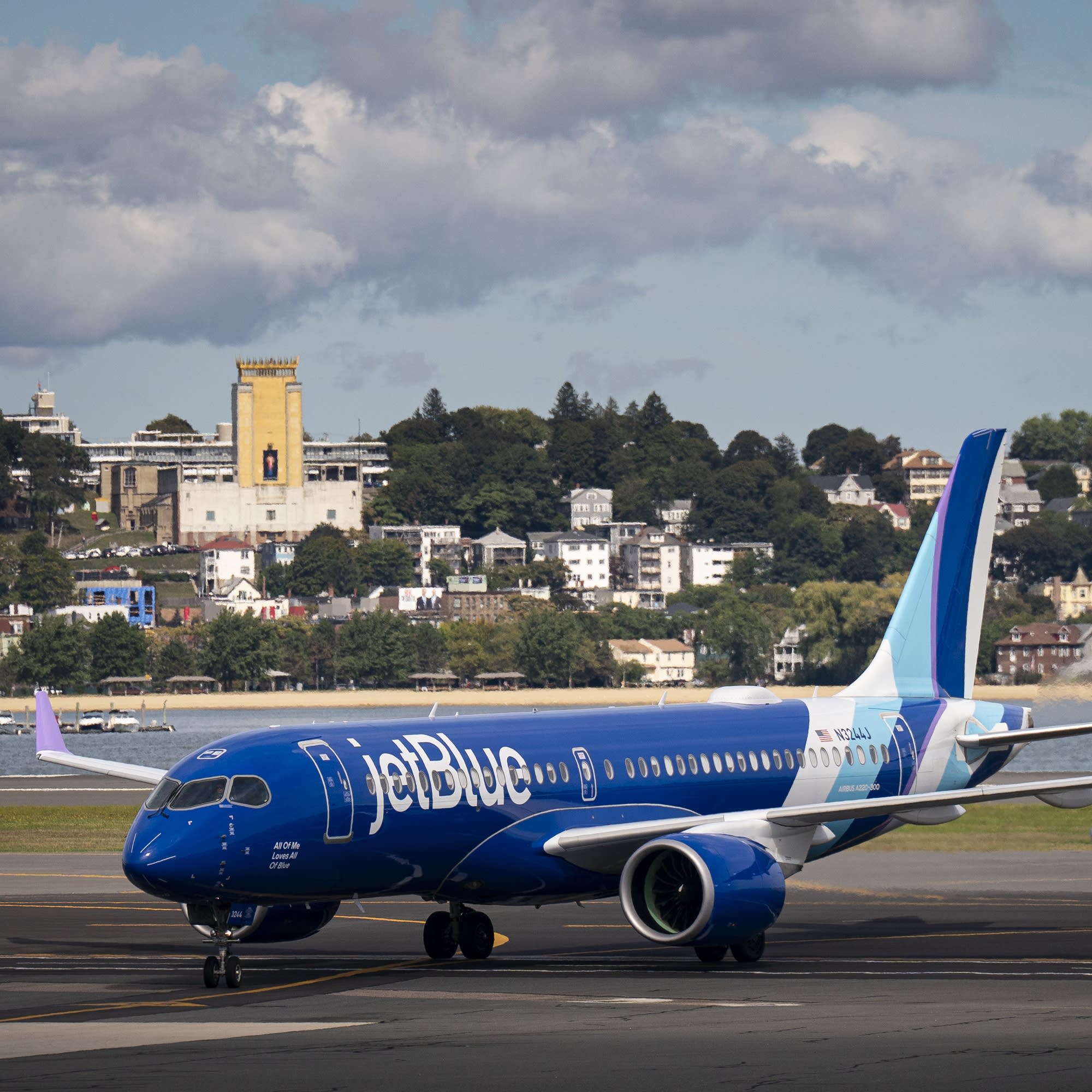
3:06support comes from wise the smart way to manage the currencies you need around the globe Fed up with losing out to hidden fees when you send money abroad with your everyday bank? Choose the smart way. Wise. You can count on the exchange rate you'd usually find on Google. No unwelcome surprises. Plus, ditch that where's my money feeling. Most transfers arrive in under 20 seconds. Join millions saving billions on hidden fees. Be smart. Get wise. Download the Wise app today. T's and C's apply. Last week's nationwide FAA ground stoppage hit JetBlue particularly hard. No other airline canceled a bigger percentage of its flights than JetBlue, according to the Wall Street Journal.
3:48The company was already under pressure from investors, worried about its heavy debt load and its struggles to turn a profit. Marketplace's Henry Epp has more on what this means for the wider airline industry. It tells you something about the state of a company when its CEO opens an earnings call like this. I want to start by reinforcing the bigger picture and the progress that we are making. That's JetBlue CEO Joanna Garrity speaking to investors in late October. Just days earlier, the airline's stock had fallen to a record low price. Its bonds were in distress. The company's creditors had begun organizing with banks and law firms, which usually happens when lenders fear a company is about to declare bankruptcy.
4:29So Garrity had to make the case that JetBlue is on the right track. Despite significant fuel headwinds and a challenging summer operation, our revenue performance is among the strongest in the industry. The airline did see an 18 % increase in passenger revenue in the third quarter, but it has a big hole to dig out of. It carries about$8 billion in debt, roughly six times what the company's worth, and it hasn't turned an annual profit since 2019. JetBlue got into this position, says Samuel Engel with the consulting firm ICF, partly because it traditionally focused on the middle of the market. And if you look across our economy, middle market companies are getting squeezed as consumers trade down and trade up.
5:09There's that K-shaped economy again. JetBlue's larger competitors, Delta, United, American, have spent the post-pandemic years chasing the upper part of the K. They've added more first-class seats, more lounges. But JetBlue didn't have much of that. And so it's made it harder for them to capture that additional revenue. So the airline launched a premiumification plan in 2024. Starting this December, JetBlue will start offering first-class seats on domestic flights. It opened a new lounge in Boston, and it's expanded its business class. The fanciest offering on some transatlantic flights is an enclosed pod with two seats.
5:46The airline says the changes will help make it profitable by next year. What their plan didn't include was a war in Iran that increased fuel prices. Again, Samuel Engel at ICF. The price of jet fuel this year has just been too much for the company to overcome. So the higher fuel prices are creating a negative cash flow, which makes it harder to repay the debt and harder to refinance the debt. Which gets us back to why those creditors are organizing, out of concern that the airline might declare bankruptcy. Edward Russell, a freelance aviation journalist, sees a few ways forward for JetBlue. it could get back to profitability if fuel costs come down or reorganize through Chapter 11 bankruptcy, or if their shares continue to trade down at some point, either private equity or some other airline would swoop in and try to buy them.
6:36If JetBlue were to go away entirely, fares on routes it operates could go up, because right now it tends to be the cheapest option. Typically, the lowest fare in the market is sort of going to drive of what airlines charge in any given market. That's what happened when Spirit Airlines went under earlier this year. Fares rose on many of its former roots. Russell says one of the biggest beneficiaries of that has been JetBlue. I'm Henry App for Marketplace. Our executive producer is Nancy Farghali. Our digital team includes Antoinette Brock, Emily McKeown, and Dylan Miettinen. Our engineers are Brian Allison, Rachel Brees, Sam Keenan, and David Schreck.
7:17In New York, I'm Kimberly Adams with the Marketplace Morning Report.
7:26From APM, American Public Media.
Last week’s nationwide FAA ground stoppage hit JetBlue particularly hard. No other airline canceled a higher percentage of its flights than JetBlue, according to The Wall Street Journal. The company was already under pressure from investors worried about its heavy debt load and its struggles to turn a profit. What is the path forward for JetBlue? But first, when it comes to Federal Reserve rate hikes, size really does matter.
Every story has an economic angle. Want some in your inbox? Subscribe to our daily or weekly newsletter.
Marketplace Morning Report is more than a radio show. Check out our original reporting and financial literacy content at marketplace.org — and consider making an investment in our future.