
 No Magic Pill with Blake Mycoskie
13 Oct 2026 · 1h 12m

 Add vo to ChatGPT or Claude to ask about everything you hear
vo listened to this episode to put together the overview and transcript, so there may be the odd mistake.
Tim Ferriss discusses his long history of depression (50+ episodes), what he believes causes “high performer” crashes, and a stepwise plan for reducing suicidal risk and treating depression using biology-first tools, brain stimulation, and carefully supervised psychedelic therapies (with strong safety caveats).
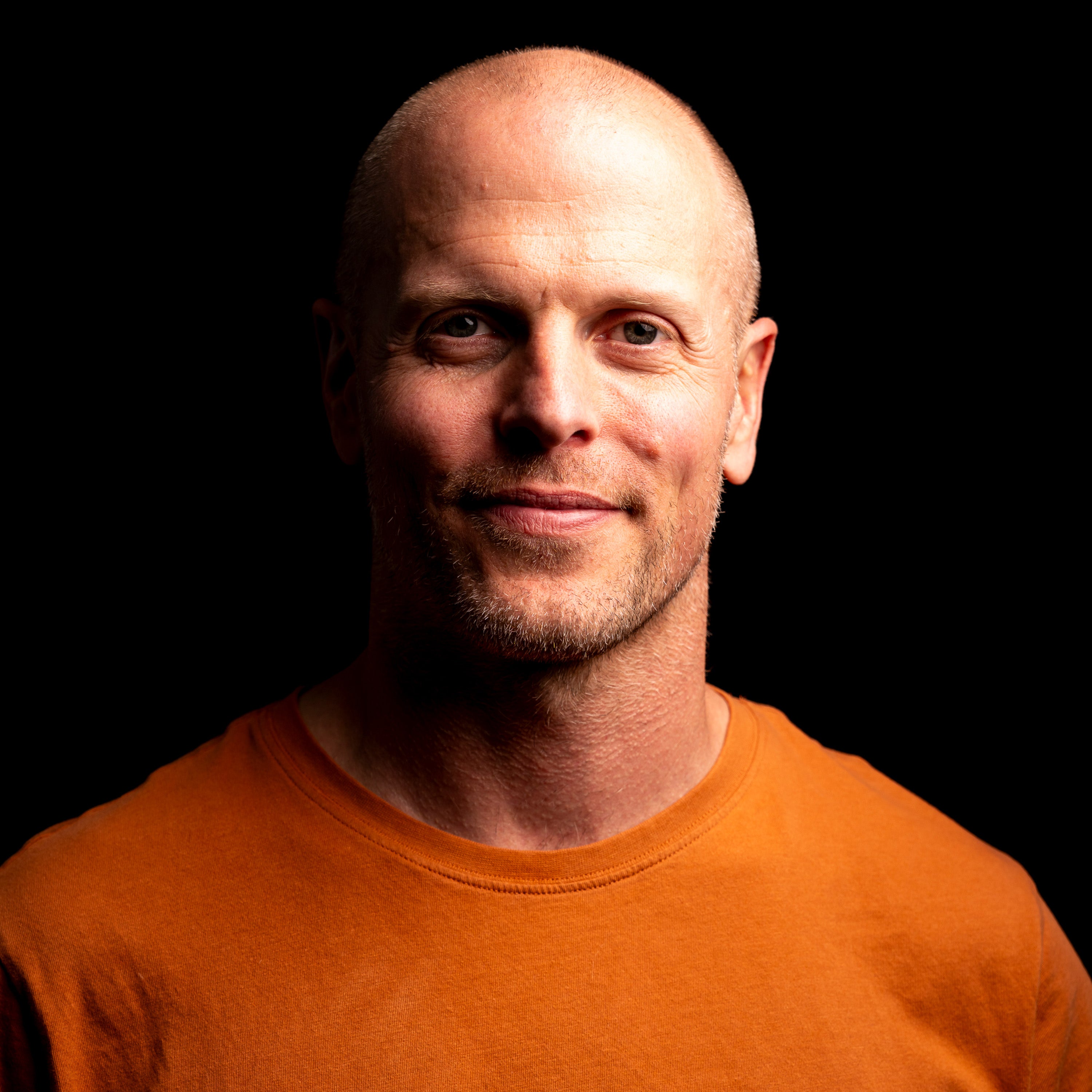
Tim Ferriss (author/investor; “master experimenter” focused on unconventional mental-health interventions; has funded research on psychedelics, including anti-inflammatory effects; describes major personal depression and a near-suicide episode in college). The other speaker is Blake (the host; shares that he has been on Ferriss’s podcast multiple times; discusses his own mental-health journey and tools like meditation, ketamine/therapy experiences, and mentions products/apps).
Depression isn’t a “bright line” from bad days—if you’re worried, get help. “No magic pill,” but relationships and practical routines help. High achievers may crash due to identity shifts, dopamine/external-validation loops, and “mind-body” burnout/insomnia. For acute suicidal ideation, ketamine is a “pattern interrupt.” For ayahuasca, only proceed if you feel genuinely “pulled,” not in emergencies.
College suicide plan derailed when a library postcard arrived; “night school” (ayahuasca-like resurgence after stopping); accelerated TMS plus decyclcerine lozenge reducing generalized anxiety from 8–9/10 to 0–1/10 after one day, lasting ~4 months; mantra-based meditation (“I am enough”) during medication weaning; ketamine used in acute states; stepwise 30-day meditation + breathwork + later supervised MDMA/psilocybin/other options.
0:00Tim Ferriss: I was so isolated and so inherently broken. I needed a life raft even if it was covered in thorns. Tim Ferriss is an author, investor, and master experimenter when it comes to treating mental illness in unconventional ways. One of the more recent types of research that I've funded with respect to psychedelics is actually looking at their potent anti-inflammatory effects. If you've ever felt depressed and alone, this episode is for you. I mean, the worst one for sure was in college because that's when I had a date on the calendar when I was going to commit suicide. But he turned it around by staying curious and trying all sorts of things to make himself feel better.
0:41Tim Ferriss: Basically, stick a lozenge in your mouth. You do one day of stimulations and took my generalized anxiety from like an 8 or 9 out of 10 consistency to like a 0 to 1. You are going to receive so much valuable advice from this episode. From small, everyday things that will change your mindset. Go outside and jump rope facing the sun for 60 seconds. To big takeaways on potent drugs and medicines. First of all, if you don't feel pulled in a very meaningful way to do ayahuasca, do not do ayahuasca. I like that you said that. I agree. Number one, a lot of people view them as a magic pill. Yes. I know you will come away from this conversation with practical tips on what to do if you're experiencing depression, mood swings, suicidal thoughts, or simply loneliness.
1:30There isn't a magic pill, but relationships might be the closest thing we've got. Super close.
1:44Tim, I mean, this is pretty exciting for me because I've been on your podcast, I think, three times now. A bunch. But no, when I had the idea for No Magic Pill, you really were one of the top dream guests for me. And the reason why is your vulnerability and openness to talk about, you know, depression and anxiety and some of these things that I, when you first started speaking about this, had not heard any kind of high performer talking about. And that really helped me on my journey because I think there's like this somewhat dark underbelly or price that sometimes we pay for being highly creative or having a lot of ambition.
2:21and unless it's talked about, you feel really alone when it's happening. And so the whole purpose of this podcast really is to meet people where they might be struggling, they might feel stuck, they might be struggling with depression and where do they go? Because it was really hard for me to find resources when I was struggling so much. And so because you've talked about it so openly and you shared your journey with such vulnerability, I was like, okay, I definitely want to have Tim on the show. So I'm glad that we're here.
2:49Tim Ferriss: I want to thank you also for on, I think it was our first episode maybe, talking about the Hoffman process. I still probably get 15 handwritten letters a week. Just because of that episode? To my P.O. box because of that episode. Wow. Every week, every single week. That's amazing. It's funny, I get tons of letters too. Yeah. Yeah, that's so cool. Yeah, it is cool. Well, I guess one where I'd like to start is a little bit what I was just alluding to, and that is high performers, people who are type A, who are going through periods of extreme creativity, often we see a crash afterwards. I very much experienced this after I built and sold Tom's.
3:33I'm curious, why do you think that happens? And why has that maybe happened even for you? I think there are a whole bunch of different forms I can take
3:45Tim Ferriss: from what I've seen. certainly I pull from my personal experience but also looking at my friends many of whom are not public about what they go through I think there are different species of let's call it depression one is partially identity based so you see this in Olympians after the Olympics you see it in special operators after they retire from service and try to transition where they were the top 1 % or 5%, whatever it is. Very, very high achieving in a particular world. And then that is replaced by something very, perhaps, middle of the pack, right? So you take someone who's a famous Navy SEAL and now they're just an entry-level Remax salesperson.
4:33Tim Ferriss: And that is a very hard identity shift. Do you think also there's a little bit of like a dopamine addiction? I think there could be. What I've seen in that, I'll probably go a little further afield from the original question, but I'll add one more thing. I think that's over a very long term for looking at, say, career shifts of that type. There's also another form which is more kind of project-based, but it could be a startup. Let's just say if it's a venture-backed startup. It doesn't have to be, but if someone's really sprinting, in the same way that you might get physically sick after really pushing hard for a period of time, Your body's like, okay, we're going to hold off on getting sick until we get through this.
5:18Tim Ferriss: And then as soon as you take the accelerator off, you get sick. And I think similarly, the mind is not separate from the body, right? The brain and the body are all one closely integrated circuit. So I think there's a piece to that. If you're burning the candle at both ends, which a lot of high performers are. and it actually relates to your follow-up question because when you're running in sixth gear all the time, it is a subconscious, very effective tool for creating enough volume of activity that the stuff you're trying to keep locked in the basement stays locked in the basement, or at least you drown it out.
6:01Tim Ferriss: And then when you remove all that activity, uh-oh. Yeah. Right? Something knocks on the door. That makes a lot of sense. And I think definitely even from my life, I think there's been times, especially at Tom's, when I was, you know, just going, going, going, going and having so much stimulation. And, you know, for me, I recognized that it was this just incessant need for external validation, you know, and not that I, you know, growing up, never feeling like I was enough. And so if I could just keep on getting the external validation, validation, validation, I can, that stays in the basement. And I mean, this is a great example of what I think happened.
6:37And then when I sold the company and no longer had that, that in a sense drug of the external validation, then I had to look at this core wound that I've been carrying. So really there's a couple of reasons, I guess, then to recap is one is it just might be that, you know, when you take your, you know, your foot off the accelerator, just then your mind, just like your body has like, hold on. and we're just too taxed.
7:00Tim Ferriss: We have so much to talk to you about. Yeah, exactly. By the way, if you have a lot of insomnia, that might be part of, it might be a contributing reason, right? If your brain's like, oh. Yeah. We've been waiting all day to talk to you. Yeah, it's now our turn. It doesn't always mean capital T trauma, but. Yeah, okay, that's interesting. Well, with your, with the, I've read in doing some prep that you've said you've had over 50 depressive episodes. I mean, probably, yeah. I mean, they were really frequent. So for people who are listening who might be struggling at the moment, with the understanding I'm not a doctor, don't play one on the internet.
7:34But growing up, I had, God, I don't know what the exact number was.
7:39Tim Ferriss: At least I would say like four to eight depressive episodes a year ranging from a few weeks to a few months. Wow. So it was pretty prevalent. It was a very high percentage of my total lived experience. Okay. and I do have a bunch of thoughts on what contributed to that but flash forward and the reason I talked about people struggling and it's taken a lot of trial and error but there are actually really really really effective tools and they're going to become more effective but I at this point and for the last let's just call it kind of pulling a number out of my ass but five to ten years, certainly five years, the frequency is down to maybe once every two years.
8:23Tim Ferriss: Wow. For a few weeks. That's significant. And those lived experiences are two different humans. You cannot, I can't, I don't feel like I can overstate the difference between those two things. Wow. And for someone who hasn't had a depressive episode or doesn't know if they're in one right now, what is the difference between just being like having a really shitty time with things and then actually like, Like, okay, I've reached the point of a depressive episode that I need to get help, talk to someone, or potentially try some of the tools that we'll talk about. I'm not sure, to be honest. It's not a bright line.
8:58Tim Ferriss: As a non-psychiatrist, I don't think there is a very clear delineating line. What I would say is that if you're worried about it and you ask yourself, do I need help? Yeah. You probably need help. Yeah. Right? That's a great, I like that. And I would say that, I mean, we could certainly go into personal examples, but if somebody hasn't experienced depression, it's very hard to talk to them about depression in the sense that, this might sound funny, but it's like if someone has never had an orgasm and you're trying to explain it, it's kind of like an itch in your balls, but it's like a sneeze. And then you're like, what?
9:38Tim Ferriss: So like depression, when people are like, everything's great. Look at your life. You shouldn't be depressed. You're like, I get that. That's the problem. That's the problem. I still feel depressed even though I have the ability to zoom out and look at it. Part of why it feels so hopeless to a lot of people is they're like, if I look at the balance sheet of my life, I know it's great compared to most of the world. And yet I feel this way. Therefore, part of me is broken and will never be fixed. Therefore, what's the point? Yeah. If you don't mind, I would be really curious. Of the depressive episodes, which was the worst for you?
10:11Like, which, what did that feel like? Like, take us there.
10:16Tim Ferriss: I mean, the worst one for sure was in college. Okay. Because that's when I had a date on the calendar when I was going to commit suicide. I mean, I had the entire plan spec'd out. And, I mean, it's a very long story. We can get into it. But, like, the reasons behind it in retrospect seem kind of ridiculous. But that's, in a way, the point. I think this is important for people to hear. Right? Yeah. and it related to this very odd situation where I was basically being threatened by my thesis advisor in college, and the thesis is worth a large percentage of your total departmental GPA for your entire time at school, and blah, blah, blah, blah, blah.
10:55Tim Ferriss: I say it now, and it sounds ridiculous, right? But at the time, I was so isolated and felt so inherently broken because I looked at it, and I'm like, I know this isn't a big deal, and yet it feels like my life is over. Keep in mind, this is after many dozens of depressive episodes. Yeah. I'm like, do I want to live like this? No, I don't think so. You think it was cumulative all the years of these depressive episodes? I think at that point in a very dark place with social isolation, I think you look back. People do this for everything with confirmation bias. So you're looking for the evidence that you're broken and this is never going to change.
11:38Tim Ferriss: I mean, I knew exactly how I was going to do it. I did all this reading, like just how I apply myself with everything else. Like I applied myself to figuring out how to go about it to try to make it look like an accident. That was key because I didn't want my parents or other people to blame themselves. So I had it all figured out and I had reserved or attempted to get a hold of a book at Firestone Library, which was my university's library, on assisted suicide. And it was out, like some poor bastard had already taken it out. Oh, God. And at that time, if this had happened today, I would be dead.
12:16Tim Ferriss: And I'll tell you why. Because at this point in time, it would be an email or a notification, digital. Sure. It would go directly to me. Yeah. At that time, they would mail a small postcard to your mailing address on file, which as a student would be on campus. I was off campus. Okay. and I had forgotten to update my address at the registrar from my home address where my parents lived. Oh, so they got the postcard. They got the postcard, which was like, hey, your book on suicide just arrived. Oh my gosh. And my mom called me. Wow. And I lied. I didn't tell her the real reason. I was like, oh, you know, there's a friend at Rutgers.
12:56Tim Ferriss: Don't worry about it. Like he wanted it for a research project. It's not for me. But that broke the spell. And I realized, jig is up. I can no longer make it look like an accident. And I also realized just how, and this isn't a condemnation, but how inherently self-focused suicide is, right? You don't realize, and I ended up, I mean, one of the most important things I've ever written is things just called some practical thoughts on suicide. I read it before the interview. It's great. Highly recommend. For people who are watching or listening, go to Tim's blog and this is really helpful. Look at the comments.
13:38Tim Ferriss: I mean, there are hundreds of people who pulled themselves out. Because there are a few things you realize when you have, or you might have when you go through the wake-up call that I had, which is if you commit suicide, you might relieve some pain for yourself. Maybe. Nobody knows what happens after lights are out, number one. But number two, it It would be as if you strapped a suicide vest full of explosives on your body and walked into a room full of all the people you care about most and detonated. That is the psycho-emotional impact that you are going to have on those people for the rest of their lives.
14:16Yeah, and you think of your kids. If you have kids, for me, that was the number one thing. Right. Yeah.
14:21Tim Ferriss: Right. So that was the darkest for sure. Wow. Yeah. And look, I assume there's the possibility of that happening in the future, which is part of the reason why I want to have my sort of life vest, you know, emergency exits. I want to know what the plan is if and when I start feeling the gravitational pull towards those types of depressions. And what are they? What tools do you have in place? Man, I mean, I'll tell you. I think this is really important. I mean, this is the whole reason I'm doing the podcast. Like I'm so happy we're spending as much time as we're on this because inevitably there might be someone listening or someone who knows someone that they're really worried about.
15:03And having those tools in place and a plan, if you start to feel that way, is so important. Yeah, I'll tell people how I'm thinking about it now. Okay. And I've seen some.
15:15Tim Ferriss: Because we just lost a good friend, Nolan. Yeah, we did. You know, we did. And I've sadly, I've lost at least half a dozen close friends to suicide. I mean, two from college, one from high school, two from high school, and it's a long list. All brilliant, quirky bastards, you know. Where I've landed with it is there are three primary sort of legs of the stool that I pay attention to. These are probably going to change over time. The first is sort of biology over content. So instead of taking like the Freudian informed talk therapy approach, again, this is for me personally, folks, this is not medical advice, but biology first.
16:02Tim Ferriss: So metabolic psychiatry, everybody should take a look at metabolic psychiatry. Mostly there's someone named Chris Palmer from Harvard who's been really popularizing this, wrote a book about it, but it focuses primarily on the ketogenic diet or carb-restricted diets. The second is different types of brain stimulation, coming back to Nolan. So accelerated TMS. Yeah, I've done it. Would be an example. And there are more and more refined versions of that where literally, I'm a walking case study here, and I know a lot about the science, one single day of brain stimulation doesn't hurt at all, preloading with something called decyclycerine, which is an old antibiotic that used to be used for tuberculosis, but it improves neuroplasticity, to put it simply.
16:49Wow.
16:50Tim Ferriss: You basically stick a lozenge in your mouth, you do one day of stimulations, and took my generalized anxiety, and I've been diagnosed with all this stuff, got to be careful with that, but I have from like an eight or nine out of ten consistency to like a zero to one. With one day of TMS? With one day. Same protocol? Same protocol. Wow. Shorter stimulations. Okay. So we can talk more about this. And that has lasted now four months? Yeah, I remember I was texting with you when you were there. I made four months. Yeah, wow, that's incredible. And I've done a lot of trial and error with brain stimulation.
17:25Tim Ferriss: So we have the metabolic psychiatry, and I'll come back to that fuel. And then you have brain stimulation. And then the third, I would say, with kind of covering my face and pointing off in the distance, like when people ask Warren Buffett how to become rich, and he does that when pointing to Wall Street, I would point to psychedelic-assisted therapies. And I say that because it's nuclear power and it can cut a bunch of different ways. You and I both know that. So you have to be very careful and I have a lot of caveats there. But those three continue to be very important to me. I approach them in the order that I just mentioned.
18:03Tim Ferriss: So nutrition and fuel, then brain stimulation, and then psychedelic therapies. And then there's a bunch of other stuff that is helpful, right? So I don't want to diminish the importance of exercise. Those are non-negotiable, but I suspect a lot of people may have already talked about those. It doesn't work as, again, right? No magic pill. Yeah, there's no magic pill. It's not a magic pill for everybody, and it does take some effort. There's no free lunch here. Similarly, But a first-line defense. I mean, I think that's what we're looking for. First-line defense is... Try this. Part of what I want to get to is, for someone who feels like they're trying everything and nothing's working, hopefully they discover some new things today.
18:43So this is just one idea.
18:45Tim Ferriss: If you've tried to purchase morning water the last few months, we've been sold out. Today, we're officially back in stock and announcing our next morning water challenge. During the month of November, I'd like you to join me for 30 days in starting each day with a simple win. Together, we drink one glass of morning water and get at least five minutes of sunlight each morning. And when you sign up, you'll get a 30-day supply of morning water, a glass bottle, 30 days of access to the Hard Work Pays Off workout app, and access to our private community group. Finish the challenge, write a review, and we'll send you another 30-day supply of morning water for free.
19:29There's absolutely no risk here. You try it for 30 days. If you do not like it, we will refund 100 % of your money back. We're opening up to 2 ,000 spots for this challenge. Our last challenge sold out in less than two weeks. So go to morningwater.co. Again, that's morningwater.co and sign up today. Just remember to use the code NOMAGICPILL when signing up. Let's make November your best month ever.
19:56Tim Ferriss: All right, so you have the metabolic psychiatry. Then there's the brain stimulation. There are many different ways. And I should say bioelectric medicine because there are many different approaches to this. The one that I highlighted is accelerated TMS. And just to give people a lead, the clinic that I have no affiliate code or anything with these guys, no involvement. But there are a lot of fly-by-night TMS clinics, just like there are a lot of fly-by-night ketamine clinics. I've used Acacia Clinic. That's who I used. Yeah, there you go. So I feel like they're credible. They do good work. They run clinical trials.
20:34Tim Ferriss: So far in my experience, they've been good. And then the third piece is the psychedelic stuff, which, you know, we can uncork if you want to uncork that. Yeah, I mean, I think uncorking a little bit. I mean, we could spend two hours just talking about that. And you and I have, you know, on our own. But I would say, you know, for me, when I was in a really acute state and just looping and feeling like there was no hope, ketamine helped a lot. You know, I was really, I was a little bit like hesitant because of, you know, I think a lot of people abuse it. And I was like, I don't know, because I've worked with these other medicines.
21:08But I was able to use ketamine, especially because I was on a bunch of pharmaceuticals. And that was part of the problem now that I look back. But at least that medicine was available. I didn't have to wean off all the pharmaceuticals. And it really just kind of, I don't know, I'm curious, what do you think it did? Because it really made a big difference for a short period of time. Sure. Yeah, I mean, I think, you know,
21:31Tim Ferriss: John Crystal of Yale and others are worth checking out for people who are interested in ketamine. Okay, great. My brief take on ketamine, I've done a number of cycles, not because I needed it at the time, but I wanted to be able to speak to the effects. Yes, yeah. You're one of the great experimenters, and I think we all are very grateful that you have put yourself out there. Yeah, thanks. For now, for 20 years. I could give people a long list of the not-to-dos. I think back to the four-hour body. What year did the four-hour body come up? 2010. Yeah, 2010. I was reading it and saying, what is he doing to himself?
22:05Tim Ferriss: Yeah, I think I might have been the first non-type 1 diabetic to use a continuous glucose monitor, which was in that book. I used it in 2008. And now you see it on everyone. Yeah, pretty wild. So in the case of ketamine, I think one of the incredible applications of ketamine, there are a lot of misapplications, but if you are acutely suicidal, Yeah. If you have suicidal ideation, I have not come across anything that as consistently, it's not 100%, as ketamine is such an effective pattern interrupt. Yes. That you can watch someone go in with, I'm going to kill myself today or tomorrow to, I don't know why I was so upset about X.
22:49Tim Ferriss: Yeah, it's true. Literally in one session or a few sessions. I've never seen anything produce that kind of effect otherwise. And my, let's just say, muggles way of trying to explain that would be it's a dissociative anesthetic, right? So on one hand, the anesthetic effect, I mean, you've probably experienced this subjectively. It's very strange where you're having a conscious experience, but you can't feel your body. Can't feel your body at all. It's very strange. Yeah. And you wonder, you're like, am I breathing? I must be breathing because I'm still alive. But it's very strange not to be able to sense it.
23:27Tim Ferriss: Now, I think on one hand, the sympathetic overdrive that can feed a lot of the loops is in a sense taken offline, at least from your conscious awareness. Okay. That's what's happening. Then the dissociative component, I think people need to be very careful with dissociative. So I'll give a couple of warnings. but the dissociative piece is very helpful. And as you mentioned, ketamine has not zero, but very few contraindications, right? Unlike some of the psychedelics. And it is generally very, very safe. It's on the, I think it's on the World Health Organization's 100 Most Essential Medicines. It's really critical.
24:07And especially if you have a good guide or therapist. I mean, that's, I think we should say that as well because it's, that was, it is a very important piece to any of this. Yeah, you need it.
24:16Tim Ferriss: And if they haven't been doing it for 10 years, I'd say steer away, right? If you can. But the distance, to keep it simple, that the dissociative affords you is it allows you, as is the case with other psychedelics, to take an observer role. Yes. So you step out of the movie and you sit in the audience of the movie of your mind and you're able to go, wait a second here, there's a plot hole. Wait a minute, that doesn't make sense. That character wouldn't have done that. And in that way, you're able to kind of audit the thoughts that are governing your life and your feeling and your desperation.
24:59Tim Ferriss: So I do think it's a useful tool. It's a good arrow to have in the quiver. At the same time, I will say I feel very strongly that people should not have lozenges at home. They should not have take-home nasal applicators. It is very addictive. And just like alcohol, I have many friends who have spun into a deep addiction, and it tends to produce a lot of thoughts, delusions of grandeur. Yeah. You feel like you have superpowers. Yeah, yeah, yeah. You feel like you're on the inside track and that you're doing everything more effectively. Meanwhile, you're just destroying your relationships and falling apart.
25:39I'm glad that you brought up that warning because that is there. You know, it's like, you know, one time I was having this amazing, I had this dinner with Desmond Tutu. And he told me, he pulls out the knife and he goes, Blake, this butter knife, you know, when you use it to butter bread, good. When you use it to stir your neighbor, bad, same knife. You know, it's kind of the same thing with ketamine. You know, it's like when you have a guide, when you're doing it in an environment that is, you know, therapeutic, it can be really helpful. Limited to the clinic. Yeah. Right. And don't, this is not something you're just doing at home.
26:12Tim Ferriss: Yeah. Because I know people like they're going through, for instance, I know someone that were going through a divorce, didn't want to feel what they were feeling, started using ketamine every day at night as a way to take the edge off as someone might use alcohol. Or nitrous. Or nitrous or whatever. Yeah. this is maybe going to sound controversial, but I know right now the chorus, and I think it's very beneficial, is less alcohol or no alcohol. Alcohol bad. But what you find is that, at least on the coasts, and I'm sure this is true elsewhere, it's definitely true overseas in some places, people are like, ketamine, it's like alcohol, but without all the side effects.
26:49Tim Ferriss: And I'm like, wait a minute now, time out. One of the benefits, I'll just throw it out there, of alcohol is if you consume too much, you're going to feel like dog shit the next day. Yeah. So in a sense, unless you are a full-blown alcoholic, there is a little bit of self-limiting. Yeah. Whereas ketamine, like you can buy the falsehood that it's a free lunch and get yourself into a world of trouble. I appreciate you saying that. And I want to go back to the thing you spoke about in terms of why it is effective in a therapeutic setting that you become this observer and you see things in the movie that might not make sense.
27:22That was very much the case when I had the experience. It brings me back to something that I read that Martha Beck wrote about, you know, she said, you know, one of the most important things for someone to, you know, potentially get out of a depression or a depressed state is, you know, really looking at their life and seeing where they're not being with integrity. And I think very much depression for me, as I look back at now, when it got so severe, was really kind of like a wake-up call. It was really kind of a check engine light of my soul or my spirit or my higher self. That's a good way to put it.
27:55Saying, Blake, you have gone off track. Like this, you're not, the decisions you're making and the way that you're living isn't in alignment with what you came here to do. And ketamine was one of the things along with some really great therapy that showed me that my soul did not want to live the life that I was living. And I'm curious with some of your depressive episodes, have you ever found that to be the case where you look back now and you're like, oh, that depressive episode was actually a signal to me to course correct in some area of my life.
28:27Tim Ferriss: I think the check engine light is a good analogy. It's a good analogy. Okay, good. Right? So, for instance, I had a pretty dark period towards the end of writing my third book, The Four Hour Chef, which was an impossible suicide mission of a deadline that I agreed to. Like the book, especially looking back at it now, I'm like, that should have taken any reasonable person like three years. And I agreed to do it in like 11 months. It was just insane. Oh, wow. Still very proud of the book. But what that meant is I'm fully on the stimulant train, but then you can't sleep. So I'm taking downers or sleeping pills or whatever to try to get to sleep.
29:05Tim Ferriss: Wow. But it's fractured, shitty sleep. The sleep architecture is totally destroyed. And I was also in a relationship that probably should have ended a few years earlier. That'll do it. But I felt so desperate with everything else. And I think there's actually some validity to this. I needed a life raft even if it was covered in thorns. Yeah, I understand. And there was a lot going on that required course correction. And I was also very resistant to reaching out for help. That was a big problem. And my unspoken mantra was suffer in silence. Like why inconvenience people with this? There's nothing they can do anyway.
29:46Tim Ferriss: So solve your problem. and ultimately, actually someone whose name came up before we started recording, Chase Jarvis, to his credit, was like, I really think you should try transcendental meditation. And I looked into it and I'm like, you have to buy flowers for some guy who gives you a mantra that you can't tell anyone? Like, what kind of cult is this? Like, I'm not interested. And I was like, plus it costs, at least at the time, like SF was like a thousand bucks. And I'm like, this sounds like such a scam. And he's like, you can afford it. Yeah. It's like it's been hugely, hugely helpful for me.
30:19And I was like, I was desperate, right?
30:21Tim Ferriss: So I tried it, end up being incredibly helpful. So basically, you recognized that you were getting off course in many different ways. I mean, the stimulants, number one, this impossible deadline, being in a relationship that probably has an expiration date that's passed. Yeah. And so, but how did you— And the impossible deadline also is very closely related to a certain— But subconscious FOMO, I felt like this is a huge opportunity. Yeah, can't miss it. I can't miss it. If I miss it, I may never see anything like this again. Yeah, yeah, yeah. And look, sometimes that's true, but ultimately developed a much broader awareness of just how much opportunity is everywhere.
31:08Yeah.
31:08Tim Ferriss: You don't have to kill yourself. So to kind of bring you up to speed with, you know, kind of my last year and a half. So do you know Dr. Dan Engel? Yeah. Okay. So Dan, my first, I think it was my first ever episode on related to psychedelics was 2015. And Dan was on it and we talked about Ibogaine. Okay. Back in the day. Yeah. So I know Dan. So Dr. Dan was my psychiatrist. Yeah. And so I was basically, now I know I was misdiagnosed as bipolar. I was put on four different pharmaceuticals, never had been on one in my life. and my entire, I don't even remember almost two years. I mean, literally, I was numb.
31:49I made a bunch of decisions that don't make any sense. Like I was just, I was depressed. Then I started drinking. I mean, it was just a total mess. And so I got so bad that I reached out to help and I told my friends like, I'm not okay. And during that time, our good friend Joe Green introduced me to Dan and he said, hey, like I think you should really look at this diagnosis and also all these meds. And so Dan and I spent six months weaning myself off these meds. And in that process, we did a lot of deep work together. And in one journey that we had together, he and I, or I, uncovered that underneath a lot of this was this feeling that I never felt that I was enough.
32:28And as a kid, I felt like my ability to get love and attention was if I won tennis matches. And it was businesses. And it was starting toms and helping people. And no matter what I did, it was never enough. and I never felt enough. And so Dan made me this mala, and he said, okay, I want you. What is that? Like a beaded, you know, like. It's like a rosary kind of? Yeah, yeah, kind of like a rosary. He handmade it for me. He's a sweet guy. Oh, he's amazing. And he goes, I want you to try something for 40 days.
32:58Tim Ferriss: Okay. And I was desperate. I mean, I was really not in a good place. And he said, you know, basically, for 40 years, your brain has been telling yourself that you're not enough. We have to reprogram your subconscious and kind of rewire your neural pathways. And we're going to do this with this mantra-based meditation. And so I promised him, and I did it, that I'd wake up, and for the first 20 minutes every morning, I'd set my timer. I would sit up in bed, and I would use the beads, and I would go, I am enough. I've always been enough. I am enough. I've always been enough. For 20 minutes. Then at night, before we go into bed again, 20 minutes.
33:35Now, the first two weeks, I, you know, 20 minutes felt like two hours, by the way. I mean, if anyone's done mantra-based meditation for 20 minutes, especially out loud, because you get in that rhythm, and it's just like, how many times have I said this? It feels forever. I mean, it's, and so I was feeling like nothing was happening. I mean, I think on the third week, I almost was like, I'm done. But I was really desperate, so I kept doing it. And then around the 28th day, I had this, like, full-body, like, kundalini release. It was the craziest thing I've ever experienced. Above even any psychedelics, anything.
34:08Just all of a sudden, I just felt it in my body. And I got out and I saw my friend and I said, you know what? I'm enough and I've always been enough. Like in a joke, but I actually really believed it for the first time, maybe my whole life. And so, you know, that ultimately led to creating the bracelet and then, you know, giving it to people. Got one on my desk at home. Oh, you do? Okay, great. Right. And so that led to the bracelet and, you know, creating the nonprofit to raise money. But I'm so curious now is, was it the mantra of I am enough or was it just the practice of 20 minutes in the morning, in the evening rhythmic?
34:45I mean, who knows? It could be both. As Alejo says, who knows?
34:48Tim Ferriss: Who knows? Yeah. It could be both. I mean, my feeling is as the sort of self-described, self-appointed human guinea pig, right? I still have some more safety rails on that than I used to. But part of what I try to do and a lot of the science I fund is just trying to decouple things. To ask the question, what else might explain this? Or what else might contribute? So I am firmly in the camp that content does matter. There's just for me a question of in what order do you sequence things? If you're in a really dark place, where do you start? and where I've landed, if it's really, really acute, ketamine.
35:34Tim Ferriss: If you're at imminent risk of self-harm, that's the best choice I've found. Then it's pay attention to the body, state, fuel, food. Then there's the brain stimulation, and then there's the psychedelic-assisted therapies. I do think the content matters. I am simply curious if there are aspects for people who have perhaps not succeeded with anything verbal before if they're like I've tried it man I've tried 20 of these I did this type of therapy and internal family systems which I actually think can be really super valuable or family constellation therapy or whatever and they're just like none of it's clicked I'm like okay boss What about this?
36:24Tim Ferriss: Let's consider this. So, for instance, one of the more recent types of research that I've funded with respect to psychedelics is actually looking at their potent anti-inflammatory effects at incredibly, incredibly low doses. We're talking like 100th, 1 ,000th of a microdose. These are entirely sub-perceptual. Just for inflammation. Just for inflammation. Because if you look at the literature, there's a fair amount to suggest that if you give a cohort of, I'm making up this number, right? But if you give like 20 people with depression straight anti-inflammatories, that some percentage of them will have a remission in symptoms.
37:09Tim Ferriss: Inflammation, that's it. Just inflammation. Well, that goes back to the ketogenic diet, right? Ketogenic diet. There are other ways to mitigate inflammation, but absolutely the ketogenic diet is highly anti-inflammatory in a bunch of different ways, direct and indirect. So there might be like really medical benefits that are non, I don't know, psychedelic in the way that we think about it, you know, or not hallucinogenic or, you know, that are just working with the biology. Yeah. And also then a lot of neuroplasticity that people can often come from an experience with psychedelics and then in that state work on some of the content stuff.
37:49I have been using an AI emotional support app called Sonia, and it has had a huge impact on my mental health. Now, it does not replace my traditional therapist, but I use Sonia in between. I use it at 6 a.m. when I can't call my therapist, and that has made all the difference in the world. So I spoke to the founders of Sonya, and we have a special code for this community. It is Friend of Blake. So when you download the Sonya app, if you want to give it a try, put Friend of Blake in there, and you will get two months for free. And I guarantee you, it will have a huge impact on you as it's had on me.
38:21This year, I met some engineers from Nike who invented a new type of office chair that has not only changed my life, but actually saved my back. Especially because I am on about five hours of Zoom calls every day. The MoveLab chair has two different pivot points under the seat, which keeps your body in continuous micro-movements all day. The founders told me it is the equivalent of taking 3 ,000 steps. And all the lubrication of your joints and the blood flow is why my back no longer hurts. And I can focus on my work so much better. I loved it so much that I actually joined the team as a co-founder.
39:00And I will be sending one to every person I know when we launch this fall. If you're interested in learning more or pre-ordering one, we only have 500 in the first run. You can check us out at Movelab.com. And that's spelled M-O-O-V-L-A-B.com. For someone who is thinking that they're being called to work with ayahuasca, how can they have a safe experience? Well, let me start with – because I think that was – I mean, if I'm hearing this right now, and I think it's great because I think it's absolutely true. and it really mirrors some of my own personal experiences, which some have been great and some have been quite scary.
39:40Tim Ferriss: Yeah, we've had some offline conversations about this. Yeah, the night, what is it called, night school you told me about? Night school. Yeah, you don't want to have night school. So people avoid night school at all times. But so if someone is, though, saying, okay, I've really thought about this, you know, I feel called, like what would be just real quickly like the three steps or points that you would make to try to have a safe experience? Yeah, let me start just for people who are like, what the hell is night school? That is when you have spontaneous resurgence of like the full-blown ayahuasca experience when you're trying to sleep in the days or weeks following, which can be very destabilizing.
40:20Tim Ferriss: So you assume you are effectively going crazy. And some people kind of do. So putting night school aside. I remember calling you about that. That was like a decade ago. Yeah. And I was like, Tim, what? Yeah, yeah, yeah. And I was like, okay. Hold on. Thankfully, it only lasted about a week. You're not alone. But it's common enough that a friend of mine gave it that name. Same, yeah. Night school. So putting that aside, what I would say is, first of all, if you don't feel pulled in a very meaningful way to do ayahuasca, do not do ayahuasca. I like that you said that. I agree. Number one. If you feel like it's an emergency, there's probably another tool that is better suited.
41:00Tim Ferriss: This is not an emergency tool. If you're like, I need ayahuasca now, I would say maybe if it's, say, depression-related, maybe ketamine is the first line of defense. 100%. If we then conclude it's not an emergency, I'm like, okay, well, you should, just like you were going to climb Mount Kilimanjaro, chances are you're not just going to hop off your couch after doing nothing for five years and go try that. So what I would say is especially, let's assume somebody has no psychedelic experience whatsoever. I would say pick an app and do 30 days of consistent meditation. Yeah. And that could be non-app, but transcendental meditation, something else.
41:39Tim Ferriss: But you could choose the Way app, which I'm involved with, full disclosure, but I do think it's a good layered kind of skill acquisition. The Waking Up app with Sam Harris, his very first 30 days where he recorded it, I think is incredibly strong. I don't know if they even still host it on the app. that and then a book called awareness by anthony de mello greatest books of all time do those two things together for 30 days yeah and as you commit to that schedule a date to do breath work holotropic breath work probably is the lowest hanging fruit because it was designed by stan groff and others to in effect attempt to simulate a psychedelic experience it's very intense Well, before you continue, Anthony DeMello, Awareness.
42:28I think it's one of the greatest books of all time. It really is. I'm so delighted that you just brought that up.
42:33Tim Ferriss: I've given away hundreds of copies of that book. I have too. I mean, literally, I think every single person on my Christmas list has received that book. I've read it 10 times. And every time you read it, something different sticks out. I mean, the whole part about love and what really love is. And also, he's like, you say you want to heal. You don't want to heal. You want relief. Yeah, exactly. And he's like, let's dig into what that means. And he's like, I'm going to write a book one day. It'll be called I'm an ass, you're an ass. And he's like, here's why. I just like the delivery. He's a great guy.
43:01Okay, sorry. Go back to this. No, it's okay.
43:03Tim Ferriss: Long since passed. But Anthony de Malle was a Jesuit priest who was also a psychotherapist. Very interesting combo. Awareness, highest recommendation. I literally have an entire shelf in my guest bedroom at my house that is just that book. And so when people show up, I'm just like, hey, grab it. It's my number one book I recommend to people. Okay, so there's the commitment to meditate daily and read awareness, then to schedule breathwork, say holotropic, which is turning towards the whole, by the way, much like hologram. Yep. And then like entropy, right? I'm a word nerd, but holotropic breathwork is pretty well standardized, I would say.
43:44Tim Ferriss: It's very intense. You probably will have a headache the day after you do it. but experience that and see how you navigate it. Yeah, it's a great point. Then after that and after your 30 days are complete, if at that point you still feel pulled to like a pharmaceutical or pharmacological intervention, then I would say, again, these are almost all illegal. So be aware of the legal side effects. But let's just say in a legal context, if you can figure it out, And there are hospital systems, say, in Utah, at least last I checked, that were, I think it was Intramatin Health, looking at both psilocybin and MDMA, which is incredible.
44:25Tim Ferriss: Utah and Texas leading the charge. Who would have thought? Who would have thought, right? The point of that is, like, then look at what you can get out of MDMA. Yeah. With supervision, right? MDMA, I feel, and by extension, other tools that are close cousins, like Methalone, for instance, incredibly underrated. Why are they underrated? Number one, they've been around for a while. Huge thanks to Sasha Shulgin for resurrecting a lot of compounds, including MDMA. But they don't give you the razzle-dazzle alligators with rhinestones were chanting to me in extinct language and alien intelligence came down through a beam and taught me about warp drives.
45:11Tim Ferriss: Like the MDMA experience definitely generally doesn't have that. So you don't get to sit down with your friends and be like, I was in Avatar the movie. Yeah, yeah, yeah. And let me tell you all about it. And I think for that reason, there's a selection bias towards the crazy stuff. Yeah. And look, I get it, right? Like it is unlike anything you will ever experience. Sure. But MDMA, methadone associated in whatever you want to call them, right? and pathogens and tactogens are really underrated. And people should check out the research of Gould Dolan, who is at Berkeley, used to be at Hopkins. And what she is able to do with MDMA is absolutely head spinning.
45:58Not just on the psychological side,
46:02Tim Ferriss: but if we expand that a bit, MDMA, and I think this is probably true for other psychedelics, but it reopens it appears to reopen critical periods so for instance in stroke patients who are unable to use an arm or something like that if they need to regain motor skill normally they might not be able to do it or there would be a very short window after injury and it's like you it seems like you might be able to use MDMA for this wow as MDMA I'm curious like with your you know anxiety and OCD has MDMA been a tool that you've used to, and has that helped for those conditions? MDMA I've found most helpful personally for trauma work.
46:51Tim Ferriss: Yeah. And also, frankly, and I don't think this is, should be brushed aside, like social bonding. Yeah. On very rare occasions. Yeah. And I mentioned Sasha Shulgin. People can look him up if you want. Fascinating. Legend. legend also since past but P. Call and T. Call his books are crazy they're so fun in any case I think it was he it might have been his wife Ann who said any more than four times a year and it starts to lose its magic like you will you can develop a tolerance and that tolerance can be persistent yeah in other words like once you develop it sorry kiddo yeah yeah I think you'd be very careful with it I mean a little bit like ketamine in that way and less less is often more yeah Even if you look at the dosing in the clinical trials, Lycos, which is now renamed something else, I think it was 125 with the option for a booster.
47:45Tim Ferriss: Some facilitators use very high doses. They'll be like, all right, body weight plus 20%. It's like, oh, boy. So you end up using, in my case, 200 plus. I can't imagine. But there have also been, I believe, I'm almost sure there have been studies looking at 90, 95 milligrams in firefighters, big dudes. Yeah. And I think that can be an amazing dose. I think less is more here. Okay, so then I haven't even finished, right? Okay, yeah. So let's say you do all that. All right, you do the meditation. You read awareness. That's 30 days. You do the breath work. You do one or two sessions with MDMA. All right, and you're still like, you know what, I'm still feeling the pull.
48:26Tim Ferriss: Okay, great. Do something like psilocybin, which practically speaking is going to be mushrooms probably. it could also depending on the facilitator be LSD just be aware like LSD is a very big gun yeah and it lasts twice as long or three times as long it gets downplayed because it's not the sexy new girl at the bar like some people think of 5-MeO DMT or whatever and they want to talk about the latest and greatest weird synthetic LSD is powerful like it will I've volunteered probably I don't know 80-100 hours at festivals in like the crisis tent handling people who are losing it and a lot of them are...
49:03Tim Ferriss: A lot of them are people who didn't take LSD seriously. Yeah. And it lasts so much longer. There's more margin for safety with at least most up to very recently mushrooms. Yeah. Because you're counting them in grams. Yeah. If you're dealing with LSD, it's micrograms, which is, last I checked, millionths of a gram. Yeah. So it's a big... You get one thing a little wrong there. You get two drops, and you got a different ride ahead of you. Yeah. So then I would say, all right, let's just say hypothetically, I want you to do mushrooms six to ten times. Wow. And once you get past like five, now I want you to do it at night, and for the first hour and a half, I want you to sit in silence.
49:48Tim Ferriss: No music, no talking. To start to simulate some of the formats of a lot of the ayahuasca experiences. And make sure those are not just two-gram experiences, right? Again, with facilitators, I'm assuming it's an illegal environment. Yeah. And if you're not willing to do that, guess what? You're not serious. Like, that's how I feel. It's like if you were going to have neurosurgery, how much due diligence would you do? Yeah. This is like, I mean, we're giving, I have goosebumps. We are giving, I think, a lot of people a real gift with this conversation. because I think so many people have just seen the 5-MeO, the iboga, the ayahuasca, I mean the big, big, big guns, and they think that's where I'm going.
50:33And I 100 % endorse what you're saying is you've got to do these steps to see if you're really serious. And I think this is so much a safer way to go about this. Now, I do have one question. You haven't brought up a medicine, San Pedro. Where would you put San Pedro into this mix?
50:48Tim Ferriss: All right, so San Pedro, just to help people differentiate or identify, you might have heard of it as huachuma. It's another word for it. Mescaline. Yeah, and it contains mescaline. So here's what I would say about San Pedro. I wrote a piece, this is many years ago now, it's much more relevant. It was relevant then, it's very urgent now. I think it was something like a letter to psychedelic users or to the psychedelic communities, like for a more ethical menu of psychedelics, talking about sustainability. Okay. And I am at a point, for instance, where I don't think any non-Native blood, meaning in the case of North America we're talking about, not in my opinion, right, not just Native American church, but like someone with Native American blood who has this as part of their heritage.
51:43Tim Ferriss: I don't think anyone outside of that, this is, again, my personal take, and some people hate it, should use peyote. Because peyote, and I've been involved with the Indigenous Peyote Conservation Initiative in Texas. Yeah, with peyote? Right, exactly. Trying to preserve land so that the indigenous will not suffer through this sacred plant going extinct. Yeah, very important. I'm a big supporter of IMC. And peyote takes, I mean, I don't know the exact number, but I'm not going to be too far off. It's like 10 to 20 years for a button to mature. But San Pedro cactus, on the other hand, it's everywhere.
52:20Tim Ferriss: Everywhere. And it grows incredibly quickly. Yeah. And that is not to say they're exactly the same, especially if we get into different cosmovisions and so on. But I would say if you're just curious about these things and you're not part of that specific indigenous group that I described, don't have peyote. If you want a mescaline experience, I think San Pedro is probably the best option. It's very hard to find synthetic mescaline. And where does San Pedro fit into the road to ayahuasca? Do you think it's more in the MDMA mushroom kind of range? I think subjectively, this is just my experience, it tends to be much easier for people to manage.
53:12Tim Ferriss: So it's a phenethylamine. It tends to be much easier for people to manage as an experience compared to mushrooms, LSD, ayahuasca, right? So if we're talking about prep for ayahuasca, I'm like, I think it'll give you a false sense of confidence. Got it. It will typically make people nauseous. So, okay, that's a little bit of prep. But I would say, yeah, you have a whole punch until you have 10 big rides with mushrooms or something like it, LSD. I was like, you do not get a whole pass to try ayahuasca. Great. And the analogy I use for people sometimes is I say, look, you like snowboarding. Yeah.
53:54Tim Ferriss: Right? I like skiing. And both of us like to push it. We've had some experiences in the back country. We've had some experiences. And what I would say is something that happens a lot, and it's understandable. People have one experience or two or three with psychedelics, and they become Johnny Appleseed with this messianic zeal proselytizing. Yeah. Everybody should try this. Yeah. And - I mean, I'm as guilty for that. I mean, I had a really beautiful first ayahuasca experience, and it blew my mind in so many beautiful ways. Yeah. And it wasn't until I had the difficult experience that my tone changed and became very temperate like yours.
54:32Tim Ferriss: Yeah, so part of the reason for 10 is I'm like, all right, you go skiing once, you're on the bunny slope, you make it down, you're like, this is the best sport ever. Yeah. Okay, all right, fine. And then you start to go on more difficult terrain. Yeah. Right? And then there's variable conditions. Okay. It's like if you're only skiing in Niseko when you've got pillows everywhere and three feet of powder, try New Hampshire, right? Or like Vermont. Try Vermont. See how that goes. And as you ski more and more, then you have your first accident. Yeah. And then you have different types of accidents.
55:04Yeah.
55:05Tim Ferriss: And then you start realizing, oh, wow, if I go slightly outside of bounds, I'm in avalanche risk. Yeah. And people die. Yeah, yeah. And I think something like ours is very similar. or psychedelics broadly, right? So I want, if you're dealing with something that has the potential for ego dissolution, very strong visuals, et cetera, et cetera, if you do 10 reps, chances are you're gonna get tumbled and humbled at least once. And then it's like, okay, now you can make an informed decision as to whether it's worth the risk. If you want to go heli skiing. Yeah, I like that. This is great. I mean, I think this fits so much into what No Magic Pill is about is that there isn't a magic pill and there's a lot of different paths to healing, but there's a responsible way in psychedelics to progress.
55:52And I think this is something that we do not hear a lot of at all.
55:55Tim Ferriss: Yeah. Part of the reason that I'm playing, in a sense, devil's advocate for the caution being the better part of valorous psychedelics is because a lot of people view them as a magic pill. Yes. And that's why I'm so happy where this interview has gone because I think that is exactly what I'm trying to be of service to people is to show that there really isn't a magic pill. And unfortunately, people have really started to position them that way. And what I'll do, I mean, part of the reason, I'm kind of blowing my cover here, but part of the reason that I'm like 30 days of this, 30 days of that, because I imagine you have this too.
56:38Tim Ferriss: I have a lot of people, friends of mine, and otherwise reach out to ask me for advice or help with psychedelics. part of the reason I make them do all that stuff ahead of time by the time they get to the psychedelics they've already changed their life but I need the carrot to get them there and it does also help you prepare it's very very helpful but in and of itself if they decide they don't or aren't going to pursue the psychedelics they've already developed some incredible habits and progress and practices I mean the 40 days of meditation for me changed my life So, I mean, I totally agree. You know, one of the things that I also really want to make sure for anyone listening today that might, you know, and you brought this up earlier in the interview is, you know, just like nothing is working.
57:25You know, we've talked about the diet. We've talked about, you know, the brain stimulation. And then, you know, psychedelic time being is a third possibility, but much further down the road. What about just some basic things like cold exposure? Yeah. So, I mean, what are some basic things for people who just, you know, they're not having like severe crippling anxiety or severe depression where they can't get out of bed. But they're just like kind of like I'm just not feeling good about life. Yeah. And they're waking up with anxiety at 4 a.m. Their sleep's not good. I mean, that was happening to me for a long time.
57:56Like what are some just like basic tools? Because, I mean, you've interviewed everyone. You've researched this all. You've tested yourself. And that's one of the reasons I'm so excited to have you. But what are some just like basic things for people who just want to feel better?
58:09Tim Ferriss: Yeah. So I'm going to borrow a framework that I heard first from Tony Robbins. I don't know if he came up with it, but it's, it's, I think of it all the time. And that is an order, a sequence, right? And you have to address the first first. So state story strategy. Okay. What does that mean? that means that state is first. So biology, body first. If you're low energy, go do some jumping jacks. Do some breath work. Do a cold plunge. I find cold incredibly helpful. I won't bore people with it. A lot of people have heard about it, wrote about it in the 4-Hour Body way back in the day. But cold does have some very interesting physiological effects.
58:55Tim Ferriss: It is very well demonstrated for mood stability and also has, after at least a few minutes, that's sufficiently cold temperatures. I do 40 degrees. That's cold, by the way, but 40 degrees for like five minutes. I'll listen to a podcast. Rather than just like looking at the ceiling, trust me, a podcast will make it easier. I always listen to the same song. Yeah, same song. So one of my best friends is Dirk Spentley, country singer, and he has a song called Burning Man. It lasts exactly four minutes. Yeah, there you go. And I just listen to that song and I know exactly where in the song. When I'm suffering the first, you know, it's good to have a little stretch.
59:28It's nice to have something ritual. It's good to have a little distraction.
59:30Tim Ferriss: I'm all for mindfulness, but trust me, when it's cold enough, especially with your toes and fingers. Yeah. So the cold exposure is a very easy one for me. It's not accessible to everyone. And it changes your state. It changes your state. Yeah. And I want to say too, like I, when I was in my severe depression and I woke up and had just the craziest anxiety and horrible thoughts, the one thing that consistently helped was getting in the cold lunch. Yeah. Or even cold shower. Sometimes I'd be traveling for work and I didn't have a cold plunge and I would just get the coldest shower possible. Yeah, it doesn't have to be.
1:00:03Tim Ferriss: There are a million different ways to do it. Other ways that I've done it when I haven't had access to a cold plunge is like travel with a jump rope. It's like five bucks on Amazon. There's no excuse. It's very easy to pack. And it's like go outside and jump rope facing the sun for 60 seconds. It doesn't even need to be long. It's amazing how much it works. So state is first. There are lots of different reasons. Yeah. also for long-term cognitive protection to do things like interval training. So I do think that, and also this is something I only learned very recently. It's so embarrassing, but also exciting.
1:00:40Tim Ferriss: Part of the reason, one of the most compelling arguments for why, for instance, something called the Norwegian 4x4, it's a type of interval training, if done three times per week for six months, this is a real study, produced durable changes in the brain, like size of the hippocampus for five years afterwards. What kind of workout is this? It's called the Norwegian 4x4. What is it? It's four minutes of very high heart rate, like VO2 max training. Like you're basically running away from wolves on a stationary bike. It's hard, right? Four minutes straight. Yeah, four minutes straight. Ooh, that's hard.
1:01:13Tim Ferriss: So first minute you're like, oh, I'm doing great. Second minute you're like, I don't know if I can make this. Third minute you're like, I definitely can't make this. Fourth minute is like, I might puke, right? Three minutes off, and then you do another four minutes. three minutes off, four minutes, three minutes off, four minutes. So you're doing four rounds of four minutes. But there are many different ways to do that. That's not the only way to do it, but one of the seemingly mechanisms of action for that is high lactate acids. So when people have felt the muscle burn, lactate. So lactate also is a great fuel.
1:01:47Tim Ferriss: I didn't realize this. The brain can use lactate. Wow. So it doesn't seem that exercise, depending on the type, improves your mood simply because it's activating your fight or flight. Sure. Like I could do that by taking stimulants, right? Yeah, yeah. But there's more to it. And the lactate is also very interrelated with BDNF, brain-derived neurotrophic factor. Okay. Which is what a lot of scientists point to as one of the levers that psychedelics pull. Interesting. Wow. So strength training and interval training. The steady state stuff, like go walking, like walking is amazing. but the point is like what can you do quickly to change your state quickly that's the thing I mean for someone who and that's what I'm really interested in is for people who are waking up they're not feeling good we've got to change the state yeah so we can get to the rest of it but honestly it all starts with state okay and it's like go get your blood labs like when's the last time you had comprehensive blood work yeah right if you have a selenium deficiency maybe you don't need to journal an hour every morning until you fix that yeah right if you have well I found I had super low testosterone yeah super low testosterone Or if you're like pre-diabetic, it's like, fix that.
1:02:59Tim Ferriss: That's the thing to fix. Like your car needs an oil change or it's out of gas or whatever. It's like, don't criticize your driving until you've got the car at least up to some level of basic performance. Okay, so fix the state. And then number two is? Is story, which is a byproduct of the state. So you don't really have to worry about the story. Once your state has improved, you will have a more optimistic, glass half full story. And then sure, knock yourself out with 80-20 analysis and morning pages and all that stuff, which are all great. I use them all the time. But if you do not check that first box, you're digging a hole for yourself.
1:03:37I was there. So I'm so grateful. And I think that's one of the, you know, kind of a great place to kind of wrap up is that the state is so important, especially if you're really struggling. You've got to focus on that. And I was, for me, I did exactly what not to do. I would wake up after, you know, only sleeping four or five hours, super anxious, drink a bunch of coffee and I would journal.
1:03:59Tim Ferriss: Liquid anxiety. Yeah. I literally would like make more anxiety and then I would journal about how much I hated my life. Yeah. And then I tried to go figure out like what to do the rest of the day. I mean, it was just like, it was, it was, it was crazy. And I've done that tons, right? It's easy to fall into that, which is why at the top of my journal, I will, in all caps, I'll put state, arrow, story, arrow, strategy. So that if I'm like, oh, God, like mainlining coffee, because I still do it. I don't have an off day. I open it and I'm like, oh, yeah, dummy. Let's get the state right. Yeah, go do something.
1:04:32Tim Ferriss: Get outside, do some push-ups, jump around. Like, it doesn't have to be fancy. Great. Sled, honestly, if people want like a slightly, maybe strange sounding one, pushing and pulling a sled, Oh, it's great. It's something very like barbaric. It engages everything. Yeah, and you don't have to be like a big muscly guy to use it. Amazing for knee prehab, rehab. Just an amazing simple tool. But I do have two more questions. Yeah. So, you know, you're one of the best interviewers in the world, I think. Thank you. And I've just enjoyed your podcast so much over the years. And I'm curious when someone interviews you, what do they typically get wrong about Tim Ferriss?
1:05:13Tim Ferriss: I think they get maybe one part of the puzzle they get wrong which is not necessarily their fault because of a lot of if they're doing research online a lot of the coverage or media pieces about me will talk about efficiency I actually don't care that much about efficiency like I don't want to be horribly inefficient with everything but this is surprising because I as your friend I even think this is one of the most efficient humans I know. Yeah, and it's like, look, I enjoy efficiency and systems, but, and this is borrowing from Peter Drucker, another book that might sound strange to recommend on this podcast, but The Effective Executive by Peter Drucker is one of the best books you will ever read on business, but also translates to life very well.
1:06:02Tim Ferriss: And I think I'm borrowing from that where he says that effectiveness is doing the right things, efficiency is doing things right. So in other words, you could get very efficient at answering every Instagram DM, replying to all the Russian bots and AI spam. You can get very efficient at that. But becoming very efficient at something doesn't make it important. So I spend a lot more time on picking the target where I'm going to apply myself. And it's like, look, if Churchill and other people who have changed the world and had very demanding jobs could take naps and sit in a bath and think, you can too.
1:06:50Tim Ferriss: So Tim Ferriss takes naps. Tim Ferriss is terrible at naps, but I really like hot baths or like take the dogs for a walk. If you feel like you don't have, I remember, I can't remember who said this, but it's, and I'm not recommending this, but the point applies in a lot of ways. It's like if you, if you don't have time to meditate for 20 minutes, you should do it for three hours. I love that quote. Do you know what I mean? I mean, that is a great quote. If you don't have time, you don't have priorities. And this is stuff I have to say to myself on occasion too. And if you get a few things right, professionally and personally, really not that many things, you can kind of screw up everything else or be very inefficient.
1:07:30Tim Ferriss: And I'd say that's something that a lot of people perhaps might find surprising about me. And I've had these various journalists who are like, we want to, we'd love to, and they're friendly, right? I've kind of assessed that it's not a setup for some hatchet job, although I've been tricked in the past, so who knows? But the friendlies were like, we want to shadow you for a day or two or a week. And I'm like, the conclusion you would have is you'd be like, what is this guy doing? Like, he just wandered around the kitchen, almost washed some dishes, and then he came over, had two glasses of water, but it's like five minutes apart, and then went back and played with the dog and got on the laptop, not sure he did anything, it would look pretty unfocused.
1:08:14Tim Ferriss: Not all the time, but a lot of the time. And then there are one or two things that I focus on, and those are kind of the lead dominoes that knock over a lot of other stuff. So Gary Keller, he's got a book called The One Thing. I like that book. The underlying question, I think, is great. Like, what's the one thing I could do now? That frees up so much else. That would make everything else, and I'm paraphrasing here, but easier or irrelevant. And what is the one thing you're doing right now that's making everything else easier? I'm focusing on my most important relationships. Yeah. That's it. That's it.
1:08:46Tim Ferriss: And I wrote a long piece recently. It's been a minute since I've written on the blog because it's not the vehicle du jour, right? Yeah, right now, now. Yeah, it's not. But that's part of the reason I'm going back to it is writing this long piece called The Self-Help Trap, what I've learned after 20 plus years of optimizing myself. I think there was something like that. And it's the relationships. And it sounds so trite and cliche, but I'm like, if you want to improve all the other things, focus on your relationships. We are not evolved to be solitary creatures. That is so true. That's why solitary confinement is cruel and unusual punishment in almost every jurisdiction and up to after a point.
1:09:32And that's why I think going back to something we talked about that if anyone's struggling with is if you're really, really struggling, you got to talk to someone. Yeah. Like just talking to one person can make the biggest difference in someone.
1:09:43Tim Ferriss: And it doesn't mean you have to open the kimono and talk about all your deepest trauma, right? Book an exercise class. Yeah. Go to the rock climbing gym. Do something. We just interact with people. Yeah. And there isn't a magic pill, but relationships might be the closest thing we've got. Super close. And I just say is, you know, I really enjoyed our relationship. I think we've known each other almost 20 years. Long time, man. We met Summit Series, like I think the second one. Cancun, you were just writing for our work week. This is back when they just basically conned everybody, right? They're like, hey, your buddy, so-and-so, and so-and-so, we're coming.
1:10:18Tim Ferriss: It was like the Hollywood producer thing where they said like, he's in the movie and he's in the movie and then, oh, I want to be in the movie. And then you show up and you're all there and you're like, how did we get here? Oh, yeah. Okay. We all got, I'm glad we did because you made some great relationships and you've been really generous with your time over the years and helping me going through some tough times. Likewise, man. Thank you for that. And thank you for being on the show. And this has been really great. I think it's going to help a lot of people. Thanks, man. Thanks for having me.
1:10:42Tim Ferriss: Really appreciate it. Lovely to see you. Thanks, Tim. If this episode spoke to you, please share it with a friend, family member, or someone you love. Because No Magic Pill is not just a podcast. It's a resource to help us all live better lives. Hit the subscribe button so you never miss an episode and let us know what you think by leaving a comment. A quick note that this episode is for informational and entertainment purposes only and is not intended as medical advice. Always consult a qualified healthcare professional regarding any medical questions or concerns you may have. Thank you.
If you’ve ever felt depressed and alone - like there’s no way out - this episode is for you. Tim Ferriss is an author, investor, and master experimenter when it comes to treating mental illness in unconventional ways, from Ketamine and Transcranial Magnetic Stimulation to MDMA and Ayahuasca. Now, he’s ready to share those secrets with you. You are going to receive so much valuable advice from this episode, from small everyday changes to big takes on potent drugs.
In this conversation you’ll learn about:
– What contributed to Tim’s 50 depressive episodes
– Effective tools for depression, anxiety, and suicidality
– What to do before taking Ayahuasca
Some resources from the episode:
– Some Practical Thoughts on Suicide (Tim Ferriss Blog)
– The Self-Help Trap: What 20+ Years of “Optimizing” Has Taught Me (Tim Ferriss Blog)
– Awareness: Conversations with the Masters by Anthony De Mello
– The Effective Executive by Peter Drucker– The One Thing by Gary Keller
You can learn more about Tim Ferriss and buy his books at https://tim.blog/.
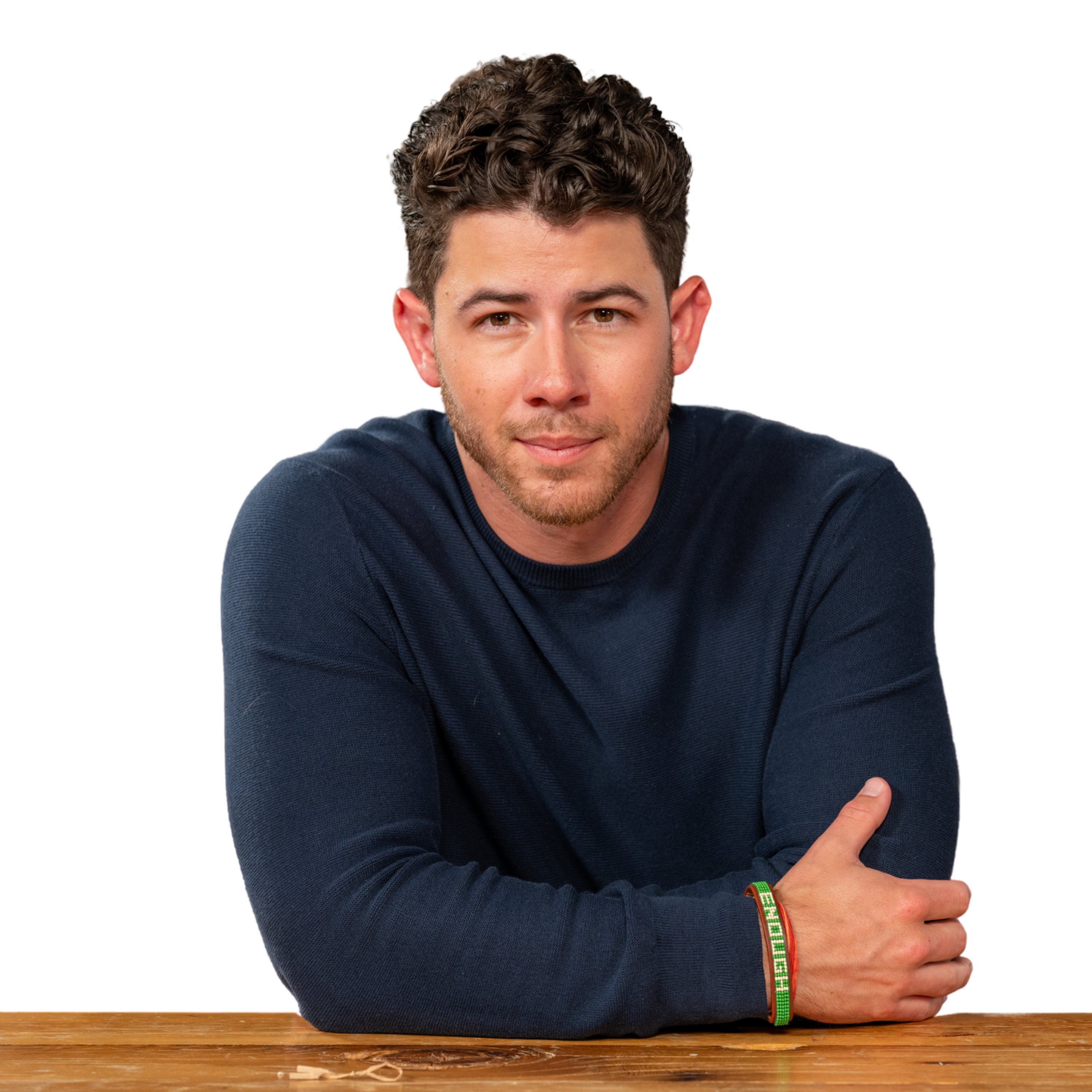
Enough Foundation's mission is to spread reminders in every form — bracelets, messages, actions, community — until feeling ENOUGH becomes the cultural default. To learn more, visit weareenough.co.
Produced, Directed, and Cinematography by Wubetu Shimelash / IG: Wubetu Shimelash
Disclaimer: No purchase necessary. While supplies last. Visit http://www.weareenough.co/rules for full terms.
More information on Blake’s other projects here:
Morning Water
Morning Water is a daily hydration formula that restores energy, balance, and performance with essential electrolytes, minerals, and nutrients in one simple routine.
To learn more, visit morningwater.co and use code NOMAGICPILL for 25% off your first order.
SONIA
Sonia is a conversational AI companion designed for emotional support. Through voice and text, it offers guided wellbeing sessions, including meditations, journaling, personalized recommendations, and practical exercises.
To learn more, visit www.soniahealth.com and download it on the App Store.
MOOVLAB
At MOOVLAB, we bring health and wellness to your workday.
MOOVLAB - the answer to sitting is moving.
To learn more, visit www.moovlab.com
Follow Blake on Instagram and stay up to date with Lemonada on Facebook and Instagram.
Subscribe to Spotify Premium to watch ad-free video.
Disclaimer: This episode is for informational and entertainment purposes only and is not intended as medical advice. Always consult a qualified healthcare professional regarding any medical questions or concerns you may have.
Learn more about your ad choices. Visit megaphone.fm/adchoices

Scan the code with your iPhone camera
Listen in the app.