
In short
Welcome/“what is Page 94?” episode explaining Private Eye magazine’s history, structure, and editorial methods, plus clips on Private Eye’s boozy “fortnightly lunches,” anonymous contributors, and recurring sections like Dumb Britain.
Guests (backgrounds)
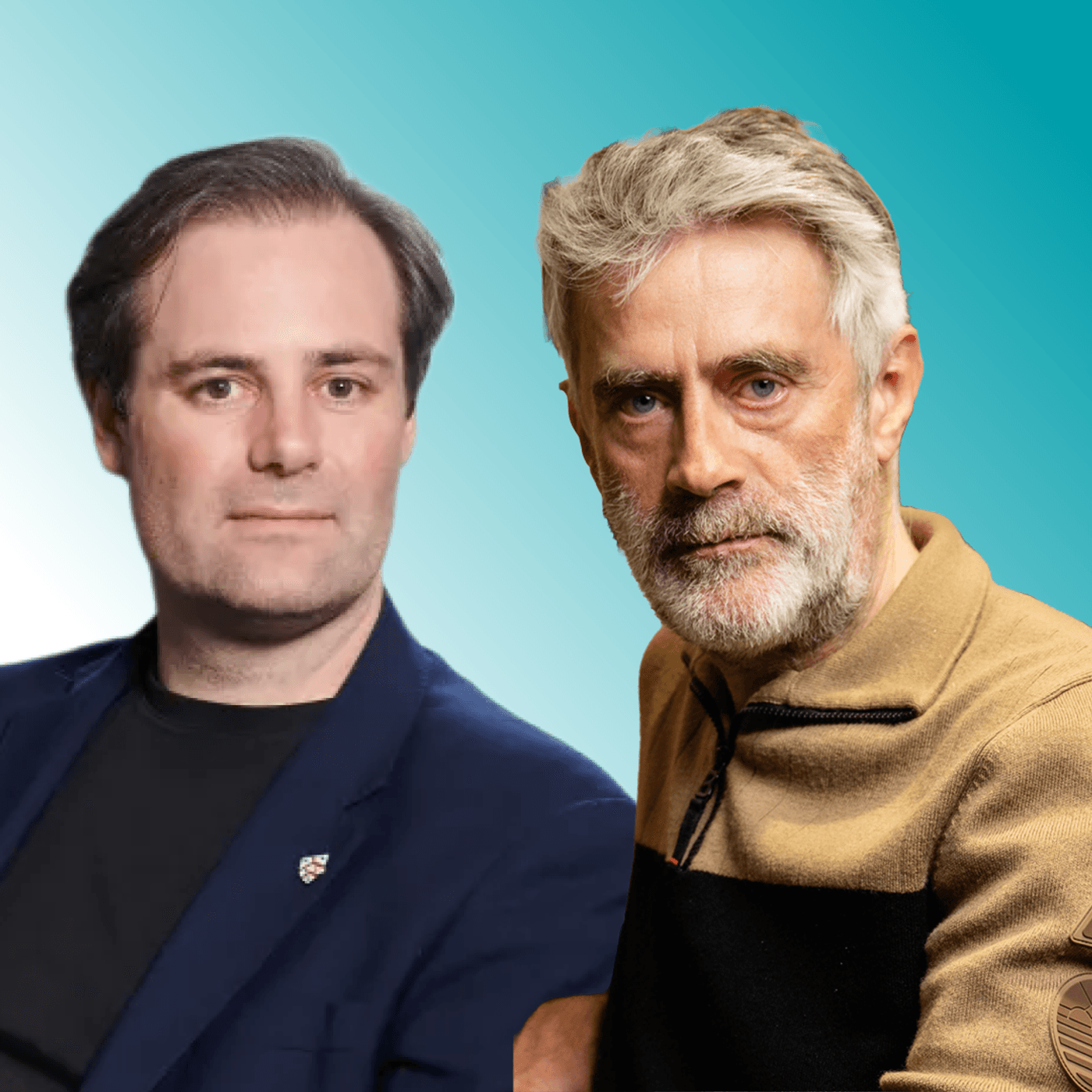
- Andrew Hunter-Murray (host).
- Helen Lewis (media professional; joined Private Eye a couple years prior; writes/reviews).
- Adam McQueen (Private Eye staff; discusses house style and investigative approach).
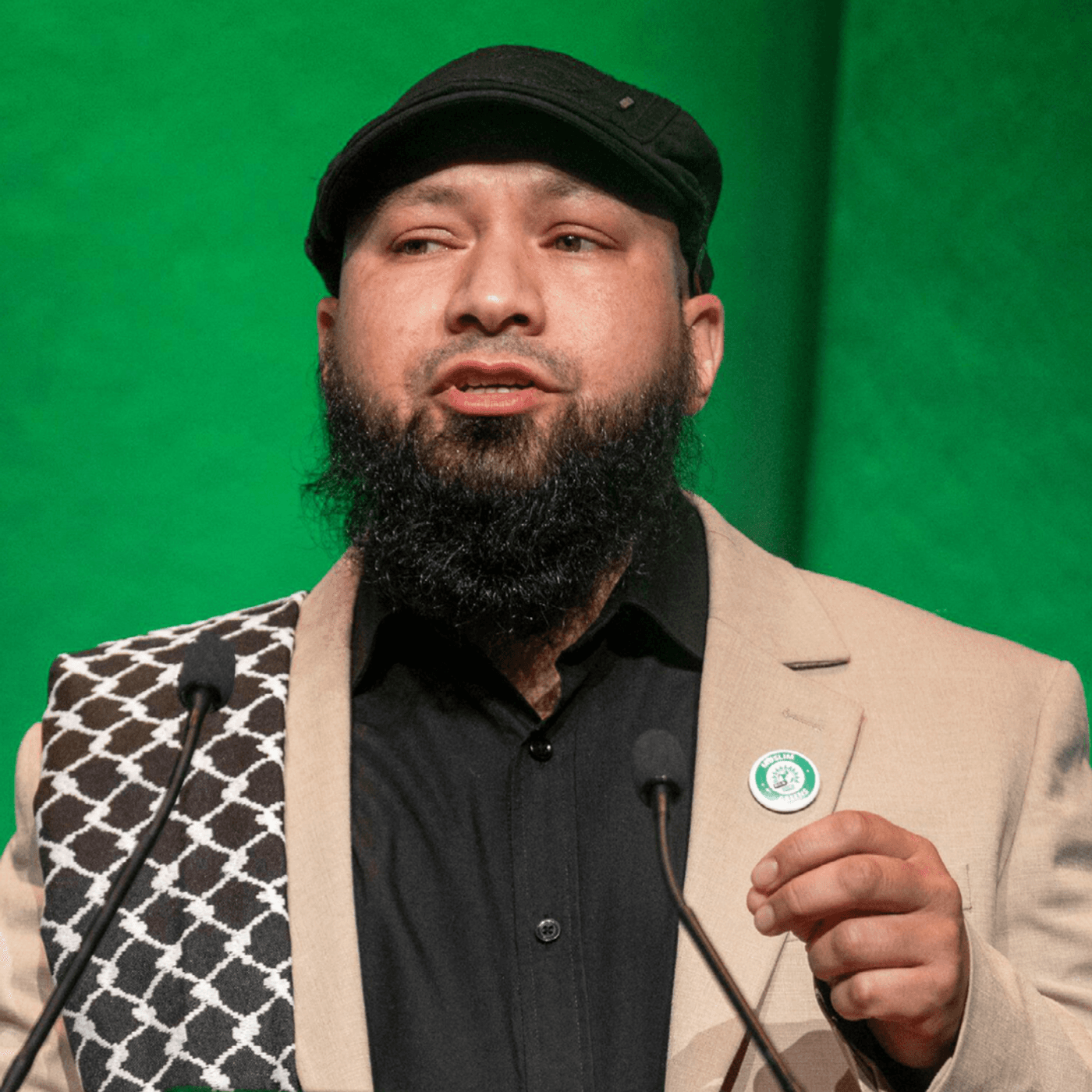
- Selected clip guests: Maisie Glazebrook (books/organizes lunches); Ian Hislop (editor); Craig Brown (Diary/voice parody writer); Marcus Berkman (Dumb Britain compiler/quiz master); Jane McKenzie (writes on architecture/conservation/military housing); Richard Brooks (writes on Teesside/post office-related issues; former tax inspector); Paul Foote, Christopher Booker, Francis Wheen (mentioned).
Key claims
- Private Eye jokes often end with “continued page 94.”
- Luncheons are for insiders to gossip after being “got drunk.”
- Anonymity protects sources and prevents career-ending exposure.
- Magazine layout evolved organically; investigative journalism intensifies mid/late 1960s.
- Private Eye pieces use an “upside-down” structure: punchline/information at the end.
Notable examples
Birmingham Six, Guildford Four, Carl Bridgewater; “rack” concrete scandal; Mirror phone hacking; post office scandal (Mr Bates vs the Post Office); Dumb Britain examples like “Einstein” for gravity; quiz errors (Louis XIV, stenographer).
Written by AI. May contain mistakes. Listen to the episode to check what was said.
Chapters
Tap a time to open that second in VOOrigins of Page 94
1:30 to 2:41
The significance of the podcast's name and its connection to Private Eye magazine.
“We need some good reading to do, basically.”
How Private Eye Got Its Name
2:41 to 8:06
Discussion about the origin of the name 'Private Eye' and its history.
“And then, of course, it's been going for 64 years now, nearly 40 of them under the leadership of Ian Hislop, who took over as editor as an incredibly young age of, I think, 26 in 1986 on the 25th anniversary.”
The Role of Lunches in Journalism
8:06 to 10:40
Exploring the significance of the Private Eye lunches and insider gossip.
“I'm going to have to talk a lot about housing policy.”
The Structure of Private Eye
10:40 to 12:24
Examining the unique structure and content layout of the magazine.
“And so Private Eye is one of the last bastions of the truly brutal hatchet job.”
Anonymity and Criticism in Private Eye
12:24 to 14:00
The importance of anonymity in reviews and the editorial style of Private Eye.
“that you especially work on, Adam, things like Street of Shame, which is that they're all upside down.”
Teesside and the Power of Stories
14:00 to 15:00
Explore the ongoing stories from Teesside and their significance in journalism.
“And he's been given a lot of space to keep coming back to that and follow the developments in a way that I don't think anyone else really has been able.”
Richard Brooks: A Unique Perspective
15:00 to 16:00
Learn about Richard Brooks's background and how it shapes his journalistic approach.
“I like to think of it as Richard Brooks on numbers.”
The Origins of the Podcast
16:00 to 16:50
Discover the founding ethos of the podcast and its mission to summarize complex stories.
“with a genuinely a world expert, I don't think anyone knows more about all of these stories than various i-writers who have been banging on about them for a long time and updating readers, you know.”
Anonymity in Journalism
16:50 to 17:40
Ian Hislop discusses the importance of anonymity for contributors at Private Eye.
“You would be mad to go back into your entire archive and read through the whole thing.”
The Evolution of Anonymity
17:40 to 18:50
Learn how the concept of anonymity began at Private Eye and its implications.
Show all 18 chapters
The Role of Nicknames
18:50 to 19:50
Explore how contributors choose their nicknames and the significance behind them.
“Has anyone ever started secret and then decided actually it doesn't matter anymore?”
Legal Aspects of Anonymity
19:50 to 21:10
Understand how anonymity can protect journalists legally while presenting challenges.
“So the nicknames change, as do the contributors.”
The Unique Case of Craig Brown
21:10 to 22:20
Examine the contributions of Craig Brown and his distinctive style as a writer.
“I remember some barrister saying that a contributor had displayed all the bravery of a rubber chicken.”
Craig Brown on Parodying Trump
22:20 to 23:10
Craig Brown shares insights on how to effectively parody Donald Trump.
Analyzing Trump's Tweets
23:10 to 28:00
Engage in a game where the nuances of Trump's tweets are compared to comedic styles.
“Because you haven't really been doing Twitter diaries for very long.”
Parody and Trump: A Comedic Perspective
28:00 to 29:10
Explore the humorous side of parody in journalism and its impact.
“I suppose you should call them, someone who was parodying the diary section, not Donald Trump, I have to say, but I will spare their blushes and not say who.”
Dumb Britain: A Glimpse into Quiz Show Humor
30:06 to 36:25
Delve into the quirky and funny answers from British quiz shows.
“I think we should have another of these.”
Memorable Episodes and Highlights from the Podcast
36:25 to 38:12
Reflect on notable past episodes and their significance.
Transcript
Automatic transcript. May contain errors.0:00Thumbtack presents Uncertainty Strikes. I was surrounded. The aisle and the options were closing in. There were paint rollers, satin and matte finish, angle brushes and natural bristles. There were too many choices. What if I never got my living room painted? What if I couldn't figure out what type of paint to use? What if I just used Thumbtack? I can hire a top-rated pro that knows everything about interior paint, easily compare prices and read reviews. Thumbtack knows homes. Download the app today. That sound could mean a lot of things. And when something's going wrong at home, the hardest part can be figuring out what the problem actually is.
0:42At Thumbtack, you can upload a voice message or a photo, and our AI-powered search will help diagnose your project. Plus, the pros we know have over 14 million five-star reviews, so you can hire with confidence. Thumbtack. We know homes. Hire the right pro today. Page 94, the Private Eye podcast. Hello and welcome to another episode of Page 94. My name's Andrew Hunter-Murray and I'm here in the Private Eye office with Helen Lewis and Adam McQueen. This is your welcome episode to Page 94. That's right, after 150 episodes, we have decided to record a show explaining basically what the podcast is.
1:22We're going to be hearing little selected cuts. We're going to be finding out what this Private Eye magazine we keep talking about actually is as the summer holidays end and we all get back to school. We need some good reading to do, basically. And that's what Private Eye provides. And it's in no way like when American comedies just do a lazy clip show because it's summer and everyone's on holiday. It's not that. Definitely not. It's absolutely not. Can I ask you, well, the obvious question about why it's called page 94, which is why isn't it just called the Private Eye podcast? Why was that tossed out so early?
1:49Because in Private Eye magazine, all the jokes, no, not all of the jokes, but a good few of them each issue end with continued page 94. But actually, it was just a very easy way of finishing off a joke when you don't really have a punchline for it. And it started way, way back. I can remember because I wrote the 50th anniversary history of the magazine and turned up all sorts of correspondence, one of which was the original letter from Richard Ingrams, who was then the editor, inviting young whippersnapper Ian Hislop to start contributing. And one of the bits of advice he gave was like, if you think the jokes are getting too long, just put continue page 94 and that's fine.
2:22So it's always been a part of it. so second question Adam why is private eye called private eye similar reasons uh slightly lost uh lost to history there were a lot of names uh considered for it so private eye has been going since October 1961 uh it was always going to be fortnightly because at that point they didn't think uh the the founders of it who were some guys called uh Christopher Booker, Willie Rushton and Richard Ingrams didn't think they would make enough money off it to be able to make a living out of it so they had to have proper jobs in in in one of the two weeks and basically that is how it's continued we do we do one week off and then we all go off and do do other things in in in the rest of the time so that put pay to one of the ideas uh for a title which they came up with which was the flesh is weakly so spirit is willing but the flesh is weakly it's a slightly weak pun and it didn't work because it was fortnightly anyway uh the british letter that was considered the yellow press uh which was partly because the yellow press was sort of an old uh very old sort of um early 20th century phrase for kind of like tabloidy trashy journalism but also mostly because the first business manager, Peter Usborne, had ordered a load of yellow paper and it was going to be printed on that.
3:22So it was a very basic idea for that. And then, of course, it's been going for 64 years now, nearly 40 of them under the leadership of Ian Hislop, who took over as editor as an incredibly young age of, I think, 26 in 1986 on the 25th anniversary. Right. So what we're going to do at this point in the episode is we're going to play in some of those clips of old episodes that you can discover for yourself, but that we wanted to bring right back to the topsoil to the surface uh adam this is one which features you uh it is you and maizey talking about the eyes famous fortnightly lunches and what sort of shenanigans go on at them adam here's you i asked richard ingrams who was the editor before in his lop what the thinking was behind starting up the real lunches and what he said we didn't know anyone and we didn't know anything and it was a way of getting people along just to talk to them and tell them stuff and people have this weird idea that journalism happens by a sort of process of osmosis that you just kind of learn things and pluck them from the air and put them in but of course you don't i mean you do need sort of insidery type people to come along and uh and tell you stuff and it's not quite a case of kind of official secrets being swapped over the cheese board or anything it's really a case of um building up a kind of network of people um who might not necessarily uh come along with five perfectly formed stories for you but might know a bit of gossip from within the bbc or the house of commons or the Labour Party or wherever, people turn up and they're a bit nervous sometimes and they say, what's the purpose of these lunches?
4:49And he says, all right, it's not a networking opportunity or anything. It's not anything really, really terrifying. Basically, we're going to get you drunk and you're going to tell us stuff and we're going to put it in the magazine, at which point they look even more nervous and you've got them exactly where you want them. It's an essential journalist activity for the magazine is what we're saying. Eating lunch and drinking enormous amounts of booze is an essential journalistic activity for any magazine or newspaper. I can't think of many other places which do it quite as religiously. Newspapers do tend to do lunches, but they tend to be for a sort of select crowd of people.
5:18I mean, famously, it was at a mirror newspaper lunch that Piers Morgan invited the eclectic guest list of Ulrika Johnson and Jeremy Paxman. And as recalled by Jeremy Paxman at the Leveson Inquiry, you can go and look up the transcripts, he told the boss of Vodafone that the security measures on his network were not good enough and it was very easy for people to hack into mobile phones, which is curious because it turned out later on he didn't actually know that. The person charged with booking the right mix of guests for these boozy affairs is the I's Maisie Glazebrook. And as you'll hear, the phrase boozy affairs can have more than one meaning.
5:53Well, it's a difficult balance. You want to make sure that you don't get too many people from the same newspaper, for one thing, which has happened before, when it turns out that all 12 guests come from the same paper. I mean Hillary who used to organise the lunches before me and did a very very good job she used to say you needed to have a lawyer you needed to have an actor you needed to have a comedian I think she used to say and obviously the balance between men and women you want to try and get that I'm always pretty paranoid I'm going to invite two people who've either had an affair with each other and it's ended very badly or who hate each other you surely can't be expected to know who hates everyone else in journalism which is such a massive list I know I know that's true.
6:33I can't put all the blame on myself, but sooner or later, it's going to happen. There's going to be some kind of terrible scene and a punch up. Is your aim basically to stop there being a punch up at a private eye lunch? Well, I mean, a punch up would be pretty good. I think Ian would call that a successful lunch, probably. Well, actually, we were very, very proud because last year, after 40 something years of lunches, we had our first shag that we know of. I got a call. So I organized the lunch and it all seemed to go fine. And everyone came back and said they'd had a great time and I was very happy.
7:04And then the next day I got a call from the person who we deal with at the restaurant where the lunch is held. And she said that she just needed to flag up something that had happened for my attention. And I obviously started panicking and something had gone seriously wrong. And she said, no, no, no, no, I just think it's good that you know that this is what happened. Two of your guests were discovered after the lunch in the toilet together. Heather. And I then burst out laughing so that he ran up the stairs to tell everybody I could think of. Burst into Ian's joke meeting, told everyone. And Ian said it was the best lunch that had ever happened.
7:36There we go. And better than that, they were discovered in the toilet and then thrown out from the toilet. And then half an hour later, they were discovered in there again and thrown out again. Clearly the message hadn't got through the first time. No, no, no. Through the waves of alcohol or love obviously now uh that makes the eye lunches sound very debauched we'd like to correct that impression it is not all like that it is not all ugandan discussions uh over the years we have had some extremely professional politicians and some very serious stories that have come out of the lunches politicians are really interesting actually because sometimes you will get sat next to someone and maisie does a little potted biography beforehand and they all tend to say sort of what select committees they sit on and what questions they've asked in the house recently And you think, oh, God, this is going to be really, really hard work.
8:19I'm going to have to talk a lot about housing policy. And actually, they turn out to be just fantastic gossips and really good fun. So, Adam, that was you and Maisie Glazebrook back in 2016, when this podcast was barely a year old. Wow. Can I ask you, Adam, because one of the things I'm interested in is that, and it's lovely about reading a magazine, a print magazine, is it has a particular architecture and structure. And Private Eye is a very distinctive one. So it starts with Street of Shame, then there's HB Source, which is politics, and various other bits and pieces. then you get to a big chunky section of jokes and then the back is the sort of serious investigative journalism bit.
8:52Has that been there since the beginning? Has it always had that particular kind of grammar to it, basically? It grew organically. So when it started, the intention was always, I remember talking to Christopher Booker about this, the late Christopher Booker, and he said the intention was always that they would do investigative journalism. In fact, in the very, very first edition back in 1961, they had a big thing saying, coming next week, the Cunada scandal, the inside story of this terrible scandal, and actually, they didn't know enough to actually have any of that. So the investigative journalism really kicks in sort of mid to late 60s when Paul Foote, who's kind of the doyen of investigative journalists, he's any miscarriage of justice that you want to name from the 60s, 70s, 80s.
9:25So the Birmingham Six, Guildford Four, the Carl Bridgewater case, things like that. He was heavily involved with both in his work at Private Eye and at the Daily Mirror, which was a proper newspaper in those days. He got involved and Michael Gillard, who is still with us, who is Slicker, who does the city coverage in the back, got involved at that point. but it didn't really get that weird sandwich effect until a bit later on which is it's an odd structure the only real explanation i can think of for that is that you give them about sort of 18 pages of kind of grim corruption and mps being on the take and councillors being dodgy and stuff and then it's like oh god please can we just have some jokes and cartoons for a bit and then you hit them with the kind of investigation you know the the miscarriages of justice and the people dying in prison at the end just to really cheer up their week so helen you joined the eye properly only a couple of years ago really what is it like coming into an institution which has all of these layers of in jokes and history and you know it takes a it takes a while to click in i mean even as a reader let alone as a writer for it yeah i mean i had read private eye for years before then and i think probably having worked in the media i particularly bought it for street of shame because i worked at the mail and then the new statesman so you know it was about people that I you know I was working with or knew about but I always used to think of it like um maybe I said this before like Willy Wonka's chocolate factory you know no one ever goes in no one ever goes out like it just it sort of emerges and you know some people do have bylines in there Craig for example Craig Brown but it just is a kind of like it like it was made by elves that's my oompa loompas god we must have been such a disappointment when you met us there was no singing there was no chocolate river but i think that's part of the mystique and it's actually one of the reasons i think lots of people enjoy writing for it i mean you know i i really love reviews and there's been a lot of discussion really about the fact that criticism is kind of dying you know that book suctions in newspapers have been shrinking it's hard to get advertising for them and actually because of the economics of journalism now freelancers particularly don't want to write rude reviews about mega artists because sometimes those mega artists will kind of, you know, their fan bases will go after them.
11:27And so Private Eye is one of the last bastions of the truly brutal hatchet job. And because those are anonymous in the book section, I think people have got free reign to say what they actually think, not what, you know, is going to ingratiate them with the publisher or their agent, or, you know, do they want to make an enemy of somebody who's a very big beast in the literary space. So I think the anonymity is really key to it. And it's also, it is a bit like, maybe Charlie and the Chocolate Factory isn't the right sense, but sort of being inducted into a kind of weird secret society in a sense.
11:56Like there is a private eye voice, isn't there, Adam? Like when you end up writing stories, you do end up writing them in a certain kind of uniform voice. Well, there's a sort of house style. I mean, you have to know things like we always spell Andrew Neil's name with two L's because he complained about it once we spelled it. So we've done it ever since because they're incredibly petty or that the king is referred to as Brian, whereas his mother was Brenda. There's another thing about the eye stories, which they all have in common and which is kind of close to a house style. And it's more up front in the sections that you especially work on, Adam, things like Street of Shame, which is that they're all upside down.
12:29So the traditional newspaper story structure, you put a headline in, which contains the absolute most important bit of information. And then you have your first sentence, which gives that a tiny bit more fleshing out. And then you put in the really boring stuff, like we spoke to the people involved and they said this is all rubbish actually, and we've got the wrong end of the stick. you put that in right at the end a private eye piece it works like a joke you know you have a curious headline at the top which doesn't really tell you very much at all then you start off with the kind of setup to it and then the most important piece of information goes right at the end because it's serving as the punch line which kind of unlocks the whole rest of the piece yeah you know i was talking to i think some of our work experience people a couple of weeks ago and i said look just put the article the other way up and it's and that's perfect you know and that is It's absolutely what I always do, Andy.
13:20I've learned over the 30-odd years that I've been working here that if a story isn't working, you literally just turn it upside down. You start with what you had as the ending, and almost always that sorts it out. And I think one of the things that Ian has said before, which is also very true to the magazine, is he lets the writers follow their obsessions. And that's the kind of eclectic mix of stuff that Private Eye covers, but essentially is kind of what are particular writers energised about and they particularly find interesting, which is quite an interesting way of working. It's actually oddly a bit similar to the other magazine where I work, The Atlantic, right, which is the idea that you hire good people and then you let them drive the coverage because they're going to do their best work when they're completely engaged with it.
13:58So, for example, you know, MD Phil Hammond has been really fascinated by the Let Be case. And he's been given a lot of space to keep coming back to that and follow the developments in a way that I don't think anyone else really has been able. Like there's no other place in the media that has the structure in place for someone to do that. Yes, and the same with Teesside and Ben Houchen, which is Richard's particular obsession. But God, what a source of stories. And I think a lot of editors would say, well, we've done this, haven't we? And really, we haven't. You know, there is new stuff coming out all the time on that front.
14:25I mean, that's the other thing. They might be short stories, but God, they run for a long time. I mean, there is a court case pending at the moment, a criminal court case, which involves some people that were written about in Private Eye in 1984 and some of the stuff that was going on in that particular story. So we were advised when we were going through who's sort of doing the best of stories for the 60-year book in 2021 by the lawyer, that we needed to black all of that one and another story out, because, you know, there were still ongoing court things coming out of it, and we were in risk of contempt, of course.
14:53So that's not really a bad record, 1984 to 2021. So you've got Richard Brooks on Teesside or the post office scandal or PFI. I like to think of it as Richard Brooks on numbers. Yeah, Richard Brooks on numbers. Well, the key to it is Richard Brooks wasn't trained in journalism. Richard Brooks was a tax inspector. So unlike almost anyone else on Fleet Street, or what used to be Fleet Street, he knows his way around a balance sheet and he can read numbers. I mean, the number of times I've gone up to his office in the attic at the top of private eye and said, Richard, can you tell me what this means?
15:22With some accounts from Companies House or something. That is in itself a brilliant skill. So you've got Richard on there. You've got Solomon on the probation service. You've got Jane McKenzie on things like architecture or conservation or military housing or a dozen other things. Phil Hammond, who is a working doctor. All of these people have been writing about particular things for a long time, a big chunk of the early episodes of this podcast, you can go back and listen to them if you want to know about the Deep Cut scandal, the shootings of young servicemen and women at the Deep Cut barracks.
15:51Heather Mills worked on that story for over two decades. For a new reader to Private Eye, that might feel like quite an intimidating thing. Like, I'm not completely sure of this. Whereas if you can distill it to a 20, 25 minute chat with a genuinely a world expert, I don't think anyone knows more about all of these stories than various i-writers who have been banging on about them for a long time and updating readers, you know. That was part of the founding ethos of the podcast, is to say, look, these stories are kind of a roll call of how Britain doesn't work in various different ways, all big scandals that have happened, and here's your potted guide to all of them.
16:25I had a conversation with our colleague Robbie the other week where I said to him, what are we actually doing when we put in i1432 or i's Passim or anything like that? I mean, is anyone literally putting down that copy and going into their vast library of back issues and looking up everything else we've written about the thing. But I think, in a way, signaling to people that this has got some depth to it, that this is something we've been following for an awful long time, and in future, if they want to be on things early, they're going to get on to that. But also, I think that is what the podcast does.
16:50It gives us an opportunity to do. But not everyone is going to go. Hardly anyone. You would be mad to go back into your entire archive and read through the whole thing. So, yeah, being able to summarise them and give the background is an absolutely brilliant opportunity. Actually, while we're on the subject of anonymity and assumed names, And here is Ian Hislop talking about exactly why that is the case and why it's so useful. There comes a point in people's career when they write for the eye when they either get sufficiently established that they can't be fired in their professions anymore, or they just give up and don't care anymore and develop a skin so thick they don't care who knows.
17:25But quite a lot of our columns are written by people inside the industries, professions, businesses they write about. and were it to be known who they were they would be sacked so it's difficult for me to say well why don't you interview them because that would be the end not only of their career but also of the column because then we wouldn't have the insiders anymore I mean I did think about trying to get you to interview people with an actor sort of pretending to be Jerry Adams or whatever but it never really works that so I'm afraid for obvious well obvious to me reasons they have to remain anonymous it is surprising who's secret and who's not because you would have thought for example last last time we had paul vickers who does square basher the military correspondent you would have thought oh army very secret one of the most secretive people uh is dr b ching who writes about trains yes well i mean compared to the army you know railways is a really dangerous business and people are very very serious about trains in a way they probably aren't about destroyers or aircraft carriers so uh paul is is happy to be a defense correspondent as it were but uh dr b ching is he's there in the middle of the action so i'm afraid you know from getting lynched by commuters or targeted by the rail industry you you just can't talk to him are there any people who have one name but actually they're a conglomerate of different people i can't tell you that damn it um all right how did it start because the whole magazine anonymous how did that get going in the first place that's not an obvious thing for magazines to do necessarily no i'm i believe it was a mixture of safety and the original contributors not wanting to give each other any credit so i think it was a curious mix and it was the 60s so there was a sort of collective feeling about but one of the first people to be named was Paul Foote and he was clear that doing his sort of journalism you had to be a focus a funnel we still have people you know who writes the business you know who writes that but there are I still maintain that it is acceptable to have certain people who are in the midst of it who you just you can't reveal who they are.
19:39Has anyone ever started secret and then decided actually it doesn't matter anymore? A lot of people start secret i'm sort of found saying i'm terribly sorry i can't say who they are and they say oh really because they've just done an interview in the paper claiming all the credit um for some piece so it's quite tempting i mean if people are any good to start saying well it was me actually do people get to choose their own nicknames because you've got bio waste spreader who does farming you've got old sparky who does energy and power remote controller who does telly are these names that they assume like superhero costumes or are they names that you impose on them like superhero costumes no they are self-defining and in television there's remote controller most of the time then occasionally there's someone called youth who takes over when perhaps the older remote controller isn't there though he she may well be younger i'm not giving that away and we used to have a farming was done by old muck spreader and the new person doing it felt that was out of date So he became new bio waste spreader.
20:44So the nicknames change, as do the contributors. Is it helpful from a legal point of view as well? As in, I think I heard something about the magazine gets sued rather than the individual writer. It makes it more difficult for vindictive libel actions or privacy actions or confidentiality. You can't say, well, that person has betrayed a confidence because you don't know who they are. So you just have to sue the magazine. So it's helpful in one sense, but it's unhelpful in the sense that the other side can then say, well, you don't even have the courage to come out and admit who you are. I remember some barrister saying that a contributor had displayed all the bravery of a rubber chicken.
21:25So, I mean, the jury may well think, well, this anonymity is a bit cowardly. Is there anything in that, do you think? I would say not, but I can see why they say it. But I would say in certain types of journalism, it's pretty important not to know. Have you selected your own secret name? I use Ian Hislop, which fools a lot of people.
21:52so we heard ian earlier talking about anonymity of people and adam as you said there are a few people who don't mind their names being public like phil hammond md um anyone who's appeared on this podcast obviously has been happy to be named but uh one of the only actual names that appears in the magazine is that of craig brown uh which is a really peculiar quirk but i think he's the only named writer most i think it's just down to the fact that if you've got craig brown working for you you want everyone to know about it so craig does the the diary column every week it's he takes on a different voice or a collection of voices and just produces an absolutely bananas thousand words of of surreal comedy that kind of are the bridge between the jokes and the books pages but they don't really fit neither but it's you know it's too good not to have craig is really good at that kind of parody version of satire which does crop up a lot of the jokes pages but he does it in a very specific way and one of the voices he does especially well alongside thousands of others uh is that of donald trump and we we spoke to him in 2016 about how to do donald trump so this was during trump 1.0 uh but it's about how to get a comedic voice basically it's about how to communicate you know a really strange character and make it really really funny at the same time here's craig it is rather hard now that everyone's doing it he's uh it's almost like a nationalized comedy and so i was trying to think of that i did one melania a lot of trumps which were kind of all right it's hard to gauge her i mean you can gauge her character oddly enough through her her tweets i mean like donald trump's you read her tweets and they were sort of very very bland but what was i suddenly realized was striking about them that she hardly ever mentioned other people she would tweet views out of trump towers of central park and pictures of herself or something she'd just bought but it was a you realized it's very kind of lonely life i then thought of doing donald jr's tweets or something and i'm sure that would be kind of a good angle in a bit like dear bill you know that was a rather good way into mrs satchel because she was so done by satirists and jokesters everywhere, that actually if you did it via Dennis, it became a fresh joke.
24:14Because you haven't really been doing Twitter diaries for very long. No, Twitter's a real godsend because, you know, it just boils down everyone's vanity and his paranoia and everyone just becomes more of what they are. Well, this is the thing, because it seems a bit like you were more extreme in your Trump tweets in your early ones. So more than a year before the election, it was things like, no disrespect to Pope Francis on his US tour, but the guy looks like a fruit in his frilly white dress. Fire your tail off, Frank. Right, yes. I don't like a loser. Don't get me wrong. Jesus was a remarkable guy, a genius at publicity.
24:50But clinging on with your hands to a cross, that sends out all the wrong messages. But actually, they're not too much less extreme than the ones that you do now. And maybe that's because he really hasn't changed, as you say. No, he can't change. And he gets sort of fixated now on fake news and that kind of thing. Well, a lot of what you do, I know that you study your form quite well. So whenever you do anyone, not just Trump, you get as many samples of their writing and their speaking as you can. Yes, that is one that's a way of work avoidance because you think, well, if I'm, you know, it's easier to read tweets rather than create them.
25:24it's also a kind of laziness because especially with trump you can use 95 percent of what he writes and just change the name or that kind of thing but also i think that um with parody of the mistake people make when they're trying to do parodies is just doing too much of themselves you should just let um it's like jujitsu or something you should let the person's weight creates the fall uh well actually on that note i have a little game that i thought might be useful to play i have got some trump tweets and i've got some of your right so i guess i'll be able to do them just because i think you probably will i mean because usually i mean if i can't then it's a it doesn't say much for my tweets because i think there's the thing about parodies you're not just trying to recreate someone you're trying to edge them into comedy whilst retaining their essence and so i think if i can't get it means my joke isn't good enough okay we'll see so this is It's basically a referendum on your jokes.
26:23Yeah, it is. Lightweight bands, so-called stars, refused to play at my inauguration. Poor work ethic. Unfair. I'd guess that was Trump, yeah. That's you. Oh, was he? Yeah, you see, I should have put some specific rock reference or that someone he was hoping to get who would be a very naff person. Okay, next up. It's freezing and snowing in New York. We need global warming. I'd say that's Trump. It is Trump. Good. Yeah. So it's one all so far. The cheap 12-inch square marble tiles behind speaker at UN always bothered me. I will replace with beautiful large marble slabs if they ask me. Oh. I mean, I would be quite pleased if I'd done that.
27:20but I can't remember doing it so I guess that's Trump. It is Trump. Oh man you've got so many of them so far. One last one. Happy New Year to all including to my many enemies and those who have fought me and lost so badly they just don't know what to do. I've seen he he's done tweets which say happy Father's Day even to the losers and haters and so and he does a whole series of that usually so in a way his are usually stronger than that. I'd say that's Trump I'm afraid. It is Trump. Oh, good, good. Yeah. Oh, you've done very well. There's Craig Brown in 2016 on Donald Trump. I remember years ago having a conversation with one of Craig's victims, I suppose you should call them, someone who was parodying the diary section, not Donald Trump, I have to say, but I will spare their blushes and not say who.
28:06But they just said, I mean, they thought it was hilarious, but also they were slightly devastated by it because they realised that one of the phrases he used was just something that they used all the time in their writing. And from that moment on, that was it. They could never, ever use it again. Craig actually has recent form with Donald Trump. So he wrote a book about the Queen called A Voyage Around the Queen. Really good book. And in it, he just mentioned in passing the claim that Trump had made that he was, of all the presidents she'd met over the last 70 years, he was her favorite president.
28:38And he said, you know, a lot of people have told me that I was her favorite. And we're talking back to the days of, you know, Eisenhower here. We're going back a really, really, really long way. Yeah. Anyway, Craig simply mentioned this in his book and, you know, might have raised an eyebrow and said, you know, recollections may vary. At which point Trump was then asked about this at a press conference and called Craig a sleazebag. Oh, the glory! And of all the words you'd use to describe Craig, as you've heard from that clip there. That's why he deserves his byline. At QVC, shopping is more than just checking out.
29:13It's discovering something new every day. Start with today's special value. Then explore exciting finds across the brands and categories you love. From beauty and fashion to home, culinary, and outdoor living. Shop now at QVC.com.
29:38Saturday, September 26th, two of combat sports' most dangerous strikers collide. Bare Knuckle. Liverpool's own Darren the Gorilla Till goes to war with Cuban powerhouse Yoel Soldier of God Romero. Plus the Bare Knuckle Middleweight Championship of the World is on the line when the reigning champ Dave the Redneck Mundell defends against undefeated British challenger Jack the Meek Pleaver Colon. BKFC 94. Till vs. Romero. Watch it live only on DAZN. Sign up now at DAZN.com. I think we should have another of these. There are so many different small sections of the eye which have been going for such a long time.
Read the full transcript
30:14So one of which is Dumb Britain, which is this tiny box of the eye which has been going for decades now. And it's real answers given on British quiz shows by real contestants to real questions. And it's compiled every fortnight by Marcus Berkman, who gets through an enormous amount of quizzing and quizzes. And here's him giving a little guide to that section and how it arose and what's in it. They're not there to illustrate that the world is full of thickies, Although, obviously, if you do watch as many quiz shows as I do, you realise that the world is indeed full of thickies. But it's not specifically supposed to do that.
30:50It's supposed to make you laugh. A lot of the answers are chosen because they're very apt or they're inapt in exactly the right way. So, for example, who formulated the laws of gravity after watching an apple fall from a tree at his Lincolnshire home? Contestant answer is Einstein. Yes. and the point is some of these questions you have to really think about how anyone is actually going to come up with any of these things so for example one of my favourites and this is from I think the 70s or the 80s and we put this on the cover of a Dun Britain book and it was on Radio Merseyside and the presenter said what was Hitler's first name and the caller said Heil it's the imaginative process that comes up with these amazing answers that is what we love.
31:35So you presumably reject the idea that this is just a snobbish exercise because the name Dumb Britain, it does imply a certain kind of... Well, it does. Well, it does, but I inherited the column name. I've never particularly liked it. I actually spent 20 years trying to justify it because people do get cross about it and I get letters regularly from people saying Dumb Britain, you know, sneering at people getting things wrong. Well, yes and no. Have you suffered a catastrophic collapse on a quiz show? Because you do a lot of quizzes I don't think the readers may know this No, they don't And well, I have a sideline and I'm a quiz master So I do lots and lots of quiz mastering all over the southeast of England all the time And do about probably one a week, 50 a year roughly But I've been on a couple of quiz shows And I went on 15 to 1 Which I was completely obsessed with in the 90s Totally obsessed with and I think it was on two or three times on different occasions.
32:33Two of the times I came up with the most catastrophic errors. The first time I was on, it was who was the sun king of France? Okay. And I came up with the wrong Louis, although my brain knew which Louis it was, but my mouth definitely said the wrong Louis. And there was another one I was on, and I needed to answer one question to win the show. and William G. Stewart read out the dictionary definition of a stenographer. Okay. He could have said, you know, what are those two things on the end of your legs with five toes on each? And I wouldn't have known the answer because my brain had gone. So I'm sympathetic to people who go on these things and make complete fools of themselves.
33:16I think we can all empathize. There are times in all of our lives, and I still think of questions I've got wrong in quizzes. Well, absolutely all the time. I mean, did you know that in 2005, Ian Hislop and Christopher Booker and Francis Ween and I went on university, challenged the professionals as the private eye team? I did not know that. There were 10 shows and the top four scoring teams went on to the semifinals. And ours was the last of the main 10 to be recorded. And we had to get 210 points to go on, which is a lot of points. And we started amazing. We were playing De Bretz. And we started like a train.
33:52And Hislop, Booker and Wien, they're brilliant. They know everything. And they were fantastic. And I got one or two things and we were working really well. And then we started balling things up. And we were leading, I think, 1-3-5 to 15. And in the end, I think we only scored 150 points and we didn't go through. And we all fell away. And one of the bonus rounds was Ian's special subject in finals at university. And he got none of them right. and he said afterwards he says well you know i've done have i got news for you for 15 years and that was much more stressful than any of those so it's it happens to everybody marcus berkman the thing that marcus was really keen to get across in that interview is firstly it happens to everybody this phenomenon of giving a comically wrong answer an answer that's almost not even wrong it's so wrong is a universal one and that's the kind of glorious joyful thing and sometimes the connections that people make in their minds is wonderful like his frank the someone who gave an answer to uh who painted the girl with the pearl earring the famous portrait and the contestant answered frank boff now what i've been known best for presenting breakfast telly in the 1980s with selena scott wearing nice jumpers not not known as a painter as far as i know exactly but what had happened was the contestant had thought right famous portrait okay i need a famous painter van gogh but in the process of saying Frank Goff had just their brain had just garbled it to Frank Boff and that's you know those are the kind of glorious bits of Dunn-Britain those are the really fun ones I suppose one final question to finish off Helen and Adam if you could send listeners back to listen to one bit of the podcast one thing that you think sums up not only page 94 but also private eye where would you send people back to?
35:35I would pick Jane McKenzie talking about rack which is a very strange bubbly form of concrete and I remember her coming on to talk about the fact that it had been used in schools and lots of official buildings and it was not to put too fine a point on it sort of breaking in a way that you don't really want concrete that you've made schools out of to break and i remember thinking it was all those moments in like classic private eye moment we were like but jane this sounds terrible why is no one talking about this and and sure enough i think about it was like you sort of set your watch by about two months later there was a huge scandal about it about school the fact that the government was now on the hook for lots of money to rebuild schools that were built with this particular type of concrete but it was a really good example of a story that on the surface looks really unglamorous but just had a huge amount of depth to it and I think Jane was very prescient in picking it up and also I've again you know the private eye way of writing and the podcasting made a story about concrete somehow gripping which is a great achievement I think sexy concrete yeah Adam uh I would go back there was one that you and I did together where we just we were talking about that way of explaining all the backstories or something we basically did the entire mirror phone hacking scandal in kind of 20 minutes and and laid that one out for everyone which i enjoyed a lot but also i mean in terms of the sort of the history of the eye there was one that you did with uh ian hislop and uh francis ween now sadly retired uh where they just talked it was that strange point where to everyone's surprise suddenly the maxwell family erupted back into public consciousness uh with jelaine maxwell's involvement in the jeffrey epstein scandal and they basically did the backstory of uh robert maxwell her father who had attempted to sue the eye out of existence repeatedly and failed before dropping off the back of his yacht and turning out to have stolen millions and millions of pounds from his company so just in terms of kind of explaining backstories those two i would think were particular highlights for me do you have a favorite andy i mean i've got 150 favorites it's like choosing one of your children isn't it um i would say that if you look for richard brooks talking about the post office scandal it's just such a thorough explainer if that's a story that you were interested in if you saw mr bates versus the post office richard and his colleague nick wallace uh who who both worked on the story a great deal for many years did an absolutely terrific job exposing just what went wrong and how and what comes next and i think that's always really interesting and you know when when i do one of these long interviews with an expert i try and say right what can be done about it and sometimes the answer is optimistic and sometimes it's not but it's always fascinating to hear people say how we got here and what can be done okay so there you have it there's your guide to not only this podcast thank you for listening there are 150 episodes go back and listen to all of them each one containing amazing stories about what is going right and more frequently wrong around britain and the world today if we've piqued your interest if you are i curious uh the first thing to do is go into your local just go with it guys the first thing to do is walk into your local news agent and pick up a copy.
38:31You cannot miss it. It is the only magazine with a photo bubble cover in this day and age. And for those of you who have picked up your first copy of Private Eye, the next thing to do is go to the website and get a fortnightly subscription. We'll be back again with another three unlikely subjects yoked together in the podcast format in a fortnight's time. Until then, thanks for listening to Page 94. Thanks to Helen and Adam, all of our contributors today. and as always to Matt Hill of Rethink Audio. Bye for now. At QVC, shopping is more than just checking out. It's discovering something new every day.
39:07Start with today's special value. Then explore exciting finds across the brands and categories you love. From beauty and fashion to home, culinary and outdoor living. Shop now at qvc.com.
39:28This January, Bare Knuckle Fighting Championship takes over the ocean. The inaugural Brews Cruise sails from Miami to the Bahamas aboard the Norwegian Jewel. Three straight days with pool deck bare knuckle fights in the Caribbean. Massive parties, beach events, DJs, cigars, tequila tastings, and nonstop action. The lineup reveals coming soon. Cabins are disappearing fast, and the prices won't stay this low. Reserve your spot with just$200 down at BKFSEA.com. At QVC, shopping is more than just checking out. It's discovering something new every day. Start with today's special value. Then explore exciting finds across the brands and categories you love.
40:15From beauty and fashion to home, culinary, and outdoor living. Shop now at QVC.com.