
In short
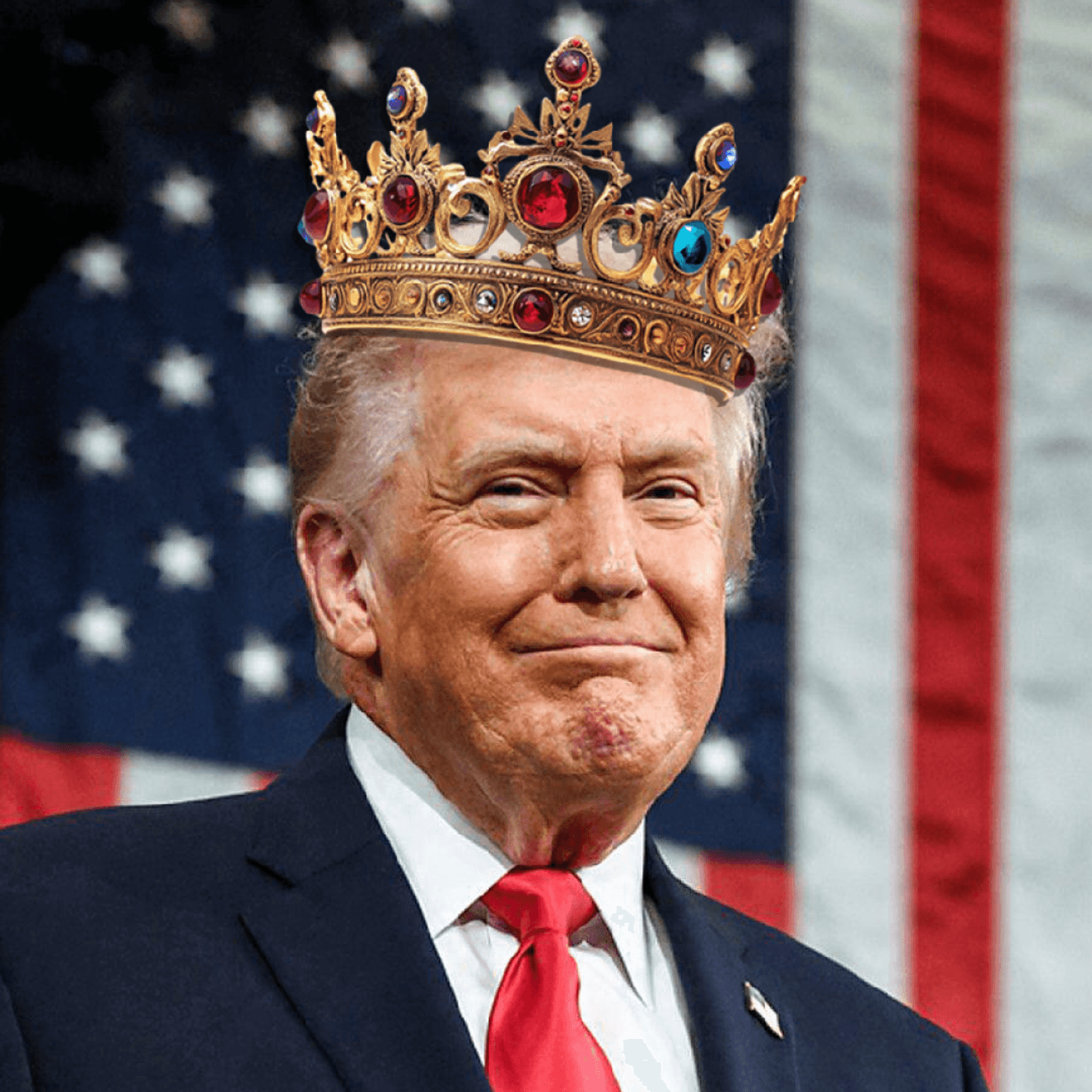
The “Mad King Donald” theme is used to dissect Donald Trump’s handling of the Iran war (including alleged intelligence failures, chaotic/possibly unreliable diplomacy, and the Strait of Hormuz risk), the erosion of US checks and balances, and knock-on effects for global energy prices and politics. It also pivots to UK/US-style populism in finance: Reform UK’s crypto-linked fundraising and offshore/tax-avoidance networks, plus how energy crises drive debates about renewables, nuclear, and grid electrification.
Guests (backgrounds)
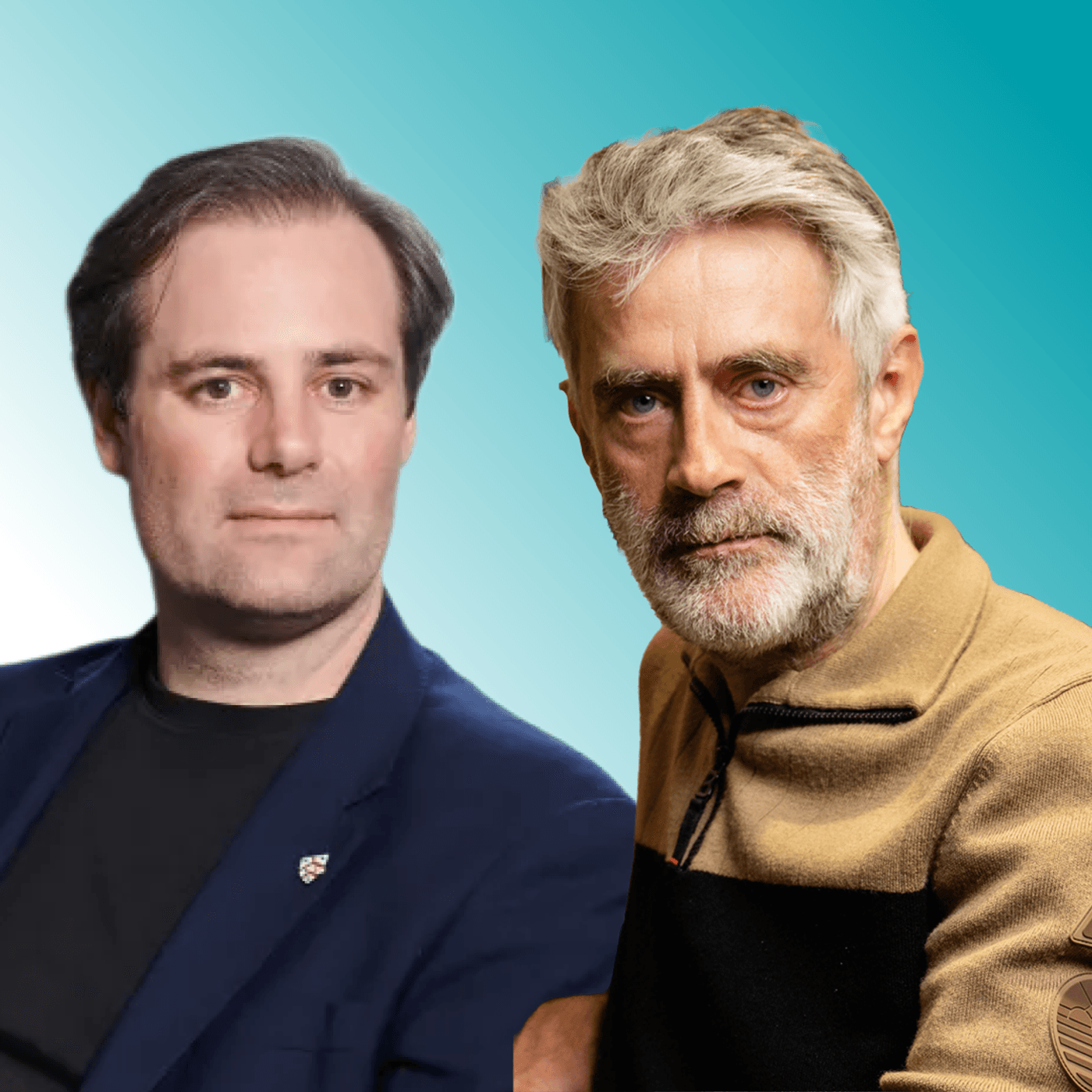
Helen Lewis (journalist/author, political commentator); Ian Hislop (editorial leader at Private Eye); Richard Brooks (journalist; writes “In the Money” finance column).
Key claims
Trump’s inner circle is loyalty-based (2020-election denial as a “purity test”), intelligence assumed Iran would collapse without boots on the ground, and diplomacy is undermined by Trump’s credibility. US policy is described as economically self-defeating (oil/inflation effects) and possibly benefiting oil exporters, Russia, and Iran. Reform UK’s crypto donations and “treasury” branding are portrayed as opaque and conflict-ridden.
Notable examples
New York Times report on contingency planning; Iran/US negotiation “five-day” bombing pause; Joe Kent resignation letter; MAGA elite splits (Mark Levin vs Megyn Kelly “micropenis” feud); Pete Hegseth’s purge/masculine-military stance; airport security queues during US funding stalemate; Reform UK crypto donations not yet recorded; Nigel Farage/Quasi Kwarteng “Stack Bitcoin” and Farage’s tax-break proposals; Richard Tice’s REIT tax-avoidance (about £600,000).
Written by AI. May contain mistakes. Listen to the episode to check what was said.
Chapters
Tap a time to open that second in VOMad King Donald: Introduction to the Topic
0:45 to 2:15
Discussion begins about the impact of Donald Trump's actions on international diplomacy, particularly regarding Iran.
“He currently says he's negotiating with the Iranians.”
Contingency Planning and Intelligence Failures
2:15 to 4:30
Exploration of the lack of contingency planning in U.S. foreign policy and intelligence regarding Iran.
“What is the definition for the war at the moment?”
The Role of Loyalty in Trump's Administration
4:30 to 7:30
Analysis of how loyalty to Trump overrides facts within his administration.
“There's been so much chat wasted on Donald Trump's reasons for doing things as though there are reasons.”
The Chaotic Negotiations with Iran
7:30 to 10:10
Discussion on the chaotic nature of Trump's negotiations with Iran and the implications of his unpredictability.
“is this going to just stay as strictly a critique of foreign policy or is this going to go...”
MAGA's Internal Conflicts
10:10 to 12:30
Examination of the divisions within the MAGA movement regarding foreign policy, especially its stance on Israel.
“I mean, Pete Hegseth, the Secretary of War, is a former Fox News host.”
The State of American Political Leadership
12:30 to 14:00
Critique of the current American political leadership and the effectiveness of checks and balances in government.
“They have this mad idea that you can fund agencies and you keep voting.”
Supreme Court Proceedings and Midterm Implications
14:00 to 14:50
Discussion around ongoing Supreme Court cases and their potential impact on upcoming elections.
“You saw the big barrage of them at the start.”
War and Oil Economics
14:50 to 17:50
Analysis of the geopolitical implications of the current war and its beneficiaries, particularly in oil markets.
“Is there no one of that level of competence operating in the White House?”
International Capitalism and Energy Security
17:50 to 21:50
Exploration of how international capitalism affects energy security and the ongoing war's impact on global markets.
“Yeah, and there's a similar sort of, you know, this negotiating tactic with tariffs, where we're going to, you know, if you don't come to the table, we're putting a massive tariff on you.”
The Shift Towards Renewable Energy
21:50 to 27:50
Debate on the transition to renewable energy sources and the economic implications of energy prices.
“So there are plenty of countries that are in a mad scramble at the moment to try and deal with this and not knowing when full supplies will be resumed.”
Show all 15 chapters
Finance and Political Donations
27:50 to 28:00
Discussion about the Reform party's innovative fundraising strategies, including crypto donations.
Crypto Donations and Political Influence
28:00 to 29:50
Explore the implications of political parties accepting cryptocurrency donations and the potential anonymity issues involved.
“They've said that they've started taking crypto donations, but none are actually recorded yet.”
Concerns Around Crypto Usage
29:50 to 31:25
Discuss the questionable uses of cryptocurrency and the risks associated with its adoption.
“think of as a kind of slightly more useful reserve.”
Public Figures and Crypto Investments
31:25 to 35:57
Analyze the relationship between public figures, their investments in crypto, and the potential for conflicts of interest.
“But Nigel Farage can't use ordinary banks, can he?”
The Erosion of Ethical Standards
35:57 to 41:20
Examine the implications of politicians engaging in financial ventures that might compromise their public roles.
“is the fact that he's advocating a policy that will benefit both him and all his friends, is that in some way convenient?”
Transcript
Automatic transcript. May contain errors.0:00Page 94, the Private Eye podcast. Hello and welcome to another episode of Page 94. My name is Andrew Hunter-Murray and I'm here in the iStudio with Helen Lewis, Ian Hislop and Richard Brooks. So we have just had an American import to the UK in the form of Saturday Night Live UK. It's a big American show that's come here after kind of 50 years. But we have just announced a really successful new export to America, which is the idea of having a mad king. America's taken that on and they've been running with it. And Helen, I believe you've been following just how well it's been going. Yeah, I mean, so much, so much winning.
0:37So obviously Donald Trump, I mean, I'm hesitant to say anything about the Iran war because it's existing in this sort of quantum superposition of whatever Donald Trump says is currently happening with it. He currently says he's negotiating with the Iranians. The Iranians say, we don't know what you're talking about. He did announce that just after the markets had opened, after a pretty grisly couple of days. So who knows where we'll be by the time this goes out. But essentially, what we now know after four weeks of war is that they didn't have any contingency planning about what would happen if the Strait of Hormuz got closed.
1:09They assumed, per report in the New York Times, that based on Israeli intelligence, it looked like, that Iranian protesters would rise up and overthrow the regime, which has so far not happened. And that they wouldn't at any point have to put boots on the ground. Boots are now kind of sailing over from... Boots are hovering over the ground, I would say, at the moment. So, you know, and that is an incredibly symbolic thing for America to do. But the main thing about it is the fact that it has really revealed there is no one in this White House who can say no to Donald Trump. And why is that? Because they were all hand-selected to be people who wouldn't say no to Donald Trump.
1:44That's a reasonable answer. Well, but in one way, look at it. One of the qualifications to work in that White House is you have to believe that Donald Trump was grievously robbed of the 2020 election, right? You have to be a kind of reality denier in favour of the cult of, you know, El Presidente. So by saying that, you have to say, you know, you've accepted this one thing. Your loyalty to Trump matters more than the facts. You can kind of see everything else flows from that. But fact is quite important in the run up to a war. I mean, the failures of intelligence you've described could be applied to Iraq or some of the other adventures or picnics or whatever.
2:21What is the definition for the war at the moment? I believe it's a Shara Bank tour. A Shara Bank tour. But again, none of this was unforeseeable. Why did no one mention any of it? Did he even know about things like, you know, oil going through the Strait of Hormuz? You know, did he think about that? He's making these decisions, isn't he, without talking about anybody. Does it occur to him that, hang on, there's going to be a consequence like that? We don't. They do seem to have been completely caught on the hop by that. I think the way that their intelligence was running was essentially we'll go in, you know, take out the Ayatollah and the whole thing will collapse like a house of cards.
2:56We'll be back home and sort of tea and medals. And that is obviously not what has happened. The regime has basically said, well, hang on a minute. What's the point of negotiating? Right. That's the fascinating thing is that Donald Trump has been hopping from foot to foot for days now, obviously desperate to negotiate an end to the war that he can claim as another great Donald Trump victory. and the Iranians are the ones who really don't see what's in that for them. What we have at the moment, as you said, Donald Trump has just declared that he's spoken to Iran and he now graciously won't bomb energy infrastructure for five days, whereas previously it was a 48-hour deadline and the Iranians have said, well, we haven't had that chat, so we don't know who you were talking to.
3:37I mean, things are probably quite chaotic at the top of the regime at the moment, obviously. Well, everyone's got Donald Trump's phone number, So it's quite possible that someone with an Iranian accent has phoned him up claiming to be the Iranian foreign minister. And they've had a very good chat. But the last time Donald Trump said things were going well in negotiations, I had a little check. It was the 6th of February, if you can remember all the way back then. He said the talks they were having had been very good and it looks like they want to make a deal very badly. That was about three weeks before he unleashed Armageddon.
4:06So maybe his word on how the talks are going is not gospel. I have this vision of Donald Trump inventing a talk at one end and the other end there's a an ayatollah who may or may not be alive we don't know there's a series of men who you see grainy footage of in bunkers who may or may not be talking to each other or to anyone else who's actually in charge of a missile I'm not quite sure how these talks are happening. They're clearly not. That's the problem. There's been so much chat wasted on Donald Trump's reasons for doing things as though there are reasons. But you're right. I mean, it's a crisis for international diplomacy if you end up with a leader that nobody believes a word that they say and they go back on themselves all the time.
4:48That's the thing. Even if America was sending out very strong signals of being utterly bonkers consistently, that would be something that people could work with. But the problem is that everybody and, you know, I do feel a great deal of sympathy for Keir Starmer and Rachel Reeves in this because all of their fiscal plans for the entire year are resting on what Mad King Donald rampaging down the ha ha in his white nightshirt flapping behind him decides to do next. Although it does give them a bit of a let out, doesn't it? Because, you know, global turmoil is a bit like Covid and so on. If I were Rachel Reeves, I'd be thinking, phew, you know, at least I'm not going to be held to those plans.
5:24The thing you said about the purity test of saying that Donald Trump won the 2020 election and that's the sort of threshing machine which you have to pass your brain through in order to be accepted into Donald Trump's inner circle. It's weirdly reminiscent of what happened to the Conservative Party after Brexit, where you had the Boris Johnson cabinet, which was only loyalists. You know, all of the anyone who disagreed was cleared out. You know, the kind of left of the Tory party and the centrists and the people who thought Brexit looks like it might be not a brilliant idea. They were all cleared out.
5:57I think even before then. So for a long time, if you wanted to get selected as a Tory MP during the 2010s or the late 2000s, the question that came up in selection meetings was what you think about leaving the European Union. And, you know, it was a very popular thing to say. So you had a lot of people who had never really looked into it or didn't think it was a great idea. but also thought it was never going to happen, just going along with it. And I think that is exactly the problem we're seeing repeated, is that people who just think, well, it doesn't matter if I just make this one compromise, actually know sometimes that bill does come due.
6:29And how does it happen that the head of counter-terrorism, who, from what I'd read, I assumed was pretty much full-on Trump loon, has declared that Trump's a loon? What on earth are we doing here? Why is this man suddenly the new bellwether? Well, a new type of loon is rising in the east, no, hang on a minute, in the west, actually, which is he is, Joe Kent we're talking about, resigned. And he made a fair point in the resignation letter, which was a bit about this kind of idea that the US has embarked on a joint war here with Israel. And actually, this might be suiting the Israelis rather more than the Americans.
7:06But he then brought in this other stuff about how his wife was killed in Syria by suicide bombing, about how that was another Israel-led foreign war. And that shades into lots of things he said in the past that shade into the idea that actually maybe the Jewish state and then maybe by extension Jews are maybe controlling America's foreign policy in the kind of way that if you saw somebody saying it online, your eyes would go up and go, is this going to just stay as strictly a critique of foreign policy or is this going to go... Is it going to end up where I think it is? In a little bit puppet master hands in the cartoon.
7:38Right. And I think that is an emerging strain of MAGA. So there are people who are both anti-Israel for very principled reasons, in the sense that they think it is a foreign war adventurism and that America's foreign policy should be dictated by America's interests first and that those don't lie in wars in the Middle East. But there are also some flat-out white supremacists who have glommed on to MAGA, who are anti-Jewish Holocaust deniers, people like Nick Fuentes, who I've mentioned before, But this has caused this going into a war with Israel has caused a split in the what you might call the kind of MAGA elite.
8:17So I looked at the polling and actually voters who self-identify as MAGA, 90 percent of them backed strikes on Iran at the start of the war. That may have softened up since then. Only 70 percent, only 77 percent of those who define as Republican back it. Right. So being MAGA is being, you know, Donald Trump right or wrong to some extent. but within the elite people like tucker carlson megan kelly have started to and the kind of podcast comedian class so theo von joe rogan you can't lose the podcast comedians they're a core demographic right but they are a core demographic right because they all swung behind trump in 2024 right but they have been to their credit joe rogan is not a big fan of foreign wars in the way that donald trump once wasn't right and so they being a little bit more of a distance removed, have been quite critical.
9:08I'm going to just read you about something, just to give you a sense of the level of debate that is currently happening. So Mark Levin, very pro-Israel, talk radio host, versus Megyn Kelly, ex-Fox News, you'll remember her. Is anyone involved not in broadcast? No. That's the wit and right, OK. Everyone is 12, and everyone is a chat show host. Those are the only things you need to know to understand. That explains so much about the war. Everything about American politics. OK, so Megyn Kelly, first of all, attacks Mark Levin, calling him micropenis Mark Levin. and saying that's why he's in favour of this war.
9:37He then says, busy Sunday morning for Megyn Kelly. She wakes up and has micropenis on her mind. Suffice to say, if it talks like a harlot and posts like a harlot, it's, well, you know the rest, shalom. At which point, Donald Trump thinks, here's a beef I should get involved with, and posts on True Social defending Levin as a truly great American patriot who is far smarter than those who criticise him. The rest of the United States has got nothing better to do. to sway in on the great micropenis controversy of 2026. But this is what's happening, is you've basically got a load of, yeah, like cable news hosts.
10:11I mean, Pete Hegseth, the Secretary of War, is a former Fox News host. This is basically a load of preening prima donnas who have somehow accidentally been put in charge of the world's only superpower, and it's in Norbus Arsenal. And, of course, they're all fighting with each other. So the base is still very much with Trump, But he has lost significant portions of the kind of MAGA elite over this. Can I ask what happened to the army? Are there any generals left? Is there anyone left in command in America who says, I'm not sure about this? Someone's launching these messars, aren't they? Yeah. Well, I mean, Pete Hegseth has been pretty explicit about clearing people out.
10:53You know, he went and summoned them all, if you remember, of that lecture about how they weren't allowed to have beards. and he's been very clear that he wants a stereotypically masculine military and he wants one that is not going to gainsay anything that they're ordered to do. So you're right, the big figures of Trump, one, like General Mark Kelly, like H.R. McMaster, gone. He wasn't going to make the mistake of appointing anybody like that again. And the two things they used to do was, one, they used to tell him to his face things were a bad idea, and two, I think they used to quietly hide his briefing papers and hope he'd forget about it.
11:28Also, it turned out a great tactic. But now he's got Marco Rubio, who he used to attack all the time as little Marco and just, you know, once said, you know, if you locked him in a room, you know, he could slide under the door, right? He would just change all his principles. J.D. Vance, who's been stuffed in a cupboard and knows that his only lane for 2028 is, you know, continuity Trump, so he can't break from him. Susie Wiles, as a chief of staff, was picked because she was just there to enable whatever he wants to do. And who in the whole of the Republican Party is a counterweight to him? You know, like Mitt Romney's out of the Senate.
12:04You know, there are a couple of senators like Thomas Tillis, who's on his way out, who will vote against his nominee, stand up to him, make criticisms. But none of this matters. The great vaunted American system of checks and balances, it doesn't seem to work at all, does it? No. Congress, you know, at the moment, if you look online, you will see that there are two or three hour long queues at security at American airports. And that's just because of essentially a partial government shutdown in funding. They have this mad idea that you can fund agencies and you keep voting. Congress needs to re-approve funding.
12:37And what's happened with that is that the Republicans have attached a load of ICE funding, immigration enforcement funding to it, which the Democrats don't want to vote through. So while they continue to have this stalemate, people have now got to get to the airport 15 hours early and stand in the car park. There was this line, I think it was PJ O 'Rourke, who used to have about, you know, Republicans say that government doesn't work and then they set out to prove it. And there is a lot of that in American politics, right? It's just that we just, you know, don't really care that much about government working.
13:04So is it just that it takes so long for these checks and balances, for the courts to act and, you know, so it's just not effective? Because that was always the line, wasn't it? Oh, don't worry too much about Trump because the checks and balances will kick in. He's a lot better this time though. So without getting too conspiratorial, No, I mean, getting what he wants or the people who work for him. So in Stephen Miller, who's effectively his prime minister, you know, he has got a doctrinaire anti-immigration ideologue who is crucially quite well liked by his staff and really good at bureaucracy.
13:38Right. He is not a although his wife is a podcaster, inevitably, because that's the law. Someone in his family has got a podcast and it's going to have to be you. So, you know, he's got these kind of dry bureaucrats essentially in place now. And thanks to things like Project 2025, which was the Heritage Foundation's blueprint for a second Trump government, he's got a kind of tick list of stuff that he can do, often using executive orders. You saw the big barrage of them at the start. Lots of those, when they eventually end up at the Supreme Court, will get overturned. But it takes months and the Supreme Court gets to pick its docket to some extent.
14:13So it can pick and choose what it wants to look at. I mean, the midterms are coming up and that really might be when it changes everything. And also at that point, lots of Republicans start thinking about their positioning for 2028. Do they want to be left holding this probably by that point unpopular failed war? And that might encourage a few of them to grow a tiny whisper of a vertebrae. I'm interested you say that there's no one pointing these things out until the head of counterterrorism says, do you think Israel is leading this war? I mean, last week on our letters page, one of our readers, you know, and this is a full two weeks ahead, said, I think we should call this the Israel-US Iran war.
14:54And I thought, well, that's quite good. That's from one of our readers. Is there no one of that level of competence operating in the White House? I mean, as I say, most of the people I think are really competent are on the domestic side of policy. And, you know, the other thing is, I mentioned this before in my column, that you've got Jared Kushner, for example, one of the envoys, and Steve Witkoff. They're also supposed to be doing Ukraine. You know, you've got a situation now in which the U.S. is also blockading Cuba, right? Cuba's had power cuts intermittently. And they're all kind of going, well, there was a report in Atlantic, my other organization, saying that they're casting around for a Republican donor with family links to Cuba who might fancy going over and having a crack at being in charge of Cuba.
15:39To being the governor. I mean, there's a big Republican Florida community of expats who'd love to have a crack at being head of Cuba. They give you your own cigar. Absolutely. Your life expectancy is six to eight months. It sounds like reform taking over councils here, doesn't it? It's warmer, a lot warmer. So Trump's cut off the oil to Cuba and opened it again so Iran can sell. Yes, I wanted to bring this up. Richard, can you explain this? So, yes, this is exactly what I wanted to ask. So, so far, as far as I can tell, there are three beneficiaries of the war. One is big American oil exporters and producers.
16:12The price has gone up enormously. One is Russia. They'll get a lot more. They've just had their sanctions lifted. And the third is Iran. The USA seems to have allied with Iran to lift its sanctions to ensure that the prices don't go completely out of control. What's going on there? You know, like we were talking about earlier, is just not understanding the consequences of your actions. You know, this is going to hit the oil price, that's going to hit inflation. Oh, we didn't really think about that. You know, you go to war in the Middle East and don't think about the effect on the oil price until a bit later.
16:48So, yeah, I mean, it must be the most, perhaps the only example of one power funding its enemy during a war. It reminded me a bit of the Russian invasion of Ukraine, where Europe is still using a chunk of... They've tried to diversify a lot away from Russian gas and oil and I think they'll have completed the job next year. Well, I think they just haven't understood that the markets are all interconnected. It's not, you know, we don't get our oil from friendly countries and domestically and Iran just sends it to China and whoever, that it all goes on the same market and therefore you get this terrible effect on prices.
17:27They're not really understood that and not understood the way that we actually help break any kind of ring fence that you might want to set up by using places like Dubai, where Iran can route oil pretty much to wherever it wants through centres like that. Well, he doesn't understand tariffs. So it's possible he just also willfully misunderstands international markets. Yeah, and there's a similar sort of, you know, this negotiating tactic with tariffs, where we're going to, you know, if you don't come to the table, we're putting a massive tariff on you. And then the time comes and he sort of, oh, no, we'll give you another couple of months.
18:06you know this is the guy who's supposedly uh you know the great negotiator but what you've learned is that actually you can't believe any any threat he says doesn't really stand up the trouble is that if he did go through with those threats they're so catastrophic but it seems like a lot of these red lines have already been crossed i mean they were in the middle of a negotiation when the war was launched so why would iran come to the table to negotiate and enter the war given that yeah Trump has shown that his word is not to be relied on. I don't think theirs is either. No, no. I'm not entirely sure that the assembled Revolutionary Guard would be that worried about sticking to their negotiating positions either.
18:48I'm sure that isn't what you meant. But, I mean, the problem seems to be that we're in a phony war where if we are at war with Iran, why are we encouraging them to sell their oil freely and make more money and rearm themselves? why are we encouraging our so-called allies, and Richard's written about this, to carry on selling Iranian oil, but just doing it slightly under the radar. None of this makes a great deal of sense if we were genuinely at war. Right. But we have allowed them to become so embedded. That's the issue. Yes, it would be great if you could say, Iran, you're not selling any oil, and they suffer the consequences.
19:28But, you know, it's in the system. We've created that system. Is it international capitalism, Richard? Yeah, it's the scourge. Just checking. OK. I mean, this is, if anything, a resounding sort of cheer for international capitalism, because that's the only thing that has any restraining value on Donald Trump. right he obviously made the announcement that he did because he's very worried about inflation and the economy and particularly american gas prices which are like a kind of holy value i know they've gone from american petrol prices have gone from insanely cheap to criminally cheap and the american people will not put up with those extraordinary prices they're having to honestly as a brit looking at those petrol prices you think come on i know i quite regularly fill up like a big suv sorry close your ears you don't want to hear this when i'm driving and I consistently because my you've only charged me for the chocolate bar right because my car doesn't work like you have to have the special mag strap car and whatever in America I often have to go in and pre-pay for the pump and I always I go well that's I'm essentially driving a tank it's probably going to cost what like$50 to fill that up and then every time I've massively overestimated did you talking about Saturday Night Live did you see that Donald Trump reposted the Saturday Night Live sketch taking the piss out of Keir Starmer for being afraid of him the unkindest cut of all I know but that is It also kind of reflects the other thing that we've been talking about, about Trump's belief that his allies are really not stepped up for him.
20:54And he's sort of like, why have you not guys not opened the Strait of Hormuz, you bunch of ingrates? But petrol prices will go up, as you say. And Americans do drive twice as far with much less efficient cars. So it will affect people there, won't it? Or certain people will feel it in their pockets. Oh, I mean, it's just an unfathomably vast country. So even just like the logistics of getting food and things around the country have a huge knock on effect. even if people weren't also driving pickup trucks where the wheels are like that high. But America is more insulated than lots of other places, is another element of this whole thing.
21:26Is this because of their shale gas, their fracking? Well, since the 1973 oil crisis, the oil shock, America was a big net importer at the time and now they're a big net exporter. That will affect their attitude to it. All the Asian countries are having a drive-out. I mean, they've already gone to four day weeks in various places because they're trying to preserve the stocks they've got. They've set limits on what you can set the air conditioning to because the electricity is gas based. So there are plenty of countries that are in a mad scramble at the moment to try and deal with this and not knowing when full supplies will be resumed.
22:01And there is a feeling that, and old Sparky was writing it for us, is that it's a big crisis, but it's particularly a crisis if you're a poor country, because the remaining stocks will be, you'll be outbid. Sorry, the rich countries will buy the liquefied gas. They'll buy whatever there is. And if you're Bangladesh, it's going to be a bit grim. We have a war in which the richest Western country, America, is saying, well, we can keep this war going. Yeah. What about the rest of the world? So we spoke last time on the show about what happened in Pakistan after Russia invaded Ukraine in relation to their energy system.
22:35Pakistan since then had a bit of a solar revolution where they've imported huge numbers, like gigawatts and gigawatts of solar, that has changed Pakistan's economy to a greater extent than Bangladesh's, where Bangladesh is still very reliant. Can I float a new conspiracy theory there? Yeah. Which is that Trump has actually been controlled by Greta Thunberg. Because this war is just a giant advert for, like, defossilising your economy. I like that theory. He's actually, all this time, he's been a mole. He's been an incredibly deep cover. You know, just putting the, you know, reformy alternative, perhaps it's for having, you know, emergency supplies of your own.
23:13Maybe we should drill the North Sea. I'm just going to float the idea. But it is about energy security. I mean, it does show, you know, the importance of security. Absolutely. Yeah, yeah, yeah. But it's funny because every time these crises happen and they do keep happening, the alternatives are looking better economically. You know, things like battery storage, which is probably down by about half since 2022. I mean, the costs of the alternatives keep on changing. China is the fourth beneficiary of this war, really, because I think a lot of countries will be looking at their plans for big expansions of natural gas and thinking, hmm, maybe we could just do a bit of solar and storage.
23:51Quite sunny here. Storage is quite cheap now. But we'll drill the North Sea and we'll be all right. That's the default opposition position at the moment, isn't it? Yeah. Why don't we just drill the North Sea? and it's kept happening since we, I thought we put this since your podcast when you explained how that wouldn't work put this to bed two weeks ago no, you keep putting it to bed and it keeps on getting up again it's almost as though Kemi Badenot wasn't listening to you Andy I can't believe that I've spoken this morning to more people involved I thought you were going to say Kemi Badenot she's not picking up it is an interesting one because lots of people are putting the case that we need everything all at once we need to do everything to ensure stability and security but a lot of the sides of the debate will say well we need to do everything except the thing i've chosen we shouldn't do so if you're chemi badenock or richard tice or nigel farage you say well we need to do everything but let's not do the renewables which is basically an argument for doing the north sea you know and again there's a case for doing it if you want to maybe nationalize the industry that would be that would be an option what about a lovely nuclear power plant Yeah, 10 years from now, terrific.
24:57Yeah, absolutely. What do you mean, 10? Sorry, 20. How many miles? It's so interesting because governments keep on having these shocks. We had this shock in 2022. Rishi Sunak, one of his next moves was to say, well, let's roll back the electric car mandate. Let's go slower. Let's keep our reliance on this stuff for longer. The government's initial package has been pretty decent. What they've said is very short term. if you're struggling with heating oil, but lots of houses use heating oil still, we're going to support you, but in a targeted way, because they're not yet countenancing the idea of supporting everyone's bills again.
Read the full transcript
25:33I'm not sure we can sustain that, can we? It doesn't seem like it. Borrowing is quite difficult at the moment, isn't it, Richard? The trouble is that, yeah, it's very difficult to get back to normal in the meantime, you know, and often sort of counterproductive, because you say, well, we've really got to rein in now, we've got to cut that debt to get that interest. down and so on then you end up not putting money into various things and you know now we're talking about not enough going into defense for example um yeah you know you don't actually address the problems you know like covid we weren't prepared in the health service this crisis has come along you know we've got a couple of dinghies we can send over you know we're not prepared for this one yeah um let's hope the next crisis is in the arts unfortunately the arts are always in crisis there's no solution there and can i say one more quick thing about energy just that no matter who you talk to all over everyone's solution is the same which is lower the price of electricity for people who simply want bills to be lower uh like the reform of the conservative lot removing levies from electricity bills and maybe putting them into general taxation maybe scrapping whatever they have different proposals but that cheapens people's bills for people who actually want the transition to happen, I put myself in that camp, that making the electricity price lower encourages people to adopt these solutions.
26:54And we've already largely made the electricity grid green, but there's so much elsewhere, mostly the cars we drive and how we heat our homes, that is remaining to be greened. It is security. We start off with the Iran war. I knew we'd end up at cross-pavement charging solutions. No, no, no. Heat pumps and electric cars are the electric... They are stability. They are basically security. Did I follow that? You were saying that essentially the populist view of get the bills down because we want to pay less is actually a positive green incitement. I think getting the bills down means more people will be encouraged to adopt these solutions.
27:30I think reform and the Conservatives have said various things like we're going to scrap net zero targets. We're going to scrap heat pump incentives. I think it would not be good for the climate in the long run or emissions. but getting the electricity price down seems to be the thing everyone can agree on because you make these solutions even more economically compelling more people will adopt them you know if you can fill up an electric car for seven quid and your your diesel's just gone up to a hundred quid it becomes it becomes more convincing so yeah that seems to be the thing we should bear in mind for next time this happens which will be in about two years apparently yeah
28:07so now we come to the exciting world of finance richard you write the in the money column and there have been a few stories recently both in your column and across across the rest of the press about um a little upstart party called reform and yeah the very innovative things that they're doing with money things like them receiving donations in the form of crypto So it seems to be a really vibrant area. They're at the cutting edge of this. Yeah. Definitely. Can you tell us what gives? Yeah, well, they've said they... Or who gives? Yes. Well, that's the point. We can't. Or we're not sure. They've said that they've started taking crypto donations, but none are actually recorded yet.
28:52If they are, they're getting washed through the crypto system and turned into real money. And that process doesn't give you any great confidence in where the money originally came from. Now, there's no, we haven't got a case where we can say, ah, that money you said came from Mr. X actually came from Mrs. Y. But that's what it potentially allows you to do. And that's why there are people arguing for banning crypto donations or donations that originate with crypto. Government shows no signs of doing that. It's quite pro-crypto as well. God, I thought we weren't so pro-crypto. I mean, obviously, the Trump family is massively pro-crypto.
29:33They had this big stake in World Liberty Financial. They sold to Qatar just before Inauguration Day. Donald Trump Jr. is at every shady looking crypto conference in the Middle East. Well, actually, that's probably really neck of their business model for shady looking crypto conferences in the Middle East. But I sort of thought we were maintaining what I'd like to think of as a kind of slightly more useful reserve. But is that not true? Britain is gung-ho for crypto as well well we're saying that we want to regulate it properly in order to have a you know a healthy responsible crypto industry but the question is whether that you know there really is such a thing you know if you look at who uses this stuff for real purposes as opposed to just kind of hoarding it and hoping it goes up in value pornography uh drugs you know drugs anything uh money laundering it's hard to find and you know you even find we wrote a piece uh a couple of issues ago about the guy who runs the payment processing company that Reformer using.
30:31And he was at a conference saying, oh, you know, we've got pornography covered. We've got, you know, we've got the drugs covered. We're looking for some decent purposes for people to use our product. You know, they just haven't really got it. If you want to do something legitimate with money, why don't you just use ordinary money? You use a bank, as we like to call them. And you get deposit protection insurance, right? as a consumer, you get up to something like£85 ,000 you have in a bank account. Like the government will back that if the bank goes under. If you lose the keys to your crypto wallet or someone steals it, no one is coming to save you.
31:08Extreme caution is how I feel about crypto. No, I mean, there was that famous case of the guy whose laptop got chucked out. The Bitcoin or whatever had gone up in value so much, he tried to buy the whole waste dump from the council. said I'll give you millions for this. But Nigel Farage can't use ordinary banks, can he? Well, yeah, he got... He was e-banked. He was by Coots, but I think that was an interesting one that that... I'm not saying he rigged it, but it came at a very useful time for him to use it as a... And this is why... Oh, right. You know, because he was also very into gold, right?
31:41Like he sold gold through his newsletter. So the part of the... Yeah, right? The part of the political ecosystem that he's appealing to is very low trust in institutions. Yeah. And then so the message to sell crypto has always been don't trust the banks. You know, have your crypto. Keep like it's money that can't be regulated, can't be overseen. I have to say turning I was debanked by Coots into your pitch to people to not trust institutions is quite it's quite good politics. I've got to say it's quite cleverly done. And he's certainly going going strong on both gold and crypto. He's got this big gig with the gold company, this direct bullion company who are paying him hundreds of thousands of pounds.
32:22Not that he's necessarily used that money, but he's put a very similar amount of money into a crypto company whose largest shareholder is the guy who's paid him all that money for endorsing gold. Is this separate to Quasi Quarteng's? Well, no, it's not. This is the Quasi Quarteng Bitcoin company, which is described as a sort of… Is it called that? Because I would suggest that's not a very good name to market. Why is it not called Quasi's crypto? It's allies with the trust investment management company. No, it's Krosy Kwarteng and this chap, Paul Withers, have joined up to create this company called Stack Bitcoin, which is a Bitcoin treasury company, which means they'll look after your Bitcoin.
33:09But it's nothing to do with the treasury. No. I'm just checking. You seem quite alarmed by this. Are there rules about what you... There are rules about it. You can't just say this is the king's crypto company or whatever. You're just allowed to stick treasury on it? You can use the word treasury, yeah. I think the rules need tightening up. It's questionable whether Quasi Quarteng should ever use the word treasury again. I think that's a good question. So Faraj gets the money from the gold company. He puts it into the crypto company that the gold guy is involved in. And this crypto company shares leaps up, which is all very convenient.
33:44That's what I'm really interested in. because exactly as you say, when he announced, I think it was£215 ,000 he'd invested in this stack company, the value then leaps. He's got various options, which mean that if the value of this company goes above a certain amount, he will make a huge amount of money. But obviously, he's using his status as a public figure to drive up the value of the coin. I mean, it's very, this is the thing about crypto. You're looking for an adjective, and Richard has already said convenient. Sorry. So if you don't want the lawyers to have to spend the next 35 minutes, can we just say convenient?
34:18Yeah. As in public convenience. That's kind of the point of crypto, though, right? Is it some respects it's trading on reputation and trading on speculation. Nobody buys crypto really as a safe haven. They buy it because they think they're going to the moon. And like the thing that annoys people. I wish they was. Well, no, but the thing that annoys people like me, I made a podcast about this once, was the fact that it has delivered a huge amount of returns for everybody who was the early investors. And there's a weird analogy to some of the other stuff. Remember when they took the post office public and they sold off the early things and then immediately it spiked up.
34:53So everybody who got in the early distribution made absolute bank. Well, it's like any other bubble. Yes, a lot of people make money on it. And a lot of people make money knowing that it's a bubble, knowing that there's no substance to it. but they just hope they get out before everybody else realizes that. And this could go on ages. Where the public figure's a politician, you'd think, well, that's a bit off, really, using your political profile to boost the company. But in this case, they're boasting of that. Kwasi Kwarteng saying, oh, it's wonderful to have a frontline politician, as he described Farage.
35:29Combining this sort of financial bubble with political fortunes and saying, yeah, come on, let's froth it all up. It's a bit like Trump, really, on a slightly smaller scale. We're not in the billions yet. But Farage has said he wants the Bank of England to have a Bitcoin reserve and he wants to slash the tax on Bitcoin transactions or cryptocurrency deals cut by more than half. Is there an intellectual underpinning to this or is there... Yeah, I thought you were about to suggest, is the fact that he's advocating a policy that will benefit both him and all his friends, is that in some way convenient?
36:06And I think the answer is yes. I think it is very convenient, Andy. The intellectual underpinning is that people like Christopher Harbourn like his biggest donor and therefore he gives him millions. This is the Thailand-based squirmed there. This is the Thailand-based who's given Reform Party more than£20 million.
36:27Coincidentally, Farage favours tax breaks and so on for crypto. It is an enormous amount as a donor, isn't it? I know you frequently catalogue who gives reform money. Nick Candy, he's the treasurer, isn't he? Famous former tax exile, made a lot of money while he was offshore through cashing in on One High Park and so on. We report a couple of others in the latest issue using companies in the UK that are owned by British Virgin Island companies. so again we're not quite sure where the money's coming from the companies in the UK are losing money so it can't be coming entirely from them yeah and and there's various other offshore donors there's another chap called Basim Haidar the Nigerian Lebanese businessman who's very vocal in wanting non-dom tax breaks to come back in and he's has become one of Nigel's new close friends a company him to Mar-a-Lago and so on.
37:29I just think that's so public-spirited of these businessmen who don't live here. They could just not get involved if they wanted to have an easy life. I think it's amazing that they're doing this for our politics. It all just makes me feel so Maoist. I'm sorry. It really does. I just really, really seriously object to it. And having it yoked to this populist party. So Matt Goodwin, former candidate of reform, he's been in a bit of hot water over his book and people are questioning the sourcing of that and he's gone instantly to you snooty libs are trying to take me down right and to have a group of people who's who are a kind of a front to some extent for offshore money and a series of tax reforms that will benefit extremely wealthy people saying that the only people who oppose me must be this sort of metropolitan elite just gets on my nerves something chronic really does i i found the fact that richard Tice avoids quite a lot of tax quite convenient how does he do that Richard well he did he's been stopped from doing it now but he did do anything nowadays let's just say it was six hundred thousand pounds he managed to avoid in tax was yeah yeah yeah yeah he's he's a property man and he decided to do a bit more tax efficiently labor government in 2007 had introduced a new type of property investment company called a real estate investment trust the idea behind it was that lots of different types of investors would come together pull their money and invest in property and we wanted to encourage that that the vehicle they pulled their money in wouldn't be taxable so it was intended for like big pool investments like you know like fund managers look after and so on not for small family property companies based in Mayfair.
39:18But Richard Tice found a way looking at the rules of saying, we are a REIT, so can we have the tax break? Happy days. And the revenue did allow them that status for a while. I think because they must have, or they claimed they were looking for other investors, which, funnily enough, didn't come off. Right. And then that was it. So the revenue has now stopped this? Yes, they've lost that status. So it's£600 ,000, which is quite a lot of money. Yes, and you pointed out in the last issue that it's quite a lot more than many of the shirkers that Mr Tice and his party have been pointing us towards.
40:01That's the thing. I mean, you know, this crowd, if they specialise in anything, it's gaming the system. yet the things they're probably most exercised about among other people is gaining the system. They hate the idea of people being on benefits and so on. Or making a couple of hundred quid more than they should. Benefits are okay if they're sort of six figures. I think I find it quite worrying because I think, as you'll have heard on this podcast, quite a few criticisms of Keir Starmer. I don't think he would front a crypto company. I don't think Theresa May would have done. I don't think Jeremy Corbyn would have done.
40:37And I think Gordon Brown certainly would have done, Tony Blair, let's put a question mark over that one. Maybe I would have waited until he left office. Yeah. Right. And so the populist drift of that, I think, really bothers me, that the erosion of the idea of conflicts of interest and the idea that you're in public life. Because, as you say, the whole value of that crypto company is about, as it was said, he is a frontline politician. It's a version of what Mandelson was selling as, you know, it's context. that doesn't work unless you're in politics. So it is, to me, an inherent conflict of interest.
41:11And as you say, very convenient. Well, I'm going to find the OED first thing after this recording is over and ask them to add a new definition for the word convenient. Thank you so much for watching this podcast or listening to it. If you would like to find out many more of the brilliant stories we've been running, from Richard's In the Money column to Old Sparky's Reflections on the World of Oil and Gas and the energy system and so much more besides, you can get a copy of Private Eye by going into a shop and buying one or by going to privateeye-eye.co.uk and subscribing, which is very reasonably priced.
41:47I mean, Richard Tice could buy himself several thousand subscriptions to the magazine with the money he's saved. So, Richard, if you're watching, we know you do. Why not do that? But it may go up in value as well as down. Your old Private Eyes will never go down in value, and we guarantee that. Thanks to Helen, Ian and Richard and as always to Matt Hill of Rethink Audio for producing. Bye for now.