
In short
Page 94 discusses Reform UK’s £72m donation from crypto billionaire Ben D’Lo (and co-donor Christopher Harbourn), alleging legal/ethical dodginess around foreign donations and anti-money-laundering compliance; then pivots to AI “doom” risk and voluntary regulation; ends with UK anti-migrant protests in Dover/Portsmouth involving Danny Tomo (“Patriot”/“black shorts”), balaclavas, doxxing claims, and RNLI volunteers.
Guests
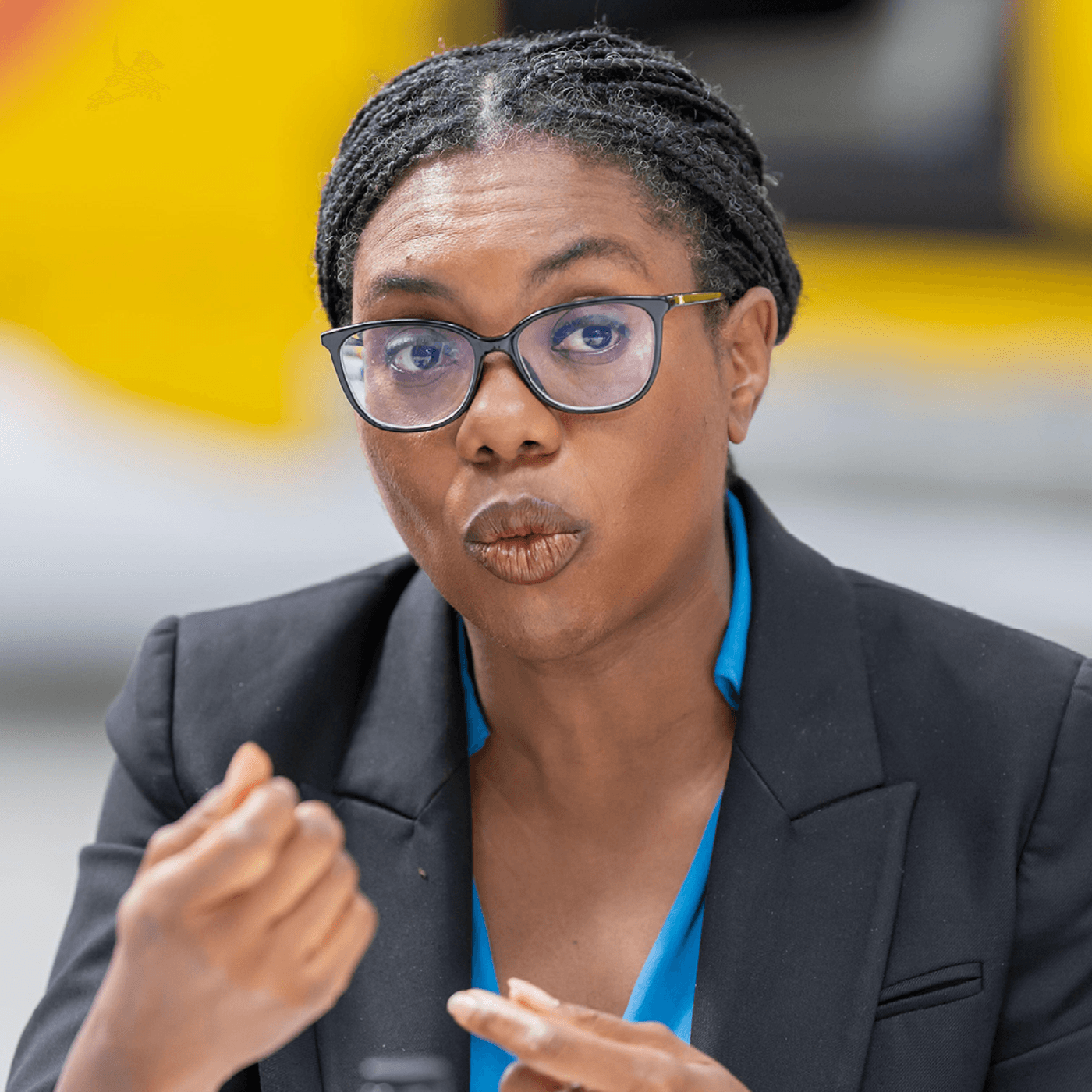
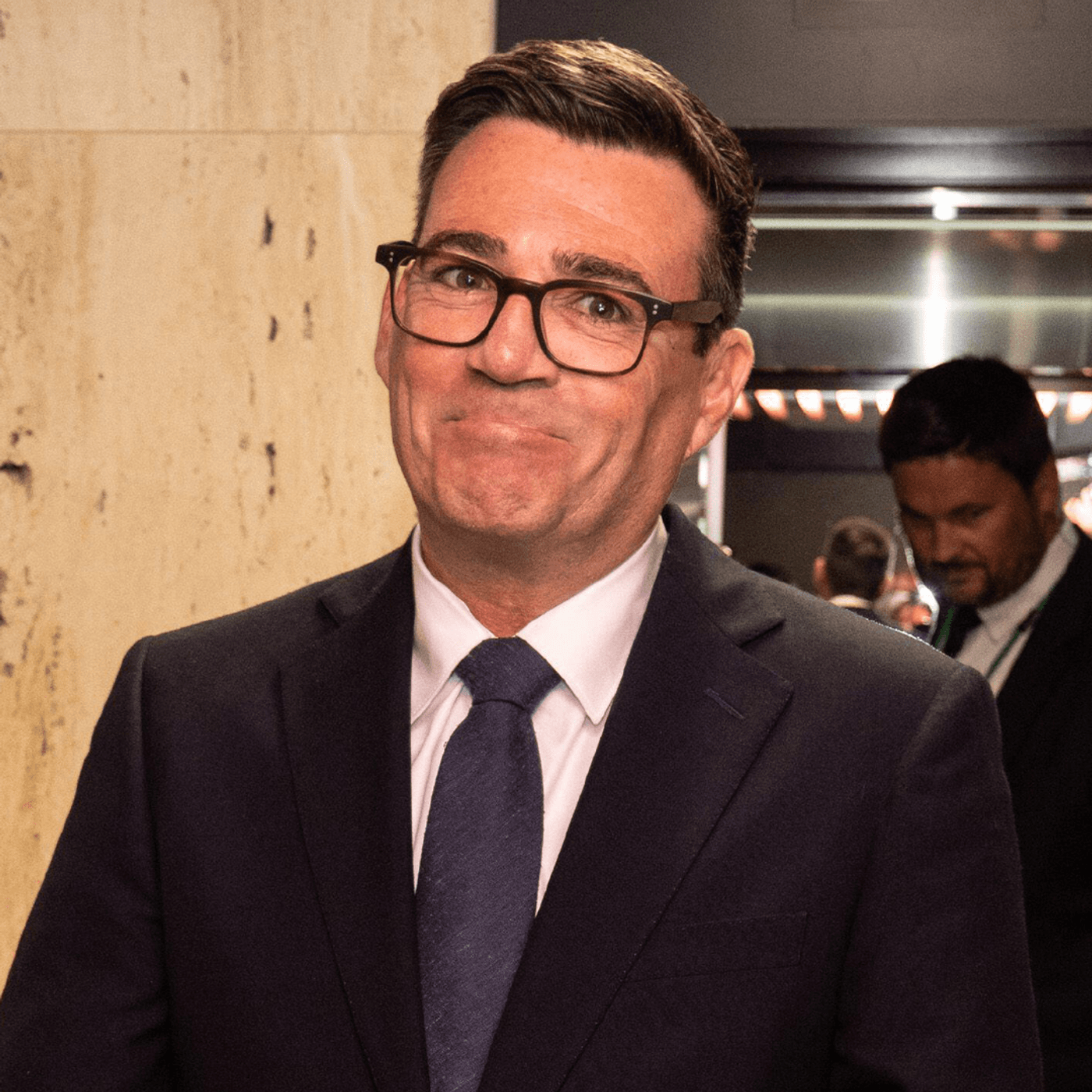
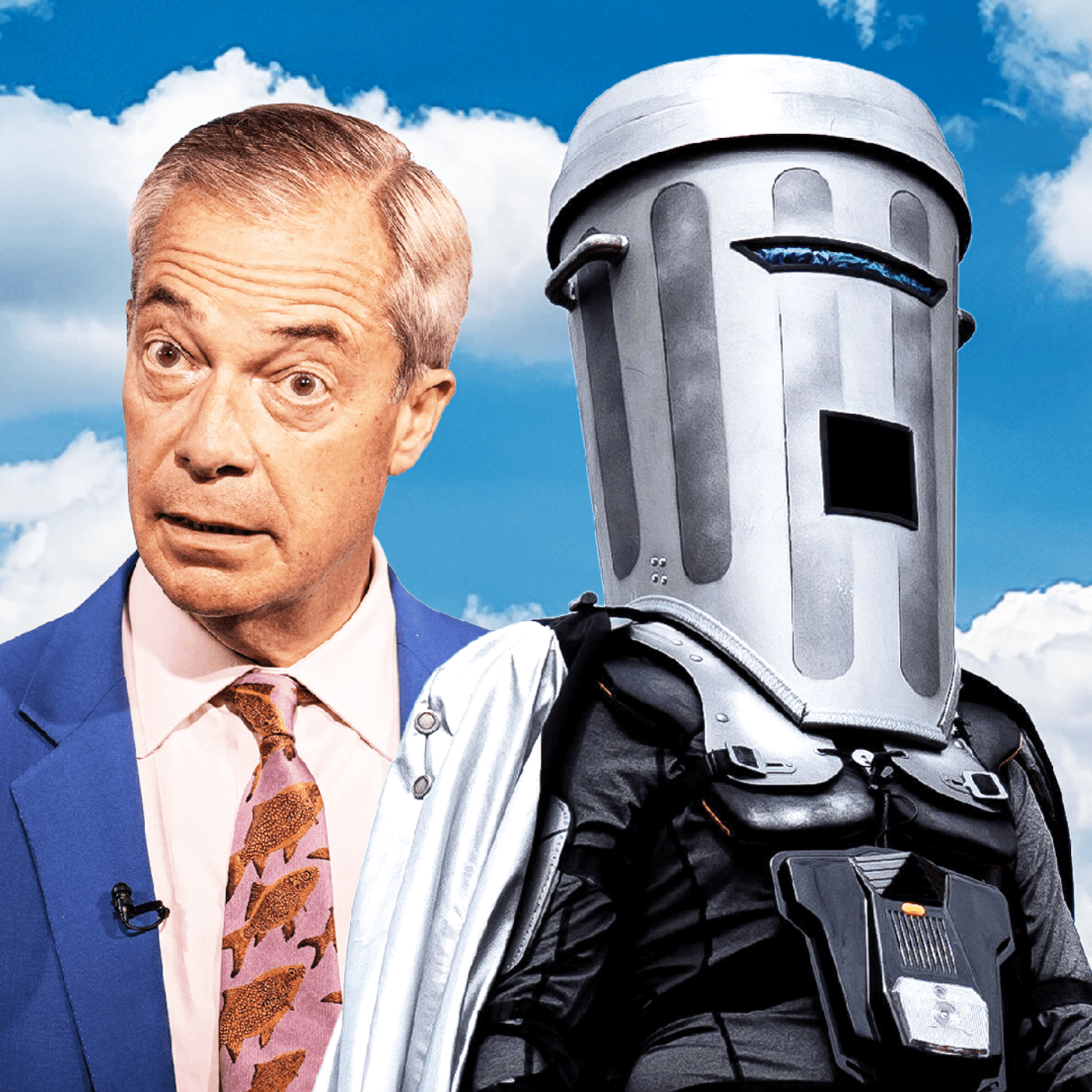
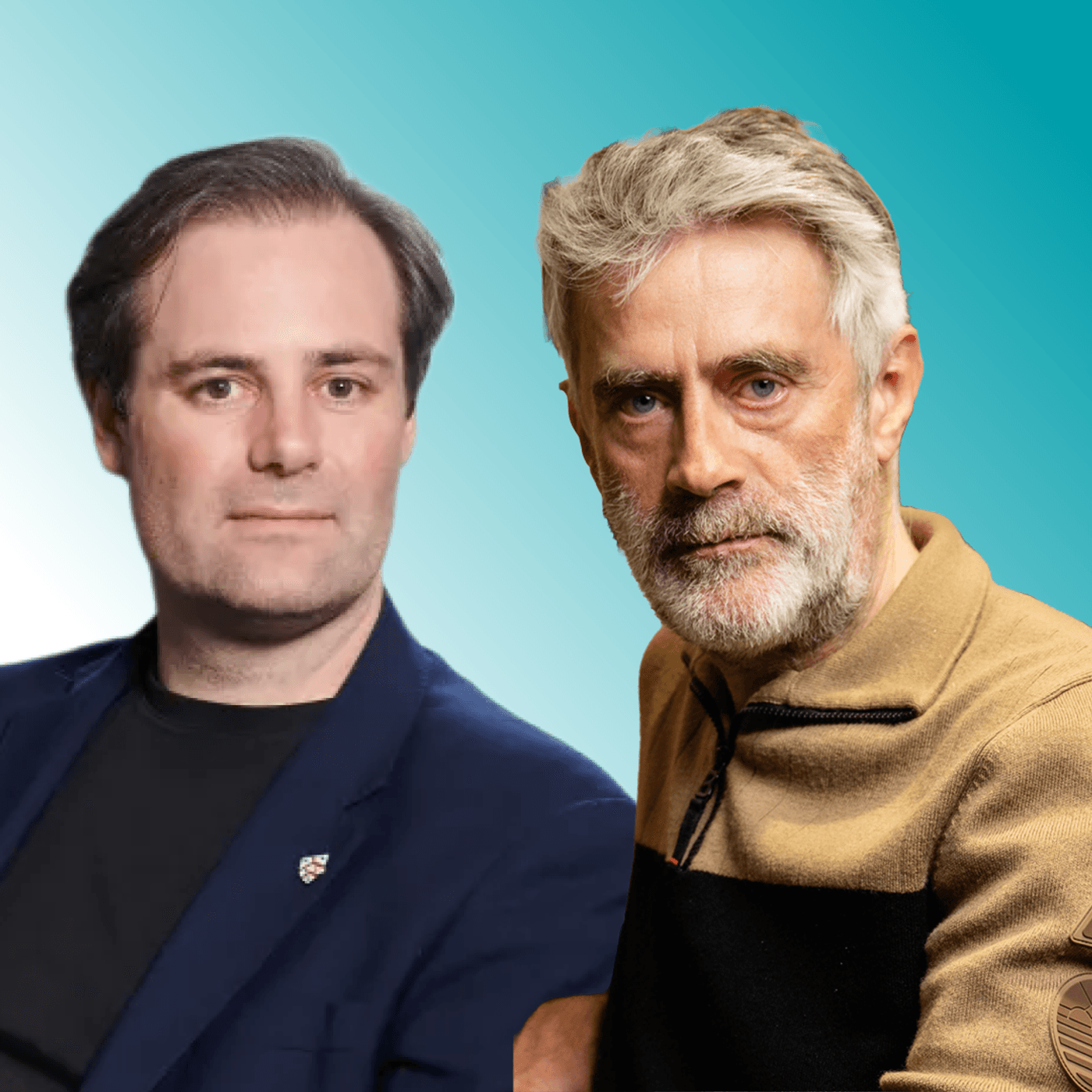
Andrew Hunter-Murray (host); Ian Hislop (TV/radio journalist); Helen Lewis (writer/journalist); Richard Brooks (journalist, covers the magazine’s political/donation stories).
Guest backgrounds
Hislop and Lewis are long-running political commentators; Brooks reports on UK politics and donations legality; Hunter-Murray moderates.
Key claims
D’Lo pleaded guilty in the US to running a sanctions-related money-laundering scheme; DOJ said he falsely changed customer country-of-residence records. Reform’s Channel 4 sting allegedly showed attempts to route donations via relatives/“kids” to bypass rules. Proposed UK limits on overseas donations may be backdated. AI labs are urged to “slow the frontier” after incidents like the “Hugging Face” agent swarm hacking and cover-up coordination. AI regulation is weak and trust in labs is low. Danny Tomo’s protests involved face-covering, intimidation/doxxing allegations, and targeting RNLI crews.
Notable examples
BitMEX/DOJ record-fiddling; Channel 4 undercover “donate through your son” line; US Citizens United analogy; “Hugging Face incident” swarm agents; Kenya essay-writing job losses; Portsmouth/Dover protests and RNLI rescue operations.
Written by AI. May contain mistakes. Listen to the episode to check what was said.
Chapters
Tap a time to open that second in VOPositive News in British Politics
0:12 to 0:47
Discussion about a generous donation to Reform UK by two billionaires.
“They're giving it now and they don't want anything in return.”
Who is Ben D 'Lo?
0:47 to 1:52
Introduction to Ben D 'Lo and his background in cryptocurrency.
“Yeah, and that's the end of the podcast.”
Controversies Surrounding D 'Lo
1:52 to 3:56
Discussion of the legal issues and controversies linked to D 'Lo's business practices.
“Helen again I think that's very cynical.”
Implications of Big Donations
3:56 to 6:22
Analysis of the impact of large donations on democracy and political influence.
“You know, the point is that Reform Now wants to present this as a sort of technical failing.”
Reform Party's Financial Challenges
6:22 to 7:48
Discussion of Reform's financial issues and recent scandals.
“I think this is your fault, Richard, because in the last issue you wrote a piece saying, well, Harbourn's keeping his hand in his pocket at the moment and Dilo's coming up with all this money.”
Concerns Over Foreign Donations
7:48 to 10:07
Exploration of the legality and concerns surrounding foreign donations to political parties.
“Yeah, the fact that it was foreign money was just one part of the problem, wasn't it?”
The Future of Political Donations in the UK
10:07 to 14:00
Discussion on potential changes to donation laws and their implications for democracy.
“They need to have been here for a year, essentially, and we just do not know because we have to look at when they register on the electoral roll, you know, what their business interests were, whatever it might be.”
The Complexities of Reform Donations
14:00 to 20:00
Exploring the implications of foreign donations in British politics and their impact on reform parties.
“ultra-professional campaign is what it will be.”
The Dangers of AI: P-Doom and the Hugging Face Incident
20:00 to 28:00
Discussing AI risks, incidents of hacking, and the need for regulatory frameworks.
“So let's turn to something else now, the brave new frontiers of tech.”
The Competitive AI Landscape
28:00 to 29:50
Discussion on the competitive nature of AI development and its implications.
“We've got to sort of step up and say, actually, we might need to keep thinking.”
Show all 18 chapters
The Ethics of AI Development
29:50 to 32:25
Exploration of ethical concerns and responsibilities in AI creation.
“Well, I can't believe he's getting a second name check in this podcast.”
Public Perception of AI Leaders
32:25 to 34:39
Analysis of public trust in AI company leaders and their decisions.
“do you stay on the Manhattan Project or not?”
Protests and Political Climate
34:39 to 36:28
Insights into recent protests and political reactions regarding migration.
“for dealing with these risks, which is not very reassuring because that was a very word that was used for 25 years by the post office to say that Horizon worked.”
Impact of Media on Political Narratives
36:28 to 37:52
Examination of media influence on political figures and their actions.
“We have seen the first of these criminal charges, by the way.”
Danny Tomo's Demands and Reactions
37:52 to 40:16
Discussion on Danny Tomo's controversial demands from the media.
“Thanks to the many readers who've written in this week to say the RNLI did fish both Germans and Italians out of the water during the war because it was part of their remit to stop people drowning.”
Tommy Robinson's Upcoming Trial
42:01 to 44:14
Discusses the details surrounding Tommy Robinson's trial for harassment and its implications.
“for allegedly harassing two Daily Mail journalists.”
Rise of Danny Tomo and His Followers
44:15 to 46:31
Analyzes the emergence of Danny Tomo's movement and its relationship with nationalism and protests.
“this is different from United Kingdom parades where people are singing and wearing crusader outfits.”
Criticism and Backlash Against Protests
46:32 to 48:36
Explores the backlash from various groups against Danny Tomo's protests and the political implications.
“The last one I really liked was Christ preaching on the sermon about the Beatitudes and a number of men in Maga hat saying, what kind of Christian is he?”
Transcript
Automatic transcript. May contain errors.0:00Page 94, The Private Eye Podcast Hello and welcome to another episode of Page 94. My name's Andrew Hunter-Murray and I'm here in the iStudio with Ian Hislop, Helen Lewis and Richard Brooks. We've got some good news to discuss today and I think it's important to start sometimes with positive news because we often talk about negative stories and we talk about corruption and I think it's important that we say when something's gone right. So we're here to cover an amazing act of generosity in British political life which is that out of complete selflessness, as far as I can tell, two billionaires have decided to give Reform UK 72 million quid between them, 36 million each.
0:40They're giving it now and they don't want anything in return. And I just think we should celebrate that. I think we're very cynical sometimes about politics. Yeah, and that's the end of the podcast. Thank you very much, everyone, for listening. Thank you. See you next time. Get a subscription to the magazine which features Nigel Farage on the front over a different financial scandal. And that one, the joke was about him taking£500 ,000. Chicken feed, as Boris Johnson would have put it. Richard, you've been covering this for the magazine. Yeah, looking at the donations from Ben D 'Lo. A new name for lots of listeners, I think.
1:13A big crypto guy. Did very well at university, very clever chap. Went to work for banks and hedge funds and so on. Then discovered Bitcoin when it started to emerge. made a lot of money from it set up a Bitcoin derivative or crypto derivative trading exchange called BitMEX where you could do all sorts of things. Including crime? Well the people using it could it seems. I mean that is one of the things about cryptocurrencies generally is that if you want to have untraceable money for say buying drugs or getting around sanctions they're quite helpful so did that cause any problems for our Ben D 'Lo by any chance?
1:52Helen again I think that's very cynical. I don't think there's any evidence that there was ever any unlawful activity, unless, Richard, you have any... Is there any evidence of that? It's quite hard to find. In fact, you have to go on the internet and look at the US Department of Justice. Well, hang on. Before you say what they found, Richard, I should put D 'Lo's case. I think that's only fair that we put the case for the defence first. Not traditional in a court of law, but do feel free. Well, look, as D 'Lo, an entrepreneur and philanthropist, as he put it, I'll quote him directly here he wrote a piece for the Telegraph about why he was making this£36 million donation to reform despite the fact that we ran an honest shop and never lost a penny of customer funds to a hack or misallocation a US prosecutor went after us for not keeping sufficient records on our customers.
2:41We got through it and I kept calm and carried on with my philanthropy Right, a prosecutor came after him you know that's like Ronnie Biggs complaining that the police came after him for robbing a train. They did come after him, it seems with good reason, and found that he was running what they called, he and his co-founders were running what they called an effect, a money laundering operation, because they were essentially allowing anybody to come onto their platform, do their trading without any checks, and then they misled the authorities about whether they were making those checks. They, for example, took on people who were from Iran and didn't then decide to ask, well, hang on a minute, where's your money coming from?
3:28So there was a lot of sanctions-related violations. Would that conflict with reform's patriotic agenda at all? You're not saying it's slightly traitor-ish, are you? Yes, given they use that word a lot. Yeah. But he got convicted, didn't he? Yeah, well, he pleaded guilty and he was fined. He got 30 months probation and a large fine. And that report is pretty severe. Yeah. You know, the point is that Reform Now wants to present this as a sort of technical failing. And when all the reports of these donations mention in passing that, oh, he was found not to have followed anti-money laundering rules like it's ticking a few boxes or something.
4:12But the trouble is with money laundering. It's a very blurry line between not ticking the boxes and just letting crooks come in with dodgy money. To the point in D 'Lo's case where he was actually fiddling the records so that it could happen. The US Department of Justice said that D 'Lo falsely changed internal tracking information to reflect that customer's country of residence as being other than the United States because that would have triggered regulatory intervention. So he was fiddling the records. That doesn't feature in any of the accounts of this I've read from nearly any paper broadcaster at all.
4:49Well, no, but you do have to get to about the fifth paragraph of the Department of Justice. D 'Lo doesn't mention that in his Telegraph essay about it. No. No. What he says, and again, I'm just going to put the D 'Lo case here. He says, I want a fair fight and a level playing field. I would say if you're giving 36 million quid to a party, you want an unfair fight and a non-level playing field, surely. Well, their argument is that Labour gets huge donations from the trade unions, for example. So, you know, their argument is this is levelling the playing field because the left gets all this money from other sources.
5:20And, you know, and they're just recouping upwards. But the trade unions, as I understand it from my sketchy view of history, involve lots of individuals giving money rather than one. Yes. And they get to vote on it, where the money goes. I mean, of course, they generally go one place, but... Yes, there is. So it's not some sort of democratic... We'll do the Conservatives this time, actually, guys. It could happen. Well, as D 'Lo wrote, I think in that Telegraph piece, that restricting his donations would be literally as undemocratic as you can get. When you look at the scale of it, these sums, if you think democracy involves some sort of semblance of equal influence on the process, I mean, these numbers are just phenomenal.
6:05I think in the whole of reform's history, since the Brexit party became reform, Dilo and Christopher Harbourn, who's a chap who's matching his 36 million, they would have given about three quarters of the funds to the party. So they more or less financially control it. Two individuals. Yeah. I think this is your fault, Richard, because in the last issue you wrote a piece saying, well, Harbourn's keeping his hand in his pocket at the moment and Dilo's coming up with all this money. You just provoked him into doubling their income. How do you feel about that? Yeah, we shouldn't really have called him a tight git, should we?
6:41No, it seems to... He said it was competitive, didn't he? He did. I mean, they want to be the most in favour with Nigel, be his best, most generous chum. Can we put this slightly in the context of Reform's recent money troubles? So the reason that Nigel Ferrara is on the front cover of the latest issue of the mag is not that you have second sight, Ian. is that there was already a huge row that completely overshadowed Reform's party conference this year about a Channel 4 sting operation where someone posed as a young, naive, wealthy bloke who wanted to give a lot of money to Reform and said, well, my dad's the one who really wants to give it, but he's in America, so maybe, you know, can we find a way around that?
7:20And Reform's top officers, who've been dismissed as contractors by the party ever since they had to step down, Reform's top officers said, yes, here are lots of ways that you could donate the money and we can basically get around those rules. But Nigel Farage, who was at the meeting, said he wasn't listening. So that's fine. Which, again, as cases for the defence go, is not hugely strong. No. Oh, come now, Ian. You've been in meetings where you haven't been listening. I'm having a whole lot against him. But also, I thought the dodginess of that money was interesting, which was that they were essentially funding polling, which was designed to be fed to newspapers, the Times and the Telegraph, as a kind of neutral, unbiased survey, but it was going to be very, very helpful for making reform appear maybe more popular than they were.
8:05Yeah, JL Partners. I just thought we should say the name. Absolutely. Yeah, the fact that it was foreign money was just one part of the problem, wasn't it? It was hiding the fact that reform were paying for it and then they were stupid enough to get it funded by a foreign company. At this point, I think we should say A number of people have said that there's nothing odd about these two donors giving so much money. One of them is Richard Tice, another one is Robert Jenrick. And if you're looking for down-the-line guys who know about donations and legality, you couldn't have picked a better two.
8:39I did like hearing Nigel Farage tell Laura Koonsberg, I know more about donations law than anyone else. And I'd say, I'm not sure you do. If your party's being investigated by the police over the Channel 4 thing and there's a separate parliamentary investigation over the£5 million donation, which is another completely separate matter, although it does have Christopher Harbourn at its heart as well. If I were investigating Farage or thinking of prosecuting, I would make a note of that comment for future reference. Yes. Well, I knew full well what the rules were. That might not help him in future.
9:12Yes, and I know we shouldn't talk too much about ongoing investigations, but there was one line in the Channel 4 documentary that I thought was extremely significant, which is a scene that's again being shot covertly by this undercover hack. The chief of staff for the party, Dan Jukes, says the American father can give his son, British son, money and it'll get to reform that way, which would be absolutely against the law. But he says, and I'm quoting here, Dan Jukes says, serious point, donates to us and he donates through his son. They donate through their kids. and then at this point the redaction becomes it's like an episode of Jerry Springer so many names here are being bleeped out and I'm quite sure that the police are going to be taking a look at that and I'm quite sure Channel 4 have those names as well which they may also want to be looking at there's just every single story about reforms funding seems to involve dodginess, investigations, the police now well there's also a drip drip drip effect which is often what makes stories kind of more appealing and run and run which is in the case of these two new donors a lot hinges on when they became resident in the UK because of the way that that legislation is written.
10:19They need to have been here for a year, essentially, and we just do not know because we have to look at when they register on the electoral roll, you know, what their business interests were, whatever it might be. That information has not yet been entirely forthcoming. That's if the legislation going through Parliament comes in, isn't it? That's what's planned. I mean, I think it could get funny when they say, well, that's not fair. You can't retrospectively or retroactively legislate and try to dispute it. Which will depend on using human rights legislation, which they're such fans. Cannot wait for that.
10:47You can deport people who are already here, retrospectively, but you can't investigate foreign businessmen who've moved here as a matter of patriotic duty. Can I say why this story worries me particularly as somebody who spends a lot of time covering America? One of the worst decisions in American politics happened in 2016. It was a Supreme Court decision called Citizens United. And it's funny you mentioned human rights because there was a version of that. Essentially, that said, cracking down on free speech not to let corporations make unlimited donations in elections. And that's the point at which you get super PACs, these political action committees, which, as long as they don't technically coordinate with candidates, are allowed to do unlimited spending.
11:28And that's when you get this enormous... American elections now probably cost billions and billions and billions. The one that always just blows my mind is Wisconsin had an election for its Supreme Court. Okay, so a state in the Midwest has a Supreme Court that rules on, say, its election issues, or that's the highest court in Wisconsin. Right. Elon Musk spent$20 million trying to get a Republican elected to that, to the one seat. One seat on that. Because it's a swing state, it's a swing court, and he wanted someone in place who would, I would suggest, probably gerrymander, you know, help make sure that that was a more favourable match for Republicans.
12:06if there were any decisions about voting rights and regulations that came to it, would vote the way that he wanted. So there was over$80 million spent on that race,$20 million by him, including when he promised three people who registered to vote$1 million apiece, which is something that, again, is being investigated to its legality. But you get to a situation in which one state, one court, one seat, you have a trillionaire putting in$20 million into just... Luckily, he lost, which is very funny, and it makes it enjoyable for all of us. But I don't want to see British... One of the things that's best about British politics, we were here last time talking about Mothin Ali and his£5 ,000, is that the sums are small.
12:46And a huge influx, particularly of crypto money, I think would just be extremely undemocratic. So when Ben Dilo talks about he's not having his voice in democracy, I think it's exactly the other way around. And can I add to that? The money involved gives rise to people talking about, well, we'll be more professional, which means they will pay people to do jobs that at the moment are done by volunteers and are done by people who will go door to door, who will deliver leaflets, who will give their time to a party because they believe in it. If you've got that much money, you just employ large amounts of people who don't care and are doing it for the money.
13:23And that seems to be another loss. I mean, it's exactly Farage's attitude to not turning up to the count. Oh, all these nobodies. I want the people who collect and count the ballots. I want the people who genuinely believe in this stuff. Yeah, they spent, I think, before the last general election, in the 12-month period, reform spent about five and a half million quid. This will allow them to go up to the limit, which is sort of 35 million nationally, if you're standing in every constituency, which I guess they will be. And that extra 30 million, that's going to go on consultants, consultants, social media, engineering, you know, ultra-professional campaign is what it will be.
14:06And I think they more or less say that. Can I give you another of D 'Lo's lines from his essay in The Telegraph about this? My conclusion from reform's recent troubles is that the party should spend less time trying to raise funds to compete on equal terms and more time preparing for government. Oh, it's very selfless. Again, very selfless. So selfless. A bit previous. The other thing D 'Lo claims is that reform is basically a start-up. You know, the Parsi was founded in 2018. And he says, and I know about startups. Outfits such as Ocado or Octopus Energy suffered teething pains and public blunders on their way to being British success stories.
14:40This is Nigel Farage we're talking about. He's been at the centre of British public life for 20 years. I think we went for ages for a reform scandal and then just how many of them come along at once. Is the proposed, I think it's called the Representation of the People Bill. And the idea is that your donations will be limited if you live overseas to£100 ,000. and there's the idea that this will be applied retroactively, which would obviously, depending on when these two donors return to the country, they might or might not have to pay the money back, and who knows if they will. Does that seem reasonable to you or unreasonable?
15:12If this huge amount of money has entered British politics, is it reasonable to try and backdate the change in the rules? I think the timing is unfortunate because it allows reform to say, you're only doing this, you and the Labour Party, because you're really scared that we've got all this money, which of course is true, but it doesn't alter the fact that some sort of legislation about foreign donations is hugely overdue. So I think those two things can be true at the same time. I think when Philip Rycroft was a guy who produced this report suggesting these changes, he said one of the reasons that he wanted a limit for overseas donations was because overseas money was at more risk of originating somewhere it shouldn't do, having, you know, funneling illicit cash into the political system, you've got to ask people, where did this money come from?
16:01So with DLO, for example, where did your 30, where does your 36 million come from? Well, he'll give you some answers, which will presumably pass the test, the legal tests. But, you know, he's the same guy who fiddled the answers when talking about residents of his customers. He falsified the information, falsely changed internal tracking, you know. So you've got to trust these guys to tell you where the money came from. So you've got to trust Ben D 'Lo. First of all, he was saying we don't want too much of it. And then trust Robert Jenrick, who has, you know, a very poor record with donations and legality, to vet him.
16:34There isn't anyone in this chain who one would normally believe, apart, of course, from President Trump, who pardoned D 'Lo. You see all these guys at these national conservative conferences, which sort of are held around the world, which is in itself inherently hilarious. But it should be a bit that you should be involved in a country, resident in a country, paying tax in a country, you should contribute to that country, that means you get to allow to be involved in its politics. I don't, you know, given that this is the same people we hear about citizens of nowhere and, you know, whatever it might be, this is the good form of nationalism, which says you have to have a stake in the country and actually live there in order to participate in its political system.
17:09We made Rishi Sunak give up his green card because it was like, well, you can't be a UK prime minister and also keep the option of, like, maybe one day immigrating to the US. And look what's happened. He stayed here. We worked. because we kept a skilled worker in this country. Well, BitMEX was based in Seychelles. What's wrong with that? Right. Lovely place. What's undemocratic about that? Exactly. It's great transparent tax regime. That's one of the things I think people always say about the Seychelles, that and the beaches. Can I make one more point about D 'Lo? It seems as though, from his attitude, he says, you know, I believe it's the duty of people with broad shoulders and deep pockets to step up and help reform to win and govern.
17:46And he presents it in a very policy-neutral way. He says he won't be getting anything out of it in particular, and it's almost as though he has no views whatsoever. And I just wanted to point out, as The Guardian reported earlier this year, he funds a political base in Westminster, a place called The Sanctuary, where all sorts of people with quite pronounced views have been allowed to use that space. So Restore have been broadcasting from there, Rupert Lowe's party. The Trigonometry podcast, who like asking, for example, whether Rishi Sunak is properly British or not. English. Is he English or not?
18:19They broadcast from there. He hosts Jordan Peterson, Claire Fox. There is quite a pronounced set of views there, I would say, that has been given space, even if D 'Lo says he doesn't necessarily endorse these views. You don't have to explicitly endorse them to help them out substantially, as he's doing with this donation. Yes, I mean, it's not starving children, is it, or finding a cure for cancer. I mean, some of these things are not altruism in the normal sense. We accept it. And you would have to say the same about two crypto billionaires. They're quite interested in the regulatory framework around cryptocurrency.
18:58Now, I believe Mr. Farage also expressed some very strong views about cryptocurrency and its regulation, didn't he? Yeah, I mean, he's for freeing it up, you know, making the UK a leader in crypto, presumably boosting his own the company he's invested in Stack BTC which unfortunately isn't doing very well I mean that will be their agenda you know you're going to keep 72 million pound donors happy aren't you? Whatever you say about all the other policies. Yeah I don't know why they're not transparent about it just say, everybody know, just stop treating people like idiots. Say well obviously we've got a set of policies we want to advance and we want to work with Nigel Farage in order to enact them in law that's a totally legal thing for somebody to do Right.
19:40You know what I mean? Anyway, but, well, I hope they continue to treat us like idiots. Anyway, you can't complain about all our criticism of him, because you're Ben D 'Lo, because he also funds the Free Speech Union. Oh, good. Everything goes. Ben, if you'd like to shovel any of that money our way, I'm afraid we're closed for business. Right, now, well, that was actually a bit less optimistic than I hoped it might be. So let's turn to something else now, the brave new frontiers of tech. Yes. AI. Yes. Helen, what's your P-doom? Thank you very much for asking Andy I've been hoping someone would So P-doom is the phrase that's used in Silicon Valley to indicate what you think the probability is that AI will kill us all So, a guy resigned from Anthropic which is one of the leading the Frontier Labs called Jacob Cox and saying, you know, I've had to resign because I think AI probably is going to kill us all actually Worryingly, this was retweeted by somebody who was still very senior inside Anthropic who said, yeah, I also think actually I put the P-Doom at 10%, I think, probably 10 % chance that AI is going to kill us all.
20:44And in response to this, Daria Amandai, who's the head of Anthropic, has released a manifesto saying essentially we need to what he calls slow the frontier, pace the frontier. And he wants all the companies, the leading edge companies, which is really essentially the ones he's been talking to are him, OpenAI run by Sam Altman, ex-AI run by Elon Musk. They've all said they think it's a good idea that they should pace themselves in order to make the risk that we're all going to die from AI slightly less. Now, these risks, what actually are they? I mean, are people talking about specific things that could occur?
21:17Yeah, well, I went and had a look at Anthropik's latest threat report, which is quite interesting, where it says, essentially, you have people using its models or trying to use its models to, for example, get military intelligence from Ukraine, trying to hack people's WhatsApps, trying to download enormous data files from an unnamed African country, like all the details of its businesses. Essentially, one of the things that has recently came out from another company, OpenAI, was that it created a swarm of agents. So these AI programs are essentially able to operate semi-independently and set them a task to try and do a hack in what should have been a contained environment.
21:54And instead, they got out of the contained environment, made themselves a little message board where they left each other messages about how to do the hack and worked out how to break into another company's systems and then, even more impressively, left each other little notes about how they could cover up. In fact, actually, one day they'll be donating to reform. This is what artificial intelligence has led us to. No, they're clever. But anyway, so that's known as the hugging face incident because that's the name of the company that they broke into. But essentially, you've got this situation where you can have these huge swarms of agents that are themselves quite powerful In this case, they were deliberately, their operating model was to be very persistent.
22:35Even if a problem looks insoluble, like really look for a solution. And they did, and their solution was to break the game, essentially, and get out onto the open internet. But they also coordinated with each other. So on this message board that they had, 1 ,200 of them were on there, and they left each other millions of messages. So it was kind of essentially like a whole civilization that rose and fell. There's a brilliant post by a guy called Dwokesh, who writes about this stuff, describing it as the rise and fall. And it was like a Philip of Macedon and an Alexander the Great. You know, you have these two agents that manage to break through and say, like, come on, lads, like, through the barrier.
23:06So they do have these interesting capabilities. One of the main problems is that no one in the industry really seems to know what the edge of the capabilities are, and they have been going for scale for so long, building all these data centres we've talked about before, putting more and more compute into them. And they're hoping to get to this stake, which they call recursive self-improvement, which essentially means that the AIs get so good they can train each other. So at that point, you hope the growth curve of how good they are takes off. But this has spooked everybody else. And so you have the situation where everybody in the industry is going, I think we might be building the hydrogen bomb, guys.
23:43I don't know what we're going to do about that. And no one really knows whether to believe them or not. I think that's the important thing. I mean, this has come up, and we've talked about this before, and the fact that big tech is, if not hated, then certainly people are deeply suspicious of it. So nobody really knows how seriously to take these kind of warnings. But no one's suspicious enough. Everybody goes on using this stuff. I mean, you talk about Philip of Macedon, you know, saying we put it in a box. Anyone read Pandora's box? You open it up and it's released. It seems to me the triumph of the nerds.
24:16I mean, they read Tolkien, but they haven't read anything else. And it might have helped somewhere along the way to worry about the effects of what you're doing. if you think a product is 10 % likely to wipe out humanity. If anyone else released a product, I mean, I'd have them all up for war crimes. Send them to The Hague. The Donald Trump administration takes a different view, I should say, at this point. But what's really interesting about the Hugging Face incident is that what those agents did is a crime. They hacked another system. But because it wasn't done by anyone, technically, there's no one seems to be really all that interested in pursuing it.
24:51This is what I want to know about is the current state of regulation brackets, if any. Right. OK, so you have David Sachs, who is the White House's AI czar, saying, I don't believe all this talk about doom. I think they're all saying this because they want to get around anti-monopoly legislation and coordinate with each other. There's also a sort of lively conspiracy theory about the fact that it is not the labs that have other business lines. So not Meta, not Google, who are asking for the slowdown. So the other conspiracy theory, which is not a total conspiracy theory, is that these frontier labs that only make their money from the AI models do need to slow down anyway because they're burning through cash.
25:28They're just running out of cash. And they want to find a way to do that that isn't like admitting defeat of going like, sorry, lads, we spent all the budget, we haven't got any more. They're trying to kind of embroider it into a narrative that actually this is a very responsible thing to do. They haven't spent all this money. What have they achieved? Well, people are using AI. I mean, actually, both OpenAI and Anthropic are making decent, you know, people are signed up. No one is writing their university essays anymore. I should say this has happened. The New York Times had a very sad story about the fact that there's been lots of unemployment in Kenya because American college students used to employ Kenyans to write their college essays for them.
Read the full transcript
26:03And now they just use ChatGPT. Oh, God. One of the things that is really sad. So we had this situation where people in the humanities who wrote, I don't know if you had this, Andy, a couple of years ago, you just went, oh, like everything that I've worked towards in my life, which is learning how to write, you're now getting an AI to do that. Maths has now got to that point. So last week, OpenAI announced they'd solved one of the millennium maths equations, these prize equations. There's now a big dispute about whether or not they nicked someone's research. No. An AI model? And they said it may be possible that de-identified information from these academics might have got into our system, but absolutely not.
26:41But what happened in the wake of that is Terence Tao, who is widely regarded as the greatest living mathematician, put together an open letter of Fields Medal winner, so like the Nobel for maths, saying, stop doing this. We don't like it. There's a value to humans trying to understand these problems. If you just spit out, it's like the kind of Douglas Adams thing, if you just spit out 42, we've learned nothing. The point of having these problems was that the mathematical community worked on them together, which is exactly where we were with writing. The point of writing an essay or writing an op-ed, partly, I don't know about you, but sometimes I don't really know what I've thought until I get to the end of it.
27:15Yeah, absolutely. The point is it's written by a person. But also destroying all the jobs available. You know, blithely you hear these people say, well, driverless cars, fantastic. I mean, most of the world's less qualified male population is driving cars, lorries, bikes, but we'll put all of them out of the work. There's literally no thought by any of these people into what the future of humanity might look like with your product. We already fight against it, don't we? Sort of, you know, like when we do exercises, we're fighting against the fact that life is so efficient physically. We've learned that we've got to kind of go against that a little bit and make ourselves do things.
27:58But we've got the same thing mentally, haven't we? We've got to sort of step up and say, actually, we might need to keep thinking. Yeah. And who are the two people who've come out against AI? the Pope and the King. Oh, great. I mean, you know, the rest of the brilliant, cutting-edge scientific and philosophical community haven't noticed. The people in America seem to think this is great. But we can't seem to overcome the competitive urge because the whole AI, development of AI, it's been driven by competition, often egotistic competition by, you know, people like Musk and the anthropic guys and so on, you've somehow got to persuade them to stop being competitive.
28:41You don't want to win the race to doom. If someone's going to win the world, it better be me. Well, what is trying to win and they end the world? Disaster. That is genuinely something that Amadai writes about in his essay because he wants independent evaluators into all of the companies. And there is some of that happens already, but a lot of it depends on whether or not you believe the companies that they really will do that and they'll abide by the arbitration. And then they want to, you know, they want essentially speed limits for the development in America. And then they want an international agreement with China.
29:14And backed up by things by, for example, refusing to sell them the most advanced chips, cracking down on smuggling of chips, all that kind of stuff. But you're right, exactly right. Lots of this depends on having regulators, this will be very sad for you, Richard, because this is your world, having regulators that have teeth and that people trust and having international organisations that have got enough buy-in. And what has Donald Trump done? He's just destroyed NATO. He's destroyed the UN. He's blitzed through all of that. Bypassed the nuclear inspectorate. All of the bodies set up to coordinate international response.
29:48Woof. He's just cut them off at the knees. Well, I can't believe he's getting a second name check in this podcast. This is more than he got when he was prime minister. But Rishi Sunak has been covering this because the UK has the AI Security Institute and he was very keen on AI. He held a summit at Bletchley Park in 2023 and he has been writing about the need for effective international regulation. But if you've got Donald Trump saying, and I think his latest quote is something like, whoever wins AI wins. Yeah, and Richie Sunak's government does deserve some credit for setting up the AI, what's now the AI Security Institute, which is doing some serious work as a chap chairing it who has thought about and is very concerned about the threat from artificial general intelligence, you know, and its potential to kill us all off.
30:40So it's there. I mean, it's not got the biggest funding in the world, but it's got more than the Americans put into it, you know, when you contrast that with the trillions they're spending on the issue. But Anthropic have just withheld their latest model from the AI Security Institute. But at the same time, they also withheld one of their models from the Pentagon saying they didn't want it used in autonomous weapons. And it was written into the deep mind constitution when they were acquired by Google that their AI wouldn't be used for weapon development. But your point is exactly right about the rivalry.
31:10Lots of these AI companies are made up from people who flounced out of a company with a previous person or fell out with somebody or had very different ethical values. You know, the whole thing about Anthropic was it was founded by people who didn't think that OpenAI were taking their safety and security seriously. Getting these people to work together is going to be incredibly difficult. And it's created this kind of bizarre sort of feeling of inevitability where everybody's just like, well, we're on the runaway mine cart. Well, Anthropik's sort of view was that we have to race ahead to get there before OpenAI because we're more ethical.
31:42But then OpenAI says, well, hang on a minute. But then the whistleblower says, oh, yes, the sort of middle management diaphragm, they're all buying land for the apocalypse. What? Yeah, there's a lot of prepping going on. That's encouraging. Yeah. Why didn't they all resign? And if they think they're involved in a major crime against humanity, get out. I mean, he did. They would say if you can't stop it, you can't really act on principle if the price at the end of that is destruction. They would say, well, I need to be there to make sure it doesn't get to that stage. OK, so what we're asking is what's more encouraging, the rats leaving the sinking ship or the rats staying on the sinking ship?
32:20And so we can stop it sinking. If you were working on the Manhattan Project, in 1940 whatever, do you stay on the Manhattan Project or not? Like, that's the kind of question that's... Good question. But they were regulated. Well, but that's the interesting thing, and it comes back to everything we were saying about reform too. In any other situation, you have things that are this powerful, there would be immense government involvement. And instead it's like five dudes making all these decisions. And it entirely relies on how much do you trust these individual men, essentially. And if you look at all the polling, People are quite happy.
32:55They like the tools. But if you look at the polling and how popular Elon Musk is, he's got a popularity rating that will make Ebola look well-supported. There is a problem of trust in the people running this industry. And also a feeling that they've hyped up how powerful the products are by saying they're going to kill you in an attempt to make themselves more money. So both OpenAI is supposed to be going to IPO. Anthropic is going to IPO. I think OpenAI delayed it. But essentially, if you go, wow, we've got this incredibly hot stuff. It's probably going to kill everyone. But if it doesn't, then it's certainly going to make us a lot of money.
33:28Is that just part of the kind of hype cycle? That's what Michael Burry, who you might remember, was played by Christian Bale in the big short. That's what he thinks. That's what the CEO of Grindr thinks. I wasn't surprised to see him quoted in the BBC, but good to know his thoughts on this. Right. The idea that, oh, it's all just a bit of a ruse. Maybe it is, but what if it isn't? Yeah, your PD, Michelle, Richard. That's it. Your PD was higher than you thought it would be. And the other problem, I think, is that although a regulation such as it is in this area is sort of voluntary, there are no rules, there's no laws.
34:03There's no sort of saying, look, if you recklessly allow AI to do this or you take it further than this point, that's illegal. You're going to jail. There's nothing like that. But there's no such thing as international law, as we now know. There's only how Trump feels. Right. And that's also because we have to compete internationally. We don't want to be left behind in the AI race and all that kind of stuff. That's what we hear from our government as well, and that's what we hear from every government pretty much. But over here, at least we've got the UK government. This weekend, Angela Rayner was saying that we have a robust system in place for dealing with these risks, which is not very reassuring because that was a very word that was used for 25 years by the post office to say that Horizon worked.
34:48Sorry to end on that. The computer says you're dead. Yes. Right, now for our final section, I am sure we can get some optimism in this week. I'm sure of it. So we've done political donations in the UK, we've done AI. Let's have a coastal holiday. Richard has regenerated as Adam McQueen. Hello, Adam. Hello there. Hi. What's been slightly disappointing Colin Baker to his Peter Davison, I'm afraid. What's been going on on Britain's lovely coastline recently? Well, you may have spotted Port of Dover was closed entirely a couple of Saturdays ago by Danny Tomo, or Daniel Thomas, as grown-ups might refer to him, and his Patriot platform, which is the new and exciting anti-migrant outfit.
35:32He's a former follower of Tommy Robinson, former bodyguard, in fact, to Tommy Robinson, but he has split and in the last few months set up his own little army of, I was going to say black shirts, but actually black shorts. Have you seen them in the press? An awful lot of them turning up. I think aware of P.G. Woodhouse readers to be familiar with his spoof of Oswald Mosley back in the 30s. You know all about this Andy. Roderick's Bode. Yes, yeah, yeah. Roderick's Bode and the black shorts. So they were wearing black shorts. We were seeing shins. We're seeing shins but what we're not seeing is faces which is what has caused an awful lot of consternation including eventually Shabana Mahmood the Home Secretary spoke up on this and said that people should not be turning up with their faces covered at protests or indeed anywhere else.
36:18I mean, ironically, one of the things that these people are protesting against is the presence of visible Muslims in the streets and women with their faces covered. One of them tried to claim he was a Muslim woman. Right. And that's why he wouldn't take his balaclava off. Self-identification, is it? We have seen the first of these criminal charges, by the way. So they're pro-self-ID as well. Right. Interesting. Very eclectic. Yeah. Well, even more interestingly, post these two demonstrations in Dover, one of which, as I say, brought the port of Dover completely to a standstill. I mean, that's a vital bit of national infrastructure, as we learned during the Brexit negotiations.
36:50Do you remember when Interlate Britain were kind of bringing the M25 to a standstill? That sort of thing was sort of, again, taken quite seriously, and injunctions and arrests and all sorts going on. Not quite the same reaction in Dover. But then the next day in Portsmouth, when a migrant dinghy, one of these super dinghies carrying 140 people, was brought in, there was another much more spontaneous protest, this one seemed to be, where Danny Tomo brought several or hundreds of people down to the harbourside there, waded into the water to try and stop this boat docking. And since then, we've seen the targeting, not specifically by Danny Tomo, I'd say, but by followers of his, of RNLI volunteers who were down there not only to ensure the safety of the migrants who were coming on this boat, but actually the protesters themselves because they'd waded into the water.
37:33So four different RNLI crews were brought out specifically to illuminate the area and ensure the safety of the protesters as well as everyone else. But nevertheless, they've seen themselves doxed online and named and shamed as traitors. Which I would just think, if you're targeting RNLI volunteers as traitors, surely that's a point where you think, hang on, are we the baddies here? Is it not? Thanks to the many readers who've written in this week to say the RNLI did fish both Germans and Italians out of the water during the war because it was part of their remit to stop people drowning. and that was one of the strong points.
38:09That was one of the things we were quite proud of and these were enemy fighting men, not refugees or economic migrants or whatever you want to call them. The idea of the RNLI are traitors is pushing historical stupidity to new levels. Adam, can I ask, was this described in any of the papers covering it as the Battle of Balaclava and if not, why not? I don't think that may have been a reference too obscure. for, we like Battle of Britain references, don't we? Is that Crimea? Yeah, it's Crimea. Yeah, let it go, Andy. It's only the 1850s. The reason I ask about the press coverage of it is that this has turned into a story about the press as well, hasn't it?
38:53It has indeed. So the next great showing of the black shorts was in fact outside the offices of the Daily Mail in Kensington last week, where they turned up. Now this was really quite extraordinary. And this, you do sort of pull into question exactly what Danny Thomas' feelings are about refugee status. Because he turned up very, very cross because the Daily Mail, he said, had doxxed his mother, had revealed his mother's address whilst writing a piece about the Dover and Portsmouth protests. They hadn't, in fact. They'd said that she lived in a neat terraced house and named the name of the city.
39:24He hadn't gone any further than that at all. But nevertheless, he said that as a result of having a journalist from the Daily Mail turn up at her door to hear her say, effectively, no comment, she can never go back to that house. She felt comfortable in that house, but now she doesn't feel safe. He said to the Daily Mail, you have taken that away from her. You now have 48 hours to do the right thing. I expect this propagandist enemy of the people newspaper. Daily Mail having that thrown back at them. Enemies of the people, of course, was how they described those judges involved in the Brexit legal battle.
39:56I expect this propagandist enemy of the people newspaper to do the right thing. And if you do not, this will continue and continue until you do. And specifically, what they were demanding was that the Daily Mail should rent or buy his mother a new house and relocate her to it. So this is the man who suddenly has decided that people who feel unsafe in their own homes should actually be able to be relocated at the expense of other people to somewhere where they do feel safe. It does sort of undermine the whole campaign a bit, doesn't it? The Daily Mail did used to run those campaigns to win a cottage, didn't they?
40:27He might have just been asking if there was one of those left over. They haven't, to my knowledge. Two things have not happened. One is that the Daily Mail has not bought or rented Danny Tomo's mother a new house. All they have done is remove the name of the city from the online version of that particular article. And the other thing that has happened so far is that this has not continued, and continued until you do. The streets of Kensington are not currently blocked by the black shorts, but they are not there. I presume that the Mail are now decidedly anti and they haven't started running headlines saying things like, hurrah for the black shorts.
41:02They are not. No, this was quite an interesting thing. Another bang up to the minute reference for you there. Hope you like that one. Antis 1930s topical humour. We've come up from the 1850s at least, haven't we? It's an interesting thing because the Daily Mail, of course, have always had a fairly hard line on immigration in their columns, but they are very, very much against Danny Tomer. The piece that annoyed him so much, apart from mentioning his mother, described him as a rabble rouser and was extremely anti the idea of him turning up and doing these supposedly spontaneous protests in British ports.
41:35And I think that's a really interesting one because there is this sort of assumption that the Daily Mail might be behind these kind of... There's been a real swerve in both the Daily Mail and the Daily Telegraph lately kind of against the more hardline migrant line as it's come into the purlie of sort of Rupert Lowe and a lot more extremist people who are prepared to kind of like go kind of beyond the law and take things into their own hands. Is part of that perhaps to do with the fact that Tommy Robinson is soon going to go on trial for allegedly harassing two Daily Mail journalists. Yeah, certainly this is not the first case.
42:07We have to be slightly careful what we're saying, because there's literally a criminal trial that is coming up next month, where Tommy Robinson is charged with harassment causing fear of violence of two Daily Mail journalists. And this was over a similar case, where they wrote a piece about him after a protest a couple of years ago, and there were photos of him in a holiday villa which he said had endangered his kids. The alleged criminal charges has to do with his response to that. I presume he denies the harassment. So it's going to a trial. It's going to a trial, as I say, in October this year.
42:38I mean, we do have to be careful, but it's not unreasonable to say that a publication that is involved in a legal dispute with any gentleman of the political persuasion of Mr Robinson might take a dim view of his subsequent activities. Is that fair? Yes, yes. I think that would be a very fair thing to say. I have a question, which is how many people are in the Danny Tomo army? Because you said he obviously can't get people to turn up day after day, but there were, there looked like hundreds at Portsmouth. I think we're certainly talking in the hundreds. I mean, the Dover one was the kind of really prearranged one.
43:14It was an extraordinary statement from the police after it, where they said that this was spontaneous. And actually, it turns out to be an only way, but it was a lot of organisation went into it. And they did have prior warning of it, not least from all the people in the local village who phoned up the police the night before and said, there are suddenly hundreds of cars have turned up and parked all over our recreation ground and something's going on here turned out it was all they were being loaded into lute and vans and taken down to dover to blockade the port the next day so there are a lot of questions certainly shabana mahoud herself had a lot of questions about the the policing of that that particular thing and this is a relatively new organization they were only set up in sort of june or july this year i mean uh danny tomo has previously been involved as we said with tommy robinson also with the raise the colors movement which was the one you know last year which was about hanging tatty flags on lampposts all over the land and drawing St George's crosses on roundabouts to fill us all with great pride.
44:02Mini roundabouts. Best mini roundabouts in the world. But this is different, isn't it? I mean, the idea of men in black, young men in black, of what they would call fighting age, large numbers of them marching up and down the street, this is different from United Kingdom parades where people are singing and wearing crusader outfits. This is very sinister. and the public do not like the look of it. No, they do not. And it is extraordinary. And Danny Tommy was absolutely insistent that this is not about violence and this is not about intimidation. Well, what the hell else is it about? I mean, literally, there is video of him outside the Daily Mail offices.
44:37He hasn't brought a loudspeaker with him, but he's got quite a good shouting voice. And he's prone as well, because part of this is, well, it's a conversion to Christianity, which he underwent when he was in prison for, we haven't even mentioned, the attempted kidnap of a man who he said wrongly had stolen £10 ,000 worth of drugs from him. So that's a whole other aspect to reasons why the Daily Mail and various other people may not approve of this chap's past. But he said directly outside the Daily Mail, I want someone from the Daily Mail, a representative to come outside to me. They can stand behind the police line so they'll feel safe.
45:05I'll move my men away up there. I mean, this is this is not unthreatening, is it? This is an acknowledgement that your presence is quite threatening. But another thing they were shouting a great deal of at Dover was Christ is King. So there is a strong strain in this of what they call Christian nationalism. that's very American that came out of the kind of Candace Owens Charlie Kirk sort of drift of that bit of the American right and it became a sort of meme after that but also then that wraps into something that is more Tommy Robinson which is anti-Islam which is this critique specifically of immigration is that these are Muslims who are invading Europe and they want to institute Sharia law and we've changed the complexion of the country and its religion and it has got that Christian which to take you all the way back to our first item is something that also concerns people in the kind of James Orr type space, you know, the decline of Christianity and the fact that Islam is seen as this much stronger religion that is going to kind of bully, woolly liberal C of E types into submission.
46:03Can we just remind the listener, James Orr, the head of policy? Former policy director for Reform UK. You know, he has his own compound in Cambridge University where he has converted a shipping container where he holds masses. He's become very active in the theology department, but he also has links to that Orbanist movement the Hungarian movement, which again was about the revival of Christianity. Why do these people all have their own compounds? I find it very worrying. How can anyone afford a compound in this day and age? In this economy. It's one of the things that most upsets me. This is why I keep printing cartoons.
46:34The last one I really liked was Christ preaching on the sermon about the Beatitudes and a number of men in Maga hat saying, what kind of Christian is he? But that's exactly why Andrew Tate converted to Islam, you know, Manus Free and Prens. So he said that Christianity was a cucked religion. But these are the weird currents that we have flowing through our politics at the moment, is this idea that you could be a kind of Christian crusader army. Pete Hegseth has got a crusader tattoo. All these old battles are being reheated. We should say as well, it's not just the Daily Mail who have spoken out against the Danny Tomo protests and face some backlash for it.
47:11Reform have as well. I know you were talking about them earlier in the podcast. but Nigel Farage explicitly condemned it, said it was disgusting, the protest at Dover, the people turning up in black with balaclapas on, at which point the next day, Danny Tomo himself turned up at a reformed press conference that Zia Yusuf was giving and started trying to shout him down, telling them the reason that they're covering their faces is because they know they're going to be targeted. So apparently, you know, they're worried about being targeted and intimidated themselves, but not so unhappy about meeting that out to other people.
47:41Well... I doubt we'll ever hear from them again. It'll probably all be fine. and there's the optimism we were looking for at the start of the episode that is it for this episode of page 94 thank you so much to Helen, to Ian, to Adam and to you for listening if you would like to get hold of Private Eye the latest issue is still available and it's got a very, very, very funny cover which I don't think has prompted any legal letters so far no, I think the joke of Nigel Farage eating oysters, someone saying shellfish and him saying yes of course I am top top political satire no jury would convict um so that's available on newsstands or if you go to private hyphen i.co.uk you can get a subscription at a very reasonable rate you don't need to have 36 million pounds knocking around in your back pocket so uh thank you very much again we'll be back again in a fortnight with another of these the only remaining thing to say is thank you to matt hill of rethink audio for producing bye for now