
In short
Gen Alpha (kids 1–14) marketing strategy for CMOs, using Mintel’s 2026 global consumer trends. Focus areas: “anti-algorithm” (tension between personalization and empowerment), the “affection deficit” (optimization reducing human connection), emotion vs efficiency, brands as “guests not landlords” on digital platforms, and in-store experiences driven by aesthetics and sensory play.
Guest
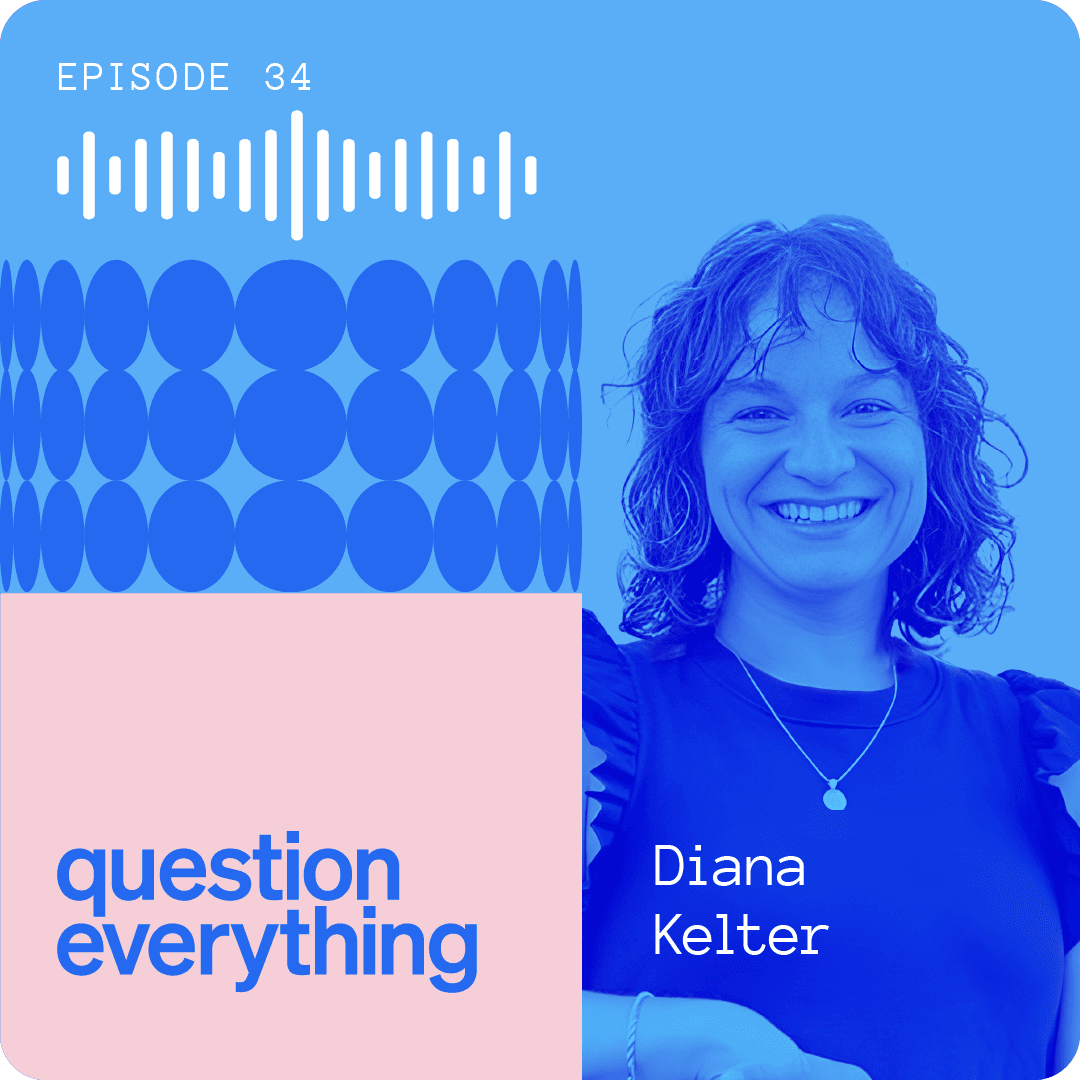
Diana Kelter, North America Director of Consumer Trends at Mintel; digital marketing background; curiosity-driven trend spotter; co-leads Mintel’s 2026 global consumer predictions and “Gen Alpha” report; shares a LinkedIn newsletter “The Mindful Drift.”
Key claims
Gen Alpha is born on screens and is more experimental/disruptive than Gen Z; parents (millennial) should use social-media conversations to build digital literacy; brands should deliver “unexpected joy” not “unexpected chaos”; avoid corporate/salesy language; be transparent about AI.
Notable examples
anti-algorithm tension tied to feeds; fitness brands as community ambassadors (run clubs with shoe brands); Duncan/Wendy’s “off-script” community management; Sephora/Drunk Elephant/Stanley Cup/“aesthetic” language; American Eagle controversy boosting stock +25% despite backlash.
Written by AI. May contain mistakes. Listen to the episode to check what was said.
Chapters
Tap a time to open that second in VOUnderstanding Gen Alpha
0:45 to 3:40
Discussion on Gen Alpha's unique traits and the implications for brands.
“Diana Kelter is a curiosity-driven trend spotter and the North American Director of Consumer Trends at Mintel.”
The Anti-Algorithm Trend
3:40 to 6:20
Exploring the 'anti-algorithm' trend and its impact on Gen Alpha and their parents.
“Is Gen Alpha more likely to seek out simplicity and comfort or experimentation and disruption?”
Balancing Technology and Parenting
6:20 to 9:10
Insights on managing children's technology use while promoting digital literacy.
“You really don't even necessarily need that stuff anymore because she's really sophisticated even at the age of four.”
Emotional Marketing Strategies
9:10 to 12:00
The importance of emotion in marketing to connect with consumers.
“How can brands win by appealing more to emotion rather than logic?”
Brands in Digital Spaces
12:00 to 14:02
Advice on how brands can authentically engage in digital platforms.
“Like right now, everybody's kind of working on their 2026 plans and the vision and what they want to do.”
Authentic Brand Engagement in Communities
14:02 to 18:08
Learn how brands can authentically engage with communities without appearing overly commercial.
“being guests, not landlords in digital platforms and in social spaces?”
Gen Alpha's In-Store Experience Preferences
18:08 to 23:56
Discover how Gen Alpha's unique characteristics influence their in-store shopping experiences.
“And what I hear you saying is like, don't come in and be like, I own the place, right?”
Balancing AI and Human Connection
23:56 to 28:00
Understand the implications of AI on human interaction and how brands can foster meaningful connections.
“Our data at Mintel said 29 % of consumers familiar with AI have used it in the past three months for companionship or kind of that friendship lens.”
Understanding Gen Z's Relationship with AI
28:00 to 29:40
Explore how Gen Z perceives AI as both a tool and a threat to their identity.
“to technology and how they can shape it, be part of it, engage with it.”
The Importance of Transparency for Brands
29:40 to 30:55
Learn why transparency is crucial for brands in building trust with consumers.
“I mean, is that the advice to CMOs right now is transparency?”
Show all 17 chapters
Gen Alpha's Evolving Self-Expression
30:55 to 33:57
Discover how Gen Alpha is redefining self-expression across various platforms.
“And that's when we really saw a lot of food service brands do kind of merchandise.”
Anticipating Gen Alpha's Counter Trends
33:57 to 36:35
Gain insights into how Gen Alpha will challenge existing trends as they come of age.
“So right now they've kind of been little, either mini millennials or Gen Z kind of followers, but the oldest set of Gen Alphas are about to kind of find themselves.”
The Disconnect Between Consumer Values and Actions
36:35 to 40:03
Understand the gap between what younger consumers say and what they actually do.
“We all have to deal with that at some point.”
Building Trust with Gen Alpha
40:03 to 42:01
Learn strategies for brands to earn trust and engage with the Gen Alpha audience.
“they took a risk and kind of bringing this conversation to life, but it drove conversation It made them part of the news story.”
Understanding Generation Alpha
42:01 to 44:08
Learn how brands can engage with Generation Alpha as they shape culture.
“I think they're just good at, they are online users.”
Fun Quickfire Questions
44:11 to 44:45
Diana answers rapid-fire questions to share personal preferences.
“I feel like I've learned a lot about this generation.”
Connecting with Diana Kelter
44:45 to 45:58
Find out how to connect with Diana and learn about her newsletter.
“So we love to end our podcast with a little this or that.”
Transcript
Automatic transcript. May contain errors.0:04Diana Kelter:On today's episode, I sit down with Diana Kelter, Director of Trends at Mintel, to reveal what CMOs need to know about Gen Alpha, kids aged 1 through 14, who are growing their buying power and shaping our culture. Between unpacking memes and Gen Alpha themes, you'll learn how to adjust your marketing strategy for a generation that's anti-algorithm. Why brands are friends and how they can reverse the affection deficit. And why the controversial American Eagle spot was good for their bottom line, despite the backlash. So grab your Stanley Cup and apply some Drunk Elephant. This episode has everything you need to reach the next generation.
0:54Diana Kelter:Diana Kelter is a curiosity-driven trend spotter and the North American Director of Consumer Trends at Mintel. With a background in digital marketing, she brings a unique blend of data analysis and cultural observation to uncover what's next and help brands stay ahead of the curve. Fresh off her desk are Mintel's 2026 global consumer predictions and the lifestyles of Gen Alpha report. Needless to say, we are thrilled to kick off the year with her. Diana, welcome to Question Everything. Thank you so much for having me. I am thrilled to be here. Anything that starts with curiosity, I am a game. It's just like a match made in heaven already.
1:37Diana Kelter:I love it. It is. Also, I know we are going to talk a ton today about Gen Alpha. I have three Gen Alpha girls, so I am super excited to learn a little something new, hopefully, that I can go home tonight and be like, ah, now I know what that means or why you're doing that. Diana told me all about this behavior. I also heard that you guys just launched the 2026 Global Trends report as well. So just like any hot nuggets there that you can share with the listeners? Yeah, that just launched October 9th. So really hot off the press. And we have three global predictions that we're really excited about this year.
2:17And we did a little bit of a different spin this year. We're kind of looking ahead to 2030. And then focusing on the next as the really juicy part of this report, because that's the where brands have the opportunity to shift where we're headed for 2030 and kind of shape the narrative. But the one that I think is really compelling, we have titled anti algorithm. So really highlighting, you know, algorithms are here, they're not going anywhere. But there's a lot of tension right now. And you can see it in your feeds. A lot of people feel it, where it's like, we like the convenience of things kind of being personalized for us, but it's kind of taking away our own empowerment as individuals.
2:56So we're definitely seen that. And I think a really key demographic for anti-algorithm is millennials, actually, who are the parents of Gen Alpha, which we're going to get into today. And I think they're thinking about it from their own self, how their algorithm is shaping them, but they're thinking about their children and how the algorithm is impacting them.
3:16Diana Kelter:So I think that's a perfect segue into what we're going to talk about. I love that. Okay, well, you know how this show works. I've got a game board stacked with 12 super spicy questions. You don't know what's behind them. So we'll play a little game of improv. But the power is all in your hands, my friend. So where do you want to go first? You know, my lucky number is four. So let's start with four. Let's go four. So the cozy generation or the crazy generation. Is Gen Alpha more likely to seek out simplicity and comfort or experimentation and disruption? I love this question. I will say I'm a cozy individual, but I am not Gen Alpha.
4:01I'm going to say they are definitely the experimentational disruption generation. And I think there's some key reasons why I think that. So when we look at Gen Z, they were kind of brought into social media when they were already in like middle school, high school. And so it was kind of a shift in how they were able to adapt to it, deal with it, while also still being expected to kind of live in the world that was very still traditional and structured. And that was kind of, I think, brought a lot of anxiety for them, a lot of change. And so they're kind of looking for their cozy retreats in some way to kind of adapt to that.
4:39Gen Alpha, in comparison, was born on screens. They've kind of adapted to it from the start. So they really, it's just what they know. And so in that sense, it isn't really giving them the same anxiety from that perspective that we've seen from past generations, like Gen Z specifically, that kind of had to adapt to it at like a core developmental stage. So I think that is one reason they're just kind of able to feel that straightforward aspect of how they engage and that comfort with adapting to that world. But also, I think when we look at their habits with gaming and how they're engaging with content online, they love to build and kind of make things work for them.
5:25I think they are going to kind of follow something we saw with Gen Z and social platforms. of like if a platform like Instagram, for instance, didn't have a feature they liked, they kind of make a way to hack it themselves. And then the platform itself would catch up and be like, oh, we're going to create a close friends feature because we see Gen Z's doing that already. I think Gen Alpha is going to take that to the next level and they're going to want to be understanding how things work behind the scenes. They're going to want to shape. They have that already with like the Roblox platforms and the gaming platforms.
5:55So I think they just having that structure from the start of being adapted to technology, understanding it, they're going to have a lot of power to kind of be disruptive and experimental. And I think imagination is just huge for this group. So I lean towards that more than coziness.
6:13Diana Kelter:I like that. I like that. I mean, even so I have a 10 year old, a seven year old, a four year old. And even my four year old is very savvy on a phone or any kind of device. and I know sometimes it's really frowned upon, like you let your kids on devices and shame on me maybe, but also she's also learning and she is building communities and she designs things and we work on her alphabet on devices and like old school, man, like the flashcards and things like that. You really don't even necessarily need that stuff anymore because she's really sophisticated even at the age of four. I don't know if you get asked this question a lot, But I think about it as a mom, like the dark side of that, too, and like overuse of technology.
7:00Diana Kelter:And I don't know if you have any advice or thoughts on that. Yeah, I definitely think I mean, and that's why I think we see millennials is that core generation feeling the push and pull of technology and where they still feel like they have influence to kind of control how their kids engage with technology. I think that to your point, it is here. Like it's better to have kids engage with it and understand it so they feel confident in having that digital literacy of critical thinking and understanding what's safe and what's not safe and understanding misinformation. We are entering a misinformation world and we're already all feeling that when we're online.
7:42And like, is that a real image? Is that AI generated? And so I think kids in many ways, I think parents all feel that tension. I have a six year old niece. And so sometimes she knows how to use her iPad better than me. And she just knows how to navigate it and shape it. And I think for parents, it's a bit stressful. Are we going to be able to keep up with our kids and understand how they're using these tools? So I definitely think it's definitely good to have them feel part of that world, but also talk to them and understand that we have a really great data point at Mintel. that 41 % of millennial parents who have children under age teen at home.
8:19So there might be a few Gen Zers in that data. But broadly, they said the thing that they like their kids like to engage with them around is social media conversation. So it was really highlighting like, there is this kind of opening, I think, for parents to talk to their kids about some of the social trends that are happening, understand it, create dialogue around it. Millennials have their own version of social media gen alpha is putting their own spin on it i know the six seven thing is everywhere and it means nothing but kids love it so i definitely think it's there can be
8:53Diana Kelter:opportunity to use it as conversation good good advice are let's go back to the game board let's do 10 okay number 10 in 2026 cmos need to consider the tension between efficiency and intimacy. How can brands win by appealing more to emotion rather than logic? This is another great question that ties in perfectly to some of our 2026 predictions, which another one we have is the affection deficit that I think really kind of connects with anti-algorithm because we are kind of being put in our bubbles online and we're not having those same opportunities for affection like we once did. And I think we're seeing more with like, we're talking, we're going to a kiosk instead of a barista, or we're just, we're slowly seeing those moments that give us the kind of the effort we put into engaging with one another slowly pull away.
9:56And the question is, where do we preserve those opportunities for affection? And how are we going to see that go down, trickle down to these young kids who are kind of like we've talked about growing up with the digital world at their fingertips. And I do think we always see the pendulum swing one way. So we are heading towards the dark side of optimization if things don't go changing because optimization is everywhere. We're seeing it, people just kind of pushing to get results and everyone's kind of feeling the scramble of how fast things move. and how quickly things are changing. But I think when we pull back what people are actually looking for, it's joy, it's playfulness, it's that feeling of like, unexpected delights.
10:46I think that is what people are truly craving. And are the observations we track at Mintel really demonstrate that like there's this craving form from brands of bringing that, that childhood like play to life or sensory marketing is huge right now because that makes people feel something a little bit more tangible and cozy if we go back to that word so I do think that while yes that the broader world is pushing us to be efficient and driven a good strategy that starts with emotion will get those results in hearing like if you are feeling if you create connect to feeling generally the results follow So I think we have to find that balance of where we can bring in human emotion and make people feel something and still feel like they have interest, like people have interesting things to say.
11:39And I think sometimes they want to be heard in a way that doesn't just go into the void of social media. So I definitely think now more than ever, if we want to pull back from that kind of dark side of optimization where we're losing touch with feeling and connection, now is the time to really start finding that balance of where we can bring in human emotion.
11:58Diana Kelter:I think that's really good advice for brands. Like right now, everybody's kind of working on their 2026 plans and the vision and what they want to do. And I think what a great rallying cry to bring more emotion to your marketing at a time when it feels a bit void of it. At Curiosity, we have our creative philosophy, so to speak, is what we call art and overalls. And the art is the emotion, right? And the overalls is kind of that function, the purpose. But you have to have both. You know, you can't just be all overalls all the time. You really have to bring that artistic, emotional expression to the consumer, make them feel something, whether it's humor or joy, like you said.
12:40Diana Kelter:So I think, yeah, what a great challenge for brands to think through what is that emotion that we really want to play up this year. Exactly. And I think it's a way for brands to stand out because something we talk about in anti-algorithm is there's this kind of loop everyone gets stuck in because the algorithm loves pattern and it loves predictability. predictability. So when something goes viral, the algorithm highlights that and brings attention to it. But then every brand is kind of chasing that lifestyle that it encompasses. And it's hard to stand out because it's all chasing the same lifestyle.
13:13But when you do have that moment to kind of separate and find that moment of feeling, it's kind of like an unexpected delight through the consumer. And I think there's, I've been asked this from some clients, it's like, are consumers open to unexpected? We're all stressed. We're all like looking for kind of a day to go as we plan without something popping off. But when it's unexpected joy, that's different. I think people love a moment where they just get that smile during the day that they didn't expect. So there's a key distinction between unexpected chaos and unexpected joy. And I think brands that can deliver on that unexpected joy have an opportunity to win.
13:52Great. All right, let's go back to the board?
13:55Diana Kelter:Okay, let's do six. Okay. Number six, what are the best examples of brands being guests, not landlords in digital platforms and in social spaces? Yes, I get this question often is how do brands enter a space without feeling like they're bringing too much commercialization or overtaking a very community-driven space. I always like to say brands that I think do this well and authentically are in the fitness category. If you think about like running shoe brands, REI, I know gets a lot of loyalty from the way they host events in store and really own being experts in outdoor recreation. But I definitely think, I'm gonna speak on running brands because it's a little bit of a personal anecdote, But I am in a lot of run clubs in Austin, Texas.
14:49It's a big running area. And often they have running to companies from Brooks or up and coming brands join the run club and do a little promotion. You can try on the shoes for the run and use them. And it feels very authentic because they are runners themselves. They're bringing in spokespeople who are part of that community. So it doesn't feel like this outsider coming in. It's just another runner who happens to be promoting the shoe brand. And so it's an authentic conversation. It doesn't feel like just a salesperson coming in. And I think that model is what other brands need to think about when they think about who is their spokesperson, who are they sending as an ambassador?
15:33Is it someone who's authentically part of that community? And maybe they just have a love of that brand and they can be your spokesperson authentically in that space. obviously digitally I think it's the same thing I think it's about making sure you have someone who knows the language they use knows that they kind of maybe have different buzzwords they use because I think that's what a lot of people feel online is like there's some especially reddit I think it's a space where a lot of people feel intimidated by because their core communities there but I think if you have an ambassador as part of your brand who is part of that community already they can represent your brand, but also be authentic to that community.
16:14So I think it's about balancing who you have being your person, whether it's the community manager behind the scenes, or like I said, just an ambassador that you're kind of being part of your brand. I think that's a way for brands to do it authentically.
16:30Diana Kelter:Do you have an example of when it's not done well, like what can happen or a brand that has acted a little bit more like a landlord? anything come to mind? I'm trying to think of an example off the top of my head. I don't want to call out any brands, but I think if anything that comes off too salesy, I think is going to be a negative. If it's very clear that you're just coming in with kind of language that is very corporate or very traditional, like almost scripted. I think people see through that very quickly and don't feel the benefits of it. So I just think avoiding kind of corporate language.
17:16I think the community managers that I see perform the best are the ones that don't have to go through like content planning and are kind of given the freedom to just riff. Like I've just seen so much content around Duncan and how they just go kind of chaotic. And it works for their brand because people, it feels like something people would hear from like a friend, even though it's a brand, it feels like they're making people feel like if you know, you know, kind of dialect. So I think Duncan, Wendy's is kind of the originator of doing that, like, going a little off script. But I think community managers that are given that freedom to just decide what spaces they should engage in and how they engage, definitely see different results.
17:59And they can go wrong. But I think it generally gives them the freedom to kind of just be part of digital conversation.
18:08Diana Kelter:Yeah, yeah. And what I hear you saying is like, don't come in and be like, I own the place, right? Just come in and be part of the community, add value, collaborate, acknowledge, you know. Yes. Very cool. All right, let's go back to the board. Let's do eight. Number eight. With product discovery now driven by social media, what in-store experiences actually captivate and convert Gen Alpha? that's a great question I I definitely think we still see I mean I feel like years ago there would be sayings like brick and mortar is dead and ever you know and here we are we still are we are not losing brick and mortar um and I think every generation still loves the aspect of shopping and like the camaraderie that comes from that the experience of it but I think what's Specifically interesting for Gen Alpha, they are a unique generation in that I believe they've really skipped the tween stage that we've seen from as a millennial.
19:10There was a core tween stage. There was brands and stores that really catered to the tweens, whether it was limited to. Lip Smackers was kind of a beauty brand that only catered to like a millennial audience. And what was unique about the tween brands is they were specific to that generation, but they were a little bit more maybe affordable than some of the more premium brands. They were really just kind of something parents could understand that was for their children. With Gen Alpha, they kind of want what everyone else has. They are exposed to what's out there. They are exposed to all these products.
19:45So we've seen the Sephora Gen Alpha conversation about how they loved the same products that any consumer was using in the beauty space. Drunk Elephant was obviously a big one. And so they are kind of watching what everyone else from probably people in their 20s to their 30s is using and how it trickles down to be of interest for them. We've seen it with like the Stanley Cup, all these different aesthetics. But I think what really is impactful from an in-store experience is that aesthetic focus. They are a generation. I have a report presentation that I do around Gen Alpha that's called Living in the Aesthetics and how they are a generation exposed to the power of aesthetics in just a different way than past generations have because it's shaping them through the value it holds.
20:37It's a sense of value when something has a premium aesthetic. It's connected to wellness. There's a different connection to how it connects to their sense of confidence. And it just is something much deeper for them of how it's showcasing status, currency in their school room. Like, oh, if you have this color or this product. So I think from an in-store experience, if brands can tap into the power of aesthetics, that's really going to stand out. not just from a shopping experience, but in terms of the products they gravitate to, and just really thinking collaboratively. I think Gen Alpha is going to be a generation that doesn't think in silos.
21:20They're not going to go shopping for one category and expect just that category. I think there's going to be a lot of blurring of lines of how they shop online and in store, we're already seeing this with like sensory being a bridge. So a prod, a scent they love in there, maybe soap. They also are experiencing in their, the food they consume. And I know they're probably not doing laundry, but we're seeing that with laundry care. Like it just carries over into all these different areas of their life. And so I think sensory aesthetic is just something that's going to captivate them.
21:58Diana Kelter:I mean, I can validate all of this. Drunk elephant, now Lululemon. I'm like, oh my goodness, how did we get here so fast? You're only 10. But I mean, they're seeing it in school. They're seeing it online. Yeah. And they kind of have skipped that middle phase. And my daughter will even say the phrase, that's so aesthetic. I'm like, she uses it in that way. If she sees something that matches her need, she'll say like, that's so aesthetic. So it's actually become a descriptor for her of something that she likes or enjoys or appreciates. Yeah, that's fascinating. Fascinating. So I imagine like product design and things like that are all impacted by this trend as well.
22:40Yes, definitely. I think because I think that's well, that's what's interesting, because I think for Gen Alpha, it's the product design and aesthetic that they're gravitating to. So because I don't think kids know about retinol or actually what's in these skincare products. But they knew they needed that specific type to fit in like they needed the mini jar or they needed the kind that had this branding outside that's what they were focusing on but from gradually parents started to think like whoa like actually this is dangerous for your skin or maybe you don't need like hyaluronic acid at eight so that's where we saw brands now we're in the beauty space where they're kind of trying to cater to that aesthetic playfulness that gen alpha is craving but also cater to parents who want to make sure they're getting products that are age appropriate.
23:30So we've been seeing a big shift from like Kiehl's and some other beauty brands where they have the playful like headbands and the fun packaging, but it's just like hygienic, hygiene focused items like sun care or face wash. So really helping them feel like they're still getting the aesthetics, but then parents feel a little bit more secure. Like, okay, this isn't going too deep. Yes. Yeah. Agree. All right. great let's go back to the board let's do question one the oversaturation of ai chat bots and agents
24:05Diana Kelter:has gen alpha craving messy real human contact how should cmos take note yes this this is a question that i actually had a really interesting conversation around yesterday um kind of like the the balancing act of AI acting like a friend for not just young people, but for all of us, the way we kind of are thinking about AI in a different way. Our data at Mintel said 29 % of consumers familiar with AI have used it in the past three months for companionship or kind of that friendship lens. By and large, we still see consumers view AI as like a tool, a resource, not a friend. But I think that percent is really important to take note of, because that's the people who are admitting they're using it as companionship.
24:59I think there's a lot of people who are, but there's still that stigma of saying like, in some cases, oh, I use AI as my therapist. Like I think people are still realizing how to balance that kind of way we're looking to AI for what we would traditionally view as a personal role in our lives that we were treated as a friend or a therapist or a parent. But I think from a human perspective, I think what we need to stress, and I think brands have a key role to play in this, what I was hearing from the conversation yesterday was people saying it's just more efficient to get results from like an AI, whether it's chat to BT or any kind of chatbot you're using.
25:39If you ask a question, and it's more immediate, and you you sometimes feel like that's actually a really good answer. It's a lot less biased than a human would be. And so people really love that. But what we're not giving space for is reflection and time to process and think and take the time to let your brain kind of wander a little bit. So I definitely think there is an opportunity for brands to give, promote what it means when you let that space exist. Because right now we're viewing it as a negative. If you're not moving fast, you're falling behind. But is there room to kind of balance that reflection period that we're all losing?
Read the full transcript
26:23Because sometimes that's when you do get that amazing idea and moment that you wouldn't have had if you're just relying on that instant gratification. So I just think kind of giving room for that reflection period and reminding people to. I think mindfulness is a term that's been used so much now. So maybe giving a different branding to stand out. But I think like reflection is a great thing of allowing ourself to have to sit with something and process something is an opportunity to kind of inwardly find more connection and then how people express that.
27:00Diana Kelter:Is there any data on Gen Alpha and their desire or lack thereof for AI generated content in terms of advertising? I mean, we've we've all heard the backlash of, you know, many, many campaigns. I've had a few guests on the podcast talk about campaigns. They've actually been a part of that, you know, even received some some, you know, hate or discomfort. is gen alpha do you believe are they going to be the same or are they more comfortable with it than than we are it is interesting it's we generally see younger consumers always be more open to technology than older consumers largely because once you reach a certain age your habits are formed and you know what you know and you know so changing having to adapt to something new is trickier, whereas younger consumers are more pliable.
27:53They're still, they just have that curiosity. They're still learning. So in general, we always see they have a little bit more openness to technology and how they can shape it, be part of it, engage with it. I think Gen Alpha is probably a little too young to have strong opinions on AI because it's just kind of, they're probably using AI, not even sometimes realizing it's AI. I think Gen Z is a little bit more interesting because they're both I've talked to some students who are Gen Z and I definitely feel the push and pull whereas sometimes they're an anxious generation and so sometimes I've heard from them AI helps take all the thoughts that are floating in their head and put it into a structured to-do list so in that sense I think they value AI but then I heard another Gen Zer say it's threatening something I connect to my core identity which was like creating headlines or something they thought That was a skill they really excelled at.
28:52And they were like, well, I don't want to outsource that to this technology. So it was really what I saw is like when it can help take your anxiety off your plate and give you a little bit more structure, it was a win. When it challenged what they valued about themselves, that's where the tension existed. So from an advertising perspective, which I think people have increasingly viewed as like self-expression, deeper reflection of who you are, we might see some of that push and pull from consumers, even younger consumers who feel like, well, maybe I want to have a job one day that's doing that.
29:26Or what does it say about me? So I think that's where we will see some pushback. I know there was headlines about like Dove, I think, doing anti-A campaigns recently. So I think we'll see a lot of conversation from brands about how they're transparent about AI and how consumers respond to it.
29:44Diana Kelter:I mean, is that the advice to CMOs right now is transparency? Is that just what people want? I definitely think if brands aren't transparent, nowadays consumers find it anyway. Or I think what's even more risky is making consumers have assumptions. Consumers aren't afraid to share their thoughts no matter what proof they have. So if something even appears AI and you're not calling that out, I think consumers are going to make their own narrative around that. And the last thing a brand wants is to not own their narrative. So I think transparency and owning, just making sure you're owning the conversation from start to finish is the key thing I would stress to CMOs right now.
30:27Because it's so easy to put a campaign out there. And if you're not in control of it, it will so quickly get taken over by feedback people have or people making it kind of bringing their own spin to it. Yeah.
30:40Diana Kelter:Yeah. Good. OK, let's go back to the board. Let's do three. OK. In what ways might Gen Alpha redefine concepts like identity, beauty, belonging and how can brands evolve to keep up? so i definitely think we are going to see this take a lot of different forms so right now with what they've been witnessing from gen z is how self-expression has not just coming from the traditional categories so it used to be clothing and beauty kind of owned self-expression and then we've gradually seen a lot of food and drink brands step up with how they are shaping self-expression Because it's funny when like back in 2016, I was a food service analyst here at Mintel.
31:29And that's when we really saw a lot of food service brands do kind of merchandise. So it was KFC, it was McDonald's, it was before Dunkin' was really doing this heavily. But they were doing like a sweatshirt launch or something. And it was very gimmicky. It wasn't like competing with like a traditional clothing retailer. But gradually they would keep doing these drops or launches. and then it would evolve more and more and it started getting a little bit more premium sometimes and it was like a hundred dollar sweatshirt or it was something desirable and it was different price points and then suddenly I think clothing retailers are like whoa whoa whoa like they're taking a purchase away from us we need to find a way to merge worlds so suddenly we saw every kind of fashion retailer using food and drink as their inspiration for self-expression I would walk by like anthropology's window display and it had strawberries in it and cherries and cheese and it was all food focused or nordstrom did like a farmer's market appeal for one of their collections and gradually we were just i was just seeing more and more and we see this in beauty too like road beauty has um food in all of their instagram pictures food and drink was suddenly just owning and dominating what self-expression looked like where it came from and so i think that blurring of worlds is something that Gen Alpha has witnessed Gen Z kind of inspire.
32:56And I think Gen Alpha is going to just bring their a totally new dimension to self-expression and where it comes from. I think they are just like I said, they're not viewing categories in silo. It's all kind of blurred as culture and just coming at them from different places, different sources. But I think what we're going to see Gen Alpha push back on are these core trends like grandma core or Western core and fairy core. And these things that just kind of pop up and then they disappear again. They pop up and they disappear. I think they're going to feel a little bit overwhelmed by some of these trends as they get older.
33:35and because they're going to have that comfortability with AI and the power AI has to personalize things and shape things and take something that they've designed and turn it into a more tangible product, whether it's nail art or a jacket you wear. I think they're going to be more tastemakers in their own right and maybe stand out independently a little bit more. So we could see influence shift from, right now it's kind of like you have your core influencers online and it's like one to many becoming like a many to many where everyone kind of is like individual tastemakers in a different way um and that will be something i think to watch for in the next couple years the oldest gen alphas are 14.
34:18so the oldest the tip top of gen alpha is just starting high school and we know what happens in high school people want to express who they are find themselves and really revolt against things that older consumers than love so i think we're right at the precipice of counter trends coming from Gen Alpha and how they approach engaging online, how they approach identity. So right now they've kind of been little, either mini millennials or Gen Z kind of followers, but the oldest set of Gen Alphas are about to kind of find themselves. And then I think the youngest Gen Alphas will look up to them. So we're right on the precipice of their counter trend moment.
34:58Diana Kelter:That's interesting. Any advice for CMOs as they're kind of navigating this counter trend movement? What should they be thinking or doing? I think understanding the themes of Gen Alpha will be key versus kind of clinging to like the products and brands they love right now. We know young kids are fickle. What they like today, they might not like tomorrow. So paying less attention to the specifics that they're clinging to and those higher level themes of category blurring, being probably intrinsic to who they are, self-expression evolving, but still being something that is core to how they're going to want to shape who they are.
35:43And I think just the fact that they are going to be more imaginative and in the weeds of understanding. Because like I said, they're not really just users of social media. They want to be creators and they want to understand things. So I think keeping an eye on the fact that they're going to be imaginative and they're going to want that kind of blurred aspect of connecting with products are the things I would focus on. And then kind of anticipating what is trendy with millennials and Gen Z, maybe expect the opposite. I think young kids like to be contrarians. They just, it's a tale as old as time.
36:23So maybe prepare for that counter trend to what Gen Z loves them. We saw Gen Z turned on millennials. So we always see it. There's going to be that counter trend.
36:31Diana Kelter:That's why I part my hair in the middle now, I guess. Exactly. We all have to deal with that at some point. Gen Z should be ready. They're going to become the target. Okay. All right. I'm ready. All right. Let's go back to the board. All right. Let's do nine. Okay. Number nine. American Eagle faced backlash for overlooking cultural context in a recent ad, yet its stock rose 25%. If the ad clashed with Gen Z and Gen Alpha values, why do you think it still delivered business gains? Yeah, this is something we see a lot in our data from younger consumers and kind of the development of the moral brand that we've seen since kind of the early 2010s and the way brands reflect more values now than ever and how consumers kind of respond to that.
37:24But I think what's interesting to remember is there's a big gap in what consumers say and what they do. We really saw this a lot with Gen Z when they were a little bit younger. So around like 2017 to 2018, right before the pandemic, really, we all were talking about Gen Z being the sustainable generation, how much they were going to change the conversation and be this empowering generation. And while they were actively communicating that, it didn't mean they weren't using products and services that were bad for the environment, or they still valued convenience. They still valued, we saw Gen Z being fast fashion consumers.
38:10So it was like what they were saying and bringing to life didn't always match their behaviors and habits. And we have the data that would kind of reflect that that that balance of like okay they're saying they have this value but it it conflicts with some of their other goals of like I said convenience or having that that shirt that was a little bit more affordable we know that kind of those decisions play into it so I think from the American Eagle perspective it's that matter of we really don't see boycotts actually take hold like in some cases we would assume in our marketing to Gen Z report we ask have you boycotted a brand in the past six months because you didn't align with your values or maybe changed your habit.
38:53And there was a stronger percent that said no versus yes. So we even see with that cohort that's kind of been at the heart of this kind of development of the moral brand, not necessarily boycotting like we would think. So I think this is something that plays into what we talk about in the affection deficit. It's like it's very easy to get know or kind of noticed and have a voice online and that's kind of the commodity sometimes brands are kind of building is just having an opinion having a hot take or saying something but then how that actually translates to your behavior and how long that actually holds I think is less less tracked so right there was that kind of controversy and a lot of people threatened to boycott.
39:43But then it also we saw some people who were kind of didn't like that, what they would call woke culture. So they went went there out of principle. So we definitely see there's always that push and pull. Sometimes it does drive people in store, there might be some consumers that pull away and it kind of balances out. And in this case, I think it netted out as they took a risk and kind of bringing this conversation to life, but it drove conversation It made them part of the news story. And I think gradually then another brand becomes the headline. And then it doesn't really, it's just about, then it comes about, do you have the clothes and the quality to back up?
40:22Because that kind of conversation, it lifted them. But then when we get to a point where another brand's in the hot seat, are consumers still connecting your core product? Because then the controversy is not driving people in anymore. Is there still something that's going to maintain their interest? So I think that's where brands can kind of spark conversation and engage some, you know, be in that hot seat for better or worse. But that only lasts so long. So I don't think that can be a full strategy brands take. They still have to have products when people launch and they have to have loyal. They have to make sure they're giving them that loyalty.
40:59So I think that's the longer term game is don't just rely on those hot take moments because people are fickle and they can only cling to that story for so long. Good advice. All right. Last one.
41:13Diana Kelter:Let's go. Where are we going to end? Last one. Let's see. Let's do lucky number seven. Okay. Number seven, stealth marketing is a huge red flag for Gen Alpha. What are some ways CMOs can earn trust and grow their following? Yeah, I think with Gen Alpha, it's going to be, I think it's going to be a learning curve for them. I don't think we can just assume what worked for Gen Z is going to work for them. I do think they're going to, like I said, bring a lot of imagination to the table and they're going to be more savvy than I think we're prepared for just because they do know how to navigate online they're going to be uh AI users from a much younger age they're just going to know how to to think about terms and words so I definitely think we've talked about transparency but also just bringing them in to the fold like making them feel part of that world, I think is going to be like making them feel like tastemakers, making them feel like they understand the whole journey of a product, the whole component of it.
42:26I think they're just good at, they are online users. They're ingrained in brands in a way that every, not every generation has been. And I think just bringing them into the fold more and more, I mean, I think, I think brands have been getting ahead of this generation. I think some narratives I've heard is we were a little too late on Gen Z. We want to make sure we understand Gen Alpha from the start. And we're just kind of things move faster, things move quicker. So I think just what they're doing is a good start, like understanding them. Obviously, there's, you know, challenges you want to market to kids.
43:01So it's more just a learning stage right now. And I think that is what brands should be doing is just understanding them and taking notes of like, how is this generation thinking? How are they processing? And what is that going to mean as they age and want to be part of that brand experience? Because they are they are kind of thinking of brands more as friends. Like when we were growing up, it really they were kind of friends, but not in the cultural way that we see now where brands just shape. They do shape culture in different ways. So I think just understanding that deep influence and the expectations I think younger consumers have for brands, that's something that we've been seeing for quite some time.
43:43Like brands aren't just as transactional experience anymore.
43:47Diana Kelter:They are just deeply embedded in lifestyles and expressions. So being prepared for that. That is a great statement to end on. Brands are friends for this generation. I think if you have that mindset as you go into planning, you will make very different decisions. I think if you then if you go in thinking, you know, I'm the landlord, this is a transaction. Yeah. And I'm in control. Yeah. Awesome. Man, this has been so fun. I feel like I've learned a lot about this generation. I'm really excited to see them grow and see how they contribute, honestly, to the world in probably a faster, more productive.
44:28Diana Kelter:And I don't know, like a even like more remarkable way, I think, than any generations past. So yes, very, very cool. We will link to all of the research and everything that you've said today in case any of our listeners want to get a deeper look. So we love to end our podcast with a little this or that. Super fast, just to get to know you a little bit more. It's the first one that comes to mind. You don't have to overthink it. Are you ready? Okay. Okay. All right. Here we go. Pinterest board or trend report? I'm going to go Pinterest board. I love Pinterest. All right. Texas barbecue or Tex-Mex?
45:09Diana Kelter:I'm going to say Tex-Mex. Tex-Mex. Okay. Fortnite or Roblox? You know, gaming is my weakness, but I'm going to say Roblox. Okay. All right. I don't have any experience with Fortnite either. A book club or a running club? Definitely running club. I knew you were going to say that. Six, seven or group seven? Oh, you know, I'm going to say group seven. All right. This has been a total blast. What's the best way for listeners to get a hold of you if they want to reach out? I would say LinkedIn is a great place. You can find me at Diana Kelter. I also do a weekly newsletter on LinkedIn called The Mindful Drift, where I kind of promote the power of daydreaming.
45:50So we talked about taking time to reflect. If you're interested in doing that, maybe my newsletter can inspire you.
45:57Diana Kelter:Awesome. Thank you so much for coming on the show. I really appreciate it.
From the publisher
What CMOs need to know about Gen Alpha with Mintel's Director of Consumer Trends, Diana Kelter
Diana Kelter, Mintel's Director of Consumer Trends, is always one step ahead of where consumer behavior is headed. By combining data, cultural observation, and brand analysis, she helps marketers understand not just what people buy – but why.
In this episode, Diana unpacks the newest generation of consumers, Gen Alpha. You'll learn what makes these 15 and unders an experimental and disruptive generation, how they discover and evaluate brands, and why cross-category marketing is becoming one of the most powerful drivers of relevance and presence.
What you'll learn in this episode:
-
What sets Gen Alpha apart from Gen Z
-
The powerful role of aesthetics in Gen Alpha's life
-
Why the most successful brands must become Gen Alpha's "friends."
-
Why Gen Alpha will seek out experimentation and disruption over stability and comfort
-
Marketing strategies in response to the anti-algorithm movement
-
How brands can act as guests and not landlords in consumer spaces
-
How CMOs can earn Gen Alpha's trust
-
What draws Gen Alpha to in-store shopping
-
Gen Alpha's relationship with AI
Resources:
-
Connect with Diana on LinkedIn
-
Learn more about Mintel on their website
-
See more Mintel reports on Gen Alpha
-
See how Rhode participates in cross-category marketing


