Ask ChatGPT
 Remarkable Retail Podcast
20 Oct 2026 · 1h 7m · 29 chapters

The episode covers U.S. retail macro signals (inflation, diesel/fuel impacts, consumer spending), several retailer performance updates (Costco, Aritzia, Uniqlo, luxury/LVMH), and then a deep interview with Wayfair President Jon Blotner on why and how Wayfair is expanding into large-format physical stores.
Jon Blotner is President of Wayfair, overseeing merchandising, marketing, pricing, advertising, U.S./Canada/UK-Ireland operations, Wayfair’s specialty brands (AllModern, Joss & Main, Birch Lane), luxury brand Perigold, and operations including global supply chain and logistics/final-mile delivery. Previously: Bain & Company; Gemvara (customizable fine jewelry, made-to-order with 3D imagery for long-tail SEO), later acquired by Berkshire Hathaway’s jewelry subsidiary.
Wayfair stores are not showrooms; they display a curated “verified” assortment and enable fast delivery (often 2–3 days) while supporting online purchase if the exact item isn’t in stock. Stores drive “halo” effects: Illinois sales growth outpaces the U.S., and about half of store customers are new to the Wayfair brand.
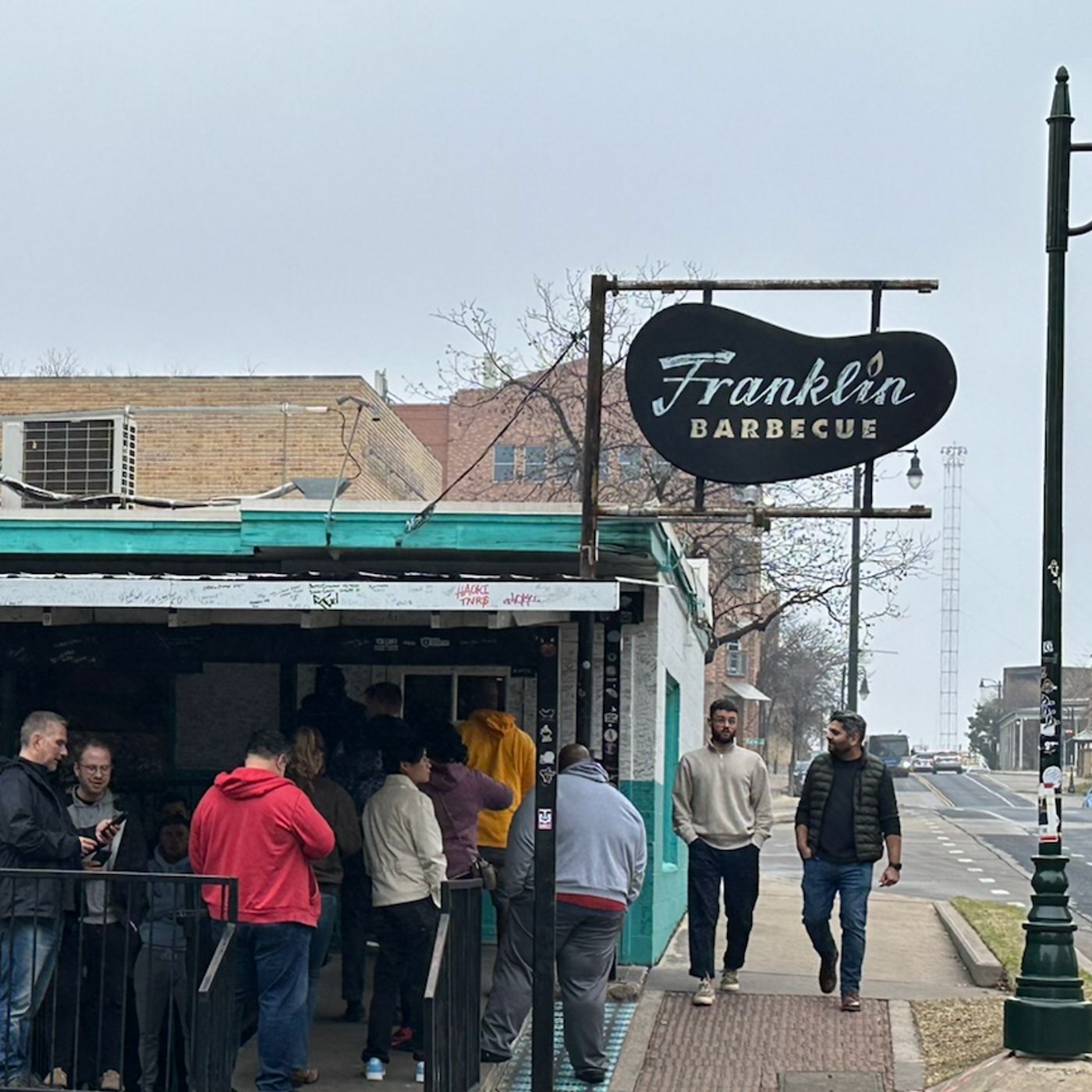
Wayfair’s first large-format store near Chicago (150,000 sq ft) opened in 2024; additional stores in Chicago, Atlanta, Columbus, with Denver planned. He cites Franklin Barbecue’s long lines as “the line is part of the product,” and Costco’s gas-inflated comp sales (11.4% North America; 7.6% excluding gas) plus Aritzia’s online surge (digital revenue ~70%).
Written by AI. May contain mistakes.
Discussion about Michael's recent trip to Greece and insights gained.
“After two decades, this is what really got our attention, I think.”
Michael shares observations on Greek retail and local developments.
“Tell us the pictures you sent were amazing.”
Michael discusses key takeaways from the Unified Commerce Conference.
“Let's get Simon on the property to do a redevelopment, like a mixed-use kind of thing, I think would probably work.”
Deep dive into consumer spending and inflation statistics.
“And then given the consumer numbers out, the consumer keeps on spending.”
Discussion on how diesel prices affect inflation and the food supply chain.
“But we started to see that gap form, and that also leads people to think, well, that presumably, along with interest rates being higher, will start to dampen consumer demand.”
Discussion on how some retailers are still performing well amid economic challenges.
“But the clock's ticking because if that diesel price sticks up until the end of the year or early next, that gets reflected in late 2027 harvest across all kinds of commodities.”
Analysis of recent sales figures from Costco and Aritzia's outstanding results.
“Yeah, I mean, I think it's always the case that, you know, even in a down economy, though we're not, you know, for the most part in a truly down economy, there are always winners.”
Explore Aritzia's remarkable revenue growth and strategic positioning in retail.
“But, of course, none of that would be gasoline, right?”
Learn about Uniqlo's impressive revenue growth and international market expansion.
“So it's just a great success story, and they're just relentlessly good at retail over at Ritzios.”
Analyze the current status of the luxury market with insights from LVMH's latest results.
“We had a great discussion a couple of episodes ago about luxury, and we got some numbers and some thoughts.”
Discover how India's growing affluence is impacting alcohol consumption trends.
“Yeah, when I think of LVMH, I think of the pressure on their spirits lines of business.”
Listen to Jon's professional journey and insights into his role at Wayfair.
“Why don't you tell our listeners where you are joining us from today?”
Explore Wayfair's strategy for physical stores and their impact on customer experience.
“So John, let's talk about Wayfair and physical stores.”
Learn about the strategic planning and reasoning behind Wayfair's decision to open physical stores.
“You know, just a quick follow up question.”
Discover how Wayfair categorizes its product offerings from mid-market to luxury brands.
“Well, I'm sure your bar cart is one of those items.”
Explore how Wayfair selects which items to showcase in their physical retail stores.
“So that's sort of at the top of the luxury, sort of the pyramid.”
Understand the different store formats Wayfair plans to implement across various locations.
“but when you look at them, the halo beyond that of what happens after customers leave the store, there's so much activity in the 5 to 10 days after, the 10 to 15, that it's just been really exciting to see that.”
Learn how Wayfair measures the impact of physical stores on customer behavior and brand perception.
“So as we think about the first doors, it's building the expertise, the operational capabilities to make this work, and then scaling that rapidly.”
Gain insights into the expected differences in customer lifetime value for retail shoppers versus online.
“Now, switching gears a little bit, but not really.”
Explore how physical retail influences customer lifetime value and profitability for Wayfair.
“You've got lots of data scientists working in a way.”
Jon Blotner shares strategic insights for retailers considering physical store integration.
“amount of time you unlock, like you said, about sort of the acquisition for rent trade, like things start looking pretty compelling pretty quickly.”
Discussion on Wayfair's growth potential and the role of physical retail in their strategy.
“I mean, I think for us, it was really taking the view of, you know, what in-person stores, and this is coming at us from a digital retailer, what's the unique value add for our customer?”
Hosts discuss their evolving perspectives on Wayfair's business model and performance.
“the Hell Freezes Over episode, and it's kind of an cheeky way of saying, you know, we've gone back and forth, you and I, about Wayfair, and you've never, you know, you've not been their greatest fan over the years.”
A deep dive into the grocery sector's competitive landscape and recent challenges.
“I guess Ikea might be bigger, but they're not exactly the same kind of business.”
Discussion on the challenges and considerations for private equity in retail.
“Spoiler alert, cut stores, reduce costs.”
Analysis of e-commerce growth versus physical store performance and its implications.
“which is certainly better than the growth in their physical stores, which are negative, as well as the growth in retail media networks.”
Insights on corporate strategy in the retail sector and leadership changes.
“I don't see that being much of a barrier these days from what I'm seeing.”
Discussing the implications of the political landscape on business operations and strategies.
“Let's wrap up this episode with what's on our respective radar screens.”
Exploration of the rise of gift cards and how AI may influence gift-giving.
“You know, on my radar screen, first of all, I want to revisit something I thought might happen from a couple episodes ago.”

Get the gist, explore an idea or ask about something said.
 Claude
On Remarkable Retail Podcast, what are the key points of this episode?
Searching your listeningAutomatic transcript. May contain errors.
0:06Steve Dennis: Welcome to Remarkable Retail Podcast, Episode 316, the Hell is Frozen Over episode. Wait, too much? I'm Michael LeBlanc.
0:15Jon Blotner: And I'm Steve Dennis.
0:16Steve Dennis: Our guest on this episode is Jon Blotner, President of Wayfair. Jon oversees Wayfair's retail businesses, including merchandising, marketing, and physical retail in both America and Canada. He also runs operations from the supply chain to Wayfair's own logistics network. He's got a huge remit. Wayfair has built a$12.5 billion business online, selling home furnishings under its namesake brand, which you would all know. And a family of other brands that are a little less familiar, All Modern, Birch Lane, Jocelyn Main, and Luxury Banner Paragold. John talks about that. After two decades, this is what really got our attention, I think.
0:51Steve Dennis: As a pure play, Wayfair now making a serious move into physical retail. its large format store opened just outside chicago in 2024 steve you did a tour there we've got a great video if anybody wants to check the youtube site and it's really it's recently announced plans for its tent so lead foot on the gas it's a great interview several years and iterations in the making and it's coming up right after we get into the news of the week welcome you back to this side of the atlantic you in greece birthplace of democracy philosophy the olympics and where people have been gathering in marketplaces and complaining about pricing since antiquity.
1:27Steve Dennis: Tell us about your trip. Tell us the pictures you sent were amazing. Tell us about your days there, who you met, and what you're doing.
1:33Jon Blotner: I went over to speak at a, it's called the Unified Commerce Conference in Athens. I did do a little R &R by going to Santorini for the first time. So those were probably the more interesting pictures, which was amazing. This is not a paid promotion from the Greek Tourist Board, but if you haven't been to the Greek Isles, I would strongly encourage you to do it. It's pretty amazing and definitely go more this time of year than the heat of the summer, which is both super hot and apparently very crowded and more expensive. But one of the things that was really interesting before the conference, I'll mention a couple of things quickly about the conference in a second, to the point you were making was I did get to go check out some tourist sites, including the Ancient Agora, which, in one way of looking at it, is one of the birthplaces of kind of organized retail and retail as a community gathering place.
2:25Jon Blotner: So it was very interesting. I knew a little bit about that from school and other things. But to see it firsthand, I could use a little refurbishing, a little bit of an upgrade. It's not quite in the shape it was. Let's get Simon on the property. Let's get Simon on the property to do a redevelopment, like a mixed-use kind of thing, I think would probably work. But also just a couple other things about Greek retail. First of all, like a lot of major European cities, Athens has the regular complement of shopping centers and global retailers, everything from the very high end on Amora Street, Amora Avenue.
3:04Jon Blotner: But also Lululemon just opened their first store there. So there's a lot going on just in terms of kind of the typical global retail scene. uh there's also and i did not get a chance to go out and check this out it's just starting to open but there's a very major mixed-use retail development on the greek riviera the athens riviera called athens riviera which is going to have some pretty high-end shops and restaurants and hotels there's also a very controversial high-rise building right along the water which is very easy to see because it is the only high-rise building for many many miles and several people I talked to that are long-term Athens residents said, you know, if it were to fall down or something, they wouldn't be terribly upset about it, but we don't wish any a will.
3:53Steve Dennis: Shame about the building you've got there. Shame about the nice building. Yeah, anyway, so it's a little bit controversial.
3:58Jon Blotner: At least that building is. I don't know that the overall project is that controversial. But the conference was really good. It was my first time in Greece, first of all. The Marketing Week people and Vasilis, who runs it, I put on a really good conference. Most of the speakers were local Greek retailers, tech companies, thought leaders, etc. So I learned a lot about the Greek market, but also plenty of the topics were broadly applicable to the rest of the world. Then there were several international speakers. I was one of four. Mia Knights from the UK, who I've known for a little while. Denmark from a company called Footprints AI in Romania.
4:41Jon Blotner: I worked a little bit with Footprints AI a couple of years ago. I spoke at one of their events. She's actually Finnish, a woman named Pyvar, who runs a TikTok shop agency. She's now based in the UK. All three of their talks I thought were super interesting. Pyvar, though, in particular, in terms of material maybe that I hadn't thought about all that much, was really what's going on with TikTok more broadly and their role in retail, but TikTok shops in particular because our agency really focuses on helping retailers, influencers take advantage of TikTok shops. So I learned a lot. I thought it was a really well done conference.
5:19Jon Blotner: I was there in particular to talk about my new keynote. So a second time doing it. Focus is really on the soul of the store. So I didn't talk very much about technology. I really talked about kind of the fork in the road between optimizing errands or providing a store environment or a business model that's much more about delivering joy by creating meaning and having fun and belonging and those kinds of things. I tried to mix up some European examples with some U.S. examples. You would appreciate this particular thing, which is I did talk about Franklin Barbecue in Austin, Texas. and how despite the three-hour wait and despite the fact that they run out of brisket every single day, somehow or other, every day, people show up.
6:07Jon Blotner: And I said, you know, the line to wait is as much the product as the ribs and the potato salad and the peach cobbler or whatever the hell they sell there. So anyway, and that led Dan Mark, the guy from Footprints. He just sent me a note this morning that apparently he spent a lot of time on YouTube learning about Franklin Barbecue and Texas barbecue culture. So who knows? Maybe Bucharest will be getting a transport, the first branch location of Franklin Barbecue or Goldie's Barbecue or one of the other great Texas barbecue places. But anyway, it's a lot of fun. And now I'm back and here we are.
6:44Steve Dennis: Well, sounds like a wonderful trip. Lots happened while you were away, by the way. We got a packed show. So let's get into it. Let's get into the news. Let's start with the economy. And then given the consumer numbers out, the consumer keeps on spending. We see positive year sales numbers. I'm not sure if we're talking chicken little sky is falling here, or chicken shit, or chicken salad, as Scott Galloway would say. Let's get into it. Talk about what the numbers and how you're reading the tea leaves.
7:11Jon Blotner: Well, the big thing last week was, which has some importance to something I'll get to in my radar screen thing a little bit, which is the spike in inflation that was reported in the U.S. And this was both from the consumer perspective where it came in hotter than people were thinking. It rose to 3.7 % on an annual basis. But the other one that I think is more interesting, and we've talked about this a couple times, is the producer price index. That's really what companies are paying for their wholesale inputs, more or less. And that went up to a year-over-year number of 6.3%. And I think this ladders back a little bit to what we've talked about kind of throughout the year, which is it's a little bit surprising in light of the tariffs, the year-over-year tariff impact, as well as most obviously the last few months, the huge rise in diesel prices, that we haven't seen more year-over-year inflation at the producer price level, which you then would think would transfer eventually, in some cases a few weeks, a few months, passing that on to consumers.
8:26Jon Blotner: So maybe what we're seeing now is really the fuel impacts going through the system. And then the question is, if you've got wholesale prices going up at, say, over 6 % or close to 7%, consumer prices, you know, kind of half of that, is that really a lag? Is that a mix? Is that, I mean, I think the major implication you could get from that or the takeaway you get from that is that retailers have been absorbing some of those costs, not passing them on completely to consumers. But will this very hot number at the producer price level end up showing up even more in consumer inflation over the next few months?
9:10Jon Blotner: So that, I think, is the thing to watch. But obviously, the more inflation, the more it gets a little tougher to tease out what's really going on when we look at the retail sales numbers. Because a lot of the increase would presumably be price inflation, not necessarily unit growth or customer growth. But of course, a lot of this inflation is coming from fuel costs. And depending upon what you think is going to happen over the coming months, is that likely to stay stuck there? And so we're living with that going into next year in a very significant way, or will we start to see some relief? The other thing that was a bit of an analysis of this is I think it's four or five months now in the U.S.
9:54Jon Blotner: anyway, where prices have been increasing faster than consumer income. There was a period for a while, even though we were seeing inflation go up, that incomes were keeping pace with that much better. And that was part of the explanation where people were saying, well, despite this inflation, which you would think would tamp down demand, maybe not so much because incomes overall were keeping up with it. But we started to see that gap form, and that also leads people to think, well, that presumably, along with interest rates being higher, will start to dampen consumer demand. But we haven't seen that to a large degree.
10:32Jon Blotner: Tough to read the tea leaves here, but I would say that this was not a happy outcome or a happy series of results.
10:40Steve Dennis: Let me speak to diesel for a second from personal experience, lived experience, so to speak. I just got back from Saskatchewan for one of my other podcasts, and I was spending time with one of our great farmers. And they buy all their diesel and they go through a lot of diesel in advance, as many do, or forward buying contracts as retailers would. So this high diesel price, you're not really – it's very highly correlated to inflation on food. And food inflation numbers are actually quite fairly modest compared to the G7 for the U.S. So I think it's a very pernicious thing because if diesel stays high until the end of the year when people have to renew or re-up or reload their diesel contracts, then you're going to see a lot of lasting inflation through 2027.
11:24Steve Dennis: Because you're not really feeling it in the food chain right now. You're feeling it a little bit. But the clock's ticking because if that diesel price sticks up until the end of the year or early next, that gets reflected in late 2027 harvest across all kinds of commodities. So anyway, just a little bit of background there. So, you know, let's get on to retail results. And I guess this is what got me thinking about how to introduce talking about, you know, tough economic numbers is they're not stopping some big retailers from showing up some remarkable results. Let's start with Costco.
11:56Jon Blotner: Yeah, I mean, I think it's always the case that, you know, even in a down economy, though we're not, you know, for the most part in a truly down economy, there are always winners. they're always losers. But we continue to see a few retailers that we've talked about, in some cases, multiple times throughout the last couple of years, just keep powering on. And Costco, as many of our listeners will know, is one of the few retailers, very few retailers, that reports monthly sales numbers. Usually we have to wait until we get the quarterly sales results or for some reason people issue an earnings warning.
12:28Jon Blotner: We get a bit of perspective. But Costco had their comp store sales up 11.4 % in North America, 13 % overall because they are also continuing to open some stores. And that is an acceleration of what we have talked about as a very significant positive trend for a while. Now, again, fuel costs are a big driver here because they are a big retailer of gasoline. And so almost four points of that comp came from inflation in gas prices. But the clean number, so if you back out the impact of gasoline, it's still 7.6%. So that is considerably above average. And again, this great concentration thing I keep talking about.
13:14Jon Blotner: Costco is the third biggest retailer in North America, one of the biggest retailers on the planet. So to put up those kind of numbers on top of a huge base is super impressive. They're getting really good increases in traffic. You don't hear about traffic increases in the 4.7 % range from major retailers very often at all. More trips and not pricier baskets when you strip out the gas impact. So, I mean, if you wanted to be negative about it, you could say, well, gas prices start to come down, though I'm not expecting that's going to be a significant thing in the next few months. You know, they could start to lose some of this momentum.
13:52Jon Blotner: It's very, very impressive. So their digital business also continues to be on fire, 19 % increase. Now, a lot of that stuff is just channel transfer. But, of course, none of that would be gasoline, right? You cannot buy gasoline online. There's no buy online, pick up in store for gasoline. So that digital number is being applied to their kind of core traditional in the warehouse.
14:16Steve Dennis: You worry if they weren't growing, but they're growing 7%. So there's both shift and lift basically going on at the same time.
14:23Jon Blotner: So we won't get their earnings for another six weeks or something. But I would expect, because their monthly numbers just continue to be great, this is the best one of the year that their next quarter is going to be pretty fantastic. And then Aritzia, great Canadian brand. We've talked about a number of times. These numbers, I almost feel like they need to be extra audited because they sound so good. It kind of defies credence. But their comps were up 34.5 % for the quarter, and they raised their guidance, partially because once you mix in a number like that, it's pretty hard to think your year's not going to end up looking pretty good.
15:02Jon Blotner: The real bell of the ball, star of the show, or whatever, was online. Their digital revenue grew almost 70%. 70%. And so now, so they had, you know, so this is the comp, you know, which is huge plus store opening. So you have almost 70 % digital growth, and then you have a measly 34 % growth in brick and mortar. So one of the things we were talking about actually at the show in Athens was thinking about, and I guess, you know, not, I guess you will hear a little bit more about this in our Wayfair interview, but this idea that stores can be a really great way to acquire a new customer. The customer maybe needs to see stuff in person to really understand the full brand offering, understand the value.
15:51Jon Blotner: But once they start to know the brand, then maybe they shift to transact quite a bit more online. That would appear to be part of what's going on with Aritzia, but also as the brand gets more prominence, particularly in the U.S. where they've been growing the fastest. Maybe people who don't have an Aritzia store in their market start to go, what's this Aritzia thing? And they go check it out. Anyway, hugely important. Also, their margins are great. So I don't know. I mean, I just can't say enough about, you know, there's still a relatively small brand, but a multi-billion dollar brand already that is just growing like crazy.
16:25Jon Blotner: Profitability is great. And it's not like they're a super trendy kind of brand either. I don't think you go like, oh, this is just, they're leaning into a trend in a heavy way, and maybe next year the trend will go somewhere else, and they're going to be in trouble. It's really impressive.
16:39Steve Dennis: Well, I mean, the sky is so high for these guys. I had the opportunity to chat with Brian Hill, the founder and president on a stage in Vancouver, and he was telling me, and this was a year ago, so it's probably changed a bit, but they had unprompted awareness of like 4 % in the American market, which is basically nobody. And still they're turning over these kind of numbers. And now the U.S. is their biggest market. I think they passed that this summer.
17:03Jon Blotner: I think that's right.
17:03Steve Dennis: We're Canada. Yeah, so the U.S. now, not surprisingly, has become their biggest number. So it's just a great success story, and they're just relentlessly good at retail over at Ritzios. Congratulations to them. Well, let's keep going west or east. Just, geez, troubling with geography. Let's talk about Uniqlo. They are, again, such a great growth story, And they're not a huge physical presence in America yet, but they're coming.
17:32Jon Blotner: Well, they're almost everywhere now, it seems. So I saw a story that the headline was Uniglow. How about Unigrow? Because their growth is so strong. Again, a pretty large company already. Almost 17 % revenue growth, strong operating profits, fifth straight record year in profitability. They're international revenue, so that would be outside of Japan, because it's a Japanese company. And actually, fast retailing is the parent company, but Uniqlo is the biggest part of it. But really, the growth was everywhere. Strong growth, Korea, India, Australia, Europe, North America, all with double-digit growth.
18:09Jon Blotner: Really, the only weak parts, comparatively but still positive, were greater China. We've talked a lot about the issues that Nike and others have been having in China. Their China business was still growing, just was relatively flat, as was Japan at almost about 5%. But a lot of retailers would kill for 5 % comp, so it's hard to get too disappointed about that. So they've diversified their business really nicely beyond China and Japan, that part of the world. So keep opening stores. And yeah, it's another brand, I think, to keep your eyes on because they just keep that momentum going.
18:46Steve Dennis: All right. Well, from there, let's check back in on the luxury business. We had a great discussion a couple of episodes ago about luxury, and we got some numbers and some thoughts. So bring us up to speed. Yeah, just real quickly to tie back to that.
19:00Jon Blotner: We had not heard from LVMH, which of course is the biggest retail conglomerate. They have, whatever it is, 70, 80 different houses there. Just for people that maybe didn't hear our episode a couple of weeks ago, we were doing an update on one of my predictions, which was more or less the luxury rebound that was predicted would not be evenly distributed. that in general it would not be as powerful as a lot of people predicted at the beginning of the year, but that it would be very much kind of a tale of two cities with some brands doing really well, others not so much. And LVMH has had kind of a challenging year or so, and this quarter they reported last week was pretty weak.
19:38So I would say that when you look at somebody that is so worldwide,
19:42Jon Blotner: in so many categories, with so many different brands, the fact that they were basically up only 1 % overall, coming off a weekish 3 % the quarter before, doesn't look great. And in fact, the core parts of LVMH, the fashion and leather goods, were actually down 5%, which is a pretty big hit. Now, a lot of that was China, where a lot of folks are struggling, as we talked about earlier. but really even when you back that out, the overall performance was pretty weak. They did have some strong performance. So Sephora and selective retailing, which is like the duty-free shops, were up 8%. That's a really good number.
20:27Jon Blotner: Watches and jewelry were up 6%. So when you think about those, how much weaker kind of the core pieces that we would know, it's really pretty, I don't know if it's shocking, but it definitely indicates to me that we're definitely not seeing a broad-based recovery in luxury across the board. Quickly tied to it is there was a report from Amex, I believe, that U.S. luxury spending overall has fallen three straight months. So we are seeming to also see just overall deceleration across the board. This wasn't specific to any vendors, is just whoever falls in the annex data as a purveyor of luxury goods.
21:10Steve Dennis: Yeah, when I think of LVMH, I think of the pressure on their spirits lines of business. They've got champagne and other spirits. And it's kind of a global trend, and I want to say kind of a global trend, that people are just drinking less alcohol, except for one country that's starting to over-index over all countries. Do you know what country that might be? India. India? India.
21:34Jon Blotner: That would not have been my guess.
21:35Steve Dennis: Well, the Indian consumer is getting more affluent. They're looking at more premiumization. And I'm not sure they're LVMH champagne drinkers yet. But in the industry, people are starting to look to India for more consumption of wines and spirits. And, of course, given their 1.4 billion population, they could move the market. So, anyway, something to keep our eyes on, maybe on the radar screen about India. Anyway, let's take a break from the news. We'll be back with more news. We'll be back with our very popular What's On Our Radar Screens. But for now, let's get to our great interview with John Blotner, president of Wayfair.
22:13Jon Blotner: Well, John, welcome to the Remarkable Retail Podcast. Why don't you tell our listeners where you are joining us from today?
22:20Michael LeBlanc: I am joining you from Boston, Massachusetts in a lovely early fall day.
22:27Jon Blotner: I spent a little bit of time in Boston, so I appreciate the beautiful fall days. But anyway, enough about the travel log. Before we get into some of the things we want to talk to you about, maybe you could just give our audience a little brief update a bit about your personal and professional journey and how you ended up at Wayfair.
22:47Michael LeBlanc: Sure. So today I'm the president of Wayfair overseeing both the commercial and operation side of the business. So basically everything but finance, talent, and engineering. So overseeing on the commercial side, our merchandising, marketing, pricing, advertising, our U.S. brand, our Canadian operations, and our European operations in the U.K. and Ireland. And then I also oversee our other brands, so our three specialty retail brands, All Modern, Joss & Main & Birch Lane, and then our luxury brand, Perigold. On the operations side, oversee our full supply chain. We've got a pretty large logistics network across the globe, all the way from Asia to the US, Canada, Europe, proprietary final mile delivery services, everything that makes it so that we can get items to customers very quickly, much faster than anyone else in a way that's damage free.
23:47Michael LeBlanc: that when you order a sofa within two days, it shows up at your house and you've got some guys in purple shirts coming in, assembling the item, removing the trash and making sure it's a pleasant experience for you.
24:01Jon Blotner: Well, just by way of background, I spent some time in the furniture industry many, many years ago and definitely spent a lot of time on dealing with issues of damage and supply chains. So hopefully you guys have figured it out a little bit better than Sears was doing in the 90s.
24:18Michael LeBlanc: And so before Wayfair, after business school, I joined Bain Company where I was a consultant for three years. And then I joined a startup called Gemvara, which I helped run as president. And there was a space I'd never imagined I'd be in before was selling customizable fine jewelry. So e-com. Learned a lot about fine jewelry. It was a unique business model where it was made to order. and we would create 3D imagery of all long-tail items sort of on the fly as you search an item. So in a world where SEO was really important at the time, we would always show up in the top search results for any long-tail items.
24:57Michael LeBlanc: I was there for about five years. We sold it to the jewelry subsidiary of Berkshire Hathaway. And from there, I left to join Wayfair.
25:05Steve Dennis: So John, let's talk about Wayfair and physical stores. We're particularly intrigued about that. 20 years as a pure play, And then you opened up the Natick Mall, something like 3 ,700 square feet. But now you've got the supersized religion, so to speak. Now you're in 20 to 40 times that size. So we're curious, was that a small beta test that you always wanted to make them larger? Did you learn something about the size and scope? Your assortment is massive, so it doesn't surprise us. But I'd love to learn more about that journey that you and the team went through.
25:38Michael LeBlanc: Yeah, that's a fair question. Right. So we opened up a much smaller sort of test format in a mall nearby here. And we always sort of knew that stores was going to be a natural progression of the brand. Our customers, no matter how you look at it, people shopping for furniture and home, there's always a strong element of folks who want to touch and feel items. So we always knew that was going to be an eventuality for us. the store and the Natick Mall helped us understand what was working and probably more so than anything, what wasn't working. And what we learned pretty quickly was that for a store to work for Wayfair, we need to have one that really captured our full assortment, that showed everything we sell from sort of large home items like sofas, sectionals, dining room tables, to housewares, small electrics, appliances.
26:29Michael LeBlanc: because the beauty of the store for us and that we've learned is that we want customers to really experience the full Wayfair brand and be able to see things that they wouldn't normally associate the brand with. And again, so it's all those extra categories, including a number of cash and carry items that we sell online. So as we learn more and more and more from the store and the Natick Mall and some other experiments, we finally made the decision to open up our first large format retail store outside of Chicago, 150 ,000 square feet. and that wasn't a test. That was, okay, we've made a commitment.
27:02Michael LeBlanc: We want to go do this. Since then, we've opened up two more large scale stores and we plan to open six more across the next year. So today we've got stores open in Chicago, Atlanta and Columbus, Ohio. We're opening Denver by the end of the year. So before, and then six more through 2028. And those stores are a mix of sizes between 70 ,000 square feet and 100 ,000 square feet, but they show the full breadth of Wayfair assortment. And they're not showrooms. They're not just a showroom. People can go in. Most people leave with items, sort of the smaller cash and carry electrics, could be furniture, some smaller furniture items.
27:39Michael LeBlanc: And then for the bigger items, the great thing is they can go in, see a sofa they like. If it's not the right one, they can pick a variation from online. And two to three days later, it shows up at their house because it's a line with the logistics network. So those have been, to date, really big successes for us. And, you know, again, we think of ourselves in the future as being a pretty big retail, being a pretty big part of it.
28:01Steve Dennis: You know, just a quick follow up question. I mean, it would be no epiphany to you or the team that, you know, people sometimes like to sit on the couch and feel what it felt like. And what was it? Was there a tipping point or something that said, now's the time to start this? We've had other priorities. Certainly, COVID would have forced to more focus on, say, the supply chain or whatever. But was there a moment you said, this is the year, let's go. And you clearly have put the lead foot down and you're going to open a lot of stores. So it seems to be playing a great role. But was there some kind of point that you said, this is the year, let's do it?
28:37Michael LeBlanc: I would say it was always something we knew was going to come. And we continued to make plans for it. I think we wanted to get a couple things ready before we did. The first is making sure that we really understood what our customer wants in our store. Two, making sure that the brand was ready. One of the great things about opening a way for a store is that people want to experience the brand in person. And the third piece is making sure that our merchandising expertise was up to par. Because over the years, I think as we've transitioned over the last, I almost think, eight years from a marketplace business to one that's more of a platform business, where we've got a strong section of items where we have curated them.
29:17Michael LeBlanc: So really, when I say handful, I'm saying 60 ,000 to 80 ,000 items where we think these are the best items for certain classes. And we felt confident enough that we could really identify those, get the supply chain right for those. You sort of need that for the store. Right. And, you know, as we came out of COVID and there was a lot of things to address sort of coming out of COVID as the rest of us did, I think we got to a pretty healthy spot in terms of our capital structure, in terms of our growing profitability, and continued growth in market share, where the business felt really healthy and it felt like the right time to not just go into stores as a test, but go into stores with the idea that this is a roadmap to a really large and substantial retail footprint.
29:59Steve Dennis: Right. Well, I'm sure your bar cart is one of those items. I have a Wayfair bar cart. It's a fantastic product. So congratulations to you and the team.
30:09Michael LeBlanc: Yeah, I'm glad you like the bar cart. We've got quite a few of them.
30:12Steve Dennis: You know, off the top, you mentioned a couple of specialty brands that are also within your remit. What's their role in the enterprise? How do they fit in?
30:20Michael LeBlanc: Yeah, so we like to think about Wayfair playing, you know, if I think about almost the pyramid of the market, you've basically got Wayfair playing primarily in the mid-market. So I'd say mass market level. So it's slightly different from opening price point entry level. You know, we do some business there, but the majority of our business is at mass. So, mid-price point, lower mid, upper mid, but truly like the sort of big part of the market. There's another part of the market, the specialty side, which is a little bit higher end. Those are for customers who really want a highly curated aesthetic.
30:54Michael LeBlanc: They want not a large number of items and a level of quality, which is curated so they don't have to spend time searching through. And so, we've got three brands that focus there. All Modern, Birch Lane, and Joss and Main. All focusing on a different style aesthetic. Smaller scale assortments. So instead of millions of items, 10 ,000 to 15 ,000 items. And those really fit what you would typically see of a typical specialty retailer. And then we also have Paragold. Paragold's unique in the sense that it is, I think, one of the really first brands that has true luxury items. So items that you would typically need to sort of go through an interior designer to get access through, but the highest end of the market.
31:35And there, we're a marketplace for those items.
31:39Michael LeBlanc: So you can come on and thousands and thousands and thousands of items at that level that you can gain direct access to. So that's sort of at the top of the luxury, sort of the pyramid. So each of those brands plays a different role alongside the Wayfair brand. Now, we also have Wayfair Professional, which is our B2B brand, multi-billion dollar business as well. That falls under my remit. And that is another element of the Wayfair portfolio, but focused on the professional side.
32:05Jon Blotner: so can we talk a little bit about he kind of touched on this a little bit about how you translated this this huge assortment uh down to uh not not a small store but obviously if you were trying to display 90 of your items thing would be quite massive but i'm just kind of curious how you thought about about what ended up in the physical store and how that might differ than maybe the way the customer thinks about the full Wayfair assortment?
32:33Michael LeBlanc: Yeah, like you said, the full Wayfair assortment is millions and millions of items. So it'd be tough to fit that in. So as we think about our business, we think about two parts of it. One is what we call the differentiated side. And these are parts of the business that most people think of home. They think of sofas, sectionals, tables, bed frames, sort of the typical furniture items where not many people know the brands, right? So it's not like the chair I'm sitting on, I don't know the brand, I don't know the manufacturer that makes it, the table I have. These are all things that don't have that.
33:10Michael LeBlanc: So what we built in the other part of the business is the branded side. So small electrics, appliances, a lot of like bedroom items. These are items where brands play a really important role. On the differentiated side of the business, it gets really overwhelming and hard for customers to shop because they don't have brands as a natural filter. Additionally, it's a very emotive purchase. Because if I think about designing my living room, okay, that really has to showcase my sense of style. It's got to be a place where I can create memories. And so what we did in these areas online is we created this program called Way for Verified.
33:44Michael LeBlanc: And that is taking almost a traditional merchant's perspective. We built line plans. We identified for each style look and price point what the specific item, the best item is for there. And we selected those and we brought those items into the office, into our testing facilities. And we had our merchants touch, feel, assess them on quality, price point, all the different aspects that you'd expect. And of those items that pass the test, we stamped those as verified. Those are the items that we then bring into the store. So for that part of the catalog, We make sure that those items that customers are seeing, one, fit the full planogram, so all the different demand space you'd expect.
34:27Michael LeBlanc: We feel really good about them. We want them to do well. We're close to those suppliers. Then on the other part of the business, we brought in brands that customers love, that we know they love, and that fit up and down the price ladder. And that way we can sort of narrow it into what we think are a great representation of our items. At the same time, when you come in a store, whether we don't have the specific item or the specific fabric you're looking for or color, all of the associates, it's obviously a tech company to start with, are walking around with laptops, with tablets. And they make sure that you get the color you want, the fabric you want.
35:04Michael LeBlanc: If you can't find the exact thing, they'll help you buy something online. So I think that's how we thought about the store. But we also want to make sure that store doesn't feel limiting because we want to be able to sell the endless aisle as well. and that's what's been great. When you look at the store performance, we obviously target the stores before while profitable, but when you look at them, the halo beyond that of what happens after customers leave the store, there's so much activity in the 5 to 10 days after, the 10 to 15, that it's just been really exciting to see that.
35:32Jon Blotner: Yeah, I want to come back to that in a second, but can you maybe talk a little bit about how you see the store evolving? I'm quite familiar. I used to live just a little bit north of your Wilmette location, which I guess is something like 150 ,000 square feet. I believe it's the old Carson Peary Scott department store. I believe Columbus and Orlando are maybe roughly half the size of that. So is that more just kind of the real estate conditions, or are you thinking that maybe as you learned how the first store or two performed, maybe kind of optimized the box or do something a little bit different?
36:09Michael LeBlanc: Yeah, no, as I think about the future of Wayfair stores and sort of the amount of stores we want to have, we realized that to do that, we're going to need multiple different formats, depending on the size of the location they're in, the population density. So a little bit is understanding and testing what sizes work and what sizes don't. But then also understanding that we're going to need multiple different size formats across the country, across our different locations we're in, as we figure that out. And so making sure that we can make things work across different sizes, across different layouts, was super important for us.
36:42Michael LeBlanc: So as we think about the first doors, it's building the expertise, the operational capabilities to make this work, and then scaling that rapidly. So I think we'll always have multiple different formats as we roll out with some sort of boundaries of that, making, again, sure that people can come in, bring stuff home, making sure that we can really show a full assortment.
37:04Steve Dennis: John, you talked about Halo numbers. The Chicago Halo numbers are making the rounds in terms of impressive numbers. If we dig into that for a bit, I think we'd all understand the overall concept of the halo numbers. But your brand is so everywhere. How do you measure that you're creating these numbers and this halo effect and that the lift is actually coming from the interaction that the customers have with the store?
37:31Michael LeBlanc: Yeah, so we do it a number of different ways. The most basic level, the most basic cut in the way we share publicly, even at the most basic cut. If you look at the sales from the state of Illinois, those grow fast. Like today, because that's where we opened our first door. Those state of Illinois sales grow 15 % faster than the U.S. overall. And we look at that like for like versus other locations, other states. We sort of normalize things and we see that growth. We then also can track, we look at customers, see what their journey happens when they're in the store, after the store, five days after the store, 10 days, 15, 30.
38:08Michael LeBlanc: And we watch the activity there as well. And then we build, as you would imagine, a whole bunch of very complex data science models to validate it. But I think the confidence level we have and the halo being successful, not just from the customers that come into the store, but from just having the store in a location and what that means for customers. What you see is you see customers come into the Wayfair store and the reaction is either it validates their perception of the brand or it exposes them. You hear so many things like, wow, I didn't know Wayfair sold. Sure. And insert whatever you want.
38:40Michael LeBlanc: I didn't know Wayfair sold entire plumbing and hardware. I didn't know Wayfair sold mattresses. I didn't know Wayfair sold like large appliances. And the other interesting thing is if you look at the Wayfair store in Chicago or a first store, 50 % or 50 % of those customers were new to the brand. which is wild to me because it's such a household name right right but that's a whole group of people that i think were reluctant to shop until they saw the actual physical retail store so then we see a lot of people in chicago and atlanta and columbus who just knowing the store exists is important for them so we see the halo numbers pop up everywhere again at the high level which is just having the store location what it does comparing like to like to following customers post-journey to getting down to the most nitty-gritty data science models of how people interact.
39:26Steve Dennis: Super interesting. Now, switching gears a little bit, but not really. I mean, over the course of the 20 years of Wayfair, you would have went from the platforms being a very efficient, very cost-efficient way to acquire customers. That's no longer probably the case. We see that with AI. Sooner or later, that won't be very cost-effective. Is rent the new customer acquisition vehicle and is the landlord the new, not the new, but the back to being the toll, the toll booth? And, and are you double investing in physical real estate to kind of help your acquisition numbers?
40:01Michael LeBlanc: So I think, you know, it's a good, it's a really good question. I think one of the side benefits of having the store is that you, it, it, it is in many ways of, you know, you do sort of get that rent for acquisition trade a little bit and it does really get people into the store and experiencing the brand. But that's not... So I view that as like, hey, that's great when that happens. But when we think about the point of the store, it's really to make sure that all of our customers get to think of us for all of their home needs. And we want customers to understand the full brand, to do the full sort of breadth of what we offer.
40:40Michael LeBlanc: And I think the key for us is, what we see is that you open a store and customers then are able to engage with you the way they want. So some customers come into a store just once. They don't come back. Some customers have been buying with us for years, seeming to buy, you know, they're buying items, thousands of dollars, price point. You'd think they don't need to come in the store. All of a sudden they become store regulars. So it's how do we make sure that as our customers want to shop and it's the same thing with, do you think about different like as you think about advertising, whether it's social media, influencers, you sort of want to be where your customers are and be, you know, in the most efficient way.
41:13Michael LeBlanc: a lot of our customers are brick-and-mortar store shoppers for some of their purchases, for all of them, and we need to be there. And that's how you capture the full team.
41:22Steve Dennis: It's a funny psychology, right? Suddenly the physical embodiment of an online store, like you're walking into this place and now there's suddenly a place where it's before or it's just something in front of you on your computer or on your phone. I find it a fascinating experience. I mean, it's been even great for our team.
41:38Michael LeBlanc: Like our team goes into a store and that really is the first time, right? It's like you're working in this online world. That is the first time I say, wow, this embodies the place I've been working at for many years. You're like, all right, it makes sense. For everyone, for customers too, it's a much fuller experience of our brand.
41:55Steve Dennis: Last question for me, then I'll pass the mic back to Steve. Confidence is high in the halo. You've got lots of data scientists working in a way. Is there any insights or learnings on customer lifetime value from physical retail shoppers? Is it different than online? Any observations this early on?
42:13Michael LeBlanc: I mean, it's obviously very early on to see that. I think the hypothesis, obviously, and I think it's very well going to be proven out, is you'll see a higher CLV for customers that have been to the store. Again, the store has been such a positive experience for our shoppers. What you hear, it would be very surprising to me if the CLV wasn't much higher. So making sure that there's a store for people, that they can come and experience the brand, you know, like that'd be, especially all the numbers we're seeing, it'd be shocking if the CLB wasn't a real step up from that. Yeah.
42:46Jon Blotner: Well, I imagine we have some individual investors, but I also know we have some Wall Street types that listen to the podcast and some of them are a little bit slow to understand the physical and digital combination and how effective that has been. But I think, you know, you're proving it out, but Barbie Parker and others have proven that out before you. But obviously, stores are a big capital investment. The operating model is quite a bit different than the way Pure Online would work. What would you say to people about how stores are going to contribute to improving the profitability of Wayfair over the longer term?
43:24Jon Blotner: And I guess also just how high do you think is up in terms of the number of stores you might be able to open over the next 5, 10 years?
43:33Michael LeBlanc: Yeah. I mean, if I think about the stores, and obviously, like, I can only share what I can share. But, you know, we put a lot of focus on making sure our stores get to four-wall profitability very quickly. And we've been pretty happy with the result there. We also, again, the halo is a big part of that because we see how the stores benefit the larger Wayfair ecosystem beyond four-wall profitability. So that's been pretty exciting. And then as we get experience in the stores, the investment that we put into the store to get it up and running has come down substantially. You know, this is just sort of like things we're able to do.
44:09Michael LeBlanc: So I think for us, we've seen really powerful gains, very quick payback on all these initiatives to the point where we think about stores as a really big and substantial part of Wayfair's future business and part of its profile. so you know like again and like i can't go into too much detail obviously but that's where i think um for us it's just been such a big unlock and you think about a whole portion of the population that really wants to shop in store and that has been saving a part of their share of wallet for other retailers because hey a wafer is only online i don't want to buy this from an online retailer so you unlock that you unlock the fact you get the for all profitability within a target amount of time you unlock, like you said, about sort of the acquisition for rent trade, like things start looking pretty compelling pretty quickly.
44:59Jon Blotner: And I don't know if you, we can cut this out if you don't want to talk about it. I'm curious whether you've got, say, mall landlords coming to you in more of an anchor. I mean, both Michael and I have background in department stores and, you know, the kind of deals that used to be done 20, 30 years ago, because you're, you know, the tenant would be so good at driving traffic. I'm wondering whether, you know, is there a move where you start to, I don't know, replace that old JCPenney or Macy's or Sears box? Yeah, I mean, I would say like a lot of landlords we deal with.
45:36Michael LeBlanc: And again, we are obviously like, we're a brand that's well-known across the country. We're a brand that's in Europe. We're a brand that's in Canada. So there's obviously a lot of interest from landlords looking at us because of the amount of folks that we can draw in. The Chicago store when it opened up, there were folks bussing in from Wisconsin. There were lines, like real lines for a long period of time. So the interest is high, and we're pretty excited about that, obviously.
46:06Steve Dennis: Last quick question. If you were to give advice to our listeners, your fellow retailers, around incorporating physical retail into their strategy, I imagine it would be start with four-wall profitability, But you tell us, what's the kind of the key advice you'd give your fellow retailers?
46:22Michael LeBlanc: I mean, I think for us, it was really taking the view of, you know, what in-person stores, and this is coming at us from a digital retailer, what's the unique value add for our customer? So really understanding, you know, you want to open these stores not because, you know, there's opportunity in the real estate space, but because there's a gap with the customer that the physical retail store can fill. And we were pretty deliberate about that. The second piece was us, and this doesn't, this is just us, right? The idea of just building a showroom type model didn't make sense for us. We wanted people to come in and to really experience the brand.
47:01Michael LeBlanc: And for us, the pieces of the brand that we wanted to showcase were the breadth, the quality, and how quickly you can get things. So we want people to be able to come in and buy in the store and whether they can take things home or whether they can get it the next day or two days because of the speed of our logistics network. That was super important. So the idea of being a showroom spot, you know, didn't really, that didn't really resonate for us. and then you know one of the things we're constantly doing with the store is we're constantly sort of thinking about and testing in real time and retail is very different than online and that was a unique learning for us online you change you know change a color of font like that there's so many things you do quickly but in the stores it's really being deliberate about how you think about when you do the swap outs you know how you think about different tests you can do with merchandising visual merchandising and really having deliberate plans around that.
47:56Michael LeBlanc: So I don't think that none of this is a surprise or a really big aha for folks that are more experienced in retail. It's just for Wayfair, really building back from the customer and saying, what do the stores bring that our online experience can't? And then how do you make it where the stores and the online piece are seamless? I think that's one of the things that we really focused on is that when you come into a store, whether you're going to buy from that store or buy online, we don't have a preference, right? But the store is there to help you make that decision and our associates are there to support you.
48:27Michael LeBlanc: So whether you're going to use that associate to help buy something you might buy in two days, that's okay.
48:31Steve Dennis: Now, one last super bonus question, maybe on the pod, maybe not. Do you want to break some news in the Canadian market? I'm sitting here in Toronto and I'm sure lots of Hudson's Bay, lots of real estate available here. Maybe some Hudson's Bay landlords might be ringing your phone or Nordstrom or Saks or anyway. Anyway, would you care to break some news in the Canadian market, John?
48:56Michael LeBlanc: No breaking news. I would say we obviously love our Canadian business. We love our Canadian customers. Our goal is to have stores in all of our geographies eventually.
49:06Steve Dennis: Excellent. Well, John, thanks so much for joining Steve and I on the Remarkable Retail Podcast. Real treat to chat with you. Congratulations on your success so far for the business, and we wish you much continued success and a great vote for physical retail, which we're both fans of and believers in. And we really thank you for taking the time to chat with us.
49:28Michael LeBlanc: Thank you both for having me. Really enjoyed it.
49:30Steve Dennis: All right, we're back. Now, I jokingly said at the very beginning of the episode, the Hell Freezes Over episode, and it's kind of an cheeky way of saying, you know, we've gone back and forth, you and I, about Wayfair, and you've never, you know, you've not been their greatest fan over the years. You were, I think, more positive on them as they started to open stores, and that component. That's what we really focused on as you listen to. We focus less on the business model and more, oh, what are you doing with these stores? That's interesting. So talk about your over-the-long-run thoughts about Wayfair.
50:03Steve Dennis: I did think it was a great interview, and John was very generous with his time and insights.
50:08Jon Blotner: Yeah, for sure. Well, just in the spirit of transparency, for people that have followed my work for a long time, they will know that I was quite negative about the Wayfair business model. really going back, I had to check because I wrote, as it turns out, probably too many pieces for Forbes. But it turned out there were six pieces that touched on Wayfair somehow or other between 2018 and 2022, where I set out lots of questions about their business model, but probably more so just how crazy high I thought their stock price was. Not that Wayfair could not be successful, but the valuation to me was just insane.
50:42Jon Blotner: Now, of course, as it's turned out, a number of those business models. Wayfair wasn't alone in terms of getting these lofty valuations, many of which have fallen, kind of crashed down, back down to earth in many cases. But I was really questioning the total addressable market as an online-only player, having spent some time in the furniture business. The logistics pieces of it are very difficult, high returns, very expensive delivery cost for the most part. And I just generally saw their gross margin is too low to be able to offset the structural cost. But the thing I really zoomed in on in particular, I think around the time, kind of the post-COVID period where there was a big spike that they benefited from in revenue, but then it started to come back down.
51:33Jon Blotner: I was like, well, they're spending so much money on marketing and how much of this is just basically buying market share. And then if you can't get that customer to stay with you and keep growing, how does this business ever make money? Now, to be clear, they really haven't made any money up until this point. You can get into adjusted EBITDA and all these kinds of things. So, that was really my question. I will say that since the last time I really was super negative on them several years ago, they have made a lot of progress. The revenue has continued to increase. We've talked about a couple of times how they and Amazon are one of the few online dominant players that are growing at a significant rate.
52:15Jon Blotner: Wayfair has gotten their SG &A better in line. I would still say I have questions about the advertising spend and maybe some questions about gross margin, but they've made a lot of progress on gross margin as well since then. So things are definitely trending in the right direction. Now, obviously, we have the physical retail opportunity. So I won't rehash that very much because we just spent all that time hearing from John. There's a lot of encouraging signs there, but they can't really talk much about a bunch of comp store performances. And 10 stores is a great investment, but it's not 50. It's not 100.
52:49Jon Blotner: And so, over the long term, will the success of stories really contribute in a meaningful way? Will they be able to get that advertising better in line with the revenue potential. We'll see. But I'm definitely encouraged. It's very encouraging to see the success I've had so far. As we talked about, it's pretty unlikely that they're going to keep opening stores if they're not doing well. So I'm really interested to see what they're doing. And they're now by far the biggest furniture player in the world. I guess Ikea might be bigger, but they're not exactly the same kind of business.
53:24Steve Dennis: All right. Well, let's talk about the spongy middle or the mushy middle. And we've been talking about a couple of grocers particularly because Amazon has got us really thinking about the grocery category in new and different ways. And it's funny, you know, Meg Whitman goes to Albertsons and now Albertsons has put itself up for sale after the breakup of their bid with Kroger. So let's talk about what Kroger imports, you know, a high-performing executive from Walmart to bring a little discipline and a little bit of the Walmart whatever's to Kroger. How's it going?
53:59Jon Blotner: Well, it's still very early. Greg Foran is the guy we're talking about. He's only been there a few months. And I know we've talked about this a bunch of times. I just wanted to really bring it up again because we just got results from Kroger and Albertsons. And so for those of you who have been following along at home, you will know that I've been raising the question about whether kind of the, I think collapse is too strong a word, but the contraction of the mediocre middle that we've seen in department stores, we've seen with a lot of the category killers of the 80s, is that now coming to grocery?
54:31Jon Blotner: just in general as a dynamic, as we've seen premium grow and hard discounting and Walmart grow and now Amazon, are going to get stuck in the middle. And so something I'm watching very carefully. And the most recent evidence would suggest that there's reasons to be concerned, because Kroger, if you take out fuel, was basically flat this past quarter in terms of revenue. And then they cut their guidance. They announced they're going to get rid of a very significant percentage of their headquarter staff over the next few years. They expect to close quite a few stores. Now, Greg, as you mentioned, ex-Walmart guy, he seems to be wanting to run the Walmart playbook.
55:13Jon Blotner: This could be, and I know we use this example too many times, it could be engaging in a race to the bottom that they are not going to win. Yeah, so far, you could see why, I guess, there's a sense of urgency to try to take some action on the cost side. But ultimately, it's going to be. Can they get the revenue line going again? Or this is not going to work. Albertson, fairly similar business model, a little bit smaller than Kroger. They were actually down 1%. They didn't revise their guidance downward. They withdrew their guidance, which is basically a company saying, we don't really know what's going to happen.
55:49Jon Blotner: But we are looking, I mean, the other thing they announced with it is we're doing a systematic business review, which probably means they're going to pay$10 million to McKinsey, Bain, or some other large consulting firm to figure out what to do. Spoiler alert, cut stores, reduce costs.
56:04Steve Dennis: Is there anybody that would buy them? I mean, is there a Sycamore Partners? I mean, they just got some cash by selling boots. Is there somebody that might pick them up?
56:14Jon Blotner: I cannot, I mean, never say never because there have been plenty of dumb PE deals done. But I don't think you would want to touch this sort of business format. because one of the things that almost always happens with private equity is you're going to put a lot of debt on top of this. And given the cash flow direction here, I don't think either one of these, I mean, I would look at them in detail and I'm not a private equity guy, but it doesn't strike me as a smart thing. I mean, the thing that could happen, which private equity could get involved with is really, you know, the Macy's story from 20 years ago, which is buy off all the mediocre retailers because you can't figure out a way to grow.
56:52Jon Blotner: So you're going to do synergy on steroids. And you could certainly make an argument of putting them together. But they tried to do that, and it didn't work. And maybe there's a sense that the Trump Justice Department would allow that to go through. I don't know. But it was clearly something the Biden administration was not in favor of. So I don't know. The other just quick thing I was going to mention on the results is that people have been pointing a fair amount to the growth in digital that both companies are having. which is certainly better than the growth in their physical stores, which are negative, as well as the growth in retail media networks.
57:27Jon Blotner: Now, to me, and Albertson's actually alluded to this, the e-commerce thing is mostly a channel shift. And something like 30%, I don't know specific to these brands, but something like 30 % of all grocery that's bought online is actually buy online, pick up and store, which tends to be pretty expensive, as does delivery. And so if you can't get delivery fees to offset that incremental cost and you're serving customers more expensively through digital, it's not necessarily additive. In fact, in many cases, it's probably not additive to your business. It defends market share, perhaps, because if you don't have it, you're going to lose it.
58:04Jon Blotner: But I don't know. Again, you have to do it, but I don't go like, wow, at least they're growing in e-commerce. I think that's probably going to be dilutive to their income. And then retail media network, yeah, it's nice money, but you can only push it so far before it starts to get away from the core and interfere with the customer experience. So we're going to be revisiting retail media in a few weeks.
58:29Steve Dennis: I don't see that being much of a barrier these days from what I'm seeing. Right. A lot of retailers are, I think, maybe starting to get ahead of their skis a little bit in terms of customer experience and retail media.
58:42Jon Blotner: Yes, I would agree.
58:44Steve Dennis: uh and my last thought on that is interesting that meg whitman uh ebay uh hp more of a turnaround person certainly not a grocer i mean and grocer is a complex business uh so she's clearly been brought in to tighten up the business if not for a sale to kind of just try and see what she can do to turn it around because it's not she's not going to be sorting through the assortment and picking out the right uh the right thing she's uh she's going on the corporate strategy piece and trying to figure that out. All right. Well, a busy, busy week in the news. Let's wrap up this episode with what's on our respective radar screens.
59:18Steve Dennis: You go first.
59:21Jon Blotner: Well, one of the things about being over in Europe is, as many people might imagine, Americans that have spent any time in Europe or just being over in Europe, is they have a different view of what's going on in the U.S. than many people. We have some very interesting conversations. You could say scary conversations about certain things. But the thing that's on my radar screen is the potential for even more chaos, I guess, because we've had quite a lot of chaos here in the United States politically, even more chaos around the midterm elections, which are just two weeks away, depending on when you're listening to this.
59:52Jon Blotner: And we've obviously seen, and I'm not going to get into the politics of this all, but I think it's objectively true that the Trump administration is happy to go after their enemies happy to suggest that elections have been stolen and all that kind of stuff. So I think that as the elections approach and it looks increasingly more and more like it's almost a slam dunk that the Democrats will take back Congress or take back the House of Representatives and the odds are going up that they will take back the Senate as well, you know, that I think will give the Trump administration reasons to do all sorts of things.
1:00:28Jon Blotner: Who knows whether it's ICE agents showing up at polling places, depending upon how the results come out, making it sound like the election is stolen. If the Republicans end up winning, I'm sure the Democrats are going to say. Elon Musk, who's, I guess, clearly spent at least, well, we know of up to$300 million on these elections. And there's a suggestion, which I think is almost certainly true, that there's a bunch of dark money. So, I mean, just, you know, some people are going to say, well, if it doesn't turn out the way things were predicted, then somehow or other Elon Musk others oligarchs, you know, made something happen.
1:01:00Jon Blotner: So I just think the noise around this could be considerable. And that sort of uncertainty isn't just generally great for democracies, but, you know, in particular for the way people think about business. But then, you know, depending upon how this comes out, I think you could definitely make the argument that if the Democrats, particularly if they were to get both houses or both parts of the Congress, that the way to think about AI going forward would be quite different because it's very clear that there's much more of the Democrat agenda that is to limit the building of data centers, to go after what's perceived as monopolistic power, to go after corruption and all these kinds of things.
1:01:40Jon Blotner: So from a business perspective, and I'm not weighing, I mean, I have my own opinions about it, but I think you could definitely make the case that the AI trade and how much the economy and the stock market seems to be a bet on AI going to the moon, you could definitely make an argument that at least be the sense that that could pull back quite a bit, which could have a lot of impact on the stock market, could have a lot of impact on capital spending and a lot of things that have driven things. Whereas the Republicans, generally speaking, at least the Trump administration, not all Republicans, but the Trump administration has been like, you know, just let go and drill baby drill, build baby build and self-regulate, which, you know, what could possibly go wrong?
1:02:17Steve Dennis: You know, on my radar screen, first of all, I want to revisit something I thought might happen from a couple episodes ago. The Galen Weston, the Weston family did indeed buy Boots. The, what is it, 1800 locations, mostly in London and Europe. Now, I want to make the difference because it starts to get a bit confusing the farther you get away from it. This is not going to be, Boots is not going to be a division of Loblaw, which is the big grocer that owns Shoppers Drug Mart, 1300 location. So this is the family buying Boots. And the family also owns, by the way, Holt Renfrew, a luxury department store.
1:02:52Steve Dennis: So these are separate businesses. Now, Galen Weston, who I know and have had the pleasure to interview and chat with, he will be the chair of Boots, but they are different businesses. So anyway, just a little bit of clarity there. Now, here's what I'm thinking about. I did this interview with you know all the all the firms uh pwc accenture they all put out holiday surveys you know the consumers are going to spend what they're going to do things different and uh the one thing that keeps coming up is gift cards right now gift cards is like i think it was like 54 55 percent of people were going to buy gift cards they're probably the number one skew in retail around the holidays if not bananas they're probably the number one and i was asking um i had a great discussion with the Accenture lead for retail.
1:03:37Steve Dennis: I said, why are they so popular? Are people just lazy? Like, what's wrong with people that they just buy gift cards? No, I get it. I sold gift cards. You sold gift cards. It's kind of a notion as opposed to stuff in cash in an envelope to say, well, I know enough about Steve that I'm going to give him a gift card to Goldie's or Franklin Barbecue because I know you love barbecue. So I thought a little bit about you. All right, where am I going with this we started to talk about ai and its influence with agents talking to agents agents representing you and the general trend in thinking was that you will have a lot more precision around listen i know steve dennis i know where he lives i know a lot about him go find out lots about him and then recommend the perfect gift so my prediction is what's on my radar screen could this be peak gift card season we'll never get this gift card again because if ai gets a smart and agents get as smart as they're supposed to be, maybe they fill the gap in from, well, I know Steve likes barbecue, but I don't know much else.
1:04:37Steve Dennis: And, you know, agent, go find out more about Steve and recommend the perfect gift for him. So anyway, I thought that was kind of an interesting exploration of the gift card category and holiday spending. So there you go.
1:04:49Jon Blotner: It seems plausible. And I guess what I would say, though, is I think that there, I don't know that it's so much laziness. Well, I don't know. I mean, I'm pretty lazy and I have bought gift cards. So draw your own conclusions. But I do wonder if it's just kind of like, you know, the best gift is to give somebody the capacity to go get what they want. But I don't know. I mean, I did have gift cards. Just give them cash.
1:05:10Steve Dennis: Because then, you know, as I always say, you know, I give you an envelope full of cash, then you have no limits. You know, go buy groceries or whatever.
1:05:19Jon Blotner: Anyway, so that's on my radar screen.
1:05:21Steve Dennis: Well, what a great episode. And thanks again to John and all the folks at Wafer that helped us make that interview happen. We really appreciate their time and effort in connecting all these dots for us and getting their executives on the mic. That's a wrap on this episode. Thanks for tuning in.
1:05:38Jon Blotner: To help more retail leaders discover the industry's leading podcast, please drop us that five-star rating and review on Apple, Spotify, YouTube, or wherever you enjoy your pods. And for more on my strategic advisory services, keynote speaking, bestselling books, and even more retail industry insights, go to stephenpdennis.com.
1:06:01Steve Dennis: If you are a brand or service provider looking to take your influence to the next level, reach out to us for sponsorship, advertising, or event partnerships. And if you want to learn more about my own keynote speaking and advisory practice, reach out to me via LinkedIn.
1:06:19Bye.
Steve Dennis is back from Athens, where he keynoted on the soul of the store and walked the Ancient Agora, one of the world’s first marketplaces. He and Michael LeBlanc open with a hotter-than-expected U.S. inflation report: consumer prices up 3.7%, producer prices up 6.3%. How much have retailers been absorbing, and what happens when elevated diesel costs work through the food chain into 2027? The winners keep winning anyway. Costco posted a 7.6% comp excluding gas on 4.7% traffic growth. Aritzia delivered a 34.5% comp with digital up nearly 70%. Uniqlo logged its fifth straight record year. LVMH did not, with fashion and leather goods down 5%. The hosts also size up Amazon’s new Bee wearables and Apple’s new home device.
The featured conversation is with Jon Blotner, President of Wayfair, who runs merchandising, marketing, physical retail and global logistics. After two decades as a pure play, Wayfair has gone from a small test store in the Natick Mall to a 150,000-square-foot flagship outside Chicago. Atlanta and Columbus are open, Denver arrives by year-end, and six more stores are planned through 2028. The early returns are hard to ignore. Illinois sales are growing 15% faster than the rest of the U.S., roughly half of Chicago store shoppers are new to Wayfair, and opening-day crowds included shoppers who bused in from Wisconsin. Landlords noticed.
Jon explains why a showroom model didn’t fit, how the Wayfair Verified program brings merchant discipline to deciding what earns floor space, and how associates with tablets connect shoppers to the endless aisle and two-day delivery. He takes on Michael’s question of whether rent is the new customer acquisition cost, and explains why he expects store shoppers to deliver meaningfully higher lifetime value. He also covers four-wall profitability, falling opening costs, the roles of AllModern, Birch Lane, Joss & Main, Perigold and Wayfair Professional, and Wayfair’s ambitions for Canada. He closes with advice for digital brands going physical, starting with why a store test demands far more planning than an online one.
After the interview, Steve, a longtime Wayfair skeptic, gives his updated take. Then the hosts turn to grocery’s mushy middle. Kroger posted flat sales excluding fuel and cut guidance, Albertsons slipped 1% and withdrew guidance, and the hosts ask whether online grocery and retail media are really additive. They close with their radar screen picks, including the US midterms and the Weston family’s purchase of Boots.
About Us
Steve Dennis is a strategic advisor and keynote speaker focused on growth and innovation, who has also been named one of the world's top retail influencers. He is the bestselling author of two books: Leaders Leap: Transforming Your Company at the Speed of Disruption and Remarkable Retail: How To Win & Keep Customers in the Age of Disruption. Steve regularly shares his insights in his role as a Forbes senior retail contributor and on social media.
Michael LeBlanc is a senior retail advisor, keynote speaker and media entrepreneur. Michael has delivered keynotes, hosted fire-side discussions hosted senior retail executive on-stage in 1:1 interviews worldwide. Michael produces and hosts a network of leading retail trade podcasts, including The Remarkable Retail Podcast, The Voice of Retail, The Food Professor, The FEED powered by Loblaw and the Global eCommerce Leaders podcast. He has been recognized by the NRF as a global Top Retail Voice for 2025 and 2026 and continues to be a ReThink Retail Top Retail Expert for the fifth year in a row.