
In short
Rich Habits Podcast Episode 148 Summary
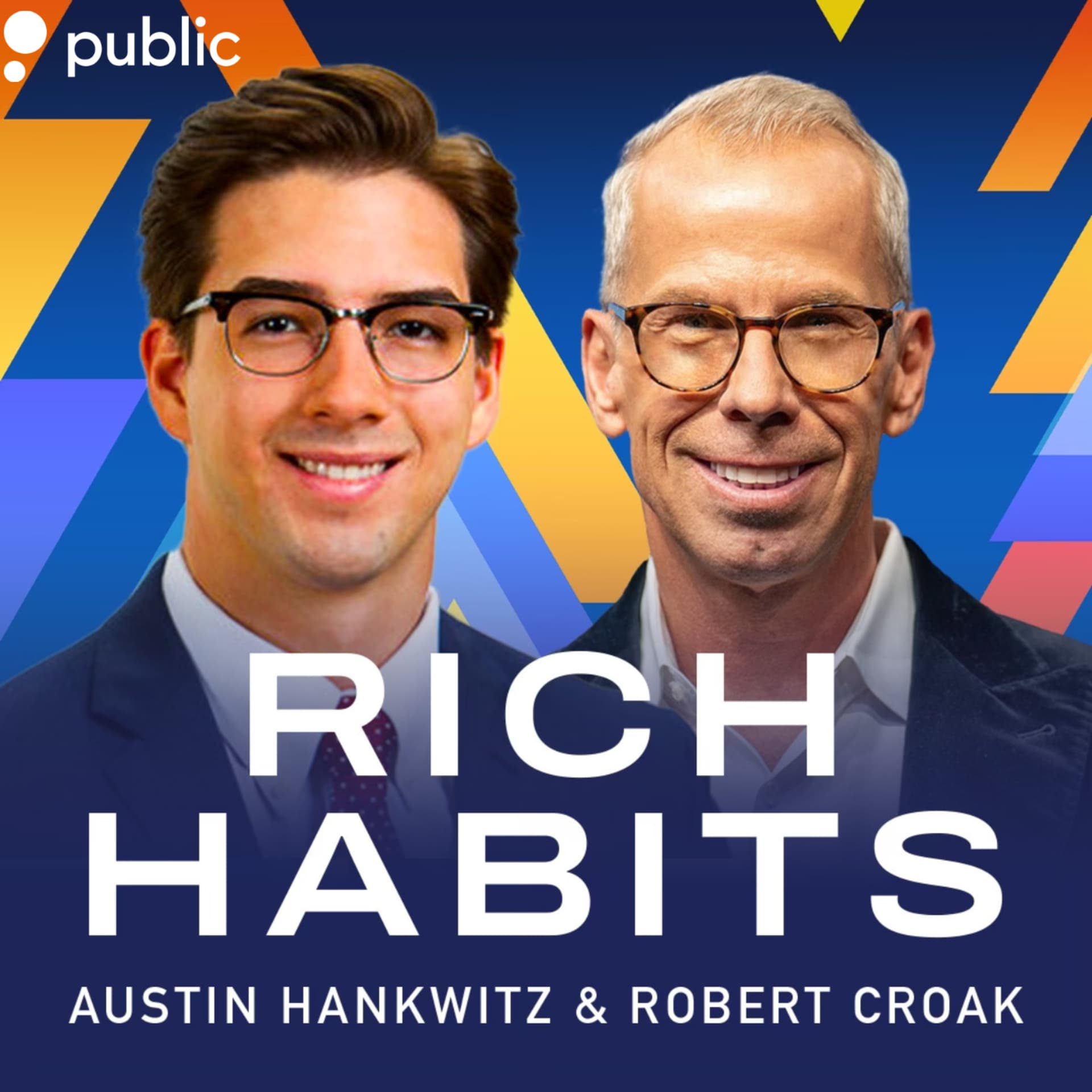
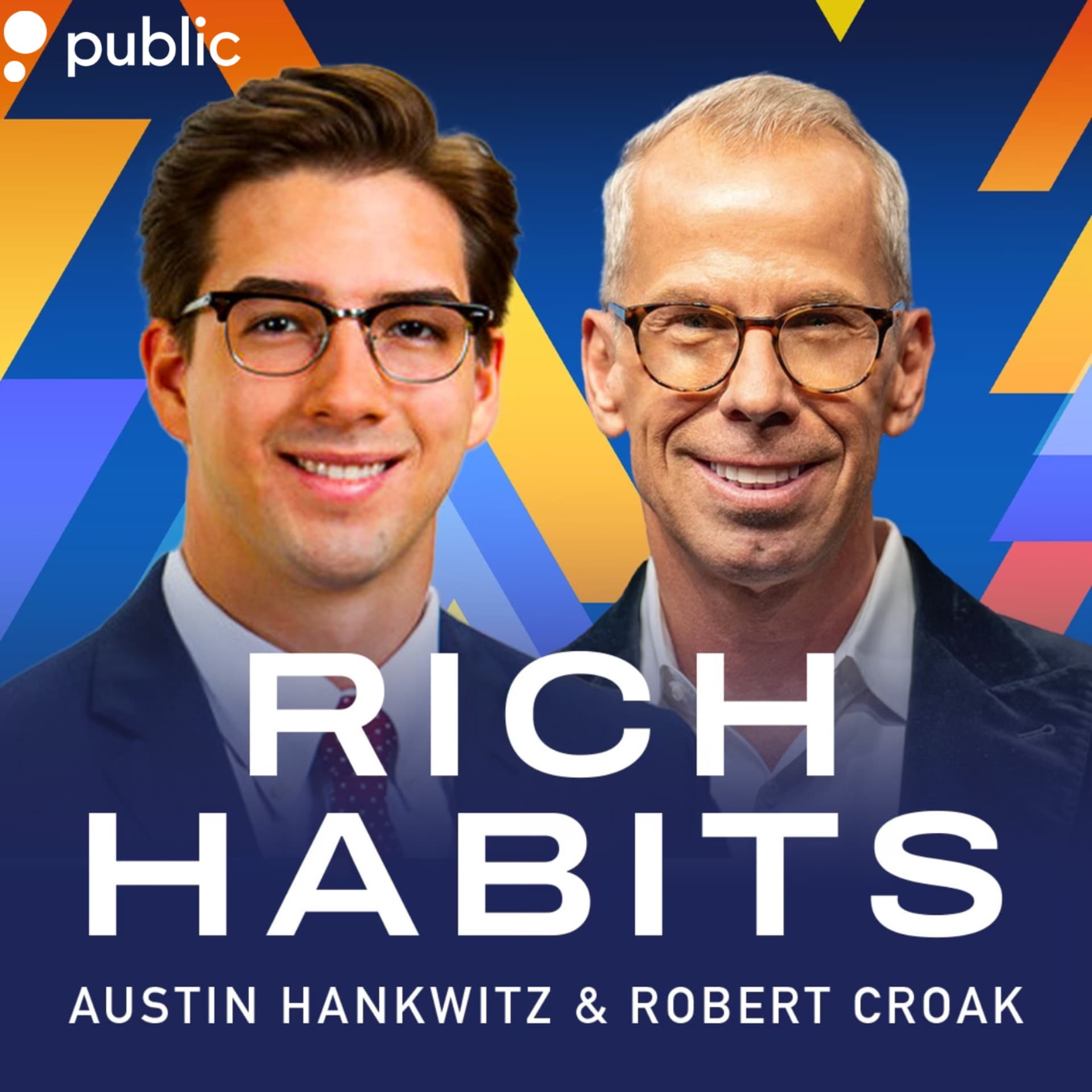
Episode Overview In this episode, the hosts Robert Croak and Austin Hankwitz interview Rose Yao, the VP of Product Management at Google Search. They discuss the revamp of Google Finance and the integration of AI technologies to better serve retail investors.
Key Guests
- Rose Yao: VP of Product Management at Google Search, former product leader at Facebook. Currently focuses on integrating generative AI and revamping Google Finance.
Episode Highlights
Introduction to Google Finance
- Objective: To democratize financial information and tools for retail investors, making it accessible and straightforward.
- User-Centric Approach: The redesign is driven by user demand, addressing the needs of retail investors.
Key Features of the New Google Finance
- AI Companion:
- Users can ask questions without judgment.
- Aims to simplify complex financial questions and jargon.
- User Dashboard:
- Central hub for users to view their investments and market updates.
- Includes live market analysis and portfolio performance.
- Earnings Season Support:
- Live audio streams and real-time transcripts of earnings calls.
- Provides summaries of earnings expectations and insights on stock market reactions.
- Deep Search Capability:
- Allows for complex and nuanced inquiries, similar to the research capabilities of investment firms.
- Users can gain insights into various investment scenarios and market conditions.
The Role of Generative AI
- Transformational Impact:
- Users can converse with AI in natural language, making finance less intimidating.
- Generative AI facilitates personalized financial advice.
Challenges Addressed
- Common Investor Pain Points:
- With the rise of retail investors, there was a need for tools that simplify financial decision-making.
- The goal is to reduce the intimidation factor associated with finance.
Personal Insights from Rose Yao
- Financial Journey as a User:
- Rose shares her personal experiences navigating the complexities of finance.
- Emphasizes the importance of understanding personal goals and risk tolerance in investment strategies.
Looking Ahead
- Future of Google Finance:
- Plans to enhance proactive features that alert users about relevant market changes based on their interests.
- Development of customizable dashboards and deeper insights tailored to individual user needs.
Key Takeaways
- Democratization of Finance: The episode emphasizes the importance of making sophisticated financial tools available to everyone, not just institutional investors.
- User Empowerment: Encouraging users to engage with finance through technology that simplifies understanding and decision-making.
- Continuous Learning: Emphasizes the need for ongoing education in personal finance, especially regarding compound interest and investment strategies.
Conclusion The conversation with Rose Yao highlights significant advancements in financial technology, particularly through Google Finance, and how these tools can empower retail investors to make informed decisions. The episode encourages listeners to leverage these resources to enhance their financial literacy and investment strategies.
---
Additional Resources
- [Google Finance](https://finance.google.com)
- [Rich Habits Network](https://www.skool.com/richhabitsnetwork/about)
- Sign up for the [Rich Habits Newsletter](https://richhabits.beehiiv.com/) for updates.
---
This summary encapsulates key themes and discussions from the episode, offering insights into the evolving landscape of financial technology and the empowerment of retail investors through innovative tools.
Written by AI. May contain mistakes. Listen to the episode to check what was said.
Transcript
Automatic transcript. May contain errors.0:28So good, so good, so good. research. Learn more at finra.org slash trade smart. Hey, everyone, and welcome back to the Rich Habits podcast, a top 10 business podcast on Spotify brought to you by public.com. This episode is a blast because we're going to sit down with Rose Yao. Robert and I went to New York City a couple weeks ago to get a behind the scenes look into the new Google Finance platform. It was a day jam-packed full of product demonstrations, feedback conversations. It was awesome. We also got to learn more about the Google Finance product from one of the key stakeholders that built it, Rose Yao.
1:08Rose joined us that day for a little interview action we had, of course, on a Google Meet. She had a lot of really interesting things to say. Now, after that conversation with Rose, we somehow convinced Google to let Rose come on the Rich Habits podcast and talk about their new Google Finance product, the platform, the key features, what sets it apart, and all the cool things that Google has built for us, the sophisticated retail investor. And that's what this episode is. And I can't wait to dig in. I was blown away, I'll be honest, when we were at Google. And now we get to bring one of the people that actually built all these awesome tools onto the show to share all of this with our listeners.
1:47So I'm so excited for everyone that follows along the Rich Habits podcast to take part in this journey with us as Google rebuilds Google Finance for the retail investors. So with that being said, let's just jump right into the interview. Today, we are joined by Rose Yao, the VP of product at Google. Rose has built a career leading product teams at some of the most innovative companies, including Facebook and, of course, Google. She's been at the forefront of the mobile revolution and is now a key leader in the AI revolution. Currently, Rose is leading the charge on integrating generative AI into Google Search, fundamentally changing how billions of users access information every single day.
2:28She presented these breakthroughs at Google I.O. last year, showcasing how AI can do the heavy lifting for complex questions. But most importantly for our listeners, Rose is leading the revamp of Google Finance. She's building tools that level the playing field for retail investors, bringing institutional grade data and AI insights to everyone for free. So Rose, welcome to the show. Thank you so much. I am so excited to be here and talk about all things AI and all things Google Finance. Well, we're going to have a blast. So as you might know, Rose, the name of our podcast is Rich Habits because we focus on the tools and mindsets that help people build wealth over a long period of time.
3:05You've discussed the democratization of finance, which I'd argue is how retail investors are finally now getting access to the tools that historically only Wall Street analysts have had. So from your perspective, what is specifically driving this shift and how is the new Google Finance helping level that playing field for all of these new retail investors? Well, the first thing I think that drives any shit in products we build and habits that we build as users is honestly user demand. So I think there's a lot of data. You guys have talked about this a ton, that there's a rise in the retail investor, right?
3:42There's a rise in awareness of what it means to build long-term wealth and how to do it and getting rid of the gates that kept people from accessing both the content, the tools, and I think just the insights that drive this, right? The second thing is with Gen.AI, I think the most amazing thing, and I know we'll talk a lot about this, is now you can ask any question you want. I think for me personally, one of the things that's really been intimidating about finance is that there's so much jargon, right? There's so many different instruments. There's so many different acronyms. There's so many different words.
4:15And even though like, you know, I think I'm a pretty reasonably like capable person, it can be really intimidating. And so I would say there's one feature I really love about the new Google Finance. It's that there are no dumb questions. You can ask anything you want. There's never any judgment. It'll explain it to you until you understand it. And I'll really try to make it easy for anyone to make good decisions about their finances. It's so funny. I have a undergrad in finance and economics. That's how much I had to much time I had to spend learning this stuff to even be able to talk about it fluently.
4:48Right. So can you maybe take a second to expose upon what this new Google Finance is? Maybe some new tools, some new features, things that people can expect from this new product. Yeah. So Google Finance, you just go to finance.google.com and you'll see it in you know especially in the U.S. and India right now and what it does is it brings back I think it brings together the best of old and new so what every investor wants regardless of whether a retail professional investor is a list your investments and how they're doing and a live view of what the market's doing right and so that is your home page that is your dashboard that is your command center and what we also added was essentially a AI companion.
5:30So on the side panel, right, the first thing you'll see is analysis of how the market is doing today. Because I find often, you know, I think especially when I first started investing, oh my god, this is down. What does that mean? Like, how should I think about it? It's actually really nice to think actually the market is just down today, right? So most investments correlate with the market. When they don't, you can dig in further, right? But then you can go further and ask anything you want. You can guess how is my portfolio doing? Or if you're specifically starting research for a decision you're making, like should I invest in this ETF versus that one?
6:04You can actually just do those comparisons and it'll give you the best of structured data. So real time data, things like P ratios, things like livestock ticker, historical trends, all the things we love as finance nerds, the numbers, right? Along with analyst reporting, right? And also just market sentiment. Like how do people feel about this company or this asset? and bring it together in a nice summary where you can dig deeper. You can take that conversation whichever direction you want to go. A few of my favorite features I think will, again, talk a little bit more about this. Earnings call season is very exciting for investors.
6:40It's always, you know, like every quarter we look forward to it. And we really have a very robust earnings experience that I think people enjoy that will feel very much like a professional grade earnings experience. And then the other thing that I love is honestly using the AI tools to do a little bit of lightweight modeling. So thinking about like, OK, like what is the present value of this? What is, you know, the real value of this in 10 years adjusting for inflation? Things are actually kind of hard to do, even if you know how, because unless you have your spreadsheets ready. Right. It's just a lot of work.
7:14I love it because I feel like you are speaking my language with all the new tools, because the biggest part of our message is simplifying hard things so people don't sit on the sidelines and can really get in and become better investors and feel secure in getting into the game. So it's so important and I love this. And let's touch on this. You mentioned live earnings season support, upcoming earnings calendar, live audio streams and real-time transcripts. How did you come to the conclusion of this specific design and what were the biggest pain points you are trying to solve for everyday investors during earning season?
7:53Yeah. So the amazing thing about this product is it's actually being built by a bunch of finance nerds. So the product manager on this team is ex-Golman Zacks. So they really understand and know the pain points. And actually that is one of the greatest privileges of building products is like kind of building for yourself a little bit, right? You obviously, we obviously have a ton of feedback from folks like you, from our users. They write in, they tell us what they love, but they don't. But earnings season became really obvious in a couple of different ways. So one, it's not just about the day of the earnings, right?
8:26So it's about pre-earnings, right? There's a lot of information that comes to help really a lot of movement on really what we expect to happen with earnings. Do we expect the company to beat it, to meet it, to not, right? Obviously you have the day itself when the call is happening, right? And you're getting live streams again from everything from Reddit to, you know, major analysts to the company itself, sharing content, sharing data, answering questions. And obviously, one of the other things is post earnings. So basically what happens, and I think we've all had this moment where like, well, technically, the company beat earnings, all the numbers look good, but the stock tanked.
9:05Why? Right. So our goal is really to help users along every kind of path of that journey, right and to plan for it and we have a slightly different experience but one that feels hopefully very simple to use for every step so really you go to the earnings tab for any stock you'll see when their next coming upcoming earnings is we'll have a notification for you if you follow that stock before earnings we'll kind of summarize the major analyst sentiment good and bad and essentially predictions that the analysts have for this earnings call during earnings if you're in the mood, you can listen to the earnings call live.
9:40If you're not, we'll actually give you good summarization as you go and show you the key tidbits of the earnings call that are really important. I think one of the things I learned is that earning calls are long, but often there's like that one minute, you know, to that question that was super critical and really determining like what happens in the aftermarket. And then of course, we talked about this after the call sell, you'll be able to see kind of why the market reacted the way it did. And again, you know, be able to get a good summary of what's going on to dig deeper yourself. That is such a thoughtful approach.
10:16To your point, right? I mean, at the end of the day, we only find out four times a year how a publicly traded company is doing. I would argue earnings season is like that Super Bowl that happens every, you know, every three months, which is really exciting. But it's the most important time for our portfolios and being able to not just have the live audio and not okay what investor relations website we need to go to now right all these different things are having those transcripts having the audio and then most importantly right it's not how the company did right because the stock market's forward looking it's what they are projecting in the future so how does that forward guidance now impact to your point is the stock up is it down what did and what was that analyst question that was asked that's caused it to go down seven percent what's going on here i understand it.
10:55So cool. You guys are so thoughtful about this product. And I think the cool thing as we're talking about this is sometimes even when you read the report, you don't understand what happened. You know, what does it mean for a company to have a large debt ratio, right? Sometimes it seems like it's okay. The market's responding generally pretty well to fairly large spend in AI infrastructure, for instance, right? And the tech companies, but sometimes it really like, you know, causes a tip. So I love also having that AI companion we talked about, where you can just go and ask more questions, right?
11:23To the point of there are no dumb questions. You can say like, okay, like this happened. Tell me more, right? And really be like, no, I still don't understand why I had such a large impact. And that's helped me quite a bit actually as those like, I think, evolving as a personal investor and learning more. So again, you can go as deep as you want and not stay on the surface level. Yeah, I really like that because I feel like it plays into our Friday episodes where we break down all of these top of mind headlines. And then the last part we do in the episode is we say, and what does this mean for your money?
11:59And it really kind of follows what you're saying there to really help people say, okay, this is a tough topic or a tough headline, or what does this mean? But then you can give them the answers and how it relates to them. But I want to zoom out for a second. You've been a part of Search's journey of integrating generative AI deeply into the product. And if we look at the evolution from web search to mobile, then voice, now AI, what makes this shift to generative AI different from every transition that came before it? Well, I mean, I love this question. It's been obviously, you know, the thing I've been living and breathing by for like two and a half years now.
12:36So first I will say we've been using AI in search actually for quite a bit, right? And quite a long time. The biggest shift regenerative AI, as we talk about large language models and the ability to create with AI, is that it now allows people to ask questions in any way they want, in your own language. So, you know, my dad will ask a question very differently than I do. You no longer have to think about what are the critical words including this question. You can ramble. You can ramble for like a paragraph and we will go figure out what your goals are and ask that question. The second thing I think related to that is it is now a conversation.
13:13So for instance, with personal finance, with other topics we talked about, like health and travel and other sort of like complicated things in my life and in everyone's lives, it's not a question by question conversation. It is like, it is something that is a journey, right? So I start with something that's maybe like, you know, hey, I want to buy a house. And then there's a lot that, you know, goes into that, right? It's like, well, what kind of house do you want to buy? Like, what does that mean? Are you planning on having kids or not? And then what's your budget? And then, you know, what does this mean for you if that's your goal?
13:49And how would you manage your finance from there? And you can imagine you really, you know, maybe on a monthly basis, maybe on a yearly basis, right? Maybe on a weekly basis, I'm thinking like, okay, if that's my goal, and that's what I want to do, then how do I think about this investment, right? How do I think about the time horizon of that, right? Should I be tracking interest rates? What would give me a good credit rating? There's all these things that are related to it that really is about solving your problems, however big and complicated they are. And that's what I'm really excited about because it expands the way people use search and expands the type of problems that we can help people with.
14:26Now, Robert, before we ask Rose our next question, this whole episode is about using Google Finance to learn about stocks and analyze them and figure out which ones you want to invest in, but you still need a broker to go and buy those stocks. And that's where Public comes in. Public is the investing platform for those who take it seriously. Because on Public, you can build a multi-asset portfolio of stocks, bonds, crypto, options, and now generated assets, which allow you to turn any idea into an investable index using AI. Yeah, it's so fun and it all starts with the prop. From renewable energy companies with high free cash flow to semiconductor suppliers growing revenue over 20 % year over year, you can literally type any prompt and put the AI to work.
15:12It screens thousands of stocks, builds a one-of-a-kind index, and lets you backtest it against the S &P 500. Then you can invest in just a few clicks. Robert, we've been playing around with it. And my favorite prompt so far is companies with both revenue growth and dividend growth above 10 % per year. That has been a really interesting one for me. Now, generated assets are just like ETFs, but they come with infinite possibilities. They're completely customizable and based on your thesis, not someone else's. So if you want to try it, go to public.com forward slash rich habits and earn an uncapped 1 % bonus when you transfer your portfolio.
15:50That's public.com forward slash rich habits paid for by public investing and full disclosure in the podcast description. And if you want to get those prompts, our favorites, you can join the rich habits network right now with a seven day free trial and check out our favorite generated assets, prompts and strategies. All right, Robert, let's now jump back to our conversation with Rose. You are absolutely right because, you know, let's rewind five, seven years ago, someone says, I want to buy a house or houses for sale near me, or, you know, they have to come up with these ideas of, you know, okay, and to your point, I need to know the interest rate.
16:27And how do I build my credit? Right? You have to sort of prompt yourself and think about like question by question by question, where today, you know, you can go and do this Gen AI Google search, or use Gemini three, and all these cool things you guys have built, and have a conversation with it. Hey, I plan to buy a house at this point in time, what I love about Gemini, y 'all do such a good job, because I use it all the time now. Every time you guys answer my question, you then offer something else, right? At the end, it's like, hey, I just, and I did this again with Google Finance. I was doing some research and I was asking, hey, earnings call this, profit that, whatever.
16:58And it's like, here's your answer, but do you want me to also check out this? I could do this for you too. And just that helpfulness to keep my brain moving in the right direction on the topic, I think is really important, which takes me now to my next question, which is deep search, where a user asks a very complex question. And then the system pulls together hundreds of simultaneous searches and reasoning steps. So, Rose, can you walk us through how you envision that feature and what kinds of questions it's designed to answer that maybe a standard search just couldn't handle before? And maybe now, as we think to the retail investor with Google Finance, how perhaps they can start to take advantage of this product?
17:33Yeah. So this is a feature that is so exciting because as we talked about bringing professional grade tools and content to the user, this is exactly what it's designed for. So if you think about it, when a investment firm is making a decision, they have an analyst go out and research that decision. That person is spending days or weeks really gathering hundreds of sources, going deep into what it means to make a large investment in that area, and then coming back and saying, here's my report. Here's my 10, 20, maybe 100-page report on what it means and the pros and cons and my model for how this scenario will play out based on the goals for an investment firm.
18:13And that's what deep research enables anyone to do. And so I think it is very powerful for someone who's pretty sophisticated, honestly, in their investment strategy and want to go deep. You know, one of the questions we like been testing it on are things like, how do you think about different indexes? It seems like a simple question and there is a simple answer, right? You can certainly get baseline performance for Russell 2000 versus like S &P 500 and things like that. But if you're really thinking about like diversification long term for you, you're really trying to think through, gosh, like we've been so heavy in like U.S.
18:51large caps. How do I want to think about this based on my current portfolio? You can ask a harder question. You can really say like, I want you to do a deep research on, you know, the different indexes that are available. I want you to think about what it means both on risk tolerance as well as like the type of industries I'm invested in. I want you to understand the overlap between those industries, because often there's quite a bit right in these different indexings. And I want you to also predict what that means in a 10 year timeframe, right? And, you know, help me understand the implications of these investments.
19:24And so that's something that's going to take some one time. And that's going to take a little bit of, like you said, reasoning capabilities, multiple sources. I think there's also some really interesting things when we looked at, for instance, when tariffs were really big news in the financial world, thinking about things like, oh, what are the companies that are most impacted versus least impacted by tariffs? And to do that, you have to go pretty deep into also supply chain data. Like, we're looking through, like, which companies do most of their business in certain countries, right? So they really have a dependency on export businesses, which companies have a large manufacturing dependency, right?
20:02And what does that mean? And which countries really matter? You can't just have to move your hands on that, right? So those are the type of questions I think are really exciting to do a deep search on. I will also say, though, you then have to commit to reading a long report, which is not for everyone, right? And so part of this is it will give you a super in-depth answer. It will give you a report similar to as we talked about an analysts with an investment firm, but then you have to ingest it and make your own decisions and decide where you want to dig even deeper and maybe ask some follow-ups too.
20:35Well, just how exciting is that though? Because like, you know, you rewind 5, 7, 10, 15 years into your point, you know, these hedge funds, they've got a team of analysts. They're trying to figure this out and they're asking the questions on the earnings calls and they're meeting with their friends and asking these, you know, industry experts and going to these conferences and getting all this information that now, as we look here on December 9th, 2025 as we film this episode, we can sit down and yeah, it might take 5, 10, 15 minutes for the deep search to really do its thing, but it's got dozens, if not north of 100 pages of information as it relates to tariff impact or interest rate changes or other economic backdrop.
21:12I mean, obviously, we saw the jobs report, the ADP payrolls, right? Like all these things are shifting in real time, and it's never been more important as a sophisticated retail investor listening to this episode to use the tools at your disposal to make those educated decisions with your money. Yeah, but it also speaks a lot about that we are really moving into this prompt engineering world where if you can think it, it definitely helps the average person really be able to research better, be better themselves as an investor and level the playing field. So I love all of this. It gives me goosebumps just to talk about how great this is because I'm old enough as the elder statesman here to remember back when if we wanted to learn something, we were going in the Wall Street Journal and other things at the beginning of the internet to be able to get ahead of the game.
21:58And now we have all these incredible tools like Google Finance to be able to really usher in this new era for retail investors. And it's just so such a special time. But I want to touch on one more thing. Your career spans product leadership at multiple world-class companies, but how is your own journey as both an operator and an investor shape the way you think about building financial products for this global retail audience? Because if I'm not mistaken, Google Finance is also available in India, correct? Yeah, absolutely. Touch on that for a moment. Yeah, for sure. So, I mean, it might be helpful to understand a little bit about me.
22:35So I was born in Shanghai, China. I moved to the US when I was 10, the link in Nebraska. So, and my dad was a college professor in engineering. And so I think there was always this instinct that technology and really can change people's lives and can open up new doors. And then when I moved out after college to join Google, that became such an amazing, I think, theme in my life and career. Right. Was really how do you take these amazing technical revolutions, these research papers and actually make it products that billions of people can use that are simple and delightful. and that truly matter for the problems that, you know, hit people on a daily basis, right?
23:19So this goes to me working on Google Maps, right? And helping people navigate the world, understand the world, do fun things like pick restaurants and also, you know, do important things like get a plumber at midnight emergencies, right? All these things are still things near and dear to my heart. And then it brings me here to Google Finance, where I talked a little bit about how, honestly, I feel like I've grown a lot to, you know, try to figure out what it means to manage money, right? What it means to go from the basics, which my parents taught me, which is like, save a third, a third goes to taxes, a third goes to living expenses, still good advice for sure, right?
23:58To actually be like, oh, there is an opportunity to you guys to the point of this podcast to build wealth over time, and to do it sustainably and responsibly. And with AI, I am so excited for people to frankly skip some of the mistakes that I've made right along the way. All of us have made. But, you know, I feel like I've bought things without looking at the fees. Right. And then be like, oh, this didn't turn out the way I wanted to. Or I have I think I told you guys this when I first met you fallen for the insurance annuity instrument. I know. I know it was bad. Just don't do it. That is the one piece of true investment advice I will give people here.
24:39But those things happen to people all the time because of lack of information, because of feeling unempowered to ask the questions you really have. And I think that in the next three to five years, maybe sooner because AI is happening so quickly, it won't feel like prompt engineering. It'll just feel like you can trust and talk to someone and like get really good advice. Keep talking about that because I'm curious, like what are some of your maybe core personal finance principles that are helping guide your decision making on a day to day process now as you build search related products at Google?
Read the full transcript
25:14Yeah, I feel like I've come so far even this year, personally, like building this product has forced me to actually think about this more deeply versus just go with the flow. That makes sense. But a couple of things I think I think about a lot. One is what are your goals? I feel like what your goals are financially impact your investment decisions pretty deeply. So for instance, I was just talking to my dad who just retired, right? He's in his 70s about his goals. And he's very focused on fixed income, which makes a ton of sense. And he's now settling a very different tax bracket. So his investment strategy has to change completely.
25:50And I was teaching him how to, you know, go into Google Finance, talk about this and figure out like which strategy makes sense for him and the pros and cons and how he can like really get vetting that's not calling me on the phone every day, basically, which is helpful because he argues with me all the time too. And, you know, that's always fun. But for me personally, just to take a contrast, I'm in my 40s. I'm still working. And my goals are very different. My risk tolerance than him is very different. I'm not very focused on fixed income. The second thing I thought, actually, when I started this project, I was talking to my Goldman Sachs PM lead.
26:26And I was like, give me some advice. Tell me your secrets as someone who loves this area and is an ex-investor. and he gave me this one really good prompt or question that I think everyone should hear. He basically asked me, how much time do you want to spend on this? Are you going to go look at your portfolio on rebounds daily, weekly, monthly, quarterly, or yearly? And he said, you have to be really honest about the answer to that question. And I think that's really true because some of the really fun, exciting investments you could do in individual stocks, they're great. There's a lot going on.
26:59There's a lot of different things you can lean into, but they take time. And things change so rapidly that you have to kind of evolve with the market. And they also have tax implications if you're doing a lot of short-term trades, right? So realistically for myself, for instance, it was just like between job and two young kids, I am definitely not doing this daily. I am at best quarterly. So I had to think about a strategy that allows for that, right? And allows me to be a little more passive and really bet on the market. And then last but not least, we talked about this a little bit. I think there was this funny quote.
27:33I don't know who said it, that compound interest is the eighth wonder of the world. And we all have done the math, you know, in algebra, right? But like, it's still kind of amazing when you see it in practice for yourself with your own money. So whenever you can, make compound interest work for you. So I'm highly sensitive now to like fees, right? That, you know, are aligned with instruments and what that means. And really generally looking for things where I can really bet on the market, right and I can you know make the market work for me without any drag we did an episode recently directly on this topic of compound interest we calculated out that if you for every dollar a person saves and invests in their early 20s it turns into roughly 70 dollars in retirement for every one dollar and Austin helped me with the math in your early 30s every dollar I think was still$27 in retirement?
28:29Yeah, like$25,$26,$27 in retirement. Yeah. It blows my mind. If we can just teach everyone that the earlier they start, it doesn't need to be a lot of money, how wealthy they can become. And that's the hill we live on every day is educating people, based on Warren Buffett's famous quote about being the eighth one of the world. It was Warren Buffett, I believe, is just so incredible and how powerful it is. And most people don't even know what compounding means. So it's just so great. I'm so glad you highlighted that. I feel bad. I should listen to that episode. But obviously, we're completely aligned in that philosophy.
29:04The earlier, even small amounts, they just add up. This is the amazing thing, right? Like, think about that coffee you have every day, right? Think about just holding back on like one little habit and putting into a S &P account. And gosh, like 20 years from now. 100%. And it's actually funny that you mentioned, you know, you asked your friend at Goldman And they prompted you to say, well, how much time do you want to spend on this portfolio? Because something Robert and I say all the time is investing is not an action sport, right? Investing is in a crazy, cool John Wick movie, right? Where everyone's or the Matrix and everyone's doing all this crazy stuff.
29:38Investing is boring and you get ice cream at the end, right? That's investing. It's so fundamental that people learn from people that have made the mistakes like Robert, myself. And, you know, you said you made the mistake on the indexed annuity there. So I'll give you that one for sure. But it's important that people, you know, they learn from these mistakes and they not just, you know, take notes, but they actually they take the action necessary to change their family tree. And to your point, a lot of it is about passive action, right? It is a set of forget it. And I think the other thing when we talk about compound interest that is worth discussing is tax implications.
30:15Like there's vastly different implications on taxes when you do short term trade versus long term trades. Right. And that really matters, too, when you think about long term wealth and, you know, investing. Yeah, there's an old saying maybe from my era, Rose. So so probably not to your area yet. But it says that the two best performing accounts are those of dead people and people that forgot their passwords. And it's so true because I look at a lot of people's portfolios and all this stuff and we're always talking and it's the people that you deem lazy that end up outperforming everyone else because they're not treating it like an action sport where they're in their account trying to react to every single headline and time the market.
30:57It just doesn't work. Compounding is the way to go. And I don't think everyone needs to necessarily set it and forget it because you want to keep an eye on things. But I think quarterly or biannually is fine because too many people think they can time the markets and time the headlines and it just doesn't work. So my last question here for you, Rose, is what do you think will be the next big frontier in public facing financial tools and literacy? I think we are still at the beginning of the AI frontier, right? I think that we're still on the insider track where people who listen to podcasts like yours and people who, you know, are already pretty savvy are starting to understand how to use these tools.
31:37So there's a couple of things I hope will happen and I will try to make happen in the world. So one is what we talked a little bit about. So today there's still a little bit of like, you need to know how to ask the questions, right? So for instance, we've thrown quite a few words here that like, I didn't know probably even five years ago, right? Like when we talk about, you know, okay, like how do we do modeling? How do we think about like real value versus like actual value and things like that. And so I'm really excited for the models developing a way where they help you discover those things.
32:09So that piece that Austin, you talked about where, you know, it gives you the next question is teaching you at the same time as helping you. I think that would just become more prevalent and just really hopefully much easier and more discoverable for people. The second thing I will say is I'm really excited about being proactive versus waiting for someone to even ask. So this is the idea that if I know your goals and I know what stocks you're watching, I can give you a heads up on things that are changing. I can give you an earnings call summary before it happens or, you know, after it happens as well.
32:44Right. But I think really helping people really in their daily journey along the way will be a huge portion of it. And then last but not least, I think the idea of creation of like, you know, assets, I would say, is still very early. So I don't mean financial assets, but I mean things like, you know, we're starting to do things like deep search. But being able to create like beautiful custom dashboards for yourself and graphs, like, and really visualize like how things are going and making that much more interactive. I used to talk about our products that in some ways, like what's really hard about building products as skill is that you can't satisfy everyone, right?
33:23I can't give everyone a button or, you know, a dropdown for all the things that you care about. But I'm excited to be able to do that as skill, right? really create the perfect report for you, the perfect experience for you to show like and discuss with your partner, for instance. And I think that was that's also a tool that hopefully will help the professionals as well. That is so exciting. And I listen, as someone who's a big fan of picture books, you give me a graph or a picture of an earnings call summary. I'm in Rose that that sounds like a lot of fun to me. Okay, maybe we'll talk about that next time.
33:57Now, before we ask Rose, our final question, the Wall Street Journal just reported the highest ever price paid for a work of modern art at auction. It was$236 million. And it matters for you more than you might think, because our partner, Masterworks, makes investing in multi-million dollar artwork practical by offering shares in iconic works by Banksy, Basquiat, Picasso, and others. We've been invested with them since 2021. And while stocks have been all over the place here in Q4 of 2025, the art market has been unusually quiet. That's the thing about art. It often moves independently of the stock market.
34:33Masterworks data shows contemporary and post-war art has outpaced the S &P by 15 % with near zero correlation from 1995 to 2025. Today, nearly every major asset class is sitting at or near record highs, and many are starting to move in the same direction. Meanwhile, the art market may be emerging from a three-year downturn its longest since the 90s. That record sale could signal a shift. Historically, art has had compelling rebounds after a dot-com crash. This segment grew 24 % annually for a decade, and after 2008, it grew 11 % annually for 12 years per Masterworks metrics. So with tons of major firms now warning about a near-term stock market pullback, which could pull most major asset classes with it, Art remains one of the few diversifiers that could remain unaffected and still have equity-like or better return potential.
35:25Now, usually diversifying can mean sacrificing higher returns like with CDs and bonds, but not necessarily with art. So it's not hard to understand why wealthy collectors use it as one bucket for their capital. Now, Masterworks investors have already invested over$1.25 billion across 500 artworks. They've sold 25 so far, including two just earlier this month, with an annualized net return of 14.5%, 17.5%, and 18 % on works held over a year, excluding unsold works. So if you want to skip the waitlist, head over to masterworks.art forward slash rich habits. Link is in the show notes below. And maybe it'd be a good idea to ask Google Finance about what they think of contemporary art and investing in the asset class.
36:10And do a little deep research on that one, Robert. So let's jump back into it. Before we wrap up the interview, I can't keep a straight face. This is so good. We've got a bonus question for you, Rose, and we think our audience will love it. What is one question you wish users would ask Google Finance that maybe those same users don't yet know that Google Finance is capable of answering? It's a good question. I certainly thought about this a little bit. And there's so many to pick from. So I'll just be honest. It's hard. I'm going to go back to what I said before. I think the thing that people don't know they can do is talk to Google like a person.
36:46So say, this is my financial goal. This is what I want my life to be like. What should I do? Or how should I make this decision? That's the question I want everyone to try. Because I think that's the most powerful start to your journey, unlike financial literacy. Rose, we are so grateful that you joined us here on this episode of the Rich Habits podcast. And even more grateful that you're building cool products for myself and billions of other people around the world to use on a daily, weekly, monthly basis. Just learning firsthand from you has been a privilege. So thank you again. Well, like I learned from you guys all the time.
37:19And it's been honestly so great to make those connections with people who really care about the industry, who really want to have the same goals we talked about, right? Helping people build wealth and helping people democratize this information insight. So I'm really looking forward to you guys actually also helping us with feedback, insights as we build products and trying things out early and sharing them with everyone else. Absolutely. And speaking of sharing them, for everyone that's like super excited now about trying Google Finance, asking it the questions that maybe he doesn't know it can answer, where do they do that?
37:53How do they do that? What's the playbook for everyone listening right now to go check out all things Google Finance? Finance at Google.com. It is so easy. If you want it to be even easier, you can search for any stock ticker that you are, you know, invested in and interested and just click on view more and get there that way too. Thank you so much for coming. And you know how to find Austin and myself. So anything your team needs, we are here to help. And we just really appreciate you coming on the show. Of course. Thank you guys so much for having me again. Thanks so much, Rose. There you have it, Robert.
38:25Rose Yao on the Rich Habits podcast with an incredible conversation. I'm blown away to think about how she immigrated to the United States from China when she was 10 to Nebraska. And now she spent her life working at Facebook and Google and these awesome, cool things. And now her dad uses the product she built to help him manage his finances in retirement. Like what a cool, proud dad moment that must be. Like it just mind boggling, so humbled that Rose and the Google Finance team allowed us to join us here and have her on the show. And it's just so incredibly important for everyone to know, use, practice, learn, mess up with, but learn from and really get your hands in these AI tools.
39:11Because this is the future, Robert. These AI tools, the prompting, the conversation, right? Rose was talking about like, what is a question that people don't know they can ask it? Like, yo, this is you talk to this like a person, right? Don't think about this like a Google search, like talk to it, like going to cause so many people now to have literacy and financial intelligence and understanding and sophistication that to your point back when, you know, you were growing up, you had to go find a newspaper written with the Wall Street Journal at the top of it about a company that's going to IPO and if you should buy it or not.
39:41Now we can go to Google Finance and just ask it what it thinks. It's it's incredible, man. I'm jazzed. I'm so excited. It's just so cool to have someone that's the VP of product from Google sharing with our audience all the sauce. Just what a cool day and an incredible episode. Again, thank you so much to Rose and the entire Google Finance team, Craig, Alex, Christina, Melissa, Michelle, everyone that helped behind the scenes to make this dream a reality of being able to sit down with someone that is building at Google and just impacting billions of lives here on the Rich Habits podcast. We're so grateful that you all helped us orchestrate this.
40:19And again, shout out to Rose for joining us. And if you enjoy interviews like this, if you like getting the behind the scenes on some cool products and different services in the future, be sure to come back here on the Rich Habits podcast because we've got tons more interviews lined up. We're actually having Max Lebchin, the CEO of Affirm, coming on the show here pretty soon. We've also heard from Reid Hoffman. We've heard from Harley Finkelstein. We've heard from so many, John Hu, all these incredibly decorated and just awesome entrepreneurs that have built incredible products. So if you like these types of interviews, let us know in the comments.
40:53We like doing them, but I want to make sure that you guys are vibing with them as much as we are. So maybe we do more of them, Robert, in 2026. Definitely. For us, it's all about bringing the most value we can for our audience. And always remember, if you find the value that we hope you do, share the episodes with your friends, your family members. everyone needs a little bit of a boost, a little bit of guidance in their financial journeys. And that's what we're here to do is to break down difficult topics and help all of you build wealth and keep it. With that being said, everybody, thanks so much for joining us on this week's episode of the Rich Habits podcast.
41:26Don't forget about the seven day free trial taking place right now inside of the Rich Habits Network, where you can get more access to Robert and myself during our two hour long weekly live streams, the eight hours of video coursework and all the other cool things we're doing behind the scenes over there. There'll be a link for that in the show notes below. Thanks, everyone. We'll see you on Thursday.
42:10And Doug. Here we have the Lemu Emu in its natural habitat, helping people customize their car insurance and save hundreds with Liberty Mutual. Fascinating. It's accompanied by his natural ally, Doug. Uh, Lemu? Is that guy with the binoculars watching us? Cut the camera. They see us. Only pay for what you need at LibertyMutual.com. Liberty, Liberty, Liberty, Liberty. Savings vary. Underwritten by Liberty Mutual Insurance Company and affiliates excludes Massachusetts. Thank you.
From the publisher
In this week's episode of the Rich Habits Podcast, we're joined by Rose Yao, VP of Product Management at Google Search.
---
🧠 To give Google Finance a try, visit finance.google.com :)
---
🎨 Skip the waitlist and invest in blue-chip art for the very first time by signing up for Masterworks: masterworks.art/richhabits
---
💸 Use Public to build your own investable index with Generated Assets! You'll also receive an uncapped 1% on all IRA and 401(k) transfers and rollovers!
---
💰 Introducing the NEOS Ethereum High Income ETF (NEHI) -- your new favorite was to earn tax-efficient monthly income on your Ethereum position.
---
🚀 Join 800+ other podcast listeners inside of the Rich Habits Network and invest alongside Robert and Austin?
Click here!
---
⚡️ Sign up for the Rich Habits Newsletter and never miss a market-moving headline again.
Click here!
---
⭐ Download our FREE Financial Planner – click here
⭐ Download our FREE Budgeting Template – click here
⭐ Download the 2025 Wealth-Building Workbook -- click here!
---
👤 Explore everything Austin does – click here
👤 Explore everything Robert does – click here
❓ Ask us questions for our Q&A episodes – @richhabitspodcast on Instagram
📬 Inquire about working together – christian@witz.vc
---
Disclosure: Paid endorsement. Brokerage services provided by Open to the Public Investing Inc, member FINRA & SIPC. Investing involves risk. Not investment advice. Generated Assets is an interactive analysis tool by Public Advisors. Output is for informational purposes only and is not an investment recommendation or advice. See disclosures at public.com/disclosures/ga. Past performance does not guarantee future results, and investment values may rise or fall. See terms of match program at https://public.com/disclosures/matchprogram. Matched funds must remain in your account for at least 5 years. Match rate and other terms are subject to change at any time.
Hankwitz Group LLC has an existing business relationship with NEOS Investment Management LLC. The opinions expressed are those of the author, and the author owns several NEOS ETFs.
Content creator (the “Endorser”) receives cash compensation from Masterworks, LLC (“Masterworks”). Endorser is not a client of Masterworks. This communication is not endorsed by or affiliated with State Street and the referenced report is not intended to be regarded as investment advice, an offer, or solicitation of an offer to enter into any Masterworks offering.
Invest in shares in great masterpieces from artists like Pablo Picasso, Banksy, Warhol, and more.
For further disclosure on Regulation A Offerings, Risks of Investing, Performance Metrics, Art Market Data, and more visit the offering documents filed with the SEC and Important Disclosures at masterworks.com/cd.
As with any investment; past performance is not indicative of future returns. Investing involves risk. Sale returns are not inclusive of unsold works. Important Regulation A disclosures can be found at masterworks.com/cd.