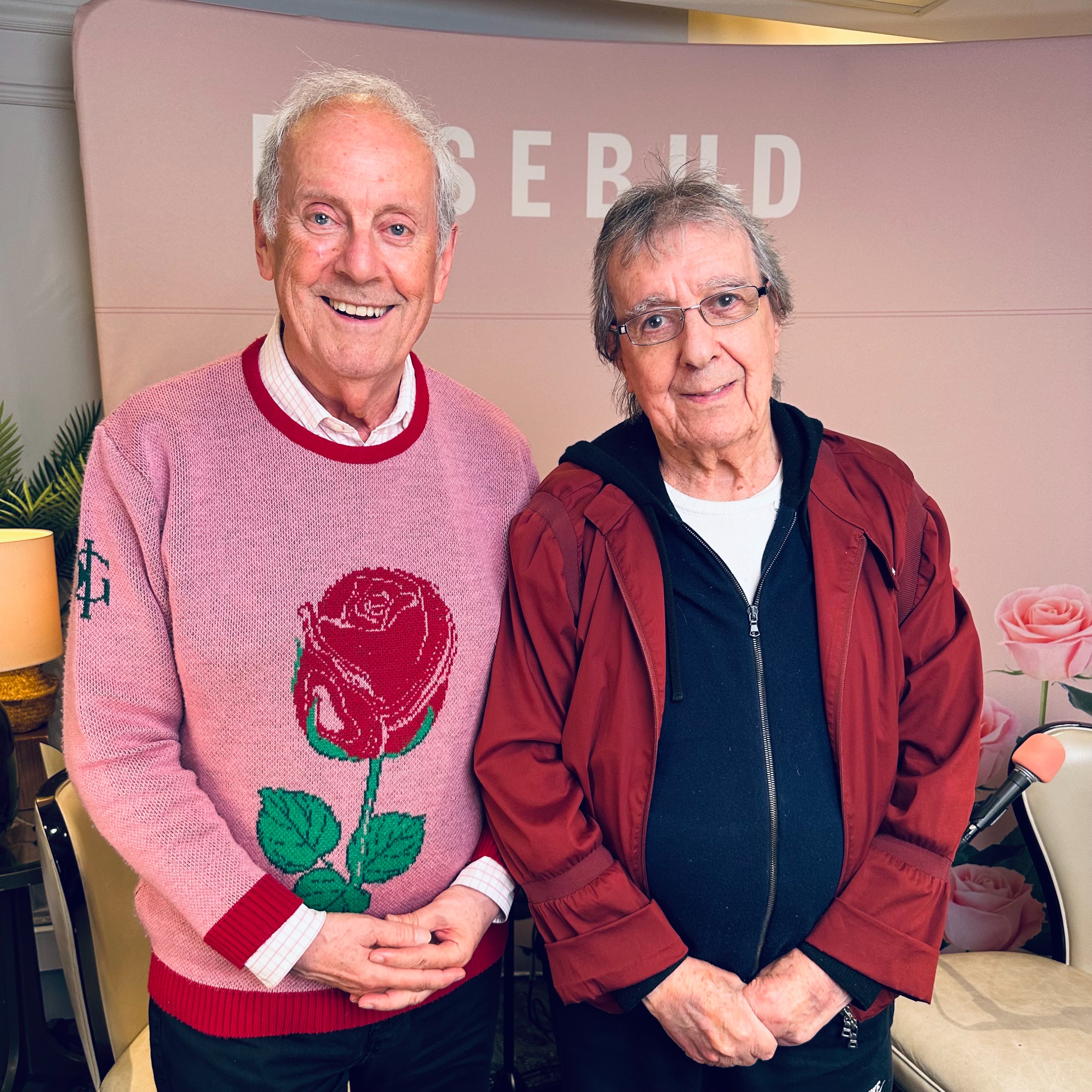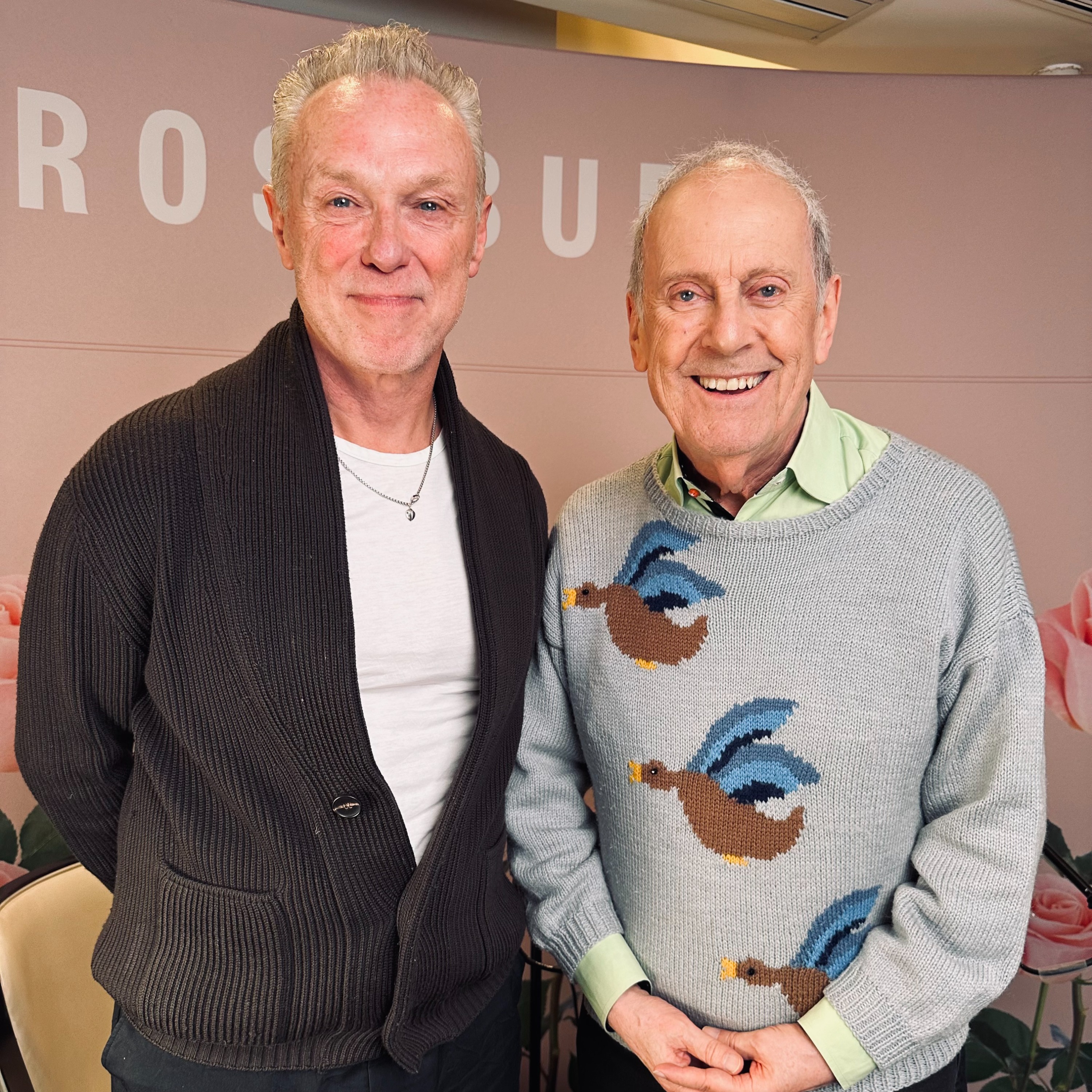
 Ask ChatGPT



Gary Kemp (Spandau Ballet lead guitarist/songwriter) discusses his upbringing in Islington, how he became a songwriter and musician, and how he later bought and researched Brian Epstein’s 1967 address book to create the book 1967, mapping the musical connections of Swinging London and beyond.
Gary James Kemp, born 16 Oct 1959; lead guitarist and songwriter for Spandau Ballet; also an actor. He grew up in modest conditions in Islington with his younger brother Martin Kemp, shared a room, and worked paper rounds/greengrocer jobs. Mentors included maths teacher Bill Hamilton Hines, Trevor Huddleston (anti-apartheid campaigner), and Anna Schur (Anna Schur Children’s Theatre Company).
His songwriting began by adapting chords from a guitar lesson book; mentors and “praise” shaped his development; Spandau Ballet’s success was tied to melody-first writing and the era’s pop/TV momentum; Live Aid represented empowerment and social change.
buying Brian Epstein’s address book at auction for about £10,000; Epstein died in August 1967 (overdose of sleeping pills and alcohol); early songs recorded in an acetate booth at Waterloo Station; Trevor Huddleston giving him a Philips tape recorder; meeting Hugh Masekela at an anti-apartheid concert; writing hits like “Gold” and “True.”
Written by AI. May contain mistakes.
Gyles Brandreth introduces musician Gary Kemp and discusses his background.
“Hello, I'm Giles Brandreth and this is Rosebud.”
Gary Kemp shares humorous and intriguing early memories from his childhood.
“Errol Flynn, Errol Flynn's wife, Lionel Blair, and guess who the fourth person was in the party?”
Discussion about Gary Kemp's book on Brian Epstein's life and connections.
“I don't normally buy those kind of auction things, you know, rock and roll memorabilia.”
Gary discusses his family background and the influence of his parents.
“I do remember when the Beatles got their MBE, One of the newspapers had the headline, MBE stands for Mr.”
Gary shares his mother's experiences during the war and their family life.
Discussion about Gary's parents' relationship and affection for each other.
“and what age were they when this happened?”
Gary reflects on his relationship with his younger brother and their interests.
“They couldn't do anything without each other and we can talk about it later.”
Gary recounts his early encounters with music and the records he bought.
“One day I got up and I had to wake him up.”
Discussion about family entertainment, including wrestling and relatives.
“It was like a random record for a party.”
Gary describes receiving his first guitar and the early steps into songwriting.
“And who was your first friend outside of home, away from Martin?”
Discussing a childhood recording experience with an unexpected twist.
“with the girlfriend standing by the window of the booth.”
Sharing the experience of recording and performing early songs at school.
Describing the encounter with a renowned bishop and its impact on his music career.
“And giving the prizes that day was this amazing man.”
Receiving a Philips tape recorder as a gift and its significance.
“We used to go to his address in Stepney and post it through his letterbox.”
Reflecting on how mentors influenced his songwriting and career.
“In 1986, he managed to get in contact with me.”
Discussing the impact of a drama teacher on his life and career.
“is having a mentor in one's life is hugely important.”
Exploring early opportunities in acting and the interactions with peers.
“And how old were you when you were doing this?”
Describing how music and acting intertwined in his early life.
“So your life is really set by the time you are 11.”
Discussing the dual aspirations of becoming a musician and an actor.
“And do you think then when you're 12, 13, well, my life is set.”
Reflecting on how a teacher's encouragement shaped confidence and creativity.
Exploring teenage life, parental expectations, and self-discovery through music.
“had never really had praise so it it it became as a shock to them but they could it became a foundation for them to build on.”
Recalling experiences in school that influenced his academic and musical journey.
“I waited in there for so long and I managed to escape the whole incident.”
Explore the early years of Gary Kemp's education and musical influences that shaped his journey.
“That older kid was Chrissy Boy from Madness, would be, and the young kid with the violin was Neil Barnes who ended up with his own band, an electronic band.”
Learn about the formation of Spandau Ballet and the key moments that led to their rise.
“Well, we ended up for a couple of years playing power pop, really, kind of post-punk kind of stuff, like Generation X style music.”
Delve into Spandau Ballet's success in the 80s and Gary's songwriting process.
“How long did that last and why did it go wrong?”
Discuss the impact of Live Aid and Gary's memorable encounters with David Bowie.
“I think you could probably live comfortably on true, on that one number, for the rest of your life.”
Learn about a personal story involving a chance meeting with David Bowie and its impact.
“And he suddenly comes over and he crouches down.”
Explore the challenges and successes experienced in the music industry.
“So, the high point is Live Aid and meeting some of these demigods.”
Discuss the acting experience portraying the Cray twins and an unsettling encounter.
“but I do want to talk a moment about your acting, particularly because I did meet the Crays.”
Delve into personal relationships, marriage, and dealing with heartbreak.
“Before we get to the big questions at the end, I need to ask about your love life.”
Hear a touching story about the loss of family members and its effects.
“And then my mum was having this operation.”
Gary shares the joy and pride he feels as a grandparent.
Gary discusses the importance of mentorship in personal and professional development.
“You know, this is the ideal moment, isn't it?”
Gyles shares a heartwarming letter from a listener during a tough time.
“I really found that completely fascinating.”
Gyles wraps up the episode with reflections and mentions upcoming guests.
“when I think we've got a rather intriguing guest and another intriguing guest next Friday.”

Get the gist, explore an idea or ask about something said.
 Claude
On Rosebud with Gyles Brandreth, what are the key points of this episode?
Searching your listeningAutomatic transcript. May contain errors.
0:00I've got big news. I switched to Verizon and got the new iPhone 18 Pro. Shh. I can keep my old phone. Can I also get the latest iPhone every year? Shh. Anything else? Verizon let me choose Apple Watch Series 12 or iPad on them. Everybody listen up. Switch to Verizon and get the new iPhone 18 Pro now. No trade in needed. And the latest iPhone every year with Simplicity Plan. Plus, choose Apple Watch Series 12 or iPad on us. Simplicity Plan with Simplicity Pro required. Plan and device payment purchase are separate agreements with separate terms. Service plan for watch or iPad required. edition terms apply for all offers.
0:32Everything is coming up, Rosebud. You're in the right place at the right time for a very special podcast. Welcome to Rosebud.
1:02Hello, I'm Giles Brandreth and this is Rosebud. It's extraordinary, the privilege it is, sitting where I'm sitting now, at Grosvenor House, Park Lane in London's West End, knowing that the sort of people I meet are people who have touched the lives of people around the world. I'm thinking today of some of the musicians, the performers that we've had on Rosebud. ranging from one of the founders of ABBA, Bjorn Ulvaeus. Extraordinary. We think of the sound of ABBA that has filled the world for years. And I had the privilege, we had the privilege, of having him as a special guest on Rosebud. Right through to last week when Bill Wyman, on his 90th birthday, was our guest.
1:50The sound of the stones in those days when he was part of the stones. I mean, his contribution, his sound is there, and all their biggest hits. We really have had a range of people, very different people. I'm thinking of the girl singers we've had, from Jojo Siwa, still in her 20s, through to Lulu, through to Petula Clark, who was, believe it or not, a singing star before I was born. They've all been on Rosebud. And today, we've got another musician, and he comes from a gifted family. He has a brother. He's a musician, but he's more than that. He's fascinated by music. He's fascinated particularly by the Beatles.
2:35But I didn't know that our guest today, Gary Kemp, had produced a book, which he's calling 1967, because he, at auction, bought the address book, the personal address book of Brian Epstein, the manager, the famous manager of the Beatles. And it was his address book from 1967, the year in which Epstein died. And he's done this extraordinary book, which is, he's explored every name in that address book, who they were, the musical links between these people from that era. Fascinated by the Beatles. But he's a fascinating individual because, of course, he's also a successful actor, a fine actor. But most of all, I think of him as somebody who was part of Spandau Ballet.
3:23And I was there in the 1980s when Spandau Ballet came to the fore. Gary Kemp, lead guitarist, and this is the point, the songwriter when it comes to Spandau Ballet. And they're not justennial songs, classics such as Gold, True, Through the Barricades. So we're going to meet Gary now and he's going to tell us how all that began. But actually how he began, the small house with the outside toilet, Islington, North London. Actually he's going to talk about something that a lot of our people talk about, the importance of the local drama group, how that sort of helped them develop. and he's going to talk about his close relationship with his brother Martin.
4:07And, oh, he's also, because they appeared in a film together, and they're going to talk about actually meeting the Krays. I first met Gary and Martin back in the 1980s, and I'm particularly intrigued to meet Gary now because you'll be impressed, as I was, by his intelligence, his sensitivity, his interesting worldview. Fascinating. That's my word for today's episode of Rosebud. Please enjoy it. Cue the music.
4:52Gary James Kemp. Born the 16th October 1959 Yes Good date 16th October Oscar Wilde's birthday and Errol Flynn passed away On my birthday So could you have absorbed The spirit of Errol Flynn Well given the rumours one hopes Yeah I want to share with you something A bit of gossip Remember Lionel Blair Of course Some people think he was Tony Blair's dad He wasn't Great dancer Lionel Blair told me he had an affair with Errol Flynn's wife. He went on holiday. I'm doubly shocked. Yes. It's about 1950. They went on holiday. Errol Flynn, Errol Flynn's wife, Lionel Blair, and guess who the fourth person was in the party?
5:42Ernest Hemingway. Wow. It's an unlikely collection of people, isn't it? Well, given that Ernest is the poster boy of macho, that does sound odd. It does sound odd. Anyway. Talking about Lydell Blair, because we'll talk about it later, but in making inquiries into my Brian Epstein book, I did talk to Mick Jagger, and I said, favourite memory about Brian? I mean, what do you remember of him? And he said, I used to love Sundays. We used to go to Alma Cogan's house. Me, the two Lionels and Brian. And, of course, he meant Bart and Blair. This is fantastic. We can talk about Brian Epstein. Epstein? Epstein?
6:21How do you pronounce it? His family pronounced it Epstein. But Brian did mention to a friend that he was definitely Epstein. Because it was a Goldstein that he was talking to at the time. So, Brian Epstein, famous manager of some very, very famous people. You happened to have his address book, which you bought at auctions. Let's talk about it now. You bought at auction for£10 ,000. Yeah, about five years ago. I don't normally buy those kind of auction things, you know, rock and roll memorabilia. But something spoke to me about this book. because it said on it there were 404 names here. It was dated from 1967, and having researched it, you can see it was 1967 because some of the typewritten contacts that are in there put in by his secretary initially before he hand-wrote in there date the addresses, particular addresses and names, to 1967.
7:15And that, of course, was the year he died, tragically, August 67. It was an incredible year for pop music. Sergeant Pepper was coming out. So to find a book full of not just the cross-section of Swinging London, but in America as well, because in the book there's Orson Welles and Colonel Tom Parker, etc. Remind me, how did you die? He died of an overdose of sleeping pills and alcohol. And he was found in his house in Chapel Street in Belgravia. and it shocked the world, I think, you know, and did the Beatles survive after that? Well, maybe not, really. I mean, it was trickier times for them. Anyway, I have, with the help of a wonderful man called Simon Halfon, who's a graphic designer who worked on Oasis books and Queen books, put together a book where I found out who virtually everybody in the book is and how they relate to Brian, and I try to tell his life through contacts.
8:20Oh, what a brilliant idea. It's the story of Brian Epstein. It's not just his story because in the end it becomes a story about the book as well and what I discover in the book and what I discover towards the end of the book really had me leaping out of the chair. Oh, well I can't wait to read it. What's it called? It's called 1967. 1967. I do remember when the Beatles got their MBE, One of the newspapers had the headline, MBE stands for Mr. Brian Epstein. That's right. I think it may well have been Princess Margaret who made that statement. Ah, very good. Well, there's a book. Now, here is the great man himself.
8:58This is Gary Kemp, born 16th October 1959. Gary, first question is always the same. What is your very first memory? My first memories, if you like, because they are connected, was trying to kill my brother twice. I don't know whether that was exactly on my mind, but looking back, the subtext does seem to point that way. Because he'd just come home from hospital, so I'm two years old. And my first memory... This is your younger brother. This is my younger brother Martin, my only brother, my only sibling. Yeah. My earliest memory is he's in the cot in the bedroom. I guess it's my parents' bedroom.
9:39and I pour lion's treacle over his face and then a bag of sugar. And I just remember seeing little bubbles popping up through the sugar. Luckily, my mum came in and he was cleaned up. But that could have killed him. It could have been fatal, death by sugar. But did you know what you were doing, do you think? I was experimenting, I think, on this breathing object that had arrived and somehow usurped me. It was literally almost the day he arrived, was it, as far as you know? Well, he was, yeah. I mean, he was just a tiny baby in a cot. In a cot. Followed by... That was the first attempt. Yeah, that was the first attempt.
10:23And I remember being out in the street and we were going to go for a walk and my mum had one of those great big prams. I forgot what pram that is. That's a sort of silver, whatever it is. It's a posh, big posh... Big traditional. Big traditional pram. That a nanny would normally. Well, whose pram was that originally, Giles? It was mine. And now there was another living soul in this pram. And I remember my mum went back inside the house. And I pushed the pram into the road. Now, in 1961 or whatever it was, 62, the road wasn't very busy outside our house. It went off the curb. Martin is in the crowd.
11:08Martin's in it. The world would have been, you know, missing Martin Kemp, and that would have been such a tragedy. Well, I don't know. You would still have Gary. It went in the road and tipped up. So I can only assume his head was back. At what point I remember, at which point I remember, my Uncle Charlie coming along. Uncle Charlie always wore some sort of brown mac. I think all adults wore brown in those days. I can picture him in this Mac and I can picture him running into the road and picking it back up. And then my mum coming out screaming. I don't remember much after that, but I didn't attempt it anymore.
11:48Pretty extraordinary recollections. So give us the context of this. Who, for example, is your mother? What is her name? Who was she? Who is she? Eileen Green. We grew up in Islington. She was from Shoreditch. my dad's family go back in Islington as furriers all the way back to what he could find which was 1830 census. So they were kind of the engineers, technicians of their day. They looked after the horses. Oh, furriers. Furriers. Furriers. Is that the right word, Charles? Sort of the right word. I'm not quite sure. Furriers. They were furriers. A furrier is somebody who does fur coats. Yes, fur coats.
12:27A furrier. They were furriers. They look after the horses, the hooves. Yeah, and that made sense, because I'll just divert a little bit onto my dad now, because my dad was born above a stable. What was his name? Frank Gus Kemp. Frank Gus Kemp, I like that. And he was born above a stable in 1930. It was in Lofting Road in Islington, and the reason being that they must have rented rooms there because his grandfather drove a Hanson cab, and obviously had connection with the horses there. He actually died from being kicked in the head by a horse. My dad thought he was a very wonderful, extravagant character.
13:09He would throw sweets from the cab to children. I think he may have done it once, you know, but it's stuck in my dad's memory. But my dad grew up in great poverty, really, because his father, Walter, was in the First World War at Ypres at Wipers and got, thankfully, just injured and found and taken out of shrapnel in his leg. And he ended up working in a lumberyard in Islington. It's a famous lumberyard because at one point he catches fire and burns down the Collins Music Hall. but before it burned down my young dad and his brother Percy to make money for the family would sell sweets and bags of sweets and nuts to the queue outside Collins Musical and he remembers bagging them up in the house they must have bought a lot somewhere and putting them in bags and then taking them down there my mum on the other hand is growing up in Shoreditch at this time again very poor she had a shocking experience when she was evacuated to Lancashire during the war and one day she tells me a story when my dad wasn't in and it was just before my mum died and she said she was attacked by boys while she was in Lancashire and nothing happened but they threatened her and I remember her crying about this and she said whatever you do don't tell your father it's an extraordinary generation where some things were so embarrassing that they they kept it very much within themselves but but when she went back by the time she'd gone back home to to london her house had been bombed in the war and so there were no photographs of my mom as a as a as a young kid and um you know i think she she found my dad and it was they were both each other's first boyfriend and girlfriend.
15:13And how did they meet and what age were they when this happened? I don't know exactly how they met to be honest but it would have I think my dad spotted her on Islington High Street.
15:25I know that one of their early dates was going to see Bill Haley and the Comets in the 50s. But they married in 1953 and they waited quite a while before they had me. I think that was and I think that was due to not having any money. Six years they waited before having you. I don't think they had any money. And when they had you, what were they both doing? How were they earning their living? So my dad was a printer. By that stage. In a factory. We rented a floor of a terraced house from a landlord. And eventually the council took it over. but during that time the floor above had my cousin and her husband and children living there and below us was an old lady renting a small tiny little room and all three of us used one outside loo in the yard and we had no bathrooms and I lived like that till I was 15 and then the council put us in moved us to a renovated house and we managed to find a small garden and a toilet and an inside loo and an inside bathroom.
16:43And were you conscious for the first 15 years that this was quite a modest way of living, different from other people? No, you just accepted it. This was your life. But I think, no, that's not true to say. I didn't have any embarrassment about it. It was absolutely, it was only pride in our house and love. it was very strong and my parents devoted themselves solely to me and Martin and you know the holidays we had were always you know a holiday camp or going to stay with an uncle and aunt in Wales were they happy together? how did that show itself? they never showed it physically I never saw hand-holding until they were much older.
17:33My dad would kiss my mum when he came in from work on the cheek. That is true. But it wasn't like cuddling or... I never saw that. I think my mum... I mean, they were really in love. They couldn't do anything without each other and we can talk about it later. They even ended up dying within four days of each other and had a joint funeral. So they were loving of each other and of you, both you and your brother When did you become reconciled to having this younger brother, the one you tried to murder twice? How long did it take before you accepted him? Well we did used to have quite a few sort of aesthetic battles Explain Well we were both into football, we were both big Arsenal fans and that was fine But my wall gradually started to have posters of musicians on it and astronauts.
18:28I was really obsessed with Apollo. So Neil Armstrong appeared on my wall and Buzz Aldrin and then, you know, it would have been David Bowie, Mark Bolin. My brother was Kung Fu. Bruce Lee was all over his wall. And he was good at football and I wasn't. I was a little bit artier. You know, I don't know. I read books. My dad took me to the library. We never had books in our house. My dad took me to the library and he got me into Biggles first, but then science fiction, which I loved. So I'm into my books. My brother's into his kung fu. We bond over Arsenal. Do you share a room at home? We share a room.
19:18We share a room. And so, you know, I'm 11 and my brother's nine. and Arsenal win the FA Cup and the League Cup. It's the double, and it's Charlie George. And we bought good old Arsenal record, and we bonded as being greengrocers. My dad insisted on Saturday jobs and insisted that we made money. So I went and got a paper round. I had to give a third of the money to my mum. So if it was£1.50, I gave her 50 pence. That was my keeping. I gave her a third of my money all the time I lived there and and then eventually I left and bought her a house there my house but it was a real thing for my dad and I think he was right and then we became and then I was the head boy paper boy of course I was and my brother was a paper boy and I used to just have the privilege of not having to go to any of the streets but just to sign the papers and give him the whole lot he was such a fool one day he got we were so paranoid about being late One day I got up and I had to wake him up.
20:26And I said, come on, Mike, we've got to go to the paper shop. He said, I can't, I've been once already. I said, what happened? He said, I got up, I got dressed and I went round the corner. I saw in the post office window that it was only 2 a.m.
20:38Oh, wonderful. Anyway, so then we moved into the local greengrocers. And the pair of us became like superstar greengrocers. We were very, you know, only in our early teens. And the greengrocers thought we were so good. He never used to come in till later. We used to have the keys. We used to set up the whole stall. Do you remember how much you were paid? No, I can't, but I gave a third of it to my mum. And then, you know, we'd do all of that Greengrocer-only sort of odd bubble writing they do with inappropriate apostrophes. Did you have pocket money? Can you remember having pocket money? No, we didn't.
21:11We had to earn that. So, when you bought records, you say you got records, do you remember the first record you bought? I do, and I bought it with Martin. So I would have been 11, and he would have been 9. and I remember we both at that point had Salatio shoes because they were very, like a brogue type shoes. They were very, you know, we would have, they were very fashionable. And I would have got Blakey's, and so would my brother, to put on the heel. And we clip-clopped our way down Essex Road to Upper Street and onto Cross Street. And we didn't know what we were going to buy. And I just remember looking through, and I really liked this very distinctive sky blue pie label.
21:52and it was a band called The Kinks and it was a record called Ape Man and I bought that and my brother bought the tremolos, Me and My Life so were your parents listening to music as well? no, the only kind of records I remember being in house, I remember maybe Frank Sinatra but there was definitely the guy who sang Wakey Wakey who shouted Wakey Wakey Billy Cotton, there was a Billy Cotton record and that used to get played with songs like I've Got a Lovely Bunch of Coconuts. I don't know what it was for. It was like a random record for a party. Yes, people used to have records. It was probably, in fact, I think my parents had it too.
22:34I think it was called the Biddy Cotton Party record. Wakey, wakey. Rise and Shine, absolutely. And it had things like the conga on it as well. So you could have a sort of party at home and play these songs. That's right. I remember the radio was always on with, you know, Around the Horn and... Did your parents actually entertain people? Did people come to the house? Not initially when we were young. We were quite close to my cousin who lived upstairs and my aunt. No, it was really only my nan. He used to come round to watch the wrestling on a Saturday afternoon.
23:09I didn't think she had any teeth all her life. Whenever she spoke, her false teeth used to flap around in her mouth. But she got very excited about the wrestling. Mick McManus. and people like that would have been the stars. And who was your first friend outside of home, away from Martin? Who was your first proper friend? Yeah, so when I was four, I walked into my first day in my local junior school, infant school, Rotherfield it was called, on Rotherfield Street. And there was a young kid in there doing a drawing of dinosaurs. And he was also called Gary. In fact, in that 1964 period, everybody was pretty much called Gary in my area.
23:53There were, and that's not a joke, there were six boys who went from my school to the grammar school that I went to. All of us were called Gary. Can you believe it? Now there's not any left. You know, it's like we're all, there's no new Garys in the world. There are no new Garys. What did you have special with this Gary? What was your friendship with it? Well, initially it was that we had a job to do. because we knew that at a certain age and time in the future, I was going to become Batman and he was going to become Robin. But it might have been the other way around and there was a lot of disagreement about that.
24:29No, I don't think it was the other way around. I think you were always going to be Batman. He was going to be Robin. That was the same relationship you had with Martin. And then for a while, yes. You were in charge. And then for a while, we were going to be Napoleon Solo or Ilya Kuriakin, of course, from Man from Uncle. When did you get your first guitar? How old were you? Oh, well, I mean, this is really where my life changed. And I was 11. I woke up and I had a guitar for Christmas. It was a kind of one of those cello-type-looking guitars with F-holes that are semi... It was an acoustic guitar.
25:06It didn't have any electric connections, no pickups. But it was a sort of semi, like a jazz acoustic guitar with strings that were so far off the fretboard, it would be, you know, it really was painful. So accompanying the guitar, I remember being a bit disappointed, you know, smells of furniture polish, it's not a toy. But alongside it came a Burt Whedon play in a day book. Why had they given it to you? Well, my cousin who lived upstairs, who was a couple of years younger than me, had a toy guitar. And I do remember sort of trying to make a noise out of it. And I think they caught me and they thought, ah.
25:46And it cost them five pounds. And that's a lot of money to buy this Christmas present for me. I remember, you know, my mum and dad were so poor. I remember my mum crying because she couldn't afford to buy me a new pair of shoes when my old ones were too small. But anyway I ended up Taking this Burt Whedon Playing a Day book And going into the bedroom And working out All the chords on my own And I found four chords And the song it told me to play When if I had a hammer I'd hammer in the morning And I could do this With these chords And then I thought Well I really like these chords But I don't like this song I don't like this melody and I don't like these lyrics But I love these chords How do I make them my own?
26:41Now I had no idea about songwriting I hadn't bought, at that point, I still hadn't bought a record And I started making my own little tune up And there was a teacher in school who play guitar and I said I've been playing guitar so at home and I've got these chords and he said well bring a guitar in and I said well I don't know really what the word should be about you know and he said well it's Easter write a song about Easter and there was another boy in the car funny enough called Gary as well another Gary completely different and together we wrote Jesus rode through Jericho on his way to the cross he met blind Bartimaeus who his sight had lost Jesus touched his eyes and Bartimaeus could sing again, sing again.
27:35So Jesus rode on bravely to Jerusalem. And I played to my dad. He went, that's amazing. We've got to record it. So he took me to Waterloo Station to an acetate booth, which were like these telephone boxes. I remember them. Do you remember them? I do. So strange. There's one in Brighton Rock where Pinky... I know. Makes a rather sinister record. with the girlfriend standing by the window of the booth. That's right. And she's wanting a message where he's supposed to say, I love you, and he's actually saying, I hate you. Yeah. And he records it. But you could go to Waterloo Station. There was another machine there where you could actually print your name.
28:18Do you remember that one? On a little metal tag. No, really. Anyway, I know the very machine, and you went in there, and you recorded this? Well, my dad sung me in there, and I had to go sideways because the guitar was too wide for the thing. I had to go sideways. And the acetate came down. so I thought I could record the song now but obviously as the acetate only was about a minute long and my song was at least a minute and a half at the end Jesus wrote Jericho on his way to the cross you know it was one of those and we grabbed the acetate we took it home and we played it over and over until it wore out and I don't know whatever happened to it in the end well this is your first record and you're 12 or 13 at the time and then did you go on is that how it all began I do go on I write another song and this one's called Alone and my mum said you can't play that to anyone they'll think you're depressed but it was it was something like how did that go?
29:10my only friend's a sparrow I see him in the morning is the only line I can remember that's lovely but it was in a minor key so I knew it had to be about something about being you know not depressed but anxious and this was just instinct making this come to you it was instinct so I ended up at the end of my primary school I asked if I could play the two songs at prize giving. And I'd do that in front of the school. In fact there's a recording of it. My headmistress recorded it. Well done her. It was Valentine. And giving the prizes that day was this amazing man. The Bishop of Stepney Trevor Huddleston.
29:52Indeed a famous person. He was officially did a lot of work in Africa out didn't he a lot of work of a missionary nature a great man head of the anti-apartheid movement yeah famous yeah and he was there and i saw him briefly afterwards he said how much he liked it cut to it's a thursday evening and i'm watching top of the pops that's how i know it's a thursday evening and there's a ring at the doorbell and we have no telephone so no one was going to warn us of this and I remember we looked out of the window because people didn't randomly come round the house and there was a guy with purple robes standing on our doorstep I think probably by this time there were some kids gathering thinking someone's died, we'll have to hang out and watch Trevor Huddleston comes into the house my mum is so like anxious about this bishop being in the house because he was also quite famous because he appeared on television things, people knew who he was I didn't know who he was but yes and he said to me, look, I've just organised a concert at the Oval with The Who doing, it was a charity event, it was one of the first charity rock events.
31:07And he said, you know, I've been in Africa over the last few years, he said, and I've given a trumpet to a young trumpet player in Africa and I'd like to do these sort of things and I'm giving you this and it was a Philips tape recorder, cassette recorder and they'd only just come out. I'd never seen one before And he said It's yours And every time you write a song I want you to record it on there Write down the lyrics And send it to me and Stepney So I remember looking at the TV And seeing Rod Stewart singing Maggie Mae And thinking That's what I'm going to do That's what I'll have to do Well The bishop wrought a miracle Extraordinary Well, we sent him songs for the next few years.
31:57I remember we didn't post it. We used to go to his address in Stepney and post it through his letterbox. And then Scarpa. Did you keep in touch beyond that? Did you see him again? I did. In 1986, he managed to get in contact with me. I was in Ireland working on an album called Through the Barricades. And I had just written a song called Through the Barricades, which was about someone from the Catholic side and someone from the Protestant side falling in love. And we made our love on Wasteland and through the barricades. And he got in touch with me and he said, wow, of course I remember who you are.
32:39I'm on the phone to him. And he said, I'm putting on an anti-apartheid concert at Clapham Common. Would you like to be involved? I said, well, our band can't, but I personally would love to be involved. and I wanted to sing this song and I remember turning up at that backstage at Clapham Common and he said this is an amazing day for me he said because not only are you here but the trumpet player I gave a trumpet to in Africa is also here and it was Hugh Masekela and we had our picture taken I don't know where that picture is but I think the point of this story is that is having a mentor in one's life is hugely important.
33:24And I can honestly say that apart from my parents, I had two. Because not only did I have Trevor Huddleston who may encourage my songwriting, there was an amazing woman from Ireland who'd moved to the UK called Anna Schur who changed both my life and Martin's life. I know who you mean because I actually met her once. She ran the Anna Schur Children's Theatre Company. School for... Yeah, it was a club. because it wasn't like one of those schools, drama schools that you went to and cost a lot of money. I started going there without my parents even knowing. Oh. Yeah, because it's across the road from me.
34:01It opens in the... And how old were you when you were doing this? I'm nine now, ten or nine or ten. Gosh. And I think it was 10p a lesson and I could afford that. Oh, I did have a paper round then. Yes, I did. I did have a paper round then. And I started going and then one day I came home to my mum and I said, I'm going to be in a film. you need to sign a contract and it was a children's film foundation movie and I had a small part in one where they were using nearly all the kids from that drama club Hannah Schur was amazing, we only ever improvised in the club, we never read scripts she was so key the most important thing, professionalism the two Ps, professionalism and punctuality I still believe in that Charles, the two Ps and try and tell my children that.
34:52And I get this small part and then I end up doing a TV slot with my brother because my brother then joins and I'm like 11, he's 9 and we're on Jackanory. Oh, I remember that. Storytelling. Storytelling show. We play two... They did a dramatised one once and we played two Arsenal supporters. Not a hard push. and then I end up getting a lead in a Children's Film Foundation movie called Hide and Seek with people like Liz Fraser Alfred Marx Roy DeTriess and what age are you then? I'm definitely 11 I've just started my primary school my grammar school just started my grammar school so I'm 11 I have to take the first six weeks off so you can imagine the kids are really not enjoying so I have a tutor and a chaperone and I shoot for six weeks in Deptford this film
36:01I've got big news I switched to Verizon and got the new iPhone 18 Pro I can keep my old phone can I also get the latest iPhone every year anything else Verizon let me choose Apple Watch Series 12 or iPad on them. Everybody listen up. Switch to Verizon and get the new iPhone 18 Pro now. No trade in needed. And the latest iPhone every year with Simplicity Plan. Plus, choose Apple Watch Series 12 or iPad on us. Simplicity Plan with Simplicity Pro required. Plan and device payment. Purchase or separate agreements with separate terms. Service plan for watch or iPad required. Additional terms apply for all offers.
36:36So your life is really set by the time you are 11. You've got your guitar. You've got your acting life. Trevor Huddleston is there, going to provide you with recording equipment. It's all beginning to happen. You're writing songs. It's extraordinary. And something I feel like I've been over-generously given too much there, Charles. And do you think then when you're 12, 13, well, my life is set. I'm going to be an actor because I'm doing the acting and I'm going to be a songwriter because I'm writing songs. Is that what you see as your destiny when you're that age?
37:10I'm sort of toying with both, really. I'm imagining being in a band but I'm enjoying doing the drama and one pays for the other because I get this film and I end up buying out of the fee I get don't forget I've got to put some of it away they make you do that in case you have to pay tax for any reason I've got to give a third to my mum but I managed to save up from doing these acting jobs to buy my first electric guitar and electric amp so it's working in tandem when I get to 16 I go into Anna Sher and by then there's some successful kids here there's Phil Daniels there's Pauline Quote there's Linda Robson we've had our own little TV show called You Must Be Joking which is a kids television show where Anna Sher kids write and perform comedy sketches and at one point Phil Daniels and I perform a song it's on YouTube we're doing Sandman by America and I remember going into Anna and saying you know I want to become a musician and I'm not going to give up acting that was when I was 16 and what did she say?
38:23go for it I can't remember I felt so embarrassed and so hot in my face when I was telling her this because I really loved her I thought she was absolutely amazing she had such a strong presence she was so handsome and full of ideas she got us to understand poetry she had the roughest kids believing in themselves something that i realized you know she would she was no matter how bad you might be she would find the kernel of talent in there and focus on that her method was praise and a lot of the kids in that group mostly working class kids had never really had praise so it it it became as a shock to them but they could it became a foundation for them to build on.
39:10You of course came from a very loving family, a secure family, not much money but a lot of happiness. Were you a well behaved boy as a teenager? Did you? Yeah. You didn't get into trouble, you were? Yeah, I think I was. I was always worried about what my parents would think. Did you discover girls in the Annas Club? I was really rubbish with girls, Charles. Why was this? They frightened me and I don't know why I think I was just so obsessed with my music that I couldn't when I I think I got from my music my songwriting I got what other kids were getting from their relationship so a relationship is a way of expanding yourself you're now it's the strength of the two of you right and I managed to get that from writing songs I'd go into a room with just myself and come out with something that didn't exist.
40:11And it was now a part of me. And I had a list of songs by now that were building my sense of self-worth, if you like, and strength and empowerment and all of those sort of things that I needed. But I knew that I owed it all to my parents. And I think Martin and I were not bad kids at all in any way. I mean, we'd get told off. but I would always I don't know I was terrified of getting in trouble I remember meeting up with a gang of kids that I didn't know once and we all found our way into a bar of a hotel and I'm standing there I didn't know why I was in there and suddenly they were all running out the door they'd stolen the charity box and I just ran into the toilet and I didn't and I remember hiding in this toilet I had nothing to do with it.
41:06I didn't know what was going to happen. I waited in there for so long and I managed to escape the whole incident. But, oh, you know, I mean, I would, I just, if my parents had found out such a thing, it would have been awful. How was your schoolwork? You were a grammar school boy, so you obviously considered to be bright. Well, I was okay in my, I had a lovely teacher, actually, in maths, which isn't really I don't think that's my world but this is proof of how important a teacher is his name was Bill Hamilton Hines William Hamilton Hines I just spoke to him the other day he took a shine to me and a bunch of other kids and he thought he could get us our GCSE or O level as it was called then to a year earlier and we used to go and do some extra work with him and he got me through my GCSE a year before the real exams which gave me a lot more space in the next year to focus on the other subjects I liked but he when we moved the school moved to Potter's Bar so we were the last year of the school in Islington it gradually drained down and built up in Potter's Bar and it's now the most fantastic musical school back in our day there was no orchestra there was one kid who played violin and he used to have the mickey taken out of him by an older kid.
42:33That older kid was Chrissy Boy from Madness, would be, and the young kid with the violin was Neil Barnes who ended up with his own band, an electronic band. Your destiny was all around you. It was. So how does it happen? I mean, how do you leave school? How does the world of... Well, my sixth form was a disaster because I went to Potter's Bar and we formed the band that would become Spandau Ballet. Oh, you say we. How did this happen? So I'm friendly with Steve Norman. in the school. We sort of hit it off early on. This is a school in Bodders Bar? No, this is when it was in Islington. So I think we're both about 14.
43:10We love music. We go to each other's houses. We play Tamla Motown a lot. Stevie Wonder, he's really into soul. And Junior Walker. And, you know, Bowie, of course, because we all love Bowie. I mean, seeing Bowie on top of the pops doing Starman was one of the great moments. You think, that's who I want to be. and then we knew this guy who was a bit older than us called Steve Dagger who's in three years above us so he's already left school we're now in the summer holidays 1976 and we're about to go to Potter's Bar and he said we should go to the Screen on the Green in Islington to see the Sex Pistols play and we knew it was on because a friend of ours was the assistant manager of the Screen on the Green a guy called Steve Woolley who would end up running Palace Pictures and produce Mona Lisa he got us in it was me and Steve Norman and Steve Dagger maybe someone else and we saw the Buzzcocks supporting the Clash supporting the Sex Pistols and I was already in a band with a bunch of older guys a few years older than me some of them were much older than me two of them were in their late 20s we were doing like a kind of country funk Kind of bit of Steely Dan I was writing some songs And we were doing those as well And we were playing pubs I couldn't roadie Because I had to get home Because my mum and dad Would be too worried And Anyway I went I saw the Pistols I went into rehearsals With my old band The next day And I said I'm leaving I'm leaving I've seen this amazing group I can't be in this group anymore And Steve Norman and I Went into the music room That September A few weeks later And we met John Keeble Who was a drummer and another guy who was a bass player and we started rehearsing in the music room at lunch times.
45:04And the first person to say, we should put a gig on at the school with you guys, so it's basically Spandau Ballet, but a different name and a different bass player, so not my brother, was William Hamilton Hines. Goodness. And he put on the first two shows we ever did. So not only did he get me through my GCSEs, so here we have another mentor. Amazing, the maths teacher. The maths teacher. So there's definitely a thing here, isn't there, with people who help you out. And how did it become Spandau Ballad? Well, we ended up for a couple of years playing power pop, really, kind of post-punk kind of stuff, like Generation X style music.
45:44And we were getting a bit lost. We were too young, really, to become successful. My brother then joins the band. Why does he join the band? Your younger brother, two years, a squit. Why did you want him in the band? Well, he was roadieing for the band. And what we did notice, Charles, was he had more girls around him than we did. And he was only the roadie. So one day, Steve Dagger, who was now managing the group, getting us gigs, said, we're going to have to get rid of the bass player. I said, why? He's great. He said, well, we're going to have to get your brother in the band. I said, why? He can't play bass.
46:20He said, but he's the best looking guy we know. and I sat up all night teaching him bass he played he joined the band I felt sorry for the other guy but it was like and then this club started called which was a Tuesday night at a wine bar called Blitz in Common Garden and it was run by two fantastic guys Steve Strange and Rusty Egan and yeah yeah that's it we became the house band we changed our name to Spandau Ballet and who came up with this name? well he's now a famous broadcaster called Robert Elms. Yeah, I know. And novelist. And novelist and book writer. And he has a great show on Radio London, which I sometimes dep on, to be honest.
47:05I love doing that show. And he, we did this little show in front of the sort of cognoscenti, the main little group of what we saw as being the really happening kids in London. they weren't all from London some of them from Wales but they were just kids who were from Martin's School of Art kids who were really into dressing up who we all liked the same music we all liked imports from Germany like you know Kraftwerk like Dusseldorf we loved Bowie we loved Roxy Music we all grew up on Glam they came round we put on a show for them and we were called Gentry and Robert Elms in the pub afterwards said to me that was brilliant he said but your name is awful I've got a name Spandau Ballet Now some people out there might think but that's even worse but at that time we're thinking that's terribly arty You know the whole kind of Weimar Republic thing was very popular you know there were bands like called Cabaret Voltaire you know so you know we thought this was extraordinary no one even knows what it means it's wonderful so we became Spandau Ballet we became the house band of the Blitz and that whole neuromantic movement and And here we are.
48:18That's really why you are here. How long did that last and why did it go wrong? Well, it lasted throughout the 80s. I just felt that we were part of that whole British new second wave. The Beatles and the Stones had all been part of that first wave. And here we were again with British kids. And your first record was what? Tell it a long story short. we were selling music back to America with MTV starting our visuals were perfect for that and that was 1980 so you're 21 yeah I have my first 21, yay! congratulations! it was my 21st birthday when I remember cutting my first single and you described the moment of this happening, extraordinary yeah the thing is with music then your goals are always just one step ahead of you so I really want to make a record we're making a record that's not enough I really want to get on top of the pops we're on top of the pops that's not enough I want to get on top of the pops twice I want to get on the French top of the pops I want to go to America so these little goals just keep popping up and there was you know I think it was just the right time wasn't it?
49:34bands were wanted so suddenly there was Arsene Duran Duran and Culture Club and Human League and ABC and there was a wave happening of young kids. But what's interesting about you is that you were writing all the songs, weren't you? You personally. All the Spandau Ballet songs are written by you, by the person sitting opposite me now. That's a great achievement. Congratulations. Which are the big ones in terms of sales and revenue? Let's cut to the chase. What one are you living off still? Well, obviously True really was hugely successful. And gold has become more successful in later life, to be honest.
50:14Long-term gold, that's what we like. So, you know, to sit in my, you know, I support Arsenal still, and to sit in my favourite club's stadium and hear people singing a tune that I wrote, gold, and inserting a name of a player in it, nothing beats that. And you do it, how does it evolve? How do you write a song? Is it in your head, the words, the music? I mean, do you sit and do it? Do you do it with a guitar? So when I was initially writing for Spandau Ballet, first album, because electronics had all started to happen and we bought a synthesizer and I just went home and started rewriting the entire repertoire of this band on a keyboard.
51:00Thinking of melody first, because if you're a band trying to sell a song in the pop charts, Melody is the most important. And then coming up with words afterwards. And very much trying to come up with the music that was about Soho initially. That was then about the club scenes that I was involved in. So right through from, to cut a long story short, to Chant No. 1, I was just thinking about what music would sound really good on the DJ's turntable. and that's what we want to make and we want to show that we're you know, we're of a certain style that was happening anew and I get to my third album and I have to change all of that Well before we get there has love entered the scene now?
51:47You're nearly in your 20s We know that Martin is the looker but we also know you're still living at home Oh I see Oh I see, it's real love into my life Yeah, yes Yeah, I met this girl called Lee Andrews who was a hairdresser She worked at um Moulton Browns oh yes oh a fashionable I had she was a junior there initially I think she was 16 and I was 18 and we uh we yeah we hit it off and we were you know we weren't living together or in any way like that or planning on living together I was still at home and when I was 23 I was still living at home when I was 23 I was on my third album still living in a council house with my mum and dad because we still hadn't made enough money to buy a flat each or a house each.
52:34Ah, interesting. Even with three albums. Two albums. Two albums. Yeah. But were you decently dealt with in terms of financially? Yeah, we were. And I never sold my publishing. I was encouraged by my lawyer not to sell it to a publishing company, to hang on to it. So Steve Dago, that boy I was talking about, he ran it and he has ran it to this day. I did a little bit of homework. I think you could probably live comfortably on true, on that one number, for the rest of your life. Oh, you know. Well done. I'm saying it with admiration, not with anything but admiration. Congratulations. Yeah, but who wants to sit back and do nothing?
53:17And my life is expensive. I have four sons and a granddaughter. Well, I'll throw in gold as well. Thank you. I think the point is that it's a wonderful thing. If you can write songs that last. Yeah, and that is hard. and they're not just, the songs aren't about money because they are, you know, that's me, but it's also other people. That song represents various people's stories. That was the golden era. That's when we first met when you appeared on TV AM and I was just a squit there and you were, you know, you were a big star. What was the best and the worst of those golden glory years? Okay, so I think Live Aid was the culmination of all of that.
54:05It was the apex. It was the time when all of the bands that were successful internationally, that were from England, had the sort of power that they could raise so much money to feed a country, or at least attempt to. and more than that changed the the social landscape i think the empowerment of people happened on that day the sense that they could do things that are more did you feel that at the time yes that there was a that you could change the government's opinion and it wasn't about putting a tick in a box every four years it was about buying a postal order and sending it off and saying, this is what we should be doing.
54:54We're decent humans. So there was that sense at that time. And I think it was just an enormous creative buzz as well, you know, to be backstage amongst all our heroes, you know, Pete Townsend and Queen, Freddie, and, you know, all the people. And we were all jumping on and off stage. We all had an equal playing field. You eventually met Bowie, didn't you, in your time? Yeah, I met him a few times. Oh. I met him I met him at Live Aid but well not really I didn't have the nerve to speak to him I think I tried to and then walked away I had looked into his eyes at one point though Charles when I was about 13 I was in the fan club and I managed to get tickets for a special TV show he was making for NBC at the Marquee Club in London and I ended up in the front row watching him go through various numbers with Mick Ronson and Marianne Faithful joined him at one point.
55:48And I was right on the front of the stage. And I had a bangle on, because he wore bangles, so I was wearing a bangle. And I took one of these little cheap bangles off. And I go, David, David, David. And he suddenly comes over and he crouches down. And he looks me in the eye and he takes the bangle from my hand. He says, thank you. And everybody in that room vanished apart from me and David. that was actually part of his skill he would make you feel really special whether he was trying to get a record deal or whatever he was doing his charisma and the next time I really saw him I'd given up music and I'm now in Hollywood I've arrived in Hollywood and I'm going to make The Bodyguard with Kevin Costner and Whitney Houston and I'm standing and what are you doing in it?
56:40I play her PR and I'm standing on the roof of a hotel in LA because I'm jet lagged and I've got up early and there's no one else up on the roof and there's a tap on my shoulder and I turn around and Bowie is two feet away from me and my legs actually go a bit wobbly you know Charles as we do when we meet our heroes and we ended up chatting for about half an hour and he was one of the funniest down to earth people I'd ever met I'm not sure I wanted him to be the funniest Doudsworth person, but I actually was glad he was. So.
57:23So, the high point is Live Aid and meeting some of these demigods. Is the low point what comes later when you break up and then there's some legal dispute about who actually, because you wrote the songs and there's a legal dispute that ends in your favour, but does that sour everything? what happens in a nutshell well yes we ended up I ended up not wanting to do another album in the 90s and I don't think my brother did either Tony got a new manager and there was some I think some people wanted to make another record and I didn't I felt like our time was kind of up for a bit there was this whole new DJ culture and then boy bands were starting up and you know we were yes we were last decades music and i and i actually was really now pursuing acting and um we ended up having a court case over the publishing and i think that's that's enough to say that which i didn't lose but it really did hurt everybody financially creatively you know the fact that we were friends and we'd come through this together as schoolmates and we'd achieved so much and suddenly we, you know, we're doing the most obvious thing that all bands end up doing, sometimes beating each other up with lawyers and costing a fortune.
58:44It has, it's still something that hurts. It's still something that I find difficult. We have got back together a couple of times since and, you know, I think when we do get back into a rehearsal room. Are we going to be getting another again? Well, I don't know. I don't know, but when we have got back into rehearsal room. I think we should. I like an exclusive. Just tell us you are going to get back together. There's going to be a special, a Rosebud special. I think it's enough to say that I would love to. Good. Because we make music together that no one else can make together. When we've had those moments when we've been on stage together, it's a sound that it can't be made with other session players.
59:28it's because all of our unique voices come together as one to make this unique other thing and i and i think that's if we've had the privilege of being able to do that and other people you become so important in other people's lives you can hear people when they talk to you on social media you're so important in their life you represent when they first met their partner maybe or you know various moments we can't talk about the heart of your career because really we're supposed to be focusing on your early years, but I do want to talk a moment about your acting, particularly because I did meet the Crays.
1:00:06This is something we have in common. And I think you met the Crays because you and Martin appeared as the Cray twins. Yes, yes. I just met Ronnie. I never met Reggie. He may have been dead by the time. No, Reggie was alive, but he was... Didn't want to meet you. You know, he was a Class A prisoner and he only got one visit a month. Ronnie, you could meet in a cafeteria in Broadmoor. whenever you liked. Broadmoor was the prison for people with mental health issues. Yeah, it is. And he was there, and you were going to play the part. You were playing him, were you? I was playing him, and I remember arriving, and he met me in a sky blue silk suit.
1:00:44He had cufflinks with diamond-encrusted letter R on. He showed me his shirt, which had, what do you call that one? and a little sewn in. A little crest. With a crown and an RK underneath. Quite right. And it was extraordinary, really, because he was telling me about what it was like to murder someone. And what did you learn from that? Did you learn something from him? I didn't learn anything, to be honest. He had a very... Well, one thing, maybe, the physicality. You see, as I'm talking to you, Giles, I occasionally look away, like we all do. He'll be conscious of that now. But we all glance away.
1:01:27It's what we do. He didn't. His eyes never left my eyes. And that was very disconcerting. And even as he talks me through the murder of George Cornell, he did not know how he felt. He said, do you want to wear that earring when you play me? I said, I had an earring at the time. No, I don't think I'll be wearing that earring, Ronnie.
1:01:52He got up and went. and this intern in a white coat came up, and he gave me the bill, and it was£100. And I said, we only had two non-alcoholic lagers. He said, I hope you don't mind. Ronnie put a few fags on there. Anyway. Gosh. There's lots of stories. Lots of stories. Before we get to the big questions at the end, I need to ask about your love life. You found a wife. You've had two wives. the second wife has lasted a long time we've been together 26 years and you have children with the second wife? we have three boys well done and with your first wife Sadie? Sadie Frost we have one son we were only together five years and you weren't together five years because you were too young were you very young?
1:02:41circumstance never worked out I was heartbroken initially when you say circumstance that means it was just a bad time for both of you you were both doing other things and it just didn't work out I think it's enough to say we split up. We were both in Hollywood and we got distracted by what we were doing. But I was quite broken hearted for a long time. I remained single for seven years. How do you cope with being broken hearted? How do you cope with being broken hearted? How did you cope? Yeah, there's always that mixture, isn't there, of anger and then, you know, when you cry a lot, I guess. I think that's what you end up doing.
1:03:23And you write music. That's what I did. So I put my guitar away for four years in a box while I was doing my acting and various films. And that breakup had me reach for my guitar. Very good. You didn't turn to drink or drugs? No, in fact, the opposite. Therapy? Absolute opposite. Did you try therapy? Therapy, yes. Therapy, yeah. and no in fact I stopped drinking and I wrote an album a solo album called Little Bruises which was my first album but you know thank God really because the journey continues and I found great happiness with Lauren and how did you meet Lauren? she's a stylist and she had done a job for Brian Adams and he was auctioning these photographs off for a charity and it was at the Sachi Gallery and I turned up.
1:04:18I had been dating various girls but never taken any of them seriously because I was pretty much looking after Finlay at home and I didn't want to introduce my son who at that time was eight or something to various women. I didn't want to do that. So I'd never, but I met Lauren at that party and we started dating and it started to become serious. And we realized, and I really loved her family. She's a Jewish background. we'd split up initially and then one day i get a knock on my door and there she is with an apple strudel in her hand so is she in retrospect i mean you had some very powerful mentors three that you've named lauren is the significant figure in your life where is your brother martin in your life oh yeah i mean martin's huge um martin empowers me you know i feel that you know the two of us work together in a band you can fall out with someone in the group um and but you know it i would always have my brother here as my other strength and sometimes he was a great we were a great you know vent for each other you know he'd shout at me about something because he was you know tired of the group or i would shout back at him but we'd make it up like that what's the worst moment we worked in the greengrocers we worked in the band together we worked in the in the paper round together.
1:05:38We ended up on the craze together. And you tried to murder him and he forgave you. Exactly. But also, obviously, there's only the two of us and when our parents died, we then became... Of course. We became a great bond for each other at that point. Can you remember a really bad moment? What do you think was the worst moment? Oh, my parents, certainly. What happened? Well, my mum... Explain that. Could you say they died within almost days of each other? Four days of each other. Wow. Give me the background. My mum had a bad heart and she had to have a valve replaced. My dad had already had a heart attack back in his early 50s and had five arteries replaced.
1:06:10So Martin and I had bought in this house down in Poole, near a friend of theirs, and they retired and walked on the beach for 25 years. And then my mum was having this operation. She was in Southampton Hospital. She came out of it and she looked amazing. She sat up in bed and they were really happy with her results. I took my dad home and I was on my own. It was just me and him And I made him a dinner And we were watching TV And he said I've got a whooshing in my ears I've got a cold coming on And he went to the toilet And he was in there a long time And I thought No this is just my I'm worried about my mum This is my brain I said dad are you okay?
1:06:55And he said I'm a white boy I'm a white boy But in a very slurred way And I saw the door was open And when I pushed it open He was slumped on the loo and I ended up having to resuscitate him. Well done knowing what to do. Well, I got on the phone, obviously, and they talked me through it. I had to take his false teeth out. It was really... I'd never seen my dad naked, and there he is on the floor with his trousers down. He'd been on the loo. And it was just all of the things you just dread in life. And I brought him round. His heart was beating when they arrived, and they gave him the electric shocks and they said, you've done really well.
1:07:38You've saved your dad. And he went into hospital and that night they said to me, he just lost too much oxygen from his brain and we're just going to have to keep him comfortable but he won't survive. So my mum is in hospital and my brother and I have to go and tell her that something's happened. And eventually my dad passes away and my mum I remember I was with my wife and Shirley and Martin and we were in the hospital with my mum telling her about what had happened we didn't know what to say I remember getting on my knees and whispering in our ear gently that that Frank had gone and she just my wife was pregnant with our second child and my mum put her hand on the belly and she just said you know two parents couldn't ask for more and all the you know she'd really felt they'd done their job and um that night she passed away and and i went back into the undertaker i said you're not going to believe this and they said this does happen and they had a joint funeral and that made total sense because they did everything together and as i jokingly said my mom couldn't operate the video and my dad I and my dad made the dinner my dad was a real doer in the house and my mum could never have survived without him and it would have been a contract they would have signed when they first met I'm sure So that made you and Martin ever closer and what happened immediately after that Charles, two weeks later my band get back together for the first time in 18 years and I walk back into that old family and they embrace us and they know Eileen and Frank and they've known them and they were as shocked as we were and I did that tour for them Fantastic A moment of joy then We've had that moment of sadness of your parents passing A moment of joy When I say joy what comes into your head Can I mention my granddaughter?
1:09:45Of course you can This is Sadie's son Dea she's called Dea Wildrose Kemp she's Finley and Charlotte's daughter she's a year and a half now and what that's done to bring us all together is so beautiful she has like three grandmothers so Lauren wants is very much part of her life even though she's not blood to her she's brought up Finley since he was nine years old and now he's 35 and so Dea is absolute joy I think when your own children are born you're so shocked and you love it but you're so frightened the whole time and then you come home and it's it's you don't have time for joy but when your grandchild is born it's it's a great sense of of love and that you feel and um and pride i just want to wheel her around and show everybody i love your story and i love the way you've told it tell me gary what has life taught you um i think it's about the mentor thing if if that's something i can offer up i think that it is worth that we all need people that we can think wow he believes in me or she believes in me i need to go the extra mile i can go the extra mile i i try and talk to young um musicians in schools um i've been the chair of the gala committee for the roundhouse which does similar work with with young people uh musicians but i think that personal interaction has been so powerful in my life you know with with trevor huddleston and anna scherr and and hamilton hines um that i think what has taught me is is we we need to help each other to to to lift each other up to find our place in the world.
1:11:39And you're in a good place now? Yeah. We have full health. Our children are all healthy. You know, this is the ideal moment, isn't it? And give me, to end with, your favourite line from your favourite lyric. Just a line that you... Of one of my own? Yes. Oh. I want one of your... I'm in the presence of somebody who created every one of the hits for Sir Bandar Ballet and has written many other songs as well. and I just want you to give me it because the words do count the melody may come first but you have a wonderful way with words and what comes into your head? Well I think it was a line that I ended up writing in true because I was trying to write a song about someone but thinking you know do I really want you to know that it's about you?
1:12:28But it's the dilemma of all songwriters and writers and the line was why do I find it hard to write the next line when I want the truth to be said. Lovely. Thank you for sharing your truth with us. You're the best. Thank you, Gary.
1:12:49Thank you so much, Gary Kemper. I really found that completely fascinating. And I loved what he was saying at the end there about the people who had lifted him up, like Anna Scher and Bishop Trevor Huddleston. And being lifted up is so important, which leads me to this lovely letter that gave me a boost that came in thank you Rosebud listeners for writing into us, as you know it's simply if you want to get in touch, hello at rosebudpodcast.com hello at rosebudpodcast.com Dear Giles and Rosebud team, well that's really dear Giles and Harriet and we do have other people helping us which is fantastic, so Marie often sees the letters first, so that's very much for her, and And today's episode was edited by Alec Cadell.
1:13:35So we are a team. Anyway, dear Giles and team, I have been laid low this week with COVID. Yes, I've been told and the GP said, oh, it's coming back, it's coming back. Anyway, I've been laid low. This is from Mary Grundberg. Mary Grundberg. I've been laid low this week with COVID. And I have to say, the best remedy by far has been to take to my bed with Giles and one of his excellent guests. Warm, witty, moving, and always thought-provoking. I can honestly say I felt at least 20 % better having listened to the episodes of Rosebud. Put the show on NHS prescription. Thank you. With my very best wishes, Mary Grunberg.
1:14:17This is the solution. Not everybody has welcomed this week's budget. And Mary here has the answer. It's free. It's available. Every Tuesday, every Friday. Yes, you don't need the NHS. It's there, Rosebud, for you. Thank you for writing so nicely, Mary. I say it's free, and it is free. But if you want a little bit extra, you can join us on a Sunday afternoon. We do a special Rosebud for the Rosebud family every Sunday. It's basically me and Harriet talking about all sorts of things, and it's quite fun. People do seem to like it. Family secrets. We go on little trips down memory lane. We explore some of our favourite books.
1:14:57We go behind the scenes. It's fun. It's on a Sunday. And if you want that, it's one of the extras that we offer. You also get ad-free listening. To do that, all you need to do is go to this address, patreon.com, it's on your computer, patreon, P-A-T-R-E-O-N dot com, forward slash Rosebud. And that will take you to a site which explains to you how you can become a Rosebud family member. I think it's about$4.99 plus VAT a month. And incidentally, if you join now, you can come to our Christmas party because we're having a Christmas party for family members. It's in London, which I know won't be easy for a lot of people, but if you can make it to London on Saturday the 5th of December, we'll be at Grosvenor House in London's Mayfair, Park Lane.
1:15:47We're having a bit of a party, you know. Mince pies, mulled wine, I hope hot chocolate, maybe some crackers, maybe some jokes, maybe a recitation, maybe Harriet and one or two of her friends from her choir singing us some Christmas songs. Anyway, we would love to see you at the party but you do need to be a family member to come to the party and if you are a family member all you do is send us an email at the same address hello at rosebudpodcast.com marked Christmas party but you'll discover more of that once you join the family if you'd like to. No obligation of any kind. I look forward to being with you next Tuesday when I think we've got a rather intriguing guest and another intriguing guest next Friday.
1:16:27Oh, gosh, we are so blessed in the guests we have. My thanks there to Gary Kemp. If I may say so, I'm in London and I'm going to go to Daunt's Bookshop in Maryland High Street. I'm hoping to take Harriet with me because my friend Oliver Soden has written a book about Sarky, the late Victorian Edwardian writer, which is launching there. And I'm going to buy a copy of that book. And while I'm there, I'm going to buy a second copy of 1967 by Gary Kemp. He gave me one to read, and I loved it. It's a fascinating portrait of an era. It really is a remarkable book. I think you'll enjoy it. So you go buy a copy too, if you can.
1:17:071967 by Gary Kemp. Oh, and while you're in the shop, there'll host books by me, Giles Brandreth. Yes, including The Seven Secrets of the Hundred-Year Life. I have to tell you, I'll let you in behind the scenes. Just before we began recording this, I said to Harriet, I'm looking forward to doing this for at least another ten years. And she said, you can't be. You can't be. You won't be able. You won't be capable. How little does she know? But never mind my book. Lots of good books out there. You can't beat a good book, can you? Actually, you can't beat an episode of Rosebud with somebody as thoughtful and as interesting as Gary Kemp.
1:17:47I really enjoyed that. I hope you did too. Thank you for your company. Until next time, this is Giles Brandreth and the Rosebud team. Bye for now, and cue the music.
1:18:21Thank you.
Gary Kemp is the lead guitarist of the legendary 80s band Spandau Ballet, and the author of all of their greatest hits, including True, Gold, Through The Barricades and To Cut a Long Story Short. He is also a successful movie star, in films as diverse as The Bodyguard and The Krays. In this brilliant and wide-ranging conversation with Gyles, Gary talks about his working class boyhood in Islington, north London, sharing an outside toilet with two other families. He talks about getting his first guitar and impressing his dad with his songwriting skills. He talks about the importance of mentors, and the key roles Bishop Trevor Huddleston and the drama teacher Anna Scher played in his life. He talks about the beginnings of Spandau Ballet, the Blitz club and still living at home well into his twenties. Gary talks about the court case between him and the rest of the band, and he talks about Live Aid and meeting David Bowie. And he talks about his unbreakable bond with his brother, Martin, and the deaths of their parents within four days of each other.
This is a really in-depth, sensitive and humane discussion which will impress you, inform you and inspire you.
Gary's book, 1967, is out now and tells the story of Brian Epstein's final address book - it is a fascinating cultural history of Britain in the sixties. It's available here.
Our heartfelt thanks to Gary for this brilliant chat.
Hosted on Acast. See acast.com/privacy for more information.