
 Ask ChatGPT

 Scalable
26 Feb 2026 · 1h 6m · 29 chapters
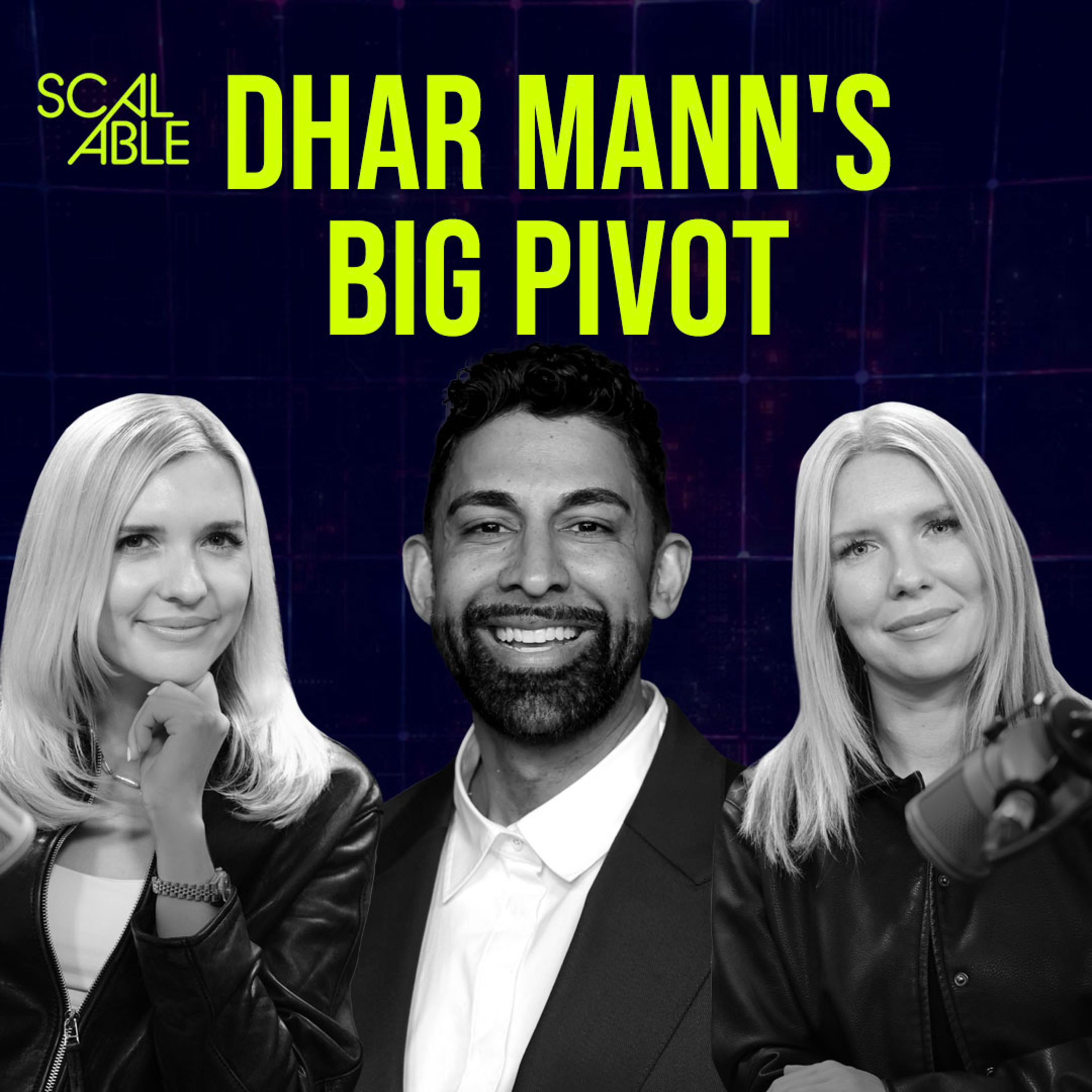
Why the Microdrama Hype Will Fade, But Branded Entertainment Is Here to Stay
In short
The episode argues that “microdrama” hype will fade, but scripted branded entertainment is here to stay—highlighting how creators and legacy brands are using short-form serialized stories and product integration, plus what it means for creator-economy business models.
Guests (backgrounds)
- Kate Ridley, Chief Brand Officer of PMIWW Brands LLC (Stanley 1913). Longtime brand strategist; discusses Stanley’s shift from heritage camping/flasks to hydration and creator-driven growth.
- Kaz Sawyer, creator and wedding photography/videography entrepreneur. Built a social following from early TikTok prank virality (2019) into a 20M+ follower business; now expanding into education.
- (Also referenced for context: Amber Venz Box, co-founder/president of LTK; scheduled for next week.)
Key claims
- Microdramas are growing fast (estimated ~$3B in 2025 outside China) but standalone apps may lose to platforms.
- Brands increasingly embed products subtly, like movie product placement, not overt ads.
- Stanley’s “Quencher” success came from wellness- and mom-led creator partnerships, then broader audience expansion.
Notable examples
- Dhar Mann Studios’ creator camp at a 125,000+ sq ft lot; Dhar Mann’s Fox/Holy Water deal producing 40 microdrama series for MyDrama.
- Crocs “Charmed to Meet You,” P&G “The Golden Pear Affair,” JCPenney/TelevisaUnivision Spanish series.
- Stanley: Quencher influencer strategy; partnerships with Leo Messi, Post Malone; reactive social listening example involving a car-fire viral video.
Written by AI. May contain mistakes.
Chapters
0:20
Upcoming Interviews and Events
Discussion about upcoming guest interviews and the Scalable Summit event.
“Today, we'll talk about what those stories have in common and what they mean for the creator economy.”
1:08
Kaya's Experience in Mallorca
Kaya shares her experience in Mallorca amidst a blizzard back home, highlighting the flexibility of creators.
“But today, we have something a little bit different.”
2:35
Scalable Summit Details
Kaya shares details about the Scalable Summit, including its purpose and lineup of speakers.
“Okay, Jasmine, I want to hear all about your experience at Dhar Mann Studios.”
4:00
Dhar Mann Studios Event
Jasmine discusses the highlights of the creator camp event at Dhar Mann Studios.
“We also have longtime Instagram product executive Tessa Lyons.”
4:50
Insights from Dhar Mann
Jasmine provides insights from her interview with Dhar Mann about his studio and creator outreach.
“What were the highlights from the event?”
7:49
Micro-Dramas and Brand Partnerships
Discussion on Dhar Mann's new micro-drama deal and the trend of brands engaging with creators.
“So as much as you know, they've come far, they still have, you know, far to go.”
11:29
Brands Launching Micro-Dramas
Exploration of various brands like Crocs and P&G that are creating their own micro-dramas.
“And obviously, Darman has the scale, he has the production capabilities, and he has the right audience.”
14:00
The Rise of Microdramas in Branded Entertainment
Explore the trend of brands creating microdramas to enhance engagement.
“that are now launching micro dramas and the broader trend toward branded entertainment.”
17:40
Fad or Here to Stay?
Discuss whether microdramas are a fleeting trend or have lasting potential.
“I think what is not here to stay, though, is all of these standalone apps that we have for microdramas.”
21:04
Introducing Stanley 1913 and Its Legacy
Learn about the history of Stanley and its evolution as a brand.
“say, a Chanel producing a short-form romantic thriller, similar to what P &G has done, or even similar to what Crocs has done.”
Show all 29 chapters
22:20
Stanley's Innovative Marketing Strategies
Examine how Stanley has successfully engaged with modern consumers through influencer collaborations.
“And then in the 2020s tapped into hydration and the female consumer.”
28:00
Expanding Product Categories for a Wider Audience
Learn how the brand is evolving beyond hydration products to appeal to women and the broader market.
“But we know that we're so much more than just a water bottle brand or a hydration brand.”
29:02
Innovative Product Solutions for Daily Life
Discover the unique features of the new Vitalize product line that addresses consumer needs.
“Vitalize is a collection of products like bags, backpacks, totes, things like that, that just solve a lot of problems for people's day-to-day life.”
31:26
Strategic Brand Partnerships for Growth
Explore how partnerships with influencers and athletes are driving brand visibility and engagement.
“and we know what an incredible appeal he has to so many young men.”
32:55
Global Expansion and Local Relevance
Understand the brand's strategy for international growth and the importance of local connections.
“But then in Europe, we have recently launched and developed partnerships with several Premier League football clubs that have deep local relevance and community following.”
34:58
Embracing a Social Media-First Approach
Learn how the brand is leveraging social media to engage with consumers in real-time.
“And you have to be able to vibe off what's happening in the current moment.”
36:59
Successful Crisis Management Example
Discover how a brand's quick response to a viral moment significantly boosted engagement.
“Several years ago, there was a woman who had her family in her car and very unfortunately, her car caught on fire.”
38:16
Rapid Fire Insights with the Brand Leader
Gain quick insights into brand strategies, misconceptions, and future partnerships.
“They want to share what other people think about it.”
40:01
Kaz Sawyer's Journey as a Creator
Learn about Kaz Sawyer's beginnings and how he became a social media creator.
“So you have been a creator for more than five years.”
41:10
Going Viral: The Turning Point
Explore the moment Kaz Sawyer's content went viral and the impact it had on his career.
“Everyone was posting on there and nothing really was working for me at first.”
42:00
The Early Days of TikTok and Career Growth
Learn about the initial growth phase of TikTok and the personal journey of a creator.
“So even pre-pandemic when it was, I don't know, you think it was 2020?”
43:24
Establishing a Creative Career
Discover the strategies used to transition from side jobs to a full-time creative career.
“really having a fire under me and being really consistent and just failing forward.”
44:42
The Evolution of Tools for Creators
Explore how the tools and resources for content creation have changed over time.
“So we're here at Web7 because we're going to be on stage talking about kind of the modern business stack of creators and kind of behind the scenes of building a business in this space.”
46:00
Managing Video Production Costs
Understand the financial strategies involved in creating high-quality content.
“My team, I have a remote team of probably around like four to five.”
48:31
AI in Content Creation
Learn how AI tools are being integrated into the creative process without losing authenticity.
“And so my goal really is like every time, how can I make this go extremely viral?”
51:48
Using Whiteboards for Planning
Discover how physical whiteboards have facilitated the creative planning process over time.
“And you told me when we chatted before that you use a physical whiteboard, right?”
53:00
Launching a New Education Business
Explore the launch of an online education business aimed at helping entrepreneurs leverage social media.
“I was so out of sorts, you know, because I'm just so used to having that, like, system.”
56:03
Scaling Social Media for Business Owners
Learn effective social media strategies and the importance of planning.
“And so basically what we do is we help them, give them my frameworks, my tools, and basically the education so that they can start crushing it on social media.”
1:02:35
The Reality of Being a Creator
Discover the challenges of balancing content creation and entrepreneurship.
“many creators are here for a little bit and then they just disappear and they burn out.”

Ask about this episode
Get the gist, explore an idea or ask about something said.
 Claude
On Scalable, what are the key points of this episode?
Searching your listeningTranscript
Automatic transcript. May contain errors.
0:00Hi, everyone. This is Scalable, a weekly show about the business of the creator economy.
0:04Jasmine Enberg: I'm Kaya Yurieff. And I'm Jasmine Enberg. Every Thursday, we take you beyond the headlines to tell you what's happening, what it means, and why it matters. Creators take over Darman Studios and Stanley1913, the maker of the TikTok Famous Cup, is getting a new brand refresh. Today, we'll talk about what those stories have in common and what they mean for the creator economy.
0:29Jasmine Enberg: hi jasmine you've had a busy week hey kaya yeah i have on saturday i was actually at darman studios over in burbank not too far from where i am for a creator camp hosted in partnership with adobe and on thursday i moderated an interview with amber vence box who is the co-founder and president of LTK on stage at SOCOM. Amber is actually going to be joining us next week for a conversation about how creator commerce is changing in the age of AI and share more about LTK's new AI chatbot, which she actually announced on stage with me. But today, we have something a little bit different. We actually have three guest interviews.
1:12Jasmine Enberg: We're going to share part of my conversation with Dharman. We'll also be joined by Kate Ridley, who is the chief brand officer of PMIWW Brands LLC, which is the official name for Stanley 1913. And finally, we'll have Kaya's interview with creator Kaz Sawyer, which was recorded when she was at Web Summit in Qatar. I'm excited for you to hear this interview. It's a fun one. Has sort of talks about his creator journey. He started with taping prank videos on TikTok pre-pandemic in 2019, and it was all with the goal of boosting awareness for his wedding photography business at the time. So fast forward now, he's built a following of more than 20 million followers across social media.
1:53And we talked about what's next, which is a new education offering, which is helping small businesses harness social media. So stick around for that interview later in the episode. For those of you wondering about my background, I'm in Mallorca at the moment for a long weekend, which is part of the fun and flexibility of being a creator. And sorry to all the New Yorkers and East Coasters because there is another blizzard back home in New York. But it's super nice, I will say, to be in the 65 degrees sunny weather.
2:21Jasmine Enberg: I was texting with my sister yesterday and she was showing me pictures of what's going on in New York and the snow was literally flying sideways. It's crazy. It's just been a brutal winter. So I am very much enjoying being out of that for the winter. Okay, Jasmine, I want to hear all about your experience at Dhar Mann Studios. I'm sure it was a scene with so many creators in the space. But first, I want to share a little bit about our upcoming event, the first ever Scalable Summit. We are hosting it on May 6th in Los Angeles at the Lighthouse campus in Venice. If you're not familiar with that space, think Soho House meets YouTube Studios.
2:58It's a co-working space for people in the creator industry. It's really beautifully designed as podcasting studios, co-working spaces. Some creators have set up their permanent offices there. The Lighthouse, of course, is our business partner. So it felt like the perfect place to host our first event. If you're wondering what this event is all about, we are really excited to gather founders, creators, marketers, investors, and other industry leaders who are really shaping what this industry looks like for a full day of fireside chats, panels, networking. And our goal is really to connect all the different people that work within the creator economy, but who often don't get to interact, think investors and creators.
3:34So we'll dive into some of the most pressing topics happening today in the industry, from the rise of AI to the intersection of sports and the creator economy, to the next chapter for influencer marketing, the future of Hollywood, and so much more. And of course, we will have lots of time for networking and cocktails.
3:51Jasmine Enberg: We were both so excited to finally get to share this with everybody last week. It's been a long time coming and we've been working really hard on it behind the scenes. We also have an incredible lineup of speakers so far as well. So just a couple. We have Twitch CEO Dan Clancy. We also have longtime Instagram product executive Tessa Lyons. Cartoon Weiss, who's the general manager of global business solutions at TikTok. David Duxin, he's a partnerships and strategy lead at OpenAI, and he's been at the core of some of Sora's biggest deals. And then we're also going to have executives from Adobe, from Pinterest, from Tubi, from Teachable, as well as Issa Rae's branded content studio, Ensemble, and more to be announced soon.
4:31Jasmine Enberg: So tickets are now live. They are selling fast. So make sure you snag your ticket on our Eventbrite page for a special early bird price. And you can also visit scalablepod.com slash summit for more information or to nominate a speaker because we still have a little bit of room left in our lineup. We are so excited about this event. But let's talk about Dhar Mann. What were the highlights from the event? Let me set the scene a little bit first. So the event was primarily intended to provide mentorship and training for aspiring creators. And when I talked to Dhar Mann, we talked a lot about that, but it was also an inside look at Dhar Mann Studios as well as this business.
5:10Jasmine Enberg: So the whole creator training camp took over two of the three studios on Dhar Mann Studios lot. It was a full day event. And just for some context, the lot is over 125 ,000 square feet. It's also not far from a lot of traditional studio lots, including Warner Brothers, as well as Disney. There were hundreds of creators there. Most of them were local, but Dar also told me that some of them flew in from places like Arizona. 24 of them were some of the biggest creators, including Justin Flom, Rebecca Zamolo, the list goes on. And they were all there to teach and speak and also to film content with some of the creators who were in attendance.
5:48Jasmine Enberg: Because I was interviewing Dar, I actually got to go to the remaining studio, which was not part of the event. And in there, he had a set for his upcoming podcast, and that's where we recorded our interview. and right outside of it was a piece of a real airplane. And I don't know why, maybe it's because this is like the first thing I saw when I got there, but this was the set that like stood out to me the most, even more than some of the more built out sets, including a movie theater, a diner, a supermarket with fake fruit and all these other items. And it was just such an experience to be in there and see all of that.
6:24So I saw this face last June and I had a similar reaction because the scale is just great. It's astounding. I think you really need to see it. I know he's done some videos showcasing the space, but you have to really see the footprint in person. I mean, like you said, there's everything you can imagine there. I mean, there's a jail, a courtroom set. One thing that really stood out to me was he has actual police cars. He bought real police cars to sets of houses that span different economic classes all the way up to an upscale neighborhood. So for me, it really served as kind of this physical reminder of just how much YouTubers are encroaching on Hollywood and movies and streaming studios turf quite literally, right?
7:06Like, like you said, they're right down the road from Warner Brothers. And it also shows like how professional creators operations have become. Look, of course, you know, Dar is in, you know, the handful of creators who have studios of this scale, but it is very impressive. The other thing, I don't know if you noticed this, but you do hear of the whizzing sound of the planes landing and taking off in the airport. You can also see some of the planes as they're taking off and landing. Yeah, I did notice that. That to me was also quite symbolic because obviously they are not totally on equal footing to Hollywood Studios, which don't have that issue because they're a little bit farther away.
7:39So I think it shows like craters obviously still have quite a bit to go. And when I was there for my tour, the team told me that because of the whizzing and the airplanes, they sometimes have to stop filming or throw out footage. So as much as you know, they've come far, they still have, you know, far to go. But the sets were really impressive.
7:57Jasmine Enberg: Yeah, they're really impressive. And a lot of them were taken over by the creators who were there to teach and learn. And so there was also a stage though, that had panels throughout the day where there were other creators, as well as platform executives who were speaking. So Dar Mann gave the keynote speech, and then he jumped onto a golf cart with his wife, which drove them to lunch, which was outside of another studio. And that lunch actually turned into an impromptu dance party. I mean, there was music blasting from the speakers outside. And it was just such an experience to see these creators basically just get up from their seats and start dancing in the middle of the day during lunch.
8:34The golf cart, by the way, of course, is Darvan Studios branded. I also rode on it on the tour last year because there's one building that's like a little bit farther away than the other. So you have to go via golf cart.
8:43Jasmine Enberg: I mean, everything there was Darman Studios branded down to like the French fries that they were serving and the little packet that they came in. I took a photo of it. But there was also obviously a lot of Adobe branding because Adobe was a sponsor for the event. And this really struck me for two big reasons. One, it just feels like Adobe is literally everywhere in the creator economy right now. I mean, we just published an exclusive about Adobe's partnership with Cam Lyons. We also talked to them at their activation at Sundance. And the second reason is that Mann very notably did not do brand deals for a very long time, despite having like 27 million subscribers on YouTube.
9:18Jasmine Enberg: And this is now the third or at least the third in a string of very high profile brand deals that have been announced, including one with the NFL, as well as one with Old Navy. So when I sat down with him, I asked him what changed. And here's what he told me. Quite new to brand partnerships. You know, we're, I'm so grateful that we've built a big business that has been just driven by having an amazing community that shares our content and engages with it. You know, we have over 170 million followers and we have a multi-generational, multicultural audience. It's the type of audience that a lot of brands are trying to reach.
9:54Jasmine Enberg: And I think brands now more than ever are realizing that they have to meet their audiences where they already are. You know, the time of spending lots of ad dollars, you know, on linear or these traditional ways of advertising is no longer working. So we're seeing a mass adaptation for brands now that are tapping into digital creators. So it's a combination of, you know, this transition that's happened where brands have shown more of an interest to work with creators and also our desire to do more ambitious projects. So Dar also credited his CEO, Sean Atkins, for helping him score those deals.
10:30Jasmine Enberg: He said that he helped to build a brand partnership division when he came into the company in September 2024. But something that Dar mentioned at the end of that quote was that one of the reasons that he is more interested in doing brand deals now is because he also has a desire to do more ambitious projects. And one of those projects, of course, is his new micro-drama deal with Fox Entertainment. So under the deal, Darman Studios will initially create and produce 40 micro drama series for MyDrama, which is an app owned by Holy Water. And if you're wondering what Fox has to do with any of this, Fox Entertainment actually took an equity stake in Holy Water last year.
11:07Jasmine Enberg: His micro dramas are going to have their exclusive premiere on MyDrama, but then the show is able to appear pretty much anywhere else worldwide. And the first shows are expected to air this spring. So this is a really interesting move for Dhar Mann because he is, of course, best known for long form scripted content on YouTube. But I think it really just speaks to this moment that micro dramas are having right now. And obviously, Darman has the scale, he has the production capabilities, and he has the right audience. And he told me that eight of the 10 biggest micro drama companies had actually approached him either to learn more or to strike a partnership with him.
11:44Yeah. And as much as it's, you know, it's a departure because he's known for long form content, the scripted piece and like his content does veer into kind of like the soap opera genre anyway. So I think it makes sense. I mean, obviously, I'm not saying it's easy to cut that down into we've talked with other people about the challenges of then storytelling in the shorter format. But it's not that crazy of a departure, right? He's not making content that's totally, you know, divorced from this. So it does make sense, I think, to just cut it down.
12:12Jasmine Enberg: No, definitely not. And he gave me a little bit more insight in how he plans to produce some of these shows and here's what he said right in the beginning we were thinking that we would do maybe five you know feature films as a starting off project but as sort of you know more offers started coming in and the demand continued to grow ultimately fox and holy water came forward and they said what if we do 40 and we're gonna like you know take a seat we're like 40 feature films like in what time period because these are 90 million 90 minute films broken down into one minute chapter so we're talking about 90 scenes and they said can you get it done in 15 months and we said we'll do it so you know we've already gotten our first five projects that are greenlit i've read the scripts they're incredible we're going into production in the next couple of weeks how long is production going to take on each art production you know we whereas traditional media operates in years, we operate in terms of weeks.
13:12Jasmine Enberg: So we can finish, we can go from like script all the way to screen in about 21 days for our normal TV length programming. And I would say for these, you know, probably in about like 30 to 45 days per project. So now that Dar is doing brand deals, I also asked him if he was going to incorporate brands into these micro drama series in any way. And here's what he told me about that. You know, we did not even do any outreach and we've already gotten some inbound interest just from. Anyone interesting? Fox. Definitely. I, you know, always sort of defer to my team as to what we can reveal before like an official press announcement.
13:49Jasmine Enberg: But I would say it's some of the biggest companies in the world that you've definitely heard of. Can you give a vertical? Yeah, like fashion has been a big one. Well, that quote is a perfect segue to our main story for today, which is the flurry of brands themselves. that are now launching micro dramas and the broader trend toward branded entertainment. So to catch you up, several big brands from Crocs to P &G are releasing their own micro dramas. Crocs worked with CAA to release a scripted short form series called Charmed to Meet You. If you're a fan of Crocs, you know that it's all about the charms of Crocs.
14:24So the plot as described by Variety is actually inspired by an actual love story involving a Crocs employee, which I would love to hear more about that. But it follows a single woman in her early 30s who notices a neighbor's pair of male Croc clogs outside an apartment door without the trendy charms that Crocs has popularized. So anyway, she leaves one of her Crocs behind and it leads to this whole flirty dialogue across short-term episodes. That one follows Procter and Gamble also recently launching a short soap opera style series in 55 parts called The Golden Pear Affair, which also, of course, naturally promotes its products.
15:06And last year, JCPenney worked with Televisa Univision on a five episode series aimed at Spanish speakers. So we are seeing the space heat up on the brand side.
15:17Jasmine Enberg: Yeah. And what is so interesting to me here is the way that the companies are incorporating products into their storylines. I mean, obviously, they're prominently featured, but they're not the main focus of the story. And that's just so emblematic to me about how ad creative and the advertising industry at large has changed. It's not anymore, here's a product, here's a fun spokesperson, please buy our product. And if you look at the Golden Pair Affair website, for example, you would have no idea that it's a branded ad series. You wouldn't know that it's from Procter & Gamble. They barely have any products in the thumbnails.
15:52Jasmine Enberg: It looks just kind of like a romantic thriller series, which is how it has sort of been branded. It's also not lost on me that Procter & Gamble's micro drama series is being called a micro soap, which is, of course, a nod to soap operas. But also the fact that P &G sells soaps and other personal care items. So I thought that was just a little funny. But back to the storylines, because it's also very, very clear what audiences these companies are trying to target. To Dara's point, it seems like the main audience for these shows are women. I'd say probably ages 25 to 50 for Procter & Gamble, who have purchasing power, probably have a family at home and maybe view these shows as kind of like a guilty pleasure.
16:34Jasmine Enberg: But then if you look at the Crocs one, I mean, it's possible that the audience is much broader than that. I mean, still women, but perhaps younger. And I think that speaks to some of the data that I found about who's actually watching microdramas. And there was a survey by Ampere that was conducted not too long ago, which showed that nearly half or 46 % of internet users who watch these types of micro or mini dramas are actually between the ages of 18 to 34. I think also on the product placement front, I mean, it seems like they really are treating this much more like movie product placement, which like it's just in the background.
17:08And like, I notice it more now for some reason where I'm like, oh, Apple or this or that. But it does seem like they're approaching it much more creatively, which obviously is smart. So micro dramas are having a moment, but do we think fad or here to stay?
17:21Jasmine Enberg: I think the hype will fade, but I think the idea is at least here to stay. I mean, even before micro dramas had a name, so much of what creators and brands were gravitating towards and creating on social media was really along this vein, this kind of serialized social media content. And I think what's new here is the scripted nature of it all. But we're also seeing so much more scripted content being made for social media, mostly YouTube, and then you see so many brands trying to lean more heavily into entertainment, again, especially on YouTube as they're trying to figure out their strategies there.
17:54Jasmine Enberg: I think what is not here to stay, though, is all of these standalone apps that we have for microdramas. The social platforms are obviously going to want a piece of this. And once they really get involved, any of these smaller companies are going to be squeezed. I mean, social platforms already have the audience. They have the monetization power. They can also give these shows to their viewers for free. And TikTok, of course, has already made big moves into this space. But I could see Instagram and YouTube moving in as well. We think of micro dramas as like a certain genre. But like, if you think about the series that went so viral, the Who the F Did I Marry series, like that is technically a micro drama, right?
18:32But we have to say that I think the more traditional micro drama, they're often very cringy on purpose, just like a soap opera, you know, you're watching it, and it's going to be a certain genre, like You're not watching it thinking it's going to be something different. But I think there's only so much of that content people can take. So I think maybe the drama element will fade a little bit. But I'm not convinced that it's going to stick around. But who knows? Maybe I'll be proved wrong. I think it's also worth noting that microdramas have been hugely popular in China. And just like live shopping, producers, investors, founders are all trying to make them as big as in the US and they see the opportunity there.
19:07but I think similar to live shopping like micro dramas live shopping I don't think they're going to be as big in the U.S. as they are in China it'll be a category and it'll grow but it'll be a smaller category I think they're both going to be niches not to say that you can't make a lot of money and that the audience isn't going to be there but I don't think it's going to like
19:24Jasmine Enberg: completely take over yeah I mean I agree with you on the point of them being cringy but like look at soap operas they've been around for forever and they're still going strong and now when people are just watching more in a vertical format than a horizontal one, it kind of makes sense. And I think they might have a little bit of a longer shelf life. And part of that is because even if people say that they're cringy, it can still be lucrative. And the dollars don't lie. I mean, micro dramas made about$3 billion in 2025, excluding China. According to estimates from Alanco, which is Hernan Lopez's consulting company, we actually had Hernan on the show earlier to talk about this, that's about double what it made in 2024.
20:02Jasmine Enberg: Obviously,$3 billion is still really small. It's about half the size of Snap's ad business, but it's growing very quickly. And the difference here is that micro dramas make most of their money from payments from people. They're either buying a subscription or they're paying per episode instead of making their money through ads like most social platforms do. And that to me is a clear indication that there is huge consumer appetite for this kind of content. Definitely appetite. But I think like people who watch soap operas don't just watch soap operas. I think soap operas are like a sliver of like the total of what they watch.
20:35So that's where my point is that like there's a market for it. But like, if you think about shopping, like you might buy one thing on live shopping, but the majority of your shopping is probably going to be online or in store. So I think it's similar with micro dramas where it's like, okay, there's there's appetite, but I think there's not appetite to watch them all day long, like there is to flip through TikToks and Instagram.
20:52Jasmine Enberg: For sure. Microdramas are not taking over the world. They're not going to be the only thing that people watch. And I also agree with you that the current format that they're in is probably not going to be right for every brand. It's really hard for me to imagine, say, a Chanel producing a short-form romantic thriller, similar to what P &G has done, or even similar to what Crocs has done. But I could see these brands getting involved in the broader branded entertainment space, trying to figure out ways to bring their brand to life. And a lot of those projects and strategies will, of course, include creators.
21:26Jasmine Enberg: I mean, just look at Gap, for example. I mean, they brought on a chief entertainment officer. And then Katias, the German confectionery brand, just named Jake Shane, their chief creative officer. And I think, you know, a big reason why this is happening is because creators provide opportunities for these brands to really reinvent themselves or to stay relevant and resonate with consumers as the kind of content that they're consuming and the platforms that they're consuming it on is changing. And obviously, this is not new, but I think what is much more visible and notable this year is that it's becoming more common among legacy brands who are a lot more hesitant to partner with creators because of a variety of different reasons for brand safety.
22:05Jasmine Enberg: They have a lot of brand equity to protect, but, you know, that's starting to change. To explore all of this more, we're excited to welcome Kate Ridley, the Chief Brand Officer of Stanley 1913. As you may realize from its name, the brand has been around for more than 100 years. It started in 1913 to help men go to work and then in 1965 shifted to products for the outdoors. And then in the 2020s tapped into hydration and the female consumer. So we are going to dive into what's next for Stanley. After that, stick around for my interview with creator Kaz Sawyer, which was taped earlier this month in Doha.
22:38Hi, Kate. Welcome to Scalable. Hi, lovely to meet you.
22:42Jasmine Enberg: We're so excited to have you here. First, because we're both huge Stanley fans. I actually have my Stanley cup right here with me today. Yay. I do feel like we're your core audience these days, though that was not always the case. So tell us a little bit about the brand and marketing strategy behind how the quencher became such a staple among millennial and Gen Z women. Yeah, absolutely. Well, before, I'm going to take a big step back. I'm going to take a big step back 113 years because that's how long Stanley has been around for. And our founder, William Stanley Jr., was an inventor and a creator.
23:17He is actually the modern founder of how electricity became scalable and usable, which is incredible. but he also invented the double wall steel vacuum, which allows things to stay hot or stay cold. That has facilitated so much incredible opportunity for Americans and now people all over the world. First and foremost, he allowed people to take food and beverages to work, which really was a big part of the Industrial Revolution. Then kind of flash forward to the 1950s when people in America started exploring the great outdoors. Our products were there allowing people to go camping and hiking and fishing.
24:02And we really developed this incredible connection with the American population for outdoors. So that's where a lot of people come up to me in the street and say, my grandfather had a Stanley. And they really relate to this, like the old, old school version of Stanley, which is this green, hammer tone green flask type of product. But then after that period, we really started investing in products that are for hydration. And this is exactly what you're referring to, Jasmine, that we, you know, partnered with some influencers to create this product called the Quencher and really revolutionized the hydration category.
24:40Like think about it before that product, you just didn't see people walking around with these huge hydration vessels and straws. It just wasn't a thing. Not only do we have like the best product that has a hyper, hyper fantastic quality, but we really invest into the look of product that allows people to express who they are. So the color, the finish of it, the collaborations, you know, we've collaborated with Barbie, Olivia Rodrigo, So Lainey Wilson, so many people. But now we're entering into a new phase with like a very incredible, diverse portfolio of products and really reaching new audiences and growing through international means.
25:23So it's a very exciting time for Stanley.
25:26Jasmine Enberg: So we definitely want to talk to you about the new phase of growth. But before we go there, just a little bit more about how you partnered with influencers around the quencher. because I think Kaya and I, both of us remember, I think back in like 2020, when it was a time of hot girl walks and, you know, you saw these TikToks and Instagram videos of girls, you know, with their quenchers out on a walk. So what was that like for you and how did you approach these partnerships at the time? It really did facilitate so much of Stanley's popularity. Well, first and foremost, we partnered with a group of moms in Utah.
26:01This is back before the pandemic. I don't know if you're familiar with it, but there is a platform called the Buy Guide. And actually those influencers reached out to Stanley. They were the first ones who said like, we love your product. It's the best, like we can fill it up in the morning, pick up our kids from school, do our errands all day. And, you know, it keeps us hydrated. And so they were kind of the first group of influencers that like made this light bulb go up or go off of, okay, there are people who love our products, who really want to spread the word for us. So we partnered with the Buy Guide and that was really the first group of influencers who just skyrocketed Stanley's visibility and growth.
26:42And then we realized, okay, that is like quite a commercial relationship. You know, they're basically influencing people to buy products, but there's a bigger opportunity for us in the space of wellness for us to connect with people who are, you know, really invested in looking good, feeling good, staying hydrated, taking supplements. And so we started to build relationships with groups of influencers and individual influencers who are like very authentic in that space that have developed following around topics like food preparation, health and well-being. And that was really like the stepping off point for us to connect with that kind of creator economy that we have done such a great job of staying connected to.
27:24I love that you say that because the whole industry of the creator economy started with mommy bloggers even before Instagram. So women and moms in particular are really the heart of this industry. So it makes so much sense that that's where it started. As you mentioned, the water bottle market has exploded since then, including competitors for Stanley dupes. What does the next chapter of growth look like for Stanley? And how are you planning to diversify beyond, you know, this hit product? Yeah, you're right. We are. We're in a space that has relatively low barriers to entry. So we do have a lot of competition and we take that as like a compliment, to be honest.
28:04But we know that we're so much more than just a water bottle brand or a hydration brand. So we have been investing a lot of time thinking about how we can create and build on the other categories that we're involved in. So first of those is soft goods. Think about coolers, first of all. There's a lot of products there that are very masculine, but there aren't many products there that are made specifically for women. And so we do invest a lot of time and energy thinking about how we can broaden that category and how we can create products that are for a broader audience. So we have soft coolers, backpacks, tote bags, lots of wonderful products that are coming to market right now that have a very wonderful appeal, especially to women.
28:51And then other categories like cafe are really important to us. And you just had another launch with Vitalize. So tell us a little bit about how that fits in with your product mix. Yeah, absolutely. Vitalize is a collection of products like bags, backpacks, totes, things like that, that just solve a lot of problems for people's day-to-day life. A lot of great solutions there. So bags that have insulation in them if you're taking your lunch to work, bags that have specially dedicated places for your water bottle. The collection also has a fantastic product. It's a shaker, the Vitalize shaker, and it's a double wall vacuum so it stays really cold.
29:32But it has a compartment on the bottom of the shaker that you can store your protein powder or your supplements and not get all messy.
29:41Jasmine Enberg: Tell us a little bit more about how you're bringing that to life. I mean, there is obviously a market for women there, but it also sounds like the market could be a lot broader. So maybe it's a little bit of a different approach than targeting, say, mommy bloggers, right? So how are you thinking about it this time around and what's the same and what's different than before? Great question, Jasmine. So we recently underwent a very broad body of research to find out who our consumers are and, you know, insights about their life and what they want from us. And, of course, that means men and women and people of all different ages.
30:16so I would say that being you know single-mindedly associated with mummy bloggers is a thing of the past for Stanley that we know you know we need to be inclusive and thinking about how we're solving problems and creating products for a broader audience and so one example there is creating products for men that are very related to their training or sport lifestyle and the Vitalize shaker is a really good example there, right? That you can use it as a water bottle. You can take it to the gym with you. You can have your protein powder ready to go so that post-workout, it's everything that you need is on hand and super convenient for your lifestyle.
30:58So absolutely, the opportunity for us to grow is through our product diversification, our audience growth, and also our international growth. Does that then mean working with kind of more male influencers as well? Yes, you probably can see that in the past 12 months, we've really branched out, not just in influencers, but I'm going to start with like our big brand partnerships. We have a multi-year partnership with Leo Messi and he has been such a wonderful partner to open us up for men and women, but people who are really, really engaged with sport and fitness and especially with soccer. and we know what an incredible appeal he has to so many young men.
31:40So we've created a collaborative product with Messi that we're on our fourth iteration now, which is wonderful. Like going into the World Cup, we know that we're going to have fantastic engagement with that product. You can also see that we've invested partnerships with people like Post Malone, so tapping into current culture, making sure that we're hyper-relevant with what's on trend for all different types of consumers.
32:09Jasmine Enberg: So you mentioned international expansion, and now you told us a little bit about Leo Messi, who is Argentine, of course, although he's become really popular here in the US. So tell us a little bit about how you're planning on expanding globally. I mean, what are some of the biggest differences between, say, your strategy in Europe or EMEA than here in the US? We're really fortunate that we're a recognizable, in many cases, in many countries' household name. The approach for us is we know that we've got this high level of awareness. We need local relevance, which means that we have a different approach to people and brands and entities that we partner with in Europe than we would, say, in Latin America, Asia Pacific, or in North America.
32:53A really good example of that is we have, as I mentioned, Leo Messi as kind of a global beacon for soccer or depending where you're from, call it football. But then in Europe, we have recently launched and developed partnerships with several Premier League football clubs that have deep local relevance and community following. So that is the likes of Arsenal, you know, the London club that have deep, deep community ties. We just launched a partnership with Juventus, which allows us to get like a little bit into continental Europe as well as Paris Saint-Germain. And when we build out these partnerships, we really go to the fans and to the players to connect like really authentic storytelling to build up that local relevance.
33:38So that's probably a strongest example I can share with you of having like local connectivity in different parts of the world. Obviously, you have this huge proof point with the Stanley Cup, as people call it on TikTok. But what does it mean for a heritage brand to really dive into social media in the way that you have? I feel very fortunate that both the senior leadership team at Stanley, my peers, but also our ownership group are very trusting and they've definitely allowed the brand team and the marketing team to create a social first marketing plan and brand strategy. I think that's essential in today's world.
34:19You know, if you're creating campaign content, but you're not thinking about socially native content, then you miss the mark. That's something that's really embedded in our team. And we have to trust creators. We have to trust our young internal, like young in their career marketing team to create tools and content and engagement that is really social first. And essentially something that we like to remind ourselves all the time is that social media today is not a platform that you want to seek to absolutely control all the time. It's essentially a massive group chat. And you have to be able to vibe off what's happening in the current moment.
35:04And that's why reactive content, you know, being really fast, being really connected to what's happening in real-time conversation is critical for success.
35:13Jasmine Enberg: What does that look like for you at Stanley? I mean, I think reacting to content is a challenge for a lot of brands, not just heritage brands. Figuring out, you know, which content to react to, which trends to maybe not jump on. What do those conversations look like internally? Well, we like to say that we are like the oldest startup brand in the world. You know, like we've been, we're a heritage brand. We have 113 years of legacy. And I think you can see that as something that's either going to like keep you conservative and slow you down. Or you can see it as something that like, okay, we know who we are.
35:46And that allows us to be much more real time and reactive to what's going on. And we try to keep that, you know, inventiveness, ingenuity of a startup brand and make sure that we're holding on to that as a value when it comes to social content creation. What it means specifically, Jasmine, is we try to invest a lot in social moderation. So we have, you know, team members who are dedicated to social listening, community moderation. We put that on a pedestal. You know, we like to really listen to what our consumers are saying and make sure that we're responding to it in real time.
36:24Jasmine Enberg: If you could give one piece of advice to a legacy brand that is looking to social media and to creators to reinvent themselves or to become more relevant, what would that be? I think it's a moment to not be overly precious. You know, just to like see it as things are always moving. People don't necessarily remember what happened yesterday. So just go with the flow. get involved, get real time with your audience, really invest into how you can react and respond to what's happening in their world. I'll give you an example of that. Several years ago, there was a woman who had her family in her car and very unfortunately, her car caught on fire.
37:08She uploaded the video and it was everywhere. It was on TikTok, it was on Facebook, it had millions and millions and millions of views and the reason that it had so much engagement is because her the chassis of her car was completely burnt out but the ice in her Stanley Cup was still ice it was still frozen and so she posted it saying like wow the Stanley Cup is such a high quality of keeping things cold that it survived a car fire and the cup was still intact and in real time we responded to that video our president at the time posted a video saying how sorry he was it that had happened we bought her a new car and that engagement um it absolutely skyrocketed stanley's prevalence at that time it was absolutely through the roof and so that's an example for me of what i you know try to lead the team with and that i say to other brands at the moment just like lean into those moments even if they're moments that feel you know you're a little trepidatious about whether to engage with it or not.
38:12That's what people want today. They don't want to hear necessarily what you think about your brand. They want to share what other people think about it. And that means really leaning into the conversation.
38:24Jasmine Enberg: Okay, Kate, rapid fire. What is your favorite Stanley Cup color? Oh, rose quartz. What's been your biggest brand win? I think a partnership with Leo Messi, the greatest footballer of all time. It's pretty incredible. One piece of advice for creators who want to work with Stanley. Call us. I mean, we're very responsive. Get in touch. We always look for people, especially creators that have unique ideas about how to be connected to food and beverage culture. It's really important to us. One piece of advice for brands that are looking to stay relevant. Just listen to your consumer. That's really what you need to do.
39:04Keep your ear to the ground.
39:05Jasmine Enberg: What's the biggest misconception about the Stanley brand? I think a lot of people have that relationship with Stanley from, you know, yesterday, the green, authentic product that their dad or their granddad used when they went on camping trips. And so a lot of people are not up to speed on what a cultural icon Stanley has become in the last five years. Okay, last one. Dream partnership. Dream partnership. I mean, we've been sending a lot of product to Taylor Swift. I am so down for that. I talk about Taylor Swift on every podcast and it hadn't come up on today's yet. So thank you. She's pretty amazing.
39:48Thank you so much for joining us, Kate. We so appreciate it. Thank you so much. Lovely to talk with you both. Now we're taking you back to earlier this month where I sat down with Kaz Sawyer in Doha. Hi, Kaz. Welcome to Scalable. I'm excited to be here. Thanks for having me. So you have been a creator for more than five years. How did you get started on social media? You know what? It started when I was about 10 or 11 years old, and I just had a big passion for the ocean and surfed all the time and eventually got a GoPro and just started taking photos of waves. And it was once I posted my first photo, I just remember seeing all my friends engaging with it and thought it was so cool.
40:23And it just got me so excited to go take more photos and post them. And from there, it just compounded, like started shooting weddings, did a lot of portrait photography. It was like a big journey, but that's where it started. So a lot of us post on social media, but then becoming a creator is a different leap. So when did that happen for you? Did you have a viral moment where a video went super viral? Yeah, it was kind of an accident. I never really wanted or thought I was going to get into social media past just photography. But fast forward, I was about 19 years old and I had two companies I was like trying to scale.
40:55They were small at the time. It was just a wedding photography and videography company. And then I started my first clothing brand. And so I didn't know which company had potential to actually get bigger. But I knew like if anything is going to blow it up, it was going to be social media. And that's right when TikTok was very new. Everyone was posting on there and nothing really was working for me at first. And so I was just trying everything. And my main goal was just going viral and then figuring out how to convert that following later. and so it actually started with a really stupid video that went viral first but I was at my friend's dorm room and we were filming like three videos that day and we did one it was a staged viagra prank which is super stupid but that one blew up and it gained me like 30 ,000 followers overnight because everyone wanted to see the next part and I think like within a day later I was at 50 ,000 followers and then it kept growing and so from there I just like kept making better and better videos and eventually was not doing staged Viagra pranks anymore.
41:56But that is where the first viral video came from. And what year was this? This was in 2019. So this is the early days of TikTok. So even pre-pandemic when it was, I don't know, you think it was 2020? No, no, you're right. It's such a blur because life started moving so fast for me then, but it was pre-pandemic. Okay. Because that was really the era of TikTok when you could grow that quickly. I mean, of course you can still go viral overnight, but it's not the same as it was, you know, then. Yeah, the growth is definitely not the same. That was a wild era. Like I do miss that. And how did you go?
42:27You know, obviously a lot of people can have one viral video and then it's hard to kind of keep that consistent and then turn it into a career. So what helped you keep pushing and what were the things that you did to kind of make this your job? At the time, I just knew how badly I wanted it. And so when the opportunity presented itself, I wasn't going to let it go by. So for me, a big part of it was getting momentum and then keeping momentum. And just at the time, I was having to reinvest everything. I basically quit my job as a barista at the time. And I hated that job because the first real job I had, I always was more entrepreneurial.
43:02And so that put a fire under me. And then I would door dash every day to make enough money to like fund my videos, but I would just reinvest everything. And I think in the beginning, that was really important. And I kind of just made it my entire life. And I think in general, when you want to achieve something, you can't have any balance for at least the early days of it. Like now I'm able to be balanced, but I think it was just really having a fire under me and being really consistent and just failing forward. How long did it take for you to feel like you were in a good place? Because obviously for creators when you have sponsorships and the money is really inconsistent.
43:36Definitely. So when did you, how many years in or months in, did you feel like you were in a good place? I would say within a year in, I was really grateful at the time my first partnership I landed was a long-term partnership. And so I still remember like to this day, exactly where I was when I got the email back, but I waited until I had around a million followers and I was able to do that within like a year. But at that point, I wasn't monetizing much at all. And I'd reached out to some companies and Bang Energy at the time was really big on social media. And so I signed a year deal with them.
44:10And it was in that moment where it was enough money for me to just fully focus on social media. I remember like telling my parents like, hey, like this is what I'm doing full time now. Like I'm not working on anything else. I mean, at the time it was$2 ,400 a month for eight posts. And then from there, you know, we evolved a lot and the deal got a lot bigger and bigger and we really grew together. But that was like that first deal for me where I knew in that moment, OK, even though this is only$2 ,400 a month, I know from here it's only up. And it was. So we're here at Web7 because we're going to be on stage talking about kind of the modern business stack of creators and kind of behind the scenes of building a business in this space.
44:49So talk a little bit about kind of the early days versus now. I mean, now you have a team around you, but early days, what were kind of the tools that you were using that were critical for your business? And how did that change over time? Yeah, I feel like I almost had more tools earlier, like earlier on. Like soft tech tools, right? Yeah, because I was doing a lot of it myself where now my goal is to like delegate as much as possible. And so, for instance, like I want my editors to have the best tools and they already know the best tools. But I would say back then it was really just like the editing apps on the phone.
45:20So like CapCut or? You know, it's funny. I use LumaFusion, which not a lot of people like talk about or use, but I was just researching like, what's the best, most sophisticated editing software that you could use just on a phone is LumaFusion. And then really I did, I've never had to use too many softwares or anything like that. It was just, I had my phone and I reinvested and spent money on the videos. And at the time I didn't have like a team, but I was really lucky that a lot of my friends were willing and excited to help out with videos. And it was pretty, pretty base level. So you basically were using your phone and like bare bones editing apps in the early days.
45:55And then what does it look like now? Like how big is your team? How many employees do you have? What are the different roles? My team, I have a remote team of probably around like four to five. And then I have one like full-time right-hand man. He's actually in Ireland. He's moving in full-time to Laguna Beach where I live. So I'm really excited for that. Does he have a title or do you not really care about titles? Yeah, so you know what? I read a book, Rocket Fuel, and it's like the dynamic between like a really good duo is like a visionary and an integrator. So I guess his would be the integrator.
46:26And for my business, I think like a big thing I need to be able to delegate is the editing because that is just I cannot stand it. But it's so crucial, you know, a part of the creative process. And so he's going to be doing all the filming, editing, but also he's a very good team leader. So the goal is like that he'll be able to have people under him so that I'm not managing a team as much so as I am now. And I can really just focus on that more broad scope, you know, what my vision is. But yeah, it's my team's not that big. I work extremely hard, but I have some remote editors. I have filmers.
47:02I have a kind of logistics manager. And then I have assistants who will help with more simple things like setting up props. But there's sometimes where it'll just be like me and one other. and obviously I have a whole tax team, accounting team, bookkeepers, stuff like that. But yeah, my team's not that big. When you say props, like what props do you need for videos? What's the process for managing them, obtaining them? It is so different every single time. I guess the most recent was a brand deal I did with the vacuum company and they basically tasked me with wanting to make a viral video for their robot vacuum cleaner, which isn't the easiest thing.
47:39So you have to get creative. and I basically had to buy like a bunch of stuff to make a mess. So it was just from like Walmart, a bunch of stuff like that. And then we needed to get these acrylic boards to not actually ruin the house. And those like, they were expensive. We probably spent like a little bit under two grand on these like clear acrylic boards, but no one would think that's like a big expense. So it's so different every time, but it's also very, very random. Are those baked into kind of the sponsorship where that's covered as part of the deal, or these are just things that you're bringing in for the video?
48:09No, I would say I rarely do any partnerships where they're like, oh, we'll cover video expenses and pay you. They just have my overall budget. Then I just know like, OK, I'm going to reinvest this much. And I try to reinvest a good amount into my brand deals, like obviously keep the profit margins high. But I think a lot of people want to keep like just so much profit and then they're not making as high quality of a video. And for me, I found like it's really beneficial when you actually reinvest because you're going to get rebooked or other brands are going to see it. And so my goal really is like every time, how can I make this go extremely viral?
48:41And it's been really beneficial for partnerships. How does AI play into what you do? I mean, is there, you know, AI that you're using for ideas, for video editing? Like how does AI work? My goal with AI is I don't want to ever have it look like I'm using AI in my videos, but instead just use it as a tool to kind of like optimize and give me a better workflow, which honestly, it has been a life changer. it's interesting to see what it'll do uh you know in the creator economy especially with all these ai generated videos but for me and my team personally we're really big on it's funny i actually just met the team from 11 labs they're here right now yeah voice ai so i have like an identical replica of my voice and we don't actually use that in the final draft voiceover but my system prior to this was i would have an outline ahead of time whenever i film a video i always like can watch it in my head before it's filmed i know exactly what the voiceover is i out everything like pretty much to a T.
49:37And so what we would do is we would film the video, I would do my voiceover and then the editor would edit. But then with revisions, you know, it would be like, oh, we should change this voiceover, like change these little things. And so I'd end up doing the voiceover a couple of times. And sometimes the editor had to wait on me before he could get the workflow going. So now what's really cool is we have the outline and then the editor can just type up what my voiceover is. It sounds exactly like me. And then as he's editing, he can tweak things because maybe there's a part of the video where I'm doing real life talking and we have to change how the voiceover comes in, bringing that natural flow.
50:10And so that's been huge because now my real voice and me actually like working on doing a voiceover only happens at that final stage. So that's really cool. There's some really good noise isolation tools that I love because it levels all the audio really well. And then it gives you that studio sound. I love that. other than just other simple things. Like I was in Ireland the other day and needed to do a brand partnership, but I didn't have, it was a drink company and I didn't have it in the shot. And so we were able to use AI to put it in the foreground product placement and it looked like completely real and it like saved me.
50:44So usually just little things like that. How do you feel about total, like why not use the AI voiceover if it sounds just like you? My view on it is I think that videos are going to start losing that personal touch a lot. And I think the more that people are using AI too much, the more you're going to see that gap and there's going to be a lack of authenticity in a lot of people's videos. So for me, like I, even with ideation, I will only use AI after I have my full ideas creatively outlined. And then I'll use chat GPT and be like, how could I improve this? Am I missing something here? But I don't use it at all as a crutch or as like an ideation factor.
51:22It's only after that. And I do use it a lot too to like, I'll talk to it and it'll make my outlines for me. But it's all coming from my brain because I think nowadays, everyone's just relying on ChatGPT to think creatively for them and do all that. And I'm like, for me in general with AI, I don't want it to take over any of the creative process. And I think that's gonna be a powerful thing. People who don't let it take over the creative, they just let it help with operations. I think long-term, that'll be really beneficial for creators. And you told me when we chatted before that you use a physical whiteboard, right?
51:52To actually put out ideas. And so tell me about that process and how that's evolved from the early days. Yes, definitely. So I attribute a lot of my success to whiteboards. I seriously love them. I'd say from the very start, it was always like the whiteboard that I could really just like put that vision from my brain on paper. I've always loved it. And so early days, it started, you know, at my family's house, in my room, I just had one whiteboard. And then when I moved out and got my own place, I had an office. and basically I had like three whiteboards on one wall and each one was a posting schedule for every platform.
52:24And then I had a massive eight foot whiteboard on the other wall, which is like the logistics whiteboard. So what we would do is first we would plan out, like I'd look at the given month and I'd be like, if I make all these posts and post it like this and like kind of schedule it out like this, my page will have a lot of momentum. And so I'm just really good at understanding that from like a creative aspect. But then it's like, okay, in a perfect world, these are the videos we film. This is how it's scheduled. How can we achieve this? And then we'd turn around to the other whiteboard. And then we'd start writing, like, we need to film this.
52:53We need to travel here by this day, do all these things. And then we'd, you know, go back and forth between the two until we knew, okay, we can achieve this. And I loved it. It was amazing. The only issue with that is traveling. I was so out of sorts, you know, because I'm just so used to having that, like, system. And so a couple years ago, I ended up kind of transferring everything on a notion, which I love because I still have that same flow where I have, like, my three whiteboards for the posting schedule, my logistics. So you still have the physical. Yeah. No, it's all on Notion now. So it's like the three white, like whiteboards essentially.
53:25They've gone digital. And it's nice because I can have like my whole remote team on there. And then I get right now we're in Qatar. You can edit it on the go. Yeah, exactly. So it's just so much better that way. But I do really want to get a digital whiteboard. I don't know if you've seen those. They're so cool. That's definitely going to get one of those soon. So what else is on your wish list? Like, What do you think is missing in the creator economy, either for creators or for the industry that you think would be really useful? I'm always just so focused on how I can evolve and what I can do better that there's no specific tool in my mind right now.
53:55I'd say the one thing I could say is I'm just excited for AI to continue evolving. An example is the other day I was filming. It took me months, but I was filming this very long kind of course like video. And it's hard because sometimes my facial hair wouldn't be the same size and, you know, my hair would be longer. and I just wanted everything to look uniform. And so I'm excited when we get to the day where I can type in, make sure my facial hair looks exactly to this clip, right? And then AI can just fully match that easily. Or maybe my hair looked differently that day. Just little things like that.
54:29And I know we're getting there. I know the text already there. Or even like I could type in, in this whole video, I want my license plate blurred throughout. Then it can have it really as if my editor did it. And then it can save a lot of time, the tedious work. So next you're launching a new education business. So talk a little bit about that. Yeah, I am so excited about this. What's it called? It's called EMP, Elevate Media Partners. And this for me is just, it's so exciting because I have so much passion for what I do. And like from, I would say the start of me having that success, I would love just helping other people and then seeing their results and all that.
55:00And so I'm just excited to have this kind of new chapter. I still love making my viral videos and the fun videos. But for me, I feel like this is very fulfilling and being able to kind of bring my systems to other people is exciting. So it's an online education business for other people who want to be creators? Yeah, so it's mainly going to be for business owners that already have successfully running businesses, but they haven't yet leveraged social media. And something I saw is I would talk to so many entrepreneurs and they see the value in being on social media, especially as a business owner.
55:33And if you look at like a lot of the companies nowadays that are crushing it, they have organic marketing figured out. Back in the day, it's all paid marketing. And now I think a lot of the companies that are doing really, really well, they just understand organic marketing. That's why you see so many of these new brands partnering with influencers and giving them equity. And so something I noticed is a lot of these entrepreneurs that are a little bit older, some even younger, they're so focused on, you know, building the company in the back end that they've missed really understanding social media.
56:03And so basically what we do is we help them, give them my frameworks, my tools, and basically the education so that they can start crushing it on social media. This is not for other creators. This can be. I would say our main target audience is for business owners that want to scale their business through social media. But this can be for anyone. Basically anyone that wants to do social media, it's a broad scope. That's just who our main clientele is. And what does it look like? Is it horses with you? Is it live? Is it pre-recorded? Are there templates? Yeah, I have a five and a half hour pre-recorded curriculum.
56:39Then we also do mentorship, one-on-one mentorship, group mentorship. And in there, it's more than just like me giving kind of like value or knowledge. It's basically like my whole system that I have now that's allowed me to scale. That's like even my video templates that I use on a regular basis to go viral. Or like I was saying on Notion, my whole like workflow. It's cool because it's really setting up a system to where it can be automated. and then it gives you every step to where as long as you execute on it, there's pretty much no way that you're not going to have a clear path forward. And I think that's big because giving knowledge is one thing, but I think actually having a system that you can move forward with is important.
57:15And yeah, from there, also just working side by side, helping setting them up with teams, with editors, it kind of can get as zoomed in as they want. Then also even just a bunch of free value on social media as well. So I have like all new educational pages where I just kind of for free go over all of my systems and, you know, how I've found a lot of success. And I think the biggest thing I'm trying to teach to people is that it really comes down to really, really, really pre-planning your videos. Like a lot of people think they're like, oh, I need to start filming more. I need to like allocate three days a week.
57:49Just film my videos. Like, no, you need to allocate three days a week, but do like two and a half days of planning and just a half day of filming. and it's really just coming in, knowing what you're filming and having the right planned out system for it. And then from there, actually you're going on. So I think a lot of people are just like guessing and it's like, okay, think exactly what you're going to film before you film it, have it planned out. And then you're actually going to find engagement. And so that's kind of like one of the biggest things that I've been telling people. What's the business model?
58:16Is it a flat fee? Is it a subscription fee? Does it depend? I assume if you're doing like the one-on-one coaching, that's more expensive than pre-recorded. Yeah, so it's a flat fee and it depends on if you're going to work with me in like a group setting or a one-on-one setting, or if you just want access to the curriculum, that is a different fee. And even the curriculum itself, it does have like every single thing you need, but it's just some people want to have more like a step-by-step. They want to work with me and then have me audit their posts, audit their team and get that further support.
58:45But even just the curriculum itself has like everything you need in terms of knowledge and systems. But yeah, everything's just a flat fee. A lot of creators have done courses over the past and other kind of similar things. So how are you approaching this differently with kind of how you're thinking about your business? It's more so actually bringing the right systems and not just like, oh, do this, do that. It's like, no, you're getting everything that I use on a daily basis. So when it comes to the video outlines, like it's taken me the last five years to really craft my video outlines. And it's, you know, an outline for if you're going to do a storytelling video, here's exactly what I use.
59:16Oh, if you want to do one this more spontaneous and, you know, off the cuff, use this outline, And even with Notion, like the whole template that took me so long to build, you're getting that. And then I think that that's a big thing, like systems that you can actually execute on. And then also the ability to have me help with your teams and making sure you're dynamic with your editor is right, helping you actually find your editor. So I think it's just kind of taking it to that next level. And I think in addition to that, a lot of people that are doing these courses aren't practicing what they're preaching.
59:44Then for them, there's so much more money in it just for them to go fully into that. And for me, it's like, I'm still actively making viral videos. I'm still actively practicing what I preach, which I think is the difference. And also, I think a lot of people, they'll get like a little bit of knowledge, for instance, in social media and be like, I want to teach other people how to do it. But it's like, for me, it's kind of this is what I like live for. And this is what I breathe. And so it's just kind of like an addition to what I already do and not like, OK, I just want to do a money grab and transfer it all completely over.
1:00:11How are you balancing those two things? Because like you said, some people do online courses all, you know, full time. You're still doing your social media. You're traveling everywhere. So how are you balancing those two things? Yeah, it is not easy. Literally, I don't know. Do I look tired right now? You don't look tired. I got an hour and a half of sleep, which is horrible. But it is like at the moment, there's no balance at all because it is a lot. And we literally just launched. And then I'm going to India right after this in two days to do like a big launch video where we're basically going to be walking around India and we're going to find a random stranger and attempt to make them basically take over the internet.
1:00:48And so we're going to find someone, I have a phone ready for them. I have everything they need to build their system. And we're going to find someone that has hunger. And I'm going to spend two days with them in person. The first day is just going to be like training them and teaching them. And then the second day we're going to like execute, we're going to film, we're going to edit. And then for three months, I'm going to remotely mentor them every single week. And so that's like, there's like a case study for whether this will work. Yeah. And I've done this for other people. So I have case studies, like really successful ones, like people that I've helped grow millions of subscribers.
1:01:17Like my last roommate had been trying for years. So I have the case studies already, but I think the difference is like, rather than just case studies, this is cool to like go out, do it real time. So I'm so excited for this, but it was a little bit last minute. And so now you're planning everything. It's so much planning. Like as we're in Qatar right now, I'm planning everything for India. So why India? Well, we already kind of had some other video ideas we're going to, we're going to film there. So it made sense. I've also never been to India and I'm trying to go to every country in the world.
1:01:44So first we already had India plan. And then from there, the idea just dawned on me. I'm like, how cool would this be if I just find some random person that has passion? We're going to interview a bunch of people and just see what they're doing in their life, you know, but find someone that has passion, but it doesn't have that many resources or tools. Cause I truly don't believe that it takes as many resources or tools than people think. So, uh, yeah, we're just going to provide them with the phone, provide them with what they need and see if we can do it. So that's kind of, we had it planned, but that's why.
1:02:12Yeah. Amazing. What do you think it really takes to make it in this business? I mean, you're saying one hour, one hour of sleep, you're juggling all these things constantly. You have to wear the editor hat, the business hat, the creator hat, you know, for successful creators, like what does it take to make it in this business? It takes at least temporarily, you have to be willing to have no balance at all. I'd say like long-term, like you need to find some level of balance because that's why so many creators are here for a little bit and then they just disappear and they burn out. So that's why it's important to also entrepreneurially know when it's time to build a team and to step back.
1:02:45But I would say you have to really, really want it. You have to be able to have longevity. And I'd say, like you were saying, there's so many hats you have to wear. You have to have it. Not everyone has it. And I would say it really just comes down to having no quit and a lot of work ethic and being able to fill in so many different roles. Especially now. I mean, you were talking about the early days of TikTok, right? Like it's not like it was easy, but it was easier to grow and become a creator now that the creator economy is so crowded. Right. Like even Instagram, TikTok, YouTube, like it's harder than ever to break through on these platforms.
1:03:18Like if someone wants to be a creator today, what's your advice? Yeah, I think it's it's not it's just a different approach you have to take. I think there's still so much room to crush on social media, but it's just different. Back in the day, it was TikTok. Now TikTok is more so like an e-commerce platform. And so the approach is a lot different. The kind of content you're making is a lot different. And I would say you just have to go about it more organically. And people are liking to see things that are less set up. You know, they want to see more real, raw, behind the scenes, what your life actually is.
1:03:53And there's a lack of that right now. And so I think that's a very important approach. And I think kind of going more heavy on Instagram and on YouTube and really building your personal brand and also knowing when it's time to utilize, you know, the viral tactic of making viral videos and getting those millions of views on you, but then also having other content buckets and content pillars that really build out you and your personal brand. And so I think there's still so much room. It's just different, the approach you need to take. So people that are trying to take the same approach they took five years ago, it's not going to work.
1:04:23So yeah, it's just evolving. And I mean, the social media game's always been evolving. Do you think you need a niche? You don't really have a niche, but it feels like now it's like you're not a food creator. You're like a vegan recipe creator, right? Like things have gotten really specific. And I think a lot of that is because of the algorithms, right? Like you still follow people, but now it's so algorithm driven where you're constantly being pushed to new people. So my observation, at least, is like I get these really niche creators sometimes. Do you think you need a niche or you think you can still be general?
1:04:48I think you don't have to. I think you can be very niche and there's benefits to that. And then there's also benefits not to. I'd say like if you have a business, then like be super niche with the content you're making because you're not really caring about having as massive of a following. You just want to have like the right eyes on your page. So it also depends on like how you want to monetize. If you don't have a business necessarily and you don't have a product that you're trying to grow or a brand you're trying to grow outside of a personal brand, then I would say go less niche. Build out your following and your numbers as large as you can because then you're going to make more money on brand partnerships.
1:05:21You're going to make more money just from the actual platforms themselves. But if you either have a brand or you're planning on building a business, then I think the niche approach is much better because it's more profitable. We're going to do a little rapid fire. Who is a creator you admire? I know this is very generic, but you have to say Mr. Beast because, you know, not many people have the work ethic he has. If you had to pick one, Instagram Reels, TikTok or YouTube Shorts? YouTube Shorts. Why? YouTube Shorts for me, they do very well and they always have. What's the one thing creators need to start a business?
1:05:53Passion. What do brands get wrong about creators? They need to let creators have their own vision. What's the biggest misconception about the creator industry and the creator economy? That every creator is rolling in it. Biggest advice for someone who wants to be a creator? Fail forward. Don't stop.
From the publisher
Kaya Yurieff and Jasmine Enberg discuss mega YouTuber Dhar Mann’s pivot toward brand deals and how brands are leaning into entertainment, including new microdramas from Crocs and P&G. They’re also joined by Kate Ridley, chief brand officer of Stanley 1913, to explore how the 100+ year old brand is expanding beyond its TikTok-famous Stanley cup. Plus, watch Kaya’s interview with creator Kaz Sawyer from WebSummit Qatar.
Sign up for our newsletter for free at: https://scalablepod.com/subscribe
Hosted on Acast. See acast.com/privacy for more information.
More from Scalable
All episodesWe use cookies.They keep VO running smoothly and help us improve it. Privacy policy