
In short
Building a sustainable consumer brand (Suri, Sustainable Rituals) that scales by combining planet-first product design with performance, beloved features, and relentless customer experience.
Guests
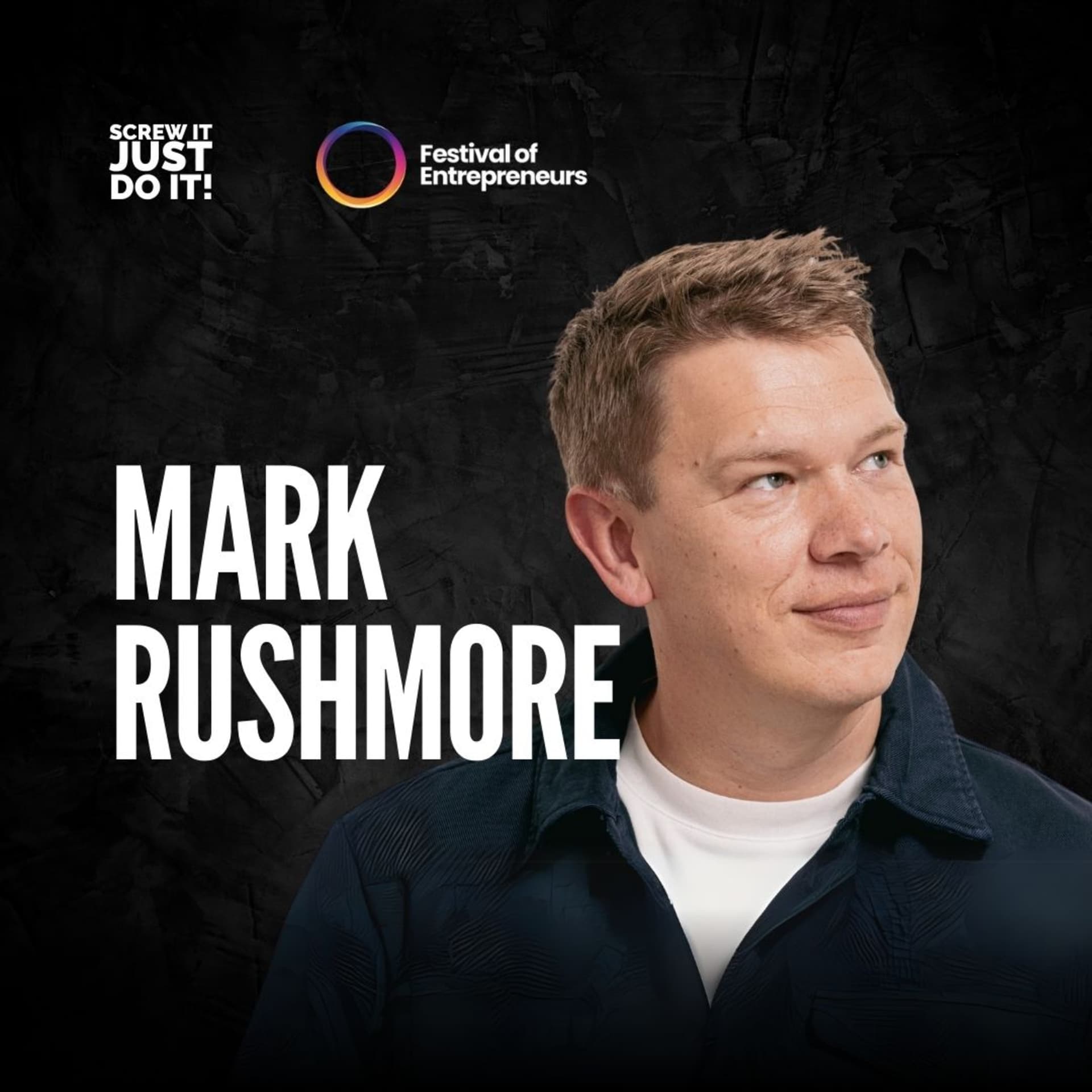
Mark Rushmore, co-founder of Suri. Background: grew up around entrepreneurship (father left corporate for business); worked at Procter & Gamble in the UK (sales and strategy). Co-founder “Giv” previously worked at Procter & Gamble on Gillette (finance/marketing).
Key claims
Customer loyalty and community are the “bedrock” of growth; sustainability must also deliver superior performance and features. Early resistance from factories was overcome through persistence and risk-taking. Customer feedback loops (Trustpilot API to Slack, surveys) drive word-of-mouth; leadership scales via codified values.
Notable examples
meeting Giv at an industry event; 48-hour battery life, plant-based heads/bristles, aluminum body, free recycling, travel case; pre-seed before mass production; picked as Independent’s best electric toothbrush; won £200k Times sustainability ads; Amazon Sustainability Accelerator. Crisis: mislabeled US shipments; team worked overnight, hand-wrote responses, no refunds requested.
Written by AI. May contain mistakes. Listen to the episode to check what was said.
Chapters
Tap a time to open that second in VOImportance of Customer Loyalty
0:45 to 1:39
Mark Rushmore discusses how customer loyalty and community are foundational for Suri's growth.
“Welcome to Screw It, Just Do It, the show for those who decided to screw it and just did it.”
Mark's Journey to Entrepreneurship
1:39 to 3:40
Mark shares his early exposure to entrepreneurship through his family's business.
“if you can remember, what was life like before you became an entrepreneur?”
The Birth of Suri
3:40 to 6:15
Mark recounts the serendipitous meeting that led to the creation of Suri and its sustainable vision.
“Uh so they were in the oil industry so pretty different from sustainable rituals.”
Challenges in Building a Sustainable Brand
6:15 to 8:30
Mark discusses the challenges faced in creating a sustainable product and the resistance encountered.
“So, you know, we have a 48 battery live.”
The Role of a Co-Founder
8:30 to 10:18
Mark highlights the pros and cons of having a co-founder and how they complement each other.
“And that starts building, I think, a bit of a muscle to kind of continue persisting in the face of ongoing adversity.”
Navigating Conflicts and Communication
10:18 to 14:00
Mark explains how he and his co-founder address conflicts and improve communication.
“But yeah, how more helpful is it on having someone else to kind of share the load when it comes to, you know, fighting those fires and taking on all those worries?”
Navigating Challenges and Persistence
14:00 to 18:08
Learn how to face obstacles and maintain persistence in business ventures.
A Life-Altering Moment
18:08 to 20:35
Discover a pivotal 'screw it, just do it' moment that changed the host's career path.
Early Wins and Momentum
20:35 to 22:40
Understand the importance of early achievements in building a business.
“I love collecting these screwages to do it at the moment.”
Lessons from Selling Out
23:30 to 26:32
Explore the lessons learned from experiencing product sell-outs and supply challenges.
“Like everyone's going to offer a refund.”
Show all 20 chapters
Emotional Resilience in Business
26:32 to 28:00
Learn how to manage emotions and stay calm in business crises.
“To kind of put this distance between something happening, your emotional response, your emotions, and then your response.”
Facing Business Challenges with Perspective
28:00 to 29:50
Learn how to navigate challenges in business and find opportunities in crises.
“Or would you say you've had something far, far stronger and tougher since?”
The Importance of Emotions in Decision Making
29:50 to 31:30
Discover how emotions play a significant role in business decisions and team dynamics.
“Now, I think it very much depends on your position.”
Rapid Growth of a Startup
31:30 to 33:50
Understand the dynamics and challenges of scaling a startup rapidly.
“It's pretty, probably one of the fastest growing startups out there.”
Customer Loyalty and Community Building
33:50 to 36:40
Explore strategies for building customer loyalty and community in business.
“So yeah, how important have those two elements been for you?”
Creating Memorable Customer Experiences
36:40 to 39:20
Learn how to enhance customer experience and loyalty through thoughtful interactions.
“Through to then using the product, does it do a great job?”
Evolving Leadership in a Growing Company
39:20 to 42:00
Examine the evolution of leadership practices as a company scales up.
“You know, it's sort of, this is just one part of life is business.”
Building a Sustainable Brand
42:00 to 44:15
Learn about the evolution of brand values as companies scale.
“When we were smaller, we didn't codify what those were we were just living them every day and living and breathing it It kind of just like built with the first few of us.”
Entrepreneurial Insights and Future Plans
44:15 to 48:52
Discover key insights on entrepreneurship and future plans from the guest.
“Two, I think generally they super celebrate success.”
The Importance of Living in the Present
48:52 to 50:05
Explore perspectives on mindfulness and making the most of life.
“And you just thought they never knew that was coming necessarily.”
Transcript
Automatic transcript. May contain errors.0:00How important has customer loyalty and community been for the growth of Suri? I truly believe it's like the bedrock of our business. The customers loving the quality of the product, the mission of the product, and also like, you know, how we treat them after purchase is really kind of like core of what makes Suri great.
0:17Alex Chisnall:Mark Rushmore is the co-founder of Suri, Sustainable Rituals, a challenger brand shaking up the electric toothbrush market with style, purpose, and planet-first thinking. The concept of death really inspires me to make the most out of my time. I just want to squeeze as much juice as I can, moment and opportunity that I have. Whilst I'm alive, we've only got this limited time. I'm going to take the risk, love as much as I can, care as much as I can, try as hard as I can. Welcome to Screw It, Just Do It, the show for those who decided to screw it and just did it. I'm Alex Chisnell, host of this podcast and co-founder of the Festival of Entrepreneurs at the NEC in Birmingham this October 8th and 9th.
0:57Alex Chisnall:This is the podcast that brings you face-to-face with the entrepreneurs and business rebels who threw caution to the wind and built something extraordinary. Want to surround yourself with 5 ,000 to 10 ,000 entrepreneurs who've already decided to screw it and just do it? The Festival of Entrepreneurs is happening October the 8th and 9th at the NEC Birmingham and I'm giving away free two-day pass to my listeners. 200 plus speakers, 90 plus sessions, billion pound entrepreneurs sharing their real stories, not theory, but the actual strategies they use to scale. Head to festivalofentrepreneurs.co.uk right now and claim your free pass because the best networking happens when you're in the room with people who've already decided to screw it and just did it.
1:38Alex Chisnall:And I wanna kick things off by just asking you if you can remember, what was life like before you became an entrepreneur? I'm an optimist. Life was great. And during while I'm being an entrepreneur, life's great. I think I genuinely feel grateful just to be alive, to get to experience every day, which sounds a bit cheesy, but it's true. Did you always see yourself building a business, becoming an entrepreneur, or is that something that's come later in life? is actually something that like uh i sort of almost grew up with so when i was around eight um my my father left his corporate job and decided to set up a business and you know it was it was very small for a few years and then he asked my mum to join and she she didn't and she'd never worked for money before she worked in a charity helping people in their relationships working for relate and so she was a bit like well you know I'm not sure what to do but you know sure enough they they started it from the kitchen table and I saw it kind of grow and grow and grow and grow over my sort of childhood and it sort of felt in a bizarre way like another sibling almost and so it didn't become this like thing that you do it was kind of like just part of the family and so you know I always had like an education in entrepreneurship the ups and downs the reality you're working seven days a week and it's constantly on your mind especially because you know my parents would talk about it a lot um and so almost from an early age i just it's sort of just felt like that's what i'm gonna do you know like i love this like i'm so intrigued i want to do it for myself i want to have the that journey and so you know it's like a bit uh cliche but you know i set up a non-conural activity at school where i set up a rival catering company to the school catering company that grew to a fairly significant size in my final year of school and then I set up a sort of business of sorts at university which to this day still exists um and you know I was hooked I just knew that this is what I wanted to do forever.
3:39And what uh what industry were with uh were your parents business in? Uh so they were in the oil industry so pretty different from sustainable rituals.
3:50Alex Chisnall:And and I know you would have told this a few times before but where did the idea for for seri come from then the idea actually came it was a bizarre meeting so i was in the south of france and i met um my co-founder giv just by by pure luck and we got chatting at this industry event and it turned out that he'd also worked at procter and gamble previously so he worked um on gillette and specifically in finance marketing functions and i worked at procter gamble in the uk in sales and strategy roles and so we just got chatting and you know giv was like it's just crazy when you think about the amount of plastic packaging that's you know in in these fmct products and also that you know they hadn't really evolved much in terms of customer experience like very good at like mass retail but not necessarily thinking about things in a way that like maybe apple had redefined consumer experience and so it was at that very first meeting you know he said, look, I really believe, you know, there's this big future of more sustainable consumer brands with better experience.
4:55And when you look at them, like there's some which are terrible, including oral care. So every year, billions and billions of brushes are thrown out and end up in our lab those notions. In fact, Alex, probably like virtually every brush you've ever used since you were a child still exists somewhere because the materials that they're made out of, which, you know, you kind of don't think about, but when you take a second to think about it and then you multiply that by everyone you see because everyone brushes their teeth you realize it's like a huge amount of waste and then we thought okay well there's something here i wonder if we can make it more sustainable and then beyond that like but what about the rest you know like do people use bluetooth like i don't know like did you ever use bluetooth when you use your electric toothbrush no right but probably the battery dies really regularly because things that you don't use like bluetooth or like seven different modes or nine different flashing light and and you know people hate that gun that comes on the bottom of the brush and accumulates and you have to clean it's disgusting and often people told us they wouldn't take the brush when you're traveling because it's bulky it's heavy and you need this like special charger that only works with your toothbrush so we so we kind of thought further like well what if we could make brushes both more sustainable but have like features that people really want so you know maybe we could make a brush that has like just as a higher performance gives you a really great quality of clean that looks great has great features and is more sustainable and that was that was a hypothesis and the birth of suring at that point in time i'm sure things maybe things
6:20Alex Chisnall:have changed over the last couple of years but what was the kind of overarching vision of where you're going to go from right here right now the two of you having that conversation and ultimately where do you want to get to loads of like it's gonna sound so basic but loads of people brush their teeth i mean it is one of the highest penetration categories of all categories you know it's like and it doesn't matter whether you're in um the uk or japan or canada or um you know oman like it's every everyone brushes their teeth and so in terms of you know the scale of the opportunity we believe that if we can make a product that is delivers on three kind of key areas one is performance so it has to give you as higher quality or higher quality clean than competitors.
7:06It has great features. So, you know, we have a 48 battery live. We have a unique travel case that it feels 99 % of bacteria. We have a magnetic mirror mount so that you can store your brush on the wall and it doesn't get that crusty gunk. Basic features, but features that people love. And if, you know, we should be more sustainable. So whether that's using materials like we use plant-based materials in our head and bristles and also aluminum in our body aluminium sorry um and you know we offer free recycling we're actually um about to announce this is probably an exclusive but we work with the university of exeter on like what we can do with our with our um recycled heads and we've gathered you know over 500 kilograms and soon we'll be talking about like new products that we're making out of them which is this really great social renovation um and so if if we can do that and maintain you know we've got a 4.8 out of five rating from over 10 000 reviews on trust pilot which you know really kind of shows like how much customers love what we're doing how we're doing it we believe we can take that to you know people who brush their teeth anywhere in the world and so then you know the opportunity really is to build a like you know a globally like brand that redefines expectations in all of that and up to
8:19Alex Chisnall:this point in time what's has anything held you back from that because there's a huge vision obviously but like you say the ceiling is infinity isn't it but um yeah any anything that's held you back up to this point everything holds everything holds you back it's sort of like you know it's like that that like initial resistance to get anything moving that's you know like that there have been you know from from the outset you know we went to i think it was like 24 different factories to say like hey we want to use these new materials we want to you know create a unique design and i want to have these features and not those features and you know many of the factories simply just laugh from like you know there's no way that material can work like why would you want that to last longer you know you know we're in the game of selling more brushes and if they break that's great and so you know it took a long time to find someone who who would work with us and so that you know from the beginning we had that resistance and then you know every week there's some sort of you know new hurdle challenge to overcome and i think what's been really interesting is seeing how things that we're told are impossible or can't be done one by one.
9:29It's like, oh, that wasn't impossible. Oh, it can be done. Oh, they said no, but now it's a yes. And that starts building, I think, a bit of a muscle to kind of continue persisting in the face of ongoing adversity. As much as I'd love it to just be like super easy, I can't pretend it is.
9:48Alex Chisnall:No, I always remember Al Barrett from Good Aids saying to me, You said my role these days is literally just to come into work and put out the next fire and then move on to the next fire and move on to the next fire. It's like I definitely simplify with that. I think there's like a viral video of Elon Musk describing the role of the founder of a business. You know, like the toughest problems sort of flow up. So you're constantly trying to help solve the most difficult challenges on the business. And that definitely I feel that. How helpful has it been having a co-founder who clearly has a different skill set to you as well, which must enhance the business?
10:26Alex Chisnall:But yeah, how more helpful is it on having someone else to kind of share the load when it comes to, you know, fighting those fires and taking on all those worries? You know what? Like, it's one of these things where there are so many pros and cons to having a co-founder. You know, like it's not it's not like, oh, everything is better with a co-founder. And it's far from like everything's worse for the co-founder. I think what Diva and I try and do, and I've always said, it's always got to be greater than the sum of its parts. So the 1 plus 1 equals 3, or it has to equal at least 2.5. And so we work really hard on that relationship and doing things differently because we do have complementary but different skill sets, whether that's functional, like finance and marketing or sales and strategy, or even personality-wise.
11:15I'm much more of a big picture person he's much more of a details person and so in some ways that can sometimes truthfully cause a bit of conflict because he'll get right into the details immediately I'll be like oh no no we need to look at the big picture and you know that can be difficult but what we tend to find is actually when we kind of blend the best of both at the right moments we get an ultimately better outcome so yeah it's great and also I must say when you're riding the highs it's so great to do it with someone but also when when when there's lows when when something's going wrong i can't imagine uh not doing it with geef you know like it's like we're kind of there through thick and thin and and it feels um i don't know what the word is maybe it's reassuring or you just kind of feel like if one of us you know one of us is a bit tired or you know dang the other one could pick them up and we kind of constantly sort of like navigating like that
12:11Alex Chisnall:yeah no i'm genuinely interested like so i've been in been in business since 2009 since i left um left virgin and i've always been a solo founder and then now with a with a new events business which um yeah we're super grateful for you to be joining us in october it's like i've got a co-founder and it's just like ah this is so different and i'm sure there'll be bumps in the road as you say when it comes to like conflicting ideas maybe but at the moment it's really nice just to share this is what i'm doing this is what i'm struggling with can you help you know it's it's a different ball game really is something that we found and um we don't always get this right but like um at the very very beginning it was you know during covid and we were on our laptops we just leave zoom on all day it would be like eight hours you know leave it on if you're going to do um and there'd just be things that like you know maybe i'd say something in a certain way or he would say something in a certain way and if i wanted to just kind of annoy me i'd be like what like why why did he say that like like what what does he mean by that like oh okay and then i'd find that i'd be a little bit like shirty back and you kind of like build and so i think i'd read somewhere and you know with my mom like having like a therapist background i was like you know what on a friday we should just set aside an hour where we just talk about like how we're feeling and things that may have like you know upset us or whatever and he wasn't keen on this initially um i think he thought i just wanted to like moaner him and And he was like, oh, I've got nothing to say, but everything's fine, Mark.
13:44And I was like, I don't know if that's true, but I would say, hey, look, you said this. And it really annoyed me. And he'd be like, oh, that's not what I meant at all. I was actually just worried about that. And I was like, no way. What, so you didn't mean this? He was like, no. And then somehow it just was like, wow, it released this pressure or helped us understand each other. it and then sure enough he was like well actually you know whilst we're saying this like you said this and i was able to you know explain it and sometimes there's miscommunication sometimes it was you know actually i was annoyed with that and then we just address it head on and i think i don't know if you you maybe have not got to that point where you need to do that but i think that's been a real on lot for us and i don't think i would have done that 10 years ago i think i would just let it build up and it would have been a fractious relationship yeah no i
14:35Alex Chisnall:haven't heard of that but i actually really like that i think that's something that should be implemented as as we get closer and the the pressure gets ratcheted up no doubt you know nearer to d-day so um no i like that and any any moments where you've um you've nearly given up and literally hit hit a hurdle where you you can't see how you're gonna get around the problem or you very much just persistent and i'm gonna get through this oh yeah no no totally like i think well for me like when 22 factories you know had said no i you know i was like hey maybe maybe this is impossible we need to find a different way you credit gieve like is like incredibly stubborn and you know like knew like this was technically possible so we should proceed um but that wasn't around giving up like for me like i've never ever thought about giving i'm not like once on this journey it's always just been about like okay how are we going to solve this how are we going to solve that um and just really kind of having that tenacity to kind of just find solutions there's solutions for for almost everything um but also i spend a lot of time anticipating problems anticipating risks and trying to mitigate them ahead of time um and i think that's possibly how i avoid having to sort of think by giving up what about you i never have given up um never have given up uh so it's a good question isn't it to get you thinking and i've always been persistent and i'm always consistent in my actions if that makes sense and for me those are like the two most important traits um to have and i think like you there's always a solution out there and it's just been trying to do it on my own sometimes you just need to zoom out everything makes a zoom in doesn't it you know mobile phone makes us like zoom into it and see things smaller whereas i'm like you i like to see the bigger picture but sometimes you just need to take yourself out of your environment like out of this you know podcast studio that i'm in out of that office you know for me it's like go for a run go for a go for a swim in the sea or whatever and and the solution seemed to come to me in those moments or even in the shower or something like that you know brush my teeth in the shower by the way so you know it's those it's those it's those kind of moments i think that that do it for me whereas i think if you just literally head down the whole time um you just keep seeing more problems don't you don't see the solutions i must say as well though like on the list of giving up i think there's real power in giving up like like there's i can you read a lot of advice like you know never give up if you're an entrepreneur it's like for me that's really bad advice because there are definitely times when you're barking up the wrong tree or like your your opportunity cost of doing something else is far greater and you i've seen people like persist at you know it's not like flogging a dead horse but it's like it's just you know like time is ultimately like our most valuable asset and it's it's so hard to know when the right time is to give up and definitely some people give up too early but you know it's finding that right balance right yeah exactly and i think you're right i think there is a time clearly for for a lot of people to literally just stop and go okay this isn't working for me on any level whatsoever so for you at what point did you you know were you all in on this you know what was there a screw it just do it moment for you that literally took you from you know where you were to where you are now like set you on that path that you know stop procrastinating or whatever you're doing at that time so I was incredibly lucky to have a screw it just do it moment and it's a great question but mine wasn't with surrey it was as before then so i i used to work at prodger and gamble and i was working on pringles when it was applied by kellogg's and and so i helped transition to business from kellogg from pringle uh from png to kellogg's and as part of that we were all offered and a package to move across but also like a redundancy package um if if we didn't want to stay and at that time I had no savings these two packages meant I went from no savings to like you know fairly significant savings and it was sort of forced my hand like you know at the time it was emotionally like I wouldn't say devastating but like unsettling definitely do you know there's lots of like tears and they oh you know I thought my career was going to be in FMCG and now I'm not sure and i'm in london but maybe i'm moving to manchester and just a swirling round of like um what what does this mean like you know what am i going to do but i'm so fortunate because if it hadn't been for that i'd probably just have stayed you know driving down the a3 you know progressing through the ranks without too much consideration and so that happened and then around the same time unfortunately this this man i knew from university i was in some classes with him i wasn't a good friend of his but you know one of the happiest friendliest most liked people on campus um i i've heard that he he'd um committed suicide and i don't know i think the combination of suddenly having this money and not knowing what the future was going to hold and then realizing that you know there's much more to life than like building a corporate career and and the things that he wouldn't be able to do somehow i was just like this is my moment i've got to do those things that i'm gonna give it one year i'm gonna write a list of all the things i've ever wanted to do including setting up a company and i'll give it one year i've got one year savings back and if at the end of the year like it hasn't worked i will always be able to say you know screw it just do it like i gave it a shot and and you know if if it's if it's not for me so that's fine you know what i I mean, I can always look back at my life and say I tried.
20:28And then that business took off and I just kept going.
20:34Alex Chisnall:I love that. That's a great story, man. I love collecting these screwages to do it at the moment. Some people have a bunch of them and some people it's literally just like that one moment that kind of lights the touch paper. What were some of your early wins with Surrey then, Mark? some of the earliest wins that you can remember that kind of reinforced that you were on that right path and you'd done the right thing. So one of the others one was we got, we raised, we did a pre-seed round before we'd actually physically made the product in mass production. And I think, you know, we didn't have much money to our name to be able to afford it.
21:10And so getting that support from some early investors who, you know, are still on a cap table and been valuable advice along the way that was like okay other people can see what we believe in and they believe in it too i think you know we i also remember we got picked up early by the independent to be one of the best electric toothbrushes so you know we'd send them an early sample and they loved it and you know that's high on the google seo rankings then i remember we won 200 000 pounds of advertising in the times they had a fund to support sustainability brands and speculatively entered thinking nothing would come of it and we got a phone call and was like wow the you know it's coming together and then we got onto an accelerator at amazon's headquarters in in london and again we didn't that we hadn't realized that we had any chance of getting onto it you know i think several thousand companies applied and we got in and then they give us free offer space you know for a year and they give us lots of support and training and And like, it's an incredible program, the Sustainability Accelerator.
22:16And just a few of these, like the little bits, you know, really helped us with momentum, with belief. And I think momentum and belief play a large role in, in then, you know, other things that you kind of go for. So yeah, those were definitely some early wins. But we also sold out completely of our first lot of pre-orders. And then our second lot, we completely sold out. and so that that also kind of as we saw them selling out then the next word is like well will people like them but then we started getting you know 4.8 out of 5 review on trust pilot and you know it's just each thing kind of gives us like a little bit more belief more momentum to
22:57Alex Chisnall:build on if you're enjoying this conversation and thinking i need to be around more people like this then i've got the perfect solution for you the festival of entrepreneurs is where five to ten thousand ambitious entrepreneurs come together to learn from the people who've actually done it it's on october the 8th and 9th at the nec in birmingham and i'm giving my listeners free two-day passes real entrepreneurs real stories real strategies exactly like what you're hearing right now but live and in person go to festival of entrepreneurs.co.uk and get your free two-day pass before they're gone what were some of the lessons that you you could relay to to the listeners and viewers on say running out of those first first stocks because i i know what it's like when you're you're going for a minimum order or you you're looking at a certain figure and you're trying to balance up as you say doing you know family and friends around or something like that to get that money and then going wow we we've sold out and now there's a lag between the next order but is is that like a positive that the products become you know like a holy grail to actually get some of them but you obviously want to do x amount of volume well yeah talk to me about that a little bit mark on on the selling out that wasn't um that wasn't like the most terrible problem to have you know it was sort of like that you know on the it was a problem but like on the scale of problems that wasn't a big one the bigger one was we did three orders with i think 5000 units and um about 20 of them were going to the us and we sort of sent an email saying great guys we're sending them out today they'll be with you in the next week and then uh i think 10 14 days later we had an email from our 3pl saying oh actually they haven't they haven't shipped out at all like there was a problem with the career did you not get that email no that they'd be mislabeled when we packed them or something and suddenly it was like i i just really so remember being there's like the three of us at the time my giv and mike our first employee and it just i i just remember like crying and um it felt like the end of the world you know like oh my goodness like Like the company is over.
25:21Like everyone's going to offer a refund. That's going to destroy all of our cash. You know, it's so easy to catastrophize. But fortunately, you know, we had a system, a software gorgeous in place, which allowed us to do customer service. You know, we worked through the night to like craft an email to everyone to explain what had happened and, you know, the consequences and what we were willing to do. it then we hand wrote you know each person who responded like within you know a five minute time frame like you know through the night and not a single person there asked for a refund and you know people really kind of just went with it which which was phenomenal but it's easy looking back and being like oh you know haha it's so funny but it really wasn't at the time it really it was terrible and you know i just remember saying to my wife oh it's you know gosh like Like, how could this happen?
26:14And I think I've learned now, after several years of having many examples of very highs, big, big lows, after reading this book, actually, over Christmas called, what is it called? The Obstacle is the Way, right, and how it is. It's like a stoic type approach to obstacles. To kind of put this distance between something happening, your emotional response, your emotions, and then your response. and i've been utilizing it more this year i've sort of seen that you wouldn't want to go to a &e and see the doctor like really flustered and panicking and worrying and catastrophizing you kind of need them to be calm in that moment because by being calm you're going to react in the most appropriate way and just deal with like the consequences of something as it happens rather than dealing with the potential consequences of something that may never happen and i don't know about you how it's but like i've read this advice a hundred times like this you know you know there was it the true warrior dies once and the coward dies a thousand times in his head or whatever but it's very different like for me i i sometimes i just need to like experience it myself to truly understand the meaning of some of these bits of advice what about you like do are you able to like just read someone else's advice or do you have to experience it yourself
27:34Alex Chisnall:And first, I love anything that Ryan does, big fan. But yeah, I think it definitely for me, it's come with age and experience, whereas I can, I'm definitely emotional. um whereas now and i think it's i think part of that also is having kids or for me it has been as well and literally being able to you know the start when your kids are really little like and the tiniest squeak and you're literally just like oh my god what's that it's terrible what's happening and then now you just kind of you know observe a little bit more let things happen and be you know far more objective about the situation but i you know something like that when it i mean And is that the toughest challenge you've had in the business, especially early on like that?
28:23Alex Chisnall:Or would you say you've had something far, far stronger and tougher since? We've had a couple of other things that have come in where someone has said, oh, you know, we don't have this document. And suddenly it's like, oh my goodness, this is a catastrophe. Only find out a few hours later, we do have that document. and someone has filed it in the wrong place. And, you know, and it's sort of like, like, you know, your heart rate in that like two hours is like pretty, pretty intense. But we haven't had anything quite, quite the same like that. But, you know, there's always various versions of it.
29:02You know, like the funding that you thought was coming in hasn't come through or, you know, you transferred money to Rockback. You know, there's like some miniature versions of it, but nothing, I think, actually, actually the way I think about it is it probably we have problems that are much bigger than that now it's just we've learned to deal with them a bit better if that makes sense. Does one of them begin with
29:28Alex Chisnall:truh and end in ump? Well funny you should say that because tariffs obviously present a challenge but again so cliche but in every challenge there's an opportunity you know in every I think it was like Many of the world's biggest companies have been created during the worst economic times. And I think our job as entrepreneurs is to try and find the silver lining in a crisis. Now, I think it very much depends on your position. If you are 100 % exposed to the US, you're going to be in a very different place to if you're in a portion of your business. Unfortunately for us, it's a portion of our business.
30:11so you know the consequences aren't the same for some of our u.s competitors um and then to honestly a series of like lucky coincidences i think we were slightly better positioned than than um other people because of like you know how much stock we'd ordered last year and so on and so forth that being said you know um it is a challenge it it sort of shifts the playing field but part of being a startup is like learning to play in ambiguity learning to identify you know to move quickly to be decisive to seek an opportunity to readjust um and i think it's it's another one of those challenges but that that's part of like running a company are these sorts of challenges you know it's like if you don't think that there's going to be something worse than the tariffs like well you know i sort of there's always gonna be challenges and so i say sort of bring them on to an extent to an extent yeah disclaimer to an extent
31:19Alex Chisnall:um what's been one of the most unexpected lessons um in business that you've had over the last couple of years mark that is a great question what has been one of the most unexpected lessons it's something around feelings bizarrely i think in the last 12 months i think i've noticed more and more how important it is to consider sort of the consequences of emotions and how how actually most people are quite emotional in their decision making i think i always sort of knew that you know what i mean and like everyone knows it to an extent but i think it's actually like realizing think it's actually far greater than than what i sort of you know apportioned um it to so that and you know we've we've grown enormously as a team and just sort of i think there's been an unexpected sort of inside that probably nice and tell me a little bit about the team then how's the the team grown and how um i was reading something about you know and you correct me if i'm wrong but you You know, like the rate at which you've grown, you know, like literally early doors up to like 10, 20 million or something like that.
32:33Alex Chisnall:It's pretty, probably one of the fastest growing startups out there. We've been super lucky to have a really fast growth. And I think what underpins that is that lots of people brush their teeth and we have the best electric toothbrush out there. And so like there's some products where you need to persuade people like, you know, oh, this is why you should have this type of new drink. and that requires a lot of education and persuasion and you're trying something that you haven't tried before, doing something new, whereas the great thing with electric toothbrushes is that people are very familiar with it and they need them.
33:03I use them every day. But I've got to say, obviously, we also execute really well. We're super passionate and care about the details, which I think is reflected in our customer reviews.
33:15Alex Chisnall:Yeah, like the size of the team, it was interesting. I was chatting to Rowena from Lush earlier And I didn't expect the answer she gave me, but she was like, we're talking about employee number one. And you'd mentioned employee number one, Mike, I said before. And she just said, yeah, 18 ,000 now. And then at Christmas, it goes up to 20 ,000. And then you think about the other subsidiary businesses that provide, you know, the ingredients to the products. And I'm like, she's like, yeah, don't even get me started on that. That's like, I couldn't get my head around that. I couldn't sleep at night, I don't think.
33:50Wow. I mean that makes the job of remembering a bit hard but um I think yeah no we're not we're not quite there yet so I think we are now um we're now 38 people yeah it's really interesting but this time last year I think we were about maybe 10 people 12 people and so it's it's you know it's changed and someone told me once that like things change when you hit like um 30 100 I was say that yeah yeah like 30 yeah and and i think that's true you know like we're definitely seeing you know how how we operate and and what works when you're when you're 10 is is pretty different from when you're 30 and so i think we're going through that process now of of adjusting to you know different ways of working and and and let's kind of see the benefits of it truthfully like i'm seeing like how it can become like even more efficient we can do more output through more
34:45Alex Chisnall:process um i'll ask you a little bit as well you mentioned like trust pilot and i actually had a flashback the other day i actually remember interviewing the founder of trust pilot back at when we were back at the nec funnily enough where we're going to be in october so that's 2019 just before uh covid um but how important has customer loyalty and community been for for the growth of and you mentioned, you know, the growth in staff and the kind of numbers of the business as well. So yeah, how important have those two elements been for you? I truly believe it's like the bedrock of our business.
35:21You know, the customers loving the quality of the product, the mission of the product, and also like, you know, how we treat them after purchase, post-purchase is really kind of like the kind of core of what makes Suri great. And so we really focus, you know, all of our attention on the customer experience and ensuring that that is, you know, like the highest priority, essentially.
35:48Alex Chisnall:hmm well um can you tell us a little bit about that what what um what have you kind of built into that i mean i my background with virgin i was just like the the things they used to come up with especially if you were you know you you were paying a premium price for a premium product um and the little what they used to call you know magic touches that you you would get for the business have you kind of changed the evolution of somebody buying uh one of your toothbrushes and and how you kind of retain that customer loyalty sure so i mean if you know from the house and when we're thinking about products we're like trying to really like list bikes so we always survey thousands of customers really find out what they want you know it's like actually i want a long-lasting battery i want a light brush i don't want gimmicks um and so it starts from that phase then you know in in the unboxing ensuring like there's not excess um packaging and plastic etc Is it a beautiful experience?
36:44How does it make you feel? Through to then using the product, does it do a great job? Do I enjoy holding it? Do I enjoy putting up my mirror? Does it give me that great quality clean? Then our Trustpilot has an API through to our Slack channel. So every single person on our team, every single time a review comes in, it gets pinged to the team. and then on a on a sort of monthly basis we also look at our checkout survey as a company and so uh and really important metric for us and excuse the pun is like the percentage of sales that come from word of mouth and so what we see is that like a you know versus the industry and versus a lot of brands like our percentage of sales that are recommended by someone who's got our product and it's not often you wouldn't expect someone to buy a toothbrush and then rave about it to their friend oh you've got to get this i oh i love it so much about a toothbrush right and yet somehow through all these like little touches and through the interactions that we have with people post-purchase or if they contact us with a question you know it provides that um that experience that makes them want to become an advertent and so i think that that's sort of some of the ways in which we do it but a really nice one because i you know virgin and i I think I read Richard Branson's autobiography and it was hugely inspirational while I was getting good.
38:06And still to this day, to be fair, was just going an extra mile, doing something extra special. And so we embed that into our team and into our customer service team. And then just a small example recently was, unbeknown to me, someone who we were engaging with, who has a large social community following was unable to do something because her mother had an accident and was a bit ill and she was very apologetic about it. But, you know, unbeknown to me, like that team member, you know, send her some flowers, you know, say sorry about it. And, you know, just genuinely, just as like, you know, hey, it doesn't matter that we weren't able to do this thing together.
38:55you know here's some flowers for your mother i hope hope she feels better now that wasn't made like we weren't made aware of that until you know this this woman posted this really heartfelt message you know just about like why would the company do this you know and then and you know flowers aren't exactly like super expensive but it was more just like the thought and the effort because you know there are things that are more important then and social media ads and and influencer campaigns in life. And I'm a firm believer in that. You know, it's sort of, this is just one part of life is business.
Read the full transcript
39:34Alex Chisnall:And tell me a little bit about leadership then and say what's the biggest evolution in leadership from launch to scale up that you've had. And, you know, for me, like one of the, mentioned Richard Branson and Virgin, and I always remember Richard, and he didn't have to do this, but whenever he would be on a flight back in the day, instead of sitting in upper class and just sleeping and watching movies. He would literally, and I'm sure it was done for part of the theatricality of it and the PR, but ultimately I think it's because he deeply cared. But he would sit in economy and he would have an old school pad and a pencil, it wasn't even a pen, and he would literally just walk around the cabin on a seven-hour flight to New York just asking people questions.
40:18Alex Chisnall:And this was before social media or mobile phones or Wi-Fi on planes and all this kind of stuff. And I was like, OK, that's leadership right there. Boom. And that obviously cascades down because we're going to tell all of our colleagues on our next flight and all of our friends and family. So interested to know the stage you're at, a good couple of years in now and gone up to like 38 people and those challenges of more people joining the company. What's kind of been the biggest evolution for you and your co-founder when it comes to leadership, would you say? I feel it's a bit of a cliche answer, but maybe cliches exist for a reason.
40:54But we've codified our values and what is really kind of being core to the growth of Sirius. We have four key values. And we've embedded those values and sort of shared them clearly with the team. But we use them when we're hiring to assess people. We make them wear and we're assessing against these sorts of behaviors. And we have them in our performance reviews annually. We have a monthly award for someone who's demonstrated one of these values. We celebrate them and then we try and eat with those values ourselves. And so it's very much trying to take that as our leadership approach, doing what we say we're going to do and being sort of values driven in how we do it.
41:40and I think it's kind of created this culture where people really buy into it and actually it's not always for everyone and those people, great people that might just not fit in with this culture which is very much focused on high performers doing the right thing, being caring and respectful and yeah, I think that's been a big evolution of our leadership. When we were smaller, we didn't codify what those were we were just living them every day and living and breathing it It kind of just like built with the first few of us. But as we got bigger, it sort of kind of became apparent that, you know, that wasn't necessarily clear.
42:17That we couldn't have that sort of close time with everyone. And so, yeah, that's been something that's worked for us. Also something that we learned a little bit from Steve Hewitt, the former CEO of Gymshark.
42:30Alex Chisnall:Yes, you told me about him. Yeah, I connected with him on LinkedIn, actually. Interesting story. um so last question before we move on to like quick fire uh round mark but um what are you what are you working on now kind of middle of 2025 um that you can tell us about that you're you're genuinely excited about and um yeah anything to do with the business that you'd like to share with everybody listening and watching this i have a ton of unbelievably exciting news that I can't really share. But suffice to say, in the coming months, you're going to see not one, not two, not even three, but I'd say four or five very significant announcements, things that, you know, have been working for the best part of three years on, you know, have simultaneously come to a head and I'm really excited about that.
43:28And that's, you know, exactly. It's sort of, you know, ideally we'd have just had one every six months, but like somehow it's just happened. Like they're all coming together now. So really excited about what the future holds in that respect with, you know, different products coming out and different partners that we're working with and different channels. So it's a little bit of everything. Sorry, I can't be more specific than that. But yeah, hopefully I can speak to you again when we have 18 ,000 employees and you know we're doing a bit more I'll tell you whether it works or not yeah yeah yeah no
44:04Alex Chisnall:people will see these unfold if they if they clearly follow you on LinkedIn and follow Siri on social media and as we build up towards festival entrepreneurs in October these will you know generally become unraveled okay so let's fire into a little little quickfire round Mark so quick fire round uh what do you want to pass on to the next generation of founders and entrepreneurs i think um just to seek um relationships with other people around you kind of like you can go further with more people you can go faster alone but i think i ultimately like surrounding yourself with high quality people and being open and honest with entry what is an entrepreneur it's someone who's creative and takes risks uh what does this country need to do to get more scale-ups provide financial incentives to taking risks why is the usa better at producing scale-ups and unicorns than the uk few reasons one there's a lot more people in the usa like you know i think often people in the uk are like oh why do america what like they've got what like five six times more people so you know if you take the the top zero point whatever percent like a there's like a much, much larger tangle.
45:15So that's one thing. Two, I think generally they super celebrate success. You know, if you look at the backlash that some of our most prominent entrepreneurs have in like their sort of genuine sort of hatred and, and vitriol, like it's, I wouldn't say it's like super encouraging to have a certain level of success because, you know, you're going to have a lot of people disliking you. And I think that's not the case in America, you know, like generally People kind of want, you know, successful people to succeed. And I think that encourages more people to go into it.
45:47Alex Chisnall:Yeah, it's a different attitude for sure. Which founder do you admire most today? I most admire Ryan. I think his name is Ryan. I can get the last name wrong. Bartlett. I think it's Bartlett. He's the founder of True Classic who make men's t-shirts. They bootstrap to several hundred million dollars. which, you know, doing any business is hard, but bootstrapping is even harder. And the way they've done that so quickly in an area which I just said was sewn up is very impressive. Yeah, okay. I don't know that, Brian, but that is a bloody difficult category to be successful in as well, surely. In a few short years, like that is just, you know, absolutely phenomenal.
46:33The other one is Eric Ryan, who's, you know, built and sold three massive companies for hundreds, millions, maybe billions, like, and each one in a different category. It's like, there's a lot of people, I think, who can be like a one-hit wonder and build something great, but to do it repeatedly, like, is next level.
46:50Alex Chisnall:And what can entrepreneurs and wannabe entrepreneurs look forward to when hearing you and seeing you speak at the Festival of Entrepreneurs this autumn? Genuine, authentic, straight, direct advice and, you know, no kind of like fluffy, generic, sort of like you know just give it a go but more like you know specifically this is what you can do this is what i'd avoid fantastic last one um anyone that you think uh you'd recommend other than the two people you just you just mentioned who you think would be um really good uh for this show having just been on it i think james watt from rudoc is a super interesting character and has you know had success in in sort of different areas i think trying to get uh deeper into like what drives him and his mindset would be really interesting yeah like it and um last question then you just give me the answer but i'm gonna ask you what drives you what gives you the mindset that you've got because you're obviously very positive person and uh um how can i solve this problem kind of person but yeah what what gets you out of bed what keeps you moving forward mark i just have this it sounds odd but like uh the the concept of death really like inspires me to make the most out of my time and like i just want to squeeze as much juice as i can after every like moment and opportunity that i have whilst i'm alive which it's not like i've got an unknown illness i know about but yes like why not you know it's like we've only got this limited time so you know i'm gonna take the risk i'm gonna make a move i'm gonna try my best i'm gonna love as much as i can carry as much as i can try as hard as i can you know i just want to i just want to you know what i mean like just get the most out of every opportunity and give and give the most actually it's not taking it's as much about like giving as much of myself as i can to my family to my friends to my business to to travel into the world um as i can no i absolutely love that i i i'm i'm with you on that 100 and i think the each year that goes by the more that um kind of inspires me to uh to want to do exactly the same because you you just you know without bringing the conversation down but you just you know you you see what happens to certain people along the way that are no longer with us.
49:19Alex Chisnall:And you just thought they never knew that was coming necessarily. And you just got to try and pack in as much as you can. You really do. Not in the future. Not like, oh, in the future, I'm going to pack in as much. It's like, nah, like, why not? Yeah, I think that's probably my biggest takeaway in the last 12 months is to stop planning for what's happening in the future and actually live a bit more in the present, to be honest with you. That's probably a criticism of myself that I will level. but look really enjoyed chatting to you one of those that I could I could keep going but we've covered all the questions on I wanted to ask you know that there'll be a bunch more by the time October rolls around and seeing these announcements that are going to be coming out and the story continues so Mark Rushmore from Surrey thank you very much indeed that conversation just proves something you are the average of the five people you spend the most time with so here's my challenge Upgrade your network.
50:12Alex Chisnall:The Festival of Entrepreneurs is happening October the 8th and 9th, and I'm giving my listeners free two-day passes to get in the room with 5 ,000 to 10 ,000 entrepreneurs who are actually building something. This is where the risk-takers, the game-changers, and the people who've decided to screw it and just do it come for inspiration, education, and connection. Don't just listen to their success stories. Go meet the people living them. Grab your free pass now, because the biggest risk isn't taking a chance. it's missing the opportunity entirely. If this conversation resonated with you, don't just sit there, act on it.
50:46Alex Chisnall:Make sure you follow or subscribe for more game-changing conversations. And remember, the only thing standing between you and your business breakthrough is the decision to screw it and just do it.
From the publisher
This week on Screw It Just DO It, I’m joined by Mark Rushmore, co-founder of SURI – Sustainable Rituals, the startup shaking up the electric toothbrush market by doing things differently.
After a successful corporate career at Proctor and Gamble and Kellogg, Mark made the bold move to co-create a product that challenges fast-consumption culture with sustainability, smart design, and an obsession with customer experience. In this episode, Mark chats about what the startup grind is really like, from working with difficult suppliers, tackling complex product design, and getting things wrong before getting them right.
We also talk about co-founder dynamics, building loyal communities, and why he believes values should be codified early on in any business. If you're building a purpose-driven consumer brand or looking to understand what it takes to go from idea to impact – this is the conversation you need.
Key takeaways:
- Why product innovation starts with questioning the status quo
- How to find (and keep) the right co-founder
- What it really takes to manufacture sustainably
- How customer loyalty drives lasting growth
- The future of consumer brands built with purpose
🎧 New episodes of Screw It Just DO It drop every Tuesday & Thursday - so makes sure you follow wherever you listen. You’ll hear real conversations with founders who’ve taken a risk, built something from scratch, and figured it out along the way.
🔥 Want to take things further? Join me in person this October at the Festival of Entrepreneurs on the 8-9th October at the NEC in Birmingham. The Festival of Entrepreneurs is where 5-10,000 ambitious founders come together to learn from the people who've actually done it. I'm giving my listeners free 2-day passes.
Real entrepreneurs, real stories, real strategies – exactly like what you're hearing right now, but live and in person. Go to www.festivalofentrepreneurs.co.uk and grab your free pass before they're gone.
👉 Follow the show. Turn up in October. Screw It Just DO It!
#ScrewItJustDoIt #FestivalOfEntrepreneurs #StartupLife #Entrepreneurship


