 Screw It Just DO It with Alex Chisnall
19 Nov 2026 · 20m

 Add vo to ChatGPT or Claude to ask about everything you hear
vo listened to this episode to put together the overview and transcript, so there may be the odd mistake.
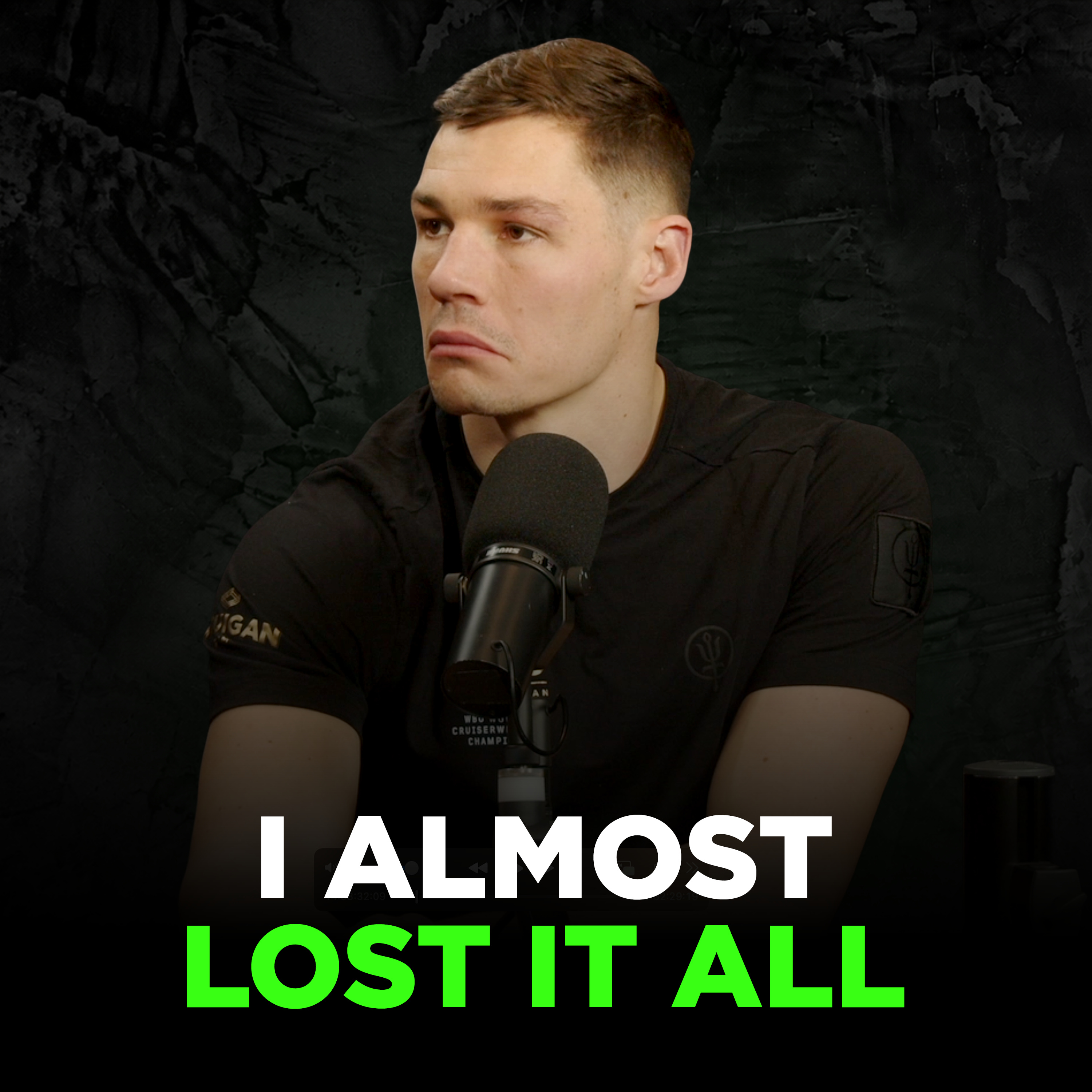
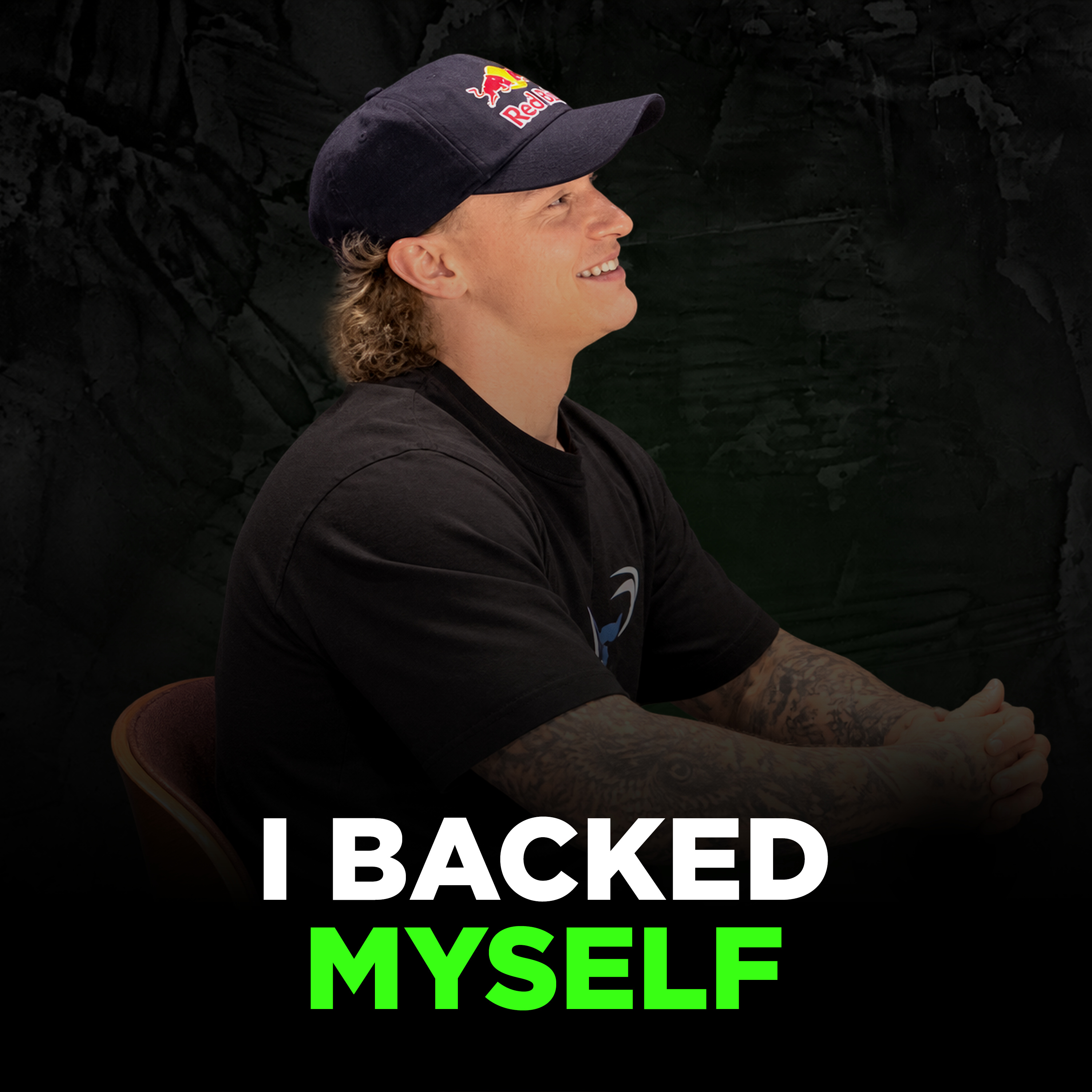
Ciarán (Kieran) Reilly discusses quitting his job to pursue BMX full-time, building momentum through daily trick posting, mental preparation, and his path to becoming BMX Freestyle Park World Champion and qualifying for the Paris Olympics 2024.
Kieran Reilly is a BMX Freestyle Park athlete who started riding at age eight, trained as a carpenter/apprentice, and became a Red Bull athlete. He works with Rich Hamstead (British Cycling) for mental coaching.
He credits success more to hard work and early start than “talent.” He says quitting his job was the “game changer.” He performs best under pressure when preparation is complete, and mental routines (e.g., controlling adrenaline at drop-in) matter as much as physical training.
Posting a new trick every day (around 2018–2019); being dropped into events as world champ and adjusting to expectation; moving away from home and skipping nights out to avoid being hungover before training; meeting Red Bull team manager Matt Bowl during COVID-era filming, leading to a Red Bull relationship.
0:00It was so surreal. In the middle of a pandemic, we finally could meet up with each other. It brought a little bit of light back into a tough time. I was trying to get this ball rolling that was a new trick every day. I'm going to post a new trick every single day. It almost feels like you strive in the pressure if you prepare properly. Biting the bullet and quitting my job was like, yeah, that was the game changer for me.
0:29Alex Chisnall: Okay, so welcome to another episode of Screw It, Just Do It. Kieran Riley, welcome to the show. Cheers, mate. Pleasant to be here. Interested in exploring how you went from riding your first bike at eight years old to training as a carpenter, then becoming a Red Bull athlete, and then BMX Freestyle Park World Champion, and qualifying for the Paris Olympics 2024. Hit the deck a lot of times on the way, I think. We will dig into that for sure. Tell me first off, to kick things off, Ciarán, why do you do what you do? Why do you ride a BMX? I think finding BMX for me was like pure luck. It was just from where I lived.
1:09Like when I was younger, it was all about having a bike, going out with your friends, you know what I mean? Whatever you were doing, you were pedaling there and came across BMX at the skate park when we were riding around on our regular bikes. And I was like, this looks sick. Like these older kids are doing tricks and spins. I want to do that. and me and all my friends BMX's were on the Christmas list or whatever you know we were getting them as soon as we could and I just fell in love with like I think as a kid you're not really working for anything and so like when I found a sport where there was a direct correlation with like putting in work getting this adrenaline rush and having a fun time I was like oh I love
1:44Alex Chisnall: I just fell in love with it straight away how much of your success is down to pure talent and how much do you think is down to hard work knowing now that you've been doing it for x amount of years and you can kind of reflect back on that. I think like the word, like I love the word talent. People are definitely talented. Some people are gifted at certain things. And, but I think like for a lot of people are going to be frustrated that they just get, they get called talented. Like you're born with it. You know what I mean? No one was. I think I definitely picked it up quickly. I think being a kid, you're not thinking of the consequences at all.
2:15Like you've got way less fear. You progress really quickly when you're young. And I think that's where it comes from with a lot of sports and a lot of people that they're talented but that's because they started at a young age where you can pick things up really quickly and I think for me I would definitely see myself more more as hard work and I think a lot of the tricks or a lot of the opportunities that I've had haven't came through being lucky or being talented like a lot of the time it's things that I've had to go out my way and learn to do or go out my way and really try hard in that aspect so So, yeah, I would like to think that where I'm at now is through hard work.
2:53Alex Chisnall: Okay. And you've mentioned your dad quite a few times in the interviews I've read as being, like, the hardest working person that you've known. Do you think it comes from that then? Like, kind of inbuilt from an early age? A hundred percent. Like, my mom and dad as well, like, seeing their work ethic. Like, we weren't a well-off family, you know what I mean? But I never, ever went without, like, my dad. my mom would always complain about like not seeing him and that because he's out working or trying to do something to get some more money in and and help us out and it's like i i think his work ethic like i was always so like proud of him you know i mean i was like proud to have a dad that would do everything he could to make sure i went everywhere whether it was like going out of his way to work extra hours so we've got fuel to go scotland or manchester for this event or just seeing how he is like as a person he definitely rubbed off on me massively and i think that's who I look up to when it comes to my work ethic.
3:48Alex Chisnall: I hope my girls can say that about me when they're years older. It's a lovely thing to say, though. But they've also shown you, would you say, some tough love by telling you you had to get a job as well. Yeah, like you know yourself being a parent, you want the best for them, for your kids, and that's exactly what they wanted for me. I think growing up they were by far my biggest fans. Like I said, they'd do anything for me to get better or to get this exposure that I needed. And I always had this dream of like, by the time I'm 16, I've got to leave school. I'll have all these sponsors. I'll be a professional rider.
4:22And that just didn't happen. We're not in a sport where it's that easy, unfortunately. And so when I came to leaving school, I didn't have any income from BMX. I hadn't really competed at a professional level. Didn't have a big following or anything like this. So I basically had to figure out what I was going to do to keep this ball rolling. and I remember like the first time I mentioned doing an apprenticeship my parents like go college do something good you know I mean like something good to fall back on it was like the idea of having something to fall back on for me wasn't wasn't something I was excited by you know I mean I didn't want to look down that aspect I wanted to be like all in on BMX so the idea of the apprenticeship was like in my head money like I can get paid like I'm working still gonna get a qualification still gonna get a trade and that's just gonna fund my riding and yeah like I remember when I first told them it was basically super spontaneous like I finding my first paid contract and I was in college one day I hadn't even really planned to quit yet like this contract wasn't really enough to live on but I was in college and like my tutor didn't like us taking time off and I was super lucky at work they let me take off time unpaid to compete because they understood the situation and I told them like I'm not going to be in next week I'm away and he was like, look, if you miss any more time, I'm kicking you off the course.
5:40And I think I just had this small emotional reaction to where that really annoyed us. I was like, I'm burning the candle at both ends. I can't please everyone. I was like, I'm over this. I need to just choose what I want to do and text my parents. I need to speak to you about something tonight. But just wanted to speak to them in passing. Didn't mean anything serious. I got home, sat on the set, like there was a meeting or something. I was like, all right, what is this? They think you've got to tell them. and I was like, all right, I quit my job, moving to Corby. Definitely a different reaction to what I thought.
6:13But I'm glad now that it was like that. I think I didn't speak to them for a couple of weeks out of spite. I was really annoyed that they didn't come with full support, but their worry was, I quit my job, I run out of money. You know what I mean? This contract doesn't last forever. What am I going to do? And they wanted me to do it at the best time possible. So, yeah, I think if it hadn't went down like that and I didn't have that spiteful reaction, it might not have went the way it did. I might not have made the move. So, yeah, I think everything happens for a reason. Agree. Yeah. Without meaning to, that was the best way they could have reacted.
6:43Alex Chisnall: When did you come up with a vision for what you're doing today? When did you, did you map anything out, like, in your mind, or did you just dream? Did things, as you say, like, happen for a reason, things kind of, like, fall into place? I think it was definitely, like, yeah, I'd say it was things just falling into place. I think growing up trying to get my exposure out there, I was doing as much social media as I could. I was always posting riding clips and I realised I started to get a bit of traction on that the harder I was going and I think it was like maybe 2018 or 19 that first year that I was working at 16 17 uh I posted pretty much every day for a year like like I really put a lot of work in and like I was trying to get this ball rolling that was like a new trick every day like I'm gonna post a new trick every single day and it meant that like working this job that i really didn't like doing was giving me more motivation when i was going to the park because i was like i need to make the most of this session and and then from that like that process of trying to grow my exposure on social media i like fell in love with it i was like i loved creating content and then that was something that like i started to put more time and energy into and then yeah like like now looking back it's crazy because there's such a big switch in where i went with like my riding career and it's like yeah I just like I kind of latched on to whatever I was enjoying in the moment and I started to enjoy content so right then that that's what I was latching on to.
8:09Alex Chisnall: Do you feel like do you feel momentum behind you like when you kind of look back at what you've achieved in like a really short period of time and you go you know like European champion world champion just qualified for the Olympics and you kind of go okay there's pretty obvious what's next. yeah the maddest thing for me is like going from being like having no expectation almost like an underdog you know what I mean at these events like no name behind me in the competition world having like a stellar year right before the games so it's like it was great for me for confidence boost like I really feel like I've earned my spot where I am now I feel like I'm going to the games with competitors who I've beat before that's a big confidence boost and it was just like it was a big thing to deal with the expectation because it was so sudden it was like you know pre-world championships like yes i was starting to become a competitor and then post world championships being dropped in at every event as the world champ like people who have never watched pmx might be in the crowd and that's the world champ all right so he's probably gonna win like that expectation that's what took me a minute to get used to yeah and yeah it's been a it's been good timing like that's what i'll say you know i mean like having progressed each stage where I have to have my best year being the year before the Games.
9:28That's like, it's accidental, but it's something I'm really happy with. And are you a confidence rider?
9:34Alex Chisnall: Is that something that you, you know, when the pressure's on, do you prefer like riding with pressure as opposed to like super relaxed, no expectation? I think so. Yeah, I think every rider, every athlete, in my opinion, you know, we all perform better under pressure when you have to be it show all that hard work in that moment and for me dealing with the pressure is just like relying on my preparation i've been to events where i've prepared poorly been to events where i've prepared well and i know what feels significantly better like it almost feels like you strive in the pressure if you've prepared properly yeah it feels like the pressure will crumble you if you know it in that moment i haven't done everything i can to make this my best opportunity so you talked about that physical side of things um tell me a little bit about mental preparation because i know you work with like andy murray's um coach as well yeah yeah so rich uh hamstead for british cycling has been yeah amazing like i think it was something i never even would have looked at i think if i hadn't like been with british cycling and a lot of it is just like and he tell you as well as really simple things that you just don't think about like you put all this work in physically it's like but you haven't got the same mental toughness it's it's pointless and it's like as well as that it's like the biggest thing for me is I always talk about having prepped the best I can so I've prepped physically I've learned the tricks I've done everything I haven't prepped mentally and and having that has made a huge difference for me like just understanding yourself more than anything I think like all right i feel like this why do i feel like that how can i fix that and that's been massive for me does he give you like different almost like um templates like that when you start going through different steps to break break things down or yeah yeah that's exactly it like like if we go into a competition like all right you've got your process you do before you ride now what's your mental process before you ride what what what mindset do you want to be in and like like a big one for me was we get an you get announced at a competition you know the comment here next up kewan right and the crowd makes all this noise your heart rate spikes your adrenaline spike and i'd be like waving getting noise from the crowd drop in with my heart rate at 90 percent yeah like it's just not smart in a really physically demanding sport and like i would have never thought about that until he mentioned it like like all right you're dropping in and you're already gassed like let's use the adrenaline like obviously everyone thrives with that yeah let's also keep it under control so we're not we're not going because the crowd want you to go we're going when you're ready to go what's changed in the last 12 months for you would you say then i think uh the standard that i hold myself to is the biggest change i've had 100 % like following on with what i was saying earlier about like becoming a competitor and then having pressure and having expectation like it like having that on myself now is the biggest change because i used to go i used to go to competitions and like celebrate making finals or i would go to a competition and argue i was there for experience not to win and like changing my mindset of like i want like it's not ever like something i would have expected but now like going to events every event i'm at now i want to win and like i'm unhappy with results that i would have a year ago been over the moon with and that's just like holding myself to a higher standard now that I know the time and effort I'm putting in, I really want to reap the rewards.
13:09And that's on and off the bike has had a huge change in my life, I think.
13:15Alex Chisnall: How far ahead, talk about this is the next competition, this is the next competition, and it must be really difficult. How far have you allowed yourself to think ahead career-wise? I think for the last three years, all the way up to now, I've just thought about Paris Olympics pretty much. and it's been like it's been crazy like trying to peak for an event that you didn't know if you're going to be at so you're always getting ready for like the next event so world championships might be in a month all right i need to peak for world championships that's in a month and then despite all this in the back of your head you've known that everything you've been doing it's pretty much been towards paris like for me anyway that's been my main goal everything i've done up to then has in the moment when I'm at that event I'm present like I'm thinking just about that event but I've known that it's all like in work of the goal of the Olympics and what kind of sacrifices have you made we kind of talked about your parents before but what sacrifices have you made yourself from being like you know average teenager growing up who's you know going out on the beers going out into town burning the candle at both ends sleeping in yeah I think that's like the biggest thing is like like anyone pursuing like trying to be a full-time athlete like like your social life definitely takes a hit like i'm born in brenningate said all my friends from there my family are like and i was love going up there so proud to be from from newcastle like it's a big part of my identity and moving away from home that was a huge thing for me like i'm so family orientated like I used to see my family and friends every single day and now I don't see my family I might see my family once a month you know I mean when we're traveling and we're in season it's more than that like I think yeah moving away from home was huge for me I mean my social life was very very different to all my friends I went to school with like going out every weekend it was like oh I can't go out on Friday night because on Saturday I'm driving down to Mansfield or I'm driving to Manchester or Corby to train at a better skate park.
15:19So I can't waste that session being hungover. So I think that was the biggest thing that takes a hit and it's just having your priorities straight. You know what I mean? Going out drinking is great. Seeing your friends is great. But in the long run, would I rather do that or be successful in the sport that I love?
15:36Alex Chisnall: Tell me, we're here in the Red Bull studio. How did your relationship with Red Bull come about and what were your emotions at the time and your parents' emotions? so i think that's the first time i actually ever met uh so matt bowl was the first team manager i had with red bull first time i met him was we did a riding trip up to scotland with the bmx brand i ride for tall order at the time red bull were doing an event called neptune steps swim event and one of the lads who we ride with had entered for the fun of it and i remember meeting matt this must have been 2017 maybe and Baz Keep was like speaking to him he was on Red Bull and he like I remember like pointing him out and he said look like that's gonna be your team manager one day and you know like Red Bull was always the dream for me so it was like a mad feeling to like know that someone who on Red Bull could see potential that you know he's telling me like one day I'll earn it and yeah so from then on like I dreamt about it basically and I remember it was pretty crazy timing actually because it was when covid happened that all the talks of red bull going on and like honestly it was it was like super periodic like it'd be quiet then there'd be a lot of chat and then uh we couldn't see each other for a while because of covid and the pandemic and everything and i remember like waiting for ages with with baz keep bmx right of uh he owns the bmx brand of ride for rides for red bull has for a long time uh we're trying to meet up and finally we can meet up in like groups of four through the pandemic and so we used the opportunity to to meet up go and ride and film a video and like mid video interview he basically asked me to throw on a tall order he's like oh like if we're doing an interview like at least put this tall order hoodie on you know and open the bag and the helmets in there and it was like seriously just couldn't stop laughing because i was like if i don't laugh i'm gonna cry my eyes out and like they're filming i remember like we we could meet up in groups of four but we we had this socially distance i remember i kept hugging them i kept hugging bars and like saying thank you and like i was getting over and bars kept being like oh like i don't know if we're gonna be able to post this video because you keep hugging me and yeah and like it turned out they'd had the helmet for months and really and i i couldn't get it because like and even so ollie who films my youtube channel like we grew up like from quite a young age together him filming and me riding and so he knew he'd actually known for like three or four months that the helmet was painted wow he kept it quiet and he kept it quiet like and i i talked to him about it every day oh you know i haven't heard anything today like i'm i haven't heard anything for a while i hope hopefully they're still keen and he texts me back like yeah hopefully oh my god poker face yeah yeah Seriously, like, it was so surreal.
18:30Like, on a cold day in the middle of a pandemic, we finally could meet up with each other. It brought a little bit of light back into a tough time.
18:40Alex Chisnall: Right, last couple of questions. So a quick fire round for you to finish off. Kieran, what was the one thing you think you needed to screw it, just do it, and get from where you were to where you are now? Just like self-belief, 100%. I had to just fully commit to the idea that I could do it. If I'd been on the edge about whether or not I was going to make it, I would have still been working on site right now. Are you currently where you want to be? I'm not far off. I'm not far off. That's a good answer. I like it. And what was the one action that you needed to take that if you hadn't taken that action, nothing else would have happened?
19:19Alex Chisnall: So like the big domino that knocked over all the other dominoes in your path? By biting the bullet and quitting my job was like, yeah, that was the game changer for me. That's really good answers, man. Last one. What piece of advice would you give to anyone who's in a bit of a tough space? We get on this show, it's like 87 % males aged like 18 to 33. What advice would you give for them? They're struggling to help them get from where they are in life to where they want to be. if you if you've got a goal like if there's something you want to do you gotta believe in it wholeheartedly do whatever it takes you know what i mean and like think around what you want it prior put your priorities right if all your mates are going out and doing whatever they're doing it's not what you want to be doing like remember your goal it's your path you can veer off and do and do that you know i've been there and done it like it was the best decision ever made was to just go in wholeheartedly.
Kieran Reilly quit his carpentry apprenticeship to pursue a dream that wasn't paying the bills. Years later, he became a BMX freestyle world champion and Red Bull athlete.
In this Founder Classic episode of Screw It Just DO It, I sit down with Kieran to explore how a childhood passion for BMX became his career, the sacrifices he made along the way and why he chose to back himself when success was far from guaranteed.
We discuss the importance of hard work over natural talent, building an audience through daily content, managing pressure at the highest level and the unforgettable moment he received his Red Bull helmet.
It's a conversation about preparation, consistency and having the confidence to pursue what you really want, even when the safer option is right in front of you.
Originally recorded in June 2024, ahead of the Paris Olympics.
Key Takeaways
◼️ Hard work matters more than natural talent. Kieran believes consistent practice and determination are what separate successful athletes from those who rely on ability alone.
◼️ Sometimes you have to take a calculated risk. With no guaranteed income from BMX, Kieran quit his carpentry apprenticeship and moved away from home to pursue the sport professionally.
◼️ Family support can make a lasting difference. His parents' sacrifices and his father's work ethic helped shape his approach to achieving his goals.
◼️ Consistency creates opportunities. By posting new BMX tricks every day, Kieran developed his skills, built an audience and increased his visibility.
◼️ Preparation builds confidence under pressure. Kieran explains how mental preparation helps him manage expectations and perform at major competitions.
Subscribe to Screw It Just DO It for more conversations with founders and entrepreneurs who stopped waiting and took action.
🎟️ Ready to take your next big step? Join us at the Festival of Entrepreneurs on 2027. Connect with ambitious founders, learn from successful entrepreneurs and discover new opportunities to grow your business.
👉 Find out more: https://www.festivalofentrepreneurs.co.uk/
Scan the code with your iPhone camera
Listen in the app.