 Screw It Just DO It with Alex Chisnall
3 Nov 2026 · 59m

 Add vo to ChatGPT or Claude to ask about everything you hear
vo listened to this episode to put together the overview and transcript, so there may be the odd mistake.
Simon Gray recounts selling his energy-drink business Boost after 21 years, then relaunching in his 50s with a new functional drinks brand, “It’s Giving,” focused on gut health and value-for-money wellness.
Simon Gray built Boost from scratch after working in food and drink wholesaling post-university. He started the brand around 2001 at age 28, used a £30,000 bank loan, and grew it into a major drinks business before selling to AG Barr (integrated by end of Dec 2024; deal signed Dec 2022).
Entrepreneurs should “de-risk” by keeping a day job/side hustle while building traction; timing matters (Boost benefited from the 2008 value-for-money shift); brands aren’t bulletproof; and second-time launches should use prior team strengths plus new digital/AI capabilities.
Boost’s “value for money” challenger approach; Northern Ireland traction where it reportedly outsold Coca-Cola in convenience volume; functional competitors like Poppy and Olipop; and “It’s Giving” ingredients: 6g fiber, low calorie/low sugar, no artificial sweeteners, plus apple cider vinegar.
0:00I just sort of broke down in tears on the Sunday morning. And I suppose I kind of knew it, but it sort of reinforced that you're not sort of bulletproof. No brand is. And, you know, we'd had 20 great years with the business. It'd been very good to us. Identity-wise, people think, oh, you're the guy who did that. But you also, you don't necessarily just want to be known for that. But also, flipping it around, if we didn't and somebody launched a value for money alternative, which is kind of my sort of playbook, how would I feel about that? I thought, I can't just sit back and watch. exiting was great and doing a couple of other things in my life these days is all great but it's not the same as building your own brand true sort of like you know screw it just do it
0:36Alex Chisnall: kind of moments sat there thinking i think there's an opportunity here again
0:46Alex Chisnall: simon gray welcome to the show thank you very much thanks for having me on absolute pleasure pleasure um so you built boost from scratch grew into a major drinks business and eventually sold it um tell me back to i believe 2001 what did you see that everybody else had missed at that time had everybody missed it or did maybe nobody do anything about it don't know um so i was not long out of university. I sort of fell into the food and drink business. I was looking just to go traveling, save up some money, ended up working for a food wholesaler. One thing led to another, ended up staying there, eventually opened my own food wholesale business.
1:33And I wasn't really thinking about launching a brand, which might sound a bit crazy, but that is the reality of it there was there was no real plan and i was an energy drinker as a student at university so a few years prior i was like the consumer first yeah put that to sort of bed when i sort of went to work um and then started to see that the supermarkets were starting to create own label energy drinks um and again sort of part that didn't really think too much of it but i think the seeds were probably being sowed and I started to build my own food wholesale business and then one day I met a manufacturer and I said to them slightly naively if I create a brand would you package it for us thinking there's not going to be a chance they'll do that but we all need a bit of luck along the way or they took a bit of pity on me or I don't know what and yeah so it sort of that was the kind of light bulb moment.
2:33So we thought, right, let's do it. What made you act rather than just think
2:39Alex Chisnall: somebody should do this, do you think, like looking back now? I suppose I've been one of those kinds of people that I suppose if you see a little bit of an opportunity and I always probably actually turn it around and think, well, if I don't, if I do do this, what's the worst thing that can happen? And if you can, you know, I think people think often with sort of startup businesses, entrepreneurs that were all kind of a bit reckless and a bit kind of crazy and we just we just go for it without thinking but i'd like to think i'm a fairly sort of safe sailor yeah i was 28 years old um no kids but just got engaged um so you kind of think well there's only the kind of the two of us to look after yeah so like say it's sort of slightly different now i'm sure we'll talk about sort of the new launch but the landscape's different this time around so then you kind of think well if it doesn't work out you know i'll go get another job or well and i suppose actually because i was and this is often when i sort of talk to other startups um i'd encourage people if you're in a job you know keep doing what you're doing while you're building the new thing yeah yeah and then as and when you feel that actually you've got some proper traction you've got something to sort of get behind then maybe you can let go of the other so as i said it was um it took a little bit of time to build some momentum rather than just sort of like wading in thinking well you know yeah there's no thought at all and often may and maybe maybe it's in the rearview mirror where you go what would have been the opportunity cost of not doing that thing yeah well what do they say sometimes the biggest risk is taking no risk yeah so you're right looking backwards it's kind of easy i think the other thing that was probably important at the time is is the timing you know i think you know we weren't the the first to market you know in fact my sort of playbook is the fast follower yeah challenger brand yeah um so when you've seen a market moving um i guess the decision is at what time do you go um so i think i think timing is pretty important i don't think you always have to have the finished article i mean you can kind of like polish as you go along kind of thing but i think that shelf space will only uh be there for a certain amount of time so sometimes you just got to take a bit of a leap of faith whilst knowing what's the backstop position like you're saying i've mentioned this few times you know having worked for for Richard Branson for many years but that people think entrepreneurs are reckless but like with Richard it was always like how do I de-risk jumping into this and we were talking earlier about Virgin going into like energy drinks and I remember being at the Virgin Cola and these are businesses that didn't succeed in the great scheme of things right and I don't know how necessarily Sir Richard started out with things but I know going to an event he was at and he had like a sort of his wingman that was sort of suited maybe he's his cfo yeah and while richard was a bit more maybe reckless maybe slightly further down the line than we were talking about when i started he had somebody sort of to keep him a little bit on the straight and narrow yeah whereas for a lot of us when you start out you don't necessarily have that sort of like guardian angel that's sort of keeping you keeping you on track so you got to kind of keep a little bit of living it yourself yeah yeah and so just doing your wife at the time did you say yes absolutely Yeah, my wife wasn't in the business, but she's always been a great sounding board.
5:46She comes from a business background herself. And I always, whenever I talk about the business, I always have to don my cap to it and give her the credit that actually 24 hours before we were about to sign off the brand, she challenged me because it was going to be called Blast. And then literally 24 hours before, we were just sat over dinner and she said to me, don't you think the name Boost sounds so much better? The rest is kind of history.
6:10Alex Chisnall: so it's all down to her well team effort but yeah she's gonna take a lot of credit for sure yeah um and for you to get started you took a bank loan to start boost so you took 30 000 i believe that's right um and you i mean how big did that feel at the time like you're in your 20s that's still like a it's a big number it's a big number i suppose i was in business then with my food wholesale business so that was more a trading business so we were buying and selling and sort of cash was coming in and out so i had a bit of an understanding bit of an appreciation of the amount probably at the same time with a lot of things we tend to do when we start out you're a little bit naive so yeah you sort of recognize the number but at the same time um you tend you don't actually see the cash yeah you sort of see a number in the bank or something i'm not sure spreadsheets even existed then but you see a number on a spreadsheet so yeah you you recognize sort of what's on the line with it without getting hopefully too overawed and that's probably the other thing and maybe about sort of sort of startup entrepreneurs is that you have things that come your way but you don't feel too in awe of it you sort of respect it and you run with it i think if you process it too much um that that's probably the bit where others will sort of just pause or never get started and what apart from that bank loan what did you think you were risking like personally at the time yourself you see these i mean these are brilliant questions i suppose you you don't really ask yourself those questions reflective now when either you're a bit maturer or startups these days and because they're being mentored or they see things on social channels about how to build a business you're asking yourself these questions from the start yeah but i didn't i can't say i sort of sat there thinking about what if this goes wrong what if it You know, it just wasn't like that.
7:59But this time around? This time around, yeah. I mean, I think when you build a business, again, on the one hand, you know, you've got experience. You've got a level of sort of credibility in a marketplace. You've got relationships, things that you can sort of leverage. So that absolutely, you know, has got value. But at the same time, I guess the world is just so different. so what have you got to lose i think there's how to phrase this but i suppose you sort of putting you putting your neck on the block again yeah so you again you sort of you know you've been known as the person that did that yeah um and i'd like to think i've gone on and done other things and you know you you're an all-round developed person now but you're sort of there a little bit to be knocked whereas first time round you didn't really have anything to prove yeah um so yeah i suppose but it's also to yourself i guess it's it's you know i suppose when i was what was i 28 when i started and you're out there to to prove yourself i think whereas now i sort of phrase it i'm trying to sort of improve myself yeah i think you know listening to you know podcasts like yourself or access you've got to you know to social content i think a lot of us are on quite a sort of personal development journey as well so have you got stuff to lose a little bit but i still think there's a
9:19Alex Chisnall: lot to learn and gain yeah yeah um and back in your 28 did you was there a plan b you obviously had like the wholesale business um that was probably the plan b without it being sort of overly thought about because that was ticking along nicely and just to sort of bookend that bit of the the sort of the story what happened for a couple of years is is literally i had two phones on my desk yeah i had the wholesale business phone and sort of the boost bat phone and and and yeah i was running two businesses um we actually we actually had some mice in the corner we were in the back of a warehouse with in an office with no window so you can imagine what it was sort of like it was proper like like rough and ready kind of stuff but then a couple of years in you you sort of almost don't appreciate necessarily how the brand is building because i did a marketing degree but i'm not like a marketer as such yeah and it was almost a trading in a lifestyle business but then you start to see that people are coming back again and you start making one or two hires and they're starting to push you and challenge you and ask you what about this why did we do that and then about two or three years in you kind of think i can't do both of these things now so literally just sort of hung up the other phone and focused on on the boost build yeah interesting i've had a few conversations recently in the last couple of weeks where i haven't had many of those conversations before but all these conversations have been with people who've had two businesses at the same time.
10:41And then at some point, you kind of like turn down the hob
10:44Alex Chisnall: and turn this hob up. Well, don't they call it, I talk to my kids, they call it like a side hustle. Yeah, exactly. That's what it's called these days. Well, it was a side hustle, I suppose, back then. Yeah, yeah. And then, yeah, some people still juggle both or do stuff at night. But I could see it was growing. I could see there was opportunity in it. So, yeah, I think it was time to try and focus. I mean, there's so many different ways to do it, isn't there? And I agree with you. I think if you can do it that way, whereas when I left, I've been at Virgin Atlantic like 17 years and I, you know, got the year's salary and a couple of years of free travel, which was very nice.
11:18Alex Chisnall: But again, in hindsight being the wonderful thing it was, I was like, I wish I hadn't gone all in, you know, because a year's salary doesn't never last a year. Yeah, well, like I say, you know, it's always easy looking backwards. There's an easy answer to that. You know, you go with your sort of gut instinct. but yeah yeah that's yeah um and at what point in those first couple of years then did you think i could be onto something here like this this vehicle could actually take me to where i think i'm headed i don't know if you had a you know clear and crystal vision of where you wanted to get to i don't know um no again it all sounds a bit of sort of fly by the seat of your pants and it was a little bit um i suppose when you're starting to get reorders coming through that is the bit that sort of almost like validates the gut instinct that you had.
12:09I mean, market data wasn't massively a thing then. And even second time around now, you know, we're doing some great stuff already on like TikTok shop. So you're dealing directly with the consumer and you're getting almost like instant news on how things are selling. I think first time around, it probably took a good couple of years to really get the confidence because as the consumer, first of all, of energy drinks, I got it. And I'm showing it to people around. They're going, oh, yeah, yeah, we like that. But, you know, you want to make sure that, you know, if you're going to go all in on something, that it is kind of validated.
12:43I suppose you go to the marketplace and the buyers that you show things to. And like I said, when the reorders start coming through, you start to believe it. And when there's nothing else coming in, kind of a, you know, we're a value for money proposition versus the brand leader. When you see that there's nothing else really coming either, because that was the other watch out, is that while you're in there, You know, you don't know what the landscape's going to look like around you, but there was nothing else coming. There was more premium stuff coming to challenge sort of the brand leaders of the time.
13:12So you start to think, well, we've kind of got more and more of this white space.
13:15Alex Chisnall: Yeah. So on the one hand, you're thinking, well, are we the only ones doing this? Are we really right? And I mean, that was... How many years were you like the only? We were probably sort of about four or five years. And then some of our wholesale market started to launch own brands as well. So that sort of value for money arena was getting more saturated. But there was quite a big accelerator for us was actually when the world hit the wall in 2008. You know, value for money became like the order of the day. All of a sudden it was like smart to go to Aldi or, you know, I'll go to maybe like Primark.
13:54But brands like ourselves and there's lots of brands out there, you know, Greg's the Bakers, EasyJet. yeah home bargains some of these real value offerings that actually you know the recession
14:07Alex Chisnall: was the catalyst for a lot of them and everybody uses them there right absolutely but they were built 10 years prior they weren't built for the recession yeah they were built in advance of that and um so so yeah i suppose i think that value for money psyche was was being seeded early on yeah um and yeah it's a lot more cluttered now but yeah we we definitely sort of hit the accelerator I think at the right time. Quick one before we get back to the episode. If you'd like to meet some of the founders you've heard on Screw It, Just Do It, join me at the Festival of Entrepreneurs on the 3rd and 4th of November at the NEC in Birmingham.
14:41Alex Chisnall: 200 speakers, two days of practical business insights and it's completely free to attend. Head to festivalofentrepreneurs.co.uk to register. And at what point in that journey, and it'll be interesting comparing it to what the vision is now, but at what point early in that journey did your ambition and your vision then change based on the feedback to you again? Because you say now might be a good time to tell us what you've actually launched there. Well, I'll sort of answer the first question, then we can go into the new launch. But I don't know if it was necessarily from the consumer sort of perspective, but this is where you know i've i suppose i've become a massive believer um in that you know you're only really as good as your team that you have around you um and i suppose i thought i understood what i was doing i was the entrepreneur you'd gone first but you sort of don't know everything and then you start to make a couple of sort of like superstar signings for the team yeah um and yeah i've got a sort of saying people have probably heard this before but you you can't be what you can't see and now are suddenly seeing people that have come from sort of like you know bigger bigger brands they've got bigger thinking and they were they were saying you know we really got something here we should really be sort of puffing our chests out a bit more we should be you know creating visions for the future we should start to have sort of five-year business plans we should have like values for the business and all those kinds of things and and i was sort of starting to learn and feed you know off people that were in the business yeah so i think it was i mean i've always as i said been putting it down to a team play so i think a lot of the the drive and the vision that yes ultimately i have articulated they've had to sort of drag it out of me because for years when you work on your own you've got a sort of fledgling team you know the idea is when you head yeah and you're sort of bouncing from one thing to another but operators that have come from sort of bigger businesses they need to see sort of like the the full architecture to really get behind it and then to really add the volume yeah um and then this time around um so 2026 um you've launched a brand new drinks brand functional drinks brands yeah absolutely yeah if you're watching on youtube you'll be able to see what we've just been sampling um but what was the vision what is the vision because you're six months in at the time of recording right yeah absolutely so you know you're asking before about sort of the experiences and the learnings and that kind of thing instead of second time round you're sort of taking all the best bits of what you've learned before and i suppose first time round it was about trying to make energy drinks affordable you know i was the student i understood the proposition but if you want to go to the mass market i think some people always want the brand leader yeah and then some people just can't afford the brand leader we were always going after the second so sort of democratizing energy was kind the vision first time round and second time round I suppose you know I'm into my 50s now but as as a consumer you know I've been trying to get a little bit more on the health bandwagon probably before Covid um it all started trying to look after ourselves a bit better you realize you're not getting any younger but you realize if you want to live longer and healthier you've got to sort of look after yourself a bit more so it started before Covid I do a fight over the thing said at the start, do a 5k walk most mornings.
18:12Yours is one of the podcasts I've always had in my ears. That's why it's all a bit surreal sort of sat here chatting today.
18:17Alex Chisnall: Love that. Um, but then nutrition wise and sleep wise and all the things that you're learning about, um, I was, I was sort of getting on board with. COVID then came along and all of a sudden for everybody health became like the order of the day. So, and then the sort of the mental health conversation has come on from there. I recognize as I think we all do that there's quite a big obesity challenge in the uk at the moment um and this this gut health conversation was starting to play out um i'd stayed close because i think we'll probably talk about the the business sale at some point but yeah on the back of that i'd stayed close to the marketplace i'd seen especially in the us some new better for you soft drinks that had really hit the market fast and they were offering like additional functionality, especially with fiber, which was supporting gut health.
19:11And there's been a couple of cool UK brands that have launched as well. But again, everything was very premium. So again, this is where the wife comes back in. Ali, my wife, comes back into the conversation and it was the summer of 2025. We were meant to go away. She got injured. We were playing, I think, paddle tennis, one of our new things. Me too. And now you like it, yeah. you can't get enough very addictive paddleitis they call it now we've got paddleitis haven't heard that i can i can totally get that yeah and um we ended up not going away going to a health spa overnight and we got served i think some functional drinks and again got served the price as well and i thought oh my god so in talk you know true sort of like you know screw it just do it kind of moments i sat there thinking i think there's an opportunity here again um and so the challenge the vision cut it what you want was can we sort of democratize wellness because the irony is the people that arguably need better for you products who have got some of the challenges arguably can't afford it absolutely yeah so there's some great propositions out there um so we thought to ourselves well yeah let's um you know well i suppose let's go for it but also flipping it around if we didn't and somebody launched a value for money alternative which is kind of my sort of playbook yeah how would i feel about that and i thought i can't just sit back and watch and all being well you know i mean you know exiting was great and playing a bit more golf bit more paddle doing a couple of other things in my life these days is all great but it's not the same as like building your own brand yeah so um so yeah put our necks on the line again and um gone back in with a new brand called It's Giving, which is a gut-friendly soda, low calorie, low sugar, no artificial sweeteners, has six grams of fiber and some apple cider vinegar, which are ingredients that support gut health.
21:07Alex Chisnall: And for those who aren't aware then, who are the biggest players in the market now? Because last time round, you know, energy drinks, you're going up against the obvious. This time round, who are you going up against? so essentially what how you how you sort of framed it first time i see i never saw us going up against red bull right okay so and this and i think people think you are and i understand the fact that you know you're fighting for sort of fridge space yeah and you know you're fighting for that sort of share of the pound with anybody that's sort of in soft drinks to be fair yeah yeah true true but i've you know i've said it time and again to people and there's there's lots of other brands in the energy drinks category if it wasn't for red bull none of us would have had a business because they were the first they're genuinely first to market yeah and you know they've reaped the benefits of building you know an amazing brand i mean for some you know entrepreneurs as well you know the early days for them and when i say early days even probably the first 20 years they only had one product yeah one can and they just sold it it's nuts now isn't it you know it's It's quite incredible.
22:13So they sort of, you know, built the category and gave opportunities. You know, we've did it on value for money. Other brands have kind of gone a bit more head to head with them. So I never saw them really as the competition, more as the sort of the category kind of leader. So to your point this time around, I mean, yeah, there's a couple of brands in the US. Poppy is one of the biggest, which most people have heard now. And also a brand called Olipop. Again, sort of very premium. As I said, there's also a couple of cool UK brands that are out there as well now. But again, I think it needs a few of us to sort of help do the education, help build a category, help sort of fill out those fridges.
22:56So that when a shopper comes in, there is choice on flavour, on pack size, on price points, on your sort of brand position, whatever people are looking for. So are they competition? Yes, to some degree. But at the same time, I think competition is healthy. yeah and i think i think the trade like that i think consumers like choice but then ultimately you know you'll make or break it based on on what consumers want yeah um i don't know if this is
23:22Alex Chisnall: right but with boost you eventually get to the point where and i read in part of the research that that in a country northern ireland in convenience retail you're selling more volume than coca-cola yeah that's right yeah that's nuts right yeah totally yeah how does that even happen because we were talking before like virgin cola richard launching it and that being uh not successful but being squeezed off the shelf essentially i'm assuming by pepsi and coke right but yeah and and i'm guessing you know pepsi and coke saw virgin cola kind of going head to head which was the point i was right right can yeah so that was the point i was making before if you should sort of poke the bear yes the bear will good point come after you yeah um so yeah we weren't going out into Northern Ireland to sort of take on Coca-Cola.
24:11You know, you've got to be crazy. And the Irish story, just sort of very briefly, is an interesting one because we got there to the market quite early on, working with a great distributor over there. And after a couple of years, you know, we were starting to see some real traction in the market. And again, we didn't have any market data, but something landed on our laps that started to tell us that the northern irish consumers were the second largest consumers of energy drinks in europe right now we didn't have that insight at the start and i don't know why it is but it is yeah so things just started to build the price point work the brand efficacy was working for them and i actually think these people started to potentially think it was like an irish brand because it wasn't even that famous sort of over here in england at the time and they just got behind it and it built and built um so yeah we didn't sort of try and take on coca-cola we were just sort of doing our own thing slightly naively yeah and then we started getting the next wave of data saying hang on do you understand what you've actually achieved in the market because this is the thing i think again if you try and you know we all want sort of big goals and all that kind of thing but at the same time you can you sort of you can scare the living daylights out yourself trying to maybe go for those things i think bit by bit slowly slowly before you know it you've gone fast yeah yeah
25:31Alex Chisnall: Yeah. And then correct me on the timescale, but like 21 years after starting Boost, AJ Barr buys the company. How difficult is the decision to sell something that you become part of your very being, I could imagine, for a good couple of decades, right? Yeah. So I suppose it wasn't the intention at that time to sell. I suppose I'd seen and being in the industry and you sort of see great British success stories probably the the best one maybe in my lifetime of food and drink has been Innocent Smoothies yeah I've interviewed Richard Reid yeah yeah I met Richard you know early on seeing what those guys have done and and again sort of pioneers in the market um and they'd have had their own reasons on why and when they exited.
26:23We'd had sort of 20 great years. And it's interesting as you grow as well, because I think businesses, they don't tend to just do sort of the straight line. They sort of tend to grow, they sort of flatline a bit, you regroup, you reinvest, you go again, you build a team, you reinvest, and it sort of goes like that. And I thought probably in the sort of 2015, 2016 you sometimes wonder you know has has that boat sailed because then there's also the piece about this the size you are and the appeal that you have sometimes you're too small and certain people are not interested in you yeah and then if you get over a certain level some people are not interested in you but then the next level you're still too small to attract interest from them yeah so i wasn't really sort of focusing on a sale but i suppose the the learning on reflection is all the good things that you're doing to build your business to be a success the infrastructure you're putting in the investment into the brand the quality of the team the customer relationships i suppose are all the things that make you attractive also for sale um so it wasn't like i say top of the agenda but then covid came along um and you know you start to see overnight like the hospitality sector just got decimated.
27:45And this was like a real sort of like, what the hell is going on out there? And nobody knew. You know, we thought it was going to last a few weeks and we'd all crack on. And that obviously wasn't the case. And some unbelievable businesses just disappeared almost overnight. So you start to realize that, and I suppose I kind of knew it, but it sort of reinforced that you're not sort of bulletproof. No brand is. And, you know, we'd had 20 great years with the business. It'd been very good to us. We've had a great lifestyle with it, great fun with it, had a great team. And then you also start to think, because I've heard stories where people exit and the buyer's not the right person in hindsight.
28:24They trash the brand. Things don't work out. So many stories like that. Absolutely. So you get, you know, as the founder, you do get twitchy. It is something that is very close to you. The team are very close to you. So there's a lot of dynamics that kind of come into play. You know, obviously, there's a financial reward for doing it. which you know you can't ignore either um so we had we actually had a couple of approaches um and we got into the conversation with the ag bar guys met them a couple of times i'd known a few of their sort of senior team not the sort of the the execs but a few of the senior team over the years they've obviously got a great success story when it comes to building the iron brew brand you know they bought the rubicon brand and you know they're sort of house of british brands so that was pretty impressive they also understood because we'd doubled down on the convenience retailing market that was one of our other points of difference over the years they had a real understanding of that so i suppose instinctively it felt the right partner um then it became a matter of kind of uh okay yes what is the structure of the deal what is the price what does it mean for me what does it mean for the team what does it mean for the family how does everybody feel about it and we got to a place where um i felt it it was the right thing it felt the right thing to do you know we'd had a good run of it and i think the other thing for entrepreneurs is that you almost have to leave runway for a buyer you know they don't want something that's necessarily maxed out either and i felt that there was opportunity where they and they have and it's great to see sort of a couple of years on they've taken taken the brand on um so yeah it was um it was the right thing but it was um there was a lot of sort of stomach with it as well were you frightened of
30:07Alex Chisnall: losing anything other than obviously you're losing your business but the rewards um i suppose you you do i mean there's a bit where you've sort of become famous with a small f for something yeah and so what do you and you know you you suppose you learn as you mature when you you sort of identity wise people think oh you're the guy who did that yeah and i get that but you also you don't necessarily just want to be known you know for that um you also eventually um so we had two years afterwards where we were a standalone business um and at some point they were always going to integrate us into that and some roles were made redundant and that was tough um for the team you know um you know we've tried to ensure sort of culturally we do business the right way and i suppose actually the first thing when we actually announced the sale i mean there's probably a couple of bits that um it's probably the human side of kind of what goes on um in fact sort of going probably six months back you know the process to exit which i'd never done before and you have sort of advisors we had some great advisors don't get me wrong but they've never been they've been an advisor they've never been the founder that has sold and there's a couple of dynamics that come into play firstly nobody in your business knows what's going on apart from you and probably your fd for a period of time because you just can't talk about it no so you know you're almost like cloak and dagger when you're at work and you're trying to run your own business at the same time and you've got to do all this sort of due diligence provision yeah it is rough um but then when we did the deal sort of the night before so I'd signed the deal over the weekend and because it was a PLC they had to announce it at 7am on the stock market on a Monday morning so I was like under sort of lock and key all weekend and I just sort of broke down in tears on the Sunday morning and I sort of look back now and there was a mixture of I suppose elation of what you'd achieved tired out because of the process In fact, we were nearly, we were nearly, we'd nearly done the deal in actually September.
32:18And if you remember, Liz's trust came into power with Quasi Quartang. We had six weeks of carnage, and everything was put on hold. And at that point, you're thinking, do we go ahead with this? Do we not? The guy still wanted to do the deal, but, you know, everybody was sort of like locking down cash and just sitting on tight. So, yeah, when we actually got the deal over the line, it was just quite overwhelming. but then you've got to go onto a team's call at 7am just as they're telling the stock market. I had to put a meeting in the diary the night before for my team and they're thinking what is this all about what's going on and I actually had to tell them in everything we're talking about now I had to lock it into about five minutes explain to them who it is what it is why it is and what happens next and i went into the office that lunchtime and literally you could hear like a pin drop because you know we're a close team yeah small team doing a big job and you know people you know you spend a lot of time at work and these are these are good friends and you you feel like you're playing a little bit like god with people's lives but i guess that is the nature of of business um but we also try to make a real conscious effort especially towards the end when it came the redundancy process we had an amazing uh lady who was head of our people and culture and we ran this campaign called be at your best for the rest so for the last six months we wanted to make sure what do they say like you like you finish like kelly holmes not like redmond and uh we wanted to make it as you know we couldn't we couldn't fix this but we could just make it as good as possible yeah um so we were you know we were having social events in the business we bonused everybody at the end which didn't need to do but as a thank you to people and then we actually went out onto like linkedin and things like that and actually put our team one by one out there and help them look for jobs okay yeah yeah um so we did we did sort of everything we could because that's kind of sort of how we roll um so yeah it was um sort of strange old times a real sort of roller coaster of emotions and like i say i think it just does it means a lot it means a lot and you know uh People tend to look at sort of headlines of the numbers and what you've achieved.
34:32And that's, you know, I'm proud of that. And it's a great success story. And the things that have spun out because of it, you know, even interviews like today, I suppose, come on the back that it's an interesting story and others can maybe, you can share and learn. But at the time it was really emotional. Yeah, really emotional.
34:46Alex Chisnall: Wow, that sounds like a hell of a story. And I remember chatting to Richard Reid and he was, I think they've been stalked for like years, you know, different offers coming in. And again, I've got a friend, one of my oldest friends in Cardiff where i was brought up going going through this at the moment and it's just been dragged out way longer than he thought and anytime i suggested doing anything like boys golf weekend rugby weekend whatever is i can't i can't and this is a bit about the advisors bless them whatever they say they say it's going to cost and however long they say it's going to take you can probably bolt on like another 25 because it's just the reality of it it's not that anybody's kidding anybody but But it's hard to call it.
35:24Alex Chisnall: And what did you do next immediately? Because I always remember chatting with Richard Reid. And he was like, literally, we signed on the Friday. On Monday, we started Jam Jar Investments. It's like, wow. Yeah. So again, a bit like there was no plan first time around, there wasn't a plan second time around. I know lots of entrepreneurs who, yeah, they bounce from one thing to another. They've got a plan ready to go. It wasn't like that. You know, I sort of stepped back a bit, even though I was still the CEO of the business, had stepped back a bit and getting that sort of better work-life balance and all that kind of thing.
35:57I was wanting to do a bit of mentoring, do some investing, take on some trustee work and just try to, again, you know, we're talking a bit about identity, kind of sort of like shape things sort of a little bit differently. I had my consultancy work still with the AG Bar guys. So I felt like, yeah, play a bit of golf as well, a bit of paddle as well and just sort of enjoy kind of the moment a little bit. um so yeah that's probably what happened in the kind of the immediacy yeah um and just sort of try to decompress a little bit um but not too long morning immediately after you've you know
36:33Alex Chisnall: you've you've had the meeting with the team yeah you've gone um stock exchange etc um what does it feel like and what's ali is it your wife's reaction as well um I mean, she's been a great supporter to me all the way along. So I think in terms of what did I feel, what did we feel, like I said, there's a kind of relief that actually the news is out because, you know, we've sat on it, you know, for a long time and you can talk to people about it. I remember we even went out for dinner with some friends of ours on the Saturday night before the Monday morning and we're out with five other couples.
37:11And, you know, sometimes you've got something you want to say and you can't share it. I'm like, sat on it, sat on it. And then on the Monday afternoon, they're all ringing me. I can't bloody believe what you've just told, what I've just read or what I've just heard.
37:22Alex Chisnall: I was with you 48 hours ago. And I said, I can't. Yeah. Yeah. So, yeah, I think a lot of relief, the fact that you can be open about it. But I suppose that the real sort of next step was to support the team and just try and sort of give them a bit more context and a bit more understanding of kind of what it all means. Yeah. But then I think also it was just a matter of just trying to have a little a little bit of sort of downtime just to sort of clear the head because it had become really foggy and stressful yeah and everything else and at the same time there was there was a lot of sort of press stuff that you have to do i mean because again they're a they're a big scottish you know employer you know it was all over like bbc news um so the the news is traveling fast so there was a lot of press stuff that we had to do which was you know enjoyable but sort of weird and different and haven't people got more important things to sort of like discuss but it's um it was it was quite newsworthy um and at the same time it's very nice to hear sort of like you know um sort of positive you know things that people are saying to you at the same time we also had to be a little bit mindful you know like sort of with the children and explain to them that all things are going to be in the news and you just if you go to school i remember like like one of my kids i'm glad we told them because like one of my like i think it was my one of my daughters maybe the youngest one came home and like her friend said oh my daddy's been talking about your daddy kind of thing and this is sort of the the real side behind you know i'm never a big fan of you know all this stuff has to be plastered all over the press yeah i'm not really sure i understand there's like stock market rules and things like that but i just think it's a little bit unnecessary on a sort of personal level but that's kind of the way it is but yeah these are some of the things that you sort of have to you have to navigate yeah and people probably don't think about unless they listen to conversations like this right um and what did you you know like you said there was no plan in place to do something on the monday on the tuesday morning what did you think you're going to do the rest of your life i've always been a bit of a believer that if you if you just keep moving and you keep sort of networking you know actually what i did now you've asked him it made me remember i was actually catching up with people you know because I've been a bit crap after I left school and university in terms of keeping in touch with people.
39:43LinkedIn has been like a massive godsend because all of a sudden you can find people and sort of, I'm not a big Facebook person, but with LinkedIn, I use it for work, but you can find people and we're catching up with people and I'll be sort of traveling around and just sort of staying also close to people in the industry I haven't seen for a while. And I'm just a believer if you keep putting yourself out there, you keep going to an event, things happen and people, you end up you could go to a dinner that you think the objective of this dinner is is this but actually you end up sitting next to somebody else and they say to you oh right you've done that i need to introduce you to so and so absolutely so while i didn't necessarily have a plan i thought i'd make use of the time just to to keep being a little bit visible in the market and like we said then
40:25Alex Chisnall: things just tend to find you and what was the time scale um remind me from um exiting the business selling boost and then um bringing out um current products so uh we did the deal december 22 we integrated everything by the end of december 24 so it was the end of jan 25 by the time sort of turned the lights off yeah that was january 25 june 25 was when we were at the health spa and we had that sort of right light bulb moment yeah um how many of those light bulb moments did you had in the intervening um or was that the first not very many to be honest because i said that i wasn't really sort of necessarily looking for it yeah and this is the other thing i think sometimes you know i'm not really sort of an ideas machine you know if you put me in a room with a pen and paper and say come up with 10 ideas i don't work like that i just sort of crack on and then things just tend to you know surface and then you think oh hang on a minute why has nobody done that yeah What if I do that?
41:31Could we turn it into that? And that's sort of how I roll. So June 25 had the light bulb moment again. And September 25, I launched. So the business is called Fizz with Purpose. So it's about better for you soft drinks, but it's also about how we do business. It's also about giving back. um you know i'm really and we haven't necessarily fully explored you know i mean the purpose of bringing better for you drinks is is absolutely the kind of the focus but i think there's you know we can sort of deliver on purpose in a number of other ways whether that's you know the opportunities for the team really keen for sort of you know whether it's my own children to to learn about the business yeah they're doing some social media work for us at times so they can actually work on a real brand or bring a bit like you do with a podcast maybe with students or whatever it may be maybe sort of bring them into our world a little bit more and give a bit more back yeah so september 25 set the business up brought one of my ex-team on board by january 25 we built the brand done the recipe development got everything together we were ready to launch there but unfortunately manufacturers couldn't fit us in so it was actually march sorry january 26 and it was actually march 26 so six months from sort of opening the business and starting the work to being live in market which i think by any businesses stretch is a is a pretty fast
43:00Alex Chisnall: it is that's what i mean yeah so we're actually yeah so we've only been in the market visible to consumers for about five or six months wow and um have any of the kids shown an interest uh in the business. Yeah, absolutely. I mean, the world that they operate within, I guess they understand the brand, first of all. So again, when we were looking to sort of build the architecture of the brand, the phrase it's giving is sort of social media slang for the Gen Zs, which is all about how things make you feel. But for sort of maybe our generation, it works the other way. It's just giving you functionality and better for you and fiber.
43:40That's kind of how it works. So they sort of get the um they get the branding side of it because also we're living in obviously a social media world you know which yeah i i understand it to a degree but they live and breathe it and the content that's created exactly so they're really enjoying seeing that side and feeding in their friends are all loving the product so you know the sort of student network is is sort of our entry cohort level for the brand as well yeah so um so they're helping there so no they're they're proud and really really enjoy it always reminds me when you talk about the kids back in the boost days when the kids were much younger never forget one day we walked into a shop and they're just pulling products off the shelf and walking out because they think it's ours and i said no no no you can't do that they the retailers have bought it from people if you want that you now got to pay for it so uh yeah yeah so so they're a bit wise the second time around a little bit older yeah um
44:38Alex Chisnall: You mentioned bringing back somebody from the old team, and it reminded me, I haven't managed to get him on the podcast yet, but he's a really nice guy, a guy called Tim Stoke, who started OnlyFans. But we ended up, with my podcast agency, we ended up making a podcast for his new business. But he literally pulled in all of his old team because I think, again, that's why I asked you the timescale. With Tim starting his new business, it was probably something like four years had passed since he sold that business. um how important was it to have somebody that you could kind of bounce ideas off um who was familiar with yeah i think i think it was really important so i'll never forget um ringing mark up um and we'd we'd worked well together before and um he's a kind of category guy so he he sort of understands the market and what's going on um he he also in the before we sold the boost business He was like our AI champion.
45:36Yeah. And I realized we were going into a different world, the world of AI. We've been sort of quite innovative over the years and quite on the front foot with anything that's sort of out there. And I felt second time round, if we're going to come back and want to go fast, then we need to take all the best bits from before and overlay it with all the kind of the new sort of tricks that are out there and things that you can tap into now. You know, I wanted us to go fast. I wanted us to keep cost down. I wanted us to be agile and sort of savvy. And I rang him up and he'd actually gone across to AG Bar as part of the integration.
46:10And I kind of said, look, this is what I'm thinking about. First of all, what do you think about it as a concept? And he sort of got it straight away. And then I said, look, and this is how I think I want us to roll as a business and sort of, you know, very sort of digital first. And he got that too. So, yeah, confidence from people that you've worked with before, because that allows you to go fast. you've got a lot of built-in trust already. At the same time, he and like anybody else who I think is with us now, but most of the team towards the end of Boost have never worked in a startup, a real startup.
46:45They'd worked in a sort of a more fleshed out 15, 20 year old business with systems and processes and budgets and all the things in place. They're not a start. This, you're going to have to roll your sleeves up. So you're going to be like director level on this. But if I need you just to go and run to the shops, you're gonna have to do that as well but he's the kind of character and so a few of the other team that we brought in where they're under and they're really enjoying actually seeing this part of the journey because they came in much later yeah um and they recognize yeah it's it can be a bit scary at times but quite quickly i think you know again we're building traction and they're building the confidence not necessarily in us and the proposition but the more that you get into market and the more shows that you do the more consumer validation you get the more trust pilot reviews you get the more social media followers you get yeah you know they're they're loving it
47:34Alex Chisnall: yeah and is it easier or harder second time around or are they just elements of both in the in the whole process yeah i think we've touched on a couple of things but i'd say both you know yeah you can open doors a lot quicker you can lean on the experiences the good the bad and the ugly from before yeah um so i think that bit to some degree is easier um at the same time you know this world of AI, social media, mental health, climate change, packaging, sustainability, how long have you got? There's so many new things that we're having to navigate that we're just not experienced in. So I think there's some and some.
48:17Alex Chisnall: And what's one of the biggest things that you've learned about going from from entrepreneur to of a you know building a startup to a leader growing a scale-up business do you think and what can you what have you kind of implemented this time around i don't know if you got you know a boost playbook but you've alluded to bringing a few things in yeah you asked something before about sort of the vision um and i suppose when you start out especially first time around i talked about the fact that everything was in my head i hadn't really explicitly shared what we were trying to achieve and also culturally how i want us to roll as a business yeah um and i think also probably sharing more just just generally you know the good days and the bad days i think they expect leaders all the time to be oh you sort of beat your chest out and you sort of leave from the front and you do but we're also human beings and we you know we have some shit days as well and you know i think it's all right that's okay yeah um so i think i think you learn over time personally and professionally i guess as you mature yeah that you can't do it on your own you're not on your own um yes i'm a half full kind of person um but if you can share more if you can if you can lay out the big picture earlier no surprises for anybody uh people can onboard quicker and then people can sort of you know share that more across the business as well yeah um you mentioned vision now just to go back to that a little bit so with with boost you expanded internationally um tell me a little bit about that and what are the aims um with when it comes to like it's giving international is tough tough um i'm not saying there's not opportunities um but it's tough um why is it tough um every every market i mean you could call the eu one market but at the same time there's different languages and packaging regulations but yeah as you travel the world um culturally things are different regulations are different temperatures are different um you know the distributors are possibly the key piece to it um because they are the ones that they've got the relationships but they understand the politics they understand the landscape so unless you've got the right distributor um i think it's a hell of a challenge um i also think um it's hard to control your brand yeah and when you put it into other people's hands i mean we do a lot of sampling activity you know getting product into people's hands we do a lot in the workplace we do a lot in student freshers fairs we're about to roll out again with with the time yeah yeah i you know i've not got photos to show you today but we've got sampling activity on horseback outside mcdonald's in pakistan and that's not how we do things i'm not saying it's wrong yeah when they're doing things like that and i'm thinking is this right is this wrong i don't know so you sort of you lose a level of control but but also on a sort of general level unless you've got something really unique and i mean like really unique most countries have got something like you already yeah yeah they're not just waiting for you yeah i mean brands like iron brew at ag bar a great example of you know real scottish heritage or some scottish whiskey or scottish shortbreads those things can travel the world um because they don't really have them um you know soft drinks to some degree can be replicated and are being replicated you know around the world and then the other thing the other challenge that it brings apart from the sort of the financial investment it needs it's just you sort of lose focus on what you're doing here yeah um so for us right now um you know we want to be famous in the uk for making you know gut-friendly soda and wellness affordable for people that's not to say we shouldn't be doing international business i mean i think there are there are opportunities yeah there are opportunities we're not being drones these days yeah um so there are opportunities i would just say be famous somewhere especially in your home territory some some brands um another great example probably somebody like vimto you know they've got an amazing business had it for years in the middle east um so they are famous there so if you can be famous somewhere where there is an opportunity absolutely go for it but i think most of us are trying to be famous in our home country first yeah um last question and then we just do a little quick fire round um looking back now what's been the biggest screw it just do it moment you think that kind of moved the needle the most for you well i think it's it's got to be the um the launching the boost business it's got to be those sort of or so they're kicking on when they have the two phones on the desk yeah you realize this is not necessarily just a lifestyle thing we can actually build a brand yeah that's when i thought right time to shut the other business and go for it good answer um okay quick fire round so no right or wrong answers whatever comes into your heads um simon for you what is an entrepreneur uh an entrepreneur i would say is somebody who sees an opportunity but does something about it like it um what is a scale-up business i like to think we're moving into scale-up territory actually now you know we we all right some may say you're still a startup but you know the doors are open now things are in place the brand is built we've got some validation we've got some repeat orders i think scaling up from here now is about taking it at pace to more of a mass market without breaking it without breaking it i like it um which entrepreneur do you admire the most uh i think i said before so richard branson yeah same as me um what film has stayed with you or had an impact on your life um i wouldn't necessarily had an impact on my life but the film that whenever you get asked like the pub question i'll watch your favorite film type thing um usual suspects yeah great it's an amazing film but i think it's just that um the twist and the sort of the uncertainty and just the tension that came so much tension yeah yeah yeah and i think there's probably a bit about how we sort of maybe as you roll as an entrepreneur you don't always know what's sort of coming next and you kind of you're a little bit living on the edge I need to watch that again that was enough for years Kaiser Soze wasn't it yeah I can literally picture the final scene all those post-its on the wall yeah that's right what's something your parents taught you that you've carried through your life keep your feet on the ground be humble it's kind of you know people you see on the way up you might see them on the way down so yeah it's always still being good stead you know I've come from you know loving family shown the right sort of values and I think yeah I think when you start to sort of believe your own hype I think that's when you you often get knocked down a peg or two so yeah yeah try to keep you on the floor um what song best reflects your journey what song best reflects my journey well um over the years I've been quite a big queen fan yeah so I think the line goes don't stop me now I'm having such a good time Yes.
55:31Yeah, that'll be it. Yeah.
55:33Alex Chisnall: Yeah, just like my favourite movie, a movie from the 80s called Highlander. Yeah. And it's Queen's soundtrack for that. And I literally just re-watched it recently and I was like, oh, such a good album. Yeah. Yeah, it's just probably the energy that comes with the song as well. It builds and it builds and it builds. Yeah, yeah, yeah. I think listening to the show and now being on the show, who would you recommend as a really good guest for Screw It, Just Do It? So I don't know if it's a guy you will have heard of, but he's always been a bit of an inspiration to me. He actually lives down my street, which is purely by coincidence.
56:08A guy called Martin Port. So he's in the tech space. Yeah. And he built a business called Masternaut, which was all like vehicle tracking devices. He built that, scaled it, exited. He then, and again, this is where sort of the playbook of going back to your market with a different proposition um he then um created another business called big change which again is another vehicle tech business which yeah when i say the first one scaled and exited the second one yeah i mean i'm talking you know yeah serious yeah and he exited that and now they're doing it again really so he's just launched a third business called Bill Concierge.
56:56So he is a serial entrepreneur of like the highest order. Some people will have definitely have heard of him. Others, he's quite under the radar. But an amazing character. I wish he would sort of work a little bit on his golf handicap because he is all in on work. He has eased a bit recently and he's got some great teams but he's a bit more hands off now. But I think he's always been a bit of a mentor and a bit of a... Sounds brilliant.
57:23Alex Chisnall: An inspiration. Okay. And last one, Simon. Finally, when all is said and done, how would you like to be remembered? How would you like to be remembered? Decent guy. Decent family guy. Decent friend. Decent boss. Somebody who was always willing to listen and learn.
57:52somebody that people have got good memories of Simon Gray, thank you very much thank you very much, it's been a pleasure
57:58Alex Chisnall: if you're enjoying the conversations on Screw It Just Do It with guests like Piers Linney, Richard Harpin, Ray Kelvin, Julia Barrett why not come and see them live on the 3rd and 4th of November I'm going to be hosting the Festival of Entrepreneurs at the NEC in Birmingham where they'll be joined by over 200 speakers sharing the lessons they've learned building some of the UK's most successful businesses. So if you're serious about growing your business, I'd love to see you there. Head to festivalofentrepreneurs.co.uk and grab your free, yes, free ticket.
Simon Gray spent 21 years building Boost Drinks into a major challenger brand before selling the business to AG Barr. But instead of retiring, he decided to start again in his fifties.
In this episode of Screw It Just DO It, Alex Chisnall sits down with Simon to explore how he launched Boost with a £30,000 bank loan, took calculated risks and built a successful drinks business from the ground up.
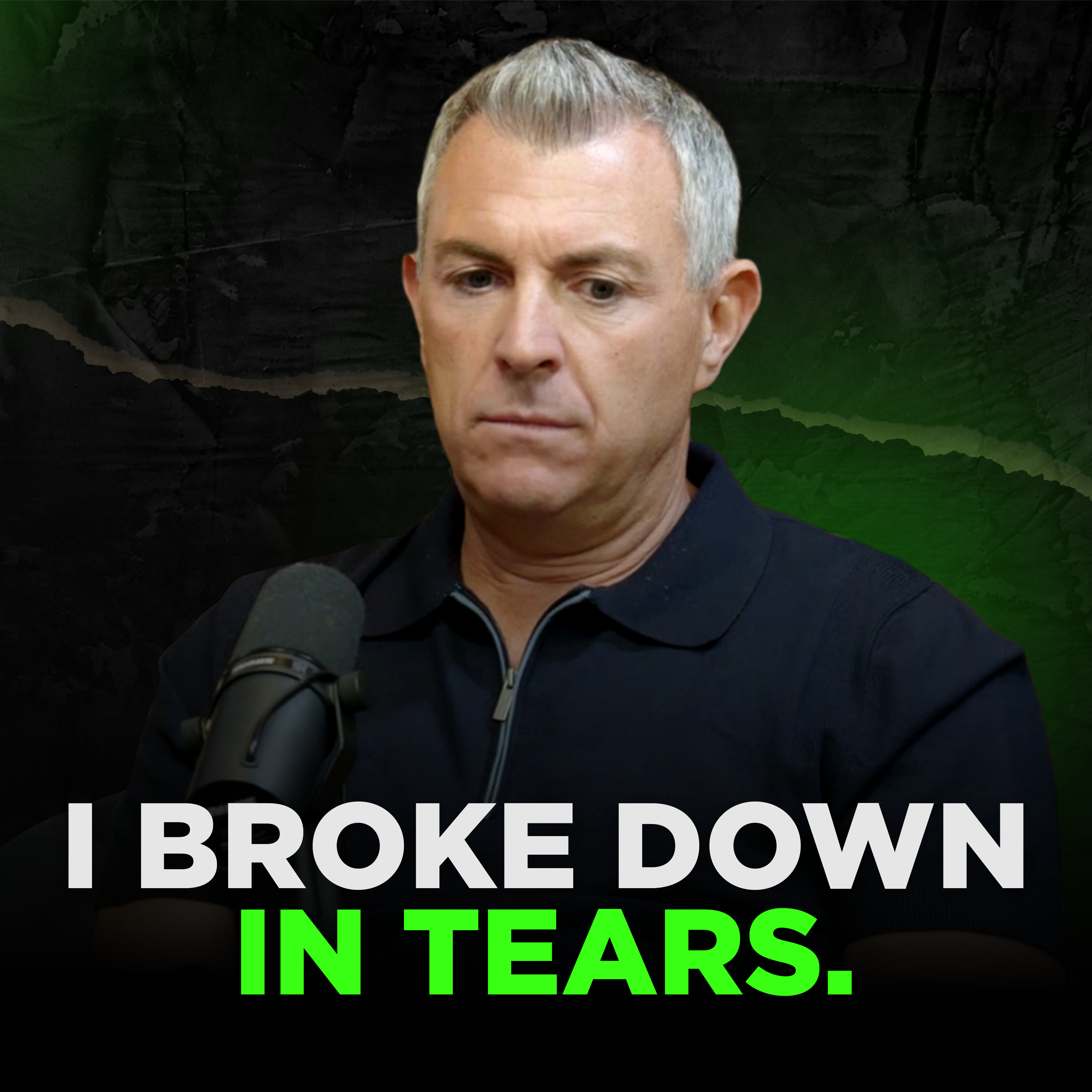
Simon also reveals the emotional reality of selling Boost, including breaking down in tears before announcing the deal to his team, and why he chose to launch another venture, Fizz With Purpose, the company behind It's Giving.
From building a challenger brand and navigating a business exit to rediscovering purpose and starting again, Simon shares the lessons he's learned about entrepreneurship, leadership, resilience and knowing when to take the leap.
Key takeaways
Subscribe to Screw It Just DO It for more conversations with founders and entrepreneurs who stopped waiting and took action.
🎟️ Ready to take your next big step? Join us at the Festival of Entrepreneurs on 3–4 November at the NEC Birmingham. Connect with ambitious founders, learn from successful entrepreneurs and discover new opportunities to grow your business.
👉 Find out more: https://www.festivalofentrepreneurs.co.uk/
🎧 This episode is powered by WorldFirst, helping ambitious businesses make international payments, pay overseas suppliers and collect payments from around the world.
🌍 Doing business internationally? Create your free WorldFirst account at: https://www.worldfirst.com
Scan the code with your iPhone camera
Listen in the app.