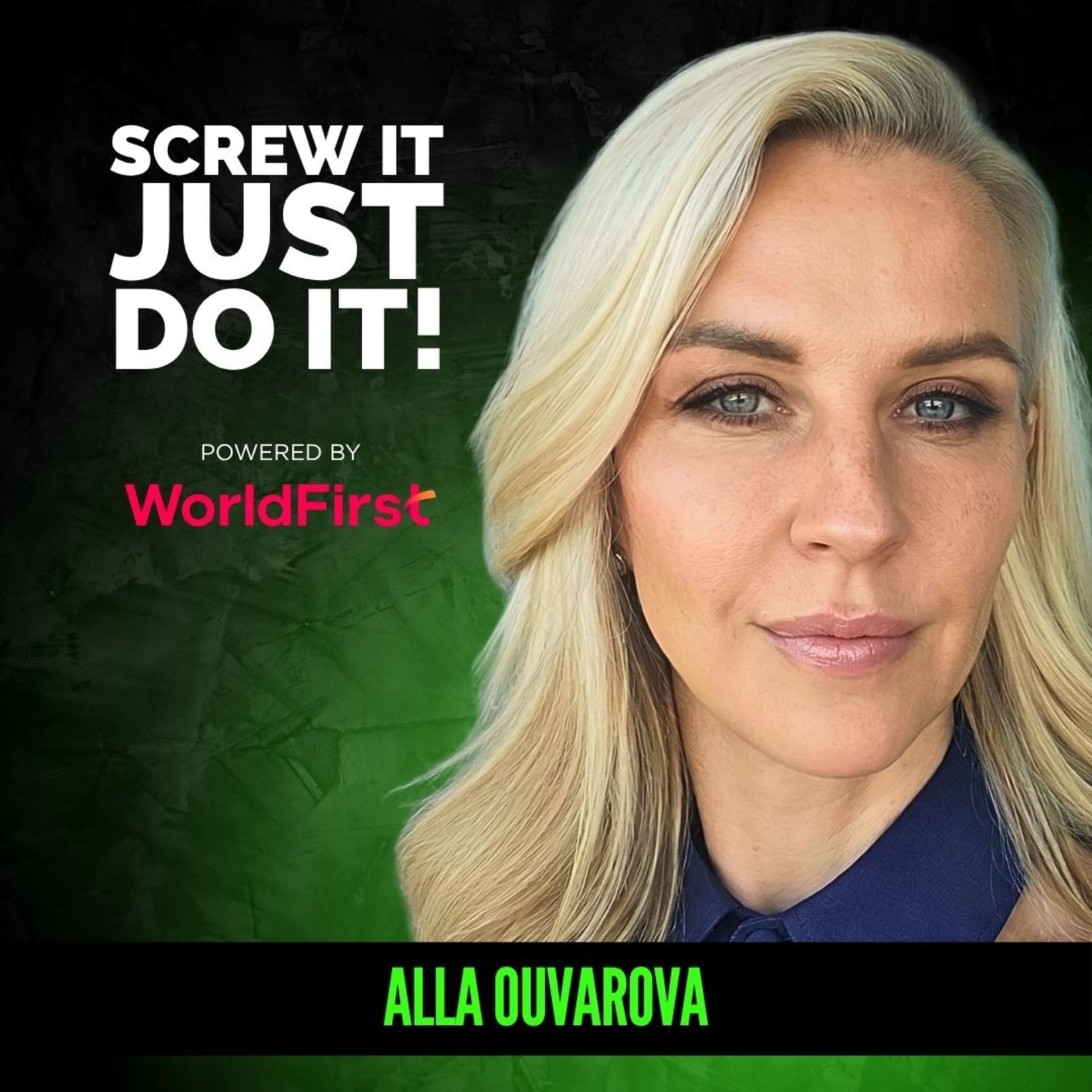

In short
Ala Uvarova (co-founder of Two Chicks) recounts how she and Anna built the UK egg white category from scratch, faced repeated “no” from funders and retailers, solved manufacturing and packaging hurdles, and later scaled into major supermarkets before selling a majority stake to Eurovo. She also discusses confidence/action, female-founder support (Future Female Entrepreneurs), and using AI to run the business.
Guest background
Economics graduate from UCL; early career aiming for finance; met Anna in early 2000s (Mayfair party; later at China White). Co-founded Two Chicks in 2005; launched product in Selfridges in 2007; scaled nationally and sold majority stake to Eurovo (manufacturer partner).
Key claims
Don’t ask permission—“don’t take no for an answer.” Confidence comes from action/perseverance. Early-stage funding and manufacturing access are the biggest blockers. Women founders face lack of funding and networks. AI should be used practically, with personalization and human checking.
Notable examples
Raising target £250k but starting on £25k (no salaries/office). Retailer confusion because no category existed; shopkeepers initially couldn’t find the product. Manufacturer found via egg-separating equipment customers list. Competitors and supermarket shelf removals; bird-flu-driven egg price spikes causing potential losses. Growth from zero to major multiples (e.g., Sainsbury’s expansion; later Lidl).
Written by AI. May contain mistakes. Listen to the episode to check what was said.
Chapters
Tap a time to open that second in VOFacing No and Overcoming Fear
0:45 to 2:02
Ala shares her emotional journey and challenges in raising funds.
“We persevered, we're really, I'm proud of us.”
Introducing Ala Uvarova
2:02 to 3:50
Introduction of Ala Uvarova and the background of her business journey.
“So she was living life like a, you know, regular LA person.”
The Genesis of Two Chicks
3:50 to 7:40
Ala recounts the inspiration and timeline for starting Two Chicks.
“People were going to store looking for it.”
Challenges in Launching
7:40 to 10:50
Ala discusses the challenges faced during the launch of their product.
“Oh, yeah, so China, the legendary China White.”
Building a Brand
10:50 to 13:40
Ala shares insights on branding, funding, and manufacturing challenges.
“Anyway, or I would have been working in finance, which again, also isn't such a bad thing, but I mean, I love being my own boss.”
Reflecting on the Journey
13:40 to 14:00
Ala reflects on her entrepreneurial journey and personal growth.
Exploring the Pain Cave in Ultra Running
14:00 to 15:00
Learn about the mental aspects of endurance racing through the concept of the 'pain cave'.
“There's something like that out there to me.”
Confidence in Action: Entrepreneurs' Perspectives
15:00 to 17:41
Discover how entrepreneurs build confidence through taking action and sharing experiences.
“And he was like, I build my dream house.”
Trusting Yourself in Business
17:41 to 19:55
Explore the journey of entrepreneurs who learned to trust their instincts and take risks.
“but then I hated running up until about six years ago.”
Empowering Female Founders
19:55 to 22:20
Learn about initiatives aimed at supporting female entrepreneurs and the challenges they face.
“What have you learned about supporting female founders through that process yourself?”
Show all 23 chapters
Navigating Business Challenges and Growth
22:20 to 26:11
Hear about the struggles of building a brand and the importance of resilience in business.
“future female entrepreneur because that's really where our skill set is and so working you know on mental health when we didn't have the expertise was a little bit, it wasn't so natural.”
The Evolution of Protein Awareness
26:11 to 28:00
Understand the changing perceptions around protein and its impact on consumer behavior.
“and nobody like kind of talks about that one, but that was literally a case of, you know, Coke and Pepsi, literally having the conversations.”
Challenges in the Early Journey
28:00 to 29:00
Learn about the tough moments faced during the early stages of building a brand.
“And was there any point in the journey, like the 20-year journey, where you actually thought this might not work?”
Entering Retail Markets
29:00 to 30:20
Insights on how to approach major retailers and the importance of perseverance.
“I mean, yeah, you've definitely got to persevere.”
Scaling the Business
30:20 to 32:40
Discuss the growth experience and lessons learned about oneself while scaling.
“I actually need to look back at the numbers, but, you know, we had very steady growth from zero to year seven, just like continual growth.”
Embracing AI in Business
32:40 to 35:00
Explore how AI can enhance efficiency and decision-making in business.
“and pull your socks up and kind of crack on with it.”
The Landscape of Content Creation
35:00 to 39:00
Understanding the dynamics of content creation vs. consumption on platforms.
“So what parts of your business have you managed to leverage AI with?”
Navigating Business Sales and Future Prospects
39:00 to 42:00
Insights into selling a business and the future of the entrepreneurial journey.
“but like with starting a business, people give up.”
Navigating Business Commitments and Offers
42:00 to 44:40
Exploring the commitment to their business and past offers to sell.
“But it was still just a lot and a really stressful time.”
Passion for Gender Equality and Female Empowerment
44:40 to 48:27
Discussing the importance of gender equality and experiences in related initiatives.
“I've always learned about places like Davos and I've always wanted to go but there was no way I was going there to talk about Egwai but suddenly I'm speaking at events like Davos.”
Overcoming Self-Doubt and Embracing Change
48:27 to 50:44
Advice on battling self-doubt and taking action towards change.
“You feel like, you know, life is so busy because you've got exams at school and you've got a busy social life and stuff.”
Lessons from Parenting and Life Skills
50:44 to 53:14
Sharing parenting experiences and teaching resilience through challenges.
“I'm actually going to, when you talk about Junior Park Run, I remember taking my daughters there and my youngest daughter, who is here today as a little recording, so I'm going to give her a shout out.”
Reflecting on the Entrepreneurial Journey
53:14 to 55:27
Final reflections on entrepreneurship and guest recommendations.
“And again, you can come back to me on this one, but anyone that pops in that you think's got a good story.”
Transcript
Automatic transcript. May contain errors.0:00Alex Chisnall:What stops founders from building something meaningful isn't the lack of ideas, it's the fear of getting started. I'm Alex Chisnall and this is Screw It, Just Do It. A podcast for people who are ready to stop waiting, take action and make things happen. I cried for the whole weekend. I didn't tend to cry. But yeah, I just thought I was going to lose everything overnight. We wanted to raise 250k, we wanted to have offices, we wanted to have salaries and everybody just said no to us. We were two young women with no experience in food, no experience in business, just nothing. We weren't going to get anywhere.
0:34And that's the hardest thing, right? Trying to find a manufacturer, we called up some companies in the UK, we didn't get anywhere. When we started, Anna and I, we were young and kind of almost naive. Yeah, yeah, yeah. And so we just really believed, if you believe in something, you've got to do it because there's no right or wrong. We persevered, we're really, I'm proud of us. I thought that I'll never have this time again, so just make the most of it.
0:55Alex Chisnall:today's guest is ala uvarova co-founder of two chicks the business that created the egg white category in the uk from scratch since launching the company has scaled into major retailers nationwide and recently sold the majority stake to eurovo but what i'm interested in today is a story underneath all of that the belief the risks the moments where things could easily have gone the other way ala welcome to screw just do it thank you for having me good to be here pleasure So first question, before two chicks, who were you? What were you doing? What did life look like for you? Gosh, that was a long time ago.
1:32I was a young graduate playing tennis, looking for work in finance. I studied economics at UCL. I always knew I wanted to do economics. I always knew I wanted to go into finance. But having finished my degree, I was still looking for work when this opportunity came up. And what was the opportunity then? So my friend at the time, Anna, had spent a few months in LA and, you know, living there with her boyfriend and her cousin there. So she was living life like a, you know, regular LA person. and just buying egg white, cooking it at home, came back to London and was surprised that she couldn't find egg white in cartons.
2:18So she came to me with the idea because she has an English degree and I have an economics degree. And she said, yeah, I've got this idea, but maybe we could do this together. Okay. And how long from talking about it to going into business to having a product? Well, I think she mentioned it to me in August. 2005. In September 2005, we decided to go for it. We went to Waterstones. I don't think even Amazon was around at the time. And we bought a book, How to Write a Business Plan. So that was September 2005. And then August 2007, we launched the product in Selfridges. Okay. So just over a year and a half.
3:02And how did that feel seeing the product in Selfridges for the first time? Oh, it was amazing. It was really exciting. And even before that, when we were ready to launch, we went round to Selfridges, Harvey Nichols and Harrods, offering them exclusive launches. And we were very grateful that they were all interested and they all wanted it. They recognised the gap in the market. And creating a new category sounds risky. What were the reactions that you had from people? I mean, you know, it was actually amazing looking back now that we created the whole category. But the trouble is, when there isn't a category, you don't know where to put the product in stores.
3:45And the customers don't know where to find it. And at the beginning, even shopkeepers didn't know it was there. So, you know, we would do marketing. People were going to store looking for it. And the shop, you know, guys stacking shelves, I guess, insane. No, don't know. We don't have it. Really? Whoa. Okay. And that early journey, that time scale, what kind of challenges did you have initially? Oh, gosh. Was it everything from, you know, finding location to actually make the product? Was it the packaging? Was it the marketing? Was it all of these things? It was, I mean, first, the first issue was obviously funding.
4:30So, you know, we wrote the business plan, Anna wrote it, I did the financial model, the sales forecast. You know, it took us a few months, but we got there. And we wanted to raise$250 ,000. We wanted to have offices. We wanted to have salaries. And everybody just said no to us. You know, we were two young women with no experience in food, no experience in business, just nothing. You know, we weren't going to get anywhere. But we were really determined. And, you know, we really believed in the idea. and luckily there was two of us because when one of us had a bad day, the other one would pick her up and vice versa.
5:06But then so what I did eventually, I just took everything out of the financial model that I could and I said, listen, we can start on 25K. And no salaries, no office, no fancy design agency. Yeah, so we did it. We got 25K from a family friend, but we did also give equity for it. Yeah. And I mean, luckily, like for instance, the name, which obviously we love, Two Chicks. When we first, when we thought we were going to raise the big chunk, we went to this, you know, really cool agency, you know, to start working with them. And then before we even sat down, he looked at us and he just said Two Chicks.
5:50So that was so cool. And then in the end, we just paid him, you know, a small amount to be able to use the name. But then I had to find someone on Google to do the packaging design, which cost like a thousand pounds, which wasn't the best design. But, you know, we started to start. Exactly. And that's the hardest thing, right? Actually starting. Yeah. Was there anything that stopped you starting initially? I mean, you know, the other thing was funding a manufacturer because egg white does exist and did exist back then in the UK and in Europe, but only for catering, for businesses. Right, right.
6:26So the factories only had capacity to make egg, but they didn't have capacity to pack it into small 500-gram packs that we wanted. So that was an issue. Trying to find a manufacturer, we called up some companies in the UK and we didn't get anywhere. And then luckily we actually found a company that makes egg-separating equipment and we asked them to give us the list of who they had sold the equipment to and going through that list, we found our manufacturer. Right. How long did that process take? Maybe a few months. Not crazy. He was a young guy like us, just a few years older, and he really saw the potential.
7:08He was a really good friend still to this day, and we still use that company. Do you? Yeah. So like 20 years later. 20 years, yeah. And how long had you and Anna been friends before you started the business? We were friends, you know, we met, we actually met at a party in Mayfair, and then we ran into each other again in China White. I don't know if you remember China White. Yeah, yeah, I do. I even remember it in Austria at, like, one of the ski resorts. Oh, yeah. Yeah, yeah. St. Anton, there you go. Yeah, yeah, okay, nice. Oh, yeah, so China, the legendary China White. So that must have been just straight out of uni.
7:46So we were both in our very early 20s. So we must have been friends for two or three years. Okay. until, yeah, we started working together. And how's your relationship changed over the years, being in business together? Yeah. I mean, it's good. We still get along. And we've been in business for 20 years. I mean, I've had relationships and marriages that have lasted far less. Yeah, yeah, yeah, exactly. No, it's good. I mean, yeah. I think the good thing with Anna and I is that we're so different. And when we work on the business, We work on separate things so we don't step into each other's toes.
8:24And we have complementary skill sets. So I think that works well. And who was the first hire that you needed to make? Because like you say, you've got complementary skill sets.
8:35Alex Chisnall:And at the start, I think I'm on my fifth business now, but to start you're trying to do everything or separating out the tasks, you know, a small team. But at some point you need to bring somebody in, be that sales, be that, you know, marketing, admin. For you, what was the role? Well, you know what, actually, because I looked into this recently because I thought it was a couple of years, but actually for four years we did everything ourselves. Four years? Wow. Four years, so I did the sales and marketing and I did finance and logistics. But the thing is, with finance and logistics, you know, as the business grew, there's so much orders and invoicing.
9:14So, like, you know, for instance, that Sainsbury's needs to deliver seven days a week into seven different depots. And each of these deliveries needs an order, sorry, an invoice. So I used to do that myself until it just got too much and I just didn't have the capacity to do it all. So then what we did was we, rather than hiring in-house, which we thought about hiring in-house an accountant, but we actually outsourced to this amazing company. And again, we're still with them today. They're called AFP Services in Kettering. they're wonderful um really really um so efficient and so reliable and so now we have a big team over there who do who handle the back office operation got it um and if you you hadn't made that leap to start the business with your friend anna what do you think life would look like now what would you be doing have you ever thought that out of interest well you know what i haven't well yes and i think I have thought about it.
10:12So, you know, I was hoping to work in finance, as I mentioned. And so my dad actually had organized for me to do an internship at one of the big banks. But I was really silly because, and I obviously had the wrong advice, but I, because I had already graduated from uni. I said, look, I don't want to do the internship. I want to be in the graduate program. So then I took it for an interview and I didn't get on to the graduate program. Had I been sensible and done the internship and done it well, I would have stayed on. So I did kick myself a little bit for that. But other than that, I was kind of working on a couple of business plans myself before Anna came to me with this idea.
10:47So I think I probably would have gone down the entrepreneurial route. You think anyway. Anyway, or I would have been working in finance, which again, also isn't such a bad thing, but I mean, I love being my own boss. Yeah, once you've done it. Yeah, exactly. You're like, who would employ me? Well, 100%, after 20 years, forget about it. Too ingrained, right? what kind of interest did you have like other businesses oh god so i was actually funnily enough related related because it was like um it was uh the business was about getting a job without experience because you know looking for work back then they wanted experience but how do i get experience if i can't get a job so it's that kind of thing and then i had this other idea to deliver drinks after hours but my brother that you know my younger brother said to me well not Not everyone's an alcoholic like you.
11:37But then they do. These companies did exist and they do exist. So it wasn't so crazy after all. It wasn't so crazy after all. Do you think you're the person you hoped you'd become when you started the business 20 years ago now? I mean, you know, I just hope and wish and maybe we could have done things a bit different. I just wish the business had grown quicker to where it is, you know. But other than that, it's good. You know, I've got two kids. I am, yeah, fed, competing still. High rocks. High rocks is at the moment. It was half marathons and tennis growing up. Okay, half marathons, okay. So I turned into a runner about, yeah, six years ago.
12:24Uh-huh. What sort of distance? I got up to a marathon. To start with, it was just like 5K park run and just trying to PB every week, and that becomes quite addictive. Yeah. um when you're kind of obsessed with numbers like me and then all of a sudden you you hear a chat to other people and they're like you know well i'm doing this half marathon or i'm doing this marathon so yeah i i ended up doing a couple of marathons including like the new york marathon that was a long experience and then now i'm kind of like um do i go back and visit that because i i i pulled out of london the last two years injured and i'm like is that telling me something so halves i think are fine you know whereas a full marathon like I think I know a lot of people doing high rocks right and it's just the training becomes your life so it's the balance right I'm the same as you I've pulled out of London twice because I'm very competitive and I want to do well and in fact that was a marathon runner and I did a half and one hour 30 so I was really good
13:22Alex Chisnall:that's really good yeah but you know I kept getting injured I got so injured that I couldn't run for a year and a half with plantar fasciitis same I literally came back 12 months ago this month last year I joined a running club and I've been out 18 months yeah so it's tough so I'd love to do it but I think you know friends are doing ultras and as you get older ultras are fun but then I think Hyrux is a really good mix and balance of strength and cardio and endurance and yeah it's interesting that last night I did 10k and one of the guys or the guy who was leading the run from the run club I'm in he has an events company and they do ultras.
13:59Alex Chisnall:So I was like, you know, what are you doing at the weekend? I'm going to Peru to do 100k ultra. And just thought, what the hell? There's something like that out there to me. But then running a marathon was out there before, right? So it's just another few miles, right? It is another few miles. I mean, I hear like, you know, guys in the internet talking about this pain cave. And I mean, I'd like to experience it. Yeah. Yeah, pain cave. Yeah. I was chatting to a guy called, um uh stars who has a company called through dark like clothing brand does he was on like um SAS who dares wins his ex special forces and he was talking about that like when he did um marathon and he was saying I'd take myself or or like doing the training for the special forces and he was talked about it quite a lot on the podcast but he went through the whole process but basically it was like the pain cave, you know, was essentially him like withdrawing and going somewhere else in his mind.
15:00And he was like, I build my dream house. Yeah. Just like that. Wow. Okay. And he goes, that's what I literally do. And I literally go room by room and I'm off from this faraway place. Your legs are just moving. Yeah. Legs are just moving. Exactly. No, that's good. Yeah. It's interesting, right? It's a good way to get through, yeah. something I'm chatting a lot about recently I think it was probably when I was chatting to Roxy Nafusi who was sat where you were talking about her book Confidence I'm always interested to know chatting to fellow entrepreneurs did confidence come before you took action or did the action that you took in creating the business like create the confidence?
15:40That's assuming I have confidence You come across as very confident Thank you I know that's not always the case across right when you strip the layers but I mean yeah you have some confidence some layer of confidence in the business you know but then again you know things can always fall over at any stage but I think yeah confidence is something I feel like you still need to work on is it really? yeah what are you what are you confident in? are you confident in when it comes to business? are you confident in when it comes to like exercise?
16:12Alex Chisnall:what are you not confident in? I mean exercise I am actually confident in and I think you know now i think i just should have not should have been but i could have been an athlete you know because i do you know do quite well in these competitions without much special training you know or diet times on your instagram yeah yeah so you know i'm gonna i've actually entered two more hierarchies one in september one in october so i'm gonna train and see actually what i can do if i really put my mind to it but that's if i find the time yeah um so yeah now i I am confident with training. I think growing up in communist, former USSR, Soviet Union, you know, it's quite a tough life.
16:53I don't know if confidence isn't intrinsically instilled in you by your parents. Yeah. You know, it's just a tough life.
17:03Alex Chisnall:And do you think it could have been tennis that you could have? No, you know what, tennis, I grew up playing tennis with, you know, my brother and, you know, my dad was a coach. Right. But my head was elsewhere when I was playing tennis. So then I went into running and I started doing cross countries at school. And I remember like one of my first races, I was running. And everyone was so far behind, I thought I'd got lost. But I was just so far ahead. So I think running would have been my sport of choice. Okay. And I do really love golf. I only started playing later at about the age of 10, but I do love golf.
17:36Yeah. Interesting. Yeah, because I was a cross-country runner at school, but then I hated running up until about six years ago. Really? But I was brought up on a tennis court. Oh, right. Yeah. And again, it's like another lockdown thing. I started playing golf in 2020, like on a Friday, finished a few hours early, close off the week, start the weekend.
17:58Alex Chisnall:But it's only in the last 12 months that I've actually felt half decent and my handicappers come right down. Nice So I was like For five years I was like Going between 23 and 28 And then in 12 months I've gone from 23 to 7 And it's like Jesus Christ That's impressive Well everyone's like What did you do And I was like Well It's not genius All I did Was join a club Play more And get a coach Like anything in life I just did it more And I got an expert To instruct me To have So That's brilliant To have a seven handicap But not I haven't played for long that's impressive yeah natural talent and I love it I love it yeah it's just finding the time though this is it a lot of guys in the running club now have like a cycling club and I'm like I don't need another four hour hobby I've got a four hour hobby I don't need another one right yeah interested to know as well was there a point where you stopped asking for permission and started trusting yourself or did you not need to ask for permission and you just like went for it when you started the business anyway.
19:09You know what, I guess we just went. When we started, Anna and I, we were young and kind of almost naive. Yeah, yeah, yeah. And so we just really believed in it. But looking back now and also doing the future female entrepreneurs that I do when I give advice to younger entrepreneurs, you just don't take no for an answer. You just don't. If you believe in something, you've got to do it because there's no right or wrong, you know. So it's just your word against someone else's. So, yeah, no, definitely don't ask for permission. and, you know, obviously we all know the stats about female founders.
19:40But I don't know, I feel like I probably got a lot of testosterone because I like sport, I like driving. So, yeah, maybe I'm more like a man. In some regards. Yeah. Good point to ask you about then. So tell me about, you talked about like FFE, you told me like an empowerment fund. Yeah.
20:01Alex Chisnall:What have you learned about supporting female founders through that process yourself? Because you've obviously been there, you've learned stuff, and you can pass that on. What have you learned? Well, you know, when we were starting out, these initiatives didn't exist. I mean, obviously now we're more established and there are initiatives for us established founders, like the EW Entrepreneurial Winning Women and, you know, what Buy a Woman Build is quite new. But it's young women who need to support the most and who have access the least. And so it's been, I mean, it's been incredibly, rewarding doing it and it's just really nice to see these girls succeed because you know sort of with mentoring initiatives now we do networking events and we have incredible female founders come and speak and you know share their time and advice so freely and we also have amazing corporations hosting our events for us you know EY did our last event with the events with Far & Co, NatWest have hosted us, you know, other law firms.
21:03So honestly, from every angle, it's been amazing. And the girls, they just give us such good feedback. You know, girls have pitched in our Two Chicks in a pitching competition last year. You know, it's like maybe the first time stepping onto the stage, but since then they've gone on to like win awards and grants and, you know, be featured in, you know, the kind of major newspapers and things like that.
21:24Alex Chisnall:How long has it been going for? So FFE has been going for four years. but prior to that we did the Two Chicks Empowerment Fund for two years we kind of we wanted to give back and you know we kind of thought how can we help so we started working with schools and you know helping them with whatever they needed help with whether it was mental health or it was you know lockdown and you know some girls needed laptops so we couldn't afford to buy them so we gave money for that I love it we should have another conversation about so a business I have Festival Entrepreneurs oh yes we got it at the NEC in November 5 ,000 founders there and then we'll be coming to Kensington at Olympia in 12 months time but it'd be cool maybe to do something around that there because I'm chatting to like Sahar from By Women Build about doing something as well yeah yeah no I'd love to and maybe get our FFUs involved yeah but anyway so but the Empowerment Fund we then pivoted to future female entrepreneur because that's really where our skill set is and so working you know on mental health when we didn't have the expertise was a little bit, it wasn't so natural.
22:30It wasn't, you know, where to bring people in. But here we can really do good work.
22:36Alex Chisnall:And what do female founders still face that male founders often don't see, do you think? You know, it's just, it's mostly lack of funding, lack of networks. And, you know, because of By Women Built and initiatives like this, I'm obviously surrounded by female founders. And I think, right, the needle must be moving. And then you see the stats, like the gender index report I was at recently. No, no change, no progress. It just baffles me. And, you know, women reportedly, you know, have better returns and still we're not getting the funding. So, yeah, it's frustrating. I was going to say I've had, you know, many female founders on the show, you know, literally someone from like a Holly Tucker that everybody knows to somebody like um laura fullerton from from monk with a ice bath company and she was saying like i literally got got hit on more times and i was pitching than i actually had offers you know i mean she said it's ridiculous yeah the stories i could tell type thing you know um what advice would you give women listening and watching like still waiting for permission to start to get going when it comes i mean yeah don't wait don't start no one's coming to help or save you just get on with that i mean you've got to just do it screw it just do it thank you for that quote we'll be using that one um tell me a little bit about um like the hardest years um when you were starting the business you said um i think it's probably off air but like the last couple of years the business is like doubled in size and you kind of wish things had um grown faster at the start um when you kind of reflect back on that and and you know if you could redo things where do you think you could have maybe devoted some more attention or got somebody in to help to make that kind of happen yeah i mean that's a really really good question i mean i think yeah we should have probably got more people in sooner uh because you know there's only so much you can do.
24:44But I think our issue was that we didn't grow the product line fast enough. So we did launch many products over the years and we tried with many others. And, you know, egg white is a natural source of protein. It's very expensive. So any product with egg white is naturally more expensive. And like we tried almost five years with this Chirps product, this egg white healthy crisps. And they were brilliant. But we didn't just couldn't just get the traction with them and then unfortunately the second manufacturer that we went to closed down and because we wanted this kind of expensive product with an allergen egg but we wanted small quantities we just couldn't then find another manufacturer so there were things like that yeah you know um so that was tricky and then um what else i mean yeah then we've had competitors come into the marketplace obviously big companies yeah you know come directly into the supermarkets were in and just sit alongside us or even we were removed and others were put in place without our
25:42Alex Chisnall:knowledge so yeah what's that like happening that was tough i you know i cried i cried for the whole weekend i didn't tend to cry but yeah i just thought i was going to lose everything overnight yeah and how does that how can that even happen right yeah some people have bargaining power yeah yeah i always remember um like i was at virgin atlantic and then virgin startup for for many years, like probably in total, like nearly 20 years working with Richard Branson. And I remember being at the Virgin Cola launch, you know, and nobody like kind of talks about that one, but that was literally a case of, you know, Coke and Pepsi, literally having the conversations.
26:22Alex Chisnall:And next thing you know it, you couldn't find Virgin Cola on the shelf. Yeah. And he's like, I can't prove anything. I'm not in those conversations, but, you know, we've done those deals for our products to be on those shelves. Not there. Yeah, yeah, yeah, yeah. Gone. And then that's one of the businesses that ultimately failed, but you persevered. Yeah, yeah, we persevered. We really, yeah, I'm proud of us. You should be, yeah, 100%. And what do you put the growth down to the last couple of years? Because protein, all of a sudden, right, is everybody knows about protein, no matter how old you are.
26:57Alex Chisnall:Like, I know, so many teenagers. A teenager, I didn't have a clue what protein was, you know, but it's such a big thing now. and if you can get a source of it like that. Exactly. Is that awareness? Yeah, people are just much more health aware. Yeah, the wellness boom. Yeah. When we first started the business, it was, you know, people thought egg white for meringues. Yeah, okay. But then, you know, obviously sports people, so initially we started with our initial, not target market, but kind of people who knew us were bodybuilders, were rugby players who knew about bulking up. But then more sports people kind of got into them.
Read the full transcript
27:28I remember speaking to Tom Daly in Davos, which pumped into him randomly on the street. and I said to him, do you know my product? He says, every sports person knows your product. Really? That's amazing. And actually, even funnier than that, David Beckham also bumped into him in Davos and I said to him, oh, I hear your wife likes our product. And he said, we all like your product in the house. I love that. I offered to send him some, but he said, it's okay, I can buy it. You're like, no, I'll hand deliver it. Yeah, exactly, exactly. To Holland Park. Oh my God. And was there any point in the journey, like the 20-year journey, where you actually thought this might not work?
28:10Alex Chisnall:Was it, you know, like those supermarkets pulling some shady moves? I mean, there were, yeah, that was a really particularly tough one. There was a moment a little bit earlier on in our journey where the prices, so, you know, eggs is a commodity and bird flu and things like that. So there was a time where the prices shot sky high and it takes a while to get the price increase through with the supermarkets. and we were at one stage delivering product into supermarkets for less than what we were buying it for. So there was a time where we could have just run out of money, but then luckily we had our manufacturer who I mentioned.
28:47We obviously asked for support and they would support us and we kind of got through it. And getting the products actually in a place where people could buy them,
29:01Alex Chisnall:it's a common question get from people watching the show and you know food and drink is like the biggest when I was at Virgin Startup like the more business applications we had for food and drink was bigger than any other sector as well what advice would you give to somebody you know looking to get into a Selfridges or a Harvey Nicks or somewhere like that to actually you know instead of you know hiding behind a laptop and sending an email and then go oh well nobody listens to me you know So what's your kind of attitude? I mean, yeah, you've definitely got to persevere. You can't send one email and think your job's done.
29:36You won't get anywhere. I mean, I think Selfridges and places like Whole Foods, I think they're a really good starting ground because it's quite hard to break into the multiples. So if you have some traction elsewhere and you can demonstrate that, then you can take that to the bigger retailers.
29:53Alex Chisnall:Yeah, yeah. So perseverance. And perseverance, absolutely. and, you know, sending samples and turning up and, yeah. And at what stage of the journey did you feel this is taking off now? You know, this is not just a small business anymore. This could be the vehicle that gets me, you know, realises all my dreams. Well, you know, yeah, I mean, after, I mean, I actually need to look back at the numbers, but, you know, we had very steady growth from zero to year seven, just like continual growth. And even though, you know, we'd initially get into Sainsbury's, but we'd get into 60 stores. And then, you know, a few years later, it would be like 300 stores.
30:36So, you know, after a few years, we literally had all the major multiples. And then, yeah. And recently, I think, you know, recently, our most recent big customer was or is Lidl. Okay. So that's been really good. Yeah.
30:58Alex Chisnall:And what has the scaling journey taught you, not just about business, but maybe about yourself as well? Oh, God, I don't know. I mean, sometimes I feel like, oh, I can do hard things, you know, I can solve problems. Sometimes I still make mistakes. And I think, God, so stupid. Of course, but we all do, right? Yeah. But it's often better to make a decision to make no decision right and just stick with it. Yeah, yeah. I mean, I think, you know, there's obviously they say this thing about being an entrepreneur and starting a business rather than growing it. But I think our business is still kind of that size and model that is still still kind of feels like a startup, even though we've been going a long time.
31:45Alex Chisnall:A lot of people say that to me, though, interestingly, even though the business is valued in, you know, like, you know, millions and millions of pounds they still feel that start and quite often i think people like to kind of maintain that culture of being a startup right not being not being a corporate yeah and sometimes i mean sometimes i think you know this is hard i need this or that and then just pull up your socks and just do it you've done it you can do it yeah you know yes you have to do different things you know you've got to manage more people or you've got to hire more people uh whereas in the beginning you would try to do everything yourself but then of course you know after a while um i want to be doing the more important things rather than having to kind of you know be in the weeds but sometimes you've got to do all you know you do i was having that conversation with someone yesterday though i said when you are in the weeds though it it's tough isn't it because you can kind of wake up and not want to actually go to work that day but you know you've you've got to do it and pull your socks up and kind of crack on with it.
32:45Yeah, yeah. But I think this is the point where you really do have to really take the time to hire the right people so then you can continue to grow it. Because, yeah, if you're just... I mean, my to-do list is unmanageable and it's just unbearable. But, yeah, I've got to get through it. And just implement AI, which I'm trying very, very hard these days. Just learn as much about it as possible, building agents, just, you know, really optimizing Claude.
33:09Alex Chisnall:Yeah, that's the advice. I don't know if advice you give to your children, because you said like 7 and 17, but I'm like, learn everything you can be about AI. Because those who are learning about it now versus those who don't, those who don't are just going to get left behind, right? And those who implement it are the ones who are going to be, you know, controlling the future growth of businesses and culture and society, right? Whereas otherwise, pshh. 100%. And, you know, obviously my 17-year-old, he is learning, he's with me like, you know, most weeks and we're working together. my seven-year-old um she does decoding lessons online but yesterday i was um doing this fun thing with chat gpt like claude is my go-to yeah but i was cheating on claude last night with chat yeah um creating this funny image and it was really cool actually so i said to my daughter let's do one like this for you she's like okay so i think you've got to get kids involved yeah find a way to do it the earlier the better you know yeah it's it's crazy isn't it because we you're like putting the agenda together for our event in um november you're like six months away and then you're like for the stage that's you know got four stages and the stage that's um you know funding you're like okay that's pretty straightforward these are all the types of funding then you look at the topics for ai and you're like but the things we're talking about now yeah could not be the things we're talking about and then we could have done all those things nobody wants the solution anymore you're like yeah maybe we need to leave that a little bit more you know, vague.
34:40Yeah, absolutely. Absolutely. Yeah, and I think, you know, again, this is what I've heard and, you know, I understand. There's no point almost doing AI courses. You've just got to start working with it. Of course, like I've been having calls and meetings with experts who are showing me what's relevant now. But I think with AI, you've just got to get on doing, yeah, I think, yeah.
35:00Alex Chisnall:Yeah, okay, it's a good conversation. So what parts of your business have you managed to leverage AI with? And then interestingly as well, like maybe personally, what do you kind of use? Well, you know what? Obviously personally, I've been using it, you know, for a while now. And now it's, you know, like everything, everything I do kind of goes through AI. But with the business, so what I'm trying to do, what I've done it kind of, I had some, you know, amazing help and advice to build agents for the marketing agency. So I've literally built them and I've got all the plugins now. So, yeah, I think, you know, and things like SEO and I'm still like kind of just about to play with it.
35:42You know, I've just kind of been putting it in place. But I think it can do amazing things and much more cost effectively than an agency would, you know, and much more efficiently. So that, yeah, I think it's efficiencies. And I haven't started doing it yet either. But, you know, like just replying to emails, you know, every couple of hours going through emails, drafting replies. that I want to, that's my aim for this weekend. I mean, the one thing I hate passionately is AI slop. And, you know, everyone wants to... Like LinkedIn. Yeah, like LinkedIn. Every LinkedIn post. Yeah, and it's like, but why?
36:19Just don't share it. And like, you know, successful, intelligent people, and I'm reading it, and there's just some certain phrases I just can't stand, like, this stayed with me, or this hit hard. This hit hard. Classic. I saw it yesterday, and I'm just like... And it was someone I didn't think would be writing posts like that. And I was like, you should have picked up on that.
36:39Alex Chisnall:But my advice is to always, like, with my girls and that as well, is that when you're using it, still go and then reread it and personalize it, right? Leverage the technology to write the structure, especially if you're doing stuff like, you know, pitches or job applications. Give me, like, massive help, right? But you've got to personalize it. Yeah. I mean, it's great for me, like, for things like, you know, we're launching new products into selected stores. Say it's going into 250 Tesco stores. So I just put in the whole spreadsheet into Claw. They'll just map it for me. And then I want to know where I can promote it.
37:12And it will, you know, say I pick some sort of activity. Like, I'm not allowed to promote with Parkrun, which I've learned, fine. But I was like, looking, which Parkruns are near Tesco stores? You know, so it's just so clever, these types of things. But I think that the problem is, you know, everyone wants to have a voice now on Instagram or LinkedIn, and I want to as well. But the problem is there's too many people writing, and I don't have enough time to read anyone's post. So, you know, what's going to happen? You know, everyone's putting out this content, and then robots are going to be reading it.
37:44And then, you know, what are we going to be doing? We're just going to be playing golf. Yeah, exactly. Well, that's fine.
37:50Alex Chisnall:No, it's an interesting thought, actually, that, isn't it? But, I mean, when you look at the numbers, and it's the same with podcasting, and it's that thing of being a creator rather than just being a consumer of content, right? So create it, put it out there and then don't go into a doom scroll and start reading everybody else's stuff, right? Yeah. But it's like when you look at the numbers and I can't remember, for LinkedIn it's crazy, it's something like 1 % of people who have a LinkedIn account actually create content. Oh, really? 99 % are consuming it. Oh my goodness. It's nuts. Oh wow, I had no idea.
38:24Alex Chisnall:And podcasting as an example. So most people think, Everybody has a podcast now. The market's saturated. But when you look at the numbers, like in the last 30 days, right? So if you looked on Apple or you looked on Spotify, Apple would say there's like 4 million podcasts. If you looked on Spotify, there's like 5 million or whatever. But if you looked in the last 30 days, out of all of those millions of podcasts, which podcast actually created a new piece of content, it's like 300 odd thousands. Oh, really? Wow, it's a tiny. It just shows you, for me, that everybody might have wanted a podcast, but like with starting a business, people give up.
39:02People give up, of course.
39:03Alex Chisnall:It's like joining a gym, right? The six-week thing that people sign up for a year and quit after six weeks. And it's the same with podcasts. I think it's the same with LinkedIn, Instagram. But you're right. Everybody wants to have a voice. Everybody wants to be heard. And I think AI is great for amplifying that, but not necessarily for creating that. yeah no no not creating i mean yeah like you said definitely good to help and you know there's things you can do i mean every time i open my instagram i'm bombarded with well either high rocks or claude props golf yeah um yeah my when you talk about like digital agents that's my friend's pit my friend pierce linney's been on the show many times he's a former dragon's den investor his business now is called implement ai and it's implementing those digital agents yeah You can kind of see it when you talk to him and the difference in costs of having that.
39:57But it's not getting rid of all of those jobs
40:03Alex Chisnall:and nobody has a job, but it's learning how to implement the AI to grow the business quicker. Exactly. And I think for something like a marketing tool, of course you'll still need a person, you'll still need a marketing manager to oversee it. Exactly. To make sure it hasn't hallucinated or, you know. Well, you have to check that it's right as well. I did some simple tests on my podcast, and it was getting the numbers all wrong to how many episodes have been done. It was getting that wrong with stuff I know, stuff I don't know. Yeah, exactly. How can I rely on that? No, exactly, yeah. So, going from scaling to where you've been in the last couple of years, and particularly what happened last year, one, maybe, first of all, tell me, you're talking about new product development.
40:47Alex Chisnall:Tell me a little bit about that, and then tell me a little bit about selling majority stake in the company as well and how that kind of came about because people are always interested to know that stuff. Yeah, yeah. Well, maybe I'll tell you about the sale first. Okay. So when we were at the business plan, we thought we would be retired on a desert island in five years. And here we are like 20 years in, you know, still doing it. Two chicks have become, I don't know, two hens or something. But anyway, so, you know, it had always been a kind of an ambition of ours. And then, yeah, the time came and, you know, it's Eurova, also a company we've worked with for many years.
41:30They're one of our manufacturers, one of the kind of two major ones. The suppliers and we have a good relationship with them. And so, you know, we'll do it, we'll go for it. Of course, negotiating is tough. And, you know, it's our baby and, you know, we value it one way and other people value it different ways. So it was tough. It was really tough, to be honest. Not only that, but even like doing the due diligence and the amount of level of detail, you know, that is needed. And, you know, of course, we have help and we have our back office operation, you know, doing a lot of it. But it was still just a lot and a really stressful time.
42:06Yeah, but it's, you know, it's been now a year and it's great. All's, you know, we're carrying on as is. so that's good do you have like a certain amount of time
42:18Alex Chisnall:that you like both of you have gone we don't want to be working in like for example another five years on this business or is it something that you feel this is our baby our chick can never see the day that we're not working on the business well you know we agreed three years yeah we agreed three years but the way it's going now I feel you know I'm enjoying it So who knows what will happen in two years' time. But we'll see. A part of me will never want to leave. You know, so we'll see what happens, yeah. And was there, like I always remember, I was going to quote this example, but Richard Reid from Innocent and him saying like, literally from the first couple of years in, people were making offers to buy the business.
43:00Alex Chisnall:And in the end, the noise became so deafening when Coca-Cola came in with like half a billion offer. It was like, yeah, okay. Yeah, yeah. As most people would. But for you, was there interest along the journey? Were you actively kind of like looking to sell a majority stake? There has been interest along the journey. We have had meetings and, you know, kind of discussions with various companies. But then the offer just wasn't right. Yeah. And actually, it was funny. I remember there's one company. They were like, we were kind of offended by the offer, insulted. And they were so, they couldn't believe that we didn't accept their offer.
43:39and it was like so far apart yeah so far apart what are you talking about so yeah oh my god um and at the time did it feel emotional did it feel strange and the emotions now obviously it's working very well for you feel confident and positive no you know what it was really really stressful um what was my kind of overriding emotion i can't remember what it was i don't know i was just really stressed i just really kind of wanted to get away. But I think for me, it's good to have some sort of security because as I mentioned to you, when we had this big competitor's coming to the marketplace, you know, it could be like a domino effect.
44:16You could do everything. So I have a little bit of security, which is good. And also, you know, I'm 44 now. I still have time and energy to do something else and kind of the ambition and the desire as well. Yeah. So I can, you know, you kind of weigh these things up and so I thought, you know, it's fine. I'll let a little bit go. I keep a bit. Yeah, no, I think that's the best way yeah um what else interests you outside of like teaching well you know i'm obviously doing future female entrepreneur i'm just so passionate about that and i just love it and um you know this year's um international women's day thing was giving to gain and i've spoken quite a few panels about it and honestly running it for a few years given me so much it's like opened up doors for me that i never would have thought like you know i did economics even at school um for a levels i did university.
45:04I've always learned about places like Davos and I've always wanted to go but there was no way I was going there to talk about Egwai but suddenly I'm speaking at events like Davos. Amazing. You know so yeah so I really love this and what I really really am very passionate about is gender equality having looked into the topic it's like people are just not aware of the inequalities and certainly not aware of the benefits that we would have if we had gender equality so I really want to do more work on that when the time permits. Yes it's interesting and i always find this that when um people start talking about a particular topic they like light up and i can see like your your energy just goes right up talking about that so so clearly that's uh like a north star that you can yeah you can follow yeah solve the gender
45:49Alex Chisnall:equality yeah and who else have you um kind of managed as you say you know when you start you don't have a network like i didn't and then fast forward like this podcast began nine years and the network's crazy now, right? And then we start this event company and you have like a Celine Fox who was former International Trade Secretary. So you're like, then that network's even more crazy. What kind of people have you managed to kind of bring in like female entrepreneurs to like work with you? Well, you know, as I mentioned to you, like, so we have this incredible company that's hosting us. And again, it's like friends making introductions.
46:24But because we do, you know, we are doing something good and we have a good offering. They, you know, they're really willing to help. and then you know we've had amazing women you know like Vivian Wong of Little Moons I've got so many like even when we first started I'm hoping to get her on the show so that's really interesting you mentioned her name yeah but like you know Melissa Odebash Annabella Chan Sarah Chapman Pauline Patterson I mean I'm going to feel bad if I forget Miss someone out Yeah I miss someone out but I'm really grateful and then and then now I think well you know the confidence piece you asked me about actually now I do feel so like, you know, for instance, I've spoken at an event at Mishkondorea and I just said to them, you know, love your space.
47:06Would you mind hosting us kind of thing? And, you know, if you don't ask, you don't get. But, yeah. And I think people are looking at me and, you know, when we do this FFE events, people are like, come, they want to take a picture with me. And I'm like, really? You want a picture with me? So that's nice. That's lovely. I love it. I love it. last few questions is there a belief that's held you back is it confidence
47:35Alex Chisnall:for example I don't think it's a belief maybe it's a behaviour behaviour yeah self-sabotage yeah lack of self-confidence and self-sabotage yeah yeah I think yeah sometimes and having kind of experienced that what advice would you have for somebody who's kind of going through that just um yeah like we said just pull your socks up just get on with it and just you know be confident be positive just be your best self i mean i think it's all we can do right yeah yeah we can but the thing is sometimes we're not you know sometimes we just want to have a break or i don't know have a few drinks and um but if you if you can be your best self and you start the day well i love my miracle morning routine for instance um you know meditate don't get stressed yeah there is things we know we can do and then but sometimes we don't follow through with them well in my experience anyway no no no you're right you're right no you're absolutely right um and for someone listening who knows kind of deep down they need to to make a change and maybe that change is um it could be starting the business it could be um starting a relationship it could be all these things that they they are have anxiety about or are scared of they don't have the confidence of what's what's your advice to to them to go back you know i just woke up with this thought a couple of weeks ago and i think you know i was a bit hungover and a bit annoyed with myself and i suddenly jumped jumped out of bed at like 5 a.m with the thought that i'll never have this time again and i don't know whether it's because i'm approaching my 45th birthday but i just thought i will never have this time again so just make the most of it and again i'm thinking about you know making a post about it but i don't want to sound like i've had some sort of terminal diagnosis which i haven't touched wood but uh but yeah it's just it's just that thought you know to be your best self and you know be stronger than your excuses yeah like that be stronger than your excuses yeah i think just make the post yeah thank you thank you no no i will yeah you have and it's different stages of life like right again i you know our kids are similar ages and i like say to them, like, in hindsight, you'll never have more time than you realize you've got now.
49:48Alex Chisnall:You feel like, you know, life is so busy because you've got exams at school and you've got a busy social life and stuff. But when I kind of look back and, like, those years, before responsibility kicking and you have a mortgage, you have kids, you have a relationship and stuff, it's like, wow, I didn't realize how much time I had and what did I kind of do with it. Even if it's just doing one thing, it's that thing of doing something 10 minutes a day, right, and before you know it in a year you've got a thousand hours whether that's ai or something you're like you're an expert yeah exactly yeah then i do this try this with my kids as well my daughter who you know you know i'll make a junior park run every sunday and it's so hard and i said listen if you can do hard things you can do anything yeah so i think you know and even me realizing now and actually when i had this thought we'll never have this time again i came downstairs my daughter was downstairs i started crying telling her about it and i thought you know what Okay, maybe I should have realized this earlier, but you're seven.
50:41I'm going to instill this in you and you're going to be amazing. Yeah, I love that.
50:45Alex Chisnall:I'm actually going to, when you talk about Junior Park Run, I remember taking my daughters there and my youngest daughter, who is here today as a little recording, so I'm going to give her a shout out. When she did it, I said, how was that? And she went, that was the worst experience of my life. I thought that was hilarious. But she's gone on to dancing and horse riding for many years and that teaches different disciplines, right? You know, and falling off, literally, you know, literally falling off the horse and getting back on again, not just metaphorically, of course, you know. Exactly. But also, you know, when I was growing up in, you know, St.
51:19Petersburg, I played tennis every single day. And I just really, like, now when I have my own kids, I realise how much effort it must have gone, how much effort it must have been for them to get me and my brother to tennis training every day. So whether it was my mum, my dad or my grandmother, you know. But the thing is, I can play tennis, I can play golf. and I think I've got to obviously do this for my kids as well. You know, and I have done, you know, they've skied since the age of three. So I think as parents, we are obviously responsible for giving our kids and even though they might not want to do it now, of course, anyone will choose to stay on the sofa and watch the screen or whatever.
51:53But you've got to, you know, encourage them and they will realize it at some stage.
51:58Alex Chisnall:Yeah, no, and I think skiing again is a life skill. Yeah. My too, it's their favorite thing. It's my favorite thing as well. So we just, I don't know if it's maybe now, like, yeah, first week in April, went to Chamonix this year, which we've been to before, and just love it. Yeah, yeah, yeah. Just being, and again, you're not looking at your phone all day. No. You're out in the mountains. The sun is shining. You're getting all that fresh air. The sun is shining. Yeah, yeah. Honestly, it's the best. The first week of April, we were in Zermatt, and honestly, it was just the best. And the two of them, you know, my son, obviously, he's 17, but he hadn't skied for a few years.
52:32And my daughter, she's been skiing regularly. I mean, the birth skis since the age of three, but for some reason... Yeah, but anyway, so she just... We were... Her and I went there in February anyway, and she's a great skier. She can do all the blacks since the age of five. But to keep up with her brother, she literally doubled her speed, and I could barely keep up with them. And we were out from nine till five. Oh, honestly, I've never felt happier. Same, same. It's the best, isn't it? And that feeling, you kind of look around, you see them coming down the black road behind you, just like, yes, you got it.
53:01Well, mine are in front, and I'm just like... They're in front now, yeah, yeah. overtaking you to finish up I really enjoyed chatting to you by the way it's a really good conversation and I know after nearly 750 episodes now in nine years the audience is going to love hearing the story as well quick fire round just to finish so whatever comes into your head there's no right or wrong answer right as in business for you what is an entrepreneur now
53:29Alex Chisnall:what kind of defines an entrepreneur you know for me it's just a problem solver because every time there's some sort of issue i'm like right let's start a business it's just solving problems love it perfect um and given that you've you know you've been on this journey what is a scale-up business what's the difference between just growing growing and you know with good profits and yeah um interesting one for you this one so a song that reflects your journey and does that song take you back to a particular time of life you know what this is really a tricky one for me i'm sorry i haven't thought about it but i love music and you know i love different like i love bon jovi and i love garage yeah which is you know when i was 18 years old it was all the hype um but i don't really relate work to uh sorry songs to work but i think something like you know something like beyonce's who run the world yeah that kind of thing that kind of thing would be a bit of an anthem for me i guess we could put that on the playlist yeah that's good yeah okay um and then And again, yeah, having been on Screw It, Just Do It and shared your Screw It, Just Do It story, is there anyone that you think would be a good guest for this show that you'd recommend?
54:40Alex Chisnall:And again, you can come back to me on this one, but anyone that pops in that you think's got a good story. Well, you know, I've got a really good friend, actually one of my best friends, and she started a business about 11, 12 years ago now. She's just got a major investor. Her name is Julia Rostrom. Her company is Duck and Dry. So yeah, she's brilliant. She'll be a great guest. Love to have her on the show. Amazing. yeah um ala uber over thank you very much indeed thank you thank you so much thanks alex that was brilliant yeah thank you that was good i really enjoyed that thank you thank you if this conversation resonated with you don't just sit there act on it make sure you follow or subscribe for more game-changing conversations and remember the only thing standing between you and your business breakthrough is the decision to screw it and just do it
From the publisher
Alla Ouvarova didn't have experience in food.
She didn't have investors lining up.
She didn't even have an existing category to enter.
Alongside co-founder Anna, she launched Two Chicks and created the liquid egg white category in the UK from scratch.
In this episode of Screw It Just DO It, Alla shares:
- Why everyone rejected their idea
- Starting with £25k instead of £250k
- Creating a category nobody understood
- Nearly losing everything overnight
- Building confidence through action
- Selling a majority stake after 20 years
A brilliant conversation about resilience, confidence and backing yourself before everyone else does.
🎧 Listen to the full episode of Screw It Just DO It
🎟️ Join us at the Festival of Entrepreneurs, November 3-4 at NEC Birmingham
👉 www.festivalofentrepreneurs.co.uk


