Ask ChatGPT
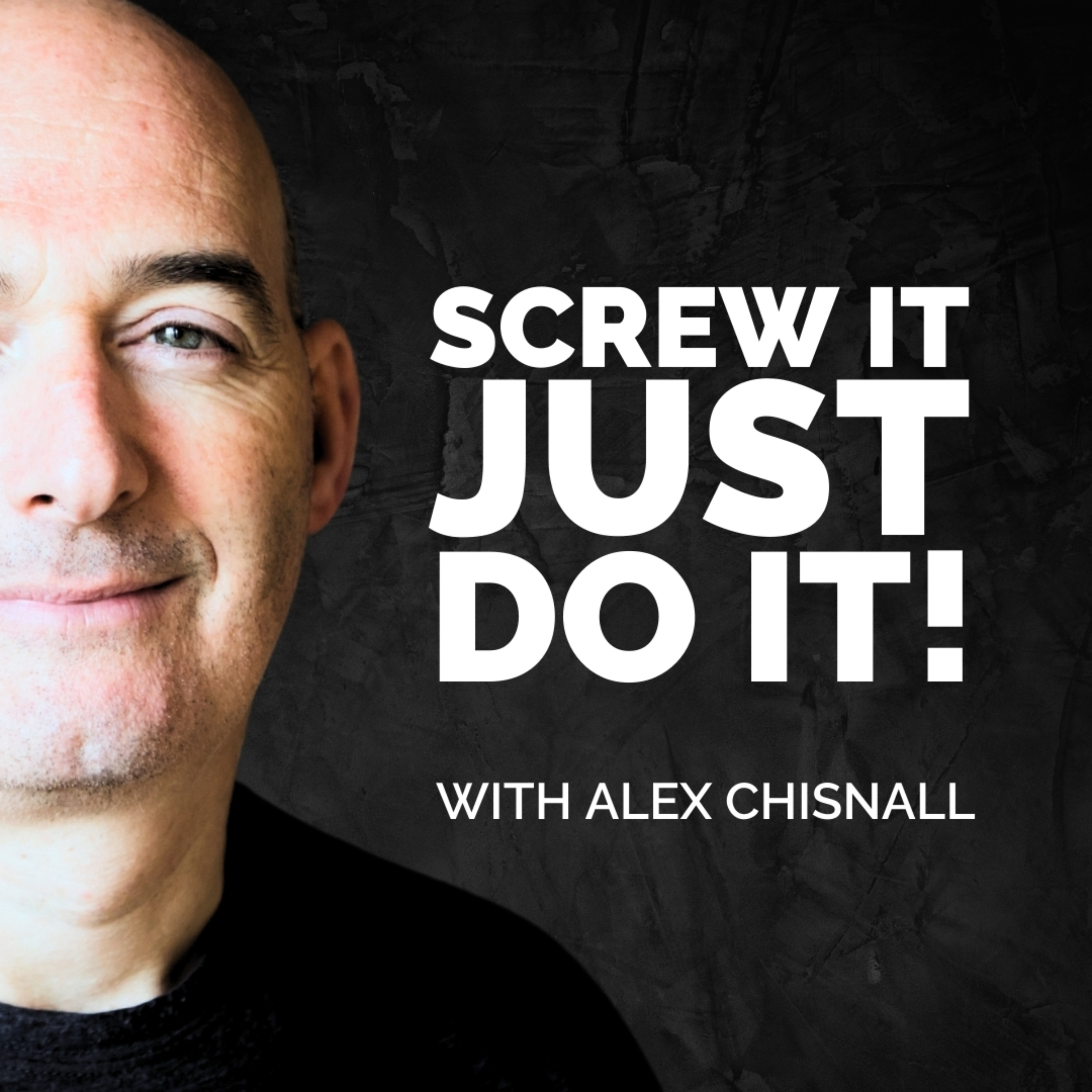
 Screw It Just DO It with Alex Chisnall
20 Oct 2026 · 1h 6m · 24 chapters
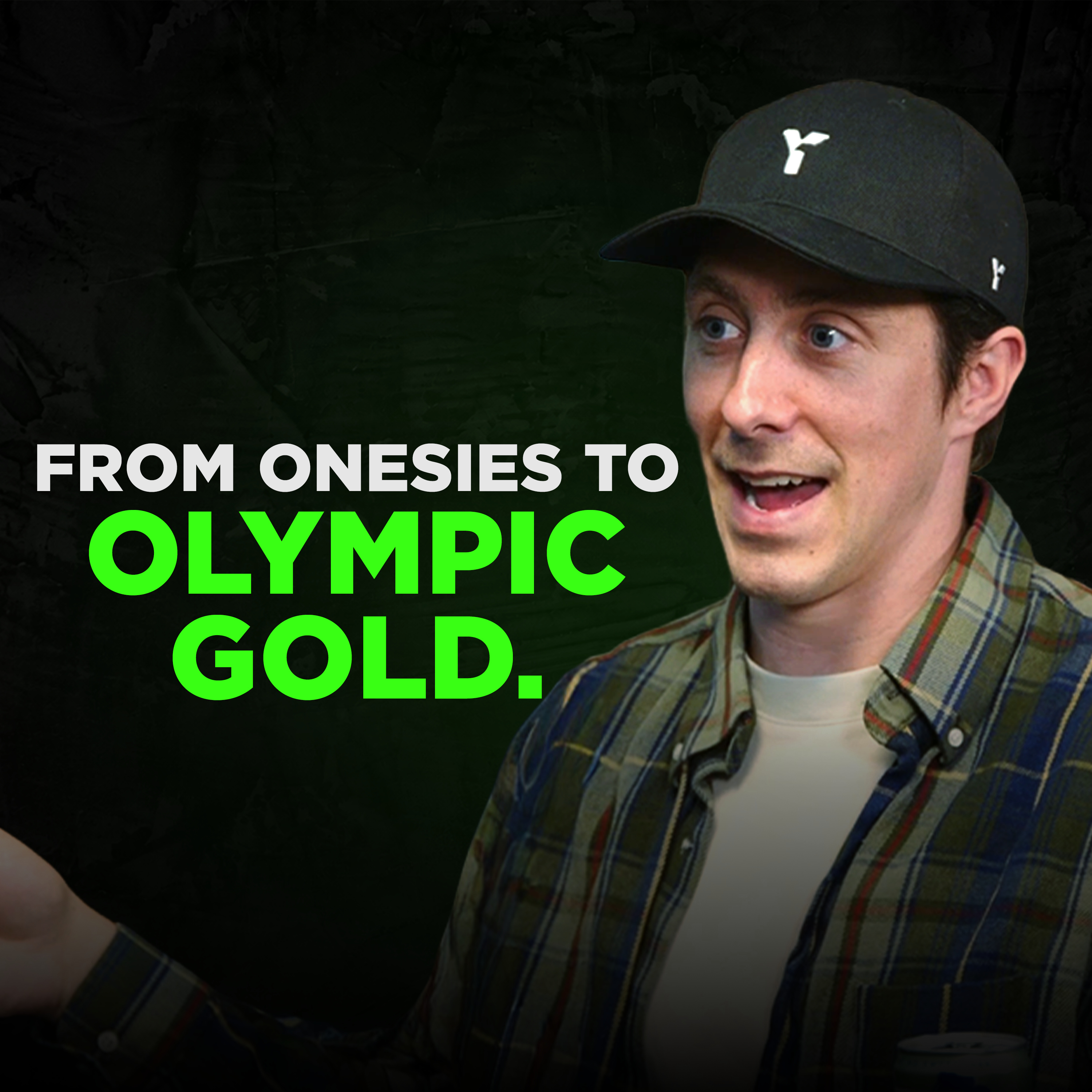
Chris Rea (Y1 founder) explains how his student onesie side hustle became a multi-million-pound sports brand, then how Y1 pivoted from “student fashion” to hockey-first performance gear, later expanding into paddle. He highlights Dragon’s Den as a turning point, bootstrapping to keep ownership, and using Olympic-level athlete adoption as proof.
None. This episode is a single guest interview with Chris Rea (co-founder/founder of Y1).
Chris Rea started Y1 while at university, initially selling custom onesies from samples and student loans. He and co-founder Tom Rea (an international hockey player) later built Y1’s hockey equipment business, leveraging hockey connections and prototyping. Chris later worked at Cedars/Republic helping companies raise investment, then ran Y1 alongside hockey development.
Pivoting and niche focus beat being “average for everyone.” Dragon’s Den drove validation, PR, and sell-through (website crashed). They declined a Dragon’s Den offer to retain equity. They paid athletes during COVID and used Olympic cycles to time sponsorship.
Lead Snow Sports and Wasteland Ski custom orders; Dragon’s Den dragons included Deborah Meaden, Kelly Hoppen, Peter Jones, Duncan Bannatyne; Olympic gold stick for Alex Hendrix (Belgium); Anna Thoman (two-time Olympian) in product development; Paris Olympics “Dutch House” night.
Written by AI. May contain mistakes.
Learn about Chris Rea's pivotal moment on Dragon's Den that fueled his entrepreneurial journey.
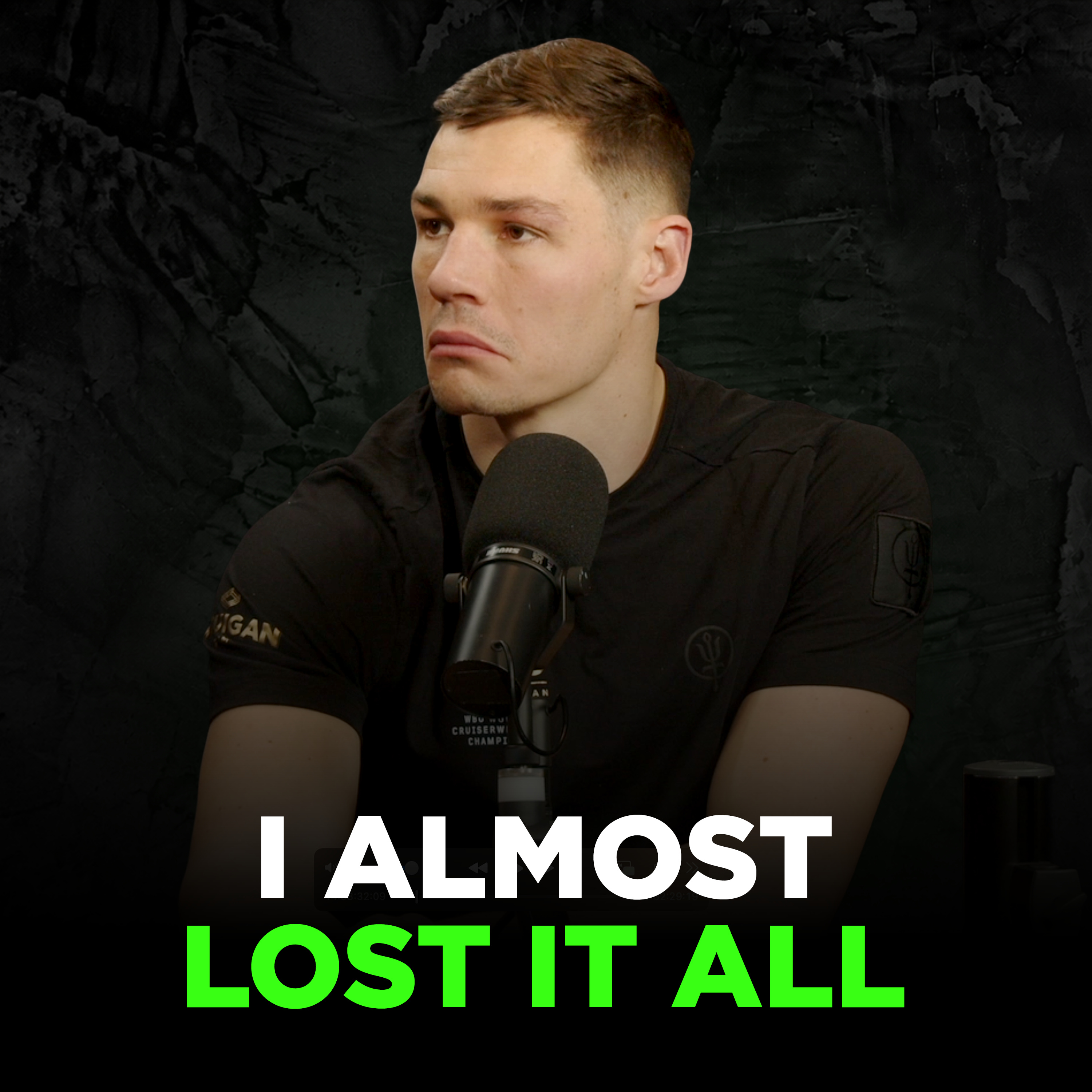
“So I guess I'd always been trying these side hustles, but the screw it just do it moment for me was going on Dragon's Den, getting an offer.”
Chris discusses his journey from selling onesies to creating a multi-million pound sports brand.
Chris shares his experiences in college and the risks he took to launch his business.
“Yeah, first year is when I started speaking to suppliers.”
Learn how Chris identified market gaps and opportunities for his sports brand.
“It might have even been, I have to search it right there, but she used a student loan of like, you know, two, three grand, whatever, to buy Amazon stock.”
Chris recounts the effects of appearing on Dragon's Den and how it changed his business.
“But there's so many stories like that of getting an idea in a different market or, as you say, changing the price or changing the design of it, something like that.”
Chris discusses his decision to decline investment offers from the dragons.
“and you also don't have loads of time to prepare.”
Chris reflects on his entrepreneurial journey and the lessons learned along the way.
“It's like, that's just, you can't dwell on, because you make so many decisions all the time, you can't dwell on things.”
Learn about the complexities and challenges entrepreneurs face, especially from the perspective of a young founder.
“you know, we had agreed beforehand that like 15%, I can't remember what we said the maximum was, maybe it was as much as 25.”
Explore the journey of shifting focus in business and recognizing opportunities in a niche market.
“Did the vision for Y1 already exist or did you discover the vision by taking the action?”
Discover the dynamics of communication and support in business partnerships.
Learn how side hustles can provide safety nets while pursuing business dreams.
Understand the importance of healthy debates and disagreements in a partnership.
“And I guess, you know, we didn't wait that long.”
Explore the complexities and advantages of managing a diverse product line.
“Yeah, we've got a hell of a lot across the hockey ranges.”
Examine how success influences personal relationships and ongoing challenges.
“Well, I didn't know that about hockey sticks, by the way.”
Analyze the growth of paddle sports and the importance of market entry timing.
“And so paddle, I think this, this, yeah, literally summer just gone.”
Learn about the significance of community engagement in niche sports markets.
“And we need to do that like hard grafting and community building.”
Learn about the growth potential in the paddle market and its appeal across generations.
“So I guess from Tom playing in Belgium and is not fully acting on his instinct, which was the right instinct.”
Discover how Chris built a brand that garnered Olympic recognition through strategic relationships.
“Although, like you say, a lot of the tennis players automatically start producing paddle, right?”
Understand the challenges and successes in sponsoring athletes during the pandemic.
“And so he scored 16 goals and he missed a game.”
Explore the importance of team bonding and celebrating successes in business.
“And she's like, yeah, we really should do something, shouldn't we?”
Learn why acquiring companies can be advantageous compared to building from scratch.
“Yeah, these trips we do as a company have really been very enjoyable and really brought everyone together and it's a great moment to reflect.”
Learn how Chris Rea plans to scale his custom clothing businesses and the strategies involved.
“So the big thing for me is like all these three custom clothing brands like a very profitable.”
Discover Chris's thoughts on entrepreneurship, scale-up businesses, and inspirational figures.
Chris shares a compelling story of another entrepreneur's journey and reflects on podcast highlights.
“Some of the best episodes we have, literally from somebody saying it.”

Get the gist, explore an idea or ask about something said.
 Claude
On Screw It Just DO It with Alex Chisnall, what are the key points of this episode?
Searching your listeningAutomatic transcript. May contain errors.
0:00So I guess I'd always been trying these side hustles, but the screw it just do it moment for me was going on Dragon's Den, getting an offer. That was the moment where it really switched from being, I'm just trying different things, seeing what works, being like, right, I really have to go for this now. The ability to pivot has been a massive strength of ours. Being amazing in a niche is way better than being average for everyone.
0:24Alex Chisnall: To have Olympic medalists using your equipment must be pretty special. Did you genuinely believe that your equipment would eventually be used on the biggest sporting stages of the world? That gave us the confidence, first of all, that one, they were good products and people liked them. Two, I guess we had a lot of connections. That was a real like pinch me moment.
0:49Chris, welcome to the show. Thank you so much for having me. Really excited to be here. Absolute pleasure.
0:54Alex Chisnall: So you started your business as a student selling onesies. from your bedroom 14 years later you've built y1 into a multi-million pound sports brands had athletes winning olympic gold medals um using your products and now um you're acquiring new businesses right a couple i believe um but what was the screw it just do it moment for you you know was it seeing the opportunity with the onesies was it deciding this universal university side hustle could actually become your career um was it turning down the dragons which i'm sure we'll get to um was it abandoning the original proposition and betting on hockey or all of the above yeah i think for for me i've always been very entrepreneurial you know growing up you know lots of people have the same story selling sweets in the playground um me and my mum did a venture where we bought sinks from an auction of like companies closing down bought loads of sinks sold on ebay then i did the leavers hoodies so i guess i'd always been trying these side hustles and i guess the onesie was the first thing that actually became something more than just a hustle but the screw it just do it moment for me was yeah going on dragon's den getting an offer that was the moment where where it really switched from being like i'm just trying different things seeing what works being like right i really have to like go for this now that kind of felt real yeah whereas before it might not have felt as real i guess exactly just that validation yeah yeah Yeah, yeah.
2:28Alex Chisnall: And take me back to the period like immediately before the decision to start the business. Like you're at university. What did life look like for you then? What were you? Were you like first year, second year? Yeah, first year is when I started speaking to suppliers. So I'd be in the library meant to be doing an assignment. I was just on Alibaba, like messaging loads of different suppliers. And yeah, I got so many kicks out of doing that. And I guess we'd already been doing different businesses. So working for nightclub events. We were selling Exeter beanies. So we were trying little things. But onesie was the bit where I thought there was definitely something more to it.
3:14Yeah. So you're at Exeter.
3:17Alex Chisnall: Onesies are everywhere. They're expensive. And you think surely we could make something that's better value and personalize it, right? so you paid£200 to get five sample onesies then you and Tom, your co-founder invested your student loans into your first batch,£200 and you're what, something like£1 ,500 in each is that right, I read? Exactly, yeah So that's what you had potentially to lose I guess, right? Yeah, so I guess at the time it was everything but yeah, it's sort of the same story going through the years like you've got to be frugal um you know we were putting that first um above maybe other things and had to cut back but it was just i felt it was a risk we like had to take and it didn't really feel like a huge risk like i just you know as an entrepreneur you just have that feeling like you can do you think that's because you were like young and naive or 100 percent yeah 1500 yeah it's not my money really yeah but it is but yeah exactly i think it's just yeah young and naive let's give it a crack and you know from the sampling process so like you know i guess another thing is yeah i don't always advise people to jump headfirst into like reckless decisions but doing the five samples first you know we were able to send those out to club societies and you know almost get commitment on some like early orders from like i remember lead snow sports were really interested wasteland ski for like custom ones in their own colors um and so you had that you had a bit of validation there already like we can place this order of 200 like we're gonna get other revenue coming in pretty soon from these from these companies and societies yeah yeah it's funny when you said like ski and snow then it literally and we were talking student loans and just reminded me of having this conversation with a mate on a ski lift literally about two years ago and um i don't know how the hell we got onto it but his wife had used her student loan this is like back in the 90s, right?
5:20Alex Chisnall: It might have even been, I have to search it right there, but she used a student loan of like, you know, two, three grand, whatever, to buy Amazon stock. No way. What are the investments? And I literally said, what's it worth now? And we went and did the maths over a beer at lunchtime because he said she's never sold it. And it was something like$2 million. I mean, I think the bravest thing now is to never sell. Exactly. You hear so many of these stories where people make these bets, but then they can't just hold it. No. They're too impatient. Yeah, yeah. That's incredible. Yeah, yeah, it's nuts.
5:56Alex Chisnall: What made you actually do something about it then compared to, if you thought about the other ideas that you had and the other kind of side hustle that you tried, what kind of innate sense of dismay work did you have? Can you remember back to then? I think we still tried other things. Okay. Yeah, we ran nightclub events and they'd bring in a couple of grand. You know, we still side hustle sort of territory. You know, we weren't fully convinced. Like we did other, I remember doing a student like discount book where companies would pay 200 quid to feature in the book. And so there was lots of other things going on.
6:33Right, okay. So it wasn't like all eggs in one basket. but I think the naivety and the benefit of naivety is like you don't sit down and write a full business plan and you just get going and that's the thing I do see when people maybe get slightly older is trying to start a business takes a lot of planning and when you do a lot of planning there's always doubts in your head and there's always someone who's going to critique it and you know people critique onesies are like well someone's already making them why would anyone buy yours and i guess i feel that all you need to do is change like you know one thing one thing can change to make a business like hugely successful it could be the price point it could be the sustainability it could be the marketing like whatever it is um and i think for that thing it was um price point you know doing it student-friendly prices yeah that made sense for them because you know i was wanted to be a customer couldn't have couldn't like bring myself to spend so much money on the premium one out there so i just went and made my own um and also the ability to customize for clubs and societies like the bigger brand wasn't willing to do 30 unit orders
7:41Alex Chisnall: and stuff like that yeah it was interesting like a mutual friend of us kareem um and we were having that conversation around the fact that you don't have to you know reinvent the wheel like most businesses are not a brand new thing they've been around like kareem with his adjustable dumbbells and he was giving an example of a guy who sold supplements to chickens. Yes, I listened to that one, yeah. Crazy, right? But there's so many stories like that of getting an idea in a different market or, as you say, changing the price or changing the design of it, something like that. And so for people listening, watching, there is opportunity everywhere, right?
8:18Yeah, and I think a lot of like maybe people who haven't started a business do think you have to reinvent the wheel, but there's so much opportunity out there. You only really see it when you get into it. And then we've had customers approach us for things that we didn't even think were opportunities. We've had a farm recently spend a lot of money on custom shorts. We're like, we just never would have thought they would have been a customer. And yeah, you're just finding out all these opportunities everywhere.
8:52Alex Chisnall: Yeah, you've got to act on them, right? Yeah. at what point did you or your co-founder realise that this isn't a side hustle anymore that this could be the thing this could be the vehicle that realises all my ambitions basically yeah I think it has to be going on Dragon's Den because that was in the middle of my third year exams so the advice was don't go on because you've got to sit your exams and get you whose advice was that? my dad's obviously I was going to say he's my dad Yeah, in the middle of your exams going on a TV show that goes out to millions of people and you need to prepare for.
9:31But yeah, that gave, one I guess gave me the confidence and the validation and also the marketing and the PR you get off the back of that show. It's like, you know, it's pretty good, especially back then when it was all people watching it live. I guess a lot of people now watch on iPlayer, but it's all live. It all happens there and then. The website goes crazy. yeah sell out of every product you have it's like yeah you have to be pretty crazy to not do it to not go full-time what happened like for you like because i've had yeah quite a few of those conversations like you say literally selling out what was what was it like initially for you guys i think you know this is pre using shopify to 2013 um the website did crash during the show which um was really frustrating but it did it did get live again towards the towards the end um of the episode right and yet every i think almost every single thing sold out which at the time was maybe like 20 grand a stock like we we didn't have enough like it was just so hard to predict like i did try and speak to like quite a lot of founders that had been successful on the show and get some indication, but it was really hard to gauge.
10:43Alex Chisnall: Interesting. And like, yeah, with your exams, your year three exams, was there a part of it, and your father telling you that, was there part of you that just thought, why am I putting myself through this? Was the opportunity too big, the opportunity cost of not doing it? Yeah, I was like, I've grown up watching the show. It felt like the pinnacle of like entrepreneurship. And I was like, if you get the chance, because we did apply like a year before, and they called up like six days before going on. So it's like radio silence. Then you get a call being like, we need you on in six days. So it's like you don't have time to think really and you also don't have loads of time to prepare.
11:19Is that it? Five days? Yeah, and I think they're juggling slots. I don't know if it's to keep you on your toes. But yeah, it wasn't long to prepare.
11:31Alex Chisnall: I'll ask my friend Piers who's a dragon for a couple of seasons. seasons um and and what happened that the that the television audience didn't see i guess it's just so much longer than this than the what's televised it's about an hour and a half so there is four minutes or less yeah there is a fair bit of editing that goes on there um and some of the editing is definitely to create dramatic effect of course yeah which can make you look silly at times but uh yeah that that was the main thing it's like you're getting you're getting grilled and they don't know anything about you before you go on.
12:06So it is really genuine in that side. But yeah, it is a grilling for like an hour and a half. Did you enjoy it, the wrong question? Definitely the most nervous I've ever been. But yeah, completely enjoyed it. Yeah, so good. And who were the dragons? Deborah Meaden, Kelly Hoppen, Peter Jones, Duncan Bannatyne. and was Piz on? I was about to say, was he the same? Because he was on with Kelly Hoppen.
12:36Alex Chisnall: Yeah, he was. Yeah, yeah. Yeah, crazy. But you had offers, but you ultimately decided not to take the investment, right? Yeah, I think, especially in a product-based business, like 75 grand investment for 40%, like even just buying stock can eat into a lot of that funding. So I guess, you know, we just wanted to retain the ownership of the business and bootstrap. So, yeah, it definitely wasn't an easy decision. And, yeah, it felt right. And I think, you know, now 14 years on, if you'd given away a 40 % chunk of that stage, yes, maybe the trajectory might have been different. Like, you know, I never have any regrets in business.
13:27It's like, that's just, you can't dwell on, because you make so many decisions all the time, you can't dwell on things. But yeah, it's a big chunk to give in, like right at the get-go.
13:36Alex Chisnall: I was going to say, was that the decision not to say yes? Was that like a bigger screw it just to do at the moment almost because of, you know, what you've gone on to build off the back of it? Yeah, yeah, I guess so. Yeah, so yes. And how do you have the confidence at that age? Like, what was the conversation between you and Tom then to say, you know, thanks, but no thanks, basically. I think it was that we'd, you know, we had agreed beforehand that like 15%, I can't remember what we said the maximum was, maybe it was as much as 25. I can't quite remember the detail around. But you'd had the conversation.
14:13Yeah, we'd had the conversation beforehand. Spoken to lots of people that went on the show and were successful and like, a lot of the deals don't go through. So many people that have spoken,
14:22Alex Chisnall: the deals don't go through. The due diligence doesn't add up. Yeah, yeah. I think the one thing that does frustrate me about it a little bit now is you see a lot of these deals that, you know, it's new founders. And they get an offer that's like, I'll give you, let's say, 50 grand for 20 % of the business. If I get my money back in two years, you know, I come down to 15%. And I find it like, it's almost like a loan. Like, you know, so they're structuring it as loans for equity, which again, I don't know. I don't fully like agree with, but at the same time, like, you know, some brands have got these dragons on board and it has like completely changed their trajectory.
15:02Yeah. Um, like so, so valuable. Like I know the guy from dock and bay and they got Deborah medium on and you know, I think it's been hugely beneficial.
15:11Alex Chisnall: Yeah. I was chatting to a guy who, uh, Omni, um, and they had, um, pet food brands and he said they went from a hundred grand a month to a million a month. literally like that and he had Stephen Bartlett and Deborah Meaden and I was like what kind of access do you get because I've had different stories from people speak to my team type thing and he was saying honestly it's insane literally just phone Stephen and he will get someone to solve the question that we're asking if he doesn't know the answer instantly he said literally last week and this is, you know, 18 months, two years on from that and he was like, literally, he was just on the phone to him last week, on the phone to him the week before and I was just like that.
16:00Alex Chisnall: Really surprised me, to be honest with you, but, you know, I've met him myself and I have to say, he just comes across as a genuinely really nice guy as much as the British public probably want to tear someone down that he's super successful, but, you know. Yeah, because you do see people gunning for him in the show, like everyone wants to work with him. Yeah. You know, everyone that needs that social media knowledge and support and you know him offering them you know office space in his main office and you know that access it definitely seems like yeah they did that with them as well yeah yeah it's pretty yeah it's pretty valuable all those extra things that come it's not just it's really not just about the money it's about that access yeah it is um and so tell me the story so Y1 isn't really a a onesie company that got bigger right but you eventually discover that the real opportunity lies elsewhere yeah yeah tell me about that so so i guess starting a business so young is like you're so inexperienced and naive some have benefits some have cons um and i think yeah started as onesies doing custom onesies for uh all sorts of you know groups companies um societies snow sports trips you know that that part of a business has always been a huge part of a business and that's like now really where I'm focused right so it was custom onesies but it became custom everything um but in terms of being a going onesies to being a fashion brand like on the show we presented ourselves as like we're gonna be the next jack wills the next student fashion brand and you know that never fully materialized I gave a good two years you know post uni of giving that crack and it was good but it it just wasn't like rapidly growing and I think that's probably a bit down to um probably inexperience um and also probably like not having enough um not mentorship as such but you know surrounding yourself with other entrepreneurs right yeah you know i moved back home i was gonna say did you move back yeah keeping keeping costs down stock was in the garage yeah and um yeah it was you know it was basically like an mba like you're learning all the time you're making every mistake in the book um and yeah as i said it was good not great and i actually um you had a moment where i was like i was probably a bit burnt out and a bit like you know tom was playing international hockey um so he was away we weren't in the same place and you know i was like i i can't quite like keep doing this um so i got a job at cedars which is now Republic.
18:42So I was doing the business on the side again, which did feel like a step back at the time. However, it got me to London and I got to work for a company that was, my job was helping companies raise investment, you know, equity crowdfunding rounds and the access I got there to incredible founders, like really opened my eyes to like how to scale businesses, what's possible. So I'd be the first one meeting them, seeing their pitch decks and building up that network meanwhile Tom and his brother George started on the hockey project yeah so creating our own hockey sticks which isn't an overnight thing you know there's a lot of prototyping a lot of development and so I owe a lot of credit to Tom and George for getting that the early days off the ground for that bit yeah and meanwhile I was learning so much from these great networks founders helping people raise investment and ultimately after three years there and running the clothing business on the side, still doing decent revenues, but nothing groundbreaking.
19:43We then took the plunge and did our own equity crowdfunding round for the hockey brand, the fashion brand. Who did you do that with? So we did it with Cedars, now called Republic. Just because I knew completely how to do it. I knew everything about what makes a successful campaign, how to get the crowd excited, how to make the good video. And that got oversubscribed in a day. Wow. Yeah, so we have been a very bootstrap journey. I see that more, you know, we raised like 100K. But it was more about the community investing in the brand. So it was all the hockey community wanted to be part of it. So we actually got loads of customers to become shareholders.
20:25And they're still shareholders today. And they've really helped us on the journey. So it wasn't as much about we need loads of money. It was like, I want people that care about this and want to help us on our journey. And that was a real sort of second Screw It Just Do It moment, right? Of getting out of the company back into startup world. Yeah. Yeah. So I can understand why that would feel like a step backwards,
20:47Alex Chisnall: but equally that kind of propelled you forward, right? Yeah. As well. Quick one before we get back to the episode. If you'd like to meet some of the founders you've heard on Screw It Just Do It, join me at the Festival of Entrepreneurs on the 3rd and 4th of November at the NEC in Birmingham. 200 speakers, two days of practical business insights, and it's completely free to attend. Head to festivalofentrepreneurs.co.uk to register. How do you know the difference between something you should keep fighting for and something you've simply outgrown then? Did the vision for Y1 already exist or did you discover the vision by taking the action?
21:27um so sorry the first part of that is like how do you know when to stop sorry yeah how to um i think when you're i guess i guess some people think they need the perfect destination right
21:43Alex Chisnall: yeah yeah start with but you don't right you figure it out like you say you're getting an nba without paying their 100 grand to get the nba yeah i think yeah i think for us the ability to pivot has been a massive strength of ours like you know not just being idiotic and sticking to the same thing if it really you're trying so hard you're trying every angle and the revenue's flat or like you're not growing at 50 % year on year and those are you know that start like we had such early strong growth and then you've got this like plateau and you are trying you know so hard at different things trying physical events trying socials trying uh partnerships influencer marketing and it's just not quite doing it yeah and then and then it's also like where where are my skills as well so it's like i'm not like a fashion guy and whereas in reality like we both played international hockey we're traveling the world i played for america he played for great britain when i was younger like 14 i had dreamed of like owning a hockey brand like i had thought of that and then here i am with this like trying to be a fashion company um and it's just looking at the realities right so like trying to be a fashion company but actually most of our revenue is from custom custom stash for sports clubs and news rather than the d to c online sales yeah um and yeah we we yeah we then basically like right everyone in hockey knows us everyone in hockey is wearing our clothing like we're so strong in this niche everyone knows our story where's the stuff like let's go and serve that audience that we know and love and have so many connections in was it like the answer is actually under our nose yeah yeah yeah but i think as well it's like an ego thing of like you want to be this massive massive fashion brand for everyone like it's a pretty cool dream to have and then again it's like oh actually focusing on hockey is that a bit of a step back again like i'm focusing on a niche but actually being amazing in a niche is way better than being average for everyone right yeah so i think actually moving into that niche and laser focusing on the thing that we know and love and everyone knows what we're about and we've got the connections it just that really really helped us yeah it reminds me of chatting to a guy called raj from do you know hytro about the blood restriction technology yeah we like the shorts and stuff and um he was saying you know the idea was to be like a Gymshark, you know, and he says, you know, however long into the journey, they then pivot.
24:11Alex Chisnall: And next thing you know, you know, everybody from Man United to, you know, Liverpool to Washington Commanders in the NFL to NASA, as happened earlier this year, you know, taking on the business instead of, you know, so selling directly to teams and big organisations like that instead of selling directly to consumer. and it was just like that change of mindset as to where the opportunity lies and then therein lies success. But you'll never know unless you try, right? Exactly. You can iterate and iterate and iterate. Yeah, I'm sure that happened very organically. He got one opportunity with a team and then – I think it was one of the coaches, right?
24:55Yeah. And then that's how these things happen. Then it's like, okay, actually that makes loads of sense and actually that's performing better and the orders are bigger.
25:04Alex Chisnall: Yeah. Yeah, that's sort of how it happened with us as well. The only thing you said that I always remember him saying is that sportsmen and women, I guess, always seem to want it for free. Oh, yeah. Tell me about it. It's true. Okay. Yeah. There's a lot of that in hockey. Right. People wanting free product. Yeah. Yeah. um so early early years you know sound pretty unglamorous right you know like no team no warehouse university grant um stock in in your garage self-storage um packing every order yourselves you know and and i i i hear these stories obviously on the podcast um you know all nighters followed by lectures in the morning and stuff um what did like the reality actually look like for you um when was it closest I guess what I'm trying to get to is when was it closest to like not working when are you thinking right you know there is not enough traction here um uni days are drawing to a close etc yeah what are we gonna do yeah um I mean I guess one one thing I did was um we're quite seasonal business with the academic year and I thought let's do this summer collections had these all over prints and it was just an absolute flop like we invested a lot of money into the stock and i think it was sort of off the back of that dragon's den thing it was a period of my life where i probably thought i was a bit invincible and um and yeah ordered all this stock it was so late it was like uk manufactured so i was like it's gonna be quicker than overseas it's meant to be three weeks took ages arrives like towards the end of summer and like we just got all this stocking for summer we basically missed the summer i think that was a real hairy moment that's brutal yeah um so yeah that was definitely a one of the low points and that probably was then one of the starting points of like yeah these feelings around like is this the right route like we need to be you know looking at our lives looking at where what we're doing again that playing international hockey part yeah it all started you know i think the clearest thing was walking into a clubhouse after a game and seeing loads of people wearing my stuff and that's when you're like okay that's the community it's there it's not um what does that feel like when you see that like the first time awesome like yeah seeing someone like you don't know wearing it i mean i remember like lining up for this nightclub event and there's a guy in front of me wearing a piece of our clothing i was like oh where i was like where do you get that from and he told me the story like back to me almost really and that bit was like that was awesome that was really yeah it was like two hockey guys from exeter um you know three years ago and yeah that those are those moments uh yeah really get you excited that's you always wish somebody was um was like filming that at the time right on a phone you got that documented like i didn't set this up honestly yeah yeah that's often like when i when i speak to people whether it's saying you know it's it's often seeing um the product in the wild as a lot of people say you know seeing someone buying it at a checkout desk yeah yeah it's awesome yeah yeah it must be um but was there any time did i did you ever have the conversation between the two of you like um around um i think we need to stop this this isn't working never never to stop it no okay never um yeah i think we always found a way like you know whenever you know he was busy at an international tournament like when he went to the world cup i pick up the slack whenever i started my job him and George like massively stepped up so it was just that combined effort of like we always knew something can happen here um and yeah but we definitely never spoke about stopping yeah interesting some people literally have those conversations yeah I was chatting to the guys from uh do you know Yotnar who like high performance were okay yeah yeah for like um you know mountaineers and climbers and that and um and it was yeah well maybe it's like yeah three years ago chatting to them and you know two founders and and the one saying i can remember when um tommy came into and they're both ex like you know sas guys you know you think pretty resilient and yeah and what have you and saying he came into the office and she said i can't do this anymore yeah and they're like we've got a 50 million pound business what are you talking about you can't do it anymore you know i just can't do it anymore yeah so they literally had to sit down have the conversation and trying to restructure wow you know have some have some time out i've got your back yeah let's restructure your role you know what does that look like you know um you're trying to kind of spread yourself too thin etc yeah i think i think that's the thing about starting young and you know having you know i guess that's the benefit of side hustle stuff is that you know you it's not complete make or break you can give yourself time to like get it to fully like working and giving you both a really good salary or whatever it may be like um i think that that was the benefit like he was you know paid to be an athlete um you know i was working in a company it just gave us that time to really get product market fit whereas i think you know sometimes if you quit your job and you're all in like you hear success stories of people like they need that complete like no safety net yeah i feel it and then you hear other people that like actually do stay in their role at work for quite some time um so yeah there's no there's no right answer right no no no there isn't i i did that thing of literally um taking voluntary redundancy like taking a year salary and then just like wasting a year working on a business plan yeah which is nuts if i knew now if i knew then what i now know after speaking to like you know 700 old entrepreneurs you just go why would you you know wait a year um but there's there's no there's no exact answer I remember chatting in this studio with two girls from a swimmer brand called Toko Swim and you know they'd stayed in their jobs for like I think one was four years another one was maybe six years whilst they whilst they worked on the business and then literally they'd done an article for the Daily Mail and they said literally big accounting firm right and they said this was literally their words not mine literally they made like the front cover of the Daily Mail online and it was the pair of them as they said themselves with their butts out modeling the swimwear he said everybody then in the office knew what they were doing they said at that point you know it was decision yeah right everybody knows who we are yeah we've got the best publicity we're ever gonna get yeah let's go all in it's like yeah kareem from brain game like he's stayed in his job a long time yeah a long time while he's making serious yeah money and i always question people like that i'm Like, what are you doing?
31:46I know, I agree. Get out of the job.
31:47Alex Chisnall: Yeah. You're onto something here. Like, some people do wait a long time. And I guess, you know, we didn't wait that long. But it's episode for risk, isn't it? Everyone's different. Yeah. You know? Yeah. Did you, have you ever disagreed, like, fundamentally about something? Because I've always been, like, up until starting the events business last year for the Festival of Entrepreneurs, my four previous businesses have always been solo founders. So I've only ever disagreed with myself. But what's it like? um never like a fundamental disagreement i think we're always having debates right on products to launch um yeah avenues to go down where to invest you know because we have quite a widespread business with different different brands um different product lines it's like where do you put your time and energy so i think it's more around that but there's never been a completely like fundamental disagreement which i think is why it's lasted the test of time right yeah 14 years it's a long old time do you know how many products you have I'm not putting you on the spot gotta be I mean if you count SKUs like your size as well it's thousands but only because I asked somebody recently in the studio and he had over 3.5 million products and I was just like can you just repeat that wow yeah crazy I'm very jealous of these companies that have one product one hero product just keep doing it until we can't do it anymore and then it's all right.
33:17Yeah, we've got a hell of a lot across the hockey ranges. It's quite a technical space with different carbon percentages and all the accessories that come with it and then all the range of paddle rackets. I mean, the good thing about paddle rackets is there's one size, whereas hockey sticks come in like three different lengths. Right, okay. So it seriously adds up. So our ops team are incredible, yeah.
33:38Alex Chisnall: Well, I didn't know that about hockey sticks, by the way. I went to school in Cardiff and hockey, I think we played it for a season and then it was rugby or rugby. Even the football team was done away with at the age of 15. It literally just went rugby or rugby now. That's crazy. You had enough of that stupid game with the round ball. Let's play some proper sport.
33:59Has success changed your relationship at all between the two of you? Between me and Tom? No, I guess. Because you're not the same people, right? than you were 14 years ago? No, I think I was still really good at challenging each other. We still have great debates on the phone. I think I had a ransom on the phone on the way here. He's a bit of a therapist for me. Yeah, yeah. Yeah, listens to me and hears me. And yeah, it just works, yeah. Nice. But yeah, I don't think it's changed us. And I don't think it's like, because we're still on this journey. I still feel like it's day one. Do you know what I mean?
34:38like that's do you that's what that you know i definitely feel like it's because every year there's a completely new challenge and there's a completely new phase so it's like i never feel like oh yeah we're successful now like i've i've still got the fire in the belly um like so yeah i don't think it's changed us at all yeah you mentioned paddle twice yep
34:57Alex Chisnall: kindly giving me a racket yeah i'm a paddle player um two years ago you said right yeah so So that's literally when I, and I was brought up like on a tennis court, right? And so paddle, I think this, this, yeah, literally summer just gone. Two years since I picked up a paddle racket. So you were right at that stage as I saw it in this country where it literally took off. Yeah. And now I can't go anywhere without hearing a conversation about somebody who's building a paddle court or like the golf clubs getting, you know, set a paddle courts done, et cetera. how far ahead of the curve do you think you were and how long were you talking about it before you then had literally a product out yeah what month what year was that if you can remember vaguely so from being guys that moved pretty fast in a lot of areas i think paddle is the one area where tom was playing um for a hockey club in belgium and the hockey club had paddle courts right and that was quite a few years ago you know when the uk had probably less than 50 paddle courts in the country like wow um and i think the the the reason we didn't fully go for it then was because he was the one that was passionate about it and really energized about it but he wasn't gonna um be able to like do all the marketing and really throw himself into it and i i definitely felt like By going then, I would have been distracting myself away from the main business.
36:30So I feel like we definitely moved too late on it. Okay, interesting. But that being said, in the last two years, the number of courts has gone crazy, right? So I think we're at like 1 ,800 courts in the UK now. The growth rate is absolutely... I wonder what the player base is then in the UK globally. I can't remember off the top of my head, but it's growing like 100 % year on year. Yeah. Don't surprise me. So yeah, the market is like 100 % year on year growth. And so I think even though, yeah, I would have loved to have moved slightly earlier, I think actually the time we did move was when we could put full-time staff into it.
37:11Like we had the capital to go and put people into it rather than being, again, a side hustle. So like, yeah, we have George heading that up. So he helped start the hockey business. he's leading on the paddle business um we have real advantages that our hockey factory that we've worked with for a long time is also a industry leading paddle factory so you've got those benefits benefits so we can make great product and not spend tons of time trying to source that and get into get our foot in the door with a really good factory so that bit that bit's nailed yeah i think now it's like really like using the skills of learning hockey of building a community and you know communities on socials as well you know in-person events and on socials and we really need to like now take that into the paddle um paddle business and i think paddles so spread far and wide like globally um and opportunities come at us all the time from like loads of different stuff whether it's in germany or in holland and i think again it's like if you go to you know what i found with the hockey business as well if you go too far spread you're actually again like you're not creating enough impact in one area so we're just trying to be really like um focused on the uk focused on london you know our office is here okay do events here yeah and i think it's like we have to do on the ground grassroots stuff that the tennis brands that have moved into space on you know the hard yards they're not willing to do yeah yeah they've got budgets they can go and sponsor you know flashy expensive sponsorship whether it's a player or whether it's a centre.
38:37And we need to do that like hard grafting and community building. Yeah, which is the hardest thing to get right. But if you get it right, yeah, massive opportunity. Yeah, it's going to take a lot of work. But yeah, I'm super excited about it. This is literally just popped into my head.
38:55Alex Chisnall: But a friend of mine who's, he has, he's got the biggest legal podcast in the UK and he's got a legal tech recruitment business. He's got a massive following on LinkedIn and stuff, Rob. And he's started like a paddle events thing for founders of businesses. So they did one in London. They did one in Dubai. And then he's come to me with an idea to do one at our event in Birmingham, Festival of Entrepreneurs. I literally just had a voice message from him before you came in today just saying we're just chatting to two different paddle courts in Birmingham, seeing which one's nearest to the NEC, which is where we're having an event.
39:39And, you know, we might edit this out
39:41Alex Chisnall: or we might keep in the conversation. But he's literally saying to me, you know, so, you know, we're going to have, in the last year we had 2 ,500 founders there, this year 5 ,000. He's like, let's do it at the, once the, at the end of the first day at like five o 'clock or whatever, then 10 minutes up the road, those who want to come, let's make it into something. Let's have, you know, drinks afterwards. let's have some you know some music let's see what we can do that'd be awesome um we have a partnership with connect paddle in birmingham oh okay i don't know how close that is to the nac but the founder of that is a really good guy okay um yeah we've done we've done some stuff there before uh yeah it's a really good space yeah there's actually a founder's paddle event tonight um racketeer so right get along to that but yeah paddles are such a good social sport right so it's the best yeah social sport and I my favorite I mean I play with a group of people but you're always looking to expand because for me this challenge is always getting the fourth person right yeah um but I've done yeah loads of like tournaments but they're like founder tournaments it's just a great way and then you just like beers and pizza afterwards or whatever you know and the connections you make off the back of that it's quicker than around a golf and you can mingle with more than four people the three people this is it this is it because it traditionally was always golf right and i'm a massive golfer i love love my golf but like you say you've just got three other people yes you can put on you know a tournament for the day but each of you are playing for four hours and then the event afterwards yeah it's a long old day right yeah yeah talk to me about so you mentioned uk focus only is that is that for hockey and paddle or just paddle hockey's global so yeah that's what i thought okay so we've got a an ex international player that's heading up Europe.
41:26We then have distributors around the world selling the product. So yeah, that's much more established and a global business that's really strong in places like South Africa, Argentina. We sponsor athletes from all over the world. But to get there, it's similar playbook to hockey. It's like you've got to nail your home market first. You've got to nail it. If you try and go too big too quick, you're going to be the master of none. So we did that in hockey. started on the uk absolutely nailed the hockey in the uk became you know one of if not the biggest brand in hockey in the uk and then that's when we started going out out globally so paddle we see you know see as the same same sort of journey as like nail nail the uk you know there's a lot of people playing it so it's a hard job but really become well known here build the community and then and then look elsewhere but you know our distributors in the hockey business also are
42:18Alex Chisnall: distributors for paddles so um yeah you can excuse me you can grow with them right yeah yeah so like our south african distributor has his own paddle center in cape town so you know he's selling a lot of paddle rackets um so yeah we've we've got connections so we couldn't could go global but marketing efforts have to be have to be here first what was when you kind of look back at that you say like a couple of years right but um what opportunity did you see at that time because I was totally unaware of paddle, by the way, you know, two years ago until I, a couple of mates just kept asking me to play and I was like, oh, go on then.
42:53Yeah. So I guess from Tom playing in Belgium and is not fully acting on his instinct, which was the right instinct. And I apologize to him for not throwing myself headfirst into it. Yeah. But we just, you know, we kept tabs on it every year. Number of courts, you know, play Tomic, do a global paddle report every year. where our eyes are always on that. We're always chatting to people opening centres. And then, yeah, just the growth rate. Because hockey is a pretty stagnant sport in terms of the number of people playing it. It's like being in a space where the number of people playing is doubling every year.
43:29Plus, if you go out, let's say you're at a wedding and you say, oh yeah, I run a hockey brand. It's like, it's very rare you find someone that's actually genuinely interested in that. But then you're like, oh yeah, I run a paddle company. It's like everyone. Everyone. And every year you went to another wedding, it's like more and more people are interested. So obviously you look at data, but you also just like those personal connections and those human interactions, you just pick up on like loads of people that are now into this that weren't a year ago.
43:57Alex Chisnall: And what I found as well was like going to a paddle tournament at my local paddle club. And there's like guys there and girls in their, you know, like 60s and 70s playing it. And then literally beginning of the summer, my oldest daughter is 19. She said to me, can we have a game of paddle? And I was like, really? And she was like, yeah, me and all my friends want to play. And I was like, oh, right. Yeah. OK. And then you find out like they all want to play that age group, you know, teenagers. And you're like, OK. So you keep producing, you know, candidates to buy your equipment. It's it's it's getting those markets on the rise, isn't it?
44:36Alex Chisnall: that still haven't been fully developed and still haven't been, you know, totally, utterly saturated. Although, like you say, a lot of the tennis players automatically start producing paddle, right? Because then you've got people like, I guess, like Ball Paddle who are like specialists in that field. Yeah, you've got like the Spanish brands that have a hell of a lot of credibility in the space, right? Yeah. And so that's where I just think, you know, community building, organic socials, being in London we have to use that all that all those skills to our advantage yeah um yeah but yeah I love the fact the sport is played by such a wide range of people like yeah when I go with my family like everyone's playing my dad plays all the time my mum plays all the time so it brings generations together right yeah yeah yeah tell me about we touched on it briefly um I think you mentioned it was um sponsoring athletes so i love the progression so um take me back to 2016 zero y1 athletes right and then paris 24 27 yes yeah yeah so you've now had i mean proofs in the pudding is the oldest phrase right but to to have olympic you know medalists using your equipment must be pretty special and great for social proof, etc.
45:57Alex Chisnall: Taking back to Rio, did you genuinely believe that your equipment would eventually be used on the biggest sporting stages of the world? Was that just like a kind of rock-hard belief that you were going to make it happen? Yeah. Yeah, definitely. I mean, obviously you dream of it, right? But I think it's a sport where a lot of people know a lot of people and you know Tom had been in the squad went to the 2014 World Cup with England in in Netherlands so he'd played major tournaments been in the GB team now that's sort of how we got the brand off the ground like we were giving samples to GB hockey players yeah and he was getting to try them out obviously they weren't sponsored with us at the time they were just blank sticks but that gave us the confidence first of all that one they were good products and people liked them and then too I guess we had a lot of connections and the way sponsorships work I guess in a lot of sports is people are locked in for anywhere from two to four years so usually an Olympic cycle so basically you watch GB women win on shootouts at Rio Olympics incredible moment but then I'm just like everyone's contract is going to be ending so that's my thought I'm watching the final and I'm watching the girls celebrate and I'm just like okay that we now need to act, right?
47:15So we weren't ready for Rio. We'd only really been launched hockey in 2015, but on a very small scale. And 2016, that's when we're only really getting going with the hockey brand. So post-Rio was like the perfect time. We'd had enough time to build up some credibility, do the prototyping phase, get the product really good, and then go and speak to them. And then the price has gone up. Yeah, exactly. if you win a gold medal yeah yeah he definitely goes up so um yeah and then what was it Tokyo we you know COVID happened and actually there's a lot of brands that couldn't repay their athletes and um you know we made sure throughout the period like we always paid our athletes for that even though they weren't playing they're just like they're our mates you know they're our friends yeah and we've grown up with these people like we you know you cannot I just felt so strongly about that we've got to find a way like we cannot not pay these people like it's their livelihood as well right um i love that so we did that and then yeah just some like big names started coming our way when uh during covid i think they maybe didn't get treated the best by their by their current brands and um yeah we we signed a guy called alex hendrix who went on to score 16 goals for belgium uh he got hit in the head and got a massive car had to miss a game comes back with a massive bandage up.
48:35He's still got a scar today. Big scar on his head. And so he scored 16 goals and he missed a game. Top goal scorer, almost the top goal scorer of all time in Olympics. Right. Using our gold stick. We made a limited edition gold stick. Awesome. For the gold medal and he did win it. And that was absolutely class. I mean, gutting that it was behind closed doors and it was...
48:55Alex Chisnall: I was going to say that's the only thing, isn't it? Yeah, didn't get to go there in person. No. But absolutely class. Yeah. And seeing Anna Thoman who now works for us in product development. She's a two-time Olympian. She won a bronze medal there as well, alongside some other GB players that use the product. So that was a real pinch-me moment. At the time, did you take a moment to appreciate it? Because I speak to so many founders who don't take the moment, they're on to the next thing. Yeah, brilliant, next. At that time, definitely I didn't. And because I was just watching on telly and we were still in lockdown, I just couldn't really fully feel it.
49:43Yeah. But more recently, I've definitely taken the time like Paris Olympics. That was the one where we were there for the semifinals and the finals. We had two athletes win gold medals and we went out with the players afterwards and had the best night of our lives. Amazing. Did you? What happened? we went to the Dutch house which is like a massive arena in Paris where beers were like a Euro sponsored by Heineken all the players on the stage and then we went out in Paris like five in the morning with the players and you know that was so special because I think you know building brands you're so often like locked away in the office doing stuff on your laptop doing stuff on WhatsApp but actually seeing it in the flesh makes it feel real yeah seeing numbers come through on shopify doesn't always doesn't always feel real but seeing it yeah seeing these moments in the flesh is is you got to stop and uh admire it and appreciate it i'm glad you did because so many people i speak to don't like even and i've used
50:44Alex Chisnall: this example before but even when i uh spoke to rowena bird from lush and you know billion pound british business you know 1.1 million billion i should say billion valuation and i was like so what did you celebrate your 25th anniversary this year, earlier this year? And she's like, yeah, we really should do something, shouldn't we? And I was like, it's September. It was like back in May and you haven't done anything. I was like, really? She's like, yeah, we're kind of like that. And I was like, no, you should do something, man. Yeah, it's wild. I think, yeah, I've never celebrated these things, but now we've got a bigger team and good people around me.
51:24I think they've sort of like, like Chris, like the staff need this, like the team need this. So like, you know, right now we had a meeting last week. We're going to, September to December is like our make or break for a good financial year. Like we do so much of our revenue in this period. So we had a meeting last week and it's like, we're going to lock in. We're going to go really hard. And we're going to, and then we're going to have this two day away trip at a mansion for Christmas. The whole team. love the whole shebang yeah and we're going to really relax and enjoy it appreciate it yeah and we've done a few of those like we did a trip to barcelona we had a house with a paddle court had 20 people there and these these moments you actually realize they're the things that last with people that there's where that's where the the great conversations and the great relationships between your um between your team actually happen yeah um so it's not via email no no right so What's up?
52:20Yeah, these trips we do as a company have really been very enjoyable and really brought everyone together and it's a great moment to reflect.
52:31Alex Chisnall: Yeah, I like that. Last couple of questions before we get to the quickfire rounds. Talk to me about acquiring companies. Why buy rather than build? Tell us a little bit about what's happened in the last couple of years. Yeah, I guess the fact that I've been on this journey for such a long time, you know, maybe you do think a little bit about like the hard yards that takes a business to go from like, let's say zero to a million in revenue. It's a very hard period to get product market fit. And it doesn't always work, right? So I think I had good mentorship around this and I did a lot of research and I think it just came to me that there are people out there that are at a moment where they're looking to sell their business.
53:23And it might not be right when you contact them, but they might in three months give you a call back. and it just felt like if someone's built something brilliant and they've got it to over a million in revenue and a good profit level and a deal could be structured in a sensible way that makes sense for both parties and everyone's happy, you can't have one side really happy and the other side unhappy. No, you've got to leave something on the table for everyone. It's just not going to work. So if someone's built something great in the space that I want to be in, we want to have a conversation, right?
53:56And we spoke to many. It's not just go to one and a deal's done. You speak to many, many companies, and then you build a relationship with the founder. It's the right fit. Absolutely. And then is there a way we can do this? So, yeah, the Stash Company was the first one we did back in November 2025. Long time chatting to the founder. Really good guy. We got him really, really well. And they had a custom clothing business that was in a very similar space to Y1 Customs. So they kit out universities, schools. They also do a lot of corporate merchandise. And their niche is highly bespoke. Not just off the shelf, print a logo on it.
54:36It's like, we'll create something for your brand activation. I love what they were doing. They had great tech behind it as well. And then, yeah, we structured a deal that made sense for both of us. And it's been a massive unlock to growing the group. Yeah. Huge unlock. Yeah, yeah. So, yeah, did that one, and then I thought, we can't stop here. Yeah, yeah. So you now bought, back in April, was it you said? Yes, we bought Redbird Apparel of two younger guys who also went to Exeter Uni. So we've known each other for a long time. There's a connection. Kareem, our mutual friend from Britain, went to Exeter University.
55:14Yeah, yeah. Yeah, that entrepreneur. What's going on down there? Yeah, that entrepreneur's site is very good. and yeah they built a business that kits out like oxford and cambridge colleges quicker lead time than what we do we do highly bespoke they do quick they focus on quick lead time um so now you know that one for me was like it's slightly different like i do like really high bespoke stuff it takes a long time to produce so if there's a client that like needs something in two weeks like this is the the business model for them and they'd already built up like you know 1.3 million of revenue really really strong net profits um and you know they were looking to move to america and and do something different but yeah i think it was that relationship of knowing knowing a bit about them from from a while ago um but yeah again these two businesses have you know helped us go from you know 4 million to 7.6 million you know in one financial year so congratulations my friend so that's a jump so yeah it's like yeah and it's also just unlocked it's unlocked loads of opportunity um and we you know their team their teams are incredible right so they you know it's not as if you're just buying the brand it's not like a it's not an asset sale it's like a full you know share purchase you're you're bringing the teams into the group and yeah they're all so skilled and awesome so it's like we've you know grown our headcount a lot with fantastic people so yeah it's been a been amazing i mean obviously it's still early early days right yeah but um yeah i'm super excited about it love it um and what
56:51Alex Chisnall: what's what do you think like the biggest challenge you've got to take the brand from say seven and a half to 17 and a half or 27 and a half what what do you think needs unlocking for you guys to get if that's where you want to yes yeah so yeah we've got pretty pretty high ambition and big projections. So the big thing for me is like all these three custom clothing brands like a very profitable. I think the great thing is a lot of product based businesses you have to buy the stock, put it on a boat and your cash cycle is very long. Yeah. These businesses customers pay up front then you make the goods.
57:31So that bit. Great business. So I absolutely love this business. Yeah, exactly. That's why I absolutely love this. And it helps support our product-based businesses by having that positive cash flow cycle. And the main thing for me is a lot of these customers are like, you know, average order value of like one and a half thousand. Like, you know, we allow small clubs to place orders, right? Highly customized orders. We now need to go to the next level and secure those contracts and secure, like whether it's a university contract, we have a few. And I think we could really elevate that. And these contracts are like 100 grand in value for custom merchandise.
58:09That's where we see it. We have a few of them. But it's like that's our – still service the customers we have and that type of customer. But then also like let's go and secure university contracts, school contracts, a merchandise contract with a brand or a marketing agency. Like that's how I see the big steps unlocking to grow that side of the business. and then obviously Paddle has a lot of opportunity to grow.
58:38Alex Chisnall: And what do you need to be able to, say, get those contracts? What's missing at the moment that would enable you to get those contracts? Is that people? Is that a mechanism? It's a little bit people and also giving the team the confidence like we are really credible. I think we tend to hire very young people and mould them and get them feeling this like, you know, we always talk about high agency in our business. We want people to be high agency and to take initiative. And I think it's like, you're having the confidence that like, we are worthy of that. Like, I think when you're young, you don't really, there's always a doubt in your mind of like, whether we can actually win that.
59:23I think, to honestly, I think it's really like a big confidence thing because I know we can do it and we already have done it. So like, let's just do it again. Yeah. But you're right, it might also be a people thing. And I guess now that I have been able to work more on the business, yeah, I guess one of my things now is I want to bring people into the company that are better than me. And that's what we have been doing. So a bit more of that, yeah.
59:49Alex Chisnall: Do you have ambassadors and stuff for unis and stuff? And I think how Red Bull started. Yeah, we have done brand ambassador schemes for many, many years. Students on the ground who promote brand. I mean, we've moved it slightly more now to content creators. So we want people producing content about the custom clothing. Yeah, okay. And that's sort of the new unlock for us because, yeah, that content can then become a paid ad or it can get organic reach as well. But we've seen the students operating better as content creators now than just an ambassador. Right. Time for the quickfire rounds. You ran things off today.
1:00:28Alex Chisnall: so whatever comes into your head first first thing um for you what does the entrepreneur word entrepreneur mean for you someone who's willing to take risk and have you have a go without fully knowing what's ahead of them what does a scale-up business mean to you oh um something you are right yeah yeah i guess i would say people probably disagree with me i would say i could go if you could go on holiday for a month and the business makes money without you that for me would be scale up or i think yeah different for everybody yeah yeah absolutely um and who's an entrepreneur that you admire and why i guess recently maybe it is hormosey i mean i know he's a bit polarizing but i think just like he talks a lot of it's like just common sense but he like gives you a bit of confidence that's like to go and go and think bigger yeah yeah I think yeah recently him yeah nice okay best piece of advice you've ever had it wasn't advice to me but I guess Richard Branson screw it just do it I like it there you go what's the best book you've ever read or the book you've gifted to other people yeah that would be Shoe Dog The Nike Story really yeah yeah i my favorites like top three for me yeah i got given it as a christmas friend many years ago and that was one of the things that made me quit my job um yeah i just i could resonate so much with the problems he went through and the challenges he went through and it just gave me the confidence that no one has this figured out like yeah yeah i love it i was saying this earlier but um i interviewed the guy who was the chief marketing office forgotten his buddy name now um he's now the ceo at fender you know the guitar music brand but at the time he was chief marketing officer for nike and um and i said to him how much of that book is is true versus the film which i've forgotten what the name is you know how true is the movie and he wrote the book one million percent true the film yeah yeah yeah and he's literally like i've literally just you know um this was a couple years ago but he was like you know i've i read the book i reread the book recently and emailed Phil to let him know and he emailed me back and I'm like wow okay can you copy me in we'd love to interview him this is the one that gets most people you might have thought about it or you might not what song best reflects your entrepreneurial journey oh um I don't know grew up listening to a lot of indie but I reckon I'm also a big Stormzy fan oh yeah okay yeah i haven't had a storm yeah i reckon um um maybe heavy is the head by stormsy great song yeah okay but i i think it's maybe to like people that haven't started a business like it is really hard and it's not all glamorous and i think seeing you know quite often you only hear about the success stories and you hear about the great stuff um but yeah there's a lot of pressure on you when you've got salaries to pay and uh team team support and uh so i think yeah i'm inspired by him as a person but also I like the song.
1:03:42It's a great choice, love that haven't got him on the playlist yet so
1:03:47Alex Chisnall: amazing Having recorded an episode of Screw It Just Do It with me anybody you know that think has got a really good Screw It Just Do It story and again you don't have to tell me now you can think about it but anyone that you think has got a really good Screw It Just Do It story I think maybe Ben Boone who runs Pom Pom London um it's a bag company okay and he was a really good hockey player and yeah start started his business a bit like you know had it had his job for i would say probably too long whilst he was doing it and then he eventually stopped his job and that business has gone on to like incredible success like okay you know i do look up to him and the way he's operating and the levels they've got to um so i'd say he's a pretty impressive one from the hockey community that yeah no sounds like It's a good one.
1:04:39Alex Chisnall: Some of the best episodes we have, literally from somebody saying it. Because it's always the ones that I haven't heard of, the ones I want to hear about, right? Yeah. It's like getting Huel when they were like three years in and then they exit for a billion euros. I still remember that conversation with Julian. That's epic. Those are the good ones. Well, look, Chris Rett, thank you very much indeed for coming on the podcast. Really appreciate it and love listening to podcasts. Thanks, man. Awesome. Thank you so much. If you're enjoying the conversations on Screw It Just Do It with guests like Piers Linney, Richard Harpin, Ray Kelvin, Julia Barrett, why not come and see them live?
1:05:17Alex Chisnall: On the 3rd and 4th of November, I'm going to be hosting the Festival of Entrepreneurs at the NEC in Birmingham, where they'll be joined by over 200 speakers sharing the lessons they've learned building some of the UK's most successful businesses. So if you're serious about growing your business, I'd love to see you there. Head to festivalofentrepreneurs.co.uk and grab your free, yes, free ticket.
What does it take to turn a university side hustle into a multi-million-pound sports brand used by Olympic champions?
Chris Rea started out selling onesies from his student bedroom. Fourteen years later, he and his co-founder Tom have built Y1 into an international hockey brand, with athletes competing at the highest levels of the sport.
But the journey was far from straightforward.
After appearing on Dragons' Den and receiving an offer, Chris knew it was time to take his business seriously. Yet rapid early growth eventually gave way to challenges, burnout and a difficult decision to step back into employment.
That apparent setback became one of the most valuable experiences of his entrepreneurial career.
In this episode of Screw It Just DO It, Chris shares how he rediscovered his direction, learned from ambitious founders, raised investment from his own community and transformed a broad fashion business into a specialist sports brand.
We explore the importance of knowing when to pivot, why being exceptional in a niche can beat trying to appeal to everyone, and how Y1 went from testing hockey sticks with international players to celebrating Olympic gold medals.
In this episode:
● The Dragons' Den moment that changed everything
● Building a business while studying at university
● Burnout, setbacks and returning to employment
● Why specialising in hockey transformed Y1
● Raising investment from customers and supporters
● Building a sports brand trusted by Olympic athletes
● Expanding into padel and international markets
Subscribe to Screw It Just DO It for more conversations with founders and entrepreneurs who stopped waiting and took action.
🎧 This episode is powered by WorldFirst, helping ambitious businesses make international payments, pay overseas suppliers and collect payments from around the world.
🌍 Doing business internationally? Create your free WorldFirst account at: https://www.worldfirst.com