Ask ChatGPT
 Screw It Just DO It with Alex Chisnall
13 Oct 2026 · 52m · 29 chapters
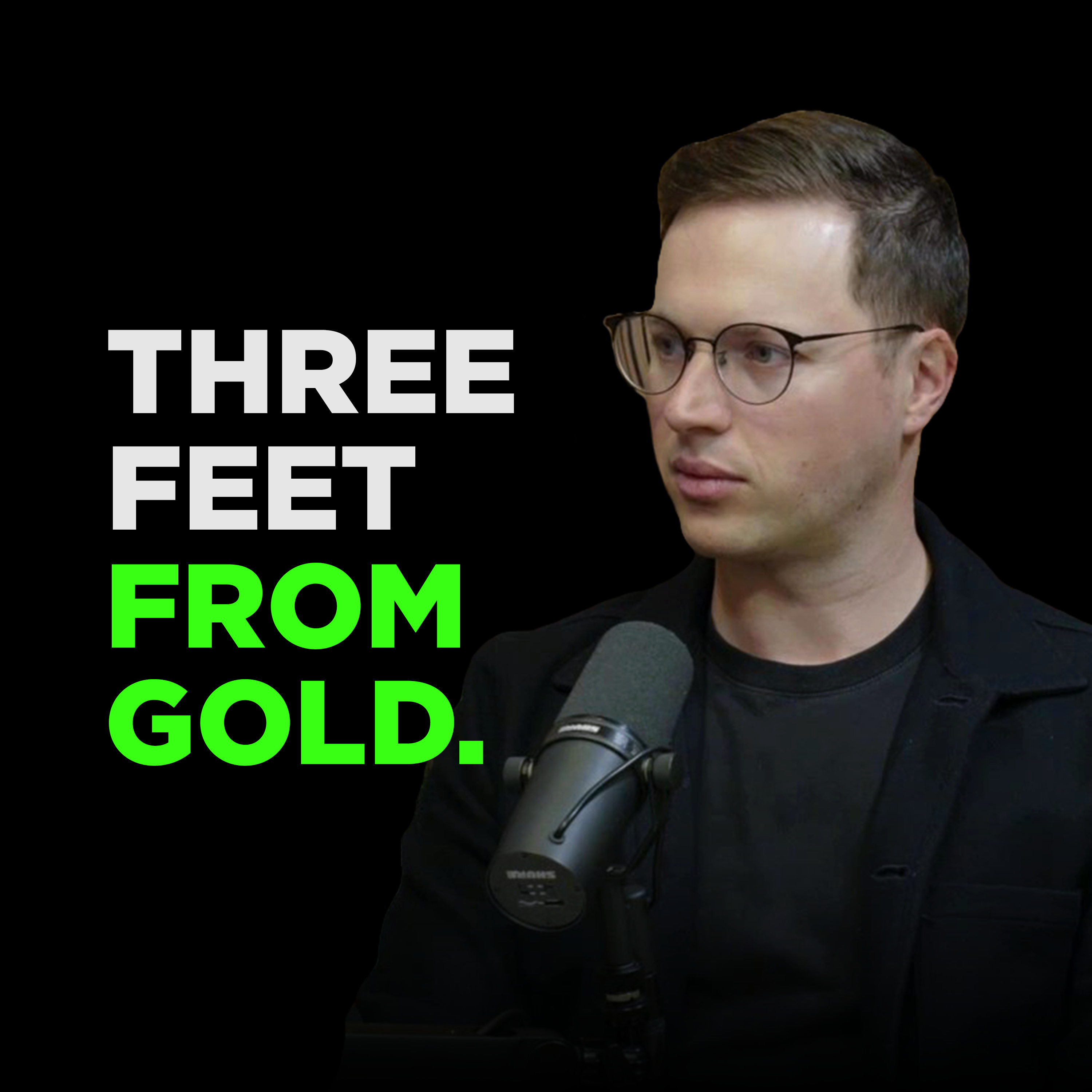
Founder journey from quitting EY to building and selling Pouch after a near-collapse (“three feet from gold”), then starting YASO, an AI operating system helping Western brands sell in China via social commerce channels (Little Red Book, Douyin/TikTok Shop).
fear isn’t the main blocker—starting is; resilience from prior failure matters; corporates often pull out because executives don’t want personal risk; for China, domain expertise and the right brand partners are essential; selling before a product is fully live can unlock fundraising.
Jonny Plein (host) interviews Alex Chisnell, a London-born EY chartered accountant turned entrepreneur.
News UK deal collapse on signing day; firing half the team; deadline to sell by Christmas; Dragon’s Den pitch for £75k for 15% and offers from all five dragons; YASO fundraising setbacks losing £1m commitments in one day; Cow Shed’s China launch overselling inventory; YASO’s strategy of revenue-share (not agency fees).
Written by AI. May contain mistakes.
Jonny Plein discusses his transition from a stable corporate job to entrepreneurship at a young age.
Jonny shares the challenges he faced when starting his first business, including financial struggles and self-doubt.
Discussion on the significance of surrounding yourself with supportive friends while pursuing entrepreneurship.
“Have you ever experienced anything like that?”
Exploration of the fear of failure Jonny faced and how it changed with subsequent ventures.
“that's aligned with the skills that I'm developed.”
Jonny elaborates on his first startup, Pouch, and its development journey amid challenges.
“I wouldn't say a sense of purpose, but it just felt amazing.”
Jonny recounts a pivotal moment when a major deal fell through and how he persevered through it.
“I could have gone back into corporate or maybe I would have met people and joined another startup.”
Discussion on corporate investment dynamics and the challenges faced by startups in securing funds.
“let's just keep going and I set myself a deadline I was like if this is not sold by Christmas I'm out and what was the time of year then?”
Jonny shares insights on developing valuable skills in the current job market.
“Did you always know that you're going to become an entrepreneur then?”
Jonny talks about the importance of investing time in training new employees for long-term benefits.
“If you are going to get cracked on AI and learn everything there is about it and be able to link all these different systems via MCPs, that is a new skill set that is not being developed yet by a lot of people.”
Learn how investing time in new hires can lead to greater rewards.
“What was her role to start with out of interest?”
Discover the behind-the-scenes challenges of pitching on television.
“And the next week, the guy he sold it to breaks through and makes a fortune.”
Understand the importance of perseverance in the face of challenges.
“Of course, this is the biggest deal ever for us.”
Hear the highs and lows of the experience of selling a startup.
“It was a cash deal, but I really, I was tired.”
Learn about the challenges faced when starting the Yasa business and the mindset behind taking a pay cut to pursue a new venture.
“So from 2019 to Yasa starting, were you working on Yasa the whole time or did you?”
Explore the complexities of entering the Chinese e-commerce market and the evolution of social commerce channels.
“Really, so the idea with Yas, it wasn't a bootstrappable idea.”
Discover the intense process of fundraising for Yasa and the lessons learned from previous entrepreneurial experiences.
“And it was quite simple as it grew in the early 2010s.”
Understand the emotional and strategic challenges faced during fundraising, including losing commitments and maintaining motivation.
“And it took us a while to raise the round.”
Learn how past failures can inform future success and the importance of experience in entrepreneurship.
“At the end of June, we lost a million pounds of commitments in one day.”
Explore the strategy shift in fundraising and the importance of early brand interest in securing investments.
“in a situation like that, not got through it and it just derails the rest of what they want to do because they feel like they can't.”
Delve into the complexities brands face when trying to launch products in the Chinese market and the unexpected successes.
“So once you've solved the obvious pieces for a Western brand, storefront logistics, compliance, tax, getting the most important bit, probably getting the product in front of Chinese consumers, right?”
Delve into the complexities brands face when trying to launch products in the Chinese market and the unexpected successes.
“Quick one before we get back to the episode.”
Discover the logistics of cross-border payments and the importance of having knowledgeable partners in navigating challenges.
“Super important when you're operating between the UK and China.”
Learn how social commerce in the UK compares to China's more regulated market.
“we're not going to take you on because it's just going to be bad for everyone.”
Discover the emerging opportunities in live streaming as a viable career path.
Get insights on how to capitalize on the vast market opportunities in China.
“If you can nail that, you're going to make a lot of money.”
Explore what it means to be an entrepreneur and the nature of scale-up businesses.
“What is the ultimate vision now for you, for YASO?”
Learn the importance of perseverance and knowing when to keep pushing forward or to quit.
“And I do think as well, from my own experience, that so many people quit when they don't realize that they're literally just where they're at that moment that they could break things.”
Reflect on key lessons from Phil Knight's Shoe Dog and their significance for entrepreneurs.
“Is the worst that can happen that you are going to lose some money to get another job?”
Be informed about the upcoming Festival of Entrepreneurs event and its significance.
“I've forgotten his name now, but at the time he was Nike's head of marketing and did the first celebrity endorsement deals with the trainers, with the sneakers, etc.”

Get the gist, explore an idea or ask about something said.
 Claude
On Screw It Just DO It with Alex Chisnall, what are the key points of this episode?
Searching your listeningAutomatic transcript. May contain errors.
0:00On the day of signing the deal, they pulled out, which was probably the worst day of my professional career. We had eight employees and we were running out of money. We had to fire half the team. We are three feet from gold here. Like there is something going on. We just can't give up. Money hit the account, cried and gave them a hug. At the end of June, we lost a million pounds of commitments in one day. If I get an idea in my head or I'm saying I'm going to do something, I genuinely do it.
0:27Alex Chisnall: what stops founders from building something meaningful isn't a lack of ideas it's the fear of getting started i'm alex chisnell and this is screw it just do it a podcast for people who are ready to stop waiting take action and make things happen um when you look back now what was the first real screw it just do it moment that put you on the path that you're on today leaving ey why for sure so you're in this comfortable corporate job you know you've just been promoted and all your friends are going off and like tripling their salaries doing investment banking and all these other things and I I didn't hate the job it was fine like most of these corporate jobs are just fine and you do everything else but I was 24 25 and I was like screw this I've got a I've got to give it a go it was 2012 you know web 2 airbnb all of these things happening i was like i've got to make i've got to try this and try to build something from for myself and the handing in my notice at you i was a pretty sweet feeling i have to say and what was happening in your life um immediately before that decision nothing much which is probably why i was so comfortable making it i'm very lucky i was i born in london raised in london was living at home um it's just doing what any other 25 year old working corporate in london was doing going out on the weekends spending time with friends like life was fine but it wasn't that fulfilling so um it was definitely a screw it just do it moment but it really didn't feel like a risk and i remember having a conversation with my mom and she was like what if it fails what if it fails i was like well probably will but i can just go back to doing this job like they've spent all this money training you they'll be happy to have you back and you know they say if you ever want to come back you you can so I didn't really see it as as a risk but the the lifestyle change um and the mentality change was was was a pretty big shift going from earning 50 60 grand a year at 25 to 500 pound a month because that's all you could afford to pay yourself is a big change but I thought it would be a bit embarrassing like can't go out for dinner with mates can't do these things because you're building a business and you think people turn your nose up at you a little bit actually the amount of respect you get from telling your friend or acquaintances saying I actually can't go to that dinner or that party I don't have the money because I'm you know building this thing of my own I think you're a superhero I think you're so brave and so and and that mentality of thinking oh I can't keep up appearances to no I'm making a conscious choice not to do that because I'm focusing on this is incredibly powerful it's interesting because it speak to some people you know over the years you know shows been going nearly 10 years and some people you know when they would tell their friends something like that the friends would try and keep them where they were rather than let them kind of aspire to go above what any of their other friends are doing right Have you ever experienced anything like that?
3:31I've got good friends. Yeah, I like that. I've got good friends. When I said I couldn't come out to dinner, some of them said, don't worry, I've got you. Yeah, I was going to say that. Okay, nice. So I think, yeah, surround yourself with good people. And I look now, a majority of my friends have started something on their own. So I think I was probably quite, not necessarily tech startups, but if they worked in property, maybe they've got their own like, you know, real estate business or they're freelance accountants or whatever it may be. And having good people around you is important. And maybe there were some people at the time that were like, oh, that won't ever work.
4:06Alex Chisnall: Just don't speak to them anymore. Good answer. What were you afraid of getting wrong or was there nothing afraid? Was there literally zero fear? And was that because you were 24 years old? Yeah, I honestly, it was, I'm going to try this and do something cool. The odds are it's going to fail. because I lived at home and I was earning okay money at that age. I had savings. I thought I'd try this for a year, see what happens, go traveling, come back and get like a more interesting job that's aligned with the skills that I'm developed. So I wasn't really scared of anything. Fear of failure crept in a lot more with the second business than the first because you've already got something to lose a little bit.
4:50At that time, really no fear of failure. and for any, you know, 23, 24-year-olds in a job right now that aren't sure of what they want to do, just try something. Your only risk is the salary you're not taking for that year or the savings you're going to lose, which in the long term aren't going to matter.
5:08Alex Chisnall: Yeah, I agree. I think, you know, I've got two teenage daughters now, like one's nearly 20 and I'm just like, 20 is just trying stuff out, figuring it out. It doesn't matter if it fails, if you feel a failure from it. I mean, you shouldn't because you can go again. That's the beauty. You're resilient as hell at that age, right? Absolutely. The hard thing is the comparison. As I said, like my friends were getting promoted, tripling their salaries, and I was taking a step back financially. That was hard. That is something you have to grapple with and you have to deal with. But as I said, the respect and the sense of self-worth you'll get by sacrificing something for something that you want is very powerful.
5:50Alex Chisnall: Did you feel a sense of purpose really early on with that? I wouldn't say a sense of purpose, but it just felt amazing. Like Pouch, the first business, it was a browser extension that automatically sourced voucher code. So it was a B2C consumer product. It was very easy to get it written about by the press. It was a money-saving tool. So we were getting, every week we were getting in different press articles. And so to be able to share those and post those on LinkedIn or share them on WhatsApp groups to be like, I'm in the sun, I'm in the times. like that's that's amazing that's gold that's amazing and now I've had all that I don't care for it for you know the second business doesn't matter didn't actually move the needle at all in the business the only thing that did was Dragon's Den right no press really like it's not like you get into the sun and suddenly you get another 10 ,000 downloads it just doesn't doesn't work like that anymore but it was good for the ego I'll say that yeah so it didn't move the needle at all you don't think just the Dragon's Den which will cover yeah Yeah, interesting.
6:49Alex Chisnall: Okay. And if you hadn't made it, what do you think life would look like now? If I hadn't made it with pouch? Yeah. I thought about this a lot. I would have grasped to whatever straws were around me. I may have tried to take over my dad's business. He was a financial advisor. I'm a chartered accountant at EY. There was a path for me to do that. He always said I was too clever to do it, but that's just him being kind. I could have gone back into corporate or maybe I would have met people and joined another startup. Who knows? Like, I don't think it would have been a disaster in any way, shape or form if I hadn't worked.
7:31No one expected it to work. No one expects you to build and sell your first business. I mean, I don't know what the stats on that are, but minuscule. Very small, I'd imagine. Like minuscule, minuscule. So if you're doing it and you're doing it for the learning and the journey, and that's why I always said, like we're doing it for the learning. you do build that resilience. And the business could have failed three months before we sold it. So we had this deal with News UK where they were meant to invest a million pounds into a pouch. They were going to use it to promote to their audience, do a revenue share deal.
8:08And it was quite a complicated deal, but everything was aligned, green ticks on all the paperwork for News UK. And on the day of signing the deal, they pulled out, which was probably the worst day of my professional career because we had eight employees. We thought this was like the ticket kind of a quasi exit and we were running out of money. And it was awful. We had to fire half the team, had to reset. One of my co-founders had to go get a freelance job because we couldn't afford to pay his bills. He was a bit older. Yeah, it was awful. And it was like, well, we just kind of feel like we're three feet from gold here.
8:43There is something here. let's just keep going and I set myself a deadline I was like if this is not sold by Christmas
8:51Alex Chisnall: I'm out and what was the time of year then? so that was June that was June so yeah I was like I'm giving this six months hard stop six months yeah I'm giving this six months either we need to be growing or we need to be exited or I'm out you know you can be we didn't want to just survive we wanted to thrive so giving that like very tight deadline made it quite made those opportunities I don't know, come about a bit more, manifest a bit more, however you want to think about them. You're looking for those opportunities. And yeah, we sold the business December that year. Yeah, it's mental when you think about it.
9:24That is mental.
9:24Alex Chisnall: And did you ever find out why they pulled out or the real reason why they pulled out so late in the day? Corporate investment arms are tricky because no one wants to put their head on the line. And News UK spent a million quid getting Kylie Minogue to perform at Cannes Lions. that can get signed off but if it's a million quid to invest in a startup if it doesn't go right that corporate exec has their name on the line they don't know you that well why would they risk it's easier to do nothing than do something always which is why startups can beat corporates because they're so slow because of these dynamics so it's just a case of there was no one that said I'm putting my name against this so yeah don't trust corporate accelerators unless they've got a good reputation just to briefly touch on again you spoke about joining EY and telling your mentor that your ambition was to qualify as an accountant so you could eventually start your own business.
10:17Alex Chisnall: Did you always know that you're going to become an entrepreneur then? I have a strong feeling. My dad always worked for himself. My mum always worked for herself. I never grew up in a house. My grandpa, no one had ever rose to corporate rank. Not that that wasn't possible, but I didn't actually see how it... I didn't see that in front of me. and at uni I like dug my teeth into some entrepreneurial stuff I started a few I won't call them businesses more like ventures I did like a student concert and I did like a luggage self-storage business but yeah I always had a feeling and my dad, credit him, was like all the smartest, wealthiest people around me they're all accountants but none of them work as accountants just go qualify and then you can go do what you want and that was really good advice and what finally made made you make the decision like now is the time to do this no girlfriend no dependents like loads of energy no risk like no risk at the end of the day the only risk was opportunity cost from a salary and you can go back to that quite quickly yeah so yeah just no reason not to I was in the privileged position where I could so I must do you think it would still be the same for like somebody listening watching this podcast now and thinking you know do I take the leap could I go back to the job that I've got there or will the job still exist you know you kind of hear the headlines of the news you know whatever it is Land Rover getting rid of 4 ,000 jobs or whoever do you ever think about that it's a great it's a really good question and I don't want to give out something generic and maybe influence someone in the wrong way it depends what job you have and it depends what skills you're building.
12:06If you are going to get cracked on AI and learn everything there is about it and be able to link all these different systems via MCPs, that is a new skill set that is not being developed yet by a lot of people. And you will be so hireable because you're going to have a skill set that others don't have time to learn in the day-to-day job. We have someone that's responsible for basically playing with AI at Yasso and figuring this stuff out. She's young. She is very flexible in her job role. She's worth so much more now than she was when she joined the business because she's learned this skill set.
12:46If you could do this on your own. And maybe it's not about leaving and starting something to develop these skills. Maybe it's just about the discipline to learn these skills in your spare time. Like put down the PlayStation controller. Don't buy GTA 6 and spend time like vibe coding some amazing things or use GTA 6 as an opportunity to build a new school, learn a new skill, like learn how to clip, learn how to like run Facebook's YouTube channels, learn how to make UGC content, whatever it may be. It may not be like go and leave to start your own business because it is more difficult out there, but how can you develop those skills that will make you more valuable whether you want to get a job or raise money or then start your own thing.
13:29Alex Chisnall: I think that's fantastic advice by the way so thank you for that and I remember seeing something like over the course of the summer somebody I follow on there and you know who's you know exited a number of times you know billionaires wife's billionaire as well exited and he was like even if you you know stop scrolling or playing games or whatever for 15 minutes a day if you did that 50 minutes a day compound that over 365 days you've got 100 hours in the bank more than anyone else right? Absolutely The person that you hired for that role. What was her role to start with out of interest? Founders associate, just doing whatever task that we needed help with.
14:08Yeah. Complete generalist.
14:09Alex Chisnall: Yeah, yeah. And then, you know, give her a task, build that trust. Oh, done a really good job there. Oh, can you help me with this? Oh, that's cool. Okay, well, we're trying to do this. I don't have the time. Take a week. All I want you to do is figure out how to do this. Yeah, I love that. You've got all the tools. Can you figure it out? and she figured it out really well and then give her bigger tasks and bigger tasks and bigger tasks. So she just proved that she can execute and she's getting rewarded for it. Her salary has doubled since she joined and she's only 26 because we know her value and we want to make sure she's being appropriately compensated.
14:44Alex Chisnall: And you also have the foresight to actually test that because I often find when I've been recruiting people and it's kind of like a no shit Sherlock thing but the more time you actually invest in that person right at the start even though when you think I have no time to actually train this person up. Yeah. But like you say, if you give them something with an end goal and ambition to do something, just let them empower them to do it, right? 100%. Yeah. Let's fast forward then. We mentioned Pouch a little bit. So correct me if I get the dates wrong, but 2017, nine months into the business, you walk into Dragon's Den seeking 75 grand for 15 %?
15:19Alex Chisnall: Correct, yeah. What do you remember about walking into that room now? I remember it like so vividly you have your three minute pitch and you can't restart that right some of the other conversations if you mumble get it wrong they may say hey can you do that again but your three minute pitch you get one chance to do it and my co-founder Ben was starting it and in the morning when they do like a test run he messed up the first line and it like threw the whole pitch and I was like just get this one line right just say it right just say it right And then I've got the second bit and we'll be fine. And he nailed it.
16:01Yeah, it was super exciting. I did come out of that room after that two hours or whatever you're actually in there for before they cut it down to 15 minutes thinking, yeah, I've just changed my life. Did you really? Yeah, yeah, for sure. 100%.
16:15Alex Chisnall: I believe you're only the third company at the time to receive offers from all five dragons. Can you name all five dragons there? Can you picture them in your mind's eye? Jenny Campbell, Tuka Solomon, Tej Lalvani, now he's a billionaire, Deborah Meaden and Peter Jones. And we were very tactical that we took, it was a new season and they had three new dragons or two new dragons. We took offers from them to like make the TV. Once you've got the offers, you're like, okay, how do we make this the best TV? It's a TV show at the end of the day. And we got the blue sky scenario of first episode of the series, 15-minute slot, amazing press.
16:55Without that, we never would have sold pouch. Like you have to make your own luck and you have to take the opportunity. You need to get on the show. You need to do well on the show. You need to capitalize on all the traffic you're getting. Like you need to capture it. But we can very much distill our success into making the most of this big opportunity. And I'm sure a lot of entrepreneurs, right? If you really draw into it, there is one moment that changed it. one big contract that allowed them to hire the right staff, whatever it may be. We can just pinpoint it to something very public.
17:27Alex Chisnall: And like, yeah, what I always say, you know, that aha moment, that screw it, just do it moment for you guys, was that, because you had, it was 18%, right? Yeah, yeah, yeah. Three dragons agreed. Looks like the perfect ending. What happens when the camera starts rolling? Yeah, deal, deal collapsed. So many of those conversations I've had on this show, it's so interesting. because the paper like if you've ever made an angel investment or or uh got investment from vc like the headline number is the smallest part of it it's all the other terms that really make the deal and other terms were pretty pretty shocking i've heard since that they've changed those terms to make them a lot more founder friendly but yeah we were never gonna the valuation aside we were never going to accept kind of the good lever bad lever all these actual things that make a deal and we didn't really want to we just wanted to be on tv so it all worked out for the best and i'm still friendly with the guy that was doing the deals for tej and tuka at the time oh really yeah okay yeah what's deciding to carry on another screw it just do a moment for you with pouch when we have that new new k deal done yeah 100 like there's the parable of the guy that was three feet from gold where he goes out to california during the gold rush borrows a bunch of money from his family, buys all the equipment, gets a mining site and goes for weeks and weeks and weeks and weeks and weeks and doesn't strike gold, goes home, tail between his legs, sells his equipment for pennies on the pound.
18:55And the next week, the guy he sold it to breaks through and makes a fortune. And I was like, we're not done yet. We are three feet from gold here. Like there is something going on. We just can't give up. And the story of the sale is very interesting so we were doing this deal with news uk daily mail has you know daily mail investment group dmg investments they run a massive voucher code site so we the way we made money at pouch was the same as all these voucher code sites and cashback sites all through affiliate marketing we were going to build a news uk the sun savers browser extension and daily mail were like oh we want one of these and they saw the press release from the sun that we got from going through this like accelerator program with them went to their partner called global savings group uh atolls It's now A-T-O-L-L-S.
19:42And said, oh, we want our own browser extension. And then they came after us. And they eventually bought us. So because of what happened on News UK, it felt like the business is over. We haven't done this deal. Actually, it still led to our eventual exit in a much better situation.
19:59Alex Chisnall: Tell me about, yeah, that feeling that you were so far from striking gold then. What was the feedback from your co-founder as well? without being rude they wanted to throw in the towel yeah a little bit yeah uh one of them i think his personal situation was just a bit different from me he saw like he he didn't like living at home um he you know we were going to pay ourselves like decent salaries and all this other stuff and i think not that not materializing hit him a lot harder than me um just from like a mindset perspective my other co-founder was like six years older than us he had a wife and a kid he was like i've i've used all my runway i've got to go yeah like freelance and so it was kind of me carrying it a little bit um but that's okay and at that time you're still earning what like literally like hundreds of bands i think yeah we put ourselves up because we raised um after the den we raised like 180 grand uh from some angels and we were paying ourselves like we were profitable like so we were covering our costs so we're paying ourselves like 28 grand a year um i mean still very little in London but when you're living at home all you're doing is working yeah not much else time for other things and what did it actually feel like like when you actually when we sold it yeah what was I feeling oh it was amazing like I remember doing so when I was at EY I did corporate finance right so I'd done like deals on the other side like advising but I was doing my own deal and I'd taken my EY templates like traffic light red yellow green like Like all the different work streams, tax finance, all these things you need to do.
21:35And I was like running this deal hard. I remember I sent an email like two in the morning and the CEO of the other company was like, dude, like go to sleep. What are you doing? Of course, this is the biggest deal ever for us. For them, it's just another part of their growing their business.
21:51And we'd finished all the paperwork and the CFO on the other side, one of the co-founders of the other business was like, I'm going on holiday for two weeks. I'll deal with this when I'm back. I was like, God, okay. basically sitting on our hands for two weeks was incredibly painful yeah it was november december so we were like in peak sales season so we were just busy trying to make as much money as we could um and i remember he like liked my linkedin post on a sunday night and i was like okay he's he's still interested back in the game back in the game and yeah we we sold the business like we completed on the tuesday um i was in my dad's office because i needed a fax or printer whatever to scanner to get the stuff all sorted.
22:29And yeah, money hit the account, cried and gave him a hug.
22:34Alex Chisnall: Yeah, it was amazing. I was like 27, it was unbelievable. Did you think you'd made it? I thought I was so rich. Game over. I thought I was so rich. We made like a low six-figure amount each. It was amazing, but like... You're 27, you've got the rest of your whole life to live, right? Yeah, yeah, yeah, exactly. I always say like it wasn't life changing. It was trajectory changing. It, you know, put my foot on the ladder to see what was possible in the world of business, in the world of startups. Like most people never get to that ladder. And I was very lucky that I did. And I, you know, I work with coaches and mentors.
23:17I'm quite into that stuff. And it was very much like saying, okay, you're here now. You can see what that looks like. like what the next step looks like and that's always what I would say not life changing trajectory changing
23:29Alex Chisnall: and your confidence whatever it might have been at that time anyway in your 20s must have yeah yeah getting a TechCrunch article like better than all the sun and you're the man you're the man it's unbelievable and I look at the the pouch journey and I would as sad as it sounds I think I only had like four four really good weeks in the whole thing. Like really good weeks. And with Yasa, I'm trying to enjoy it daily a lot more. But everything else was stress apart from these few weeks, which were closing like the first angel check we did for two weeks around Dragon's Den and then selling the business.
24:08Everything else was stress and pain. Wow. For sure, like 100%.
24:12Alex Chisnall: How many years, just remind me? Just two. Two years. Not too much. Four weeks, four good weeks. Yeah, four good weeks in two years. That's how I feel. And now, like looking back on it, there were more good weeks than that. And now I think compared to what we're trying to do with Yasso is so, so, so much more bigger and more ambitious. But I've had a lot more good weeks because my mindset just completely changed. And yeah, I don't think I could run on the same fuel that I did at Pouch. Like that was very like, don't fuck this up. Yeah. Like quite negative, pushing you along. Where with Yasso, it's more like, you've got a massive opportunity.
24:48Like you can do this. You've got the proof points. Like when you have hard times, it's like you've been here before, you kind of know what you're dealing with. And I think when people say you need experience, that's what they're talking about, right? That's why someone, if you're someone that's like been in the same job as you for 20 years gets paid more than you. It's not because they can do the job better, but they've got the experience to know what happens when things go badly.
25:12Alex Chisnall: Yeah, yeah, exactly. Yeah. And it's that resilience, isn't it? And being able to kind of put your hand back in the cookie jar and go, yeah, this is the one I ate before. 100%. Was starting Yasa harder than starting Pouch or just different? It was harder. It was harder. So we sold Pouch, effectively closed the deal Jan 2019. And then I didn't have to stay at the Acquirer. It was a cash deal, but I really, I was tired. I needed like a bit of a break. I actually got onto Entrepreneur First, which was good. And I was going to start that in March 2020. We all know what happened then. So I pulled out of that, not because of COVID, because of some family stuff, but I just wasn't, I needed to recover.
26:00And I loved working at GSG, amazing business, still growing really quickly. We grew pouch like 10X, learned a lot, like how to build high performing teams, how to like run OKRs properly, how to deal with big budgets. Like it was a really good learning and growing experience for me. And like being in e-commerce in COVID.
26:20Alex Chisnall: Yeah. It was great. um very lucky but it got to end of 2020 and i've been like all right i've done five six years of the same thing what's next i'm now 29 i've got all of these skills and experience again like now i've got even less risk because i've got a bit of money in my pocket i've got even more experience i'm still not married i had a girlfriend but i still didn't have any real reason why not apart from the fear of failure. But the idea behind Yasso is much bigger than the idea for Pouch. So Yasso is an AI operating system for Western brands scaling in China. Much more complicated business, much bigger numbers, much bigger exit potential, much harder, just everything's like leveled up.
27:11So I did Chinese at uni and my co-founders did Chinese at Oxford and we met at a conference when I was like a Chinese studies conference when I was in my 20s. That's how I knew them. and we started talking about the idea in, I don't know, partway through 2020, and we didn't start it until 2022. So needed that time to like formulate the idea. Like it wasn't a rush because it was such a big project. It's like, is this really possible? Can we really do this? Is this technically possible? Trying to figure out a lot of things before we even went to start the fundraise. From a mental side, it was harder because you felt like you're exposing yourself to failure again after having a success and a reputation right everything exactly and the opportunity cost is bigger you've gone from earning you know like i said like whatever it was at ey i'm now on like low six-figure salary at wherever i was like the cash you're losing i basically the i took like a 70 pay cut to start yeah so which means a lot more when you've actually made some money in the first place but i was willing to do it because i've done
28:18Alex Chisnall: it once before it's okay i can do it again i can do it again like it's kind of that whole elon musk thing where he lived off like 500 for a month and just ate oranges he's like this isn't that bad if i lose everything i can i can do it obviously not to that extreme but i'm like hey it's fine like yeah so starting it was a lot harder because we needed reasonable money and the fundraise did not go well at the beginning i thought we'd walk it because we just come out of like 2021, everything's getting funded to Russia invading Ukraine, end of Zerps. Money's a lot harder to come by. And our business was like scary.
28:54China. Like, I know nothing about that. Pass. You're not B2B, SaaS or FinTech. Pass. Yeah, much harder. Much, much harder.
29:02Alex Chisnall: And what did you do? So from 2019 to Yasa starting, were you working on Yasa the whole time or did you? No, no, no. I was working hard at GSG. Yeah, yeah. Okay. Really, so the idea with Yas, it wasn't a bootstrappable idea. It was like, we need to raise money in order to go and do this. And the time we worked in 2021 was actually more working out the commercials with my two partners. They had another business that they were exiting. How do we come together? How do we pay ourselves? A lot more mature approach to starting a business with a friend from school, which was just screw it, just do it.
29:38Alex Chisnall: Yeah. It was screw it, just do it, but a bit more thought going into it. It's always about minimizing the downside, right? Exactly. So how much time did you have off after Poch before starting the job then, in the end? Before starting Yasso? Took four weeks. I only ask because one of the last interviews I've done, this chap sold his, he was 32, sold his first business. And then it was like his next line, I was just like, I didn't know what to say next to me. And then I took five years off and I'm like, what do you mean he took five years off? five years old and then my wife was literally like you know I didn't marry you to have lunch with you and I just thought that's such a great line you clearly used that line before 100 % I whilst I took four weeks of holiday in between quitting and starting the job like COVID was a good time I'd recovered I'd rested I'd recovered I learned some new skills I was ready to go again so Western brands want to sell into China but actually doing it is incredibly complicated.
30:42Alex Chisnall: Yes. What is broken? So Chinese e-commerce, I use the Western equivalents, had typically been done through the Amazon of China, through Alibaba's T-M-A-L-L, not to be confused with T-M-U, T-M-U-L Global or Taobao. And it was quite simple as it grew in the early 2010s. And actually, if you're a Western brand, you slap on your foreign logo and you could enter the market. It was quite simple. When we started the business, so you're talking like the changes we saw from 2017, 18, or they saw at least, through to 2020 was the rise of these new social commerce channels. So Little Red Book, kind of like Instagram.
31:24If Instagram, you could buy directly through it. And there's no Shopify equivalent in China. Most Western brands don't have a.cn domain. They are just working with these big platforms. So you had Little Red Book, you had Douyin, which is TikTok. now TikTok shops all the rage in the UK. It's been like that in China for a while. But there was no solution for brands to sell on these new channels, which were rapidly growing. Adam and James only had this insight because they had this marketing agency that helped Western brands market the Chinese consumers. And they saw how difficult it was and how these projects kept failing because no one knew how to do these new channels.
32:03So it was a case of us saying, we know all these new channels exist. We technically know it's possible to link everything together. It's hard. We need a lot of money, but it's possible. Let's go and raise for this. And what I learned from Pouch, which was a very niche product, a browser extension. They weren't that big at the time. Honey was a thing in America, but not in the US. Honey got sold to PayPal for 4 billion. We had a$4 billion idea. We just didn't know how to execute it. That's facts. The product was the same.
32:31Alex Chisnall: Right. And no one doubted our ability to execute because we were all second time founders with amazing domain experience, we just kept being passed over because of a rational fear over geopolitics. And it took us a while to raise the round. Two million is a lot to raise. We had like 800K committed from angels for a long time, which was a huge angel round if you were going to just close that. Yeah, yeah. And eventually we met Playfair Capital, who after initially saying no to us, changed their mind and said yes. It's another screw it, just do it. Moment, I'll tell you in a second. It gives a little bit of serendipity, right?
33:07changed their mind and said yes and they led the round and we ended up raising two million pounds and that was the start but the first year of Yasso, 2022 I don't really call it the first year from March till September we were just raising the round full-time job I was a full-time job they were paying me from their agency so I had a salary consulting fee, whatever and I was just raising the money
33:29Alex Chisnall: I was chatting to Louise Hill founder of GoHenry literally a couple of weeks ago sat where you were sat and she was saying One round she did was 103 pitches. Yeah, we were about 500. You're joking, man. No, no, no, I can show you. Are you serious? I'll send you the XL. Not all to VCs, like angels and VCs, but at least 500 people. At least 500 first-time calls. Relentless. Relentless. Wow. Every day, smile on your face. Yeah. Go, go, go. I'm like, I have that dog in me when it comes to doing that type of work. I can just... But you must have had moments where you doubted. Oh, yeah, big time. At the end of June, we lost a million pounds of commitments in one day.
34:14So we had this angel money, right? That was through people that had made money in pouch, people I'd met along the journey that missed out. I think the biggest ticket was like 100 grand. And we had these three other individuals involved. One was a new VC fund that said, we're going to invest 500k. One wasn't a very wealthy individual, high net worth individual that's going to put in 500k himself. And we also had done an IC with like a pretty well-known consumer fund that we thought had gone okay. This was, maybe it was the end of May, like end of May bank holiday. I was like, it's the Friday. I want to get this all cleared, like wrapped up.
34:57So I pushed for an answer from the VC. They said they hadn't actually closed their round, so they can't commit to us, even though they said they had initially. So very frustrating. The other VC, the family, the consumer fund, they passed. So I was like, okay. And then the high net worth individual, he just got back from holiday and he just changed his mind. He just changed his mind. So we thought we're going to have 1.8 million, right? Plus we'll get more elsewhere. Great, the round's almost done. It's taken us three months. But we lost a million of commitments. So at that point we were like, is this possible?
35:31Can we do it? just have to keep going. Just have to keep going. And that whole three feet from gold experience with pouch, that helped. I was like, I've been here before. I know what this feels like. Kind of like, are you a football fan?
35:44Alex Chisnall: Yes, I am. Right? You know how they say, you know, teams have got to go over the line and then they have that confidence. They've like learned how to do it and they can miss a few times. Like when you've had, when you've been there before and you've got through it, it makes it a lot easier. And I can't imagine how many people have been there in a situation like that, not got through it and it just derails the rest of what they want to do because they feel like they can't. It's like those teams like I say to you like football or rugby etc is that those teams that constantly get to the finals or finish second in the league all the time right and they just haven't got the experience of when the results stop coming in and you've got that big lead and it starts whelting away can you hold your nerve?
36:27Alex Chisnall: I don't know what holding my nerve looks like. Exactly. Let's talk about experience in the dressing room. Sorry for all the football analogies but the same like, do you have a founder that's been there before? Do you have a founder? And that's why I think VCs love second-time founders, especially ones like me that have a bit of a chip on their shoulder because they know they're going to just run through, they've just got that dog in them, they're just going to run through walls to get to where they want to be. When did you think that you were then onto something? We had to change the fundraising strategy and stop trying to convince people how good an idea it was and we started selling the product before it was live.
37:01Alex Chisnall: and we started to basically, all the materials we had was this is a live product and we started to pitch brands and once they were interested, we were like, look, this will be live in a few months. We're just closing our funding round. Would you mind speaking to one of our investors just to give them the confidence? And they're like, yeah, of course. Because the problem you're solving is something I've experienced myself as a brand owner trying to launch in China. Of course, I'll speak to them. That changed the whole thing when we actually could get other brands to get on the phone and say, as soon as this is live, I'm buying it.
37:30Alex Chisnall: Yeah. Mega. Mega. So for those listening again, to kind of reiterate what you were looking to do then, you've got the money, you're building out the product. So once you've solved the obvious pieces for a Western brand, storefront logistics, compliance, tax, getting the most important bit, probably getting the product in front of Chinese consumers, right? Yeah. What breaks next? What's the bit that nobody warns founders about, do you think? And what we're doing. Yeah. There's a lot of moving parts. There's a lot of moving parts in our business. We're not a simple product. And mastering that complexity and showing that actually we can do a huge amount of volume in this business and our brands are really happy.
38:18That's, I mean, that was the hardest part. It's also the most valuable part. Can you take a brand that has never been in China before and actually get them to make sales quite quickly? We launched Cow Shed, famous British skincare brand. Yeah, yeah. they smashed it. They had one of the best launches we've ever seen. Victim of their own success in that whilst we told them that the stock levels could be pretty crazy if you catch fire,
38:44they didn't heed our warnings, let's say. Incredibly frustratingly, the best seller in China was like a foot cream. And they're like, we make 2 ,000 units globally and you're asking for 50 ,000. I'm like, yeah, but we told you China's a different beast. Different ballgame, yeah. So yeah, that's definitely a lesson that if we're going to work with brands, we need to make sure that they are ready for the journey that going into China can take them on. Yeah. Yeah, victim of their own success.
39:12Alex Chisnall: Quick one before we get back to the episode. If you'd like to meet some of the founders you've heard on Screw It, Just Do It, join me at the Festival of Entrepreneurs on the 3rd and 4th of November at the NEC in Birmingham. 200 speakers, two days of practical business insights, and it's completely free to attend. Head to festivalofentrepreneurs.co.uk to register. And what have you learned about moving money across borders, about currencies getting paid efficiently? Super important when you're operating between the UK and China. So payments is not as difficult as it seems. you know we both work with with world first like they make things pretty easy um and also china has built systems to allow western brands to get paid really easily so that problem is is is kind of solved now which is which is great um the harder things are integrating the logistics uh the storefronts look right and they're built correctly there's just a lot of different areas of the company, which we have nailed, in my personal opinion, which has allowed us to scale to the level that we have and has allowed us to raise our Series A because the margins we make for our brands and for us are great.
40:32Awesome. Yeah, everyone's, once they start working on us, pretty happy with how things go.
40:38Alex Chisnall: And probably a big question for people as well is, how important is it having partners who genuinely understand the infrastructure from both sides rather than simply being China as another overseas market, which it clearly isn't in your experience? So my co-founders are experts on China. Like my one co-founder's a PhD in the subject. Having that domain expertise, he's a PhD in Chinese internet governance, right? So he knows, like, you know, super smart guy, fluent in Mandarin. So is my other co-founder. I'm the only one that's not, but that's okay. I deal with the numbers and numbers of their own language.
41:17that was really important, getting us to raise the round, having that domain expertise. And when we speak to brands, it's really important we have a brand partner that is super ambitious. And also they know if you're a new brand going into China, for you to make profit in year one is very unlikely. You'll break even, but for you to make profit in year one as a completely new brand is very hard. and we turn down brands all the time because we are not in the game of taking someone's money, the project failing and them churning.
41:52Alex Chisnall: It doesn't make sense. We're a platform business. We only want people on that are going to, like we're not an agency. We don't take fees. We only make money in a revenue share. So if you're not the right partner for us, we're not going to take you on because it's just going to be bad for everyone. Unfortunately, we've got some very ambitious brands that work very well for us. And you've learned right along the way what works for you guys. Exactly. How different is Chinese social commerce from what we're experiencing in the UK today, do you think? So now with TikTok Shop in the UK, it's pretty similar.
42:26There's no barrier to entry in that game. In the West anyway, in China, it's a bit harder. You've got to pay pretty big deposits to get on platforms. You've got to prove your skill set to the platforms. You have to be a registered partner. So it's a lot more mature. It's a bit Wild West here at the minute still.
42:44Alex Chisnall: Yeah, I would say so. And you've described China as being like maybe five years ahead of the UK and the US. So for example, they're bringing in rules and regulations now that if you can only talk about nutrition products, if you've got the credentials, right? Have you got a degree? Have you like, and you've got to submit that to the platform and say, I can talk about these nutrition products because I'm experienced in this. whereas in the UK anyone can say this tea helped me lose weight or it's good for you that's why I say it's a bit more wild west yeah yeah okay good analogy that's why you need a good partner like us to work with because if you don't know that you're gonna end up wasting a lot of money on people that say they've got the creds but actually don't get your fingers burned exactly that's just one example I can think of hundreds of others and what have you seen there that you think is coming here next you've got your crystal ball the value on live streaming and how big and powerful some of these live streamers are that doesn't mean that some of them were celebrities before that have now started doing live streaming but there is an opportunity here if you are a bubbly vivacious person that likes being on camera your next career could be a professional live streamer that is going to be a proper career like you had an e-commerce manager, like you had an influencer, being a live streamer is going to be a real valuable career.
44:13Can you hold an audience? Can you engage them? Can you sell through the camera? If you can nail that, you're going to make a lot of money.
44:20Alex Chisnall: It's interesting. It's another conversation which we don't have time for, but I can remember going to my kid's school and they wanted to speak to people who were doing different jobs and stuff. And the kids were, it's like primary school and stuff, But it's so interesting that even, and that was like 10 years ago, probably when mine were like, you know, five, six, seven or whatever. But kids saying, you know, I want to be a YouTuber and stuff like that. And now you think of podcasting, you think of live streaming, et cetera, jobs that what existed, we haven't even thought about. But like I say, another conversation.
44:54Alex Chisnall: Last couple of questions, then we'll do a quick fire round. Cool. if I'm a British founder listening to this and China feels enormous complicated slightly intimidating if I'm being honest what am I misunderstanding about the opportunity that exists Johnny get on a plane land in Shanghai get out your phone order your taxi that's going to cost you two pounds take you half an hour go to a restaurant you're going to use WeChat to order everything's clean all the electric cars all the people the scale and the I guess native fluency of technology out there is unlike anything you've ever seen and 10 years ago it was complicated it's complicated now but you've got partners like us that make it much much easier and the opportunity is just massive because you go from Shanghai and you get a train three hours to a city of five million people you've never heard of and you're like if I'm trying to sell in London or Birmingham or a US city there's 400 of these out here that we could be selling to.
45:54Alex Chisnall: Great answer. What is the ultimate vision now for you, for YASO? YASO needs to be, will become a nine-figure business. Like the market's big enough. The opportunity is big enough. Our technology is good enough. Our backers are good enough. We're on our way. Not, you know, give us a few years, but that's where we will be. It's where we need to be. Yeah, just buzzing for it, to be honest. You see, you've got great energy. Yeah. I can feel it. So first answers are coming to your head, just to wrap up. Okay. What does the word entrepreneur mean to you? Someone that's willing to bet on themself doesn't necessarily mean a billion dollar tech founder.
46:36In fact, I think that's probably far away from the word. It's someone that's willing to bet on themselves and learn how to make money for themselves in whatever way, shape or form that is.
46:44Alex Chisnall: And something that you are, I guess, what is a scale-up business? Scale-up business is something that's venture scale. It's not a marketing agency. It's not a restaurant, which can be great businesses and very profitable. It's something that can, I would say now, deliver a return of over a billion dollars, like a proper scale-up business that's growing quickly. Not all businesses are, not all businesses should be. And that with everything, it's a double-edged sword. You want the money, you want to grow, great. There's a lot of pressure that comes with it. Yeah. Entrepreneur that you admire? My dad.
47:19Best dancer yet.
47:20Alex Chisnall: Yeah. best piece of advice you've ever been given maybe from your dad best piece of advice I've ever been given oh I've had so many I don't know who told me about the three feet from gold thing but I've mentioned it a lot on this podcast I think that's really true like you're not beaten until you are hopefully you don't need to get so far into the trenches to find that out but when you're there like to know how close you are is and to know to only stop when there's no other option is quite important. And I do think as well, from my own experience, that so many people quit when they don't realize that they're literally just where they're at that moment that they could break things.
48:04Knowing when to quit is a skill in itself. Agreed. I'm not saying never quit. Like I said, when I sold Pouch, I gave myself a six-month window.
48:12Alex Chisnall: So this is it. Like, we need to sell or something needs to step change within this period or I'm happy to walk away. May that decision comfortable with that decision. I would say that also, if you are in a tough situation, play out that situation. What is the worst that can happen? Is the worst that can happen that you are going to lose some money to get another job? If that is it, get comfortable with it. Know that this could happen and then you'll be free of it because you've felt it, you've lived it and you're like, okay, I'll have to get another job. Be free of it and just crack on. What song best reflects your entrepreneurial journey thus far.
48:50Thus far. What's that coming over the hill? Is it a monster? Great song. Yeah. I don't know who sings it.
48:56Alex Chisnall: Yeah, I've got it in my head already. Yeah, because there's always another monster coming over the hill and you just get a bit, they never leave, you just get a bit more familiar with what they look like. That's a good one. Best book you've ever read or best book you've gifted to other people? Shoe Dog, Phil Knight. Tremendous book. I read that the night before we sold Pouch. I finished it the night before we sold Pouch. And there was one, the final page on it, it made me a bit emotional reading it, to be honest, because something like on the final page was like, I'm writing this book for the entrepreneur that needs like a lesson or a journey.
49:33If this book just helps one person, it's been worth it. I saw my business the next day. Like I was like, I'm selling Pouch the next day. This is happening. Yeah, great book.
49:42Alex Chisnall: That's brilliant. Is there, I remember chatting to or interviewing, I've forgotten his name now, but at the time he was Nike's head of marketing and did the first celebrity endorsement deals with the trainers, with the sneakers, etc. And I said to him, how close to reality is that book? And then how close to reality is the film? Oh, Air. Yeah, great movie. Yeah, and he said the book is 1 million percent spot on. He said the movie, nah. I read the book. And you're like, well, there you go. It's movies, right? What's your superpower? What do people tell you your superpower is? If I get an idea in my head or I'm saying I'm going to do something, I genuinely do it.
50:31Yeah. Yeah, like I really do. Finally, how would you like to be remembered? A good person. Treat people well. too young to think about my legacy it's the honest answer that I never thought about that before
50:47Alex Chisnall: yeah yeah absolutely Johnny it's been an absolute pleasure I could keep going for another hour but you've got to get to work I do I do thank you so much pleasure this was great if you're enjoying the conversations on Screw It Just Do It with guests like Piers Linney Richard Harpin Ray Kelvin Julia Barrett why not come and see them live on the 3rd and 4th of November I'm going to be hosting the Festival of Entrepreneurs at the NEC in Birmingham where they'll be joined by over 200 speakers sharing the lessons they've learned building some of the UK's most successful businesses. So if you're serious about growing your business, I'd love to see you there.
51:21Alex Chisnall: Head to festivalofentrepreneurs.co.uk and grab your free, yes, free ticket.
Jonny Plein left a comfortable corporate career in his mid-twenties and went from earning around £50,000 to £60,000 a year to paying himself £500 a month to build his first startup.
That business, Pouch, went on Dragon's Den, received offers from all five Dragons and was eventually acquired.
But just months before the sale, everything nearly disappeared.
A £1 million corporate deal collapsed on the day it was supposed to be signed. Jonny and his co-founders had to cut half the team, money was running out and he gave himself six months to either change the trajectory of the company or walk away.
He kept going.
In this episode of Screw It Just DO It, Jonny shares what happened next, why he believes founders are often “three feet from gold”, why starting his second company was psychologically harder than the first, taking a 70% pay cut to go again and what happened when £1 million of funding commitments disappeared in a single day.
We also talk about Dragon's Den, learning to make your own luck, getting comfortable with failure, knowing when to quit, building resilience and why the downside often becomes less frightening once you actually confront it.
Subscribe to Screw It Just DO It for more conversations with founders and entrepreneurs who stopped waiting and took action.
🎧 This episode is powered by WorldFirst, helping ambitious businesses make international payments, pay overseas suppliers and collect payments from around the world.
Jonny and Yaso are themselves a WorldFirst client, making this a particularly relevant conversation about helping Western brands build and scale their businesses in China.
🌍 Doing business internationally? Create your free WorldFirst account at: https://www.worldfirst.com