Ask ChatGPT
 Screw It Just DO It with Alex Chisnall
6 Oct 2026 · 55m · 24 chapters
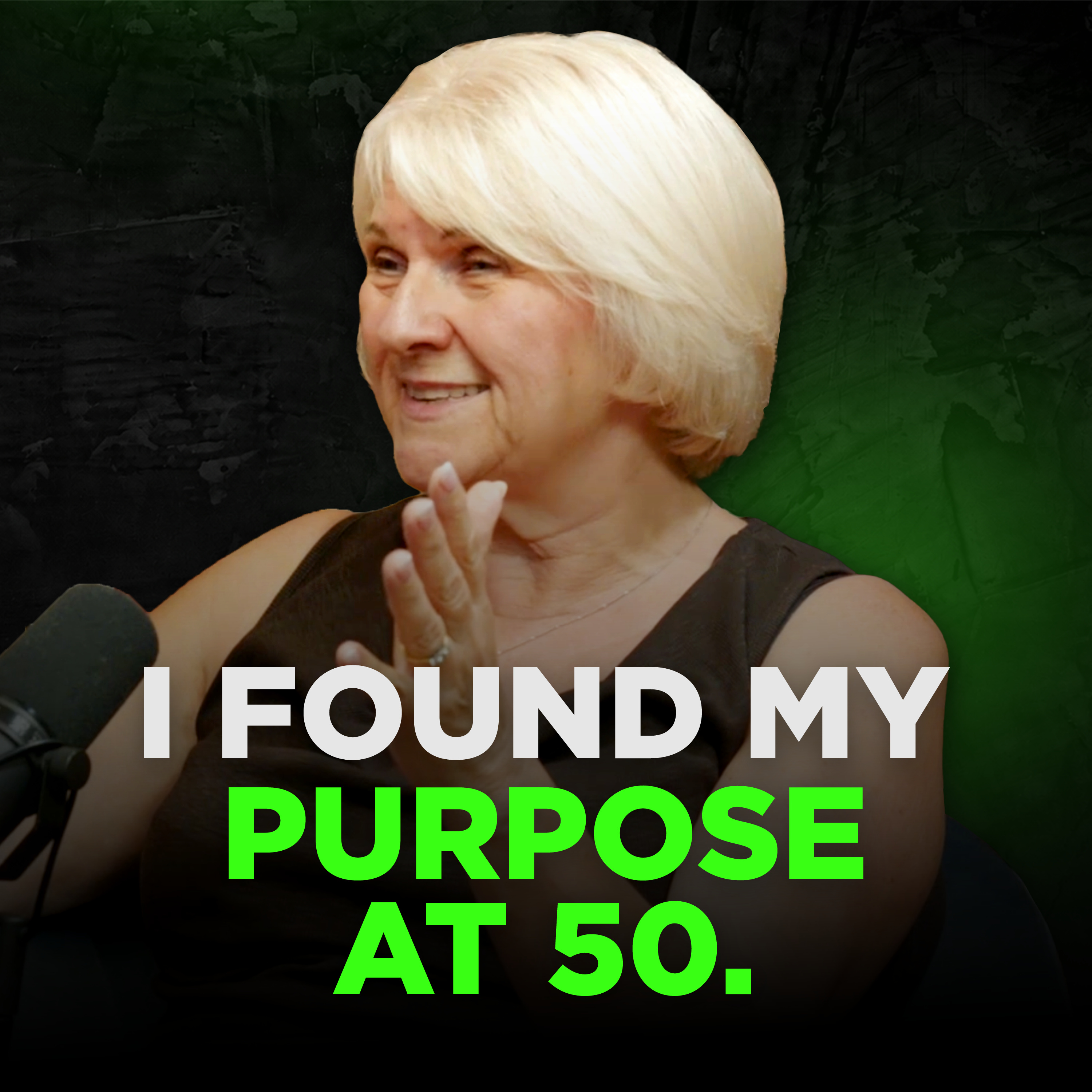
Kim Antoniou’s “Screw It Just Do It” journey from losing a fortune after closing a business, to building two tech-for-good startups: Kafoodle (allergen/menu management for hospitality) and Fanetti/Aorus Tech (voice-enabled reading edutainment). She argues founders start from fear, but meaningful work comes from lived problems, and that literacy improves through reading practice plus scalable, data-driven encouragement.
Kim Antoniou is a founder/tech entrepreneur. Her husband Ron nearly died in 2013 after incorrect allergen information at a Mykonos restaurant. She later co-built Kafoodle and then Fanetti, partnering with co-inventor Bill Bungay and bringing in hospitality/food connections via co-founder Taryn. She cites dyslexia in her family and her mission to change children’s reading access.
Fear of starting blocks founders; technology can scale one-to-one reading support; 1 in 4 children can’t read well enough for secondary school; only 8% of those reach grade 4+ in English/maths; reading practice (“reading miles”) drives improvement.
Kafoodle required real-time supply-chain allergen data; Fanetti’s voice tech needed custom “listening for exact speech” accuracy and recorded children reading across UK settings; she ran a free National Read Aloud Challenge (July–Aug) to generate evidence, later attracting schools.
Written by AI. May contain mistakes.
Exploration of the fears and challenges faced by entrepreneurs starting a business.
“Literally three minutes before that conversation I'd been saying I'm never going to be in business again.”
Kim shares a life-changing incident involving her husband that led to a new business idea.
“So you've built businesses out of very personal problems.”
Discussion on how fear and anger transformed into motivation for Kim to start a new business.
“I've lived with it for such a long time.”
Kim details the journey of creating her allergen management app after a personal tragedy.
“You sort of get an idea and then suddenly it grows and grows and grows.”
Discussion on the various challenges faced when building a new business in an uncharted territory.
“It wasn't like you were replacing something.”
Insights into the process and challenges of raising funds for a startup.
“You know, so we then learned that you had to work directly with the supply chain, with the manufacturers and the supply chain.”
Kim shares her experience in developing a unique voice technology platform for children's reading.
“I was going to say, the number of conversations I've had that, Lena, what's your biggest regret?”
Discussion on the evolution and innovation behind the educational reading app Fennetti.
“So, you know, I think that was a really important factor back then as well.”
Learn about the journey of creating a unique voice technology for reading.
Discover how key introductions led to expert collaboration in technology development.
“and we've got this great big suite of patents now that is for that area of voice technology so I'm super proud of that.”
Understand the personal motivations behind the technology through personal stories.
“So we literally, I had a team that went all over the whole of the UK recording children read.”
Explore the significance of reading aloud in improving literacy skills.
Discuss the alarming statistics regarding children's reading abilities and implications.
“If you're listening and you're reading at the same time, it exponentially helps you with your reading.”
Learn how technology can scale literacy improvements for children.
“But how much further back was nobody even tracking?”
Discussing the greater regret of not pursuing opportunities versus trying and failing.
“read more so it's not that clever I mean the technology's clever of course um but you know it's all about practice makes perfect if you want to do something better what do you do you practice You practice it 100%.”
Exploring the fear of failure in public and the learning that comes from it.
“And is there something you've done where everybody around you thought you were mad?”
Reflecting on personal challenges in business, including funding issues during COVID.
“You've also said that business can be messy and brutal despite all the shiny success stories that we tend to hear more often than not, right?”
The speaker shares their unwavering belief in their purpose and the impact they make.
“I know that I have got so much evidence of children that were totally disengaged with reading.”
Discussing the journey to finding one's purpose and the perception of success among youth.
“I know that I've got to carry on with that.”
Emphasizing the importance of mentoring young entrepreneurs and sharing lessons learned.
“I think I've seen here about it a lot from just people that I know who've been on the podcast.”
A discussion on the challenges of aligning business success with social impact.
“so Louise Hill, the founder of GoHenry, as you know, is my chair and a very dear friend of mine.”
Learn about the challenges and decisions in building an educational platform during the pandemic.
“Anyway, so we then spent time in COVID and because everything had changed in schools, I did made the decision that we were going to build a school platform.”
Discover the strategy of offering free access to encourage usage and prove efficacy.
“And they, it was, I think there was their head of philanthropy and they were saying they are passionate about making money because if you, you can't do good without making money.”
Enjoy a rapid-fire Q&A session covering entrepreneurship and personal insights.

Get the gist, explore an idea or ask about something said.
 Claude
On Screw It Just DO It with Alex Chisnall, what are the key points of this episode?
Searching your listeningAutomatic transcript. May contain errors.
0:00Literally three minutes before that conversation I'd been saying I'm never going to be in business again. It is fairly terrifying at the time. It's just horrible isn't it and letting people down. And I wasn't ever going to do anything I wasn't totally passionate about. So it took us five years to build the tech because it's hard.
0:14Alex Chisnall: And where does this like cast iron belief deep down come from do you think? I just know it. I know that that is why I'm here. I know that that is my reason for being.
0:30Alex Chisnall: What stops founders from building something meaningful isn't a lack of ideas, it's the fear of getting started. I'm Alex Chisnell and this is Screw It Just Do It, a podcast for people who are ready to stop waiting, take action and make things happen. Kim, welcome to the show. Thank you for having me. So you've built businesses out of very personal problems. um cathedral came after your husband nearly died because of incorrect allergen information i understand take me back to that moment and tell me what happened right um so yes we were um we were in mykonos family wedding my husband's greek and um it was the day after the wedding and we'd all gone to a big restaurant probably you know the main restaurant in the or the best restaurant in mykonos and there was like 28 of us i think they were around the table and my greek brother-in-law said to the Greek waiter in Greek whatever you do don't bring anything with sesame anywhere on the table we were having like a messe don't bring anything to the table and he's always very protective of Ron my husband and because we've obviously seen him have quite a lot of attacks never as serious as this one though literally 10 minutes later he was he was out cold he was like he was actually awful because his dad had passed away about two weeks before and we'd taken his elderly mum to the wedding because it was you know her nephew grandson's wedding um and he literally slid onto his mum's lap so she's thinking you know my god i've lost my husband now my oldest son is just gone and uh it was horrendous but um yeah it was pretty pretty terrifying but um it was purely because bad information the waiter hadn't really bothered to make a point about it these were the days before the legislation and before it was a really big thing even then though it took a few years to kick in but yeah it was um it was it was pretty terrifying but thankfully he lived for me to tell the tale as i say yeah good to know um and at what point does this fear and anger from from something like that turn into i'm actually going to do something about it well it didn't immediately and so i've you know ron and i've been together 40 years next year and this was like what uh in 2013 so um he'd had lots and lots of attacks um and i actually hadn't really given it wasn't a problem i set out to solve um but for one reason or another i i closed down a business in early 2014 because yeah like all entrepreneurs you sort of gain a few win a few sell a few lose a few or actually only lost one but um but it was a really shocking horrible time and um because i lost a lot of money and and a business friend of mine rang me and said to me um this was in the february after the september when we had the incident and basically said to me kim he said i've been to your office there's no one there and i said there's a good reason for that he said um i've got a little idea for an app and i went look i've just lost a fortune i've got no money but i've got coffee come and have a coffee so he came around and he told me about this legislation that was coming into play in December 2014 to say that all food and drink businesses needed to show allergen information on demand and for me it was like I knew that problem literally three minutes before that conversation I'd been saying I'm never going to be in business again I'm never going to employ anyone I'm never going to my office you really I was you know absolutely I was you know you get very burned when you when you um lose lose something like that and And it was like, oh, my God, I know this problem.
4:03I've lived with it for such a long time. I didn't know how caterers and how restaurants were handling and dealing with it. And as Pete said at the time, he said, it's going to hit the industry like a lead balloon. Nobody knows how to deal with it. I think there's an opportunity. And his little idea for an app, bless him, we started to grow. I'm very good at that. You sort of get an idea and then suddenly it grows and grows and grows. and literally within no time at all I'd you know after finding it really hard losing this other business which you know just couldn't bring money in I couldn't bring clients in oh it was it was a it was a software development business but I had one client and I lost that client yeah it's you
4:45Alex Chisnall: know we all know never be a one client yeah never have all your eggs in one basket I have to say the owner of that business is still one of my very closest friends I love her dearly and best thing that ever happened to me yeah in lots of ways because you know yeah it was like I call it my MBA yeah or one of them yeah and you know and I always recall losing a business and that's when as we were talking earlier I ended up going back working for someone which was Virgin Startup then you know which ultimately led led me to leave and start another business but you know when when you lose something like that and I look back and it was the worst time of my entire life but but in hindsight now it was the best thing that could have happened it was the best advice I ever had like you said it was like a five six year MBA basically and um yeah I think that it is it is fairly terrifying at the time it's just horrible isn't it and letting people down and everything exactly but actually I I know I had built a business that I kind of just it just sort of happened and I the main point of that was I decided at that point I was never ever going to work for anybody else again and be reliant on anybody else and I wasn't ever going to do anything I wasn't totally passionate about and um and the funny thing was after really struggling for the 12 months before that everything happened I got finance I got funding I got um an office friends of mine gave me some office space and it all just fell into place and it was all yeah a great believer in the universe so yeah sort of you know uh uh and and it was like i i remember just sort of looking up to the sky when i lost business i went okay everything was going against me okay i'm listening okay just i'm just listening i'm just going to go with the flow and this just sort of the idea for it and then it was like oh my god i really understood that problem so we um started to build what we thought was a little lap uh and it ended up being um probably still the most um you know well-known allergen and uh menu menu management platform now in hospitality and uh and i'm really proud of that because you know i understood and the motivation for me was basically because i understood what it's like for somebody like ron my husband to be in a situation where you just don't feel comfortable it's all about you know how do you make somebody feel confident and comfortable in what they're what they're being what's on the menu what made you at that moment decide to act on it rather than just think somebody else will do this i never really gave it a thought to be fair it's i'm a bit bold whereas you know i just knew i understood the problem that really the core of this is how do you get the information from the kitchen into the hands of the diner and that's what we did very successfully with kafoodle and how long did that take from having that conversation to actually having something the hospitality industry could work with probably i would say probably longer than it nowadays you get youngsters that come and have a business and like come up with an idea and like three months later they've built this this product and of course you've got technology is different today than it was sort of 12 years ago 10 10 even 12 months ago right i know well yeah absolutely that's another long story it is But, you know, so it probably took us a couple of years because remember, it was an unknown problem at the time.
8:12It wasn't like you were replacing something. You were creating something that didn't exist.
8:17Alex Chisnall: Yeah. And there were lots of challenges. Like, for example, you know, what happens when a kitchen is making a recipe and they substitute? You know, so we then learned that you had to work directly with the supply chain, with the manufacturers and the supply chain. because unless you could bring in that real-time information, you could never give reliable information to the thing. So, yeah, it took quite a while. But we were lucky. We had some good people that were behind us. We raised some money fairly early on. Yeah. Diluted far too early as you do. Right, okay. Another podcast. Another podcast.
8:52Alex Chisnall: I was going to say, the number of conversations I've had that, Lena, what's your biggest regret? And it was literally like, yeah, diluting too early. Do you know, it is what it is, isn't it? I agree. no regrets you know is what it is but the thing is i actually oris which is my my passion and fanatic which we've got we'll no doubt talk about in a bit i started them at the same time i didn't sort of like i didn't like build kafoodle and then start oris so i was actually building two startups exactly the same time and that was quite interesting because there were times over the years as well where i was heavily focused on kafoodle and then heavily focused on oris and so but I did you know why start up why start one startup when you can do two after you've lost a business and lost a fortune so so this is interesting tell me about the time scale from from losing that business having the conversation to then start the the app for the allergen app there and then also um fanati and aristote well so basically when I had the previous company um me and my co-inventor bill bungay is a fabulous ad man um really well known ad man and famous for wonder bra and hello boys and back in the really big advertising days and everything but um he and i came up with the idea of what is now fanetti um over a dodgy chinese lunch and some dodgy wine i think um uh before kafuda while i still had the other company and Funnily enough, it was a side project that we did.
10:23So actually, the only thing that I took from the old business, from the failed business, was what we'd built, this MVP that we'd built, which is, you know, what was the bones of what is now Fennetti. So I had actually got that. And my idea was, well, I would just, you know, build this little education app, this little reading app. And then, of course, Cthulhu came in because of the incident and because of the legislation. And it was like, I didn't even think about it, to be fair. It's like, well, I'm not going to let go of that. And this is a really, really good idea.
10:59Alex Chisnall: So did you just like turn the one burner down and turn the other burner up, basically? Sometimes, yeah, regularly. But then I brought in a co-founder in Cthulhu. And that was a really good move because Taryn brought a different dimension to the business. Yeah. She came in about a year later or, you know, at the end of the first year. and she had lots of hospitality and food business and had some great connections in that. So, you know, I think that was a really important factor back then as well. And with Fnetti, the technology to build what you wanted didn't exist right at that time. So what do you do there?
11:38Alex Chisnall: What literally do you do, like first move? Right. So basically, I need to explain what Fnetti is or what the technology is for this to make sense. So Fnetti is a platform. So Aorus Tech have built this voice technology that's been created specifically for reading. So unlike the Alexa and Siri and the voice technology that you're used to using that works on something called command and control, conversational speech, voice technology for reading is completely different. unlike as I say like the likes of Alexa where they are refining what they hear to give you a sensible answer with voice technology for reading it has to listen to exactly what it's heard and be able to report back on it so we were using some off-the-shelf technology to do the listening so the idea was our our innovation was wouldn't it be great to build a app that was going to be for children that we dubbed edutainment because back then in 2000 and probably 2012-13 um screen time was kind of it was not really the thing that it grew into and we thought tablet time was going to get big for kids and for everybody but especially for children and they would probably be watching movies and playing games and wouldn't it be good to have something what we dubbed edutainment and that's why we came up with this idea and bill actually turned around and said Wouldn't it be good if we could have something that could listen to a kid read and somehow it would encourage them to read more?
13:13And that's how it started. And what I'm good at is then taking that and making something out of it. So, you know, Bill, he's my co-inventor because we came up, you know, he came up with that idea and I went, we did together. And I've then made it into a technology, made it into a business. and um and i'm really good at that and and so that's why so we so so basically we started while i had the old company as i say this is why it was a bit of a side project we both put a chunk of money into it and we used some off-the-shelf voice technology and the accuracy was like 30 it absolutely wasn't viable wasn't you know if you've got an app that children is listening to children or adults um it's got to be able to listen to them with some level of accuracy and give the child some level of confidence that it's understood didn't exist and you know most people would probably go oh well you know we tried it to be fair we only thought we were building a little app we didn't realize that to make it work if we wanted to continue with it we'd have to build the voice tech so we um the universe delivered us now professor he was doctor at the time professor peter bell from the university of edinburgh and um we we met and he basically said what you're doing is different and it hasn't been done and i think it's a genius idea and yeah let's that's my by my version of it by the way he doesn't necessarily say it was genius but he does now and um so he said it you know hasn't been done before let's do it but you know academics are like unless there's a paper or there is something really incredible out of that's going to come out of it they won't get involved yeah and 20 patterns later so we've built the technology and we've got this great big suite of patents now that is for that area of voice technology so I'm super proud of that.
15:15Alex Chisnall: And how did the universe deliver him to you then? How did he hear that you were working on it? Well, it was for a friend of Bill's actually that was, I didn't even know about SEIS or EIS at that time. Right. And we hadn't raised any money. We had both put, I think, I don't know, 75 grand each into the project prior to that. And then he introduced me to a guy called Raj who basically was working with an SEIS fund and said, look, I'm looking for education technology. And Bill said, I've got just the thing for you. And he had been Edinburgh alumni. So he basically said, well, I think Edinburgh have got a really good speech and language department.
15:57Let me see what I can do. And he actually brought Peter to the party.
16:05Alex Chisnall: And again, tell me like timescales from trying to battle it away on your own before Peter comes to the party? Well, we did the bulk of it previously and then when I sort of, you know, from the rebirth, if you like, in 2014, from there, I suppose we were doing that for about six months or so. It wasn't a really, really long time. Then we were introduced to Peter, but then it took a very long time. So it took us five years to build the tech because it's hard. Wow, okay. I mean, it probably would take you less time now, but one of the things that was really critical to the engine that we've created is that we had to have the data, we had to have the children reading.
16:53So we literally, I had a team that went all over the whole of the UK recording children read. It took us a year recording children in classrooms, in libraries, in coffee shops, watching the TV, in the car, watch it in their bedrooms, recording them reading on a tablet. Because we needed to have that, all of that data from not only the different accent groups, but all the different environments and all the different levels of reading. You know, kids don't all read the same. No, no, exactly. They certainly don't speak the same. and so it took us a really long time to do that which is you know which is a fundamental part of it but apart from that we weren't working full-time on it I had I had Cthoodle as well yeah so I was kind of I suppose just keeping we weren't going at the pace we might have done if I was working
17:45Alex Chisnall: at it full-time you're totally focused on it yeah okay and what was it did you see in like children like struggling to read that you you kind of couldn't couldn't ignore well the funny thing is i didn't set out to solve that problem but once we got into it i suddenly realized i understood the problem my two younger kids are really heavily dyslexic and so um we were lucky enough to be able to put them through private school and we used to take them out of one private school once a week to another private school for dyslexia lessons. So reading aloud for them was really, really troublesome. It was really hard.
18:23I don't know what you were like, whether you were a good reader as a child, but, I mean, you know, it is, you know, if you are, if you do struggle with reading or if you have, our platform isn't just for dyslexia, I hasten to add, but for a child that struggles with their reading, the moment they start reading and they struggle, the learning stops and it becomes emotional and then it's protecting themselves yeah from you know from you know from getting it wrong from and um so I suddenly thought oh my god and then I realized it's my raison d 'etre it's my reason for being and um and now I'm on a massive mission to to change the landscape around reading and children's access to reading skills yeah it's
19:18Alex Chisnall: funny like one of the stories I remember from my mum my mum passed away last year but one of one of so sorry thank you one of the stories that I always remember her saying was that because I'm like a massive reader um absolutely love it and just lose myself you know get transported to you know other other places but she always said that I struggled and then and it was like you know back in the day like these Peter and Jane books or whatever and so it just was doing nothing for me and then she said there were these books and there was the yellow the gold pirate the green pirate the blue pirate she said that was it you you were off and then to this day I literally all I read is historical fiction right it's like whether it's the Romans the Vikings pirates and it's it's funny how you know trigger like that sets you off so my daughter works for the business Victoria and she's been working with us for about eight years now I think and one of the things that she does if you remember I said heavily dyslexic heavily dyslexic never picked up a book by choice always struggle with her reading and it's funny because when we first started what we were doing with Fennetti and and Orris um she actually wrote a blog about how she felt as a child reading and it was like oh my god I had no idea of some of this fear um some of the stories around it but anyway she works in the business part of what she does we we do as we we've got a big big library of content which we've either created with our content team or curated and we often do a lot of peer testing when we got a new book we you know different people in the team will read them to test them and so on so she's done lots of tests in the reading aloud she on the for her she's 44 this she was 44 this year and and when she was 40 first time in her life she's picked up a book for pleasure and she read and it's apart from 50 shades of grey which she managed to read over a couple of years oh wow very slowly but all three yeah but over but so um yeah grown-up podcast sorry about that um and well i figured if it's called screw it just do it i could say that but um but that's so that's the thing so and it's all about the only way to improve your reading is to read yeah yeah and why reading aloud well reading aloud has a really um it's a really important part of kind of the formation of reading because you're using three of your communication skills reading listening and speaking and because of that you're listening you're speaking you're reading and it's a bit like when you're watching subtitles i'm a great fan of um ollie barrett and henry Warren that created Turn On The Subtitles and really lobbying for all TV programs to have subtitles on by, you know, as a, you know, not on demand, but on everything.
22:20And it works in the same way. If you're listening and you're reading at the same time, it exponentially helps you with your reading. Also, if you read out loud, you're learning more. It exponentially potentially, you know, helps with your reading. More retention. Yeah, okay.
22:40Alex Chisnall: Okay. And everything. And you're now talking about like a genuine literacy crisis, right? With, remind me the numbers, but how many children like leaving school unable to? One in four children leave primary school, go into secondary school, unable to read to the level to carry on with their learning right that's one in four 25 right that's one quarter yeah of the whole of every secondary school of kids that are not reading at a level that is enables them to um carry on with their learning and that translates all the way through so um I did a talk recently after the GCSE results. Of those 25 % of kids that are struggling then, only 8 % of them will get grade 4 or above in English and maths.
23:37That's only 8 % of that 25%. It's shocking. It's shocking. And it's a stat that hasn't changed in 20 years, more than two percentage points.
23:47Alex Chisnall: Yeah, if you get that right, how many other things? It's like the big domino that knocks over with your little domino. It's the foundation of everything. It's the foundation of all learning. And so you've got to get that right. You've got to get that right.
24:04Alex Chisnall: And when did the wheels fall off this? Like how many years? But you say like, say, 20 years. But how much further back was nobody even tracking? This is the problem. They can't really track it. And even when they have been tracking it over the last sort of 20 years, you've got so many different you know you're always measuring apples and pears you're not measuring the same stat now that's the thing with us because it's we're literally listening to the children reading so the child gets an uninterrupted reading flow so they just carry on words go green when they get them right so they know that they're on track they get this uninterrupted flow but in the background all of the rich reading data is going back to teachers and parents to help them to understand the child's reading journey and you know whether they need to be encouraged or praised um and where they need the help what words are they getting what are they struggling with what's their you know um all of this sort of really important assessment and reading data behind it um and the problem is i believe and and it's not just my technology by other way it's I think that the problem is that we've now got an opportunity to change that by bringing in technology because we for example can listen to children reading at scale and that's the problem you know read listening one-to-one with every single child is impossible and having that one-to-one um encouragement and it's it's kind of impossible to do that at scale so bringing technology into the mix is going to have it's going to be the only thing that is going to and it all kind of goes together i am a great supporter of physical books parents reading with you know adults reading with kids kids reading with kids it doesn't matter how or what you're reading on as long as you're reading yeah and what happens is reading practice creates confidence creates improvement creates passion yeah yeah and and again that impacts all the other facets of your life if you get confidence from reading 100 and how much of it is fundamentally an education problem or a confidence problem or is it literally just go hand in hand you know uh you know um i i don't know i don't know it is i think i partly is an education problem because what we found from our data so um we've got nearly a million reading sessions now and we've got some really sensible data around all of that so what we find is on the whole children are entering key stage two they're entering second primary school sorry at a fairly good rate so to a degree phonics and you know what they're doing in the early years is working they can decode and but what's happening is they get to the end of key stage two just before they're going into secondary school and there's the decline and i think what happens and i think our data suggests what's happening is they go into secondary school and this is a big resource problem it's um you know it's there's lots of reasons for it but the kids come in and they go oh that's great they can decode they can read now so let's worry about their comprehension do they understand what they're reading and what they're not focusing on is what's called the reading miles the practice yeah and i think that this is why some of the the data that we've got and some of the improvement data that we've got shows that really you know it's that practice that makes all the difference and you know we're not that all we've done is we've taken a really basic skill of reading aloud and we've put a certain amount of technology and gamification into it yeah to encourage kids to read more so it's not that clever I mean the technology's clever of course um but you know it's all about practice makes perfect if you want to do something better what do you do you practice You practice it 100%.
28:12Alex Chisnall: You've used the phrase before that the regret of trying, the regret of not trying is always bigger. Where does that come from? I think, I don't know where I said that actually, I hasten to add, but I think, you know, nobody ever, you know, the regrets you have is, oh, I wish I'd done that. I wish I'd done, I could have done that differently. So I think that, you know, that's where that potentially comes from. Because, you know, you only ever really regret the things that, you know, the missed opportunities or the, you know, and I think that that's the same for all of us. If you're enjoying the conversations on Screw It Just Do It with guests like Piers Linney, Richard Harpin, Ray Kelvin, Julia Barrett, why not come and see them live?
28:57Alex Chisnall: On the 3rd and 4th of November, I'm going to be hosting the Festival of Entrepreneurs at the NEC in Birmingham, where they'll be joined by over 200 speakers sharing the lessons they've learned building some of the UK's most successful businesses. So if you're serious about growing your business, I'd love to see you there. Head to festivalofentrepreneurs.co.uk and grab your free, yes, free ticket. And is there something you've done where everybody around you thought you were mad? You kind of articulated that a few times before we started the podcast. Every day. I talk to any of my team. And, you know, my CTO, bless him, he's lovely.
29:38He's been with me right from the beginning. and he's part of the founding team, Lee. And I go, I've got a little idea. And he goes, oh, my God.
29:45Alex Chisnall: He'd leave the office. Oh, my God. Okay. All right. Fine. Let me get coffee first. Yeah. Yeah. I think. Yeah. A lot. All the time. Have you ever been frightened of failing publicly? Oh, my God. You get used to it. You get numb, you know. In the end. I mean, anybody that's frightened of failing publicly or privately, it's like, you know, it's part of growing up. It's part of learning, isn't it? I think, I mean, we spoke about the universe earlier. I think that everything that I've done, the faux pas, the successes and everything led me to today. Yeah, yeah. You know, and I think so actually the failures, you learn as much from the failures, if not more.
30:29Alex Chisnall: Agreed. Than you do from the successes. Yeah, I agree. because I think if you look back and that thing hadn't happened to you, like we're both talking about business failures, it's like how would I have ended up here? Because then I wouldn't have turned left at the lights. I would have carried on turning right. Exactly right. Sometimes we need that wake-up call, don't we? Yeah, yeah. You've also said that business can be messy and brutal despite all the shiny success stories that we tend to hear more often than not, right? Um, what's been the messiest, almost brutal part of like your own journey that you're comfortable talking about?
31:11Um, messiest part of my journey. Um, what was I last week? Um, I don't know. Do you know what? There are, there are messy times and there are, there were good times. So I don't, I don't know that there's any particular, yeah, losing the business was a pretty messy time and that was pretty awful. I think there have been times as well when, you know, I'm very, very passionate. I'm very, very driven. I've got a team that would walk through fire for me, walk through, you know, and because they know I would walk through for them. But we've had some super tough times where, you know, where you think how the hell, especially COVID when, you know, just before COVID, we were, we'd raised, we've raised a reasonable amount of money within the business, with both businesses, actually.
31:57but um we were raising money just before covid and then it all fell through because literally it was like everyone stopped investing all the funds went hang on we have no idea what's going on and everything and it's like okay um this is interesting this is going to be a challenge and you know they so they've been lots of lots of times and it's not been easy i mean i'm i'm pretty um driven and quite tenacious and it's like there are times when you just battle on and I think I don't know anybody that will keep things keep the wheels rolling other than you know I'm there there are just times when you just have to keep going because you're so I'm so totally I've got such blind faith in where we're going that you you you know you you you do kind of go a bit close to the edge sometimes and you think well golly that's you know a bit of a sticky bum moments and but um but i i know i mean we had a nice outcome with with kafoodle and yeah popped a lot of that money into aris yeah but um because we sold kafoodle in 23 and um but yeah i think it's there are lots of hairy times really aren't there was there has there ever been a moment where
33:16Alex Chisnall: you you thought you'd stop no and where does this there are probably moments when other people think i should have stopped yeah yeah yeah but no no never and where does this like cast iron belief deep down come from do you think oh do you want to get really deep no i just know it you just know I just know it. I know that I have got so much evidence of children that were totally disengaged with reading. And eight weeks later, they are reading relatively fluently. And it's like, I know that's my job. I know that I've got to carry on with that. I know that that is why I'm here. I know that that is my reason for being.
34:08That's so cool.
34:10Alex Chisnall: I love that. So, blind faith. Blind faith. And for those listening, again, you can go ballpark with this, but what age do you think you found your purpose, that this is the reason for literally being? Because I know… 50. Yeah, yeah, yeah. I was, you know… Same, yeah, literally. Maybe a couple of years before, but yeah. I know, around that sort of time. I've never had a job, I've never written a CV. I'm totally unemployable, so I have to carry on. But yeah, I think we had a property business. I always laugh and say that Ron and it was in business with his brother that all made money for me to lose in tech.
34:50I did that very successfully for a long time. And then, but yeah, no, 50, I suppose. With Cthudo and with Oris, it was like, at that point, it was like I made that decision. I was not going to contract for somebody else unless I was totally and utterly clear and passionate about what I was building. Then I wasn't going to do it.
35:18Alex Chisnall: And.
35:22Alex Chisnall: Where does somebody. I think I've seen here about it a lot from just people that I know who've been on the podcast. the likes of people that you'll know like Simon Squibb and people like that right but finding your purpose but that can be quite daunting for a teenager coming out of education or wondering what to do in education you know you know and it's probably the ages that my girls are at the moment anyway and how quickly the world is changing and you know do you go go all in on what you're passionate about um and how do you find that what gives you the kind of confidence and security well there is no security but that this is the thing i should go all in all right yeah i think it's a funny old time now actually i mean i've got a grandson who i adore apple and i've got many of them but they're all fabulous but uh ollie in particular he um he's 16 and a half now he's grown up with his family and business he's my daughter's also equally entrepreneurial yeah um he's seen that we've always had business he sees you live in a relatively big house and you know they don't see all the struggles behind that they don't see all of the rest of it behind that and they think they can do anything right so to some degree i think we've got a bit of a problem now where they think all i need to have is a little bit of passionate about something and i can do anything that's fabulous to some degree but there's also got to be you know that that understanding that you've got to do that groundwork as well so you know I liken it to I remember when one of my kids sort of first had their new home um bought their first place and they had to have everything new like new washing machine new everything and everything and it was like because they just don't accept anything different they don't want to have all of those steps to get to it yeah and I think where where me where we as children um or when you're young adults you kind of it was harder we had to go through all those steps so I think that um kids do look at some kids look at it very differently now but I spend a lot of time with young children young adults yeah and I um and I love to talk and encourage and I mentor for want of a better expression um I just love spending like especially you know young women as well young startups um just kind of sharing some of the cock-ups that I've made and just encouraging them.
37:54I think that, in fact, one of the things that we are just launching, so Louise Hill, the founder of GoHenry, as you know, is my chair and a very dear friend of mine. And we were talking this morning, actually, in our weekly meeting about something that we're just going live with. We're calling it a founder 50. 50 we're bringing together 50 entrepreneurs and business people where we're going to be creating content i'm talking about books for fanetti so we're going to be launching something called big ideas as a zone on fanetti and these are all stories for um around people that have been in business they might be it might be louise hill's backstory for why she started go henry it might be um you know a good friend of mine is pauline patterson from dr pawpaw you know it might be why why she decided to make a lip balm that's been revolutionary and changed things but and it's like bringing stories together people's journeys whether it's an article and it's all about bringing this like almost like an entrepreneur zone you know big eyes ear zone but written for children because you've got kids of this age that you know especially those that are struggling with their reading right they they they want to know about grown-up things they want to be inspired by entrepreneurs they want to be inspired you know they want to see what's messy as well and i don't just want you know all of their success stories we want the messy stories too yeah and so we're we're literally bringing this sort of you know we're kicking it off with 50 fabulous founders and business owners and we might even have a little episode of you because I think you've got to talk to kids in a different way to where how you spoke to them before I think for now you've got to kids aren't kids in the same way and also I love what you're
39:53Alex Chisnall: doing by the way I think that's that's a tremendous idea and I think what makes it even more worthy as well is that because you know growing up say last 10 15 years or whatever so you know you see these success stories but it also from the outside looking in so often looks like it's an overnight success and we all know you and i there is no such thing as an overnight success story but if you're used to being brought up on the x factors and and this kind of stuff it's like oh wow look they were nowhere and now they're a megastar and it's like well now you didn't see the 10 years of working in the working class clubs and all of that from back in the day right 100 and the staying power that you have to have it's yeah you're absolutely right yeah um you describe yourself as a tech for good entrepreneur um sounds like you are doing good as an entrepreneur you just told me about that um but you've also said that purpose only scales if the business works commercially yeah um have you ever struggled with that tension between doing good and making money right so So a good, probably a good story to demonstrate that is the fact that we always, with Fnetti, we always were aiming to do like a home app.
41:12It was all about parents, you know, B2C app. and um one of our board advisors a very good friend of mine um lewis bronze mbe who was the the producer of blue peter and the editor of john craven's news round he's a really he ticks a lot of boxes lovely man get him on your podcast okay he's lovely he's a great guy but lewis said to me now apart from that when he left blue peter he set up a business called um an education business called espresso education which was all about it was almost like bringing news round into the classroom in the days when they didn't have internet and it's very very clever but 20 years built it up and he sold it to a company called discovery average education he said it was the hardest thing he's ever done because selling into schools is really really hard so he said to me um as an advisor before and from before covid again he said to me don't try and tell sell to schools keep it b2c you know keep it consumer yeah don't build a school platform because it's really difficult selling schools it's a ball lake he said you know um don't do it anyway we literally just finished our mvp i suppose we and we were all we we were part of a government award not a financial award but this accreditation that came out in february 19 february 20 i can't even remember what year covid started now but it was obviously when this covid on the 23rd 21st of March this was on the 21st of February we got this award it was like brilliant the government were doing this test bed we were going to go into x amount of homes and da da da da da and and then we went into COVID and it was like oh my god if we'd have built our platform a year earlier we'd have been a unicorn because it was reading online platform but we didn't have the content and we just weren't ready.
43:01Anyway, so we then spent time in COVID and because everything had changed in schools, I did made the decision that we were going to build a school platform. And then about a year into COVID, I remember reaching out to Lewis because we'd lost, we all lost touch a little bit over COVID, didn't we? A lot of us did. And I said, Lewis, do you want to get on a Zoom, have a chat? And then I said, look I know you told me not to do it but this is what I've done and I showed him here and he went oh my god that's the best bit of advice you ever ignored and he said right that's absolutely brilliant it is you're the timing is right you know it you know well done he said I'm so impressed and he's he's now still one of our board advisors and a great advocate and a dear dear friend anyway we then come out of covid we got the platform we did some testing we then did a little few iterations based on the data and the testing tried to sell into schools impossible so hard to sell to the schools market so this answers your question very adhd so if you want a short answer don't ask me a question um so basically um i went to uh i got to the point where it's like i have no idea I'm going to sell this into schools I'm I'm not an educator you know and so I'm an entrepreneur and I'm a businesswoman but I'm not an educator and it was like I have no idea to do how to do this so I said to a friend of mine who was writing a book who he's in his mid-30s on his by then he was just going through his second exit he's now nearly on his third another great guy for your podcast actually Jamie Hammer big plug for Jamie I love him dearly he um he basically um I said look Jamie, just give me half an hour of your time and just give me a kickstart.
44:54I don't know how to start this sales plan. I'm exhausted. So we got on a call and he said to me, well, actually, he says, I'm actually on garden leave, he said, and because of my second exit, he said, I'll give you a day a week for the next three months and I'll build a sales plan for you. he said but if i'm going to do that i'm gonna i need to be invested and i thought fair enough that you know i'd expect to have to pay you and he went so i need to put some money in and it was like so you're gonna give me a day a week you're gonna put some money in let me think about that jamie um and so he did that anyway two months later he came up to me and he went okay no he said there's nothing you can't sell to any industry if you haven't got a repeatable sales model all you need is a good playbook yeah two months later he come up to me and he said to me kim i can't sell to schools no he said i have no idea how you're going to sell to schools he said honestly i don't know how you're going to do it but i've seen the technology in action i've seen teachers with it i know but people i want to put another chunk of money a big chunk of money in the business but god knows how you're going to sell it how are you going to make any money anyway but he said he said if i was you chase usage don't worry about the income don't if you don't worry about revenue if you could if you can afford not to make any money for a while yeah so in answer to your question i then went to the board and went i've got an idea i said i um i'm going to give it away every summer and i created something called the national read allowed challenge which i'm so proud of so where we give our platform away for free for the whole of july and august every year yeah to schools and families now it coincided with me selling kafudo and i made a bit of money so i was able to put a really good chunk i put another half a million in the business purely to run the challenge and to build the challenge and so that was that point when i went to the team and you know i went went to the board and turned around and said right okay just just to manage expectations here we're not going to make any money for a couple of years I don't think we're probably not going to make any money for a while because I'm just going to give it away and I'm going to get the evidence and that's what we did and so what was the initial reaction well the initial reaction is um I'm quite persuasive so they were like it was like don't it was like if anyone can do it Kim can do it yeah that's my book one day that'll be my book if anyone can do it Kim can do it and they said yeah well yeah okay go go for it and um and that's what we did and that's how we've managed to get all of this incredible data and I mean since 23 we've now supported 35 000 children that have read over three and a half million minutes of reading and we've got all of that incredible data so now you get to a point where um because we've got that evidence because we've got that we can prove that efficacy that then schools schools are coming to us now and that's what you want and that's what you want
48:01Alex Chisnall: yeah you want you want to be the the magnet just yeah just okay but no it's it's um and that that was the point when it was like you know purpose but i listened to a podcast a while ago and i I think it was the, I can't remember who it was, but it was somebody from Microsoft. And they, it was, I think there was their head of philanthropy and they were saying they are passionate about making money because if you, you can't do good without making money. Yeah. So the idea of being commercial, doing good stuff is absolutely great, but you obviously got, you know, there's nothing wrong with saying you're making money, nothing wrong with saying that, you know, you're driven for making money yeah yeah and how long in in the end was it from you telling the board that we're not going to make money for a few years till you actually did well we're making money now there you go okay I like a happy ending there you go not quite but yeah but um yeah it was I think, again, sometimes, and I said to them that it's our quickest way to proper scale, you know, by actually giving it away.
49:21And actually, they were all very supportive.
49:24Alex Chisnall: And given Fnetti started with children, but the underlying technology is a potential applications for adult literacy and the workplace and anything and everything, right? martians who knows right um how much bigger is the opportunity than the business you originally imagined um the well we've already we've already got a couple of projects in scope we haven't started but we've we've scoped and we've got a very close relationship with amazon and um one of them is in immigration so you can think there's an obvious yeah an obvious use case in immigration and then you've got the prison service so with the home office and again so there are applications that we are we're as i say in scope um with you know because 70 percent of inmates have got some kind of learning disability and the connection correlation between crime and literacy yeah it's huge yeah so lots and lots of things and of course english is an additional language So there are, and our technology isn't limited.
50:32We're focused on children.
50:33Alex Chisnall: Yeah. But it's not limited to children by any means. Your mission is certainly not done, hasn't it? It's not reached anywhere close to getting where you want it to be. So we have a moonshot, just if this isn't enough. And now, so back to the fact that this has not changed, this stat this position hasn't changed in 20 years more or less it's like someone's got to do something about it but you know no single person company department can do it on their own and i'm a great collaborator so creating a movement we i feel that they say it takes a village to raise a child i think it takes a group of corporates policymakers educators and parents to create a movement and you've got loads of ed techs you've got loads of different departments that are going we're doing a little bit in literacy we're doing a little bit over here and a little bit so we're all like bloody octopus in roller skates everyone's doing good things right but there's no it's not lots of movement but no direction so my mission is to connect all of that and if corporate business is listening and they want to get involved yeah i'm everywhere just kim antonio linkedin anywhere get in touch i'll put my mobile number on right time to finish up i've got a little quick fire rounds okay go for it all right so it's first thing that comes into your heads short and snappy no right or wrong answers um for you what is an entrepreneur um me best answer i've ever had what's the scale-up business me i can see where this is going when you start making some money you know when you when you when you get to the growth stage um which entrepreneur do you most admire dolly parton dolly parton i saw your linkedin oh my god yeah i mean what an entrepreneur i mean her legacy after her passing i mean it's like that's incredible i mean everyone fantastic singer but what an amazing entrepreneur what a clever clever lady yeah um what film has stayed with you all had an impact on you a woman of substance no only really old people would know that i am emma hart um what's something your parents taught you that you've carried through your life my dad never let me win at chess as a small child it was like when i beat him i knew i would i could play properly that's a great one um question that louise hill couldn't answer what song best reflection i don't think i can either and i was i was looking at that list beforehand and it was like i actually i actually um i don't know she actually came back to me on email and came yeah no i'll have a think about that i mean okay you've um yeah she came back with um the rolling stones walking the dog and then said i have no idea what that has to do with my entrepreneurial journey but you can have it for free i mean thank you very much no oh excellent no no i'll um i uh and i would ask you this one but i think you've already recommended three people as future guests of screw it just do it so and actually if you think about the title of your podcast emma sale if you haven't yet have you not interviewed emma no well i mean if you want some screw it just do it moments then emma sells your girl brilliant she's a great great friend great lady great entrepreneur fantastic this is uh mining a rich vein here today on future guests um and finally when all is said and done how would you like to be remembered um i yeah i just want to make a difference when it comes to kids and their reading i just want to be remembered for somebody who was like banging that drum yeah for for you know i think we've got a responsibility all of us to leave the planet a little bit better than when we when we arrived and even you know for me even you change a life you know teach a child to read change a life forever yeah we're just gonna end on that thank you so much
Kim Antoniou has built businesses, lost a fortune, started again and spent years developing technology that didn't exist when she first had the idea.
In this episode of Screw It Just DO It, Kim shares the story behind Auris Tech and Fonetti, the reading platform using voice technology to help children develop their reading confidence and skills.
We talk about losing a business, starting again when she thought she was finished with entrepreneurship, building technology from scratch, failing publicly, ignoring advice, finding purpose around the age of 50 and why sometimes you simply have to keep going when everyone else thinks you should stop.
Kim also explains why she believes improving literacy can change a child's life, and why purpose still has to work commercially if you want to create impact at scale.
If you're building something difficult, starting again after failure or still wondering whether it's too late to find the thing you're meant to do, this conversation is for you.
Subscribe to Screw It Just DO It for more conversations with founders and entrepreneurs who stopped waiting and took action.