Ask ChatGPT
 Screw It Just DO It with Alex Chisnall
8 Oct 2026 · 12m · 4 chapters
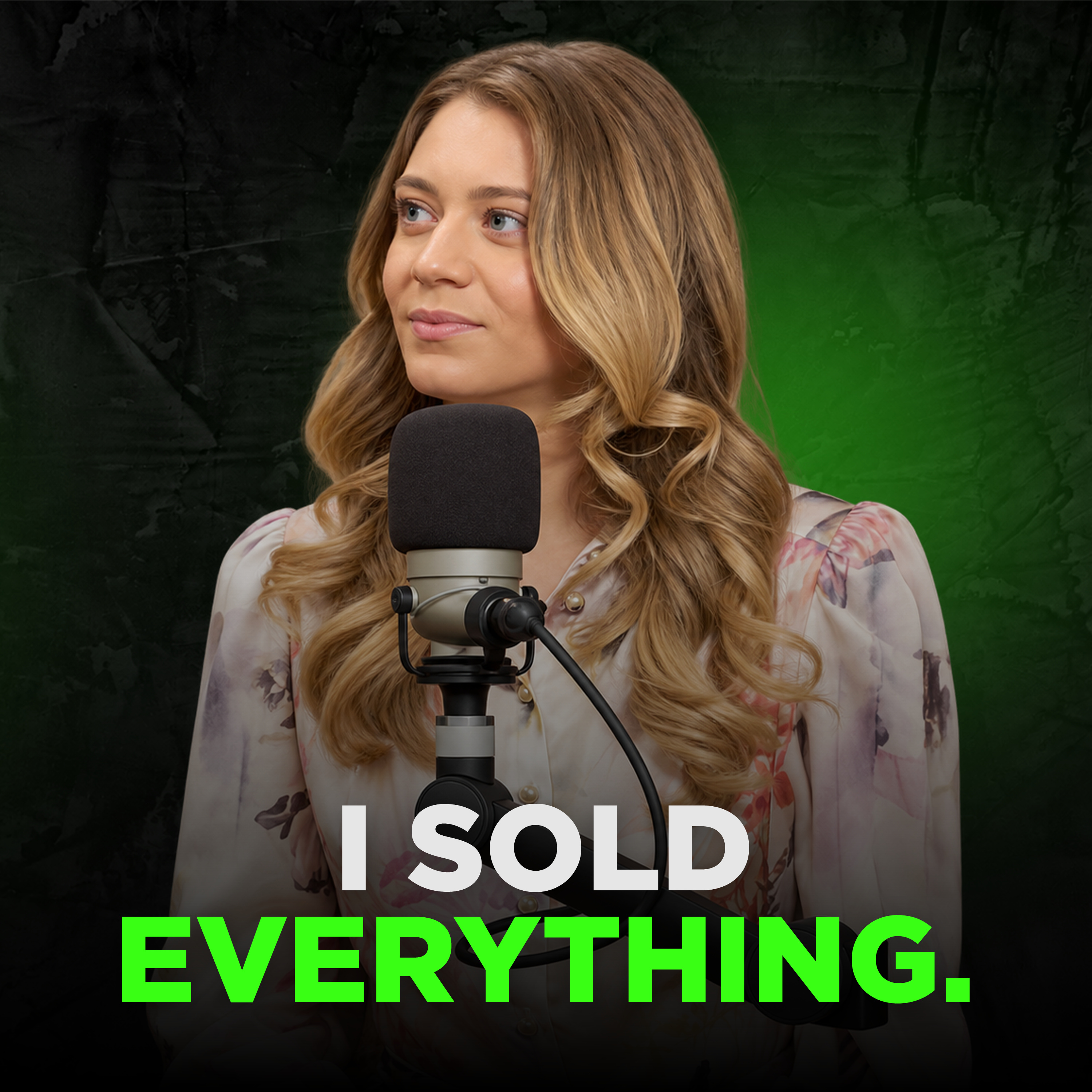
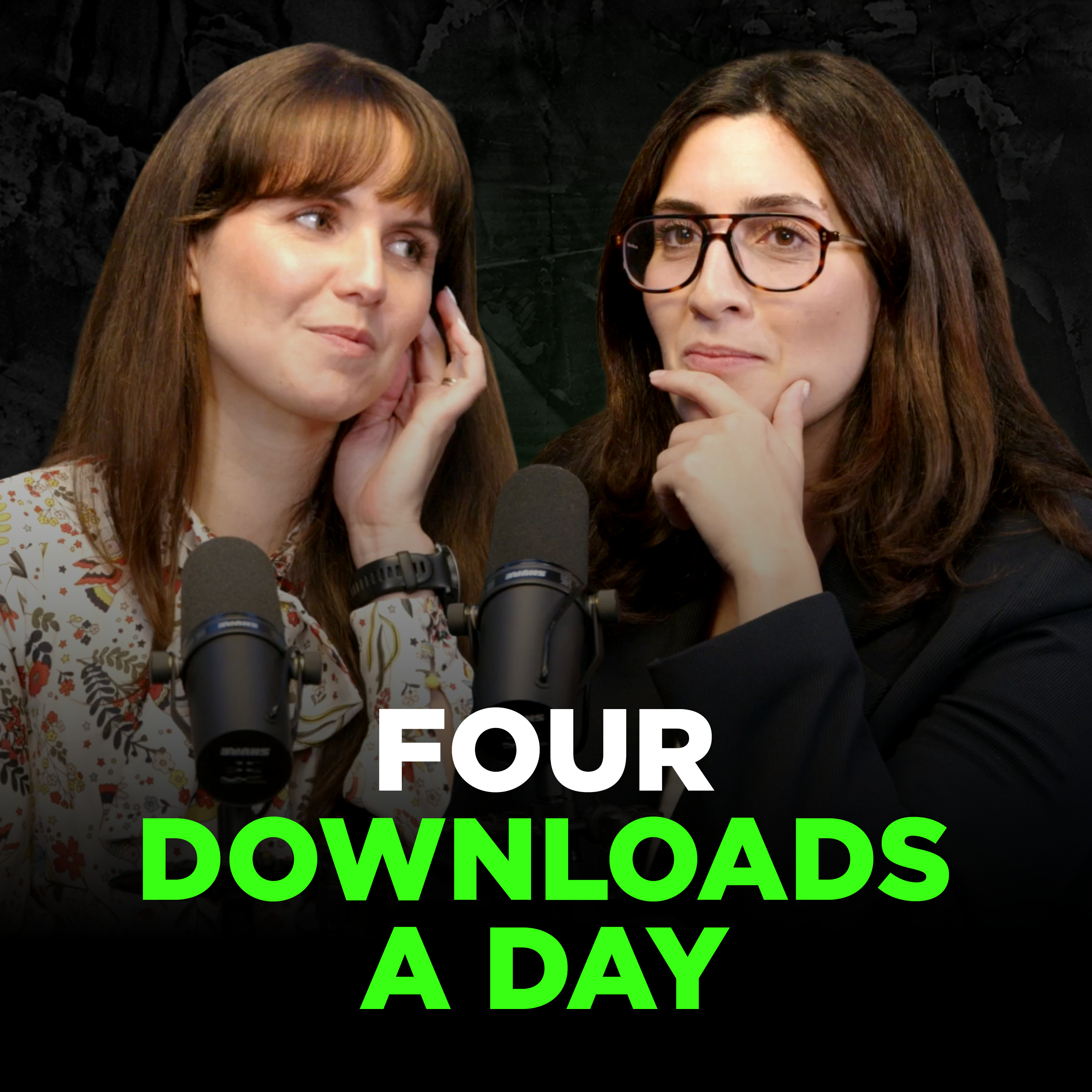
Sabrina Stocker explains “screw it, just do it” career pivots—quitting tennis coaching, then selling everything and moving abroad—to build remote businesses and achieve time, financial, and location freedom.
Alex (host/interviewer) and Sabrina Stocker, founder/operator of a UK PR/events background who later ran remote businesses (including a PR company) and moved to Egypt.
fear was mostly about staying in the coffee shop; “worst case” didn’t register; stability equals freedom (time, financial, location), not a mortgage/9–5; success is continuous process, not a finish line.
selling her car (an AMG Mercedes), stopping rent, selling everything, relocating to Egypt; earning £40/hour coaching tennis; using systems to “click a button” and delegate operations.
Written by AI. May contain mistakes.
Sabrina shares her journey of selling her possessions and moving abroad.
“Well, look, screw it, just do it moments.”
Discussion on the importance of freedom in life and business.
“I didn't really have any responsibilities.”
Sabrina emphasizes continuous learning and adapting in business.
“Maybe, you know, it's good to go away for a couple of days, lock yourself in somewhere, I don't know, you know, some location and actually get some headspace and away from the minutiae of life.”
Advice on achieving financial, location, and time freedom.
“That's how our mindset wasn't as how tight we were on money.”

Get the gist, explore an idea or ask about something said.
 Claude
On Screw It Just DO It with Alex Chisnall, what are the key points of this episode?
Searching your listeningAutomatic transcript. May contain errors.
0:00It's not that I'm not working hard, it's that I'm working hard at the wrong thing. I was sitting running a new startup PR company in my local coffee shop and I thought, well hey, if I'm working here, I could work anywhere. Within a month, I'd sold my car, stopped my rent, sold everything and then moved to Egypt.
0:17Alex Chisnall: At that point in time when you made that decision, in your head, have you thought, you know, what was the worst thing that could have happened to me? I thought the worst thing that could happen to me was that I kept going to my local coffee shop and working from there rather than working from somewhere else. And for me, that was more scary than actually going away.
0:54Alex Chisnall: Well, look, screw it, just do it moments. So I want to explore how you went from having your own business in the UK, essentially losing it all in a very short period of time because you couldn't put on any tennis events, to selling everything, moving abroad and setting up and running a business or number of businesses remotely. Talk me through that. Wow. Where do we start? I guess growing up, I always wanted to start a business. The only taste of business I really knew actually was from The Apprentice, funnily enough. And my parents were teachers. So you can imagine this like excitable, I want to try everything and crazy girl growing up and both parents being teachers.
1:41When I was 19, my friends were working in Waitrose and Sainsbury's and similar. and I was earning 40 pounds an hour. So this is quite a few years ago, coaching tennis. And I was fully booked. And I remember this as one day and I was, yeah, I was definitely about 18, 19. And I was just sitting, just counting about five, six K in my bedroom from a couple of months of work. And my dad walks in and I was earning far more than he was at that time. And he goes, Sabrina, what's all this money?
2:10Alex Chisnall: What have you robbed? And I was like, oh, it's, you know, it's from tennis coaching. And he goes, you need to put that into a bank. You need to save up for a car deposit. Now, obviously, I didn't listen to him because it was my dad. And I was living like an absolute queen. And I guess one of my biggest screw it, just do it, was going, you know what? I'm only going to earn£40 an hour. And I quit. And I stopped coaching tennis overnight, basically, started the tennis events company and got that going. And I guess it was that big mindset of when I was growing up,£40 an hour was a lot of money to earn.
2:45and to think at that age that's the maximum I'm going to earn in this job probably and to quit was was quite a big step for me and I guess the second biggest screw it just do it moment was when I was sitting running a new startup PR company in my local coffee shop and I thought well hey if I'm working here I could work anywhere so being a little bit impulsive and spontaneous as I am Within a month, I'd sold my car, which was like a beautiful AMG blacked out Mercedes. I remember you selling that. I loved it so much. Loved it so much. Stopped my rent, sold everything and I moved to Egypt. And I guess it's those spontaneous, impulsive moments that my friends think why I'm a little bit crazy.
3:30It was the fact I knew I wanted more and I saw other people around me. So I grew up with a very humble upbringing. And because it was playing in the tennis world, I was growing up and I was seeing a lot of families who had a significant amount of wealth. And I thought, my parents work hard and they have a stable job and they've done the route that they were told to do. And there's no way they could save up and afford that lifestyle. So it's not that I'm not working hard. It's that I'm working hard at the wrong thing. And what could be the right thing that could create a different kind of life for me.
4:08Alex Chisnall: and I imagine there's a lot of people who dream of you know selling selling up traveling working remotely what's your advice to anybody who's listening and they're in that space now who's procrastinating maybe they're feeling a little bit fearful do you want to go abroad Alex is that the question I think for me it was a lot easier than some people in their situations I was single. I didn't have a mortgage to pay. My business was online by that point. I didn't really have any responsibilities. I don't have kids. That's obviously a big game changer. For me, it's about freedom. So have you got in what you're doing, time freedom?
4:47Have you got financial freedom? And have you got that ability to work from anywhere? So location freedom. And no matter where you are, how much freedom can you bring into your life? And what freedom is going that allow you to explore and choose those possibilities.
5:01Alex Chisnall: Yeah, it's a really good point. And at that point in time, you know, when you made that decision, in your head, were you thinking or have you thought, you know, what was the worst thing that could have happened to me? Or did that not even enter the... It did not occur. It did not occur. I just thought, like, I thought the worst thing that could happen to me was that I kept going to my local coffee shop and working from there rather than working from somewhere else. And for me, that was more scary than actually going away. Are you where you want to be now as a person, as a business? I've never been where I want to be, which for me, I don't think I'll ever get there.
5:43Because when I could look from an outside perspective and say, wow, you know, I have this incredible life and I can go wherever I want. And I have, you know, funds to do that. And I have an incredible business, an incredible team. But internally, I'm not where I want to be. And I think every single time I reach the milestone, I don't really celebrate. I just move on to that next milestone. And I've realized it's not actually a bad thing because I genuinely would continue running businesses, even if it wasn't for making money. I would find a lifestyle and find a way to improvise things just because I enjoy that as the process.
6:20And I think if I ever did say, oh, I'm successful. I don't need to keep going. I'd get incredibly bored and that would then fuel and stop the fuel of me being able to get to the
6:31Alex Chisnall: next level anything that needs to change um you or the business or both one thing I can say that I did change over the last few months is my time that I put into learning because I think I'm very good at what I do but I'm never going to be the best at anything because someone's always going to know something more than me and actually leaving my ego in the car park and really really studying key players is what I'm going to continue to do there because I've actually been able to learn so much from studying what other people have done and sometimes we're so busy in building something and doing that next task that we know needs doing we actually stop to take a step back and that step back has been you know 10 steps forwards yeah I've definitely been guilty of that over the last, I would say, yeah, I don't know, six months, a year maybe once you, you know, you get fully into that next growth stage and you're onboarding new team members because you've got more clients, et cetera, but you don't take that time to step back.
7:32Alex Chisnall: Maybe, you know, it's good to go away for a couple of days, lock yourself in somewhere, I don't know, you know, some location and actually get some headspace and away from the minutiae of life. And it's hard because someone like yourself, someone like me, we like to keep busy. But sometimes actually thinking, have I got time to think? And that time to think has been a really big game changer for me. Okay, a couple of ones to finish up. Do you crave stability, structure, or are they long gone? um define stability would would be my answer to that that's a good one isn't it um my my current stability is being able to have those three different freedoms time freedom location freedom and financial freedom that is my stability if that goes away that's when i feel that i'm most insecure and i don't know what's going on so my my definition would be that i have control over those three different things because then I have control over my choices whereas the idea and I don't mean to offend anyone who does generally find this happy but the idea of having a a mortgage to pay and a stable job of a nine to five is absolutely my worst fear will that change when I want to have kids yes it probably will because that's a whole new board game but as a female who I currently am.
9:02My idea of stability is having those three different types of freedom.
9:05Alex Chisnall: So let's repeat those three different types of freedom. So time freedom, financial freedom, location freedom. Yeah. Okay. Do we have all of them at the moment? We do. Okay. Which is exciting. It is. And it's taken a lot of work to get there, but also a lot of education and learning myself of why did I not have that before and how do I have that and how do I keep it? Okay. So advice for somebody who is listening to this podcast and they want to achieve those three things. Where do we start? I think the first would be financial freedom. Because financial freedom means that you – see, money doesn't excite me.
9:45But there's two things there. One, because I have been there before, is the fear of not having money. And the fear of not having money is a huge stress, not only to yourself, but also to your mindset, to everything. think if you don't have money you can't make any choices you are having to do everything that you have to do just to pay the bills the the flip side of that is the choices which is the more optimistic side of things hey if i do have money you know now i can go to dinner and i can pay for everyone to have dinner and i don't even need to look at the bill yeah if i said that to myself you know five years ago everyone would be literally my friends would go down that bill and we would be tightening up like the 32 pences and the 64 pences.
10:27You ordered the extra bread roll. We did. That's how our mindset wasn't as how tight we were on money.
10:32Alex Chisnall: Scarcity mindset. Someone had a Diet Coke or you had a big or paying a pound extra. That mindset to being able to now pick up the bill is a huge amount of success to me and to feel like that. The fact that I can treat my mum and bring her to Mexico and put her in nice accommodation so she can have a nice holiday while I'm out there, that to me is an absolute privilege of of showing the work that i've done financial freedom allows you to make those funds yeah now do you need to quit your job no of course you don't but could you start a side hustle in the evening could you learn what kind of different businesses there are and once you start that side hustle is that something you want to continue or you can just juggle both at the same time yeah um then i'd probably say it comes down to location freedom so now that you've started your time side hustle can you do that from working in your bedroom or from a cafe can you if you can do that from a cafe in your local town can you do that from a cafe a local cafe in spain right so then moving into having your own side hustle having your inside business into where you can work from the time freedom really comes down to being able to system and optimize what you're currently doing and earning enough to create to learn how to create those systems so now in my agency and i could cry of happiness i click a button and everything takes place and i hire someone just to maintain and to ensure that system's running yeah and that's where you get the time for reading coming in in a simplistic form of three different steps
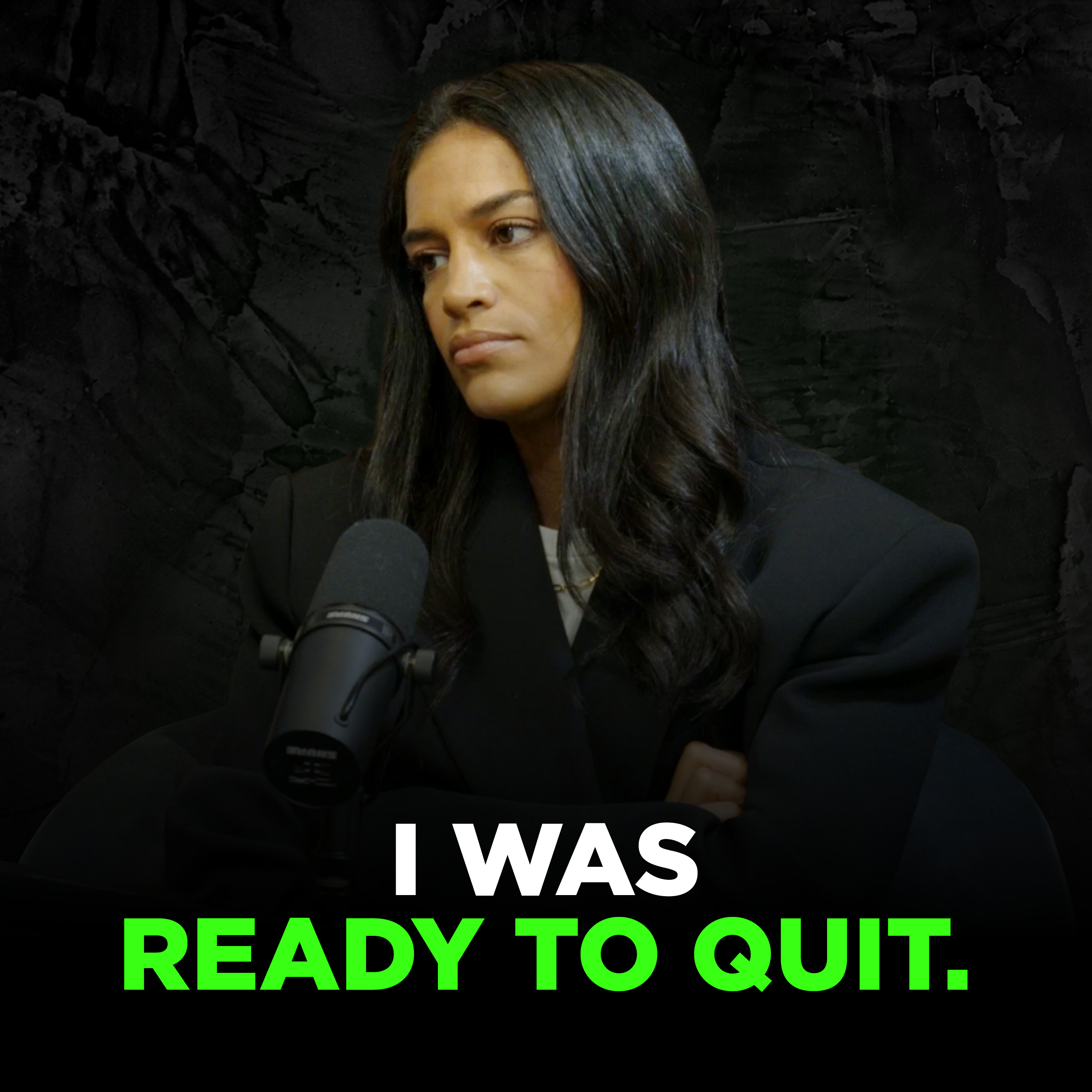
Sabrina Stocker realised she wasn't afraid of hard work. She was simply working hard at the wrong thing.
After losing her tennis-events business during lockdown, Sabrina found herself running a new PR company from her local coffee shop.
Then she realised: if she could work from there, she could work from anywhere.
Within a month she'd sold her car, given up her flat, sold everything and moved to Egypt.
In this Founder Classic, Sabrina shares the mindset behind that decision, why staying where she was felt scarier than leaving, and her approach to creating financial, location and time freedom.
🎧 Subscribe to Screw It Just DO It for more conversations with founders
and entrepreneurs who stopped waiting and took action.
🎟️ Festival of Entrepreneurs | 3-4 November | NEC Birmingham
Join thousands of founders and entrepreneurs for two days of ideas, connections and action.