 Screw It Just DO It with Alex Chisnall
27 Oct 2026 · 1h 1m

 Add vo to ChatGPT or Claude to ask about everything you hear
vo listened to this episode to put together the overview and transcript, so there may be the odd mistake.
Yulia Rorstrom, founder of Duck & Dry, discusses building a brand-led blow-dry salon business from finance with no hair background, the risks of going all-in, and the lessons from scaling, COVID, and a failed Primark “Duck & Dry Express” expansion.
Yulia worked in finance, comes from an entrepreneurial family (parents ran businesses in Ukraine, including a privately owned restaurant after the Soviet collapse), and launched Duck & Dry in Chelsea/King’s Road after seeing the US blow-dry bar concept in 2014. She built proprietary salon software for 11 years and later pursued strategic investors in 2026.
Brand experience and trust matter more than “volume” alone; cash flow is decisive; perseverance is different from stubbornness; and founders must eventually shift from founder-led chaos to partnership and systems.
Opening the first 3,000 sq ft Duck & Dry salon in Birmingham inside Primark (2018–19) and shutting it after 3 months; COVID causing blow-dry bookings to drop before lockdown and recovery not fully returning until 2024; switching from in-house booking software to a third-party platform; expanding beyond central London and into the Middle East.
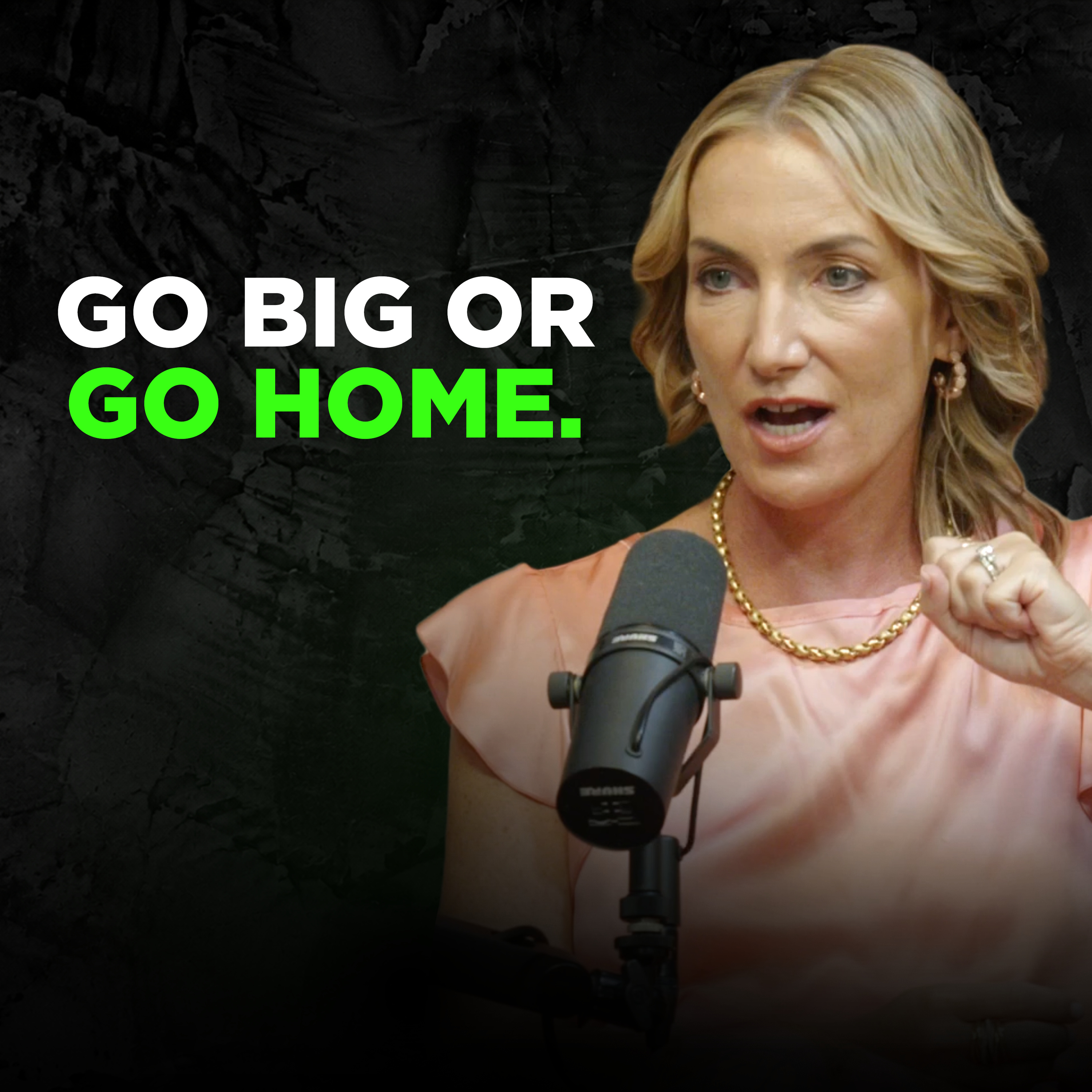
0:00I worked on that project for two years. We opened the first one 3 ,000 square feet salon in Birmingham. The team just ballooned. I was on BBC News. Two years of work, three months, pull the plug. Look, go big or go home.
0:15Alex Chisnall: Is there a difference between being stubborn or persevering?
0:25Alex Chisnall: Yulia, welcome to the show. Thank you for having me. So you were working in finance with no background in hair, no background in beauty. What did you see that made you believe that there was an opportunity that was leaving a career for? I was young and naive. Great answer. Truthfully. But also, I did always want to start my own business. It was always part of the plan, part of my journey. I knew that that's what I wanted to do eventually. And I really enjoyed my consulting days and it gave me the right springboard and that confidence walking to the room and trying to figure out what to say when you don't necessarily know.
1:13But, you know, I come from an entrepreneurial family. My parents have always run businesses. They opened like first privately owned restaurant in Ukraine post Soviet Union collapse. Right.
1:26Alex Chisnall: I was going to ask you, what do they do? Yeah, I mean, they've changed kind of businesses over the years, but that was their first one and they were in their late 20s. Were they? And was that like husband and wife opening the first restaurant? Yeah, yeah. First privately owned restaurant in like eastern Ukraine. So, you know, at the back of my mind, I was always interested in business. And of course, blow dry bar, it was a massive phenomenon in the US. I went there for my hand party to New York and I saw it and I just thought Chelsea needs this. You know, King's Road is crying out for it. Because at the time in London, it was a very traditional hairdressing environment.
2:10Like your traditional hair salons, pen and paper bookings, black chairs, mirrors on the wall, full service. Nothing wrong, but it just wasn't exciting. It wasn't new. Mono services. now it's you know it's a normal thing to have on the high street a nail bar or massage only or facial only back then it wasn't really the case many salons had the kind of the key hairdresser name above the door it wasn't so much about the brand yeah yeah and what year would you say when
2:43Alex Chisnall: yeah well you remember that you went when you went to new york what year was that 2014 2014 So it was 2014. And I just thought, I don't want to franchise a US concept. I thought that London was still a little bit different and I wanted it to be more London, more British, but something that I created myself. So I think because I don't have any hairdressing experience and I still can't blow drive for sure. But you don't need to. Yeah, I don't need to and that's fine. Yeah, you've gotten over that a long time ago. Yeah, that's fine and that ship has just sailed. and I don't think anybody wants to see me on the shop floor so that's fine so I just thought there is an opportunity there is a gap, something that is brand led not attached to a specific hairdresser and something that was experience led even as much as the right playlist, a Prosecco bar a group table where you can come with a friend over the years we've done so many cool stuff like art exhibitions and salon fashion pop-ups bar takeovers that kind of experiential um beauty wasn't on the high street at the time and i just genuinely i thought you know screw it let's do it you know without zero experience know-how bricks and mortar services hospitality one-to-one i mean there was a lot to learn and did you ever think why has no one done this before why has nobody tried this in london or did that like naivety and and youth just i mean it it did cross my mind especially when you start doing some sort of like financial economic models and you're like you need volume it's a volume business you know um and there were a lot of naysayers at the time especially among kind of established salon groups because the money for most salons is cut in color so they were like blow dry is an afterthought you know that's not the money making um service so no it definitely crossed my mind but i thought well if it works in other places and london is cool yeah if it works in new york why why shouldn't um and where were you living in london at the time in chelsea okay yeah i was like a local and i thought i would like that service i know loads of friends who might um obviously getting a store in chelsea and pitching to like the likes of cadogan estate that was a whole different story that's another story yeah that's another podcast interesting yeah because now i'd i was living in this area and we're recording this in in parsons green but i was just down the road in fulham so like king's road new king's road was it was a vibe where we'd go yeah and i'm going back like 2000 2001 2002 like those kind of early noughties years when i was here and it was a great atmosphere and it still is i was out last night around here it's a fantastic atmosphere right um and what age so going like further back when you mentioned your parents there and you thinking you would always be an entrepreneur was there an age of time that you can kind of reflect back on as a young girl and going i remember thinking then i'm gonna have my own business honestly like whenever you know kids do role plays and yeah i was always a businesswoman were you yeah i had uh yeah i i was a business woman and i had a driver and i was going to a hairdresser on saturdays i mean um yeah i don't I don't think I had many other career paths in mind.
6:24Alex Chisnall: Yeah. Yeah. And there's always obviously a huge difference between coming up with an idea and actioning the idea, hence the name of the podcast. And, you know, I don't know. I'd love to know what the stats are. And no one will ever know this, but how many people think of an idea? Because, you know, how many people do you know that have seen like an Airbnb or an Uber and go, oh, I thought of that years ago. Totally. Well, of course, but you didn't action it. That's the difference between an entrepreneur and your regular people in the high street, right? But what were you risking at the time with your career by deciding to go all in on this idea?
7:01Alex Chisnall: And I'm guessing you went all in. You didn't side hustle it. I did. I did go all in. I mean, it was also kind of post-financial crisis. And it was, you know, a lot of people were choosing other career paths from the city. And I think at the time, I think I was really lucky. I was single, I didn't have kids, I didn't have mortgage. You know, like I was a little bit more free than I think now I would think differently twice or three times. So I have to, you know, be honest about the fact that I was young and free. And one of the best advice that my father gave me at the time, he was like, invest as much as you can afford to lose.
7:42Alex Chisnall: Yeah. Great advice. You know, don't remortgage your house or don't pull the, you know, the last penny of your bank account. Like whatever you have, just be prepared to work hard. But if it doesn't work out, you know, your life will go on and it will just give you that confidence and headspace to actually do it. And so I thought, you know, if anything else, I will go back to finance if this doesn't happen. But then equally, my mother then said to me, listen, I'm all up for it. You know, do your business. What can I say? I've been doing it all my life. But just know that at the age of 28, you will pretty much become unemployable.
8:29If you run your business for long enough, it's very difficult to go back to working for someone else. So it wasn't just that. It was more like the mindset. she was like are you sure now is the time because there is no turning back because even if it doesn't
8:45Alex Chisnall: work out you will get that kind of bug yeah and it's true isn't it i've spoken to that many people who say the same thing like at the time you're thinking well i could just go back to that job but then it's who would employ me because i can't take orders from anybody exactly you're like you become slightly unmanageable yeah exactly yeah um and and do you think that that advice from your father particularly is still valid today would you give that advice to your kids yeah totally um obviously if it is a self-finance business uh if you choose to go on financing straight away that's a different story yeah um but yes i i think so because i think especially the first setup phase and probably first one or two years is so stressful and it's financially stressful as it is if you're then putting even that more stress on yourself you know having to pull your kids out of school or genuinely losing your home it it's not fun no absolutely and there are those stories out there obviously yeah and it just becomes really really um heavy yeah and that's why i think and i have you know have this conversation a few times recently again like when you are young if you've got the urge to do something like that if you don't do it now it just gets progressively harder harder because you've got more to lose right but then again when you are young you you are quite clueless yeah yeah in many things in many things so you know um was there anybody uh because your parents didn't talk you out of it obviously was there anybody who did try and talk you out of it well my father wasn't excited about the hairdressing business you know he had some probably other ideas in his mind and the idea of uh i never saw duck and dry as a hair salon business i really genuinely saw it as developing a consumer brand from the get-go from the get-go it really was yeah um and obviously to get there you had to run a salon or 10 but that is not how i saw it that's not how i sold it to them or anybody else or even to myself the big vision was genuinely always there yeah uh it was about building a consumer brand however that may have looked whether it's scaling salons developing franchise products um Even dark and dry, I thought, you know, it could be dark and dry or it could be dark and blush, dark and like to give myself space and scope to be agile and to find a way.
11:14But the idea was to build a business and a brand.
11:18Alex Chisnall: Interesting. I like that. um and now as we like sit here today in like 2026 um how many like different products services does the business cover i've kind of jumped i'm leaving that to the end but it's actually quite an interesting point to bring that up then when you say you set out with the intention to build a brand and you know done a little bit of research you can see you've got you know your own products in salons etc so maybe tell me how did that happen I wanted to, I was so fixated on building a brand experience that, again, the kind of brand personality, brand journey, 2014 wasn't really part of the conversation.
11:58It was a logo and a color scheme. And I was really lucky to work with an amazing branding team that really went quite deep into like brand journey and personality and what it looked like from physical locations to digital to products to entrance mats to coffee cups. I really allowed myself to go on that journey. And so as part of that brand experience, I thought, okay, I've got to have my own products. I don't want to have whatever big brands at the backwash. So it was born as part of creating this ecosystem. And we still work with these products to date in our salons and our franchise partners work with them.
12:41And there's a kind of second new phase of the business going forward. I would love to kind of explore the consumer retail for products, but that's almost like a separate business.
12:51Alex Chisnall: Yeah, yeah, yeah. In its own right. Yeah, yeah. And I also learned that the hard way, you know. So when you started, to get to where you are now, did you immediately look for outside investment? Did you do everything? Did you bootstrap it yourself to start with? You did? For 10 years. For 10 years, did you? Wow, okay. and then you you know you've had this overarching vision of seeing your salons and your products everywhere right because you took you know you saw these things happening in america um and again we're jumping ahead but i'm going to go so now you're in the middle east yes we're in the middle east we are looking to expand there further and also um we're taking duck and dry out of London, out of Chelsea.
13:41Alex Chisnall: Are you? Okay. Where are you going? Like all the major UK hubs. I'd love to see Duck and Duck in Edinburgh and Manchester and Cambridge. It's time. I feel like for a decade, I played around with the business, the economics, the operations, the foundation, and building that consumer trust and traction and awareness. and when it is self-financed it is you know it takes longer yeah you know it's a it's a slog and there are ups and downs and there are pauses along the way and it's not like i wasn't speaking to investors throughout i was lucky enough to be approached by various vcs and private equities but i was always in that like i wasn't big enough i wasn't small enough and also there was a mix not everybody likes a mixture of services and products franchising is very specific so it's like it's a numbers game it's to be to meet the right investor person at the right time in their journey and in your journey yeah and for a decade it was a self-financed business yeah and when did you meet the right people to help you realize the like the ultimate vision um so we've brought on uh new strategic investors only a few months ago a few months ago yeah 2026 yeah yeah 2026 yeah yeah so it's exciting so we had like next phase of duck and dry and i'm excited and so far so good but it's you know it's taken time yeah if you if you knew everything you know now would you still do it again there was a long pause maybe back in 2014 yeah i think now the environment is so competitive in so many ways it's so much more complicated uh marketing and different ways of marketing budgets pure competition um so yeah it was the right time okay um and you know we got like it to build that brand foundation over these years and now to be able to grow and scale it um i think starting something new now i would say in many ways is even more challenging and what do you see as the the biggest obstacle stopping you from getting to where you want to be i think now i'm on track i've got a plan like the confidence i've got the plan yeah I've got the cash and now it's time to execute and I think also sometimes it's life right sometimes you execute you work your ass off you've got good partners on board you've got the funding there but there are some external factors that you don't always have control of economic environment disposable income global conflicts we're now trying to expand in the Middle East So you have to, you know, I'm always very pragmatic.
17:00Like all I can do is do my absolute best, have a plan and execute it and drive it. But at the end of the day, you just have to get a little bit lucky as well. Like something has to click.
17:12Alex Chisnall: Yeah. And I think everyone says that to me, whether some people call it luck, some people call it, you know, the universe, whatever you're going to call it, God. Yeah, whatever. Things need to align. Yeah, things need to align. You have to work hard and you have to be out there and you have to really try. But you can't always, it's not always within your control almost. Like certain things have to just click. The consumer has to just come through the door. You know, that department store partnership has to really, you know, work. That international expansion, you really can't mess it up. And also, obviously, I'm all too aware that the bigger you become, you know, you can have 20 locations, but if five of them are not performing, it drags everything down.
17:59So, you know, I think now I feel the right stage in my life, in the business to try and execute the vision I want.
18:09Alex Chisnall: But I'm under no illusion about all the challenges that are ahead. Yeah, I remember chatting last year to Rich Sutcliffe from Passenger Clothing, you know, which they've grown to like a 100 million pound brand. And he's now exited the business, still working in the business. And he was saying they were looking to expand into the US. And they headhunted, they built a team there, they spent multiple seven figures. And then Trump brings in all these tariffs on anything and everything, right? and they made the decision to go, do you know what? We're going to just ignore that, switch our focus back to Europe and just write that off as a loss.
18:54Alex Chisnall: We're not going to carry on expanding into the US. We'll look at it in another couple of years if somebody else is in power who's less volatile. Exactly. So I think I'm very, you know, I understand that there are many factors along the way. but and who does you speak to um who or have you you know spoken to someone who's been where you want to get to who's who's built a business like that in a completely different industry maybe but somebody who's who's grown a business who's you know had stores in multiple locations who's franchised who's got products who do you speak to honestly i think part of my job now as i see it it really is networking and whereas before it may have been networking hassling for locations or partnerships or funding now it really is speaking to other businesses and like absorbing as much of kind of know-how as possible and it's so funny because when i started duck and dry i often talk about it i was so young and confident that i didn't even sit down for a coffee with like a fellow salon owner which is mad yeah it is you know like um because i was so headstrong about it and now i'm older and so much more experienced and yet i'm so much more hungry for uh kind of advice other you know kind of perspective i still make my own decisions of course i do and ultimately we probably all already know what we're gonna do yeah and you want to almost validate it but i am so much more open to meeting people and genuinely asking you know what they've done what worked and actually taking it on board than i was 10 years ago when i knew nothing so funny yeah like it's experience though right it is experience i think the other day i i was lucky enough to be introduced to the founder of nails inc and it always thea and it always bugged me to know like why did she close all her nail bars you know um and i met i saw her in the corner of the room i wasn't even introduced and i walked over and i was like hi i'm yulia and you know she she was very nice and polite but you know and i said i've always wanted to ask brilliant why not yeah and she was really honest about it and you know and then sarah chapman was standing next to her and i'm like are you opening more clinics or she's like no i'm developing product line and i'm like why is that yeah are you running it this two separate businesses yeah i'm a new person i love it honestly and i the way my mind works whenever i chat to someone on the podcast i'm always thinking like who you should speak to like who i could introduce you to so i'm like please do you speak to like ray from who's founder of ted baker oh yeah grew that to like you know a thousand stores you know franchises in inside you know other stores um and then they've got uh ted baker barbers as well yeah yeah and then also yeah and then um i was also thinking rowena bird who i know really well from lush you know billion pound yeah brands with again thousands of stores all over the world um which also franchise the you know franchised the the ones to canada i think it was the first ones but then other regions they haven't franchised so please do yeah yeah no well it's what it's what i do just i'm wide open networking yeah yeah yeah um what what do you what do you think um you need is there anything that you need um to get the business where it is or do you feel at the moment you you have a plan you you've got the money you've got the vision um did you did the vision change at some point in time then obviously we've had covid and stuff like that did you kind of like you know two steps back let's remap things out did you like you mentioned like you know plateauing when we're chatting about our mutual friend al over over yeah no i mean look the big picture truthfully actually has been quite consistent uh in terms of building a brand, scaling, you know, setting up a consumer brand that will be eventually recognizable by many outside of central London.
23:19It's always a dream. And it still is, seeing it as a global brand, you know. But how to get there, the small steps, the operations, the execution, the exact product mix or the exact service mix, yes, of course, you have to stay agile, you know. many many decisions along the way to to make it and also you know ultimately it has to be profitable business it's not just what you wish what you want what you dream what is practical what is possible and I think for me right now my kind of challenge and what I want to spend my time is kind of changing the business from founder-led to a partnership to a grown-up a grown-up business so um i would love to kind of change my levers a little bit so kind of get into a different gear where i'm not spread from the tiny teeny details to the big conversations yeah yeah um which you know every founder says exactly the same yeah get out of the weeds of the business get out of the weeds and i have it was one of my kind of things that i with the partners coming on board with the financing with the vision one of the things is that i really wanted to change my own personal kind of gear i was ready to step into the ceo role for what it's actually meant to be yeah and not you know ceo and and sales and recruitment and operations and everything else and so at the moment i'm quite excited about building like a little team um and actually setting up processes and knowing where all the documents are saved it's
25:04Alex Chisnall: it's quite i think everyone can relate to that yeah it's and then one person leaves the business you know where's uh you know where is our instagram literally yeah literally yeah you know i couldn't find amazon shop login for for months so i really um yeah i want to feel like there is a business beyond me. Quick one before we get back to the episode. If you'd like to meet some of the founders you've heard on Screw It, Just Do It, join me at the Festival of Entrepreneurs on the 3rd and 4th of November at the NEC in Birmingham. 200 speakers, two days of practical business insights, and it's completely free to attend.
25:44Alex Chisnall: Head to festivalofentrepreneurs.co.uk to register. In what respect then do you think you've changed the most? What have you like say worked on like personally personally as a person yeah um i mean my managerial style has changed quite a bit okay um you know i've softened okay i softened on the outside okay kind of and what made you soften was that self-awareness was that um other conversations from team it's kind of you know you have to bring people on the journey and in order for you to bring people on the journey you have to open up yeah yeah and i hate all of this like be vulnerable and it's not even that but you have you cannot be the boss you can't just walk in and you know it's not like devil wears prada here's here's my coat you know it doesn't work like that in practice so you have to uh be real and i think just be fair um you know you still have to keep some level of distance but for people to understand who you are and the journey you're going on to bring them on board with you.
26:57So that's probably changed quite a lot. My people skills, I would like to think that they've improved. I don't know what they were like before, but they're very good today. But having said all of that, I honestly feel like this is my best version yet and I don't think it's going to improve much further. the 2026 version is as good as it gets this is i think we are this is it this is as close as i feel still myself yeah and you know and therefore over the years i realized that it's not about adapting yourself to that person or that team i'm a true believer of attracting your own herd you know like your tribe yeah yeah and i'm i mean i've employed many years over the years and obviously hairdressing is a very transient industry on top of it but even within more of a head office um i've got people who have worked with me from day one when duck and dry didn't even exist as a name really like literally yeah and then there are others that i'm sure you know would have other opinions about me yeah you know so i think it's about it's really really important as a founder CEO, leader, whatever it is to attract your own tribe you know, you cannot be everything for everyone and vice versa and I almost, now I've gotten quite good at it, like it could be a perfectly great you know, staff member, but I'm like, I just don't feel like, they won't get
28:27Alex Chisnall: me, they won't you know, and so I think over the years I've accepted, I've worked on myself, I've improved myself this is my best version yet and then I would like to attract people that can work with me and how is it like in an industry like yours where which can be quite transient is that quite a big challenge or is that something over the years that you've learned you've put different systems in place that you can kind of mitigate that risk of people leaving I think obviously for us we've got a head office which is more you know brand and operations and people are there career exactly and then we've got obviously a very big team of hairstylists and i think within that i always really believe in kind of growth from within so nine times out of ten my preference would be to promote somebody from within um you know the devil you know yeah so i really kind of tried to figure out with my consulting brain what the career path can look like for a hairstylist And actually, believe it or not, there are many, you know, they can become a team leader, salon manager, operations manager, if they like events or social media, if they enjoy education, we, you know, we have educators as well.
29:48So we do try to show progression.
29:52Alex Chisnall: Yeah. And equally, I understand that for some people, it's a phase, right? Like they're young. today they like hair styling, tomorrow they like something else or they've been doing blow drys but actually they do want to learn color and you just can't take it personally. If somebody has worked for us for two years, they've mastered blow drys and they can, I don't know, go and do private clients wherever it is that they live and it's more convenient or whatever it may be, no hard feelings. You know, I take it as part of this is the industry and this is how it is. But having said all of that, I think we've been really lucky.
30:32Like we've had quite a stable team, but I can't take full credit for it. There are managers who are very much kind of nurturing that team.
30:42Alex Chisnall: Yeah. Yeah. I remember like when I had business, when I was working with Virgin Startup and then they asked me to set up my own business outside of their organization. and they gave me like nine counties in in the uk uh to manage so um i started putting you know people in different counties and to start with you know people because we're in the business of helping people get funding get mentoring start a business and in hindsight it's obvious but the people i was attracting were people interested in starting a business so when they then left to start their own business i was like oh no but you've been with me for two years and you're like afterwards you're like oh no shit Sherlock of course you're going to go and sit there and busy you just have to wish them well and you've just given them the best experience because they've been dealing with other people who do the thing that they want to do totally I think sometimes you need to kind of you know let go and I think also I have this tendency of if it's a really difficult conversation or there is a massive problem I tend to take it on myself like that I'm the one to fight the fires that you are doing your day to day do it well but if you know shit hits the fan I'm like I'll deal with it I try I like instantly try to shield them from the conversations or situations that will stress the hell out of them how often do you that visit all the all of the salons out of interest is it like all the time all of the time I get blood rice as well of course what a shitty question I guess I do meetings you know I I've realized that just nobody, whenever especially there are new relationships, they don't really want to sit with me in an office.
32:25They want to see the vibe, the buzz. So, yeah, all the time.
32:31Alex Chisnall: And I always tell this story, but when I worked for Virgin Atlantic before Virgin Startup, Richard would literally just take a flight and instead of sitting in upper class watching the movies, he would sit in economy, he would stand up, he would walk around the aircraft, not the whole flight, But he would do hours literally just asking questions. And then he would go. And these are the days before we had like fully flat beds. He would then go and use the pilot's bunk to get some sleep because then he'd land and go straight into a meeting to do some huge deal or whatever. But I always saw that and just thought you need to be doing that as a business owner, right?
33:09You have to. Yeah. We had our duck and dry summer party. just like in one of the big salons we had a bartender and music and the whole team and I made sure that I went around to everyone and how we doing and you know talk to me I mean I regretted it slightly because I then had like somebody wanted different uniforms somebody wondered if we can arrange first class access to lounges as part of the staff parks but i really like that people felt like they can talk to me exactly and then but now i'm thinking shit i need to think of some uniforms and lounges because you can't be the kind of person who just asks but doesn't do if you've asked then you have to execute you can start somewhere right
33:59Alex Chisnall: you can't do everything not everything but just to show that you are listening and you're taking it on board and it matters yeah um interested to kind of revisit you mentioned before again um how somebody can um progress within duck and dry and you mentioned um like um and initially at the at the start you said about turning it into an experience right so i'd love to kind of dig into that a little bit more because i feel like ever since especially covert and you may be ahead of the curve with this but people craving experiences people are craving connection you know because the world is so online all of the time and ai is only adding another layer to that so tell me when did you start thinking about that when did you start actioning that and what did you actually do to make it more of an experience rather than old school was you literally as you say picked up the phone you booked an appointment you left done yeah no obviously it really was that was the entire point of of of dark and dry so um before i picked up hairbrushes i think for the first salon i was tasting olives and nuts in the office because i was convinced that we've got to have a full bar offering we don't anymore but i did spend days with my then intern sampling olives and different nuts and i was obsessed with having like prosecco on top but obviously we didn't have a full bar set up and the kegs and the spillage and you know so i the the actual experience has kind of you know changed but the idea of having it i had a barista at the time again not sustainable we had uh cold press juice takeovers i mean you know you name it so i really wanted to stand by my experience and as a consumer what would i like and so on but actually for many consumers it's about the convenience it's about quality trust you know and just fun and easy and breezy you know and And for me, for example, I didn't want to take pen and paper bookings.
36:21But at the time, salon software just wasn't available on the market, or at least it didn't work for a blow-dry kind of 30-minute appointment. So I was mad enough to build my own software. So not like coding, but I had my own IT team. So for 11 years, Duck & Dry has been working on proprietary salon software because I was that said that we are going to be digital and modern and different. And it's in the next two weeks that we are finally switching to a third party after 11 years.
36:56Alex Chisnall: I was going to say you didn't then turn that into another business idea. I considered it. Yeah. I genuinely considered it. And still, I sometimes think, oh, I could white label it. But equally, you know, sometimes with the likes of AI, things have just really accelerated. and then you think okay am i going to dedicate another chunk of my time energy and money into building an it business yeah or shall i just accept the fact that it's been an amazing tool and now we're moving on and then you move on yeah yeah yeah so big moment for the whole team yeah like a big switch over yeah literally but you're testing it and you know what i actually decided in my newfound, you know, CEO shoes where I'm delegating, I decided all in on the delegation of this project.
37:48Alex Chisnall: Nice. How does that feel? I am really excited to see it. Everybody else is quite petrified. And you're like, it'll be fine. It'll be fine. It'll be fine. But truthfully, I haven't been testing it. So I hope, you know, the data will be there. Yeah, it'll be all right on the night. It'll be all right on the switchover date. You mentioned like how, you know, took bookings at the start. What other conventions did you like challenge at the start or you've continued to challenge throughout the 12 years, right? 12 years. Well, talking about bookings. So Kings Road was obviously our first one. And I installed the phone line and put in the phone a few days before the opening.
38:34And so while we were still like setting it up, the phone rang. I was so excited. You know, it's first booking. It's a big, big day. I pick up the phone, you know, and they're like, can we book a table for a Chinese restaurant? Because they thought we were doing a duck.
38:54Alex Chisnall: Oh, man. With a bun sauce. That was crushing. You know, when you're standing in this and you're like, did I get it completely wrong? Like, is this it? Absolutely. And we had a few of those. Did you? Yeah. Wow. In the beginning, because all that was, there was the Duck and Dry logo above the door. But I can imagine you literally going, have I got it completely wrong? Did nobody get it? You know, this brand journey that they were telling you about? The six months of these amazing brainstorm sessions. Have we completely fucked up? Oh, man. So that was the first booking. Wow. and at what point did you did you think this is duck and dry is the vehicle this is the one that's going to get me to the vision i mean the first year was it was hectic it like you know i didn't know what was happening and what i was doing and i was also pregnant at the time so we opened up and i was six months pregnant six months and i found out i was pregnant on the day that i signed the lease like you wouldn't make it up uh so it was like it was intense you know um and when i say that i didn't know anything about salon operations it was true and it was a steep learning curve and you know hairdressers and clients and yeah it's a lot um and you're just kind of but but we had people and you know we had two people on reception taking calls because still it wasn't so you know digital booking so there was traction but it was just madness and i remember i was in a black cab on king's road and i had uh going to duck and dry and i had a meeting and there was a lot of traffic and i was getting quite stressed at the back of the car and uh the cabbie goes where are you going and i said i'm going to duck and dry and he said oh you know you should be you must be on time i get a lot of clients getting really nervous in at the back because they have a really strict 10 minute grace period.
41:01And I thought to myself, wow, a black cab driver knows about my little business at the end of King's Road and he's had clients, you know, eager to come for their blow dry and getting stressed that they might not get seen because we're that full and we have a 10 minute grace period.
41:22Alex Chisnall: I like that. And a little bit of my back of my mind, I thought, okay, maybe there is something there, you know? Yeah, yeah. Like this pain might be, you know, there might be something there. Yeah. So it was a really funny moment. I never told him who I was or what I was. You didn't? No, I didn't because I just thought I would just keep it to myself, you know? That's a cool story. Yeah. That's a cool story. um was there any point in the journey when you came close to it not working like what was yeah like covid what was that like for you was that the worst covid was horrendous any any yeah bricks and mortar business where it's bricks and mortar beauty business one-on-one you know as soon as boris johnson went to say don't shake hands and pubs you know like yeah our blow-dry bookings went down way before lockdown.
42:17No, COVID was horrible and it was a very, very difficult period. And yes, there was definitely a moment where I had to almost come to terms to like, look, it may not work, right? Like I had leases. There was no directive in terms of what is to do with the rents. Some landlords were more understanding than others. We were self-financed. I had a big team. I had no other the income streams, like within the business at the time.
42:46Alex Chisnall: How long were you shut for? Well, on and off, obviously, the lockdown was 18 months, right? But truthfully, the industry, or at least in our case, we didn't recover till about 2024. Wow, really? Yeah, the next two years, they were weird, you know? People's habits changed. People didn't go to the offices as much. We used to be open 7.30 in the morning to 7.30 in the evening. we're not anymore you know um also you know we we were building this client base for five years and many of them moved to like move to the countryside abroad moved down by me to the coast loads of people moved out of london exactly you know so we almost had to start again you know um so that was a really difficult period for sure as it was for for many other businesses But I would say in general, I think every business, it comes down to cash flow.
43:41So COVID or not, I think every time it came close, it would always come down to the financial performance, right? You have to make more than you spend. It's simple. And there were points where I was like, we're so busy. Where's the money? So you raise prices, you reconsider your payroll, you look at olives and nuts. Yeah, yeah, yeah. So I think ultimately cash is king.
44:14Alex Chisnall: Yeah, always. Jamie Lang from Chelsea, from Ageny Chelsea, always said cash flow is oxygen. And he said how many times they come close with candy kittens to not making payroll, like literally like the night before and I said yeah I've been there you know previous business as well um it it's tough right yeah but somehow and it is an interesting question for you because I've you know had a business um that that that failed ultimately that was sports injury clinics so we're using salon booking software for that um but try to expand too quickly you know um have you ever been in in that situation um where you are you know you're running out of runway you're you're questioning whether you should continue and is there a difference between um is there a difference between you know being stubborn or persevering no matter what totally one of the examples so um probably around five years in uh primark reached out to us and it was again going about experiential retail and bringing services into stores the way that from john lewis to harry nichols but primark in some of the biggest stores and i am one of those like i'm really funny if you give me a challenge to pitch to i'm just going to really drive it you know like I'm not sure if it's a good idea necessarily but I'm going to drive it and I'm going to try and get it yeah so I was flying to Ireland I was pitching to the board of the directors you know yeah because um effectively the deal was that uh we would set up like a sister brand Duck and Drive Express or something like that you know a slightly different audience, a different market, but they were looking to roll it out to 60 stores.
46:15There was a deal on CapEx. The numbers on paper, Alex, I was like, that's it. That's it. You know, I'm going to keep a couple of like Central London flagship stores and I am going to product line, you know, the whole thing. And we opened the first one, 3000 square feet salon in Birmingham, Primark. I was on BBC News. What year is this, Julia? So it would have been 2018, 2019.
46:46Alex Chisnall: Okay. It was just before COVID, so 18, 19. You know, releasing balloons, Primark balloons into the atrium of Birmingham Primark. And the team was great and the fit out looked amazing. But when it came down to it, there were so many triggers. you know, we couldn't control our pricing not fully. They dictated that and it was like rock bottom, but it's still one-to-one service. So it's not the same as selling a pair of socks, you know, opening hours, you know, nobody wants a blow dry at 9pm. Like just tons. And also the team just ballooned. Like we had 120 people just for the Duck and Dry express a separate website a separate you know social media I think it was it was really stressful yeah yeah but I persevered we went and we did Tottenham Court Road as well okay yeah but three months in and we are in the red and we're in the red and we're in the red just because it just doesn't add up I have staff prices I can't control working hours I can't control And ultimately, just because there is footfall, it does not mean that that footfall converts to your business.
48:06It is just God's truth. And so ultimately, it's not a consumer that is that bothered by the brand per se. Is it making a difference to my brand as a whole while I am literally going grey? Yeah. And after three, I worked on that project for two years.
48:31Alex Chisnall: Wow. Two years, I went to Dublin. I pitched, we signed contracts. I was monumental in the fit out. I lived in Birmingham for a month. Like, I committed to that. Yeah, yeah. Three months in, I'm like, I'm not going to do this anymore. So 90 days in. 90 days in. And how long does it take you to pull the plug? To be fair, they were really nice. but uh i asked to you know have a chat and i said guys like unless you back you know the risk yeah i cannot take it all i cannot take it all you have something has to give we have to adjust prices or number of services or number of hours something has to give but if you want it exactly the way you have to back the risk yeah um well i'm out and everybody was like what so they're like well you go you have a thing and let's reconvene in the afternoon so my brand manager at the time she was are you bringing lawyers are you with it and i'm like no no i'm just it's me it's me myself and i and there is nothing more to say or to do yeah the zoom opens up there is a massive room like 20 people lawyers managers everybody and they're like have you thought about it i'm like have you so to be fair they um they agreed to kind of help us out so we do a three months uh handover and they were good they were nice about it and they're cool guys and um i cannot you know speak more highly of them but the project and the idea just wasn't right two years of work three months pull the plug the reason I asked that's a great story by the way and so many learnings I mean that's another podcast where we're coming to the end of this one but it's that that's a whole nother podcast isn't it but it also made me understand who the market is who is our client I was gonna say that matters honestly I hate to be one of these like really cliche people who like it's been such learning but that particular one genuinely was yeah also my pitching skills like really yeah well and the reason i asked that like because um and i wonder whether he was because they're four four directors at primark and one of them is a friend of mine and he's not now he got headhunted by mns this year so he was on six months gardening and he just started back in like june i think working for mns but he was he was uh director of women's wear at primark so every week he's in Dublin flying back and forth.
51:10Alex Chisnall: And I thought, I wonder if he was in that meeting being pitched to. That's interesting. But you said everyone was lovely. They were great guys. Look, they understood and they were cool about it. And it is what it is. Yeah. It was just the wrong call. Yeah. And it's interesting when you say, and you don't know, right? Unless you try stuff, you don't get the data, right? Honestly, on paper, it could have been amazing. I could be like. Do you think of the volume of that business? The volume. is insane yeah yeah so but it's not the right audience wasn't the right audience no not the right audience not the right concept not the right and i knew it i just knew it and so three months in whereas with duck and dry i persevered for 10 years yeah but i like the fact that you tried it but then you were you made a quick decision because the worst thing you can make is to have not made a decision right and just let it carry on fizzling out and meanwhile all your you're robbing peter to pay paul right all of the duck and dry money's going to the primark and you're like oh and it happened six months before covid oh wow you know it would have been a very different so sometimes if you know you know and sooner rather than later is the moral of the story yeah sooner rather than and i think it is yeah yeah um i've got about 15 questions i'm not even gonna get the time to ask you but i have a feeling you're gonna be back on we're gonna do something else um of all the decisions you've made um what was the moment that most changed the trajectory of your life because you acted rather than waited is that like now what's happened in 2026 do you think with you know what it was 2024 post-covid when we've had like a little bit of a recovery finally and and of course during those moments i was thinking what am i doing you know is this is this going to happen you know um and then these things started popping up like rosewood hotels reached out for doha qatar uh battersea power station were like we're looking for a blow dry um harvey nichols john lewis reached out for you know signs and they're like you know when it's like it's a sign like i was like look go big or go home that's it like one last dice you know let's just let's just do it but at the time as much as all these things were popping up i still was me myself and i and financing and i just thought i'm just i said yes to all of them because i knew that it's going to take time and and i was just hoping that something along the way will materialize itself whether it will be a partner investor franchisee i don't know i will win a lottery but um i really backed it for like quite some time um and every night i was hoping that something something will come through because they were important relationships and uh you know but i think at that point i was very much like i'm gonna do this one way or another these opportunities are coming through i must take them and i must find a way to make it happen and it's always just been And you, just sole founder?
54:19Alex Chisnall: Sole founder. Sole founder. Has it ever been lonely? Totally. Yeah. It's the stuff people don't talk about, right? But it's awesome. This is my fifth business, and it's the Festival of Entrepreneurs. We got the NEC in Birmingham, and it's the first time I've had a co-founder. It's different. It's different. It's different. You know, sometimes, I mean, I talk to my husband a lot. Yeah. He's not involved in the business. What does he do? He's in finance. He's in finance, yeah. Nothing to do with hair or even consumer brands or salons. But you need somebody to talk to. But I think one of the biggest advice that he gave me was in the beginning, I really kind of sweated the small stuff.
54:58Like we've had multiple holidays ruined and date nights where something happened. And it just, you know, you're so obsessed over it and you're so absorbed in it that it's really hard to switch off and be like, oh I'll have another glass of champagne and look into your eyes and you know have a romantic time together multiple evenings ruined over various aspects of dark and dry and you obviously want somebody to like take you out and say oh baby it's all going to be okay but he's very Swedish very Scandinavian
55:34Alex Chisnall: and he was like listen this needs to end this has to end he's like look either if it's too much and And it's just, you know, you can't handle it. Just lock the door and walk away. And we forget about it. And you're like, I can handle it. Or you handle it. Obviously not what I wanted to hear at the time, as you can imagine. You just wanted to give me a hug. I just wanted a hug. But I came home and I thought, he's right. Either I need to grow a pair and like, you know, become a little bit more thick-skinned and understand what matters and what the small stuff and what is critical and what isn't.
56:15And does it have to be decided at 10 p.m. in an Italian restaurant on Pimplica Road or could I possibly deal with it the next day, you know? And the stuff that does need your immediate attention. And there is a difference. And actually the stuff that needs your immediate attention is not, you know, it's far and few between once you really get it. So I think I've become a lot more thick-skinned. anxiety threshold has definitely increased and and you know i've learned as well that you've
56:48Alex Chisnall: you've you've got to make time for those those date nights and the holidays babies you know yeah if you don't and you know how old are your kids nine and eleven so both of them were born during this journey yeah yeah yeah i'm on the other end like 17 and 19 but you know kids put a lot of strain on it's important and it matters you know um so you yeah you you kind of but it comes with time yeah it does um right well look i don't want to keep you run over too much i always run over so i apologize for that um quick fire round so first thing that comes into your head short snappy answers whatever you think no right or wrong answers okay i've had every answer end of the sun um what is an entrepreneur risk taker what is a scale-up business a great idea into a great execution i love that uh which entrepreneur do you admire the most my parents best answer yeah um what film has stayed with you or had an impact on your life I really liked We Crashed about WeWork even though the ending is not successful I loved how a passion and storytelling can get people to buy into the craziest ideas I loved it What's something your parents taught you that you've carried through your life?
58:15There is always a way out
58:18Alex Chisnall: Advice for life in general not just business, right? Literally, find a way there is always an alternative there is always a way don't take no for an answer i agree with you very eastern european um and what song best reflects your journey oh i don't think i have one too cheesy for me yeah yeah okay it's just interesting the last three females i've had have not given me an answer and i've not had an answer before oh really yeah it's really interesting really interesting don't have one no that's really interesting i'm gonna rethink this um who would you recommend as a future guest on the podcast now that you've been on the podcast tonight i'm seeing amy connelly from sculpted by amy a makeup brand and they've gone huge okay i am and she's irish and really good fan and also i think makeup like jesus like that's a that's a busy market yeah how did she make it so i can't wait to ask her those questions myself tonight brilliant brilliant i had i've forgotten the name now but it was um it was again a beauty brand and they came up with these you know the freckles oh yeah and then um taylor swift where wears them and literally it goes bananas that was a really good conversation um and finally when all is said and done julia how would you like to be remembered i would like to be remembered as creating something from nothing and to create that consumer brand that can has the longevity longevity and can stand on its own two feet i would be proud of that amazing well thank you so much for coming in i really appreciate it thank you for having me if you're enjoying the conversations on screw it just do it with guests like Piers Linney, Richard Harpin, Ray Kelvin, Julia Barrett, why not come and see them live?
1:00:18Alex Chisnall: On the 3rd and 4th of November, I'm going to be hosting the Festival of Entrepreneurs at the NEC in Birmingham, where they'll be joined by over 200 speakers sharing the lessons they've learned building some of the UK's most successful businesses. So if you're serious about growing your business, I'd love to see you there. Head to festivalofentrepreneurs.co.uk and grab your free, yes, free ticket.
Yulia Rorstrom spent two years securing one of Duck & Dry's biggest opportunities: a partnership with Primark, a 3,000 sq ft salon in Birmingham and national media attention.
Three months after opening, she knew it wasn't working. So she walked away.
In this episode of Screw It Just DO It, I sit down with Yulia to discuss building Duck & Dry from scratch despite having no experience in the hair industry, discovering she was pregnant while launching her first salon, surviving Covid and making difficult decisions as a founder.
We explore why she chose to close the Primark salon despite years of investment, how Duck & Dry went on to secure opportunities with Rosewood, Battersea Power Station, Harvey Nichols and John Lewis, and why her approach became “Go big or go home.”
It's a conversation about resilience, risk, knowing when to persevere and recognising when it's time to change direction.
Subscribe to Screw It Just DO It for more conversations with founders and entrepreneurs who stopped waiting and took action.
🎟️ Ready to take your next big step? Join us at the Festival of Entrepreneurs on 3–4 November at the NEC Birmingham. Connect with ambitious founders, learn from successful entrepreneurs and discover new opportunities to grow your business.
👉 Find out more: https://www.festivalofentrepreneurs.co.uk/
🎧 This episode is powered by WorldFirst, helping ambitious businesses make international payments, pay overseas suppliers and collect payments from around the world.
🌍 Doing business internationally? Create your free WorldFirst account at: https://www.worldfirst.com
Scan the code with your iPhone camera
Listen in the app.