 Ask ChatGPT


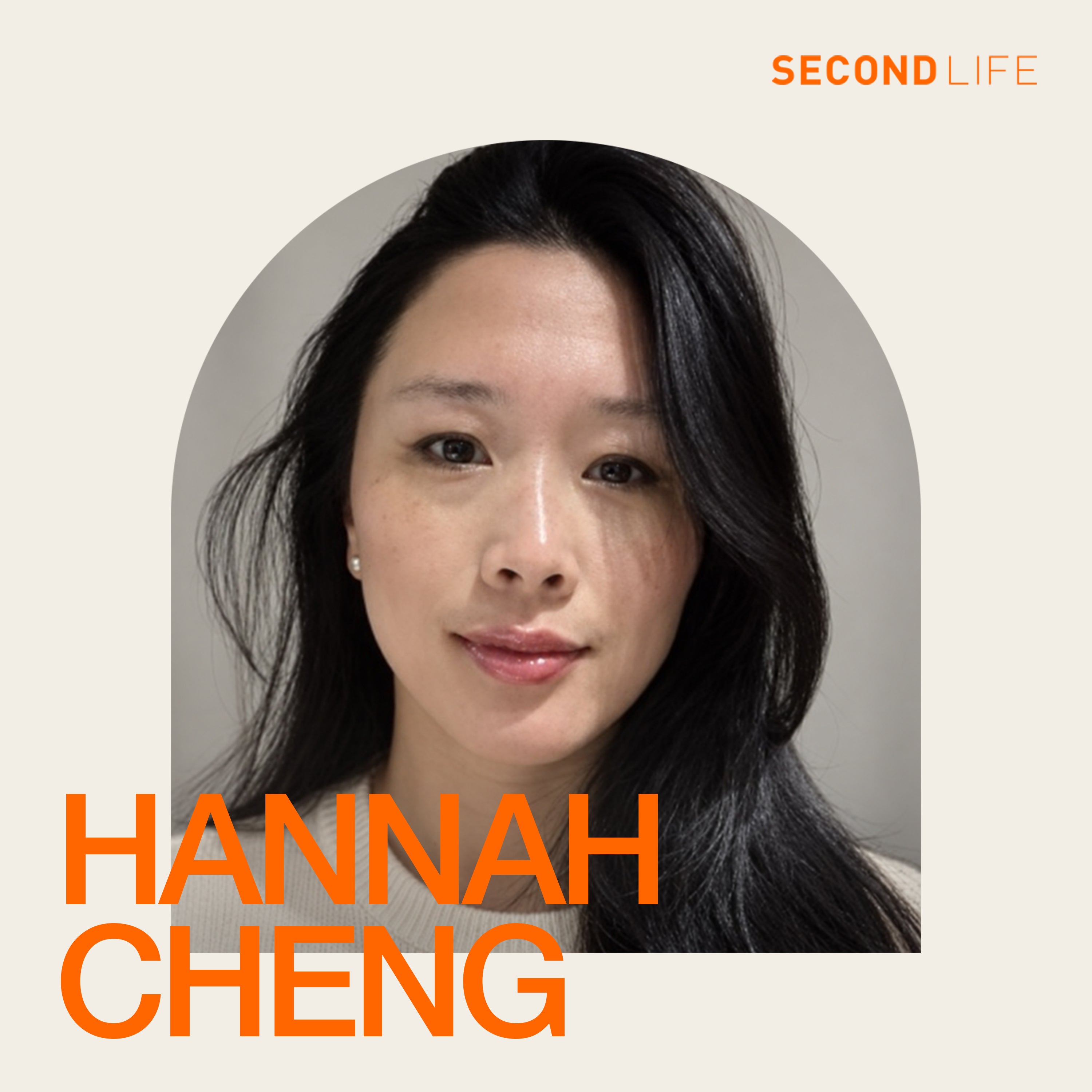
Hannah Chang (Mimi Cheng’s cofounder) recounts moving from finance to building a Taiwanese dumpling empire, then pivoting from multiple East Village restaurants to nationwide frozen dumplings sold through retailers like Whole Foods and Bristol Farms.
Hannah Chang studied finance at Georgetown (also accounting briefly and minored in Mandarin). She worked at J.P. Morgan on the rates derivatives sales/trading desk starting in 2008. She and her sister later launched Mimi Cheng’s; her sister previously worked in fashion at Burberry.
The dumpling demand started with coworkers begging for her mother’s homemade dumplings. Frozen was the long-term goal, but restaurants built brand equity and R&D. COVID accelerated the frozen pivot. Entrepreneurship is a “new language,” and management/communication are lifelong skills. They closed brick-and-mortar to focus on higher ROI scale.
2014 East Village opening (10-year lease, no restaurant experience); New York Times press and immediate sellouts; a manager stealing cash via voided orders; Goldbelly sellouts at $36/12; Whole Foods “The Daily Shop” launch and later nationwide expansion; a $50,000 kitchen layout mistake at a second restaurant.
Written by AI. May contain mistakes.
Introduction of Hannah Chang and her background before Mimi Cheng's.
“dumplings into the office where her co-workers begged her to share.”
Hannah shares her childhood career aspirations and her educational path.
“And much more importantly, what did you think you were going to be when you grew up?”
Hannah discusses her experiences in the finance world, including her internship and job offers.
“You could have just paid detention every Sunday for four hours and instead were paying for Georgetown credits.”
Hannah describes the challenges she faced in her first year in finance.
“And then the next summer, I interned at JP Morgan in flow rates and got a full-time job offer there.”
Discussing the conversations between Hannah and her sister about starting a business.
“And it was, you're handling a lot of money, a lot of money.”
Hannah talks about the initial steps and ideas that led to the opening of their restaurant.
“So I read that while you were doing this, your sister was working in New York at Burberry in fashion.”
Hannah explains how they chose the East Village for their restaurant and the support from their landlord.
“So you and your sister come up with this idea.”
Learn how a supportive landlord was crucial for the restaurant's success.
“So this seems like the best place to start.”
Explore the challenges of balancing a finance job while starting a restaurant.
“So I also read that there was about a two-year overlap in between between opening the first restaurant and leaving your job.”
Discover the complexities of working with a sibling in a business setting.
“finances, but did you feel like you needed to have an equivalent salary or hit a certain threshold where revenue was in a certain place?”
Understand the importance of maintaining boundaries while working with family.
“And then finally, when they saw we weren't giving up, they're like, okay, okay.”
Hear about the steep learning curves faced during the restaurant's first year.
“I'm curious about, especially in those early days, and then also as time has gone on, what skills were transferable from your day job to the restaurant?”
Learn about a significant challenge faced when a manager stole from the restaurant.
“But he did it in the most classic way of how you steal at restaurants.”
Explore how press coverage and social media helped shape the restaurant's success.
“I mean, that's pretty amazing to be, for all intents and purposes, profitable from inception.”
Understand the transition from a finance career to restaurant management and its challenges.
“training the right people, which was the hardest part of the job, any manager knows.”
Learn how the pandemic shifted focus to frozen food and its potential for growth.
“So over the next 10 years, you ended up opening additional brick and mortar restaurants in New York.”
Learn how the co-founders tackled manufacturing hurdles during COVID.
“So we revisited that and we started thinking, okay, do we open our own manufacturing plant.”
Discover the process of scaling food production and shipping logistics.
“Turns out they live in the same area we grew up in.”
Understand the challenges in perfecting recipes for mass production.
“You know, there was a heavy concentration in the Northeast and California because like you, you were in New York, then you moved to California.”
Explore the nuances of fundraising strategies for business growth.
“And I was like, this is why they're scientists and not chefs.”
Hear about the decision-making process behind national expansion.
“And then it came to a point where I'm like, I just have to send it out and see what happens.”
Learn about strategies for building brand awareness across the country.
“Things change, but there's always a way through.”
Discuss the bittersweet decision to close their restaurant in favor of a national brand.
“I was like, how do you manage all this with two kids?”
Hannah discusses the challenges and realizations that led to important business decisions.
“Where are you going to get the most ROI for that same amount of time?”
Hannah shares a significant mistake in her restaurant journey and the lessons learned.
“But I think essentially what you're saying is what gets you here won't get you there.”
Hannah offers insights and advice for those considering a career change.
“So, you know, with our first restaurant, when we laid out the kitchen design, we had never laid out a kitchen design.”
Discussion on embracing change and viewing setbacks as opportunities for growth.
“If you could step into a time machine and go back in time and speak with your younger self and give your younger self some career advice, what would you say?”

Get the gist, explore an idea or ask about something said.
 Claude
On Second Life, what are the key points of this episode?
Searching your listeningAutomatic transcript. May contain errors.
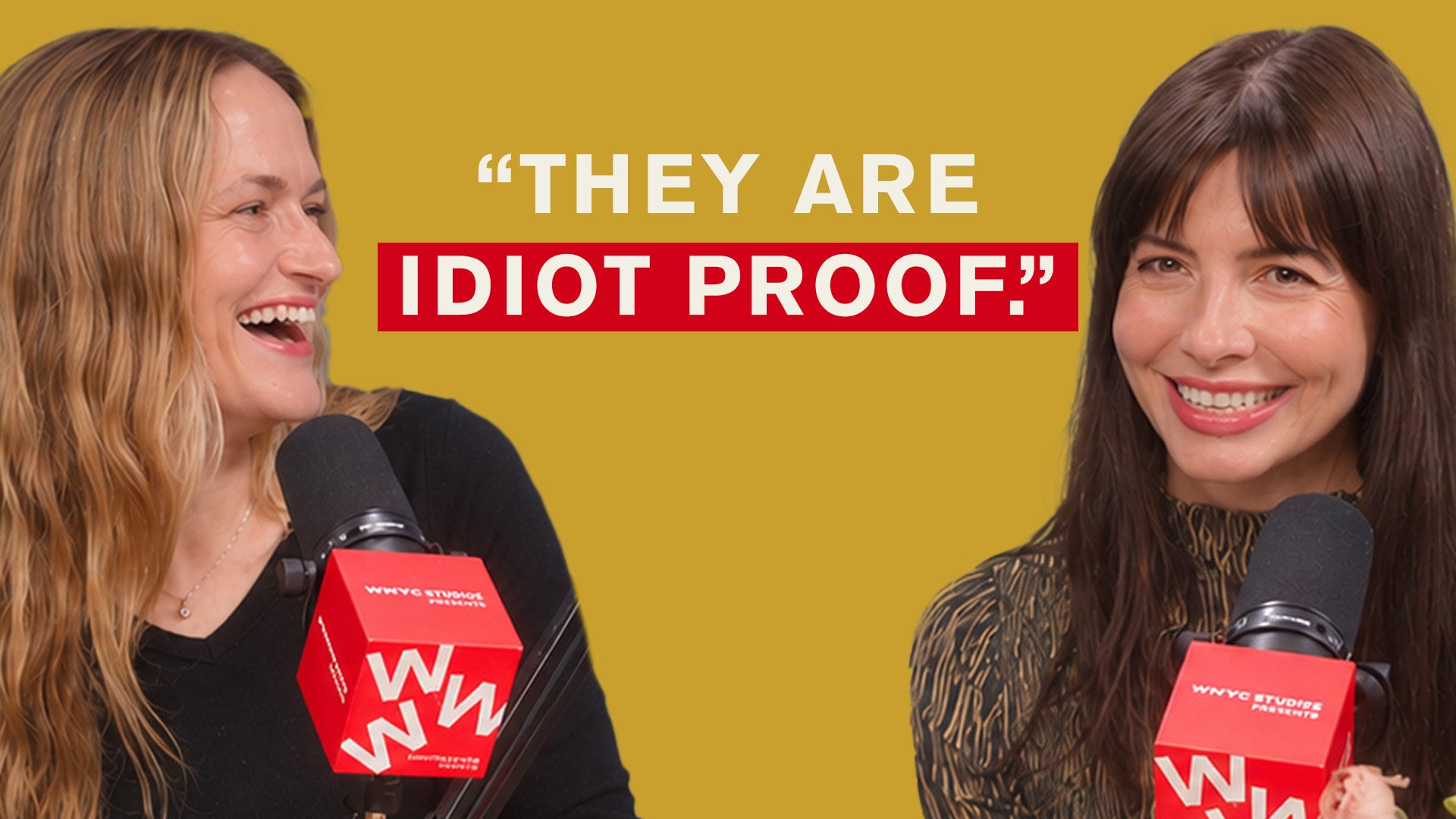
0:04Hi, everyone. I'm Hilary Kerr, the co-founder and chief content officer of Who, What, Where, and this is Second Life, a podcast spotlighting women who have truly inspiring careers. We're talking about their work journeys, what they've learned from the process of setting aside their doubts or fears, and what happens when they embark on their second life. Today on the show, I'm speaking with the co-founder of Mimi Chang's, Hannah Chang. Before she opened her beloved restaurants and started her frozen food brand, Hannah was working at J.P. Morgan on the Rates Derivatives sales desk. While working in finance, Hannah frequently brought her mother's homemade dumplings into the office where her co-workers begged her to share.
0:50Upon realizing the demand for Taiwanese comfort food, in 2014, Hannah and her sister decided to open a Taiwanese restaurant in the East Village, naming it Mimi Chang's as an ode to their mother. The sisters then went on to open four more restaurants in New York City before expanding into the frozen food space, which was actually their goal all along. Hannah and her sister recently made the decision to close the restaurant side of the business to focus on selling their frozen dumplings, and Mimi Chang's is now available nationwide in Whole Foods, Bristol Farms, and many other retailers. Hannah was such a joy to speak with, and I am so excited for you to hear from her.
1:31Now on Second Life, it's Hannah Chang. Okay, Hannah, so we like to start at the beginning on this podcast. So what did you study in school? And much more importantly, what did you think you were going to be when you grew up?
1:46Hannah Cheng: So I thought I was going to be a vet. Then I thought I was going to be a lawyer. Then my dad in middle school was like, oh, you know, you could be a banker. And I had no idea what investment banking was when I first applied for jobs in college. But starting from middle school, I knew I wanted to go to undergrad business school. So I ended up going to Georgetown undergrad and I studied finance and for a short period of time, also double majored in accounting, which after taking the second requirement of accounting, I was like, you know what? Why am I building in this backup plan to be an accountant if I would literally choose to do anything but accounting?
2:29Hannah Cheng: And then I also minored in Mandarin. So my parents were thrilled that they sent me to Chinese school every weekend for my entire life, only for me to rebel and then pay Georgetown tuition to study. They were like, wait, what? You could have just paid detention every Sunday for four hours and instead were paying for Georgetown credits. Okay. So once you graduated from Georgetown, you mentioned that you were looking at investment banking jobs, but didn't really know entirely what that would entail. What was the lay of the am like? What was the job hunt like? Taking it back kind of one year earlier.
3:07Hannah Cheng: So, you know, junior year, everyone gets internships, also sophomore year. So sophomore year, I applied for a bunch of banking internships, got nothing. And I was so frustrated. And I ended up applying to a program at GE Asset Management that one of my childhood friends had applied to in an accounting internship. And before the summer started, the HR lead contacted everyone, said the trading floor decided they want a trading intern for this summer. So they're going to re-interview the pool of interns that are already accepted. And I had said, you know, I read all those books about Wall Street and the trading floor.
3:44Hannah Cheng: I don't think it's a good personality fit. So I can just skip that interview and stick with my accounting controller internship. And he said, well, nothing's guaranteed. So you might as well meet with them. So they ended up picking me. Oh, I turned it down. And then the traders got nervous. Why wouldn't she want this internship? She doesn't want it. She's not a good fit. And bless HR's heart, they talked us both into doing it. And I can't believe I ever thought I was going to be an investment banker. First of all, I've never even pulled an all-nighter except maybe once for fun. So to wait up late to do work definitely is not my working style.
4:17Hannah Cheng: So that's how I got started on the path of trading floor. And then the next summer, I interned at JP Morgan in flow rates and got a full-time job offer there. and I started in 08. Oh. Yeah, you can imagine what that was like. They were laying people off by the conference roomfuls. Oh. It was a tough environment. There were a lot of people my year at Georgetown that had job offers. And by the time graduation came, no longer had job offers. So I was very grateful to be in a good situation. As someone who my first job was working at Elle Magazine, on the off chance you were lucky enough to get one of these roles, you were grateful to be there and grateful for your extremely low salary and grateful for the workload.
5:04Like I love gratitude, but I don't know that starting a job in a place of so much gratitude is necessarily a great thing. You mentioned gratitude. What was the first year like in that place of gratitude? Because again, like gratitude is important, but it can be a double-edged sword sometimes when you're a young person?
5:23Hannah Cheng: I think I was kind of terrified. You know, it's a new language. It's a new industry. The terms for everything are completely different than what we use in everyday English. So it's like you're learning something new for the first time in a different language. Oh, like a new skill in a new language. So it's a double new. Okay, got it. Double new. And it was, you're handling a lot of money, a lot of money. We're talking hundreds of thousands, millions of dollars. And you had to be quick. You had to be good at math. Your attention to detail had to be really great. All the prices that we did went out to the fifth decimal place.
6:02Hannah Cheng: And even if that fifth decimal place was off, that could translate into thousands of dollars of loss. Because you know, when you made a mistake, it was never in your favor. No. Never in your favor. Is that how that works? You're right. Never. You're like, of course it's against the house. Yeah. So what was your first year like in terms of the skills that you were learning, office etiquette, dealing with other people, balancing workload? What came easily and what were some harder won skills? So 08 was a really tense environment, as you can imagine, because in that world, there were a lot of hedge funds that were closing and collapsing.
6:41Hannah Cheng: So all the positions that they had on their books had to be unwound. So in my first year, there was a lot of tying out of different products, like books of interest rate swaps that had hundreds of line items and I had zero Excel skills. So I would tie out with my senior person and I was doing everything by hand and keeping up with him. And then one day he looked over and he goes, are you doing this all manually? And I was like, what do you mean? Is there another option? And he's like, yeah, there are shortcuts that excel. So that was a tough lesson to learn, but I was happy to learn that because it was painstakingly time consuming.
7:22Hannah Cheng: I would say also the fun, exciting things to learn about were really how the economy works behind the scenes. You know, you're able to buy a house with a mortgage instead of all this cash. It's because that product is then bundled up and resold in this market. And it's all based on the products that we're selling. And so everything that we're seeing, we have a front row seat to what's happening in the economy based on how rates are moving, what sentiment feels like. So that was exciting. And also, I just love the people dynamic on the trading floor. There were some really interesting, funny personalities.
7:58Some characters?
7:59Hannah Cheng: Some characters that very much felt like they came out of a movie, like a caricature of someone who worked on a trading floor. But there was just a great sense of camaraderie, really fun to learn and challenging things. So, you know, very, again, grateful for the experience. Got it. Okay. So I read that while you were doing this, your sister was working in New York at Burberry in fashion. What conversations were the two of you having about what came next? So I would say probably five-ish or about six years into working at J.P. Morgan, we were having this conversation like, oh, how fun would it be to open our own business?
8:38Why did you think that would be fun?
8:40Hannah Cheng: I don't know. Because we're masochists. I have no idea. But we were talking about opening a business. And our first idea had been cupcakes. And this was before there were abundance of cupcake shops. and our mom used to make us these amazing hand-wrapped frozen dumplings and drop them off in the city. And we would make them for a quick lunch. And all my coworkers would ask like, oh, can I just have one dumpling? Can you make some more dumplings next time so I can try a taste? And so I realized like, oh, this is actually our unique proposition here. There was really nothing like it at the time. Rickshaw dumplings was around, the flavor profile wasn't exactly homemade.
9:18Hannah Cheng: And we just wanted to eat something that felt like it was home cooked, that you could eat multiple times a week. And so we decided that it would be a good idea to open a restaurant in New York City, which is arguably one of the most competitive restaurant landscapes in the entire world. Most expensive, most difficult, most crowded, most competitive. Yeah, so we decided to sign a 10-year lease with zero restaurant experience. Whoa, whoa, whoa, I got a million questions before we get to the lease. Okay, so what was the initial business plan? Because I read that you were originally thinking about frozen food, right?
9:53Hannah Cheng: Yes. So we were originally thinking about frozen food, but when we first started talking about this idea, it was about 14 years ago. So the state of frozen food is so different than where it is today. And one of our good friends said to us, well, no one's going to come looking for you in their frozen aisle. You have zero brand. No one knows who you are. Like, why would they come looking for you? And my best friend and roommate from Georgetown, her grandfather launched the Rayo's sauce side of the business. That's an interesting connection. Yes. Since I was 18, I had heard of this restaurant, Rayo's, in Harlem and their business model and the story of how they got into CBG.
10:31Hannah Cheng: I said, you know what? We're going to open up a restaurant. We'll build brand equity. We'll build proof of concept. And then we'll go into Frozen. And that was like going from trading floor to restaurants to difficult, challenging jobs. And then, of course, once you start getting the hang of running and operating a restaurant, you get the bug to open more. And there's more economies of scale because you're like, I finally figured it out. Why would I jump ship now? So we opened another three restaurants over the course of time. Okay. We got to go back again. Hold on. Hold on. Hold on. Okay. So you and your sister come up with this idea.
11:08Yeah. How did you come up with the name? How did you come up with the offering? Like, where's the money coming from? Who's going to cook it? where's the recipe coming from? How's the flavor profile? Like, how are you going to nail that? Walk me through all of that initial stage.
11:20Hannah Cheng: Okay. So we initially thought we would do a food truck because the initial investment would be less. And then our friend Luke, who owns Luke's Lobster, we went to college together and he had just opened and we were talking to him about it. And he had a food truck. He's like, you absolutely do not want to open a food truck. That is basically marketing. It's not like you can move the truck around the city. Your permit is for one location, the amount of tickets that you get, the weather. And so he talked us out of doing that. So we decided to go with the brick and mortar side. And one of my closest friends also from Georgetown is Nick Jemay, who started Sweetgreen.
11:58Hannah Cheng: Yeah, he was actually the first person I told the idea to. And he looks at me and goes, you need to do that 100%. You've worked in finance for so long, but to be able to build something tangible that you can share with people is a whole different feeling and accomplishment. And so to get encouragement from somebody who started such an amazing company and then also from Luke, Luke also has a finance background. It was really encouraging to have two people who walk down that path guide us. So idea validate step one, but product and brand. Talk to me about nailing those two pieces. So the name of the restaurant started off as Mimi's Dumpling because Mimi is our mom's nickname.
12:40Hannah Cheng: And when we went to go trade market, it was already taken by a cafe. And we were hosting a dumpling party at Nick's apartment. I was telling him like, oh, we have to change the name. Meme is just taken. He's like, well, why wouldn't you add Chang, Mimi Changs? And that feels also more Asian. It tells more of a personal story. So we're like, oh my God, yeah, I wish I should be Mimi Changs. So that's how we got the name. And of course, our mom thought it was a horrible name. She was like, why would you name it after me? Yeah. Horrible name. It's all her recipes. So we basically just looked at like, what does mom make that we like to eat that we think other people would also enjoy eating?
13:17Hannah Cheng: And that's how we made the menu. Okay. So her recipes, do you remember when you get to day one, what the initial menu is? Yeah. So it was essentially almost the same as what our menu has always been, but we added on monthly specials. So I remember the first day, like it was yesterday, we had 16 people in our kitchen. You walked in and you're like, what are you guys doing? There are way too many people in this kitchen. And I was like, everyone is too slow and people don't know what they're doing. So we need more people. How did you determine the right location? I think that East Village has always been so welcoming.
13:52Hannah Cheng: The East Village is such a special place where they loved brands that specialized in one thing. And so we thought, okay, the East Village is really open-minded and interested in trying new things. So this seems like the best place to start. And our friend Nick introduced us to his real estate broker. And she's doing big deals for Starbucks, for Whole Foods, for Sweet Green. So she kind of takes us on as a favor and introduces us to our landlord, who was an incredible first landlord. Because landlords in New York have a certain reputation, very difficult. He's been an incredible partner. Tom Jacobson, if you hear this.
14:29Hannah Cheng: Shout out to Tom. Tom Jacobson, shout out. Incredible. Just a real human being that gets what people are trying to do in the East Village. He could easily rent that space out to any number of big box brands, but he's like, that's just not the East Village. And he's like, I'm not trying to kill East Village vibes. I'm trying to keep them feeling local. So he took a chance on us. My sister and I, we got these American Apparel Mimi Chang's branded t-shirts made so he would get the full experience. We went to his office, cooked him dumplings because a lot of landlords will not take a chance on an unknown brand, an unknown business, because it's a lot of money for them also to rent out a space.
15:10Hannah Cheng: And so we go in there, we cook him these dumplings and he's like, the lease is yours. That's incredible. Okay. So I also read that there was about a two-year overlap in between between opening the first restaurant and leaving your job. Yes. I have so many questions. Yeah. How did that work? Well, I had no life and I didn't see my friends essentially for two years. So I would work on the trading floor Monday through Friday. And my sister was working insane, you know, 100 hour weeks at the restaurant. So on Saturday mornings, I would wake up early, open the restaurant, work for half of the day, a good chunk of the day, so she could have a little break.
15:54Hannah Cheng: And then we did that for two years. So I did all the finances, the accounting, the bookkeeping, the strategic stuff. And then after two years, we had gone to a place where like, okay, this is a real business. It's not going to fail. And so it kind of felt like it was time to fully devote myself to it or stop. And stopping wasn't an option for me. So I don't need exact numbers here because I'm not trying to like do an autopsy on your personal finances, but did you feel like you needed to have an equivalent salary or hit a certain threshold where revenue was in a certain place? Like how much risk were you willing to go for when you decided to quit your job?
16:33Hannah Cheng: And I was making really good money in finance. And I think at a certain point you realize like no matter how much money you make, if your soul is not happy in the job that you're doing, it really doesn't matter how much money you're making, even if you're good at the job. And so after doing it for another two years, it was like, okay, even if the restaurant wasn't a thing, I don't think I could have stayed there. It felt like my time was up. Fair. So your sister started before you did. Right. Because she worked in fashion. No money. Exactly. No money. It's essentially a volunteer job. Honestly, I felt like I was paying them.
17:08Hannah Cheng: Yeah. Seriously. I was like, you actually work investment banking hours in fashion and you make no money and you get a little bit of a clothing allowance, which is still taxable. So it's pretty funny. We were actually planning on quitting at the same time to do the restaurants. And my parents were freaking out. They were like, you guys went to great schools. You have your dream job. Do you know how competitive it is to get into Georgetown and to get this trading floor seat at JP Morgan? And you want to give it all up to open a takeout restaurant? That is the reverse immigrant dream. And we just said, it's not a takeout restaurant.
17:44Hannah Cheng: It is, but it's not. That's like one. Yeah, yeah, exactly. I was like, just stick with us. We have a vision. And then finally, when they saw we weren't giving up, they're like, okay, okay. You let Marian quit her job first. You stay in finance until it feels like a sure thing. And then you can leave because fashion made no money anyways. There you go. It's practical. Yes, very much so. as someone who had a business partner for many years, what is it like working with your sister? And were you nervous about that? I wouldn't say we were nervous. Otherwise, we wouldn't have done it. So I would say in the beginning, you definitely have these sibling dynamics that you fall back into.
18:25Hannah Cheng: You know, you could be completely professional in one setting, and the second you're with your siblings, it's like, and then so early on, we had this talk, we're like, okay, we can't actually act like siblings. We have to pretend like this is a different professional colleague. Yeah, yeah, yeah. Like an actual colleague in an office. And so we worked out a lot of our kinks, but there's nothing like working with your sibling. You know, Mary and I have never been competitive with each other. And I think that's a testament to how our parents raised us. We've always been each other's biggest fan. So even if we disagreed with each other at the core of it, we knew that the other person had our best interests in mind and always had our back.
19:04Hannah Cheng: So it's hard opening up your own business, you know, but think about having to open up your own business without the fear of, does this person have a different agenda? Are they trying to turn the business a certain way? Are they trying to take it from me? That was never the case. So I think there's a peace of mind to working with your family, but then at the same time, there's a whole different level of pressure when you don't want to let your family down. Yeah. At least it's the devil you know. So you've got that. Yeah. Which is useful. We definitely had to put up some boundaries because we used to work out together, hang out together, work together.
19:40Hannah Cheng: It was just like too much togetherness because we'd be going to work out at 7 a.m. and she'd be like, oh, by the way, there's this problem with the restaurant. I'm like, it's 7 a.m. I haven't even had coffee yet unless it was a true emergency. You don't talk about work before X time and after X time and not on the weekends. Very healthy. I appreciate that. I'm curious about, especially in those early days, and then also as time has gone on, what skills were transferable from your day job to the restaurant? Or were there just like crazy learning curves all around? It was crazy learning curves. It was so steep.
20:15Hannah Cheng: It was another new language. Seriously. Good and bad. So after the first day, the New York Times had wrote about us the day before, which we're like, yeah, New York Times. But we really didn't know what it meant. So we sold out immediately. We opened up and there were like 500 people outside the door. Do you know how terrifying that is? And I remember we stayed up to 3 a.m. that morning prepping broccoli. And I just looked around. I was like, oh, my God, what have I done with my life? This is the next 10 years. What have I done? I cried myself to sleep that night. And I remember talking to Nick the next day.
20:48Hannah Cheng: I was like, you told me this was going to be a good idea. This is not a good idea. I'm prepping broccoli until three in the morning. What did you get me into? My husband, who was my boyfriend at the time, and he was like, trust me, it gets better. This is going to be the hardest point, but it gets better from here. And he was great. Eventually. Eventually. Yeah, yeah, yeah. But it's not overnight. Early stage business is all hands on deck, constant fire. It's a slog. Doesn't matter if you love it. You're taking out the trash and filing taxes and doing everything in between. Cleaning out the bathroom, washing all the dishes.
21:24Hannah Cheng: Yep. Oh my God. That's so crazy. Okay. So walk me through year one. Obviously there were some early indicators of success, but walk me through year one. What were some of those like big moments that happened where you realized like financially, this is working brand wise, this is working and like we're onto something. So I would say in the beginning, neither brand was working just from the reception that we were getting and Instagram had just launched and that was a fun free way to advertise the business and connect with our customers. We'd lost money, I would say for the first few months. And I just couldn't wrap my head around it because I was just like, the numbers just don't make sense.
22:01Hannah Cheng: And what we realized was our manager was stealing from us. No. Yeah. And you would have never guessed this guy would steal money. Never. Just like the sweetest guy. There were some red flags. You know, he lived up in Harlem, started taking Ubers to work every day. And in my head, I was like, that's so expensive. I didn't even take Ubers every day to JP Morgan. And I was making a finance salary. Started bringing in gifts for us. We know what we're paying you. Yeah, we know we're paying you. And finally, one day, a team member of ours pulls me aside. And he's like, I'm really nervous to tell you this.
22:36Hannah Cheng: The manager is stealing. And none of us could believe it at first because we're like, he's so nice. He seems so sweet, so kind. He's like, but we've been keeping an eye on him and he's been stealing. And so I like remember I had telling Marion before this all happened, I was like, I don't know exactly how, but it feels like somebody's taking$10 ,000 from us a month. I was like, I'm not a forensic accountant, you know, but I learned enough accounting in the first two semesters. There's just like something is not mathing here. Yeah. But he did it in the most classic way of how you steal at restaurants.
23:12Hannah Cheng: How? Someone places an order, they pay you, and then you void it out and you pocket the cash. Because he's a manager, he has the ability to do these. So, you know, it was a tough learning lesson about how to handle cash properly in restaurants. Oh, man. Okay, so once you got that sorted. Then we were like, oh, we're doing great, actually. Just kidding. We're fine. We're fine. I mean, that's pretty amazing to be, for all intents and purposes, profitable from inception. That is also like a very unusual story. Yes. Were there any other like major press moments or endorsement moments or moments that like changed the trajectory of the business in those early days?
23:50New York Times obviously having a big moment, but like, you know, to your point with social media, the right post from the right person can change things. Or was it more just like word of mouth or what was sort of building the business for any major peaks?
24:03Hannah Cheng: I would say, again, there was no magic bullet. It was a lot of great people posting, a lot of awesome customers, a lot of regulars who came word of mouth. It's hard to point it to one specific thing that we could attribute our success to. I think hiring and training the right people, which was the hardest part of the job, any manager knows. Managing is probably the toughest part of owning your own business because you're handling and interacting with a lot of different personalities and how they fit with each other. Everyone's motivated in a different way. Everyone speaks a different, almost love language, like, you know, how they like to get feedback.
24:42Hannah Cheng: And so that was the hardest part. So you can imagine the way you talk, the tone on a trading floor is basically very socially unacceptable. And so to go from doing that for almost eight, nine years on a trading floor, when you're done talking to someone, you don't say bye, you literally just hang up because you talk to them a million times during the day. There's not a lot of extra fluff. They call you, they get the tray done, you say done, you hang up. And I remember early on one person, I thought the conversation was over and I home, she called me back and she was like, you didn't even say bye.
25:15Hannah Cheng: I was like, I'm sorry. I thought that the conversation was over. So like learning how to become a better manager and communicator, I read a lot of different management books, saw professional coaches, talked to other managers. I think it's a lifelong skill that no one ever truly stops learning. Like you can always improve. Okay. So over the next 10 years, you ended up opening additional brick and mortar restaurants in New York. At what point did you and your sister decide like frozen food is still on the table or maybe this is the time to revisit because that's how we could get actual scale or at what point of scale do we need before we think we can go into CPG?
25:56Talk to me about that trajectory.
25:58Hannah Cheng: So frozen food was always on our mind in the background. Because that's empire. That's empire, yeah. When we opened the restaurants, we always worked on CPG. We were networking, talking to other people, testing out products. And every time we kind of went down that path, we were just like, okay, we're not ready to do this. We would talk to the guy who ran one of the largest frozen dumpling businesses in the world. and he would talk to us about Costco and tell us like, I had a$3 million marketing budget and I as a grown man would cry in Costco doing the roadshows. Like that's how difficult it was.
26:33Hannah Cheng: Like, okay, well, we don't have that kind of marketing budget. You know, maybe let's just stick a pin in this and revisit again later. And we talked to a lot of restaurants who thought they could do CPG on the side as kind of a tangential revenue stream. And everything that we learned is it's just a completely different business unless you're ready to focus on it full time, you can't do it. And so I would say all of that really changed during COVID. We were actually having our best year yet during COVID. So, you know, six years into the journey and then everything came to a screeching halt in March.
27:09Hannah Cheng: And actually Eva Chen was DMing with us who she's been a great supporter and she's like, how can I help you? Like, how can I support your small business? She's like, why don't you do frozen. I was like, this might be the time to revisit doing frozen. So we started selling frozen dumplings, just packs of 12. And then we sold them on Gold Belly. We were selling them at Chris's out in the Hamptons. And they were selling out even at$36 for 12. Again, different time, specific circumstances, captive audience with people stuck at home. But the demand was so astonishing. They were like, this is it. This is time to revisit.
27:49Hannah Cheng: And I think COVID also changed people's perception of frozen food. People were all of a sudden hoarding everything, you know, great meat cuts from butcher boxes or the farmer's market, Roberta's pizza. Gold belly went nuts. Gold belly went nuts. So we revisited that and we started thinking, okay, do we open our own manufacturing plant. We couldn't find a co-man to take us on during COVID. They were all so short-staffed themselves. They couldn't add on more business. So we're like, okay, do we open our own factory? And then we thought about it. We're like, no, because opening your own factory is like owning a restaurant times a thousand.
28:29Hannah Cheng: And then you have to operate the actual brand side of the business. So do you want to parallel start two new humongous businesses? So let's go with the co-man. And our co-man had heard of our restaurants because you can imagine how many people during COVID were like, oh, I'm going to start my own chili oil company, or I'm going to start my own dumpling business or whatever their idea was. So they were getting inundated with requests that were essentially just waste of their time. But because their BDE person had heard of our restaurants, he saw the vision and he was willing to take us on even though we had no retailer signed on yet.
29:05Hannah Cheng: And so that started the conversation. And then one of the companies I had invested in, there was an investor dinner and the Whole Foods Global Frozen buyer was there. And I was seated at the same table with him. Turns out they live in the same area we grew up in. We got to chatting. He had heard of our restaurants. Shout out Chris Manka. And at the end, I was like, oh, you know, we're going into Frozen. He said, oh, when you do that, you should email me. So I did email him two months later and that's how we got into whole foods Okay, so again, let's go back So walk me through how you started working with gold belly and like what stage in the process that was because I feel like you got to get the kinks out before you go to whole foods I would imagine right or you could just sign a 10-year lease with zero experience.
29:50Hannah Cheng: I guess that's kind of our theme I actually call it like building the plane as you fly it like we'll figure it out You know, one thing I always hated hearing people were like, well, you don't have any experience to do that. Okay. I have zero experience. How do you get experience? You get experience by doing it. So get started. That's kind of how we've always approached something. So with Gold Belly, we're making the dumplings at the restaurant by hand and freezing them, which is not scalable. But gave you a start into like, how does this travel and how does this like ship and how does vacuum pack sealing work?
30:25Hannah Cheng: Where's this demand? Where are most of our customers living? Where have they moved to? You know, there was a heavy concentration in the Northeast and California because like you, you were in New York, then you moved to California. A lot of people made that transition during COVID. And then we started learning about the Coman process, which is also really different. You know, a recipe at home scale to a restaurant is not a linear scale. And then a restaurant recipe scale to a factory production level scale is also not linear. So there's a lot of trial and error. It's not just like fractions and multiplied?
31:00Times 10. No, no, it's not. So how long does it take to get it right from restaurant to co-manufacturer?
31:10Hannah Cheng: So I feel like at some point our co-man was probably like, these people are not worth the trouble that they're putting us through because we went through so many iterations of samples. And like, were you doing comparison with like the restaurant or do you just know from biting it you're like different just from tasting it okay and we actually had hired these professional food developers recipe developers up front because we're like let's save ourselves time to get this going and they're the experts they must know how to commercialize this really well after the first sample which we waited six weeks for my sister and I tasted we looked at each other we're like if they have three more chances to get this right because they're like, we'll present you four samples.
31:52Hannah Cheng: I was like, they will never get to the point where we need them to get. It was that far off. It was that far off. What was the thing that was most wrong? Everything. Everything. Flavor, texture, everything was off. And I was like, this is why they're scientists and not chefs. Because I always say like when you eat someone's food, you can taste if they actually really love to cook or if they just do it for sustenance. Live to eat or eat to live. Yeah, exactly. Okay. So what was the unlock to getting it right? Just persistence and politeness of like, Kai, can we try this one more time with 5 % less of this, add 2 % more of this, just constant tweaks.
32:31Hannah Cheng: Was it the dough or the filling that was the hardest to get right? The filling. We were trying to create a product that felt as close to what our mom would make at home. Like when you taste our dumplings, I want you to feel like, oh, if I had a Taiwanese mom, this is what her dumplings would taste like. because a lot of dumpling producers call it a certain flavor and then there's a ton of fillers in it. I actually have this one co-man that we were thinking about working with and he's like, well, the problem with your dumplings is there's no fillers in it. So the price is really expensive. And it made me laugh.
33:03Hannah Cheng: I was like, that's actually not the problem. That's why we have a business. That is really like the whole brand. Thank you very much. Exactly. That's the whole brand. Like we refuse to take shortcuts. Okay. So how long did it take to go from we're going to set aside money and move on this to, okay, it's frozen and ready to ship? You know, from the first time that we chatted with Chris at Whole Foods about being at Whole Foods, we launched into one store, their new store called The Daily Shop about nine months later. Fast. Yeah. You know, they have a review cycle, even though we launched off cycle.
33:38Hannah Cheng: And then we went into the New York metro area and the Northeast area within those first four months. And then after one month of being in the Northeast region, Chris asked us if we could go nationwide. So we were essentially on shelf for four months before we got the nod to go nationwide. That requires a lot of capital, doesn't it? So I went from never fundraising to fundraising twice, which we can talk about. Tell me. At first we thought like, oh, can we go at it ourselves without having to fundraise? And everyone we talked to said being in CPG, especially Frozen, is so expensive that you will have to fundraise in the near future.
34:16Hannah Cheng: And you don't want to start a business that you can't fully support financially at the right time because then it'll crumble. And we thought to ourselves, okay, well, how do we also get all of our friends on board? You know, friends will always help you out, but it's different when they have skin in the game. So one of the main reasons why we also fundraise is we wanted to create a community platform where we had a lot of inherent ambassadors out there talking us up in conversations that we didn't even know we were a part of. My sister and I are both from a sales background. You know, I was in rate sales.
34:49Hannah Cheng: Marion worked in wholesales and fashion. So we always enjoy meeting new people. And my perspective is even if I'm not fundraising and I meet someone, I always learn something from the conversation. So I enjoy it. to me, it's almost like a game of chess. Like being on the trading floor to me always felt like a chess game. Like this person is like the king. This person is the queen. If you move these people, this is like how this person will move. So strategy was always fun. So what was it like going out on the road? Did you have a number in mind? Did you hit that number quickly? What was the process like?
35:23Hannah Cheng: So both times we hit the number really quickly. The first time I kept working on the deck for months. And then I finally got to a point where I took a hard look at myself and I was like, am I not sending out the debt because I'm scared of rejection? Or am I really not sending out the debt because I'm still perfecting it? And then it came to a point where I'm like, I just have to send it out and see what happens. So I cast a really wide net. And what was extremely flattering was that a lot of the people who invested were people that knew us from the restaurant business or even before, and they saw the way we worked or they worked with us.
35:56Hannah Cheng: And it was such a major vote of confidence to have those people in our corner. And then the second time was also really easy because it was an expansion story. We were in this weird time where we couldn't take out, for example, a PO financing or any type of loan because people will lend you money. They look at last 12 months of trailing revenue and we had only been on shelf for four months at that point. So the loan amounts you could get would be like$10 ,000. Like, well, that's not enough for even one production run. So we had to go out and raise money, but I would say it was easy. And also I feel like you want to raise when you're in a position of power and what better position of power than like, we've been so successful in just four months that now we need money to go nationwide.
36:45I mean, that is the most favorable situation that you could possibly be in. So talk to me about going national.
36:52Hannah Cheng: So at first when he asked us, my first reaction was to say, no, we just launched in retail. We have so much to learn to figure out. Our team was only my sister and I and some fractional people. So we weren't even sure if we had the bandwidth to manage that. And then Jack, our sales advisor, was like, do you know how many people would give their right arm or their firstborn to go nationwide at Whole Foods? He's like, you might never get the chance again. And so you know what? We'll figure it out as we do it. So we did. It actually wasn't so hard. Why do you think that is? I will say that being an entrepreneur is like any muscle on your body.
37:32Hannah Cheng: Entrepreneurship is just like working out your bicep. The more you flex and exercise this muscle, the easier it gets. Things that used to rock me to my core early on in the restaurants where I would be terrified of like, oh my God, the world's ending. Everything's over. Now it doesn't even phase me at all because we've gone through so many hard things before that our ability to endure hard things and the knowledge and self-confidence that we have that we'll figure it out is almost inflappable. So I would say being a second time entrepreneur really has its benefits. I also just think like there's so much value in experience.
38:13A hundred percent. Especially when you've built it yourself. I feel that way about working in media. I mean, media has died a thousand times since I started in media. And yet we're still here. Things keep on keeping on. Things change, but there's always a way through. And I think if you're an entrepreneur or you have that entrepreneurial spirit, you will figure it out. There is a way forward. Let's go. The world is your oyster.
38:36Hannah Cheng: Okay. So talk to me about the brand marketing piece of it, because it's one thing in the Northeast. It's one thing in New York. It's one thing in California. But nationwide, not everyone necessarily knows the brand. How do you tell that story when you're now suddenly nationwide? For sure. So this is my sister's area of expertise. She's incredible at community building, and she's done that for us with the restaurants. So part of what we've been doing is this nationwide dumpling tour where we're going to different restaurants in key markets and doing these pop-up dinners where they're using the same exact dumplings that we sell at Whole Foods.
39:16Hannah Cheng: And that's been a really fun local way of getting our brand and awareness out. But it's something we're always thinking about how we can improve on. So talk to me about some of like the business challenges. And I mean this in a positive way of realizing like at what point did you decide, okay, we need to focus solely on the scale part of the business and the brick and mortar part that was so important in the beginning becoming less so. You know, just hearing you ask this question made me realize kind of the pattern was with the restaurant, I waited two years before I really just dove into it headfirst and focused on it solely.
39:54Hannah Cheng: Same with the Frozen business. You know, the Frozen business has now been around for about 18 months from our first store to today. And when we first opened in retail, we were like, OK, the restaurant is going to be a great way to do R &D, to stay in touch with the community, to essentially be a marketing platform. and we also didn't know if retail was going to take off. And now that we've seen retail take off and we see the business that we've done and what the forward looks like, we only have so many hours in a day. I have two little kids under three. I'm not a believer in hustle grind culture anymore.
40:32Hannah Cheng: I actually hate that culture, even though I subscribed to it for almost 20 years. Says the woman who worked two full-time jobs. I know, I know, I know. Don't get me started. But I don't agree with that anymore. I don't agree with that. There's a phase for everything. There's a phase for everything. That's sweat equity. That's what you do when you're building. Yeah. I actually have to say, shout out to Steph Corey, a friend of mine who started away. I was talking to her about it. She started another business. I was like, how do you manage all this with two kids? And you've gone through this before.
41:05Hannah Cheng: Are you working insane hours? Because I I was feeling guilty not working, you know, 100 hour weeks. She's like, no, no, no. We did that in our 20s when we had no idea what we're doing. She's like, we're experienced now. This is not our first rodeo. And she's right. We're so much more efficient than we used to be when we were trying to figure out how to do everything. You know, like I said, it's like working out at the gym. The more you do it, the stronger you get. Okay. So how did it feel to say, okay, we're going to close brick and mortar? So it was really bittersweet. It was something we had been talking about for two years and we kind of just kept going.
41:42Hannah Cheng: And then what we realized was our initial intention for the restaurant didn't really make sense because people in New York already knew who we were. What we were thinking we were going to do at a restaurant is actually what my sister's been doing at other restaurants around the country. And so if we go back to this idea of like, okay, we only have a number of hours in a day and there's only so much output one person can do, where does it make the most sense? Where are you going to get the most ROI for that same amount of time? And we could sign on one food service account that has multiple locations, and that one account would have the same P &L as a restaurant.
42:17Hannah Cheng: And that maybe took six to eight hours versus a whole year of working. So it was just like one morning we woke up and we're like, what are we even doing? Like, what are we doing? We're keeping the restaurant open out of sentimental reasons when really it had always been the platform we were trying to build to get to where we are today. And, you know, one of my friends put it so beautifully. She's like, I'm sure it's so bittersweet, but how amazing is it that this little 600 square foot restaurant has become a nationwide brand? And our intention has always been, how do we help people make better decisions when it comes to their food?
42:50Hannah Cheng: Like, that's one of the things that drives me crazy about the state of food in our country is like, why do we have all these preservatives? Why do we have all these chemicals? Why do we have all these additives, especially in frozen? Because freezing is the ultimate technology to preserve something. You don't need to add in a ton of other stuff. Look at vegetables. They're great. They don't have anything and they're frozen all day long. Yeah. And I think that also, you know, COVID changed people's expectations of the freezer aisle. And expanded the opportunity, really. Yeah. Frozen got a rebrand.
43:18It really did. So as someone who is sentimental, I just want to say, I think that's really major that you were able to release, especially knowing that so many New Yorkers were so emotionally attached and had been on this journey with you. But I think essentially what you're saying is what gets you here won't get you there. And to realize, to be able to look at it logically and to let go of what was no longer serving you in a bunch of ways, that feels like such a healthy and wonderful thing
43:45Hannah Cheng: to be able to do. So good job. Okay, so one of the things that we ask everyone who comes on this podcast is to talk about mistakes because everyone makes them over the course of their career, but we tend to give the highlight reel on Instagram. It tends to be like, oh, it's just like one success to another. Isn't this an amazing story? But that's not real. And I think that women need to hear stories of other women making giant mistakes and recovering, because I think that's really important to remind people. Like one of the most important skills you can have is resiliency. So tell me about a mistake that you've made and what you learned from it?
44:22Hannah Cheng: So with our second restaurant, I made a$50 ,000 mistake, which was a lot of money. So, you know, with our first restaurant, when we laid out the kitchen design, we had never laid out a kitchen design. And again, vibes and common sense. We thought like, okay, this is how things should be placed. And then when we actually were operating, we're like, oh, there's like not enough working space at this station. And we had some people come in who are restaurant friends to see if they could help us optimize the space. And after trying a lot of different things, we realized like, oh no, actually the fact that we had no experience and we were able to use just common sense of how to lay things out worked.
45:01Hannah Cheng: But with our second restaurant, we're like, we can make it even better if we follow Chipotle's model. And so we did a way different cooking line. You know, we basically tried to copy what we thought worked really well at other restaurants and it just did not work for us. Our type of food did not hold well. It's just not how people wanted to eat. They love that we cooked everything fresh for them, even though they had to wait. Because one of our biggest complaints in the beginning was the wait time. So we're like, how do we cut down the wait time? And so after a month in of this new Chipotle like where you walk down the line, I was like, it's not working.
45:36Hannah Cheng: It's not working. We have to redo the layout of the restaurant and the kitchen. And I remember calling my mom and being like, it's going to cost us$50 ,000. I'm sobbing on the phone. I'm like, I can't believe I made this mistake. She was like, well, it's not a failure because you're learning from it. I was like, but why did it have to be$50 ,000? Why couldn't it have been$5 ,000 or$500? She was like, because if it were that little, you wouldn't pay attention. It had to be a big enough number for you to really focus on it. And so, you know, I give a lot of credit to my parents about learning from failure, but it's tough.
46:11Hannah Cheng: Nobody wants to make a mistake. So a lot of the folks who listen to this podcast are in their first lives and they are growing increasingly uninterested in their current career and want to make some sort of change. Maybe they want to stay in the same industry. Maybe they want to totally change industries. Doesn't matter. They're scared. What advice would you give someone who's thinking about making a change, but Jess hasn't done it quite yet? Two things. I think one thing that really helps me feel confident about leaving a secure finance job was I calculated the amount of time I spent there, my waking hours.
46:49Hannah Cheng: And I thought to myself, okay, if I'm laying on my deathbed and I look back, I spent 85 % of my waking hours on a trading floor, how would I feel? And I just felt like deep regret for not going out, for learning more, for meeting more people, for trying new challenges, just for pushing myself. So I always think like, okay, what's harder, trying something hard or living with regret? And for me, living with regret would eat away at me. So think about that. And also I think testing it out with the restaurants. I had a lot of people come up to me being like, oh, I want to open a restaurant. I'm like, okay, but do you eat, live and breathe it?
47:23Just because you like to cook doesn't mean that you want to spend 15 hours a day doing it.
47:27Hannah Cheng: And sometimes there's a beauty in saving something just for the fun and the joy of doing it, not to make money. Because once your livelihood depends on it, it can really suck the joy out of it. So go test it out. Get a part-time job. Okay, last question. Favorite question. If you could step into a time machine and go back in time and speak with your younger self and give your younger self some career advice, what would you say? I mean, I still feel like I'm in early innings of the new business, but it all works out. And just have more fun. I think especially when you're younger, you have this feeling that like, oh, this is it.
48:04Hannah Cheng: I'm signing this in stone with blood. And really everything is reversible. And there's so many pivots that you can take. There's this incredible book by Michael Singer, and he talks about how he just approached everything with an openness and curiosity and the inherent belief that the universe was conspiring with him for him and not against him. You know, if a door closed, he'd be like, this door closed, I wonder what better opportunities coming this way and being excited for that. You know, COVID was a really scary time, a really hard time to be a small business owner. And it was the launching pad for this now new and incredible business that we're building that is reaching and helping so many more people than what one little restaurant could do.
48:52Yeah. Well, Hannah, thank you so much for taking the time. This has been such a pleasure. As someone who has been a fan of what you were building for many, many years, it is just a delight to get a chance to sit down and talk to you. So congratulations and thank you so much for the time. Thank you. Likewise, I feel like we keep talking for hours.
49:18That was the founder of Mimi Chang's, Hannah Chang. For more inspiring interviews with women like Hannah, head on over to secondlifepod.com, where we have so many more for you to peruse. If you like today's show, please subscribe on Apple Podcasts or Spotify or wherever you get your podcasts. And don't forget to rate and review us. We love seeing you spread the word on social. And now you can tag us in your posts. We are at secondlifepod on Instagram, Twitter, and Facebook. We always want to know who you're interested in hearing from on the show. So send in your requests to hello at secondlifepod.com, or you can DM us on Instagram.
49:57I'm at Hilary Kerr. The show is at Second Life Pod. Our DMs are always open. I'm Hilary Kerr, and you've been listening to Second Life. This episode was produced by Hilary Kerr, Summer Hammeris, and Natalie Thurman. Our production assistant is Grace Ingram. Our audio engineers are at Treehouse Recording in Los Angeles, California, and our music is by Jonathan Leahy.
Hannah Cheng is the cofounder of the frozen-dumpling brand Mimi Cheng's, but before she and her sister started their dumpling empire, Cheng was working at J.P. Morgan on the rates derivatives sales desk. While working in finance, Cheng frequently brought her mother's homemade dumplings into her office, where her coworkers begged for her to share. Upon realizing the demand for Taiwanese comfort food, Cheng and her sister decided to open a Taiwanese restaurant in the East Village in 2014, naming it Mimi Cheng's as an ode to their mom. The sisters then went on to open four more restaurants in New York City before expanding into the frozen-food space, which was their goal all along. Cheng and her sister recently made the decision to close the restaurant side of the business to focus on selling their frozen dumplings, and Mimi Cheng's is now available nationwide in Whole Foods, Bristol Farms, and many other retailers.