Ask ChatGPT

 Second Life
23 Nov 2026 · 53m · 28 chapters
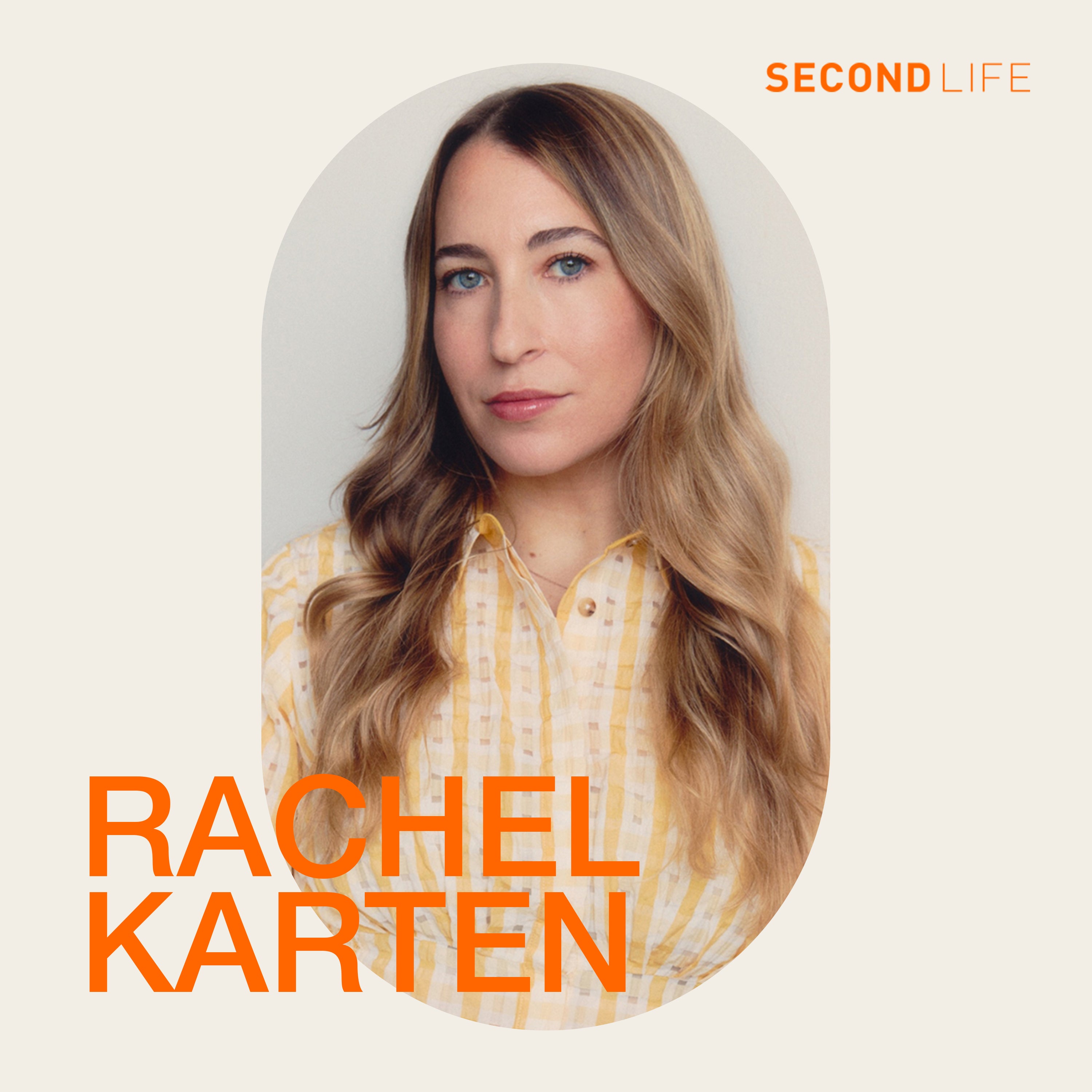
Rachel Karten (Lincoln Bio) discusses her career path from HR to social media leadership, building social strategy at Plated and Bon Appetit, leaving in 2020 during leadership changes, and launching Lincoln Bio (Substack) as a “social media practitioner with a reporter’s edge.” She argues social is its own ecosystem (not just editorial distribution), and that professionals—not “interns” or executives—should be credited for brand social strategy.
Studied organizational studies; early career at food delivery startup Plated (HR/personal operations then social). Became social media manager and later associate director at Bon Appetit/Epicurious, winning a Webby and National Magazine Award for Best Social. Freelanced in 2020, then launched Lincoln Bio; now 120,000+ subscribers, splitting time between writing, community, speaking, and consulting.
HR wasn’t for her due to anxiety; integrated editorial-social teams work best; trust and delegation matter; social content should be programmed and innovated (e.g., DM “hotlines”), not merely reposted.
Plated “share your plate” inserts; Bon Appetit “Thanksgiving DM hotline”; Lincoln Bio’s first story “Stop calling us interns”; Reformation creator-video “viral recreation” analysis.
Written by AI. May contain mistakes.
Rachel Karten discusses her educational background and early aspirations.
“However, she quickly transitioned into running social media for the company.”
Rachel shares her transition from HR to social media at a startup.
“So after you graduated, what did the job hunt look like for you?”
Exploration of the early strategies and community engagement in social media.
“A hybrid that has probably never existed before nor since.”
Rachel describes her recruitment process and initial challenges at Bon Appetit.
“getting our customers to be posting about it.”
Discussion on the cultural transition from startup to a legacy media environment.
“And I got to Bon Appetit and it was sort of like, so we post 30 times on Facebook, 30 times on Twitter, five times on Instagram in a day.”
Learn how to adapt content strategies for different social media platforms.
“The thought of doing organic, original content for a social media platform, we were doing it who at where, but that was not what legacy media was doing.”
Discover the importance of trust and collaboration between social and editorial teams.
“I think that I became better at my job as I built better relationships within the company.”
Explore how social media can complement and enhance editorial content.
“And certainly, again, like not so much within corporate media.”
Understand the complexities of managing a social media team and delegation.
“was that the social team sat on the editorial team and didn't sit in some sort of like centralized Condé Nast social area.”
Hear about the pride and achievement from winning a Webby and National Magazine Award.
“You won a Webby during your time at Bon Appetit for your work.”
Reflect on the personal and professional factors that led to leaving Bon Appétit.
“I had to fill out all of the ASME applications for Elle magazine one year when I was an assistant there.”
Learn about the challenges and strategies for starting a consulting career amidst chaos.
“Because from thinking about it to doing it, like that period of time is always interesting to me.”
Discover the motivations and strategies behind starting a successful newsletter.
“You know, consulting, I wouldn't even say I was very good at it at the beginning.”
Learn about the impressive subscriber growth of 8,000 on day one of the Substack launch.
“And then it's like, what intern did this?”
Explore the common misconceptions surrounding social media roles and responsibilities.
“And I was starting it as a fun blog on something called Substack.”
Explore the unconventional marketing tactics used in the early days of social media.
“Was there anything else that you did to market yourself in those early days?”
Learn how personal connections and curiosity shaped content creation.
“In the early days, it was very much blog style, like what's on my mind today, I'm going to write it, or who's a social manager that I'm friends with that I can interview.”
Understand how curiosity drives the creation of engaging social media content.
“And seeing that Reformation was posting videos that looked really familiar to me.”
Discuss the transition to paid subscriptions and the balance with consulting work.
“I feel like I can really invest in writing the newsletter.”
Discover the metrics used to evaluate the success of content and engagement.
“So I'm always still building for the inbox experience, but the growth that you get through Substack is definitely meaningful.”
Identify exciting brands and individuals to interview and learn from their stories.
“didn't try it this way and it brought in all of these customers or changed our small business, like that is the dream.”
Discuss the impact of social media on mental health and work-life balance.
“And so I love those stories that just help me keep that sort of like optimistic feeling about the work that we do.”
Explore the potential future of the Link in Bio newsletter and its growth.
“Which is an exhausting hamster wheel to be on.”
Learn how Link in Bio can evolve into a unique content platform.
“marketing conference or summit might look like.”
Discover the challenges of tying self-worth to professional identity.
“So we like to wrap the podcast with the same three questions for everyone.”
Learn why diversifying roles can lead to healthier professional boundaries.
“I mean, actually, yes, this is where diversification comes in handy.”
Get practical tips on how to put yourself out there for career transitions.
“Well, I think that also comes back to of like, if Lincoln Bio were to extend in other ways that it doesn't need to be me doing it, right?”
Consider the impact of past experiences on current success and identity.
“it's a risk to put yourself out there in some format.”

Get the gist, explore an idea or ask about something said.
 Claude
On Second Life, what are the key points of this episode?
Searching your listeningAutomatic transcript. May contain errors.
0:04Hi, everyone. I'm Hilary Kerr, the co-founder and chief content officer of Who What Where, and this is Second Life, a podcast spotlighting women who have truly inspiring careers. We're talking about their work journeys, what they've learned from the process of setting aside their doubts or fears, and what happens when they embark on their second life. Today on the show, I'm speaking with social media consultant and the creator of the wildly successful Substack Lincoln bio, Rachel Carton. Before Rachel started her noteworthy Substack, which is all about working in social media, she started her career in human resources at a food delivery startup.
0:46However, she quickly transitioned into running social media for the company. Continuing on this social media track, Rachel took on the role of social media manager at Bon Appetit magazine. There, she became associate director of social media, even winning a Webby for her work. In 2020, Rachel went into freelance social media consulting and shortly thereafter started Lincoln Bio. Today, Rachel has grown her sub stack to over 120 ,000 subscribers, and she currently splits her time between writing, community building, speaking, and consulting with brands on their social media strategy. Now on Second Life, it's Rachel Carton.
1:29Rachel, you ready to go?
1:30Rachel Karten: Yeah, I'm excited. Yay. Okay, good. So we always like to start at the beginning for this podcast. So what did you study in school? And much more importantly, what did you want to be when you grew up? I studied organizational studies, which has been a curse my entire life because everyone obviously goes, what do you learn to do, organize things? But it was basically the liberal arts version of a business major. And so it's a little bit more of like the psychology of organizations, and that can be political organizations or business organizations. And so that was the direction that I went. When I think back to what I wanted to be when I was growing up, My dad owned his own business.
2:15Rachel Karten: He is an industrial designer. He's been an entrepreneur my entire life. That's such a cool job. It's a really cool job. And my mom was a graphic designer and so very designer focused. But I think specifically seeing my dad run his own business, I had sort of the entrepreneurial itch, I would say, growing up. And so I knew that I didn't know what industry it would be in, but I definitely feel like I saw that and wanted that for my life as well. I also feel like that's kind of rare. Like being an entrepreneur now feels like much more part of the zeitgeist. I don't feel like it was in the same way when we were younger.
2:53I mean, obviously, there have always been business owners in the country, but I feel like that has to have been such an inspiring option. To me, it just feels like a door that's open that has a lot of possibility behind it that maybe not every kid gets, especially in a pre-social media world where you can see all of these other jobs.
3:13Rachel Karten: Yeah, exactly. No one is documenting their get ready with me's back then. But I think just getting sort of a look at what that looks like also from a family perspective and being able to come home at certain times and be there for dinner and little things like that, where it just was inspiring to me. And I think I definitely took a piece of that. So after you graduated, what did the job hunt look like for you? What sort of things were you looking for? Because I was an English major. And so while that's applicable to a lot of things, I definitely got the sense from my parents. They were like, what are you going to do with this?
3:47So I'm curious about what that experience was like for you.
3:50Rachel Karten: What's funny is that halfway through college, I actually applied out to go to business school. So I applied to USC to get a business degree. I got in and then decided not to go. I believed in the organizational studies, sort of like psychology of business and the education I was getting there, but it wasn't maybe as big of a network that I would have gotten at a USC. But I did have a very strong sense of knowing I wanted to work in food. I wrote my thesis about the organizational culture of restaurants. And so I studied through restaurants in my college town and sort of how all of these small ways that they were organized, I guess you would say, but with leadership and just even the physical space of them contributed to their success.
4:35Rachel Karten: I also had a blog that was a food and fashion blog on Tumblr. So I had always wanted to work in food. And so I had heard of this company called Plated, which is where I ended up working. But I applied for an internship while I was still in California and got this sort of three-month internship. And my parents said, go try it out in New York and helped financially make that possible. And then was hired there eventually. But it was helpful, I think, at that time to know food. I didn't know social media. I didn't know marketing. I didn't know any of that. But I knew the industry and that helped focus my search, I would say.
5:14Got it. Okay. So you started as an internship. How did you get your foot in the door for a full-time job there?
5:20Rachel Karten: So with organizational studies, the pipeline is HR. And I did like the idea of this people operations role, which was HRE, but also a little bit more like psychology and sort of how to make people happy at work, I guess. Yeah. And so that was the role that I took at Plated. I think my internship was probably a wide ranging taste of what it was like to work at a startup. There were 10 people there. It was like, here's what it's like. And then to get officially hired, I sort of raised my hand and was like, you look like you need HR. I'm 22 at the time. I have no idea how to do HR. I have no lived experience.
6:04I have no work experience. None at all. But honestly, I think there's something really, really clever about that because as someone who had a startup, HR is a luxury that we did not invest in until way after the fact than we should have. So also it speaks to whatever trust that you gathered in that short period of time that they were willing to entertain this because that's not usually like where you spend your money when you're a small company. No.
6:30Rachel Karten: Though you should. Correct. So that's sort of how I got my foot in the door. But then very quickly was like social media. You ever heard of it? And so I was doing their HR and doing their social media at the same time. A hybrid that has probably never existed before nor since. And probably should never. Yeah. Although I think I could make the case that at least you were going to be brand safe because you understood the company. That's a good spin. But ultimately, I very quickly found out that HR was not for me. Why? So the truth is I have way too bad of anxiety to do HR. I would be up at night.
7:12Rachel Karten: Did I make them sign that thing? Did I spell their name right on the offer letter? Just truly could not sleep at night. And it just gave me way too much anxiety and the fun parts of the job were definitely not there. Got it. Okay. So you started there, social media. What were your ideas for it? Why did you want to do it? And then at what point were you able to transition into doing it instead of HR? I think I was able to transition pretty quickly because they needed somebody more senior than me. So that was helpful. And then I was able to make the case that I'm sure you remember at this time, the Warby Parkers of the world, Birchbox, there were these companies that were having immense success on social media.
7:56Rachel Karten: And it really was like the social era of social media too, where you're connecting with customers, they're posting their photos online, they're using hashtags. And especially for a company like Plated, where people are cooking meals, they're really proud of them, and they're tagging their Plated pics. And we're just sort of letting those sit. And I was like, well, what if we were commenting back and reposting them and encouraging people to post them? And so it was a really exciting time to be working in social just because no one had it figured out. And so I didn't feel like I was any less qualified to be doing it than anyone else in the room, right?
8:29Rachel Karten: I think that was a helpful career pivot for me to have younger because there wasn't that imposter syndrome. And it was me connecting with peers about what they were doing on social media. There weren't even as many directors of social at that time. I can think of a few, but it was a really sort of junior role at the time. And I got to meet some really talented people that were very gracious with their time and let me learn from them. I was going to say, what did strategy look like back then and how are you figuring it out? Because when we started Who It Where in 2006, a lot of what we were doing back in the day was viral marketing and going into forums and then getting on Twitter and then getting on Instagram and playing with it.
9:14And it felt like, to your point, it was the Wild West, but there was so much growth and opportunity and folks were not taking it as seriously yet. Like the engine and the moneymaking mechanism was not fully hooked up. So you could really be creative in an interesting way. Did you pay a lot of attention to data or was it more about community and engagement for you at that point in time? Because the other part of this, I'm imagining, is you're also having to communicate up about what you're doing. So how are you framing it to leadership? at the same time as you're building it?
9:46Rachel Karten: Well, there was one piece that made it sort of like, we have to figure it out, which was that the company was on Shark Tank. It was wild. It changes your company overnight. And so that informed the strategy. But I think that time was a lot about getting our customers to be posting about it. And so it was putting an insert in the box and say, share your plate of pics here. And like, here's like something you can share with it. It sounds so meh now, but at the time that felt so important, right? It was like, here's the insert and like, here's why you should be sharing it on Instagram. And we want to see it with your hashtag play to pics.
10:22Rachel Karten: And we comment on it. And I got to know customers, like we'd go to events and they had embroidered something for me because we'd been DMing back and forth. Like doesn't happen on social media anymore. And I feel like it was such a golden era of connecting with people on social media. And so I was just trying to think of lots of different ways to do that. And then there's the other piece of it where we had food. People love talking about food, posting food. It was like the cheese pole boomerang time of social media too. And so thinking about how we can play on that or have some of the recipes that were in the box connect back to what is shareable on social media.
10:58Okay. So then in 2016, you moved to Bon Appetit as social media manager. I heard in another podcast that they had reached out to you. Talk me through a little bit about what that recruitment process was like and more importantly, why you said yes.
11:16Rachel Karten: So I had actually interviewed at Epicurious maybe six months before that and had gotten down the path of interviewing and ultimately didn't take the role. But I assume some recruiter at Condé Nast kept me in mind. And so when a role opened up at Bon Appetit, they reached out with the role. And for me, Bon Appetit was a magazine that I had always read. I like look back at my Instagram back with like Valencia filters, and I would take a picture of Bon Appetit magazine. I had like, you know, flat lay with it before I even worked there. I just loved reading the magazine. And so I, of course, interviewed for it and ended up getting the job.
11:57Rachel Karten: And before I had started, it was really sort of like one person had run the social, but it was a lot of editors taking over, passing around the login. And so it was really formalizing what their social media strategy would be. Wow. One, it's a big shift to go from a startup to legacy media. Totally. Talk to me a little bit about that because while I am a nerd and I'm well aware about like what the culture was like in legacy media at that moment in time for our audience who might not have followed it so closely, can you walk me through that transition into legacy. Yeah. When I was at Plated, it was, you know, a very intentional brand presence, which to this day still is pretty true.
12:37Rachel Karten: It's like one post a day maximum is the cadence. And I got to Bon Appetit and it was sort of like, so we post 30 times on Facebook, 30 times on Twitter, five times on Instagram in a day. And I was like, got it. Drinking from a fire hose. Totally. So I had a lot of trouble getting used to that cadence. And I definitely would go home after work, cry a little bit and then schedule some more tweets. I just wasn't prepared for that level of posting and just scrutiny of what those posts were, because these are writers who are very proud of their stories. and I am not a writer. And so the caption isn't exactly what they would hoped it would be or whatever it might be.
13:27Rachel Karten: I had tweets printed out once and redlined. I have never had that happen before. Wow. Yeah. I mean, it's funny because on one hand, I would think, not that it would be easier, but that there's so much material to choose from. And getting to sit on top of it and decide what gets to go through and what's going to hit online, And that feels like that would be exciting, but also feels like a shift from you coming up with the ideas. Again, for our audience who might not fully understand, at that point in time, the way that legacy media treated social media was as a distribution channel for the stories that they were already writing.
14:07The thought of doing organic, original content for a social media platform, we were doing it who at where, but that was not what legacy media was doing. And so you had gone from autonomy, I'd imagine to some degree, to being in service of these journalists. And as someone who still works with tons of editors, editors have very particular ideas about their stories, but that doesn't mean that they know what's going to hit on social or they might want a level of gravitas that doesn't work for social. And the casualness of social, it's also sometimes quite different from the way that content is created for a site or a print magazine.
14:47So how are you navigating all of that? And at what point could you say like, yeah, it's more casual here because it's Twitter and this is what works on Twitter. Like, how did you deal with that feedback? Or did you feel like you could give that feedback?
15:00Rachel Karten: I think that I became better at my job as I built better relationships within the company. And I know that can be true everywhere, but especially on social, where it just always feels like there's so many stakeholders who, again, are viewing it as a distribution channel. And that was the biggest thing I think I had to teach there was that this isn't a distribution channel. This is its own ecosystem that we should program and host in the way that feels in some way separate from the editorial strategy. And that is a very hard thing to teach in a company that's been doing it one way for a very long time.
15:38Rachel Karten: And so 2016 is around where you saw the teen vogue of the world really develop their own social personality that felt different from the magazine. And that was a good thing. And it still was all in one ecosystem, but it felt like they could take some swings online that maybe they wouldn't imprint. Building that trust internally is what made me better at my job there, less than like learning more about social media necessarily. So I think putting editors in content, putting editors on video is very table stakes today. Not so much back then. And certainly, again, like not so much within corporate media.
16:16But yet at the same time, you have all these characters and interesting people and folks who are creative and creators in various ways. How did you broach working with the editorial team to be like, hey, like, I want you on camera for this? Or can we show this? Or was there any open-mindedness to that?
16:33Rachel Karten: I mean, I think that at Condé, the YouTube team is separate from the social team. And so they were doing their thing over here and they had a lot of success with featuring editors on camera. And I think that the social strategy ultimately should feel downstream from that in some ways of like, if you're watching these characters here, then you might want to see them show up in your Instagram stories. I think that it was fun to partner with the Test Kitchen on that. And we would do fun Instagram story series around Test Kitchen Tuesday, where we'd get to go down there. And that's when Instagram stories felt like they could have their own sort of video strategy in and of themselves.
17:10Yeah.
17:10Rachel Karten: And yeah, I think that editors were always excited to show up on social. And that was one of the best parts of the job. I think what was cool about the role there, and this is maybe to like insider baseball media, was that the social team sat on the editorial team and didn't sit in some sort of like centralized Condé Nast social area. And so I was friends with the editors and we could just sort of brainstorm ideas for, I could post a photo of your recipe that you just published, or we could go down and like make it on Tuesday and show people the tutorial around how to get the pie crust just right, because that's a hard part.
17:44Rachel Karten: And so we got to work together really collaboratively. So that was the best part of the job was getting to work with all the editors. An integrated editorial and social team is the way to go. Okay. So while you were there, you were promoted a couple of times. At what point did you start managing people? How did you think about that? How did you think about becoming associate director of social media for both Bone App and Epicurious? Like, how did you feel taking on more responsibility and I assume some management as time went on? Yeah, I feel like for the title changes, that was always sort of like a tough point for me where I'm just like, I'm doing the same work that I was doing when I was a social manager, now that I'm a social director, because it's spend me.
18:23Rachel Karten: But being able to bring on a team and delegate and get to work closely with colleagues who I'm still extremely close with was a really amazing thing. I don't know if I'm the best manager sometimes. I think being a manager in social media is also really hard because I don't like approval processes. I think they slow things down. I want to just trust people and they can like own the platform. But then sometimes maybe you see something you're like, but that's part of the job. And as long as you have a leadership team that understands that, and that's the like 0.001 % risk of giving people the trust that they need to actually do good work, then that's fine.
19:06Rachel Karten: But I do think being a manager within the world of social media is a tough one to delegate because I'd rather just give full ownership to somebody than try and be some like layers and layers of feedback and approval, which is not very good for quick turn, timely, interesting content. Yeah, that makes sense. Yeah. Okay. You won a Webby during your time at Bon Appetit for your work. Talk to me a little bit about how that came to be. And also, what was it like being recognized by your peers and the industry for being a thought leader? The Webby was great. We also won a National Magazine Award for Best Social.
19:42No way. Yeah. I had no idea what that was.
19:46Rachel Karten: and ASME yet, but it's very important. ASMEs are like the Oscars of journalism. I had to fill out all of the ASME applications for Elle magazine one year when I was an assistant there. I feel like it's very much ingrained in me at this point, but yes, I hear you on that. But that was really exciting. Having the social strategy for Bon Appetit, you know, Anna sent an email after that win with like the social strategy. And I think during that time, I think there was tension between print, digital, right? And their social and sort of how they work together. And so I felt very proud to just have built a social program that was recognized in that way.
20:24Rachel Karten: And a lot of that was like we're talking about thinking about our social media as a surface that we can program and pitch stories for in and of itself. I think about something that we did, which was like the Thanksgiving DM hotline, where again, now that sounds sort of like, okay, but at the time, DMs weren't really being used in that way. We had all these editors who were taking shifts, like actually responding to people. People were like so stoked that, you know, Andy Bergani was responding to their DM and sort of a modern, you know, butterball hotline. And so being able to program social in that way and think about the surfaces as places to innovate and not just distribute was very exciting.
21:08So you spent a fair amount of time at Bonap. Talk to me about your decision to leave because I think you left in 2020, right?
21:16Rachel Karten: Yeah. So pandemic is happening. Future is confusing. What made you decide to leave? And also the part I'm always most interested in, how long were you thinking about it before you made that decision? Because from thinking about it to doing it, like that period of time is always interesting to me. Yeah. So I'm not going to get into everything that happened with Bon Appetit in 2020, but there were some leadership demands for social media, I guess I would say, and how we were using social media and what we should be posting on social media that essentially got to a point where I felt like I needed to leave.
21:59Rachel Karten: and I always say that for me to be good at social media I need to enjoy the work that I'm doing and posting and believe in the brand that I'm working for and it just got to a point where I would open up you know Instagram to write a caption and I would feel ill that I was posting and so in terms of the timeline it was probably the breaking point like 24 hours to be honest yeah also very social media of you to make a fast decision. True. Talk to me about what your plan was. Did you have a plan? So I had no plan, but I will say that I was living at home with my parents, with my soon to be husband.
22:42Rachel Karten: And I feel lucky that I had that safety net in some ways to be able to make that decision because I don't know if I would have made that decision if I didn't have that ability. So I had that, but I also had no plan. It was a chaotic time. No one knew what was going on. I feel like that was not the time to have a 12-step, three-part, four-year plan because everything felt like it was changing. So I quickly reached out to contacts and was like, hey, I just left Bon Appetit, but I'd love to consult if you have any projects that I could work on. Let me know. And basically, my network got me through that time of just being able to consult.
23:22Rachel Karten: Did I know how to consult? Did I know how to write a proposal? Did I Google how to write a proposal 100 %? But luckily, figured it out. I've been very entrepreneurial of you. Yeah. To start in social media at the time that you did, you had to be entrepreneurial because there was no playbook. And it's interesting because I feel like you were building worlds and you're figuring out how to work with other systems. It kind of feels like business school in a weird way. You have to do it all and there's no plan and you have to be really solution oriented and self-starting. And that's being an entrepreneur.
23:56Rachel Karten: Yeah. And you're usually doing it alone in that time too. Like, you know, I didn't have a team for a while. And so when you're having to figure out those types of things alone. And then also I was talking to the CTO at a company. And you get to talk to a lot of interesting people when you work in social because everyone has a hand in it. So you learn a lot just about running a business in general, I think, in that way. So I would imagine that those skills lent themselves nicely to starting that consulting work as well. I think so. You know, consulting, I wouldn't even say I was very good at it at the beginning.
24:28Rachel Karten: I was sort of just like, I'll audit your social and then give you a strategy. And I was definitely learning on the fly. But yeah, that skill, the learning on the fly skill. Yeah. Yeah, definitely. So what made you decide to start a Substack, which for anyone who doesn't know, it's called Lincoln Bio. It is fabulous. It is considered like one of the must reads of any newsletter on any platform anywhere. what made you think to do that? So obviously in that time where I was working in social media, especially early on, I was reading a lot of resources. I was like, how can I teach myself how to do this?
25:04Rachel Karten: And time and time again, I found that the resources were either these like SEO articles that felt out of date, probably from the tool that you were like using to schedule tweets with, or it was ad week interviewing a CMO. Who didn't know. Right. Who didn't know. And who wasn't touching it. No, not at all. And so I was very frustrated by that. And I wasn't able in that time to hear from the people who I knew were pressing posts and coming up with those strategies. And so I built it myself. I have to say, as someone who has worked very closely with our social teams over the years and love social.
25:44I always feel so awful for folks in social because most people have social and because most people have it on their phone. It gives people who are not experts a sense of authority in it where they shouldn't have it. I mean, like I'm not telling our CTO what to do because I don't have the faintest clue. People don't really have any more of a clue about social, but everyone thinks that they have something to say about it. But one of the things that came through pretty early on in Lincoln Bio is that you had clearly like, and I say this with love, a grudge about making sure we were not pretending that these CEOs and CMOs were the ones who were creating the strategy or knew what they were talking about and really focusing on the folks who are actually making a difference, which I loved.
26:29It felt very empowering.
26:31Rachel Karten: And I felt like a lot of the discourse and what maybe people outside of social media knew about the role was it's the intern that's doing it or anyone can do this. How hard could it be? How hard could it be? Right. And so I knew the strategy that went into this role. And I wanted to create something that made the people who are in it feel seen instead of feeling sad about what they see about themselves in the comment section of their own posts that they probably worked really hard on. And then it's like, what intern did this? So that was my ultimate goal is to take the writing of this resource as seriously as I knew the professionals who are in this area were taking their own roles.
27:13So talk to me about your subscriber acquisition strategy.
27:17Rachel Karten: I announced that I was writing a newsletter on Instagram. And because of my work at Bon Appetit, I had a following of people who knew that I ran the social there. But when I announced it, around 8 ,000 people subscribed on day one. That's crazy. I really need folks to understand how crazy that is. I mean, what a testament to you and your reputation and what you were doing that you were able to do that. Yeah. And I was starting it as a fun blog on something called Substack. I was sort of just like, this looks like a good place to do it. The dashboard's in beta, like it's barely a company. And now there's 8 ,000 people who are reading this thing.
27:59Rachel Karten: So it went from a side project to my job quite quickly. Was there anything else that you did to market yourself in those early days? Not really. I've never done any sort of paid marketing acquisition, maybe more so just going on podcasts or showing up in some other people's newsletters who were writing at the time, but no formal marketing strategy, I would say. Talk to me about your first story. It was, stop calling us interns. It's really such a common comment that people leave on really good posts. And I think that there are amazing social media interns, but the people who are usually pressing posts on a big brands account, it's not just the intern.
28:43Rachel Karten: Maybe they pitched the idea, but it's going up to the social manager or the director. And it's more than just a silly idea being thrown to the feed. So I wanted to make people feel seen and understood in that and sort of also to somebody maybe who's called a social manager and intern before, have them read it and understand what that comment means to somebody who is working in this area. Needling for good. Did you have a roadmap of an editorial calendar or what you were going to tackle? How were you thinking about link and bio in those early days? In the early days, it was very much blog style, like what's on my mind today, I'm going to write it, or who's a social manager that I'm friends with that I can interview.
29:26Rachel Karten: I believe like one of my first interviews was with my old Bon Appetit colleague, Ellie, who has a great flower shop in Miami, and I was asking her how she runs her own social as a small business. And so it was just using my own connections to connect with people and interview them and get tips from them. And slowly over time, I think both as I got more comfortable writing, I'm not a writer, or I never considered myself a writer, I guess, before. I hate to break it to you. Now I can call myself that. But at the time, I just felt like I was getting my reps in and building it and coming up with ideas as I went.
30:02Rachel Karten: I don't think there was some formal editorial strategy until maybe a year or two in. So I read somewhere that you call yourself a social media practitioner with a reporter's edge. In addition to writing, the reporting piece of it is also not a joke skill and something that does not come organically to everyone. How did you figure that piece of it out? I mean, I think I honestly let my curiosity just bead in terms of what I write about. I'll give an example of scrolling. That's how it usually starts. And seeing that Reformation was posting videos that looked really familiar to me. And I was like, they're tagging these creators doing this funny skit.
30:44Rachel Karten: And then I go back and I see that the creator has posted the exact same skit before, but wearing different clothes. And that Reformation was essentially asking creators to like recreate their viral videos wearing Reformation and then post those as sort of this like growth hacking strategy to most people. OK, who cares? But for me and my audience, that's really interesting. They're just recreating viral hits, wearing their clothes. That's so interesting. Blah, blah, blah, blah, blah. Like that is a reporter thinking about that, trying to reach out to Reformation, confirm the strategy. But within my world of social media and like nerding out on what that looks like.
31:22Rachel Karten: So another example was with Zoran Mamdani's social strategy, even before the primaries, interviewing his video team. And the way that I found them was like going down this wormhole on Twitter to find one of the people who works at the agency and interviewing them. So I just honestly let my curiosity lead. And I think when I first started the newsletter, my thought was, oh, it's going to be about social media. Only a certain amount of people will be interested in that. It's not niche subject, but brand social in general, there's not wide audience for it. Slowly, I've realized that everyone is interested in the way that brands show up online and the way that you can write about it.
32:02Rachel Karten: And I think nerd out on a single topic makes it actually more interesting than just trying to like keep saying the same 10 tips to grow on social media over and over again. Yes. Talk to me about what your cadence and work week and work day is like now and how that's changed over the last few years. Yeah. So basically once I was able to get to a point where I was able to deliver two newsletters a week and feel really confident that I could promise that is when I decided to turn on paid subscriptions, which really are for people who are working at a company. Most of them are expenses through their businesses where they work and provide a really helpful resource for people to essentially do their jobs.
32:47Rachel Karten: And so once I was able to do that, some of the consulting work scaled back. But one of my clients that I worked with pretty much right after Bon Appetit was the fast casual chain Kava. And I've worked with them for five years and having that sort of steady client where you have the trust already, especially in social, that was really helpful to have to give me the confidence to really invest in the newsletter, I would say. Instead of trying to chase a bunch of different projects and clients down, I had this one really steady client that felt like, okay, I have this. I feel like I can really invest in writing the newsletter.
33:23So did you monetize in those first two years or was it really just being supplemented by your consulting work?
33:29Rachel Karten: It was supplemented by my consulting work. Maybe a few ads here and there, but. I was going to say, were people coming to you for like branded content or for different types of stories in that way? Definitely PR pitching stories and a few ads here and there, but nothing big, I would say. Did you have the plan in your head of once I'm built to a certain place that I'm going to monetize through subscriptions? It was really for more of myself of, am I ready to take on this responsibility? I think it frustrates me sometimes when I've subscribed to a newsletter and paid for it, and then I don't get it.
34:05Rachel Karten: And so I really wanted to make sure that I was ready to deliver for this audience who would be paying me money for my writing and my strategy. I take that so seriously that I just needed to make sure that I was in a place where I could deliver that to people. Since I know a lot of folks, Substack has obviously become like a really important piece of whether it's their brand strategy or their personal strategy. What are your feelings on Substack's role in helping you grow? Like, have they been an important partner to you or do you feel like it's my content and my strategy that drives it and it's not as much platform effect?
34:39Or is it like, wow, every time this happens, like my readership grows. I'm curious about how you think about that relationship and interplay with Substack itself?
34:49Rachel Karten: The one point in Substack features where it felt like the growth because of them was so significant was when they announced recommendations and allowed other publications to recommend you and put those recommendations into the signup flow. And that has been totally a game changer. And if I were to ever leave Substack would be the feature I would miss the most probably. Like that organic marketing? Yeah, that is real growth. But I think, you know, you're not going to grow on Substack if your writing's not good, if it's not interesting. And over time, Substack has rolled out a lot of app features and become a little bit more of a social media network, whereas I have always built my newsletter for the inbox experience.
35:34Rachel Karten: And so I am not too worried about some catchy subject line that's going to be viral, but not get me what I'm looking for in terms of subscribers or even just like reader satisfaction if it feels like clickbaity in some way or like they're not getting what I'm promising. So I'm always still building for the inbox experience, but the growth that you get through Substack is definitely meaningful. How do you measure success? Like what are the metrics that you look for? What makes something work for you now? We're like, wow, that one really killed it. I mean, I think there's two places where I'm looking.
36:11Rachel Karten: One is just conversation around it and sort of the usual metrics you would think about in terms of success online. But the thing that means the most to me is when somebody tells me that they took something from the newsletter, they tried it on their account and it did really well. Thankfully, I hear it quite a bit and it's the only feedback I care about. And it's so fun to see, oh, like I suggested this format and this brand was doing it well. And then they tweaked didn't try it this way and it brought in all of these customers or changed our small business, like that is the dream. Very cool. Are there any brands that you are like dying to get to or talk to or any folks who you have on your list of desired interviews that you haven't gotten to yet?
36:59Rachel Karten: Well, first of all, there's a list of people who have not let their social managers talk to me. I have that list and I will not name names, but you know who you are. Can we name a few names? I can't. I would just say that it's interesting in my own way of when brands don't let employees below a certain level talk to people. And you really find out quickly what brands those are when that's the reasoning sort of of, oh, only executives and above are allowed to do interviews. And it's like, okay, are executives and above working on social? Like who's telling that story? Is it more legacy corporations or startups that feel that way?
37:38Legacy. Legacy is just like, no, you can't talk. Interesting.
37:42Rachel Karten: Yeah. So there's a few ones that I'll never speak to. But in terms of brands that I'd like to talk to, I mean, I haven't talked to somebody at Nike, for example, whose advertising has just always been so good. but I've talked to a lot of people that I admire and brands that I think are doing good work. And I think that it's sometimes the most surprising places that have the best interviews. And one that comes to mind is this coffee shop, Little Joy, that's in Minnesota. They have amazing social and it's so fun to watch how that success is translating to business success for a small coffee shop in a small town.
38:27Rachel Karten: It's those types of stories that help me remain optimistic about social media because we can sit here and talk about how great social media is. But there's a lot of bad things about social media too. And so I love those stories that just help me keep that sort of like optimistic feeling about the work that we do. Speaking of that, what is your own social media diet look like? Again, as someone who's worked with social media folks for ages, burnout is very real. And depending on what sort of news cycle we're in, that can be extremely heavy. How do you balance all of it? Not good. What's your daily screen time?
39:06Seven hours. Oh, that's not bad.
39:08Rachel Karten: Really? I don't think so. I mean, I am lucky in that part of the newsletter is also this discord channel with lots of social managers that I am in and then I run and there's all these amazing posts being sent around all day and that. And so that helps me also get outside my own algorithm. I have a lot of scrolling in my saves tab, but it's tough. I do think to write about, I certainly need to be on social media, but I'm not necessarily convinced that to be good at social media, you need to be on social media that much. And I think some of my favorite brands don't feel extremely online. They feel more like short films that happen to like show up online and that it's good storytelling, which is good storytelling, whether it's on a movie screen or your phone.
39:53Rachel Karten: And so I am also inspired by those types of brands where it just feels so away from the internet in a way that it means that their team is probably functioning in a different way than a team that's like, what's going on today? Like, what are we going to post? What's the trend? Yeah. Which is an exhausting hamster wheel to be on. Yeah. I know that this will probably be harder to answer, but do you have favorite brands? Are there any brands that you want to give a shout out to who you think are doing something really impressive and unusual and different and great? I mean, the brands that come to mind that live in that world, which I talk about all the time in the newsletter is Fern, which is a perfume company.
40:32Rachel Karten: Amazing. Their social media is these beautiful short films, and it feels quiet in a good way of how a brand shows up online. And another one that I interviewed was Figs, which is a scrubs company. And they just make these amazing films about nurses and healthcare workers that completely and utterly make them feel seen. But as the audience, you also feel so invested in the story of what's happening with it because we all know healthcare workers as well. And I think they just do an amazing job on their social. So as you look ahead today, LinkinBio has over 120 ,000 subscribers and is really the primary trade publication for social media across many different industries, too, which is pretty phenomenal that you have built that.
41:23As you mentioned earlier, Substack is always rolling out other features. There is obviously a push for diversification that everyone talks about. How do you think about the next stage of LinkinBio?
41:37Rachel Karten: I feel like Lincoln Bio lives as a newsletter. I get a lot of questions all the time. Like, are you going to do a podcast, translate your essays into green screen videos for social media? And I have no interest in that. Like Lincoln Bio lives in newsletter format. That doesn't mean that it's not going to extend itself in other ways, but I have to be excited about it first and foremost. And so what I'm excited about for how Lincoln Bio lives is what a like modern marketing conference or summit might look like. And listening to also my audience of, they're always asking, which ones do you guys go to?
42:14Rachel Karten: I don't know. There's not that many good ones. Like that inspires me. I'm like, I agree. I think that there's something there where link in bio could live. And when I think about social media, it's less about how do I distribute my newsletter into social media and more like what would a show from link in bio look like that feels completely separate and still remains with the ethos of celebrating marketing. But what would that look like with a different host or docu-series, whatever it might be. And so like we talked about, curiosity has guided the newsletter. And I think curiosity will also guide how it diversifies.
42:53Rachel Karten: And it might not be the playbook of how the best way to do it is, but it will be the one that I feel most excited about. I like that. So we like to wrap the podcast with the same three questions for everyone. And the first one is about mistakes, because we all make them over the course of our career, but we don't really talk about them. I believe that women, in particular, need to hear stories of resilience and need to hear stories like, everything went terribly wrong, and I figured it out, because I think that ultimately is quite inspiring, much more so than like, I just went from success to success.
43:29My life is perfect. So with that in mind, I'm hoping that you can tell me about a mistake that you've made at any point in your career and what you've learned from it.
43:39Rachel Karten: It's kind of a mistake I'm still making. I think that I tie way too much of my self-worth to where I'm working. Girl. I've always sort of brought it back to going to Pitzer College which people go like what's that of like a desire to work somewhere where people go like that's so cool that you work there instead of having to explain what I was doing or oh it's plated it's this like startup you know it started and it always had to come with something after and so I think when I worked at Bon Appetit I was like I worked at Bon Appetit magazine like I love that magazine that's amazing And like, I was like, put it in my veins, put it in my veins.
44:20Rachel Karten: And it's hard to know when you're in it that that's what's happening. But I think when I came out of it, I had a huge identity crisis. Who am I? Well, it's external validation. Totally. And who doesn't like that? And I think the reason I say I'm still making a mistake is that you have to have some of that energy when you are starting your own business. But I think that, yeah, it's been hard to find the time to have separation between work and myself. And this year, my husband started working with me at Lincoln Bio. Oh. So we work together. How's that? It's amazing. He's type A organized, like is so good at just everything.
45:03Rachel Karten: And it leaves room for me to be creative and right. But it's hard to, again, even more so find that separation between work and life and separate my self-worth from the newsletter and everything that I'm building here. So I don't know what the takeaway from that is. I know that if I were to work somewhere full-time again, for sure, don't tie so much of your identity to that place. But it's also hard in a world of social media too, where get ready with me to go to my job here and people think of you, It's very hard. And so I don't have a good answer, but I definitely know that that was a mistake that I have and continue to make.
45:48Rachel Karten: You have any advice? No. Okay. Noted. I mean, actually, yes, this is where diversification comes in handy. So we sold Who What Wear almost four and a half years ago, and that felt like a big milestone. I went through a whole thing because I got all these questions about like, well, what are you going to do next? and what are you going to build now? And I had no desire to do that again at that moment in time. I felt like there were enough products out there. I didn't want to start a brand. I didn't have a white space that I felt like I really needed to tackle. And I'm a media nerd. Like that's what I love.
46:24That's what I've always done. It's literally the job I've always had. So I had the great fortune of being able to work across multiple brands now. So it started Who at Wear and Marie Claire, and then extended to wallpaper and country life. And now I run our women's in luxury, our homes and our music photography and design verticals. And so now, while our parent company is not particularly well known in the US, because it's based in London, I can decouple myself from that, which feels healthy. And also, I'm not just who, what, where. I, you know, have an amazing editor-in-chief who is working on it.
47:06I'm not the face associated with it in the same way. I get to take a lot of what I learned there, like the entrepreneurial stuff, and apply it elsewhere. And working on different things where I'm not the sole face of or representative of or brand spokesperson feels incredibly healthy for me. So I'm like, just make more things. Totally. And then you don't feel so tied to one.
47:33Rachel Karten: Well, I think that also comes back to of like, if Lincoln Bio were to extend in other ways that it doesn't need to be me doing it, right? I'm producing a show and it's sort of like moving into more of a producer role than a like face of everything role. Yeah. And I think that's where, for me, finding really amazing, incredibly talented people who can be those brand ambassadors and who are leading the strategy and leading the content, that feels amazing to me. Yeah. And also they're doing such a great job that it's theirs. Like it's not my brand anymore and that feels beautiful. I love that. Thanks.
48:09Okay, so a lot of the folks who listen to this podcast are in their first lives, and they might want to work in the same industry but go from a startup to corporate like you did, or they might want to leave corporate and start something all on their own like you did, but they're scared. So what advice would you give someone who's thinking about making a big change but just hasn't done it quite yet?
48:37Rachel Karten: I feel like I hate my advice. What a way to introduce it. Because it's frustrating that I think that this is the way that works right now. But I think that it is helpful in terms of just putting yourself out there in a way that feels comfortable to you can be a very helpful thing right now. I just spoke to a college class about this a little bit of like, start a sub stack. it doesn't matter if nobody reads it and start writing about the thing that you're interested in or go on LinkedIn and start sharing some of the work that you've done that you really like and maybe is indicative of the path that you would like to go down and put stuff out into the world that expresses it because you never know who will read it.
49:19Rachel Karten: And also, you know, if I were to get a job application and a person happened to have been writing a sub stack on the side about their favorite brands on social media, I'm not looking at how many people are reading it or how much engagement it has. I'm just like, oh, that's so cool. They've been articulating their thoughts on why they love brands on social. What a fun side project that they've been working on. It speaks to passion, right? Totally. And it doesn't have to always be on social media or online in such a way. I've just found writing about social media has made me so much better at social media.
49:49Rachel Karten: And so just writing and that exercise of writing about something that you're passionate about or what you want to move into can just be a helpful exercise, not only for yourself, but also for when you are applying for that role or you never know who's on sub-stack and is going to come across that viral essay that you wrote about the merging of those two interests. So I think that not being afraid to put yourself out there and the old saying of climbing Cringe Mountain, we're all doing it, we're all posting online. It can feel funny sometimes, but you never know who's reading. I think that's wonderful advice.
50:24The universe doesn't know what you want. You have to speak it into existence. your boss doesn't know what you want, your partner doesn't know what you want, like, no one, no one can read your mind. And if you're not saying it, and you're not working towards it, and you're not putting something out there, like the universe rewards effort. And the universe rewards people taking a risk, not an uncalculated risk. But like, it is a risk to start a sub stack, it's a risk to put yourself out there in some format. But that's how you figure it out. And And that's how the world figures out how to respond to it too.
50:58Okay. So last question, favorite question. If you could get into a time machine, go back in time and speak with your younger self and give your younger self some advice, what would you say?
51:09Rachel Karten: The truth is that I've seen enough of those movies where people go back in time and talk to themselves and then it alters the entire trajectory of their life. And like, I love where I'm at. You're just talking about back to the future. I don't want to mess with it. The crying while scheduling 30 tweets, I'll take it. You know, I'm good. That's the crucible you were born in. Exactly. I'm happy with where I'm at and I don't want to mess with the trajectory of time. Fair. Well, Rachel, thank you so much. I have been really following your work for ages and I'm so enamored and in awe of everything that you have built.
51:48and I'm just really glad we got a chance to sit down today. So thank you for taking time out of your schedule to chat with me. It means a lot.
51:56Rachel Karten: Thank you for having me.
52:04That was social media consultant and the creator of Lincoln Bio, Rachel Carton. For more inspiring interviews with women like Rachel, head on over to secondlifepod.com where we have so many more for you to peruse. If you like today's show, please subscribe on Apple Podcasts or Spotify or wherever you get your podcasts. And don't forget to rate and review us. We love seeing spread the word on social. And now you can tag us in your posts. We are at Second Life Pod on Instagram, Twitter, and Facebook. We always want to know who you're interested in hearing from on the show. So send in your requests to hello at secondlifepod.com or you can DM us on Instagram.
52:46I'm at Hillary Kerr. The show is at Second Life Pod. Our DMs are always open. I'm Hilary Kerr, and you've been listening to Second Life. This episode was produced by Hilary Kerr, Summer Hammeris, and Natalie Thurman. Our production assistant is Grace Ingram. Our audio engineers are at Treehouse Recording in Los Angeles, California. And our music is by Jonathan Leahy.
Rachel Karten is a social media consultant and creator of the popular Substack newsletter Link in Bio. Before Karten launched her Substack, which is a nuanced account of working in social media, she started her career in human resources at a food-delivery startup. She volunteered to run social media for the company and eventually turned it into her full-time job. Karten then took on the role of social media manager at Bon Appétit, later becoming associate director of social media. In 2020, Karten went into freelance social media consulting and shortly thereafter started Link in Bio, which is now the industry's preeminent social newsletter. Today, Karten has grown her Substack to over 120,000 subscribers, and she currently splits her time between writing, community building, speaking, and consulting brands on their social media strategy.
Learn more about your ad choices. Visit megaphone.fm/adchoices