Ask ChatGPT

 Solo Founders
28 Oct 2026 · 1h 13m · 30 chapters
Workers.io builds deterministic simulation environments to verify mission-critical software. The episode argues that AI agents writing and testing code increase risk because teams lose understanding of codebases; therefore customers need “proof of work” that systems won’t fail. Workers converts verification into a compute problem that systematically explores state space to give guarantees (e.g., data won’t be lost, performance/availability promises hold), and it’s positioned as evidence/trust for buyers in an era of agent-generated code.
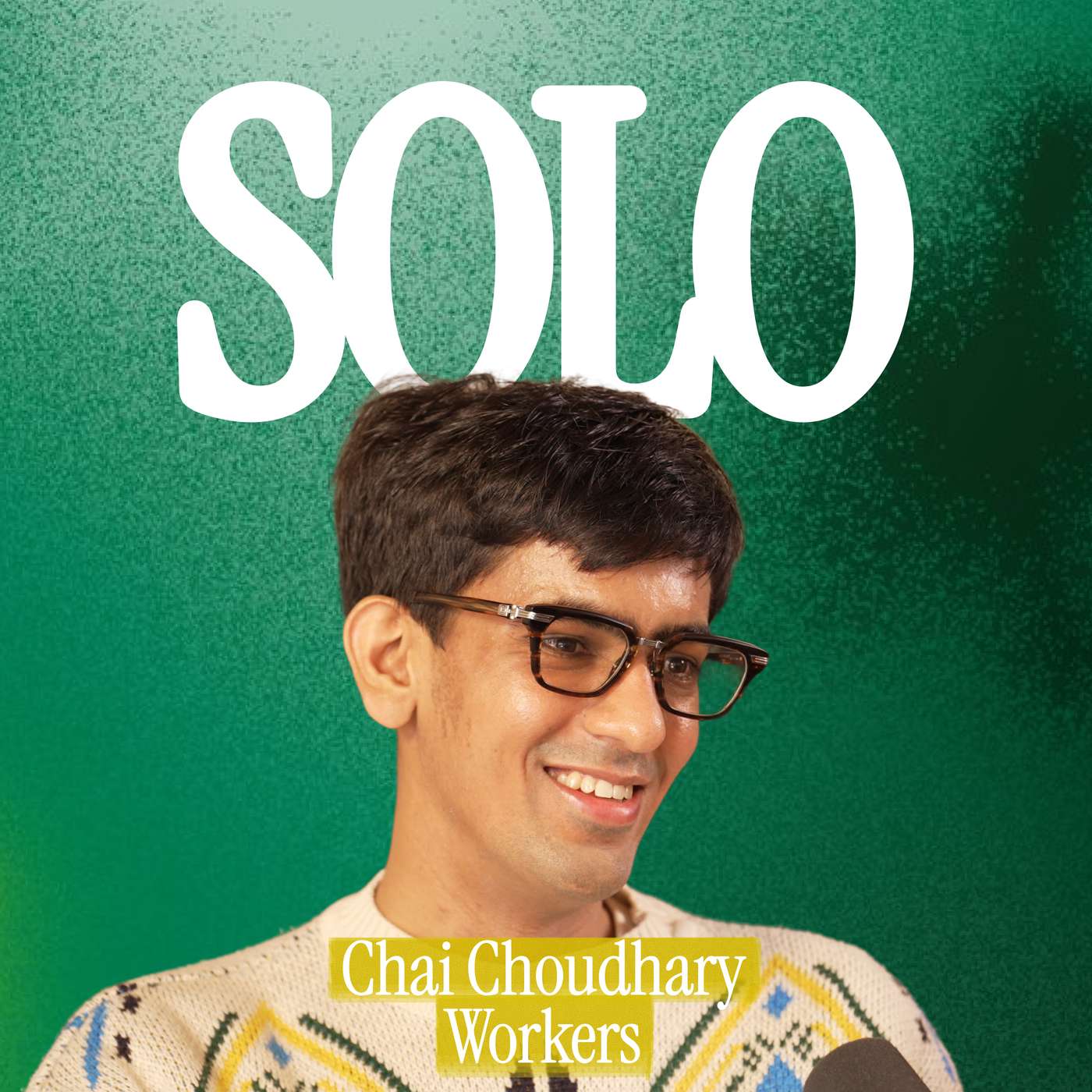
Chai Choudhary is the founder of Workers.io. He grew up in a small Rajasthan village (53 LNP), started programming on paper in school, later built startups in India (media/content, then interactive video products) and worked in the U.S. after a stint at OnDeck. He joined the Solo Founders Program in San Francisco.
Solo founding can work if you build less and validate the right problem; reliability demands rise as agent usage scales. Formal verification is powerful but hard to adopt; deterministic simulation testing is more pragmatic. Customers buy reliability, not code.
GitHub outages attributed to high code-shipping volume; OnDeck co-founder conflict leading to a sale; customers include teams building core infrastructure like new databases.
Written by AI. May contain mistakes.
Explore the implications of AI in code generation and its impact on developers.
“Every single line of code now being generated, it's mostly generated by agents.”
Discuss the unique challenges and advantages of being a solo founder.
“Workers.io is building deterministic simulation environments to verify mission-critical software.”
Learn about Workers.io and its approach to software verification.
“a lot of people do not know how low-level systems work because a lot of the good engineers in the old days did a really good job of building them up so we can rely on them.”
Discuss how AI impacts software reliability and the need for verification.
“a very, very specific part of their system, which is kind of directly tied to the revenues that they have.”
Insights on why customers are transitioning to Workers.io for their software needs.
“We work closely with each company and we invest$100 ,000 as well.”
Learn about the importance of user experience in product development.
“And that really feels more like we're talking about this sort of service model versus sort of your traditional SaaS.”
Learn about Chai's unconventional path to coding and starting his first company.
“less than 100, it's kind of named after the canal that passes by because there are so many of them.”
Explore how timing affects the success of startups through Chai's experiences.
“anything to watch which was relevant for them.”
Discuss the importance of financial readiness before pursuing a startup.
“So your potential sort of audience or customer or viewer, that amount, 100x, 1 ,000x more than that?”
Understand the evolution of Chai's business ideas and lessons from past failures.
“yeah, I really need to figure this out in the next six months or otherwise I have to start looking for a job.”
Learn about the process of finding a viable product that meets market needs.
“It's just, I worked at a startup, which was sort of in the code generation space.”
Learn about the critical factors for startup success and avoiding pitfalls.
“really needs and that if you're successful with it, it really matters.”
Discover the initial experiences and feelings of a new entrepreneur in Silicon Valley.
“because you don't really see that density of like very interesting people who are very driven, very passionate about what they're building and really understand that the space that they are in, in like one room.”
Explore insights gained from interactions with fellow founders and their journeys.
“as sort of like the key area here, not moving away from travel industry.”
Understand the importance of quality content for engaging developers and building a brand.
“basically teaching all these developers about what this is and like how it works and how they can benefit from it which his team does like phenomenally well on X and like other platforms.”
Learn why consistent content output is vital for visibility and connection with your audience.
“A lot of it is not the best work I do but it kind of compounds.”
Find out how niche focus can drive engagement and community within business.
“I think I was initially thinking that you could maybe just have a great product and then that itself, people will be tolerant enough to stick with it long enough that they see the value.”
Learn why specific market focus drives startup success.
“And it's the more like, I don't even have to contribute to it.”
Explore the rising significance of formal verification in software.
“I mean, we've already seen that the amount of solo founders, the percentage of solo founders has doubled in the last five years.”
Understand how formal verification builds customer trust.
“And formal verification is a great way to do that because it not only does it for like a few cases, but it gives you guarantees of the system overall for like all possible cases that can happen in a system.”
Discover insights on the evolution of a solo founder's business.
“I think that when I work with folks, when I work with founders, and what do I think about who I want to work with in the solo founders program, I realize that the business is going to change so much over time.”
Learn about the risks faced by legacy systems in modern tech.
“would do all of these large refactors, right?”
Explore the need for modern solutions in evolving engineering.
“these really important industries are going to be experiencing a moment or a time where, you know, the old way of doing things is just not going to hold up and they really need to adopt, modern technologies.”
Explore why a safe system requires more than just safe components.
“You can put it all together, but that doesn't necessarily mean that your entire system is safe.”
Chai shares insights on the solo founder experience versus having co-founders.
“So can you share a little bit more about your reflections on solo versus co-founders, sort of why you ended up being a solo founder and what sort of being solo together means.”
Discussing how customer feedback shapes product evolution for solo founders.
“And there's certainly cases where somebody, you know, comes up with an idea and it just works out of the gate.”
Understanding the challenges of internet reliability and how Workers.io addresses these issues.
“If anything, it'll just make it harder for you to explain things to them.”
Examining the pros and cons of solo founding and the role of support systems.
“and Ryan was like, so you're basically doing, like you're fixing the internet, right?”
Learn why meaningful equity and community support are crucial for solo founders.
“and I think this gives us the flexibility to give them more meaningful equity and then a lot of them will have enough skin in the game to rise up to that level over time.”
Discover the value of sharing experiences and learning from fellow solo founders.
“I think it helps you like see the different journeys other people are taking and kind of like learn from their experiences.”

Get the gist, explore an idea or ask about something said.
 Claude
On Solo Founders, what are the key points of this episode?
Searching your listeningAutomatic transcript. May contain errors.
0:00Every single line of code now being generated, it's mostly generated by agents. It's being reviewed by agents. The tests are written by agents. People are losing touch with what happens in their code base. We find all kinds of interesting failures in our customers and they're like, oh, I didn't think of this. I was working with this company right after OnDeck, which I thought I would work for 10 years. They ended up having a co-founder conflict and decided to sell the company.
0:24Chai Choudhary: What's the reason that somebody should consider not being a solo founder? It can be a little more challenging if you are the only person who's building and then also talking to your customers. What's the case for solo founding? I've never felt that, oh, things would be easier if I had a co-founder. Now building anything is extremely easy. If anything, you need to just build less and really figure out if what you're building is the right thing. It's just really incredible to see the growth and to see all of these folks who are migrating away from extremely well-funded competitors to your company.
1:00Chai Choudhary: But what is Workers today? And let's go from there. Workers.io is building deterministic simulation environments to verify mission-critical software. What we are doing is we are basically taking this problem of verifying software and converting it into a compute problem. So a team doesn't have to think of all the different ways your system can fail, all the promises that they should be checking. We convert it into more of a compute problem where you systematically explore the state space of your system and give the guarantees to your customer that these are the things that will never fail or fall apart in your system.
1:36Chai Choudhary: Now to put that differently, my understanding of it is that essentially you've got these extremely complex code bases. With generative code right now, you're pushing all of these major changes. The average PR is many more lines of code, maybe tens of thousands of lines of code, much more than it ever was traditionally. And part of this is that it's very hard to actually simulate all of the different potentialities of what would actually happen when you make these big changes in a code base. And it's sort of reliability kind of takes a hit. And sometimes this could be absolutely catastrophic. Is that, where would you correct that?
2:25Chai Choudhary: What would you say is wrong about that? Just so different types of people who are listening to this podcast can make sure that they understand sort of the gist of what you're working on. The AI agents writing most of the code is definitely like a big driver of the new wave of formal verification and basically figuring out all the new ways of testing systems. But if you think about it historically, a lot of people do not know how low-level systems work because a lot of the good engineers in the old days did a really good job of building them up so we can rely on them. So nobody today worries about, is my CPU going to work or not, right?
3:07And you don't have to understand how the CPU works to rely on it because it's verified and it works and it's survived like decades worth of workloads. Now is the first time, I feel, where people are slowly going away from the understanding that they have of their own code base. So when this happens, you definitely need a way to still have the confidence that what you're giving to your customers will work. Nobody's buying code. People are buying that. If I'm going to implement this database in my bank, it's going to handle all the workloads that we see. And you're not going to lose data. And that's basically one of the things we are trying to solve for.
3:53That even if you do not understand how your code is written, you still have the confidence to go to your customer and give them the guarantees that they care about.
4:01Chai Choudhary: It's a really interesting time. Just the idea talking about we don't understand the code that was written. That feels like something that wouldn't have been said fairly recently, right? So can you share a little bit more about the reason that customers are coming to Workers.io now? It seems like they realize that there are these big risks associated with the way, you know, there are obviously incredible gains from being able to build with AI, but there's also incredible risks that kind of are opening up that maybe weren't there before. Can you share a little bit more about sort of if somebody's coming to you, why are they coming to you?
4:43Chai Choudhary: Is that part of it? Or can you share a little bit more about kind of how they actually think about working with you? Yeah, so today most of the customers that we have are people building a lot of the core infrastructure stuff like new kinds of databases. Like there would be some who are trying to validate a very, very specific part of their system, which is kind of directly tied to the revenues that they have. I think people underestimate with software that software usually have a very long half-life, but when you're starting to write something, you don't know if this is going to be the one with a very long half-life that will be critical to everything that you do for a very long time.
5:25And this is the kind of pattern that I see. A lot of these people started off thinking that this will go nowhere, but now their businesses are working and then now they have like a lot of people depending on them using their products like millions of times a day. So every single edge case that would only happen in like with a very little user it would probably happen once a year but now these problems are happening every single hour. So you need like a much more rigorous way to verify it. And that's the kind of guarantees and like confidence that we give to our customers. and I think another new thing that has started to happen now is that you can be at a relatively low scale but now even if you have a few customers using a lot of agents to use your product that itself kind of spikes the usage as if there are millions of users using your product so the bar, the floor for reliability and the kind of workloads that you can handle as a business is rising because it's no longer the humans using the product.
6:31You don't need to scale to a million people using a product before you have to fix these challenges. It's just like now a team of 100 people using 10 ,000 agents could still give you that amount of... Which is why a lot of the GitHub outage is happening. People never really could operate at a scale and push out code as much as they do today, it's not like the engineers have increased. If anything, there are less number of engineers actually working today, shipping 10 times the code, which now changes how you need to think about your systems. The kind of reliability and the workloads that it can handle, you have to think about a lot of them very deeply when you start working on some of these things.
7:23Chai Choudhary: Hey there, we hope you're enjoying this episode of the Solo Founders Podcast. If you haven't already subscribed, you should make sure to do so so that you can get every episode as we release them each week. And of course, we always appreciate it if you share the Solo Founders Podcast with friends. It's what causes this show to grow and help more people. If you are already building a startup or considering building a startup solo, you should apply for the Solo Founders Program. We bring Solo Founders to San Francisco to build Solo together for three months. We work closely with each company and we invest$100 ,000 as well.
7:58Chai Choudhary: You can learn more at solofounders.com slash program. And without further ado, let's get back into the Solo Founders podcast. I've been building OnDeck, ODF, and now Solo Founders for about seven, eight years. the amount of customer pull that I'm seeing with workers.io is really some of the most, you know, the strongest customer pull that I've seen in seven or eight years. Why do you think that is like, why, why, and why are people moving away from, you know, folks that they, maybe you're in a, you know, an annual contract with and deciding to pay for you, even though they're already committed to a, you know, a competitor because they, they think this is just so important to them what what is it that's actually driving that behavior right now yeah i think like there were a few decisions that i made early on which now in retrospect i can say that probably that's what is driving some of it um number one we really wanted the product to be extremely easy to use right you wouldn't want only the smart smartest engineer in your team to be using a product like So that was one.
9:08The second was how we priced it. I think initially I got a lot of suggestion around pricing it at par with what the competitor charges. But then at the same time, I was like, okay, if we make it easy enough to use and reasonably priced, it's just going to be used way more often in these teams. And then it'll also be much more difficult to replace it, but we'll end up generating way more revenue. so those were the few things like also I remember like initially when I started working on this like we ended up building a lot more for our customer and that kind of increased the surface area that they had to like learn to start using the product and slowly we realized okay like we need to shrink that down and basically build a lot of the tooling for ourselves so that we can make it a very hands off experience where you just connect your product, define the promises that you care about, and you get the guarantees based on the amount of compute you spend.
10:10And yeah, so basically a combination of a lot of these things ended up adding to the now sales becoming much more easier than it was when I was just attempting formal verification.
10:22Chai Choudhary: You know, one thing that's also really interesting that you just talked about, I think it's worth us maybe pulling on this thread a little bit, is this idea of kind of making it easier for customers. And by making it easier for customers, it's almost by doing the work for them. Instead of it being tools that they use, it's tools that you use. And that really feels more like we're talking about this sort of service model versus sort of your traditional SaaS. What have you learned about that over the last year of building? You've built for roughly the same types of people over the last year. And this current thing that you're doing with workers.io is clearly the one that's most resonant but what have you learned about that idea of software versus service yeah I think like when I was first building it I even today like I don't think of it as like a service thing a lot of these decisions that we made were also for the fact that I wanted to understand what the challenges were when we were just focused on delivering the outcome like in this in the early days some of the customers would not share everything that what the bottlenecks are for their system to get the like the ideal output from the system um so we were like okay we can use it for them initially and then that will expose all the rough edges um and then let the customer decide what more things that they want and then now we incrementally expose so like last week we released three more features in the system uh which is kind of a subset of everything that we had on day one initially it's just we abstracted it all out and let like let people get comfortable with the with the shape of product today getting the same amount of value that they are getting now and then incrementally expose some of these features in that way it's like much more refined and we are basically addressing the customer demand for what they need instead of just giving a bunch of features and then they have to figure out okay okay, now I need to use it all to just get the value that I want, and it'll probably take me two weeks to do it.
12:29Chai Choudhary: It feels like that's such a great approach because there's so much to wade through when you're getting onboarded to a product. The more you can strip away, the better it is. I think it would be awesome if we actually took this way back now. We'll talk about the journey of Workers.io, which is, I think, a really important journey and a really good lesson for a lot of people, both in terms of persistence, but also in terms of continually sort of moving towards the product and the idea that has the most resonance with folks. But maybe we just take this all the way back. You grew up in a really small town.
13:07Chai Choudhary: And the reason I'm bringing this up is because I think that there are a lot of people who grew up in really small towns. And I think that it would be really great for them to hear about that experience and sort of how you ended up becoming a founder i mean this isn't your first company that you become so there you started so maybe you can talk about that what was the name of your town yeah people who are watching this i he's laughing because he knows i'm kind of planting this uh is is a really funny story and an interesting story what is the name of your town and um when did you first start like building things either with computers or working on things that were creative pursuits yeah so the the name of the village or a settlement is called 53 LNP.
13:52It's a small village in Rajasthan in India. And the way the naming of villages work in India, like if the settlement, the population count is less than 100, it's kind of named after the canal that passes by because there are so many of them. And 53 is like the intersection and the LNP is the name of the canal. and that's where I pretty much grew up my parents still lived there and coming back to when I started building things I think like that's one of the distinctions that I have with like other people I would speak with a lot of people here and they're like oh I started coding at like eight and then I'm doing I was not one of them I first got access to computer in school and I was already I think about 16 and a lot of the programming that we would do at that time would like we would write it on a paper and then we would get up like a an hour a week where you could go to the lab and then you can run your things so so that's where it all started and then yeah I got I developed some interest there I would I would write like these small tools to like capture keystrokes and that was my like fun experiment so I would install it in the computer lab computers and then people and then the next after a week I would go and I would go through all the things that people have done on that machine so it was like a and I would tell all my friends and eventually like they realized that I was doing it and then yeah they cut off that one hour that I had so you went to
15:30Chai Choudhary: zero hours yeah I went to zero hours we're keeping with the paper yeah but I was lucky that my my uncle eventually bought me a computer and then but we still didn't have internet I remember like I was in like the 12th grade and the fastest internet that was available was at one of my friend's place and it was I think two mega mbps and it was so bad it would like take three days to download a movie so like I didn't use internet till I was in in college and I that's where like I started my first first company um it was it was a friend of mine who i had met on facebook um and he was also into startups and i was like i kind of like learned that there's this thing that you can do from him um and like i didn't know how to speak at all like i was so bad at it um and he came from this very fancy school in Delhi but he was kind enough to like like basically suffer all the awkwardness and like all the poor communication skills that I had at that time and and basically helped me get better at it and that's when we started the first company it was a it was a media company we realized like a lot of people were like suddenly getting access to the internet but they didn't have like anything to watch which was relevant for them.
16:54They would usually watch like videos from the US or Europe and then we started making content which was more regional and I think like that was the first time like things just worked and I had this false idea of like how startups should be. I thought like you just start things and they just like work because I remember we created like our first skit of sort and it got like a 200 ,000 viewers in in a week and I was all over the news and I thought like that's how every company started which was not the case the next time I did it
17:32Chai Choudhary: it was very painful so so you start off with a media company and the timing couldn't have been more perfect it sounds like in terms of what what people wanted and sort of the lack of of it's it's it's it's a sound really old talking about this right i mean the idea that there wasn't any content for for people in india to watch online yeah um but uh i i think that i think it's really remarkable how you can time things and timing is actually really important what what else have you learned about timing uh when it comes to to building things it feels like it feels like that there's an important sort of connection between that first company and what you're doing right now with workers.io yeah just to add to the timing bit i think i also saw the opposite side of it so we got the timing right to go into the market and things worked out pretty well but my co-founder and i were still not happy with this ip business you have like keep creating it and it was not very sustainable so we transitioned more into product side we built this platform for building interactive videos we did that for a while and then things didn't work as well and we had this fresh like experience of things working really quickly and then this was not that and we thought we were doing a lot of things wrong so we decided to sell the business right before internet became free in India so the same thing that we sold for like like pennies ended up becoming way more valuable and now it's like one of the most like expensive ips that exists um and so timing i think i've seen both sides like getting it right and then getting it wrong in a very very like bad way really wrong yeah and i think that it's really interesting because like essentially what happened what you're saying just for the audience is you distribution just unlocked in a massive way.
19:28Chai Choudhary: So your potential sort of audience or customer or viewer, that amount, 100x, 1 ,000x more than that? Way more than that. Yeah, so it just completely changed the entire dynamic and that changed the potential value of the business. Yes. I think I'm guilty of still doing it. I think like one thing a lot of founders probably do is when they are making some of these like very important decisions, be like fundraising or like starting business, they think of like everything as like this is as good as it ever will be. And then you end up making a decision based on that instead of like being a little more optimistic where things could go and and keeping that into account when you're making such an important decision.
20:18I think we made the very big mistake of selling it off, thinking this is it, this is where it's going to always be, even though there were signs of it. We could have figured it out. And after that, I was kind of bummed. We did this bad thing. I think within a year, we realized we made a very big mistake. At that time, I got an offer from Harvard Law School to work on a research project. I ended up coming to the U.S. After that, I didn't really start a company for like a few years. I worked at a bunch of companies, OnDeck being one of them. And I think I wanted to be in a better financial position.
21:01I was like, if I'm going to attempt it the next time, it doesn't matter if I raise money or not. I should be able to sustain myself for like a decade to see things through. And I just spent some years building up that war chest.
21:15Chai Choudhary: No, I think that that's, it's interesting because, you know, there's all sorts of different types of advice for different types of people. Some people just say, go and build the startup. You know, life is short. Other people, I think, would agree. And I think they would benefit from what you're talking about, which is get yourself to a place where you actually have the financial stability to not have to worry about sort of short term things. I feel like one of the biggest kind of risks is when you talk to a founder and they say, yeah, I really need to figure this out in the next six months or otherwise I have to start looking for a job.
21:50Chai Choudhary: And I don't, that's not disrespect to them or something, but I think that that, even that having that attitude generally potentially can lead to the company not working out because if you're already thinking about it, even if it's just a kernel of thought in the back of your mind six months from now you're gonna need a job it's already sort of you know sort of invading a little bit of the the mind space there and I'm curious like how you've thought about that I mean we can talk about sort of you know uh the the journey um through to where you are today with workers but how did you think about that when you were getting started did you did you say I'm setting myself sort of a definitive period of time when you originally got started did you do you say you know I will I will decide to keep going until x I'm curious like what what you had sort of in your mind when you actually I think that we we were we were messaging on email or something and you you said you know you wanted to start a company and I was really excited because everybody that had worked with you would be really excited about you starting a company we all really loved working with you but what was actually going through your mind at that time when you decided this was the moment yeah so I was working with this company right after on deck which I thought I would work for 10 years they ended up having a co-founder conflict and decided to like sell the company and at the same time I was I was I had a number in mind I was I can be a little pessimistic I'm guilty of that I think Nomenia would would say that and when I was I was thinking about like starting a business I was like everybody's going to say no to me so how do I like do what I want to do when everybody just says no like every investor in the world says no we are not going to give you any money and then I had a number in mind I was like okay this is enough for me to like pursue it for long enough that I can see this thing through and that's that's the that's was one of the mistakes that we made with the previous company where we put ourselves in like a very short window that if things didn't work out, regardless of how good the business is, it would just eventually shut down because of like external factors.
24:05And I didn't want that to happen again. And that's when I reached out to you. I had a few areas in mind, which I was deeply passionate about. Travel and verification. It's just, I worked at a startup, which was sort of in the code generation space. So I was like, I'm going to attempt the travel first. So just to like have a fresh, like ride out of a co-founders conflict startup. I wanted to get away from that for a while. So travel was very interesting. I also had like a reasonable amount of following in that area. I would always share about like all of these hacks. And I was looking at the travel industry from a few point of views.
24:51one of them being I wanted to build an AI travel agent kind of a setup I worked with this one of the largest banks in India ICICI to help them launch a credit card product and I saw that a lot of banks in India were doing really well with the travel OTA business and I think that was pretty interesting and things didn't really work out. I pretty quickly realized it was very much a pricing game. If you're competing with like booking.com, Expedia, spending like billions of dollars worth on Google ads, trying to get like a, like selling like a commodity at that point. It's like a grocery store. You have like two grocery stores.
25:42You get like the same thing on both of them. Obviously you'll go to the one which has cheaper stuff. like if they're right next to each other. So I quickly realized that was not going to be an easy journey in any way and I was not really excited after that point. Then I pursued this email client idea for a while. I saw like people were complaining about superhuman and AI was like getting really good at automating different workloads. And then I was like, okay, maybe I can build something in the knowledge workspace, build this client that can do some of these like tedious work for a lot of these travel advisors that I was speaking with at that time.
26:23Again, I think I quickly realized it was not a very painful problem for a lot of these people. So they didn't have like a, they didn't want to pay as much as I expected them to. And that's when I kind of was like, okay, I think verification is what I understand well. I think it's a big enough time. and then I doubled down on it. I just needed to figure out what was the right shape of the product
26:49Chai Choudhary: that will work in this space. So I distinctly remember this because as you were sort of getting ready to be able to come to the United States, as you were joining the Solo Founders program, we first started talking about this email client for travel agents. And I just remember saying, I expect like this idea will change and thinking I hope this idea changes um but but like just knowing that I for some reason I just had a sense that you would you would figure it out you would figure out the right thing I'm trying to think about why I actually believe that to be honest um I think it was probably just because of the way you talked about it and it didn't feel like the type of person who was kind of delusional about like a specific product or a specific solution.
27:43Chai Choudhary: And I'm curious kind of how you think about it, because I think that in a lot, and we're about to start talking about this, but this idea of kind of continually pushing towards the thing that is actually a combination of something that you're really good at and that the world really needs and that if you're successful with it, it really matters. I think that very often, one of the biggest failure modes for startups is that founders both don't really hone in on something that they need, that the world really, or that they're really good at, that the world really needs and that will really matter.
28:17Chai Choudhary: I think that you're really good at that. What do you think it is? Do you think it's just like you've seen enough times where it hasn't worked? Is there anything that you would sort of give as advice for people who are watching or listening to this? because ultimately if I look at the last year and change of you building this company, that is sort of the thing that I would highlight for people. And I tell people about workers.io all the time and you. You can correct me if I'm wrong, but I remember telling you this part, which may have probably given you this thought that, okay, I'll eventually figure it out.
28:56But I remember telling you that I'm being very, very intentional about like if this has commercial value and if I see enough like evidence that this is not going to work, I'm going to change it. And even though I loved travel as a space, it was very evident after like a month or so of working on an idea that there were clear signs of this not being like a hugely commercially successful business. and a lot of people can like ignore a lot of it. It can be very like personal. Like if you're married to the solution, which is what I definitely didn't want to do. I know there are a lot of great ideas in travel today.
29:41A lot of people can attempt, but I never wanted to like get, like marry a shape of solution. And the same thing with like the software verification, right? When I initially started, there were a couple of, I think like four or five different angles I tried to like address this problem. But it was very, very clear from the get-go for like some of these solutions that they were not the right approach. I could have like told myself, no, eventually people will turn around. But I think that's rarely the case. Unless you are building something extremely novel. But again, even then the idea should be like very easy and like accessible for a lot of your customers.
30:22Chai Choudhary: So you've lived in the United States before, like you've worked at companies that are in the United States, but you came to, I think this is the first time that you were building a company of your own in America and in San Francisco. could you recall sort of what it was like when you arrived um for sfp like solar founders program like what what was that what was that like first day like um and do you remember who you met and and sort of what that experience was like i'm curious is i i i i for me i think it would be interesting to hear but i think for other people as well well i think i had some idea that i was going to be there so I was already like kind of feeling like an imposter because I knew he him from online he was very active very energetic um building a lot of cool things and I thought okay the other people are going to be just as good um and then I met them and they were like very special in all kinds of different ways so I think like the first few days I was a little overwhelmed because you don't really see that density of like very interesting people who are very driven, very passionate about what they're building and really understand that the space that they are in, in like one room.
31:42I mean, you can obviously like go to some accelerator. There are like 200 people. Of course, there'll be like five who are exceptional. But this was like one of those spaces where like six people and like all of them are really good. I think that was a thing that I distinctly remember. But it took me like a while to like get used to that feeling.
32:03Chai Choudhary: Now, we actually recorded this sort of reunion episode with a few of the folks who were in your cohort. So people who are listening, if they haven't, they should go check that out and maybe we can link to it. But I'm curious specifically as it relates to sort of pulling the thread on Workers.io, as you sort of went from, okay, I'm pursuing verification. I'm pursuing sort of code engineering as sort of like the key area here, not moving away from travel industry. What were some things that you learned from other people in terms of how to think about your business, both from your customers, but also from people and solo founders?
32:44Yeah, so at the very beginning, I was starting to pursue the formal verification idea. formal verification is like field in mathematics where you model a system in a formal specification and then mathematically check it it's much more rigorous than writing a few tests there were a few challenges with it I think one of the key things being you have to maintain another artifact alongside code so you need a formal specification along with code and then that leaves room for like drift so your formal specification can be outdated your code can be outdated or you have done a poor job of implementing what you have specified i think like while i was working on it i i kind of got too deep into it that i stopped looking at it from my customers lens right um i knew how like rigorous it was how well it worked but I would be blinded by like the novelty and like uh the blinded by the technology that I never saw the human side of it who has to use it I think Ryan would oftentimes like like shake you and like tell you like you need to you need to like stop selling this as like a is a cool technology that can magically make everything like more um uh like it's like you stop selling it as a tool and then uh do more of the like look at it from the problems that it's solving with the outcome outcome uh point of view and i think like also dravia like for dravia i think he does a really good job at um uh like posting about things and and and um like the developer education part is like phenomenal he he basically if i think about memory i don't see of anybody else nobody else comes to my mind so he's like very visible I think like those are the some of those things that I have to do for my business as well you have to make the technology very approachable for the customer and then at the same time you need to do a really good job of like basically teaching all these developers about what this is and like how it works and how they can benefit from it which his team does like phenomenally well on X and like other platforms.
35:07Chai Choudhary: Yeah it feels like you know founders, especially solo founders, need to, they might not start off as great at a lot of things, but they need to get very proficient, if not great, in many things. And part of that is about evaluating kind of where your strengths are and also where your weaknesses are and whether or not you need to hire for weaknesses, whether you need to just sort of like get better at them. And I feel like in many ways, looking at other solo founders, seeing where their strengths are and realizing, oh, I should try and learn from how they do things. Dravya is a great example of sort of putting things out there.
35:46Chai Choudhary: Nemanja is an example of being like very shameless. Extremely optimistic. And extremely optimistic. And I feel like, you know, he's the type of person who makes you, he's the founder of PumpGTM.com, which I think like everybody in Solo Founders Program is using now, which is an incredible product for GTM. But the general idea is like these people all have different skills, all have different things you can learn from and be inspired by and take lessons from. And I feel like in many ways, that is a thing that you can then take that and apply it to your business. And I've seen you like on the content side of things, even though you created a media company in the past, doing content for your startup is a different thing than creating a media company.
36:36Chai Choudhary: And you've like, it's, it's clearly resonating. I think you told me maybe yesterday that, you know, a lot of your customers are really coming from all the things you're putting out there at this point. Right. Yeah. So what, what have you learned about sort of putting things out for developers? Because I think this is something that, you know, is going to be core to your business. And it's clear that you've taken inspiration from not just obviously people in solo founders program, but from just observing sort of what's happening in the world. Yeah, I think it's one of the reasons for that is also because every other channel is becoming extremely noisy.
37:12So it's very, a person in a business like ICP probably has some amount of attention that they can give to people outside of their core work that they do. And they're just like overwhelmed. So the best way to grab that attention, very little that they have, is to put out quality content. it can be around what you are building or like the problems that they are facing but I made the mistake of delaying it for too long I think you should just go out as soon as possible like if you don't have a solution talk about the problem right like you can just do that and then that will establish you in the space and then eventually get these people to reach out to you and that is I would say the number one thing that is working for us.
38:04I try to post every other day. A lot of it is not the best work I do but it kind of compounds. I think there's one founder who told me that if people see you often online they think you're very successful. So you need to increase the visibility that you have for some of your ICPs and then eventually they'll think that you're doing well and then reach out to you and want to be associated with you.
38:35Chai Choudhary: Well, you are doing well, just to be clear. But I think there's something to that, right? Because when we started launching this podcast, for instance, just to sort of give another example of this, people said, oh, are you going to do it every other week? We're like, no, no, we have to do it every week, which is, by the way, really a lot. There's a lot of people involved in making this podcast happen. and it's, you know, also we have to get great guests all the time. But, you know, it's one of those things where you're right. Like if you were on people's feeds, if you're in front of people all the time, they see that and they react accordingly, you know, and you want to be known for something.
39:17I think it's really important. I think the bar for this has like significantly increased now that you rightly said, you need to do it often. You need to do it well. and a lot of things have to be done really, really well to really stand out from the crowd. Because everything, as I said, it's extremely noisy. Some people will be maxing out the volume, but be very bad at the quality. So you need to make sure you're making the right trade-offs and really do it well. Do more often, better every time. And then eventually that leads to good outcomes. It's that whole idea of good, fast, and cheap,
39:54Chai Choudhary: but now you can't choose too. No, you can't choose two. You need all three, right? Yeah, yeah. I mean, that's very true for even our business. I think I was initially thinking that you could maybe just have a great product and then that itself, people will be tolerant enough to stick with it long enough that they see the value. But now you need to make sure it's cheap enough, make sure it's also best in class, and then you need to deliver the value very, very quickly. I think we need to do all three well to be distinguished from our competitor. and yeah like that is the only thing that has worked so far it's really fascinating because you said you know in hindsight you would have gotten started faster or sooner with content but at the same time it's it's amazing to see that as soon as you turn it on if you have something that resonates with people it resonates in a big way and quickly I mean it's again like to draw the parallel between what you're doing with with content and media and and what we're doing you know, we've only been around for about six, seven months with this, with this podcast.
40:54Chai Choudhary: Right. And, um, we have something like 14 ,000 subscribers on YouTube. I think we just broke 12 ,000 subscribers on Instagram. I never even use Instagram and it's, and it's incredible to see that, but I think it's because, you know, if we had just sort of done a generic podcast that wasn't about solo founders, I don't think we'd have this resonance, you know? Um, I think we have great guests and we could have great guests and things like that, but you look at, there's a new podcast launching every day. So it's like if you can put something out there that's unique to your audience, that speaks to something that is underserved or under discussed in kind of whatever space that you're in, it is remarkable.
41:31Chai Choudhary: I'm just shocked by how quickly this has caught on. And I think that now that I've had that happen for myself, I'm not shocked when that happens for other people. Yeah. Do you think the, the like doubling down on a niche is the part that really helped? Because I've seen like it work for one of the communities that we started about people who are interested in formal methods. And I was initially thinking that it won't be that active. We got like a few hundred people in it. And it's the more like, I don't even have to contribute to it. Like people are just so active. They do like they drive it. And I think like the only reason that happened for it was because it's like very specific about the purpose of that group.
42:16Chai Choudhary: People are dying for specificity, I think, actually. I think that everything is so generalized. You know, people talk about going on Netflix and they go on Netflix and they maybe have some personalization. But at the end of the day, you're just scrolling all the time trying to find something that you actually want to watch. You don't even know. And I think this is the same thing when it comes to specificity. It's like the more specific, the more personal, the more it feels like it's a fit for you. You know, also, I think the other question, this is like what we're talking about kind of like, you know, there's two things when you're looking at startups, right?
42:49Chai Choudhary: It's like, do you believe the founder could actually make it happen? And if they actually make it happen, does it even matter? Right. So that means like if I think we talked about this before we started recording, but if somebody is, you know, starting a hot dog stand, well, it doesn't really matter as a business unless it's like, you know, becomes Nathan's or something. it becomes this massive, you know, chain. So ultimately, like, that's the question for startups is not only can the founder make it happen, but does it actually mean anything? And in your case, or in our case with solo founders, you know, if we believe that solo founders will always be this niche thing, well, then maybe it does or doesn't matter.
43:23Chai Choudhary: I would argue it would matter for the individual solo founders, but I think that the answer is solo founder will be the default way that companies get started, right? I mean, we've already seen that the amount of solo founders, the percentage of solo founders has doubled in the last five years. And it's not going to stop. It's going to continue to increase. In fact, it's going to increase faster than ever. So in your case, though, is formal verification, this interest in that, is that going to be something that diminishes over time? Or is it going to be something that becomes more important over time?
43:51Chai Choudhary: And I would argue, given the amount of agents that are going to be hitting any sort of code base, that's only going to increase over time. and therefore the amount of edge cases and potential room for error, the surface area for that is going to become much larger. At least that's my perspective as a layperson. So therefore, it seems like something that maybe starts as small a niche could actually become dominant in the future. Is that kind of how you think about it? But I think that in the beginning though, it feels extremely resonant with people if they feel like they're early to it as well.
44:27Yeah, I think there are a couple of things to unpack here. I think one of the drivers why it's becoming extremely important now is people are losing touch with what happens in their code base. And the only way you can still have the guarantees and the confidence in your system is have some kind of proof of work. And formal verification or deterministic simulation testing gives you that proof of work that whatever you are putting out, it's not about code. Like nobody's buying code. People are buying, if they're buying a database, a kind of database, they are buying the reliability that it will not lose our data.
45:07They are buying that it will always be up and all the performance and availability guarantees that they offer. So if anything, like the entire market, like software market, that is, is going to be the market for verified software, right? People are not buying code, people are buying code that can handle their, they can solve their problems and handle their workloads. And formal verification is a great way to do that because it not only does it for like a few cases, but it gives you guarantees of the system overall for like all possible cases that can happen in a system.
45:46Chai Choudhary: Is there a world where, we haven't talked about this, but is there a world, obviously compliance and things like that, those are about sort of rubber stamping something in a way, right? like SOC 2 and being able to tell people that you're SOC 2 compliant really makes a difference is there a world where people are like we use workers.io and this is sort of a sign of reliability and trust to sort of the external world is that something that you think will actually happen or will people look at that that way? There has to be like if you don't know what like if you have not reviewed the code because if you think about like every single line of code now being generated it's mostly generated by agents it's being reviewed by agents the tests are written by agents if you ask an average engineer and if you ask them like what's in the test they don't know what's in the test like you know there's a Lego it's a green check but so if you're trying to go in the market and sell this thing that you have built have no idea what's going on for the other person to trust it there has to be a way You need to present the evidence of the correctness or that we have the proof of work and formal verification is one of those ways to do that.
47:00I still feel like it's in the very, very early stages. You cannot formally model a lot of the properties. So there has to be a lot of research work that needs to go into this field to basically get all these things that people care about, be part of these specifications and part of the proofs that we give out, which is why we took the DST, deterministic simulation testing approach, which is a little more pragmatic. You get just as good guarantees about a system, but it works on your code that you have written or your agents have written. But I definitely see it as a way of like, this is the proof of work that our system works.
47:44our system can handle all the failure conditions and all the inputs that are possible. And it's a great way to give this evidence to your customers and build their trust.
47:56Chai Choudhary: I think that when I work with folks, when I work with founders, and what do I think about who I want to work with in the solo founders program, I realize that the business is going to change so much over time. And so I rarely think about the initial market that people are going after. I think about their judgment. And I think that you just have really incredible judgment. And let's talk really briefly about this idea of pulling the thread. Because you started off working in something similar to what you're doing now, but ultimately you dialed into what you're doing now by pulling the thread and continually finding the connection to the prior thing, but moving towards the stronger pull, the higher value, all of that.
48:40Chai Choudhary: I want to tell a little bit of the story of pulling the thread and then also kind of ultimately like how big does this get like how how much does this matter because i think ultimately that's i think that we've pretty clearly established the case for chai because chai is like this person who uh is incredibly diligent about solving real problems um he he continues to go until he finds the thing that the customers really value um you've gotten to a place now over a year by the way uh as a solo founder where you know I think that a lot of people you know if they didn't really have their heart in it or they were dedicated to the solution versus the problem they would have either given up or they would have gotten stalled out on something that wasn't actually working or was sort of local maxima I want to understand pulling the thread and also understand like how big you think this ultimately becomes how important this ultimately becomes when when you when you're inevitably successful with this?
49:38Yeah, I think I had conviction in the problem space. At no point I thought like this is a wrong problem to work on because I firsthand saw in the previous company that people would do all of these large refactors, right? Like large systems. But when it came to giving it out to their customers, it was always like the confidence, the amount of confidence that they have in this system. And they would always try to like, they would always struggle with like, like how, like, can it work for all the things that we have seen over the years? So if you have like a database that's running for like 20 years, and you go to them like, oh, there's a new database that you can use.
50:24It's better than it's more performant. And it is test well tested. And then they'll be like, oh, but my system has been running for 20 years, have your system run for 20 years? that's the floor for me. So how do you give them the confidence that this system can also survive for 20 years, like all the 20 years of workloads that your production system has seen? So it was very clear that this problem existed and that was one of the key bottlenecks for all the modernization that is yet to happen in the financial, healthcare, even travel industry.
50:56Chai Choudhary: Some of the biggest industries in the world. Exactly. But I was still not sure what the shape of the solution is, which is why I started off with formal verification. Sure, it gave like all the guarantees and all the rigor that you would want to build confidence in your system. But it was again, very hard to use. Like most people do not, like if you give them a formal specification, it looks like math problems. And they'll be like, I don't know, I don't want to read this. So there were always like these few challenges when it came to getting the customer on board with the solution. I mean I could have just continued to hammer it like I don't think that's the right approach to it so then we started like experiment with other ideas and then eventually ended up with where we are at where it's much more easier for the customer to get started with it's in the form that they already understand which looks like our code being run instead of like a formal specification being like used for say model checking I think like if you are if you have enough conviction in the problem you can always eventually like you can be very intellectually honest with yourself and like figure out the right shape of the solution instead of like just giving up on the first thing that doesn't work and then and then ultimately like when you think about this this is these are some of the biggest problems in some of the biggest most highly regulated or at least highly risky industries to be messing around with core infrastructure, right?
52:32Chai Choudhary: This is why, like you said, a lot of these industries are using fairly antiquated systems, right? Because they've been working-ish for a long time. But ultimately, we're going to start to see cracks in that infrastructure because of the scale at which we're going to be throwing changes or usage at them. I think just recently, you found all of these bugs in Postgres, which is, you know, it's the widest, most commonly used, you know, database. Can you share a little bit more about kind of why these huge industries, these really important industries are going to be experiencing a moment or a time where, you know, the old way of doing things is just not going to hold up and they really need to adopt, modern technologies.
53:26Chai Choudhary: Also things like workers.io to help them with that. I think security is one of those things that is now becoming very, very visible because earlier for you to compromise a system, the amount of capital and work it would need to compromise something, it didn't make it worth it. But now with agents, it's cheap enough to find one small issue in a system and like take it hostage now for the defenders like or like you need to do a lot more work because you don't just have to patch that one thing you need to patch every single thing that exists um but at the same time you also have this like um this new technology that you can use um to to make your life much easier when you're doing it i think like with the postgres thing um It was very interesting because we were not actually testing Postgres.
54:24It was just part of the stack our customer was using and we ended up finding issues in it. None of them were very serious, but it shows one of the most well-tested systems out there. This database that probably handles a lot of important workloads in the world has issues, right? And what does that say about your system? You probably also have a lot of these cracks that you need to fix before some attacker who is just looking for that one thing that they can compromise. So that's one thing. But I think at the same time, you also have this new world where the frequency of usage is spiking up. Even a few customers using your product can generate workloads that would only show up at millions of users using your product.
55:15so you need to think of this problem of like engineering from a very different angle now the amount of workloads that you will be handling has to be part of this problem that you're trying to solve from very early on you could afford to have like a very crappy solution earlier that oh it only works for 10 users but now those 10 users can have like 10 ,000 agents right so even though you're serving just 10 users but like It still needs to handle all the workloads that they are going to give you. So a lot of these things are changing. But I think one other thing that I often try to point out to people is that you can have very safe systems.
55:57For example, you can take the safest database out there. You can take the safest authentication system out there. You can put it all together, but that doesn't necessarily mean that your entire system is safe. You can have every component safe and still have like a very unsafe system based on the way you have composed it. And a lot of these problems exist because so far people were just testing from a very like legacy kind of like all these, like thinking of all the scenarios where you can run on your system and then find like failures. But, and, or like there would be teams individually like testing smaller components and not test the whole thing.
56:42Yeah, so you need to spend a lot more time into devising these and adopting a lot of these rigorous technologies to verify your systems.
56:51Chai Choudhary: You have been a solo founder this entire time. You have experience having a co-founder with your media company. You've worked at companies that have had co-founders. I'm curious your reflection on co-founder versus solo founder, and then also solo together, because ultimately you have been a solo founder, but also there's a difference between being a solo founder kind of off on your own and being a solo founder all around other solo founders. In fact, I think that in terms of the solo founders program, I'm pretty sure that you came up with the idea of solo together or the term solo together. And you at least came up with the idea of it's like you have co-founders, but you're all working on your own things.
57:30Chai Choudhary: So can you share a little bit more about your reflections on solo versus co-founders, sort of why you ended up being a solo founder and what sort of being solo together means. Yeah, I think it's very often that people would, like whenever I would tell them that I'm a solo founder, they would look at like, oh, you're a solo founder. I was like, but at the same time, I've never felt that, oh, things would be easier if I had a co-founder. I think that's also because you can hire a lot of good talent because the amount of equity you have, you can give out more meaningful percentage to some of these like exceptional engineers out there.
58:06and I think surrounding yourself with other solo founders is also extremely helpful um I was lucky that like SFP kind of had a good mix of people at different stages um which kind of gives you some visibility into how things are going to be for you eventually like Dravia was like much further along um I remember um Aldo was still figuring out um things so I think like you get like this very diverse set of insights and kind of like experience people are going through and that helps a lot. But at the same time, I think now building anything is extremely easy. If anything, you need to just build less things and really figure out if what you're building is the right thing.
58:56So at no point I feel like things would be easier for me if I had a co-founder. I think the engineer that I hired, Vishwa, He's like an exceptional engineer and has taken off a lot of the work that I do on just purely engineering side. And I don't think I would have been able to hire him if I had like two other co-founders with like very little equity that I had on table for a role like his.
59:21Chai Choudhary: That's really cool. And when you think about kind of staying the course and, you know, continuing on with this company, I'm curious kind of, you know, how you thought about that as a solo founder. Because, again, I think that in tech it's kind of glamorized this idea that things just work nowadays. And there's certainly cases where somebody, you know, comes up with an idea and it just works out of the gate. And one company that I've worked with is Magic School. And it really did just go from 100 teachers the first week to 1 ,000. And now it's millions of teachers. But at the same time, that's just very rare.
59:59Chai Choudhary: And I think that the better example is these companies where they've gone on for a really long time. Ali from Micro One. He was working on a bunch of different things before he actually hit on what Micro One is today. And now it's ripping. But that was not sort of an overnight success. he got to a point similar to you where he found this inflection and now things are just going crazy for workers i.e. but you had you had customers sort of the entire way and i think this is a this is a really important thing to mention actually we didn't cover it before you it's not like you were trying to get customers and you couldn't get customers yeah you were consistently building things and getting customers and then throwing that not throwing it away entirely but continually like saying this is not actually the stopping point and Ali was kind of like this too with Gregoran where he had customers along the way but he realized that it was ultimately like he needed to keep going.
1:00:54Chai Choudhary: So what was that, from a solo founder perspective, how did you think about that? As I said, I think if you're intellectually being honest with yourself and if you have like a few customers, it's very easy to tell if things are like progressing. Like if a customer doesn't use a product every day, obviously there's something wrong. Sure, they're paying you but like eventually they're going to churn and this business is not going to work out, you can be blinded by it and just like put an MRR on it and say like, oh, things are great. But even along the way, I had good visibility into what was going on with like these people who are paying.
1:01:28It was very obvious that like I couldn't continue the way that I was with like some of these solutions.
1:01:37And I guess like it can be a little more challenging if you are the only person who's building and then also talking to your customers. But to that, I would say it's mostly just like talking to your customers, which is what you should be focusing on. The building part is like much easier. You can always make the right trade-offs and like pick a narrow solution initially and validate it. I think everybody's now way more tempted to build a lot more things. I'm guilty of doing that. We overbuilt way more than what we needed. And then we had to like basically abstract it all out. If anything, that is going to like make it super difficult for your initial customers to understand what you're doing.
1:02:18And that makes the entire process even like harder than it should be. So I think like some of the things that you can always do is be very specific about the problem that you're solving and pick the minimum thing that you can do. And now you can, with agents, you can like do it as a service. Like I remember the first customer that we had and I was showing him this dashboard I was like oh you can we can find all these failures in your database and we'll show them here and then he was like can you just give me an excel sheet and then I was like yeah no I'm going to just give it to this agent and like it'll help me like close them and I was like so we spent like a week building all of it and it was not even needed and people overestimate like having a fancy dashboard or having a product in like some shape is not going to make the sales any easier.
1:03:09If anything, it'll just make it harder for you to explain things to them. So I guess like being very, very specific about the problem that you're solving and addressing that part well, and then having something very, very minimum and like minimal and much easier to understand for these customers to like, once they see, get the taste of the value that they're getting and then you can incrementally build from there. And I made like this mistake many times initially when I was starting.
1:03:35Chai Choudhary: Well, I mean, it's amazing to see sort of the progress and the learnings because clearly it's working out now. It's incredible. Congrats on that. I guess like, you know, a couple final questions here. We do not have a screen here, but imagine we're looking in between us and up here somewhere we have an image and it's a photo of you and your jacket says fixing the internet. can you talk about sort of the problems with the internet and why you know ultimately like fixing the internet is at a high level what workers is actually doing I think this is we have like collectively being like been conditioned that software fails it can be flaky you can just restart your thing and it works I think that's a very like bad way to look at it I think software is definitely complex in the sense that like it doesn't have any of the physical constraints that other things have and it makes it easier for you to like build them well but the amount of people who are frustrated when things go wrong it's like being an engineer like over the like whatever 10 years I've worked at a company The only memories that I've had were like me, like fixing like some outage that is happening at an odd hour.
1:04:59And we somehow think that's okay to do. And your customers are suffering. And I think for the longest time, it didn't make financial sense to like adopt a lot of these new ways of verifying systems. It was extremely expensive. But now that thing is flipping. Now you could have the exact same amount of cost and get just as like higher reliability as some of the most well-tested software out there. So now the only thing is like the intention of like, are you being intentional and doing it? And I think like that's when, and I was talking about some of these things and Ryan was like, so you're basically doing, like you're fixing the internet, right?
1:05:42Like it's all broken and people are okay with it. And then you're going out there and cleaning it up. And I think that's something I'm very happy to do. We find all kinds of interesting failures in our customers and they're like, oh, I didn't think of this. And it can be very serious. And it's good that they can close them before some customer finds them.
1:06:06Chai Choudhary: Yeah, and shout out to Noemi for always making custom swag for everybody in the cohorts. It's pretty amazing. I think the thing that you touched on there, which is really important, is this idea of kind of why now, which is these methods would have been prohibitively expensive and probably time-consuming too back just even a few years ago. And now it's actually kind of malpractice or something to not use workers.io and to not have these systems in place because ultimately the business case is there. the costs have been driven down and ultimately you're focusing on the result not the not sort of a dashboard which I think is really important.
1:06:57Chai Choudhary: Don't give people more work. It's called workers because you're doing the work for them. One of the KPIs that I look at is what's the number of support tickets or what's the number of incidents that you've had after adopting us? Does it dramatically go down, then we are doing a good job. If not, then there's something that needs to change. So far, that's been the case. And I would like to continue to keep a very, very close eye to it. Because it's not just about fixing failures, but it's fixing important failures that cause outages, that cause engineering time. And it's very easy to measure it with some of these teams.
1:07:38Chai Choudhary: So last two questions. These are the customary questions that we ask on the Solo Founders podcast. Well, first of all, thank you for being here. It's awesome to reminisce about the first cohort of Solo Founders program. It's been amazing to see you pull the thread. And now Workers.io is the default way that people do formal verification, ensure that their products can live up to the promise to their customers. These are the most important products in terms of stability mattering. in finance and databases and healthcare. This is really important work. The last two questions. The first one is the bear case, the reason that somebody should consider not being a solo founder.
1:08:24Chai Choudhary: And then we'll talk about that and then we'll pivot over to the case for solo founding. Bear case. I think if I, like even the bear case, if you think like a little long term, If the cost of intelligence becomes like the cost of energy, then I think you could essentially attempt anything, even the fields that you do not understand. It can be incredibly lonely, I would say, at times. Like you don't have anybody to celebrate your successes with. If anything goes wrong, you are the only one to blame. And if you do not feel comfortable with those ideas, then I think it's probably not a good idea to do it because you'll just give up.
1:09:09But I don't see any other reason and it should be just default. It's default solo and if you feel a lot of some of these things, then if anything, even if you had a co-founder, you'll be the bad co-founder in the...
1:09:24Chai Choudhary: Because you're going to bring everybody else down. Yeah, so I think, yeah. Everybody else should just start solo. and you can always, this is how I see it. If my early team, I'm sure over 10 years, some of them will rise up to be important enough to be sort of the co-founders of the company. Nobody just starts a company and just is the only thing. The co-founders never really stay long enough in the company to be part of the, we are the founders. A lot of the other early team also does just as much hard work. and I think this gives us the flexibility to give them more meaningful equity and then a lot of them will have enough skin in the game to rise up to that level over time.
1:10:11Chai Choudhary: So you kind of talked about the case for solo founding there as well. So maybe the case for the solo founders program then in that case. What would you say is sort of the reason that someone should consider the solo founders program? I know it's a plug. I know it is to some extent. But at the same time, I know you give it to people straight. So you're not going to say things that you don't actually believe. What would you say are the reasons that maybe somebody should do it? Or how would you describe it to people? Yeah, I think it's the place if you are a solo founder. Because the density of very talented, driven solo founders in one place is really important in the early days when you have no team, you have no idea, you have no customers, nothing.
1:10:57I think it helps you like see the different journeys other people are taking and kind of like learn from their experiences. As I said, right, like it's like having six co-founders in your early journey where, yeah, like it helped me a lot, right? It helped me a lot in terms of whenever I was not being honest with some of the things that I was doing, people would be very quick to call out. And that helped me course correct.
1:11:31Chai Choudhary: That's super cool. And also, it's awesome to have you as a neighbor. And you live with two other SFP founders, and a bunch of SFP founders live nearby. So it's amazing to keep this going and to have you as a part of this. and I'm just so glad we get to work together. So Chai, thank you for being on the Solo Founders podcast. Thank you for sharing so much of your experiences with folks. This has been wonderful. Thank you for having me. If you enjoyed this conversation, we would love it if you could share Solo Founders with everyone you know, particularly people who are considering starting companies solo or who are already doing it.
1:12:08Chai Choudhary: You know, the entire goal of what we do is to normalize Solo Founding, encourage more people to Solo Found instead of end up with co-founders of convenience. If you'd like, and we'd really appreciate it, you can go leave a review on Apple. You can go give us a thumbs up. You can subscribe on the YouTube channel. Anything helps. And of course, if you are starting a company or considering starting a company, you should go look at the Solo Founders Program. We work together with you in San Francisco alongside of a bunch of other solo founders. The idea is it's much better to be solo together than to be solo alone.
1:12:39Chai Choudhary: I'll spend a lot of time helping you. And we also invest$100 ,000 in your company. So if you're excited to learn more about that, go check out solofounders.com slash program.
AI agents now write the code, review it and write the tests. Chai Choudhary, solo founder of Workers IO, is building the proof layer that shows whether any of it works. A conversation about why "nobody's buying code" anymore, the first company he sold too early, killing ideas fast, and why founders should start solo.
Topics covered:
- AI-written code and the growing gap between engineers and their own codebases
- Why proof that software works is becoming the product
- Starting late: code on paper, one lab hour a week, no internet until college
- Timing, and the cost of selling too early
- Runway as a decision tool
- Killing two ideas fast, and never marrying a solution
- Content-led distribution for a deeply technical product
- Solo vs. co-founders: equity for exceptional hires, and the honest bear case
Guest: Chai Choudhary, founder and CEO of Workers (https://workers.io).
Apply to the Solo Founders cohort: https://solofounders.com/program/r/the_podcast
Newsletter: https://solofounders.beehiiv.com/