
In short
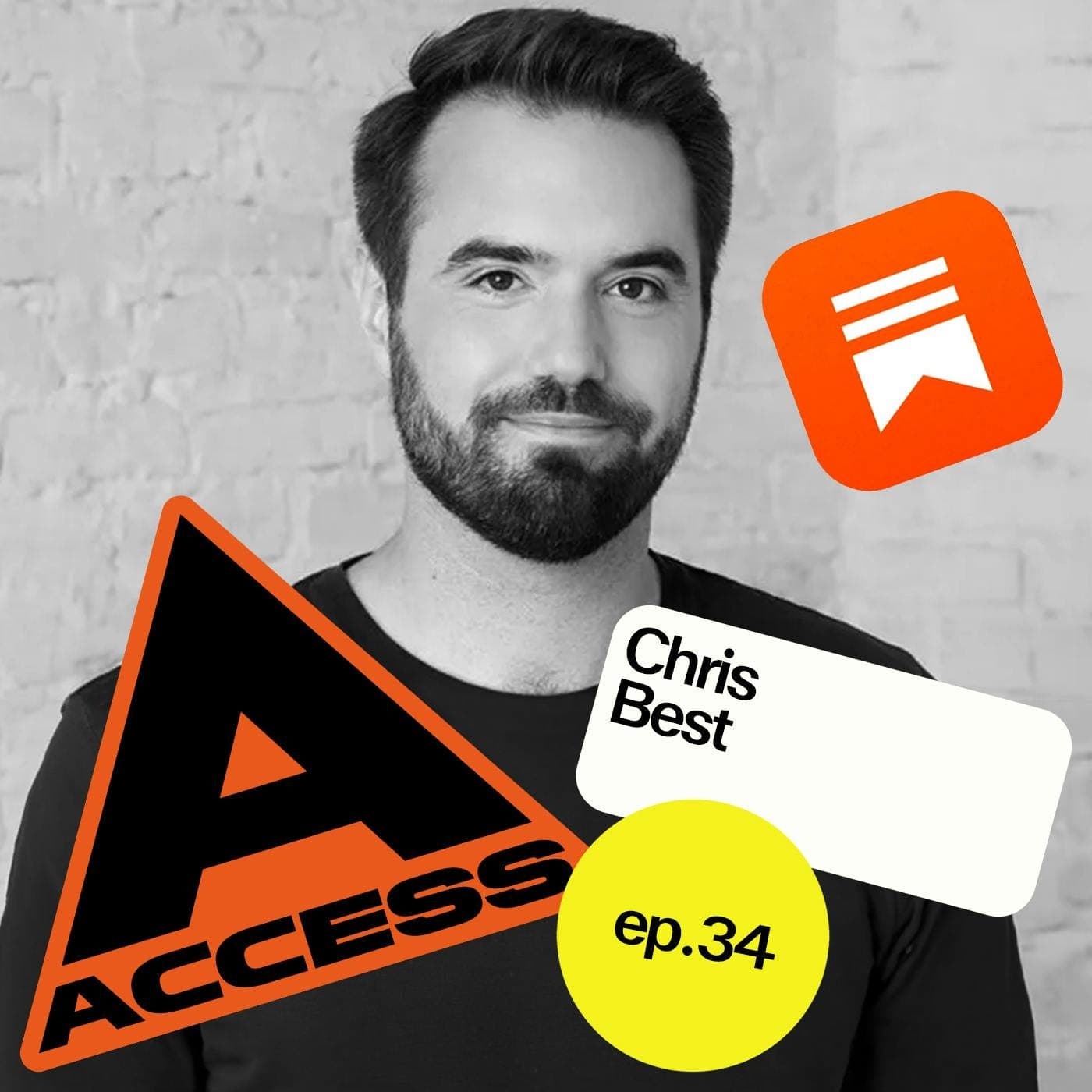
Substack’s CEO Chris Best discusses Substack’s growth and product direction (especially the Substack app and feed), creator economics (subscriptions vs ads), local news and legal protection via “Substack Defender,” video/podcast expansion, AI integration via MCP, and Substack’s stance on free speech amid the “AI slop” debate and moderation/defamation concerns.
Guest backgrounds
Chris Best is CEO of Substack. The hosts include Ellis (the interviewer) and Alex (mentioned as a Substack-related figure). The episode references creators and public figures who joined Substack (e.g., Sam Harris, Prof G Media, Glenn Greenwald, Dylan Patel, Joe Poznanski) and podcast/video creators (e.g., Emily Sundberg, Esther Perel).
Key claims
Substack’s value is “perspective” and helping readers decide what matters; the feed is meant to find what you love, not maximize scrolling; creators own their email list and payment relationship; ads/sponsorships can work if they don’t undermine creator ownership; “slop” is driven by incentives and inauthenticity more than AI; Substack supports free speech and avoids algorithmic monetization restrictions; Substack is building MCP integration so AI agents can interact with Substack content.
Notable examples
“Substack Defender” to fight bogus defamation claims; local-news examples like The Burbank Bulletin and East Side Rag; YouTube as the main competition for video/podcasting; Notion MCP as a model; Passion Pit as an example of bands using Substack.
Written by AI. May contain mistakes. Listen to the episode to check what was said.
Chapters
Tap a time to open that second in VODefining AI Slop and Creative Intent
0:34 to 1:00
Discussion on the concept of AI-generated content and its implications.
“It can help you with practically anything on the web, like restoring a vintage motorcycle from a 50-page restoration block, or finally break down that long article you've had open for weeks.”
Defining AI Slop and Creative Intent
2:16 to 3:22
Discussion on the concept of AI-generated content and its implications.
“We're 33 episodes in with this one today.”
Substack’s Growth and Creator Support
3:22 to 4:26
Chris Best shares insights on Substack's growth and support for creators.
“And so I was thinking we could do a quick 360 review.”
Exploring the Substack App Experience
4:26 to 5:26
Discussion on the features and user experience of the Substack app.
“I think I haven't heard from you recently on the scale.”
The Influence of Early Platforms like Tumblr
5:26 to 6:30
Chris Best discusses the inspirations taken from early platforms like Tumblr.
“I'm going to fall for whatever comes next.”
Managing User Retention on Substack
6:30 to 7:25
Insight into user retention and the dynamics of subscribers leaving Substack.
“it was on Rick Rubin's podcast say that and this is also an Ellis thing because Ellis names companies for a living, but the original name was also maybe going to be Monograph?”
Understanding Substack's Unique Business Model
7:25 to 8:05
An explanation of Substack's business model and why users value it.
“This is a new wave of stories that's happening.”
The Impact of Network Effects on Growth
8:05 to 9:23
A discussion on network effects and its role in Substack's growth.
“We want you to be able to, it's your thing, it's your list, it's your audience, but also it creates this like, you know, proof, proof that we're trustworthy, right?”
Trends in Reading Habits and Long-Form Media
9:23 to 11:21
Exploration of current trends in reading habits and long-form content consumption.
“And then you don't need to give you 10 % anymore.”
Engagement and Content Discovery on Substack
11:21 to 14:00
Discussion on how engagement is measured and content discovery is facilitated on Substack.
“and deep things and learning things that they never would have been able to before.”
Show all 34 chapters
Understanding Substack's Feed Algorithm
14:00 to 15:10
Explore how Substack curates its content feed for users.
“not have to be like so closely tied to the feedback, we give you that option as well.”
Shifting Focus: Audience Growth vs. Creator Support
15:10 to 18:10
Discuss Substack's evolving priorities towards creators and content.
“Like sometimes if you serve something that's from 2014 and it's stale, that sucks.”
The Value of Subscriptions and Ads
18:10 to 23:08
Examine the balance between subscription revenue and advertising on Substack.
“You know, not every independent creator can't make that for themselves.”
The Value of Subscriptions and Ads
23:38 to 24:10
Examine the balance between subscription revenue and advertising on Substack.
Local News and Subscription Trends
24:10 to 26:46
Discover the resurgence of local news through subscription models.
“Are you seeing like a broader shift toward that or are those just kind of like a few bright spots?”
Video's Role in Substack's Future
26:46 to 28:00
Explore how Substack integrates video and its competition with YouTube.
“I mean, I think of Substack, it's about kind of like depth.”
Exploring AI Integration in Substack
28:00 to 29:39
Learn about Substack's approach to integrating AI and its potential impact on creators.
“And you've got, you know, your position on scraping as a platform and, you know, the creators can toggle that.”
The Challenge of AI-Generated Content
29:40 to 32:56
Discover the concerns around AI content and its implications for authenticity and quality.
“Also, Notion did not pay any of us for you to say that, but that's very nice of you to say that.”
Advice for New Creators on Content and Discovery
32:57 to 35:38
Get insights on how new creators can navigate content creation and build their audience.
“It's going to let you realize the creative vision that you have, it's not going to make your life any easier.”
Substack's Stance on Free Speech
35:39 to 38:36
Understand Substack's position on free speech and the challenges of content moderation.
“like translate it into every language that's a new thing that's going on now too it's pretty fun latest thoughts on free speech on the internet uh i know you've had some engagement with this topic in the past.”
Hiring Philosophy at Substack
38:37 to 40:55
Learn about Substack's hiring approach and the importance of alignment with company values.
“I think there's also just this idea that, especially with vibe coding, there could be a marketplace for products that could serve people that you don't want to serve.”
Future Vision for Substack
40:56 to 42:01
Explore the aspirations for Substack's growth and its role in the cultural landscape.
“do you guys have a specific way of working involving long-form content?”
The Role of Substack in Creator Economy
42:01 to 44:09
Discussing how Substack aims to empower creators and foster a vibrant media ecosystem.
“This is the place you can come to find all of the legit people.”
Monetization Strategies and Audience Engagement
44:10 to 45:30
Exploring monetization models and audience dynamics within platforms like Substack.
“And the kind of thing it enables you to make is better enough that I think it actually outweighs the economics.”
The Future of Content Creation and Subscription Models
45:31 to 47:36
Investigating future trends in content creation, subscriptions, and creator relationships.
“You know, that's a matter of some controversy.”
The Future of Content Creation and Subscription Models
48:21 to 48:40
Investigating future trends in content creation, subscriptions, and creator relationships.
“You think you know a browser, but Gemini and Chrome?”
Reflections on Interview with Chris Best
48:49 to 56:00
Post-interview discussion analyzing the insights shared by Chris Best and future implications.
“We had Chris on the Substackinator, is what I'm going to call him from now on.”
The Evolving Landscape of Free Speech on Platforms
56:00 to 1:00:00
Discussion on how social media platforms navigate free speech and content control.
“But this is the problem of any platform.”
The Impact of Metrics on Content Creation
1:00:00 to 1:04:40
Exploration of how performance metrics influence journalists and content creators.
“I think it's a slippery slope, but that's a whole nother topic.”
Reflections on the Launch Party
1:04:40 to 1:08:20
Recap of the recent launch party, highlighting key moments and interactions.
“Like, oh, I need to change my headline instantly because this is my only chance to get in front of people with this story.”
Google's Search Evolution and Its Implications
1:08:20 to 1:10:00
Analyzing Google's changes to search and its impact on web traffic.
“I mean, Akshay was there and hung out, which I also appreciated.”
AI Agents and Content Discovery
1:10:00 to 1:11:52
Learn how AI agents are changing content discovery for smaller publishers.
“I think if you're doing kind of commodity news - But they have to know what to look for, right?”
Airbnb's Evolution as a Travel App
1:11:52 to 1:12:44
Explore how Airbnb is positioning itself as an everything app for travel experiences.
“I can't say much because I'm in the program, but essentially, the more valuable the agent finds your content, the more you get paid.”
Conference Insights and Hospitality
1:12:44 to 1:13:30
Discuss the significance of hospitality at tech conferences and personal experiences.
“And so when you go somewhere, you're like, oh, I didn't even think about getting a photographer for this friend's trip.”
Transcript
Automatic transcript. May contain errors.0:00Ellis:This episode is brought to you by Accenture. When your advertising operations fall out of sync, everything else follows. Spotify and Accenture are working together to reinvent the rhythm of ad sales, using automation, analytics, and smarter workflows to simplify campaign delivery and access better data across the business. The result? Less time spent on operations, more time connecting brands with the moments and fandoms that matter most. Learn more at Accenture.com slash Spotify. This episode is brought to you by Google Chrome. You think you know a browser, but Gemini and Chrome, that's new. It can help you with practically anything on the web, like restoring a vintage motorcycle from a 50-page restoration block, or finally break down that long article you've had open for weeks.
0:45Ellis:Gemini and Chrome is here for it. Ready to make anything online make sense? There's no place like Chrome. Check responses set up required, compatibility and availability varies 18+.
1:00I think the kind of work you're doing, I think that deserves to be like a substantial share of culture. I would love to be in a world where we are paying creators. We're helping creators make more than YouTube is helping them make.
1:13Alex Heath:This week on the show, we've got Chris Best, CEO of Substack, who joined us for a recent Access Live show and launch party in San Francisco. Are you managing up to your boss right now? I am. Can you tell that I'm glazing? I'm going full GPT-40 right now. Is it working? We get into Substack's growth, break some news about its AI plans, and get Chris's perspective on where media is headed. To me, Slop is not a thing that was made by AI. It was a thing that was made without intention. It's something that you're sort of tricked into consuming that nobody believes in. We also press them on the hardest questions facing the company, from ads to moderation and the charged free speech debate.
1:54If you're the subject of kind of bogus defamation claims, we're going to come and kind of like put a lot of legal weight behind that and make that very costly for the people who are bringing those things.
2:04Alex Heath:So if Elon sues me, you got me. Yeah. Sick. If you care about the future of media and where the internet is headed, this one is for you. Welcome to Access.
2:16Alex Heath:We're 33 episodes in with this one today. We launched in September. A lot of the faces down in the atrium. our previous guests. And we feel really blessed to be able to do this and have such great guests, including the star of the show today, Chris Best, the CEO of Substack. He doesn't do a ton of these. Really glad that he agreed to do it. When I was going independent, he and I had a conversation and we were talking through the trade-offs of different platforms and what I was debating. We got to a point where I was like, okay, I'm going to do subsec, but if I do it, will you please just do an interview with me at some point?
2:53Alex Heath:And he said yes. So he's a man of his word as well. But yeah, let's welcome Chris. Woo!
3:03Ellis:iPads at the ready. You don't have an iPad, Chris. That's alright. You know, if I knew you were both bad cops, I never would have done this. Well, but we give good cop, and then we reel you in. And then we ask the tough questions, and you actually answer them.
3:17Alex Heath:Don't spill the secret, Ellis. Shit.
3:20Ellis:Well, we're here to talk about Substack and about you, but Alex is on Substack. And so I was thinking we could do a quick 360 review. How's Alex's performance on Substack lately? How's the open rate? Oh, you think I'm Alex's boss? Yeah. I'm about to blow your mind. No, no, you are. I've done my research. Alex pays my salary. He can fire me anytime he wants. I'm pretty sure he's my boss. Will you shadow ban him for AI-assisted writing? Is it good or not? I don't know. How many of Alex's subscribers are performative subscribers who don't actually open?
3:58Alex Heath:Okay, we're done with this. This is so uncomfortable for me.
4:04Ellis:It's all good. I have one more. I have one more funny one. How is it to have one of your main competitors be run by a dude named Tyler Dank? How could you compete with that?
4:18Alex Heath:Okay. It's impossible. Okay. But seriously, Chris, I think we're very interested, and everyone here is very interested, in the state of Substack. I think I haven't heard from you recently on the scale. You're private, and obviously you don't share metrics, but what can you tell us about the size of the platform and how it's grown in the last year or so? What can I tell you? It's growing steadily. probably the big thing for us is the Substack app is really working. And the principle of the Substack app is it's this place that people can come and, you know, come and experience all of their subscriptions and discovery things.
5:00Each Substack kind of has its own world, its own space. We're working to do more and more to make each thing its own, you know, your corner of the internet that you own. But our aspiration is kind of, you know, Having Substack become sort of the intellectual and cultural capital of the internet, and it feels like we're on track for that to me.
5:19Ellis:It's probably one of the only good apps these days. That's the nicest thing you could have possibly said to me. Yeah. You're reeling me in. I mean, yes. I'm going to fall for whatever comes next. Among us writers, it's nice.
5:31Alex Heath:Yeah, when I was thinking about going independent, I was looking at the different platforms, and my wife, who's an interior designer, she was starting to use the Substack app a lot. and we'd be laying in bed on our iPads, and I'd see her over on it, and she was like, this reminds me of early Tumblr. That has a very, for people who remember early Tumblr, that has a very, like, fond spot in my heart, and also, like, it's a very specific thing. And I'm curious to hear you react to that. Yeah, I mean, the way we designed the URLs for Substack was specifically inspired by Tumblr. I always felt, because the easy thing to do, technically, is to make it substack.com slash sources.
6:10but I was like no no no no it needs to be sources.substack.com or your custom domain pretty much inspired by tumblr and people often say these things to me in like an accusatory tone they'd be like substack is just blogging but with a business model or substack is just like tumblr and I'm like those things sound awesome to me that sounds great I heard you recently I think
6:30Alex Heath:it was on Rick Rubin's podcast say that and this is also an Ellis thing because Ellis names companies for a living, but the original name was also maybe going to be Monograph? We had it down to two names, and I'm sure glad we went with Substack. How do you feel about Monograph versus Substack, Ellis?
6:46Ellis:Really on the spot here. I think they're both solid, honestly. Substack, I think, since I don't really know what it is, it intrigues me. That is one of the best things, I think, for a name to have when you have something like Sonos or something like that. Oh, I see. versus something like I feel like a lot of tech founders, sorry to anybody in this room, name their products very literally. Named like a Netflix movie where they just say whatever it is. It's like bad people do things. The movie. Yep, exactly.
7:19Alex Heath:So Chris, my former employer just wrote that people are leaving Substack again. This is a new wave of stories that's happening. I feel like it happens every, whatever, six to nine months. And I'm wondering if that's true. Are people leaving Substack in mass right now? Definitely not on mass. I mean, this is the great thing about Substack, right? You, when I said before that you can fire me, I wasn't joking about that, right? On Substack, you own your email list. You own your payment relationship. It's your business. It's your thing. And when we started, you know, I think people looked at me. They're like, oh, you're crazy for doing this.
7:54Like, don't you want to lock in your customers? Don't you want people to, like, you know, be trapped on your platform? and the obvious thing is like, no, we want, first of all, just in principle, we want people to own these things. We want you to be able to, it's your thing, it's your list, it's your audience, but also it creates this like, you know, proof, proof that we're trustworthy, right? If we turn around and become evil sub stack and try to screw you, you can leave anytime. And the fact that that is true means that we're always incentivized to make the platform actually serve the people who are using it.
8:29And so we do have, you know, there are people who leave. And, you know, that is sad sometimes. And we wish that everybody, everybody would stay. On the other hand, it also means that lots of people can come, right? We have lots of people who are coming to Substack from other platforms. We've had Sam Harris join. We've had Prof G Media join. We've had a bunch of people. My favorite though, my personal favorite is when people, the only thing better than never leaving Substack is the people who leave Substack and then later come back to Substack. Those are my favorite.
8:58Alex Heath:That has happened recently, I've noticed. There have been many cases of that. Dylan Patel, semi-analysis came back. Joe Poznanski came back. Glenn Greenwald came back from Rumble. That was a one for the ages for me. I think the thing I hear in independent media world is that when you get big enough and Substack's network effects no longer really matter as much to your growth and your business, then it makes sense to leave. And then you don't need to give you 10 % anymore. People say that and then they leave and then they're like, oh, the network effect was doing a lot for me. And then they come back.
9:33It's about 20 % of my list growth. So 20%, I mean, that's enough. And I think for other people, it's even more than that.
9:41Ellis:One of the things about the network effects, people usually talked about that in the context of social where there's kind of an infinite appetite, I would say, for a lot of different types of content. Do you feel like there is a cap to those network effects with like how many sub stacks someone can actually read, how many podcasts they can actually consume on a regular basis? Yeah. Yeah. You know, I think there probably is some cap. I think. What is it? It's a lot higher than you would expect. Maybe this is the thing that I've found. And in the world of media, in the world of like how people are spending their attention, we're like, you know, we're here and the cap is like here in terms of like the overall audience, I think.
10:23Alex Heath:For audio listeners, he's making a large gesture with his hands. I got to remember we're a podcast. Thank you. Thank you.
10:28Ellis:Yeah. It is interesting to look at the habit for all of the articles and studies about the decline of reading. It seems like maybe the form factor just wasn't quite right. I mean, certainly when you go on a lot of publisher mobile web websites, you feel like you're under attack, like constantly. And maybe that was the problem, like you alluded to earlier with the economics of it as well. I think that's definitely part of it. I mean, I used to pitch Substack this way. People would be like, why do I need a different place to read long-form things? And I was like, I would go to anywhere, even your former employers.
11:01I'd be like, look at this website. How is this? And you'd be like attacked by horrible CSS videos leaping out at you. I also think like, you know, these things, the internet like pushes things to the barbell. Some people are not reading. Some people are just zooming into TikToks and like losing their mind. And some people are reading more than ever. And some people are diving into long form things and deep things and learning things that they never would have been able to before.
11:25Alex Heath:Yeah, what is working on Substack? Is it mostly politics? Is that the most engaged content? What are the most engaged sectors? There are a lot of different categories. I would say the thing that works on Substack is perspective, right? If you just want to know some facts, You can ask Claude for that these days. And maybe he'll get it right sometimes. But the thing that's valuable is like, hey, I'm trying to figure out what matters. I'm trying to figure out what I should pay attention to. I'm trying to figure out what I should care about. That's why people are coming to your sub stack. And that works in politics.
11:57It works in tech. It works in finance. It also works in fashion. It also works in food. It also works in lifestyle and culture and literary analysis. and like a whole bunch of other places you might not expect.
12:12Ellis:Can you tell us about the reading habits? I'm just so curious. I remember when I was a reporter back at The Verge, there was this just cursed technology called chartbeat.com. And you could look at how many people clicked on your article, but then also how far they made it down the article. And in all likelihood, it was like less than 25%. And then maybe they read like the kicker at the end. Did it also tell you how you compared to your peers at your employer?
12:39Alex Heath:Oh, yeah. These were little, I mean, yeah, we worked at BI back in the day. Up on the TV. There was a TV and it would move up and down throughout the day. Yeah.
12:46Ellis:Yeah. I mean, what can you tell us about those habits? I mean, I think one would think that when you are in long form mode, you know, in iPad mode with one's partner as one is at the end of the day, you know, maybe you're in a longer session as opposed to like when you're scrolling, let's say Instagram, you see a link in bio, like you're not going to do that. Like maybe when you're in reading mode, you read longer. I mean, what are you seeing with the behavioral trends? Yeah, well, I think, you know, one of the things when we shipped our feed, we have sort of a short form feed that links out to longer content, right?
13:17So our thing is like, hey, we've got some things you can check out what's going on. It's fun. It's fast. But we're going to help kind of like help you find something you can actually sink your teeth into. That really works. And when you goal on, hey, we want to find you something you actually love and value, that is still possible. And people do still absolutely read. The other thing we did that I'm really proud of, just referencing the Chartbeat thing, is of course on Substack, if you're a publisher, you can see all your stats. You can see the cause and effect. You can see, hey, I published this.
13:43How many people saw it? How much money did I make? Who unsubscribed? Who subscribed? But we recently shipped a feature where if you want, you can just turn all that off and hide it. So you can be in a mode where if you just want to kind of like apply your trade and write your thing and just not have to be confronted with the numbers, not have to be like so closely tied to the feedback, we give you that option as well.
14:05Alex Heath:How the hell is the feed ranked, Chris? Because it makes no sense to me. It really doesn't. I see stuff from 2014 in there next to something from yesterday. Was it good though? Yeah, but then I see the date and I'm like, what?
14:20Ellis:Obsolete, irrelevant information.
14:21Alex Heath:Yeah, how are you guys ranking that thing? Because it is so mystifying to me. I'll tell you what, we're constantly tweaking it and figuring it out. The spirit of the thing is the feed is not designed to keep you scrolling. the feed is designed to find you something you love. How do you algorithmically quantify something I love? Well, herein lies the hard part. And you can look at a lot of signals. You can look at like, hey, do I sit down and read it? Do I read it and do I like it? Do I go on to subscribe? Do I go on to read something else? Am I kind of like, am I falling down the path of like deeply engaging with something?
14:57And the other thing that is one of our ambitions for the feed is if you write a really great piece, wouldn't it be great if people could keep finding it two years later? And it's hard to get that balance right, right? Like sometimes if you serve something that's from 2014 and it's stale, that sucks. But you know what? Some of the things that people wrote in 2014, we keep saying 2014, that's probably too early, but -
Read the full transcript
15:19Alex Heath:Maybe it was like 2016, 2017. Substack started in 2017. So if it's 2014, they could have imported something, I guess. Can you backdate on Substack? But we do, we have like a from the archive section. We have a from the archive section in the feed because sometimes something old is still great or sometimes something old is like newly relevant. And I kind of think that's cool. I think it's great if you have something that can like, you know, people keep coming back to you because it like has some lasting value. I'm interested in how you guys are talking about the company lately and what your focus has been because I think there was a moment if you're studying how Substack has been that you were really focused on audience growth.
15:55Alex Heath:the app and there was that TikTok moment where TikTok was briefly banned and the app got a lot of downloads. And lately, I feel like you guys are talking more about the creators. I hear things like, we're the platform where if you're a media founder, we want you on Substack. You've got the new podcast with Emily Sundberg and all those folks, Esther Perel. So have you shifted the focus of what you guys are trying to push lately or is that just me? I would say both of those things are kind of like core missions for us, right? Like the grand theory of Substack is sort of like, you know, what you read matters.
16:33The media you consume matters. It's not just the way that you spend your time. It kind of shapes how you think. It shapes how you see the world. It shapes who you become. And so great writers, great podcasters, great journalists in our like worldview you are heroes right you're the ones shaping the culture you're the ones like deciding what matters and so you know we have this kind of like grandiose idea of creating this intellectual and cultural capital of the internet helping kind of like spark a renaissance and the only thing that saves that from being kind of like pure messianic tech bro bullshit is that you know we're not the heroes of the story in our telling kind of you are are you managing up to your boss right now i am Can you tell that I'm glazing?
17:19I'm going full GPT-4-0 right now. Is it working? I'm going to ask you some hard questions in a minute. We'll see if it works. I like that. Turn it on us, yeah. All right, but so here's the thing. And then we want to give you everything you need to have a fighting chance to take over the world, to matter in the culture. And we think that we have to build an incredible set of tools and technology and platform and service that kind of lets you make the thing you believe in and make real money doing it and takes all of the fiddly stuff out of your hands as much as it can and lets you maximally, you know, use your editorial judgment.
17:56And we have to build this network that gives you the kind of growth boost that you're getting, honestly, less and less from everywhere else on the internet. There's got to be one place on the internet that actually wants you to discover something deep, that actually wants you to make a connection. You know, not every independent creator can't make that for themselves. And they're not always, not every platform is hospitable to that. And so we at Substack see that we have to do both those things.
18:21Ellis:I read in a very good newsletter called sources.news that What's the URL for that again? How do you subscribe? Was it the Condonass CEO who was saying that they should assume that their publications are going to have zero search traffic? That's just insane.
18:37Alex Heath:I mean, yeah, I don't think about search traffic at all.
18:39Ellis:Because it was the majority of publisher traffic for how many years?
18:41Alex Heath:I mean, it has been since the internet started. And I don't think about it at all. That's why I wrote 10 articles per day at Business Insider. Yeah, yeah. The long tail. No, it is true. You guys are driving traffic. And I think that I can see the product evolving faster, especially lately. I think the thing that I've experienced very viscerally in the last seven months is that when I launched, I thought most of my income would be subscription. And right now it's like maybe 5%. So it's vast majority working with brands. And what I think is like a tasteful way, hopefully, but doing partnerships and running, you know, like little banners and all of that stuff.
19:23Alex Heath:So that's been my experience. Obviously, people have gone on Substack and they've had incredible subscription growth out of the gate, right? I think that happens more in politics is what I've noticed, but maybe that's just me. So I'm wondering, you guys have been talking about ads for the last few months. I really haven't heard you talk about it. I'd like to know what your POV on ads are and when they're coming to Substack. One thing I will say is I do think that, I believe you, I do think that experience is a little bit outside the norm. In my experience, a lot of people tend to overrate ads and underrate subscriptions, which is not to say that ads can't make money and subscriptions are everything.
20:04But I always try to, like, I do think that people, yeah, underestimate what's possible with their subscription revenue. And that having that like core subscription base is this really deeply powerful thing. It's this connection to your audience. It's also, by the way, the advertising business is super cyclical. And, you know, both on just like a day to day, you know, you often have this kind of feast and famine effect. You'll get a whole bunch of things and then the next day you won't. And you'll have this longer cycle where you'll go through like a year or two. Because if the market ever turns for a second, you know, everybody's discretionary ads are kind of the first thing that goes off.
20:41So I do think having like both of those sources is really good. And then, you know, our thing is like, look, we want to reward. We want to put you in control. We want to have creator independence. We want to reward depth and quality. We think subscriptions do that really well. And we do think there are some types of sponsorships that also do that. And we have seen a lot of the best and deepest creators on Substack very successfully having sponsorships, having ads. and we've sort of come to the viewpoint that's like, hey, this is something that we can and should help with. And we want to do it not in a way that's going to put us on a treadmill to become the CSS ads flying in.
21:25To me, the question is, how do we do this in a way that deepens the value of the subscription, that deepens the value of the relationship, that kind of reinforces the high-caliber brand thing you're trying to make? And yeah, we've got a program where we're building this stuff out.
21:38Alex Heath:Well, and the way you've talked about the comedy from the beginning is that the model is aligned with the creator. Ads introduce another constituent, which is the advertisers. Can you do advertising and keep that model that you've said is the foundation of the company? I think that's the crux of this, right? Yeah, I think we can. I think, and it's not going to be, I actually think it's not, even subscriptions are not, it's not that subscriptions are magical, right? Like, so, you know, Spotify has a subscription, YouTube has a subscription. But when you're subscribing to the platform it and then handing out the money to the creator, you're kind of like breaking that relationship.
22:16So I don't even think of it as like it's purely subscriptions versus ads. It's kind of like who has the ownership? That's the question. So for me, the question is like, if we're going to get into this business, which we are, how do we do it in a way that supports creator ownership?
22:31Ellis:I mean, do you worry that it might have some aggregate effect when people flip on ads and people start to associate that potentially with your brand. Because I feel like it's, you know, there aren't that many places where there aren't ads these days. And I mean, if you're turning on ads, I think Alex's ads would probably be very different if they were programmatic in some way. And that would be probably the kind that would be turned on. You know, the reason they're, I think, so profitable for you is because they're brand deals.
22:56Alex Heath:Yeah, I don't think you would do like a programmatic ad server. That doesn't seem like the Substack way. No. Okay. We at least know that.
23:08Ellis:This episode is brought to you by Accenture. When your advertising operations fall out of sync, everything else follows. Spotify and Accenture are working together to reinvent the rhythm of ad sales, using automation, analytics, and smarter workflows to simplify campaign delivery and access better data across the business. The result? Less time spent on operations, more time connecting brands with the moments and fandoms that matter most. Learn more at Accenture.com slash Spotify.
24:09Ellis:so one of my favorite trends i've been seeing on substack and just subscriptions in general is a space that has just been like so sorely empty forever because it couldn't be monetized properly which is local news and you recently talked about uh with emily sunberg on the on the open tab series about the bowroom bulletin and also the east side rag which is one i'm personally a subscriber to that is just lovely gossip and news and inside scoops on the east side of LA. Are you seeing like a broader shift toward that or are those just kind of like a few bright spots? No, we've seen a bunch of local things spinning up and we're always looking for more that we can do.
24:47One thing that we've done on this front that I'm really proud of is this program we have called Substack Defender because one of the things we found when we first started having local news publications come on is there was this real problem where people would get sued. Like you'd be like a local news journalist and you piss off the local, you know, uh, businessman or politician and you're doing something totally legitimate, but they, you know, they figure they can like send you kind of a nasty gram on legal letterhead and shut you up. And so we started this, uh, this program called subsac defender that basically is like, if you're getting, if you're the subject of kind of bogus defamation claims, we're going to come and kind of like put a lot of legal weight behind that and make that very costly for the people who are bringing those things.
25:31And that was inspired by some of the people who are starting these local news programs because that's where we found that problem was the worst.
25:37Alex Heath:So if Elon sues me, you got me. Yeah. Sick. Potentially. Asterisk, depending on exactly what you did. No, but seriously, like if you have ever a problem like that, you should check out Defender.
25:49Ellis:So why do you think local news wasn't working before? Because I feel like part of it is a product thing. Part of it is an economics thing. I mean, my story here is it's not just local news, right? Like the internet came along and massively democratized access to publishing, access to information, and just like smashed a lot of the business models that used to support media. Like what used to support local news? It'd be like the classifieds, right? It's like, you know, ads for local businesses. Well, we've got Google and Craigslist and Meta now. I don't think it's like any one thing. I just think it's like the sort of economic landscape that used to exist that supports these things.
26:28And by the way, supports a lot of other media isn't here anymore.
26:31Alex Heath:What about video? You guys are leaning a lot into video and I've heard you say that you think of YouTube as your main competition. That's a big one. You've got all the video podcast stuff. I know you've got more live video support coming. Is video overtaking text on Substack? Is that how you look at it? I wouldn't say overtaking. I mean, I think of Substack, it's about kind of like depth. It's about being able to go deep. It's about having long form. It's about having something that you could, you know, might not fit in the short thing that you can get anywhere else. And I think, you know, long form text very much fits that mode.
27:06It's been very successful. I kind of think Substack right now is the place on the internet for long form text. But I think long form video fits that really well as well. Like the kind of work you do on the podcast, I think having like a thoughtful conversation that you can have the space to go deep. That fits very well with the Substack model. A lot of the top writers on the platform have started podcasts, have successful podcasts that are making lots of money. And so we're kind of taking this approach of like, how could we bring the same benefits that we've brought to writers to podcasters? And I think of a podcast in 2026 is basically it's a video podcast.
27:43It's on YouTube. It's also on Apple and Spotify. You're also doing the clips. Like you're kind of doing that whole, that nascent format.
27:49Alex Heath:What about AI? How are you thinking about AI? What about AI? Well, there's a lot. There's how people - AI, what is it? I haven't heard of that. Well, there's people, I think a lot of sub stackers, creators have strong feelings about AI. And you've got, you know, your position on scraping as a platform and, you know, the creators can toggle that. Right. So I understand that. But then there's also just like sub stack integrating itself with AI, right? Which is my way of saying, like, when is the MCP thing coming, right? Like, I think there's a moment where Substack becomes a node that AIs can work into.
28:25Alex Heath:And how are you thinking about that? We're building the MCP. You're on the beta list. It's happening. This is the weird thing where, like, you talk to a platform and you know things and you're interviewing the CEO and you have to kind of pretend that you don't, that you want him to talk about it. Talk about that. Talk about opening up Substack to AI that way. Well, I'll tell you, I mean, And so I had this experience with Notion where I was a Notion user for a long time. And I kind of felt, no offense to our host, I did for a while fall off the Notion bandwagon a little bit. But recently I've been trying to work with agents, my agents, my AI agents, and work with documents.
29:03And all of the other places kind of did like a half-assed version of this. And the notion MCP, the notion I know there's new command line tools that are incredible, works amazingly. And it's been enough that I have personally like switched back to notion. And to me, that's like, so if you're somebody, if we're saying, if we're sitting here saying, hey, we're supporting creators. We want you to be able to use the tools you want to use. Like we have to integrate with these things. We're going to make like the best possible version of this. But it seems to me like you're maybe asking not just about can I use the MCP, but like where is this all going if we live in a world where AI is kind of doing more and more stuff?
29:39Yeah, I am asking that.
29:40Alex Heath:Also, Notion did not pay any of us for you to say that, but that's very nice of you to say that. It's genuine. This did really happen to me. Yeah, no, I'm just very interested in when Substack is a thing I can talk to through Claude like the existing MCPs that you can use in Claude. I think that really changes the platform for creators. And it could be pretty profound. But there could also be a backlash. Because I think there's a lot of creators on Substack who do not want AI. They think it's bad. You know what? There's a lot of people in the world who are pretty mad at AI right now. And I think it's very understandable.
30:13Because if you're on the internet in 2026, you're subjected to a lot of really stupid shit. A lot of slop. Right? And to me, like, I almost think of like slop as the foil for Substack. This is like, this is the thing that we're against. And to me, slop is not a thing that was made by AI. It was a thing that was made without intention. It was a, it's something that you're sort of tricked into consuming that nobody believes in. And you can make that with AI. AI makes it very easy to make. Like, you know, anybody that spends a lot of time on LinkedIn has known that you can make slop without AI if you want to.
30:57There's good stuff on LinkedIn too. But, you know, like AI did not create this problem. It just kind of like massively like increases it. To me, the core problem is like when you have a system that rewards something, rewards inauthenticity, rewards just like making the thing that plays the game, like making something real is kind of a radical act right making something you actually believe in making something that's not tuned to like feed the algorithm or hit the thing but making the thing that you actually want is a radical act and i think a lot of what people are reacting to with ai is ai is just like the visible the visible uh thing the the mechanism that people are using to make something they don't believe in or to put something out cynically or to put something out programmatically or to put something out that's kind of like maybe they haven't even read or cared about and they're asking you to pay attention to and i i get why people fucking hate that i hate that i saw a good there was a tweet the other day that made it perfect me where it's like some guy was like you know that that's it the video models are so good hollywood is over hollywood is so over and it was attached to a video of like it was like a taco pooping out a taquito and it was very high production value it was like amazing cinematic hdr paint us a picture chris taco pooping out of taquito but like the attitude that thinks oh that's that's what fucking hollywood does is insane and i think a lot of people who come from this come from our world who come from tech can kind of like come at this stuff with a little bit of a like a maximalist attitude that says, I've been using these tools.
32:38They're so cool. I love this. It's going to be able to do so much. Therefore, it's all good. But then you come out with something that's just like this steaming piece of shit and people are mad about it. People hate it. All to say, I think AI is incredible. I think understood correctly, it's an amplification. It's an amplifier of what you can create. It's an amplifier of what you can do. It's going to let you realize the creative vision that you have, it's not going to make your life any easier. My joke with Substack is sometimes like, we'll do everything for you except the hard part. And I think if we can do that, and if we just never use the word AI, and you just see things that are genuine and human and great, that's the answer to me.
33:19Ellis:I think we can all agree it's good that people are paying for great quality content now, which is the best. But even us, you're still stuck trying to grow by clipping things for the feeds where you're competing against everybody else racing to the bottom forever. Is there any advice that you give to new creators on navigating that idea? Because you're trying to build that subscriber base, but you still need to get discovered. I know you have some discovery tools. Is it just that it's a longer timeline now than it used to be for word of mouth and word of mouth is just back again in that way? Or is there something more strategic you recommend?
33:58I think there's kind of two things you can do. And the first one is, it sounds kind of trite, but it's like, make the thing that's actually good. Make something you believe in. Make something that you would want to watch that you think would be worth somebody's time if they get there. And just get started with that and do it. I think that people can lose sight of that. That thing actually does work. It's not just that making something you believe in is kind of aesthetically better or that it's sort of like some hallmark thing. I think if you really do that, that's the only way to make something great.
34:33And it does still matter, even on the internet of 2026. If you make something great, that gives you this huge leg up. And it's maybe even more rare than it used to be. And then it's also not enough. If you just make something great and you're like, I've made the great thing. I'm going to wait for the world to beat a path to my door. That's not going to cut it either. And so I recommend to people, and we are building tools that will help with this. you know we kind of want to make it you know my dream for the for the podcast stuff is like hey i show up i have i do the hard bot i have the most interesting conversation and then maybe like the robot can come up with the clip and share it to all of the platforms and figure out the right you know it's not doing anything editorial or it's not doing anything where it's like inventing its own content but it's kind of like helping package my content and put it on because you guys probably do this like do you want to sit there and make 40 clips and post it into like six different networks and then like track all of it and do all those things like wouldn't it be nice if you could have a set of tools that just kind of like let you create something and then know how to translate it you know both figuratively to all of the different formats but also literally like translate it into every language that's a new thing that's going on now too it's pretty fun
35:44Ellis:latest thoughts on free speech on the internet uh i know you've had some engagement with this topic in the past. Have your thoughts changed on this topic at all?
35:56Alex Heath:The number one thing before, and Chris, the number one thing I still hear about like, oh, you're on Substack. It's the Nazi bar. I still hear that. I still hear it. Have you been hanging out on Blue Sky?
36:09Alex Heath:Maybe. And I think there's valid critiques of like mistakes. You guys have also, you've owned up to a lot of them, but there's been mistakes. But also I think people are struggling with like how much of a platform are you, how much editorializing you do, even through recommendations. And this is a thing Facebook has been going through since the beginning. I mean, every social media platform goes through this. But I'm curious, yeah, the state of that. I assume you still hear stuff like that, and then you have to react to it. How do you react to it? I think free speech and freedom of the press is foundational to a free society.
36:45And I think that's true you know in the press it's true on the internet i'm very proud of the stance we've taken on that you know one of the fun experiences we've had is if you're a there aren't very many consistent defenders of freedom of the press usually what happens is it's like whatever you know whatever political ideology or whatever party is out of power is in favor of it while they're getting persecuted and then they like flip around and everybody just like puts on the other hat. And we've been at it long enough now that we've had many people who were initially critical of our stance come to appreciate the fact that that shield kind of works both ways.
37:24It's something we really believe in.
37:26Ellis:I guess like to put a finer point on it, I think it's, you know, one thing to host it. It's another to potentially take a revenue share with it. I mean, are there any sub stacks that, you know, you're earning money from that maybe make you feel a little icky or so you think if they're really bad we should give them a discount oh it's just like you know some of the other platforms have with content that they may be less proud of they say all right we're not gonna uh we're not gonna allow it to spread organically
37:57Alex Heath:in the algorithm or monetize it they can't be monetized it or uh they can only reach their own followers that kind of thing yeah how do you feel about that like down ranking or on not monetizing something but still allowing it because of free speech you know i think on substack you You know, people are just deciding who they subscribe to. People are deciding who they pay, right? It's not like we have a pot of money that we're deciding who to dole it out to. It's people who are subscribing to the things they want. And we think that's important. I think that's right. I think that's right long-term.
38:24Alex Heath:I think people have rightful feelings about this. And I think they have it about a lot of platforms. I don't think it's just you. And it sounds like this is your hard line. This is like a thing that you, yeah, this is like foundational for you.
38:38Ellis:I think there's also just this idea that, especially with vibe coding, there could be a marketplace for products that could serve people that you don't want to serve. You know what I'm saying? It's like, do they really need to be included? And I do think you have a choice as a founder to bring your morals or ethics into it.
38:58Alex Heath:I think that's right. And your morals are free speech and we're not going to get in the way of people's decisions. Is that fair? Yeah. Okay. That's fair. All right. A lighter topic that's semi-related. But you recently told Rick Rubin, there are a lot of people who would never want to work for Substack, and that's an advantage for us. I'm curious what you meant by that. Why is someone not a fit to work at Substack?
39:26Ellis:They're on Blue Sky. No, I don't. We just had someone join from Blue Sky. It's going great. The people that work, the people that make, as a total aside, The people that make Blue Sky did not sit there thinking, I'm going to create this cauldron. They wanted to make a cool protocol.
39:42Alex Heath:And if you talk to them privately, they know they have a problem. I'll just say that. But I think this is the problem with network effects, right? You can build these little pockets of the internet and then it's like, oh, look what I have. How do I widen this? I think it's not just us, though. I think this is kind of good for any startup. And it's true for your employees, but it's also kind of true for your customers. It's better to be, if you're making a product, it's better to be something that 10 people deeply love than something that a million people kind of like because it's easier to kind of grow that way.
40:14And if you have a clear mission, if you have a clear perspective, we're sitting here, we're in favor of creator independence. We have these beliefs about the world. These are the things that people at Substack are waking up every day to go work in service of. If you're somebody that isn't inspired by that, doesn't like that, there's lots of companies you can work at. There's AI companies doing all kinds of things that are paying gobs of cash. And so I think it's just good for us to kind of like wear our hearts on our sleeve about what we're about, why we're here. I think a lot of people find that really inspiring and we love working with them.
40:53Ellis:I wonder, speaking of internal affairs, do you guys have a specific way of working involving long-form content? because I feel like the strategy docs I've read at any company I've ever worked at are already far, far too long. And so I wonder if there's any way you think about that differently. I'm kind of funny about this. Like I, man, if you write a long doc when it could have been a Slack or you didn't even need to be a message, like that feels like a miss. We do write. We write some things publicly. We actually do a fair amount of kind of like, some of our strategy docs are just things that you can find on the blog.
41:28sort of like our forcing ourselves to write it down and commit to it kind of helps. We do write some stuff internally, but we're not, we don't sort of fetishize it, I would say. We try to be pretty pragmatic and fast.
41:40Alex Heath:If you look out a few years, what do you want Substack to be from where it is now? I think the kind of work you're doing, the kind of like independent thing you're making, I think that deserves to be like a substantial share of culture. I would love to be in a world where we are paying creators we're helping creators make more than YouTube is helping them make I would love to be in a world where like the culture like the economic engine for culture that we're creating is continuing to like foster the best and most interesting stuff on the internet and making it like a realistic possibility for more and more people to make the thing they believe in people who might have thought there wasn't a path for them to have something to say or to make media or do that kind of thing.
42:25And then I kind of feel like if we're doing that well, if we're really serving creators, we're helping ambitious media founders, we're helping them realize the fullest version and make money doing the work they believe in, the effect of that is that Substack can become the intellectual and cultural capital of the internet, where it's just like all of the best stuff is here. This is the place you can come to find all of the legit people. If you find something great somewhere else on the internet, chances are you can flip it over. It says made in Substack on the bottom.
42:56Alex Heath:Do you ever see like a master Substack bundle? Like a way to get out of subscription fatigue that people feel? I think there are interesting ideas within bundling. I do think specifically a master bundle where we're kind of severing the - Netflix basically, but Substack. A thing that happened early on was pretty early on, when we were very small, when we just came out of YC, we were looking at Medium, who was huge. And at the time, they had the master bundle. It was$5 a month for all of Medium. And if you go there and you run the math and you run the economics, you're like, bundle economics. There's all these reasons why this is good.
43:35And the math kind of pencils out. And you should have more to distribute. And then the thing we realized is they would publish the top earner on Medium each month. and we would look at that and we were, you know, we were a hundred times smaller than them or something. And we were like, wait a minute, we've got people that are making more than that. And they're making more than that every month. That person had one viral hit and they got a bunch of money and they made this money in one month. And then we've got people who are making more than that every month and they can be building this thing.
44:07They can be like owning this business. it's a different class of thing. You're playing a different game. And the kind of thing it enables you to make is better enough that I think it actually outweighs the economics.
44:19Ellis:That whole share idea is absolutely crazy in hindsight. The$5 medium or even Spotify. For a while it was like you had to clap. I remember the claps. And the more you clapped, the more money they would get. The claps are legendary. It just makes you wonder. I mean, especially in the world of slop and AI, people are seeking deeper relationships. The parasocial relationships are already everywhere. like what formats do you think would come next for this? I know, you know, Patreon's always been kind of a bit more format agnostic, but I would very happily pay for some subscriptions to the bands I love or the artists I love or this or that.
44:51Ellis:I mean, do you see anything imminent that would be coming next? I love that. You know, and I do see there are some bands that are using Substack in a way that I find very inspiring. Um, there's the one I see in my feed all the time is Passion Pit. I don't know if you guys know. Oh yeah. That's a throwback. Passion Pit's legit. Okay, but back one time, we were just talking about the incentives in the medium bundle. One other example of this, they're getting better at it now, but the original X monetization, where they were like, we're going to pay you based on how many people go to the replies.
45:20What incentive structure does that create, by the way? Anyway, sorry, that's my other pet peeve.
45:24Alex Heath:Oh, don't even get us started on X with you, Chris. Yes. I want to ask a medium question. Ask a medium question.
45:30Ellis:Thumbs up or thumbs down, medium's famous, how long it takes to read this article. You know, that's a matter of some controversy. within the Substack team. We do it now. We have reading links. I'm a little bit like, I kind of want word count. I don't know. I'm a purist that way, but I can see both sides.
45:49Alex Heath:We do have to land this plane, but since you brought it up, I'm curious how the state of creators making money on Substack. The last stat I heard you say was that more than 50 people are making over a million a year on Substack. Do you have an updated stat on that? It's definitely not 51. I'm not there yet on subscription. But I assume it's grown with others. I don't have the exact number, but I can tell you that it's a lot more than that. Really? Yeah. Okay. I'll slam this plane. What is it going to take? Now, hold on. How are we going to get your podcast on Substack? I mean, we're on there. I'm putting it in sources.
46:20Alex Heath:I think you're asking, when is it in the native player? Yeah. And I think you need to be better at sending a fire hose of traffic than YouTube. All right. Where's the camera? Zach, if you're listening, let's get that working. Zach at Substack is going to hook us up.
46:34Ellis:Everybody loves a good native player. All right. This is not inspired by the Ezra Klein show, but what are three sub stacks we should subscribe to? And you are not permitted to plug your recent open tab guests. Have you guys heard of sources or that? I'm looking for your like personal stuff. Well, I'm, I'm a huge nerd. I love Scott Alexander, Astral Codex 10. If you're into the, if you're into that world, you guys subscribe to Jasmine son. I love Jasmine. Yeah. Jasmine's work is great. Too many good ones. Yeah. I actually, I have one more. Yeah. Go. You often hear with YouTube that lunchtime is YouTube time.
47:12Ellis:Is there a Substack time? Dad's on the toilet. Anytime is Substack time. You have the data. You could ask.
47:22Alex Heath:Anytime is Substack time. Put that on a T-shirt.
47:24Ellis:Anytime is Substack time.
47:25Alex Heath:Chris, thank you for being game. Thank you so much for having me. Thank you all. We're going to keep the party going downstairs. Bar's still open. Thank you, Chris.
47:32Ellis:Thank you. And that's it for the interview. Stay tuned after the break for our reactions, exclusive party details, and a conversation about the latest news from Airbnb and Google.
48:04Ellis:and access better data across the business. The result? Less time spent on operations, more time connecting brands with the moments and fandoms that matter most. Learn more at Accenture.com slash Spotify. This episode is brought to you by Google Chrome. You think you know a browser, but Gemini and Chrome? That's new. It can help you with practically anything on the web, like restoring a vintage motorcycle from a 50-page restoration block, or finally break down that long article you've had open for weeks. Gemini and Chrome is here for it. Ready to make anything online make sense? There's no place like Chrome.
48:38Ellis:Check responses set up required. Compatibility and availability varies 18+.
48:48Alex Heath:Ellis, we did it. We had Chris on the Substackinator, is what I'm going to call him from now on. What did you think of Chris? That was your first time meeting him, right?
48:58Ellis:It was. You know how it goes in the remote age. Everybody's always way taller, way shorter than you expected. And he was way taller. I imagined him as average height. And I think he might have even been taller than you.
49:11Alex Heath:Yeah. I thought that was a really good conversation. I didn't really know what to expect going in. He had just done the Rick Rubin pod a couple weeks prior. And he doesn't do a ton of these interviews. He certainly doesn't do them, I would say, in a format like ours where we control the questions and it's very clear that that's the dynamic. But I think we managed to get a lot out of him.
49:34Ellis:I'm just happy I got to make my joke about Tyler Dank.
49:37Alex Heath:I know. I didn't want you to make that, but you did. For those who don't know, Tyler Dank is a friend. He's a good dude. And he's the founder of Beehive, the sub stack rival.
49:48Ellis:Oh, much, much love to Tyler Dank. It's just one of the best names I've ever heard. And as the Hamburglar, I have universal permission to make fun of select other names.
50:00Alex Heath:That's true. And Chris Best is also a good name. He's the best. For sure. Not funny, though. Not funny. Sorry. Yeah, I think the highlight for me was obviously on the Scoopy side, him talking about MCP, Substack, hooking into AI, coming soon, breaking that news with us, which may or may not have been the result of his partnerships team reaching out to me about it a couple weeks prior. Very excited for that. I think that has the potential to dramatically change how creators especially use Substack, which I'm excited about.
50:33Ellis:Well, how? What are you picturing for like your workflow in, let's say, six months time?
50:38Alex Heath:I mean, a big problem I have is understanding who is subscribing to me, who is on the list. And, you know, it really matters when you're selling advertising like I do, which we talked about in the interview. But there's something to be said about when you connect it into AI and you hook up some other APIs for services that kind of help you infer who someone is based on their email, I could all of a sudden have these incredible audience reports. I could have it automated. And then I could have Substack, you know, via, you know, Claude or whatever, tell me more about what's working, what's not. Basically my own infinitely customizable dashboard and like metrics analytics.
51:21Ellis:I'm imagining you as Morgan Freeman and Batman with like 58 computer screens. monitoring all your audience metrics at the same time.
51:29Alex Heath:The dream, and I don't know if they're going to be able to do this via MCP, but I hope they get there, is I'm walking the dogs. I've got Whisperflow turned on on my phone. I've got the Claude shortcut. And I'm like, Claude, send the scoop. And then it just publishes.
51:46Ellis:That's what I want. And then you say, Claude, notify me about how much the market moved as a result of my scoop as soon as it hits the Bloomberg terminal.
51:55Alex Heath:Exactly.
51:56Ellis:That's interesting, though. I feel like what you're describing is kind of a low-key MCP benefit, which is really just you don't have to deal with the user interface on these companies' websites. What you're describing is search and export and just having it available to your AI or to your agent without having them to do some bespoke first-party integration. And it is true that so many websites have just got awful ways to filter things like audience lists, be able to export your data. And it just cuts out a lot of steps, I suppose, and allows it to always feel like it's up to date. So, yeah, I get it.
52:39Alex Heath:And we also made Chris squirm a little bit on free speech, did we not? I thought we handled that pretty well.
52:47Ellis:I like that you asked me to ask the hard question. and then I just kind of dropped free speech, but that wasn't hard enough for you. So then you asked the hard question after that. I was like, oh, I didn't actually expect you to go so hard.
52:57Alex Heath:This is the beauty of our dynamic is that you can come in and do that. And then I think it helps kind of set the intention of what we're doing, which is we do want to ask hard questions. We want to ask the real questions, but we want to do it in a way that the guests will actually share something and where it won't completely derail the interview and frankly make us come across as assholes. And so I think we managed to do that. There was a moment, I think, where you started talking about like, well, what if you just like vibe code something, which honestly, I didn't understand what you were saying there, where Chris looked at me like across you and was like, are we really doing this?
53:31Alex Heath:Like he gave me a look of like, this interview is about to like go off the fucking rails. But I think we pulled it back in very gracefully. Yeah.
53:39Ellis:Well, I think what I was essentially saying, as I reported, was that I think you can make an argument that a private company is somehow expected or beholden to free speech, essentially, if they have a monopoly, or if customers don't have anywhere else to go. To me, I almost feel like it's an admission of some type of monopoly statement. Obviously, you can just have this belief as a founder. But if people have the ability to go to other platforms, whether it's Tyler Dank's platform, or even soon a vibe-coded platform just to be able to send out emails and whatnot, which I think you'll probably be able to make at some point in the near future, as long as customers have the options, the market, as always, is going to decide, Do I actually want to be on the super free speech platform?
54:28Ellis:Or I feel like as a lot of these features get more and more commoditized, obviously they're building as big of a moat as they possibly can. But you could see a world. I mean, you can't like the free speech thing is a political statement in its own way. And that may turn away a lot of people as much as it might bring some people to you. Yeah. So that's kind of what I was hoping to get addressed. It's not neutral anymore.
54:51Alex Heath:Well, and I remember when you asked about, well, you're taking 10 % or do you want to take 10 % of this stuff? And he was like, should I give them a discount? It was like an interesting flip of that question, right? Which they get a lot. And yeah, man, I had people that, you know, I invited to the party who didn't want to come because we had Chris, you know, he's a very polarizing figure. and Substack has had these moments, whether it's with accidentally like sending a push notification to people about like recommending a Nazi Substack or something, which is obviously, I think something they regret.
55:22Alex Heath:And what I tried to hint at in the conversation to just their general position on kind of letting more go that a platform like maybe Blue Sky wouldn't necessarily allow, maybe not from a policy perspective, but from a community perspective. And speaking of Blue Sky, you know, reflecting on this, I feel like Blue Sky caught a lot of strays in this conversation, which I did not intend.
55:47Ellis:More so the users of Blue Sky, which are - Well, yeah, but Blue Sky itself.
55:51Alex Heath:And we had an executor from Blue Sky there. I didn't get to see her afterwards. But if she's listening to this, I just want to say like, I have no hate towards Blue Sky. I think what I said holds true that they know they have an echo chamber problem. But this is the problem of any platform. And as you and I have covered, you know, social networks for so long is that your community kind of dictates the vibe more than the policies of the platform itself.
56:16Ellis:Also true. But you know what this reminds me is that there used to be an idea that Facebook and others used to say about free speech is that, well, we have to have the free speech town square because that's how ideas spread. But now that they're no longer social platforms. That whole idea just isn't even a reason to say you stand for total free speech or whatever. I mean, in reality, you're agreeing to a business partnership with some things that you may morally or ethically disagree with, unless you truly have no opinions on that stuff. And I just don't even know what the benefits are these days, especially as products like this just face more and more competition.
56:56Alex Heath:I think the network effects are the things Substack has going that will hopefully, I think, or not hopefully, but I think just may insulate it from what you're talking about with AI. I've thought a lot about this. People ask me all the time, I can't believe you're on Substack. Why are you doing that? Or do you condone some of the content on Substack? And they're like, of course I don't. But I don't condone a lot of things on most platforms I'm on. There's a ton of bad shit everywhere. Look, I think the line for me is if Substack started recommending Nazi sub stacks against me or somehow, you know, I was getting bundled in with something like that, then I think it crosses a line.
57:36Alex Heath:I think what Chris has managed to do so far, even with introducing the feed and the network effects, is that I do feel like I still have control over how my brand, how sources shows up on sub stack. The moment that starts to shift, I think he's got a whole other can of worms and I think he's trying to avoid that.
57:51Ellis:So you're thinking more about brand adjacency than using a platform that endorses that stuff
57:56Alex Heath:I just think the moment you try to have this high ground of like, I'm only going to use things that I think are ethical, you should be consistent. And it probably means you go live on a farm. You know, like when you actually start to think about, okay, who owns the things I use every day, you'll become a Luddite. And so I don't really buy that argument. I think it's a lot of virtue signaling. I think it's a way for people to divide people into tribes.
58:28Ellis:Dude, but Nazis isn't such a tough rule. You know, I agree with you in general that like every corporation is kind of corrupt, but there's a spectrum.
58:36Alex Heath:But this is also just, we don't have to have a bigger thing about free speech, but like, this is also just a worrisome trend I see in America where I think we're forgetting, like, it's important to let people say things that are very offensive because the moment you start to clamp down on that, like it will come for you eventually. Like the ACLU fought for Nazis to be able to protest and say horrible things in public back in the day. And we as like a, especially like an online, super online, you know, techie crowd in our own echo chambers, I think we have forgotten what we sacrifice when we start to say like, oh, this is not allowed.
59:17Alex Heath:certainly like things that are illegal or violent or whatever like that's different but things that are horrible but not illegal like i i i don't condone it i don't want to be near it and maybe you could argue that me being on substack is being near it and i guess i can see that argument but i still feel like yeah that's why some have have switched away right or why a lot of people left twitter in general yeah and i think that's totally fine and i don't fault anyone for doing that. I have friends who have done that and we're still okay because I don't hold it against them. I don't think like, I think they should be able to do what they want to do.
59:51Alex Heath:It's a free market. I just think it's very dangerous to start telling people, you should get off a platform because of the morals of the owner or whatever. I think it's a slippery slope, but that's a whole nother topic. I feel like we're going down a rabbit hole.
1:00:05Ellis:Oh yeah. I mean, I think that's just the same conversation as telling a friend that they shouldn't shop at Amazon or whatever. I mean, Some people are comfortable with that. Some aren't. I think more than anything, just to kind of close this off, I'm just kind of confused on the strategy of it. What are the goals of it? What is the reasoning behind it? Why is it going to work long term? I mean, if we're saying really offensive stuff, people are going to stop listening. If people start seeing a lot of stuff that offends them recommended on whatever platform that they're on, they're probably going to leave as well.
1:00:35Ellis:And so, you know, the polarization is kind of happening as long as people have choice. And so that's kind of why I wonder there's a desire to try and satisfy everybody when I feel like that idea has been done for a while now.
1:00:48Alex Heath:Yeah, I mean, Chris is going to try. I gained a lot of respect for Chris, not only in the conversation, but just in witnessing him and doing interactions at the party. And he stayed after, which was awesome. I think Chris is trying to thread the needle as best he can. I'm not saying he's done everything right. but uh i'd already known him you know obviously but um i i respected his ability to like take the questions and even if he didn't always give like a full answer he he wasn't he never told us like something's off limits right like there was zero like prep calls for this like i i respect that
1:01:24Ellis:about him he seems like a very straight shooter who genuinely cares about the people on the platform and their livelihood and the product he's building and so i have a whole lot of respect for that.
1:01:35Alex Heath:We got to talk about the Dylan Field thing. That was wild. It didn't come up in the interview because we didn't see it. But Dylan Field, founder and CEO of Figma, our second guest ever on Access, came late. I had heard he wasn't going to be able to make it. Figma had earnings earlier in the day and I heard he was just going to go home. Literally that day. And his office is like right down the street from Notions where we were doing the party and the live show. He came in mid-interview. We you can't see out into the audience very well, but apparently he didn't realize that it was a live recording.
1:02:08Alex Heath:He thought it was an interactive thing with the audience. And so he was wearing an access hat, which like, hell yeah, Dylan, rock that thing. And he tried to walk towards the stage and was raising his hand to ask us a question is what I was told after the fact that we didn't see it. And Dylan, if you're listening to this, I wish Dylan, you would have yelled loud enough so that we would have heard you because that would have been such a magical moment to have a former guest interrupt a live show.
1:02:32Ellis:Well, so the question for those wondering, he said, you've had the experience of being RLHF'd constantly by monitors at Business Insider and now other metrics at Substack, which is, what does it stand for? Reinforcement Learning and Human... Yeah.
1:02:50Alex Heath:Reinforcement Learning with Human Feedback. He's making an AI joke.
1:02:53Ellis:Right. How did both of these RLHF methods make you feel and how did they change your behavior? Did you give him an answer? I tweeted back at him. I don't know if you saw it.
1:03:01Alex Heath:I didn't see your answer. I didn't. I shared that he asked that on social. And a lot of people have asked me for my response. So I wanted to wait to give it on this episode. But first, since you already posted yours and I didn't see it, what's your answer?
1:03:14Ellis:Okay, here's what I said to the Zoink, one of the best usernames outside of Hamburger. I said a Business Insider when I was there. It was just a year. On the one hand, it was nice to have the transparency into the performance, which I feel like many white collar jobs kind of don't have. There's just always this fuzzy idea of how you're doing in the eyes of your biased boss. On the other hand, it drove a race to the bottom for whatever that monitoring metric was and just started the whole race to the bottom of how crazy can I make a picture? I remember writing an article about Pinterest and I needed a picture.
1:03:48Ellis:And so I found a picture on Pinterest of Christina Hendricks from Mad Men. That's going to get people to click on the front page of Business Insider, which they did, especially if your peers or colleagues were giving in more than you, which I think can happen. It's a gray area. People are going to be less happy if you're not getting any page views of Business Insider than if you're pushing the boundaries a little bit. So yeah, not a great feeling overall, but hardly surprising in the moment with the economics of news media at that time, which is what they were. Meanwhile, at substack as a non-substack poster, but I feel like I get the idea.
1:04:25Ellis:The economics are very different. And I think it seems clear that building something people want to pay for is about long-term value as opposed to short-term gains. So I feel like the insights probably skew more toward nice to know than must do necessarily. Like, oh, I need to change my headline instantly because this is my only chance to get in front of people with this story. Whereas maybe if you have not such a great subject line, people still click it because they have a feeling that they're paying for sources.news and they want to know what's in it because that's what they're really paying for.
1:04:55Ellis:They're not just trying to be entertained for a minute here at a time. So yeah, less about raw top of the funnel page views, more about retention and engagement, which obviously any metrics can drive a race to the bottom and gamification of their own, but healthier with products people pay for, no doubt.
1:05:12Alex Heath:Yeah. I totally align with all of that. I totally feel that. I think, I mean, to just say it more simply, the, the, the page view world that we both came up in and I spent a lot of time and even up till last year. And when I went on Substack and went independent, like it does make you obsess about everything other than your instincts, right? Because, um, it makes you want to tune everything to the algorithm, tune everything to SEO. And I had some, as you did, some great success doing that, right? But it leaves you a little creatively hollow, right? It doesn't feel like you're creating something net new.
1:05:54Alex Heath:And I don't know if Substack is the answer. I don't know if the subscription thing necessarily gets rid of all that, but I do agree with you that it makes you think more about longevity. It makes you think about something that's durable and retentive and valuable, right and i think value can mean a lot of things but i think what i like about a paid or freemium model which is really what i have with sources because some of it's free um is that i'm hoping that over time you just find it valuable it doesn't need to be valuable to you initially but i'm hoping you see it over and over you get a tease in your inbox and then you eventually convert because you know marketing works yeah there's so much alpha which to be honest there is.
1:06:37Alex Heath:I don't want to pat myself on the back, but a lot of people should be paying for sources. So yeah, no, I love this question. I love the framing of it. And I think it's really important to think about how metrics incentivize behavior and how we feel. And I think about that with the show, right? I mean, we talk about YouTube all the time. We talk about changing the structure of the show for the YouTube algorithm. And frankly, I think we can also return a little bit more to our instincts and trust our instincts and bet that the audience will show up. And then we have to obviously be right. But there's this dance you have to constantly do between pleasing the algorithm and doing what's right for you.
1:07:16Yeah.
1:07:17Ellis:So how are you feeling about the party? Just such a mega thanks to Notion for helping us pull everything together in just a couple hours beforehand. Also, thanks to our friends at Practica with a K over in Lithuania who helped us with the brand. I mean, there were just so many elements of the brand that they created for us, whether it's like the episode yellow circle that we turned into coasters. We finally made the access key chain, the hats, obviously, which seemed to be a hit. We at the end of the night only had a dozen or two hats left. What else did we have? We had the stickers. We had our drinks that we created, Scooptini for you and Shower Thoughts for me because that's where I have all my ideas.
1:07:59Ellis:And yeah, it seemed like it was a packed house and everybody had fun.
1:08:02Alex Heath:That was great, man. A lot of friends, a lot of people who have supported us in many ways over the years. Very cool of Chris from Substack to hang out and rock the hat afterwards. And I had just a lot of people coming up to me and saying, what a great group. And they liked the format. And yeah, shout out Notion. I mean, Akshay was there and hung out, which I also appreciated. uh ivan you were missed we really appreciate you giving us your space uh and also i gotta shout out method communications who sponsored everything and helped us have the dj and the bar and the food and all the things that made it great uh and the photographer the film photographer that you found which if you're watching this on youtube we're showing photos of of the party right now and uh yeah man really magical moment it's kind of weird to do a launch party like nine months or whatever into a show.
1:08:51Alex Heath:We were on episode, what, 33 or something. But we've just been hitting the ground running. And we both are really busy. And I'm glad we were able to take a moment and at least acknowledge what we've done. Very cool to have the posters of all the former guests around us too in the courtyard. I love that.
1:09:10Ellis:Yeah. As we say, a lot of the tech leaders of today and tomorrow across big tech and startup world. And it's been really nice, I feel like, to have that mix. You know, it creates a nice cadence, and we'll have another startup founder coming up next week. So before we get too far off the business models of media question, there was actually some massive news yesterday at Google, right? That like search page is kind of like officially dead. I mean, I know, you know, a lot of sites were seeing their traffic decline just precipitously. But is this the nail in the coffin-ish for reliable web traffic?
1:09:50Ellis:I mean, geez, that's a huge deal.
1:09:51Alex Heath:It is. I've been doing my classic Burbank to SFO thing this week. I was at Google I.O. yesterday. I'm at Airbnb today recording this at Airbnb, actually, as we speak. Yeah, Google I.O. is interesting. They are introducing agents into search where you can say go off and do something and come back and show it to me and then Gemini is becoming like open claw essentially uh you know I asked actually I talked to the head of search and not Liz but uh Nick Fox Liz is a former guest shout out Liz on the show um and they actually think that our kind of stuff will do better in this future that people are going to crave authentic hashtag human content so I feel okay.
1:10:38Alex Heath:I think if you're doing kind of commodity news - But they have to know what to look for, right? What I've noticed, and I'm also partnering with Parag Argawal, the ex-CEO of Twitter. He's got a very interesting AI agent marketplace publisher startup called Parallel that I'm an early partner with that launched this week. Dude, good job. That's a good one. Thanks, man. I think what they're seeing and what I'm hearing is that the agents are actually exposing the quote long tail of content in a way that was not possible before. So you're actually getting as a smaller publisher, you're getting more discovery, not less.
1:11:10Alex Heath:It's actually the big guys who are SEO farming and doing commodities shit at scale that are hurting. And I think what people are craving is like the actual alpha, the real human content. You're giving me a quizzical face like this doesn't make sense, but I think it does.
1:11:23Ellis:Isn't the agent just going to check Google
1:11:25Alex Heath:the way you would have? Yeah. But I think the theory is that when people are using agents, for more things, it's going to discover more than a human would have naturally gone out and found because the agent can see everything. And what Parallel is doing is assigning value to content in a way that the agents can see and is incentivizing agents to ingest and show valuable content that people want to use in their deep research reports.
1:11:52Ellis:What are the metrics? That's going to be controversial.
1:11:56Alex Heath:I can't say much because I'm in the program, but essentially, the more valuable the agent finds your content, the more you get paid. Not necessarily how many people query for your content.
1:12:06Ellis:Make yourself legible to AI. That's what they're saying at all the coffee shops.
1:12:10Alex Heath:But otherwise, yeah, I'm at Airbnb today. This has been a very classic SF tech conference week for me. Saw Brian Chesky do his keynote. They're making Airbnb the everything app. You can get groceries in Airbnb now because, you know, why not? But I'm going to see Chesky actually a little bit after this. Try to get him on the pod later. But yeah.
1:12:31Ellis:That's what I like about their approach is that they're just going absolutely ham on their use case and everything adjacent to it. Through that lens, it's not the everything app. It is the travel app and the experience app. And so when you go somewhere, you're like, oh, I didn't even think about getting a photographer for this friend's trip. They're going to offer that. I don't know what the grocery situation is, but that's one of the annoying things when you get to a destination. You immediately have to go to the grocery store and you have to remember what you're going to get for these different meals, whatever.
1:13:01Ellis:And so I have a note called Trip Grocery that's essentials to make sure you get that stuff. That's how silly I am.
1:13:07Alex Heath:Oh, this is perfect for you then. You're like customer number one.
1:13:11Ellis:Yeah. So on the one hand, it's everything. And maybe some people accuse them of doing too much or whatever. But I think a lot of that stuff makes a lot of sense.
1:13:19Alex Heath:I will say Airbnb, really well done food for their conference. I appreciate a tech conference that gives people good food. Hospitality, you could say they're good at. Well, we've been talking a lot. Should we try to land this? I think so. All right. This was a really great interview. It was great doing the live show with you. Great doing this pod with you, man. I feel very blessed. And yeah, let's read ourselves out here.
1:13:45Ellis:let's keep it rolling that is it for this week's show thanks to chris to notion to method and everybody else who supported us uh so far and the other night in san francisco if you like this show
1:13:58Alex Heath:don't forget to like and subscribe everywhere you get podcasts we are access.show online and you can find us in lovely high definition video especially for this episode would recommend that via at access pod on youtube if you really like this episode we'd love a five-star review or even and share with a friend or agent. You can find my newsletter at sources.news as a human or have your agent go look at it. And that'll be great. Thanks.
1:14:23Ellis:You could find me at Hamburger on Twitter and at Meaning.company for your startup storytelling needs.
1:14:29Alex Heath:Access is part of the Vox Media Podcast Network and the show is produced by Hooked Creators. Bye. Bye.
1:14:41Booking.com is the easiest way from a day surrounded by noise
1:14:52to a stay surrounded by nature. That's nice. Go on, book it. It's easy. Booking.com. Booking.yea. Fall is the perfect time to refresh and reorganize your space. At the Home Depot, find power tools and tool sets starting at$50 to help tackle DIY projects, home updates, and more. Whether you're drilling brackets to support new shelving or sharpening your hedge trimmer blade with an angle grinder, the Home Depot has the tools you need to check projects off your list. Shop Labor Day Savings at the Home Depot and gear up for fall projects with the right tools to keep your projects moving.
From the publisher
Alex and Ellis sit down with Chris Best, CEO of Substack, for a live interview at the ACCESS launch party at Notion HQ in San Francisco. They get into Substack's growth, the future of media, and the ongoing debate around free speech and moderation. They also press him on the Substack creator exodus narrative, break news about the platform's upcoming AI features, and discuss what happens to independent media when AI rewrites the internet.
Follow ACCESS on Instagram:
https://www.instagram.com/accesspodcast/
Follow Alex:
https://sources.news/
https://x.com/alexeheath/
Follow Ellis:
https://meaning.company/
https://x.com/hamburger
ACCESS is produced in partnership with the Vox Media Podcast Network.
Learn more about your ad choices. Visit podcastchoices.com/adchoices