Ask ChatGPT

 Sources with Alex Heath
17 Nov 2026 · 58m · 18 chapters

How Airtable founder Howie Liu explains selling Airtable to Bending Spoons and launching HyperAgent, betting on “teams of AI agents” for SMBs rather than single-agent assistants.
Howie Liu is founder and CEO of Airtable; he incubated HyperAgent inside Airtable before the sale. The host is an investor/tech interviewer (no name in transcript) who references other agent products and SaaS equity mechanics.
AI changes SaaS rules (seat-based pricing, distribution, margins). Capital isn’t the main constraint for product-market fit; AI-native businesses have different economics and distribution. HyperAgent will focus on SMB owner-operators and multi-agent coordination (agents with identities, accounts, guardrails, and group chats/calls). He argues single-player agents are a “knife fight” against major incumbents, while multiplayer is less obvious and more product-artful.
Landscaper agent that researches a client via address/satellite imagery/Zillow, drafts accurate proposals, then helps project-manage jobs. Mentioned competitors/products: GrokBot, Dots, Instinct, Claude Duet, Cursor, Anthropic S1, and “OpenClaw.”
Written by AI. May contain mistakes.
Howie's decision-making process behind selling Airtable and the implications for his new venture.
“Slack had not yet launched, the whole B2B SaaS, like PLG movement had not happened yet.”
Discussion on the changes in software eras from SaaS to AI and the impact on business models.
“I had a huge amount of respect for them and their team as I got to know them and, you know, and how they thought about things.”
Exploration of the reasons for not using Airtable's success to fund HyperAgent's development.
“the cash flow of the core business and reinvest into the future versus, you know, separating the two, selling Airtable and now you're the CEO and you have a new team and you're doing hyperagent.”
Howie's perspective on the structural distinctions between SaaS and AI business models.
“But I think they're not a company that's super well understood, especially, you know, even in the United States.”
How Howie manages leadership challenges following the sale of Airtable and launching HyperAgent.
“And you have a very high quality, high integrity actor that is exactly what they claim to be.”
Learn about the complexities of equity, preferred shares, and the importance of understanding your stake in a startup.
“It's kind of like, do you want to take the over-under bet on that?”
Explore the genesis of HyperAgent and the shift in mindset that led to its creation.
“the headline valuation is the valuation.”
Discuss the vision for multi-agent systems and how HyperAgent aims to transform interactions in business.
“And what is the world you're trying to build with Hyperagent?”
Explore the complexities and customization options of Hyperagent 1.0.
“When I was trying Hyperagent 1.0, that was the thing that stood out is just how much I could customize every aspect of how the agent works.”
Understand why Hyperagent focuses on multiplayer agents over single player.
“Like they're very strong competitors and they have a boatload of money.”
Learn how Hyperagent can augment small businesses and drive revenue.
“I can't believe that this company is using agents this way.”
Discuss the funding strategy and future product developments of Hyperagent.
“And what's really exciting is that the economics really are more oriented around what would the world look like if...”
Learn about the funding process and product development philosophy for HyperAgent.
“So we raised a small round pretty much immediately after spin out from mostly insiders.”
Explore the rapid growth of AI and its unprecedented impact on the economy.
“I'm curious about reflecting on your journey with Airtable and what you were saying at the start of the conversation about it feels Zerpy right now.”
Understand the challenges and adaptations SaaS companies face in the AI era.
“And to your point, that is going to result in some sloppiness in one direction, right?”
Discussion on the necessity for companies to evolve in a rapidly changing tech world.
“still stuck in that seat based or just kind of pre-AI and that margin structure and all that stuff?”
Discover how HyperAgent transforms business processes and enhances efficiency.
“In your personal setup, we can maybe end it here.”
Exploring how AI agents can revolutionize business operations and efficiency.
“You can tell them to do stuff at any hour.”

Get the gist, explore an idea or ask about something said.
 Claude
On Sources with Alex Heath, what are the key points of this episode?
Searching your listeningAutomatic transcript. May contain errors.
0:00Howie, it's great to have you on this show. I think what you did with Airtable was one of the most interesting deals this year, selling it to Bending Spoons. And obviously, you're the founder and CEO of Airtable, and you've got a new company called HyperAgent, which we're going to get into. But first, can we start there with the sale? Because at least in the tech world, everyone paid attention to that. It was super interesting. I mean, what Bending Spoons is doing generally is interesting, but also your decision to sell and then now be doing what you're doing with HyperAgent. Walk me through that decision process.
0:34process. You know, I ultimately think that companies are built, you know, at either the beginning, middle or end of a certain technological era, software companies, at least. And, you know, when Airtail was being founded, when we started this company back in 2012, it was really kind of at the beginning of a lot of trends, beginning of PLG, like up to that point, like Dropbox and Evernote were probably the only known products that were pure PLG. Slack had not yet launched, the whole B2B SaaS, like PLG movement had not happened yet. And really the advent of the browser becoming this really powerful platform for kind of rich desktop-grade applications.
1:12So back in 2012 through 15, this is the first time you really started seeing robust single-page app experiences that could kind of replicate desktop-grade experiences. So Figma, Airtable, Miro, et cetera, a lot of these companies kind of were formed of that era because of this new technological capability, right? And, you know, obviously there was a lot of like business thinking that went into the original Airtable idea, but I think it was the right place, right time. And, you know, if you kind of fast forward a decade plus to today, this was back in 2012, maybe through 15 to now, a lot has changed, right?
1:48I mean, not just AI, but like the whole SaaS revolution happened, you know, kind of that ushered in, you know, sort of economics and like, you know, kind of a way of thinking about that type of business, you know, and yet I think we've obviously entered into this new era where AI is clearly the most potent kind of technological, you know, foundation to any new business. And it's really kind of rewritten as with every era, the rules and kind of the structurally, you know, kind of good or bad properties of a business. And so all that is to say, you know, when I look back and see Airtable today as a kind of a great business, we got to nearly half a billion in revenue scale.
2:27We were generating a lot of cash flow. We were still growing and had a really high quality product and customer base, et cetera. And yet, you know, even though it's got really good bones, I saw it as being in a very different moment from, you know, at the beginning or even the middle of the kind of like SaaS golden era. And so when I see the opportunity ahead in AI, I think it just redefines a lot of the rules and the price and power expectations, the way that you think about distribution in SaaS. And ultimately, we had a choice in running Airtable. We could either continue to try to execute optimally on this fundamentally SaaS business.
3:09Right. You can obviously add AI on top of SaaS, but ultimately, you know, a lot of the underpinnings of a SaaS business are rooted in the SaaS era. Right. Seat based pricing for one. Right. And a seat based product, it's kind of all about employee productivity enhancement versus, you know, kind of potentially highly variable token spend or complete autonomy, completely automating certain processes with AI. And, you know, and secondarily, like there's there's just a different stage to Airtable, in particular as a business, because we had reached this kind of, you know, more mature point that obviously when we were starting out and just building initially a great product that could get some traction.
3:44And so in retrospect, I think there was a fork in the road. We could have continued running, you know, Airtable and, you know, building it into the best possible SaaS business we could have in the AI era. Or, you know, we could find a buyer for it. And, you know, in this case, Spending Spoons is a great high quality buyer. I had a huge amount of respect for them and their team as I got to know them and, you know, and how they thought about things. They're extremely high integrity. I think they really care about buying quality businesses and holding on to them forever. That's their model. Like they're not just here to like, you know, flip it and make a quick buck.
4:18And ultimately, you know, it's like we could let them run the business, you know, pay out investors and pay out shareholders. You know, everybody makes something right from the exit, but ultimately allow them to run the business as ultimately it could be optimally run. Right. As a again, like kind of SaaS business now in the AI era. And meanwhile, what we decided to do with Hyperagent, which I had actually incubated within Airtable, is to spin it out and effectively give all of our Airtable shareholders a piece of upside in also Hyperagent as kind of a bet on the purely AI native kind of future opportunity that we had conceived with the product.
5:00So long-winded way of saying, you know, I think there was a big, you know, kind of fork in the road to decide what do we want to do with a business that we had created of a different era? And now, you know, still a high-quality business, but a lot of the assumptions and kind of tailwinds that we had built the product and business originally on were no longer, you know, there or, you know, things have changed. This episode is brought to you by Jira by Atlassian, where teams get the context, visibility, and control to move work forward. Try it free at jira.com. That's J-I-R-A dot com. Thanks also to Granola, the AI notepad for people in back-to-back meetings.
5:38It works everywhere you do and lets you focus on what matters. Try it at granola.ai slash sources and use the code sources for three months off. This episode is also brought to you by Mercury, AI-native banking that's loved by more than 300 ,000 entrepreneurs, including me. Visit mercury.com to learn more. Mercury is a fintech, not a bank. Check the show notes for details. I think a thing I've heard from investor friends, people who work in tech after that deal got announced was, well, if Airtable still had all that cash and was generating all that revenue, why not just use that to build hyperagent, keep it all together, use the cash flow of the core business and reinvest into the future versus, you know, separating the two, selling Airtable and now you're the CEO and you have a new team and you're doing hyperagent.
6:24And you mentioned the equity piece, which is important, but why not do that? So two things. One is, as it turns out, I don't actually think capital is the primary constraint in building a great zero to one product and finding product market fit. Right. In fact, you know, rarely has it been the case in, you know, I think corporate history that the best pocketed either startup, like you think about all the kind of like disastrous startups that raise too much money up front and then never launched a great product. Right. You know, or just large incumbents, you know, the really deep pocketed incumbents who had all the money but couldn't go and innovate on the new thing.
7:03Right. Like Google with their plus product when they tried to compete with Facebook, you know, even though they had arguably at that time more money, more distribution, they couldn't just go and like brute force their way into it. And so I think one lesson I have or one belief I have is that, you know, capital alone doesn't, you know, doesn't make you win. And in fact, like it can sometimes be a distraction from the finesse and the obsessive, you know, kind of attention to detail, especially for, you know, kind of a product that's meant to be self-serve adopted. And in a sense, like almost be a crutch to, you know, kind of not do the right and hard work to get the product right.
7:40So that's one. And then secondarily, I think, you know, what I came to appreciate is, you know, these types of businesses are just so structurally different in almost every way. Right. Again, the kind of pricing model and the long-term margin and economics of a SaaS business is just quite different from AI businesses. AI has much worse margins by default. Now, as we've seen with the Anthropic S1, it turns out you can actually generate pretty good positive contribution margin on even training and selling inference on a frontier model. But, you know, I think, you know, in reality, like the economics of a true AI native business typically look very different from SaaS.
8:22I think the distribution looks quite different. So with Hyperagent, as an example, unlike Airtable, which had scaled really into enterprise and getting into like, you know, very high quality Fortune 500 type accounts, Hyperagent's express focus early on is to actually deprioritize enterprise and go after SMB owner operators. Right. Because that will just allow us to have a much faster iteration cycle. We can deploy new product changes very quickly, learn quickly from our early customer base, etc. And so all of the typical reasons why you would think like, you know, incumbent distribution, incumbent, you know, kind of cash, etc.
8:55would really help us go and win at this new thing. I just don't believe are actually as synergistic as, you know, in practice. On the bending spoon side, obviously you're not there. You've gone on to HyperAgent and I don't want you to speak for them. But when you look at what they've done, it's a very interesting acquirer for a company like Airtable. I mean, they've got Evernote, Vimeo, WeTransfer, AOL. They've collected a lot of these assets. Great brands. Well, they're amazing brands. You could argue that they're from a different era. Like you were talking about the era that Airtable came up in.
9:29And what was it about them? I mean, I'm sure you had options of where you could sell the business. But like, what was it you mentioned their integrity and all of that? But I think they're not a company that's super well understood, especially, you know, even in the United States. And I'd love to kind of know more from you on why that was the right home. For one, I think they are becoming better understood now, right? Obviously, they're publicly traded in the US. And I think as they've kind of gained more scale and started to buy kind of more and larger and arguably higher quality assets than when they started out, I think they're making a brand for themselves.
10:03And I think their model, you know, you can read about it in the S1. Like, I think they're very transparent about how they run their business. And so, like, you know, I think there is something very pure about the fact that they know who they are. They know what they're good at. They have a playbook. And I think they're pretty disciplined about adhering to the playbook, right? Like, they're never going to go and pay a, you know, crazy multiple for some exotic, you know, kind of far out bet, right? They're going to buy a high quality business that they understand that they can deep dive into the economics and cohorts of.
10:37And in their models, they can make it work such that they have a fair price they're willing to offer that gets the deal done. And they've bought public companies, as you mentioned, where that offer was enough to basically get the company's board to agree in their fiduciary duty to sell because that was the best outcome for the business. And I think they're, you know, they've done and are doing the same in the private markets case, including with Airtable. And, you know, obviously you've seen Miro and some of the other companies they bought. Look, I think, you know, there's a lot of value I ascribed to a high integrity, transparent actor that, you know, you get exactly what you expect.
11:18Right. You know, because the truth is, like, there's also a lot of, you know, kind of shadier, you know, types of actors in the M &A world. Like you have sometimes acquirers who, you know, may lead you on, may take you all the way to a term sheet or even beyond. Right. And the worst case would be like, you know, then it just becomes a diligence or kind of a data mining exercise and doesn't actually go anywhere. It doesn't, you know, or yet even worse than that, if you have antitrust risk, et cetera, which, you know, thankfully we didn't in this case, you know, that could be even more complicated.
11:48We obviously all saw that with Figma and Adobe, which that was just a long distraction, I think, for both companies that ultimately did not culminate in a deal. So my opinion is it's kind of like there is a fair price these days for SaaS. I think you can see the public markets and how they value SaaS businesses. And you have a very high quality, high integrity actor that is exactly what they claim to be. and they can transact very efficiently. And I think for our shareholders, for board, et cetera, that was the best option for us. How do you guide the team through a moment like that? Because Airtable's over a decade old.
12:32I'm sure you had people who have been with you maybe since the very beginning still, but certainly many, many years. And people have come over to hyperagents. Some have stayed behind. How do you figure all that out? That seems like it could be messy. It is messy. And, you know, I learned a lot in my experience of, you know, building and scaling Airtable. And I think one of my lessons learned is sometimes leadership comes down to making the right call on everyone's behalf, even if you can't make every single person 100 % happy. Right. And look, I'll say it as it is. Like, obviously, you know, the outcome was not, you know, maybe at peak Airtable what everyone, you know, really wanted.
13:13Like, you know, we sold for ultimately a lower equity value than our peak valuation. You know, many companies were valued very highly in the Zerp era and like, you know, obviously either, you know, ended up selling for less or are still independent. And I don't think we'll ever reach that that number again. And yet at the same time, you know, I think from my standpoint, there's a, you know, there's a high risk that we won't get a better price, even if we stick it out for longer, right, as Airtable, right? Because there's so many unknowns in terms of where SaaS is going, right? It could get worse for SaaS and SaaS multiples, right?
13:52The onslaught of AI could accelerate. In fact, I'm obviously very AI-pilled myself now, and I think AI is coming for everyone and everything. It's kind of like, do you want to take the over-under bet on that? Ultimately, it almost feels irresponsible to make a gamble on the other side. Right. I mean, you could say like selling is a is a call you have to make on one hand, but to not sell, even though that's kind of the default from inaction, is a different and also possibly riskier bet if it doesn't go well. And in our case, the fact that we still did have so much cash on our balance sheet and we'd actually been replenishing the coffers with our cash flow meant that we were able to clear our pref stack.
14:38So we raised a ton of money over$1.4 billion over the multiple funding rounds. But because we had the vast majority of that in the bank account, we were able to pay back all the investors, clear the pref stack, and return dollars to common. Right. Which, you know, I think a lot of SaaS companies may not actually be able to even do. Again, you know, there's no telling where things are going. Right. I'm not an Oracle of the future. But my bet is, you know, at least that there's a lot of uncertainty ahead in terms of outcome value and certainly common share outcome value for even like quality SaaS businesses.
15:12This is a really important point. And it's one that I think people listen to this, especially if you work at a company where you have common and you have a lot of value riding on that. People, even people you think would understand, they don't understand how that works, which you just described. You know, the pref stack investors, you know, they're getting preferred shares. They're cleared first and you're an employee. And even though you've put your blood, sweat and tears into this company, ultimately, like you may not see a dime because you're a common shareholder. And so it's important when you work at these startups to understand these mechanics and to understand what is the leadership done in terms of capital raised, the dilution, the pref stack, like what actually has to happen for your equity to be worth something.
15:57I wish that that was something that was, I don't know about taught, but like at least the leaders of these companies, certainly, especially in this era, I wish they I wish more of them communicated it more clearly, even internally, because I think there's a lot of employees who are totally blind to what you just described. Yeah, I mean, it's complicated, right? It's not as simple as, okay, equity value or share price of the company goes up, you make money. To your point, there's these kind of weird divergent states where common could get wiped if you don't clear the pref stack. Like these are kind of, if you really think about it, like from a financial standpoint, like these are complicated instruments effectively being used to fund a company.
16:36And now like some companies are raising debt to finance future growth, et cetera. I think of it like, you know, the simple heuristic I use is how do you preserve optionality for the company and on behalf of individuals within the company, right? And, you know, what I mean by that is it's one thing to go out and raise a mega round. and let's say, you know, it does come with PREF and hopefully it's only 1x PREF, not 2x PREF, which also happens, right? You know, there are some companies who take bigger than 1x PREF, which is, you know, has its own perils. But, you know, you could go and raise a mega round and yet like there's a big difference between raising that mega round and then spending all that money, which means now you have to clear, you have to earn back that amount of equity value just to clear the PREF stack and return even a dollar to common shareholders.
17:25versus you raise the money and you kind of use it as a war chest, like a reserve, but you don't actually spend it or you spend it very diligently. And so maybe you use it for strategic acquisitions where you're confident that the equity value that you'll create is much more than the dollar outlay of those acquisitions. But I think that's one of the things that's sometimes forgotten is people just kind of assume the headline valuation is the valuation. Right. And the reality is like, it's not, you know, apples to apples. Let's talk about hyper agent. So this is your next chapter. This is the company that you're now building.
18:01You incubated it inside Airtable before you sold the company. Maybe let's start there. The decision to go, OK, this is it. This is the next thing. Explain the vision and then how you decided to go, OK, I'm parting with my teenager Airtable and I'm now betting the next 10 plus years on this? You know, the funny thing is the inception of HyperAgent was, you know, somewhat more accidental than grandiose. And it starts with actually last winter holidays. As with many other, I think, you know, kind of technical folks or founders, like, I just kind of fell back in love with building again, because I got to spend the whole holiday period building with, in that case, like Cloud Code and, you know, some cursor agents and, And really kind of using the frontier models at the time, like Opus 4.5, I think was the one that really felt like a breakthrough to just build and not just VibeCode.
18:58Because VibeCode always, to me, implied like it's a very shallow kind of veneer of like it looks like it works, but it doesn't really. But I'm fairly technical. I thought about and worked on a lot of the architecture of Airtable, including the backend and how the real-time collaboration layers, et cetera, work. So I appreciate not just how things look, but how they work structurally underneath. And I think what was really impressive to me in that moment was these agents actually got to the point where they could do more than just make something that looked like it worked. They could actually make it work, right?
19:30And you could actually ship like real product that structurally was pretty similar to what a high quality engineer would go and build themselves, right? And obviously much faster, much cheaper than me to go and like hire or have a team of people work on stuff. So initially that holiday period was just me going and like kind of being blown away by what you could do now as, you know, a solo person. Right. Like, you know, for all intents and purposes, I could have been a college student again, you know, just burning. I mean, probably I couldn't have afforded the amount of credits I used on these models.
20:01But like, you know, but the fact is, like, you didn't have to have like a big team. You didn't need to go and like, you know, formalize a project. You could just go and build. Right. And so that was really kind of a rekindling of the excitement of early days Airtable, early days product building for me. And going back to the metaphor I used earlier of, I think we go through these technological cycles. And in fact, Benchmark used this term called inside out versus outside in product thinking. Right. And it really stuck with me because outside in is effectively, you know, kind of what you think of as like classic, like MBA driven jobs to be done product, you know, kind of building.
20:40Right. And there's nothing wrong with it. Like you can build a great, you know, quality business, especially in the SAS era with that. But you effectively don't care about the technological implementation details until the very end. Right. You kind of like say, here's the product that I'm trying to build. Here's who I'm trying to solve it, solve for. Or it could be, you know, I'm building software for plumbers. Right. And, you know, we'll figure out the tech later. And then, you know, inversely, inside out is where you kind of start with a love of the technology and what's now possible as a breakthrough capability because of the tech.
21:12Right. And so I think about like the early days of computing, you have the Apple One, you have, you know, both Bill Gates and Steve Jobs seeing like the 8086 processor as this amazing technological hardware marvel of like for the first time, like a CPU that could actually be powerful and cheap enough to power potentially a personal computing experience. Right now, what does that mean? And what does that look like? And is there a market for that? Those were kind of the unknowns that they had to figure out from, you know, starting with the technology first. And so to me, this felt like another breakthrough leap.
21:42Like, obviously, we got the ChatGPT moment. People were excited about that. And it spawned a certain set of applications you could build with that kind of like earlier ChatGPT, like GPT-3 era, you know, kind of model capability. And this just felt to me like it was a different era entirely. And it just got me thinking more and more about, well, like, what do I personally want to build with this, right? And I mean, it could have just remained a nights and weekends project, like, you know, just build some hobby projects, continue to iterate on it. But at some point, you know, I'm a very meta person, like Airtable itself is, you know, effectively an app platform to build more apps, right?
22:17Like it's software to build software. And in a very fitting way, I was like, well, like, what if, you know, I'm enjoying using agents, frontier agents to build products? What if I made a product that itself is a way to build frontier agents, right? It's agents to build agents, right? So that's ultimately what Hyperagent was, you know, conceived as OpenClaw was starting to take off. I was following that quite, quite closely. And, you know, it just felt like kind of the right time to go and, you know, not just make a bet from a resources standpoint, but like personally go and learn and build this.
22:50And, you know, in doing so, I think I also it helped crystallize just how much had changed from, again, kind of the starting assumptions of Airtable in the SaaS era. there were so many things that structurally felt completely night and day different in both how you built something like hyper agent, the kind of team you needed, the resources you needed. Again, you could do it with way fewer people than, you know, you could possibly build something of that complexity and significance in the software era. And it became increasingly obvious to me that also like the culture and like the business model, et cetera, of, you know, how you would build something like that needed to look quite different than, you know, than the kind of core business of Airtable.
23:34And what is the world you're trying to build with Hyperagent? I mean, it's multiplayer agents that work together. It's teams of agents in its essence. But why does the world need this? I mean, there's a lot of agent products. I mean, even in the last couple of months, you've seen GrokBot, you know, is growing tremendously. There's Dots. There's, you know, obviously Instinct. There's Claude Duet. There's all these agent products. How does this fit into all that? It's very exciting that it's a extremely competitive product landscape, right? To me, that actually kind of just adds to the excitement of it.
24:07Like, I don't want to work in a lonely bubble where it's like nobody else is working on this kind of product. I love the element of competition. And like, you know, I use all of those products quite religiously, right? Like I'm like a super user, probably in like the P1 percentile or P99, like of power users on all those products, because I want to stay abreast of like, what do great agent products look and feel like, right? And one, you know, kind of really interesting difference between how I'm running HyperAgent and how I built Airtable is like, with the original SaaS assumptions, like you would build software and it was like fairly hard and slow to replicate that software right theoretically somebody could have replicated air table in fact there are a number of other companies that tried um you know and ultimately like it's hard to catch up especially when air table itself is continuing to evolve i think with the agent landscape i mean things are moving even faster and you have fewer laurels to rest on right even cursor which obviously was like kind of the the um the rightful darling of the last, what I think of, you know, the last agent era, you know, had to completely reinvent themselves.
25:12Like GrokBot is like a fundamentally different product, like has almost nothing to do with Cursor or even the core ICP of Cursor, the developer. And, you know, I think you have to keep reinventing yourself. And like, you know, again, like even your distribution as an incumbent, like, you know, is not worth that much. And so to me, it's like, you know, what we launched with for Hyper Agent 1.0 back earlier this year, is almost like, you know, kind of a like it's going to be a completely different product from what we're building now and imminently going to launch as Hyper Agent 2.0. Right. By necessity, because, you know, it's almost like that was just useful as a learning ground for us to learn the mechanics of agents, get some some usage and scale and like, you know, learn from early customers.
25:55But ultimately led us to a point of view on what's missing from the market right now. So effectively, Hyper Agent 2.0 is all about multiple agents and specifically small businesses that want to go and employ a team of agents. And if you think about all the great agent products that are out there right now, like Instinct and Claude Duet and ChatGPT Dots, Muse, etc., they have fundamentally a one-to-one agent to human model, right? And that is a really important form factor. Like, I think that is a great battleground in and of its own right. Like, I think I do think like every human, you know, even people who aren't in like tech needs an agent, a personal assistant agent that just piggybacks on all their accounts.
26:34Like I have agents that like, you know, help me like look through all my emails and like figure out what I need to respond to and don't respond to. They're helping me with like, you know, kind of tax planning and like medical planning and all that stuff. And I think that's a really, really important form factor. but fundamentally it's a completely different product with a completely different set of constraints and assumptions than if you want to build a platform that allows a business owner to hire multiple agents each of which effectively needs its own identity and its own set of provisioned accounts right so when you hire somebody you don't let them just like use the ceo's email right like you know to send all their emails like you know you actually go and like set each one of them up with their own accounts and each one of them has their own identity and like maybe guardrails and you can audit what the marketer is doing versus the salesperson and also ideally coordinate between them.
27:20Right. And so 2.0 hyper agent, again, it's, it's going to feel like almost a completely different product is really about, you know, redesigning everything about the product around this kind of multi-agent, multi-human type of interaction, including the fact that you can have like, you know, group chats with all of your agents at once group calls with all your agents at once again, you know, kind of each of your agents can have its own identity and even like, you know, you can apply like selectively policies or guardrails to each of those agents to allow them to have their own kind of tailored rules on what they can and can't do.
27:53I spend a lot of time context switching between meetings, often with no time to process one before the next starts. Thankfully, Granola runs in the background the whole time. It's an easy to use AI notepad for meetings that works everywhere, even on phone calls. I use Granola to recall what was said in meetings and create helpful summaries. I use it every day to stay on top of what I need to get done with my team. It connects to my email and suggests follow-ups for me to quickly review and send, saving me valuable time. Granola isn't just a core part of my workflow. It's basically my second brain.
28:24Try granola at granola.ai slash sources and use the promo code sources for three months off. As you move faster and bring in more AI agents, keeping tabs on what's actually happening gets harder. Who's working on that? What did that agent just change? Are we still on track for our goals? That's why teams rely on JIRA for visibility across their work, whether it's done by people or agents. JIRA is powered by Atlassian's Teamwork Graph, which connects work across JIRA, your most used tools and apps, and your agents. That means your agents share the same context your team has, like the goal behind the work, the decision made yesterday, and the project plan, so they work faster and more accurately.
29:03You get oversight, track agent progress right alongside human work, spot blockers sooner, and connect your work to goals. You don't have to choose between shipping fast and staying in control. One of the biggest pains I've had running sources has been managing my books. I'm not an accountant, and all of the software out there is unintuitive, clunky, and detached from where my transactions actually live. Until now. Mercury recently launched Mercury Books. It's AI-powered accounting that works with your Mercury banking and credit card transactions, plus external cards and payroll systems as well.
29:35You can choose between cash and accrual accounting and quickly generate reports for your cash flow, P &L, and balance sheet. Like everything Mercury does, the design of Mercury Books is super approachable and clean. I finally don't feel overwhelmed when I'm trying to understand the big picture of my business. I love that AI does most of the heavy lifting, including for things like auto-categorizing transactions, and that Mercury Mercury's command AI agent can handle tasks end-to-end. You don't need to be paying for separate accounting software anymore, and you can even invite your accountant or CPA to work alongside your Mercury books with you.
30:09This doesn't cost extra, and Mercury will even help you find a human accountant if you need one. Visit mercury.com slash books to learn more and apply online in minutes. Mercury is a fintech company, not an FDIC-insured bank. Banking services provided through Choice Financial Group and Column NA, members FDIC. Framer is the AI website builder that powers the Sources podcast website at podcast.sources.news. Framer brings AI agents into the same canvas where your website is designed, managed, and published, so you can move faster without giving up your taste or control. I use Framer to make the Sources podcast website be the destination for everywhere you can find the show, plus you can also see recent issues of my newsletter.
30:49Start building with agents for free today at framer.com slash sources for 30 % off a Framer Pro annual plan. Framer.com slash sources. Rules and restrictions may apply. When I was trying Hyperagent 1.0, that was the thing that stood out is just how much I could customize every aspect of how the agent works. I got to be honest, almost too much. There's a lot of control you gave down to token spend, to the models, to the, if this person sends it this, it can do this, if not this. And it felt like I was building my own group of sims or something. It was bringing me back to SimCity or something. But this world you're talking about, multi-agent, a company having agents that they talk to.
31:33This is a very foreign concept to a lot of people. I mean, people are just starting to experience single player agents, right? Right. Dots is only gate. It's still gated to the hundred month. Chat to be T tier instinct is still in private beta. Duet hasn't even generally launched the cloud version. Right. Like we're trying this because we're in the bubble, but like the most of the world has not experienced single player agent. You're going on to multiplayer agent. Why did you skip single? Like, why is it? Why did you see multiplayer as the bet? Yeah. So two things. One is I think single player is, you know, a knife fight in a phone booth, right?
32:09Like it's, you know, it's even more competitive than I think what multiplayer will be. And again, like it's not that multiplayer is a bigger or necessarily better market. I think they're both going to be massive markets. But we know for a fact that the single player like personal assistant is a form factor that every large company wants to win. Right. Like, I mean, this is literally the culmination or the expression of Zuck's super intelligent or personal super intelligence essay. Right. From a few years back. Like this is it. This is exactly the product that he said he wants to make an all in bet on.
32:43Right. And, you know, personally, I don't want to compete against Zuck and, you know, Alex and Nat Friedman over there. Like they're very strong competitors and they have a boatload of money. I mean, they're actually this is one of the few cases we're having like tens of billions of dollars of compute infrastructure. They can subsidize the compute. They can obviously go all the way down the stack and train their own models. Like that's a scary foe. Right. And for what it's worth, I think Instinct is doing a great job, like kind of being the David to the Goliath there and making it still like an interesting race.
33:11But like, but, you know, it's a hyper competitive, you know, kind of arena. Right. And of course, like Google, of course, OpenAI, of course, Anthropic, of course, Microsoft all want a piece of that pie as well. I think the multiplayer one is interesting to me also because, you know, it's not as obvious of a product form factor, right? Like there's actually a lot of like art more than a science that goes into thinking about like, what is the right way to coordinate work between multiple agents, right? What's the right metaphor to use when you break down work across these agents, right? And there's not a one size fits all solution, right?
33:47Like some people in the development world, right, have developed their own idioms with like orchestrating multiple agents with one agent, what's the right way to share state between those, you know, what's the level of parallelism you use when you spin up lots of sub agents, etc. And, you know, to your point earlier about HyperAgent 1.0 being a little intimidating and having a lot of different options, like almost too much configurability. I think that's absolutely a fair critique. And just as the consumer version of agents has distilled down the choice set, right? Like you come into instinct, there is no config.
34:19You text the thing over iMessage and you don't like, there's literally nothing to configure, right? And even Muse, like the configuration is like quite limited by intention, right? Versus, you know, kind of open claw from back in the day. I mean, you had like infinite configurations, right? And it would always break and you have to like choose everything. And I think similarly, we have to distill a set of like smart default choices or like just make it work out of the box, but in this multiplayer mode, right? And so deciding like, you know, how should these agents coordinate with each other? How autonomous do we want to allow them to be at the risk of, you know, if you get it wrong, they could just spend a lot of idle cycle or spend a lot of wasted cycles, burn tokens and not accomplish like the business outcomes that the company wants.
35:02Right. Or, you know, conversely, like they could go and do things that have negative impact, right? Like accidentally leak data or do the wrong thing or, you know, kind of send awkward messages. And so, you know, I think the multi-agent product is to me really interesting because it requires a lot of these, you know, kind of non-obvious creative product choices to make it actually work well, right? And that's a lot of what we're kind of obsessively focused on. While at the same time, like I think any agent product that wants to compete single or multi-agent needs to have like a baseline of just, you know, kind of frontier capabilities, right?
35:36It has to be fast, performant, you know, cheap enough, right? Especially as, you know, kind of the cost is coming down and like the aggressiveness of, you know, kind of a competitor subsidy is coming down, um you know and it's gotta just work to a minimal baseline level uh while also you add your own special sauce on top of it to make it you know kind of differentiated product for uh for our use cases so you know nothing's guaranteed but uh but i think that the multi-agent um category is going to be a lot more winnable for us and and you know something that i personally am excited about building it for people who have not experienced what you're talking about multiplayer agents maybe haven't even experienced single player agents, but certainly not multi.
36:19Can you point to a thing you've seen with like either internally or an early hyper agent user where you're like, this is crazy. I can't believe that this company is using agents this way. Just something for people to latch on to. Yeah. I mean, what I love about our focus on small business owners is, I mean, they often have very tangible businesses, right? I mean, we're talking like, we literally have like small insurance brokers, right? Like they sell you insurance. Like it's not like, you know, super abstract, like we're building software to make more software, like like Airtable itself. Um, you know, or like landscapers, we have like designers, we have like creative agencies.
36:56Like these are all very, I think, rockable businesses. And, you know, ultimately these business owners, I think if you talk to any small business owner, like 99 % of the time, if you ask them, like, what do you want? Like, what, what, if you could wave a magic wand and get anything to help your small business, what would it be, right? I think most often, you would hear them say, like, I wish I could just have another hire, right? It's not, you know, not usually like, oh, I wish I had like a CRM that had slightly smarter automation, or, oh, man, I wish my email marketing software, like, had more accurate pixel tracking of my customers, whatever.
37:30Not to say those things are important, but like, you know, ultimately, all of these tools and kind of like the SMB kind of productivity suite is very secondary, especially for these like less technical small business owners or less tech oriented small business owners than I just want like another employee, right? I need another marketer. I wish I had a hire that could just deal with client intake, et cetera. And so, and that's exactly what they're doing with Hyperagent, right? Interestingly, they're not replacing employees. It's more like they're augmenting their current staff and saying, you know, we have, you know, these owners who will say, I was able to get the work done of 10 incremental hires that I couldn't afford.
38:10And that itself allowed me to generate just more revenue for my business. Like I'm actually able to turn a profit, right. And generate more revenue for my business, um, you know, to make it very, very, uh, crisp. It could be, you know, uh, very real example. Like if you're a landscaper, like you can literally have an agent, uh, taking every client inquiry and doing research on the client, right? So this would be a full-time job for someone, right? Very important because that's how you win more business. But instead of just doing kind of a basic surface level, kind of Google of that person, these agents can go deep, right?
38:42They can go and look up everything about this client inquiry. Like what's the address? Okay, let me look at satellite imagery of that location. Let me see any real estate photos from past listings on Zillow, et cetera, about this property. Let me combine all of that and actually use kind of image models to mock up what this property could look like. Let me use some of my skills to actually figure out like, how much do I think this realistic quote for this landscaping job would be? Right. And ultimately, like, let me produce a really beautiful and accurate and faster client proposal, right? When my competitors are maybe taking five weeks to even give a call back and then asking like 50 more first date questions, like let alone like coming to do an onsite visit to even like get to that point.
39:22Like I'm going to undercut them and show them, show the client like a really beautiful and realistic depiction of what I can do for them. And then by the way, if I close them, then I can use agents to help project manage the whole thing, right? Like every week, every month, here's the scheduled jobs. Here's the notes left from the field team. Okay. We got to remember to actually come back next week and bring these plants or these tools, et cetera. All of that is typically the operational detail that makes or breaks these businesses. I'm experiencing this ourselves. Like we've gone through a couple of landscapers in our, you know, in our home.
39:59And, you know, it's like the difference between the one that we keep and we pay more to and the one that we don't is if they get all the details right. Right. And I think what we're seeing with agents, even in this hyper agent 1.0 product is there are these small business owners. They're not, you know, just tech founders. They really are kind of entrepreneurs in every category. And, you know, they're not like exactly what you'd expect, right? It's not always like somebody who is a CS major, you know, or whatever, they just are very enterprising and they're willing to go and like roll up their sleeves and tinker.
40:30And they in fact, get an excitement and delight out of like tinkering with, uh, with agents. Now they can't go like super deep into the technical configuration, which is why like making the product more self-serviceable is, uh, is a key, but they're able to come in and like build these agents that ultimately immediately create real business value for them. Right. And for them, that's everything, right? Like if they, if they can make another few or a few dozen hires that actually generate new revenue for their business at low enough costs that they actually produce more profit. I mean, that's everything.
41:03So I think it's a huge, huge market. And what's really exciting is that the economics really are more oriented around what would the world look like if... And again, I don't think about this as replacing humans so much as if every small business could augment their current staff with 10 of their handpicked best possible genius level, you know, white collar, you know, kind of hires for, you know, real money, but still much less than what it would cost them to go and hire those incremental people, right, which they can't afford. And how much more GDP would be created? And therefore, how much, you know, are they willing to pay up to?
41:42And we're talking already like a massive, like multi trillion dollar opportunity of which even if hyper agent as a player here captures a small percentage of and, you know, kind of also gives a lot of surplus back to the customers, you know, it's a huge, huge win for everyone involved. You raised over a billion for Airtable. What about HyperAgent? Do you need to raise capital? How are you thinking about that? We have raised a small round. So we raised a small round pretty much immediately after spin out from mostly insiders. So we just want to be efficient and, you know, work with people that I've personally already had, you know, now the benefit of almost a decade of experience with.
42:20And in the like many tens of millions of dollars in funding, we haven't yet formally announced it. But really, I mean, it's like, that's not what, you know, we're tooting our horn about, right? Like we know that, and I personally know that, you know, nothing will matter with this business unless we build a breakthrough product that, you know, especially with the 2.0 launch, that really just differentiates and creates a magical new level of delightful kind of value for these SMB business owners that we're targeting, right? Like Hyperagent 1.0 is getting some traction and scaling, etc. And arguably you could build a business with just that 1.0 product.
43:01But for me, it's all about redefining and basically placing an all-in bet again on building an almost new product from scratch now that we've spun out and we're aiming for this 2.0 launch. and we have to operate like we are truly a seed phase company, right? Like we're not resting on any laurels of having been part of Airtable or myself having founded a much larger scale business. We have to go back to the trenches and that's exactly what we and what I am doing pretty much every day. I'm curious about reflecting on your journey with Airtable and what you were saying at the start of the conversation about it feels Zerpy right now.
43:39I got to be honest. As someone who was there in the trenches in Zerp when companies were raising aggressive valuations like Airtable did, like many did, it was the twilight of SaaS. It was pre-AI and everyone was doing super well. It feels like that kind of right now with a bunch of the AI companies I meet with and my other hat as an investor. They're all going from 100 to a billion next year. They're all raising at great multiples. Everyone's winning. It feels too good to be true. Uh, and I, I'd be, I mean, you have such this unique journey you've been on, like, I'm sure you talk to some of these founders too, but when they ask you for advice or you just give it like, what, what analogies can you draw to these previous eras that you've lived through as a founder and what we're in right now?
44:25I lean less on, you know, kind of a literal analogy to the prior eras and more, and more think about it as a first principles problem, right? You know, So I do think there's a lot of capital flowing into AI, right? Both the CapEx build out, but then also at every layer above it, right? I mean, at the inference layer, right? Like at the like applications layer, the kind of agents products layer. You know, I think a lot of that to me is that the rational, you know, kind of basis for that is this is an unprecedented technology. I think it's, you know, far more potent and it's certainly growing and improving faster than any prior tech cycle.
45:04Right. Like if you think about mobile or Internet or like CPU as personal computers, like, I mean, AI, both improvement is making Moore's law look flat by comparison. and the rate of proliferation into the world is just so much faster. I mean, like the rapidity with which ChatGPT reached a billion users makes even Facebook and before that Google and before that Yahoo and before that, like, you know, Internet and computing, like look like, again, like very slow and flat. And so I think we are dealing with like, you know, kind of an unprecedented set of fundamentals to AI. And I mean, you know, like I'm obviously I appealed, But like my belief is that, you know, this is going to effectively increase GDP.
45:46Like if you think about like all of the contribution of intelligence from humans in the world, and that's like tens of trillions of dollars, right, easily per year, that is going to be possibly doubled, possibly tripled, possibly 10x, right, by AI. And so you're just dealing with like such crazy circumstances, really hard to like, you know, kind of reason in a very precise way about valuations. And to your point, that is going to result in some sloppiness in one direction, right? Like you're going to have an overinvestment into companies that don't actually have, you know, kind of the mechanics or what it takes to be one of these like massive winners.
46:21Right. And there is still a jury out on like how much of the massive pie gets taken by the big guys and the frontier labs, you know, versus actually is left for seed round companies. I really appreciated a post by Sarah Guo, I think it was a few months ago, talking about her point of view on, man, a lot of people are now just kind of decrying the fact that there is no real early-stage ecosystem. Why would you bet on anything except the big guys, the Frontier Labs? And she had a very good defense of the ecosystem and startups, et cetera, and why they will create value. and you know i largely agree but like there is you know kind of real questions out there around like who's going to take that the pie is clearly going to become very large it's already large and growing um you know how big does it grow that's an open question who wins what slice of the pie that's another question um but ultimately i think you know it's like if the sass era's you know kind of uh zerp evaluation peaks were predicated not only by the fact that zerp literally encouraged and influx of capital into the equity markets, right?
47:27You know, but also because there was some rationale that while software just has these beautiful structural properties, which are, it's very high margin. You know, you can scale distribution eventually up with zero almost marginal cost, right? And so effectively, like you have these fixed costs of like building the product, maintaining the product, and eventually your, you know, your margin profile will look better and better and better over time. and these are products that can scale to a very large customer base over time. So, you know, there are all these assumptions baked behind, you know, high SaaS valuations, right?
48:00And I think, you know, like obviously some of those are true. Some of those are, you know, less true now, especially in the AI era. But I think like, you know, similarly with the AI era, you kind of have to just break it down on like first principles because I don't think we've ever had an exact situation that's like this, right? I mean, both in terms of the sheer scale and pace of it, Also, I mean, AI itself is like so fundamentally different. Like, I don't think, you know, it doesn't, I don't think it invites great comparisons to any other, you know, kind of fundamental technology, right? Even like electricity, right?
48:34Or something like that. It's just so different. But at the same time, there has to be, you know, if you were still running Airtable or when you talk to other SaaS founders, I'm sure you have a perspective on at least this moment for SaaS, right? Like you were alluding to this earlier, but yeah, what would you tell companies that are still stuck in that seat based or just kind of pre-AI and that margin structure and all that stuff? Like they all can't do what you did. They all can't, you know, sell to Bending Spoons and have a new startup. And, you know, maybe they don't have that in them. Maybe they just want to see these companies through.
49:07How do you, what would you make of people in that position? Like, what do they do? I mean, I guess I would beg the question of, you know, again, like I think not every company obviously is guaranteed success or even an existence right uh in every era right i mean like this is creative destruction you know capitalism at work right and you know i think when the uh you know when the plague the the playing field and the rules thereof have changed and are changing very rapidly i think you have to revisit whether you want to be playing the same game as you were before or if you want to you know figure out a way to retire that game in a you know in a graceful way and then play a go out and play a new game right and i think it it just comes down to like having the kind of humility uh to you know sort of fully appreciate that the game has changed maybe like you know you were very good at playing the old game right maybe your company and like you know this is like your team was very good at playing that old game but uh you know that famous like business book uh who moved the cheese right like the cheese is moved uh i mean i think that part is like kind of a very obvious statement, right?
50:17Like clearly we live in a very fast changing world. Certainly like in technology, we live in a very fast changing world where like all of the, it would be more ludicrous to say that all of the assumptions that we had from 15 years about how to build a great tech business, you know, obviously in that era, like, you know, around SaaS are going to be exactly the same in this new era. Right. So, you know, I kind of flip it and say, well, like, you know, if you reverse the question and said, why do you believe, you know, like what, what kind of like level of either arrogance or, you know, kind of blissful, you know, kind of oblivion to like how much the world has changed is, you know, is needed to, you know, kind of place a bet back on, you know, the assumption that things are not going to change, right.
51:06And you can keep doing the same old, same old, right. And that, that will even maintain equity value, right? Because I think even the maintenance of equity value, which itself is like, by definition, underperforming the S &P, right? Like, I mean, you like, you know, to be a company that makes sense to exist, especially for to attract capital and like, you know, kind of earn its worth in terms of like, every form of equity, employee equity, etc. Like, you have to have a rational belief that you can outperform the alternative investments, right? And, you know, If you can barely make a case for staying flat in equity value, let alone preventing it from going down over time, then I think that's a tough proposition to stand by.
51:49How are you using Hyperagent? I'm curious. In your personal setup, we can maybe end it here. What is something that's unlocked for you? Honestly, I pretty much do everything with Hyperagent. Like meaning, um, this is going to make me sound, uh, you know, misanthropic, but like, you know, I so often now turn to agents to ask every question, like, you know, strategic questions, product questions, like, you know, riff on like new marketing ideas. Right. And like, just as one tangible example, like, you know, never before was it possible to have a marketing agent that actually can go and not just like give you like verbal feedback on a, you know, kind of like a campaign idea or positioning idea, but like literally can go and generate like a Super Bowl quality video ad, right?
52:39And say like, wow, like here's that idea brought to life in like a form that like you could actually put out in the Super Bowl and it wouldn't be embarrassing, right? You know, or likewise for like, you know, product stuff, it's going and having an agent that, you know, like studies all of our competitors and like is tracking all of the competitive releases from these other products, like even the solo player ones, and then saying like, oh, maybe we should apply that to Hyperagent, the product. And in fact, because it has access to the code base and to our developer discussions around how to build Hyperagent, that agent can go and actually not just tell you what the news is, competitive news is, but actually spin up some product features and not just a prototype.
53:22It could actually spin up a pull request of a real merge-ready chunk of code that implements in the real product and you can like, you know, play around with the development buildup. Right. And so I just think like the, it's almost unfathomable to me how many different, uh, degrees of abstraction or indirection, you know, the old world required to get things done. Like you would go and see something and you would think about it. You would write up like a document or a memo or a product requirements doc, and then you would give it to some people and then they would huddle and have a meeting. And then you would have a follow-up meeting and you might do a design prototype and then you know like more people will talk about it you'd have like a pricing and like you do all these things and then maybe like six months later and like many many meetings later like you would ship the thing right and it might work and it might not work and i think the fact that now part of the benefit is that like the agents a are never sleeping right so like at any hour i actually uh know some people who uh work at you know various companies with very intense much more scaled founders than myself like the elons etc of the world and it's like you know you work for something like that, you're getting a call at 2am and you better respond, right?
54:31Like if they have something important, well, you know, it turns out like you could do that with your agents and the agents don't kind of stress about it, right? Like they're not going to quit on you. You know, just if, if at 2am, 3am you wake up, you're saying, you know, you're lying there awake in bed and you're like yelling at your agents to come up with like these new product concepts, like they do it, they do it willingly and quickly. And, uh, and then also on top of that, they're just so efficient and, you know, can be, if you kind of set them, set them up correctly, comprehensive in their work, right?
55:00Like they, I mean, they obviously make mistakes, but they don't make the same types of mistakes that like we humans and like myself like make, right? Like if I tell this agent, like, Hey, go and like thoroughly review the current implementation of this sharing feature. And then cross-reference like these five competitive products, look at how they do it, do a teardown, like literally do a screen grab and screen cap, like you know kind of screenshot like walking through their products compare it and then like you know kind of come up with like your version of it here like it's not going to make like a clumsy mistake where it's like oh like i forgot to include this step in that uh in that flow right and so they're just so like comprehensive and and also so patient like you you know agents obviously like if you have them on a recurring schedule or a heartbeat mechanism to keep trying they don't give up.
55:51And so like, it's kind of like the super employee, right? Like, um, you know, if, if you set them up correctly, you get these agents that do work around the clock. You can tell them to do stuff at any hour. They work around the, you know, around the clock, right? Overnight, if you want them to, and they can kind of do work in a much more methodical and comprehensive, but also still creative and kind of smart way. Um, you know, and so it's just, it's truly to me game-changing how you can run a business when you are fully built around the the idea of running them with agents and you know again i think like we're both learning this ourselves by dogfooding our own product and kind of dogfooding like these pioneering practices but i also think like every business that figures this figures this out and they could be in any industry right any category is gonna have like not just a 2x but like quite literally an increasing up to like 10 to 100x advantage against their competition in terms of the efficiency, the speed, the growth that they can achieve, right?
56:55And sometimes in like, what would have been ordinarily like a lower growth, lower margin type of business, right? You think about like, the landscaping business or insurance brokerages, etc. Like, you know, these are not like, super high leverage, you know, kind of pure software businesses. And yet, I think if you do it right, if they figure out how to get agents in a very leveraged way deployed across the company, they actually might grow at these like kind of crazy and very profitable rates. Hear, hear. Howie, thank you. Appreciate it. Of course.
57:43visibility and control to build with clarity and ship with confidence. Try it free at jira.com. That's J-I-R-A dot com. Banking should feel like modern software. Get everything you need in one place. Visit mercury.com to learn more and apply online in minutes. Mercury is a fintech, not a bank. Check the show notes for details.
58:15Thank you.
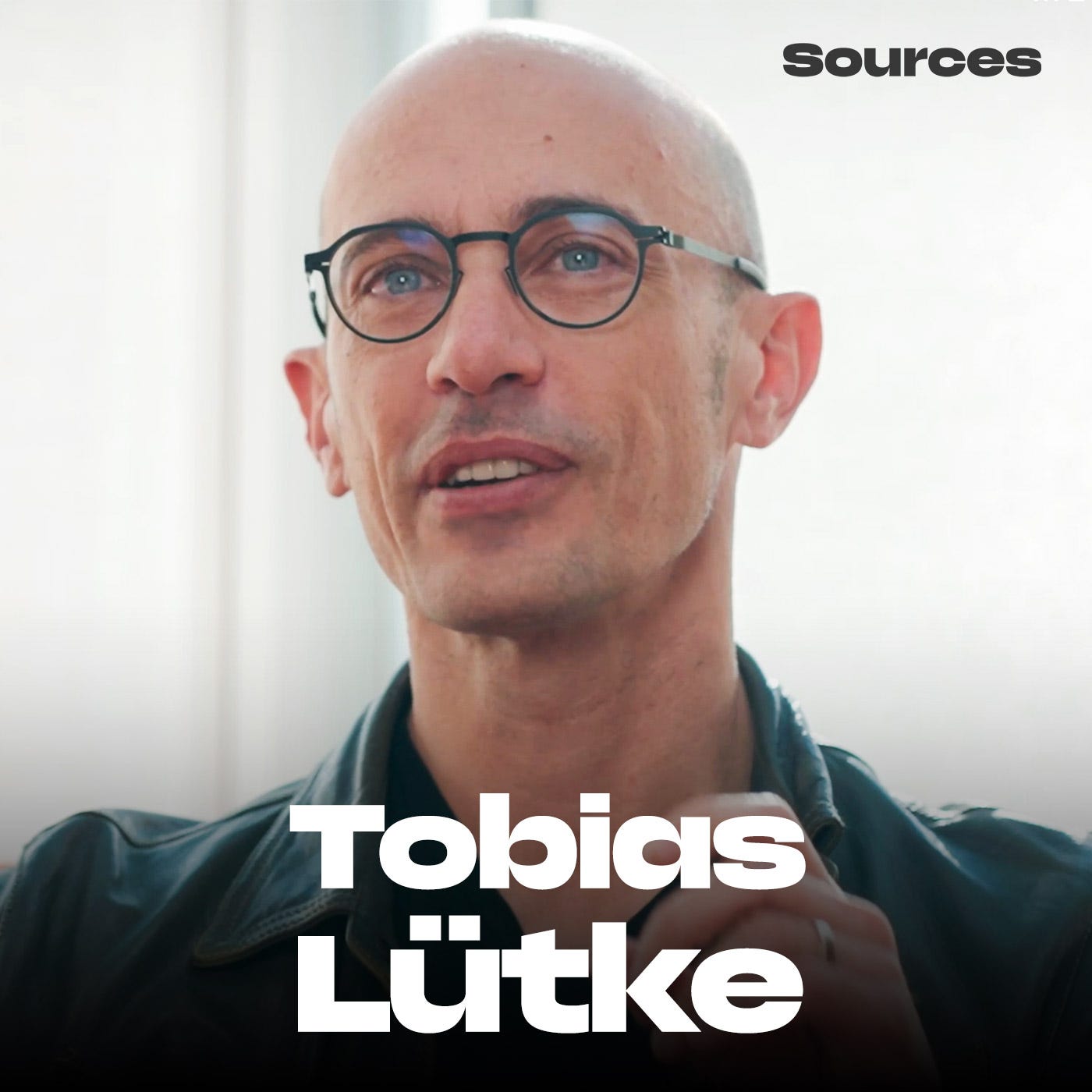
Howie Liu says Airtable was approaching $500 million in revenue and still growing when he decided to sell it to Bending Spoons. Now he’s building Hyperagent, and his bet is that the next generation of business software looks like a team of AI coworkers.
I ask Howie why he chose to sell, why he didn’t keep Hyperagent inside Airtable, and what starting over lets him do differently. We get into the economics of AI versus traditional SaaS, selling below Airtable’s peak valuation, and what founders and employees should understand about the equity they hold.
Howie calls the personal AI assistant market “a knife fight in a phone booth.” Hyperagent’s next version is his bet on multiplayer: agents with their own roles and accounts, working with each other and the people inside a business. We discuss why he sees an opening there, what he learned from making the first version too complicated, and how much autonomy these agents should actually have.
We also get into why he’s targeting small businesses that need more people than they can afford to hire, with a landscaping example that takes agents from researching a property to preparing a proposal and managing the job. Howie shares how he uses agents to build Hyperagent and what he’d tell software founders deciding whether to keep building on the business they have or start again.
Thanks to the show’s sponsors: Mercury, Granola, and Atlassian.