
In short
Alex Heath and Ellis Hamburger discuss “Access” and then interview Sam Stevenson, co-founder of Granola, the viral AI meeting-notes app. They also cover Alex’s upcoming trip to OpenAI to meet Codex leadership and talk about film photography’s resurgence as a reaction to AI “slop.”
Key claims
AI meeting notes are valuable because meetings are stressful and people have little mental bandwidth; the future of meetings won’t eliminate human decision-making, but will make follow-ups and execution more efficient. Granola’s approach: it transcribes meeting audio via transcription APIs without saving audio, and it saves only transcripts. Notable examples include Granola’s shared “spaces” (shared notes) powering internal daily briefings and sales-call folders, plus mobile/VoIP integration.
Guest background
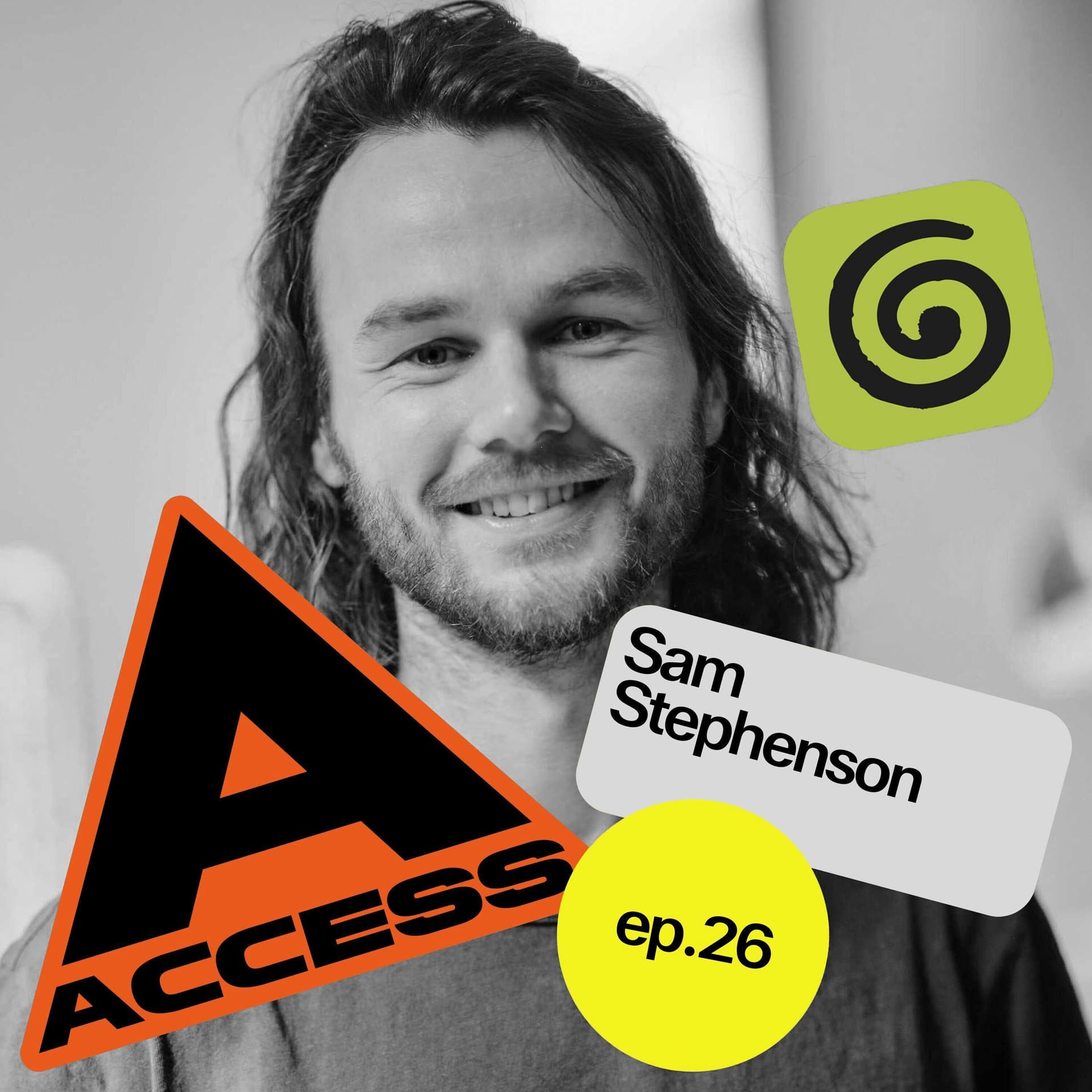
Sam Stevenson co-founded Granola, recently raised $125M at over $1B valuation, and is expanding to a San Francisco office. They also discuss Granola’s controversial data portability stance (API/MCP) and its “organic” hand-drawn logo/icon design.
Written by AI. May contain mistakes. Listen to the episode to check what was said.
Chapters
Tap a time to open that second in VOAI Meeting Notes and Granola's Impact
0:49 to 2:36
Discussion about AI meeting notes and the upcoming guest, Sam Stevenson.
“Ellis has AI butthole icons in our show prep notes, and I just want Ellis to ask about that.”
Ethics in Media and Advertising
2:36 to 4:49
Exploration of ethical considerations in media coverage and sponsorships.
“Are we accepting hats and water bottles now at the very least?”
Access Journalism and Accountability
4:49 to 7:04
Discussion on the responsibilities of media when engaging with executives.
“And like we're kind of straddling this interesting line where, you know, you're not a journalist.”
The Art of Podcasting and Conversations
7:04 to 8:24
Insight into the conversational nature of podcasts and audience engagement.
“We're asking them questions that like their VC would not ask them.”
Film Photography vs. Digital Trends
8:24 to 11:23
Conversation on the resurgence of film photography and its emotional impact.
“Well, for anybody listening out there, we would love your thoughts.”
Technology and OpenAI Insights
11:23 to 14:03
Discussion about the upcoming visit to OpenAI and insights into AI leadership.
“Or I guess the reaction to the rise of AI and slop is like people crave stuff that looks and feels real.”
Insights into OpenAI and Industry Moves
14:03 to 18:41
Discuss the recent developments at OpenAI and industry acquisitions.
“Peter Steinberger, who is now two weeks into OpenAI.”
Welcome Sam and Granola Talk
19:31 to 24:13
Engage in a light conversation with Sam about Granola and audio recording.
“Start selling on Depop, where taste recognizes taste.”
Granola's Success and Future Plans
24:13 to 28:00
Discuss Granola's funding success, valuation, and company growth.
“That's the thing I hear from other founders is that the valuation really matters for hiring.”
April Fools and Brand Symbolism
28:00 to 29:10
The hosts share their April Fools' plans and delve into the significance of branding and icon choice.
“Well, once again, Alex trying to get me in trouble, which I also deserve because I'm always trying to get him in trouble.”
Show all 28 chapters
Attention to Detail in Product Design
29:10 to 32:00
Discussion on the meticulous design elements of the Granola app and their impact on user experience.
“The thing with the brand was to make it feel personal, human, not like something a corporation would have come up with.”
Handling User Expectations and Meeting Stress
32:00 to 33:50
Exploration of user expectations during meetings and how Granola addresses the associated stress.
“Like even showing the transcript as proof that it's actually working.”
The Future of Meetings with AI Integration
33:50 to 36:10
Speculation on the evolution of meetings in the AI era and the role of tools like Granola.
“It's now, you know, almost midnight, something like that.”
Shared Notes and Internal Communication
36:10 to 39:10
Insights on how shared notes enhance communication and efficiency within teams.
“the idea that an engineer could just have his agent go build something as the meeting was going, as it was listening in on the granola.”
Sales Strategy and Product Adoption
39:10 to 41:20
Discussion on Granola's sales strategy, user adoption, and the challenges of positioning a paid product.
“Can you give us an example of how you all have used the shared notes internally to do something versus how it would have been done before?”
Technical Challenges and Future Developments
41:20 to 42:00
Overview of technical challenges faced by Granola and possible future developments, including mobile integration.
“It seems like there's something resonating there, just as this like home base you've made for all your conversations.”
Exploring Mobile Limitations and Future Plans
42:00 to 44:10
The discussion covers the challenges of implementing AI meeting notes on mobile devices and future development plans for Android.
“We have Pierre, our first Android engineer, started last week.”
The Value of Data Portability
44:10 to 46:05
Insights on the importance of data portability and how it can shape user experience in AI tools.
“Because clearly something's working with your pitch.”
Innovative Solutions for Meeting Workflows
46:05 to 48:46
Discussion on the importance of innovative solutions to improve post-meeting workflows and user productivity.
“I mean, if the product is no good, yeah, you're very happy that there's an export feature.”
Contextual Understanding in AI Tools
49:24 to 53:09
Exploring how AI can leverage context effectively for better meeting notes and summaries.
“Sweet cherry, bold outbursts, the kind of flavor that gets attention.”
Future of Meeting Dynamics
53:09 to 56:00
The conversation delves into potential innovations in meeting structures and how to enhance participant engagement.
“when when it won't do it right now it like it helped but still the quality of it was was bad enough that it would like, there's like three of us in this call right now, right?”
Exploring Personal Coaching Recipes
56:00 to 57:00
Learn about the significance of personal coaching recipes and their impact on user experience.
“And they're like, they're like personal coaching recipes are by far and away like some of the most used.”
Feedback from Influential CEOs
57:00 to 59:50
Discover the insights and requests from influential CEOs regarding product development.
“Like what is the thing about them that you think is worth investing in and continuing to build that out?”
The Importance of Meeting Transcripts
59:50 to 1:01:40
Understand why meeting transcripts are crucial for capturing the true state of a company.
“they talk about there, like what they prioritize there has been really helpful.”
Navigating User Growth and Monetization
1:01:40 to 1:04:00
Learn about the challenges of growing user numbers and the transition to monetization.
“And have you said how many users you have at the moment?”
Building a Tech Community in San Francisco
1:04:00 to 1:06:20
Explore strategies for creating a vibrant tech community in San Francisco.
“So it took us a while to actually get around to doing it.”
The Current State of London's Tech Scene
1:06:20 to 1:09:00
Get insights into the evolving landscape of the tech scene in London.
“We throw a lot of events here in London.”
Show Wrap-Up and Social Media Links
1:10:00 to 1:10:13
Find out how to connect with the host and learn about the show's production.
“You can find me at hamburger on Twitter and at meaning.company for all your startup storytelling needs.”
Transcript
Automatic transcript. May contain errors.0:00We gather here tonight to bring women back to their rightful place.
0:05Ellis:The Testaments, a new Hulu original series from the executive producers of The Handmaid's Tale. It's easier to accept a story than believe that the people around you are monsters. The battle isn't over. There comes a time when you have to take action, when you have to choose your own destiny. Never quite as it seems. Watch the new Hulu original series, The Testaments. Streaming on Hulu and Hulu on Disney Plus for bundle subscribers. Terms apply. Don't let tax refund worries hold you back. File now with TurboTax on Intuit Credit Karma. They'll find every credit and deduction to help you get every refund dollar you deserve or your money back.
0:42Start filing today in the Credit Karma app.
0:49Ellis has AI butthole icons in our show prep notes, and I just want Ellis to ask about that. What is that about?
0:56Ellis:Obviously, it is different than the little Claude butthole I have or the OpenAI techno butthole. Yeah, I mean, it's certainly adjacent, right? It is a whole adjacent. Yeah, I'll give you that. Yeah. This week on Access, Alex and I chat about his upcoming field trip to OpenAI, the rising relevance of film photography, and hashtag ethics in the modern age of content creation. Then we're joined by Sam Stevenson, co-founder of Granola. The viral AI note-taking app is hot on the heels of their big race, which values granola at more than$1 billion. We get into it all from their controversial rebrand, if AI should actually run our meetings, opening their first office in San Francisco, and much more.
1:36Ellis:Welcome to Access.
1:41Welcome to Access. I'm Alex Heath here as always with my co-host, Ellis Hamburger. Ellis, how's it going?
1:48Ellis:Oh, I'm all right. As always, I'm afflicted by something from my children. one of whom was up at 4 a.m. last night for unknown reasons. We'll get into that. I'm pretty excited for this week's guest. I am a Granola power user. Did I convert you to Granola or were you already a user as well? It's honestly hard to keep track of how many things you've pilled me on. Claude being the latest, I think you need to start getting like a kickback. I do. I do need a kickback. I've definitely pilled a lot of people on Granola. We have the co-founder, Sam Stevenson. It's a great chat. really interested in the direction they're going, AI note-taking, how I'm outsourcing my brain, all of the above.
2:32Ellis:Well, but Alex, what is your ethics situation now that you're no longer in a big media newsroom? Are we accepting hats and water bottles now at the very least? Oh, like when I accept some granola granola? Is that what you're saying? Exactly. Yeah. If it's perishable, I'll accept it. I mean, it is funny. I mean, I love the spirit of a lot of these, you know, rules and ethics statements because it is such a slippery slope. But when you look at it in the moment and it's like if you were to be biased by a sack of granola to like corrupt your entire editorial brand with some corrupted take, that would be pretty, pretty sad.
3:13My line is something that could reasonably influence my coverage or comes with like a quid pro quo of like, you know, we give you this, you do this. There's obviously situations where a company wants you to come to their event and they're down to pay for travel and there's no strings attached of like how I cover it. And in that case, you know, maybe I would do it. It is kind of company dependent just since you asked, but I do think I'm thinking a lot about it. I think even with the pod, I think it's important. I think people don't want to be surprised. I think people want to know what is sponsored, what is not like you worked with granola.
3:49We talk about that in the show, but like, you know, there's obviously that component of like you did some consulting with them, but they're not paying us to do this pod when we have a guest on, I guess, I guess it's a good, a good time to talk about this as well as on the to-do list, but yeah, when we have a guest on, you know, they're not being paid. They're not paying us to, to come on and be a guest. Right. Even though like maybe you've worked with them or in the case of like Ivan from Notion, right? Notion sponsored the show when we launched and that was awesome. We really appreciated that, but that had no bearing on him coming on the show or what have you.
4:27Ellis:I was always mystified back when I was at The Verge. People are like, hey, so do we have to pay you to cover us or something? And I'm like, what on earth are you talking about? I mean, people expect it. I just think being up front - Where does that even come from? I think everyone assumes everything is pay to play these days and in the world of influencers and YouTubers and all of that, that that's just the way it is. And like we're kind of straddling this interesting line where, you know, you're not a journalist. I still am, but I'm independent. And I do want people to know that like the conversations we're having on the show are editorially us.
5:09They're controlled by us. They're not like bought. uh, if something's an ad and we're reading an ad, obviously it's an ad. Uh, but you know, the things are separated and what the, the line I have is like, they're not being a kind of secret quid pro quo of like, um, you know, if you, if you do the ad, then you have the CEO on, you know, we're just not going to do that.
5:30Ellis:We don't make it easy though, do we? When the show called access? No, but that's a little on the nose, I think on purpose when we were talking about it, right? Like it's kind of playing with that idea of, you know, it was looked down on. And I mean, it still is, I think by traditional media, like quote unquote access journalism. But, you know, I think what we're trying to do is just have good, good, funny, interesting, provoking conversations with cool people. Well, here's the question. I think some people would say that if you do have the access to these people, it is your, you know, I don't know, moral responsibility to like give them shit or hold them accountable.
6:10Ellis:Where do you feel like the state of that is with media right now? Because I feel like with antagonistic media, obviously we're trying to be a different type of show, you know, like get to know the founders, hear what they think, bit more entertainment, speak to my background, your background, our own personal opinions as well. But I think, you know, a lot of executives are like, I'm just not even going to field an email from someone who's kind of antagonistic. I think it's bifurcating. I think it's media that is not independent is getting increasingly antagonistic. And then independent media is probably getting a little too soft.
6:45I hope we can find some kind of middle ground where, you know, even if it comes up in the form of me saying like, I think the product doesn't work or whatever. I think what you'll hear if you actually listen and pay attention to our conversations is like, yes, we're not here to like grill the people coming on, but we're also asking them like good questions. We're asking them questions that like their VC would not ask them. And we're just doing it in a much more, I think, approachable way in a way that kind of disarms them, makes them feel comfortable. I think that's the art of it is asking good questions, not being too differential, but also like being a human being and not making it a unpleasant experience for the guest.
7:25Ellis:I guess this art is literally your job, is it not? I mean, you go home and you scoop their leaked memos and then you have them on the show and you talk about their buttons in the app don't look right. I mean, ideally, ideally, I think there's room for both and I try to do both. But this is like less of the scoopy part of me that you're getting on the show, though. I do love scoops in any context. But yeah, man, I don't know. I think we're I think we're figuring it out. I think I just think if you're coming on a show like this and you're spending an hour of your time to be on a pod, like to expect that person to be subjected to, you know, intense grilling is just not reasonable.
8:07I don't know. It's just the medium is the message. And I think pods are conversational and hanging out and having fun and learning, but also having fun. And in a newsletter or a written text format, it's just different. You can get that across more in a way that you can't through pods. I don't know.
8:24Ellis:Yeah. Well, for anybody listening out there, we would love your thoughts. Feel free to tweet at us. Are we softies? At Alex. At Hamburger. Yes. At Hamburger. I am not hard to find. I'm at Alex E. Heath. But first, Ellis, have you recovered? It sounds like not based on what you said earlier from having a dozen children partying at your house. My wife and I came to your all's lovely birthday party for your daughter over the weekend. You had the bouncy house. You had the cake. You had the film camera. You had the adult beverages for the adults and the kids' beverages for the kids. How was it? Yeah, it was great.
9:04Ellis:And I think the hashtag tech angle is, you know, just think about how you spend your time at the party. Obviously, nobody wants to be the dad who's like permanently behind the Sony Handycam recording the entire thing. But it's interesting. You go through these phases of your life and when you look back at the memories, they are marked by the app or the hardware you were using at the time to document your life. And I mean, I honestly, as kind of charming as it is, I honestly have major regrets about like documenting my firstborn's first steps on Snapchat at like 360p pixelated next to the dancing hot dog.
9:39You didn't get that on film. That was just snap.
9:42Ellis:I wasn't into the film cameras yet at the time. And then meanwhile, now that I'm shooting more film, as a result, that means I'm capturing less video. You know what I'm saying? And it's a tradeoff, right? And it kind of, as a tech nerd, can be a lot of pressure to have these different phones, cameras, tools around you and just having to decide which one you're going to use to capture the moment. But yeah, I'm very happily in my film era right now, as many who know me know. And I think what's most interesting about it is that it's not just me. I think we're seeing a lot of ascendant products, whether it is this new NoFusion app that's going viral, whether it's Halide, the camera app.
10:31Ellis:One of the founders just went to Apple some time ago to help work on their camera app or even my friend Andy Allen's Not Boring camera. And the trend right now is to try and make the photos look a lot less digital and a lot less over sharpened, which is like literally one of the claims on the NoFusion app store and make them look a bit softer. And I think it's interesting debate. You know, in tech, we're so often all about the megapixels and speeds and feeds. But I think as it turns out, when people look back at their camera roll, they care less about how HDR the moment is and more like, does it actually feel emotional?
11:07Ellis:Does it actually feel like the memory? And this certainly coincides with all the Gen Z trends around getting back toward analog stuff. Some say the trend is overreported, but I feel like everybody I know when they look at the film photos I post, they say, how do I do that? Oh, yeah. Your photos are great. I mean, this is the AI pushback, right? Or I guess the reaction to the rise of AI and slop is like people crave stuff that looks and feels real. and I think these kind of photos are that and I don't know I think it's cool I think it's cool that you're documenting you know your daughter's birthday this way yeah and there really is kind of ineffable and ineffable quality to it it's just kind of sad I feel like sometimes I look back at iPhone pictures and I much prefer the ones often that were filtered on Instagram or on Hipstamatic or on Hooji Cam or on David Dobrik's Dispo camera because they also feel like a reflection of where I was at and the tools I was using and the aesthetic I was interested in at that point in my life.
12:12Ellis:Whereas when you look back at the iPhone photos, no matter where you are, what year it is, the sky is always that exact shade of blue that we all know so well. I'll just never forget the computational photography stuff. And The Verge was all over this when Samsung was creating a simulated moon. No matter what picture of the moon you took, they would put the moon on it. Yeah. Where I used to work, The Verge, that was a whole huge storyline for us. A whole beat. Yeah. What is a photo? And it still is a thing that they talk about a lot. Yeah. I mean, I feel like we're kind of all past that now as a society though.
12:45I feel like I just assume nothing is real. And I think that's why your film photos, you know, resonate for people is when you see it, it's like your mind just instinctively wants to believe that that's real because of how it looks.
12:56Ellis:Yeah. And the apps are getting better at simulating it. like Daz in particular, which I found from former Virgil on Becca Farsachi, has a particularly good like disposable version. Especially I think you realize that like I don't think it's just a like a simulation of feeling when you use the flash indoors on a camera. Like I do think it generally does look cool a lot of the time, but no one uses the iPhone flash. The iPhone itself doesn't even want to use the flash ever. And so indoor photos just always have like a very specific look and there's no feeling of like being out at the party and being spontaneous.
13:35Ellis:Um, so yeah, I don't know. I guess we'll see if it's, if it's a cyclical trend, just like everything else, but, um, it's, it's an interesting thing to watch people, people wrangling with that. I would say. Yeah. Well, I'm going to download this no fusion app. This looks cool. Yeah. Well, what's up with you? I'm back on the road, man. You're going back to San Francisco this week? Yeah. OpenAI invited me out to spend some time with the Codex leadership team and the Claw father, Peter Steinberger, who is now two weeks into OpenAI. So I'm going to be interviewing him and Tebow, the Codex lead, and some of the research people.
14:12And we're going to have a dinner at the OpenAI library, Sushi in the Library.
14:17Ellis:So how much did they spend on OpenClaw again? It's not known. Aren't you sources.news? It's not known. I mean, so the OpenClaw is an open source project that is now being maintained by an outside foundation. Dave Morin, OG Facebook platform dude, built path. He is now a partner, offline ventures. He is now running that foundation with on behalf of Peter externally. And it's a nonprofit. it, Peter joined OpenAI to essentially, I mean, I'm going to find out tomorrow when I'm up there, but I think essentially to basically build a chat GPT OpenClaw, something that is as simple and normie friendly as chat, but as powerful as OpenClaw.
15:02Ellis:Well, the reason I bring it up, I mean, it's just like Facebook spent hundreds of billions of dollars on the metaverse, renamed their company Meta, and then that trend just kind of didn't happen. And there's just so much FOMO driven acquisition or acqui-hire behavior in the valley. And it's just been interesting to see whether it is with Facebook's own Manus app that they acquired or Claude adding dispatch recently so that you could do open claw e-behaviors even when you're not at your computer. It's like it hasn't even been three months since they kind of got that guy and the whole idea that that's the future.
15:34Ellis:And as it turns out, a lot of this stuff is just kind of doable by whomever. I mean, certainly he's a genius for being the first to come up with this specific style of orchestration that allows you to kind of run an AI and command it from anywhere. But I mean, that's just kind of interesting, is it not? I just think it's a talent play. And I think they probably want his roadmap for OpenClaw to be the roadmap for ChatGPT. I mean, this was the big story, you know, last week was that OpenAI is going to basically merge Codex, ChatGPT and its Atlas browser into the super app. And Codex is really going to underpin all of it.
16:15And that's also happening with Cloud, by the way. You know, Cloud Cowork, you know, Anthropic was telling me is going to be basically the front end of the Cloud interface. Right.
16:24Ellis:It does feel weird that it's two separate tabs. Yeah. And like same thing with Codex. Like it doesn't probably make sense for it to be a separate app. Like it should probably be the harness that chat sits on top of. And so they're going to do that. And Peter will probably help them do that. And yeah, I think they just want like the power of open claw, but for normies, right, which they're well positioned to do. But, you know, it's interesting. I think they're having me up to meet with the team because they really do feel how Anthropic has stolen their mojo a bit with the momentum that Claude Code has and co-work, especially with, you know, our audience, you know, the tech early adopter crowd, the Silicon Valley crowd, it does feel like, you know, I've gotten you Claude Pilled, obviously.
17:04I mean, it does feel like Claude has really taken off and Codex is growing like crazy. It's growing like a weed, but, you know, it doesn't seem to be getting that mindshare and that buzz that ChatGPT enjoyed for so long. And I think OpenAI, you know, wants to flex and go like, look, we have all these users and we have, you know, the claw father and we're still here. We're still in the race. We're still cool. I think, I think no one questions that they're still in the race. You know, they're huge. They're, they're much bigger than Claude, but I think being cool really matters. Right. So, uh, we'll see how cool it is to have sushi in the open AI library, but that's, that's what I'm going to be doing tomorrow.
17:41Ellis:Do you have like a little, you know how at the cheesecake factory that they have that little note card where you could check off all your favorite cheesecakes you've eaten? Like, have you eaten all 200 cheesecakes? I'm picturing you with like a checklist of all the tech cafeterias around the entire peninsula, just checking them off one by one. I know you already had. What did you have? Lamb chops at one of them? Ananthropic. Yeah, that would honestly I would do very well there stacked against most people. I have been to most headquarters, actually. That's a good idea. I should just start like taking more notes of dictating to my granola, you know, what the lunches are at these places.
18:18Ellis:I think this is a new revenue stream opportunity for you. Yeah. But yeah, man, that's my week. With that, should we kick it to Sam? Let's do it. All right.
18:39Ellis:This episode is brought to you by State Farm. You know those friends who support your preference for podcasts over music on road trips? That's the energy State Farm brings to insurance. With over 19 ,000 local agents, they help you find the coverage that fits your needs. So you can spend less time worrying about insurance and more time enjoying the ride. Download the State Farm app or go online at statefarm.com. Like a good neighbor, State Farm is there. You tell yourself, no one wants your college-era band tees. But on Depop, people are searching for exactly what you've got. You once paid a small fortune for them at merch stands.
19:14Now, a teenager who calls them vintage will offer that same small fortune back. Sell them easily on Depop. Just snap a few photos and we'll take care of the rest. Who knew your questionable music taste would be a money-making machine? Your style can make you cash. Start selling on Depop, where taste recognizes taste.
19:38Ellis:What's going on man? Good to see you. Good to see you. How you doing? You are between two ferns today. for those who are listening in audio only mode. Yes, I am. Where are you calling in from? Are you in London? I mean, it looks very on brand. Does it not, Alex? We try, yeah. The office came before the brand. So the brand looks like it does probably partially because of how the office is. I mean, that's what a real brand creative director does when they come in and they're like just reflecting stuff that you already do. Yeah, yeah. And they say, I feel like there's something for you. It's kind of rustic and wooden and plants.
Read the full transcript
20:15Ellis:And you're like, wow, this creative director really gets me. And then you just turn around and you're like, oh, he's just looking at the aesthetic choices I've already made. Right before you came on, Sam, I was telling Ellis that I run Granola during every pod we do. Obviously, I run it pretty much constantly. And he's not been doing it. And he says it's because it degrades the audio quality of these conversations. Have you guys heard that from users that when they run it during calls, it can do that? On macOS, I think when you like start using the system audio, it like changes the sound ever so slightly.
20:54Yeah, you'll hear it. Like if you have like headphones on and you turn Grinola or like anything on, I think even maybe voice memos does it, then it like changes the sound a little bit. Yeah, which is annoying. I'd love to be able to fix it. bit.
21:06Ellis:Well, at least we don't have to like run it through one of those programs that we had to do back in like the Mac OS days. What were those apps called? You could like reroute your audio and all that BS. It had a fiery logo. I can't remember. But yeah, and there were some great, great oldies. I feel like OG Mac apps like Handbrake. Alex and I were just talking before you joined about his experience covering the iPhone jailbreak beat. And I feel like I mean, there's just so many funny hacks over the years like, oh, the only way to get background notifications on iOS in the early days was claiming that you were actually a VoIP app, like Skype or something like that.
21:43Ellis:And they were just little calls. And I actually feel like you guys were the very first ones that most people probably experienced that just natively recorded system audio. I mean, was that a new macOS feature when you guys took advantage of it? Or like, why was that? I mean, we did it because we didn't want to do the bot during the call thing. and we wanted to be an app on your desktop for a bunch of other reasons. So yeah, that was it. We actually avoided doing the system audio for a while because it was just technically a pain in the ass. It was like a month of an engineer's time fixing all of the edge cases and making it work smoothly.
22:21So for the first six months or so, Granola was microphone only. So we'd onboard everyone manually and explain to them that, sorry, but if you want to use this thing, you've got to take your headphones out and let the sound come out of the speakers and then back into the microphone to transcribe it. Yeah, it was a lot of work. I think Apple went and kind of did the system audio API or whatever afterwards, and now it's much easier to do. Demystify this for me, Sam. Is Granola actually recording the audio? Because this is a thing that I've had conversations with many people about. Because, you know, there's the whole thing about two-way consent states and all of that.
23:04And have you guys found a creative workaround where you're not actually recording? That's what I think is happening.
23:10Ellis:By the way, do you consent to being recorded on this podcast? Sam, we have to get that out of the way. Well, you're in London. It's probably like we'll get arrested if we don't get consent from you. Yeah, yeah. Yeah. The biggest solution is just call every meeting podcast and it'll be implied that it's being recorded. Yeah. I think basically, no. We send the audio to the transcription API and they convert it to transcript. Immediately, right? Immediately, yeah. And they don't save it. And then we also don't save the audio. So all we save is transcript. So I'm not recording people. I can say that legally.
23:48It depends which lawyer you're asking, which state. so okay yeah sure and then nothing is very uh clean cut annoyingly and an idea for prompts in the product you know based on what state you're in you all could nudge people and say make sure you check yeah you know what we could do that yeah yeah well
24:06Ellis:so you guys have some big news worthy of a congratulations uh 125 million dollar round uh over one billion dollar valuation you're a new unicorn congratulations how does that feel it's uh i know that was on your bucket list sam it's um uh it's it's like validating it's nice yeah it's um i mean the the thing i feel in the valuation and like that that kind of stuff increasing is like just the attention we get as a company and that mostly manifests as like um for hiring and things like that like you'd like you just more people know about you and like uh especially in london we get to be like one of the big fish you know like if you want to come work at an exciting startup in london then um uh we're in a much smaller pool of companies now and we get to kind of pick from the best people.
24:54So that I'm excited for. Yeah. That's the thing I hear from other founders is that the valuation really matters for hiring. And it's one of the main motivators for increasing valuation as fast as you can. And for dates as well, right? And for dates, but yeah. I'm a married man. You guys are opening an office in SF soon, right? Yeah. Yeah. We actually, like five of the, basically the whole New San Francisco team like flew over and it's their first day today. So they all arrived this morning jet lagged and having like a rapid onboarding couple of weeks here to meet the team and get a plan. So Elise is secured?
25:38Yeah. We have the office like Ursula who's made this place beautiful. is over there making that place beautiful at the moment. Important question. What other tech companies are you next to in San Francisco? We're in, we're like a couple of blocks from all the other tech companies. Like I don't think there are actually any next to us. I don't know that I know of, but we're like, we're going to be next to the Moscone Center. So like fourth and foursome, I think, or something. Just watch what time of day you're walking down the street. Yeah, yeah. You got to turn right out of the office, not left.
26:10Yeah. Just want me to go right. You're on the good side in there. That's okay. Yeah.
26:13Ellis:Well, here's what you do, Sam. Once you decide which company you want to poach from, you find out where their office is, and then you just put up a bunch of billboards right outside their office. And then that starts the conversation. And then you kind of do like an airplane flying overhead that says new unicorn, join the crew. And then you start the pipeline from there. That's best practices, at least. Did Ellis help you with these billboards that I'm seeing everywhere. Alex's favorite question to ask, did Ellis do anything as part of the project? And a couple of weeks ago, we had Daniel from Starboy on and he's like, actually, no, I didn't use any of it.
26:52Ellis:Which was great. And you can say that, Sam. This is a safe space. But I do remember Ellis, I think took full credit for Presence's power as a shower thought in an episode a few weeks ago. Is that true? Did he really come up with that? You know, I was chatting with Jack, a head of like pro marketing guy just before this. And he said the same. And he was like, I was like, was that true? And then apparently, yeah, Jack went and looked. And like Presence is Power was the thing you came up with, Alex, like months ago. And I think we like got to that. And then we like went on a big idea maze. And then we came back to the Presence thing again, like for the billboard.
27:30Ellis:Yeah. And Alex didn't make that sound very nice about taking full credit. I never aim to take full credit. There's always he's just trying to get me in trouble. But the interesting thing is that I didn't know if that was me or not, because I'm just like always working on so many stuff, so many things. And so you just like go into whatever AI you're using and you're like, was that me? And it's like, actually, yeah, this time it was. Did you not run granola in the shower? Man, I think we have good April fools, though. you probably don't have time to prepare with just a week before april fools or do you already have some april fools no we have some ideas lying around but nothing like nothing locked in so we're kind of fine i mean no pressure they're mostly bad they mostly hurt your valuation by seven percent any company that does an april fools joke so yeah no pressure uh ellis has ai butthole icons in our show prep notes and i just want ellis to ask about that what is that about Yeah.
28:30Ellis:Well, once again, Alex trying to get me in trouble, which I also deserve because I'm always trying to get him in trouble. Yeah. How did that conversation go down? I mean, obviously it is it is different than the little clawed butthole I have up in my up in my extensions bar right here or the OpenAI techno butthole icon. But yeah, I mean, it's certainly adjacent, right? It's the whole adjacent. Yeah, I'll give you that. Yeah. but surely surely you knew that going in how did that how did that conversation go down because i mean that's a huge deal to decide what symbol and i mean that's what i'm saying it kind of looks like this piece of wood behind you it's clearly connected enough to the brand to feel real and authentic but were there any others uh in the mix how did you decide on this one we i mean went through a lot like i think the overarching thing with the with the brand was like we want to make something that feels like organic and like um like a butt like a butt like honestly the metaphor is kind of stretched on the on the logo it was like um i'm not gonna say anything else i'm walking into it we're preparing you for the type of like like gallows humor you will find among the highly ratioed parties in San Francisco.
29:52Ellis:Yeah, yeah. The thing with the brand was to make it feel personal, human, not like something a corporation would have come up with. So the rough hand-drawnness of the thing was a lot of what drew us to it. You don't intend for these things to come out looking like everybody else's, but then you look at a row of all the, you know, us, Claude, OpenAI, and you're like, oh boy, yeah, okay. We come up with a similar thing. But we kind of need to feel like we're one of those, we're in those ranks, I think, a little bit. And I don't know, it's a pretty fundamental symbol, and therefore I think it feels very recognizable.
30:36Of all of the items and all of the options, like put in a dock next to all the other apps our users are using, like this was the one that stood out and felt like the most us so well so that's the right criteria is does it stand out yeah but like when i look at my mac menu bar i have no idea the difference between any of these apps because the icons all look so similar i have like i have like six versions of the same squirtle or whatever you want to call it um but i see urals because i like the way you put the meeting name and how much time is left next to it yeah yeah that's been super helpful.
31:12There's just so much attention to detail in this app. I mean, Sam, if you don't know, like I've talked to Chris, your co-founder about this, but I'm like, you're all like one of your biggest proponents. I think I've personally converted more people to granola than like any product that I've used in the last few years, just because I like it so much. But the attention to detail you guys have in kind of everything from the way that the live widget pops up on the phone when you're about to go into a meeting mobile to the Mac menu bar to the way that the notifications work and you can join something and start the transcript at the same time.
31:45Just a lot of care. And I imagine that's all super intentional. And I'm curious how that works. Is that just something that comes naturally to you? Or is that something you have to really prioritize?
31:57Ellis:You guys invented so many of the things we now think are just kind of common in the AI meeting space. Like even showing the transcript as proof that it's actually working. I credit Chris with a lot of this. he's like really he's like great at being ruthless about like what what what our user's actually going to like engage with and what what are we like where are we just like getting our hopes up that we've done a cool thing you know rather than and it's yeah the minor as we land um i think like the main like the main constraint i find helpful working like working on granola that i've i've never experienced another product before is like meetings are just like such a weirdly stressful moment in in your day like especially the moments that you click buttons in granola it's like um right at the beginning or right at the end of a meeting where you're like usually running late usually you've forgotten like who you're supposed to be talking to or why this thing's happening or you haven't prepped for this podcast like ellis today yeah yeah yeah yeah you're in like scrambling mode right like trying to figure out what's going on what should i do so you have like so little of your brain available to like entertain a tool like granola um and so we kind of have to just like work with that assumption that that you're going to care about basically nothing unless it's going to get you to where you need to go which is like into the meeting in the right setup not you don't really care about your note taker at the beginning of the meeting you know um yeah like some so many of the product decisions are kind of downstream of that that constraint i think could you be a little more proactive though say like hey you because you've outsourced your brain to me you actually need to follow up on this thing that you were going to check the transcript to remember and like nudge me a little bit more.
33:39I tried that this morning where I said, what do I need to follow up in? And it stressed me out. And I immediately looked away from it, but, um, a little more proactive in the moment nudges of like, Hey, this was a thing someone said you need to do by tomorrow. It's now, you know, almost midnight, something like that. I don't know. Yeah. We, we have a lot of, um, a lot of like, we're a lot of prototypes for that kind of thing. Yeah. Yeah. There's a lot of, um, there's a lot of nuance it turns out which I think we haven't we didn't really appreciate until we started trying to build things in this area like um there's just a really high bar for like uh suggesting something that you might want to do to like where it's like actually a thing that you appreciate and not a thing that pisses you off like uh like meetings are so full of people saying oh yeah we should do this thing or like yeah I'll follow up and we'll talk about it offline or whatever all these code words for like I never want to do like think about that thing again.
34:28Yeah. Um, the I'll have the team look at that and get back to you. Yeah. Yeah. Yeah. You all could decode the bullshit things that people say in meetings when they don't actually want to follow up and then filter that out. Yeah. Yeah. It'd be a funny, uh, that might be a good April fool's like, well, it is a funny thing to associate with, isn't it?
34:50Ellis:Like we're about, I know you say we're for people in back-to-back meetings and those are typically the people who you could argue hate themselves the most like like how do you design for for that type of use case and i mean what do you feel like even just as ai automates a lot of stuff what are meetings going to be for uh in a year or two would you say as long as people are going to have to work together that's going to be like really messy like there's not really i don't think they're going to be great like it's not going to solve that it'll solve they'll like make so much of the rest of our work really efficient i think but that thing of like humans like agreeing on what you're going to do next is is uh i think the story's gonna be hard and so like in my mind like meetings just like be more and more about that you know like well i could see a world where like an engineering team meets to decide what to do about the thing and then i don't know agent like coding asian things are listening into the meeting using granola or something else and then and then And as soon as the meeting ends, they're going off and drafting up all of the work that they said was going to be done.
35:58But people are still going to have to meet and decide on what to do next with that. And which of these things should go forwards and which ones shouldn't. And I don't see that going away anytime soon. I saw the CEO of Replit share after you guys launched the MCP stuff and they built the connector, the idea that an engineer could just have his agent go build something as the meeting was going, as it was listening in on the granola. So that's maybe already kind of technically possible. It's wild. Yeah. Yeah.
36:29Ellis:I mean, that's how Alex actually uses this podcast is to make feature requests. And so maybe next time you're on Sam, you'll be able to say by the end of the podcast, oh, we just fixed it. It's already shipping. Oh, I have a few more. Just wait. But yeah, No, I mean, that is pretty wild to think about, introducing agents to the workflow and like you're mid-meeting and they're doing stuff based on what is happening. Yeah, yeah, yeah. The hard thing there is like you need to, we'll talk about like, oh yeah, like Granola should, I want Replit to be able to work on the meeting, you know, while I'm having the meeting.
37:05And so like that's that we can give that snippet to the AI, but they but the the hard bit is like knowing all of the background information about you and about the words you use for things and the people you know and the projects you're working on so that we can like decode like we can like expand that little sentence into like a long enough prompt that that that a agent could go off and actually have a shot at building it. Talk about this other stuff you guys are launching. You've got spaces, connectors, the API, analytics. Seems like you guys are really picking up the pace on shipping stuff.
37:37Is this just kind of rebuilding Microsoft's suite from first principles or like what are you doing here? That's certainly the fad right now. We're definitely not trying to do that. I think there's two things. One, we have a lot of teams adopting Granola. That's kind of come initially just from individuals discovering it on the internet or from you, Alex, and then it spreads organically within the company. People talk about it with each other. but like a lot of people have thought about it as basically a single player individual use product but we've kind of known internally our internal version for a long time has been much more multiplayer and notes are all put into shared spaces so that you can kind of like chat with all of your company's context and know what's happening across the whole company and it just feels really really powerful and so So a lot of the announcements coming out this week are about the groundwork to let teams pull all of their meeting context in shared spaces.
38:51And the idea being that we'll be able to build a bunch of cool shit on top of that to help you understand what your customers are saying or what projects are going well and which ones aren't going well. And for a higher person at a company, what's the summary of what's going on in this area versus this area? That kind of thing.
39:10Ellis:Can you give us an example of how you all have used the shared notes internally to do something versus how it would have been done before? We have like a daily briefing going around internally at the company, which Granola generates for us like every day. That's like going through everything that's happened, like in the shared Granola and picks out the 10 most important things and lists those off to you every day. um i find that i like i feel like uh companies got big enough recently where i don't have tabs on like everything that's happening in every corner of the company anymore so um it's it's like really helpful for me to you know i see the corners of the company that i wouldn't see what's happening otherwise um there's another one i think is like the sales calls folder uh like we have all of the sales calls pooled in one place.
40:03And that's fascinating to chat with for understanding, like, hey, I'm thinking about building this thing. What have customers said about this before? And would you think that would work for them or not? And why? It's really useful as a store partner there.
40:18Ellis:How's that sales pitch going these days? I mean, I know it's not easy necessarily to make the pitch for a paid product that often already exists for free, whether it's inside of Notion or Office or Zoom or otherwise? I think we're fortunate that like nine times out of 10 those sales conversations happen because there's like a passionate group of people already using the thing inside the company. And so the job of a salesperson at Granola is to kind of like be on their side and help them win over the procurement people at the company. But the argument is like a lot of the argument honestly is like the people like to use this.
40:57like they'll use this they probably won't use the other like the the built-in thing on google or zoom or whatever because like you know technically yeah you have it but also um if the experience isn't good and if the if they're like if it's hard for me to like use the output of those notes in the different ways i want to use it then just realistically people aren't gonna
41:19Ellis:aren't gonna do it why do you think this feels like to people that it needs to be a separate app It seems like there's something resonating there, just as this like home base you've made for all your conversations. And I feel like that's also allowed it to resonate outside of tech as well, as opposed to just an add on. You're agnostic. It's because you work across all of them, whereas like Zoom only the Zoom thing only works in Zoom. Meet only works in Meet. Microsoft thing only works in Microsoft. I mean, there's a couple that are agnostic to like Notion and OpenAI. But that's to me is your all's edge is that you work everywhere.
41:52yeah yeah i think there's a lot of it yeah yeah and the phone thing on mobile which i've started to use where you can use it on a phone call is is pretty nice and well integrated i mean i don't think anyone else really has that yeah yeah i'm like uh the guys did such a good job there's like a horrific sequence of steps you've got to go through to set that up because it uses like a voip thing um so just like the the flow that they made to like hold your hand through that i'm really proud of like yeah although there's really no way to have it run while you're mobile on like a meet or a team call right that still is the thing where i'm like damn i really and can you can is there a way to design around that the limitations of the mobile operating system or apple is like keeps everything too too locked down like you can't yeah you can't get to the system audio as far as we can tell like we've tried a bunch of things really hacky things but uh nothing has worked so far you got to build a phone sam that's how you're going to get to a 10 billion valuation.
42:47Yeah, yeah, yeah. We have Pierre, our first Android engineer, started last week. So we haven't explored this yet, but I'm like, you know, there's a chance that Android is more open and we can make it work on that. Oh, Granola to Android. Is that some news you're dropping with us? I mean, we're like starting to work on it. It's going to be a while before it's up to scratch. But yeah. What about Windows? I saw you guys have a waitlist for Windows. Windows is out. Windows has been out. Oh, Windows is out. Okay. Yeah. I think last summer it came out. It's been like the version we shipped in the summer was like buggy and not gray in a bunch of ways.
43:21And there's been a lot of stability work. I am fascinated by the MCP stuff and the connector stuff. So my setup has changed radically with this where now in Claude, I've got Granola connected. It has all my Google stuff. And, you know, I use it to prep for this pod. I use it to write stories. And accessing my Granola transcripts has been the real context on lock, right? where I can just say, use that interview from yesterday I did in Granola to start building this. Where do you see this going? I mean, it seems like you're all's philosophy on this is like, let be super data portable out, which is kind of against like what you would think the obvious incentives are of building a product like this.
44:01You would want people to like not leave the product, but you guys seem to think that that's a good thing. So walk me through that. Like, why is that a good thing? And then where do you see this going?
44:09Ellis:How do you convince investors it's a good thing to be open? Because clearly something's working with your pitch. Well, people feel strongly about this because there was that controversy that you guys were locking down data, right? And not letting it leave. And your co-founder, Chris, had to put a thing out kind of demystifying this. And you've got the API launched this week. But yeah, talk about all that. It was a debate for a long time in the company. I think we've been a little slow to come out with the MCP and the API. And this was because of this debate. like a traditional SaaS wisdom is that you should like keep your data locked in the product so that people find it hard to switch off and move out.
44:47Like the thing we have to balance I think is like I just don't think that that philosophy is going to fly like in the future like now or in the future like every AI tool is becoming so interconnected and so much of the power of like these tools get it's so much more useful when you can use them with each other. And I think if we don't play ball in that system, then I don't think we're relevant anymore. I think it's essential. And I also think we're like a small team, and we can only really realistically be good at a couple of things. We have to really pick the things we want to be world class at.
45:26And for us, I think that's meetings and the stuff around meetings. And if we do well at that, we'll earn the right to be useful at more things. But assuming that we're going to have our focus on meetings and the stuff around that, then I think there's a huge long tail of stuff that people want to do with transcripts that is outside of that realm. And so this is the way to enable all of those workflows.
45:48Ellis:That makes a lot of sense. I mean, locking down your data is just one lever to try and win in SaaS world, right? And I think basically what you're saying is that this element of it is going to be commoditized enough that it's like it's actually hurting us more than helping us to lock it down. And we want to win in other departments like the product design, the agnostic sense of design of it. And I think that totally adds up. I mean, if the product is no good, yeah, you're very happy that there's an export feature. I mean, I remember when I started using like room research a handful of years ago, I was like, oh, this is the coolest thing ever.
46:27Ellis:Backlinking, my whole life is about to change. And then it wouldn't sync and the product was never updated. And there were just so many reasons that it was kludgy and not really any fun. And yeah, it was pretty nice to have the export feature in that. But I think you're right to kind of assume that people demand that or even expect that these days, especially since we're at a point where browser and computer use for AI are at a point where if If you work hard enough, you could just get the AI to import or export all your shit for you from various apps or will be soon. And so it's almost like, what's the point?
47:02I had Claude prepare me for today by looking at my calendar, my granola and my email. Right. And now I'm doing these daily prepare things with it. Is that OK that they have like they use you as kind of the pipe for that data, but then the interface I'm using is Claude. And then like, what's to keep them from eventually getting to building like the backend plumbing that you, which is, I'm not trying to minimize it. I know it's like difficult, but like get, you know, open AI has it in chat. I don't know how many people use it. I don't know if it's like affected you guys at all, but like, I, what's to keep these like big scaled consumer chatbots from just like, you know, building this.
47:41And then they've already got the interface layer with the MCP stuff. I mean, I mean, there's a world where they, they do and they hit it out of the park and toast but like uh you know i like my i i my belief is like um all of that stuff about like meetings being messy and like you're super busy and we've got to we've got to like design the product that's going to work for that messy reality of of you in meetings um i like it's hard and it takes time to get right and like uh i just believe that we have the team to to do a better job at that um than a company that's like got his attention fragmented in lots of different directions um i also think like uh i guess you had the you had the time and the headspace to think to go to claude to to like get it to prep you for this for this session but like um that's not the case for most meetings you know like most meetings you you want a similar thing you want to be smart about who you're meeting and why it's happening and stuff but also you're like ricocheting from one thing to the next and you're not going to have the time to do that.
48:39So granola, like inserting the right, just the information you need to know at the right moment, right before the meeting is a lot of the value, I think.
48:54This episode is brought to you by Indeed.
48:56Ellis:Stop waiting around for the perfect candidate. Instead, use Indeed Sponsored Jobs to find the right people with the right skills fast. It's a simple way to make sure your listing is the first candidate C. According to Indeed data, sponsored jobs have four times more applicants than non-sponsored jobs. So go build your dream team today with Indeed. Get a$75 sponsored job credit at Indeed.com slash podcast. Terms and conditions apply. In a classroom of sodas, most stay quiet. Then there's Mr. Pibb. Sweet cherry, bold outbursts, the kind of flavor that gets attention. Bold kick of cherry. Hey, yo, Mr.
49:35Ellis:Pibb.
49:41Ellis:Well, so speaking of like granola feeling like it knows you, and as you've said in your public communications, including for this raise, that the context really is going to be king and is really going to matter, help you execute a lot of this knowledge work. But how are you able to actually leverage it given the current state of context windows and whatnot? It's like, Like, do you have a prompt that you're really proud of that allows you to pull just what you need in a useful way? Because, I mean, Alex's context is frigging massive at this point. You know, it's thousands of hours of meetings. Like, it obviously, it sounds like, oh, yeah, it knows you because it has all that context.
50:24Ellis:But it's like, in reality, it does need to somehow turn that into a way to understand and give recommendations. I mean, do you do that in any special way? Nothing super special. And I don't think there's not anything there that we've figured out that other people haven't figured out, I think. I want the product to be way better at this. It's like, okay, at this so far, but not amazing. And definitely at the 3 ,000 meeting level, if you ask it a question across all 3 ,000 of those meetings, it's not going to do a good job. It's fine. The average question someone asks is like, hey, summarize what we talked about in the meetings with this one person.
51:00or like uh um find me all the meetings where we talked about uh uh breakfast and like and then write something about that and and like with that level of focus it's it's great they're like granola crunched they're like uh spotify wraps thing we did over christmas um did that and and it was like a lot of engineering work to like make it make it do that and um the the processing like for for to get everybody's like granola crunch spready was like this job that took like four days of a machine constantly running to get them all that was half the raise was the lot of tokens
51:42well do you need better speaker identification now we're getting back into product uh recommendation territory um especially on mobile where the calendar or when the calendar invitees are not very present or visible or like there's people in the meeting that are not represented in the calendar invites like that's the thing I find that also hurts with like the context retrieval and all of that is like granola doesn't actually know who's saying what yeah it's the biggest hit to our like the quality of the notes and and everything is like identifying the speakers I think yeah do you have a solve for that can ai fix that or we do like some for us to sing afterwards to like have a shot at it and it like works in some cases better than others we have some prototypes of uh like there's like a few different ways of attacking the problem and honestly i don't think there's like a golden bullet because like uh what works on a zoom call where you're all independently on your own laptops won't like might not work on a an in-person meeting on your mobile so like uh there's i think we're just going to take a couple different approaches um can they go around the room and say they're who they are and then it matches it to the voice or something like uh it yeah we we this one we tried in a uh like voice printing you you like you know take a voice printer for everyone in the room and then match it to the i'm saying this selfishly because i may need to do this tomorrow in an in-person meeting where i'm going to be running it on mobile and with six people so how do i do this elastic one and it's not in the product when when it won't do it right now it like it helped but still the quality of it was was bad enough that it would like, there's like three of us in this call right now, right?
53:19And it would assume it would, the notes would come out and there would be like 12 different speakers assigned in the meeting, you know, like it's okay, but not good enough yet.
53:28Ellis:Well, so the fact that this is all you build is also, you know, ostensibly an advantage versus the others who may have the AI part tacked on. Where do you see the most leverage from the product point of view to innovate and come up with new things since you're the only one, since this is your main focus? The stuff I'm most excited about is like most meetings like kind of create a bunch of work off the back of them right like uh and and um they're often pretty simple benign things like just like writing an email to somebody saying thank you or like telling person a that you that you agreed with person b you were going to do this thing um or like scheduling the next meeting um you're giving me anxiety just like saying all this yes yeah yeah yeah and they suck because they're like like individually not that hard but like you're busy during the day and so you don't keep on top of them and then they stack up into this huge pile of things that you got to do and um uh i'm it sounds kind of boring but i'm excited for being able to really help with all of those and um i think like what's interesting is like there's there's each of those has so much nuance in it to like get it to a point where you'd actually use the feature like um an email has got to be written in your voice and it's got to be like um it's got to solve that problem of like only talking about the things you actually agreed to do and other things you just kind of like you know suggested or kicked under the rug um yeah each each of those things has to like has to like nail the all the social nuances to be actually useful so a granola email app is that what we're getting yeah you might be able to send granola like emails from granola we're definitely not building a whole email client but yeah something like that.
55:09Ellis:I have ideas. I am having a breakthrough eureka moment on the pod. I mean, obviously, you're starting with the notes, but why not have a moderator who could tell like Steve to shut up when he's been talking for 18 minutes straight? You know what I'm saying? Like so much of the meeting rigor comes from having a project manager or a leader who really knows how to structure your meetings properly. And at the moment, you're probably not really attacking that at all. Like making sure people actually come with what they need to have read, what they need to have prepared. Like that seems like as big of an opportunity as any that applies to billions of people, not just people who are in digital meetings.
55:54Ellis:Like how do we actually make meetings useful and better and so that people aren't hating themselves at the end of each one, whether it's a referee, maybe you could choose the persona. Do that. Well, you guys have recipes, right? I mean, that's getting at that idea. Yeah, yeah, yeah. And they're like, they're like personal coaching recipes are by far and away like some of the most used. Like people like love that. I was reading that one told your co-founder, Chris, to stop acting like a product manager and start acting like a CEO and he had to go take a walk. Yeah, yeah, yeah. I think I've had a version of that too.
56:32You've had that experience? Yeah, yeah. It's not like I've never, when we were user testing that, like, you know, we'd like get on a video call with a user, let them try it, watch them react to it. I've like never worked on a thing where that's got such a strong emotional reaction. Like you'd visibly see people like flinch or like.
56:52Ellis:I mean, it's therapy. Yeah. For everyone. Yeah. We should get one to judge our podcasting abilities, Alice. And say, Alex, based on the micro expressions Ellis is exhibiting, you're really breaking through with some of these critiques and insults. What about like recipes is unique? Like what is the thing about them that you think is worth investing in and continuing to build that out? I mean, I could see one for like, say, help me come up with YouTube titles and summaries and stuff for the pod, right? Like, which is something we've started doing for the show. But I'm just using like standard granola.
57:32I should probably use a recipe. Yeah, like what motivates someone to make a recipe and why is this like a platform worth investing in? A lot of the value is when you have a team of people using granola. and there's like one person usually that is like really motivated to make the team more efficient the kind of person that likes geeking out on new tools and like figuring out all the optimal ways to use it it's like a it's a way for them to go and create a bunch of like things like you know geek out on making stuff in granola and then for the rest of the team to benefit like I think a lot of the recipes that get the most traction are like you're like a recruiting firm and you have this esoteric way of evaluating candidates or like the kind of criteria that you look for in the candidates.
58:16And, and, uh, they let you go and like, you know, create a recipe that like perfectly pulls out all of those, those talking points from the candidates and present it back to everyone in the way that they like it. Um, yeah, I think it's the stuff that's super, super tailored to your company's weird ways of working that hits the best.
58:33Ellis:As you are developing the product, I imagine you were getting a lot of feedback from a lot of people. But you guys have some pretty interesting folks on the cap table. You know, you've got Toby from Shopify, Guillermo from Vercel, Kari from Linear. I wonder, what have they been telling you? What have they been requesting as you go through kind of this inflection point as a company? Guillermo is a good, keeps us honest on the quality of the app. Like we get a lot of UI nets and things like that from him, which is really helpful. A bunch of them have been helpful in just talking to them about how they think about their whole team using it.
59:14You know, they're like CEOs at the top of like very big, successful, influential companies. And so like I was kind of taken aback by how deliberately folks like that are thinking about having like a meeting intelligence type system in their company. Like it's kind of become a requirement that you have a way of capturing the conversations in the company because they kind of all realize that that's going to be such valuable context for all of the AI, like internal AI agents doing the work in the future. Yeah, just like understanding the language they talk about there, like what they prioritize there has been really helpful.
59:55And it's hard to like get that insight without having folks like that. Well, there was a story today about Zuck building an AI CEO agent. I mean, I think they're all thinking about how can they use these tools to help run their companies, right? And Granola is a big, big part of that. Yeah, yeah, yeah.
1:00:14Ellis:Was it you that told me, Sam, that the truth of the company is in the last meeting, not in the documents? Yeah, yeah, yeah. I'm still thinking about that. Can you talk about that? Yeah, it continually takes me back. how much you can understand about what's going on in the company from just the transcripts of the conversation. Basically, any other kind of documentation or whether it's Notion Docs or Slack chats or whatever, they all trail behind the most up-to-date truth of what's happening in the company. I think mostly the truth of what's planned or what's going to happen or who's doing what is decided in meetings.
1:00:57it's like people talking about it and then and then that gets codified in a slack message or like someone takes a few hours to write up a notion doc on the thing and so like all of those things are like lossy and trailing indicators of what the truth is at the company and yeah so so you can you like just by having the context of what everybody's talking about like the exhaust themes of that is like uh the truth of like what's happening at the company the downside of it is that somebody sits down to write an ocean doc, for example, it's a moment where everybody agrees that this is the thing. We're all kind of agreeing on this thing that we're all writing down.
1:01:34Whereas conversations, people say shit they don't mean all the time. And so picking apart what's actually happening versus what somebody spitballing at lunch is not trivial, but yeah.
1:01:44Ellis:And have you said how many users you have at the moment? I know in the new release, you talked about some companies, like some big ones like DoorDash that are using you guys. Where does that all stand? Yeah, we don't talk about like absolute user numbers publicly, but DoorDash, Brex, Vancell, Vanta, like a lot of the a lot of the big like most AI forward companies that are like adopting us like have adopted us or like we're talking with them at the moment. I think we just had so much organic viral growth from person to person, like especially in the Silicon Valley ecosystem, you know, that like that's kind of bearing fruit like we've we've hit critical mass on enough of their companies now where like it's it's turning into sales conversations um so the sales team have their work cut out like keeping up with that but i got the notification about a month ago that i had 30 days to pay or lose access to everything past 30 days uh it's been a while coming yeah i was waiting you know we were in the like you know free uber you weren't paying no i wasn't paying this whole time.
1:02:47And I was like, man, did I get a hookup? Did Chris hook me up? Cause he, he helped me with an account transfer before you guys let your, let people switch emails. And I was like, damn, maybe I'm on some great white list or something. And then I got that and I was like, nope. And then I was also thinking, well, like maybe we were in the subsidized Uber phase of this. Uh, and I imagine now, uh, the revenue ramp's looking a little different now that that, uh, that, that time has come. Was that always the plan? Just like we got to like, you know, I think, I think saying, you know, you only get 30 days worth of meetings is, is makes sense.
1:03:25I know it's probably expensive to store that stuff at scale, but, uh, yeah, it's quite a move. And we had to start making money at some point, you know, and like, uh, uh, this is AI. What are you talking about? You don't have to start making money. I don't know. We kicked the can down the road on actually charging for the product for a really long time. I think when we launched, you could technically pay for granola, and we had pricing on the website. But really, the priority was just make the product good, and we were a tiny, tiny team, and building a paywall would have meant stopping everything else.
1:04:00So it took us a while to actually get around to doing it. And like there was a point where the user numbers started getting big enough that like the amount of thing was costing us. Like you could plot a chart and the numbers got really scary big really quickly. So, yeah, that was the motivator.
1:04:15Ellis:So I know the conventional wisdom was always like users first. And I think part of that is that you prioritize the users first for a number of reasons. But one of them is that they start building their data set within your product and then it's sticky and or hard to leave. But now you kind of look at Twitter just kind of coming back to the defensibility point of view. And there's another Steve out there who vibe coded his own granola in like one day or whatever. And that is new. And then, you know, there's also the narratives about the SaaSpocalypse of like capable engineers at DoorDash just coding it for themselves.
1:04:51Ellis:How are you guys thinking about that? Does that keep you up at night? No, maybe it should. but like uh i i think it's like today at least it's like still the case i think that it's easy to make something that looks like it does the job but like to make something actually good enough that you rely on it you know like you've really really got to trust granola to be doing this thing and like to not to not let you down because like you want to like hit the button and then and then put it out of your mind you know and uh and yeah if we fail like one percent of the time that's just not okay like users will will churn and stop using us and um doing that well enough for like a large number of users is still like a media problem that i think is safe for a little bit i guess when it comes to both the reliability and also the data security it's like yeah you do want a company you could trust as opposed to steve's app that just happens to be free right and so maybe categorically you're in a better place than than most who who may be called rappers or otherwise.
1:05:52Ellis:Is that still a term that's being used or is everybody past that? Yeah, man, I haven't heard it in a while. Open AI is just an NVIDIA rapper. So you can just rapper this all the way up. That was like the number one raising the first round. That was like the number one thing we had to get over was was like us just being a rapper. And times have changed. Sam, I noticed you guys are hiring for a community manager. in San Francisco. And one of the job description points is to make Granola's SF office synonymous with the forefront of tech in the city. What are your ideas for doing that? How are you going to do that?
1:06:29We throw a lot of events here in London. Meetups, firesides, hackathons, design evenings, like all kinds of things. It's been so good for us. Like, one, it's just really, it's like fun. Everyone on the team loves being able to just go downstairs on a Wednesday evening and hang out with new people and go see a talk by someone interesting. But like for just like as a small startup having, I think we're just known at this point in the city. Like most engineers have heard of us probably by our events more than our product. Like and so for hiring and for attracting interesting people, it's been like really, really good.
1:07:08So yeah, we have to figure out what the San Francisco version of that is like. and there's a little more competition for tech events there. So we might have to be more creative. There's a lot of competition. You may have to bring in some like sushi boats or something. I mean, it helps that you're not next to something. You know, if you were next to a competitor, like literally next door, you know, but you've also got that Moscone area to contend with and people getting there. Yeah. I think we're doing the office really nice as well. Like a place people like just have to go see. Yeah. What's going to be the bougiest thing in this office?
1:07:39Are we doing, you know, haircuts? Are we doing laundry?
1:07:43Ellis:Yo, yo, yo. Obviously, we need fancy artisanal granola, which can be banging if you've had the good ones. We have granola companies send us their granola. You know, like, they're like, oh, these people must need good granola. We'll send them a trial packet. So we usually have like, at any given time, there's like a handful of different granolas for the people who sent in to try out. Is there a most popular granola? and in a terrible granola that's actually all sugar? Is there a Slack channel around that? I assume, I hope there is. We have a chief snack officer and a chief drinks officer and I think a condiments one as well.
1:08:24And they are getting, it's a busy job. They're getting things from all directions on with feedback on these things, yeah. Although I think we have an open-claw bot running in the office at the moment and a lot of their job is collecting all the feedback on the snacks and the granola and stuff. How are you feeling with the limited time we have left? How are you feeling about London's tech scene overall? Is it up? Is it down? Is it eh? It feels up. It feels up. When we started, what, like three years ago now, it was super research heavy. I guess DeepMind felt like the place that everybody talked about is the happening place in AI.
1:09:02There's more diversity now, I think. There's just more companies doing more interesting things And there's a wave of AI startups that, I guess, started around the time we did and are now, you know, bigger and have their own centers of gravity. So it's looking better. It's still, I think, tiny compared to San Francisco. But we have good people here.
1:09:23Ellis:Nice. Well, we'll let you get back to your snacks. Thank you for joining us. And yeah, congrats again on the big raise. We'll keep in touch. Yeah. It was a lot of fun. Thank you, guys. Thanks for coming on, Sam.
1:09:36That's it for this week's show. Please don't forget to like, subscribe, wherever you get podcasts. We are access.show on the interwebs where you can get us in all formats. You can find us in video. Please do that at accesspod on YouTube.
1:09:52Ellis:And if you like this episode, please leave a five-star review or thumbs up and share with a friend or agent. You can find my newsletter at sources.news. You can find me at hamburger on Twitter and at meaning.company for all your startup storytelling needs. Access is part of the Vox Media Podcast Network, and this show is produced by Hooked Creators. Bye-bye.
From the publisher
Alex and Ellis talk about navigating ethics in media and programming the pod, the rise of film photography, and Alex’s trip to OpenAI. Then they’re joined by Granola co-founder Daniel to talk about building one of the breakout AI meeting tools. They discuss why meetings are still where decisions actually get made and how Granola is evolving as a product. They also get into design choices, how people use the product in real workflows, and what it means to build tools that sit within your most important conversations.
Follow ACCESS on Instagram:
https://www.instagram.com/accesspodcast/
Follow Alex:
https://sources.news/
https://x.com/alexeheath/
Follow Ellis:
https://meaning.company/
https://x.com/hamburger
ACCESS is produced in partnership with the Vox Media Podcast Network.
Learn more about your ad choices. Visit podcastchoices.com/adchoices