
 Ask ChatGPT

- Podcasts
- Space by Stansons
- Asking is The Only Way to Get What You Want: A Playbook for Junior Designers by Ezgi Elitok
Space by Stansons17 Jun 2025 · 38m · 21 chapters
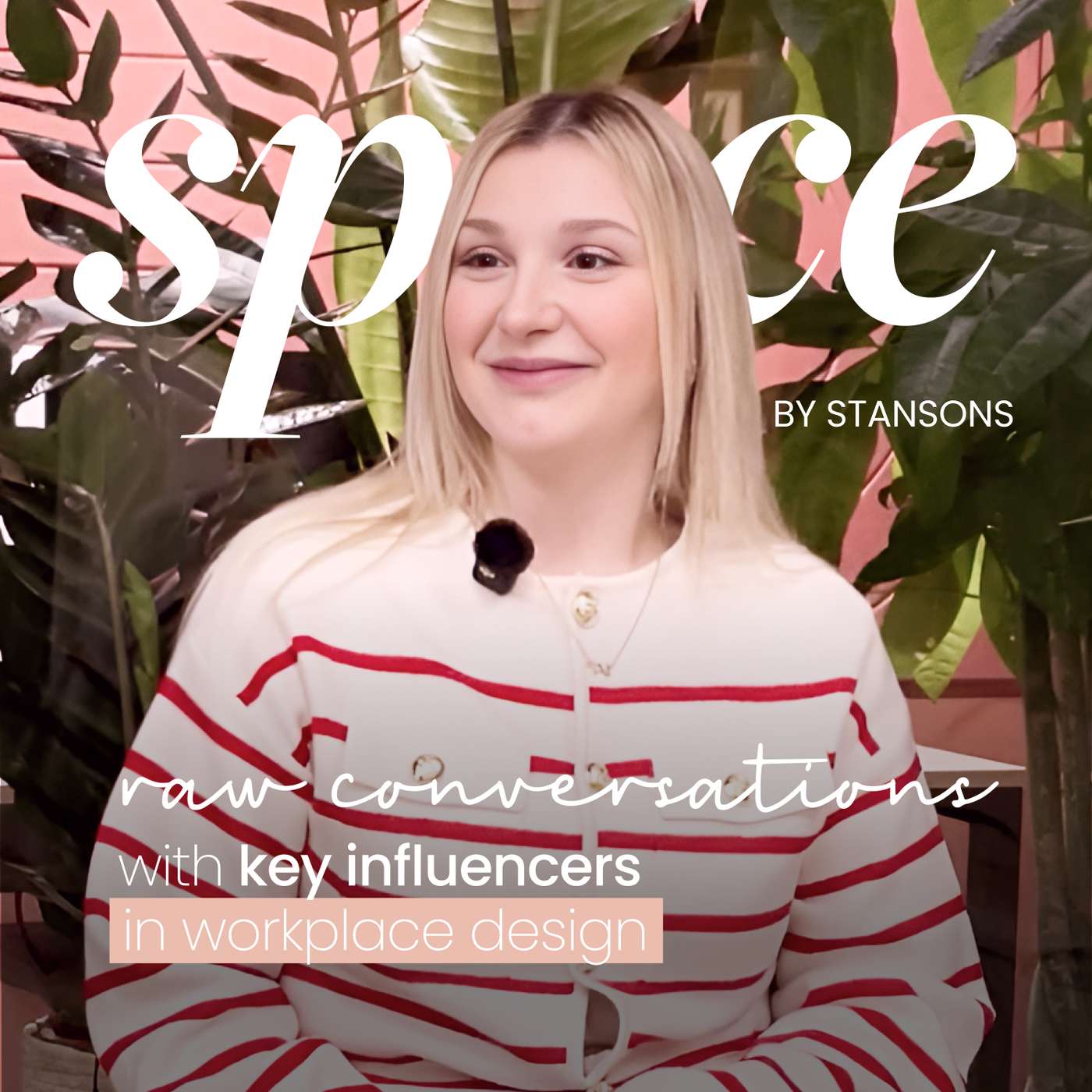
Asking is The Only Way to Get What You Want: A Playbook for Junior Designers by Ezgi Elitok
In short
A junior interior designer’s playbook for getting hired despite “no industry-standard experience,” emphasizing enthusiasm, asking for what you want, building a portfolio, using internships (often unpaid), and demanding real support from firms.
Guest
Ezgi Elitok (called “Izgi” in the episode), interior design project specialist at Corgan. She studied during lockdown, pivoted into workplace design research, and spent about a year applying for jobs and securing multiple internships via LinkedIn and proactive outreach.
Key claims
Reputation and attitude matter as much as talent; “if you don’t ask, you don’t get”; internships and portfolio strategy can break the experience catch-22; unpaid work is common but should be paid when possible; universities should use more realistic, client-and-budget briefs.
Notable examples
She created a full retail store concept after a luxury brand said “no juniors,” then presented it and got an internship. She was told to remove university work from her portfolio and faced “two years experience” requirements for entry-level roles.
Written by AI. May contain mistakes.
Chapters
0:00
The Importance of Enthusiasm for Juniors
Learn why enthusiasm and a positive mindset are crucial for junior designers.
“I would say it is just me as a person, it's my character, it's my personality.”
2:21
The Challenges of Entering Design
Explore the challenges new designers face in the job market post-graduation.
3:24
Discovering Workplace Design
Ezgi shares her exploration into workplace design during university lockdowns.
“there's anyone that wants to reach out to me as well I will always be there and I will help you wherever I can.”
4:52
Building Experience Through Internships
Hear about Ezgi's journey and strategies for securing internships in design.
“And they said, it's a part of my life I really regret not pursuing.”
9:19
Navigating Unpaid Work and Job Feedback
Discussion on the balance between unpaid work and gaining experience in design.
“to do all of that during the year and just really put myself out there.”
10:49
The Reality of Entry-Level Positions
Understanding the misconceptions surrounding entry-level roles and candidate expectations.
“yeah yeah I would say around roughly a year it took me um it could have took longer but I made it my mission and I put 110 % of my time and energy to finding these internships and doing all the work that I did.”
14:00
Entry-Level Job Expectations
Discussion on the misconceptions of entry-level job requirements.
15:00
The Role of Mentorship
Importance of mentorship and proper training for juniors.
“to sit down, train them and show them those things.”
16:00
Hiring Philosophy
Insights on how to approach hiring and understanding candidates.
17:20
The Value of Paid Internships
Discussion about the significance of compensating interns fairly.
Show all 21 chapters
18:10
The Importance of Experience
Personal anecdotes on gaining knowledge from internships.
18:30
Building Resilience and Positivity
Tips for maintaining a positive mindset and resilience.
21:20
Creating an Impactful Portfolio
Guidance on how to effectively design and present a portfolio.
“And I think, you know, if there's anyone out there that just feels stuck, just remember you're not alone.”
23:30
Recognizing Achievements
The importance of celebrating small wins in your career.
“And that was what really, you know, drove me to doing everything I could that year.”
26:20
Advice for Graduating Designers
Key advice for new graduates entering the design industry.
28:02
Advice for Junior Designers
Learn essential advice for juniors on portfolios and internships.
29:01
Hiring Insights for Design Directors
Discover key considerations for hiring junior designers.
“design directors like hey this is three things I want you to consider when you're hiring juniors what would you say to them?”
30:29
Navigating the Job Experience Cycle
Understand the challenges juniors face in gaining entry-level jobs.
“Amazing oh that's great a support system Check it's actually a genuinely entry-level role.”
31:20
Lessons Learned from Internships
Explore how internships provide practical insights into the design industry.
“And immediately you're going to start building up that confidence as well as, you know, your skills and everything else.”
33:58
Improving University Design Education
Discuss potential improvements for design curricula in universities.
“That's interesting do you think in university is missing a trick there if you were to design a course what would you do differently?”
35:08
Books and Mindset for Designers
Learn about a recommended book that encourages positive thinking.
“I think Good Vibes, Good Something Else, something like that.”

Ask about this episode
Get the gist, explore an idea or ask about something said.
 Claude
On Space by Stansons, what are the key points of this episode?
Searching your listeningTranscript
Automatic transcript. May contain errors.
0:00I would say it is just me as a person, it's my character, it's my personality. I always choose to rise above things, always give everything 110%, always approach things with a positive mindset, always be enthusiastic. I think enthusiasm is so important, especially as a junior. You've graduated, this is you beginning your journey, this is you finally starting your career, all those years of hard work, you can finally apply all of that to the real life industry. show that enthusiasm, show how much this means to you, show them what it is that you've got. When you put that across, that is what's going to really get you far.
0:36If you're a junior and you're like, yes, I want this, but you're not showing them that enthusiasm, the energy, the keen and willingness to learn. I think that's really important. I think one thing within this industry, your reputation gets you very far. I didn't realise until I started how close-knit the design industry is. Everybody knows each other. Your attitude is important just as much is your talent. Well thank you everybody welcome to another episode of Space by Stansons. Today I'm talking to my youngest ever guest and there's a massive reason behind it. Izgi has, I have pronounced her name right?
1:13Yeah Izgi, that's spot on. Perfect. She was telling me about her story about how she got into work, like into interior design through the whole internship and junior design thing and I was like oh my goodness that's ridiculous so yeah I was sitting there thinking like I just need to hear this story and it's so often glamorized and then absolutely now at Corgan yeah and I was like right there's design managers out there hiring people or any senior people hiring people and then it's like sit up and listen because this is what young people are going through and like to expect them to go through this and then the pressure on them when they're in work expecting them to perform their mental health and physically and mentally it's a big deal and then also any junior designers people looking to come into design if you're having a tough time just breathe and be kind to yourself because this is Easege's story and I personally was quite quite mind blown so anyway welcome Easege.
2:20Thank you for having me I'm really excited to be here and it's definitely an interesting topic and I feel like it's something that's not often spoken about it's almost kind of forbidden I feel like it is very glamorized like you said it's all everyone's very quick to say yeah I've landed my dream job but what I'm really keen and interesting and what I really want to know is how you got there what was the ugly parts what did it take for you to land there and often I get a lot of juniors message me on LinkedIn and I remember exactly what that felt like and I ended up making spreadsheets of all my job applications people I reached out to and if I told you only the handful of replies that I got it was absolutely shocking because sometimes all we want is just a bit of advice a bit of guidance we just want a bit of direction and of course we're going to reach out to people working within the industry there's only so much you know that you learn at university and you just want a bit of that first-hand experience some advice so that's what I really want to you know that's what I'm really excited about being here today you know I really want to get that word out and you know even at the end of this if there's anyone that wants to reach out to me as well I will always be there and I will help you wherever I can.
3:33You're so generous and it really really comes across I really appreciate such a lovely energy such a lovely disposition so yeah thank you. So kicking off your story what made you want to go into interior design that way before you even studied it was it like what what did that look like this is taking me back now um during university so i unfortunately was studying during the whole lockdown and i remember during my second year i was doing my research into different sectors and i thought right you know there's residential there's workplaces hospitality and there's so many different sectors and sometimes not all universities even touch base on all of these sectors as well.
4:12So I said to myself, what are we going to do after graduating? You know, what's going to be the most important thing? I did do internships during university as well. And then I stumbled across workplace. So during COVID, I started seeing all these social media posts about the challenges that office design is going to face when trying to get people to come back into the office. How can we get collaboration and interaction back on the table? and I thought right this is really interesting it's not just about putting a breakout space there a kitchen there a desk there there's so much more to it and it's a it's an amazing industry and I couldn't recommend it enough so I kind of fell down that rabbit hole and I never came out and I'm still I'm I'm really really enjoying it and then after graduating I remember how excited I felt to just really really get out there I had that degree in my hands and I thought that's it there's nothing stopping me now I'm going to get myself out there and the first thing I did was I started straight away applying for jobs so I made myself my spreadsheets I started doing interviews and then that's when the challenge of the lack of industry standard experience presented itself and I thought oh my god why is no one talking about this is this actually a common thing or is this just happening to me and I started reaching out to people and they said yeah I actually graduated three years ago and I'm still looking for a junior role and I thought oh my god like is this what I've actually got myself into is this the challenge that I'm facing I thought we're going to rise above it and we're going to find a way around this so I always approach things with positivity and I try to be as optimistic as I can always that's the only way to be and I started applying getting my interviews and it was the same feedback lack of industry standard experience and I thought right I'm I feel stuck and there's only so many times that young designers, juniors, anyone with any particular job really, there's only so many times you can be told you don't have the skill set, you don't have the experience, you end up slowly believing and giving in and it would shock you the amount of people I've spoken to where they've switched career paths so I've had even different suppliers coming in saying how did you get your job here because I studied interior design five years ago and I ended up switching career paths because it was something I couldn't get into.
6:28And they said, it's a part of my life I really regret not pursuing. So it just kind of made me think this is probably something that's been going on for a long time. Just no one really wants to speak about it. After going through all of that and all the constant same feedback, I thought, right, I'm going to stop applying and I'm going to focus my time and energy on internships. And finding those as a full-time job in itself, it's so hard because, you know, you need to be assigned a mentor, there's project deadlines, so finding someone and finding the company is really really difficult and most of the time finding ones for like a long duration like maybe a couple of months to a year is very very difficult.
7:07I put all my time and energy to that, I really utilize LinkedIn, I cannot stress enough how amazing LinkedIn is to connect with people that share the same interests as you, reaching out for advice that sort of thing. um I reached out to a lot of people and I managed to get quite a few internships during that year and I'm very very proud of that as well because who was that with um some was with some high-end luxury retail brands some workplace and some residential as well um and it's it's quite crazy because one actually said no to me but I managed to turn those into yeses I think you just need to yeah you just need to you just need to you know you need to get your character across um so this one luxury retail brand I reached out to them and I said you know I would really love to come and do an internship with you guys and they said we don't have juniors it's only seniors and above it like it's a strictly no we won't even have juniors in in the office so I thought you know what I'm gonna take this into my own hands and I'm gonna see what I can do and I took one of their perfumes as inspiration and I designed a whole retail store with a pop-up a concept everything I sent it to them and they were so impressed they said we need you to come down and present this to the team we'll allow this the one time and I went down there I presented and they said how have you like you you can't be struggling Esgi because we can see everything here in front of us like you clearly know what you're doing and I'm like it's just the matter of building this up even more building up my experience more and I had that with other brands workplace companies all of this stuff um so this is unpaid this is all unpaid it's just ridiculous isn't it yeah so and I was lucky enough that I'm in a position where I can do that I don't have any of those responsibilities and the knowledge that I was going to get from that was far more valuable to me than anything but there's some people where they can't afford to do that and it is unfortunate and then after that after building up all my experience through all those internships and getting that work into my portfolio I started getting more of those interviews and everyone found it really impressive how I managed to do all of that during the year and just really put myself out there.
9:27I landed my job at Corgan as interior design project specialist and it's been amazing ever since so Corgan is an architectural and design company it's been around for 87 years started in 1938. You've got these numbers in your head yeah it's funny actually because people say you sound like you've been there for like 20 years more um their headquarters is in Dallas which is really cool they've got 19 offices in different locations US um Dublin Singapore London of course sectors in aviation workplace healthcare education data centres pretty much the full works which is really really cool um we've got our head of interiors which is Dua she's absolutely amazing she's a great great mentor and I can't stress enough how important it is to have you know a good role model a good mentor yeah and um she's amazing at what she does and she's a she's a great female leader in the corporate interior sector in general so um it's been amazing ever since so I'm looking forward to seeing how I'm going to grow even why but he is but you have got there like now which is amazing yeah congratulations thank you how long was that period of like graduating fighting for interviews fighting for internships unpaid and then getting that job at Corgan what was that time frame I would say a year yeah yeah I would say around roughly a year it took me um it could have took longer but I made it my mission and I put 110 % of my time and energy to finding these internships and doing all the work that I did.
11:03It is, it's quite controversial actually, because a lot of people, I remember I got one piece of feedback, which, you know, some people agree, some disagree. And I had one person say, do as much unpaid work as you can, because it stands out. And then I had someone say, actually, no, that's, that's not how it should be. Juniors shouldn't be offering to do unpaid work to be noticed and I have juniors reach out to me all the time saying do I actually need to do this much in order to be noticed and it is difficult and I always say you know if I could go back in time and give myself one piece of advice it's just be patient be confident and if you don't ask you don't get it is I cannot stress that enough it's so incredibly important just you You know, put yourself in those arms.
11:50Yeah, if you don't ask, you don't get exactly that. And I remember, you know, a few years ago, I would always kind of shy away. And I think, no, you know, I want this and I deserve this. And I know I have the skill set and I know I can do this. And it was that that really pushed me and kept me motivated. I didn't let any of the feedback put me down in any way. I took that as feedback but as a tool to you know refine my work more how could I you know make it better but I never ever let it you know question myself or my skill set ever and I think that's what juniors need to remember that it doesn't define you as a person yeah and that you will get there 100 % what's the worst bit of feedback you got to remove all my university work from my portfolio so I had one yeah this was during one of my interviews and they just straight up said um we are just looking for someone with a bit more experience and I said well if you don't mind me asking this was for an entry-level position right and they said yeah we're just looking for someone with you know two years experience and I thought right so you're not looking for a junior then are you're not looking for an entry level and they said um and do you have any industry standard work to show us and I thought no I've literally just graduated two months ago I'm not going to have any industry standard experience up my sleeve or any work and they said you know one piece of advice I would think about removing all the university work and concentrate on filling up your portfolio with industry standard work and that definitely made me feel deflated because I thought all these years of hard work and grafting to perfect my designs and at the end of the day as a junior that portfolio that is the first you know reflection of who you are as a person it's a journey it's a story and to be told remove it because it's not up to standards it does make you feel deflated and I thought you know what no I'm gonna leave that there and I will do whatever it takes to build up my experience elsewhere but you're always gonna get these sorts of feedback just don't take it to heart I feel like in this industry you definitely need thick skin for sure yeah I think it's very easy to just take whatever is given to you so some will say you know whatever is offered to you just take it it's really important I can't stress enough to join a firm that has a good like a good support community group Corgan definitely has that we we do these like reflections and feedbacks regularly um I think firms and I can't I don't have enough fingers to count how many times I've heard this we need someone to hit the ground running and it just makes me think well this it's it's extremely unfair because they say it's entry level but really it's not entry level and we need to redefine the word to actually mean entry level um so they say we want you to hit the ground running but then it just kind of makes me think but where's the support i think they see a mentor or training as losing time resources money they just they don't have the time to do that and it just makes me think then you know you need to just hire people with that experience and if you you are looking for a junior then you need to make the time to sit down, train them and show them those things.
15:04I think that's a massive point. And I think everybody needs to sit up here because we advertise a job as entry junior level. We probably put the salary as what an intern should be. And then we're asking for like two years of experience or three years. And that's that common mean, isn't it? It's like a joke amongst recruitment. And you've actually experienced that firsthand, which is a bit, yeah, a kick in the stomach if you like. Yes. Fast forward like two years, I'm reckoning you're going to be hiring people. Oh, thank you. How would you approach it? Because you're going to get swamped. Like you're really open.
15:42Your energy is wicked. Even just after this podcast, I reckon you're going to get like people coming to this. How to do this? How to do that? You're going to have a lot on. Yeah. You're going to be busy from work. You're going to be delivering in your role for whoever you're delivering for. and you're going to be smashing your like personal career like visualize that and then you're going to have all these people that's warming to you because you're warm you've got a great energy and like you like you could just max out and you need to look after yourself yeah and not just necessarily the company and all these people yeah so how are you gonna have you any thoughts about how you want to be as a as a manager as a hire as somebody hiring have you had any thoughts about that?
16:20That's really interesting actually I've never really thought about it but if I was hiring I feel like I would really really think deep into what that person's kind of been through what they've done in their spare time I've often experienced in my interviews you know they just want to cut to the end and say right what is your experience let me see some industry standard work I feel like it's I would really take the time to you know figure out what that person has been up to since graduating and I remember during my interview with Corgan they were really invested in getting to know me as a person not only my skill set but the person that they would potentially be letting into their family and at Corgan everyone is quite a close-knit family anyways and you spend more time with these people than your own family at home so I feel like I would really like to do the same I'd like to get to know them you know a bit more personally what kind of person they are and what they would bring to the table other than just you know their skill set what they were up to you know maybe there's certain things that they liked doing in their own time and that was what Corgan you know really did with me they got to know what I did after graduating and I remember them saying it's so amazing that you did all of this after graduating and doing organizing and getting all of this done is extremely hard as it is and you know they recognize that and I want to be able to recognize that in people as well for sure no good point and would you do unpaid internships or would you or would you pay them yes I would absolutely pay them I've you know I've had companies say that they were going to pay me and they didn't no yes and at the end of it I kind of...
18:07How many times that happened? I would say I think two times now, two times and at the end of it I thought you know what, it's fine I've taken away so much knowledge away from this and that is far more value to me than anything but even things like your travel, things like that I feel like those should be covered and if you are doing you know a nine to five and nine to six whatever it is and you're doing these site visits and you're you're paying that out of your own pocket it is of course very unfair not everyone can be in that position you know I have I've met people where they're trying to you know they've got things to pay you know whether it's rent or whatever it is and they're also trying to balance a job and do an internship at the same time and it's like you you can't cut yourself into this into 50 different people it's it's really difficult um but I would absolutely do paid internships I think it's not fair at all no good for you well done and um another thing I'm picking up through all of this and you probably have heard it loads but your energy or your mindset you're so resilient you're so positive thank you and you're you're so like unsuppressible you just bounce back I can just see someone like giving you some negative feedback and you're like I don't care i'm carrying on yeah it's absolutely wicked mindset and it's it's so powerful it's so strong and it's so like it's infectious i'm picking it up here yeah gosh like she's just like it's wicked but how have you got that is it would you say it's a personality trait or do you have a mentor do you do visualization like how do you maintain that like for anybody out there like there's tough times out there yeah can we have a bit of some of the tips and tricks that you keep so a bit of how do we get that I would say it is just me as a person it's my character it's my personality I always choose to rise above things always give everything 110 % always approach things with a positive mindset always be enthusiastic I think enthusiasm is so important especially as a junior you know you've graduated this is you beginning your journey this is you finally starting your career all those years of hard work you can finally apply all of that to the real life industry show that enthusiasm show how much this means to you show them what it is that you've got when you put that across that is what's going to really really get you far if you're a junior and you're like yes you know I want this but you're not showing them that enthusiasm the energy you know the keen and willingness to learn I think that's really really important I think one thing within this industry you know your reputation gets you very very far I didn't realize until I started how close-knit the design industry is everybody knows each other your reputation will really get you far your attitude is important just as much as your talent I think that is incredibly important and you know and just your skill set I think being fluent in all your technical skills is really important as well just whatever skills you have master them you know just make them even better than they already are and just always be yourself be be your true organic self and that's all that matters yeah no it's great advice because I do think that if you've got that attitude and how you've managed to maintain that and secure that I think that's what has got you where you are and it's like and it's even just chatting to you before I said I want that on the podcast I want people to hear that and because I agree with like giving young people like an opportunity giving them a leg up I remember when I needed that I was very under confident and I needed that like leg up all the time yeah and I'm a massive believer in that and and that you've but you've kind of fought through that and then you've got there so So it's just great to hear.
22:07I think it's brilliant. Absolutely. And I think, you know, if there's anyone out there that just feels stuck, just remember you're not alone. There is so many other juniors that are going through the same thing. So I like to do regular calls with, you know, different graduates. So I had a call a few weeks ago with a young lady and she just said to me, I graduated a year ago and I still can't find anything. Why? Can you please look through my CV and my portfolio? I think one thing as well that I would like to touch on is portfolios are very important it's it represents you as a person your journey your skills but don't feel pressure to fill it to the top I think some juniors get intimidated by white space let the work speak for itself you don't need 50 pages of tons and tons of project you can have you know four to five really strong projects and let the work speak for itself I think a lot of juniors just put pressures on them like a lot of pressure on themselves or they think because they're a junior they can't really speak up and there's only so much they can do that's absolutely not true if you don't ask you don't get and that's one thing that I learned the hard way and I think if you stay silent you don't speak up you will be overlooked so do everything you can to stand out always and if you think about it you put out an application and this is true you get like a thousand applicants overnight and you You just need to think what's going to make me stand out from those other 999 applicants.
23:34You know, what makes me different? What makes me more unique? And that was what really, you know, drove me to doing everything I could that year. And it absolutely paid off. And if I could go back, I wouldn't change a thing. I absolutely wouldn't change a thing. And I feel like it's it's really shaped me more as a person. I learned even more about myself and how strong I am and how patient I am as well. and I it just taught me that absolutely I can do this and so can everyone else yeah I do think you should be flipping proud of yourself thank you so much really should talking about portfolios because you mentioned it's important how did you how what did you use to design it I imagine I'm a yeah I'm I'm just coming out of university I'm creating a portfolio it's good like what shall I do what shall I use to design it how shall I send it over is it just a pdf on email like talk to me about that what's the best way so I did mine on InDesign usually the most common ways through InDesign um I would say the structurally laying it out is the most important thing um a lot of juniors feel pressured that you need you need to have you know a strong one here or a strong one there your portfolio should be finishing strong starting strong from beginning to end always I would say showcasing your best work the ones that you're most proud of and often sometimes I mean this is optional some would even include you know maybe like a first page where they're kind of introducing themselves you might say hi you know I'm I like to do this this is a bit about me this is where I graduated about my portfolio and that's it you can do things like that I think people think there's only one way of having a portfolio but there absolutely isn't That portfolio represents you as a person.
25:18There's no right or wrong way. You know, someone might look at my portfolio and think, oh, you know, that's not really me. I don't like it. But then someone else might look at it and think, that's a bit of me. I quite like this. She's done this differently. This stands out. Just making that portfolio unique to you so it reflects you as a person. Then that's it. You don't want to go into an interview and, you know, present a portfolio that doesn't represent you or reflect you as a person. you know it's like an identity almost so I think just making sure that that sticks to you that's what's the most important yeah no that's great and was there a time in your like from ever to now that you think like I have made it like gosh I've I've done it when I so before my interview with Corgan I had a few before and I all got yeses from all of those and I thought you know what I've actually got quite a few options on my hand I thought this is where you know I've made it and as soon as I started at Corgan I felt like I hit the jackpot genuinely because it's such an amazing firm with an amazing group of talented people as well but this is where I thought yes I made and even through those internships where I turned those to yeses sending my work over the way I got to do those internships how I got them even through all of that um I thought I have got what it takes and I can do it just through all of that really yeah yeah no that's such a um such a powerful message it's so so good to know like and celebrate I guess the small wins throughout celebrate the small wins and you know shout it out post it you know some might think oh this is small thing it's not worth um you know sharing or posting absolutely not share every single win always if you were to go to a university to do a talk which i probably should sure you will one day um to a group to a class that is graduating what is the top three things you'd say to them I would say always be yourself and be confident I would because that is something that I wish someone would say to me I would shy away from things quite a lot um it's funny because when I say that and I was like what really and I was like yes I was like that once upon a time um just be confident be yourself um I would say it is worth doing those internships so often I say you know during university you get really long summers you get like four months or you know holiday one month two months dedicate that to getting you know that firsthand experience and the reason why I say this is because you get to actually sit down ask these questions you get to sit with different designers and say can you have a look at my portfolio can you look at my CV they can look through that with you give you advice and if there's a particular sector that you're interested in as well you can dedicate your time into finding an internship within that and that was what really helped me a lot I would say being confident dedicating time into finding some internships because that will immediately stand out on your application because they kind of look and think right this person's had the initiative to really put themselves out there and they've gone and done you know x y and z so I would say those two are the most important and the third I would say maybe any hobbies and stuff I like talking about things that I like doing in my own time so I like doing pottery creative things I like to mention that because I like to get my character across quite a lot um at the end of the day this is someone that is going to you know potentially hire you and I will do everything I can to kind of get my character across as well yeah oh that's great advice and if you're doing a talk as a junior designer to a room full of design directors like hey this is three things I want you to consider when you're hiring juniors what would you say to them?
29:17Oh, there's a lot I would like to say. I would say firstly, is this entry level? Is it actually a junior role? I would say, you know, be kind and give them a chance. I would say, what support system do you guys actually have here that's going to help them grow? I think because firms are so focused on hiring people to just kind of hit the ground running, they don't have a good support network. So I would say, what is it, in terms of support, what is it that you're offering that's going to help these juniors grow? Are they actually going to be mentored? Are you actually going to sit down and teach them things?
29:53I think support would be the first thing I would bring up genuinely in terms of support. What is it that you guys are offering? At the end of the day, when you join a firm as a junior, you want to know that you're in safe hands. You want to know that you're actually going to grow here professionally as well as personally. Are they actually going to help you get to where you want to? I remember being like as soon as I started Corgan I was told we're going to help you reach the top and when they said that it's it's still stay it's still with me to this day that gave me the utmost confidence that I've actually joined the right firm and that's exactly what other firms need to be doing they need to give you that reassurance that even though you're going to be you know we're going to be working on all this stuff we're also going to be working on you personally as well we are going to help you get to the top.
30:39Amazing oh that's great a support system Check it's actually a genuinely entry-level role. And you're just not being thrown into the deep end. It's like a sink and swim type thing. Are you going to sink? Are you going to swim? And it is difficult. I feel like that's kind of when this whole catch-22 comes into play. You can't get the job without the experience, but you need to be offered these jobs to start building up the experience. It's like a cycle that juniors are trying to get out of. And you will get out of it. You absolutely will. You just need to keep patient, put yourself out there, do those internships, I would say.
31:20And immediately you're going to start building up that confidence as well as, you know, your skills and everything else. You have displayed like incredible resilience. But was there a time when you thought I've done the wrong thing? Like this is just. there was times during my internships where I thought is this actually the only way um that juniors can get jobs is it is this what we all have to kind of go through but towards the end of it I I thought I've absolutely done the right thing I know I've done the right thing and because it's helped me grow in all sorts of ways it's helped me learn a lot more things about myself um but it is difficult because some like when I had calls with different graduates they would say do I actually have to do all of this to be noticed and we all get to the same destination just our journeys are all different um you know I know people that have started off with a year-long placement and you know the company love them so much they want to keep them or sometimes it's through you know a personal connection you've got someone advocating for you um there's so many ways of landing jobs these days but this was what worked for me and I feel like for juniors I feel like it is really important to just put yourself out there.
32:34Yeah you have mentioned a bit actually on this on in this chat that internships really helped you grow as a person discover yourself what just personally for you can I ask like what did you learn what did you find out about yourself what was it that you didn't know before that you knew after doing the internships can I have some examples? This is really good actually because I was having this conversation the other day with someone and I said to them in university they really emphasize on conceptual designs you can be as crazy as experimental as conceptual as you want to the point where sometimes it can be a bit unrealistic whereas when you actually join these internships and you're put on these live projects and you learn about you know the actual design stages client briefs client requirements budgets all of this stuff you know site visits these are the realities of the actual industry whereas in university is it is all very conceptual you get to go and pick your own site and it could be you know as crazy as you want it to be so in these internships it really makes you realize actually in real life this is what a project is actually like these are the requirements you know these are the limits in university there is no limits you can go as crazy as you want there's no budget there's none of that stuff so internships was what really made me realise actually in reality if you was to do that it wouldn't work so the practicality really comes through during the internships for sure.
33:59That's interesting do you think in university is missing a trick there if you were to design a course what would you do differently? I would actually give more specific briefs so they might you know often universities will say the theme or you know the topic is sustainability and you can design whatever project you want it could be a retail, residential, anything you want, as long as it, you know, circulates the topic of sustainability. But I think what they need to do is if they're giving briefs to students, they need to say, right, this is the brief, this is the client, investigate the client, because realistically, that is what you would do.
34:33This is the budget, this is the types of materials that you're going to think of using. And you're going to go into more, I would say, more detail and more specific requirements. And that is what they should be doing. They should be introducing briefs where this is what we need to be focusing on and this is the outcome this is what they want even um having meetings where you could maybe potentially even meet with these people and you can ask them questions you can have these meetings I think things like that is really really important that's that's I think if any any university people are listening to this yeah get you on to help the designer call yeah okay that is so it's so interesting though and yeah even if someone is doing a university course they can maybe just think about that yeah yeah as well and it's again it's helps you stand out because you've applied a different angle to your portfolio like you've said really yeah that is great okay I've got one last question for you go for it what is a podcast or a book that you have listened to that's really helped you in your mindset and that you would recommend other people listen to I have read a book recently where it's called Good Vibes.
35:45I think Good Vibes, Good Something Else, something like that. I read that, actually, no, quite a while ago now, but I often highlight certain quotes and things in there and I keep it by my bed and I flick through it time to time. It's just about being your authentic self. It's about believing you can do things and shutting out any negativity or blocking out what people may potentially think of you and just sticking to your guns, you know, believe in yourself and that's it. And I think that's what juniors need to do more, to just believe in themselves. It's very easy to become deflated and when you're constantly told the same thing, you know, you don't have a skill set, you're not cut out for this.
36:27You've got people changing career paths because of that. So I think, you know, do things that make you feel good, whether it is books and podcasts or whatever it is, just do things that make you feel good and stick to it. don't give up you guys will get there good vibes I mean that is just a that is just you would read that book wouldn't you like yes I've never even heard of it go away I've never even heard of the book before but if I was just a makeup of easy to read this book like just guess the title it'd be like good vibes yeah yeah good vibes that's it yeah amazing thank you so much thank you so much for having me it's gone so quickly I know I've really enjoyed myself and do you know what this is a I feel like it's such a forbidden topic almost I feel like not enough people talk about this and it's so glamorized sometimes people are very quick to say I've landed my dream job but how did you get there what did it take to get there is what's really interesting to me always so I'm really glad we got to talk about this yeah no it's amazing um so thank you so much thank you so much and um I always forget to say this but um if you do follow the show you enjoyed the chat with these, Guy, please give us a follow or rating because the whole algorithm thing, he does its thing, which I don't even know what it is.
37:41Yeah. And that's what you have to do, isn't it? Yeah, yes, absolutely. So, yeah, a rating and a follow would be amazing. Thank you, guys. And see you soon. Thank you.
From the publisher
Being a wide-eyed, hopeful junior designer on the lookout for a dream job sounds lovely, but the truth about entry-level jobs in design is - unpaid internships, the Catch 22 conundrum of “lack of experience” and a serious test of perseverance.
In this eye-opening episode of Space by Stansons, host Guy Stanley welcomes Ezgi Elitok to the podcast as she shares her trying journey of becoming an Interior Design Project Specialist at Corgan.
What You’ll Learn
- How to (practically) turn rejections into opportunities through proactive portfolio development
- Why do unpaid internships pose as a potentially valuable stepping stone for gaining industry experience
- How to build a compelling design portfolio that tells your story beyond just technical skills
- The importance of support systems and mentorship in early career development
- Why maintaining resilience and positive energy is crucial for breaking into the design industry
- How universities can better prepare students for real-world design challenges
Ezgi is an Interior Design Project Specialist at Corgan, a global architecture and design firm with an 87-year legacy. A rising talent in workplace design, she has demonstrated exceptional resilience and initiative in transitioning from academia to professional practice while completing multiple high-profile internships with luxury retail brands. Her journey from recent graduate to securing a role at Corgan's London office exemplifies the challenges and opportunities facing emerging designers.
If you enjoyed this episode, make sure to subscribe, rate, and review it on Apple Podcasts and Spotify. Instructions on how to do this are here.
Episode Highlights
- [00:00] Intro
- [03:44] Choosing Interior Design & Starting Challenges
- [06:45] The Truth About Internships & A Winning Pitch
- [10:35] Asking is the Only Way & Rethinking “Entry-Level” Jobs
- [12:34] The Worst Piece of Feedback Ezgi Ever Got
- [15:30] How Junior Designers Should Be Hired
- [19:09] Why Radical Positivity is Critical for Junior Designers
- [22:19] Strategies to Build a Winning Portfolio
- [25:54] Ezgi’s “I Made It” Moment
- [27:18] 3 Things Junior Designers Need to Hear
- [29:03] 3 Ways Design Hiring Needs to Change
- [31:29] Staying the Course & Why Internships Are So Important
- [33:59] What Design Universities Are Missing
- [35:30] Closing Thoughts & Ezgi’s Recommendations
Episode Resources:
Ezgi Elitok on LinkedIn: https://www.linkedin.com/in/ezgi-elitok-4921a9226
Corgan: https://www.corgan.com/
Guy Stanley on LinkedIn: https://www.linkedin.com/in/guystanley
Learn more about Stansons Group Ltd. here: https://stansons.co.uk
More from Space by Stansons
All episodes
We use cookies.They keep VO running smoothly and help us improve it. Privacy policy