Ask ChatGPT
 Space by Stansons
10 Nov 2026 · 31m · 12 chapters
How workplace design is shifting post-COVID toward “hospitality-like” offices that support collaboration, comfort, and neurodiversity—potentially reducing fixed desks and enclosed/cellular offices, while increasing flexible spaces, focus areas, and story-driven design.
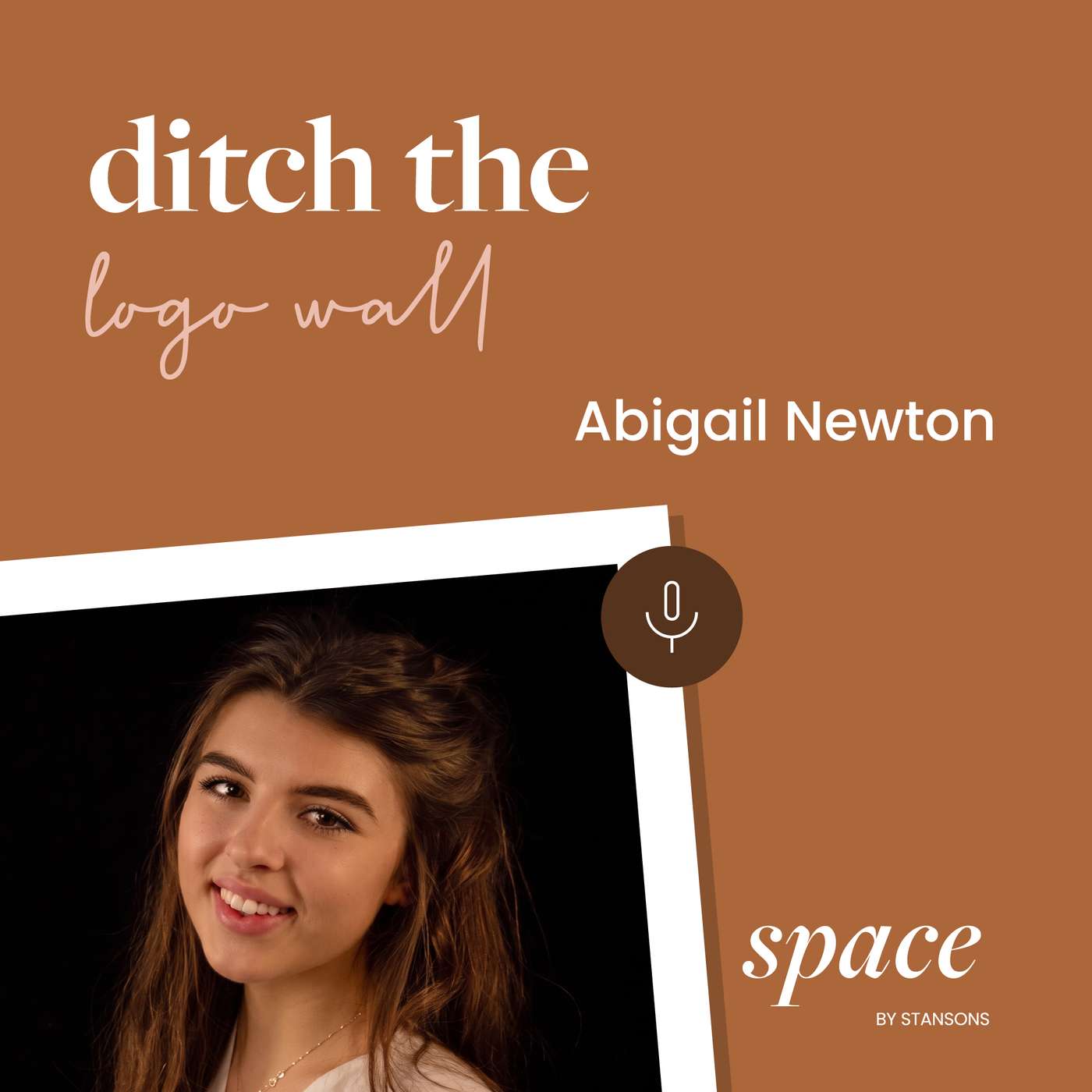
Abigail Newton, designer at Modus; a 30 Under 30 (2026) mixed in experience across residential, hospitality, and workspace design. Based mainly in London/UK; has worked on projects outside London.
Companies want people back in offices because humans collaborate better in person. Offices will mimic home comforts (soft furniture, coffee, varied zones) and become less desk-centric. Sustainable and natural materials (e.g., cork) should grow, but must meet fire/building regulations. AI can help gather data for briefs, but humans should create the design.
patterned fabrics in the Modus office; moss walls (works when used with purpose, not as a gimmick); “dark/light rooms” and varied lighting for different learning needs; scone breakfast celebration after her 30 Under 30 selection.
Written by AI. May contain mistakes.
Discussion on how COVID has transformed office design and expectations.
“Today I'm with Abigail Newton, creator, designer, what's the role called?”
Exploration of how workspaces will evolve to be more collaborative and comfortable.
Insights into the role of sustainable materials in future office designs.
“Yeah, so, you know, we're obviously progressing with how we design the spaces, but I wouldn't be surprised if the designers are progressing with how they design different materials.”
Conversation about the potential of AI to support design processes while maintaining human creativity.
Discussion on the fading trend of traditional office layouts in favor of open plans.
“be really interesting and it would mean that we can keep doing design which is the most important Yeah, that would be good.”
Reflection on how geography and culture impact office design expectations.
Explore how modern office designs prioritize aesthetics and branding.
Discuss the impact of color choices and trends on workplace design.
Understand how material choices affect design and client perception.
“and really experimenting with different areas.”
Learn how storytelling enhances the impact of interior design.
Hear personal anecdotes about recognition and celebrations in the design industry.
“That's really clever because it's not like super obvious and things like that.”
The conversation explores personal achievements, recognition in the industry, and aspirations for the future.
“I've seen like kind of things pop up here and there on my LinkedIn.”

Get the gist, explore an idea or ask about something said.
 Claude
On Space by Stansons, what are the key points of this episode?
Searching your listeningAutomatic transcript. May contain errors.
0:00Abigail Newton: It's also kind of creating those subconscious connections like people could walk into a space and be like, oh that's amazing that like that really suits the company but I'm not quite sure why but I know it does and office design is going to go even more almost hospitality like people are going to want to have that working from home environment.
0:19Guy Stansons: Hey welcome to another episode of Space by Stansons. Today I'm with Abigail Newton, creator, designer, what's the role called? yeah designer at modus yeah yeah amazing so there we go designer at modus um but abigail special she is another one of these mixed 30 under 30 for 2026 so her career is going to go like they all do um yeah so no great to have you abby thank you for having me no thanks for coming i know you're super busy loads of projects on so thanks for taking the time out no of course i do remember in COVID it's going to start to become like a really old-fashioned thing to say isn't it
1:04Guy Stansons: that whenever I was I thought I'll never ever be sorry for being busy again because it went so
1:09Abigail Newton: quiet oh my goodness yeah I mean I was I was in university at that at that point but yeah coming into the industry and kind of hearing how the workplace design was over like throughout COVID just seemed absolutely bonkers.
1:23Guy Stansons: Yeah did you focus on workspace in university or just design in general?
1:27Abigail Newton: Just design in general like we covered quite a lot of different areas like residential, hospitality, kind of did a bit of everything really.
1:37Guy Stansons: Did you ever think you would never do workspace because there wouldn't be such a thing as an office?
1:40Abigail Newton: I mean I didn't necessarily come out of uni being that I need to do like work workspace design anything like that I just thought I'll come out of university kind of see what happens see where it takes me i don't want to put too much pressure on it because sometimes i can can plan something and get stuck in this kind of like tunnel vision of it and i was like just need to kind of see where the road takes me but um but yeah i do feel like office design has completely changed since covid like when i hear my parents talk about stories of like their kind of typical how that yeah how their typical officers looked and things like that and now you you kind of come into the the working world after university and you think are you sure mum and dad like this this is quite different to what you've been explaining and it yeah it just feels like it's flipped on its head so much and it's like continuing to be even more different I think we're just going to continue on that track to be to be even more different to how it used to be that's literally the question from my tongue I was going to say like from your perspective and we love like the young people coming in the
2:44Guy Stansons: potential and it is our future so like from your perspective like five ten years how do you see the office being different what it even is now well I think I think it's a big thing companies are trying to get more people back into
2:58Abigail Newton: the office I think obviously there was a lot of working from home since COVID people realized that they could work from home and some current companies encouraged it and some discouraged it but I think companies are realizing now that as humans we're more collaborative when we're with other people when we're working together so I think there is that real draw to bring people back into the office yeah and I think in order to be able to do that people are going to want to have that working from home environments you know the comfort the the nice coffee machines they have at home the soft furniture the different spaces they can move around the house to kind of work in so I think office design is going to go even more almost hospitality like I think there's going to be different areas of work and I think fixed desks are probably going to come potentially less of a thing I mean I wouldn't be surprised if like some offices already they just don't have kind of banks of desks they've got like tables and places set up to work with but I do wonder if more companies are going to go down the route of like less set desks and it'd be a lot more relaxed and just like a calm environment that way yeah I can I can see it
4:12Guy Stansons: yeah because the thing is is people can work from home which is cool like I do get the benefit of it but it's also quite restrictive as well like in the sense like a dining room table or a sofa but yeah it's quite small compared to most offices yeah unless somebody's living in a house that I know about I want their job yeah no it is like offices are much bigger much more space to have different spaces there's loads of benefits I think it's nice to have that distinction between
4:43Abigail Newton: work and home I think you know it's lovely to have your working environment feel comfortable feel cozy feel warm and inviting but I think being able to step out your house and have that as your house and your office is your office i think people need that kind of separation no i i agree
5:01Guy Stansons: like the commute is so good isn't it for like time to get into work and sue shopping list yeah everything and then on the way home like to decompress like get ready for home because otherwise i used to say in covid you don't work from home you live at work yeah you basically do
5:21Abigail Newton: because there's no block off it's really weird yeah it's strange isn't it it's crazy trying to switch your mind between okay now laptop down and then cook dinner yeah this doesn't roll does it
5:35Guy Stansons: what sort of materials or spaces are we kind of start to see that we don't see at the minute oh that's a tricky one i mean i think sustainable materials will always be
5:49Abigail Newton: you know one of these things that are going to be pushed more towards the future of design and ultimately it needs to be because we need to be sustainable in kind of this built environment we're working in it we've got our responsibility to be more sustainable because you know this industry does negatively impact the environment quite a bit you know there's so much waste and things like that so I do think going towards more sustainable materials will be the drive I think maybe natural materials like cork and things like that I'd love to kind of see more of like I love working with cork and things like that so bringing those into kind of more usable materials because I know at the moment for example that materials specifically can sometimes be a bit difficult with like building regulations and fire regulations and things like that so it would be nice to see those natural materials stay natural but also work with the regulations that we're restricted to on a building technical sense of that yeah it's that particular like
6:58Guy Stansons: example is so interesting because it's almost like we need like a change in the regulation or what's expected because if something is truly natural it's gonna have natural disadvantages yeah and then if you are to apply any chemicals on it then it doesn't become natural so i can yeah i can see the pain isn't it yeah it's like so unless you clad everything in metal
7:25Abigail Newton: it's like it's not really gonna work yeah make it really futuristic yeah yeah yeah and the acoustics would be incredible it's so warm and comfortable yeah yeah really invited yeah no it is it
7:40Guy Stansons: i do agree it's just how how we're going to see that evolve isn't it's going to be interesting
7:46Abigail Newton: right i mean i think you know there's so many innovative designers out there at the moment i wouldn't be surprised if in you know a few months years as time progresses like Oh, fuck.
8:02Guy Stansons: Sorry, we dropped the camera off. There.
8:05Abigail Newton: Take two. Yeah, so, you know, we're obviously progressing with how we design the spaces, but I wouldn't be surprised if the designers are progressing with how they design different materials. So I think we'll see a bit of both working collaboratively as we progress.
8:24Guy Stansons: Yeah, no, that is true. how do you see like the space is changing in terms of what actual spaces there are not just necessarily the furniture do you think there'll be different spaces in the office that you're now
8:35Abigail Newton: designing that you weren't or i mean yeah i don't see why not i think it kind of fits in with the whole home away from home with you know people having more games areas i mean i think the more we go into neurodiversity design especially trying to find out these different ways that people really connect with working you know some people prefer the buzz around them to keep them kind of stimulated in this and that some prefer kind of more focus areas so it would be interesting to see how in detail like those areas develop like would you have dark rooms and light rooms would you have kind of different coloured lighting in certain rooms because of how that affects kind of people's learning and things like that.
9:24Abigail Newton: So I think in that sense is definitely kind of room for change. I guess it's just how far companies want to push it and how far, you know, they want their brief to focus on how different types of learning within their kind of staff.
9:40Guy Stansons: Yeah, I do think as we start to understand more personality types and behavioural, and then with AI, we've got so much analytical data. Exactly. We can now, someone was saying to me the other day, off camera, which was a shame. But AI shouldn't really be doing a creative person's job in terms of design and all the emotion and the human bit. it should just be providing all the data and not all the complicated bit yeah no it makes sense to do the creative bit which i'm so weird but you're kind of using the ai as a support then
10:18Abigail Newton: you're not using it as as the solution because it shouldn't be the solution we should be the solution humans should create spaces for humans absolutely 100 100 but it can provide you so much
10:31Guy Stansons: intelligence and like so much is about like it's hard to get a good brief or it's hard to understand the people or doing the surveys of the people that are using the spaces all of that sort of
10:40Abigail Newton: thing you'll be done with that yeah absolutely and i think sometimes as well when when clients give you a brief and you follow it and it's fine and you're working through the design and as that design development goes on obviously like it kind of changes oh no actually like we need this now or potentially day two, they're like, oh, okay, this space isn't working, so can we adapt it and make it into this space? I wonder if AI can be used in terms of seeing how the company is working because the data, they might not understand themselves how the company's working and the data might provide a more realistic and specific answer than they can because you know you can't kind of expect like the ceo as well to especially to kind of understand
11:30Guy Stansons: how everyone's working on a daily business but yeah i wonder if kind of tech can be the answer
11:36Abigail Newton: to that so you get you know a more honest brief from the start yeah i think so i think it could be really interesting and it would mean that we can keep doing design which is the most important
11:48Guy Stansons: Yeah, that would be good. What are some spaces you see going out? You're not designing anymore?
11:57Abigail Newton: Probably enclosed offices, you know, those kind of more cellular office types where you've got two-person offices, like where the teams are in offices. I think open plans becoming a lot more practical for people, it's becoming a lot more desirable. I think having closed doors to different teams is people understand it's more isolating especially when you've got all these different areas around the workspace where if you did need to close the door and have some like downtime you can yeah so I definitely think those kind of like built office spaces for different teams within the company are fading out yeah go get rid it's a
12:42Guy Stansons: a bit daunting isn't it the manager's office sort of yes yeah and that's the thing i think
12:47Abigail Newton: companies now are wanting people like wanting their staff to be able to approach them and have this transparency and this honesty within a company which is great so i think design and how you use that environment really should reflect that and obviously different companies will need different needs that you know you have like the more creative companies that are more like open to those ideas and you know there's still there's still areas where companies will need that separation because of whatever reasons and that's yeah that's fine yeah totally get different
13:19Guy Stansons: there's totally different types of businesses isn't there and there's also totally different types of demographic that our business employs yeah isn't that really interesting yeah it's true yeah no I can see that and then geography as well that makes a difference doesn't it if someone's in America or the UK they probably behave differently or different expectations culturally have you done global projects or we kind of just focus mainly on
13:48Abigail Newton: London yeah or UK mainly London but we do do UK projects as well yeah we've got a couple kind of outside of London at the moment which is is that quite different I mean the train journeys longer to fight but no expectations are different outside not necessarily i mean you still have the office you still have the brief you still have the clients to work with and ultimately people are still trying to get the same outcome people would like a lovely designed office yeah so that's you know you go in that's with your goal and you take everything you've learned with you to to each one you know i wouldn't treat any project
14:26Guy Stansons: differently to any other yeah no no totally i get that just wanted if like regions are more I don't know different expectations but no that's cool yeah what's color what color is coming in that's a tricky one um I think I think the burgundy cherry red never left from last year
14:49Abigail Newton: no I think it's still hanging around um I don't know I personally love that color yeah it is a lot to say there yeah but maybe is that because we're going more into autumn now and then it's
15:00Guy Stansons: kind of like re-sparked those kind of cozy colors but i think obviously green there will always be
15:08Abigail Newton: a place like the sage greens because you've got the kind of connotations to the biophilic design
15:12Guy Stansons: i don't think they'll ever kind of be going anywhere um i mean a lot of corporate companies that we work with their branding is the blue so we kind of design a lot of offices with that blue
15:26Abigail Newton: scheme so I think having those like navy colors in as well like seeing how we can use those to make them less corporate and still like aligning with brands and the brand guidelines and things like that but making the color more of like the design aspect rather than just marketing and branding
15:46Guy Stansons: can feel a bit um overworked kind of when the brand is in your face yeah it's like it's literally applied yeah it's like okay if i ever forget where i work i'll look up but people do that like i get it if it's a client brief like how do you navigate that because if that's what they want yeah kind of that's what they get but then your job as a professional is to maybe show them a
16:12Abigail Newton: different way i don't know how exactly and that's what we always try and do we always try and kind to show the client how we can use their branding sometimes directly but as well like indicatively like how how can you still feel that this is the company space without walking in and having logos left right and center so that is a bit of a challenge trying to kind of convince people that you know we can make this your identity without having to be like super obvious
16:43Guy Stansons: is that becoming less of a thing like are people becoming more abstract and
16:48Abigail Newton: I think so yeah I think it always depends on the type of client and the type of business they run if they're more if branding is a big part of their business then yes but you know we're kind of working on a lot of projects at the moment where they want to be more playful they want to be more colorful again I think it's that part of bringing people in like having that more hospitality tones and textures i think it's the idea is creating that welcoming environment using those so kind of not reminding people that they're at work 24 7 with their branding could be a way of
17:27Guy Stansons: of doing that yeah that's interesting i do i do think it's like more of an old-fashioned thing or more of a corporate thing like back in the day that stuff was more literally applied whereas now it seems like it's more spaces you go to yeah it's more abstract and it's a bit more like yeah but it's interesting that it's almost taking an angle from being like residential vibes
17:50Abigail Newton: hospitality vibes are patterns coming in i would say yes you're using them i mean i i my my colleagues would laugh because how i design like my house at home i'm like you would think i'm allergic to pattern but i love seeing pattern in office design i think it's great like even in our modus office we've got really kind of patterned fabrics on the chairs around tables and things like that and i think it just adds that real pop and i love seeing that and um one of my colleagues is working on a project at the moment and she's using a lot of pattern and it looks great it looks like really
18:30Guy Stansons: fun and exciting and it makes you want to be there so yeah i definitely say let's bring let's bring pattern back yeah okay now i am the most neutral plain person but i also see color coming is that gonna come much more of a thing in the future i mean honestly i mean the neon colors
18:51Abigail Newton: i don't know if they'll ever have a space in office design i mean maybe they have their place maybe I can be convinced but no I definitely think having colour in offices brightens it it helps with kind of that well-being element um so yeah that is where I have to kind of separate my
19:10Guy Stansons: my home style with my work style but yeah I mean it it is funny because people ask me sometimes
19:18Abigail Newton: like oh do you just do you just design what you like and it's like you can't do that it's like you've got to design to the brief to the client and to kind of how how you want people to see your space so it's kind of like two different personalities how do you do that how do you break that personality piece i don't know i think it's just knowing that you're in you're in kind of and i think especially as well like knowing it's not for you potentially like you still obviously you want to reflect a really great design. I think you can be a lot more experimental. Obviously, to a certain degree, you still need to look great and the client happy, but I think pushing those boundaries and really experimenting with different areas.
20:05Abigail Newton: And I think when you're doing it in your personal life, you're doing it for different reasons. So I think doing it in a working environment, you want to create different environments than you'd want to create at home anyway.
20:17Guy Stansons: Yeah, it's doing a different job. Yeah. That's exactly what we're saying about working from home. Yeah, I suppose so. Yeah, so it's kind of... So being able to put... You have got that split personality if you'd like, so it's just applying it.
20:29Abigail Newton: Exactly. So being able to kind of use those patterns and colours in the workplace is fitting in with that.
20:35Guy Stansons: Yeah, that makes sense. What's a material that you're just not going to use or you just don't like?
20:43Abigail Newton: I don't know if I've found one particularly yet. I mean, sometimes, like, the moss wall, depending on how it's done, it's a bit like... But then...
20:57Guy Stansons: Everybody's saying that, by the way. Is it?
21:00Abigail Newton: But then we're doing a moss wall at the moment, and it looks great. Like, I think it's how it's done, like... It's how it's used if you've got kind of the really, like, fake textures, if it doesn't tell a story, if it's just there to... kind of for the sake of being there it it's not it's a bit flat whereas if you kind of use it in a different way if you're using it to tell a story and it's got a purpose and it's you know really using those biophilic elements i think it's you know it can still have a place but yeah the the kind of standard slats and and moss walls i think they either need to be updated and how we're using
21:40Guy Stansons: them or left behind i love that the very thing that is going out you've got a use for because that just proves that stuff isn't just a trend but it can actually be used in a timeless way yeah and it's more about the material and the maybe the smell which i don't like smell of bottles but the smell or the visual or the all the different things that could like for the right brand or in the right product with the right values it could just be like absolutely brilliant exactly and you can't be like no i'm not putting in they're not cool anymore no and that's that's
22:14Abigail Newton: the thing it's so hard to kind of say a material like no never want to use that because it's it's
22:19Guy Stansons: always how you use it it's always how you apply it and where you apply it especially like you don't want to have certain things in certain locations so i think being able to read that design is a big part of where you use your materiality and i think that goes the same again with the trends like if muscles are in and then everyone's just slapping them all over the place exactly because it's like the thing and it lacks the sort of heart or the story it just ends up being a bit of a gimmick
22:48Abigail Newton: yeah which is where you've kind of got to use those feature elements in like a really unique way like really kind of tailor them to the company tailor them to the client so like you said it's not just one of those gimmicks that then go out of fashion and no one wants to use anymore and then it has to be updated because if you've got that connection piece you've got the connection like that that's not going out of date because that means something it has a purpose it's there's
23:15Guy Stansons: a reason that it's there yeah I love that and then telling that story through the brand and then the
23:21Abigail Newton: brand telling the story and absolutely yeah I think that's when designs actually that's when it gets
23:27Guy Stansons: you yeah that's when it catches you and then and that's the bit that I think okay I like I mean all the best but like yeah when you're actually weaving all of that in and and that's what we
23:39Abigail Newton: love doing we love that and i think a lot of the time you kind of don't see this because it's more well like we show to clients but potentially more behind closed doors to what you're seeing at the end of the project but where we create these concepts like the reasons to why we're putting elements in certain locations the reason why we're choosing certain type of materiality the reasons to why you know that wall's curved and that wall's not like the concept behind it is what grounds it and it's what tells the story and also it's lovely when you know you design an office for a client or you design a space for a client and they've got this story behind it so when they're showing people around they can they can explain that story and then the story goes on and on and on and it's always there because it's in the design but there's an explanation to it but I mean it's like when you go to an art gallery and you look at a beautiful piece of art a great piece of art when you read the description and take the time to kind of understand why the artist has done things in a certain way it it makes it even more beautiful so why shouldn't we be doing that in
24:46Guy Stansons: interior design yeah i do think there is a place for that that hasn't actually yet been filled that space is where that tell the story but i was walking around an incredible space and when i say the art like don't think of paintings think of like literally 3d sculptures i'm going to shout out rob venice it's the space that you showed me around um and there's all this beautiful like 3d things like off the wall there was like it was more like collectibles and sculptures and things like that but anyway he was telling me all the stories and i was like this is nuts i've got so many pictures it was so well thought through and it's always a bit of me that how does everybody know this i say i started tomorrow and worked there yeah would it be somebody's job to tell
25:33Abigail Newton: the story well that's it you kind of you might you might not ever know and it might just kind of be this secret meaning like forever but i think that's why you've got to be clever in design and you've kind of got to give away hints and kind of yeah those nudges that it's like oh like that's for a reason oh okay i can kind of see that link but that's clever because it's not super obvious So it's getting that detail right where you want someone to kind of stand there and think, oh, that mimics the architecture of this building or that mimics the architecture of the spaces around this building. That's really clever because it's not like super obvious and things like that.
26:10Abigail Newton: So it's also kind of creating those subconscious connections. Like people could walk into a space and be like, oh, that's amazing. That like that really suits the company. But I'm not quite sure why, but I know it does. and yeah so it's kind of those concept stories behind it as well that might not be so obvious
26:27Guy Stansons: yeah I so agree and when someone walks in for the 50th time they still might never never notice that yeah oh my goodness so ever yeah I love that as well like you can still shock people can't you like years down the line like yeah tell me what the heck did you do when you first knew that you might be a mixer, you're under 30.
26:47Abigail Newton: Well, I, yeah, I just got the email and was like,
26:52Guy Stansons: oh, what's going on?
26:54Abigail Newton: Yeah. And I turned, I turned to my colleague Ellie and I was like, Ellie, what is this? And they're like, she's like, yeah, like you've, you've been selected. And I was like, oh, and it was like the end of the day. And I was like, oh my goodness, this is so exciting. And then I was kind of like got up around the office. I was like, I don't know what to do with myself. And I was just, I was just so pleased because I really wasn't expecting it i was just like right kind of going through my emails and this congratulations popped up and i was you know so far from expecting it because i didn't know about the nominations
27:24Guy Stansons: so it was a true surprise wow that's the best yes who put you forward ellie i think it was ellie yeah she's great yeah she's great ellie thank you wow so you literally were like like it must be such a shock it was didn't get nominated just get the award thing coming up so what do you do next did you celebrate go out that night what happened oh i can't even remember
27:49Abigail Newton: it's such blur but there was definitely celebrations involved champagne purchased by my boyfriend which was really nice yeah so it was really nice to come home too um but yeah then in the office we actually celebrated a week later with um scones on a friday for breakfast which are like my favorite so really oh they knew you it was a really nice lily walked into the office with some gale scones and we all sat around and had scones which was really cute oh that's so cool
28:20Guy Stansons: i love your office by the way i've only popped my head around like a little bit i want a whole tour yeah yeah i definitely want a whole tour but it is a beautiful space um have your messages been been going mental since getting there 30 and 30?
28:35Abigail Newton: I've seen like kind of things pop up here and there on my LinkedIn. I mean I was locked out of my LinkedIn for a couple weeks for some reason so.
28:42Guy Stansons: Probably because it went mental. Probably. It just overflowed but yeah I need to kind of sit down and like have a look.
28:49Abigail Newton: I've been kind of getting a lot of like old congratulations messages which is really nice which I've been kind of saying thank you to and a lot of emails as well coming through with a congratulations so yeah it's really nice to see and like it kind of even people i went to university with as well that recognize it which is really nice yeah oh that's good yeah it's
29:09Guy Stansons: amazing i do i can imagine like or a lot of people have told me after they get the award
29:15Abigail Newton: like the inbox pops up no one's going to open it now yeah exactly yeah oh thank you so much abigail
29:24Guy Stansons: I really appreciate you coming along sharing everything your thoughts on the future it's so good see what happens yeah no we'll see we'll look back in 10 years like what's she saying
29:34Abigail Newton: yeah these are like our predictions and then we'll have to do it in 10 years time and see where we're
29:39Guy Stansons: at exactly yeah yeah you'll be a design director somewhere is that an aspiration of yours I just
29:45Abigail Newton: let's see how far we can go you know I think that's it I I don't want to like I kind of was saying earlier i don't kind of want to give myself that tunnel vision and and kind of shut the doors to things that come up that i wasn't expecting because i've got this kind of one vision but yeah i just kind of want to see where it all goes and work hard and do the best i can and
30:07Guy Stansons: see where it gets me amazing good i go we'll follow the journey thank you so much everybody i'm tuning in please do the like and subscribe you thing i'm rubbish at the ending outro bit but still over and never mind we'll get more great guests like here we go nice thank you so much for having me cheers i find it simply fascinating how physical space can totally change how we think feel and behave meaning it can pause distractions it can connect us it can mean we do our very best work and that's where Stansons steps in. This show is created by Stansons who design, make and install curtains and acoustics to create the perfect environment for people to flourish and do their very best work.
31:00Guy Stansons: You've got a project on? We know how it feels. Reach out and we'll start to talk.
✨ Subscribe to Show Notes for more from Space by Stansons at https://www.stansons.co.uk/space ✨
This week on Space by Stansons, Guy sits down with Abigail Newton, Designer at Modus and one of Mix's 30 Under 30 for 2026, to explore the future of the office, the role of AI in design, and why every space should tell a story.
Abigail graduated during COVID and came into an industry that had changed dramatically. She predicts offices will become even more hospitality-led to draw people back in. That means comfort, choice, fewer fixed desks and a clear separation between work and home. She also discusses the push for sustainable and natural materials like cork, and the challenge of making them work with building regulations. On AI, she's clear: it should support designers with data and help shape a more honest brief, but humans should create spaces for humans.
Turning to the design itself, Abigail explains why cellular offices are fading out and how brands can be expressed without logos left, right and centre. She makes the case for bringing pattern back and talks about separating her own taste from the client's brief. She also explains why no material is off-limits if it's used with purpose, even the much-debated moss wall. Most of all, she believes the concept behind a design is what grounds it. It creates subconscious connections that make people feel a space suits a company, even if they can't say why.
In this episode: