Ask ChatGPT
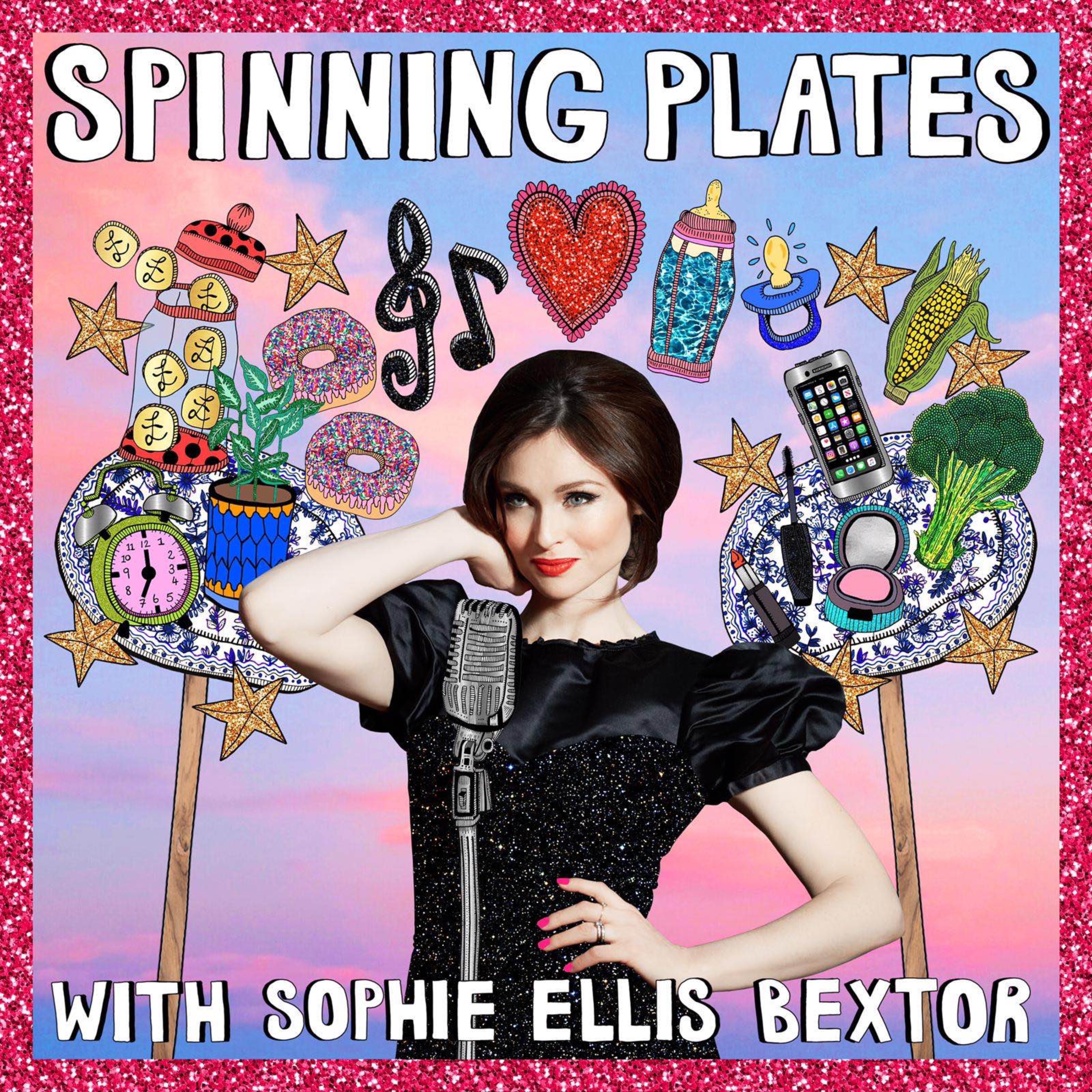

 Spinning Plates with Sophie Ellis-Bextor
23 Jun 2025 · 1h 9m · 26 chapters

Rose Fielden-Cook (Ro) shares how she built The She Collective, a women’s health and wellbeing membership/community that prioritizes joy, flexibility, and nervous-system support rather than shame or rigid fitness rules. She also recounts her motherhood journey: single parenting from age 22, twins with SMA, years of medical uncertainty, and later rebuilding family life.
Ro is a mother of three sons (twins Alfie and Charlie, plus Freddie). She was 22 when she had twins; one twin was diagnosed with SMA after she fought for answers. She later trained and worked in fitness/personal training and mindset coaching, and developed an online platform with community leaders and expert add-ons (e.g., hypnotherapy/meditations).
Shame and “all-or-nothing” fitness thinking block women from moving; safe, permission-based community helps women experiment and return to themselves. Exercise/nutrition should be flexible to match the day (e.g., cycle timing). Prioritizing self-care creates a “ripple effect” for families.
“Kitchen discos” as movement; a COVID-era Zoom with 50 women where people cried and connected; her formal complaint leading to SMA testing; flying to Australia where Alfie’s chest cleared and he “came back to life.”
Written by AI. May contain mistakes.
Sophie introduces her guest Roe and shares her inspiring story.
“If you're in London like me, blimey it's hot or experience a heat wave.”
Roe talks about her well-being community, the She Collective.
Roe shares insights on motivating women to prioritize their well-being.
“I wanted to give them a permission to mess up, to fail, to kind of like experiment with different types of movement.”
Discover the importance of tailoring exercise and nutrition based on individual needs and cycles.
“room for flexibility that's why we have dance parties and mood boosters and things like that but then also yoga pilates because what you need on one single day is so different and particularly as women, right?”
Learn how the She Collective was formed to support women during challenging times, especially during lockdowns.
“And then a lot of people just got forced online.”
Understand the significance of creating safe spaces for women to share their experiences and support each other.
“So we have hypnotherapy, we have meditations, you know, all these things that women would have to, you know, maybe can't go out and get that.”
Examine how She Collective aims to grow while maintaining the core values of intimacy and community.
“of the advice that I get I go absolutely not because it's like every um you know coach I've ever had or anything they go you've got to get rid of the whatsapp groups the whatsapp groups have got to go.”
Explore the impact of personal history and trauma on current wellbeing and business philosophy.
“You've dealt with so much and you've got so much positivity and I was really magnetized to that.”
Hear about the unexpected journey into motherhood and the personal reflections that accompany it.
“Availability and coverage vary by state and insurance plan.”
Discover the unexpected news of a twin pregnancy and its implications.
“I have like, I am so pro-choice, but for me, it was, it was so bizarre.”
Learn about the challenges faced during a twin pregnancy and the emotional toll it takes.
“I was kind of like, you know, in a young body, we're all told that that's the best way to do it or whatever.”
Explore the feelings of loneliness and isolation in the early days of motherhood.
Understand the coping mechanisms and the harsh realities of early motherhood.
“Why am I not strong enough to find this easy?”
Hear about the challenges in getting medical professionals to listen to concerns about a child's health.
“and they were the worst coping mechanisms.”
Experience the emotional journey of receiving a life-altering diagnosis for a child.
“It's very rare, but children with type 1, it's swallowing, feeding.”
Reflect on the dark moments and the strength found in facing challenges as a parent.
“and counting to eight and screaming babies.”
Learn about the challenges of dealing with a child's health diagnosis and the transformative trip to Australia.
“Because I just, I need to do anything, anything I possibly can.”
Explore the emotional impact of Alfie's hospitalization and the evolving family relationships.
“Yeah, my mum came out for a bit, but I was mostly out there on my own.”
Understand how adversity can bring families together and the complexities of dating as a single parent.
“I remember my mum called him to say, you need to get down here.”
Discover the strength in sharing personal stories and the importance of mental health.
Learn how physical movement can aid emotional healing and reclaiming one's identity.
Gain insights on coping with loss and finding joy in life after difficult experiences.
Explore the journey of finding joy in life while raising a family amid challenges.
“And then I feel so much now, like so full of life.”
Discuss the unique challenges of raising a disabled child alongside a sibling and the importance of accessibility.
“And I remember her saying to me, I was, you know, 23 at the time, she said, you'll never work.”
Learn about creating a supportive environment for children with disabilities and fostering independence.
“you know, that's like I was saying, like, like we are the house that everybody comes to.”
Learn about Ro's inspiring story and the positive community she's built.
“Sorry, I got interrupted there by holes in socks.”

Get the gist, explore an idea or ask about something said.
 Claude
On Spinning Plates with Sophie Ellis-Bextor, what are the key points of this episode?
Searching your listeningAutomatic transcript. May contain errors.
0:00Hey, I'm running out to drop off a stack of letters and packages. Need anything shipped while I'm gone? Save the gas. Stamps.com lets you print postage and schedule pickups right from your desk. Sync your contacts into the address book, get detailed accounting insights, and get notified the moment your certified mail is delivered. All from my desk? All from your desk. Join the 4 million businesses using Stamps.com right now with code PODCAST and get your free welcome gift. Stamps.com, code PODCAST. Taxes and fees apply. Therapy's biggest impact doesn't show up in some dramatic breakthrough. It shows up in the smallest moments.
0:36You bite your tongue instead of escalating. You put your phone down instead of firing off that text. You say what you actually mean instead of what would hurt someone else the most. Nobody applauds those moments, but they quietly change your life. That's what growing feels like. And that's exactly what Grow Therapy is here for. Grow is therapy that works, covered by insurance. Sessions average$21 with insurance, and some pay as little as$0, depending on their plan. There are no subscriptions, no long-term commitments. You just pay per session. Grow connects you with thousands of high-quality, licensed therapists across the U.S., offering both virtual and in-person sessions, nights and weekends.
1:17You can search by what matters, like insurance, specialty, identity, or availability. and you can book a therapy session in minutes and begin in as little as two days, not the national 48-day average. See if you could pay as little as$0 for therapy in seconds at growtherapy.com slash ACAST. That's growtherapy.com slash ACAST. growtherapy.com slash ACAST. Availability and coverage vary by state and insurance plan.
1:54Hello, I'm Sophia Lisbexter and welcome to Spinning Plates, the podcast where I speak to busy working women who also happen to be mothers about how they make it work. I'm a singer and I've released seven albums in between having my five sons aged 16 months to 16 years, so I spin a few plates myself. Being a mother can be the most amazing thing, but it can also be hard to find time for yourself and your own ambitions. I want to be a bit nosy and see how other people balance everything. Welcome to Spinning Plates. Hey there. Oh, a train said hello too. If you're in London like me, blimey it's hot or experience a heat wave.
2:35It's quite funny because I had work in south of France this week, better than ice, and took an extra day because Richard and I brought our 16-year-old kit with us. and so we took an extra day just to have some time with him and celebrate finishing GCSEs and it was the same temperature there so it felt quite weird to get on the plane in Nice, it's boiling, fly home, get off the plane, it's exactly the same temperature back in London crazy, so I'm walking through the park at the moment, the grass needs some water and let's have a look at the fashion today, you know what, I think people are nailing it but sometimes people go a bit too beachy in the city, which I personally struggle with.
3:22Look, this is just a personal thing. I just don't want to see flip-flops in London town. Birkenstock's acceptable. I don't want to see flip-flops, please. It's a city. This is just my take. I do wear jelly shoes, so I might say I'm a hypocrite. Anyway, hope you're good. I have a lovely guest for you today. She's called Rose. and I was following her because I could see that she was running a well-being fitness community called the She Collective, and I was interested in what she was up to. But I think what it was that really attracted me was also her personality and enthusiasm and all-round immediate likability, you know?
4:05I just thought, this woman seems really lovely. And then the more I got to know about her story, the more I was like, wow. This lady's done an incredible job to build up her fitness community against the backdrop of really quite a difficult experience of motherhood. So she's got three sons. She's got twins, Alfie and Charlie. They're 15. And I met Alfie, actually. He came to soundcheck and the gig in Bristol, which was lovely. And Freddie, who is seven. And when she had her twin boys, she was only 22, and she split up with the father very quickly. So she was basically a single mum. And after a year, she could see that one of her twins wasn't thriving.
4:46and he was actually told she was actually told by the doctor when she first went to have him assessed uh he had a condition called sma and they said basically enjoy him while you have him which won't be for long like unbelievably devastating i'm gonna let ro tell the rest of the story because she articulates it so well but you might need some tissues nearby it's she's been through a lot and she's so gorgeous and she's coped with it all so well and happily she is now back together with the father of the twins they've subsequently had another boy they're happily married but yeah she tells it better than i ever could so this is rose dory it's really inspiring but also made me want to the whole time we were talking i just couldn't wait to the end to give for a massive cuddle because she's yeah just you just really want to hug her for all she's done and how much she's got through so yeah i will see you on the other side here's roe's story and thanks for finding us here cheers
5:56it's so nice to meet you roe and so nice to meet you thank you for coming to london on this sunny day from bath and um i was thinking there were so many aspects of our conversation i think could take up the whole conversation there's your you've we could have just dealt with i don't know what it's like to be find yourself a single mom at 22 to twin babies and then to find out one of them has pretty pronounced medical needs and all that that entails and then what it's like to have their father come back into their life when they're five yeah and then having another baby but I would really like to start with the She Collective because that's what led me to you and there's such positive and good energy around that so why don't you tell everybody what the She Collective is all about?
6:41Yeah I love that well the She Collective is about giving women a space to thrive but it's a safe space because I think that where I felt kind of I kind of felt on the edge of a lot of like well-being or health you know I wasn't particularly sporty you know I'm not naturally um I'm not naturally motivated at all people like oh you're a PT you must find it really easy to exercise I'm like absolutely not I yeah I really struggle with motivation but I always felt quite shamed within that world and because of my own journey and the way that I came about exercise discovering for me that it was such a kind of a mental journey as well as a physical journey about finding that place of peace, which I think a lot of women struggle with.
7:28I wanted a space created where people could actually have these like messy, beautiful lives, but feel at home because I didn't want them to feel like, oh, you're doing this, therefore you're doing it wrong or anything like that. I wanted to give them a permission to mess up, to fail, to kind of like experiment with different types of movement. You know, like one of our favorite things to do are kitchen discos, right? Because that is a form of exercise, but it's about bringing the joy into it. So it's a women's health and wellbeing membership, but really it is kind of, I really want to disrupt that space.
8:04Like, I don't mean that in an aggressive way. I just in a gentle way and kind of like challenge that perception that we have to do health and we have to do wellbeing in a certain way and give women, yeah, this permission to kind of do it together and make it fun like the community side is just wild like it's so amazing feeling like that sense of connection within there so yeah so women are time poor busy quite frazzled a lot of women yeah but it gives it gives them the permission to start prioritizing for themselves get off the bottom of the priority pile whilst doing it in a safe space and having fun along the way so So that was a really long-winded answer.
8:48I don't think it is. It's kind of hard to put in a box, you know. I don't think it's long-winded. And I also don't think it is too much information because I think you've really summed up for me something that actually I think I was feeling and I hadn't even really articulated it like that, which is that you're right, that sort of well-being space I felt existed for a kind of woman that I am not. Yes, exactly. And I associate it with being really well pulled together. I associate it with being really organized. I actually associate it, I think, with a certain type of affluence. And I don't necessarily mean in terms of a monetary thing, but a sort of a way you've organized your life to make this space and prioritize something that I always feel like I'm on the back foot with managing to cram in.
9:33Yes. I think I hadn't really even thought about it like that. Yeah. And if I can feel like that, I'm sure that's the tip of the iceberg, really. Yeah. Because I do have a lot of support in my life. So the amount of people out there that must be thinking, ah, that's just not for me. And wanting not to feel self-conscious or like you're getting it wrong or a bit shy about the beginning bits of how you might do an exercise or how you might move your body. There's so much shame. So much shame. So much shame. And people just go like, you know, they talk about going to the gym. Going to the gym, I am scared of going to the gym.
10:05So I cannot even imagine how it must feel to some people. So to be able to like learn that confidence in moving your body and not worrying about getting it wrong. Like a lot of people can either put themselves again in a box. I'm a gym goer or I'm a home exerciser. But I really don't think that with all of these things, we don't need to label it. And I think that that's what where I really found is that for some women, like they need that safe space to be able to discover how they like moving their body. body there is a fitness formula and it's not it's not straight as straightforward as going okay I like this type of class or I like that type of class so yeah so it's yeah it's not straightforward really and what does the she collective look like if you're interacting with it so it's you've got an app and you can become a member of that that collective yeah we actually had an interesting conversation about this yesterday because we were saying that whilst we're hosted on an app we're not we're not an app you know if you were going to get an app you could there's there's a million of them but the whole point of it being a membership but also a movement really that's what people are becoming part of like you know I I do not limit myself from my members at all as in you know some people are very like standoffish like I you know originally I was in every whatsapp group that was that was that was excessive that was too much now we have community you're just experimenting weren't you with what you what you could where you could be but I'm also deeply compassionate and so actually like when somebody is saying they're going through something I don't switch off and go to bed and go, all right, all right, well, they're just going through that.
11:35I think about that and I hold that. And so I realized that in order to actually hold these women in this space that I actually needed to take that kind of step back. But in terms of the membership, like, you know, every other week I'm on, like yesterday I was on calls with members and things. And, you know, but then we have our event schedule and I really want to do more kind of outward facing things. I want to talk to women about women's well-being because something that I can find difficult is to hold back my mouth because I'm so passionate about it because I just it changed my life but now what I'm seeing is like when the ripple effect yes I was gonna say that that is what that is what I just can't get my head around is that when you do make that shift within yourself and a lot of women are not doing this or prioritizing it because they feel that their families need them and everything and everyone needs you.
12:26But the moment that women do that, that ripple effect, like it's the least selfish thing that you can do. So if you can find a safe space to do that and do it in a joyful way, that's when the journey actually becomes really fun. And when you go like, okay, right, massive curveballs come with, I'm actually being told this is totally normal. And if I don't exercise for the next few weeks, that's totally fine. Then it takes that guilt and shame away, which I think is what, I don't know, personally, I felt, yes, the guilt and the shame was what I would go, okay I'm doing this for two weeks and then I'm off the wagon yeah yeah and I guess it's a little bit of um we're talking about sort of rewiring the associations they have and some of that will be stuff they might have carried over from when they're really young and some of it might be to do with the way they framed it in their modern life so it might be like sometimes you feel like oh that I have to put myself bottom of all these other things but actually if you give yourself allow yourself to prioritize it a bit then you're actually putting into place a framework that can affect positively all the other things you get up to yeah I mean I always like think it's really interesting because it is that sort of you know when you invest something you'll think of like you know invest investment return on investment right and actually those 30 minutes or 20 minutes even or whatever that you're spending like on the mat or wherever it might be it's not really about that time it's about that it's about what you get in return so it's like you know it's really difficult because sometimes you have to really tune in and go what do I need today because that's obviously going to be so different so if you're following something that's mega structured and like we do like structured programs because it takes away the mental load but there's always room for flexibility that's why we have dance parties and mood boosters and things like that but then also yoga pilates because what you need on one single day is so different and particularly as women, right?
14:14Like some days I'd like rather shovel shit than do a workout, but it's because actually, oh, okay. I'm a week out from my period. Right. Okay. Then I can come at it with like self-compassion. And so I think putting the nutrition and exercise in two boxes that just didn't, it wasn't doing enough. And that's why, you know, that's why I trained in mindset coaching. And that's why I'm fascinated by the nervous system because I'm on a wellbeing journey myself. it doesn't end but I would say my nervous system is still pretty fried from from the past and the fact that I'm scared to dig it up and go into trauma therapy like I think it's important like I'm not going here going I'm I've done it you know it's not done well so we're never really done like that anyway always sort of um giving yourself the chance to unravel all these things and work out what needs to be looking backwards and what is more about a reset for now because yes it's not always about digging things up necessarily but about making sure you're okay in the here and now or good enough I guess would be the objective so if you're just so I completely get my head around it when did you establish what the She Collective is well I think it was interesting is that when I started um PTing it was because of COVID really because you know I had booked out classes I'd built up this it was so exciting I had all these clients I loved working face to face.
15:37And then a lot of people just got forced online. But when I did go online, I actually discovered that the things that were making these women's journeys really, you know, kind of successful, which were making it as easy as possible, it working with your life, not against it. You know, if women are time poor, sometimes actually getting out and getting to a class, it can feel like another thing to do or whatever. But then also like this sense of community like when we did this we did this one zoom call my mum and I because like I was saying she's a psychotherapist and we did this zoom call because I said to my mum I said these women are really struggling like you know that second lockdown it was like January and we're like homeschooling like what it was so grim and these women were like really struggling and I was like I don't have the I don't I don't have um the expertise to support them with the kind of mental side of things yet.
16:32So we did a call and we had 50 women turn up to this call and women cried, women laughed, women just opened up. And I just, we stayed on the Zoom call afterwards because it was when I was still, we were literally not because we were shielding, but literally wasn't even seeing my mum face to face. And when we were on the Zoom call after my mum and I cried and I just said, this is something so special. Like this has to become something. I don't want to just be a PT, I want to create, like I say, like a movement, because this vulnerability and this permission to be human is something that I don't feel like there are spaces like this, and I want to create it.
17:12But then I knew that it couldn't just be me. And I didn't want it to be me. I've always said, like, you know, yes, it's a purpose led business. And I have to face out, you know, and and talk. But at the end of the day, it's not the roadshow, it is about the women in the membership. And so what I really wanted to do was bring in other expertise who could help women with their nervous system. So we have hypnotherapy, we have meditations, you know, all these things that women would have to, you know, maybe can't go out and get that. And again, like, I was like, so excited by the prospect of if I invest in one resource, all of those women get the benefit.
17:50And that to me was like, that was so exciting. And that's where an online platform, I was like, this isn't a hindrance this is really exciting like yeah so you could see oh we can go outside of you know you can break through walls and get reach everyone now yeah yeah and and you know like well-being like we've got we've had um sessions with personal stylists because actually style like a lot of women have lost that you know that that that phrase lost their pink kind of it's like they they've lost that spark and they have started like wearing all black and yet they used to wear color and so these sessions of learning how to dress for your body and how to wear color like that is just I just I love that so much because every time after one of those sessions women will like reach out and just say that this is unlocking parts of me that I didn't know were you know still there so yeah yeah it's and I think I really can get a sense from you and I totally understand that feeling of like once you start unlocking that feeling in people and you're doing it in yourself too you've sort of dropped all the layers of like just being really honest and open and willing and then that energy sort of really like once it starts to tumble and you can see little changes in people and just finding their little bounce back it's really yeah it's really powerful and I can understand why you got emotional with your mum when you had that zoom because you suddenly go and never mind you know the entrepreneur side or the business building or all the other tools we're learning here that that's the purity of that connection is really that's really what it boils down to isn't it that's what kind of is it the kernel of of what it is connection that was why like it's funny because yeah like you say the business side and the entrepreneurship I've never been very good at that side because it's quite funny because a lot of the advice that I get I go absolutely not because it's like every um you know coach I've ever had or anything they go you've got to get rid of the whatsapp groups the whatsapp groups have got to go.
19:42It's not, you know, it's not scalable. It's not that. And I was like, then I don't want it to exist. Because for me, like, it's funny, because I would roll my eyes and go, God, do not give me another WhatsApp group in my life. But these are spaces with women who, they don't want your time. They're not needing anything from you. They are literally simply there in the capacity to support you. And the things that come out and get said in those WhatsApp groups, they're never more than like 30 max, but you know, which sounds like a lot. But interestingly, like a lot of people are just not even like communicating in them but they say that they're still highly valuable in their lives I can see that they just it's just hearing that somebody else is struggling with something or normalizing that yeah it's just so it just gives this amazing safe space and that's why we wanted the community leaders because these women are championing what we're doing and they are there to hold those women and hold space for them and that means that you know I have the capacity to also hold space because yeah it just got to a point where I was like this is yeah this is a lot.
20:42So what's the scale of it now then from the lockdowns of early beginnings of it to now? Yeah so we've got 400 members now and you know and I think what's really nice is that with this model of having the community leaders the sense of community and the sense of intimacy never needs to change and I think that was really important to me. You know So ultimately, of course, we want to scale, we want to get bigger because this is genuinely changing people's lives. Like the messages that I get, it would be actually wrong to not try and, you know, get more women involved. But at the same time, it is a purpose-led and heart-led business.
21:19And there's no sense of me whatsoever in that if it became something different, that's not right. As in it's just what I really want to do is just bring more of these, like, I've always had this vision of everybody on the beach together and like running into the scenes you know it's that sort of like we had a she like it's just like that sense of like a rally cry yeah so you know I like I love the idea of like I've always joked about it so in some of the workouts when we do marches I'm like this is us with our like visors on in Florida when we're 80 like walking around the pool like it's just so lovely that I've got so many members who were there with me right from the beginning and so for them actually they're my biggest champions which is just to have that as well this is no I totally get that and I also get that all you know there's so many brilliant examples of things that scale up but are really careful to keep the detail and the essence of what it's about the same because as you're right you're coming at it from what you would work for you so you're thinking all the time of like well I would like this I would like that all those little details that keep it feeling personal yeah and thoughtful and I think you know you've said a couple of times safe I think safety in that absolutely is really paramount as well so people can be like oh I always struggle with this and no one's gonna go oh well why are you here then no but I think um I want to go back now back in time because you know I I was already uh following your um your Instagram and learning about She Collective and then um the other day you did another one where you sort of put an update of like look I'm just gonna reintroduce myself and my story and I was kind of, there was so much in it that I thought was extraordinary.
22:59You've dealt with so much and you've got so much positivity and I was really magnetized to that. So I think it's really wonderful that you shared it all, but also I would love to now just talk to you about it. Yeah, yeah.
23:17Hey, I'm running out to drop off a stack of letters and packages. Need anything shipped while I'm gone? Save the gas. Stamps.com lets you print postage and schedule pickups right from your desk. Sync your contacts into the address book, get detailed accounting insights, and get notified the moment your certified mail is delivered. All from my desk? All from your desk. Join the 4 million businesses using Stamps.com right now with code podcast and get your free welcome gift. Stamps.com code podcast. Taxes and fees apply. Therapy's biggest impact doesn't show up in some dramatic breakthrough. It shows up in the smallest moments.
23:52You bite your tongue instead of escalating. You put your phone down instead of firing off that text. You say what you actually mean instead of what would hurt someone else the most. Nobody applauds those moments, but they quietly change your life. That's what growing feels like. And that's exactly what Grow Therapy is here for. Grow is therapy that works, covered by insurance. Sessions average$21 with insurance and some pay as little as$0 depending on their plan. There are no subscriptions, no long-term commitments. You just pay per session. Grow connects you with thousands of high-quality licensed therapists across the U.S.
24:30offering both virtual and in-person sessions, nights and weekends. You can search by what matters, like insurance, specialty, identity, or availability. And you can book a therapy session in minutes and begin in as little as two days, not the national 48-day average. See if you could pay as little as$0 for therapy in seconds at growtherapy.com slash ACAST. That's growtherapy.com slash ACAST. growtherapy.com slash ACAST. Availability and coverage vary by state and insurance plan. so why don't we go back in time to when you found yourself at 22 having babies what were you were you working at that time or just finished uni so I just finished uni I mean it's interesting in terms of you know what I didn't include in that story is that I was thinking about it it's not very often you think about your life story right and then when you have to like sit back and reflect because there was a sort of layer right before so I grew up like I say in Bath it was a real but I I was so lucky.
25:33I had the most beautiful childhood. I was so, so lucky. And then when I was 17, my dad died very suddenly. He was clearing an area in the woodland and actually he was cutting down a tree and it fell on him. Oh my God, I'm so sorry. Well, it was just, you know, I've learned so much from that experience, but I've never given it any time or space to actually think about how that affected me, even before, like, you know, So it's, it was, yeah, it's a real like, you know, it really takes the rug beneath you. You think that you're kind of safe in life. And I always felt like I was just, I don't know, weirdly, I almost felt like I had this like protect, yeah, protection around me.
26:15And then I think, you know, I dealt with quite a lot of like hidden trauma in that, you know, at that time, I became very destructive with my eating habits and things, but I was really good at hiding it all and things. So I was kind of really struggling with my body but life went on really really quickly you know and then I went to uni and life moved on and then um but I have got really good by this point at that point at 17 I just remember going back into school and I think what was really interesting is I remember I'd gone back in school I was really like popular had lots of friends it was like I was a bad smell like people literally couldn't get further enough away from me and actually a friend really like talked to me recently about it, about the fact that she just went, we were shit.
26:59And I went, we were 17. It was just, it was what it was. And like, I'm still, I've got the most amazing group of friends from school, but you know, I think people do not know how to deal with grief. And so I, my response was to be so positive and so like, like strong, you know, like I got that like label for myself, like at that age, like, you know, that's what people liked. They liked it when I was positive, They liked it when I was strong. And so that's where I kind of went to uni again, was like this positive, really, really bubbly person. And I learned really early on that that's where kind of I was safe, you know, and I think that that's another layer to why this means so much to me.
27:40But then, yeah, then when I was 22, I was in a sort of brief relationship. And then we broke up. And then actually, it was the next morning that I found out that I was pregnant. life has life has a sense of humor sometimes doesn't it it really does and actually it was actually insane because I had actually had a dream so I'd gone out and I'd and I kind of got to the bar to go and do a shot and went nope that's not happening and then got home and had a dream that I was pregnant and so then I just remember standing under a bus stop in Birmingham um I was you know just about to do my finals and things with with my friend in the pouring rain waiting for Lloyd's Pharmacy to open and then literally being like turning to her and going I think this is quite a big moment in my life you know like I think I think this yeah and then yeah I mean we're twins as well like the hormones so it's like one of those ones even like you know 16 years ago it's one of those ones that pops up and it was like you know it's meant to say two minutes 20 seconds pregnant and um but but it was yeah it was a real it was a real shock um and I kind of yeah I knew at that point so there was something like I'm not you know like I am the least judgmental person and about, you know, what women do with their bodies.
28:55I have like, I am so pro-choice, but for me, it was, it was so bizarre. It was like, it felt like there wasn't a choice, not from external. There was just something that was pulling me so hard that this was, this was, this was meant to happen, which I think, you know, is something that is difficult for men to understand but we know as women like you know sometimes there is just there is just this overriding and of course now I understand it was double hormones it was twins so there was just everything within my body was going okay this is this is happening this is happening and um I went to London to to try and break the news to the guy that just broken up with me quite awkward um he'd just run the run the London marathon I did actually wait till he'd done the marathon I didn't think he uh would have given him something to think about though for 26 miles exactly exactly I'll tell you at the start line yeah yeah and at the end you can tell me yeah let me be the end to discuss further oh gosh but yeah it was it was you know we were I was 22 he was 23 we were young and yeah it was it was really it was a really difficult time because then I went for a scan early on because I had a lot of stomach pain I actually thought I was losing the baby and then it was yeah bizarre it was again when they said twins I was like yeah no yeah kind of like kind of just yeah like and they're boys like this is six weeks they're like well we don't know if they're boys and I'm telling you now they're boys it's just it's just it was just really bizarre it was just that kind of sixth sense kind of thing and then it was very really apparent earlier on that that you know the dad was not going to be involved and things um and I have this amazing amazing mum who kind of just you know just said I've got you um and so yeah like you know the plan was I had a place at New York Film Academy which always makes me laugh and like all these big plans and stuff and you know it's okay that sounds that doesn't sound at all fun or glamorous no it was a rubbish plan um so yeah so that obviously got completely scrapped And I think I was incredibly naive about what a twin pregnancy like, you know, I was 22.
31:09I was kind of like, you know, in a young body, we're all told that that's the best way to do it or whatever. Well, I mean, yeah, that that twin pregnancy absolutely like destroyed me. Like I had that is it called PBS, you know, with your pelvis separates. Yeah. I was sleeping in a chair because I couldn't get in a bed. It must have been so uncomfortable. It was so uncomfortable and it was so and it was so lonely. and it was like you know because then at that point that's the summer after uni you know I'd done I did do my finals with a bucket by my side so I had the worst morning sickness ever but then you know I did manage to get get my degree and then but everyone's then moving on you know and I think that's the thing is that you get that initial like I remember going back to uni and everyone and kind of telling it I told everyone very early because it was going to be really obvious right we're at uni everyone's going out all the time and things and suddenly it's like you know I'm not drinking or to have a different and I was so sick so everyone had done that you know amazing like I had this amazing response of like we're you know we've we've got you we're your family we're there and then of course everyone has their own lives and so everyone went off in different directions and and then I eventually had the twins at 34 weeks I didn't just get pre-eclampsia because you know that would be what I got eclampsia so that was yeah that was awful as in you had a coma I had a like I was basically fitting when I went in it was so again you know you didn't put all of this in your little little summary on Instagram but you know my mom was there and her scrubs and it was just amazing but I think I'm so sorry you went through all of that as well it was just it was I think what was really hard about it was that I didn't get to see the boys for a few days and I think that that was so I remember it's a rough so i had them my boy my first two well i mean it's basically the same thing yeah but it's it's you know it's i mean i wasn't i was lucky i didn't they didn't put me under they managed to get but it was very it was all very you know kind of emergency kind of and stuff but they but i think what was what sucked was being in a room on my own for three days in intensive care not just being just just out of reach of those babies was really really tough start that's awful and they and things have changed so much now because then they put me up on the ward they were down in um nikku and i remember waddling out into the hallway and being like what's going on and my milk would come in and i'm just literally like like there's no one there telling me because everyone's babies are crying so i'm just literally like my body's going feed feed feed and i've got no babies to feed and so it was just there were just bits of it that were just so lonely yeah and then i think when you are young I mean there's just a lack of authority like kind of you know I just kind of I don't know I still I think everyone was viewing me like a child and so well they just sometimes I think when you've had a medical start to the babies being in that emergency state I think they don't know what you do and don't know about what's happening to you I remember it's not comparable your situation was definitely more dramatic but um after I had my first baby so he came along at 32 weeks i hadn't i hadn't done the that's early all the classes and everything yeah i didn't have anything for him i was very much like i haven't even bought him socks or nappies or anything and then i i was just after i had him and i went to have a i could just get up after the operation to have a shower and i was bleeding and i said to the nurse oh i'm bleeding she went oh didn't anyone tell you yeah of course yeah i didn't i just didn't know anything and i thought oh i'm supposed to know all this stuff but i think they just forget to um to talk to you in a way that you might have been spoken to if you'd had that more predictable punctuation of pregnancy as it follows through yeah or maybe not maybe there's still those situations that happen they are really lonely we're like learning aren't we about how tough what was interesting is that there was no I didn't have a smartphone I couldn't google and I'm so glad that I couldn't in a way because in a way that like level of naivety I think kind of helped me in that situation um and you know and I and and whilst everyone was up to loads of fun at least I wasn't being bombarded with like seeing them on you know socials or things like that that's true actually so I just kind of bedded down and was in this little world with the boys um but you know I think like my mom my granny all the women in my life had had found having children very easy you know um you know breastfeeding found it easy so I kind of had this why am I not finding this easy And I had, again, a lot of shame around that.
35:49Like, why am I not resilient enough? Why am I not strong enough to find this easy? And I did. I found it really, really, really tough. And I remember I used to, like, I got my coping mechanisms, and they were the worst coping mechanisms. So I was just, like, every night would have half a bottle of wine, and I would count from over and over in a series of eights. I would just go one, two, three, four, five, six, seven, eight, because they'd be screaming, both screaming. and I'd be on my own and it would just be, you know, I was, yes, my mum was around, but she was doing her own thing, setting up a charity, she's working full time, you know, it's the same for any woman, right, with a husband, like it's not like that person is there all the time, I think just any scenario of those early days can be very, very lonely, but there was just such a mask for me as in I just was like, right, I've just got to be cheerful and get on with it and I would bundle them into the car like nearly every weekend and come up to London and see friends and it would be really lonely in those mornings when everyone's hung over and they're still sleeping or whatever but at least then I would have some time where I'd have some other hands and have some other people because the rest of it was just being in this little cold cottage just kind of suffering and so in my head I was like I've just got to get through the first year like people always talk about the end of the first year but then when I was getting through the first year it just became really clear to me that one of the twins was just not developing in the same way as the other one so Alfie I remember watching a video of him and I was watching him and my heart just sunk because I could see that when he was three months he was kicking his legs like crazy and I was like he doesn't do that anymore and then it was just little things like they both sat like eight months but then Charlie's on his front and he's trying to crawl there's like literally I was about you know how you bounce babies and with those little two toes and stuff and there's just nothing just nothing in his feet.
37:40But again, it was like that level of just trying to have that voice. Like I was going to doctors and the term didn't even exist then, but I was being gaslit. Like I was literally being told like, they're twins, you're comparing them, like he'll catch up. And it was just relentless. I remember going to the GP five times before I could even get a referral to hospital. And then, you know, and then hospital being just such a nightmare, not getting anywhere and having to, for the first time in my life, like I could eat something that tastes terrible want a restaurant I just sit there and go okay cool thanks so much I'm useless it but when it's your own child you find this voice that you don't know exists within you so I wrote a formal complaint and said I'm not being listened to this there's something wrong with my child because he was losing weight and he was getting really poor we were in we were in hospital a lot he was getting chest infections and he was really poorly and I was like there is something wrong with my child and I remember my sister-in-law saying she came in and you know she didn't mean that to be like quite so brutal but she said I just feel like he's just going to fade but like before us and we won't ever know what was wrong with him and I was just like I can't have this I cannot have this and so once I've made a formal complaint unfortunately that's what has to happen and then suddenly I've got a consultant's number and you know all of this and um they wrote me a letter and said and I just remember this one line I used to pour over these letters over and over again and there was this one line and it said there is still a risk of a primary neurological diagnosis and then I looked them up what are those and I wrote read about SMA and it was just I was like yeah that that's that's him you just knew that's him yeah so I said I want a blood test for SMA that's him and at the time you know when you when you were reading about SMA it was so it's still to this day the number one killer of children under two um so people it's even though it's so rare but there is now Just because it's hard to diagnose?
39:33It's hard. It's very rare, but children with type 1, it's swallowing, feeding. They don't have the muscles to even do that. I see. But things, I say still, you know, what's interesting is that it's a completely different condition now, you know. Like, he's here, you know. But at the time, they just said, go away and enjoy him. That's it. That was it. There's so much you're saying that's so heartbreaking. I'm so sorry you've, I mean, even the image of you with the wine and counting to eight and screaming babies. But having to fight to be heard about your instinct, that's painful. Yeah. And then finding out that your gut is right.
40:14I still can't go past that room in the hospital. It's like they just, I remember when they diagnosed him, it was the weekend of Kate and Will's wedding. I say it so casually like they're my friends, but you know. No, but that sets a time in a place. It was a time of, you know, everyone knows that. It's very sunny and bunting. Exactly. Exactly. And it was a bank holiday weekend. And the appointment was before the bank holiday weekend. And he called me to cancel it. And they were going to be giving it to me. And he said, I'm aware that your mum is away. And I was really close to both my brothers.
40:45But one of my brothers in particular was living locally. And he said, I know that you haven't got family support there. So let's do this conversation on Tuesday. And I was like, no, no, no, no, no, no. You're not leaving me for four days like absolutely not so I took a really good family friend who'd like helped with me when I was little and I remember Kay and I sat in this room and yeah it's just you know the words come out and I just I yeah I like I just remember so well just literally getting out the hospital doors it was really sunny beautiful April day and I just fell to the ground because it was just you even when you know that that that kind of that confirmation to just go back and be with him was just so painful like to be yeah it was it was it was dark it was really dark and it and I think that that's the thing is that I have felt like such depths of darkness yeah that that's where I think that I know you know you only know the light when you've been in that dark darkness and I and yeah it couldn't have really been more pitch black at that point and so um but again like you know I look back and I just it's just that swan like behavior like head above water frantically paddling underneath just again I like I just remember spaces of like when I would mention or talk about Alph's diagnosis and people clearly getting uncomfortable and so to make them comfortable I just put on such a face and so it was like I'd have this face and I'd you know kind of be good with the boys and things but then I'd get home and I'd just I'd be there and then at the night I had terrible nightmares every night and just and then in that space on my own was just so lonely it was so dark and it was just yeah it was just grim and it kind of stayed that way for a long time but then I went to a consult had a new consultant and I said to him look if this was your child, what would you do?
42:42Because I just, I need to do anything, anything I possibly can. And he, at this point, they thought he was type one. They said there's a, he's doing better than we expected. There's a possibility that he's type two. Winters are going to be your hardest thing because it's pneumonia eventually that would, would kind of, would lead to death. And so it was, so it was like, keep him well, keep him well. But you know, so there's no chance of like, I didn't want to socialize with other people. You become really isolated. Like I was looking at, like, again, like we did in COVID, like looking at handrails, wondering like whether there's, you know, I'm not that person.
43:16I grew up on like a farm. I like used to like eat dirt, you know, it's not, I'm not that person, but you just become, you look at the world in a different light. And then he said, if this was my child, I would get him to a hot climate. That's what we have done 50 years ago um and so that it was at that point that I then um started working in a bar um earning a bit of money um and I uh what we did I did home exchanges so I didn't have to pay for accommodation got enough money for the flights I flew out to Australia and did four months in Australia with the boys and that just it was like we when we took off on the plane he we could barely they were worried about taking off because he was so chesty.
44:01And I didn't, I was like, I don't know if I'm doing the right thing here. I'd already talked to like hospitals in Sydney, had all of that set up, like everything was set up. But I just didn't know whether I was risking, risking him like by doing this. But within two days of being there, his chest was clear as a whistle. Like we just had this like newfound life. Like there is something about Sydney and, you know, It's such an incredible place. And so I found that the boys and I just found this, I was enjoying them every day. I was just enjoying them. We were in the water, in the sun. Alfie had this just beautiful glow about him.
44:39He'd gone from literally looking, he just looked so malnourished. And I hated the way that I'd be out and about with him. And people would almost, I felt like people were looking at me judgmentally or something like I wasn't taking good enough care of him because he looked this certain way. And then suddenly he just, yeah, he just came back to life. I came back to life. It was just, it was the most incredible trip. When you went there, it was just you on your own with them. Yeah, my mum came out for a bit, but I was mostly out there on my own. And yeah, and it really was the most extraordinary trip.
45:16But then, yeah, there was sort of, there was years where we muddled through and then it was just it was I think the boys were yeah they were five and a half when I he'd been in hospital a lot so it was obviously things didn't get simpler but there was now a very good chance that he was type two so he had a wheelchair and he was you know he's just he's the most beautiful he is just the most beautiful boy and he just like was because of the way that he he's just always been so outgoing it was so funny it's like I was remembering the other day that even from when he was two people would like you know two-year-olds don't generally talk in full sentences but when you're not using your body maybe you just learn to use your mouth better and he would be like hi I'm Alfie I'm gonna be a paleontologist um and like he would just literally like go into like full converse with people and he's always been really good at that and so we were kind of building this lovely little life and things were feeling a bit safer um and then I got an email from their dad and saying that, you know, he wasn't having a great time as in he was struggling with the fact of his decision and, and, you know, and that was obviously having an impact on him.
46:26And I had always said I would never keep the door closed. Like that just did not feel that didn't, that felt like a selfish decision that would not be right for them. And so I, you know, kind of met him first and that was nerve wracking in itself and everything. And, But I said that, you know, if you're really serious about this, then you can meet the boys and things. And that went really well. But it was very brief, really, between his first couple of visits and things. And then Alfie got really seriously poorly. And it was like a, we were sat in the park and he was sat on my lap and I could almost feel his chest rustling.
47:06And he was so little. And I said, like, I'm not going home. I'm actually going to have to take him to hospital. And I remember Alex's face looking quite shocked. And I was like, yeah, this is quite normal, like, unfortunately. But it ended up he had two collapsed lungs. And he was he was seriously ill, like seriously, seriously ill. And my mum had he'd gone back to London. I remember my mum called him to say, you need to get down here. He might not make it through the night. um and he he came down and i've always felt really bad about this but he tells me about how he um he because we were meant to call him first thing in the morning but of course i was just totally consumed i'm just literally lying on the bed with alfie i'm just completely consumed by the situation so no one had called him in the morning and um and so he lay and listened to what does he say it was sam smith lay with me that song and just bawled his eyes out because he thought that he thought Alfie had passed away and so you know when you think that you're in that situation I remember when he came into hospital and we were all it was the first time the four of us had been together so Charlie was there too and it was the four of us just together in this room and the barriers come down pretty fast at that point because you when you've just been through like that some you know anything like that with somebody you just you know so my kind of I'm not going to talk to him I'm you know like kind of just like the barriers came down quite fast and then he looked after the boys when I came up to London and I remember I someone had given me a flat pack barbecue for my birthday and I was like cheers give the single mother a flat pack barbecue that's a great idea and um and he sent me a photo and it was the boys with their lightsabers and the flatback bug you've built and I was like oh bugger I think I like him so yeah so we the barriers came down quite fast and I did yeah I very much fell for Alex and um and you know I'd always really liked him he he's pretty much the kindest most gentle soul there is it had just been an extraordinary time and we were both young and so um we yes it was very funny kind of starting to see each other behind your kids backs yeah that's quite a unique situation that isn't it yeah yeah we would literally be sat like and be in the park and then like we'd be sat on a park bench and just have a little handhold or something and it was just yeah and so but obviously we had to realize that's funny yeah watching your mum date but she's dating yeah yeah she's dating oh it's quite complicated it was also very sweet it's quite complicated before we move a bit forward I do just want to take a minute because I was sat there listening to everything you shared and thank you and I was thinking I'm I don't want to cry like she's telling me her story but you've been through so much and I don't think I could have handled it like you have so thank you for sharing with me but also I'm just like I'm kind of like in all I'm glad I was sitting down for the whole thing it's a lot well it is a lot but it's also like you've just had to be so resourceful and um i yeah i'm just like i hope you realize how um how amazing you've been through all of that like that is that one of those episodes one of those things would be some someone's whole story but you've had to deal with it several times over from your dad to the the babies during your finals and a bye-bye film school and all of it like that's so much and then obviously everything that's affected alfie and your instinct and not being heard and find all of it I'm just like yeah what a woman you're such a woman that's incredible but also but how nice to be like when you you know so honored to be asked to share my story because it feels like being it feels very therapeutic for me because to be like on the other side and be reflecting yes because when you're in something you do just survive and I think I know that feeling so well and I think that that's why I'm so passionate about women's health and women's well-being because yeah I know what it's like to feel like you're drowning like literally to feel like you're underwater yeah but just to feel that you have to put on a face and that is such an awful space to be in it's suffocating it's just so depressing and I always like you know I've lived on both sides of the fence and I think that that's important because I think it's important to be vulnerable and be honest because yeah because I think we can so often think that people are nailing it and then we just go a little deeper and actually so true and you just don't know what people are holding on you don't know what stories people tell you don't know what goes on in people's lives no we have no idea so you can yeah you know start chatting to somebody like oh what that's okay that's extraordinary well I always think when you know when you have a situation you put someone bumps into you or someone's a bit of an arsehole or whatever I go okay I don't know what's going like I always think you have no idea like those are often the people who have got the most going on it's like we have a level of like capacity and so and I think that that is the thing is like it is that thing of like you walk around with this sort of most like backpack and and life puts into that backpack every day it's putting in those to-do lists it's putting in that juggle it's putting in all of those things and so that's why if we don't have those things that we're using in our lives to take off that load and you know it is that cut that that cut you know filling it back up yeah then that becomes so heavy and I remember literally feeling like that like I'm walking around with bricks inside like a massive backpack and that's where it's just like that lightness and I think that was the thing is that you know with it wasn't it was interesting because of course it was like the love and coming back to that that brought the lightness but that's why I'm so passionate about movement because actually six months before Alex said even the reason why I think, you know, I think sometimes things happen for a reason, but that timing was so perfect was because I just, I'd only just discovered myself again, because I'd started going to this bootcamp.
53:01I'd literally, it was the most unexpected thing in the world. Classic, like, you know, millennial gone along to a bootcamp thinking that it was going to like, Oh, I'll feel better if I lose some weight or I tone up or things like that. And actually the result of it was so unexpected because what would, what would happen is I'd sit in the car afterwards and like Sainsbury car park and just scream and bawl and I had this something was unsticking everything that was heavy and low and I just remember like it was probably the first 10 times that I went that I was kind of going like I don't think this is meant to make me cry but then I was like but it makes me feel better when I have you know because it's that release that's an extraordinary I like that idea when you say it's like I'm sticking I can sort of picture that or like something sort of like solidified and weighty and then you're like ah it's like you're almost causing the the friction the kinetic energy yeah you know yeah like like get it out yeah well it's like it is like when you are feeling in that like sticky heavy place it's like that's for me that's like I need to just put some music on in the kitchen and just dance and like just move my body and like literally and it doesn't need to look pretty it's like shaky sometimes it's really nice I mean I do very strange dancing I don't worry amongst friends here but it's so powerful it's so powerful and I just remember this one time after I like you know I just I'd never thought I'd stick to it never stuck to exercise before and going into the shop to go and get a bit you know some food and like almost having this like Dorothy click of the heels like oh oh there she is like that's my spark like that's that's that's the old me like coming back in and I think that it's just such a is this going back to like you even before your dad died do you think this is is this like the 16 the carefree the the the girl who's in a bubble who thinks she's safe who you know like I just like like I think it's hilarious that I'd always I'd always loved kind of life in a sense and I always had like um it's interesting because my dad was an architect and the year that he died he got um architect of the year and he'd been um invited to be the president of the Royal Institute of British Architecture and he was at the peak of his career and so he had 1200 people at his funeral and it was incredible in Bath Abbey and um they everyone shouted onwards and upwards because that was his phrase again over and over again it was the most powerful don't make me cry again Ray you've got to stop it come on that's why I always like whenever I'm in a moment of like of like building what I'm trying to build or or talking about women's violence I always finish with onwards and upwards because they like they I remember in his obituary they were like he's um he always came into the office into meetings or whatever with a sparkle in his eye and he was an eternal optimist and I think that you know that he I'm so much of him I'm so much of him and I and I and I really feel like exactly like that It was kind of up to 17, I was a particular person.
55:59And then, you know, 17 to 28 is this kind of, yeah, a mist. And then I feel so much now, like so full of life. And that is an amazing place to be back in. It's a nice full circle. But also, that is incredible to find that again, because I think for some people, that might be the thing that, you know he's like being able to find joy in life after so many things have been piled on you is is really significant can we talk a little bit about your boys now because there's also another person in the picture as well you have your six-year-old yeah yeah so yeah i mean after you got together with alex and yeah things move fairly fast they tend to when you've got kids together we had to so i think it was only four months before he moved down to bath from London did he feel like did you both feel a sense of like right okay now we can have this shared childhood it was unbelievable that time we talked about it the other day actually it was like it was so nice hearing him talk about it to someone he said I just couldn't get enough of it like it was just like we went to the science museum and we were just and it was just so special like just being out as a family like I've never done all those things I remember like waking up and he brought me a cup of tea and I could hear the boys downstairs.
57:18And I was like, I don't owe this person someone something I'm not asking for a favor. Like I'd never had that. So it was just extraordinary to me that like to have this newfound like unit, it was so special. And then yeah, and then we got married in 2017. And then yeah, and then had Freddie in 2018. And I mean, yeah he wasn't the quiet third girl I had on order but I wouldn't have him any other way you know it was so funny because like like he he was just he's just a ball of like yeah energy but I I just love him so much and having him together was so special it was interesting though because I thought in naively in my head I was like oh it's this third kid I've got a husband this is gonna be like there's one of them this is gonna be a cinch I literally in my head I was like oh it's gonna be an absolute cinch and I I found it so hard actually it was the early days were sort of okay and then when he was three months he got sepsis and so that triggered so much being in hospital with another child I bet because I was like no no no no no no no this one no we don't we don't have the capacity because I'd already done we'd had to go through genetic testing I didn't know until 12 weeks whether it was I could even go ahead you know so actually by that point I was no, no, this is, this is not okay.
58:42But that was where, again, in that sort of losing yourself, I wasn't, you know, I wasn't exercising, I wasn't doing anything for myself and everything. And that time, that is when, when I actually, when I started exercising that time and it had the same effect on me, I was like, why the hell do women not know about this? Like, like, as in obviously people would know about it, but like, why do we talk about, why do we talk about exercise and we talk about abs and we talk about like bums and we talk about weight loss and we talk about all those things what about the fact that it's just like literally the biggest mental release ever when you when you're getting it right and having fun with it and so I just felt that there was like another way and that's that's when I trained to be a PT so he was he was Fred was only eight um no eight eight months um but yeah so now he's six and I've been a PT for over well yeah five years and um and the boys are 15 oh my words well firstly I think I mean how amazing you must be as a PT I feel like I'd love a little dose of this every day but also um yeah let's let's I mean so what is it like when you're I mean I'm firstly we have to establish it's so wonderful that the initial diagnosis you were given for Alfie turned out to be oh yeah wrong oh yeah so this puts you now into a place where happily he's moving on and you said it before I think it's before we started recording that he and his twin go to the same school and he's got loads of mates and he's very popular um but what's it like to raise two kids when one has a quite a medicalized childhood how do you navigate that because I imagine that's something that's quite unique as well because it's one thing to have these extra requirements and you know special special equipment and routines yeah but when you've got another child that's exempt from that how do you manage and as they get older spot spotting the differences yeah oh well that's been mega because I mean it's interesting isn't it with twins I think a lot of people say that they couldn't be more different for a start they're really different I think they're coming together again now but I think quite often with twins as well they have to kind of they have to show that they're different in a way have different friendship groups move away from one another but um but it's been so hard that guilt of trying to make sure that that you know then Charlie is getting you know like nothing is simple when you've got a child that that's is that disabled and you've got a 190 kilogram wheelchair you know it's not you're not just pushing up a step if you get stuck it's like game over so the number of places now that are still not accessible the number of painful moments where we've gone somewhere and we have realized that we can't get in so now you know that's awful yeah it's really sad so sometimes you'll go somewhere and then be like Oh, no, this doesn't work.
1:01:27Really often. And, you know, and places saying that they're accessible and then it just, and then not being, you know, and that's really hard because there's two people who, you know, I'm very spontaneous. So taking that spontaneity out of your life, that can feel, again, like it makes your life smaller. There's so many things that your world just can shrink. So that's why it was so important to us that we did things whilst he was, whilst we could carry him. So we took him to India when he was seven and, you know, things like that. And he went on an elephant, like things like that. because actually what is really sad is that now he is you know 15 and he is like a 15 year old's body and so actually that we are so limited because it's you know luckily alex is very fit he goes crossfit and stuff but actually he can't lift him even it's it's not right for him he's got a full spinal fusion so he's got you know top to top to bottom he's he's full of metal work it's not appropriate to lift him so there's so that again like we can't just book a holiday home like Like it's amazing how it's like accessible homes.
1:02:29Again, like they don't even, they wouldn't have a hoist. They wouldn't have all those things. So it just limits your life so much. And so that's why actually we've just done our first ever trip. We took the other two skiing for a week because it's something that both Alex and I love doing and we've never been able to do it. And Alfie had the time of his life because he had everybody waiting on him hand and foot. and he actually said, I don't want to come. And just to be able to like, I had so many moments. Honestly, I was like, I was an absolute wreck. I was like crying, like just going down the mountain.
1:03:03But like that sense of freedom of just like being with the other two and going, oh, okay, we're just, oh, we're just getting on this plane, are we? Not like, okay, this is going to be the next half an hour is going to be absolutely awful. And then everyone's going to be in tears for the first half an hour because he's been bashed about and the treatment has been so bad. And it's just, you know, we have tried so hard. like last summer we went to Chicago like we tried so hard but there have been so many moments where we've literally sat and thank god we're so solid and we'll literally hold hold each other in that space Alex and I and just be like this is so hard like and is it worth it like it but then we're always like yes it is worth it because he you know Alfie has said it I was you know saying he wanted to be a penitologist since he is now four he has said that he wants to be a film director I actually believe he'll do it.
1:03:50His vision in life, the way that he can map out a scene is unbelievable. It's extraordinary. Like I say, like when the energy is not going into your body, I think it goes into your mind and speaking and things. And so he has already told me that he's bugging off to LA. But our job now is just about keeping his world big. I don't want his life to become small. And I don't want women's lives to become small. It all wraps into one. this is why it's like none of it is separate yes and that's why like why I do what I do because I've watched what happens when your life shrinks I've watched what happens when you shrink inside and it's not pretty so yeah and I'm yeah I'm thinking about how you've sort of because obviously you know what you told me about if you have a disabled child and the idea of going somewhere as a family and finding out that when you get that the access arrangements aren't what you thought or all the stress around everything you know when you just want to have some important experiences together so you could have probably put your clear incredible amounts of energy into something like that like okay I'm gonna but by prioritizing what works for you you've allowed yourself to be dedicated to your family in a way that spreads out like this and then becomes part of this collective yeah and they actually love it what's really nice is that my boys are really invested in it and I really love that like it's really cool like I yeah I remember like you know sometimes you don't get a lot of feedback from teenagers do you so like it's like you have to kind of choose your moments yeah yeah so you know when when one of your kids tells you that they're proud of you or they they they think that what you're doing matters like for me like it works on so many levels this because I remember like on those early days like a mum who had a child with SMA because they tend to do the clinics and all the children with SMA go to the same day.
1:05:38And I remember her saying to me, I was, you know, 23 at the time, she said, you'll never work. She said, just to give you a heads up, you'll never work. Like this condition, it does not allow you to. And I was so, I remember that was like being cut off, like, like just cut by the waist down, because I was just like that, that for me, I've always been somebody who's driven, who's passionate. So to think that this was, okay, I love my child and I'll pull my passion into this, but this, this is, this is it. And that was so depressing to me. And I think what was interesting is then when I actually had employment, even just for like six months, I totally got it.
1:06:15It doesn't, it didn't work for me. I could not manage it because to say to somebody, oh, sorry, I've actually, I've actually got two hospital appointments that week, or I've actually got this, you know, it doesn't, it didn't work. He's still, you know, ends up in hospital quite lot of stuff. So to be constantly apologizing to somebody, it didn't work. So to be able to grow something where I'm my own boss, you know, it's all about controlling the controllables. I can't control this situation. I can control the fact that I can still give my boys a life where, you know, a life like I did, where there's always music on in the house, where we are having friends over, you know, that's like I was saying, like, like we are the house that everybody comes to.
1:06:56And I wanted that like for him so he's always got like you know got another two for a sleepover tomorrow and it's like it is what it is like you're always going to be the house that um that hosts but he's so resourceful like he'd never been for a sleepover until six months ago and he said to me mum I really want to try and I was like I said okay let's let's think about how we can make this work so um he went to his friend Nico's house and his mum was the most amazing accommodating woman ever he Nico learned how to put on his ventilator because he wears a ventilator at night and Nico learned how to help him in all sorts of ways I just thought this is the most extraordinary child ever like this is amazing obviously we're checking all the time with the mum are you comfortable with this and stuff but he's got the best friends ever they're just so great with him and he he had to sleep in his chair because they can't get him into a bed but his chair tips back and he did it and he loved it and and imagine if I'd said to him no sorry that's just it's just it's just not appropriate you can't do it like so he's gonna have situations where he'll probably end up sleeping in his chair after going to a gig after doing all of those things but that is but he wants to do it and so it's just up to us to try and support him to do it really yeah and I guess you're encouraging him to have the same mindset that you did when that woman said you'll never work this won't work yeah well maybe I won't do do it the way you're thinking of it but maybe if I I do it the way I'm thinking of it.
1:08:22I can do things. Yeah, yeah, yeah, exactly, exactly. And I think I'm somebody who feeds off other people's energy. So like I love the fact that, you know, I've gone into a job where really I feel like my cup is being filled all the time because I'm with these amazing women. So that means that I'm able to just give so much back to the family, which is great. And yeah, we have a lot of fun. It's a lot of fun. It's chaos, but, you know. I don't doubt it where I can feel that well I want to say thanks to all the people who featured in this as well I'm thinking about your dad who sounds incredible I would feel very moved if that many people turned up for anyone I know who's funeral that's incredible your mum sounds amazing yeah she's incredible I thought maybe she could be a good guest she's quite extraordinary I can sense that.
1:09:19Your brothers sound cool. Alex, of course. Alfie and Charlie and Freddie. But mainly you, right? I'm so happy we had this conversation. I'm so happy. And like, we, firstly, I want to be one of the ones with the visor in Miami. Yeah, I know, right? Or running into sea. I'm open to either. But also, I think we have to finish with onwards and upwards because. Oh, yeah. What a motto that is. Onwards and upwards. Onwards and upwards. Hey.
1:09:49How lovely is Ro? How lovely. All my socks start off mine and then they have just hold it on. I know. But remember, don't put them back in the sock drawer. Put them in the bin because they're done. We have to get better socks. Sorry. Sorry, I got interrupted there by holes in socks. That's Kit, 16. Can we get that to leave us? Yes, I'm about to take my six-year-old and my nine-year-old to their school. So I'm a fete. But before any of that, I want to say thank you to Ro. and honestly that story about her dad's funeral and the onwards and upwards just gives me chills when I think of it oh my gosh that's my children um but also what a lovely woman Ro is and how brilliant the community she's built really special some people have a lot to deal with don't they but she's still a very positive person who's built something wonderful out of it anyway I don't know why I pressed record at this point it's a silly moment to press record um I'm going off to the school fate i've already i've been through a few bits and bobs this saturday morning it's so hot everybody's a bit scratchy um thank you very much for listening i've got another lovely guest for you next week ray are you coming come on darling it's time to go sh mickey everybody's a bit high tension that's the vibe here this saturday um yeah thank you to ray for talking to me thank you Claire Jones for producing, Richard for editing.
1:11:12Ella Mae, thinking of you. I know you're desperate to come back to work. You just had a baby and I will send you the artwork next week. Yes, bring your zip card for sure. Thanks Richard for editing. And mainly, obviously, you, lending me your ears once more. I think we've got two more left in the series or one more. Oh, my little brain. Maybe just one actually. It's flowing by. but thanks for I've had such a nice time with this series and I'm starting to compile the next one I don't know when I'll get it recorded that is the honest truth because I'm working a bit and then it's August when we've got holidays so it might be a bit oh there she goes anyway I'm rambling thanks so much have a lovely day yes we're going oh last one up please shut the door hello have I got Jessie Jess he's probably outside great okay alright bye to everyone bye then see you later bye to you thanks for listening
1:12:34Woo!
1:13:05We'll see you next time. Stamps.com right now with code podcast and get your free welcome gift. Stamps.com code podcast. Taxes and fees apply.
Ro Fielden-Cook is a woman with a heck of a life story.
She has 3 sons: twins Alfie and Charlie (aged 15) and Freddie (aged 7).
She is the founder of a wellbeing and fitness community ‘The SHE Collective’ which has a holistic approach to giving busy women more life, more confidence and more energy.
She had her twins as a single mother as she left University. One of the twins, Alfie, was diagnosed with a life-limiting condition called SMA when he was still a baby. Her story of fighting for her son’s health and then falling in love is jaw-dropper.
Ro talks about her wonderful rock of a mum, and also about losing her incredible-sounding dad when she was a teenager.
Ro’s positive spirit is inspiring and I guarantee you’ll be using her dad’s motto ‘Onwards and upwards’ when you’ve finished listening.
Spinning Plates is presented by Sophie Ellis-Bextor, produced by Claire Jones and post-production by Richard Jones.
Hosted on Acast. See acast.com/privacy for more information.