Ask ChatGPT
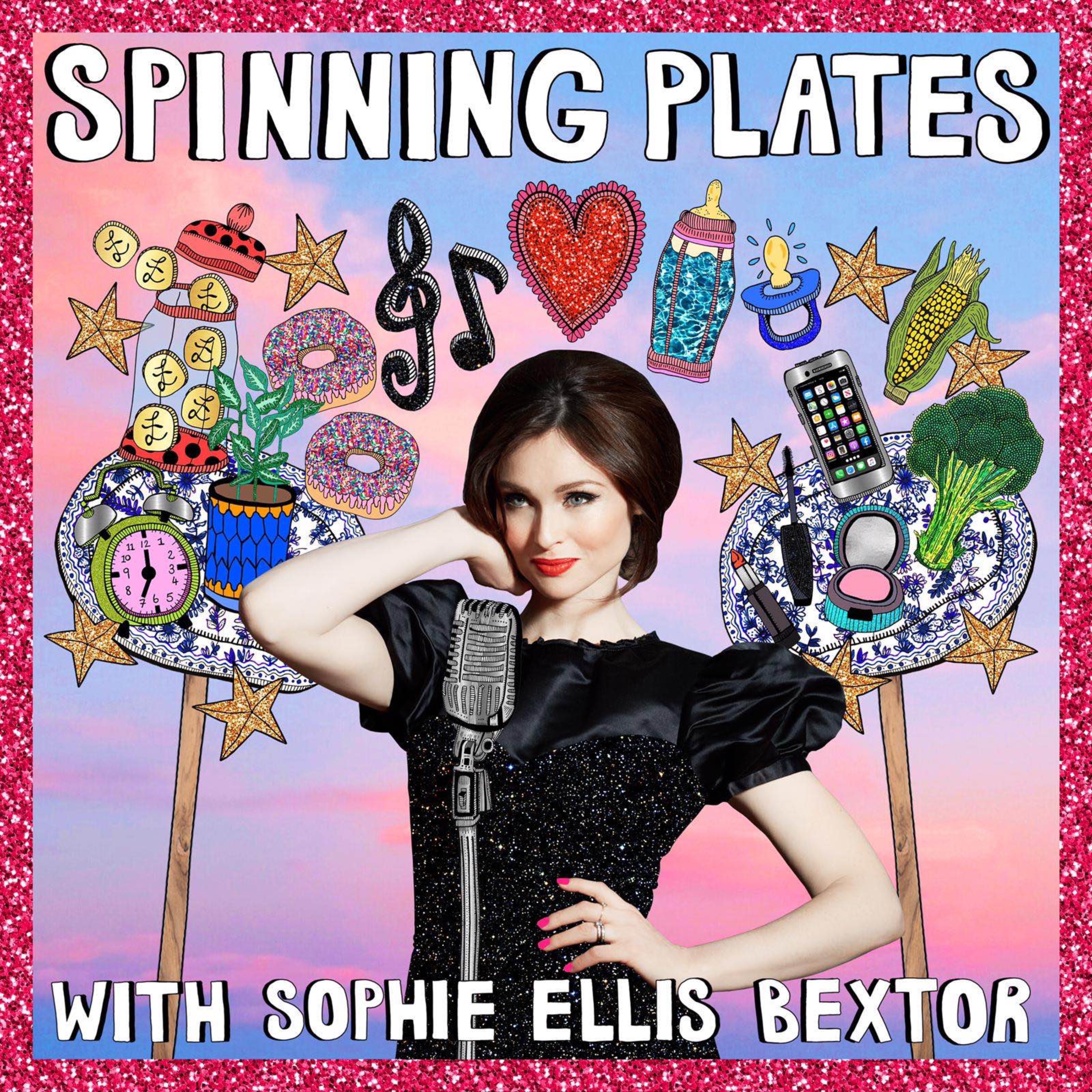

 Spinning Plates with Sophie Ellis-Bextor
19 Oct 2026 · 1h 10m · 26 chapters
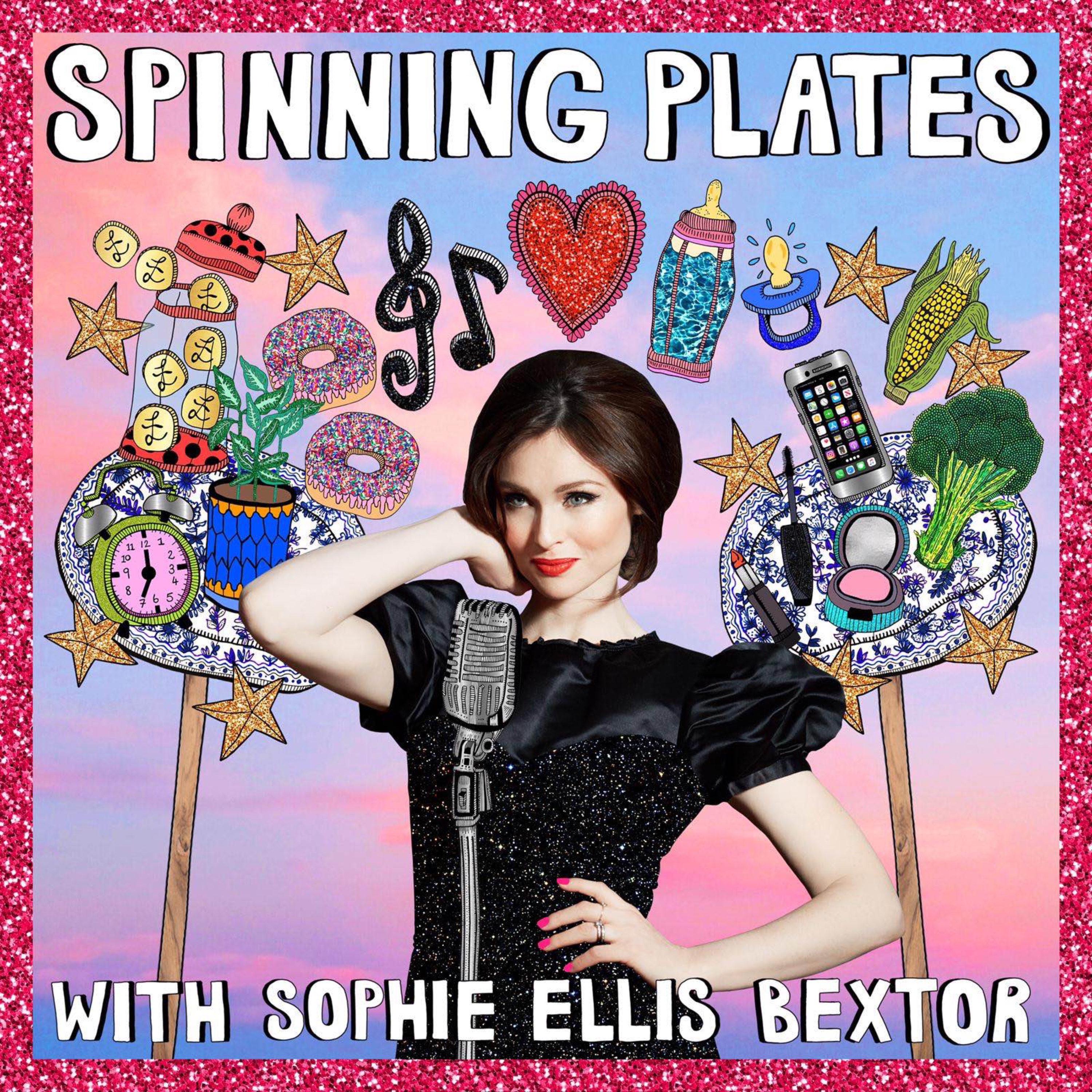
Joeli Brearley discusses her journey from being sacked while pregnant to founding Pregnant Then Screwed, campaigning against the “motherhood penalty,” and later starting Growth Spur to help parents return to work. She also talks about burnout, vicarious trauma, and raising boys amid pornography and misogyny.
Joeli Brearley is the founder of Pregnant Then Screwed (stepped down two years before the episode). She lives in York, has two sons (ages 10 and 12), and now runs Growth Spur. She also hosts a podcast focused on issues facing young men and raising boys.
Employers discriminate against mothers starting when women get pregnant; mothers are viewed as less competent (she cites “10% less competent”). She says 1 in 9 women in the UK are pushed out of jobs for pregnancy/maternity leave, and 77% of working mums experience discrimination. She argues motherhood builds leadership skills (empathy, multitasking, decision-making). Anger can be useful when channeled into action.
She was sacked within 24 hours of telling work she was pregnant; during Pregnant Then Screwed, “March of the Mummies” drew 15,000 people, contributing to a government commitment of £5.4 billion. She describes campaigning while absorbing others’ trauma, leading to stress-caused autoimmune illness and “vicarious trauma.” She shares boy-raising tactics: talking openly about sex (including oral sex) and warning about strangulation during sex, using a car conversation with the radio off.
Written by AI. May contain mistakes.
Sophie shares her morning routine before introducing her guest Joeli Brearley and discussing the importance of her work.
“I'm actually recording this early in the morning.”
Joeli reflects on her experiences with the charity Pregnant Then Screwed and the challenges faced by working mothers.
“mess you I was thinking it must have been years ago I think yeah I first reached out and it's just for one reason or another.”
Joeli recounts the circumstances that led her to establish the charity and the challenges faced by women in the workplace.
“But I remember maternity leave being me on a laptop with a baby in a push chair.”
Learn how personal experiences can fuel activism and create change.
“But it's actually for you, it started a whole new thing.”
Explore the biases mothers face in the workplace and the skills they bring.
“So the idea that a charity of nine people could was, you know, felt regularly frustrating because you're sort of banging your head against a brick wall.”
Discover the importance of hope and perseverance in activism.
“I know that you'll be better at managing projects.”
Learn about the importance of responding quickly in advocacy and communication.
“and being on a ski lift and writing a press release about child care on the ski lift so I had until the end of the lift to finish this press release.”
Explore the complexities of parenting while managing a career.
“Hi, I'm Molly Graham, host of Work Life, a podcast from TED.”
Understand the value of being present in your children's lives, especially as they grow older.
“And I remember I listened to an interview where you said that you'd be doing like patting them to sleep with one hand and like emails with the other.”
Learn how to approach difficult conversations with children about real-world issues.
“And you know sometimes when you're having conversations with them how serious those conversations are.”
Discuss the current challenges boys face in education and the influence of online content.
Gain insights on how to have open discussions with kids about sex and relationships.
“I really feel from the people that I've talked to that we're talking to our children about sex far too late.”
Discussing how to talk to young people about safe behaviors in relationships.
“Sorry, you didn't just add to your plate.”
Exploring the emotional toll of absorbing others' traumatic stories as a campaigner.
“And I think I totally agree with you that it's so important to be really unsqueemish about all of these things and be able to have this open door of what we can talk about.”
Examining the prevalence of discrimination against working mothers in the workplace.
“And women are always really great at talking to people, being emotional crutches and supporting others.”
Discussing the challenges faced by new mothers in the workplace and the impact of discrimination.
Reflecting on career decisions made while navigating motherhood and workplace dynamics.
Sharing personal anecdotes about resilience in the face of workplace inequality.
Discussing personal experiences with inequality at work and the impact on friends.
Exploring the role of campaigning and activism in addressing societal issues.
Discussing the complexities of raising boys amidst conversations about masculinity.
“know that after adolescence came out it was actually a really good thing in a lot of ways because it put right into the center of culture at that moment.”
The significance of small community actions in fostering positive change.
“small things that we can do that i think will have massive changes so like youth clubs where are all our bloody youth clubs.”
Highlighting the challenges and support systems for working mothers and their impact.
“My partner runs the local football team and it's full on.”
Learn about Jolie's dedication, the challenges she faced, and the support she received.
Sophie shares her feelings about her family dynamics and the quiet moments at home.
“And meanwhile, I'm still this, yeah, very sleepy town morning.”
Sophie expresses gratitude to her producer and contributors to the podcast.

Get the gist, explore an idea or ask about something said.
 Claude
On Spinning Plates with Sophie Ellis-Bextor, what are the key points of this episode?
Searching your listeningAutomatic transcript. May contain errors.
0:00Still waiting in line? Again? That's time you'll never get back. Save time and money with Stamps.com. Over 4 million businesses have skipped the line with Stamps.com. Join them to save up to 90 % off carrier rates from your computer or phone right now. Print postage for certified mail, registered mail, and packages in seconds. Then schedule a pickup right from your home or office. For a limited time, go to Stamps.com and use code PODCAST for a free welcome gift. Taxes and fees apply. A-Cast powers the world's best podcasts. Here's a show we recommend. Hi, I'm Molly Graham, host of Work Life, a podcast from TED.
0:40The most important lessons about work usually aren't the ones anyone teaches you. They come from experience, from uncertainty, from figuring things out as you go. On this show, my expert guests and I explore how careers really unfold. Through change, through doubt, through the decisions that shape who we become over time. Because those moments aren't the exception. They are the work. Listen to Work Life wherever you get your podcasts. ACAST helps creators launch, grow, and monetize their podcasts everywhere. ACAST.com
1:23Hello, I'm Safiyela Spexta, and welcome to Spinning Plates, the podcast where I speak to busy working women who also happen to be mothers about how they make it all work. I'm a singer and I've released eight albums in between having my five sons, aged between seven years old and nearly 22, so I spin a few plates myself. Being a mother can be the most amazing thing, but it can also be hard to find time for yourself and your own ambitions. I want to be a little bit nosy and see how other people balance everything. Welcome to Spinning plates. Hello, here's an unusual one for you. I'm actually recording this early in the morning.
2:03It's just gone 7am. I've been up for nearly an hour and the house is really quiet. I've got one kid up here anyway, my 14 year old who likes to get broken at 6.20. So that's when my day begins with him and then um I normally would have Mickey and then I've got Kit up by now but actually Mickey my seven-year-old is away on one of those little school trips it's his first one with two nights away and wow it feels really different in the house and then the 17-year-old has a late start today so he doesn't need to be up for another hour so I've had quite a nice leisurely morning having my tea and toast and reading and thinking and watching stuff and yeah just waking up my brain cells a little bit and uh it feels different it's funny isn't it with a family just take one member away and um yeah everything feels different i uh i wanted to talk to you about today's guest because it's somebody i wanted to speak to for so long i can't believe in a way it took us so i I think I literally must have messaged Jolie first about coming on the podcast probably about three or four years ago.
3:20And just for one reason or another, we couldn't get it together with the dates. And actually, I think in a lot of ways it was really good for it to be now because Jolie is the founder of the charity Pregnant Then Screwed. and as she will share with you it's such it was such an all-consuming um purpose in her life that actually i think for the early years of her little boys um she felt very much consumed by what she was doing it just absolutely took over all the brain cells but because she was so dogged to make real positive impact and positive change for women, working women, and actually really did it.
4:04So the focus of Pregnant Then Screwed's campaigning is about parents and the workplace and how they're discriminated against, which came from first-hand experience after Jolie was sacked when she was pregnant with her first baby. She was sacked within 24 hours of letting work know that she was pregnant Jolie has two little boys they're now 10 and 12 and so after this happened to her and she felt completely thrown by the whole experience like what do I do now and something in her just kick-started like this does not feel right so by the time her second baby was born she was kind of into campaigning mode and what amazing impact she meant made not and I say it in the past tense only because Jolie is not involved anymore the charity still exists but for example she did a huge event called March of the Mummies where over 15 ,000 people turned up on the streets of London to campaign for better rights for maternity paternity rights but primarily maternity because the odds are stacked against and this put pressure on the government who ended up committing 5.4 billion pounds to change the way the workforce treats um treat people when they've had a baby and going back to work and all the things all the echoes from that so real impact real change there's still more work to be done out there but real change so now jolie has stepped down from the charity uh so it was a really good time for us to reflect and also to talk about what she's up to now including her podcast where she talks about issues facing young men raising boys which as a mother of five sons obviously chimes over here so yeah lovely chat and um I'm so glad we managed to synchronize our watches and get time together because I feel like uh she's definitely you know one of the good ones jolie and it's so incredible what she put into all the campaigning and then the actual changes she made it was all worth it and i bet her boys must be super proud as they get older the you know the force of nature that is their mum will only gain strength in terms of them understanding exactly what she achieves and what she continues to achieve so um yeah i'm very happy to introduce this podcast today from the sanctity of this very quiet house i'm about to go upstairs and wake up my 10 year old he likes to have a little shower before school and have quite a long morning so wish me luck with that and I will see you on the other side
6:56um I'm so thrilled we're actually finally getting together Jolie I feel like me too when did I first mess you I was thinking it must have been years ago I think yeah I first reached out and it's just for one reason or another. But actually I was thinking, I think it's serendipitous that it's now that we speak actually because you've been able to reflect on so much you've achieved and also where you're at right now in terms of everything you established with Pregnant and Screwed and then the new world you're in with the next bit. So it's a good time to kind of give us a little bit of past tense on some things.
7:31What is happening in your world at the moment? Why don't we start with that? Well, I left pregnant and screwed two years ago. And since then, I've been doing lots of speaking gigs. And I've set up a company called Growth Spur, which helps parents return to work from parental leave because it's really difficult going back, particularly for women. I personally, when I returned, I cried in the toilets every day for the first three months of returning. And I really wanted to go back to work, actually. So, you know, as somebody who had a supportive employer and really wanted to go back to work, my experience was dreadful.
8:08So I know that lots of women have a really, really tough time and I want to be able to smooth that over, which is what Grace Bear is about. I've got two kids. I live in York with my partner. I've completely reconfigured my life since Pregnant and Lens Greed and tried to not put my career first because I think that did me a lot of harm, actually. and made me quite unwell. So I'm still trying to figure out my rhythm of life, which I think happens to a lot of women when they hit, what am I, 47? Yeah, we're exactly the same age. I'm 47 too. Yeah. It's a big, it's a transitional time, I think, because you're perimenopausal, your kids are getting a bit older, you're thinking about what you want, what the next stage of life is.
8:59so that's where I'm at. Yeah, and also your kids aren't tiny anymore. So 10 and 12, I really feel like that's a bit where the wheel clinks into a new bit. So they're a little bit more independent. You're thinking about secondary schools and beyond. So that whole bit where the intensity of the early years has really gone into a nice, as you say, a new rhythm. and I was thinking wow everything you achieved with the charity and all the amazing work you did and the actual huge seismic changes you made how on earth did you have the energy to be doing all that alongside working and raising this young family like when you look back now can you think do you think to yourself I don't actually know quite how I did all that yeah I do and it and it genuinely it made me so unwell that I've I've now got a quite serious illness as a result of it um I've got an autoimmune disease which is caused by stress so I spend a lot of time now talking to women trying to ensure they put themselves first and and I think we are terrible at constantly putting other people first and I was I cared so deeply about pregnant and screwed I cared so deeply about the women that were contacting me that I worked every hour God sent you know I was thinking about it constantly I was working constantly the pandemic was horrendous for women and what it turned from discrimination to women were dying during the pandemic pregnant women we were dying and I was taking all that on my shoulders and it compounded and compounded until I just cracked and couldn't do it anymore um and yeah it was a lot I don't regret any of it because what we achieved was incredible yeah and I'm so proud of every woman that contacts me and says your charity got me my job back your charity helped me access the justice I deserved your charity made me rethink how I manage and balance my work and family life but I just wish I'd probably taken a step back and thought about myself a bit more in that big puzzle of what was going on.
11:31So if I'd met you say sort of you know two or three years into the charity what would have been going on in yourself how did it look when you got these how old were your small people when the charity was formed my my youngest uh was two when it formed and I just had then I was pregnant with my second so pregnant this group really ramped up during the maternity leave of my second baby before I'd set it up before that but maternity leave really gave me the time which is it shouldn't give you the time to build a charity because you're looking after I'm not saying anything. I'm just thinking, wow.
12:15But I remember maternity leave being me on a laptop with a baby in a push chair. And with a foot, I was waggling the push chair while also typing to try and keep him asleep so that I could do work. And yeah, so there were very little. Of course, I started pregnant language as a result of what happened to me when I was pregnant with my first baby. beat I got pushed out of my job as soon as I'm children as soon as yeah they one day next day no job they sucked me by voicemail and my employer was a children's charity so I then fell into this hole of deep deep depression where I felt like overnight I'd lost everything I had lost my career I didn't ever believe I'd get it back I thought that was it now I didn't have any income I was reliant on my partner which was never a position I had wanted to be in and then I found out that my cervix had almost vanished and my baby could arrive at any point and he was four months so he would die if he arrived at any point um so I I felt like I'd failed at that as well I failed at being pregnant and so I was in this really dark hole for a couple of months and thankfully through support of friends and family and my partner I found a new job and slowly rebuilt myself but felt so angry that that had happened and that I couldn't access the justice I deserved because the justice system just didn't work for me at all that that was what led me to set up Pregnant Then Screwed and so my my eldest son was born and he was very healthy and fine thankfully but then I started going to parent groups and pretty much every woman I spoke to had had something happen to her and I thought why on earth did I not know this was a thing why was this such a shock to me if this is happening all the time and so pregnant then screwed was born as a result of that I mean I've heard you saying that you didn't really have a sort of plan it sort of started from one thing and just kept snowballing but I still think it's so impressive that that was how it manifested because there's so many different offshoots from your experience and the the rage that resulted and and the darkness and all of those things that might have never ever progressed into anything outside of what was happening in your orbit and kept it very much you know in your world with your people and I know that there's a there's a saying about if you're feeling down than a way to lift yourself is to find a purpose bigger than yourself yeah but i think i don't think i've thought of many examples that encapsulate that quite so brilliantly is what you did and about how even when you were talking about now the way you're you can see the lift that you were getting from galvanizing that thought into action yeah but it's even so just recognizing that that's that's a really uh incredible energy to have and to be able to actually take that and and make it into something that's radicalized but also has a purpose that's just to have that point to it rather than it just being one space or just a conversation with you know the parent groups to actually start that ball rolling is it's pretty incredible actually thank you and it's also so cool because i'm always i think this is one of the things where i already I really loved about the podcast is hearing when motherhood has not just been something that people have taken their work and then tried to work out how to keep doing the thing that they're passionate or the thing they're good at, the thing they love, the thing they're trained for alongside raising a family.
16:04But it's actually for you, it started a whole new thing. It's actually literally become this really big part of your world. Yeah. I mean, when you're reflecting can you sort of grasp the enormity of that and also how unusual that is? I lived in Newcastle for 16 years and when I lived in Newcastle the notion that I could influence Westminster was so far removed from my lived reality. Newcastle feels like a different country to Westminster and so the first moment I wrote a letter to an MP and they responded I was absolutely flabbergasted that somebody in Westminster had replied to me and then a bit later Angela Rayner when she was a very new MP stood up in the House of Commons and congratulated me on the work that I'd done in pregnant with pregnant and screwed and I literally could not believe it like I could not believe that I had the ability to influence something that seems so far removed from my daily life.
17:10And, you know, I really want other women to understand that you can create influence with and change with very little. I had a laptop and was just had so much anger and so much fury that it drove me to do everything I could to create this change for other women and I felt it was so cathartic when women will contact me and they had a similar experience to me and I said I can help you I can do this thing that I can get you a lawyer I can give you the advice that I never got yeah and then watching how that benefited them and gave them the ability to access the justice they deserve was just so empowering and so I just couldn't stop when there was like an addiction I just loved it I was so and I you know I sacrificed everything around it to the point where you know I didn't see friends I didn't really go out I didn't I left ended up having to leave my job because I couldn't do both and I had no money and was building it from a kitchen table but the joy it gave me um was just it was it was an addiction I was so addicted to it and actually you mentioned there about the rage but there's definitely something to be said for anger when it's given that um intention yeah I think it's really important when we talk about you know how we manage emotions yeah that you can really give respect to what anger can do for us and how useful useful anger is flipping brilliant yeah yes we mustn't just pack it away it's actually serving us something yeah and look what can be the result of it and we're told women in particular are told to you know calm down love let's not be angry about this and actually it is if you harness that and go it's so powerful yeah and it's interesting as well because it obviously your experience and not even you know in your babies here but the moment you tell your workplace that you're pregnant the fact that you took your experience and wanted to make it better for other women it feels a little bit this might be a bit trite but it feels like what you're doing with growth spurt is that it's almost like the the holistic flip of what also what happened as a result of you driving so much of that activism that actually it's like okay the other thing I needed was this someone just to look out for me and make sure I was okay in the middle of it all it's that and also the fact that with pregnant and screwed our ambition was to end the motherhood penalty, which is quite a steep and large challenge, particularly because no country in the world has managed to do that.
19:59So the idea that a charity of nine people could was, you know, felt regularly frustrating because you're sort of banging your head against a brick wall. So when I left, I thought I want to take a piece of that, that I feel like I can make a tangible difference and see that difference each day. and so growth spurt to me it it's not that difficult to give women the support they need when they return to work you know we'll put a man on the moon for god's sakes we can solve this problem of women feeling like their confidence is on the floor their well-being is on the floor they don't know how to manage their home and work life and they're doing all this in isolation it's so lonely and so eventually lot one in four women leave their job because they just can't do it they can't figure it out and I and they don't get the support that they need to do that so I felt like I could create something that would fit that gap and I would see the the results of that every day which is why Grace Fair was born yeah and I guess also the inner quality of the qualities that you gain when you're raising a family and how they benefit you know how we perceive the benefits of those qualities when it's the a man to a woman because for if a if a if a dad um has taken care of all the school run or the logistics or the admin and then turns up at work on time and does his full day yeah everybody probably probably be going like this is great yeah but we sometimes have the expectation that a mother might be distracted chaotic um feeling behind.
21:37And actually, these skill sets are really brilliant things. So when women go back into the workplace, to recognise all the brilliant things that they're doing. Completely. I mean, it's really shocking when you look at the data. Mothers are viewed as 10 % less competent than other types of workers, just because they're mothers. And we know from study after study that they're viewed as distracted and less committed to their job from the point that they get pregnant. So they get pay cuts and demotions, men get pay rises and promotions because they're seen as more committed because now they've got a family to look after and care for.
22:13And so that's why we, this is when we start to see the gender pay gap really take hold. It doesn't much before you have children, it widens the moment you get pregnant and continues to widen for the rest of a woman's life. And it's catastrophic for their quality of life because we are so much poorer than men and money is power money gives you access to things money means that you can buy decent housing it means you can pay for food for you and your children and put decent clothing on your back it means you can leave a violent relationship you know it it gives you gives you so much and and so we it's to me it's really devastating that this bias still exists in employers when actually the truth is as you've just said we know that maternity leave looking after children gives you all these new skills and it makes you better at decision making it makes you better at dealing with pressurized situations you're better at multitasking all of this is well documented and all of the skills that you develop from motherhood are skills that are really great in the workplace and really great leaders have these skills.
23:29In fact, the part of your brain responsible for empathy even grows when you have a baby. And we empathetic leaders, it's well documented, are better leaders. So we have employers that have this bias towards women for being mothers when actually we should be saying, you've just been on maternity leave, good grief, let me promote you. because you are now absolutely shit hot. Sorry, can I swear? Yes, you can swear. You are now absolutely brilliant. And I know that you'll be better at leading teams. I know that you'll be better at managing projects. And I'm going to give you the flexibility you need to be able to do your home and work life.
24:08But that's sadly just not really happening. So when you haven't got, you know, as a campaign, you haven't got the ability to hit a big reset button. And there's so many people you must feel you have to tirelessly re-educate about where the problems are and actually know these are real stories and know that I can give you these examples. How do you keep your positivity? How do you manage the times when you're dealing with things that didn't get the result you were after and going back and back and back and keep going? How are you dealing with that when that's happening? yeah I mean hope is such an important thing when you're campaigning it's I mean hope is important anyway if you lose hope then you really have no hope of succeeding and it can be really hard to keep hold of that hope when you work really really really hard for a change that seems so bloody obvious to you and then a group of MPs go oh no we can't we're not going to do that right now That's what I would find like the most frustrating.
25:11Yeah. Oh, yeah. I mean, it really drives you around the bend at points. And campaigning is losing. That's what it is. It's, you know, you work and work and work and work and then you hit a brick wall and you have to start again. Yeah. And so having the energy is really difficult. But the beauty of Pregnant and Scrooge was we had these two parts. We had the campaigning part and then we had the advice line. And you could see from the advice line daily the impact it was having. So you were getting all these brilliant, positive stories back from people that we had supported and changed their lives.
25:42And that filled your cup to go back out and keep campaigning. And so for me, I really needed both. Otherwise, I probably would have given up a lot earlier than I did. Yeah, I can imagine that you get one good story, one thing said at the right time and you go, that's it. That's what I needed. yeah and did you always feel that the pressure was on you to be the person taking things forward because obviously if you're the one who's become such an expert in the field and gets to know people because so much about this is about like the network the knowing who to approach who to send the letter to who to get the meeting with I imagine that's really hard to delegate which again puts more pressure on you you think well I can't step back at this point because I'm really needed here yeah it is really it's hard because you know that you are you know I had by the time I left I've been doing it for 11 years I'd read every research paper I knew anybody could throw me any question about it and I'd be able to respond I also had a big network of people that I could tap up as you say um but also I never wanted to step back stepping back felt like I was I felt like I was letting down thousands of women and so that's why I probably burnt myself out because I kept going despite the fact that my body and mind were saying stop yeah and and so that pressure is a lot yeah yeah I can really imagine that and people trying to say oh just you need to give your time for yourself you're like not now you must feel like it's a bit like when you're in the middle of something really stressful and someone's like you go for a massage I'm thinking but what if that is like the Jenga and I do that and then I just flop yeah and all that I need it I need to be this tense yeah well yeah I can't let go I wouldn't sleep and then as soon as you slept I'd be like a zombie afterwards so so adrenalized and actually when you do give yourself something you're like well that didn't work yeah so I'm not gonna do that again yeah completely running from project to project not stopping and as you say the adrenaline the cortisol was just coursing through my body yes I'd go on holiday and wouldn't be able to stop either I'd just be like in the bathroom secretly looking at my emails or checking things were working or I remember going skiing with my partner for his 40th just him and I we never went away together just the two of us and being on a ski lift and writing a press release about child care on the ski lift so I had until the end of the lift to finish this press release.
28:13Managed it. Things happen. The government does stuff. They say things. They put stuff out. And you've got to react there and then. You can't say, oh, I'll leave that till next week. If you don't get on it straight away, you can't influence it. You're too late. It's gone.
29:02Everyone talks about how challenging it is to raise kids, but what about protecting them? Outlet covers, kitchen cabinet locks, baby gates. Where do you even start? Well, protecting your home and auto is a great place to start. Progressive offers customized coverage options so you can be sure you have the right coverage. They're basically the baby gates of insurance. Get a quote at Progressive.com. Progressive Casualty Insurance Company affiliates and other insurers. Not available in all states. ACAST powers the world's best podcasts. Here's a show we recommend. Hi, I'm Molly Graham, host of Work Life, a podcast from TED.
29:41The most important lessons about work usually aren't the ones anyone teaches you. They come from experience, from uncertainty, from figuring things out as you go. On this show, my expert guests and I explore how careers really unfold through change, through doubt, through the decisions that shape who we become over time. Because those moments aren't the exception. They are the work. Listen to Work Life wherever you get your podcasts. ACAST helps creators launch, grow, and monetize their podcasts everywhere. ACAST.com
30:21And what about when your kids are little? And I remember I listened to an interview where you said that you'd be doing like patting them to sleep with one hand and like emails with the other. yeah did you feel was it sort of adding fuel to your fire of like wow this really shouldn't be something I need to be sorting but now I'm in it and I'm making that that sort of getting more angered to be galvanized yeah there is a moment where the irony strikes you of the fact that you are campaigning to ensure women have choice and can spend time with their children without being judged for it and yet I was wasn't present for probably 10 years I was you know they'd be talking to me and I wouldn't be listening I'd be thinking about work they'd be crying I'd be patting them and looking at my emails or social media and they would both my you know my partner my friends my children would say things to me but it was you know I was kind of I was I was so in it I just couldn't stop.
31:28And I find it really sad now because I have now stepped back and I am way more present with my kids than I ever have been before. And love it. Loving spending time with them and getting to know them again. It feels like such a privilege to be able to do that because, of course, this isn't just campaigning. Lots of women have really stressful jobs and stressful lives where they find it they know that if they switch off they'll get demoted they know that they'll lose their job and that means they'll lose their house they'll lose the food that they can put on the table they'll you know the the damage that will do to their kids overall is too great and so it does feel like a privilege now that I'm able to do that yeah well and also I imagine firstly the all the kindred spirits that were by your side would have all presumably been people in the same situation going i'm furious put me to work where can we what can i do to sort this change so you're all kind of going home to similar levels of small people and that whole world of early parenthood so it's that's that's the time when it needed to happen the most importantly because it was the most you know relevant you can actually speak from first-hand experience um but also i think we i mean i've said this a lot of times but we put so much emphasis on the early years parenting but actually as you know it's a long game and for a lot of people the bit when they're small is the bit where you might think okay i'll be around more and then when they get older i'll be working differently but actually when they get to double figures they really need you yeah so being present for that is is is just as valuable if not more in terms of what we carry what we remember yeah and I I just think when they see when they think of all the things you've done and the way people must refer to their mum like they would always vote for everything you did as well I'm sure it's really special like to have to be raised by someone that's that's capable of so much that you've absolutely modeled so many qualities I'm sure you'd hope to impart on them like don't just take that that for an answer like what can we do about this like what brilliant life quality thank you I mean yeah I it's good for kids to see their mums doing stuff like this like working as well there's loads of research that children daughters with working mums are more likely to be really successful sons of working mums are more likely to have equal relationships and be an equal partner in that relationship and that's you know a big obviously something that's really important to me that I raise sons who have equal relationships um and so yeah hopefully you know me working all the time has had some positive benefit as well as me feeling quite sad that I haven't been there but they're talking about as they get older I mean I I think my eldest is 12 now.
34:34And you know sometimes when you're having conversations with them how serious those conversations are. And if you get that conversation wrong, the damage it can have and the impact it can have. My eldest son came to me and told me he'd seen porn. He's 12 now. This is a couple of years ago. He'd seen it by accident. And the weight of that conversation was a lot because you know that what you say in that moment will make such a big difference to how they feel about what they've seen, to how they have relationships in the future. They're so important, those conversations. And so lots of women as well do step back when they have teenage children because you want to make sure you keep them on the right path.
35:20You want to make sure that at night they always want to talk to you just as you're going to bed and you're absolutely knackered and you've got a massive thing the next day you want to be sure that if they suddenly open up to you you can create that space to have that conversation because it might be the only time they do it so true I mean sometimes when like when you say about seeing porn it makes me think I do sometimes get so frustrated that we have this kind of messy world so much of it unfiltered without it's like it's lawless it's it's devoid of morals and then it's sort of over to you to kind of like scoop it up yeah put it in some boxes uh you know give it give it some context you weren't meant to see that that's what's happening here like it's a lot isn't it to be raising that and and I too am mother of sons I have five boys I say between us we've got you know quite a lot of young men just to help um introduce to so many things and I think your podcast to be boy is such a brilliant I mean what a supremely timely time to have those conversations and all those topics and the murkiness and the fact that people are understanding that it's it's wonderful to be giving so much and so many amazing role models for young girls but it's we need everybody to be on the same page with raising good people good society people who really listen to each other who give who know how to respect all the boundaries and all the edges of all that um yeah I mean I think I saw on your Instagram that you weren't you never really pictured yourself as the mother of boys but you're sort of sort of started to break down okay this is what this means to me and this is how I can help with all that I bet you've had some amazing conversation the podcast as well that are giving you yeah good advice oh learned loads from doing the podcast yeah I never really saw myself as a mother of boys partly because I was raised by women like my mum and my mum's mum were the one the constants they were the ones always around and I have a sister so I honestly had no idea what to do with this baby I was like what do I do with I felt the same way when I first I was like what what do I do with that yeah I've again yeah very close to my mum my sister so yeah the idea of raising a boy initially I was like okay I have to think about this for a second and then they you know your life ends up being fights and farts like that's wrong that is my existence daily existence at the moment but there's so much data and things that are going wrong for boys right now.
37:54They're doing worse in the education system, far worse than girls are. They are being influenced by people online to be more sexist and to embrace misogyny, which is terrifying, the things that they're seeing online. Access to pornography, all of that stuff. I just thought, I just do not know where to begin. So that's why I started the podcast, was to ask people who actually know what they're talking about so that I could try and figure, fumble my way through it in the best way possible. And I've learned so much from doing it about sex education. I really feel from the people that I've talked to that we're talking to our children about sex far too late.
38:37Yeah, I saw you. We were talking about that recently, weren't you? Access to the internet and pornography. I mean, I was very lucky that my mum was very open with me about sex and relationships from a very young age as well so it didn't feel that uncomfortable to me to have those conversations but for some people it's really difficult they've not had that model to them at all um but it's so important that we get ahead of social we get ahead of the internet and talk to them about what good relationships actually look like and what different things are because otherwise they're going to see it and they're not going to know what it is and they won't have a filter through which to translate what they're seeing online so true so true and so with the pornography conversation what did you learn is a good way to talk to kids about things like that mainly don't get embarrassed so try and just be really open really honest show them that if they ask you a ask you a question about sex or relationships that you're not going to shut them down you're not gonna look awkward and show them that you're finding this conversation difficult because otherwise they're less likely to talk to you about it in the future so I have talked to both my the first time I had a conversation with both my boys about sex they were quite young I can't remember their exact age but they were quite young and it was mainly because we got back home from a friend's house she has an older son and my eldest mentioned sex a few times kept saying sex sex I said oh well maybe you want to talk about this do you and he said don't worry Petey's explained everything to me that's reassuring yes it's like we definitely need to talk about it just go over what Petey's shared about that I dread to think what Petey's shared so I just went through the kind of mechanics of it and was like oh you know you this is between two people who love each other and then the next day I heard my youngest say to my eldest I really want to have sex with you and I said no no what are you doing and he said but I love him so I must want to have sex so obviously I didn't get it right the first time so we had to sit back down and have another conversation but since then it's actually very sweet though it's very sweet since then I've talked to them about oral sex which you know people can find very difficult and they both looked quite horrified when I explained to them what oral sex was.
41:10But my eldest was about to go to secondary school and now, of course, he's at secondary school and knows all about it. So I'm really glad I got ahead of it and had that conversation with him, told him what it was before he started hearing or people picked on him because he didn't know what it was. Also, it'd be good because if anyone else talks about it, he's going to be completely not embarrassed. He'll know the stuff and he'll probably end up being the one that they'll come and ask someone else might say can you can you help me out with what this means completely and that is really empowering right when you're a kid it's really you know and since then he has has asked me questions about things that I don't think he would have asked me if he hadn't felt that I am really open about this stuff I tend to do the conversations where I can't in a car turn the radio off he's in the passenger seat he can't get out and boys and no eye contact as well which is quite good they're quite like focusing on the road i think teenagers in general or young kids like that sort of age of kid you know the pre-teen onward because it can feel a bit much to have the eye contact all the time can't you just want to just want to be able to like look away if it's a bit like oh here she goes again yeah that's what they're open conversations again oh good yes here we go another life life lesson but also things like strangulation you know the data on the number of young people that are strangling each other during sex is absolutely terrifying and the there is now evidence that strangling somebody during sex is i mean it's asphyxiation right so it stops air getting to your brain and it can cause slow brain damage for people and there is no safe way to worry about i didn't know about that one I thought that's worry about a while.
42:52Sorry, you didn't just add to your plate. So I, with my 12-year-old in the car, turned the radio off, doors are locked. And I said, if when you're older and you're in a relationship with somebody and you have sex with them and they ask you to strangle them, don't ever do it. There is no safe way to strangle somebody. And if somebody wants to strangle you, don't let them. And that was it. It was in his brain and hopefully that will mean that, you know, they're getting it from pornography. They're seeing pornography and that's how they behave. So I wanted to just be really sure that I say these things before he's 14, 15 and he's not listening to me anymore.
43:34And with these really brilliant and significant and useful conversations that they really are, And I think I totally agree with you that it's so important to be really unsqueemish about all of these things and be able to have this open door of what we can talk about. I'm just going to put this out there. And yes, of course, it sounds bizarre to me. You say that now, but one day down the line, this will all make sense. How do you stop like campaigner Jolie turning this into something bigger than the conversation just in the car with this locked car? like that detail the lot's cut with your sons because when you start to tap into how these are conversations that need to be having elsewhere are you good at understanding yourself what you can cope with in terms of information and doing things and then what might be getting you back into habits that you feel weren't necessarily serving you that well yeah I'm much better at that now than I used to be I used to at the beginning of Pregnant Then Screwed I'd be off all over the place we need to fix that we need to fix this and let's we can make this happen and and that's ultimately what bent me out and you know you're no use as a campaigner if your brain is on the floor as a mushy mess so I've realized now that I have to be able to focus and stick with my my lane and the thing that I know that I'm good at and I can change and not get too distracted because otherwise I'll just be useless at everything.
45:07If you try and do too many things, you're just not doing anything very well. No, it's true. I also wonder if there's anything that anyone could have said to you in the midst of all of that that would have actually made the difference. I think maybe you had to take it there. Yeah, I don't think I could have. People definitely tried, but yeah, I don't think anybody could have said anything. People know, but similarly, you might not have, when you started, realised you had your experience and how that made you feel. But then there'll be women that have the same thing minus the supportive partner, minus the, you know, whatever, touchstones, whatever gave you the comfort.
45:43So when you hear stories, you wouldn't have thought of all the things that people are going through that take them into an even darker spot. And then you become the sponge for that as well, I'd imagine. Yeah. So that you probably, when you started, didn't know quite what you were exposing yourself to with some of those stories. Yeah. It's a lot. Yeah, I mean, I'm always grateful for people trusting me with their stories, but you do absorb them to the point where you can start to feel really unwell because it's trauma over and over and over again. And women are always really great at talking to people, being emotional crutches and supporting others.
46:24And that's a big part of why women get unwell because we absorb everybody else's emotional needs. Our partners, our children, our parents, our friends. And then on top of it, having strangers constantly telling me their traumatic stories. did I got I got diagnosed with vicarious trauma after the pandemic because I just absorbed so many traumatic stories some of which I'd taken on as almost my fault like it was my I hadn't done enough to help these women particularly when during the pandemic it was so serious what was happening and I burnt out just after the pandemic as well I had two moments where I completely collapsed and uh it was vicarious trauma that a psychiatrist psychologist uh diagnosed me with because and I couldn't even talk about these stories without bursting into tears because I was so traumatized by them and I'm so sorry Jo that is a lot to take on and I can when you speak about it i completely can see how that would happen because it's also been part of how things are built to where they built to you know these stories had also been the thing that kept you going sometimes yeah well mostly actually but but as you said the there's there's all this sort of gray area of where things can trip into and also if people have got this thing this experience that happened to them maybe they've never really felt they could put any closure on it they never got any resolve it was just another thing there to pack up and then to you they'll be like I'm gonna put everything out there and that's a lot and it's details and you know things that they're pouring it all in like this is probably all relevant somewhere in the scheme of all the things that need to change but where you can actually offer your help and guidance might not always be it's probably within the lines rather than outside of it so it's kind of that's a lot You do get a lot of pressure, though, when you're campaigning people.
48:35People will trauma dump on you, but they also expect you to be able to solve their problem. Right. And that can be really difficult because if you say, look, this is not something we're working on at the moment. This is not our focus right now. They feel rejected by you. and when they trust you, they feel like they know you, to them feel rejected by you with their particular issue, they can get really, people can get quite angry with you, which can be quite difficult. And it's, again, you know, it happens with women, doesn't it? Women, they sort of expect, you are expected to, well, this is my problem, why are you not sorting this problem out?
49:14Well, so you're probably one of the first people who really listened to the whole thing. Yeah. Looked at all the pieces of the puzzle. And that's always a big moment for people. they feel they're finally somewhere oh I can actually share all of this with you and you're really really listening yeah completely because you lots of women hide these really negative experiences they swallow them down repeatedly particularly in workplaces because they've happened in a workplace they don't want to cause trouble we don't want to cause a fuss I don't want to get kicked out of my job so they they hide them sometimes they even hide them from their partner and the people closest to them and then you yeah you speak to somebody who gets it who's been there who understands it can feel like a big kind of you know just a big rush to like get it all off your chest and I find it so sad that there are so many women that have these really awful experiences at work and we mean we know the data it's 77 % of working mums experience some form of discrimination at work and that's 77 still today now today which is huge and 74 000 women a year get pushed out of their job for getting pregnant or taking maternity leave it's one in nine it's a woman every 10 minutes in the uk gets pushed out of her job for getting pregnant and then often they sign non-disclosure agreements the vast majority will sign a non-disclosure agreement so they can never talk about it publicly and off they pop with like a grand two grand in their pockets and so they are swallowing these stories down and hiding this trauma from other people because they have to legally yeah and I think sometimes as well trauma can lead if you've been doing a job perfectly well and then you find out you no longer have that job to go back to sometimes in that that moment of that trauma you can want to model I can even deal with what you've told me now look how well I'm dealing with this terrible news I'm not even being chaotic I'm not taking anywhere I'm not being messy with myself and you're almost trying to earn back a sort of respect from somewhere that's just told you that what you did was not working for them it can sometimes flip like that where people almost want to model even more tidy tidy behavior yeah so they don't almost follow follow the the the messiness of where that would take them if that makes sense yeah completely yeah like see i knew you i knew you couldn't do it look how you're acting now you're not you're not going away quietly yeah so you sort of almost feel like you can't even be that person yeah which is all the more brilliant about actually radicalizing it to a point where it's like okay we're going to take this we're going to take this to parliament this is going to become something they cannot do to an individual this is just fundamentally wrong yeah yeah and that that legislative change is so important for changing people's behavior and showing women that because women tend to they've experienced this discrimination they blame themselves oh i'm the one that got pregnant i am going to cause them a problem i'm going to go home and turn to leave i am going to come back and i'm going to ask for flexible working and work part time that maybe we'll leave my team in a mess oh my poor line manager they internalize all of this narrative and so they feel guilty and they think oh well yeah I suppose it's fair enough that you have been so awful to me for the last few weeks or it's fair enough that you're asking me to leave or you're not going to promote me or you're going to sideline me absolutely when actually like we've been having babies for a very long time now and employers have to deal with so much complexity and yet they many of them still don't want to deal with the fact that women are having babies that they have done for millions and millions of years yeah but they almost it almost plays into your as you say about your own insecurities about yourself and also the uncertainty you don't know how you're going to feel you're dealing with a whole new set of emotions and it plays on that doesn't it like oh well what if they're what if they're right what if that is something i can't you know how do you how are you gonna have your how you're gonna be your own cheerleader if you're also in a brave new world exactly things aren't the same as they were before no you're really vulnerable yeah really vulnerable and just had a baby you like i mean i could barely get dressed every day like you know you're barely sleeping you don't know who you are anymore milk's leaking out of your boobs everywhere you have got sick in your hair you're like well who am I how did I end up here and then to experience bullying harassment or any form of discrimination on top of that you you're so vulnerable and you just so many women understandably just roll over and accept it because they don't know what else to do and just to go back to your story so I know you got pregnant with your first found out you didn't have a job the day after you told your employee employer um you're then having a very medicalized pregnancy to make sure you and your baby are safe what was happening when you had your second baby and you're working so you you did you were you within another job by the time you had your second yeah so after I lost my job with the children's charity I then went to work for an organization called future everything in Manchester I used to work do innovation projects like art data technology stuff I don't know anything about technology by the way but somehow ended up doing that and they were great they were a very male dominated company the guy that ran it had no kids and was just this really kind of flamboyant creative type and when I lost my job I went for an interview there I was obviously pregnant obviously told them as soon as I sat down you know I'm four months pregnant and they still said we'd love to have you I then ended up flying all over the world doing all these crazy projects with them I went to Zimbabwe I went to Moscow wow and also did loads of like picked up freelance work it worked out really well for me work-wise and then I had my first went back to work with them had my second with them went back but by this point pregnant lens greed would had just it was growing and growing and I had to make a choice because I had two children by that point a full time job and was doing pregnant lens greed that I was going to explode something I had to give so how did you manage your drive if actually you found yourself in a workplace that was exciting and happy but it sounds like it was treating you well yeah because it would have been really easy to go god for a minute that I was raging but that's like I'm kind of feeling a bit more stable now with the work I was still so angry I think I knew I loved working at future everything and I loved my colleagues but I just knew it wasn't quite right for me it wasn't really what I was that brilliant I was quite good at it wasn't something I saw myself doing forever but do you think maybe you had got I feel like some there might have been other things you're picking up on other examples of inequality or anecdotally maybe it was the other people you're speaking to the parent groups but something that was thinking I can't just put that down just because I'm now on a path that's a bit more predictable oh after it happened to me it happened to two of my best friends and one of my best friends was a stockbroker and from we'd lived together at university after university she never came out because she was studying for exams she never wanted to be a stockbroker she kind of fell into it but she ended up you know all the fun we were having she was studying all the time and she did so well she grew and grew and grew in that job to the point where she became a partner in the um in the company and then she got pregnant and pushed her out and I was so furious on her behalf and I could see how unbearably deflated she was by life at this point you know suddenly then she had no money what was she going to do for her job how could they treat her like that after everything so I was so furious on her behalf and it also happened to a friend of mine who actually lived in Germany she got pregnant and a similar thing happened to her so because it happened to people that were close to me as well and you know nct group yeah three out of the five had negative experiences at work something happened to them just felt like it was everywhere i looked and yet you'd look at a newspaper nobody was talking about it or you'd you know it just felt like these conversations weren't happening in the public domain at the time they were happening behind closed doors between women and until we exposed it nothing was going to change and certainly not for the next generation of women coming through and if they didn't know this was possible how could they defend and protect themselves they just couldn't so all of that was kind of percolating yeah at the same time well that shows as well what an empath you are that you could see these other experiences and think that on your behalf the injustice of that is not good enough I'm not going to just sit back that's I mean what a friend to have in your corner that's phenomenal but that really that's really special I mean is that something even when you were younger you would have these things that we would sort of try and sort out for other people or I mean I know it can start off very small maybe just um trying to help someone get access to something or introducing them to someone that can help them is that something where they're little seeds of that yeah I think I I always kind of had it in me and would do stuff at school where I would you know push the teachers for certain changes like well we don't want to wear skirts we want to be able to wear trousers oh yeah they always used to try and do that don't they oh like what is that about like give us trousers with good pockets so we can put things in them yeah um and you know yeah i i felt like that was kind of always part of me i would always be angry on other people's behalves first and and also at university I did a I campaigned to run freshers week so I had to go through a whole process of like campaigning against other groups to say what we would do for the freshers that yeah didn't you get the budget and you had to do like all the party and everything yeah yeah it was yeah we we had a great brand which was because it was the year 2000 freshers week 2000 and it was FYC so first year conference so we so we put fyc 2k but made it look like fuck so it just said fuck everywhere which you know pregnant then screwed fuck up obviously i can't stop myself um but that gave me a real insight as well into the kind of and gave me an appetite for campaigning yeah and what can be done with a group of people when you will get them or everybody speaking from the same place it's like it's really so that energy is quite it is quite an addictive thing isn't it oh yeah yeah when when it yeah i mean it you can see as well why people get addicted to like uh being an mp or a counselor and going out knocking on doors and like a lot you know campaigning for changes like that it is really really addictive particularly when you're with people who you're all on the same side yeah and you're all pushing for the same thing and you will get on really well yeah yeah but it's like you know doing sport I suppose when you're part of a team and you just exactly yeah that's addictive and going back to your podcast and the raising of sons how do you feel optimistic for how things are for boys because I know that after adolescence came out it was actually a really good thing in a lot of ways because it put right into the center of culture at that moment.
1:01:27Conversations have been happening under our roof for a little while, and I'm sure the same for you. Particularly some of my boys are older now, like some of my eldest is in his 20s, and conversations around toxic masculinity and some of the themes had already been things we'd been sort of chatting about. But it was, well, I suppose it was simultaneous. Firstly, I thought, oh, how good this is now, something people are actually listening to. But also so much of it was really negative. and a lot of look at me like, oh, that's a big thing to sort, isn't it? How are you going to make sure that's not happening under your roof?
1:02:01So I found that all quite hard. But I want to believe that things are inherently hopeful for young boys. I do think there's a gap to have more role models for them. I agree, yeah. But do you feel buoyed up by the conversations you're having? Or is it more like, it's a lot of work for us to be doing. It's got a lot of car journeys we need to have. I mean, my kids every so often will say something where everything stops. And my partner looks at me like, oh, God, this is not going to go well for you. And then we sit down and we have to have a chat about it. Yeah. um I feel a mix of terror and hope and I feel terror because almost it it can feel like you can't control it the internet you can't do it we can't it's really hard to do anything about it you know even if you put your own measures in place they're going to go to school and they're going to hang out with other kids that don't have the same measures in place they're going to have conversations that you don't want them to have they're going to see things you don't want them to have i was talking to my hairdresser about it a few weeks ago he's a young man and he said as soon as he got to secondary school it was just whatsapps flying around that would like vile videos of horrible things and there was you know he'd never seen that before but it was as soon as he went to secondary school that's that's what he was flooded with um he's a lovely guy who is you know it hasn't negatively impacted him but to know that is really frightening so i feel this kind of terror of where are we going what's going to happen with ai where is all that heading these are things really hard to keep control of but at the same time people are taking this really seriously now and they the government is really thinking about this and thinking about the things small things that we can do that i think will have massive changes so like youth clubs where are all our bloody youth clubs.
1:04:05Oh, this is another thing. I've been speaking about this for a while. I'm so cross about it. There's nothing. There's nothing to catch these kids who need an adult in their lives who will listen to them and care about them and have conversations with them that are important. And we've lost all of that. Because it doesn't socialise in the way that we used to. No, there's no safe place to go. No. It's away from home where you haven't got adults. peering over you every second. Youth clubs are just so important and the fact that we've lost thousands of them is terrifying. But I think this government are thinking about that and trying to put things in place.
1:04:46I think we're getting better answers to how to deal with porn. We've got things like, oh God, what's the website called? Mate Love Not Porn, which I think is brilliant. So people are coming up with these solutions all the time and they have acknowledged that there is a problem. There's now lots of funding going into boys and men. The problem also is that it's become very divisive. People are creating division from these conversations. It feels sometimes like you can't care about boys and men and care about girls and women, and that's not. I know. Well, I was going to say, it's almost like we've got two versions of men.
1:05:26The men we talk about collectively, they're responsible for terrible things. Oh, but not my boys. Yeah, my boys are perfect. They're really nice. I promise. I'm trying to raise really lovely people. And it's like your brain gets a bit tripped because you're like, as you say, you can't just demonize a whole gender and then hope for them to sort of solve it and then leave it to the ones raising them to actually iron out all the bits where there's a problem. Yeah. It's quite exhausting. And I think for boys as well, they feel it. They can feel that too. You know, they don't want to feel like that they're not going to be able to get it right.
1:05:57it's really i find it really sad when you see people online saying things like men are not lonely enough like why are we wow and i see see that a lot that's a horrific comment and i i can see why women are angry i can i understand why women are angry um but that's not going to get us anywhere we've got to be able to have really good conversations about what's going wrong for boys and men and what's going wrong for girls and women but bad actors are trying to drive those discussions in opposite directions and it's really important that people like us who see both sides are able to try and keep that conversation very sensible because otherwise I don't know where we end up with it.
1:06:48Well I think in a lot of ways that's kind of been your the through thread is keeping things sensible in the middle of it all and it's so I do think it's properly inspiring to think about small actions being part of a change for the greater good yeah and it's so I think it's more important now than ever to hold on to to that because I think that feeling of overwhelm and powerlessness is quite rife and that leads to a sort of apathy that doesn't actually help anybody completely and I would say to anybody that feels hopeless or apathetic about what's going on in the world because it is really overwhelming we've got wars we've got poverty you know there's so much at the moment that just do something small within your local community because local communities are desperate for people who will just have a you know get involved with your local community group uh support maybe a football club or anything that makes, that shows that you can make a difference, no matter how small that difference feels, will make you feel better.
1:07:55You'll feel more hopeful as a result. And I really think all of us, where we can, should be doing things to support our local communities because when you support your local communities, everything else gets fixed. My partner runs the local football team and it's full on. And it's a lot of work. But you get so much out of it from doing it. And if we all just did a little thing like that, we'd create massive change. Definitely. Well, you've done more than little things, done really, really big things. But I'm eternally grateful. And I also think how wonderful about the concentric circles of good.
1:08:35You have to believe that that's the big stuff. That's where all the best things lie. in those little ripples that lead out. Because aside from all the people that, you know, you're helping through growth spurt or you're helping when they hear you speak or obviously all the campaigning work and all those actuals, there'll be all these other things that you won't know about, all those other little stories that come out of it. And one day they'll come up to you and be like, I heard about you and it started me doing this and that. So there's just no end to the good stuff, really. Well, same to you.
1:09:11Like, you bring hope. you get people dancing you get people singing you get people feeling joy that is all unbelievably hopeful happy work that we god we need more of that right yeah i know well i think that stuff i mean maybe we should get together and form some sort of youth club yeah i can do the disco element you can run the budget please help the logo we'll try and sneak that swear word in there somewhere perfect thank you so much jolie thank you
1:09:44Yay, three cheers for Jolie and all her work to end the penalty on women when they dare to become mothers. and look if you ever want a really good example of the skill set that working mothers you know are equipped with and how flipping awesome they can be at absolutely using all their all their powers and also you know keeping keeping going with motherhood look what Jolie did it's so incredible uh one example although I guess even she would say it came with the price you know she reached burnout because of her absolute dedication to it so um I suppose one must also firstly recognize that and secondly pay attention to the people in her life that gave her the support to be so committed and I say that because you know it can be um yeah it's it's significant if you have people backing you and saying you go and do this I can see you're making such changes and it's worth it and I guess that's what happens when it's campaign led because campaigning comes from a need to make a difference and how when you start opening yourself up and when Jolie started hearing all these stories and how it's affecting women and it all got quite serious you know she was talking to people who are going through really dark chapters of their life and that's gonna that's gonna really affect you so I think it's a really insightful conversation and I'm so grateful there's people like Jolie in the world.
1:11:20And meanwhile, I'm still this, yeah, very sleepy town morning. I'm actually kind of loving it, although I am missing my youngest. He does, it's funny, he's such a big force of nature, the little one, so we all really noticed it last night. The house felt so, so weirdly quiet, but I'm trying to really just enjoy that feeling because actually when Mickey's back, I'll be back to... working for my tiny boss man um so listen whatever you're up to today i hope you have a really good one thanks for giving me your time again thank you to um richard for editing to my lovely producer claire for sitting with me while i make my recordings and her beautiful notes and her editing notes and all that she does with production thank you to ella may for the artwork and thank you to Jolie for being such a lovely guest and I do think doing the community thing could be good what do you reckon?
1:12:17kids need somewhere to go they really do it's a missing thing at the moment, you know that third room, it's got to happen alright, enough waffle from me I've got another cat who's just wandered and I'm going to go and feed him hello Don this is my fluffy boy cat he's called Don Draper and he's very handsome and suitably for a cat named after Philanderer I'm pretty sure he has another family he gets fed by I'm going to feed him again anyway alright have a good one see you next week
1:13:33We'll see you next time.
1:13:38Affirmate fulfillment and rate shopping to ship up to 15 times more with up to 90 % savings. Go to ShipStation.com and use code AUDIO to try ShipStation free for 60 days. ACAST powers the world's best podcasts. Here's a show we recommend. Hi, I'm Molly Graham, host of Work Life, a podcast from TED. The most important lessons about work usually aren't the ones anyone teaches you. They come from experience, from uncertainty, from figuring things out as you go. On this show, my expert guests and I explore how careers really unfold through change, through doubt, through the decisions that shape who we become over time.
1:14:19Because those moments aren't the exception. They are the work. Listen to Work Life wherever you get your podcasts. Acast helps creators launch, grow, and monetize their podcasts everywhere. ACAST.COM
Joeli Brearley is a mum of two boys aged 10 and 12. She is a campaigner and author who founded the charity Pregnant Then Screwed, which campaigns against female discrimination in the workplace.
Her work on the campaign was so all-consuming that she suffered burnout after the pandemic and now suffers from auto immune disease caused by that stress.
Some stark statistics for you: 77% of women experience some form of discrimination in the workplace. And 74,000 women a year get pushed out of their job for being pregnant or taking maternity leave.
Joeli herself was pushed out of her job the day after she informed them she was pregnant. She was sacked by voicemail.
Her campaigning has influenced Westminster, with the huge aim to end the motherhood penalty, where women end up so much poorer than men, as soon as they become parents.
Joeli also co-hosts a podcast To Be A Boy, about modern boyhood, and we talked about how useful car journeys are with her sons as they can talk about difficult subjects, while staring ahead at the road, with no eye contact whatsoever!
Spinning Plates is presented by Sophie Ellis-Bextor, produced by Claire Jones and post-production by Richard Jones.
Hosted on Acast. See acast.com/privacy for more information.