 Ask ChatGPT


Working motherhood, career identity, and “legacy” through practical, everyday adjustments; Dolly Jones discusses her book Leaving the Ladder Down and the guilt/shame dynamics that keep mothers feeling isolated when returning to work.
Dolly Jones is a former editor at Vogue.com and worked at Condé Nast for over 20 years overseeing digital content. She has two children now in secondary school (a girl, 11, and a boy, 13). She later left Condé Nast and set up a consultancy while writing.
Therapy and growth show up in small moments (e.g., biting your tongue, putting down your phone, saying what you mean). In workplaces, motherhood is often treated as “invisible,” forcing women to pretend their family life didn’t change. Guilt is culturally produced; it can be addressed with practical strategies and by reframing shame. Women should seek out other women who’ve done it in their industry, and ask practical questions—stories “pour forth” when you do.
Dolly describes launching “Mini Vogue” for babies/pregnancy after seeing audience traffic spike when mothers were featured (e.g., Kim Kardashian’s rise via fashion-industry recognition). She recounts a journalist/working-mother story about “running a marathon” before work. She shares a “worst parenting mistake” example: a nursery questionnaire where her 3-year-old wrote “you can talk to me when I finished my call,” later leading to repair with her now-11-year-old.
Written by AI. May contain mistakes.
Explore how small changes in behavior reflect personal growth through therapy.
“Therapy's biggest impact doesn't show up in some dramatic breakthrough.”
Sophie shares her recent experiences and reflections on balance, loss, and perspective.
“It's actually the first time I've taken the kids to a playground in absolutely ages.”
Sophie introduces her guest Dolly Jones, discussing the challenges of parenting and career.
“I suppose we're talking again about legacy, aren't we?”
Dolly shares her experiences balancing work and motherhood, and the importance of support.
“I'm really enjoying this lovely warm weather.”
Discussing the challenges of balancing motherhood and a demanding career.
“But when it's ourselves, we're just like, yeah, but we've just got to get that done because we have kids and so that's just sort of a given.”
Exploring the disconnect between fashion industry ideals and real motherhood.
“And like Phoebe Philo, a very, very hugely cool fashion designer at the time, she was designing Celine and she'd sent her some booties.”
The journey of launching Mini Vogue to celebrate motherhood in fashion.
Discussing the feelings of guilt and shame that come with being a working mother.
Explore the profound emotional experiences of working mothers and their challenges.
Discuss the need for transparency and sharing personal experiences among women.
“Again, when masses of us are, but we don't necessarily talk about it because there's this sort of apology because we should be able to do it, you know, without question.”
Discuss the need for transparency and sharing personal experiences among women.
“Availability and coverage vary by state and insurance plan.”
Uncover the misconceptions we make about others based on outward appearances.
“There's one woman in the book who's a journalist and she was when she was pre-having children, she'd get into work every day really early and raring to go.”
Hear personal anecdotes about parenting failures and the lessons learned.
Explore the balance between motherhood and career through personal anecdotes and insights.
“It just felt, you know, that thing when you see people on a panel, I don't know how many boring corporate panels you've been to, Sophie, but I've been to a few.”
Delve into the difficulties and revelations of writing a book while managing personal life.
“So you went to Condé Nast for 20 years is that right?”
Learn about the importance of including diverse voices and experiences in discussions about motherhood.
“And so I didn't want to cut that out of the book.”
Understand the significance of maintaining one's identity amidst the demands of motherhood and career.
“Because otherwise we get so stuck with thinking about the sort of 0 to 5-year-old and whether you're getting that bit right.”
Learn about maintaining personal identity amid parenting and work commitments.
“You know, you're going to be okay fundamentally as long as you can.”
Discover the importance of pursuing new interests and hobbies at any age.
“But now they leave and I practice my piano very badly for 20 minutes.”
Explore the emotional complexities and societal expectations of returning to work post-parenthood.
“And that's, again, one of the things I love about these conversations is some people, yeah, they had a baby and they almost like put them on their back and just keep going.”
Understand the significance of open conversations about parenting in the workplace.
Learn about the importance of adapting choices and embracing change throughout motherhood.
Explore the challenges and humorous moments of motherhood and childcare.
“So that always makes you feel extra level of, well, somewhere along the way I've sort of chosen this.”
Discuss the balance of work and parenting, highlighting the joys found in small moments.
“I mean, there are serious, horrible stories.”
Reflect on learning new skills and the importance of personal growth alongside motherhood.

Get the gist, explore an idea or ask about something said.
 Claude
On Spinning Plates with Sophie Ellis-Bextor, what are the key points of this episode?
Searching your listeningAutomatic transcript. May contain errors.
0:00Therapy's biggest impact doesn't show up in some dramatic breakthrough. It shows up in the smallest moments. You bite your tongue instead of escalating. You put your phone down instead of firing off that text. You say what you actually mean instead of what would hurt someone else the most. Nobody applauds those moments, but they quietly change your life. That's what growing feels like, and that's exactly what Grow Therapy is here for. Grow is therapy that works, covered by insurance. Sessions average$21 with insurance, and some pay as little as$0, depending on their plan. There are no subscriptions, no long-term commitments.
0:37You just pay per session. Grow connects you with thousands of high-quality, licensed therapists across the U.S., offering both virtual and in-person sessions, nights and weekends. You can search by what matters, like insurance, specialty, identity, or availability. And you can book a therapy session in minutes and begin in as little as two days, not the national 48-day average. See if you could pay as little as$0 for therapy in seconds at growtherapy.com slash ACAST. That's growtherapy.com slash ACAST. growtherapy.com slash ACAST. Availability and coverage vary by state and insurance plan. Hey, I'm running out to drop off a stack of letters and packages.
1:21Need anything shipped while I'm gone? Save the gas. Stamps.com lets you print postage and schedule pickups right from your desk. Sync your contacts into the address book, get detailed accounting insights, and get notified the moment your certified mail is delivered. All from my desk? All from your desk. Join the 4 million businesses using Stamps.com right now with code podcast and get your free welcome gift. Stamps.com code podcast. Taxes and fees apply.
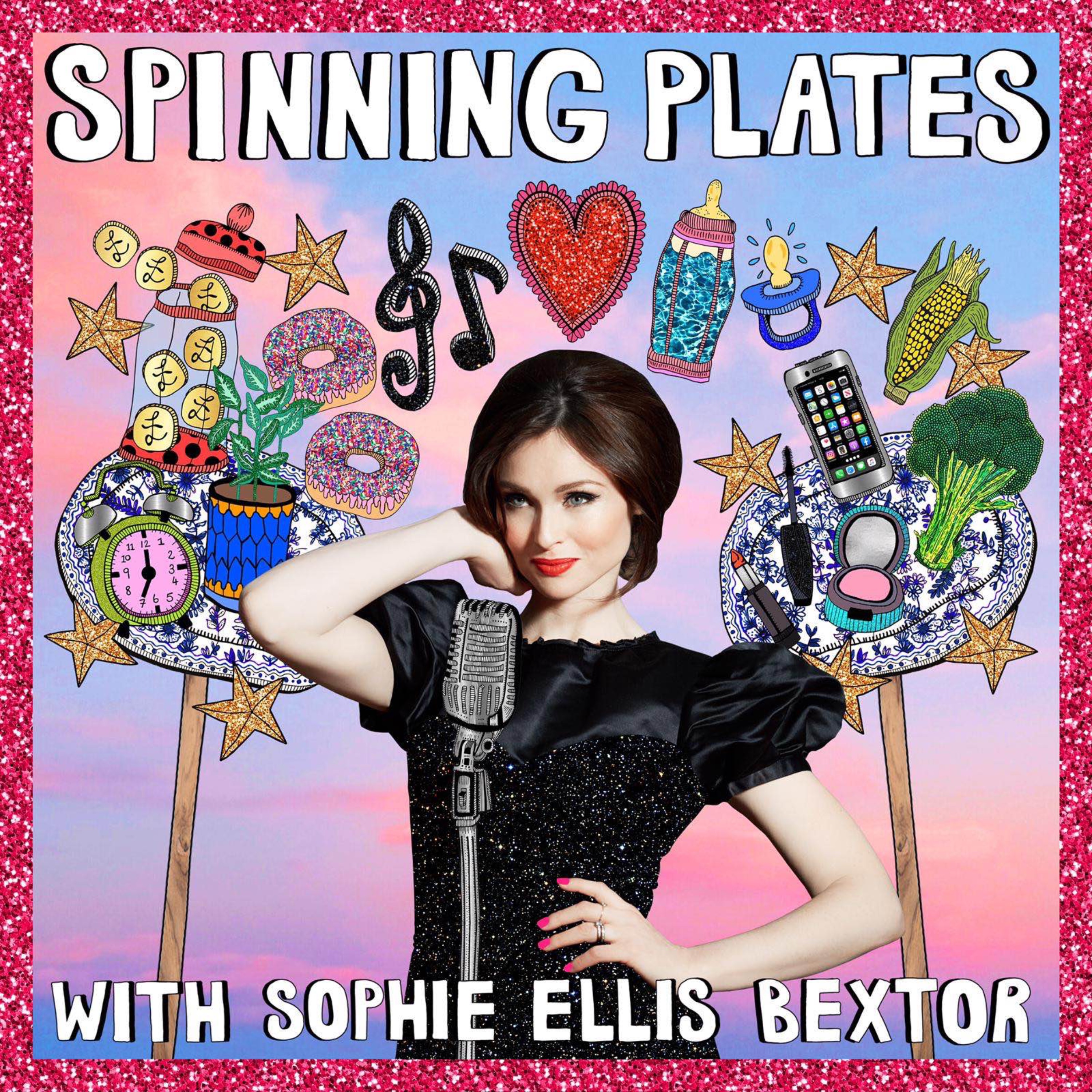
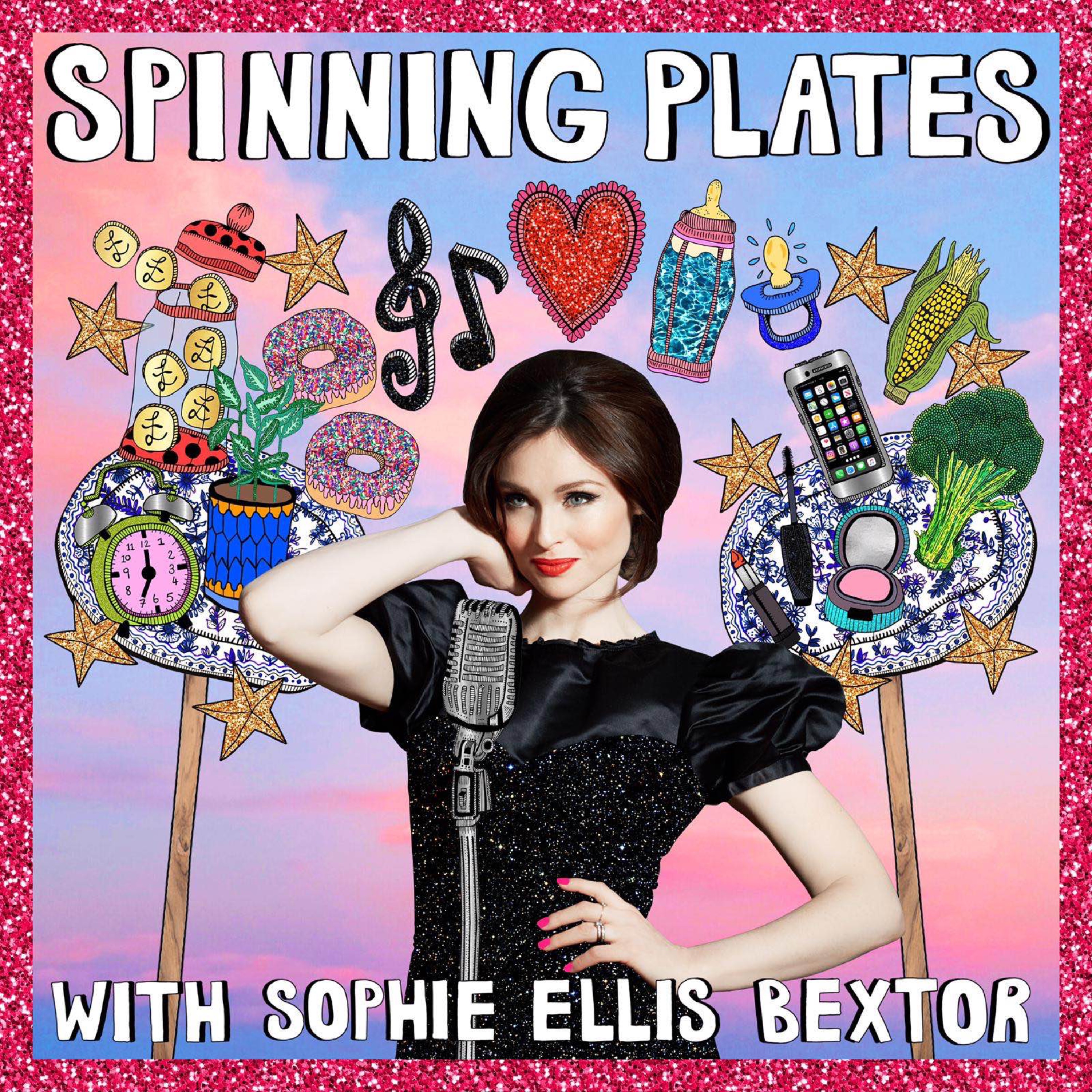
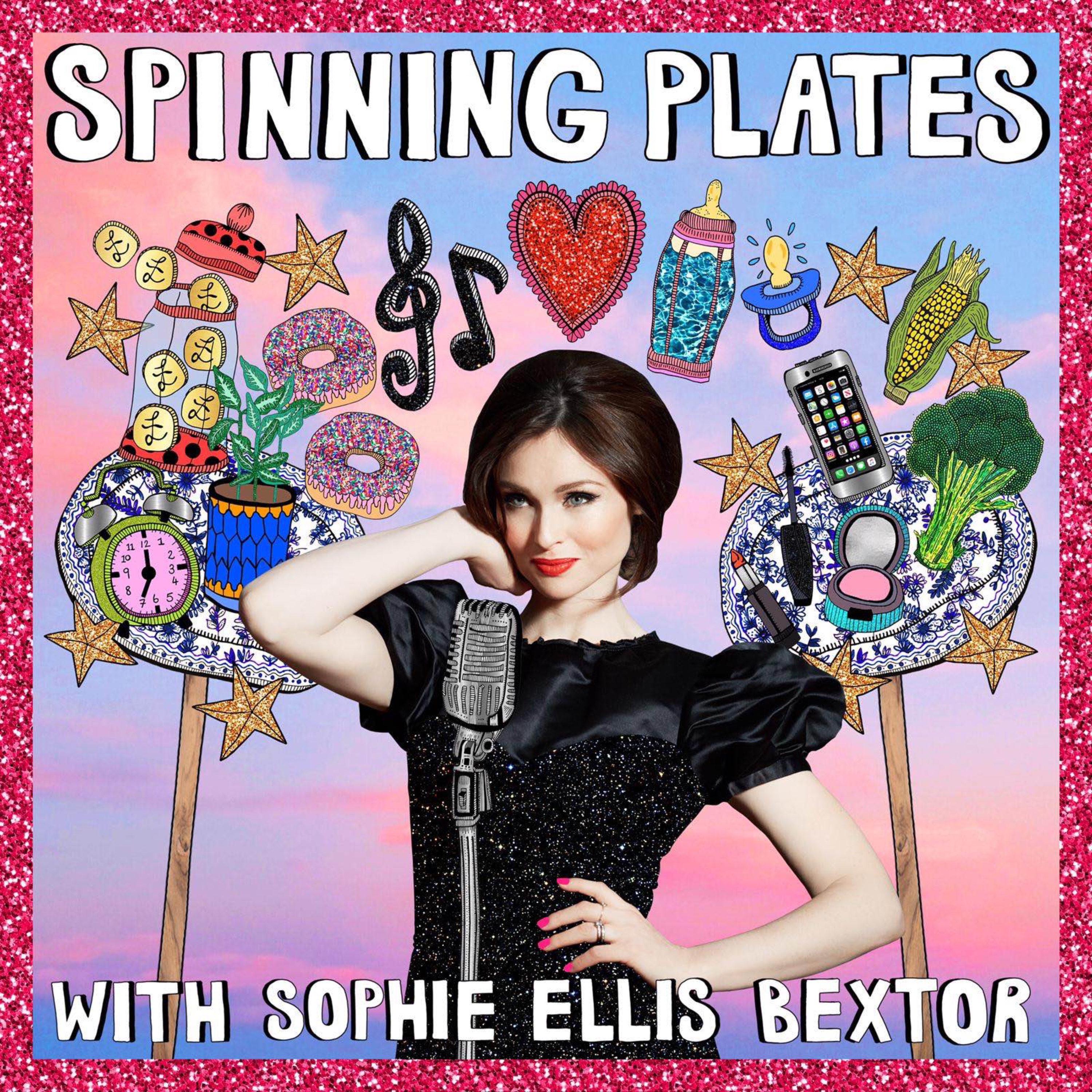
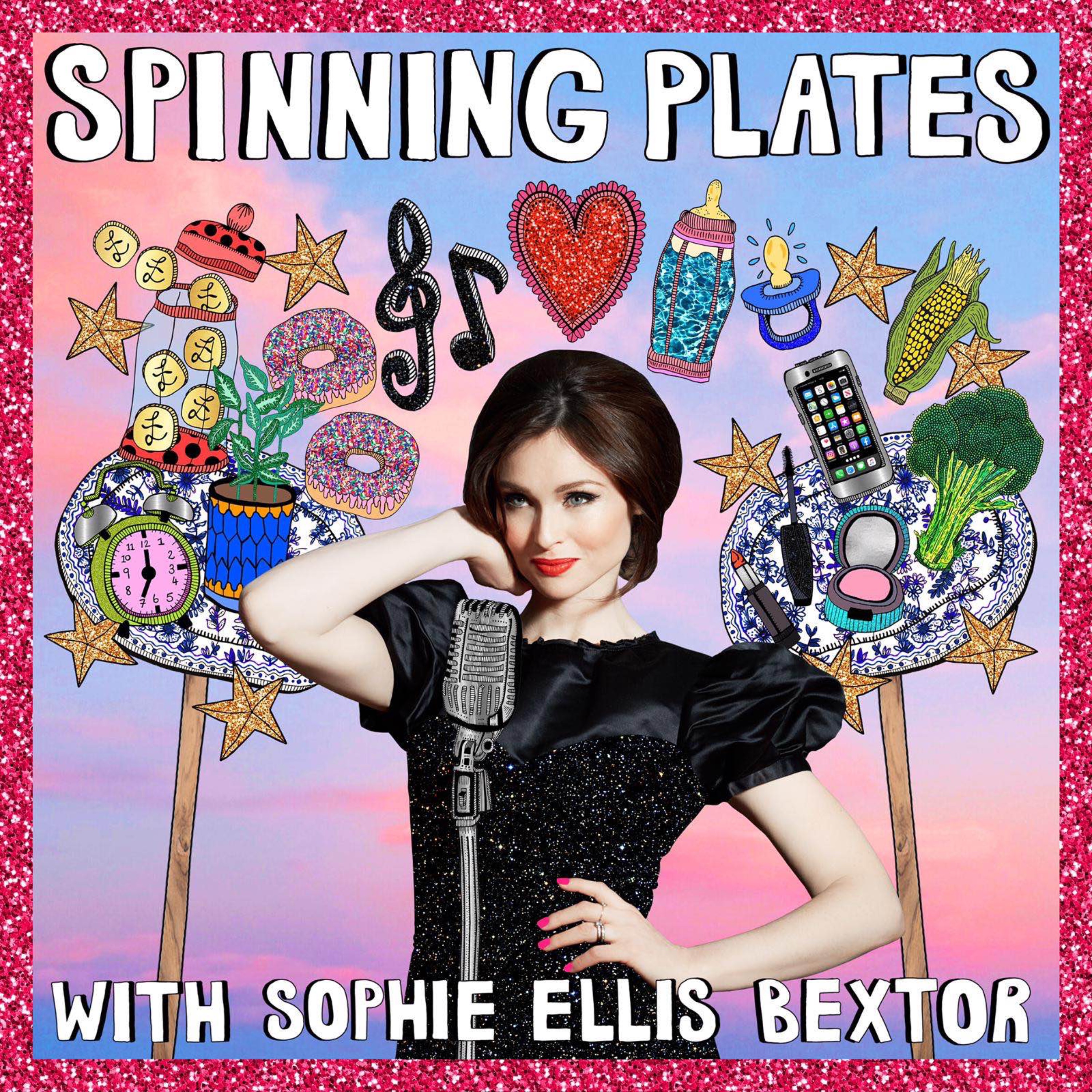
1:54Hello, I'm Safiola Spexter and welcome to Spinning Plates, the podcast where I speak to busy working women who also happen to be mothers about how they make it all work. I'm a singer and I've released eight albums in between having my five sons, aged between seven years old and nearly 22, so I spin a few plates myself. Being a mother can be the most amazing thing, but it can also be hard to find time for yourself and your own ambitions. I want to be a little bit nosy and see how other people balance everything. Welcome to Spinning Plates.
2:29Hello, Sunday morning here. I'm in the park. It's actually the first time I've taken the kids to a playground in absolutely ages. I feel like it's just not something we do that much of at the moment. But actually, it's very sweet. I'm watching my two youngest and a friend for the 10-year-old playing on swings. And we cycled here and it all feels quite wholesome. And I'm having quite a nice Sunday, actually. so happy to be home it's been a busy old time of it but it's also been good I came back from Brazil when I last spoke to you um I think I was actually a bit jet lagged there's only a four hour difference but it was just enough you know to really knock my sleep out of whack and then it's just been a usual week really but kind of plugging back into everything because I'm home now I don't have any long haul trips until next year and I'm so relieved actually I love what I do so much but I'm just really happy to be home and in my bed at the end of days and I've had three gigs this week and I did a university visit day yesterday with Kit my 17 year old coming in a minute um and um what can he name me for he's on his wing and um yeah so it's just been usual lots to do time poor kind of thing but one of the gigs I sang at on Thursday night was a fundraising ball with Cancer Research celebrating what would have been Deborah James 45th birthday and Deborah James was one of my guests on the podcast a few years back and you know what an impactful incredible woman she went on to receive a damehood in fact for all the in recognition for all the work she was doing for bowel cancer.
4:10And hold on, darling, I'm just doing something. Did you hurt yourself? Is that from on your bike? Oh, ouch. Ouchy, pouchy, that looks sore. Give it a little suck. Oh, well, listen, when we get home, I'll put some cream and a little plaster on it. Those little cuts. It's all right, Jess. Come here, let me give you a cuddle. Come here, it's all right. When we get home, we'll put a plaster on it, okay? Yeah. Okay, good boy. Look at all the colours of the leaves on the trees, Jess. It's so pretty. That's actually quite a nasty little cut. it's just caught a little bit of skin i'm sure you're happy to be hearing about that um but yeah anyway the point i was trying to make is it was glorious to be seeing heather james deborah's mum who also has been a guest on the podcast and her husband sebastian and the two kids eloise and hugo and just you know a family who got through still getting through uh something as big as losing her daughter mother um wife and the legacy she left and okay what with your bikes yes okay go on then you can do that we don't like the swings are too low okay all right maybe you are all right um let's take the bikes outside then sorry this is a really silly time to do the uh intro the point i was trying to make is i woke up on friday morning i was feeling tired there were loads of things to sort there's been some things going a bit wonky this week and I thought to myself Deborah would have done anything to have the the stresses and strains and busyness of everyday life like I have right now and honestly talk about perspective and it's such a privilege to get to be part of those things and to get that mindset you know redressed and yeah the perspective it offers you it's pretty magical um so that's given me a lot of food for thought this week the other thing that's given me food for thought this week is um maybe unexpectedly actually but uh esther ranson died this week and it's made me really think about my childhood because my dad used to direct that's life and we were always going to esters and child line was like something i was so aware of of my childhood and it's just been so special to see how impactful a life can make.
6:27I suppose we're talking again about legacy, aren't we? But these people who come along and actually do something. I mean, my whole ethos really when it comes down to it, aside from the big stuff like family and being lucky enough to be creative, but it's really about trying to leave everything a little bit better than you found it, which involves, it seems to motivate so many of my guests, including Dolly Jones, who's my guest this week. So Dolly was the editor at Vogue.com and worked at Condé Nast at a very high level for over 20 years, overseeing their digital content. So incredibly experienced and has two kids at secondary school age now, 11 and 13, girl 11, boy 13.
7:13but she found the nature of going back to work and how her new skill set as a parent was sort of just not part of the picture when she was talking at work or or the stress of the life she was supposed to you know basically be this mother in the outside but at work pretend that none of that life existed and drop it all so that she could seem like a really efficient worker even though really so much going on all the time so stressful so isolating so she started speaking to other working women I suppose not dissimilar to what the podcast is about about how they've navigated it the advice they could offer the the tricks and tips that help them get through it all and just um sharing the wealth of knowledge really and what I really like is even though it's really easy to talk about the bits that are really hard and they can be really hard.
8:08I like the positivity that comes with sharing the experiences and how actually we say, you know what, we're all doing the best we can, doing a good job and just acknowledging that really and acknowledging all the skills that you suddenly have to develop when you become a parent that you didn't even know you could have and the juggle and yeah, just the network, the strength that can come from women sharing their stories. So yeah, it's very much on brand here. what spinning plates is all about so this is my chat with dolly who's written a book called leaving the ladder down all about just that how other women can help support uh women getting back into the workplace uh building on their career whatever it may be so yeah it resonates a lot because it's so many of the things we've explored in some of these conversations so i'll leave you with her wisdom and all the things she's learned and her own story and i'll see on the other side and meanwhile i can just about see where they are on the bikes and uh i have to say I'm really enjoying this lovely warm weather.
9:07It's a nice place to sit on a bench in the park, surrounded by all the leaves as they change colour. Listening back. So here's the chat with Dolly. See you on the other side.
9:21Well, I can't believe we haven't met or spoken before. When I was reading your book, I just kept smiling. I could feel my cheeks going up because I was like, this book is essentially so much overlap with the conversations I've been having for a last little while. And as we sit down, I notice you've got a little ladder. Yes. I suppose in tribute to your book. Well, I was given it. Actually, I was thinking about the title for the book. Quite far into writing it. We had sort of various working titles that were quite dull. And I suddenly found myself writing the phrase, Leaving the Ladder Down. And then I thought, oh, I think I've got a gold ladder charm.
9:56My mum had given me a set of gold charms she'd found in an antique market when I was about 18. And there was a ladder to represent my career because I was already quite sort of ambitious and talking about it all the time. There was an elephant to represent some time I'd spent in India. There was an iron, as in to iron clothes, to represent her, which I always think is an interesting detail. Yeah. A little gold bagpiper to represent my father who blew the bagpipes and various others. Anyway, and I suddenly thought, have you still got that somewhere? And it was, knocking around to the bottom of an old jewelry box.
10:26That is adorable, actually. And then I thought, there's the title of the book and I've worn it ever since. Thank you, thanks. So there's a story within a story. Yeah, exactly. And actually, it's an incredibly rich book. Thank you. Well, it is. And it's, I mean, I have no idea how you put it together because it covers so much ground and so many different voices. But it's gathered together very comprehensively. And it would basically be an excellent book to give to anyone who is actually even just contemplating how parenthood would affect them, even if it's not something necessarily a path they're going to go down.
11:00because I think, actually I've met people who listen to the podcast who have either never had kids for, you know, they wanted to, it didn't happen or they've chosen not to. And they're curious because it's such a big, you know, life-changing event. And there's a curiosity, isn't there, about how that might affect you. But particularly if you're standing on the precipice and thinking, I don't know how to do this. And what does life look like on the other side of parenthood when I'm also wanting to be ambitious for myself and work? Yeah, and who I have always been beforehand. Yes. And also the moment you start thinking like that, I think you feel so alone.
11:36And so what was lovely about writing the book was that whoever I spoke to, wherever they were on their career path or whatever profession or whatever kind of background, there was so much we all have in common. Yes. But then that doesn't mean that we can assume anything of anybody. But there just are all of these kind of threads that everyone was like, oh, yes. And so that's why the questions that I asked every single person, there was a kind of, you know, 10 or 12 questions that I started every conversation with. And whenever I said something like, you know, and sorry, I'm going to have to approach the subject of guilt.
12:07And everyone would go, oh, my God, the guilt. Pretty much everybody had the same response. And then lots of different responses as we talked about it more. Yeah. But I love the idea that anyone I wanted anyone to be able to pick the book up, open it anywhere and either recognize or really strongly disagree with the various bits that they would that they would come across. Because it's yeah, it's that commonality and and the different experiences I want to hang together. Yeah, and I suppose as well, it's going behind the first impression you get of someone and all that invisibility, all that stuff that goes on behind closed doors, how they're prepping the day, how they're keeping on top of childcare, how they're organising themselves.
12:48and what I really like as well is the emphasis is on a reassuring positivity that whatever you're achieving is actually pretty phenomenal yes you're keeping on top of these things because I mean you know we we were a sort of similar age we're similar with our where we are with our kids so you've got a 13 year old and a 11 year old yeah and um I think you know that when I had my age equivalent child. It was very much the time as well of not being very positive about some aspects of motherhood actually. It was all a bit kind of the sort of sloppy side of it and oh, let's just get to having Prosecco or gin.
13:29It was quite sort of, I understand that scales always need to be recalibrated but I think it wasn't very much about saying, oh my gosh, we're actually doing a pretty good job here of actually just trying our best to keep on top of everything. Yes, trying our best and doing a brilliant thing. Well, first of all, if you paid somebody else to do the mothering part of your job, you'd pay them a lot of money and expect them to work really, really long hours and be really well-researched and you'd really be impressed with the new ideas. All the stuff that we're doing every day just as a given as a parent is really phenomenal.
14:00If you looked at somebody else doing it, you might be really impressed. But when it's ourselves, we're just like, yeah, but we've just got to get that done because we have kids and so that's just sort of a given. but yes I think that that negativity when I first was going back to work I was full-time at Vogue it was 2012 when I had my first child and everything I could read was was negative it was sort of you know porridge in my hair stress relationship failing child suffering work suffering me suffering unable to lose baby weight wardrobe just shot just everything everything about my life was going to be kind of subpar from then on and I so I started to try and read around to kind of find some more galvanizing stuff and I couldn't really find I could remember I remember I read one book and it mentioned hemorrhoids in the first couple of pages and I was like oh no it's not sexy and like oh not where I wouldn't need to focus thanks and then somebody else wrote um you know wear flat shoes all the time because you're running around so much like don't wear heels I mean fair enough but also not I know I don't want to be sort of told what to wear that much.
15:04Don't eat carbs. I can't remember, don't eat carbs after 12 or do eat carbs. Anyway, there was some rule about food. I just was like, no, this is not, I'm not, I don't need that lecture either. Thank you at that stage. And then I got back to work. And obviously there were days when it was, you know, panicky and I did feel guilt and I did feel, you know, such worry. But the days when it worked, when I did like what I was wearing, the sun was shining, the tube had worked, work was going well. Fundamentally, I'd left the house that morning with a child who was well and safe and in child care that I was happy with and you had this kind of I had this surge of sort of euphoria of like oh my god this is amazing and I'm going to go home tonight and he's going to be there and it was just such a wonderful feeling of capability and hope and excitement about life and I just thought I've never heard that spoken about that sense of achievement and and and then the children grow and little by little they they're interested in your work too and then they get quite excited about your work or their potential because of what they see you doing or the joy they see you experiencing all couched in a lot of them having joy at home with you and you being with them and the connecting stuff that you do at home and um and so it seems to be something this this joy and the potential and it wasn't really ever voiced yeah and when I did interview these women you know from taxi drivers to lawyers to pilots to actors to whatever they did with themselves there was always this when you really start to pick at what they do and what their day to day is like you would hear this sense of self-worth and excitement and they were so pleased and proud that they'd kept doing it even though at times it had been you know challenging for whatever many many different reasons but there was a sense of you know they were pleased they were proud of having done it and that that seemed to me to be something we should be able to celebrate rather than apologize for yeah no that's really wonderful and also I imagine that for a lot of these women they are this is when their children have grown up a little bit and they've got the different perspective because I think that early parenthood is the most shrouded in this big question mark of oh my goodness I've upended absolutely everything and I don't quite know who I am right now and I'm also thinking to myself when you're reading that that book you was talking about and it's all about the porridge and the hair and the no e-carves and all the you know the frumpy and all this horrible sounding stuff that's gonna homogenize and knock all the edges off you there's not many more juxtaposing environments that you're returning to work in than working at vogue no no just for just for lols on that that level um where that whole world is about aspiration and beauty and fashion and glamour and and really heading towards something gorgeous and sort of like an elevated version of reality so yeah it really is very very opposing that's what the kind of prevailing narrative was that it was completely and utterly to you know two opposite ends of the scale yeah but actually there's an example I write about in the book when I came back from maternity leave um the first time Kim Kardashian had had their first baby I think and while I was away or she was pregnant it was around that time anyway and her Instagram was suddenly filled with pictures of presents that people had given her for the new baby impending arrival.
18:23And like Phoebe Philo, a very, very hugely cool fashion designer at the time, she was designing Celine and she'd sent her some booties. So that was super cool fashion people. And prior to her pregnancy, Kim Kardashian hadn't really been mentioned by Vogue. She was a bit reality TV. And now she was being invited to the Met Gala and getting presents from Phoebe Philo. And I was like, oh, hang on. So it wasn't the pregnancy that had changed her kind of Vogue reputation but the fact was now we could see via her instagram that she was being um celebrated as a mother by all these very high fashion people and i was like people spend money on their own kids but they spend money on other people's kids we need to do vogue for mothers we need to do mini vogue about babies and pregnancy and all the rest of it and so many people at condé d 'as said to me no you don't that is you know people and in fact alex shulman said that she'd always thought that people who like Vogue don't like babies.
19:14That was her. And she likes babies. She's an incredibly maternal person. She's got a child and stepchildren or whatever. But from a commercial point of view, that was what, you know, how the brand was understood. And I was like, yeah, but every time we write about a model having a baby, because we could read the traffic on Vogue.com. I was running the website. And so we could, we had the traffic live up on the wall every day in the editorial room. And we could see if you wrote about somebody having a baby and took, you know, posted a photograph of them. The traffic would go wild. the audience were interested in how models dressed when they were pregnant and how they dress their babies albeit this was before really the news took hold of how bad it is to be on social media the whole time and posting all these pictures of people but this was yes another conversation yes the naive early days exactly um so i was like a the audience is interested b i can see people spending money here so i think we can do this so we did eventually launch mini vogue online and it was hugely successful both commercially and with the audience and then they re and then they kind of redressed it and did a section on gq gq called gq dads and a section on tatler called totler because they could just see the commercial potential but prior to that everyone was like i don't know once you've had a baby you know you're off you're off the radar of this kind of both from an audience point of view and a commercial point of view and you're no longer interesting yeah which is not true in real life no and actually i think very much when you said about Vogue readers don't like babies I think also that that ties in with what you were talking about in the book where you're saying about the fact that you felt that you weren't allowed to bring this other world you had to you this motherhood and your new baby and talk about it at work you're supposed to pretend almost that that hadn't really happened and so that was kept in another space but actually I suppose as time's gone on these conversations are opening up and I think even when I had so my eldest is 22 now and when I had him I didn't really I couldn't really think of like what even other pregnant pop stars or seeing them after they become parents or how you could be a mum that also performed at clubs I didn't really know what that world would look like and I've definitely felt part of that kind of thing of having to try and almost pretend that motherhood just hadn't really happened or it's just a separate part of me that wasn't wasn't at all appropriate to bring into that environment which is so extraordinary because it's you know I always say to people if you you know if you worked in an office and you had an accident you've had a car accident you broke your leg and you came into the office whenever it was a month later and people would probably say to you you know how are you so glad to see you is your desk in the right place should we move it so that your broken leg isn't sticking out into the corridor you know it would be quite a kind of boring but essential conversation are you comfortable if you come back after having had a baby whether or not you've had traumatic birth whatever your life is different but honestly beyond a possible baby photo it's just not mentioned in any way and they don't have to be huge changes to make you know huge flexibility you know awkwardness you just might need a little bit of you know dial up the flexibility this way or that way at least have the conversation just to make sure everybody feels comfortable in their new sort of you know personal circumstance um but in fact in the during the research for the book i watched the uh documentary about paloma faith which by the way we need a documentary about you having listened to all your podcasts recently oh my god i want to watch that but she's going on tour in the in the documentary and she wants to take her newborn obviously and therefore also take the nanny and all of the people working on the kind of finances of the tour are just saying this it's absolutely crazy why does she want to take the baby why does she want to take the nanny it's you know costing so much it's just you know i mean i'm paraphrasing it's a while ago not being specifically true to the documentary but i was thinking if she can't take the baby you don't really have her like she's just given birth within you know weeks or whatever and if you have the baby there and you have the nanny there and she's relaxed about the child and the child's well-being and the child's care you get the full performance from her yeah but she will be so depleted as a human being because she is a human being and part of being human is having children um and it was just so odd that it became a financial conversation and had absolutely no you know didn't take any notice of the reality of the human experience which is a really sad thing actually because um i suppose in the world of music i've always thought aren't i so lucky that i can if i bring my if i brought my babies to work i really went oh a baby that's nice yes yeah and i could kind of shaped my world a little bit around them and actually I did take my youngest came on on tour with me I went back to the tour when he was about I think he was about 16 weeks so about four months and I I felt so clever I'd come off stage and there'd be this little little bubba waiting on the tour bus in a little Moses bus I was like this is the life it was really I found it really um halcyon actually when I think of those memories it was a real sort of peak happy moment I don't enough I would have had the confidence to do it my first no it helped that I was older I was aware that you know this was my fifth baby so I was a little bit more you know used to what I needed and what worked for me but also for Paloma in that situation I suppose that's that's I feel like that's extra sad because actually in that situation she's she's actually the boss that's actually her it is all her and all those people questioning her choices are being paid by the industry she's created so that's not there then they're not even if there's a really cynical choice is really really daft yes um and also it's really sad because i always thought that if you're creative you can kind of take advantage of that world a little bit and say this is what works for me um i'm really curious to know the 10 or 12 questions that you asked each guest when you were speaking to them for the book gosh i can't remember specifically now i mean like first of all i mentioned guilt earlier and i was determined writing the book that i wasn't going to mention guilt just out of principle because it really annoys me actually i think it's the longest chapter and weirdly there's a bit where you talk about i think it's called something like um a book about mother what is it about really it's not guilt guide the good mother's yes yes the good the working mother's guide but you had thought it kept saying working mother's guilt and when i read it i also thought it said it even though i just read it so that's by um dane mary beard who's you know professor of classics at cambridge and is you know has done all kinds of incredible work and that she early in her career is out of print now wrote this book the good working mother's guide because she couldn't see around her any working women with with kids and so yes i i found it so i tried to interview her for the book but she was traveling promoting her latest book so she couldn't do it but her PA said she says try and find a copy of her book it was written 30 years ago and what's worrying about it is that so much of what she's written is absolutely still true today I knew you were going to say that but I found it in the library and it has a library sticker over the end of the title on the spine of the book so on my desk I kept seeing it and it kept I kept saying working mother's guilt oh no hang on it's guide um but so that was a big conversation both about some people don't feel guilty yeah which is so brilliant and I'm generous It's so good.
26:21It's so freeing. And also it helps, doesn't it? It actually helps alleviate your own weighty little heavy boots, as I call that. Yes, exactly. And why don't they and how don't they? And some people felt guilty then for not feeling guilty because they were like, why are you asking me? Why are you so interested in guilt when I don't feel guilty? Oh, God. You know, then I made them feel guilty. That was awkward. And then some people said, well, they kind of investigated it and like, you know, I think, hang on, I'm feeling guilty. What does that mean? And actually it was a red flag to just change the strategy a bit of how they're living.
26:50So maybe clear the diary and just focus on having a weekend, you know, with your kids and just nothing else or whatever. So that was quite helpful. There are practical things you can do rather than just be sunk by guilt. And the whole discussion about whether it's guilt or shame. And if it's shame, that tends to be it's because it's a sort of cultural, the cultural expectations surrounding motherhood. And the kind of bind that you can feel. I certainly felt that I'm a rubbish mother because I'm working and I'm rubbish at working because I'm a mother. Yeah. And sort of, and also just practically how it feels.
27:21I remember standing outside Vogue House really early on crying on the phone to my husband going, I just feel dreadful, guilty. And he said, it's so unfair because we leave the house every morning together and we know he's safe and happy and you love your work and I love my work. And I don't carry this guilt with me. It's so unfair that you do. It's about something outside of us that is doing this. It's not, you know, it's not yours to carry. That's very wise. Yes, it was good. I think he was in a panic. Like, what are you doing? don't give up your job um but uh so yes and then and very much i talked about the practicalities of it because when people are asked about working and parenting often they say oh sorry this is probably really boring and i said no no it's not really boring it's really fascinating you're an officer in the army and i want to know how how and when you got back to work and how how you decided on nursery versus nanny versus you know mother-in-law whatever and to really unpick the sort of details of okay so if you did that if you change from nursery to mother-in-law why what happened what went wrong and so when you did you know persuade people they weren't being boring and I wanted to know it would pour forth from them all of this detail and all of these emotional experiences that they've had about quite practical experiences yeah um and then it would become really funny and really emotional yeah um and also one woman who was in the army I think I put in the book she's the first woman who cried in an interview when we were on zoom it was during lockdown and she had had a little boy who was two and a half and then twin boys and her husband was away in afghanistan at war and then she had to go back to work really quickly because she'd taken masses of time off when she was pregnant masses of maternity leave early because she was so big she couldn't fit in her uniform had the twins starved herself to get back into her uniform back to work with these three small boys one of whom who kept getting very ill and she started to sob as she was talking and I said shall we just do you want to just stop shall we just wait and you know take a break or we'll do another day whatever and she said no no no no it's um it's doing me good I don't think I've ever talked about it before and her husband popped around the camera and said I'm here I think it's really doing her good please keep going and also I've made her a cup of tea don't worry that was so sweet but um she'd never talked about it and actually it was really traumatic what she'd been through and she was saying if only she'd spoken to the army because she was hugely well trained and they really really valued her but they didn't know she was going through this kind of hellish time at home and she'd only i'd gone to hr and said look just give me a year's grace i need to get myself back on track emotionally mentally physically in the whole thing then they would have probably had her in the army a lot longer but as it was she ended up leaving and always slightly regrets it oh that's such a sad idea of that loneliness she must have felt carrying all of that.
30:12Again, when masses of us are, but we don't necessarily talk about it because there's this sort of apology because we should be able to do it, you know, without question. Yeah, absolutely. I'm just trying to think as well of what the most practical ways, I mean, I suppose some of this is generational and what we feel we're allowed to share. Some of it is to do with basic practical structuring, just needs more transparency. I love the idea when you're talking about how you would sometimes act as a mentor within Condé Nast for other women to come and speak to you about it. I think something like that sounds like a really great that things should be everywhere.
30:52Maybe it is in more places now. I'm not really too aware of how it works in the corporate world in that regard. I should have looked that all up about government policy. That's the biggest piece of advice I give people because they often say, having written the book you know what would you say and I say search people out who've done it in whichever industry you work 100 % and it might be it might feel awkward it might feel that you're kind of asking personal questions but these questions you know are the ones you will be asking of yourself yeah so excuse me um so I would you know be brave because when you do ask people these questions which sound boring and practical or over personal the stories pour forth because it is a huge huge experience people are going through that they don't generally get asked about.
31:38Therapy's biggest impact doesn't show up in some dramatic breakthrough. It shows up in the smallest moments. You bite your tongue instead of escalating. You put your phone down instead of firing off that text. You say what you actually mean instead of what would hurt someone else the most. Nobody applauds those moments, but they quietly change your life. That's what growing feels like. And And that's exactly what Grow Therapy is here for. Grow is therapy that works, covered by insurance. Sessions average$21 with insurance, and some pay as little as$0, depending on their plan. There are no subscriptions, no long-term commitments.
32:15You just pay per session. Grow connects you with thousands of high-quality, licensed therapists across the U.S., offering both virtual and in-person sessions, nights and weekends. You can search by what matters, like insurance, specialty, identity, or availability. And you can book a therapy session in minutes and begin in as little as two days, not the national 48-day average. See if you could pay as little as$0 for therapy in seconds at growtherapy.com slash ACAST. That's growtherapy.com slash ACAST. growtherapy.com slash ACAST. Availability and coverage vary by state and insurance plan. When you're running a growing business, the right systems can unlock your full sales potential and make fulfilling every order effortless.
33:02Switch to ShipStation before peak season so you're prepped and ready before the rush hits. ShipStation connects Shopify, Amazon, TikTok Shop, and over 200 more marketplaces with one platform that does it all. You can manage orders, sync inventory, track returns, all automatically. Everything your operation needs, all in one place. Upgrade your shipping operations to stress-proof your biggest sales days and capture every bit of potential revenue. Go to ShipStation.com and use code AUDIO and get 30 days free.
33:29And also, you know, expect to hear stories that you will be really impressed by and want to celebrate. There's one woman in the book who's a journalist and she was when she was pre-having children, she'd get into work every day really early and raring to go. And her editor would come in and say, oh, my God, thank God I can have a break now. I've just put three kids in three different schools and thank God I can have coffee now. and this young journalist was thinking why do you want to rest like I am you know raring to go and she said it wasn't until I had kids that I realized you run a marathon before you get to work in the morning and I thought if she had run a marathon you'd be like god you're incredible like where and how and what did you eat and why are you doing it and who's sponsoring you but but this is a marathon it's really fun and it's really skillful and tenacious and energetic that we're doing, but we get to work and pretend it didn't happen.
34:20Yeah. And I think they're good stories to tell. Oh, they're such good stories to tell. And as you say, I find each and every one of them fascinating. And the more people I speak to about how they've navigated, you know, pursuing a career, raising a family, the simultaneous thing, where it's work, where it's struggle, the more you walk past people on the street, and I think everyone here has got something that would be fascinating. You know, it doesn't have to be the same conversation, but everybody's carrying something. Yes. And sometimes it's so unexpected. It's someone where they'll, as you say, it'll just pour out of them.
34:53You think, I would never have understood that you've been through all that. There's a girl I used to see on the, a woman I used to see on the school gate, and she was often there, and she always had the most glamorous cakes at the bake sale, homemade, really elaborate, really, really beautiful. And I thought, you know, obviously she doesn't work. She's one of those brilliant mothers, and I felt massively sort of less than around her because I was working full time and my cakes were, you know, bought from Tesco's on the corner or whatever. And then I met her at a children's party. We'd never really spoken about it, so good morning.
35:21And then at this children's party, I ended up chatting with her and she's a forensic psychiatrist and works in prisons with, you know, criminals of the worst possible frightening kind, working out why they did what they did and whether they can be helped. And a fascinating, difficult, extraordinary job. My assumption because of her cakes had been that she didn't have a job at all, a professional job at all. and it really taught me that you know whatever you see at the school gate you can't make assumptions everybody in their gym kit has a story to tell they might be working or they might be gymming or they might be doing neither um and so that was nice about the book as well to just it's always a reminder that people are going through you know you you have no idea you really don't and also it's made me think about the fact that sometimes women can perpetuate these situations and actually the more you open up the more you can start to you know put down those walls because I think some of it comes out of uh you know we we've been taught that we do need to worry about our jobs when we come back from having a baby and you know there's so much talk about oh you know you're not going to be as effective you're efficient you're not going to be as focused you're not going to be able to be as flexible um and I think sometimes we probably don't help each other as much especially when when you're young and in the throes of like that bit where you are climbing the ladder yeah yeah yeah and um you know i'm sure at vogue you could see that some of it was being not a not helped by women actually who were also going home to this other life too they absolutely it's extraordinary how we can be unhelpful there's one person at vogue who um so i i didn't i went back full time but the working hours in the office were 9 30 till 5 30 and I asked if I could go in at nine and leave at five so that my I gave my nanny I had a nanny in the very early days that gave her time to get home so I so I just wanted to shift it by half an hour each end of the day so I didn't really see that as flexibility I also got in by about eight o 'clock every morning and worked all weekends and whatever so you know I didn't feel in any way that I was over asking this woman mentioned my inadvertent commerce flexible working every time she saw me oh which was just well you know what what problem do you have she had children she was of a different generation and it was and it always struck me that you know that how unhelpful that could be and how we have the power to be unhelpful or helpful but also I think people are so nervous to admit you know their own mistakes and one of the funny questions in the book was what do you you know what's one of your worst parenting mistakes and people would say that was a rich topic it was so good but people would normally say oh no I can't really think of anything So then I would have to say, okay, I'll tell you mine.
38:01And mine is really bad. But it's funny bad. And it was when my daughter was at nursery. She was about three. Yes, you'll remember it. No, I do. Please tell her. It is great, though. It's so awful. It's so awful. It still makes my stomach kind of cringe. They gave her a questionnaire, and she couldn't read, obviously, or write. So they'd asked her the questions verbally, and then they had written down her answers, and the questions were like, what's your favourite food? Pizza, which was embarrassing. what's your favorite toy ipad which was embarrassing and question seven was what tell me something mummy always says to you as i was reading it on the way home from nursery i thought oh you know i love you sweet dreams darling and she'd written she'd said you can talk to me when i finished my call oh my god i mean i just died and i um and i thought i gosh i haven't ever said that to her i've never said that but clearly i have because she's three and she's remembered it anyway funnily enough I mentioned it on a podcast the other day as my you know one of my worst fails and then I'd also talked in the book to Julia Samuel who I know you know psychotherapist and she talked about the power of repair so no matter how we muck up our children whatever mistakes we make as long as as they grow older we can allow them to give us feedback in a way and we don't cry and shout and scream and deny everything um you know then hopefully you can say I'm sorry that that really upset you I may not necessarily do it differently if I had the opportunity to do now but I'm glad you've told me and on we go so um so I said to my daughter the other day she's now 11 um look I feel I should apologize to you I'm so sorry I said this I don't remember saying it it's just so awful I must have said it so often yeah and she was like oh mommy for goodness sake like I was three you probably said it once that morning you probably didn't say it with a cross voice just forget it you know almost like yeah you're being irritated you're being needy but the funny thing was I was then on a podcast the other day and there was feedback underneath a clip of it talking about the questionnaire horror on um on instagram and one woman had written god this woman's awful about me um she not only has she it's really nice not only has she been so foul i'm paraphrasing to her three-year-old but she's also now you know being so needy to her 11 year old and getting the 11 year old to solve the problems and i was like no no i was trying to do what julia samuel advised I don't think there's any reasoning with that individual.
40:22No, but, you know, people are mean to each other. Oh, they can be so mean. We can all be brave enough or lighthearted enough to laugh at our mistakes and really understand that we're not terrible humans if we've made a mistake. And then, you know, we're all making them and it's OK. Everybody can move on. I know, because I think, you know, so much of it as well is when you start out as a parent, you feel that there's a sort of another version of you out there somewhere who's just nailing it all a little bit better than you and I think that's where that judgment can come from can't it so that lady with the amazing cakes at the school yeah you think oh it's you you're the one who's just that bit more present that bit more on it I mean at least you bought cakes from Tesco I don't even supply really oh my god judgment I know bad but I think as I've got as my children have grown I've got more confident in the areas where I think this is the thing areas of parenting I feel like I'm good at and if I'm not good at that bit then either someone else can fill in or we're just going to let it go yeah you can't be all things to all people but I think what you said about the advice about finding other people who've go a bit I've done the early years parenting and ask them loads of questions is such a good bit of advice and that's exactly what happened with me that my hair and makeup lady friend, Lisa, I basically would just talk to her.
41:43Every time we're getting ready for any work, I would just ask her question after question about how she found raising her kids who are now in their 30s. So then they would have probably been, I don't know, approaching 10, maybe around there. And it was fascinating and so reassuring. And nothing beats that. And how the generosity of a woman with that experience, like the way they want to reassure you that you're going to be all right and and the good stuff and how what to let go of and how not to beat yourself up about things it was it was such a good thing to cling on to were you nervous of asking her did you feel you were kind of asking her questions that were overly personal not really because I think I think that's kind of why I started the podcast in a way I work with so many working women who also happen to be mothers and the conversation would drift there just all the time it's part of our lives it's part of our fabric and I guess because I don't work in a clock-on-clock-off environment you know there's the bit where I'm on stage or doing the job but most of my work is all of the parenthesis of all the other stuff that happens all the punctuation marks of the hanging around the getting ready the rehearsing and all of that so all those conversations happen all the time and yeah it just invariably heads that way I mean I think that asking perhaps I was nervous I don't know why I was nervous of asking the kind of older corporate professional women about their kids.
43:04It just felt, you know, that thing when you see people on a panel, I don't know how many boring corporate panels you've been to, Sophie, but I've been to a few. And you're not really supposed to ask the one token woman on the panel how she does the juggle or has it all or balances, you know, life and family or work and family. And I agree with that when there are three men talking about business and the one, hopefully not token woman, is there, as tends to be the stereotype. But on the other hand, if you do get an opportunity to ask a woman about how she has done it, there are fascinating insights.
43:38And some of them are really practical. Like one woman said to me, Sharmadine Reid in the book, she's a brilliant entrepreneur. And she said, oh, I always just take a couple of handfuls of Lego and put them in a little bag in my handbag. And so that's how I keep my child entertained if we're in a restaurant as opposed to just giving him a restaurant. Of course, you and your Lego. I actually love Lego. Amazing. And I've done it a few times, especially if there are several children there. And they have conversations about how high they go. instead of giving them all a phone which obviously no judgment but sometimes it's nice not to or sometimes it's nice to do so um or another woman who um works in finance and she has a set i love this one she has a separate wash bag you know makeup bag in her bathroom a family sized one with toothbrushes toothpaste you know mosquito spray everything you need for a holiday so when they go on holiday she just takes that bag she doesn't have to scrabble around i need to start that makes it so much easier except i borrow from it when we're at home and then when i do take it on holiday of course we're missing toothpaste and all that that's annoying but as a as a concept i thought that was genius and it's nice to hear it from people who are doing it rather than parenting experts in inverted commas who might write a book about yeah but not actually live it yeah um so i loved that my life is full of people who i spoke to in the book and kind of advice from them so i wanted to give that to other people yeah and actually with with this sort of the topic of the book in mind how did you find the process of writing the book in comparison to when you were in a Condé Nast in terms of how much of your life it took over and how you navigated your kids and their demands when you're were you working did you go somewhere to write or were you working I was I was um I'd left Condé Nast I'd set up a consultancy the book was sort of always germinating.
45:24So you went to Condé Nast for 20 years is that right? Yeah yeah. It's a long time in that world were you trepidatious about leaving? Yes terrified of leaving. I'd been so I went back to Vogue after my first baby worked for a couple of years and then I was promoted from Vogue to help run Condé Nast Digital as a whole. Which is presumably a vast like moving very fast the industry like yeah it was huge yeah it was wonderful I loved it yeah um I was promoted when I was pregnant by a man who didn't have children he was younger than me and the experience of him going and I was like I'm six months pregnant I'm about to disappear for a bit he was like I don't care I just need you to do what you did to vote to all of the other websites that's very cool actually he was amazing but other people were like what why has he promoted you you're pregnant you're about to go away so I thought oh there's something in this you know why is it people weren't disapproving but they were very surprised um so then I did nearly four years at that job and it wasn't as fun as being editorial and vogue had been um it was very corporate and by which time the children were sort of nearing four and six and I wanted to change so then I would set up a consultant left with tribulation set up a consultancy then lockdown was looming and I'd been in touch with HarperCollins about the book idea so as we as we locked down I signed the contract with HarperCollins and thought brilliant I'm going to write a book like everyone else in lockdown but I'm going to be paid for mine and so then I started the interviewing process and it And the writing, it was absolutely hellish.
46:49Writing a book is horrible. It's A, lonely. And B, you've got this, I have this pressure to, I felt it was a really good idea. And I had my readers in mind who are all women who I wanted to reach in a place just when they needed it. Yes. So I didn't want to get it wrong and let them down. Then I was talking to all of these different, mostly women, and they were pouring forth stories of their lives, fun, wonderful, traumatic, challenging. And I was going to cut them into little bits of quotes all over the book which I thought I was saying it's very very rich I mean that the names but that's it's that's why I love you've where you've pulled you've curated these conversations into these different zones but they that must have yeah they've taken such a long time firstly but also how did you sort of write a list of like jobs that would be interesting or was it people saying oh actually you should speak to this person a bit of both first of all we had this unplastered wall in a room that we were saving up to have a new bathroom and I just wrote across it you know um actors, medical, law, all of the different industries and who I already knew or who I knew that knew somebody there.
47:52And then everyone I interviewed, I wanted to, you know, they would say, oh my God, everyone said, you've got to speak to this person, you've got to speak to this person. And I wanted it to be really properly, properly diverse, properly inclusive. Having worked at Condé Nast in those days for 20 years, that was not, my network was not a diverse one. So I didn't want it to just be the same story sort of told and told again. So that was quite an interesting aspect because if you want to know say i want a disabled person or i want a trans woman or i want a black lawyer um can you just ask that outright is it rude do i want to you know i felt was it delicate but it was so wonderful because actually what you do is just ask and people like oh my god yes you've got to meet this person you've got to meet and that was a real lesson again that reticence to ask what might be perceived as a sort of awkward question it's just like no it's just a question and it's a really the answer is really important and it needed to to be diverse so that was a joyful aspect of it yeah it's quite similar sometimes to how I approach the podcast guests as well is it yeah because I want all representations of motherhood so I'll think okay I want to make sure people feel represented and it's not just a yeah just I didn't want to just sit down opposite loads of women like me no exactly and then and also you learn so much from people who have had different experiences from you that's the whole point and then also it's that you know that which unites us all those that common ground all that stuff you share yes um yes such power in that and actually one of the people he's spoken to is the lady who delivered a couple of my children oh was it yeah guby guby idea she's amazing yeah so hearing her talk about it was really good as well how she was because she's like such a powerhouse of a woman and incredible when i was unwell with my first she was absolutely brilliant she's one of those women where you're like i trust you yes i can imagine a rock i can imagine so hearing her talk about how she tried to keep going and keep her milk production up when she went back to work and and I think someone she I can't remember who it was she went to see and they were like no no just stop that with your job that's not going to work no it just stopped her guilt but that like okay I can let that go but even somebody of her stature in the sort of parenting and all the knowledge she has she felt she felt that guilt and she had that same challenge yeah but again the conversation with her was was huge and wide and they were doing a huge report at the time investigation into the experience of black women giving birth in the UK and how appalling that situation is for so many.
50:10And so I didn't want to cut that out of the book. I mean, it was about five times longer. Sometimes really loudly.
50:19So I wanted to include all of that. You know, the book was so much longer at first and HarperCollins was like, no, cut it, cut it, cut it, because it's such an important conversation. But I mean, it's worthy of a book of its own, that particular conversation. So there were important aspects of the book that I want, you know of the whole conversation that I wanted to include but you have to cut it out so I felt that I was doing even her a disservice then because that wasn't what this book was about but that felt that felt but this conversation's so worth having and I just love the fact that I don't know what it is that there should be a word for it the sort of desire to help reassure empathize with other people going through an experience and sort of be the voices you wish you'd had yes it's quite a drive isn't it yes you know to to open that conversation and to have to give a space to anybody who's curious or wants some reassurance or wants to know what to lead with whether it be the practical the emotional yeah all of it it's such a strong feeling when you have that urge to have those put those conversations out there it was funny writing the book and I would you know be banging my head against the desk going this is taking too long and it's a nightmare and I wasn't you know immediately earning money and I was worried about that and my husband who then had all the pressure to pay the mortgage said you know you wanted to write it because you wanted to help somebody like you at the time and he said just you know if you write if you write it and you help one person that's enough like stop thinking about hundreds of obviously he's kind of hoping it does better but then now I get amazing messages from people on LinkedIn or Instagram saying oh thanks I've just read this bit and this resonated or whatever and it's so amazing when you think oh it just landed with them right when it needed to and it's you know that person and one woman um in fact an employer got in touch with me and said that she had given the book to an employee of hers who was going on her second maternity leave and she said look if you get time read it and then give me a call to let's talk about you know how you want to handle your return or whatever so the person on maternity leave rang or set up a call and said okay i've read it and i want to talk oh i love that as an idea for someone who's got someone about to go maternity yeah what a clever way to have that conversation without traipsing through yeah awkwardness and feeling like am i asking questions that are too personal but just saying here's a book look through this and whatever topics it raises that will be relevant to me bring it back to me yes exactly it was brilliant so she said the employee cried on the call and said i wish i'd talked to you before i left about being promoted i really want to be promoted but i felt that going on maternity leave meant that you'd think that i wasn't really you know focused on my role anymore or promotion or whatever so they had a really apparently very robust conversation about some of the things that the book threw up and um she's being given a promotion to return so it's like if that's so that's helped so what that's my one person i helped her so fine i'm sure it's more than one and i think also that the nice thing sometimes about a project is that sometimes it unveils to you as things progress more of maybe what was the some of the other reasons you didn't even know why you're doing it but it led you somewhere yeah yeah i'm sure there's new new paths that have come as a result of the book being published and places it'll take you um and also i was wondering when you were talking to the women when they were saying you know they're talking about positive with positivity about this you know the unbelievable time they put into you know furthering their learning or their pursuit with their jobs whilst also navigating the practicalities and all of the emotional turmoil of new new motherhood when they talked about positivity it was like did you notice it was quite often people where their kids had reached past a certain age where they can look back and they've kind of because I think sometimes with with the you know the all the talk about the juggle it's very it's still usually fixates on the early years which obviously is the most the biggest life change but I think if you can weave into it all the good stuff that lies in the future about the way that your kids can respond to you and how you can grow as a mother when you've actually kept that space for yourself and kept ambitious and done your thing I'm not you know whatever works for you but yes yeah I I think if you can weave that in, it's so helpful.
54:33Because otherwise we get so stuck with thinking about the sort of 0 to 5-year-old and whether you're getting that bit right. Yes. That really thinking about what lies later on. Yes. Which can be really wonderful. Exactly. And I, well, I, yes, there are both. Because there are older women in there. There's Alison Hunter, who's a lawyer. And she, what was lovely is, you know, she'd taken, I think she's taken an eight or nine-year break, sort of accidentally. She had one baby and then was about to go back. And then another baby turned up. And then something else happened. And another baby turned up.
54:59Whatever it was. and um and then she eventually went back and she said you know she felt guilty about this and guilty about that and that bit was chaos and this bit was wonderful um and all lovely anecdotes about you know experiences with her children mixed with anecdotes about how much she's loving her work and then I think all three of her children are now studying law so she's like I couldn't have got it that wrong if they've all you know decided to go kind of the same way but she looks back with such amusement at some of the chaos and very pragmatic about the challenges and would she have done differently, how she might have changed things.
55:36But yes, I liked the kind of long-termism of looking back and also talking to people right in the thick of it because they're talking to employers who aren't being helpful and so what kind of conversations they need to be having or they wish they had had recently so that people could almost be influenced or learn from that in real time, as well as just know that, yes, in the future, you're not going to look back and regret everything. You know, you're going to be okay fundamentally as long as you can. But you have to, I think I finish off in the book saying, you do have to keep an eye on yourself.
56:11You do have to remember who you are and what you love. And, you know, I sometimes say, and it sounds a bit woo-woo, but I think, you know, our own identity once we're having babies and working in all of the things, whether it's paid work or not. Our identity is like a little candle flame and it gets really buffeted by all of these different things that we're doing. And fundamentally, you just have to keep your eye on that little flame and make sure that you're aware of it so that when it has time, you can then look after it a little bit more. Because otherwise, you can get lost. My children now are about to go to secondary school.
56:46Both of them will be by the end of the week. and I can feel that that flame is, you know, going to have a little bit of attention and it's a thrill and I'm so glad that I've been able to keep it just in mind all these years. That's a lovely analogy and actually, yeah, how does it feel to be on the brink of that and have you got a plan of what you want to do next? What's been surprising is they get to the end of primary school, which obviously you'll know and they start to take themselves to school and all of a sudden that's quite a lot of time in your day that you're not doing a school run. Which can feel quite strange actually because it is quite nice to be wanted sometimes.
57:24Oh yes, I definitely still want to be wanted but I suddenly have an hour in the morning that I didn't have before so I thought great, I'll get straight to my desk. A whole hour. A whole hour and I started to work really early and then I thought no, no, no and I turned 50 at Christmas so my present to myself was piano lessons which is embarrassing talking to you because I'm literally very bad. There's a piano right behind you, knock yourself out. No, no, no, definitely not. That's when I would die. I think that's how we can end the conversation. Just interpret our chat on the piano. Happy birthday.
57:54Really badly I can do. Oh, my God, I'm literally blushing. I'm glad I'm in plastic. That's a compliment. But now they leave and I practice my piano very badly for 20 minutes. Oh, that's so... It's so soothing. And here's to learning something new. Yes. Not celebrated enough, not encouraged enough. So good. So many things we do, we just sort of plateau. Like, that was me by the time I was 15. I can't do that very well done yeah done but actually pursuing something and doing something learning something and it's humiliating which is also quite good for me I mean I'm so bad at it but I love it and it's totally distracting I feel like I've you know been for a run and had a glass of wine and meditated and just it makes me feel really good so it's like yes that's you know my little identity flame is being fed I love that I actually don't think it's at all embarrassing as a concept I think it's lovely I'm all for it I've got a girlfriend who's just started doing tap dancing lessons.
58:49Actually, another friend is just doing piano lessons as well. She's done her grade one, actually. She started last year. I feel even more humiliated. Well, no, she's a year ahead of you. Maybe two years, actually. Let's give it another year. But no, I'm all for it. I think the flame idea, it can burn brighter more easily if you keep open to new experiences and curious about the world around you, Yes, but also about yourself. Yes. It's good to be intrigued by yourself. Yes, yeah, exactly. There's so much of life left to live. There's so much to do. And you're allowed to have a sense of yourself and look after yourself when we're giving out so much, you know, having children and work and always looking out for other people.
59:29You're allowed. It's good to remember that you're allowed to just think, you know, who am I and what do I want? And one person said, you know, about the book, oh, is this, you know, it's just for really hardcore career women. And I said, no, not at all. You don't, you know, it's not for women who have to go back to work. I'm not saying that. It's if you want to go back to work, this is how some people have done it. And some people in the book haven't gone back or they've had huge career breaks, which is, you know, can be hugely nerve wracking to then get back into the workplace if you want to.
59:56But everybody's doing it differently. But whether you go back to paid work or you don't or whatever you do, that sense of who you are and what you might want is sometimes one that's easy to lose sight of. Absolutely. And that's, again, one of the things I love about these conversations is some people, yeah, they had a baby and they almost like put them on their back and just keep going. other people it's cataclysmic and throws lots of things into relief and they maybe do something completely different after feeling quite lost for a while after actually I think it can turn everything on its head and you don't know exactly this new version of yourself you almost have to find which bits of you to sort of chisel back in again yeah definitely I felt like that um it kind of knocked me for six in some ways the first or every time no definitely the first for sure the second not as much but no the first 100 I mean I had quite a long break as well because I had my first one then I didn't have another for five years because I think I just took me that long just to kind of get my head around what on earth had just happened I mean I always wanted I love the idea of being a mum but I just didn't quite recognize myself for a little minute no I had to kind of find my way back but I think my my confidence in that has got better as I've got older so when I had my later babies I found my way back to me quicker but I don't I'm very impressed with anyone who seems to get there faster than that because I just didn't feel like I could it's extraordinary some people literally and I thought I would you know bounce out of the labor ward straight back to the office and some people literally almost do that yeah um and I absolutely didn't do that but I and it's a tricky one because I want people to so so when I had my first team and somebody was pregnant for the first time and I hadn't had a baby and I said to her I don't know how to talk to you about this because I don't want to overstep the mark but I want to be supportive so how should we play it and she was like I have no idea it was her first baby so I was like okay well hold that thought and then she went to have a blood test and she came back to the office and she nearly fainted at my desk and so that was a good opportunity because I just said let's get you down onto the floor but you're between your knees and I sat down on the floor next to her and said right I think now we need to have the conversation how are we going to what do you want how do you want to do the maternity cover what you know what are your thoughts.
1:02:03I'll just ask any question for this next five minutes. And if I get it wrong, you just tell me, you know, because I thought we've got to be honest. But some people don't want to talk. They don't want to talk openly. It does feel intimate and it does feel like something private and for outside of the office. So it's one size is never going to fit all in this. But I wish for a time when the conversation is one that we don't have to feel awkward about. We don't. It is part of being human, just like you need, you know, toilets at work for people. You also need to have conversations about the practicalities of parenting at work and then that's the least interesting part you know it's just the practicalities um and then we can all get on with doing what we do yeah absolutely and i think that's what i love as well as about firstly about this of reframing the idea of keeping aware of all the positives that come along with parenthood all the amazing qualities and skill sets that it really you know your resilience your ability to um to pivot to problem solve um there's just so many things happening all the time in your brain and and as you say that sort of marathon before yeah the day's even really started um and i think there's that but i also think yeah the practical of the the conversations that need to happen at work and actually it can benefit you whoever you are because everybody's got a world and a life outside of work but we have to be able to credit each other being able to be really quite across things and you're allowed to have those things sitting alongside so they you know that that's not going to get too impacted so that you can function really well when you're working yeah yeah safe in the knowledge that that's in one space i can dedicate myself because i've been allowed to work from nine till five and then i can go home and then i go home actually i interviewed the guy who promoted me for the book but i think we cut him eventually because the book was just too long and i said you know why did you why when everyone when so many people were being sort of you know surprised that you were hiring me or promoting me at that stage why weren't you worried about the pregnancy and he said because everybody's got stuff going on you know some people have mental health issues some people have parents they're looking after some people have all kinds of stuff the fact that you might leave occasionally early because your nanny had got ill wasn't really interesting you were coming back the next day and it was such a simple answer it wasn't complicated and I thought yes that attitude god he sounds like one of the good guys yeah I really appreciate that way of thinking yes yeah and it's and it's true it's true exactly yeah I also love the bit of advice you give and as a more practical bit but I hadn't even never occurred to me and I thought it was so smart the idea of almost doing a practice run of going back to work before the day comes when you do go back to work in terms of what it feels like to leave your child with someone to do the commute to get outside the building to get yourself ready and all that stuff I thought that's such a clever thing I would never have thought of it but I thought it was really a really great bit of advice for just easing yourself back into that mindset if you've kind of you know you want to get the get the shoes back on and the shirt and you haven't done it for a while play the role sort of thing play the role exactly I mean that came from a place of terror I was terrified of going back to work even though I really wanted to go and always planned to and loved my job and I remember going to see nurseries with my son when he was strapped to me and I was still breastfeeding him and I went to nurseries I mean honestly I felt like I was being asked to you know I don't know abandon him forever and I remember that and I remember thinking god last time I felt like this was when just after my dad died my anxiety was so high and for me a little bit later on we went to look at nurseries again I was still on my energy leave and I was no longer breastfeeding for me that had a very you know changed my hormonal emotional state and it's not obviously the same for everybody but um yes i was much more pragmatic and less anxious about nurseries once i wasn't feeding um but just so that you know the levels of terror were were so high i wanted to practice and just make sure i wasn't crying hysterically in the loo on the first day but that's what always surprises me as well that the amount of people who call me now or write me about the book and say that they're terrified of going back to work that word terrified yeah about going back to your to a to a work to a place of work that you've done a million times you should you don't need to be terrified and if you were treated like this was welcome and normal and you're allowed to ask for what you need then that would take the terror away it really would but also maybe a kind of process as you say like maybe you do the practice yourself and then maybe there's like an easing back in you know like anything really they just get yourself back into the mindset back into the routine it's a big big deal and also it's that feeling of like that that little bubble bits over and i can't go back to that and now whatever comes next i've just strapped myself in and i'm stuck with that yeah so as you said again in your book about changing your mind if it's not that's the absolute key piece of advice whatever you do yes keep yourself exactly you can change your mind and also it is a big thing that you're taking on if it was a marathon people would be excited for you if we look upon it as something triumphant yeah yeah you're going to do that that's exciting how are going to do it everybody does it slightly differently what are your strategies but there's so much kind of apology in it that we don't talk and therefore we don't investigate the different possibilities of how to do it but it we then people can applaud you and be excited for you rather than like oh god i was the first we did a you know an nct group when you are introduced to people in the area having babies at the same time and i didn't have any of six of us or something and i was the only one of us going back to work full time and i was the first one going back and we all went for a goodbye lunch before I went back to work on a Sunday and I felt such shame I can remember walking back just thinking God I'm just a terrible human being and all of this is going to go so wrong and I should have been or I could have been dressing it up differently and going this is exciting this is a triumphant that would have been a lot for you to take on at that place I think because there's part of you that does feel you are questioning things aren't you especially if you're sat around a table with all these other people still holding their little bubbles you know thinking oh I'm about to yeah what am I doing and I think that is that is the thing so much of it is so bespoke and you are a point where you are vulnerable and you do question yourself and you do feel a bit conflicted yes and it's always hard to know how to feel when there's not really a right or a wrong you're being led by something you know sometimes it's you know also the the financial thing or the contractual thing but it's just yeah like giving yourself the the squidgy edges of just give you know this is how to set it up for yourself practically this is where you can get your day-to-day support but the big banner above it all is nothing is permanent nothing is permanent this isn't working if it doesn't feel right just change it you don't have to just strap yourself in and off you go no quite and also i think for me it would have been helpful to be aware of where I was getting this fear from because the people whose experiences I was thinking of that were fueling my opinion of my experience what I was about to do were probably quite limited my mother didn't work professionally there were five of us she worked incredibly hard she was a huge support to my father but I think within me it was a sort of judgment yeah a self judgment because I wanted to recreate what my mother had created for us as a childhood but a A lot of the women, in fact, in the book said that their work ethic was based upon if they were, you know, from the, in adverted commas, traditional family set up where the father was the breadwinner and the mother was at home or had a lesser career.
1:09:33And they wanted to emulate their father's work ethic and also mother as their motherhood mothered them. So it would be all things, all people essentially. Yeah, two people at once, which is an impossible situation. So that, I think, was already setting me up for this kind of sense of guilt. was if I had known to throughout my pregnancy or even before that talk to women I knew who were working in all sorts of different professions that would have fueled my sense of why am I making this decision and who else has done it and I would have just gone in with more more informed yeah but I think that's that sums up a lot of what happens when when you're a mum particularly the first first baby first moments of it where it's that some things are these big universal themes that so many people have gone through before and will do again but it can still feel entirely new to you and very personal and very isolating with that even if you know other people where you could you know compare and contrast you can still sometimes just feel it makes you feel like you're in that spotlight on that stage but okay this is me about to do that and am I okay with that yes yes it's tough all the way through I mean you know whether that's whether it's breastfeeding whether it's how you give birth whether you know it's there's so much that you And there's options.
1:10:43Your different options as well. So that always makes you feel extra level of, well, somewhere along the way I've sort of chosen this. When you were talking about nursery, it reminded me of when I dropped off my eldest for nursery on the first day. And at the time we had our nanny, Claire, who was actually our nanny for like 10 years. She's like family, but she's very northern, no nonsense. And I came back from nursery and I said, oh, I've dropped off Sunny. and actually I actually feel all right. I thought it'd be emotional, I'd feel all right. And she went, well, it's just the first time he's gone somewhere where nobody loves him.
1:11:18Oh, my God.
1:11:22Oh, no. So then you felt better? I think it did make me laugh. But then with you talking about your most embarrassing, like your worst, you know, life of working parenthood, what sprung to mind for me was, oh, God, it was years ago now. I was taking my eldest with me on a trip, but we were going to Russia in the morning. And for some reason, my childcare had just gone a bit wonky. I had, it was very patchwork. And I had someone coming to look after the little two from, I think, six in the evening. But for some reason, I had the whole day with no one to look after my younger two children. And I was literally leaving on like a 10 a.m.
1:12:01flight. And it was getting later in the day. I tried all my first people, all my second people, one of my sister's mates. Could she look after them? I'm on the phone to reassure you can do it she's like I can um it got later later and I think it was literally sort of 6 or 7 p.m and I found this website called something like emergencychildcare.co.uk anyone any please and this woman turned up and it was literally like there's some baked beans there's the baby there's the three-year-old is a pie chair I'll be back um and there was a fun fair opposite and she took the little two to the fun fair and the fun fair comes around every year so we kind of know the guys that work there.
1:12:40And this guy said to me when I got back the next day, I don't think you should have that babysitter again. She was showing us loads of photos of the inside of your house. I was like, wow. I really got that wrong. Oh my gosh, who is she? I did not like that woman. No, it was really wonky. But the children were safe. I mean, it was called emergencychildcare.co.uk. I was kind of asking for trouble, I guess. No, I mean, that's what it's for. It was really stressful. stressful how did you how long what did you do when you were in Russia at what point did you know no someone else's I didn't know on the day on the day it was okay then this lady who had babysat before took over in the evening so she was doing the evening and the overnight I think and then when I got back it was like okay I won't let that happen again oh no be more organized oh my god the patchwork quilt of um child care and how you have to put it together because my normal trick is to say yes and figure it out later yeah good for you you know I'm a bit more of a panicker than that but that's why in the um i was panicking you were panicking yes i panic earlier the um the child care chapter is called the child care games because i wanted it to sound like the hunger games because the child care is the funniest and most traumatic part of the whole thing it's the hardest bit oh my god it is probably taken up the most headspace yeah and it's like it's like you know talking about you know all past relationships it's like you know it's not them it was it was you or no it's not you it was them or you know all of the different funny stories about, you know, au pair dramas or nursery dramas.
1:14:04I mean, there are serious, horrible stories. Yeah. And there are really, really funny, ridiculous stories. And I've experienced a lot of people. But there are endless, endless stories about fun. And also, I think if you do work professionally and therefore have a need for childcare, your children grow up. And my children, if you spoke to them, it sounds like they've had a different nanny every day. They're like, oh, my God, we've had so many nannies. I'm like, hang on. No, you haven't. But they confuse, you know, reality of stories and, you know, the things that I've told them. So it's an endless source of content anyway.
1:14:34Yeah, definitely. Definitely. It's such a lot to handle. But actually, if we finish on a positive note, one of the things that I've really loved about motherhood with work is actually the antidote that it provides to a stressful job. so whilst a lot of parenting is stressful in itself when I've had a really full-on day or a job like mine which is you know can be very egocentric very other it's you know it's not it's not got a foundation in reality a lot of the time when I come home and it's all about their world or playing with something or you know something very daft and very small but very simple and fun I really love how that sets my brain free from being too trapped in what it is I do and I think it's nice to remember that there's loads of fun good stuff that can come alongside it as well as all the broad stuff we talk about a lot but the everyday thing of that yeah something I really appreciate oh god and you could never you know you could never go back from it that's what I you know so I think I said earlier that the women in the book nobody said oh I wish I hadn't done it I wish I hadn't tried some people said they wish they had tried they gave up work and then you know found it too difficult to go back in um but that joy of yeah I mean I remember sometimes my kids loved or I loved taking them to monkey music you know those funny little half hour music sessions I'm sure the kids just didn't care at all but I would take time off work sometimes and just go in late so I could do monkey music because it's yeah it's it's just pure purely joyful just occasionally and to be able to then go back to work and have both it's yeah that feeling of euphoria is yeah is is worth you know working towards definitely cheers to that cheers to that play something on the ivy thank you so much thank you for having me it's been lovely
1:16:27dolly didn't end up playing anything for me on the uh on the old joanna but it's a nice idea how cool to be learning piano I think that's really cool uh I had a bit of a penny drop moment actually when I did Strictly because it was kind of the first thing I'd learned anything time I learned anything new as an adult and it was like why do I think I don't have to like I just have to plateau like how I am everything is kind of just set by the time I get to teenage I don't mean like the thing you end up doing for a living because obviously you get loads of experience of that but you know other pursuits naturally there's so many things I'd like to do so yeah it's inspiring and uh good on Dolly for the piano lessons but also good on her for sharing the wealth of knowledge and putting together this book which as I say is really positive and so I'll definitely be pressing into the palms of anyone who's um feeling the wobble of uh you know what does life look like beyond motherhood and getting back into work um and meanwhile I can see these three little little guys going around the park on their bikes i'm not a very confident cyclist i came off my bike a while ago a few years ago and it's made me really timid so i'm happy to watch them but it's richard who does the bike rides i need to get back into my confidence with it really i just don't feel like i don't know it really knocks me i've got a big scar on my forehead from literally doing one of those i fell i came off the towpath by the thames and i wasn't wearing a helmet but we were going really slow so i just didn't think that was a thing which obviously is a thing and um someone stepped out in front of me and i sort of swerved left came off the path went straight down a very steep incline and then um yeah went completely over the top of the handlebars and landed mainly on my bonce so that really freaked me out but it's no excuse really because that was years ago and the kids love it so much so i've got to get better again anyway i feel like i'm really rambling to you today i think i think you just caught me in one of those reflective moods and i'm sorry for my very long intro but at least you had a nice chat with dolly in the middle and i've been busy recording new podcasts so yes i've done another one this week and i've got another one tomorrow so more glorious things where that came from and thank you for spending some time with me and i hope whatever you're up to in the week is peaceful and thank you so much to claire jones my producer thank you to richard for editing thank Thank you to Ella Mae for the gorgeous artwork.
1:18:51Shout out to Ella Mae, who is launching a magazine called We Made You, all for new parents, new mums. So that, again, very much tallies with what we're doing here on the podcast. So maybe she can come and chat to me about it in full for a guest slot one time. That'd be nice, Ella Mae. And yeah, happy Sunday. Well, I say happy Sunday. It's a ridiculous thing to say. There's no way you're listening to it on Sunday. It's only published on a Monday. Happy whatever day, whatever time it is. I think it's probably time I go and do something else. Lots of love. Speak to you soon. Bye.
1:19:59Hey, I'm running out to drop off a stack of letters and packages. Need anything shipped while I'm gone? Save the gas. Stamps.com lets you print postage and schedule pickups right from your desk. Sync your contacts into the address book, get detailed accounting insights, and get notified the moment your certified mail is delivered. All from my desk? All from your desk. Join the 4 million businesses using Stamps.com right now with code podcast and get your free welcome gift. Stamps.com code podcast. Taxes and fees apply.
Dolly Jones is a former Vogue.com editor who spent over 20 years at Condé Nast overseeing digital content at director level. Based on her experience of motherhood whilst in these roles, she has written a book called 'Leaving the Ladder Down' which is a funny, positive and practical guide for women thinking about how parenthood might affect their career. She has two children aged 11 and 13.
Dolly describes getting support for young children during your working hours as the 'patchwork quilt of childcare'. She also said that one of the many women she spoke to for the book, hadn't realised till she had children herself, that as a parent you can feel that you've run a marathon before you even get to work!
She also asked people to share their worst parenting mistakes, and once she had shared her own, people were very forthcoming with some great stories!
Overall the book has a reassuring positivity, which I love.
With both of Dolly's children now at secondary school, she spoke about how our identity is like a little candle flame, and said that now that school drop offs and pick ups are a thing of the past, she is looking forward to putting a bit more time into nurturing that flame. For instance she's started learning the piano, and can now play 'very badly'. So I asked her to play us out with a tune. But she seemed oddly reluctant to do so!
Spinning Plates is presented by Sophie Ellis-Bextor, produced by Claire Jones and post-production by Richard Jones.
Hosted on Acast. See acast.com/privacy for more information.