 Ask ChatGPT
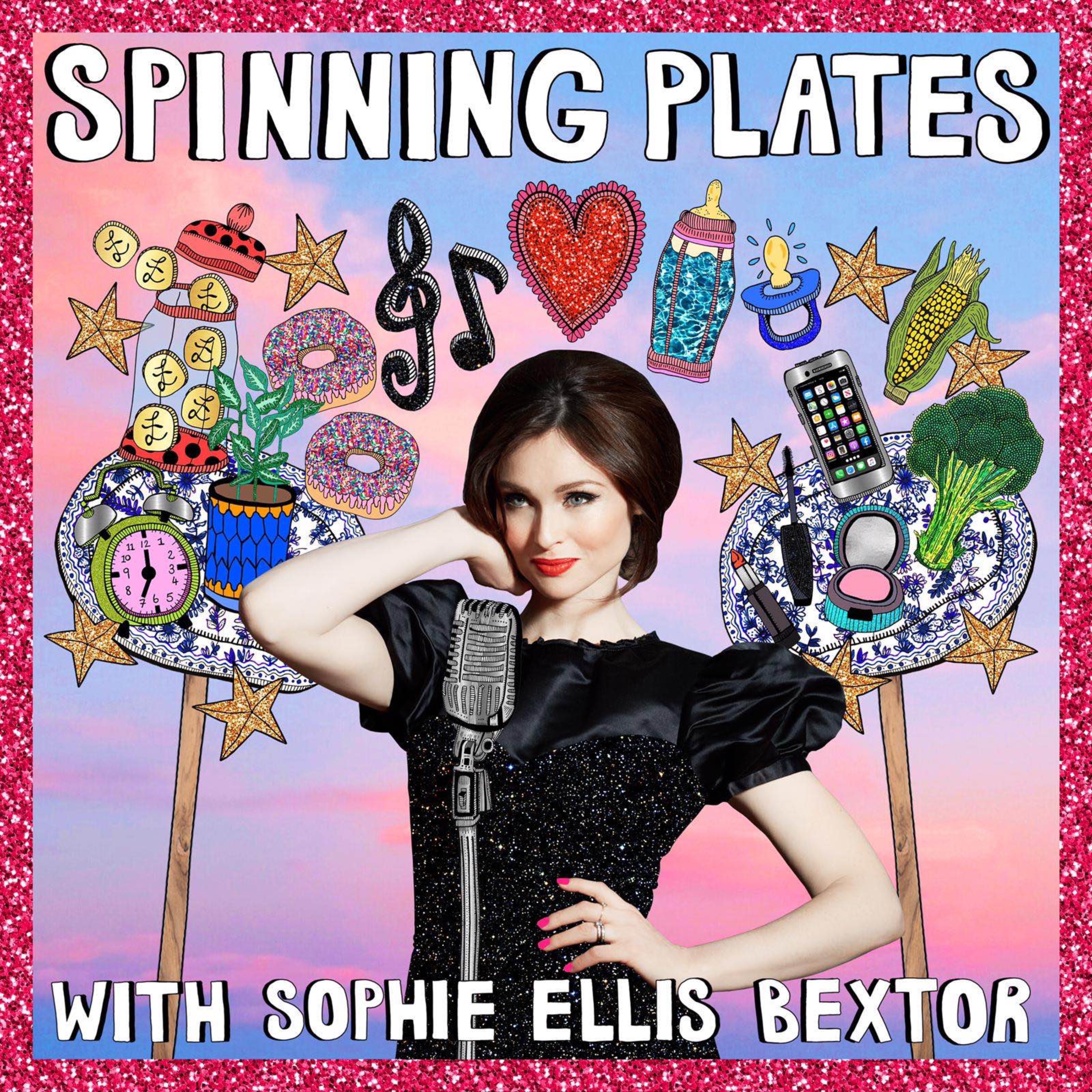


In this episode of Spinning Plates, Sophie Ellis-Bextor interviews Anya Lautenbach, who shares her journey as a Polish immigrant in the UK, her experiences with grief, her ADHD diagnosis, and how gardening has transformed her life. The conversation delves deep into themes of motherhood, identity, and the therapeutic benefits of nature.
Written by AI. May contain mistakes.

Get the gist, explore an idea or ask about something said.
 Claude
On Spinning Plates with Sophie Ellis-Bextor, what are the key points of this episode?
Searching your listeningAutomatic transcript. May contain errors.
0:00Anya Lautenbach: We live in a culture obsessed with dieting, weight loss, and exercise. And that can make eating disorder behaviors easy to miss. But the reality is, eating disorders are serious mental illnesses that take a major toll on your health and your life. But recovery is possible. Eating disorders are more common than you might think. Chances are, you know someone who is struggling with one. Or maybe you're struggling yourself. If you're concerned about an eating disorder in yourself or a loved one, I want to introduce you to Equip. Equip is a fully virtual, evidence-based eating disorder treatment program that helps patients achieve lasting recovery at home.
0:36Anya Lautenbach: Every Equip patient is matched with a multidisciplinary care team that includes a therapist, dietician, medical provider, and mentors. And you get a personalized treatment plan that's tailored to your unique goals and challenges. Equip treats patients of all ages in all eating disorder diagnoses. It's covered by insurance, and there's no wait list. If you think that you or a loved one could be struggling with an eating disorder, don't wait to get help. Visit Equip.Health to learn more. That's Equip.Health. Taking care of your eyes shouldn't be a hassle. That's why Warby Parker is a one-stop shop for all your vision needs.
1:12Anya Lautenbach: Our prescription glasses and sunglasses are expertly crafted and unexpectedly affordable. Stop by a nearby store or use our app to virtually try on frames and get personalized recommendations. Did we mention we offer eye exams and take vision insurance too? For everything you need to see, head to your nearest Warby Parker store or visit warbyparker.com today. That's warbyparker.com. Open the door to spring. Explore vibrant scents inspired by places you love. Designed to refresh your home and how it feels every day. Follow your nose. Let your space feel lighter. Discover the spring collection at pura.com.
1:56Anya Lautenbach: Hello, I'm Sophia Lispector and welcome to Spinning Plates, the podcast where I speak to busy working women who also happen to be mothers about how they make it work. I'm a singer and I've released seven albums in between having my five sons aged 16 months to 16 years, so I spin a few plates myself. Being a mother can be the most amazing thing, it can also be hard to find time for yourself and your own ambitions. I want to be a bit nosy and see how other people balance everything. Welcome to Spinning Plates. Good day. I am speaking to you from Nijmegen. This is a really pretty city in the Netherlands and I've never been here before so I've had a little wander around.
2:44Anya Lautenbach: I just like being in the Netherlands. It's so nice. And everybody's so articulate in Dutch and in English. It's super impressive. And yeah, life just kind of works here. Everybody's whizzing around on bikes. They all look pretty happy and well. Had a good coffee. Walked past a cat cafe. Any place that has a cat cafe is good by me. Last night we played the Paradiso in Amsterdam. It was the first on the tour to sell out, which had particular resonance for me because it's also the first place I ever did a gig outside the UK when I was 18. And we came over as part of something called London Calling.
3:25Anya Lautenbach: Sorry, I'm a little bit out of breath because I'm walking up an incline. Maybe not the best time to press record. There we have it. So it's a beautiful venue. It's really famous, actually. and we had this glorious very Friday night crowd and tonight is Saturday night here in Nijmegen and hoping for a similar vibe to be honest with you it's a nice venue I just bought a shirt in a vintage shop and the lady there said that the woman who does the cooking at the venue tonight who will be having our supper has got a cookbook out so I'm feeling quite excited about that because that sounds tasty thank you anyway yeah we're how many dates in four four shows in Paris Zurich Milan and Amsterdam all really really brilliant so if you've been one of the people who came thank you so much it's been really good and yes this week's guest so I'm trying to remember how I first came across Anya, I'm not actually sure.
4:33Anya Lautenbach: I feel like I've been following her for ages. She often live streams on Instagram while she's doing her gardening. And I think I'm not a gardener. I'm actually terrible with growing plants. But firstly, I love the idea of being good at it secondly what i like about anya is that gardening for her is a way to process so many things partially her adhd mind and how she sees the world it gives her a sense of calm and obviously the focus the famous superpower and she's also very good at communicating about grief about change. She moved to the UK from Poland 17 years ago and now has two sons who are 12 and 14, I believe.
5:27Anya Lautenbach: And I'm always a bit fascinated when people are raising their kids in a country that's different to where they grew up because so much of what I've done with my kids is such an overlap of what is familiar to me. And I don't really know how it'd feel to do it so differently. plus when Anya was growing her beautiful garden she was dealing with grief her sister had such an awful time with her babies which were both born with the same genetic life limiting abnormality of their cells so awful I can't even imagine what that must have felt like what that must feel like it's ongoing isn't it so yeah she poured her her grief her emotions gave herself space mental space and a place to let those feelings come and go whilst planting the garden and she speaks about it so articulately uh it was so nice to have anya come over although again i know you're probably bored of me saying this at the start of in my interviews but i really did feel like i really knew her because um sometimes when she's doing a live stream if i join she'll say hello to me and she did it the day before she came over including talking about how long she thinks it'll take for us to get her to get to me she's very sweet made me giggle anyway anya's lovely she's led a very interesting she leads a very interesting life and it was glorious to speak to her about it.
7:07And yeah, I will see you on the other side.
7:11Anya Lautenbach: I'm now up the incline. And thank you for joining me here in Nijmegen. Here is glorious Anna.
7:27Anya Lautenbach: Well, first, it's so nice to meet you, Anya. And I have to tell you, I had one of my favourite moments of my weekend was yesterday when I was watching your live stream on Instagram and you started talking to me directly I was doing some washing up at the time and you were saying hello Sophie uh just wanted to let you know I've checked the sat nav it's gonna take me about half an hour to get to you so it was so sweet I really felt like this is great we're gonna get on fine because I'm already we're already chatting now uh you couldn't hear me but I was replying back in my head like yeah great okay see you then but when you're talking about your relationship with what has become your livelihood as well your relationship with your garden um you are so beautifully positive about what it gives you why don't we start by talking about the projects you've got on at the moment because i think you've got your is your third book yes my my third book is
8:24Sophie Ellis-Bextor: coming out soon in january so that was my latest latest project and this one is about containers This is just containers, but it's all about making pretty spaces, you know, gardens accessible for everyone.
8:38Anya Lautenbach: Yes, because I suppose everybody can have access to, I mean, we have, I think the Vogue has come back to having indoor plants. And I grew up as a child of the 80s and there was definitely plants then. Then it went away for a little bit and now it's become right back. And I suppose lockdown as well has encouraged our relationship with nature.
8:57Sophie Ellis-Bextor: Yes. And, you know, for me, you know, I know it sounds like I'm the most positive person and my videos are so calm and my whole social media. But the reality behind the scenes, as you will know as well, is completely the opposite. And I guess, you know, I'm kind of escaping into the positivity and that allows me to recharge. So the plants and talking about flowers and being creative and also bringing that positivity into this world, you know, the crazy world. So it just allows me to live kind of more balanced life.
9:30Anya Lautenbach: And does it surprise? I mean, first of all, I have to say it's astonishing because the books, you write them in English when you're writing. Yes, I do. When did you start learning English or did you learn it from a child?
9:42Sophie Ellis-Bextor: No, you know, it's actually quite recently that I actually came to this country 17 years ago. And when I arrived, someone asked me, how was your journey? And I couldn't answer because I just simply couldn't understand. And it was so embarrassing and, you know, quite humiliating the first three years because I was fluent in German, but I came here to learn English. And when my publisher approached me with my first book and they said, we've been watching you for a while and we like your style and how you put things in, you know, the simplicity of explaining things. They said, would you write a book?
10:17Sophie Ellis-Bextor: And I said, well, yeah, but how many words do you need? Because I don't even know if I know that many English words. And then I said to my husband, you can surely repeat some, like end. So, yeah, I think it surprises me as well. And this is, I'm pretty sure, is my ADHD. My brain just absorbs information on a slightly different level. And that allows me to write. So far, I've written three books. Which is incredible.
10:45Anya Lautenbach: and I love the fact that you considered vocabulary because there are so many authors out there I'm sure don't pay any mind if they've got a small vocabulary. So I love the fact, I mean, your vocabulary is immense. You also know the names of all the plants that beyond anything I would know about. But just for the chronology, so what was happening? You were living in the UK when you had your children, but what were you working? What was your job? So your children are now nearly 12 and 14.
11:10Sophie Ellis-Bextor: Yes. So my background is sales and business development, But I was always very creative. And, you know, my job, my professional life always played a massive role. You know, it's just, you know, your self-esteem. You feel like you've got this little world that gives you buzz. You know, you're developing something, you create something, you make something outside your family world. So when I've given up my job at some point, I found it very difficult to juggle, you know. And later when I was diagnosed with ADHD, I realized that that is probably one of the reasons, you know, to manage everything, to remember everything.
11:51Sophie Ellis-Bextor: And as I was getting older, you know, it became even more complicated. So I've given up my job and I still remember sitting at the bottom of the stairs as my husband was leaving for work. And when he closed the door, I was in tears because I have just given up my identity. And, you know, even though I love my children, like we all moms, you know, they are our priority. But if we don't fill our cups as professional women or, you know, creators or whatever we do, what gives us that buzz, we just feel so empty. And that was my, that was basically, you know, looking for something to make me feel like I am full and I'm ready to give more to my family and other people.
12:39Anya Lautenbach: And it's interesting, we're talking about with the feeling of like feeling empty like that and like losing your identity. Am I right in thinking this is when your children were very little?
12:49Sophie Ellis-Bextor: Yes, yes. And, you know, there was something else that I was struggling mentally, like a big style, because so when I came to this country, I've got a sister, there's only one sister. And when I got pregnant, my sister got pregnant at the same time, so it was just very exciting. You know, I come from a single-parent family, so my mom was over the moon that we finally, you know, things are more exciting and we will have two children we were expecting boys and it was just all very exciting um but what has happened with my sister her son was born with very severely not disabled but he had a very very rare genetic condition which gradually uh we initially we didn't know but gradually we realized that it's terminal and in that time I think it was not only my own you know being in a foreign country you know Poland is my home really but juggling you know so many things and the emotions you know the grief and loss so in the seven years when I was I've given up my job, I had the two boys, and my sister lost both of her boys.
14:07Sophie Ellis-Bextor: And that was, you know, I talk about it openly, my sister knows that I share the story, because we can inspire other women, you know? There are so many things that as women we hide from the world, you know, we pretend, we smile. I had the biggest smile, you know, when you look at my pictures from that time, I had the biggest smile on earth because I just wanted to stay sane for my kids, you know, stay strong. But deep down, I was completely broken. And that now I understand how creating of a garden, because it was a bit escaping from the sadness, you know, trauma really. So when I remember coming home here to England after they passed away, and it was, I was traumatized.
14:59Sophie Ellis-Bextor: and you know the juggle the emotions and as women we just carry so much responsibility
15:07Anya Lautenbach: you know well that's also firstly I'm so sorry for your your family I that is heartbreaking the idea of all of those imagined events that will happen when these babies arrive and then adjusting to the severity of what was actually happening. I can't even imagine. And the cruelty of you having your own baby and seeing them hitting the milestones and understanding that your sister is going through a very different story, that's incredibly complicated. That's a lot of emotions for you to navigate daily, minute by minute. Did it make it hard to
15:52Sophie Ellis-Bextor: celebrate what was happening with your babies yes totally so these are all the new uh new emotions that you nobody prepares you for you know the kind of unexplained guilt and you know almost like when we all have something that cheers us up and we all have you know people would say you but you had two healthy children and that was the positive bit of your life but actually in reality that was the most difficult bit because you know as as they were thriving you know I had perfect life in the beautiful English countryside with two healthy perfect you know happy little boys and again as as a woman you know to to carry that responsibility for the the kids and you know managing everything else around me but deep down just you know being broken um that was probably the hardest bit it's now all you know we processed it um I feel like I'm healed um and that mainly through gardening that's why probably what I share comes from a real and very deep place in my heart
17:02Anya Lautenbach: yes I can hear I can hear that when you whenever you speak about it when I said before about your positivity the message that you always impart is about how important it is to find those moments and I suppose it's funny I just spoke to a grief counsellor for the podcast last week called Julia Samuel and she speaks about the importance of basically I suppose the human the necessity for us to be able to allow and process change so grief is a huge traumatic beast well not always traumatic but grief is a huge symbol of of what you've lost but on daily we have to be able to accept change and I suppose in a very real sense with gardening and plants, it changes the essence of what is happening there.
18:08Sophie Ellis-Bextor: Yes, I think it helps you to embrace, you know, because I, when I'm in the garden, I have learned so much from nature just to come to terms with things. And, you know, sometimes people say to me, you know, oh, my plant has died. And I said, that's just part of this existence, this world, you know, and with grief, the same. And it doesn't have to mean that you lose people. Grief can be for, you know, a relationship breaks down. You know, I get hundreds of messages from women. You know, most of my followers are women. And of course, we will all experience some level of grief, whether that is losing someone or, you know, your relationship breaks down or even selling a house.
18:52Sophie Ellis-Bextor: You know, if you live in a big house, lovely house, loads of memories, and you have to move on for whatever reason, there is a certain level of grief. And instead of escaping from it, we have to embrace it, almost like walking through, you know, those waves. I always say to people, you know, grief is like an ocean. It's like, it never stops. You live with it. Sometimes it happens in the background. You know, the waves are very calm and you always hear the waves because there will always be something that will remind you of that. Now, if you only focus on that negativity and the sadness, your whole life will be a disaster.
19:33Sophie Ellis-Bextor: So it's best to embrace the fact that those feelings also exist and just make the best and the most out of it and turn those feelings into some sort of positivity. Whether it's you create, like you create music, I create videos and write books, someone else, And it doesn't have to be on a large scale. It can be just at home, just creating something. And just processing without even knowing, you know, processing those big feelings. Yeah, and I suppose if you're engaged in the business of growing your plants and propagating and nurturing,
20:14Anya Lautenbach: you're allowing all the thoughts to come and go. they can flow through you like a medium because you're in the process of a doing and you're seeing the effect of what you're doing but you're also just sometimes just sitting in that moment as well and it's solitary I'd imagine are you spending a lot of time on your own
20:32Sophie Ellis-Bextor: yes you know and again going back to my ADHD my brain is so busy I honestly sometimes feel overwhelmed even with a positive you know I said even the positive emotions you know I'm buzzing and that is exhausting as well. When you get a chance as a person with ADHD, if you ever get a chance to not to think about anything else, this feels like you've been to a spa twice. It's just amazing. You know, like not thinking about what will we do tomorrow? What have I done yesterday? And what will the kids have for dinner? Just nothing. And that just feels amazing. So when did you get your ADHD diagnosis?
21:14Sophie Ellis-Bextor: this was in adulthood quite often so my son was diagnosed with ADHD first he's got dyslexia and ADHD and you know it's quite often the case that as mums we watch our kids and we think oh my god that's real terrible and what is he doing and then you realise oh my god this is me this was me when I was his age and as soon as he was diagnosed I just went and I said I think I've got ADHD and I still remember the test when they sat me down and they measure your movements and they showed me the results and said, this is the neurotypical person's results and this is yours and it basically looked like I've been doing some yoga in front of the computer or some crazy movements.
22:04Sophie Ellis-Bextor: So that was almost like another chapter in my...
22:08Anya Lautenbach: Would you be able to describe to me a little bit about what it is for you to have ADHD. I don't think my mind is wired in the same way, so I'd love to understand a bit better.
22:19Sophie Ellis-Bextor: Well, I think, you know, as children, it manifests in so many different ways, you know, so I'm very, very energetic. You know, I never really stop. Loads and loads of things that happen in my mind, which means that if you're not aware of your ADHD, like in my case, I now understand, And I get easily distracted. So, you know, houses of people with ADHD can be chaos because we get easily distracted. So if you've got a task, you know, a list of things to do, I would have 20 tasks. You know, the washing baskets wouldn't be done. The kids will be all over the place. You know, it can turn into chaos.
23:02Sophie Ellis-Bextor: And what that means is that you always feel dissatisfied with your life. because nothing is done, you know, there is not enough dopamine in your brain. So you don't feel the same level of positivity than the neurotypical people. There are loads of other things, you know, we feel very deeply. So if something, you know, something isn't right, you know, level of injustice can be like so painful. And so many different things that make your life really difficult. and when you get your diagnosis you start understanding and you can get help you're more aware of it you know you can take medication I'm sometimes on medication sometimes not it allows me to focus and finish my tasks and at the end of the day I feel happy.
23:55Anya Lautenbach: Well I really appreciate you describing it for me because we have some neurodiversity in this household as well and I'm quite familiar with the sort of checklist for for looking for my children but I think in adulthood I haven't had as many conversations actually and I I do think that I have met people who've done a bit of self-diagnosis but actually speaking to someone who clearly is so has really found what it's so significant to get the diagnosis and I've spoken on other interviews as well about what it meant to you to actually be able to understand and get a handle rather than just sort of trying to join dots by yourself.
24:36Sophie Ellis-Bextor: Yeah.
24:36Anya Lautenbach: So do you think that your relationship with gardening would be significant even if it hadn't played such a key role in processing grief as well?
24:47Sophie Ellis-Bextor: I think I would always, you know, I grew up surrounded by people who loved plants. So, you know, even before I had kids, I always traveled with plants, you know, wherever I went. I remember it was my mom. So I left home at 19 and I remember feeling so, you know, homesick and I found my mom in tears and she said, Anja, remember, your home is where your plants grow. And that was, you know, even now when I have moments and, you know, that could be linked to my ADHD that I feel like I'm not fitting in or I'm not at home or, you know, when you leave your own country, even, you know, my husband is from Durham.
25:28Sophie Ellis-Bextor: And when he goes back to Durham, he says, actually, Durham doesn't feel like home anymore. And for me, this is really my home, but actually it really isn't. And Poland is not my home. But then when I think about this sentence, your home is where your plants grow. And that can be just as simple as one house plant that makes you feel grounded, that makes you feel like you belong and this can be just in the tiniest flat in central London where you might have a moment like not belonging but this one plant can change your life I love everything about that I like it as a literal and I like it as an emotional as well yeah because I think
26:07Anya Lautenbach: obviously there's so many metaphors that come out of of seeing a garden grow I use it all the time as a way of referring to things, actually often when it comes to parenting or family life as well. And what's it like to raise children in a country that is not the place where you were born and hear them speaking? Presumably, have they got any of your Polish accent in there?
26:34Sophie Ellis-Bextor: No, I tried to raise them bilingual. And at some point, William said, stop talking Polish to me. and you know it was difficult because my husband is British and the whole family you know all friends were British so I found it very difficult to sit in a room of British people and speak my own language which sometimes I regret because I also speak German so it's nice to it's nice to speak different languages but it kind of happened it wasn't the easiest journey you know and quite Often people don't realize, you know, when you're foreign, it takes a long time to actually make friends. Because we, as humans, we like people like us.
27:16Sophie Ellis-Bextor: We, you know, you like, if you would choose between me and maybe a British woman as a friend, you probably feel more comfortable with a British woman. because just in general I had this kind of experience that I had to try so hard to make my kids be included in play dates and things, so it was exhausting. And quite frankly, I feel so, I think it's liberating that I no longer have to make so much effort and I can just live my life and kids are happy. But it wasn't easy.
27:55Anya Lautenbach: And how long do you think it took you to feel? Because it sounds like you can really see it now. It's all in the past tense. So that feeling, I mean, I suppose when they're all little, it pushes you together with people as well. Yes. It can be quite a strange experience getting to know other parents
28:10Sophie Ellis-Bextor: at the school gate anyway, let alone without, as you say,
28:14Anya Lautenbach: that it's such a human instinct to compare notes and to be related in all those sort of shorthand ways we do, you know, the getting to know you chat, which is usually quite often to do with being like, where did you grow up? Like, you know, in the area, all those things.
28:28Sophie Ellis-Bextor: Yeah, I think, you know, 10 years of that was, you know, it was quite painful and actually quite exhausting because especially if you have other things that you are interested in, you know, I was never really the kind of playgroups kind of, you know, I mean, I enjoyed it to a certain degree and I would always have my house, you know, my house would always be full of people. because this way at least, you know, people could drop off their kids and, you know, my kids had a play date. But for me, it wasn't really what I was, you know, I wasn't like fulfilled, you know. So later when I started writing and creating content, I just felt like, oh, I found myself again.
29:19Anya Lautenbach: We live in a culture obsessed with dieting, weight loss, and exercise. And that can make eating disorder behaviors easy to miss. But the reality is, eating disorders are serious mental illnesses that take a major toll on your health and your life. But recovery is possible. Eating disorders are more common than you might think. Chances are you know someone who is struggling with one. Or maybe you're struggling yourself. If you're concerned about an eating disorder in yourself or a loved one, I want to introduce you to Equip. Equip is a fully virtual, evidence-based eating disorder treatment program that helps patients achieve lasting recovery at home.
29:56Anya Lautenbach: Every Equip patient is matched with a multidisciplinary care team that includes a therapist, dietician, medical provider, and mentors. And you get a personalized treatment plan that's tailored to your unique goals and challenges. Equip treats patients of all ages and all eating disorder diagnoses. It's covered by insurance and there's no wait list. If you think that you or a loved one could be struggling with an eating disorder, don't wait to get help. Visit Equip.Health to learn more. That's Equip.Health. Every idea starts with a problem. Morby Parker's was simple. Glasses are too expensive. So they set out to change that.
30:32Anya Lautenbach: By designing glasses in-house and selling directly to customers, They're able to offer prescription eyewear that's expertly crafted and unexpectedly affordable. Warby Parker glasses are made from premium materials like impact-resistant polycarbonate and custom acetate. And they start at just$95, including prescription lenses. Get glasses made from the good stuff. Stop by a Warby Parker store near you. Home is your favorite place. Spring is when you let it feel a little more transportive. Discover vibrant scents inspired by place. bright citrus, fresh florals, clean air energy, designed to refresh your space without adding complexity.
31:11Anya Lautenbach: Just plug it in, choose your scent, and let the season unfold room by room. Explore the new spring collection now available at pura.com.
31:28Anya Lautenbach: and so just to get the chronology when when you started with your with that writing and the social content when was that in comparison to were you working still with your other job at the time
31:42Sophie Ellis-Bextor: no I think at that time I was at home and do you know it was actually when I realized what I have achieved on my mental level, you know, when I processed the whole grief and, you know, when I processed all the events of the past. And that was exactly in 2019. And I realized I just created a garden, you know. I created a large garden, a large country garden by growing plants from seeds and cuttings.
32:15Anya Lautenbach: Because this is in the house you're in now. Yes. Because you said that when you got the house, which is in a very beautiful, very green part of the UK as well, it had a big garden, but nothing happening there.
32:26Sophie Ellis-Bextor: Absolutely. We had no plants. The house was developed by, I guess, some property developers that hated plants because they got rid of every single one. So they'd actually removed things as well, which is complete blank. It was just blank canvas. In a way, it was quite overwhelming, and people often feel overwhelmed with their outdoor spaces. and don't maximize, you know, because even on a smaller scale, you can create something truly magical. And yeah, I have honestly, sometimes I even wonder if there was a bit of magic involved, you know, because when you look at my garden now, and I go to the most amazing places, you know, I created a large garden for the RHS Hampton Court last year.
33:12Sophie Ellis-Bextor: And, you know, I know what pretty gardens look like, especially in this country. and now looking at my own garden I think wow how did that happen you know was that the the the feel was that the sadness that helped me it was almost like turning every sadness into another herbaceous border another bad message from home I would turn into an orchard there would be another bad news and I would make a wildflower meadow and gradually you know even now when I look at the garden I I remember the phone calls. I remember the news. You know, I remember the messages that broke me to a level I can't even describe.
33:57Sophie Ellis-Bextor: And then I would just put the phone down, take a spade, you know, put my, my first son was very small. So I would put him in a little swing. I didn't even have social media back then. And, you know, now I'm surrounded by, you know, thousands of people. but back then it was just the garden and I, you know?
34:20Anya Lautenbach: That's very moving. I love your description of every time there was another bit of bad news, there would be another herbaceous border. There's something so pure about that relationship between your emotions and an instinct to lose yourself in the process of something that would one day show growth and bloom again. It's very poetic as an idea. But I also think I can also see the sadness in it and the reality of it and how it's beautiful when it looks beautiful. But there's also dirt and soil and really working against areas that haven't seen new life and aren't growing growth and having to put that in there.
35:04Anya Lautenbach: I can really feel all of that when you speak about it.
35:08Sophie Ellis-Bextor: But that's what people need to understand. And, you know, I reached the point, I think that, you know, I see beyond the little things that we care about, you know, when people say, oh, how many followers have you got? How many books have you sold? I don't care. You know what? I care mostly. And it really, I mean it. I would like to leave behind something meaningful, you know, because how pointless it would be of me to just leave all the, you know, the sadness that happened to my family and the sadness that I have experienced. if I would just leave without leaving anything positive. At least I feel, you know, the more books I write, the more people get inspired.
35:48Sophie Ellis-Bextor: And do you know, Sophie, so many people from all sorts of places around the world, veterans, doctors, people who lost their loved ones, get in touch with me and say, I have created a lavender hedge based on the story. You know, how I turned the sadness into a lavender hedge. and it just makes my life more purposeful.
36:11Anya Lautenbach: I can see that. And actually, I was looking at some of your posts over the weekend and I was looking at the comments and I could see that so many of the comments were people saying, I lost my daughter, I lost my partner. And I was just thinking it's such a, I think there's such an instinct to do something that's close to home, that's introverted, that gives you your own control. we haven't even spoken about that really but there is an element of that as well it's something you can curate and it will involve time and it will involve elements you know coming together um so it was 2019 when you start but that's when you moved into your house but also when you were
36:56Sophie Ellis-Bextor: when your sister was going through things that was yeah 2012 i know 2011 that was when when my son was born and her first son was born by 2019 she lost both of them and so they were gone my kids were um what eight I think and and six and 2019 was the moment where I actually stopped and I realized that I have created a garden in fact I took one picture um and in the winter time I usually went through things you know looking at some pictures from the summer and I just thought oh my god I have created a garden like really looking like a garden and I said I thought I must do something and you know something to to inspire people so initially I in 2019 when I set up my social media account I was sharing um just little videos and pictures with um school moms you know I used to run gardening clubs for local schools and raising money for um for them again And just, I also realized that in that time, 2019, when I set up my social media, the more I have given to the society, the more I have given to other people, the more meaningful and more positive my life became.
38:12Sophie Ellis-Bextor: You know, and almost like double happiness. So that you give something and it comes, you don't have to announce it, you don't have to tell anyone, but it just comes in like buckets of happiness. and in 2019 when I started sharing my social media content, you know, some days I would gain 30 ,000 followers from, you know, and that gradually, gradually grew from just friends and family to, you know, wider audience and that's how it all started.
38:44Anya Lautenbach: And then it becomes this big community. They do actually say that a way to feel better and to help your mental health is to engage in a purpose bigger than your own, you know, just... And I do think there's such an amazing strength that you can draw just from when other people are open and sharing their stories. You know, it's like you said at the beginning of our chat about how women can carry so much. But when we have the opportunity to open up and share in it, then you can imbue strength from other people as well. It's like a good stage of humanity, I think, to have all that goodness and those stories.
39:23and the empathy, but also the kindness that comes out of it as well
39:28Anya Lautenbach: when people have really been through things.
39:31Sophie Ellis-Bextor: And also, you know, we have to make it, I think, you know, we're making some things too complicated in this world, you know. I mean, when I read instructions, I'm lost after five seconds. You know, everything is so complicated. Everything is so over the top where I, and might be because of my brain, because I get so bored of things. You know, if you make instructions complicated, nobody's going to read it. If you make gardening, like, you know, you add a few Latin words, which nobody really needs, you know. And I tell you, you can't create the most amazing garden without knowing one single plant.
40:04Sophie Ellis-Bextor: Because you feel the plant, you watch, you don't need to know the Latin names. And people often get discouraged, you know, because they think, oh, I need this whole equipment. You don't need any equipment. People have done this for centuries. they used to use sticks just as I do now and actually you can create almost like award-winning gardens without all of that nonsense just did you ever have any sort of structured introduction to
40:31Anya Lautenbach: gardening or did it just come from starting with plants and things you found around you when you
40:36Sophie Ellis-Bextor: were little and being interested in what happens next yeah absolutely just just me and I think everybody has that ability because we are so connected with nature with the soil you know we just we i sometimes feel like i'm just part of the ecosystem like one of the plants really
40:55Anya Lautenbach: it sounds a bit like um sort of a humanist way to think about the planet as well yes it's about you know who else you're sharing who and what else we are sharing our experience with here and i suppose It's an obvious question, but I am still interested to know. Are your kids at all interested in growing plants?
41:13Sophie Ellis-Bextor: They used to, but I find, you know, with boys, and you have boys, so you will know, you know, there is a very short window of opportunities to actually plant the little seeds of positivity in their hearts. You know, because now my son is 14 and, you know, they almost, you know, the currency at schools is sports and, you know, other things. My son loves music and the other one is quite creative. So they don't really want to tell their friends that this is a lovely foxglove and look at them.
41:43Anya Lautenbach: Isn't it sad though that that kind of does lose its way for a while?
41:47Sophie Ellis-Bextor: But they only walk away for a very short time. So I've done my bit. So they grew up in the garden. They ate more rocks and stones than most kids. So they will return. And I think we all have to do our bit when the kids are little, you know, even tell them things, you know, tell them about the insects and the birds and butterflies and everything else, you know, growing things. But later, let them go, let them do their bit and they return. Because once they have their own kids or even if they don't, they will maybe have a house and they get a house plant. but they will, you know, I remember what my parents used to tell me when I was a little girl, you know, that your home is where your plants grow.
42:33Sophie Ellis-Bextor: I'm now nearly 50 and I will pass on this message to the next generation. So plant the seeds of positivity as soon as they start growing.
42:44Anya Lautenbach: It's true, it's true. And I think actually, I mean, I'm a London girl, but luckily London's quite a green city. And, you know, all the kids are raised in London too. but when we go I mean they get a little bit of around where we live we're lucky enough to have a garden we've got a green opposite the garden but when we go to the countryside which when my husband grew up it's almost like they go into a different setting and they get really quite it's lovely like they'll go off and be sort of like making little wigwams in the trees and getting sticks and playing games and letting their imagination run riot and just enjoying being out and about and I think oh I've always felt a bit guilty then because I think oh they make a lot of sense in the wide open space and actually my 16 year old when he finally poor thing got his own room he didn't have his own room so he's 14 which is quite a long time to have spent sharing with two little brothers and I got him plants to put in his room and he managed to keep it alive so far it's a year over a year and I'm like great maybe you have got a little bit of that in you
43:42Sophie Ellis-Bextor: it's been nice to have a plant in there I think yes I think as you just said earlier you know it's It's the being in control and, you know, having pets is great. I love my house full of pets, but not everybody can have a pet. So a plant is a great kind of substitute, you know, because it's still a living kind of organism. But it gives you that, you know, being in control is what plants give you, I find. You know, so when the whole world is collapsing around me, I know that I am in control. And it means progress. It means new life. It means development. and that is you know for teenagers for everybody you know because it grows there's something happening and you know you can even benefit from from it growing it on the windowsill yeah so
44:25Anya Lautenbach: that's the best thing about it I did wonder though because obviously you've been incredibly successful with growing your community but also with your knowledge and you mentioned everybody needs to know the latin names but um is there any kind of hierarchy within the sort of commercial gardening the aspect because there's we definitely still have the you know the the garden show element the world that would sort of dictate a certain type of person growing certain types of things
44:52Sophie Ellis-Bextor: yes yes I mean you know you can edit it yes definitely I mean you know I was very lucky um that obviously my publisher has put me in touch with so many amazing people and there is a lot of you know people are very open to to new things you know so I'm obviously I grew up in a different environment to all the RHS people, let's say. And, you know, they all know that I'm only a self-taught, and actually I don't even call myself a gardener, you know, I'm just a hobby gardener. But people are more inclusive. You know, I got asked by the Royal Windsor Rose and Horticultural Society, which is actually one of the oldest shows in the country, set up by Queen Victoria 117 years ago.
45:36Sophie Ellis-Bextor: And they got in touch and said, would you become our ambassador? Which was incredible because, you know, I come from a different background. And so I met the king a few weeks ago. And, you know, it was incredible because it shows you how the world is changing. You know, if I would be 10 years ago, maybe coming to those places, they may not have seen the potential. Where now a lot of people can see the benefits of being inclusive because that creates peace in the world. If we exclude people based on the color of the skin, their background, it upsets people and they start, you know, creating trouble.
46:20Sophie Ellis-Bextor: It's good that they're changing. I agree. And the same, you know, the RHS, I had this garden last year. It was the main RHS garden. And everybody obviously knows that I am not British. Everybody can hear it. Even if I breathe, they know I'm not British. but it's lovely that the world is changing and the royal horticultural society or you know they see the potential because we bring new things you know yeah we learn differently we bring new audiences this is the thing well i think the fact that we now have
46:55Anya Lautenbach: you know the way that people get their access is that information like social media communities it speaks for itself yeah and as you say it's positive and it's about inclusivity but also about access so that people feel like this is something I could do I could get involved there that could bring me joy that could be a part of my world and that builds confidence and it's all all rooted in something so positive in that respect as well and as you say the legacy of leaving everything a little bit better than you found it yeah keeping an eye on nature around you fighting for you know to maintain those spaces um I did want to ask you you said that your children are not bilingual in the way you imagine, but how do you bring a bit of Poland to Marlow, to your world?
47:41Anya Lautenbach: How do they feel the resonance of that?
47:44Sophie Ellis-Bextor: I think, you know, I definitely live in a very Eastern European way. You know, my kids can probably see I'm a little bit more open. You know, I mean, there's obviously loads of people who are like that. But yeah, there is just the way of living, you know. people from Eastern Europe are slightly different. And I guess the way of living, you know, but yeah, that's the only thing, you know, and food, you know, sometimes I cook some Polish food and we go to a Polish shop and, you know, so that's the...
48:20Anya Lautenbach: I'm smiling at the mention of Polish food because I do really love Polish cuisine a lot. Yeah. Yeah, I know when I went, the last time I went to Warsaw, they were like, yeah, we know, everybody loves pierogi. Yeah, yeah. But it's really dope. big on the dumplings.
48:35Sophie Ellis-Bextor: I think our Polish food, everything is quite simple, you know. The simplicity is something. But yeah, I think we also very, very, you know, we open our hearts to the world, you know. And that is, I think, one of the kind of qualities, I think. And it's a good thing. You know, it's a good thing
48:57Anya Lautenbach: because that's what the world needs. Does it surprise you where you've found yourself at this chapter of your life with everything that's come out of growing your garden and all the people that are reading your books? Yes.
49:11Sophie Ellis-Bextor: Do you know, sometimes I think how incredible that, you know, one cutting of lavender has taken me to this place. And, you know, I get sometimes people messaging me. Like recently, I realized that Martha Stewart is one of my followers, you know. And people get in touch, you know, like high-profile people. And I think it's just so lovely, you know, that everybody, it doesn't matter who you are and where you come from. You know, those stories are so universal to every human being. And that, it doesn't surprise me in some ways because people want the positive story. You know, people do like to hear that someone has done something positive.
49:54Anya Lautenbach: It's also very wholesome. Growing parents is completely wholesome.
49:57Sophie Ellis-Bextor: Yes, and that's, you know, it is amazing what social media gives us because, again, 20 years ago, I probably wouldn't have a chance to, you know, almost like I've got my own stage.
50:09Anya Lautenbach: Yeah.
50:09Sophie Ellis-Bextor: And I am in charge of that stage and I can decide what's the next thing that I'm going to do. So if you have a good story, if you have something meaningful that will change or positively contribute to our society, I always think, you know, to inspire other women, just go and do it. Because you just never know where that could take you. And, you know, that day when I came and this guy asked me, how was your journey? In fact, he was, when I came to this country, I was working for Mr. Mohamed Al-Fayed. Oh, wow. And that was one of his security guys. And that security guy last year was watching Gardner's World and got in touch with me through my social media and said, we were watching and we couldn't believe it.
51:01Sophie Ellis-Bextor: and he said is it really you because he was and I said yes that was me and you know I said you have been part of my stories all those years because I've been saying to people you know when this guy has asked me how was your journey and I couldn't understand and there he was in 2024 watching Gardner's World and seeing me at Hampton Court with my own garden and talking about my books
51:27Anya Lautenbach: so it's just you know you could go and give them a very full answer to how your journey's been exactly it's been quite a journey and please tell me somewhere in your house is a sign that says home is where your plants grow oh god do you know now you made me think about i should maybe make my own signs definitely like above the door or something the front door it's too perfect thank you so much thank you all the best for whatever follows um may your garden always be in bloom and to you my lovely to you yes thank you thank you so much to anya what a gorgeous gorgeous chat um and it makes me think a lot about well lots of things actually relocating as I talked about in the intro but also processing grief and it's it's quite a pleasing metaphor isn't it planting the seeds and seeing things grow as a way to renew hope actually you do need that and I know when you're processing sadness and trauma that's the one thing you need to keep a little light on, isn't it?
52:47The requirement, the necessity of hope.
52:52Anya Lautenbach: So I really appreciate Anya, not only with her generosity in our chat, but also the fact that she shares with so many people who I've really resonated with. I think that shows you what other people need too. I'm now speaking to you from Brussels, actually. I've city hopped from when I did my introduction. and I was walking up those inclines. I'm now, yeah, really beautiful day here. It's a pretty place, isn't it, Brussels? We are having a day off here. So we got off the tour bus, went and had some waffles. Oh, my gosh. Caramel, salted butter, waffles, absolutely delicious. Then a very good coffee.
53:38And now I'm off for a little wonder.
53:41Anya Lautenbach: You know me. It's a nice day, though. It's springy, actually, feeling. I know it's autumn, but it feels that kind of... If you told me it was April, I believe you. And, yeah, everybody's out and about because it's Sunday. And tonight I'm going to eat more fruit. I'm basically being a complete cliche. Anyway, thank you for lending me your ears. Thank you to Garden Fairy for being so gorgeous. Thank you to Claire Jones for her production, Richard for doing the editing. And I hope you have a lovely, lovely week. More coming next week. I'm not in a vintage shop. Wish me luck. Best of luck.
55:10Sophie Ellis-Bextor: We'll see you next time. here's a show that we recommend. If you've ever dreamed of quitting your job to take your side hustle full-time, listen up. This is Nikaela Matthews-Zakome, host of Side Hustle Pro, a podcast that helps you build and grow from passion project to profitable business. Every week, you'll hear from guests just like you who wanted to start a business on the side. If you can't run a side hustle, you can't run a business. They share real tips. And so I started connected with all these people on LinkedIn and I saw Target supplier diversity was having office hours. Real advice.
55:44Anya Lautenbach: Procrastination is the easiest form of resistance. And the actual strategies they use to turn their side hustle into their main hustle. Getting back in touch with your tangible cash and sitting down and learning to give your money a job, like it changes something.
56:00Sophie Ellis-Bextor: Check out Side Hustle Pro every week on your favorite podcast app and YouTube.
56:08Sophie Ellis-Bextor: launch, grow, and monetize their podcasts everywhere. ACAST.com
Anya Lautenbach is a gardener who I discovered on Instagram as anya_thegarden_fairy. From Poland originally, Anya moved to to the UK 17 years ago and has two boys aged 12 and 14.
We talked about the grief which Anya has experienced because of her sister having two sons with a rare genetic condition which turned out to be terminal.
Anya explained how every time she had bad news from home, she turned that into another garden border and has ended up creating a beautiful garden out of her ocean of grief.
We also talked about her ADHD diagnosis which came soon after her son’s diagnosis, and how gardening helps her to escape the overwhelming busyness of her mind.
Spinning Plates is presented by Sophie Ellis-Bextor, produced by Claire Jones and post-production by Richard Jones.
Hosted on Acast. See acast.com/privacy for more information.