 Ask ChatGPT
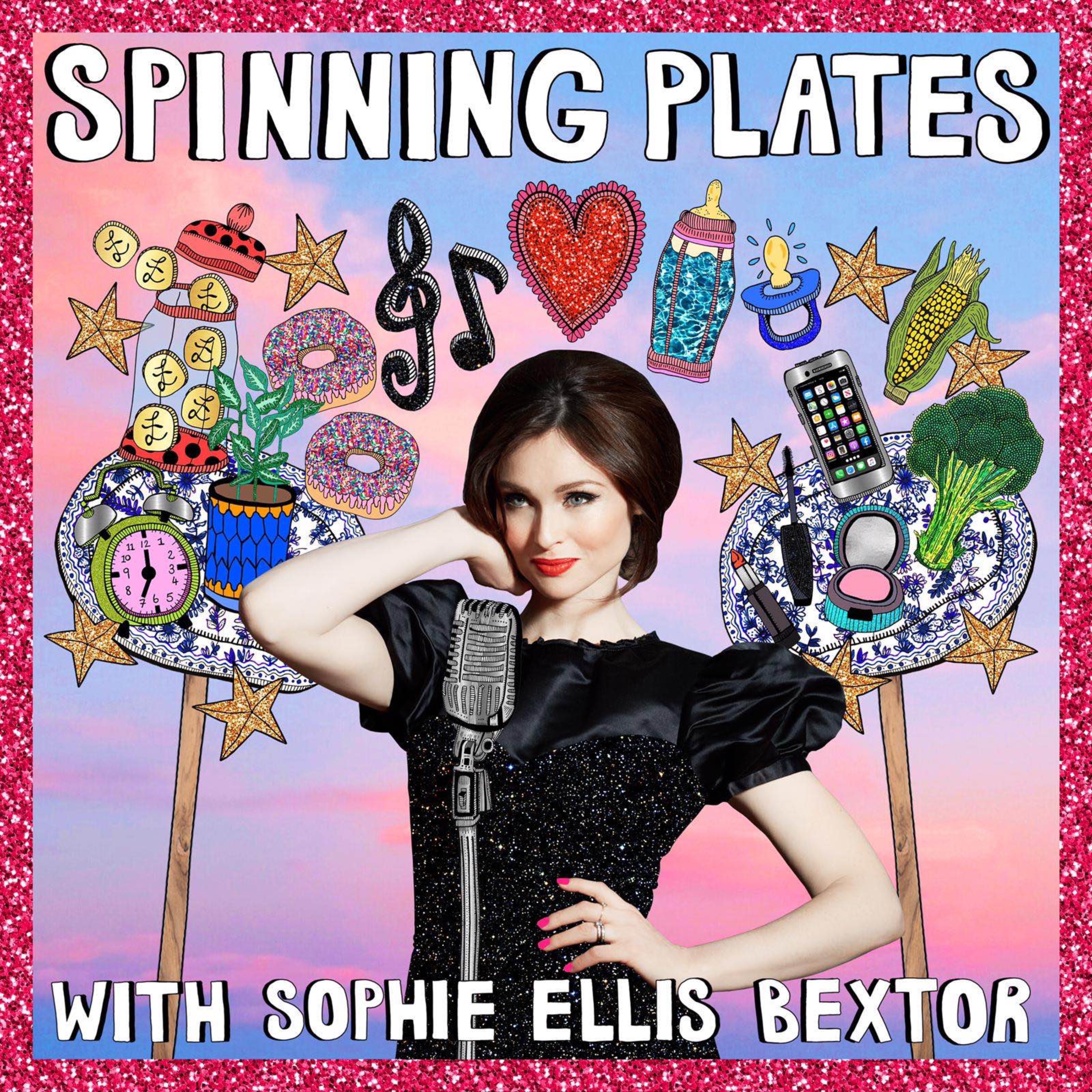


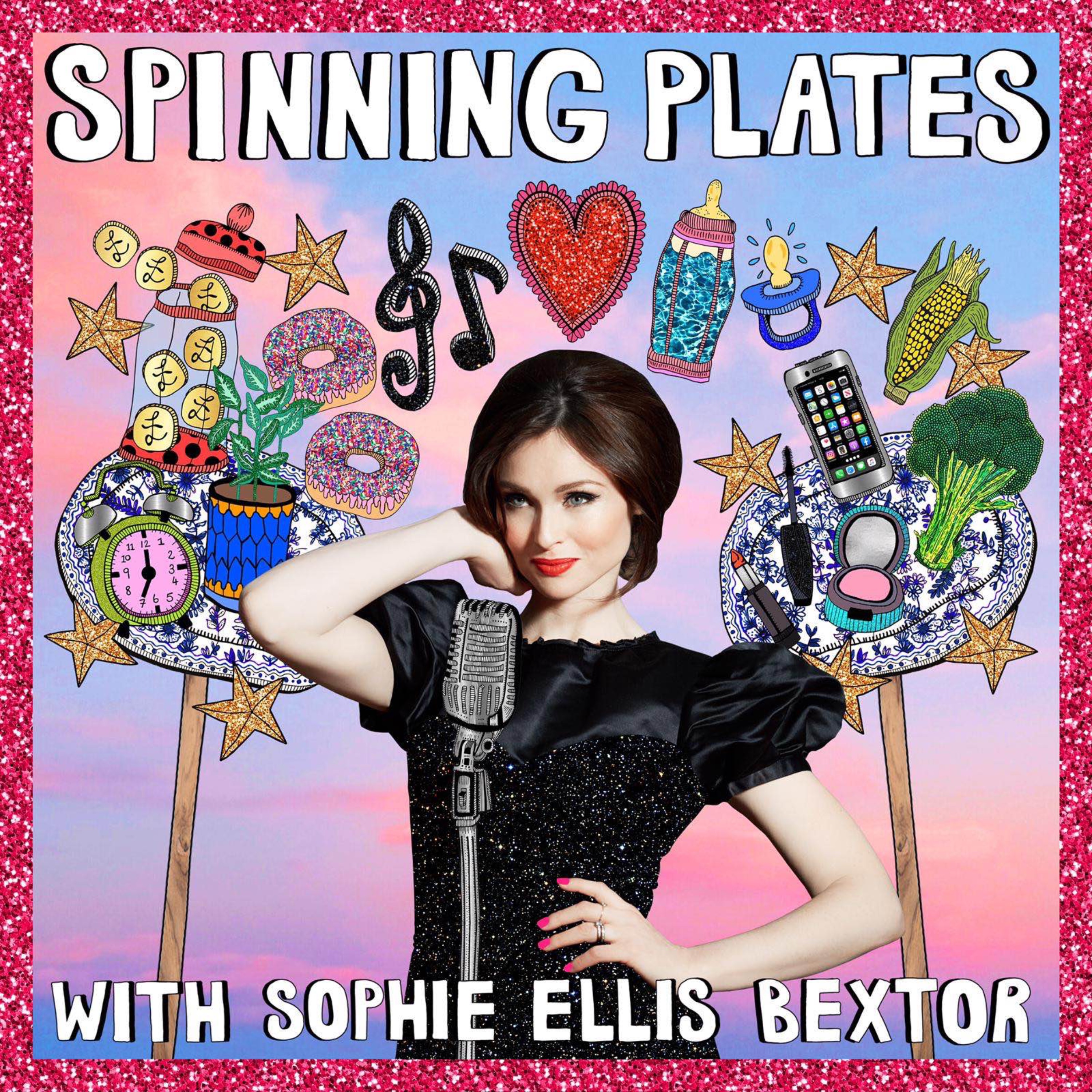
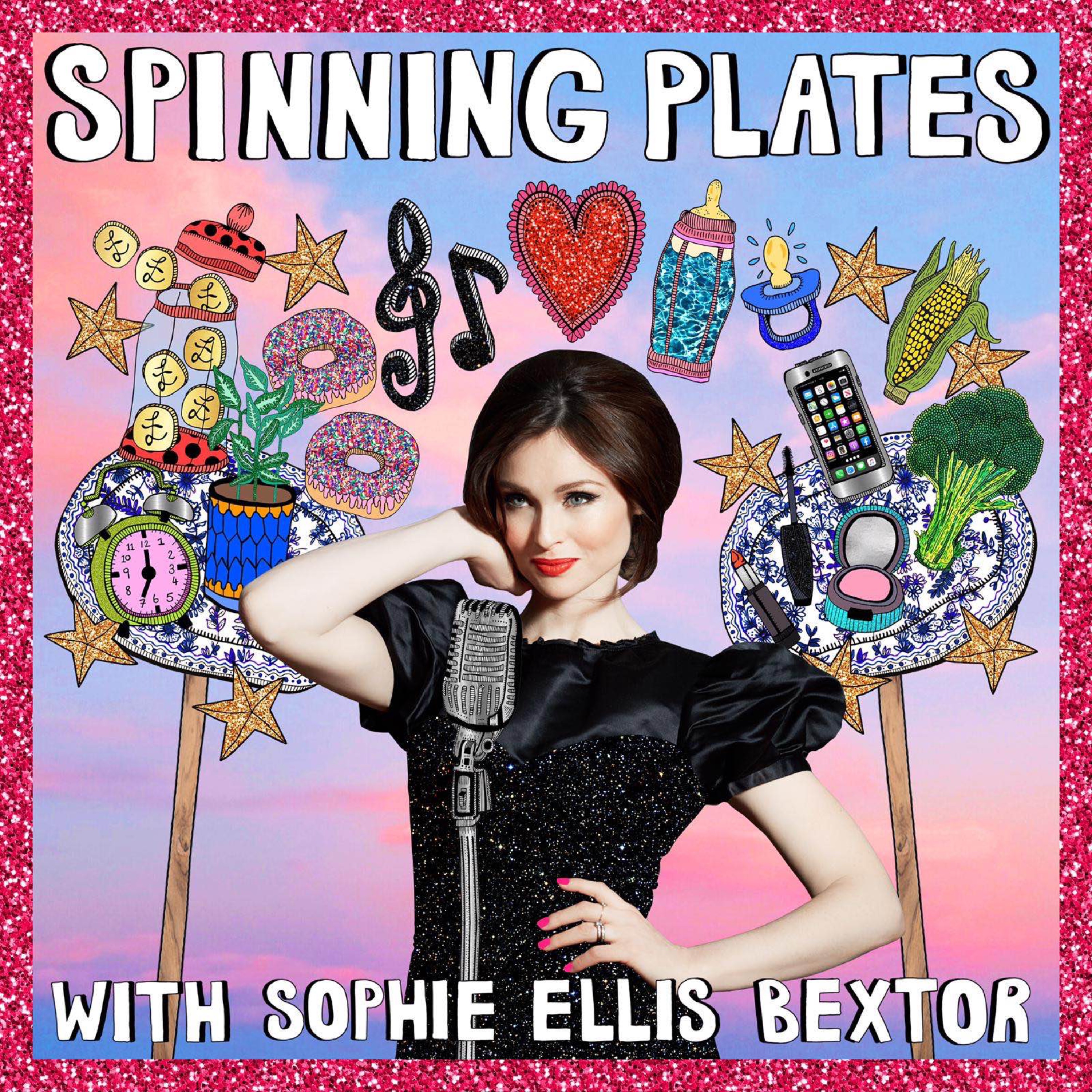
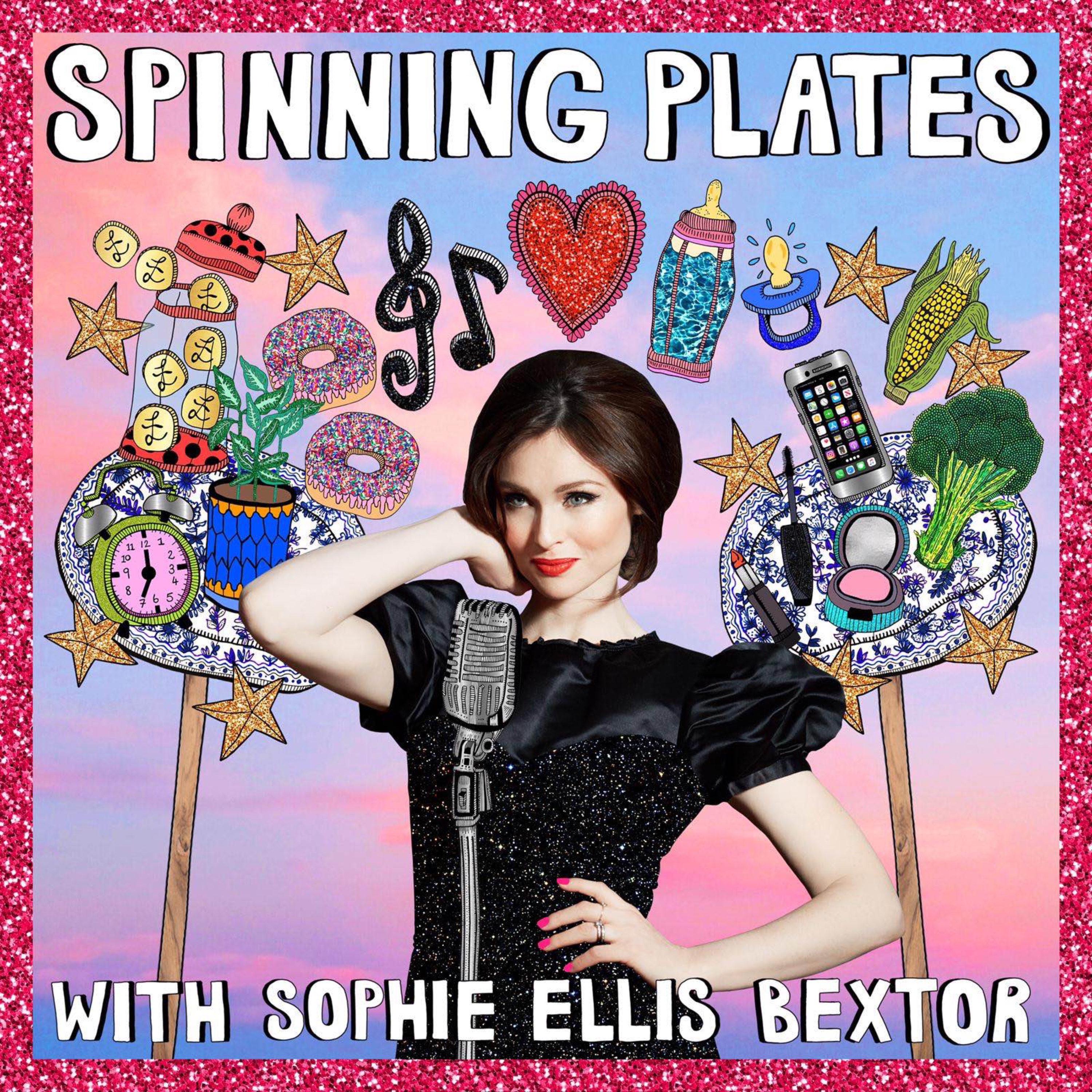
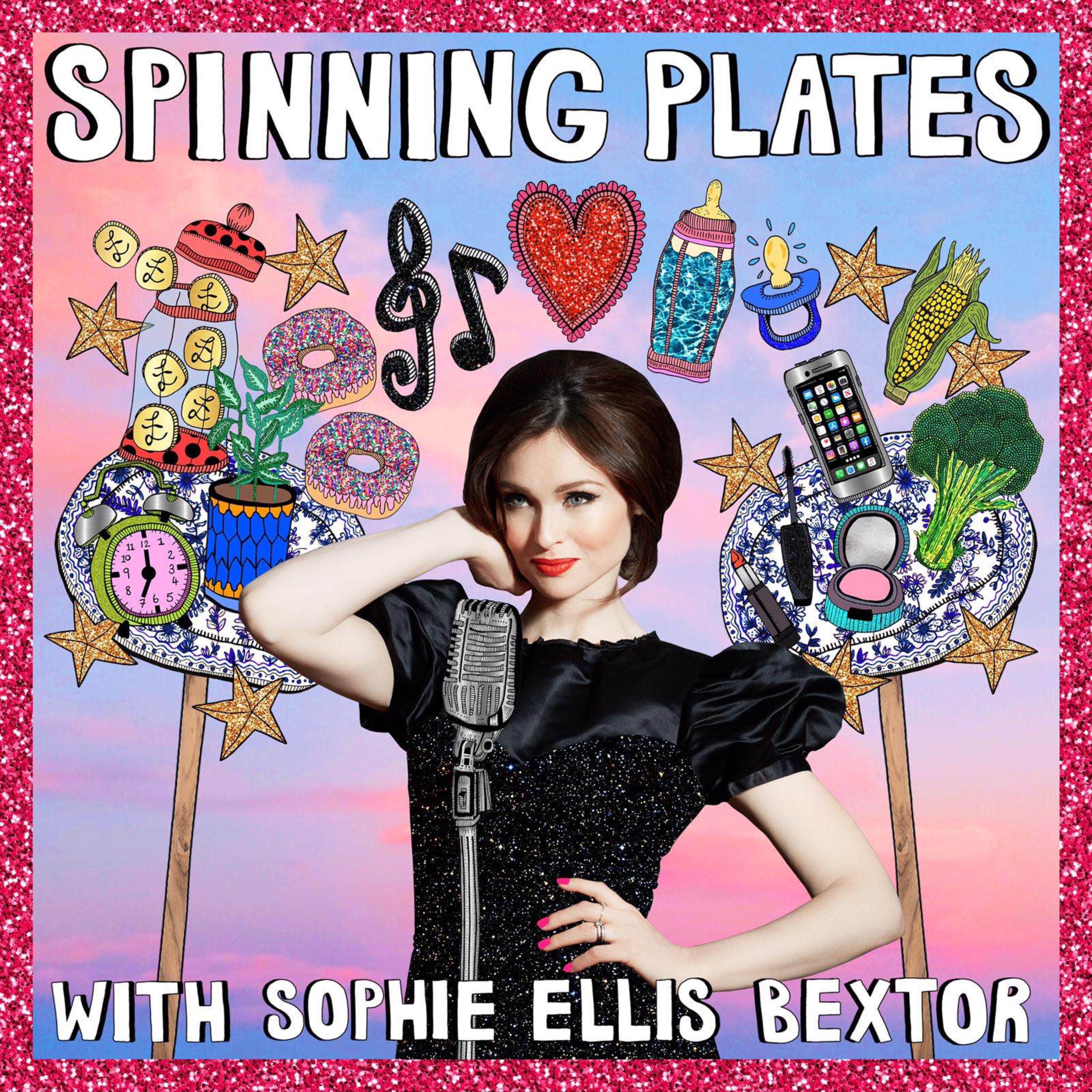
In this episode of Spinning Plates, host Sophie Ellis-Bextor speaks with Julia Samuel, a renowned psychotherapist and author known for her expertise in grief counseling. The conversation delves into the complexities of motherhood, the challenges of balancing work and parenting, and the nuances of raising adult children.
Written by AI. May contain mistakes.

Get the gist, explore an idea or ask about something said.
 Claude
On Spinning Plates with Sophie Ellis-Bextor, what are the key points of this episode?
Searching your listeningAutomatic transcript. May contain errors.
0:04Hello, I'm Sophie Ellis-Bexter and welcome to Spinning Plates, the podcast where I speak to busy working women who also happen to be mothers about how they make it work. I'm a singer and I've released seven albums in between having my five sons aged 16 months to 16 years, so I spin a few plates myself. Being a mother can be the most amazing thing, but can also be hard to find time for yourself and your own ambitions. I want to be a bit nosy and see how other people balance everything. Welcome to Spinning Plates. Hello, I'm back in London town and I'm excited. I had a lovely, lovely tour. It was really nice.
0:43I'm so glad I went. It was really successful and very, I feel very heartful after seeing all those people that were waiting for me in each country. But I was very ready to be back in my own bed and seeing the kids. and just having proper family time. I just, yeah, I found it felt like a long two and a half weeks. And I guess that is quite a long time. And even after all these years of doing what I do, I think I can still count on one hand the number of trips I've done at that length. Last year, I definitely did one of them. And then also I've done Australian trips and that's usually like that.
1:30you know two and a half weeks pretty pretty epic but we did nine countries we did 13 shows and it was great and if you were there thank you thank you thank you it's funny i've even now i'm still like wow there's people waiting for me in a foreign land exciting uh and i'm so i'm walking just collecting my 13 year old from something and what a glorious bit of weather we're having here in London it's spectacular it's um it's blue sky and sunshine but it's also autumnal so everything looks beautiful all the oranges and browns and greens and I've got on you know like jeans and a shirt but then only a cardi because it's not actually that cold so um podcast where are we at so this week's guest is someone that I've wanted to speak to the podcast for a little while because I think she's so wise and interesting and then very happily after I'd followed Julia Samuel for a little while she reached out to me asking if I would do her podcast so I went to her house and we had a really lovely chat and as you would expect from someone as empathetic and smart and sensitive as Julia it was really insightful and I felt that we spoke about things I hadn't really spoken about with other people which was really refreshing I think it shows you what a good listener she is because it meant that the conversation can kind of bounce in different areas.
3:12Julia Samuel works as a psychotherapist. She's also an author. And I first heard about her as a grief counsellor, being referred to as someone who'd really helped someone in the public eye. And I remember thinking, wow, who is this person that was such a rock for this person when they were dealing with grief and how to break terrible news to their child? and be given a little bit of a steer. And that's what first made me sort of pick up my ears. I then realised I actually already knew about Julia's charity, which is Child Bereavement UK, which has just had its 30th birthday. She works as an agony aunt as well for Climb's Luxury.
3:58As I said, she's got a podcast. And she still sees clients. And Julia is mother to four and also has ten grandchildren. How cool is that? At the time of recording, they were 18 months to 18 years. And I'm not going to correct that because it sounds so neat, doesn't it? 18 months to 18 years. Actually, that reminds me, I think my intro on the podcast still says I have children from 16 months to 16 years, even though now they are six and six, between six and 21. Jeez, I've got to update that. Anyway, it was interesting to me as well to hear Julia talk about the guilt she felt about working so hard when the children were little but then I always say when people say that but you have such a lovely relationship with your kids now so there's got to be proof in the pudding hasn't there and also as Julie and I spoke about with adult children the parenting continues it doesn't just stop when they when they leave home you know you're always there in that role anyway um we spoke about lots of lovely things and it was a pleasure and so as I walk in the sunshine i'll listen back with you and uh yeah thank you to her and i'll see you on the other side sorry i've been walking and talking to myself but everybody seems to be thinking that's completely normal love london all right see you in a bit
5:30julia it's so lovely to see you how are you i'm good lovely to see you on a warm summer's day i I know, it's beautiful out. It makes me feel, everything is easier for me when the weather's like this. The days just start better. I think I respond well to the sunshine. I love seeing the way people tip out into the street and the parks and kind of wearing less clothes. It just feels like life's a bit warmer and more fun. Less kind of white knuckling and tucked into themselves. I would agree. And also I think as we are both people who live in London, I feel like London really comes into its own when the sun shines.
6:09Me too and that we have these incredible parks that you don't really see in other cities. It's because one of the greenest capitals in the world actually London. Good knowledge Sophie Ellis-Vexter. I've got so many fun facts about different places I visit but London is a good one for fun facts for sure. And what are you up to at the moment with your work? What's your working week look like? So I'm doing a juggle like you, like the perfect title for the podcast in that I have a column for Times Luxury, an agony art column that I really enjoy. And I see a lot of clients. So I see probably 15, 16 clients a week.
6:51And that's still very much the heart of me. I think if everything else fell away, I'm kind of wired to sit in a room with people and work as a therapist. So that's my main kind of beating heart. And I'm doing the podcast. And we do kind of different versions of the podcast. So we do interviews with well-known people like you, which was a lovely conversation. And then actually like you as well, we have these, every other episode, we have unheard voices, which I like, which are particularly kind of issues and challenges that you don't hear about very often through newspapers or media. And so we want to kind of highlight and normalize often what people find very difficult.
7:40And then we do the agony artists with my daughters. We've set up something called the Samuel Therapy Practice, so a network of therapists for people to be able to find the therapists that they trust. And I've stopped doing two things, which took up a lot of time, which is I was on the ethics committee of Imperial, which was fascinating, which I did for about five years and did it during COVID and everything, which was really interesting. And it kept my link to St Mary's, which was the hospital I worked with for 25 years. And I was a charity on it. I was a trustee on a charity that I've just stepped down from.
8:17And lastly, I guess, a charity I'm found a patron of, Child Bereavement UK. We have just celebrated our 30th anniversary. Congratulations. And we had a wonderful dinner that I didn't have anything to do with, which was amazing having nothing to do with it, at Winter Castle with our patron, the Duke of Cambridge. So it was really lovely. Incredible. Well, huge congratulations with that. That's momentous. And when people say about people being people person, I mean, you really are on a very deep level, clearly someone that gains so much from sitting with someone and just talking in a very deep way and I'm picturing you almost like made up of a mosaic of all of these many conversations because every time you speak to someone who's had a different experience of life it's like it adds more to you, more to the spectrum, more to the world and more to connecting everybody because ultimately that's what we are, isn't it?
9:17Our stories, our experiences and sharing it with each other. I'm like you. I find, I guess, such a good energy from just having a very good conversation with someone where you're very open about things. I mean, that's such a beautiful way to describe it. I think I, I mean, I'm a twin. So I think I'm wired to be in relationship. If you look at twins in utero, their little hands are pressed against each other. their noses are pressed against each other and they're kind of entangled and so I'm I'm always looking for connection I'm like a little heat seeking missile seeing where I can connect and sometimes that's disappointing because I hit a brick wall or I feel kind of I'm quite sensitive to it but also it has given me the greatest joy in my life and I feel like I've sat in my room in W2 or in St.
10:14Mary's at W2 and I've literally traveled the world with people from every walk of life with every complex difficulty and culture and that has taught me and expanded my understanding of myself and the world in a way that I feel incredibly grateful for. It's interesting hearing you talk about the babies in utero and their noses clutching. It's making me think that you must have that instinctive feeling of beginning life, thinking I don't know where I end and you begin, and then forever after keeping trying to find that connection. Where are we the same? What have you experienced that's different?
10:55And then trying to sort of explore that world so that everything draws in closer. I can really see how that would be fused from the get-go. You should be a therapist. Do you know what, Jenny? I think I would. You'd be really good. Oh, thank you. Because of empathy and depth of understanding. It's like, that would be your therapist response, a very good therapist response. But also it's such a pleasure to feel empathy, I think. I feel like I've got better at it over the years as well. I think it's something I always was curious about. And I think if you're creative, it's something that you keep that muscle flexed quite a lot, really, because you're looking for human experience and it's all about connection, really.
11:38But I think the older I get, the more thirsty, curious I am about how everybody else is, who I'm sharing the planet with and what's happening for them and how unfair it can be, the roll of the dice. Yeah. And. The roll of the dice is so random. It is so random. And very unfair. And that sometimes, you know, I've worked with people where not just one devastating thing has happened, but multiple devastating things can happen one after the other. And you just, you know, that book, Why Good Things Happen, or Bad Things Happen to Good People, says it all, really. And also the incredible instinct we have as humans to survive, to keep going on even when we've experienced such pain.
12:29That's extraordinary as well, isn't it? Yeah, I really do. I mean, I think if you dig into that, there's so much within that that I'd love to understand more about because some of it is genetics, like how you were made, where some people are born more resilient. Some of it is your environment, how you're brought up, that if you have enough good things put into you, insecure attachment and love, that enables you to withstand great storms. It's like an oak tree that has deeper roots that can withstand. And sometimes it's the luck of sharing that terrible thing with someone who supports you. Like I've heard on your podcast, you know, people have had very difficult experiences, but actually they've chosen the right person to be with that has helped them support each other and that we co-regulate and we co, you know, how we get through things is not feeling alone, that the love of others is what enables us to survive.
13:28But the thing that kind of ceaselessly surprises me is this capacity to overcome tragedies of enormous complexity. And what people talk about is, and what research shows, is post-traumatic growth. That through the terrible thing, and it never makes the terrible thing good, People learn that they are stronger than they expected, that they can survive things they never expected to, that their perception of what matters changes. So it's much more about meaning and love than it is about success and money, for instance. And that people become kind of bigger inside. I mean, that isn't true of everybody.
14:18Some people, it leads them to a terrible breakdown, to extreme end suicide. So it isn't all people at all. That's very true. I suppose when you're walking into a room, well, firstly, what stage in the process do people tend to meet you? I mean, that's really varied. so it could be I mean a few days after the suicide of their son for instance which happened to me recently because people are just so thrown into this alien planet I hope I can have a conversation with them which will help them begin to have
15:12understanding of where they are and normalize what their experience is and give them some kind of insight on what can support them. But also kind of recognize that the pain is unbelievably intense. It's not that they aren't coping with it, but that, you know, The pain is unbearable and that's why they feel it is unbearable. But it sort of legitimized that and support them in it rather than trying. Often friends and family want to get you out of what's bad and actually meeting what's bad and allowing what's bad is what allows us to adapt and find ways of accommodating what is very difficult. but it is the support of others that makes the difference that enables people to survive and maybe this is too personal a question but would you I mean do you get upset in front you do you cry with them I know that's I'm just thinking of how I would receive someone talking like that in such a raw way about something so intimate so sometimes I'm tearful I mean I don't kind of cry.
16:28Yeah, you're not sobbing. I'm not sobbing. That might be a little bit of a tip. Too much, yeah, I can see that. But they end up, you know, putting their arm around me and checking that I'm okay. I mean, it definitely affects me. So I have a bad night's sleep sometimes when I have bad images in my head. So I was at St. Mary's Paddington for 25 years supporting families where children died or babies died. And, you know, there were times I'd go up to the intensive care unit and a child that was about to die was wearing the pyjamas of my own child. You know, so that, and I actually could feel myself fainting as I walked into the room.
17:12So I'm laughing, but it was awful. So I had to go out, breathe, get a glass of water, go back in. And so those, you know, like you said, the mosaic, I think people's stories kind of live on in me in a way that does two things. One is I am more nervous. So I, you know, if my children, even now in their forties have a headache, I sort of think, is it a brain tumor? Have they got meningitis? And my grandchildren, I kind of panic. And when my children were pregnant, I didn't really fully breathe until the babies were born and felt relief when they got through their first year of life because those are the most kind of vulnerable years.
17:55So I kind of can't not know that babies and children can die for no reason out of the blue. So that is in me. And, you know, my husband has to kind of calm me down or my friends from St. Mary's. I ring them. my daughter Emily who's a psychotherapist on the Therapy Works podcast I went out to America to see her first baby she was living in America and I had a cold and I rang this wonderful consultant Mando Watson who's at St Mary's in floods of tears saying I've got a cold and maybe I'll give the baby pneumonia you know what am I gonna do and I was completely hysterical there was nothing my husband could do that could calm me down and she spoke to me so sweetly she said um is the baby breastfeeding you know this really kind of gentle voice and I said yes and she said well as long as you wash your hands a lot and you know don't sneeze and you know throw your germs all over the baby I'm sure it is going to be fine and just having that calm it down I suppose as well, you have to, I mean, it's all that knowledge.
19:08It's a lot to carry in you. And then remembering that those are the tragic. They're very small percentage. Small percentage. So my perspective is completely warped. So the other end of doing this kind of weird job in a way is that I think, I mean, not when I'm at my best. So, you know, I can be a right pain in the ass about stupid stuff. But at my best, I feel really grateful for being alive. I feel really grateful for every day. I feel so grateful for seeing my children alive and well and my grandchildren. And I think I drink from that well very deeply and feel it very intensely. And so that's the other end.
19:57You know, I think my bandwidth of emotion is broad and that I'm, you know, I feel grateful for that. And speaking of your children, grandkids, there's four children and how many grandbabies have you got now? Ten. Ten. That's a nice round. And five of each. Really? Which I think I'm clever. It's so neat. I think it's literally nothing to do with me, but I go, go me. It keeps it simple. I will never forget it. Yes, exactly. It's very, like, clean. And what's the age range of your grandchildren? So my eldest is 18. She's just finished her A-levels and she's gone off on the Europe trip. And my 16-year-old grandson was 16 yesterday.
20:40He's just done his GCSEs. And then the youngest is Felix. And he was born in January last year. So he's 18 months. Oh, sweet. Again, 18 to 18, 18 months to 18 years. It's all mathematically very pleasing here. A lot of nice numbers going on. A lot of symmetry. Very lot of symmetry. And so, I mean, a huge question, I'm sure, but you mentioned St Mary's, the child wearing the same pyjamas. A client actually came into my office last week wearing the Liberty print of a dress I wore when I was seven. Really? Wow. The clothes that can be... A nostalgia that goes with it as well. Yeah, and I suddenly felt seven, and I had to kind of take a breath and go, no, I'm 65.
21:27I get that with songs more than prints, but I get your point. But when, so when you were working at St. Mary's, were your children all born when that started? Yes, they were. So when I started training after my last son was born, so I started training when I was 29, 30. And what led you to start training? Because before, was it interiors before that then? Good knowledge, Sophie. Got to know a little bit. Yeah, so it was really, I mean, there's outside reasons and there's inside reasons. So the outside reasons was I was asked to be chairman of Wellbeing, which was the charity for the Royal College of Obstetricians and Gynecologists.
22:13And I learned about baby death and miscarriage in a way that I had been lucky enough to be basically completely ignorant of. I mean, I remember learning about Annie Lennox had a stillbirth and that kind of shocked me, but I'd been very lucky. I was very young, pregnant. So, you know, my fertility was good and I, you know, carried these babies, fortunately, very easily. So that put me into that world and I became more interested in it. And then there were things that happened in my family that got me interested in mental health. But also my parents, both of them were bereaved very young. So my mum, by the time she was 25, her father, her mother, her sister and her brother had all died tragically and suddenly.
23:06And my father. I'm so sorry, your poor mother. I know, but she's, I mean, she's dead now. But my father, similarly, I think he was 27 by the time his brother and his father died. So I think there was, you know, in my book, Every Family Has a Story. I talk about epigenetics and transgenerational patterns that come down behaviorally and in the sort of cellular genetics of your body. So I think there was a kind of unconscious wiring in me that drew me to unresolved loss. Yes. And I, you know, the other thing I really do believe, and I don't know if this is true of you in your life, but the unprocessed loss of one generation gets passed down to the next generation until someone's prepared to feel the pain and do the work.
23:52And so I think there was that in me too. Well, actually, you mentioned the sort of unprocessed, you know, the things that haven't been maybe sat with. And I did wonder, because I was listening to you talk about your childhood when you did Desert Island Discs, and I was thinking that maybe there's a sort of, I don't know how to articulate it, sort of charm in the rebellion of just sitting with your feelings and letting them be present and if maybe that's not something that was part of your expectation of family life then being able to invite that and seeing how it actually brings out generally quite good things in other people it happens to me too like with music for example I see it with people so I've had it where there'll be a soundtrack playing to an event and everybody's just not really it seems appropriate but maybe not what it was bringing people into the moment particularly and then if they hear something familiar or fun it just lifts everybody and you realize that that's what everybody was kind of looking for and I wonder if you'd seen that sometimes when you just encourage people to to sit with how they're actually feeling rather than the expectation of of your you know what's the behavioral expectation of where you find yourself I mean I think music is a wonderful lightning conductor that bypasses your kind of prefrontal cortex, which is sort of control and leaps you into your default network, which is your imagination, your memory and your emotions.
25:29So it frees you from kind of being armored and thinky and process, not processing, kind of getting shit done to this moment of awe you know and there's a lot of research about how music is medicine that how music together you have these moments of awe and I think maybe the therapist in you has really learned how to respond to your audience to meet what their needs are by reading you know the stadium or the theater that you're in
26:05when I was thinking about your childhood and I was thinking about when you said about your mother and her the grief and I suppose if you've experienced such profound loss like that and your father too then there's there's almost like that cloaked figure at the table a little bit waiting for the next who else am I going to lose and how will it happen because you've had the awful thing happen. And that's what trauma is. So trauma, unprocessed trauma, brings the past into the present all of the time. So it's like the past is in the present. Trauma has no sense of time. So I think both of my parents did as best a job as they could do of living with it, but there was no understanding of trauma then.
26:52There was no real kind of deep psychological insight. and so they basically white-knuckled it and using the defences in the best way they could. And I think I was the youngest of five, so I was one of five children, two sets of twins. My mum had five children in four years. So that's like your five, but in four years. I mean, I don't think that was capable of that. Your mother was more of a woman than me. And my father always said she overdid it. Your mum, she always overdid it. It makes him sound like he had nothing to do with it, which he definitely did. Well, I think he didn't have an awful lot to do with childcare, to be fair.
27:34It was definitely a contributing factor though, wasn't he? He was. It was an old-fashioned childhood. But I think as the youngest with my twin brother, I think unconsciously was observing a lot. So I didn't say very much. I think I watched what was going on a lot, partly because it was a bit unpredictable and a tiny bit scary at times, but also because that was the role as the youngest that I took. And that was an amazing learning as a therapist because I began to read what people weren't saying. And I began to kind of try and make sense of, attune to what was going on. and then see how I could get my needs met, sneakily in a way.
28:31And so I think that was how I learned to be a therapist. And I think being a twin as well. Yeah. Although my twin brother, Hugo, probably wouldn't say that. But also I think in bigger families, particularly the little ones, do get a bit more stealthy like that, I think, because you can go a little under the radar. you've got a lot of family dynamics to watch and see what works and maybe a more extrovert sibling that will try something you think that didn't work interesting yes that oh that worked okay yes but it's unconscious too because you don't even know that you're doing things down kind of rule book age five but I think that's just part and parcel of growing up in it what's already a little community like that does that happen in the dynamic with your five very much Yeah, and I think I can see as well that, you know, where you are in the running order of the family makes a difference.
29:26Enormous difference. Yeah, you take different things on. And I think I've been a slightly different parent to each of them as well. It's always a learning game, isn't it? So, I mean, I think the sort of blank understanding of children and families was, you know, we all had the same childhood and we had the same parents. but that you know you're very insightful because it's true I think everybody in a family has their own unique experiences within where they are within the birth order whether in really what they kind of ignite in their each of their parents if they have two or their caregiver and so their response to what happens to them is unique to them and I think in family systems it's expected that you would react the same so obviously I see it a lot where there's tragedy and that you know the young people in the family one may go dancing when a parent has died or a sibling has died and one may stay in their room and go on computer games another one may never stop crying and then the parents are like oh my god you know I don't know how to navigate this and I don't know how to cope with it because, you know, which one's wrong?
30:44And my response is that there isn't a right or a wrong way, that what you need to allow in a family is each person to name what their experience is and have open conversations to allow it and have a kind of broader narrative of what the individual narrative is. because otherwise you can get these fractions. So you could have the one that's just going is doesn't care, is selfish, and the one that's in their room or the one that's crying is doing it right, for instance, could be a... Yeah, I can see that. I think that's culturally we've moved on. I was going to ask you what you think of the culture of therapy and grief.
31:29How has it, in your experience since you've been working in that field, how has it changed? It's really changed a lot. So I've been doing it for like 33 years. And when I started, I didn't know any other therapists. I never saw it in the newspapers. I never saw mental health discussed publicly. There was never anything on TV. They were kind of like you get the odd weirdo part of a therapist in a film. and I've just done a TV series for BBC One called Change Your Mind, Change Your Life. So it's, you know, where four therapists are practicing therapy. So it's really come out into the kind of broader culture.
32:17I think there is. It's so true, yeah. And conversationally as well, people are much more open about if they're seeing someone or what's working for them. There's still generational gaps. so maybe my generation in 60s um us baby boomers and those older would still feel a little kind of judgmental about it or see mental health as something that you hide um i think at the other end where there's there's so much conversation about mental health that there's a confusion between normal feelings like feeling worried or kind of feeling low and conflating them and making them a medical diagnosis like I have anxiety disorder you know self-diagnosing in a way that is limiting and fixes you as something is wrong with you and you need kind of medication rather than recognizing that we all have exactly I think that and I suppose the positive that's come out of all of it is I think that the language we now have at our disposal to explain how we're feeling or experiencing I think that's there's a that's got a lot broader which is a really helpful thing and also accepting that people have different needs and if you're feeling one of those fluctuations and something isn't working for you you have the opportunity to say actually I want to do it a different way and that being just as valid um I think the bit that is still not really talked about and is stigmatized and is filled with fear is serious mental health disorders.
33:55Schizophrenia, bipolar, people who are seriously ill, people who have psychosis, psychotic episodes. I think, I mean, I find it difficult to understand them and work with people with serious psychiatric disorders. And I think there's still a lot of judgment around that and not enough funding, of course, within the NHS and that people can wait for years to get psychiatric input that they need or the psychotherapy that they need and may die waiting because they're suicidal. Yeah, that's horrific. It's horrific, yeah. I suppose the big question that I haven't yet asked but how on earth did you deal with establishing Child Bereavement UK and all the experience you're having at Queen Mary's whilst you had young children at home?
34:49Where are you putting all those feelings when you go home and how did it affect your early mothering, I suppose? I mean, when I look back, Like one of the kind of deepest questions for me was, or is rather, and still is, did I spend too much time supporting people I'd never met and helping build an organization for people that I didn't know and not enough time with my children that I love more than anything in the world? and you know it makes me slightly tearful asking that question because I don't have an answer um I think my children did at some level pay a price that I was working very hard um and didn't give them enough attention at different times and was very preoccupied with fundraising, with, you know, training doctors, getting it into hospitals with my job at St.
35:59Mary's, which in some ways was, it was very demanding, but it was, you know, parenting, playing with a child on the floor, changing nappies is repetitious and pretty boring. a lot of the time there are those glorious moments and so what you know I think there was a bit of me that kind of was pulled to do the stuff that felt so important when being at home is fundamentally much more important so I kind of have a even saying it makes me feel a bit yucky to be honest I understand that feeling and I can relate to that as well I think um you know you're clearly not just driven by something that's got immense immense value but also clearly ambitious and pushed yourself into lots of things and still now keep a very busy full life but I suppose an ambition I think in my upbringing and as a woman and as a mother
37:12is a little bit shameful, I think. It doesn't feel entirely clean. I think that's very astute, and I think that that's something that still surrounds a lot of working women. And I think sometimes the very words we use to describe aspects of women's career can be different, nuanced. I mean, it wasn't long ago I was speaking to someone, a man, 20 years older than me, and he was talking about if I want to now start taking a little bit more time quietly with my work. And I said, well, how are you feeling in your mid-40s, which is where I am now? And he said, driven. And I said, well, that's me. But I don't think we think in those terms all the time about what it is to build the work and what you're creating.
38:00So I think that still exists. but it's a massive dilemma it is because I love my kids and you know I really know from all of my training about the good enough parent like the imperfect family is the normal family and that we never get everything right and we do the best we can but I definitely have a a template and my children I think you know there are things that they've had difficulties with that I haven't, that I may, I have been a source of, that I haven't helped them well enough with, or I haven't been able to make a difference enough, or I didn't respond effectively. And that is extremely painful.
38:51And so there is a part of me that would want to have been able to get everything right. And I, you know, I wish I had. were in my shoes you would just be saying firstly that doesn't exist and secondly not very long ago in our conversation you were saying about your children and your grandchildren and how you have this wonderful life with them and you are so aware of it that you are that same person that's also created that family and all of those roots and I don't think there is a version of events where those two things you get the both of those things exactly right but actually the long game of parenting and creating a family is is we're still in it they're still they're still here they still talk to you they're still you know you write a column with your daughters it's like yeah it's all happening the parenting is still going on and you would you would definitely be able to reassure you if you sat here about the significance of the role you've played and what you've given and your children and how close they still want to be to you.
39:58Children that are unhappy, they don't stick around, do they? I mean, that is kind. I sort of feel it. I don't know. It's such guilt. I think women, mothers, are wired to feel guilty. It's an evolutionary feeling in order to make sure that you don't abandon your kids and then starve to death. But guilt is, and so it's useful and necessary. But also, in my case, it's, I feel guilty. I mean, I definitely feel guilty. And I agree with what you say. I, you know, I see our kids all the time. I do see our grandchildren all the time. And I'm kind of in love with my grandchildren. And, you know, when my first granddaughter was born, I kind of fell in love all over again, but also with much more freedom because it wasn't the responsibility.
40:55It's the most amazing relationship. And she gives me such shit. My granddaughter, I did a terrible ad for Siri Toothbrushes on Therapyworks and she recorded it and now plays it to me. And sort of takes the piss all the time, which I really love. But also, you know, tells me stuff. And, you know, when she's like done her A-levels, I sort of feel incredibly proud of her, like she's got through. So it feels a bit like my child, but also not my child. So your mum must feel that's the same. Yes, and I'm very much looking forward to that chapter myself. I would like a lot of grandbabies, please. Everybody that talks about that chapter just says how lovely it is and that lovely relationship with your grandchildren.
41:47It seems very special. It's much less complicated. I mean, actually, I feel guilty too because, well, if they need help and I can't, I have a lot of friends who like give two days a week to support their children looking after their grandchildren who collect them from school and take them home and give them tea. I'm not that grandmother in the way that I wasn't that mother. But then would you have been good at that mother role? How would you have felt in yourself? I mean, you might have been home more, but would they come home to a version of you that they would really feel is singing to them?
42:21I agree. I mean, I was actually always home for tea, so I didn't ever... I know, you're making me feel guilty. It's the defensive. It's like, I didn't want to give the impression I wasn't there at tea time or bath time. I really was every day, but... Well, that's really impressive. My kids ask me every day if I'm putting them to bed every single day. Is it you putting us to bed tonight? Because your job is an evening job. My job is a day job. But I suppose you spend a lot of time thinking about the significance of the moments we have with the people we love when they are here. And I cannot imagine how it must feel to carry that all the time and have those stories and the experience of loss.
43:06I mean, I don't know how you wouldn't be able to have that sit with you because that's what you're coming to terms with on a daily basis. So there's big, broad brushstrokes of grief and loss and change. And then there's the more subtle everyday shifts. And those things take time. They do. I mean, I wrote a book about it called This Too Shall Pass, that, you know, life is change and families are a process of change all of the time. Yeah. You know, whether it's a child going to school, whether it's a mother who's menopausal, whether it's a grandparent that dies, that every day there is change within a family system.
43:57Yeah. And the families that have that capacity to change and adapt and allow the discomfort of it, you know, not try and control, not try and hold on, which I think we all instinctively do, are the families that thrive. That when they adapt and flexible, we do better in families. And actually, that I'm not so bad at. so I've I think doing my job having a lot of therapy I'm uh I allow change I don't find it comfortable you know my husband's I'm you know if I'm stomping around in a bad mood he kind of says what's wrong with you 45 years later you've been married for 45 years yeah you were only 20 when you got married I was 20 yeah I mean that's two years older than your granddaughter how do you feel about that that's so funny yeah I mean I was a child dressed up as a grown-up I mean I just I had quite a lot of kind of grown-up behaviors and I think being brought up in the way that we were brought up we kind of accelerated um into adulthood and and you know this generation my daughter's generation are parenting more than any parent has ever parented.
45:20So that the research shows that millennials are parenting more intensely than any generation before them. That's fascinating. I actually didn't know that. Yeah. I mean, that's a whole other conversation as well about the shifts in parenting and where that even from my first baby to my last, what I was being told of what was the important stuff to get right shifted. So what's changed? So for my eldest, who was born in 2004, that would be a time of, for example, the naughty step, where they'd have to sit there for as many minutes as they were years. It was still having... Now that would be absolutely verboten, wouldn't it?
46:04Yeah, so there's another layer of guilt to add in. We used to send ours to their room. Yeah. Come back when you've calmed down. Exactly, all of that. And I think there was more sort of boundaries of discipline maybe and repercussions for bad behaviour, whereas with my youngest, born 2019, it's more about I see you're angry. I name it. There's nothing wrong with that. We just can't kick or shout at people. And we're angry. But I totally understand you're angry. The thing I find the hardest, which is such a babyish thing, I think is the fact that as a parent you feel you're supposed to be modelling this patient.
46:52Reflective, calm. Yeah, all the time. And you can't. You really can't. So I think now the next phase might be about giving yourself a little bit of a slack when you do lose it a little bit. because I definitely have done that. But also... And will continue to. In the way that you did with me, you're modelling that you lose it and that losing it is healthy and that then you repair. So, you know, what you want to model is that all emotions happen in us and get expressed. Yeah. But the house doesn't fall in. You know, the sky doesn't fall in. And the big thing is rupture and repair. so that when you lose it, you sometimes can't make up straight away because you're still furious.
47:42But a few hours later or the next morning, you have that reflective model inside that can go to your child and say, listen, I'd had a really bad day at work or I didn't sleep well, I just, you know, it wasn't my best day. Sorry, I lost it with you. I mean, I think one of the interesting things about parenting now is one of the things parents say all the time, both parents, mothers and fathers, is, you know, all I want you to do is to be healthy and happy when they're not happy themselves. So they're not modeling being happy. So the thing about working parents, so to speak, for the other side of me, is that if you, as a child, you see both parents doing something that gives them satisfaction, that is meaningful, pays the bills, keeps the lights on, then that's what you learn.
48:37Whereas seeing a mother who is just, not just, who is all of their attention is on your performance and you succeeding for them is a lot of pressure. I would agree. Also, then when they grow up and do their own thing, when the relationship moves into that bit what's what's the next chapter you know so I think well done you've just given your therapist response to yourself yes also to me I mean I suppose it's interesting to hear you talk so much about the guilt aspect because I would have thought if you're top and tailing your days at home for me that's such a significant thing to be be present and be there but I suppose if you're when you're in the doing and there's nothing like is there that bit where your children are still young enough to be at school and you're in the real momentum of everything that all the little shoots that you're watering every day there's never really another time in your life quite like that I don't think in terms of how thin you can spread yourself I think that's really true and so I do feel released from that having children you know two of my children in their 40s to a late 30s um and so i i do feel liberated to work as much as i choose although there are little guilt things about being a grandmother but that it isn't an overriding guilt no and you don't want to waste the moment by feeling guilty about things really because there's nothing you can do about it so it's better just to be a bit more forgiving with yourself I think.
50:23Thanks.
50:27How about when they were growing up in terms of Well I just think parenting adult children is an area that isn't explored enough. Oh yes I would agree with that. And that that is a whole chapter from sort of 18 to 25 and then 25 to 35 are two different operating systems I think as a parent. What would you think I need to know about those bits? Well the 18 to 25 there's a phase of it by an American psychologist called Jeffrey Arnick called emerging adulthood and what he talks about is that young people today develop slower than say my generation because they're parented more they're likely to be educated more their lifespan is likely to be longer so they're likely to work into their kind of late 70s rather than thinking of 65 as a time to retire and so that they launch slower and so their parents might be looking at them saying by the time I was 22 I was already qualified or I did my job and here you are going backpacking and you need to take your life, you know, there's a lot of tension around that.
51:48And but also kind of recognizing when to step back. And I think what's really difficult, and I don't know if this is true for you, is that difficult path to walk between being there enough to support, but being there to over parent and not let them fall on their face and learn from their mistakes yeah you know so the the pathway between over and under parenting I think is very difficult I would totally agree with that I think that's um symptomatic of modern life as well because we have the ability I mean I went under the radar a lot in my teens I would not have wanted a little apple tag slid inside a secret compartment in my school bag thanks so being tracked on your phone no and actually this might be a controversial point but I don't do that to my my teenagers I haven't used those things I I would if I thought they were not safe but in terms of them going about their day I feel like if we've got to a point where I have to look at an app to see if they're telling me the truth then maybe there's other things I want to focus on before it's the apps yeah I agree the communication streams are just that's so vital isn't it and if you trust your kids they tend to be trustworthy so if you're checking on them all the time and not instinctively not trusting them then they're more likely to kind of want to hide from you and be secret absolutely I would absolutely I think and that's interesting what you said about the slow launch I totally that really resonates as well and that comparison to the ages we did things compared to even my eldest I left home at 16 I mean I wouldn't you know I look at my 16 year old grandson it's just extraordinary where did you maybe move to a different place?
53:36So I did my A-levels very young so I did them at 16 and then I went to Oxford to do a secretarial course because I'm a girl so that's what I'm meant to do. But why did you do your A-levels so early? Oh because I have a September birthday partly I don't really know why. Ah you must have been super bright at school got them done and then then they sent you off to be. I don't know there wasn't a lot of thought going into my education I don't think. um it was like get it done quicker the better cheaper um and yeah I mean I basically went to Oxford to do my uh secretarial and then I went to live in Paris and then I moved in with my husband when I was 18 and a half and I never went home wow you've managed to fit in Paris yeah incredible I had a job at Revlon Cosmetics.
54:29I got sacked for putting salt in the tea and not really speaking French. And I'd lied. I'd lied about how good my French was. And all the other secretaries really looked. I mean, when I was 18, I looked 12. I mean, I had little chubby cheeks. And I was like this little child. And these other secretaries really looked after me. and they did all my secretary work that I was meant to do. They translated for me, they typed for me. Incredible. You're always the baby of the bunch wherever you go. You get that dynamic working again. But then there was this big board meeting with Charles Revson, who is the kind of leader of Revlon Cosmetics, and I got muddled with Sol and Sel.
55:16And I got fired, which is fair enough. I think that was a good call. I wouldn't have employed me either. That is an incredible story. It's funny. I've tried tea with salt. It doesn't taste nice. No. I wouldn't sack someone over it. I also got sacked from waitressing. So I was waitressing in the city and I was about 18 and a man pinched my bottom and I hit him with the spoon that I was serving with and I got sacked for that. You wouldn't get sacked for that now. You would not. No. Wow. I wish I'd punched him actually. if you're going to get a sacked bunch of gold there spoons too light exactly um um do you think when you because if you've been with your partner your husband since you were 18 do you think my my mum has a theory that when you first fall in love with somebody no matter how long you're together a part of you sees each other the agey well you first met like a little part do you think it's kept part of you crystallized as a sort of 18, 20 sort of time.
56:26I love that idea. It's a nice idea. I know what she means. I think it happens with friendships as well and siblings and family dynamics sometimes. There's different like drops in the ocean of like where something kind of like another layer forms, you know? Yeah. I mean, I think we, you know, we grew up together basically. and there is something about going through all of our adult life as a partnership, as a team. And I think he actually more sees a kind of, when we work well together, I think it's when he can see my seven-year-old rather than my 18-year-old, because I think when I was 18 I was really seven, but, you know, dressed up.
57:16I mean, when I got married, I opened an account at Peter Jones. I thought, okay, that is the definition. Adulthood. Adulthood. I worked in publishing as a secretary, and I got the tube, and I opened a Peter Jones account. And I opened an accounts book, because I thought I have to keep a kind of ledger of what we're spending. And I've still got the book. I mean, I was never good at maths. And on the first page, I do all the things, you know, meat, paying the bills. And at the bottom, it says either 487 or 600. I mean, a completely unrelated number. So you could see like I was this child just pretending to be a grown-up, like doing her kind of ledger for housekeeping.
58:10Wow. So the time when you turned to the work you now do must have felt revelatory at that time to finally find the thing that made sense. I was born to do. And you know you're good at it and it enriches you. That must have been absolutely life-changing. It was completely life-changing. I mean, I remember training and going into that room and learning about this whole interior world and internal life and ways of understanding how we are as human beings that literally blew my mind. And I mean, one of the things my husband had to weather was me coming home and practicing everything on him. You know, only exercise we did on the training, I'd make him do.
58:54And, you know, it's a bit of a test on your marriage, saying like, you know, I won't go into it. What about for your children? What about when you bring the sort of therapist mind to that? Can they tell? Is there a question? So there's definitely, I mean, not now because they're adults, but when they were teenagers, it was like, don't that me. And which is fair enough. But how, was there ever a point where you thought, I don't think I can keep being so open? I did speak once to a psychotherapist who felt like she, she started to soak in people's sadness, even sitting on a bus or, you know, meeting someone.
59:35I just felt like it was getting too much. Is that ever something you've experienced, that feeling? I mean, there is that spectrum of vulnerability where you're completely porous at one end, where you're so open that you do that, or you're completely locked to the other end where you're totally invulnerable. And ideally, we're kind of in the middle where we can move between the two. And I felt knackered, but I have never really felt totally porous or totally locked. I do a lot of shit to make sure I try and stay balanced. Like I take a lot of exercise, I kickbox, I meditate, I do the stuff. I dance to music in the kitchen.
1:00:16I look for joy. So I really work hard intentionally at staying alive when I'm faced with a lot of death. Well, cheers to that. and your kids aren't here but I know that if I had a mother who had done all the work you've done and also kickboxers I'd be absolutely thrilled so guilt be gone thank you so much Julia and I really want to continue the conversation about adult children but I think that's another day I need help with that bit too thank you so much yeah it was thank you
1:00:57how cool is that about kickboxing Come on, that's cool. Dancing in the kitchen, of course, I can relate. But I wish I had the leg strength to kick. Actually, I do kick on stage. Maybe I should do some kickboxing. I think it could be quite good for me. Do you know what, actually, if I'm being totally honest, the bit I'm the most impressed with is meditating. I don't think I'm very good at doing that. But then, I don't know. How do you find that kind of thing? Maybe there's a flow state you reach other ways, and that's my version of a meditation, like when I'm making music. I don't know. Anyway, I think we've all got to do the things we need to make us feel grounded, particularly when you're porous to other people's stories and other people's grief.
1:01:39It's important to still know how to keep yourself calibrated. And it was such a joy to speak to Julia. What a wise woman. I felt very spoiled to have all that time with her. It was great. And I really thank her for that. I've been loitering here. I'm just about to collect Ray from something. and uh what am I up to this weekend well given I've just got back from tour I've got to unpack all my stuff actually I've had a bit of a soft landing with that because the tour bus is still not quite in London it's got it's here in about an hour and that's got most of my stuff on it including all the stuff I picked up in like secondhand shops while I was away but um for now I've just got like my hand luggage which I've been opening up and finding little things I'd caught like found for the kids and for the house and that kind of thing and then um this afternoon I'd like to see my mum and my sister and my little niece, Alba, who's only small.
1:02:34She's four and a half months. And then it's my dad's birthday, so I'll phone him in a bit. Big boy, 72 today. And then tomorrow we've got a Sunday lunch with all the kids. Absolutely perfect. And then for the next two weeks, I'm just home. So I'm doing lots and bits of bobs while the kids are at school, and then I've kept myself really clear in the evenings, which feels luxurious. and then head to America for some more shows, which will be good because I'm excited to go there again. So, you know, everything is all right. But mainly, thank you so much for listening this week. Thank you to Claire Jones for producing the podcast.
1:03:14Can't speak. Thank you to Richard for doing the edit. Thank you to Julia for being such a gorgeous guest and for giving her time and her wisdom. and a little shout out to Ella May who is always part of this podcast in spirit she'll be back with her artwork soon but I think that's it for the thank yous aside from you you're the most important one it's you who lent me your ears so thank you so much and I will see you next week wherever you're up to this week have a peaceful one and yeah thanks for joining me see you soon I'll keep the suggestions coming alright
1:04:01Thank you.
Julia Samuel is a psychotherapist and an author, who is best known as a grief counsellor. She was one of the founders of Child Bereavement UK which has just had its 30th anniversary. She has an agony aunt column for Times Luxury, she has a podcast, and she sees about 15 clients a week, describing that as ‘the heart of me’.
She has 4 grown up children and 10 grandchildren aged 18 months to 18 years.
When I met with Julia, we talked about the guilt she felt as a mum to young children, when she felt her work sometimes became her priority.
Julia also talk to me about an area she feels needs more conversation and exploration, which is the parenting of adult children (aged 18-25) during a phase called ‘emerging adulthood’. I was all ears about that!
Spinning Plates is presented by Sophie Ellis-Bextor, produced by Claire Jones and post-production by Richard Jones.
Hosted on Acast. See acast.com/privacy for more information.