Ask ChatGPT
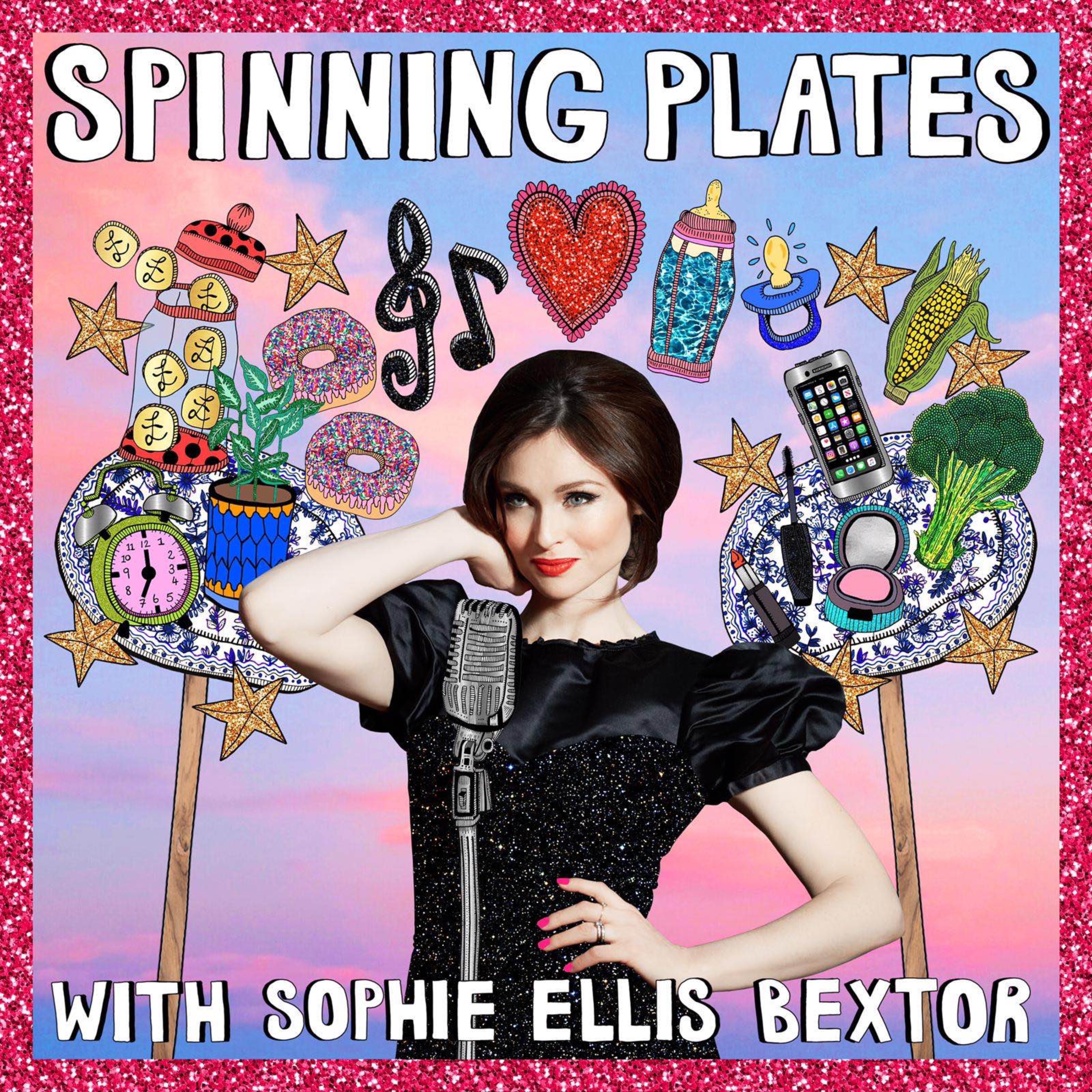


Host: Sophie Ellis-Bextor
Conversations with busy working mothers about balancing personal ambitions and motherhood.
Lara Maiklem, author and mudlark, known for searching the banks of the River Thames for historical treasures.
Written by AI. May contain mistakes.

Get the gist, explore an idea or ask about something said.
 Claude
On Spinning Plates with Sophie Ellis-Bextor, what are the key points of this episode?
Searching your listeningAutomatic transcript. May contain errors.
0:04Hello, I'm Sophie Ellis-Bexter and welcome to Spinning Plates, the podcast where I speak to busy working women who also happen to be mothers about how they make it work. I'm a singer and I've released seven albums in between having my five sons aged 16 months to 16 years, so I spin a few plates myself. Being a mother can be the most amazing thing, but it can also be hard to find time for yourself and your own ambitions. I want to be a bit nosy and see how other people balance everything. Welcome to Spinning Plates. good day it is what day is it why me Thursday already what this week is flying uh just dropped off the smallest two at school and I'm going back home to get changed because I'm off to see Giovanna Fletcher today to do her podcast which would be lovely because um Giovanna was a guest on spinning plates a while back we've kept in touch since then so it'd be really nice to see her and I cannot go to see her dressed as I am because I'm wearing it's just too crazy I basically I had a really quick shower and wash my hair in that hour of getting the kids up and then getting them out the door which I think is a little ambitious and then with hair still kind of like soaking wet I've thrown on and looking down at myself it's actually funny I've got like pale pale trainers that's relevant because I would have normally put dark trainers on with the rest of the outfit so like kind of pale color trainers then my new palazzo jeans which look they are pretty fabulous but they're like properly wide you know like we're talking full-on flair so that's a lot going on in itself then a roses shirt that I got when I was away like a second-hand one so That's quite loud.
1:57Then, don't worry, I kept going. Blue belt. Okay, bear with me. Maybe if I didn't have everything else, that'd be all right. Then a kind of very bright pink cardigan. Then, final flourish, another pink, a baby pink satin baseball jacket. Oh, dear. So, hey, at least I didn't just go for black, but I just, I am aware that I look. it's just quite intense it's sending out a lot of messages and none of them say I know what I'm doing so I'm gonna go and get changed have a coffee and go and see her and this week has been very cute actually well actually I said that and then I caught myself because it's been it's been cute in terms of what I've been up to I've had lots of family time I've been in every night just been spending lots of time with my kids I missed them so much when I was away and they're being so adorable or big and small, they're all being lovely.
2:56And so I've just kept myself very close to home and any work I've been doing has all been within school hours as well. So I feel very centred with all that. But yesterday was a sad day and I'm sorry to go from my ridiculous outfit to something very sad, but one of my cats got hit by a car yesterday morning and she died. So I think we are a little bit reeling from that because I'm sure any cat owners out there will understand this feeling. You know, I didn't spend all day every day surrounded by the cats, but it was just sort of like they'd do their own thing. I'd do my own thing and we'd like reconvene, you know, meal times and come and sit on our laps or come and walk across the kids' homework when they're trying to do things.
3:39You know, they're just sort of around. And so one of the kittens, Ash, who'd literally just had her first birthday, I'll really miss her and also she was really close to Jesse my nine-year-old so he was really sad yesterday and had to come home from school early and yeah he's he's feeling it the most I would say but it matters to all of us because we're a we're a cat household and there's always that kind of cat energy and yeah so I'm sort of getting my head around that and it's sad isn't it it's just a sad think the only good aspect I suppose is it was very quick and I don't think she would have been very aware of what was happening and and also thank you to whoever handed her in to the vets I really really appreciate that um anyway sorry to bring you down with that but in happier times I've got a lovely quiet weekend at home and then next week I'm home all the time as well until Friday when I go to North America I've got my gigs there which actually I'm quite looking forward to and I do think it'll fly quite quick because it's only six shows and it's like a ten-day trip.
4:47So I think it'll just rock its way onwards. Anyway, talking of, like, cosy weeks and not getting up too much, like I'm doing, I'm really fascinated by my guest this week, by her hobby, because I think it sounds incredibly mindful, but also fascinating. so Laura Makelum is a mudlarker which in and of itself is just such a satisfying thing to say you do I'm sorry I would love to be able to say I do mudlarking just sounds pretty incredible doesn't it anything's got lark in it there and larking about always associated with fun times and mudlarking is literally walking along the banks of the Thames or the river or wherever you find yourself and looking to see what has been washed up what's come to the surface and Laura does not use any tools she doesn't use metal detectors nothing like that so she just walks very slowly looking at the ground and seeing what she can see and of course the Thames this stretch of wildness running through London as Laura coined it herself is every time the tide moves it churns everything so new things come to light so it might be tobacco pipes apparently are a really common thing to find first off, but also you might get an engagement ring, you might get a bit of clothing, you might get a bit of pottery, you might get something from a printing press.
6:14There's all manner of things that get churned up from all different times of London life. So there's history right there in the mud. And Laura's written books about this, but also really appreciates what it does for her mind. Oh, sorry, this is a really noisy spot, isn't it? Waiting for the lights to change. And I think it's actually not entirely dissimilar to Anya, Garden Fairy, who we had as a guest previously, because she found mindfulness in her, in growing her garden. And I think for Lara, the process of looking to see what stories lie there washed up by the water is another way of being mindful and calm as well.
6:58so I really think that sounds really delightful and gives her just everything she needs to recalibrate for her lovely life with her wife and her twins who are a boy and girl and they are 13 and apparently when they were small her other half would be like I think you need to go out and do your mud larking to kind of get your brain back on track and we all need those things don't we we need that time so how special that Lara's turned something that she enjoys that brings to that peace into something that she involves with other people so you can do mud-locking trips with her or, yes, read her books.
7:34Anyway, her voice is lovely as well, very calm. I think you're going to find this a nice, calm experience listening back after the jangle of my visual description of what I'm wearing. You probably need something calm. So sorry for the busy road. I'll see you on the other side.
8:01it's so nice to meet you um i've been following you for a while and i think this is part of my heart that really loves the idea of just foraging and exploring and i think i don't know if you've noticed this actually i feel like at the moment with the world that can feel a little bit discombobulating and heavy the um well there's two things i think that come of what you do one of the things I think is the sort of um the everyday joy of just looking around you and finding these little nuggets and all those adventures but I think also it's such a hand back to history and other people's stories that there's a reassurance in sort of your line in stories and history as well like a sort of this too shall pass kind of a feeling absolutely I mean I might like to escape uh first and foremost it's just and you can escape in the middle of the city that's what i love about oh that's nice you can you can be somewhere else away from everything else with everything going on around you um but but it it is pure escapism and and yes you're absolutely right it is it's a form of time travel um and i find the past incredibly comforting because um it's that knowledge that that it's all happened before You know, like you say, at the moment, it is really discombobulating.
9:25Great word. I love that word. It also sounds like it feels, doesn't it? It sounds like it feels. You know, everyone feels out of sorts. Everything's going wrong and everything feels wrong. And if you look back in the past, it all happened before. You know, people have been through worse. People have done it and been through worse and come out the other side. And it gives you, it gives me anyway, this sense of comfort that, you know, we're going to get through it. And it's okay. and yeah so escapism and comfort is what I get from it. And I guess as well some of the stories you're uncovering are the untold ones not the broad brushstrokes of history that we can find in books but these more sort of everyday tales.
10:06A moment when something slipped into the water and then the next person to touch it is you. That's quite a magical thing isn't it? It's absolutely magical because you know history is filled with forgotten people, ordinary people. It's only the, you know, really the sort of famous people and the, you know, the kings and the queens and the war mongers very often that got streets named after them and statues in the end of the road. It's the ordinary people like you and me that would just live their lives, contributed a little bit and then vanished. But sometimes they might have left something as simple as a, you know, a knackered shoe behind with their footprint in it.
10:43And, you know, they've left something of themselves to say they were here. you don't know who they are you don't know how that shoe got lost but you know there's something and that again is really comforting as well that the fact that you know however ordinary someone is they're leaving everyone's leaving little traces of themselves all the time um behind and and you know maybe some point in the future people will find those little traces and and they'll be remembered somehow but not remembered because their names don't live on then we don't know these people's names but we know that we're here yeah and that's important and i like what you said about the way it sort of flips your view of the city as well like being run by the river in London or if I'm lucky enough to be traveling on the river you know we've done a few like boating holidays and that kind of thing and it gives you this really different view of a country I think I know what it looks like pretty well but suddenly you discover this other sort of more tranquil time traveling kind of feeling time traveling I mean whenever we have my wife's from Canada so we get visitors from Canada all the time and I always say to them when you're in London get on a boat go for a boat because you see London from such a different perspective and angle and you know London's only there because of the Thames it's so so important hundreds of years ago pretty much almost everybody in the city would have had some connection to the river whether they were working on it or you know even selling clothes to the people who worked on it everyone had a connection it was so important it brought the world to us and sent us for better or worse out into the world and it's it's such a it's such a dynamic mysterious ethereal place that even londoners even relatively few londoners really experience and i don't know why people have sort of turned their backs on the river a bit less so now um people are starting to rediscover it but certainly for a while people certainly did turn their backs on it was dirty and it was smelly and it was irritating to get across from north to south and that's how people saw it but it's so important it brings nature into the city you know it brings this this streak of wilderness um you know you really feel the weather when you're down there in the ways that you do on a moor or out in a field um but you're right in the middle of the city but there's no there's no buildings around to shelter um and it's just it's just the most wonderful place to be i mean i'm smiling so much while you're talking because firstly i think the way you describe it is so evocative it's making me like literally want to go walk down the river i mean i i've grown up happily in pretty close proximity to the tents for my whole life and for me whenever i go and do we we have our like our family river walk when we walk over the two bridges we go like down to hammersmith bridge this big loop and um i always feel very settled just by seeing the seasons change I think there's something so instinctive in in your sort of um in your humanity just to see the seasons and be at peace with the shifts and there's no such thing as sort of bad weather so not as you dress for it it's all just sort of weather and happening yes and I wonder if I suppose you're saying about you know the the our association with the Thames in a city like London has shifted over the years but that's also part of this moment in history as well I suppose and the stories that will have come out of this time for the future too yeah yeah quite possibly i mean it's the river is also it's it's absorbing us all the time and that's what it's done it's been this great big sort of vessel um that people have have generations have poured themselves into and that's you know that's what i find when i go down there i find rubbish you know the stuff that people have lost or dropped or thrown away it's been a great big rubbish dump yeah and people say to me is it going to run out and yes the antiquities will run out there's it they are there is a finite amount but every single day we're adding more to it um unfortunately the stuff that we're adding to it's plastic um you know it's it's not harmless our ancestors rubbish was bone and and um you know ceramics and and wood it all break down and go back to where it came from but what we're putting in is breaking down to microplastic and it's not going away you know our ancestors threw away clay clay pipes um 20 years ago people were throwing away cigarette ends now we see so many vapes ah vapes i bet you do awful because they're full of uh heavy metals um and you know it's not just the vape the plastic of the vape it's what's the little battery things made of as well you know it's all going into the river so when you first discovered this escape what was going on in your life at that time?
15:18I moved I grew up on a farm just outside London so it's a funny old place because it was I know that's hard working but is that as idyllic as it suggests? It's hard work I grew up on a rather strange farm because I was 30 miles as the crow flies to London so I was in the shadow of London but a long way down this concrete road in the middle of nowhere and when you know you're a teenager and you're sort of you just don't want to be there but I had two much older brothers and um they were away at school and so I really grew up on my own um you know in a fairly remote place although it wasn't remote um with just the dog for company and so I really like my own company um and I've wrestled with that a little bit because you're not supposed to like being on your own I think it's such a gift if you do though yeah I think when you're in your 20s though you feel like a bit of a widow you know you're supposed to want to be with people and, you know, sort of out and, you know, and I love being alone.
16:12And so when I moved to London, although I was really excited to be in the city, finally, I was searching for that solitude that I got on the farm. And I looked in the gardens and the parks, I looked out on the Hampstead Heath, but nothing felt sort of quiet enough. And there were just too many people. And then one day I was waiting for a friend by the river. And I just realised there was this huge expanse of nothingness. and I could go there whenever I wanted to. And there was a wonderful path and I could walk for miles along this path. And then one day I found myself at the top of some river stairs looking down onto the foreshore and thinking, well, I can go down there as well.
16:49And it felt a bit naughty going down there because, you know, it's sort of, you know, is it safe? And lots of people say that to me, is it safe? You know, I shouldn't really go down there. You're allowed to, you know, is the river gusts suddenly going to rush back in? And I went down and I found a clay pipe stem and I knew what it was because I grew up in a very old farmhouse and we had a midden in the garden. And so I'd dig around in this midden and find clay pipes and bits of pottery. I don't know, what's a midden? Well, back in the day when people didn't have their rubbish collected, most houses would have had a dump out the back and they just chucked all their rubbish into this dump and it gradually sort of moulded down into the soil.
17:24Okay, and that's a midden. And that's a midden. Much nicer word than dump. Much nicer, so dump, midden. And so I knew exactly what it was and I thought, well, you know, this is here there's going to be more so many people it's got such history here so I started going back and every time I went back I found something different and it became my obsession and it also became this this this just this wonderful empty space to go to amazing I suppose it's like must have struck you as quite strange that it meant so much to you and resonated and gave you what you needed and yet so often you were there with just a handful of other people taking their dog walks or cycles whatever but it's not as populated as all that is it often those places no it's not you know you can go like you go to Hyde Park and it's rammed you know it's full of people people kicking kids and dogs and people kicking balls I went to Wapping on Monday and I think I saw two people uh and you could see all the way around to Canary Wharf and there was nobody um and it was wonderful yeah I think also we're culturally we are better at acknowledging that it's that you know that introverted solitude the people I think people who need to be away from it all and giving space to that I only recognize that about myself relatively recently I love my own company as well which yeah trust me is quite hard to come by sometimes but I'm really good on my own really good it is really it's a real skill it's a skill I'm trying to teach my one of my children particularly at the moment because he's he's not good on his own he doesn't know what to do with himself and he's on his own yeah and it's so important because you know we're all going to spend time on our own whether you like it or not some people love it some people don't like it even the people who don't like it you know learn to love it because you know you've got to be friends with yourself you've got to be good with yourself and you know being on your own is brilliant i think so too um so was the just getting my chronology this moment with sort of walking off the path this is before children was it well before children yes yeah um i was living in a hackney at the time and then I moved to Greenwich so I was right by the river so then I could indulge this passion and it's a very pretty area as well it's very nice yeah I was very lucky and I was working in Hammersmith so I could get down to the river Hammersmith as well um and um and so so yes this was before well before children um my father died uh and the river sort of came into its own then really I was I was I had a difficult relationship with him and I had a lot to work through um I'm not one for talking and it was something that listened and I went there and I talked to the river and it talked it through and it listened and um came out the other side okay um then we had children and I found myself at home with two little people who couldn't talk back to me and you know you know what it's like you know with kids it's it's great but it's lonely um it's a difference between being alone and being lonely um so I was stuck inside these two lovely little you know maggots uh that couldn't talk to me I call them maggots too um and that's when I started I thought well I'm finding all this I could get away on the weekend I've got a really I'm really lucky I've got a great partner who lets me go off and be on my my own and knows that when I come back, I'm a better person.
20:43I'm a nicer person to be around. So on the weekends, I was able to escape and have a bit of me time. And then of course, I had all these objects to sort of fiddle with in nap times. And then I thought, well, I'll start putting them on Facebook and sharing them with other people, not expecting, you know, many people to sort of tune in. And I sort of tapped into a group of people with a similar interest and it was brilliant sharing stuff with them. And I'm a firm believer in sharing these objects because it's our shared history. And these objects do tell wonderful stories. And I think everybody has a right to hear about them and not sort of to take them home and hoard them for me or put them in a drawer and forget about them.
21:28They need to be out there and shown to people. So, yeah, that was a great way to share with other people. So how quickly into your first bits of foraging and affair with the river and the riverbeds, did the word mudlock make its appearance? Because it's a brilliant word. I like saying it, I have to say. It's a brilliant word. And nobody really knows where it comes from. The first time it gets mentioned is the end of the 1700s in written form. and they were a group of thieves basically that would wait for the other thieves to throw things off the merchant ships waiting to unload their valuable cargoes in Wapping, around Wapping in the Port of London and they were the lowest of the low.
22:15They really were the ones that picked up the packages and took them off into the taverns, into the black market. Then in Victorian times they They were mostly women, children, old people, people really on the fringes of society who the only way they could earn any sort of money was to do these dreadful jobs. And if you think the river at the time, they actually closed Parliament because it got so smelly. It was called the Great Stink and it was just a moving sewer. And they were wading around in this with no shoes on, looking for anything they could use or sell. and there are some there's some really quite beautifully written
22:54pieces about them because the victorians had these sort of you know social commentators so we're a bit obsessed with poverty and you know quite sort of voyeuristic about it really so so we know a lot about them and what they did and what they looked like and what they were called and and so moving into the 20th century it started to become a hobby around the time of the sort of second world war then of course metal detectors came in sort of 1970s um i don't metal detect at all i just search by eye um and so i think the word mudlark i haven't managed to find anywhere explain what why they're called mudlarks but i think it could be because the tides we rely on the tides because we can only search the river when the tides low and the temps is tidal goes up and down twice a day i think it could be and the tides come at all different times of the day it changes every day so maybe people saw people out very very early up with the larks playing in the mud so that's maybe where it came from that's my that's my only theory i like the idea of that and also when you're talking i was thinking about how again i sort of magical that you could go to a space on the riverbed and then the tide comes in the tide goes out and it's it's completely refreshed and it's a new space again absolutely it's like a big washing machine it kind of yeah just sort of renews everything that's there so you might go down there one day find nothing come back the next day and find the most incredible thing so if you were on there now what would it look like to the casual observer just like you're walking very slowly and just looking at as you go you're not even moving things with your hands you're just no i i don't dig i don't scrape there's no need to do that because once you start digging and scraping you're you're disturbing the force you're damaging it um and and you know the most important layer is the top layer for the invertebrates and the fish.
24:37And so, you know, I don't do that because there's no need. I tend to stick to a fairly small area. I often kneel down and I search for five to six hours and literally just sort of on my hands and knees, walking very slowly. You learn to read the foreshore. You learn the sort of places where it's eroding or washing out or where things are likely to wash up um and i have my favorite places and um and so you know i i just yeah i just spend five to six hours really doing something and nothing and it's about yeah it's about so much more than the searching though because in my head i'm yeah processing processing my my week so yeah i suppose and i think people who could relate to that feeling maybe like um runners and that kind of thing because it's a solitary but you're you're in the process of doing you have a purpose there's things you're observing but you're letting the thoughts come and go and it's yeah it's such a healthy way to it sounds like you know yourself very well in terms of what you need and and the people around you've mentioned your partner's good at just saying okay off you go sometimes I get just go away go to the river um yeah yeah I'm not very good at doing nothing some people can just lie in a hammock do nothing sit on the beach you know I can't do that I I'm too busy my mind's very busy so I find the only way to calm my mind a bit is if I'm active then I can let my mind run a bit and while your children were little was your am I right you're in publishing yes I've I've always worked in publishing so yeah I worked in uh illustrated books amazing so is that like children's books or any elements and children's um and I also worked I also did some copywriting I've worked for the Royal Mail doing their special edition stamps um and then i did a very big big project with kiss the rock band went on tour with them did you um yeah what did you do what role was that i went on their monster tour so i know it's really random really unexpected um yeah i wasn't expecting kiss to feature in this conversation at all i'm honest i know um so they have they have they wanted the biggest book they wanted the biggest book in the world and so um we went and took pictures and we had it I had it bound.
26:50I was... What do you mean the biggest book in the world? Well, it was the monster album. This way, this way. It was huge. It was like, it was massive. It was like a coffee. You could use it as a coffee table. That was the big thing. Yeah, it was massive. Have you got a copy? No, I never got a copy. What? I never got a copy. I mean, I have to at this point say, it's not my kind of music. It could be a great table. It could be, yeah. I mean, it was bound by the same people who buy the Bibles for the Vatican. Oh, wow. So it was, yeah, it was a mega book. So, yes, I did that. That was... That's incredible.
27:23Sorry, I just... We will move on in a minute. But how many copies of this enormous Vatican, same bounding, binding book is there? Are there very few? I think, gosh, it was a while ago now. I think there were only 3 ,000 produced. Oh, that's way more than I was expecting. Yeah, yeah, yeah. They were very expensive. I didn't... They put them on a shelf in the bookshop. No, they were special order. Yeah, I can imagine. now okay we finished the book now we need to make the biggest bookshop in the world yeah yeah um so yeah so that was the last last job i did actually before i i stopped and went i took time off to look after the kids okay so that's what you did when the kids were little you were like right so for a while you were full-time with the little ones and then and then your weekend sort of spent with your time for yourself yeah yeah i mean my wife and i played tag throughout their lives so one of us has always been at home um for them that was important to us when we decided to have children so um so yes that was my turn being at home with them and I absolutely loved it it was great um because you get to stop work and you not worry about work and stuff all you have to think about is feeding and and routine routine everything's so routine stuff in their world yeah so what age were they when when this was happening they were one oh yes I took over she went back to work and then she got made redundant just as I got a book deal.
28:47So then we swapped over again. So it worked really well. And this was your first book? My first book. I never wanted to write a book because I was quite a reluctant author actually. Really? Yeah, because I knew too much about writing books, bloody hard work, writing a book. And you know, you don't get a great deal out of it. You know, everyone thinks I'm extremely rich now, I think, because I've written a book. It's not like that at all. It's just really hard work. And it was blood, sweat and tears. And I nearly said no. My agent contacted me and said, look, there's a good book in this. Do you want to write one?
29:19And I nearly said no. And because I wrote, I was working on, I'd always worked on illustrated books. When you do illustrated books, you just have to cut down the text to nothing. And it has to really work with pictures. I suddenly had to write this proper wordy book. So it was really hard. I found it really hard. and I wrote it three times actually before I got the final one right just because yeah I suppose if you're it's also just getting into a different headspace because that wasn't really your relationship with what you were doing so in a way you're letting people into something that provided you with something that's really personal yeah she did say that to me are you ready for are you ready to let people into your world because this is going to change things for you and it has um and it's changed the foreshore as well um because it has made people more aware of uh and a hobby that was until then quite niche um quite small um but i think that's really good because it was already becoming started you know the cat was out the bag people were starting to come down in greater numbers um there was a television program already out um so i was seeing more people come down and I thought, you know, I wanted to write something gentler than what was already out there.
30:35And also just to tell people that it's important to do this responsibly and record what you're finding and be gentle with the foreshore. You know, it's be kind to the river. It's not just somewhere to go and, you know, salute and dig into and take, take, take, you know, So there's more to it than that. And I wanted to put that across in my book. Oh, and I think you really have. I really get that from how you talk about your relationship with mudlarking and the river and your role within all of it. And also, I actually didn't realise until recently you need a licence if you're doing it responsibly.
31:13So did you know that from the beginning? Or is that something that's been introduced later? Well, I mean, I've been mudlarking now for over 20 years. So sort of to begin with, there were so few people doing it. If you were just searching, you know, eyes only, it wasn't a big deal. Then they tightened up the rules in 2016 and then they've tightened them up since then as well. So, yes, you need a permit from the Port of London Authority because you're effectively going down onto private land. It's much debated who owns the foreshore, but legally the Port of London Authority do. and you need to have a permission from them for a permit.
31:51But there are 4 ,000 permits, active permits, and 10 ,000 people on the waiting list now. Oh, really? They've closed the waiting list for now. I didn't realise that. I mean, also, it's funny because when I was emailing you, I mentioned that my nine-year-old had been going on these trips with his school. And he said, yes, I don't know if he said it's really in vogue or it's very trendy or it's very on brand at the moment. But I thought it was really, I had such a nice feeling that he was doing this because I thought it would change his relationship with his area as well. It does. You'd be surprised how many children, there's an organisation called the Thames Explorer Trust and it's a non-profit and he probably went down with them.
32:27It's quite likely he did. They do a lot with schools. You'd be surprised how many children in London have never been to the river, haven't been to the river, let alone gone down onto the river. They don't know anything about it. And it is, it's our city. It's so important to, you know, to interact with it and be involved with it and touch it. Well, on that topic, if it's something that's represented your need for your own space, is it something your family have come along with, your children have any, spend any time with you down there? They have no interest in it. Of course they don't. Oh, my whole family.
33:01That's what happens with kids. It's so, I mean, yeah, it's just absolutely the law of the land, isn't it? Yeah, yeah. If we're into it, then I'm. Eye rolling. Oh, the eyes roll back in the head. Oh, God, no. She's looking for something. oh we're gonna be here forever uh no they have absolutely no interest my wife has absolutely no interest it's the dirty brown stuff I bring back I get it out of the kitchen um so um I I have the spare room spare um is mine where I have my stuff oh that's so how do you how do you keep the things you find uh I I um curate very carefully because um it's really easy to bring back too much stuff And to be honest, you know, how many clay pipes do you actually need?
33:42How many of this, how much of this stuff do you really need? And as I understand, it's one of the most common things to find. Is that right? Quite common, yeah. And pottery and stuff like that. And so what I tend to do is I sort of, there's certain things I collect. If I find something that's better than a version I've got, then I'll swap it out. And I leave loads there and I take loads back. So I've got a really nice little printer's chest. It's got 18 drawers in it. And most of the stuff I bring back is small because I'm a bit of a miniaturist. I like to look for the tiny, tiny things, sort of the beads and the tiny little sort of book clasps and things like that.
34:19So, yeah, there's something. So I suppose as well in amongst it, you can feel, firstly, you feel like you've been really clever to find this tiny little thing in amongst it all. But also there's something about the sort of delicate exchange of that that's really pleasing, I think, of something very small. it was just a little part of something once upon a time and now it's found its way to you yeah I like I find that very satisfying well also you get weird situations where I I found these little gold beads and I also found these little um they were hand drilled garnets like fairly rough garnets but they've been polished and hand drilled so they're quite early um and I found a couple and then I kept finding them every time I went back to this spot until I had quite a few so obviously somebody's necklace had broken maybe you know they're walking down a gangplank necklace broke sort of scattered into the water but i was pulling them out of the mud so bit by bit over about six months oh wow i found quite a few of them so you know you have weird situations like that where you're like these things are so tiny but the river's weird like that it'll move the biggest thing overnight and it'll leave the tiniest tiniest thing there for months and what you were telling me before we started recording that there is it 250 different species of fish in the water as well it's very alive the the river and it's it's getting so much better because they've just opened the super sewer which is a huge relief because until then whenever it rained a lot in london the sewers would get overwhelmed and they'd let it go raw sewage into the river and it was pretty grim um and so now they've opened the super sewer which is absolutely huge tunnel that runs underneath right out towards the um the east and um hopefully now they've done that we'll get some more more wildlife coming back so you know I've seen porpoises under under the millennium bridge um and uh you know I saw a I went out um for the longest night um when I was writing my latest book because I thought I you know I see the I see the city at really strange times of the day um because I follow the tides but there was this little sort of three hours between about one and four that I hadn't hadn't spent time by the river so I thought I'm going to do the longest day and I went up onto London Bridge to watch the sunrise just as a seal came up and it was just magical yeah and there's loads of folklore about seals you know selkies that sort of shedding their skin and walking on the land and there's one from Shetland where they come out in midsummer and shed their skin and walk as humans and it just felt so it was so magical it was such a magical thing to and how are things preserved in the when you find them what's what's it like i mean are things getting eroded are they shifting a lot do you have to work hard to identify what you're looking at well the one of the reasons we find so much is because the river is eroding it's always eroding um so rivers in their natural state are a v-shape if you look at any river it'll be this sort of v-shape and what they did with the thames was they built up these flat platforms in the 18th and 19th century called barge beds and these were to allow the flat bottom barges to rest on at low tide so they could load and unload and what they do was they pour loads of waste and rubbish and building spoil anything they could get their hands on into these barge beds and then cap it off with chalk and then they'd look after it because it was a working environment.
37:43And every time the river tried to eat into it or a board broke, they'd fix it and fill it up again. And then in the 60s and 70s, the barges and the ships stopped coming. And the river started to eat away at these tips, these rubbish tips, and scatter the contents across the foreshore. And so that's one reason that we find so much. The clippers, we shouldn't really have clippers on the Thames. I don't know if you've ever seen them. If you've ever been down on the foreshore when one's gone past, the wake they leave is quite incredibly aggressive they were apparently they were going to use them in sydney harbour but they decided they were too destructive so we got them on the temps oh um so in that respect we are losing a colossal amount of archaeology because these these boats are just eroding constantly constantly constantly um we're losing um a medieval jetty at greenwich at the moment we've lost saxon fish traps um we've lost the most incredible archaeology it's just washing away um so you know just walking along you can generally spot huge amounts of stuff if you know what you're looking for and that's the other thing mud barking I always say is 90 luck you're in the right place at the right time but knowing what you're looking for because I know I've walked across some really good stuff before I knew what it was um and and that just comes with time I was gonna say I mean it must be incredible she says a 20 year long relationship you've had with this all the things that come out of it and I suppose when you started it just gave you what you needed for your head and it helped you with grief but then as time's gone on you've got all this wealth of knowledge about history was that part of your life beforehand as well knowing so many moments yeah I've always loved history yeah you know I grew like I say I grew up in a Tudor farmhouse and it's just that sense of living in we're so lucky in this country you You know, we are surrounded, we take it for granted, we're surrounded by such, you know, such a wealth of history.
39:34We're walking on it. There's barely an inch of the land that hasn't been lived on. And it's just, we live with it. And I just, I love history. So, you know, to be able to go down there and actually, you know, reach back in time, every tide is incredible. That is incredible. Yeah. I mean, I wish I could retain information better. I've done walking tours of London. I love hearing all the stories. I also went to an amazing exhibition about public executions. in this country and particularly in London. And I think as well, I think of the Thames, I picture as well, the sort of the things that have been displayed there for big crowds, you know, the sort of gruesome parts of the history as well, which I actually find really interesting, exciting.
40:13I do too. And you asked about preservation. Mud is anaerobic, which means it doesn't let oxygen in. So if something falls into the mud, you know, even 2 ,000 years ago, So if so long as it's surrounded by the mud and the oxygen isn't getting to it, it's not going to degrade, even if it's organic. So leather and wood and even material is perfectly preserved. So I've recently found something really exciting. This gets me excited. This is my this is my level of excitement. I found a Tudor shoe. Right. That's really exciting. That's great. It's brilliant. And it's perfectly really well preserved. So well preserved that somebody has made some little cuts on the front because I think they've had a hammer toe.
40:54So it's just made it a bit more comfortable. What does it look like? It's like a slip-on. It's a bit like the ones you get in Morocco now. You know, it's a nice sort of comfy slip-on. It's a flat shoe, to be a matter of fact. Yeah. Inside the shoe was a piece of fabric. And I've looked at it now under a magnifying glass, and I've sent it to this incredible woman called Sally Pointer, who is, she's a living archaeologist. So she does, she actually sort of does the archaeology to see how it was done and how it was made. And she knows loads about fabric and weaving and things like that. So I've sent a picture to her, but I think it's a piece of the stocking that whoever was I think it's a piece of stocking yeah I really do think I don't know I'm waiting to hear back from her but if it is then you start wondering about why is the stocking still in the shoe yeah and where's the rest of the leg I was gonna say was there a yeah but I did find a leg bone in the same spot oh a few weeks ago did it fit into the shoe well right size yeah yeah so maybe it all goes together who knows wow i mean there must be i mean there's stories in that yeah on that riverbed and i suppose i should ask some things i know i would kick myself i didn't so what is the oldest thing that you found do you think well this is this is um i suppose hard to tell with some of it well i mean obviously the oldest things are fossils like we find fossils the oldest man-made things are prehistoric flints oh you found these like that amazing actually for finding prehistoric flints it's really good up here yeah if you're going to find the best ones are in west london so chiswick so um you don't find a great deal else you might find a few sort of victorian bits and bobs but really it's good for prehistoric up here i have no idea yeah um so yeah so prehistoric flints um and then you get into bronze age i've got a bronze age um all so for making holes in leather um and then into the romans and the romans left behind an awful they were a real messy lot romans and victorians i think probably sort of left behind the most rubbish um so you find a lot of roman i mean i've got a complete roman pot uh a complete pot wow uh complete pot i've got um a sword shape made of ivory so it's the hard bit from the end of a um you know this sort of sheath you put a sword in so they always have those hard bits yeah yeah so that's from an auxiliary soldier um and you know i've got things with potter's fingerprints for 2 000 years old and lovely tiles with cat paw prints where they've run across the tile and sort of those little sub moments sort of 2 000 year old moments caught in time i love that yeah yeah and have you the people that you've been introduced have you been introduced to this now network of people that can support your findings and you mentioned this lady that's helping you age this you know analyze this bit of fabric is this a whole sort of world that keeps unfolding from yeah I mean I've met the most interesting people and you know once you start doing something like this my my my interests are very far-ranging and you know I I'm pretty much interested in everything and anything but then I meet these people who've devoted their lives to something like um medieval pilgrim badges or you know sort of I've got another friend Rebecca Struthers who is has a PhD in horology and so I sent her I found a pocket watch on the foreshore as well on Monday sent her a picture of that and she came back told me exactly when it was made and where it was probably made and so I've sort of gathered I suppose I've collected this sort of group of people who do really know their stuff And it's brilliant because, you know, I can access them and they can help me.
44:34As part of our permit, we have to report anything over 300 years old and of historical importance to the Portable Antiquities Scheme, which is a project run by the Museum of London to record ownerless objects. I love that. That are found in fields and beaches and rivers in England and Wales. And they've got well over a million objects on this incredible database that's free for anyone to look at. And it's really, really important that people do that because, you know, that's how we learn how people were living and what they were doing and about the past. So you go to a fines liaison officer and you report your stuff and they have access to a whole network of museums and curators and professionals in that department.
45:16So, yes, there's this sort of spider web of interesting and interested people. it's very reassuring that I think when people have really dedicated to learning complete amounts of knowledge about these very specific areas yes I'm so glad thank you for doing that thank you for doing that and they're so specific some of them yeah I mean it's incredible yeah but then I think probably as well a lot of these people that are devoted themselves that they're probably kindred spirits and that thing of liking their solitude and being able to go deep into things as well yeah it's um it's the way that a lot of us tick I think you know you need to have this space that you can give yourself and I'm I'm thinking of you with your you know when your children were small as well and needing that space I think you know I know that your children might not take on exactly the same hobby but I think what you're showing them is about the necessity for balance in yourself yeah and recognizing what you need because it's easy to lose that I think particularly when your kids are little you you feel like you're supposed to if you're not um at your wits end more often than not then you're not you know that's part of what we associate as being like raising them when they're small yeah sort of losing yourself a bit really yeah it's really important it's really important to carve that time for yourself um and it's really important to give give your other half time to do that for themselves as well yeah um and you really are better people for it yeah um and you're calmer and nicer well talking of calm i was thinking i bet you when your kids were small they loved you reading that you've got such a lovely talking voice thinking when you're reading them stories and they were small it must have just been so like bedtimes must have been lovely oh yeah we we did we did the harry potter illustrated ones actually through covid um which was which was yeah they still remember that so yeah hopefully giving them some memories and do you still love books as much love books i've always loved books yes i've always ever since i was little i've loved books so um so yeah and i've always worked in books and uh you know now i'm an author so yeah yeah no it's good and is that something your kids have maybe taken on i don't know about you but i'm a bit of a soft touch with buying my kids books at the weekend because when i see they're interested in reading i get excited absolutely there's one thing that we never say no to is books okay so you know they can have you know we send no to a lot of things but if you know if it's a book they can have it so you know the longer they read the better um and they love books so that is one thing that i like that they like yeah but you know to be honest i don't want them to like mudlarking i don't want them to come with me no i can sense that it's yours yeah it's mine and i really that would defeat the object if they were there bothering me so yeah yeah well also i think if it's your private world and it means you know its context completely yeah then bringing along people who don't share the passion you're not interested in trying to woo them with it because it's giving you what you need so you don't really need I don't know an element in there that's about trying to sort of explain it yes it just is it's just the thing you're doing thank you very much yes yeah but it's obviously also introduced you to this whole other world and I was looking on your Instagram where it told you sort of the things you're up to and they were saying I want to ask you about because I didn't actually understand exactly what it is you're the first woman in history and it was something to do with Jura and Southwark and like I need a bit of help with what it is yeah do you know since I I wrote this book I've become sort of I've been given some great honours yes let's go through them because I think it's good to share it right so I'm a fellow of the Society of Antiquaries which is amazing which is brilliant and that was established at 1707 and they have their HQ in Burlington at Burlington House which is where the Royal Academy is beautiful so that's amazing and that's a whole other network of people with very specific interests and you know really clever people like I'm about the only person without a PhD who's there I think so and I'm really proud of that because I'm I'm a lowly mudlark and really you know the mudlarks historically were the people who were finding the objects and these sort of gentlemen and tick and tickerines were buying them off these poor people and then holding them up and pretending they were theirs you know they never went searching for them so I am the first mudlark in history to get in there yeah which is great um I'm also an associate brother of the Artworkers Guild, which is great.
49:26And they're based in, they have a really lovely hall in Bloomsbury. And that was established by William Morris. So, I'm very, very honoured to be part of that. And now I am, I was the first woman juror for the court lead of the King's Borough of Southwark. Now, the king was Henry VIII. It's really, really old. And basically, they would take this number of people out of the general population and say to them, right, you're in charge of making sure that people aren't selling rubbish beer, rotten meat, and that people are behaving themselves. And if they're not, you can form a court and you can punish them.
50:05And it's still there. And we have to go and swear in every year at Southwark Crown Court in front of a judge. And we do fundraising and things like that. So yes, and since I was sworn in there's now a couple of other women so it's good it's coming into the 21st century yeah um so what role does that sorry you said it used to be for keeping people on the straight and narrow essentially it was yeah so you know i i have a sort of a nominal sort of i can well it would be nice if i could i was the ale corner last year so that means that in back in the day i would have gone into the into the tavern ordered a pint of ale and then poured it on a bench and sat on it in leather trousers and if I stuck then it was bad beer and if I didn't stick then it was good beer so you know it's weird stuff like that but now it's a bit like the guilds in the city in that we just are fundraising our sort of charity fundraising I just love it I feel like it's uncovering so many layers to to the city as well though which I absolutely love I mean that you're so right when you said we're so surrounded by history and I suppose it must make you think about what you're leaving behind as well and now you've got these titles that have helped move things on and left your mark with your name association with these things but also about the physical things that we we leave and what the mark we make and our role along rubbing alongside the nature that's around what's built up absolutely and you know sometimes i do it i don't know if you do it but you leave little things you know so if you're doing some if you're doing some diy in the house don't you write your name on the sort of back of the plasterboard or sort of like stick a sort of note in somewhere or just something you know something for people to find in the future when you're not here yeah um i like that i like that thought me too behind i suppose it's sort of linked a little bit to the sort of um i suppose a slightly humanist sort of version of things as well because it's my understanding the what's gone before and the people that follow in a way that i think is quite healthy i find it comforting i suppose for some people they might not but for me i can find the comfort in that yeah i mean we occupy such a tiny part that you know space in time such a tiny space in time but you know and so irrelevant really we think we're so important but really we're not so but you know if you can find your importance in that tiny piece of space in time then great true and as your children have now turned 13 well firstly how have you found it with twins it's quite I've actually got a twin brother and sister that just turned 27 right yeah so I know that when when you have twins in the family especially for my stepmom I think she You obviously always wanted to be a parent, but it means that you're suddenly, you sort of fast, you sort of skip straight into like family life very quickly with like a bigger family.
52:50What's it like as they grow up? Well, you know, I won't lie. I cried when I found out we were having twins because, you know, that wasn't part of the plan. And, you know, as babies, you're firefighting with twins and you just don't really look up. You just get on with it, you know. And while everyone else is doing sort of meeting for coffee and going to swimming lessons, you know, you're just you're doing one nappy after the next. And they have been brilliant kids, though. They're super calm. They're super lovely. They love each other. They don't fight. That's lovely. And yeah, the other thing I think with twins, we're always very aware that we're doing everything at once.
53:31So, you know, they left primary school. We're not going to go through that again. they started secondary school together you know everything they we do double at once and it's over so we're very aware of that um and we're much older parents as well um we didn't have children until we were 40 um and for me that was the right way to do it um you know i i i got a lot out of my system when i was younger um and i was ready but i was ready later oh yeah so you know and it's been it's it's been brilliant you might actually find that you're you said you mentioned that one of your children finds it quite hard to be on their own but actually you might find that that sticks because I was speaking the other day to a lady that was part of a boy girl twin and she said she can't really be on her own for longer than a couple of hours because she's just she you know was in the womb and they were kind of all close and with her brother and she just feels that that's in in her nature she's just not meant to be on her own like you might be right You might be absolutely right.
54:31Yeah, he just can't bear being, he has to be very social. Whereas my daughter is more, you know, she's happier on her own. So, but no, and you know, like I say, they're great friends. And I feel like we've done a good job. We've raised two kids I like spending time with. Oh, I think that is it. That's all you can do. That is it. Yeah. And also I think I've got, I had my last baby just before I turned 40 and a lot of my girlfriends had their first and only babies then. And I think there's a lot of benefits that can happen because you know yourself so well and you're so ready to embrace what being a parent is about.
55:06And then also when you have your kids, it's like there's no other version of reality, is there? It's like there's always going to be that person at this time. That's just how it all unfolded. So I think there's lots of lovely things that can happen with that. And you're right about that. I recognize the firefighting aspect as well when they're little. I think that that was definitely something I could see with my brother and sister. Yeah. But then you get to an age where that stops. Yeah. And then you've got this little family. You know, there's four of us and it's great. And does your weekend five, six hour walks, does it always give you exactly what you need?
55:41Yeah. That's so lovely. Yeah. Yeah. And I am a better person if I can get away. So I know that. Everyone knows that. So everyone just lets me get on with it. So yeah. What do you take with you when you head out? What's your equipment then? Just like a basket and your wellies? I have yeah I have a waterproof backpack um and I've got my knee pads and I've got bum bag and waterproofs if I need them and a bottle of water and that's it that's it yeah well on your travels if you're oh actually before you finish my back up I did want to quick go you mentioned arts and crafts um my house is actually from that era arts and crafts time so I would really love it if you I know you've talked about it before but I love the story about the Dove printing press just because it is very near me it is so the Hammersmith Bridge so for anyone that doesn't know that story it's quite a good one because it involves it's quite I was actually telling my nine-year-old where to school um so yeah well you you share it because I think I will just be regretting what you say otherwise okay well it is a great story it's one of the best it's the story of the lost Thames type and um and it happened in in Hammersmiths and um there were two men, Emery Walker and Copton Sanderson, and they got together and they started printing press.
56:56And they were part of the arts and crafts movement. They knew William Morris. And so a part of that was that they wanted to produce the most beautiful type that had ever been produced. And they wanted to produce these books on their press and every single one bound by hand. And so they produced what they called the Dove's Type. And they called it the Dove's type because um copton sanderson's house was right next to the dove pub right on the river and um emory walker was really a businessman he was very pragmatic and uh copton sanderson was the sort of arty side of things a little bit obsessive and this obsession grew and grew and the two men that produced this beautiful type it was it was a sort of defining moment between the more sort of gothic victorian style and the more modern paired town style so it really is a beautiful type and they did really well.
57:47They printed beautiful books. Cobbton-Sundson would only have the books, print books that were worthy of the type. So, you know, Wordsworth and Shakespeare and the Bible most famously. And they rubbed along fine for about nine years. And then Cobbton-Sundson was getting more and more erratic and more and more obsessed with this type. And Emery Walker had enough. He said, right, enough's enough. I want to split everything. I want the type and I want to close all this down. And Cobb and Sanderson can countenance this. This was his beloved type that he'd put everything into. And so this little old man in the midst of the First World War, he was 70 at the time, dumped a ton of lead type into the river at Hammersmith.
58:35And he'd sneak out at night with pockets full of it and little bags full of it and empty. He had a special place where he didn't think anyone could see him you know from either side on the road and he dumped a ton of lead type into the river and it was gone the only bits left were um emory walker had just a few pieces that he'd set a christmas card for his wife um but it wasn't enough to to recreate it the doves type was gone he'd achieved what he wanted to achieve they went into a protracted legal battle but nothing came out of it and eventually cobs sunson died his ashes were put in a little nook at the end of the garden overlooking the river and then there was a huge flood in 1920 and his ashes were washed away into the river to join his beloved type.
59:19Fast forward to the 1990s and a man called Rob Green comes along he's a typographer and he reads this incredible story and he decides he wants to recreate the type so he gets some ephemera he gets some printed material but when you get a metal type and you press it into paper it fuzzes and you can't produce a digital of a clear digital copy so he decided he was going to go and find the type itself and recreate it that way and there was there was a woman who had who had read um copton sunson's um many and quite crazy diaries that he'd he'd written during this time so he'd given lots of hints and tips about where he'd thrown it how much he hated emory walker why he'd done it how furious he was and so uh rob green went down and the pla the border for london authority had said if he found any they'd send in divers to help him look for more so he found a few pieces on his first first time down and the pla came in and i think in total i can't remember the numbers off the top of my head i'm not good with numbers but um i think it was about 60 pieces out of a ton of lead type they found 60 pieces but it was enough for him to recreate it digitally um and so so he did that and I interviewed him for my book and he let slip where the type was.
1:00:37So I thought, oh, I'll go down and have a little look myself. So I did. And I managed to find an F and a comma. And when I found the comma, it was the only comma in existence. So I was like, very pleased with that. And we use the dev doves type in my book. So if anyone wants to see what it looks like, we used it on the cover and we used it inside. We tried to set whole pages in it, but it just they only produced it in 16 point uh with no um no italics and so it was a really weird type it was very beautiful but weird so it didn't work in incomplete pages so we've used it just for the um quotes at the top of the page but that's lovely because you've got a nod to it there's a definite nod to it and then when i wrote my second book mudlarking year um i discovered there was there's another type um that charles ricketts threw his matrixes for his own type called the veil into the river at Chelsea.
1:01:29Yeah, and he did that before Cobden-Sundson and the Doves type. So I think that might be where he got the idea. Wow. So there's another type in the river. That's so crazy. There's men throwing their type into the river. So we've used the veil type in that book. So, yeah. I had no idea about that other bit of information. Yeah. Why is it when people decided to throw away whole typefaces? Well, do you know what? The river is a great place to go and get rid of things you don't want. Ah, true. Good point. We find an awful lot of things that people don't want down there. Oh. the murky the murky things yeah yeah yeah including engagement rings and wedding rings quite a lot of those yeah maybe sometimes done in a kind of dramatic gesture and then thought actually I shouldn't have done that usually by bridges but then I found I also found posy rings 500 to 600 posy rings so people have been doing it for generations it's a great place to go to get rid of what you want including all your negative thoughts yes oh yes let's bring it back to the poetry of it and And one thing I can think of, if you're ever, must be sort of down towards a Richmond way, Nicky threw a PJ Masks watch off a little ferry there a little while back, so I didn't find that.
1:02:37I'm going to kiss my ass. Thank you so much. You're welcome, you're welcome, thank you.
1:02:48How nice was that? Do you feel calm? See, I told you. It's a nice feeling, isn't it? also I think you know we live in a world that talks a lot about your mental health aspects and I think it's really nice to hear about all these different things that people can do and ways that you can access that kind of reset that sort of calm also I suppose when you're finding things by the river that tell stories about other people's lives it's a good way of kind of I don't know keeping in step with history and humanity really what will we leave behind definitely the PJ Masks watch. That'll be something that some mudlarker will discover in the future.
1:03:32That's funny, there's a guy up ahead. He's walking his dogs and he's wearing one of those t-shirts where it kind of looks like he's naked. You know, people accidentally wear skin colours. Actually, his whole outfit's kind of that. I'm kind of staring at it. I have to look away. I've got change now. I am on my way to see Giovanna and I've... I actually kept with the Palazzo jeans. I even kept with the shirt. I just changed my knitwear and my coat and I do feel a lot better now. So hopefully that will sort of be good for her. And yeah, hopefully I'll have a smooth glide on the tube across town. So listen, I'll see you again next week with another guest.
1:04:10And I know I always say it, but please do keep your suggestions coming in. You've always given me such incredible ideas and it's really helped and shaped what the podcast is. so please continue with that I like it alright I'm at the tube now lots of love thank you to Laura thank you to Richard for editing thank you to Claire for producing thank you for you for your ears I'll see you soon
1:04:53Thank you.
Lara Maiklem is an author and a mudlark. She told me there’s nothing she likes more than kneeling on the banks of the River Thames for 5-6 hours at a time, scanning the mud for tiny treasures which are twice daily being given up by the tide!
Lara shares her fascinating finds on Instagram, where I've been following her for a while. Her favourite finds include a Tudor shoe, part of a Roman sword and some tiny gold beads from a necklace which she thinks must have broken as someone was boarding a boat on the river hundreds of years ago.
Lara told me how mudlarking gave her peace and alone time when she moved to London, and how, when their twins were small, her wife used to send her off to mudlark, knowing she’d come back ‘a nicer person’!
Living near the Thames myself, I think I might try mudlarking too, as I’m still hopeful of finding Mickey’s PJ Masks watch that he threw in the river near Richmond a while back!
Spinning Plates is presented by Sophie Ellis-Bextor, produced by Claire Jones and post-production by Richard Jones.
Hosted on Acast. See acast.com/privacy for more information.