Ask ChatGPT


In this episode, Sophie Ellis-Bextor interviews Lavina Mehta, a personal trainer and author known for her approachable exercise philosophy. Lavina discusses her recently published book, The Feel Good Fix, which focuses on improving health during menopause through a concept called "exercise snacking." This podcast explores Lavina's journey, her insights on health, her family dynamics, and the importance of movement in daily life.
Written by AI. May contain mistakes.

Get the gist, explore an idea or ask about something said.
 Claude
On Spinning Plates with Sophie Ellis-Bextor, what are the key points of this episode?
Searching your listeningAutomatic transcript. May contain errors.
0:04Hello, I'm Sophie Ellis-Bexter and welcome to Spinning Plates, the podcast where I speak to busy working women who also happen to be mothers about how they make it work. I'm a singer and I've released seven albums in between having my five sons aged 16 months to 16 years, so I spin a few plates myself. Being a mother can be the most amazing thing, it can also be hard to find time for yourself and your own ambitions. I want to be a bit nosy and see how other people balance everything. Welcome to Spinning Plates. Good day from LA. I'm speaking to you from, yeah, West Hollywood. Richard and I flew here on Friday to get acclimatized before I start my US tour which is tomorrow um got my gig in LA tomorrow night which is exciting you can probably hear the smile in my voice it's like it still blows my mind a little bit to be honest I've got dates in America because as I'm sure I've banged on about before I'd never done anything here last year it's the first time I'd even done so much as a radio interview.
1:04So how wild to be coming for a third run of dates. So we've got LA on Monday, San Francisco on Tuesday, Vancouver on Wednesday. Is that right? I think so, so far. Oh gosh, now I've said it out loud, it sounds wrong. Maybe Vancouver's Thursday actually. Sorry. Mexico City on Saturday, Toronto on Monday, New York on Tuesday. Yeah, that's it um it should be really good fun i'm actually going to check my diary yeah i don't have a gig on wednesday i was lie la san fran day off anywho if you're coming thank you so much it's going to be it's going to be cool actually and so far what have i been up to well we got here on friday and richard and i have just tried to push through the jet lag so we stayed up quite late on friday night i say late we've got to bed at 10 o 'clock um and then yesterday we met up with some friends of ours and we got taken to not one but two halloween parties and we didn't have any costumes with us so we used our stage clothes and then i went to cvs which for the uninitiated is basically like a it's kind of like a boots um and it has bits and bobs in there that are sort of it's mainly uh medicine and makeup but it also has bits and bobs for the home and decorations and stationery so i bought um everything had gone because it's nearly halloween and there's loads of parties i bought a table runner that had loads of cobwebs on it and then when i got back to the hotel i chopped it all up and stuck it like onto richard's jacket like epaulettes um like shoulder pads and then on the back of my coat so we kind of had a spooky edge but then when we went to the parties i realized nobody here dresses that spooky so you can be anything you can be anything at halloween um and lots of couples do kind of matching his and hers versions of things or they and them, his and her, her and her, him and him.
2:58But Richard and I, I don't know what we were. We were just people in stage wear that we'd made spooky, which I think really marked us out as Brits because hardly anyone was spooky. It was really good fun and I stayed up way too late and now I need to rest my voice before the gigs. But it's fine, I'm looking forward to it. So this week's podcast, I hear you ask, Stop banging on about LA. Whatever. I want to hear about the podcast. I had such a lovely time talking to Levina Mehta. She's a health campaigner. She's a personal trainer. She's an author. And I started following her towards the end of COVID because she would do amazing exercise classes, weekly exercise classes with her mother-in-law.
3:48And she's just one of those lovely people who wants people to discover what exercise has meant to her and how it's changed her morale, her relationship with their body, her relationship with getting older. Her book's called The Feel Good Fix and it's all focused around the changes that you experience if you're going through perimenopause and menopause and trying to, I suppose, reframe people's relationship with exercise so it's not necessarily about gym or no gym or a run or not going for a run but what she calls exercise snacking so it's like little small bits of exercise you can do pepper in and out your day so it might be i don't know you're brushing your teeth and you're doing some squats or you're unloading the dishwasher and you're trying to balance on one leg so obviously she also wants you to do weights and more focused sort of traditional working out but just a way to I suppose involve movement and a little bit of challenge into your everyday life which I personally think is so wise because I think I actually saw there's another lady I follow online and she's in her 70s or 80s and she's very bendy and she says my advice move your body so I think Levine is very much singing from the same song sheet of just keep in your body keep challenging yourself because it's so easy isn't it just to stop using certain muscles certain movement and And then before you know it, you get really stiff and it gets really tight.
5:13So that's definitely something I can relate to. So, yeah, Lovina did allow me to sit down with her during the interview. But afterwards, she was like, OK, now we have to move. She is married and mother to three boys. They are two of them in their 20s when they're teens. So they're 17, 24, 26. Quite early into our chat, she mentions that she's Jane. So I'll tell you a little bit about Janeism if you didn't know too much. it's about non-violence and karma and it's something she practices with her religion but in her everyday life and alongside her mother-in-law who seems to be a very um what would you say dedicated follower of jainism and uh yeah i think you're gonna find lavina if you're not familiar with her already inspiring motivating kind supportive compassionate uh just all-round good person so here we go over to lavina and her wisdom and i will see you in the next
6:22so nice to meet you lavina i'm excited already um i'm thinking where do i start part of me wants to be like your your person to absorb your advice because i'm 46 years old what should I be doing surviving living no no no actually thriving thriving is my new word yes and I also feel a bit guilty that I've immediately made you sit down because I know that so much of what you do is navigate the um the opposite of that equation like what you should be doing all the time don't worry the internal 30 minute alarm bell will go off and then I'll get you up and we'll do a little squat or something is that what happens every 30 minutes you've got a little off we go three minutes every 30 minutes ideally ideally and so this this chapter which is so exciting but you've sort of had two halves you're working like or maybe even three because there's a bit when you've got your children you're really young and you're working more in a corporate world and then as i understand a period of time where you were at home with your children and then this bit where you've really become so synonymous with positivity and community and good health and how to sort of integrate it into realistic lifestyle, which is where so many people are at.
7:40So where should we start? Maybe we go back in time together. What was going on in your working life when your children were small? Wow, yeah, I became a mum very young. And at the time, I was in the depths of this amazing career. I had quite a fast career progression after I left university um I've never planned to even actually go down that career path because originally I'm looking around Sophie's home just looking at all the colors I wanted to go into art yeah you mentioned that when you arrived just now so what when you go into art what do you mean like as an artist yeah I did RA level I wasn't quite sure what angle I would pursue it as a career because obviously being South Asian is not what your parents want to hear they're like you know doctor accountant lawyer something professional um because my parents came here you know in the 60s and my mom has always been you know invest in the education so they literally did whatever they could to make sure me and my brother had the best education that they could provide and it was hard you know like just starting off fresh in this country so I um did our a level and then I wanted to go to central school of St.
8:47Martin's I always say that now in my interviews it was like the dream I wanted to go there too did you it just seemed so cool let's go we'll do it when we're 60 yeah all the other people there and yeah it just seemed like such an amazing in my head it's an amazing environment I know one day maybe um and then no I did you know listen to my mom and she's been very good at like she said let's just keep it as a hobby and something you can always do in your life um and I just found this career um well my course at university was in management and then when I graduated it was just a bit of a whirlwind I joined this dot-com company and the internet was only just starting and that went boom to bus it was boo.com like in nine months and like hit the headlines and then we got all the staff for poached because we were the only people with like little internet experience what an amazing time to work I know it's like you know 21 and I was being offered lots of different job offers like on the spot you know on BBC News I was being interviewed about it all so it's a bit of a whirlwind and then I chose this company that was from Silicon Valley and then I managed to get three months working in New York in the end I became an account manager for BP their client which they'd won off IBM was quite a big deal we did that whole transition and I was managing this huge account very young in my 20s and then I jumped ship to BP and became a global project manager and I was loving it, Sophie.
10:17I was literally just traveling the world, like going to places I would never imagine, like Tulsa, where they'd, you know, never seen an Indian girl, let alone me saying I'm vegetarian. Like, what do we feed her? And it was, you know, that point in my career, then I met my husband. We had a family and I was living with my in-laws. So it was quite a traditional setup, coming from like a smaller family to a house of like eight and then nine of us, you know, including the kids. But I just embraced it all. I was just so, I guess, you know, besotted with just being a mom and having that family, but as well as juggling my career.
10:59And my in-laws were really supportive as well as my husband about keeping the career. But I then applied to go for a job share. And I was the first project manager, I think, even in a company like BP, over 20 years ago, I had this really supportive boss I always thank now. Yes. Yes. Sophie, you are on it. Just trying to impress you. There's just no brain fog or anything with you. You are on it. Wow, you've done your homework. Well, actually, I think it stayed with me because I was impressed to hear about this job share, particularly being championed by a man in the business world that meant that you had this freedom of working less hours a week so that you could be there with your family because I was thinking that's actually pretty remarkable especially in a world like that because that's not usually how we picture that sort of um you know high octane that sort of you know energy that goes around with that environment yeah so he's a wonderful man I mean like literally he opened those doors I did end up doing a job share and then ended up doing five days and three but that's a different story um but no it was like such a big change a big stepping stone I think now and obviously I love now the fact that women have so many flexible working options but um that was a big step for me and um the days that I you know I was off I could then embrace the kids and all the activities and um I actually did a little bit of my art as well I went back I was gonna ask if That's still part of your world.
12:27I did do that then. And I just wanted to see if I could just create my own art, you know, not do it for exams or for school. And it was, I joined this class where, you know, it was literally 60, 70, 80 year olds. And then I walked in, they were wondering, what is she doing here? And I just sat there and I just zoned out. It was such a lovely escape. But yeah, we, when I had my youngest son, who is now 17, I went on maternity leave, not quite knowing what I would do. And just before I did, I actually managed to get a promotion to quite a senior level at BP, which I was, you know, I'm still proud of.
13:04It's like I kind of left with no regrets. It was quite hard to get. And then when I had Sahil, you know, my youngest, I then decided, okay, I just, there's no way I can go back. I was commuting, you know, from North London to Canary Wharf, was taking over nearly two hours in those days. A lot of responsibility, 24-7 role, you know getting called in the middle of the night so I did give it up always available yeah I gave it up like I guess um I was in a blessed position that I you know my husband said you can give it up and like just focus on the kids do what you want and I really embraced just being mum and you know mum just being a mum is it's a full-time job um it's hard enough so I was um you know just doing what we do right literally just juggling the kids activities the schools um really focused on trying to give them lots of variety and lots of support and really loved cooking at home and like just simple things um and then i mean gosh and i think back now it's just it's just flown by you know my kids are young men now and it's crazy isn't it yeah start overtaking you in stature oh my god they're all so tall our kids just all tall these days well definitely yeah I've now got three of them that are taller than me that's hard um yeah it's funny because when they're little you sort of hold them above your head like picturing mom give me some money whoever they want so then things go out and then suddenly like you really are surrounded by these and actually it's funny when out the corner of your eye I'll see I'll see what I think is Richard and it's like oh no it's one of my children like that's quite a funny moment I think but um just So I understand it because you mentioned about like it was very traditional.
14:46You were in this house with, you know, the big family, like a blended family in one house. So is that quite common in the community you grew up in? So I would say it's less common now. Yeah, because I don't hear about it that often. Yeah, I don't see my boys doing that with me. I wouldn't even put that on their, you know, their partners to be. Older generation. Older generation, more traditional. I just embraced it. I thought it was brilliant. It sounds lovely. Because I got such support. I was very close to all the family. You know, at touchwood, I had no issues. My father-in-law was like a rock.
15:20He would just drop me to the station every morning at like 6.30 and like, you know, really encouraged me to do everything. My mother-in-law was fabulous, you know, just helped me out with the kids on the days I was working or doing my thing. So, no, it's definitely as a community, I definitely think it had, you know, some real positives that people now don't probably get exposed to, unfortunately. because you know you've got the support you've got like multi-generational um influence on your kids yeah it was just like it was actually um a busy house but a really amazing experience and it was only because we outgrew the house and when I had my youngest um there was just no room for him and you know you're always thinking gosh kids over six months if they end up sleeping with you forever um it's going to cause all those sleep issues so my father-in-law was very um I would say, he just had a different vision.
16:13He just said, let's try and see if we can find some land near us and we'll just try and build two houses. So it's like the best of both worlds. And I had no expectations. I was, you know, thinking, God, you know, like just like newborn baby, didn't know what was going on. He was in property and he's built this, yeah, lovely foundation. Unfortunately, after we moved into our houses, he got diagnosed with a brain tumor really suddenly. And, you know, I find it very hard even now, because even though it's been like, gosh, 12 years, it feels like yesterday, and I was so close to him, probably even more so than I could get close to my own dad, because he was just so busy, you know, when you're younger and just growing up.
16:57So yeah, the brain tumor was pretty devastating. Yeah, six months, it was kind of like, it's a hard one because you know you hear about so many cases now and it's almost no signs so it's a very harsh type of cancer and the poignancy of finally being into these houses and his vision and then he's you know he's not going to see the the years roll by how that plans out it's that's i mean i suppose the beautiful thing is that he was thinking of all of everybody that's within those rooms you know under the roof he's like an angel yeah he set it all up for us and I wonder as well if that that chapter of your life when you're all in that house sort of sowed some seeds for how multi-generational your approach is now to what you do because you're so generous with wanting to share what you're learning and you know what you're teaching to all different age groups and that's something I really like about what you do is the idea that it's thinking of you know if you're in your 70s but also maybe when you're in your 20s and all the things you can be doing um and just just to sort of think about you with your your ambitious part of your brain um because you mentioned when you were younger and you wanted to do art but that wasn't seen as a bit of the profession but what about when you decided to stop the professional life and be at home is that was that something that was supported or felt completely i think it's more normal because you would probably as long as you're not holding a paintbrush it's yeah I mean you know my mom as well her sort of in those days the woman's place unfortunately was at home that's the traditional setup um you know I'm 47 now so I'm going back in time I don't expect anyone thinking about in their 20s now to be in that situation because it's just I really encourage women to just follow their passions don't go through that you know traditional stereotypical pressure of having to do a certain career or education or whatever it is like you've got to hopefully find something that's going to bring you joy for you to sustain it in the long run but yeah no that was that was kind of more accepted I would say I guess I've done again right another whole like um I guess yeah I've kind of done broken the taboos when I then re-qualified as a personal trainer yes South Asian woman like you know at the age of 40 yeah um having never been actually um into exercise or enjoying exercise fascinating I mean because that's that's about so many aspects because with the personal training you've obviously got your relationship with your own physicality but also with the science behind how we're actually put together what we need to input for longevity for the most benefit and am I right that some of the seeds for that came from your mum and the cookbook that she was writing yeah so she stealthily did actually give you this yeah I mean you know the typical question who's your inspiration and I hate saying it but it's always my mum because um you know like I was on it my mom was a traditional Indian housewife and she was very happy doing that you know she gave me and my brother absolutely everything and she's very passionate but she's got a lot of energy and I knew she was she came here when she was 16 for her studies which was quite um a breakthrough for you know in her generation for her family to send an Indian girl from um India then Kenya to the UK on her own to live with her sister yeah so she did her A-levels she did her um degree you know she's first um south asian woman to have a degree from that university what she dabbled yeah your mom is my inspiration too now she sounds amazing there you go mom got a big shout out from sophie and spexter so yay thank you um yeah mom uh literally found her passion she always was an amazing cook i mean we are huge foodies that's the weight of my heart is through food, through my stomach.
21:01Me too. Thank you for the biscuits. She's too scared to open the biscuits. I'll make noises, but I'm going to have them afterwards, don't I? Okay, good, good. That's the real snacking after. Yeah, mum just actually donated a cookery class in my school fair one year as like a little prize. And the ladies that won it were like just spoiled away by coming into her little home in her kitchen and her teaching them Indian cookery. and they were like god come with you've got such an amazing knack at this and they really encouraged her so she then evolved from like doing cookery classes like indian vegetarian to vegetarian like everything italian chinese everything incredible and then started teaching then she got a book deal like we're you know we were actually in secondary school so just like my path as well like um you know we were just we were kind of occupied but mum was then pursuing this whole new just like you've done for your kids isn't that crazy the things we repeat it's it is rad um but yeah the second book feel good with food which is why i randomly picked up this instagram handle feel good with lavina um but i started we decided to do a self-published book she was fascinated by the science of food and started researching about all the health benefits and what at the time was called superfoods and antioxidants and she's got this brain of like you know, if you've got any condition, thyroid, diabetes, whatever it is, you would just say, okay, these are the best foods for it.
22:31She changed, transformed our outlook on nutrition. And so I said, mom, let's self publish the next book as your legacy. And we just started, she just started writing. And then I typed it all up and I was heavily pregnant. And I just started absorbing all this information. And with growing up, having no real awareness or education about the importance of food, exercise, lifestyle changes, like I'd never even heard of breathwork, anything. You know, I knew about yoga and stuff, but nothing really on why it's so important. And then after pregnancy, you know, I'd put on a lot of weight and I was just eating whatever I could.
23:13You know, in my 20s, I was actually so skinny. I often talk about how I was almost bullied for being too skinny and I was conscious of that at school you know being like dark skin skinny and like in sports just being a bit conscious about not fat shaming it's almost the opposite but after pregnancy you know I often look at the pictures and you know they've been featured recently in press and stuff and I was probably nearly double my size like I was on the road I reckon I had type 2 diabetes but I just never knew it because it's so prevalent in the South Asian community, we're six times more likely than the average white person to have type two or pre-diabetes is probably even worse because it kind of goes undetected.
23:57And then I read, you know, I was writing mom's book and it just like instilled this whole thing of like, okay, I need to actually sort myself out. And I think with time and experience, you have like a few health scares, you start realizing, okay, I better do something. and I just started feeling a little bit crappy you know two years after pregnancy I was like okay let me just join the gym my little ones in kindergarten three years after and I was just jumping around classes you know like just thinking what am I going to enjoy in this place and then just having too many coffee mornings not really getting anywhere in terms of the weight loss that I probably needed to feel better about myself until I started lifting weights with a personal strength strength training i mean like i'd never seen anyone south asian out there especially in their 40s lifting weights and at the time you know the gym was that daunting space where that whole weights area was just like men test you know muscle building bodybuilders no women has that sort of intense energy in there sometimes you know i find gyms quite intimidating yeah a lot of people do and you feel everybody else in there knows exactly what they're doing and you feel like everybody's watching you as well don't you it makes you feel like I know I mean they're so odd but obviously it's a daunting environment which is why the beauty of you know the pandemic the best thing that came out was at least people got confident working out from home yeah and you know now we can just do it in our pjs and not have to worry about anyone watching us and it's kind of that big barrier has been broken yeah around exercise and I guess as well you it sounds like you've also it's funny isn't it because that time when you said about you know when you were younger and feeling like you were almost bullied for not fitting the aesthetic you know feeling very very like you were too skinny and then you get to the stage where you feel like oh now I feel invisible and the other way where I don't feel right on my body but actually um I think it's amazing how you can actually be the best friends with your physical self in this chapter of your life because I think you when you're younger there's so much talk about married with such insecurity and you're feeling like you're supposed to be absolutely nailing it but it's a lovely feeling if you're actually the most sort of supportive and forgiving of yourself and the things that you're capable of when you're kind of in your 40s and 50s and beyond liberating so liberating empowering i mean obviously weightlifting just makes me feel so empowered you know i'm not like it's uh in my slogan which you probably know do you know i'm testing her now exercise for sanity not vanity I have heard that one yeah I didn't know that was like your main one but I mean I've trademarked it now just so you don't the only thing I managed to really like properly I was thinking well it's perfect it's all of it it's yeah it's from the pandemic really because um yeah so I qualified as a PT um just I actually sat the courses only because I fell in love with what exercise was doing so I lost the weight you know I was feeling really strong I'd lost my father-in-law it gave me this um outlet and this space where I could deal with that grief as well right and I would be in the zone and I would forget about all my life stresses and I think that's what's so important going forward you know in the environment that we all live in now in this modern world with stress so high anxiety levels mental health issues that um it's any sort of form of movement that you know the science shows it's going to release those feel good endorphins behind this feel good brand but it's um it's proven right it's like it's an antidepressant it's one of the best three things that we can do so when you find something that you really enjoy yeah and that whether it's the runner's high or for me it was like the lifting of the weights and feeling strong um physically but then the mental bit was like okay I want to go and learn about this so I just sat these random courses I never thought I'd want to do exams and I sat the courses when the kids were asleep I didn't even tell anyone apart from my immediate family and it's only when you then have to have women as case studies to pass the fitness instructing then personal training that some of my friends started asking me you know can you train me I hear you're you know sitting these exams and I had this space in my home in the basement with some equipment because I was doing my own thing I was like okay I'll just train you and it just like blew up it was like literally from school run drop off to pick up I had clients like women from the age of 30 to 70 it was the best sort of year because I had so much experience I was this ex-project manager so I was anal about everyone's individual needs planning you know I was like giving them my all and god you know it's not even the physical transformations which um a journalist told me yesterday were on my website still which is a bit dated um because people like to see those But for me, it was like, you know, up there and also like a lady in her 70s who couldn't play golf.
28:55And she really wanted, she loved the sport, but she couldn't even lift her shoulder, lift her arm up, just getting her strength in her arm. She's now around, you know, touring the world, carrying her golf clubs. I mean, there's, you know, women at the time that were sort of talking about perimenopause, but it wasn't really known. They were just kind of going through a lot of midlife change to even just younger women that just needed something to help cope with life stress, right? Well, that's the thing because I think that when you go and see your trainer, there have been chapters in my life when I've had trainers.
29:34And of course, you want to feel good that you're getting the most out of the session, that you're moving your body properly, that someone's actually watching how your back is. yeah your form but actually you also catch up with them and talk to them about what's going on in your life and it becomes this lovely mix of all of the things and it's also this lovely feeling everything else can be on pause I'm in the doing of this yeah my phone I don't know where my phone is right now I'll get back to those emails I won't deal with anything I'll just have this moment me time but what I think has really um appealed to me about your um as things have grown for you is that I've had those moments where I've been able to go to the gym or have a trainer and get those sessions in.
30:19But now I don't really seem to have as much time as I did when my kids were younger, weirdly. I don't know how that's worked. You are superwoman, Sophie. Well, I'm not superwoman. It's more that I just feel like that bit where I used to be able to, okay, they're at school now, I'll take an hour. I feel like I've lost that. And I don't know if that's maybe, I mean, we'll come to talk a bit more about that sort of COVID era a bit more. But I think because work life has become so now, so amorphous with everything being, you're contactable all the time. Even socially, if you message someone and they don't get back to you within a couple of hours, you're like, what's happened to them?
30:54So I think we've got so used to that, that work for me is exactly in that same bracket all the time. I just don't seem to find it. So I love the idea of these snacking, these little moments of just building and incorporating really sensible, useful bits of exercise, but in a way that doesn't include gym membership, loads of dedication time. I suppose it's like a body awareness and an habitual conversation with yourself and make it meeting your needs. Yeah. I mean, Sophie just made me this lovely cup of tea and she just automatically was like balancing on one leg. I was like, you are my golden star.
31:35Yeah, yeah, you get a snacking star. Maybe I do it every time, but I did it in front of you. She did it for me. That's all that counts. Yeah, it's about like, I think we're just leading such fast-paced lives. I mean, I often talk about the people, you know, you might be part of this 5 a.m. club, which I certainly am not. You know, especially as a midlife woman, I just want my sleep and I'd rather wake up a little bit later. but if you've done that hours workout in the morning and this is where you know I've got this mission of like going back into the workplace with a completely different hat on and then I often pose the question are you exercising you hitting the government guidelines like some of these high-flying individuals are whether they're super moms or in the workplace yeah you do that workout in the morning and then unfortunately because of whatever reason especially at work with hybrid options so if you're working from home people can be sitting for up to 10 hours a day and it's that sitting that sedentary lifestyle which when I look at like the research behind it and the rise in chronic illnesses from everything from type 2 diabetes that can then lead on to obviously heart disease the world's biggest killer to osteoporosis even dementia, Alzheimer's, like all the things your body needs to have those moments where we just get up and move.
32:57Like our muscles need it, our bones need it. We're stiff, we've got back pain, neck pain from using our laptops. You know, everyone's back is starting to get that kyphosis, that rounding that we see. You know, typically we'd see everyone sitting straight. The desk reset snack. Imagine that analogy of the desk, shoulders up, back and down, you know everyone listening just even if you do that you just think oh wow I've got space to breathe properly my chest is open my posture is better you know your back straight you maybe then start engaging your core then your pelvic floor would be even better I'm getting carried away yeah this is part of the new album you imagine so many things would rhyme with pelvic floor that would be so good right just remember me Sophie this one's specially for Lavina every tour Oh, shout out to me.
33:46It's my new single, Perfect Four. Oh, gosh. Please, please don't let that happen to me. Oh, God, I love it. Can you tell me when you've written it? I might be wearing a little mask. Yeah, but so going back to it, so you could be in that bracket, and I've called them like active cow potatoes in my research. It's then thinking about how you can break up the day. Yeah. And this exercise stacking, you know, I found it in like 2017, 2018, when I was in my own journey, I was feeling like what you just described, that I just couldn't find the time, even though I wanted to go to the gym for an hour and a half or whatever, I just couldn't find the time.
34:23I found this study and it basically showed that little bite-sized amounts, even as short as a minute, but I've even in my book, I've referenced studies all backed by science of four seconds, 10 seconds. If you sprinkle these in regularly, which is where we started ideally every 30 minutes but even every hour would be better than doing nothing it's as effective if not more effective than the hour-long workout that we can't fit in that is great because when this um plan you've given me a magnetic plan for my fridge to write in what I'm doing it says um about 11 minutes a day why is it why is it that figure that was like um I totally believe in I think because I'm Jane and I believe in like um well there's definitely been a guide on this surreal journey of mine because I you know I was never supposed to be a PT I was never supposed to be in this space public basing never supposed to be sitting opposite you doing this podcast or maybe you were we supposed maybe I was supposed to be yeah I've got to own it but as in everything that's happened has been for a reason and when I was researching how many people can't hit the government guidelines of exercise that would require um you know just in like if you're talking about aerobic exercise, 150 minutes in moderate intensity, 75 minutes if you're run or doing HIIT classes, plus the two to three strength training workouts a week.
35:41We know that most people these days and the numbers are getting lower and lower can actually hit that. Then when I was writing the book and I was walking to my publisher's office, that morning a study came out and it said 11 minutes can give you such incredible health benefits so it can reduce one in 10 cases of premature deaths in the next decade one in 20 cases of cardiovascular disease and one in 30 cases of some cancers and I was like my god this study has just been sent to me and why we were I was like looking for something substantial you know something that's achievable more achievable the beauty is you can do the 11 minutes all broken up and it still counts because every time if you think about it if we did 10 hops you know like how you did after she balanced on one foot when she's making her coffee or some star jumps or some squats or whatever it is some press-ups against the counter every time you do that you're boosting your metabolism the science is showing that the exercise snacking is then helping your blood pressure your blood fats your blood cholesterol your blood sugar levels which we know gets talked about a lot.
36:52And I know from being in my 20s, my blood sugars from poor nutrition, from not moving, I used to have this roller coaster. Like I often was on that commute to Canary Wharf and I just fainted, Sophie, like on the train. And I would always say to my mom, am I getting diabetes? Because my grandfather had diabetes. All of my mom's family has type two. He had actually type one. It was always in the back of my mind, like, why am I fainting? So I used to just carry chocolate, you know, like in my handbag. And there'd be moments where my blood sugar would crash and I'd be like spinning blackout, have some chocolate, pick it back up.
37:29This was in my 20s with no awareness about what to do. And I know even in my 40s and hitting the menopause, we know that our bodies become more insulin resistant. So a lot of women have that weight gain and it's around our belly area, you know, what I call the menopause or whatever, the midlife muffin or whatever top you want to call it. Unfortunately, I mean, the science is showing our bodies are actually doing amazing things. There is a reason for that. But as your estrogen levels decline, we are becoming more insulin resistant as our hormones are just going through this imbalance. And that can lead on to more chronic diseases.
38:08So we're more susceptible to the diabetes to the dementia to the osteoporosis osteopenia when you think about like exercise snacking then boosting your brain your heart your muscles your bones your mood you know like when my blood sugars are now more stable I can actually focus better I've got better energy I can then sleep better I just feel better right I'm a better person to be around like for my family it's like I want the world to know this stuff because it could just make us not just happier and healthier in the workplace but in our own homes and all the challenges you know that we have with our relationships with everyone around us especially in perimenopause when things are just a little bit out of control for so many women and so much of this as well is about about knowledge and conversation with your family as well you know if you're not actually things that aren't may be normally talked about and so on that topic I was thinking about um about children actually in school and maybe incorporating all of these things from when they're small because so much about school is about getting them to spend longer and longer sitting still at the desk on the screens so sport is not prioritized activity but little breaks actually exercise working my goal would be you know like I've been doing with the elderly I've always had in my mind as a mum to three and like looking at you know my nieces and nephews and they're the iPad children right the generation now just like growing up on screens and work homework everything's now been put on screens and with mental health especially and with social media and the challenges of having teenagers on you know hard enough having teenagers but now we've got all of that um we definitely I want to roll out something you know where they just have these breaks um the TED talk that I did it was uh gosh probably the hardest talk it was two teenagers my boys said to me it's to 115 year old boys and um I had to twist it all and I I mean it's on there you can google it it's I named it exercise for sanity not vanity but I actually my message was that exercise makes you smarter I wanted to try and find a way that they would relate you know especially when they're sitting exams and the pressure's on and having little tools like you know I got them breathing and at first they were all like you know just laughing away in the audience and then at this moment which I see it's like so transformational when I've done it in workplaces like with you know men like you know 60s, 70s, CEOs have never closed their eyes in the workplace around their colleagues to those kids that were in that audience.
40:55That moment where you're focusing on your breath, and it just has to be one minute, the science shows, to reset your nervous system. So when we're constantly in this fight or flight mode, you know, like rushing around busy lives, when I found out that you can reset your nervous system into this parasympathetic mode in just a minute. So there's obviously lots of techniques, but even a simple one like breathe in for four, exhale for six. Back by science, you know, try that at home. The box breath that the Navy SEALs use, you breathe in for four, you hold for four, exhale for four, hold for four.
41:29You know, these are all things that I do, like my free workouts with my mother-in-law every week. We start off with breath work because I need it. You know, before I go and do something out of my comfort zone you know I don't know you probably don't need it when you're singing to thousands and millions of people but just having little tools like that for anyone that maybe is just facing that difficult moment in life or just needs a reset right no I get that completely wow I've become more aware of those things I think when I was in my early 20s I used to get panic attacks and that was a time when I used to use those breathing techniques just to regulate my oxygen because when I could feel myself spiral and you'd feel lightheaded and you'd feel like everything else was moving at a different pace.
42:13The worst. Yeah, very scary. So that was the thing I would do for that. It really helped me calm down a bit. But I think on stage, I've always trusted the fact that by nature of singing, you have to breathe, which I've just always kind of relied on what that does. It's going to be more natural to you. I think even within that, you can find yourself, you know, if you're nervous and feel uncomfortable, because there's like a sort of good, good nerves. Oh, yeah. We all get those. Ready, you know, like stimulated. But then there's some really unhelpful nerves where you feel like you're not able to anchor yourself.
42:52You're worrying too much. You're not you're not your best friend in those moments. I think that's when you really need to ground. But actually, maybe it's to do with the way the conversation is shifting awareness or maybe it is to do with certain cultural influences. But I do think anxieties and things are much more front and center of, you know, conversation. So having these tools just to get you in touch. Yeah. So important. I do want to talk a bit about your relationship with your mother-in-law, because you mentioned her. I love her. Yeah. Well, let's hear about her. What is she like and why has she become such a big part of your...
43:27Yeah, there's so much behind this in the sense that, you know, not just like me, she was never into exercise. She'd never really got into it, but she herself had type 2 diabetes. She did have really bad osteopenia that led on to osteoporosis. She turned a lot to our religion, so it's Jainism, which a lot of people maybe may not have heard. And I try and mention now because... No, I wanted to ask you about that. I did read up on it a little bit. I think because you've mentioned it as well I'd love to hear about thank you how that supported you because you know growing up I just pretended I was almost Hindu just it was easier at school and you know you're just kind of like that's the one that's more known but Jainism actually originates where Buddhism did and it's more a way of life and it's about non-harm and it's about karma and non-violence so um when my father-in-law passed away uh she like my grandma actually who's very religious, turned to religion.
44:26She needed that faith. But she's become like a Jain monk, but living in the UK, which is so difficult. I'm a modern Jain. I put my hands up. There's so much in Jainism that's quite extreme and it's quite hard to put in practice. There's meaning behind it. Sometimes I struggle. It's like where, you know, you can't eat root vegetables because they're grown underground to a lot of prayers during the day, eating before sunset, boiling your water because in case there's organisms anything living or being in there having the monks wear masks she tries to practice a lot of that so she was getting into really getting into this jane lifestyle which actually my grandmother was quite well known you had it on both sides you grew up in the house with that and and it's your in-laws as well yeah so i saw my grandmother where you know part of this oshawa community because my surname was sha before and it's quite a big Jane community, probably the largest Jane community in the UK.
45:22So I was used to it from my grandmother. And then my mother-in-law, it's become, it was like great because it gave her a sense of purpose. It's like a timetable almost. I can see that. Yeah. Right. And when you're dealing with grief, I think it was probably the best thing. And then the pandemic hit and obviously we were both, you know, side by side in the houses and I'd taken my husband and son out. you know Sky News had found out about exercise snacking in 2019 December so just before when I did a random advent calendar decided to open up Instagram from like you know just friends and family I just thought I'll pick feel good with Lavinia open it up did these crazy exercise snacks because I was like this is so cool you know let's just do star jumps let's do little bicep curls in the supermarket and got you know people to just get a feel for it never thinking it would ever takeoff they think I'm crazy Sky News found it and asked me to come on Christmas day and that moment Sophie was like oh my god I want to help everyone with this it was like that light bulb like drive in me it lit the flame and then the pandemic just before lockdown and the gyms were getting you know quite like it was just really getting worrying being in the gym I said to my husband look we've got to come out the gym environment and then I said look why don't we just go live like will you come on one lunchtime before the lockdown had been announced and I got him and my youngest son to come out with me in the garden and we said I said we're just gonna do a family exercise snack for all ages you know we're paying and then the lockdown happened we were doing like toilet roll games football like just getting people moving to boost their moods their immune systems I was trying to publicize how important movement is at this time people just started joining everywhere and then obviously it became quite a thing a lot of influencers and personal trainers started going online and I was worried that a lot of people were just doing a lot of hit and then would then get injured and you know that did a lot of physios tell me god it was the case I did this structure work for everybody as well if you've never done those things before and you're suddenly jumping around all the place going crazy and like we talked on form technique you know like I want everyone to do it so they it's injury free right we want to improve our bodies not get injured and then we did an evening workout program very structured every night and then my parents were trying to log on to Instagram and Zoom I was like hold on a minute the elderly are just not being served they're not they're just being um you know they're getting really affected with the loneliness and so I said to my mother-in-law can you come live with me if we do something for your generation and she was so camera shy just like I was so not having it then I said because of Jainism you would be helping people why don't we just try it and the moment we did it on like some South Asian platforms and then my own I mean it was like a it was amazing and we had people globally joining us India Kenya UK and we've carried them on I've literally done over five years we celebrated five years she's been amazing we do them every Friday anyone listening they were for obviously the elderly we've had up to age 100 she was from a care home with Alzheimer's which is where my grandmother ended up you know it's very dear to me how we can keep our brains fit and reduce our risks especially through physical activity for dementia and Alzheimer's and the changes in your brain start in midlife so our midlife health is the biggest predictor of our long-term health so yeah that is pretty extraordinary actually I'm just trying to absorb all these bits of information well no but there's so much richness in what you're saying and I'm thinking I really need to keep our brains fit your brain is on it don't worry but yeah you've got to lay down good habits it's very easy to rest on a sort of previous version of yourself I think when it comes to physical health and actually mental things it's very easy to get stuck into a quite comfortable place where you're not challenging yourself anymore.
49:24It's very normal to not really look at what you're doing and think about your day-to-day. So I'm thinking, you know, I like the idea of having a renewed relationship with my physical health, actually, because I feel like it's probably a good time for that. So I'm listening to all of this very keenly. Yeah, I mean, it's simple things, right? I think, like, obviously, I go on about exercise snacking, but there's like all the mental health stuff whether it's not just breath work the power of nature like the science behind like walking was nothing being outdoors was just not something that I used to enjoy but it's like my daily non-negotiable even before I came here today I had an extra 10 minutes I found the little local park and I just sat there and you know there's stuff I won't bore everyone but phytoncides they're these naturally emitting chemicals that the trees give off to protect themselves.
50:19But then when we breathe them in, it boosts our own immunity. It actually boosts your T cells, which are the killer cells that can fight off things like cancers in your bodies. Just exposing yourself to greenery, whether it's in your garden for what, or if you can get out into a green space, you know, feel good walks. I say little snacks even. Move after meals if you can just get out for 10 minutes after each meal and start building it into like your daily habits so you stack the snacks on things that you're doing so that they then become more sustainable like brushing your teeth on one leg I've done my balance that's going to reduce my wrists of falls I can now do it for over a minute because I've been practicing living and breathing all the stuff you know I've written about and I can even do 10 seconds with my eyes closed which I can never do but I know that that's going to reduce my wrists of falls as I age to you know like the squats like the strength training the stuff that if we could just get up and do some press-ups for our upper body strength every time we're in the kitchen or nature also has these fractals so when you are outdoors if you just expose yourself and look at the geometric shapes in leaves and trees that just that exposure can reduce reduce your stress levels by up to 60 percent which is backed by a study so there's a lot of science there that I love because I need to make sure everything I give out is you know evidence-based um journaling i don't know if you do that just writing away your worries there's a few prompts in the book that you can maybe start gratitude you know like i think that stuff i don't feel like it for me i think um i find i do find i a lot of the things you're saying i'm smiling because i realize are there things that maybe i don't have the same name for but they're things i i seek as well and i was thinking maybe some of these things are actually quite instinctive as well but i think Maybe we're so distracted.
52:16It's a lot of distraction. So I think that, you know, some of them I'm thinking, it's just a good reminder to listen to those, what your body is telling you it needs. You know, that thing of like, for example, what you said after eating to move around. I think sometimes that is quite an instinctive feeling, isn't it? Like if you've been to me and you think, I'm going to walk home from the restaurant for a bit because I kind of just want to move. But just making it habitual, listening to it, prioritizing it, being around nature just moving a lot all those things I think and the breath work as well actually yeah and if you can't get up to do the walk you know when we're stuck at if you are eating at your desk in a meeting or if you're in a restaurant heel raises so I'm literally doing them now calf raises just lifting your heels up and down will activate your soleus muscle in your calf and that is shown to help balance your blood sugars it's so amazing so if you just do a couple of minutes no one even knows you're doing them that's amazing to obviously, you know, it's not just exercise, it's alongside good nutrition, sleep, the stress management, the social connection was probably the most exciting chapter of my book, because all the studies show that that's the most important thing for a happy, healthy life.
53:28So just the fact that we're here in person, you know, finding the few people that my mom used to say, Lavinia, got hundreds of friends, but one day you'll be able to count them on one hand. And it's true, right as we get older and we realize maybe we don't want those toxic relationships in our lives and maybe it's just about finding those one or two few people that are really there to champion you you know when you're doing well without any jealousy or when you're really down they're there to pick you up but then I've done a little bit on social media also snacking so you know just the fact that in that TED talk I said to the kids at the time they were spending two and a half hours on a day on social media when we want two and a half hours of aerobic activity over a week and we can't even get that done right so it's about um maybe just switching off our phones a little bit earlier like going back to basic self-care snacks things like having that moment uh in the garden barefoot grounding you know getting all the positive ions and charges from the earth that got incredible health benefits to that exposure of sunlight before midday that's going to help you with your circadian rhythm if you're battling with sleep like I did in my perimenopause I think you know like the things that I've experienced especially with my perimenopause like all the things from brain fog to anxiety I never had anxiety the help heart palpitations that chest tightness you know like the um the sleepless nights the erratic hormones your mood changes that's where these tools are really i've been living and breathing and that's where i just feel especially for the midlife woman yeah um it's just so important right yeah i feel like i'm having this conversation exactly the right one and i'm guessing as well when you're you know especially when your kids were young there's so much of what they would be doing which is actually the thing you're sort of encouraging people to get back to.
55:26Because kids do a lot of those things, don't they? Kicking off their shoes, running into the garden, moving their body. I mean, I know we've touched on it before, but I do think it'd be so good if secondary schools could prioritize a lot of these things. Because I think when they're small, there's a lot of that stuff that does go on. But it tends to fall by the waist a little bit. And secondary school can be a lot more about just organizing clumps for children into classrooms and getting them to stare at the board or the screen or whatever and then move to another room to do the same thing for another hour.
55:57I mean, it's like pumping the information in. But, you know, their brains, they would absorb more by having you at your brain cells. You actually grow new brain cells when you exercise, right? Even if it's just boosting them, they would get better attention and focus and productivity out of these kids in the classroom environment by just doing 10 star jumps at the end of each class right or just some just a bit of put some music on put yeah murder on the dance floor and just have a little dance right just something to get your heart rate out and even you know like what i was saying to a journalist yesterday actually was that when i've seen it with my own kids although they were all boys and they're great they were so sporty is once you hit those sort of teenage gcse's a levels when the um the school sports that are on the curriculum start to drop off and it just becomes like okay I don't even have time to have lunch mom I'm like rushing from this thing to the next and that's where I really worry because I would you know we want everyone to have that release we really need to bring movement back in their lives well also the thing I'm thinking is that when I was at school it would be are you sporty or are you not and I didn't have a sort of penny drop moment about movement and enjoying what works for me until I discovered exercise later on whereas I thought I'm not a sporty person I am not good at these team sports I don't get chosen I'm rubbish at you know anything but I wasn't quite good at any of it so if they did have these sort of regular bits of movement your whole relationship with exercise and yourself would be different because it'd be taken out of the gym environment, out of all those places, just be incorporated into what makes you tick.
57:47And some people go, oh, that's the thing where I feel great. Someone else would go, well, I get my fix on the field. But you'll still be encouraged to have a good relationship with your physical self. Oh, God, we need to do something. We do. Come on, you and me, can we get something going? I would be up for it. I mean, I do think it's so important. I think it's really important. I think it's mums especially, right? it's just instilling this like these just habits it's just become lifestyle like when you look at blue zones right that's all of it it's not even movement that they think about like going to the gym actually structured and the benefits are so huge like even pre-diabetes in like early sort of late 20 year olds 30 year olds like the ultra processed foods plus the sedentary lifestyles and the screens I mean it's it's going to be I mean I think the numbers are going to be just alarming and I was alarmed in you know 2019 I was trying to get these campaigns going I did this get UK Asians fit just for my own community when I read all the statistics so yeah there's definitely a lot of work to be done and at the same time on the other spectrum I always say to people anyone listening if you're not into movement it's never too late like I wish I could have started earlier especially with when I know that we start losing muscle mass and bone density after the age of 30 I started in my mid to late 30s but you know I see these 60 70 80 year olds join me every week and they're getting so strong so fit they're getting incredible results you know with all their tests that they do at their GP surgeries and it's the magic that we see that we don't see right like all the health benefits um yeah we need to uh carry on this mission i know after we do what you want to start with us exercise snacking or opening the biscuits and do both as long as you're squatting while you eat them sounds good to me thank you so much i'm excited about what happens next
59:51I actually feel a bit guilty now. I've realised I've been sat down this entire time. I've got to go and do some movement, haven't I? In fact, even during the interview, I mean, I was like, I don't tend to just sit down without doing something else at the same time. So I think, you know, she was talking about me about like, I don't know, moving your thighs, moving your toes, moving your feet. But it's so easy to slip into just being a bit more lazy. But then the other day, I was doing something and I thought, I thought her and I thought, right, I'm going to do some extra movement at the same time.
1:00:20But I must actually try and do that as a regular practice, not just when I think about Lovina. But I mean, she's got followers in their 60s, in their 70s, in their 80s. And, you know, if they can keep strong and fit, so can I. And yeah, thank you to her for the biscuits, which I will do my squats, Lovina, I promise. Yeah, I told you, it's motivational stuff isn't it and as I said it's just about movement keeping a good relationship with your body but also not slipping into being too comfortable so you actually stop certain movements because it's so easy for that to just get you get a bit trapped in your ways don't you so I must do that I mean I do I know I'd bop around on stage but what's quite funny is that I saw my personal trainer um it's an amazing woman called Viola and I haven't seen her for months after my good intentions it literally been since before the summer maybe even before spring and uh she was moving my legs and doing some stretches at the end and i was so tight on the side that doesn't do the kicking on stage so oh sorry some what is that road works sounds like someone moving something around i'm gonna move away from that that is very very noisy sorry i sat on my balcony which got actually a pretty terrible view um anyway come on sunshine it's a little bit overcast here today but uh i can see a hint of blue sky i'm gonna go and find the sun wherever you're up to have a lovely week thanks for joining me this week for lending me your ears thank you to lavina for her wisdom thank you to richard for doing the edit thank you for gorgeous Clyde Jones production and shout out to Ella May artwork for spending plates and I will see you same time, same place next week we've still got a few more wonderful guests headed your way keep your suggestions coming, take care
1:02:30I'm sorry, I'm sorry, I'm sorry
Lavina Mehta MBE is a health campaigner, a personal trainer, and an author. She came to my notice during Covid when she started doing weekly exercises on YouTube with her mother-in-law.
She’s just published her book The Feel Good Fix which is designed to improve your health during menopause, and presents her idea of exercise snacking - incorporating short bursts of activity into your normal day rather than maybe going to the gym for an hour.
We talked about her religion of Jainism which is about non-harm, karma and non-violence and how she still presents an exercise class online with her mum-in-law every Friday now.
When we finished our sit-down interview, Lavina encouraged me to do some wall press-ups, and left me with her slogan ringing in my ears: ‘Sanity, not vanity!’
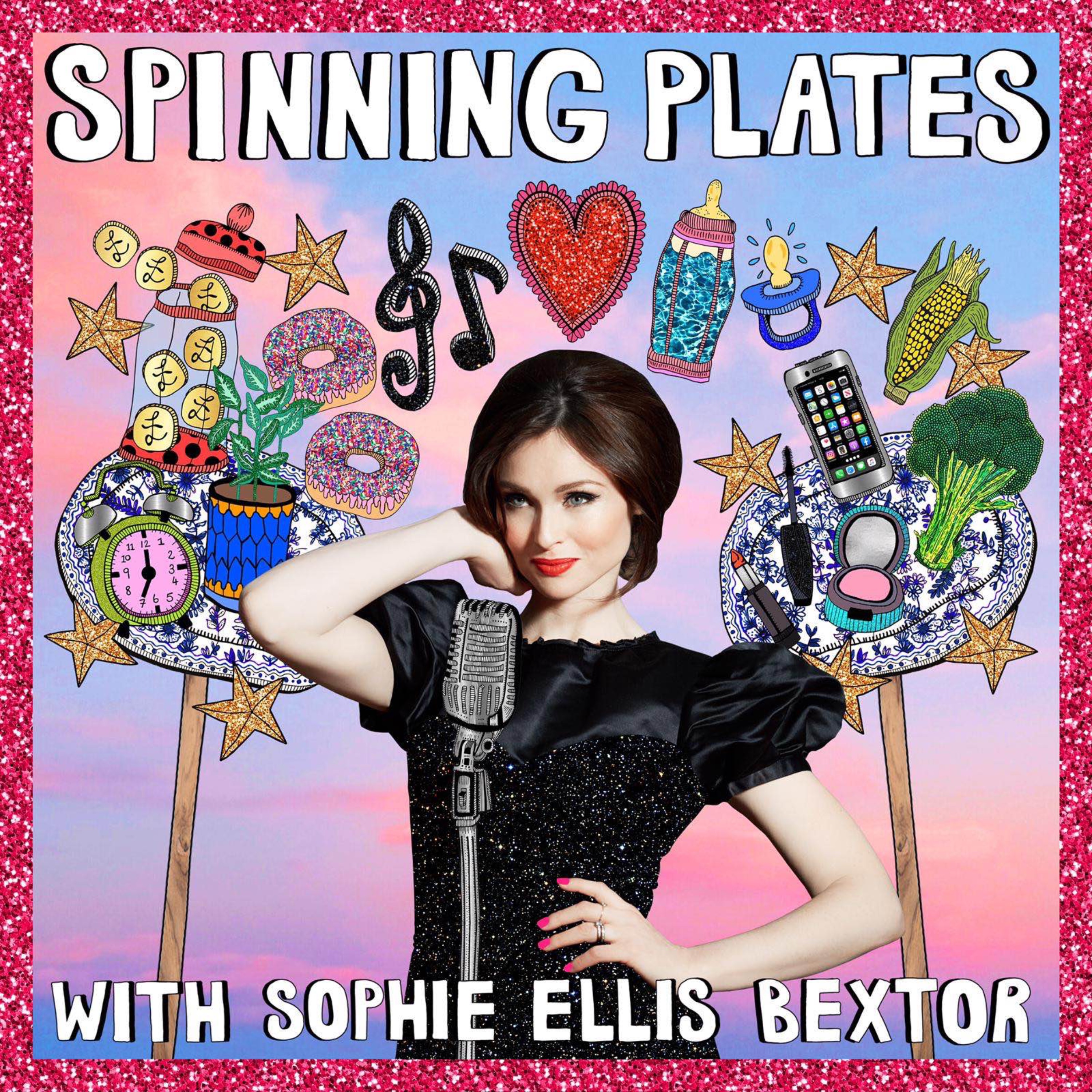
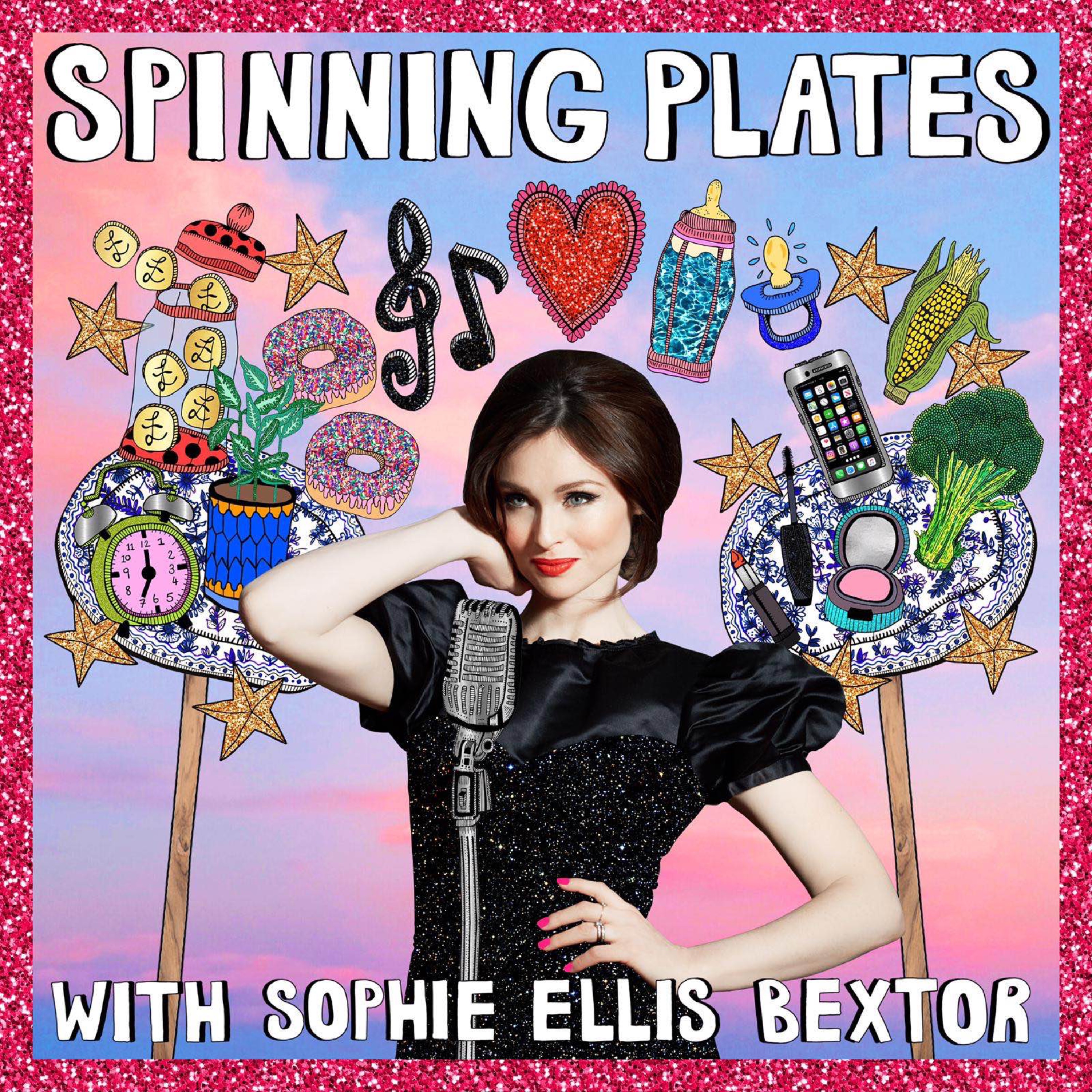
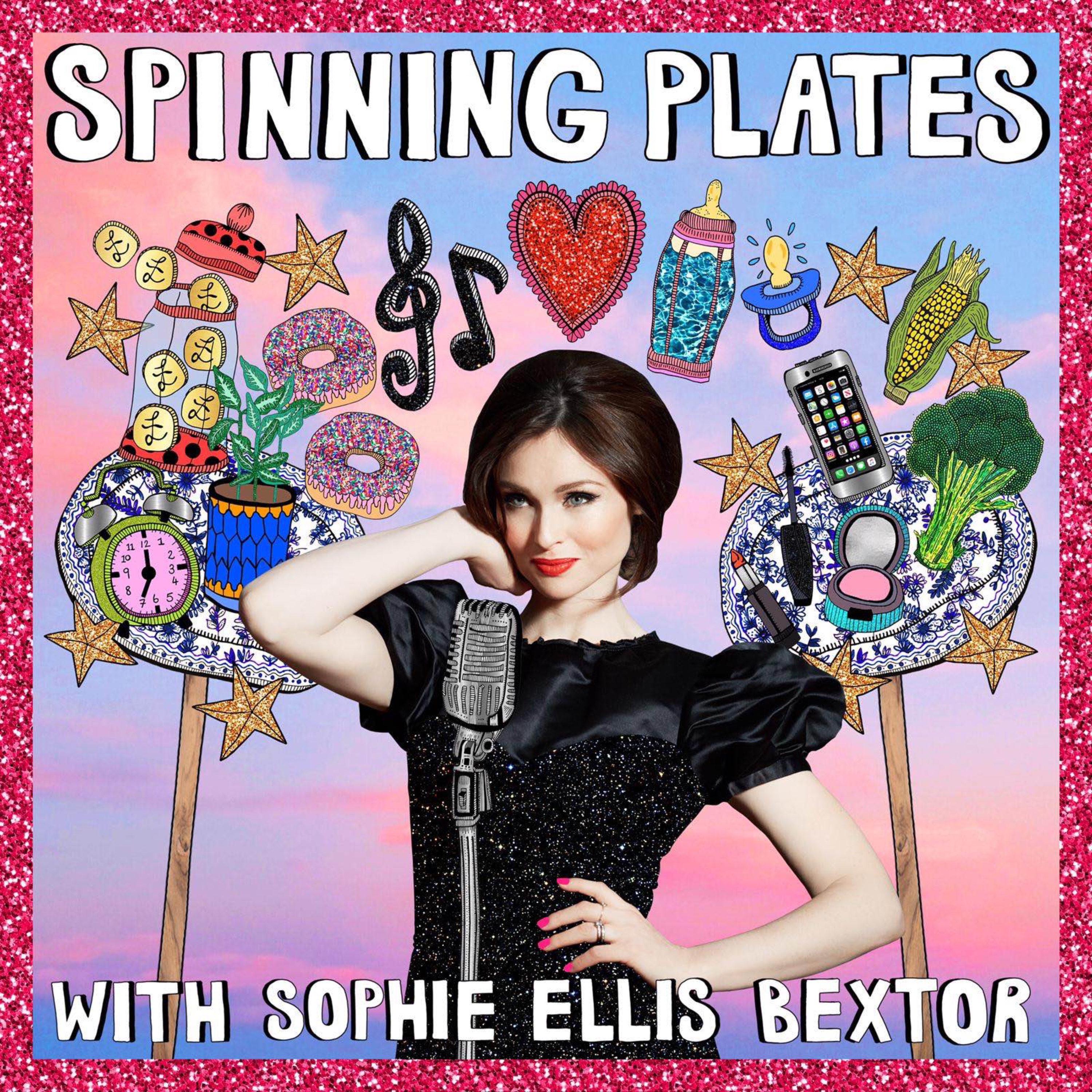
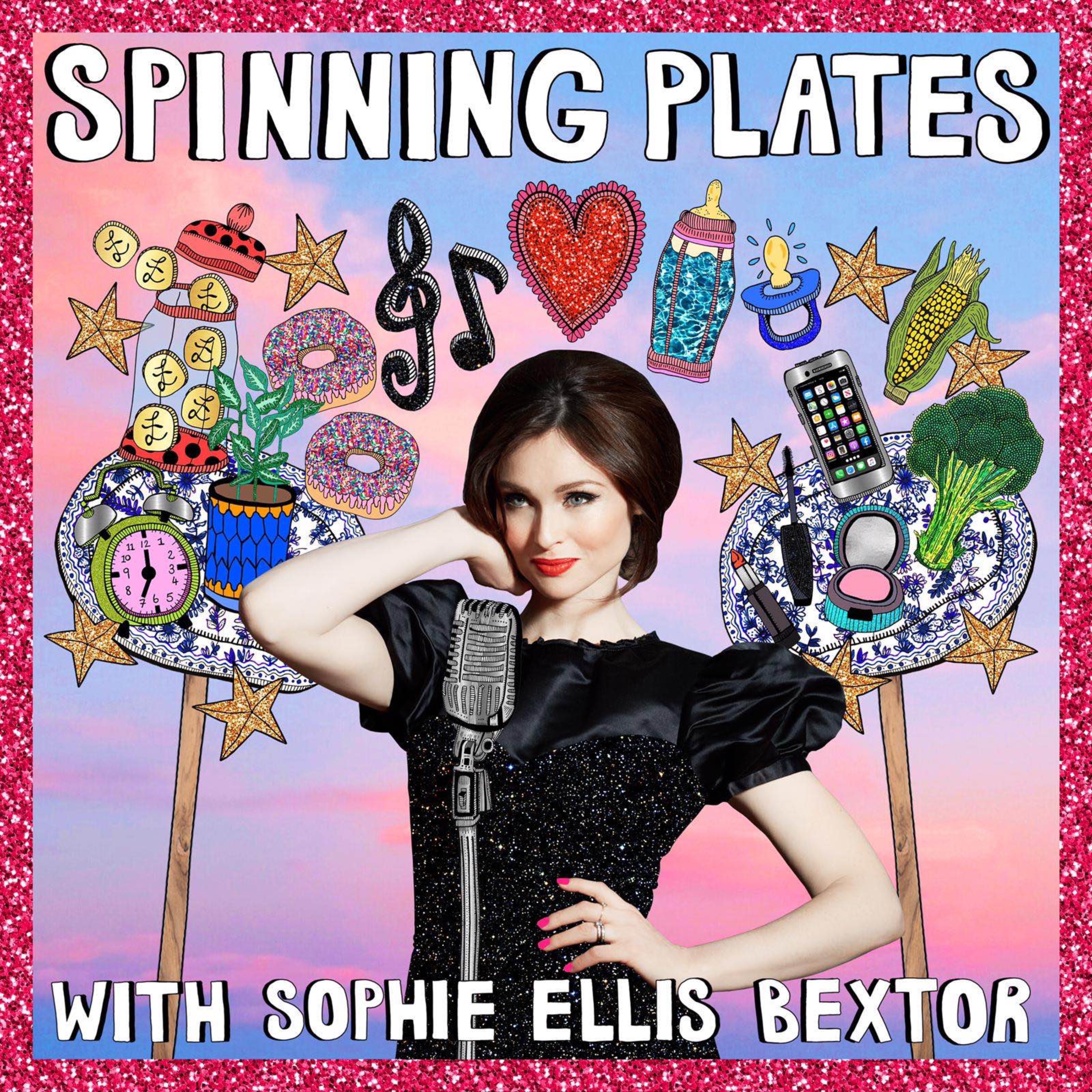
Spinning Plates is presented by Sophie Ellis-Bextor, produced by Claire Jones and post-production by Richard Jones.
Hosted on Acast. See acast.com/privacy for more information.