Ask ChatGPT
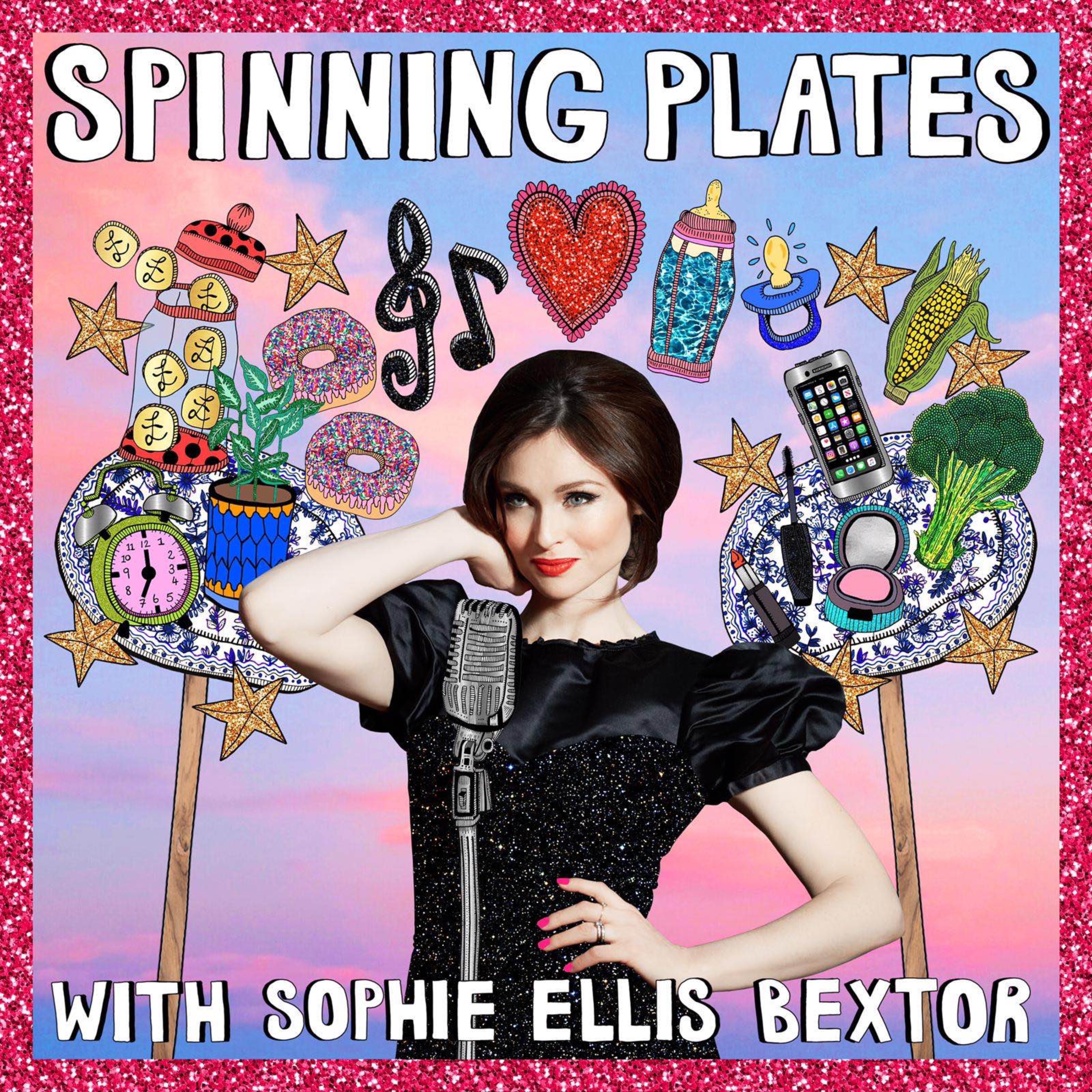


Sophie Ellis-Bextor hosts "Spinning Plates," a podcast dedicated to exploring how busy working mothers balance their professional and personal lives. In this episode, Sophie interviews Dame Jacinda Ardern, former Prime Minister of New Zealand, who shares her experiences of motherhood while leading a nation.
Written by AI. May contain mistakes.

Get the gist, explore an idea or ask about something said.
 Claude
On Spinning Plates with Sophie Ellis-Bextor, what are the key points of this episode?
Searching your listeningAutomatic transcript. May contain errors.
0:04Hello, I'm Sophie Ellis-Bexter and welcome to Spinning Plates, the podcast where I speak to busy working women who also happen to be mothers about how they make it work. I'm a singer and I've released seven albums in between having my five sons aged 16 months to 16 years, so I spin a few plates myself. Being a mother can be the most amazing thing, but it can also be hard to find time for yourself and your own ambitions. I want to be a bit nosy and see how other people balance everything. Welcome to Spinning Plates. hey i'm back in london town how nice i'm speaking to you from home um i had such a glorious tour but i can't lie i'm so happy to be back and i've been doing lots of like little you know organizing drawers and cupboards and i went through all of my kids books the other day since i got back on thursday just to kind of have that nice grounding feeling of being back in the house.
1:00It was such a good trip though. So since I recorded Today's Guest, which I did the week leading up to leaving to go to the States, I've been to LA, San Francisco, Vancouver, Mexico City, Toronto and New York. And it's been absolutely glorious. But just saying it out loud actually makes me feel a bit tired. And I got back on Thursday morning. We landed at like six in the morning. So I got back in time to this school round, which is pretty cute. And I've just flung myself back into UK timings, UK routine, up at whatever time with the kids for school, that kind of stuff. Got slightly thrown out of whack yesterday though, because we had a really nice day celebrating my fourth born's 10th birthday.
1:47And yes, that does mean I do need to update the little voiceover I did at the top of this podcast. I promise I'll do it for the next series. I know I say I have five children aged between 16 months and 16 years. I don't. They're now between 6 and 21. So just a teeny bit out of date. But yeah, my fourth born has just turned 10. So we were at trampoline park in the morning with him and his mates through to a fireworks little thing in our garden and sleepover last night. And then at about half 10, Richard and I got in the car and went to a gala for Children with Cancer UK where we performed with the rest of the band, finished by about 12.30.
2:27It was a really good atmosphere. Back home, kids still awake, of course, for their sleepover. And then I think I got up about 8.30 and I just feel really tired. But it's okay. I haven't actually got a gig for a few days. Today's a lovely day. It's really sunny. And in a minute, we're off to Chinatown for some dim sum with the rest of the family to continue celebrating Jessie's 10th birthday. Because I don't know about you guys, But in the Ellis side of things anyway, we love a rolling birthday. We can easily keep it going for two, three, four occasions to market. It's quite good fun if you're into that kind of thing.
3:07So today's guest. So I have been wanting to speak to the guest today for years because as soon as I heard about Jacinda Ardern, the Prime Minister of New Zealand, She was elected in 2017 and then in 2018 became only the second woman in a position of power like that to give birth. So I started the podcast in 2020 and I'm thinking, I want to speak to this lady. She surely is such an extraordinary example of what this podcast is about. how you compartmentalize and handle the demands of your work alongside being a mother and not just a mother, a first-time mother. I think that's what was extra significant to me is just the idea of coming into all that new parenthood brings while you're also running a country.
4:07it's quite hard to imagine although Jacinda Ardern's documentary which is just coming out really helps to bring a reality to that situation for me and for other people who watch it because she lets you in on so much of what that would have felt like the day-to-day they've got this documentary compiles so it's Jacinda reflecting on her time in office so this was between 2017 and 2023, but also with extraordinary amounts of footage. A lot of it shot by Clark, her partner, now her husband, they got married last year. And it's just really wonderful because it brings such insight, but also humanity.
4:56It really brings a humanity to this role. and I really hope that other leaders would consider such insight because no matter what you're dealing with everybody's a human everybody's got demands in their life and I think that in politics with everything the way it is in terms of you know the speed of information but also our encouragement sometimes to inhabit very strong extreme views and then sort of pop them on the internet and share them and get involved in debate. I think bringing about people's real life experiences, how they handle things, the ups and downs, the realities behind the politicians, I think it invites you to remember the people that are actually at the result of, they are feeling the ramifications of the decisions that get made, but also to have a sympathy, a bond with people in all these positions and what it comes with.
5:57I say this aware that there's lots of different types of people that enter into politics. And for some people, that idea of appearing vulnerable or real actually doesn't really serve how they've chosen to rule. But for people like Jacinda Ardern, it's so effective because you just think, wow, she just seems very decent all round, but also very real in terms of what she's dealing with, the stresses, the impact they have, you know, the tears she's shed over the difficult things she's had to deal with. She had two horrific terrorist shootings and mosques in Troyes Church in New Zealand really early on into her term.
6:43COVID, just lots of things to deal with alongside having this little girl. She's now seven, Niamh, Clark and Jacinda's daughter, but just a tiny baby growing up and then being taken to the UN and Jacinda and trying to keep breastfeeding and all the things that so resonate. It was fascinating. I'm going to listen back with you and I will do it like this slight bit of trepidation because I'm going to be honest, I was feeling a little bit nervous and I'm not normally someone that really acknowledges my nerves I don't find them very helpful I don't mind the sort of nerves that mean focus that's like different but with this I did feel a little bit um out of my comfort zone because I went to interview Jacinda in a hotel in central London and producer Claire and I were suitably keen and suitably early so I think we were there a good like half hour at least before before the interview even you know even the hello started and so we had plenty of time in this lovely hotel room just to sort of get a bit worked up about what we were hoping the conversation would go and all the billions of questions I had in my head I'd also taken conversations questions from other people because I had all the things I wanted to ask her and all the insights you know everything I thought after watching the documentary and reading Jacinda's book as well and listening to her in other podcasts this is how I do my research um but I also reached out to a few people um some of them were connected with Jacinda Ardern's work so there's a woman called Lindsay Utz who I became chatty with on Instagram because she was one of the directors of the documentary film Prime Minister uh but I also she had brilliant questions by the way thank you Lindsay and then weirdly on the day that I was going to go and interview Jacinda Ardern I went to get a coffee from my little coffee place in Chiswick which is called Four Leaf and Niall who is the manager of the of the coffee place he'd weirdly been to a party our previous weekend uh in celebration and I think it was a charity fundraiser for theatre and the arts Niall also does acting and his friend had invited Jacinda Ardern and her husband Clark to the event so he ended up chatting with her and he had some good questions for me as well how funny is that small world and all that so anyway what I'm trying to say is I had about I don't know 30 questions balanced on the tip of most top of my head ready to ask her so I think we covered everything I hoped to but if I seem a little bit I don't know if I seem a bit nervous at the beginning that's why I actually was I did say to her you know you're someone I wanted to speak to for so long and I just want to cover everything so thank you to her for her patience to her brilliant team for giving me the time with her I really really really appreciated it and it was good chat I'm being called anyway I've waffled on for long enough I'll see you on the other side I'm coming Mickey I'm coming I really am coming and enjoy the interview
9:58I think um producer Claire and I a little bit you'll probably pick up on I like excited energy because I don't know how much you know about this podcast so this is um podcast is called spinning plates and I've been doing it now for nearly six years and the conversations are with working women who happen to be mothers and probably pretty much for all those six years I have wanted to speak to you I got in touch with your amazing team probably a time when thinking back the idea of doing my podcast was probably not top of the priorities I think it might be like 2021 or something. I think you had a couple of things you were handling at the time.
10:35But I think for me, on the way here, I was just thinking how much you embody so many aspects. You're like the ultimate guest for me. And I was thinking about that. I was thinking, well, is it because you're in leadership? I've been lucky enough. I spoke to Helle Thorningschmidt. So I've interviewed at the Danish PM. So that's amazing. And then I was like, well, there's that. Yes. But what else? I was thinking it's not just motherhood during a time of leadership or prime ministership. It's also because it's your first baby. Yes. And I think that carries so much resonance. And watching the documentary, I was blown away actually by how I understood so many emotions, even though I've never firsthand experienced what you've been through.
11:20And I wondered for you, you know, this is your baby daughter, this longed for baby. you find out you're having a baby just before you get sworn in. This is an unexpected thing. There's no reluctance with the motherhood. The leadership may be a little bit more unexpected. So, so many things happening at once. And when you reflect and see the documentary, does it help you process the enormity of all the things you are dealing with? It's a great question. And thank you. As you were describing the reasons you wanted to have a conversation And when you're saying, why did you have that eagerness? I thought you were about to point out the difference was that everything turned to custard while I was also trying to be a mother.
12:06But you're right. Being a first-time mother is, you know, there's something different there, isn't there? I have friends in my life who would be sick and talk about how they just got to enjoy it a little bit more because there's so much extra that comes with the first time you enter into that new role. watching the documentary, and I've only watched it, that final version. I've seen a version I saw for the first time after it was submitted to a film festival. So the point of no return. And then the only other time I've seen it, the final version, which was quite different, was when it was screened at Sundance.
12:44So really, I've seen it really once. What with all the other people? Yeah, a big shared experience. I watched it with everyone else. And watching it, I remember thinking two overwhelming thoughts. This is so accurate. This is exactly, you know, how do you condense five years down into 90 minutes? You do it like that. It was really accurate. The second thing I felt was it was as overwhelming to watch it as it felt at the time. And I don't think it feels any less overwhelming now. So maybe that means I haven't fully processed it all, but the documentary certainly captures it. It really does. And I would say I appreciate what you're saying about your friends with their second children, but I think, you know, look, my first baby, not me for six, everything's upside down.
13:38Yeah. I had to kind of find my way back to feeling like myself again. Yes. And so much of that process is about finding your tribe around you, but also talking to other people, sharing stories, and starting to sort of feel the edges of what your version of motherhood looks like. And what's that? How is it to rudder yourself in that way when there aren't really any, there's no one else who's exactly done what you've done? And I guess in some sense that can be a good thing. Well, I was wondering if that does come with some positives because there's no map. There's no map. No one can say, hey, well, in this situation, this amount of maternity leave was taken and this is how much we saw the child.
14:17So there was no real guy. There was Benazir Bhutto, but she was, you know, in a different generation of political leader. So there was no MAP. So that was helpful. But on the flip side, I felt these dueling pressures. On the one hand, if you're the only second person in the world to do something, you feel like you need to prove it can be done. That's very true. So I felt like I needed to prove I could be a competent prime minister, first and foremost. and that motherhood wouldn't get in the way of that, so to speak. But on the flip side, I felt pressure to show that I was a mother because there was some expectation in that regard as well to model motherhood and leadership.
15:06And so it did feel finally balanced some of the time. And yet for all of that, I think my take home from the experience of being a first-time mother in the public eye was that it doesn't matter if you're leading a country. It doesn't matter if you're leading a company. Motherhood is such a shared experience, and it's a great leveller. You know, it's actually something that, as you say, you watched the film and thought, I can relate to that because it doesn't matter the role you have, you know. So many of us struggle with breastfeeding. We struggle with guilt. We struggle with sleep. We struggle with all of that, and my experience was no different.
15:45Well, that's exactly why I wanted to have these conversations, because I do love this idea of that which unites us rather than that which divides us. So you can have insight and empathy and start to understand all the different challenges people have and the different things that inform us. But then also the bits which actually join up. Yes. And the comfort that comes with that. And I guess it's slightly juxtaposed to the way that a lot of things are handled these days with, you know, these very sort of binary responses to things, which I completely agree with you. I think are at the root of all the worst aspects of not just politics, actually, but being nice, kind human beings to each other, actually.
16:25And in many ways, I agree with you, there is a lot of binary thinking. And I think the ultimate foil to that is rehumanization. Absolutely. People are complex. The world is complex. And maybe we just need to be reminded of that in subtle ways again. And if opening the lid on life a little bit when you're in leadership is a way to do that, then I'm more than happy to. I know some people, when they saw some of the footage, said, oh, you were brave. And I thought, after I saw it, I thought, do they mean I was brave? Because, you know, there I am, no makeup, half the time I feel like I'm in my pyjamas for some reason.
17:04And it's there for everyone to see. But that feels like a small price to pay if the end result is that little reminder of the fact there are humans in these jobs too. Well, I think that's where people find the bravery. because I suppose for a lot of roles, and this obviously goes big time for parenting, but for professional roles as well, we have an idea of what that looks like. You know, for example, with your books you've written, you might have thought, well, if I'm now an author, how do I have to present? What do authors do? How do we do this? And so we have an expectation of leadership as well.
17:41And traditionally, although we've had many female leaders, I grew up in the Thatcher era in the UK, and that presentation of female leadership was very much to dial down feminine aspects that was the way to in fact that was that was kind of celebrated you know this iron lady to dial all these things down so I guess the bravery comes in this 360 version of yourself but also exploring that leadership can lots of look like lots of different things and I suppose I did wonder if that's why I know sometimes you've said about the idea of your leadership being reluctant. And I thought to myself, well, I don't know if that's, I don't think you are reluctant.
18:23You didn't say no and you took it on and you finished, you handed in your term and you were ready to leave. So what is that really? Is that a way to differentiate from this other form of leadership we see? We're familiar with these other tropes, the stereotypical, but it sets you apart. You've immediately said, I'm going to do things a little bit more like what I look like when I lead. Yeah, and I think, you know, the reluctance for me was in part, you know, an expression of imposter syndrome really in some ways. I hesitated because I, you know, I didn't necessarily think that I had what was required for the job.
18:59I mean, it's an incredibly difficult job. But part of that, one of the layers to that was that was when I looked at the job within the frame of what I'd seen. and what you previously, I thought, you had to possess in order to survive or be seen as successful as a politician. And yet my version of leadership was quite different to that. In many ways, being thrust into leadership without necessarily expecting it was a blessing because it meant there was very little time for anyone else to tell me to do it differently. And it was an opportunity to test alternatives. and so I was the third female leader in my country.
19:40I didn't feel like gender was part of the critique for me and how lucky did that make me in many ways. So instead I thought about breaking some other ceilings, you know, the idea that you can't be kind in politics, that there isn't a place for compassion or that you can't be both of those things and yet have a level of decisiveness and strength of character at the same time. Yeah, absolutely. Well, I think that's so clear and I wonder if that was your intention early on or maybe certain aspects of becoming a new mother might have informed some of these things because you are going through this period of transition.
20:18And, you know, as soon as I had my first child, I would read a new story and the child in the story was my child. Oh, yeah. And I was not expecting that sensation. No, no. You're linked to all these other stories, aren't you? Yeah. It's actually sometimes quite overwhelming, I think. I always worked in children's policies. This was always an area of interest for me. I was particularly focused on child well-being and child poverty, even before I had my own child. And I remember before Niamh came along, I once went through decades' worth of coroner's reports for children who had died in state care because I wanted to understand how they had been failed, where had the system gone wrong, what had happened to these innocent children.
21:05And so I saw that as a part of my job, and so I went to that level of detail to try and understand those circumstances after Niamh arrived. You know, if it was part of my job, I would still do what was required, but everything hit differently. But because I already had that vehemency around children's policy, it was just really extra motivation, not a new one. The one thing that I didn't expect was how fixated I would become of solo parents because I would constantly think about how people did it on their own. It really struck me after I had need because I felt so blessed to have, you know, my husband was the primary caregiver.
21:52My mother was around a lot, my mother-in-law, my cousin. How do people do it alone? I just couldn't fathom that, let alone doing it alone in poverty. Yeah, that's enormous and I totally understand why looking through it. I mean, looking through those coroner's reports must have been... Oh, brutal. Brutal, yeah. But, you know, that old saying is that when you have a child, it's like there's a piece of your heart that's running around out in the world. I don't know how to express it as well, but somehow children themselves become emblematic of that for you. Yeah. Yeah, and it's striking. Yeah, no, I totally agree with that.
22:31that feeling sometimes with my kids I want to just almost like grow them all together, seal the doors, we're just going to stay here. Let's freeze us in time. We're good. Let's just stay here. Even though you know the independence and curiosity and all these things are also something you're supporting, you're like, in fact you're rooting for them, but every once in a while just that, what you've opened yourself up to. Of course. And that constant battle of reminding yourself that it's not for you to curate your child either, which is obviously the constant struggle as well, but they are their own person.
23:04Yeah. And so we're somehow in that coach role, really. Yeah. And there were so many sweet bits of footage with Niamh, like when you took her to the UN, I think, and I actually did a little fist bump. That's so cool. I loved seeing all that. Oh, there's a bit where you finish a meeting and she goes around shaking everybody's hand and I'm all so pleased to see her and the warmth that that brings and that positivity made me feel really good. I thought it was gorgeous. You know, when I see that, I mean, the UN was just out of necessity. She was four months old and I was still breastfeeding. She just had to come with us.
23:38They're quite portable at that age. They are quite portable. They are quite portable but I do remember that when we first landed in New York, because it's a big trip from New Zealand, we took two flights. One was about 13 hours and then another, say, four hours. By the time we got to New York, Niamh was just done. She was done. She was she was tired she didn't know what time it was and you know we just struggled to get her down and then Clark just said you go to bed you know I've got this because I had um I had to speak in the morning and so those moments where you know you've got your eye on two different things at a time and I'm always whenever I see that footage I'm reminded of that first that hard first first night um but again I still had the village yeah that's true but that makes me think of when I've done that sort of thing and you've got your new baby and you're doing something and then part of you wants people to say, oh, congratulations, or oh, they're still tiny.
24:35Another part of you is like, don't mention it, I'll probably cry. And, yeah, I remember during this, so old, of course, you know, it was now become this moment where it's holds some import, I guess, for the fact that she was the first child on the inter-release symbolic floor and yet my memories are jet lag or she just stopped wanting to breastfeed while we were away. And so we suddenly realized that we didn't have enough of the formula she was used to with us. It was a very particular kind because she got upset stomachs. And just a number of people that helped us try and find this wretched formula while we were away from New Zealand.
25:14Or the fact that I'd very carefully, before we traveled, set out outfits for her for each day. Oh, wow. Just because, you know, when you're, you know, give a busy person a job. I was just, you know, it's one of those things I think, I don't know if this happens to anyone else, when there's just so much going on, you control what you can. And one thing I could do was just pack her outfits for this trip, you know. So I'd carefully planned them. And one morning I went off, Clark was obviously getting Niamh ready for the day and he paid no attention to my carefully laid out outfits. and I saw them.
25:48He'd just gone to a spouse's lunch and so the baby, Niamh had gone and met all these spouses from around the world and she was dressed in the most atrocious outfit. He'd been given a, we'd been given a UN General Assembly onesie but it was about three sizes too big for her. So she had on this red undershirt, this baby blue onesie draped over the top and all kind of misshapen and floppy. I was like, where's the cute spotted little dress I bought over for her? These are so trivial in the grand scheme of things. And yet I have these little mothering memories in amongst everything else. And they can be very triggering as well because you're like, you can be thinking, you know, I know she's fine.
26:34I can see you're fine. But I want, you know, that's the thing. That was my participation and what you're up to today. And sometimes seeing those little things with your intention and how you'd laid them out can make you feel like, But again, it's that feeling of it's wonderful to have lots of support, but sometimes when people are functioning really well, you're like, I kind of want to know that there's a role in it for me on these days as well. And that I think was at the heart of it what I really struggled with when I had to acknowledge my breastfeeding days were over. And it wasn't my decision, it was Neve's.
27:05She just gave up in the end, just wouldn't have it anymore. And it was that exact sentiment. That was the thing that I was meant to do. That was the thing that I was meant to be able to provide for a period of time. And now that I'm not, does that mean she doesn't need me in the same way? Can other people fulfill all the jobs that she needs? And, you know, I know that in many ways it was a very silly sentiment. I couldn't deny it existed, and it just made me feel deeply sad. but it also actually allowed Clark to be able to be fully independent with her in lots of ways. It took a lot of pressure off him and so there were upsides if I was willing to see them.
27:50Yeah but I get that and I don't know what it is about breastfeeding but I think if it's something you decide is important to you, your brain can get very Obsessive? Yeah. I was absolutely obsessed as well. I was, I just, and it was, I was, were you one of those who was like, look, I'm just going to, what will be will be. And then that was out the window. I don't know if it's a sleep deprivation. I think it depends on lots of things. I think it's what the association is. I think my first two were really early. So they were in hospital and babies that are born before 34 weeks haven't got any sucking reflex.
28:22So they can't actually feed. So I couldn't breastfeed at all, but I could provide milk if I could get that going. and because they were having quite a medicalised introduction to the world and were in hospital for up to six weeks, the only thing I could do that wasn't medical and the beeps and the whistles and the wires was bring in this milk. So I got obsessed. I had a little rucksack with a little double pump thing in it. Yeah, it was absolutely my thing and I was hardwired for as long as I could manage it. And I had to stop with my second. Same thing, just wasn't working at all. That's totally understandable and I hadn't really thought of it from that perspective.
29:00But I think one of the things that I became fixated on was I have to make the logistics of this work. I had six weeks of maternity leave. And I remember in some ways thinking this is the time where I have to get a routine down. We have to sleep down. We have to have this feeding schedule down because I have to go back and we have to make all of this work. and so I think trying to get to a place where I could breastfeed without the logistics of pumping in between became part of that because it took up so much time that I wasn't going to be able to do that when I was in the office so I became fixated on making that become seamless and those are two things.
29:45Breastfeeding is seamless, just do not go together for so many people. So many people. Yeah. But there's also the physical proximity that feeding a baby means that if you haven't got the baby with you, what happened? Where are they? Sometimes you can, like, nothing's changed here. Yeah. The physical baby makes you feel connected and makes everything stop. There's actually, like, I'm sure, hormones that happen that make you relax, that you sit down. If you don't do that, for whatever reason, choice, health, anything, then I think it makes you feel like there's a punctuation mark. There is. You've decided not to be part of your life anymore.
30:23And the old pumps don't quite feel that. Man, I pumped in some weird places. Oh, I'm right there with you. Back of vans. Back of taxis. Back of vans, yeah. Planes. I did it on a little domestic plane. A small, small, small plane. Yeah. Right next to a protection officer who just did not know where to look. I mean, it's not that you could see anything. Discretely, I had portables. So at the airport, I discreetly got into the airport bathroom. I put them in place. I came out looking like Dolly Parton. Are these the ones like disco boob style ones? Yeah, yeah, yeah. Yeah, I had those as well. Yeah, and got on the plane and they were very just, I thought, well, I'm going to wait for the rumble of the engine.
31:06Yeah, because they do make a noise. They do make a noise. You sound like you're at a dairy farm. And so I flicked them on and I thought I'd done a quite good job of being discreet, but I could just see the colour of this DPS officer's face changing and the way he just awkwardly was looking around this, like, very small space as if to make eye contact with anyone else but me. And I thought, yeah, he knows what's going on under my shirt right now. Yeah, yeah, it sometimes can be a tough one to style out. It is very tough to style out. Yeah, I know that feeling well. I remember that feeling. Yeah.
31:44When I was watching the film, I had this sensation almost like I was holding my breath the whole time. And I guess when you said it's 90 minutes, it sums up that time. It's such a strange thing because you know what happens. Yeah. And yet it's as if you don't know what the ending is. Well, I think it's also because you're so drawn into it. And some of the footage is intimate, you know. Oh, yeah. It's you and Clark, which my kids love. He called himself First Bloke, by the way. And your relationship. and I think it just pulls you into that feeling. So you're sort of, you're kind of thinking like, whoa, this is so much.
32:19But then I was thinking maybe there's aspects, are there aspects you miss? Oh, yeah, yeah. Because I know it's easy to see the stressful side. Yeah, it is. I miss the people and it's the one thing that the film, for lots of reasons, you know, you can't have too many characters, I guess, but I worked with amazing people and I miss that, because obviously I work with a smaller, equally amazing, but smaller group now. I miss seeing a problem and knowing you have it within your power to do something about it. And that doesn't mean that something you can do is easy or straightforward or always seen favorably.
32:59But, you know, in a world where so many people feel disenfranchised and disempowered, that is a real gift. So I miss that. but I don't regret the choice to leave either. No. So I think you can feel both things. Yeah, and I think your choice to leave is symbolic as well of your whole style of leadership when you were in that time because you left a time when you felt like you weren't, you felt like you'd done what you needed to do. You weren't going to keep delivering the way you intended. Yes. Whereas I think politics can sometimes be a world where there's lots of ego involved And that's not always put front and centre.
33:39Sometimes people can shift the emphasis. So I think it's all very fitting. But I also wondered what's post-leadership life like? What's it like to move into a more civilian aspect of life? I imagine for everyone it's different. But one of the great things about being a leader in a place like New Zealand is there's some elements of the day-to-day that aren't very jarring to transition out of because when you're in a small country, your security detail is not as large. You might still be able to do normal things like drive your car or go and get your groceries. And those are all things I still, simple things in life that I still did while I was in office.
34:26And so when you return, it doesn't feel like as much of a leap. I know that sounds strange, but I heard one prime minister recently say, I just drove a car for the first time in eight years. That wasn't like that for me. And I think also if you do come into leadership with some hesitancy, then maybe leaving power feels a little bit different. For me, power was akin to responsibility, a great weight of responsibility. And so rather than it be something that you cling on to, when you think about whether you cling on to deep responsibility in the same way that you might, the perception of power, it probably hits a little different.
35:09Yes. So that's probably why for me it felt like something was lifted rather than lost. Yes, and it seems like it was lifted really quite quickly, this feeling. Oh, instantly. Instantly. I don't think I appreciated that. I think they're almost, I had it in my head that there's, I don't know, some kind of transition period. But actually when you think about it, you either hold the power of office or you don't. Yeah. And so once it was signed away, you know, with the flick of a pen, it was gone. There was nothing more for me to do. And so after that moment at the Governor General's House in New Zealand, it suddenly occurred to me, of course, that I would have to find transport from the building, like being bought there as Prime Minister.
35:52And so I remember saying to the driver, can I get your ride back? Am I still allowed? Yeah, am I still allowed? They were like, yes, mum, we will at least give you one last ride. And so Clark and I, we went down to just a little cafe down on the waterfront, just had a cup of coffee as a normal citizen and took a walk. Yeah, what a normal thing. And it was lovely because I realised then, poof. Incredible. I mean, I feel like I already know the answer to this, But when you're in office and, you know, you've got the intensity, and I know you've got this amazing team around you, but did you and Clark ever had discussed this kind of almost, if this does topple, if the balance topples with all these new things we're dealing with, there's like a panic switch of just like, okay, when I'm not going to keep doing, if it gets too much, so to speak.
36:47Yeah, it's an interesting question, but no, we never did have that conversation. I don't mean to doubt like anything about your ability to lead. I suppose it's more just because it's all new. And also you have got this new baby. Yeah, what's the threshold? Yeah, exactly. There might have been a point where you think like, because everybody's got the balance of when they know they're actually needing to prioritise. I don't know, their health or their... I wonder if we never had that conversation because we both have in some ways similar personalities and they were both pretty stubborn. And I don't think we would have, you know, it was obviously me that first put the conversation of, okay, is now the time.
37:24And he was, you know, I remember it being this real back and forth where I would try and elicit a response. And he was almost trying to put out this neutrality on it. Wow, if that's what you've decided you want to do. Oh, was that quite frustrating sometimes? It was, but it was because he actually had an alternative view, but he knew I needed to make the decision. He wanted me to stay, and eventually he did offer that up. but he wanted me to stay because he didn't want it to be seen that I was giving up. He also probably wants to check that you'd be okay with all of that because you can't really change your mind, can you?
38:01And nor can you change the way that people will perceive it. It's out of your hands. And I think that was my perspective. That bit's out of my hands. I just need to make what I believe to be the right decision. And then as a family moved to Boston? Yeah, well, it was meant to be three months. Oh really? Is that what the intention was? Yeah, it was. Because I wondered how significant it was that you moved to another country for a bit. I wondered if that was a sort of deliberate move just to kind of relieve the pressure cooker or change the landscape for a bit. Yeah, not really. Actually, when we left, we didn't really have any intention of leaving New Zealand.
38:36We didn't really know what was next at all. We kind of took every day as it came and then this opportunity landed and we thought, well, that could be a fun adventure. you know it was three months we thought we'll go September we'll come back at at Christmas but then we got over there and thought well yeah this is we made the decision during the fall which is lovely in Boston very pretty and and then winter hit but we'd already made our decision so there we were it's quite a long cold winter though I don't really know Boston a Boston winter is can be they can be quite brutal right you know snowy short days, you know, very cold.
39:16But, you know, they still had a novelty for us. Yeah. So, yeah, we went through two of them. And I did wonder if once you take yourselves to this new landscape and this new role, does your relationship with motherhood change for you? Like, does it take on a different shape? I know that's a strange question, but I suppose everything is shifted. It's a big thing for a family to relocate and your days would be a different shape because you're doing a different style of they are but I think what I've also discovered is and I always say this about kids don't they their adaptability but I think kids adapt to you know the the the shifting sands of what you know whatever work is doing for your life and your timetable so uh when I was prime minister and, you know, I was mostly present first thing in the morning and then at bath time, then that's what Niamh was used to.
40:14Yeah, I suppose I meant more for you, really. I think Niamh is clearly like she looks like such a happy little person. There's so much goodness radiating from your family unit in general, like the relationship you have with Clot. It's so beautiful to see it. Oh, we're very normal as well. Like I would hate to give the idea that we're not. No, I can see that. Everything seems really grounded and pragmatic and really supportive of each other and working in real time with each other as well, which is so important for any relationship, particularly when you've got these shifting sands. Totally. But I suppose for me and the way I see motherhood, I think having the experience of being a mother when I had ample reason to excuse myself from guilt and still feeling guilt was a really great lesson because I think I realized that I can have what will feel, you know, the most important job and career that I will ever have and one where if I was ever going to think that my absence was justified and still feel incredibly sad at times about my absence, that is a message to me that that's actually just the privilege of parenting.
41:33That's a nice thing to say. I'm going to remember that. My heavy boots days, actually. Yeah. Is there anything you think that can be done to better support parents going through those emotions, or do you feel that you had the best version of what that would look like? I almost... I think I had the best version I could, but I realised I was privileged. So then I would think, well, I'm a policymaker. So then you go back to that single parent. Yeah, so I have some responsibility. And so, you know, we extend a pay parental leave. We put in a universal tax credit, you know, payment for all families for the first year of their child's life.
42:13I mean, one of the last things we did was increase the childcare subsidy for families, but we made especially sure that it would reach towards every sole parent in New Zealand. We increased sole parent payments. We did lots of things based on, well, once you have that knowledge and that understanding and that belief, then you need to do something about it. But the one thing that's less tangible that I try and talk about, because I don't think we're very good at this, is how we give ourselves grace. And the one trick that's worked for me is to give myself the same grace that I would want my daughter to have.
42:48And, you know, in the future, if she chooses to be a mother and she chooses to have a career, I hope she's able to do both and feel good about both. And, yeah, that requires a bit of grace. That's so lovely. I can really feel that. And I think I love what you said about guilt as well, about how that is maybe just one of the privileges of it, because that is everybody's got a version of it. and goes back to that resonance of the movie where even though it's not my first-hand experience, we've all had a version of what that looks like. It's almost like a sort of caricature of those emotions, the bits where you're trying to be all things to all people or you feel like you're spread too thin or you're just not quite sure how to make it work for yourselves.
43:30I think it's because we naturally associate guilt as an emotion, as the sign of us that we're doing something wrong. I think as humans, perhaps our prior experience parenting is you feel guilt when you've done something wrong. And so when you feel it as a parent, you think, okay, I feel this way. I'm doing something wrong. I'm balancing my time badly. I feel this way and so I either, you know, I need to change. And maybe in some cases you do want to change against. But actually I just think often it's not that you're doing something wrong. It's just that you're feeling torn. and so maybe thinking of different ways that we can characterise that sentiment.
44:12Yeah. I actually spoke to Lindsay Utz who was... Oh, yes. Yeah, one of the directors of the documentary and she had some very good questions for you as well. She had her turn. Fair play. I mean, I have to say the one where she was talking about shifting things in roles of leadership, whether it be political or otherwise, was something she voiced. And I thought, oh, yeah, that's a good question. But she also asked about, I think you've kind of answered it really, about what message you send out to women, new mothers maybe, who feel like they're not really getting it right. But I think what you've said about the guilt and those aspects.
44:52Yeah. What is right? Yeah, so true. Yeah. I don't think these are perfect. I don't think these are perfect model. I don't think there's a perfect balance. And some of these emotions are maybe, yeah, just things that come part and parcel with the job. One thing, though, that I do feel like I have to credit my daughter with is at certain points I realized that I was placing a lot of assumptions out there about the way she perceived the way I use my time. Yes. And making a lot of assumptions about how she would characterize absence. and I imagine that will change at different points in life, you know, different ages and stages.
45:36Our kids probably perceive jobs, career, time differently. But I think we should try not to assume too much, but just let our kids come to their own conclusions. And I think if they see that we find value both in being a parent but also in career, that we find worth, that we find that we feel that we're making some contribution. They'll feel and see that too and maybe not view it as simplistically as we think they might. I think that's very, very wise. And you're right about joining the dots and maybe projecting things or something they say and reading much more into it than they mean. Yes. Because as you say, parenting is a long road, but so is growing up.
46:19Exactly. You shift how you view those around you all the time. And I think if we make an assumption that our kids, you know, constantly hate our absence, we sometimes hear the reaffirmation of that. We hear it. Yes, very, very true. Is this, did you get any, are there any similarities actually between your childhood and Neve's? Are there any things you've drawn on to? Other than the fact that I am slowly becoming my mother. It's a negative one. I hear myself say things and I'm like, oh, my gosh, that was Laurel Ardern right there. Or actually my father comes through sometimes too. You don't know how lucky.
47:00No. I mean, gosh, in some ways, yes, because actually the things that I really valued about being a New Zealander, we really try and reaffirm. But, I mean, I didn't step onto a plane until I was 12 years old. I didn't see the South Island until, gosh, I think I was a teenager, you know. I had a wonderful childhood, wonderful childhood. But, you know, it's still quite different in terms of the expanse of needs. Yeah. And I guess yours was a bit more rural. Yeah, yeah. I lived in a small town and, you know, there's so much joy in that as well. Yeah, freedom. Yeah, a lot of freedom. Huge amount of freedom comes with that.
47:53So there's trade-offs in every version, I think. Yeah. Small but free versus big but a little more constrained. Yeah, but then you can carry through sometimes family dynamics without it being literal like for like. Yes. So maybe the way your mum would have spoken to you, as long as your dad, like you said, you're just channeling them now. Yes, yes. Sometimes those things just sort of slip through and it's about framing, isn't it? Yeah, yeah. One other thing I want to ask you, And I don't know if this will be something you've experienced, but as I've reached my, I'm in my 40s, I'm a little bit older than 46.
48:25And for me, it's been this decade where I really feel like I've been sort of joining the dots of my, all aspects of my life into one place. I think I used to have my sort of more public side of things and then my family thing here. And they would kind of be slightly compartmentalized. Yes. And getting older is kind of being about, I don't know what the right word is, maybe accepting or celebrating that you can be all these different things and they can all coexist. Yes. And I did wonder if some aspects of your intention to humanise the role you had and bringing people into you in your pyjamas, you and your partner.
49:04Yes. Would also tally with that sensation. Yeah. I don't know if that's just me or if that's like a general feeling. No, I think that's a great reflection. And whether or not, I couldn't tell you whether or not it's in part because, you know, I'm getting older that I'm more inclined to be that way, or whether or not it's because I genuinely believe that part of the issue that we're facing in these times is that dehumanisation, that actually, you know, bringing a bit more of your life to the fore as part of that might be. And that doesn't mean everyone should have to if they don't feel comfort with that.
49:42No. But I feel like there's some value in doing that. And I guess as well it comes back to maybe some of the things that drew you towards politics, the people, people's stories. I think sometimes we're encouraged to think politics is kind of over there and then there's other life here. But actually politics is part of everything, isn't it? Oh, and it is. It is. I remember having this conversation. It stuck in my mind because you're absolutely right. People do see it as something that happens over there by people who are out of touch with whatever it is that you're experiencing and have no interest in what you're experiencing and are there for their own self-interest.
50:21And maybe they'll engage in an election, maybe not. And I remember when I first entered into Parliament, I was campaigning in my old hometown. And I'd been going from business to business. and as I was walking down the street, I ran into a girl that I recognised from my high school. She was younger than me and we were just having a conversation. And I asked her at first whether she was intending to vote. She said no, but I didn't press her. Instead, I thought, I'll just have a conversation. And she said to me, she was holding a bag. She said to me she'd just been to the doctor and picked up a prescription.
50:57And so I talked to her about, and part of her job, she was an apprentice and she was off to work. And so I tried to subtly, not in a judgmental way, point out to her that both the subsidised cost of her prescription and her bag and the job she was going to have been created by a government, you know, and that unfortunately we can't take anything for granted. And I understand how people, I understand all the reasons people feel grievance and feel like there's a detachment in politics, but there is no changing the fact that there's a huge amount of influence from politics in people's lives. And the best thing we can do right now is have more people engage with that, but also reflect in politics itself more compassion for the fact that we affect people's lives.
51:44Yeah, and compassion for all the factors that influence people's mindset as well. Absolutely. You know, even when you're vehemently opposed to some other person's perspective, they got there through some experience. They got there through some thought process. and understanding that's important. Understanding why people take those positions is important regardless of where you sit. Well, I might be totally barking up the wrong tree with this, but I did wonder if, in fact, I was listening to you talk about your childhood and Mormonism and how sometimes you were like the only Mormon in amongst 50 people.
52:22And I wondered if that does set you up with an understanding of what otherness feels like actually and empathy. Yeah, I think that's probably fair. I've thought about that, you know, when you're the only lefty in the village as well. I grew up in a rural place. And yeah, I always remember identifying. It's like I was supporting the football team that no one in town liked or something. I was. And, you know, look, other people, of course, have far greater experience of what it is to be in different groups than this. but me and my sister were the only Mormons at our school. Sometimes that was a source of, you know, amusement.
53:04I only remember a handful of times where I got a hard time about it but, you know, various times people would say I was part of a cult or thought it was strange. And so I remember very deliberately choosing to never be angry or upset about that. I couldn't expect everyone to know everything about my religion. It was a bit unusual. And so maybe that starting point, maybe that's in some ways helped. Who knows? I think everything in our lives influences in some ways that we can't always appreciate. Yeah, well, I suppose I was thinking about what you might feel like if you're the sort of small person that grows up to be prime minister.
53:52Because I don't think, I don't know if that's everybody in everybody's, what they would either be gravitating towards or end up doing or desire. Yes. You know, it's just not for everybody. But I'd imagine that someone who views the world in these frameworks, that it's probably the bones of it must be being laid throughout your life that lead to that point where you can step into that role and think, I know you spoke about imposter syndrome. You're still, by and large, in a position where that might occur. So I was just thinking about, I suppose, what it's like in a child or a teenager. And if you'd feel a slight perspective that's maybe a little bit different to your peers, because a lot of kids aren't thinking of the world in those terms.
54:41Yeah, I think, you know, it's interesting for whatever roles we find ourselves in, And we're so quick to think of the previous occupation that gave us the skills and competency for that role. But actually in leadership, it's life that prepares you. And in some ways, nothing about life will prepare you for certain things. But the values you have will. They're the compass that you use. and that's where I feel incredibly lucky because I had, you know, the role models in my life, people like my parents were, they were incredibly generous. My father was my first version of what it was to hold power.
55:30And yet, isn't it interesting, it was only when I came to write my memoir that I thought about that because I never thought about him as being someone with power. He was a policeman, a senior one. And of course he had power, but that's never how he presented to me or how he felt in those jobs. He was a community policeman, you know. So having a chance to reflect on the influence that things like that had was, yeah, really interesting. Well, yeah, because I was thinking since stepping away from being prime minister, it's not like you took loads of time off. You've written two books, so your memoir and your children's book, and been lecturing at Harvard, being a fellow there.
56:12what are you up to now? Ah, yeah. Well, there's actually the adult book has been turned into a youth reader for teenagers. Oh, that's clever. What does that involve? So it sort of gets put into terms? Yeah, so it gets slimmed down. The word count halves. Some aspects, obviously, by necessity come out, but some new aspects that are more relevant to teenagers goes in. Is that a process that's happening to a lot of musical memories? Yeah, some memoir, yeah. What a great idea. Other leaders have done this as well. And I remember at the time that I said, oh, sure, let's do that. I didn't quite think about having to go back to the keyboard.
56:48I said, do you like to do it yourself? Oh, so someone who professionally. I mean, to sound surprised, but I suppose I thought it'd be like a. Yeah, no, someone professionally has the role of doing the big edit, but for the extra additional pieces. And then, of course, I go through it all and check that it's being edited down in a way that still carries the story. I don't know what that idea. Yeah. Because also getting kids, getting teenagers into the political, like wanting to vote and participate. Something I care about a lot too. And also just to believe that if they are that kid that doubts themselves, that there is a place for them and that we need a bit more humility and leadership.
57:29So that's something called My Mind. Obviously the documentary, whilst it's I was the mere content, I do think it carries some important messages. So it's been a joy to be able to talk about that. I run a fellowship on empathetic leadership. So I work with politicians who are still out there on the front line and support them personally in the roles that they have. And I'm also in a program with Oxford, and we're doing a little bit of work on what empathetic leadership and politics means, what it looks like, and to what degree that's what voters might be seeking as well. I don't know if you would agree with this, but my mum has a theory, which I actually think is true, that some people are born with empathy and other people have to learn it.
58:17But I do think it's up to us socially to put the emphasis on its importance and its value. Well, I talk about this so often, but I have this simple view that if a value is important enough to teach our kids, why we wouldn't expect it in our leaders. But also to remember to teach kids about it too, like empathy, like the experience of other. Not everybody has that as an innate. Not everybody can see someone else's experience and feel those things, I don't think. I think sometimes you have to be taught that it's worth investing time in developing that muscle. There's plenty of thought processes that we learn, ways of thinking, the critical thinking that we learn, the ability to think from.
59:00And for me, empathetic leadership captures a number of things. One, yes, of course, the ability to think from the other person's perspective. But actually, when you're a decision maker, it's as important to bring in those individuals to decision making as well. You know, for example, when we did mental health work, we brought in users, people who had experienced the mental health system. It's consensus building. It's transparency and decision making. It's being willing to be human and accept error and mistakes both by ourselves and others. And it's, you know, the actions that we take. Once we understand the human experience someone has, it's the actions that we take as well.
59:41Would you encourage these other leaders to do documentary movies about their experience of being? I can't imagine doing it any other way than we did, which was, you know, when Clark first picked up a camera, it wasn't because we had some end point in mind. And that's what took the pressure off it. Because I think if he had said to me, oh what about the idea of making a document I would just shut that thing off where you know but because just give me some give me a minute exactly because that wasn't the mindset that's what allowed it to be as intimate and as as frank and open so I don't know how you recreate that no but maybe that letting people into maybe they should just be documenting as they go because even if it's just for even if it's not the end point it does help so much to be able to step into that and demystify aspects of it and actually appreciate the extreme levels of stress and responsibility that accompany it.
1:00:38We know it, but we don't really engage with it much. Visual aids, definitely. They do have a long-running documentary series in Australia, but I want to say that the last version of it was called The Killing Session or something of something equally brutal, which I think gives a bit of a flavour of the tone. Right, yeah. So maybe that's not going to encourage. They might not encourage much engagement with these leaders. Exactly, exactly. Do you still document now? Do you still pick up the video camera for? No, no. I mean, you know, we do what families do, really. Yeah. Well, no, sometimes that involves a lot of filming.
1:01:14Yes, sometimes it does. Sometimes it does, which, of course, some members of the family have less patience with than others. and before I let you go I wanted to ask a little bit about music and not just in your life but I noticed there were certain key moments of music in the documentary yes and I get the impression that it's quite a big part of your life and Clark's and I think you DJ sometimes oh well well I'm a mere tune selector sorry that's basically what DJing is yeah well my DJ husband would argue otherwise I am a tune selector he is he is I think that's semantic I'm sorry to weigh down.
1:01:50I'm not trying to create an argument. Well, I can't mix if that's so. Oh, I see. So just one song finishes, another song starts. Oh, fade in, fade out. I mean, I'll do the basics. When you do that, just make them so they cross at the same time. And that's DJ. But what my husband could do is much more complicated. So he does more like beat matching. Yes. Right, got it.
1:02:11And music is, I would say, for both of us, a big part of our lives. and there's a Venn diagram that crosses over where we have similar tastes and in other cases where we... But I think we both appreciate each other's tastes for the most part. He was very vested in the music for the documentary. Oh, really? So a lot of those were his choice, were they? Oh, he was a big part of it. Yeah, he was. Oh, well, if he wasn't, he had lots of thoughts on what was produced. But there was obviously someone who had that role within the film specifically. but I remember at least hearing him talk about the music and I think it has its own soundtrack as well.
1:02:52Yeah, but also it's evocative but also it, again, brings in that whole, all these lives we have, all these aspects of us. I take the view that music, and someone else obviously famously said, but music is the soundtrack of your life. And so I associate time and place with different pieces of music And the same was for my time in office and life. In the memoir, I use as reference points different music that was playing a role in my life at that time. I grew up in a rural town, so around me there was a lot of Pantera and Metallica and Sepulter and Tool. Heavy stuff. And Nine Inch Nails, really heavy stuff.
1:03:38Whereas I was kind of a little more Smashing Pumpkins and the Violent Femmes. And, you know, I was in a slightly different Tripping Daisy, a different headspace. The first band I ever saw live was Portishead. Really? Yes. You wore a Portishead t-shirt. Yes, yes, yes, yes, yeah. So some things, you know, we were all frozen. Oh, I had a very cool friend at high school. And I remember, I'm sure that I can't remember, but I'm sure I learned about Portishead from my friend. And her dad, Stephen, drove us to Auckland so that we could go and go to the concert. And it was, yeah, these are, again, as I say, these are moments that are just so clear in my mind.
1:04:19And so I would have songs. And when I was in office, I would like pick a song for the year. That was going to be my anthem for that year. Some of them ended up being a little, you know, motivational. And some of them just matched the mood, the frame of mind for that time and place. Oh, I'm intrigued. Anything you can remember? I often talk about this one, but 2014, which was a particularly bad year, I probably would have played no less than a thousand times The Mountain Goats this year, which is the main line I'm going to get through this year if it kills me. Perfect. Music can sometimes say what we, well, it gives us that catharsis to that emotion.
1:04:59I did actually look up some of the songs that you DJ. I did notice there was none of mine in any of your playlists. Forgive me. You will forgive the fact that in 2014, I did not predict that I would find myself in this particular situation. No, it's fine, it's fine. You know, it's fine. Well, I don't know if you noticed that playlist. I thought I wanted something thematic. And so I decided that I was going to go for kind of famous, crazy, you know, counterintuitive covers. So that's why I have William Shatner singing Common People. Yes, I noticed that. Yeah. Which is an absolutely brilliant cover.
1:05:33Yeah. So, so good. Well, thank you so much for today. Thank you. For the last thing, the director I spoke to, Lindsay, she said you had a really good line about being a superhero and needing a sidekick. Ah. What is she talking about? She's talking about this is, you know, this is my common refrain that whenever I had a woman, because I did, I had several who would come and say to me, I don't know how you do it. And the thing that I felt was really important was to point out to them that that's because I didn't do it alone and that I hoped that people could see that I never did anything alone and that we should not expect women to do everything on their own.
1:06:15Yes, you know, we can be Wonder Woman, but even Wonder Woman deserves a sidekick. Yeah, she really does. That seems like more helpful advice maybe than, my majesty, just get on with it. Very practical though. So it's about the most British thing in your hair, isn't it? I don't know what I expected. When you ask the Queen how she managed to raise a family and hold that life of service, what else was she going to say? Exactly. It's very fitting. You just get on with it. Thank you so much. Thank you.
1:06:56Yay. Oh, that was such a glorious chat. and so many things I can take away from it. It's interesting, isn't it? As I said to Jacinda in the interview, I really did feel like I resonated and related to so much of the Prime Minister documentary, even though, as far as I'm aware, I've never actually run a country or been anywhere near that. But it's crazy, isn't it, what themes can come out for all of us. And I suppose that's part of the reason I've always loved doing this podcast is because there's bits of other people's life that you go, wow, that's fascinating. I had no idea. I can't even imagine.
1:07:34And then there's bits where you go, oh, well, I totally get that. That relates to something I've felt in my own life. So I appreciated all of that. And also, it was nice to be able to cover so much, including our own Queen's advice. Just get on with it. that's so British isn't it and I guess I guess for the Queen Queen Elizabeth in her era that would have probably felt like absolutely the best option but now maybe through a little insight we can also appreciate and celebrate and give fanfare to the people and those around us that support us and also highlight where more support would be helpful thank you very much but yeah I absolutely loved it oh and I've also thought quite a lot about the every Wonder Woman deserves a sidekick I like that but yeah I absolutely love that chat so thank you again to Jacinda Ardern being such a brilliant person to speak to and to Lindsay to give her another shout out for not just for the questions Lindsay but thank you also for the documentary I know there are other names attached to it but I'm going to sing it out to you as well and to the team that put together the time for me for Claire and I to go and speak to Jindal Dan and yeah just um I felt really felt really good about all of that and fascinated absolutely fascinated what a life what a way to become a mum can you imagine how stressful how spread thin but also how you've got to be able to yeah just give permission to yourself to occupy all these different roles and give space to them all but also yeah I think I think I just keep going back to the stress you'll see in the documentary it does definitely look like it's quite stressful at times um anyway I I am feeling pretty chilled in my own world so I can reflect on how lucky I am to be at home on this nice sunny Sunday and be back I mean I've got little piles of stuff everywhere to put away I went a little bit crazy with some of the vintage shopping but my word I I did some good stuff.
1:09:44I got some good stuff, but that is no excuse, really. I've promised myself I'm going to do another clear out this week. It's got to happen. And what else I got on this week? Actually, not too much of anything. There's one more episode of this week, this series podcast for you. So another lovely guest next week. And I would also just like, I know I'm always banging on about it, but honestly, some of the suggestions that you guys have sent me have been so brilliant. Please keep them coming. I promise you even if I haven't directly gone out and spoken to that person I've often started following them or engaged in their story or maybe I've reached out and it'll happen in a future time so you actively shape what this podcast is and I'm so grateful I've already got some really really brilliant people for the following series which I think will probably start in the new year yeah it will because when you're lit Christmas blimey right um I'm gonna do my usual shout outs so thank you again to this week's guest Jacinda Ardern thank you so much to producer Claire Jones thank you to Richard Jones for being such a glorious editor also pretty brilliant bass player and a lovely husband as it happens oh and of course great daddy and um LMA I'm thinking of you she'll be back with us for the next series for sure and I think I think that's it apart from you in your lovely ears.
1:11:08Thank you for lending them once again. I will see you soon. I'm going to go off and get myself together now, but it was nice to reflect and have a lovely rest of your week and I'll see you soon.
1:11:37Thank you.
Dame Jacinda Ardern is the former prime minister of New Zealand, who was elected in 2017 and in post for 6 years.
In 2018 she became the second elected World leader to ever give birth. Her partner Clarke (often referred to as 'first bloke'!) frequently took on the role of stay-at-home dad. Together they took baby Neve with them to many important meetings, including the UN summit in New York in 2018, while she was still breastfeeding.
Jacinda told me she felt she needed to prove she could lead the country despite being a mother... and also show the world she was a mother, in order to be a positive role model.
Jacinda and I talked about the fascinating and intimate documentary ‘Prime Minister’ which will have its UK release on December 5th, in which we get to see behind the scenes both in government, and at home through videos shot by Clarke. It really brings a humanity to the role of leadership and this insight makes Jacinda’s style of leadership all the more impressive, modern and inspirational.
Jacinda really wanted to reiterate that she was lucky enough to have support, that she never did anything alone, and that we should not expect women to do everything on their own: ‘Yes, we can be wonder woman… but even wonder woman deserves a sidekick.’ She now still remains dedicated to helping encourage leaders to highlight their humantity by teaching empathetic leadership.
Special shoutout to her gorgeous children’s book, Mum’s Busy Work. It’s so sweet to see a lovely picture book for young kids where the mum works hard, yes, but it doesn’t mean she’s any less dedicated to motherhood. Cheers to that! X
Spinning Plates is presented by Sophie Ellis-Bextor, produced by Claire Jones and post-production by Richard Jones.
Hosted on Acast. See acast.com/privacy for more information.