Ask ChatGPT
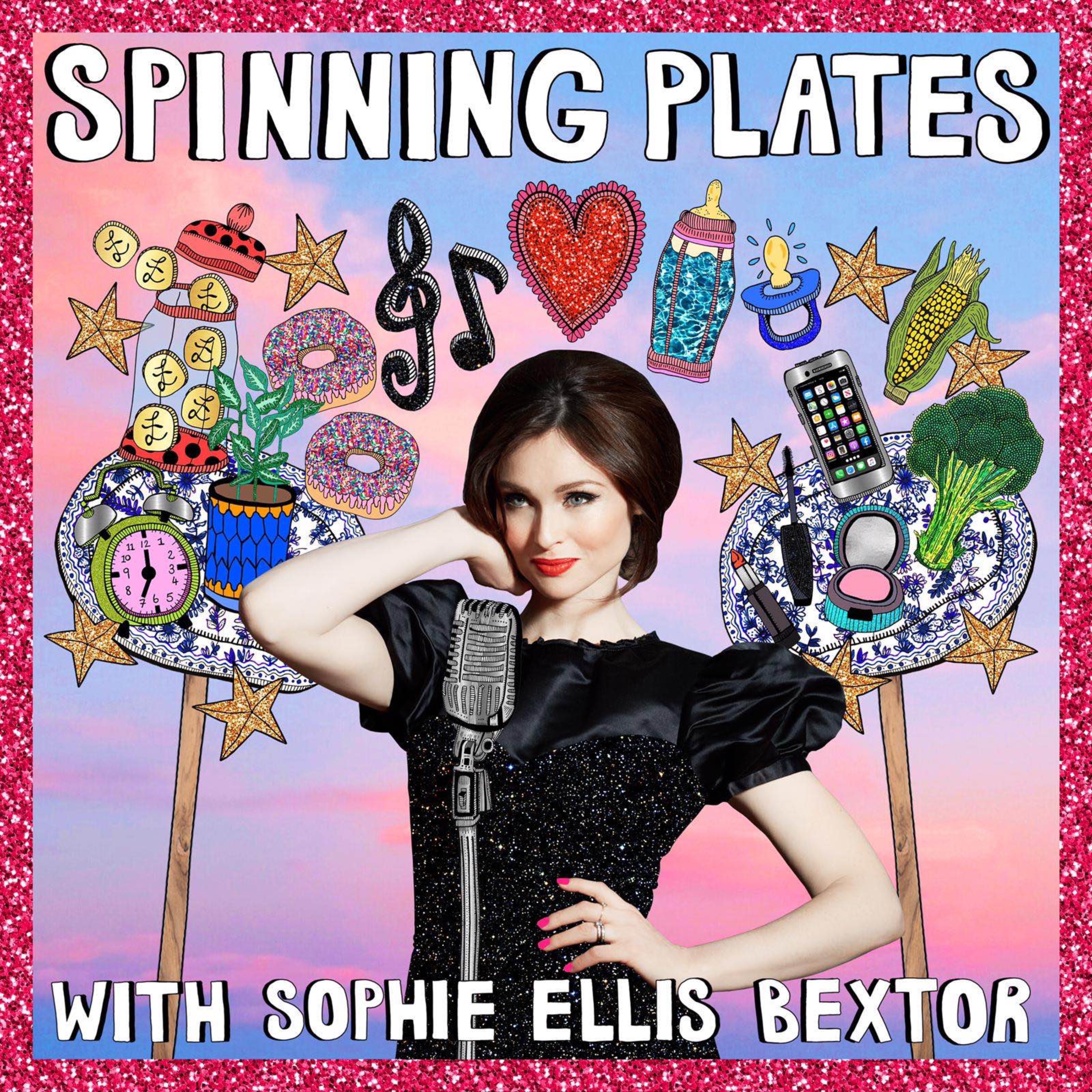

 Spinning Plates with Sophie Ellis-Bextor
12 Jan 2026 · 1h 24m · 31 chapters

Host: Sophie Ellis-Bextor
In this podcast series, Sophie Ellis-Bextor explores the lives of busy working women who are also mothers, discussing their experiences and how they balance personal ambitions with family responsibilities.
Rachel Reeves, Chancellor of the Exchequer
December 15, 2023
Written by AI. May contain mistakes.
Sophie shares her experiences of the holiday season and family time.
“So I've actually been able to have some lions.”
Sophie introduces Rachel Reeves, discussing her role and relevance.
“Now, Rachel Reeves is the current Chancellor of Exchequer.”
Sophie discusses her concerns about featuring political figures on her podcast.
“Look, I'm nearly 200 guests in at this point.”
Sophie reflects on the significance of Rachel Reeves as a female Chancellor.
“And, you know, we sort of decided quite early on we wanted to do more around the cost of living because that is still the biggest challenge that people are facing.”
Learn about the challenges and motivations behind political decisions.
“especially on like taking things off energy bills or changes to the two-child limit for universal credit.”
Explore the balance between personal scrutiny and policy focus in politics.
“how does it feel in difference to the theory, to the actual?”
Discover how politicians develop resilience in the face of challenges.
“And having that humanity in there is so important.”
Understand the complexities of economic policy and its impacts on citizens.
“But, you know, those are the decisions you expect to have to take as Chancellor.”
Learn how representatives consider their constituents in policy decisions.
“So when you're working on the budget, is that what you're picturing?”
Hear about the power of support networks among women in politics.
“We need to create an environment where businesses want to grow, not just, you know, sell and move on.”
Examine the advancements in women's representation in politics over the years.
Discussing the increase in women's representation in British politics.
“when you were born as well so you're two months younger than me uh and you can tell or maybe it's my job when we were born there were 19 women in parliament 19 yeah um out of 650 Yeah, so it is about 250 or so today.”
Exploring the significance of Rachel Reeves being the first female Chancellor.
“as someone who's looked at, you know, that political history and celebrated some of the women in politics, it must feel very significant to be part of that history.”
Examining the male dominance in economics and finance roles.
“And yeah, I hope if it doesn't sound too presumptuous that I could be that for some young women and girls today.”
Rachel discusses the challenges of balancing her high-profile role with family.
“Yes, and I think, you know, although I've had a lot of change in my life the last 18 months, the change for them has been even greater because I had time to prepare for it.”
Insights into the unique experiences of living in Downing Street with children.
“So, you know, I'm certainly not complaining and they wouldn't either because they know it is a big privilege.”
How the Reeves family navigates the pressures of public scrutiny.
“You know, you are in a very public setting.”
Exploring how Rachel's childhood influenced her political motivations.
“They obviously have a pretty good understanding of what is going on in politics because it is all around them.”
Explore how childhood experiences shape political beliefs and motivations.
“She was a special needs teacher, first of all, but, you know, then there were cuts back then as well and she became a classroom teacher.”
Discussion on how parents influence children's understanding of budgeting and money.
“We'd go, went out for lunch in a cafe or went to the shops.”
Strategies for instilling a sense of responsibility and earning in children.
“she would basically add it all up and tick things off because there was not more money.”
Discussing how to teach children the value and cost of money.
“tips and you know ideas about saving and things like that and actually I had really good friends pop round at the weekend and their little boy is the same age as our daughter.”
The importance of political awareness and activism in children.
“How do you think you can help your kids with that?”
Discover how personal experiences, such as parenthood and work challenges, shape political engagement.
“But most people, it's got to be through something else that they care about, that they might get an interest in politics.”
Explore Rachel Reeves' aspirations for child welfare and her policy initiatives aimed at reducing poverty.
“Yeah, because I think, you know, when this conversation will be published, it'll be January.”
Gain insights into the struggles faced by children in poverty and the importance of equal opportunities.
“I mean, my mum and dad would never have imagined, you know, when I arrived in 1979, that one day I'd go on to be an economist, an MP, the chancellor.”
Learn how Rachel aims to inspire young people from diverse backgrounds to pursue their ambitions.
“or the arts or in business or in the media and you know so much of you know the upper echelons of whatever dominated people from quite privileged backgrounds.”
Discuss the slow progress for women in politics and the need for cultural change within Parliament.
“Because when I watch, you know, question time, it looks to me, I don't think, it reminds me of a playground.”
Learn about Rachel Reeves' unexpected journey with the Loneliness Commission and her friendship with Seema Kennedy.
“And I thought, well, I've no idea who you are.”
Explore the importance of understanding different political views and the motivations behind them.
“and if Jo was still an MP, she'd be a brilliant person, you know, to have on this programme.”
Discuss the challenges of maintaining a work-life balance while in a political role.
“but for you to still find a way to get on.”

Get the gist, explore an idea or ask about something said.
 Claude
On Spinning Plates with Sophie Ellis-Bextor, what are the key points of this episode?
Searching your listeningAutomatic transcript. May contain errors.
0:04Hello, I'm Safiyella Spexter and welcome to Spinning Plates, the podcast where I speak to busy working women who also happen to be mothers about how they make it all work. I'm a singer and I've released eight albums in between having my five sons aged between seven years old and nearly 22 so I spin a few plates myself. Being a mother can be the most amazing thing but it can also be hard to find time for yourself and your own ambitions. I want to be a little bit nosy and see how other people balance everything. Welcome to Spinning Plates. Hey, Happy New Year. Oh my, when did we last speak? Well, quite well before Christmas.
0:45I think it was November actually. I hope you had a lovely season. I hope you've managed to have some chill time, some cozy time, some tender time what have we been doing Christmas was so nice I mean look I love working as you know but um it was so nice to just be at home and when I'm home I get these like nice feelings like I want to sort things in my house and I very much enjoy it so I've been doing cupboards and drawers and you know just sort of like little home to-do list it's felt very good to get those juices flowing and have proper proper family time and not be going out and just hibernating um i've done a handful of gigs sort of between i don't know from about the later stage of december through to now and it's been glorious to essentially just be home all the time uh no heels no makeup no eyelashes no false nails no nice well few sequins i know it's christmas i love the decorations um and yeah we had a lovely christmas we had the family all here we host it every year so it's nice we kind of know well what we're doing and it felt like one of the most relaxed we've had actually probably due to the fact as well that my youngest well actually he just turned seven yesterday but it means we haven't got any teeny tiny tots anymore still got like lots of of, you know, Father Christmas stuff sprinkled around, but we're not in that, like, tiny tot stage.
2:20So I've actually been able to have some lions. Woo! Enjoying that. Well, I say that. Not now, of course. Not now, back to school time. It's hard, isn't it? January, going back into school. Blah! But thank you so much for coming to join me here again. As I said, I hope everything's good with you. Happy New Year and all that jazz here in London town. I'm looking out over a very, very wet and wild Thursday evening. And I have a whole load of lovely guests for you. I've recorded sort of 50 % of the series already with the remaining guests all lined up in the diary. So feeling pretty good. I laid a good path for myself.
3:04And while we start with Rachel Reeves. Now, Rachel Reeves is the current Chancellor of Exchequer. She's the first female Chancellor in 800 years of British politics. She was made Chancellor February of last year. No, not last year. Oh, golly, sorry, it's 2026 now, wasn't it? February 2024, she was made Chancellor, having been a member of the Labour Party since 20, well, she became an MP in 2010. She was before that an economist. She has two children. they are 12 and 10 and she she reached out to me so well I should say the Downing Street press office did with a view to her participating in the podcast now this is relevant for all sorts of reasons not least because I want to share with you and be very transparent about my thought process because I must confess when Downing Street reached out to me in sort of early December last year I had some hesitations and some trepidation around having Rachel Reeves on my podcast.
4:30Now there's a few reasons for that not least whenever I've had political guests on politicians I've always come in for you know people will put unpleasant comments on my feed and I'm going to be honest I don't really enjoy that feeling so I had Jacinda Ardern the former New Zealand Prime Minister on the podcast back in I think we published that in November and I still had people putting things on there and some of it felt quite personal to me now I should be super hardy I've been doing this a long time but I find I don't enjoy that feeling secondly at the time when uh the downing street press office reached out to me there was a lot of talk in the press about the unpopularity of the chancellor this was pre-budget uh when the actually was that right yes when the first request came in it was just before the budget was announced and things were not looking great for rachel reeves in terms of her popularity so i thought oh golly that's that's going to be hard for me as well if I invite her onto a podcast and then you know all the people that have that criticism of her are they going to turn it on me are they going to turn it they're going to put it all surrounding which should be a positive conversation insofar as this podcast is all about working women who happen to be mothers and I am fascinated Look, I'm nearly 200 guests in at this point.
6:04I'm fascinated by people's relationship with their work, their relationship with motherhood, and how the two have interconnected. Of course, it comes out of a purely selfish thing. It's helped me recalibrate and reframe my own relationship with work and being a working parent. It's something I've navigated and has, for me, it's improved my relationship with how I live my life, which for me has been really helpful. And my curiosity just hasn't stopped. I'm fascinated. I've got such a little list in my head of all the different representations of parenthood and all the different representations of work.
6:44I want to explore these conversations. I find them so interesting. So when I was approached to speak to Rachel Reeves, I was super curious. I thought, this is a woman who has children at an age where, look, that's demanding. These aren't little children. These are children that need you, that ask you questions, that notice if you're not home at night, that are going into double figures and are looking for the, you know, who's going to be there when you get in from school and who's going to the parents evening. So I was really interested. How do you navigate moving into 11 Downing Street with your children, uprooting them, setting up this new life, and then being a public figure, and then being subject to such scrutiny, and then ultimately doing a job you love, flying the flag for women in politics, becoming the first female chancer in 800 years.
7:44I was like, you know what, that is a fascinating conversation. That is super interesting to me. so I said yeah let's do it and then uh Rachel came around with a couple of her secretaries and it was quite a funny moment they came to my house uh I answered the door to them and I said do you need me to sort any parking to which one of them said um no we have the police who've brought us which made me really laugh I'm afraid I was like of course you have of course Chancellor's Exchequer but mainly I thought what a privilege to speak to someone who's currently in that role I've spoken to actually not one but two former Prime Ministers so women who've had incredibly important pivotal roles in politics and commanding a country but as I was walking home from school around that morning ready to do the interview with the Chancellor all I could think was I'm about to speak to someone who is is actively influencing every single person I am walking past her decisions will have an impact on every single person I'm seeing today and how do you navigate that and how do you feel about the culture of politics the the nature of of how it works in the house of commons how it works in the press and also I could see from Rachel's book, which I have on my nightstand, which is called Women of Westminster, I could see that she's fascinated in women in politics and ultimately wants to invite more women to the table and encourage it.
9:27Rachel and I are actually the same age. When we were both born, the number of women in British politics in Parliament was around 3%, 3 % representation in Parliament. it's now 40 so it's come on leaps and bounds and there's some incredible women that are blazing into her path and whatever you think of her politics whatever you think of her views her decision making it is an undeniable fact that having rachel rose be a female chancellor is something of note and something that might encourage other women to to go into uh either economists or think you know what I wouldn't mind navigating the purse strings of the United Kingdom let's see how I do so yeah there were loads and loads of things to talk to talk to her about I found her warm and open and you're gonna hear we start off in quite a sort of political space and then we move more into the behind the scenes the parenting the family life and yeah I think it was a really good chat and I hope you enjoy it and just um look the little trolls on the internet wouldn't have even made it this far into my oh 10 minute introduction but I hope that this conversation lands where I intend it to which is it's so good to humanize these roles and to think about the people inside these roles and and the value of it because ultimately having uh playing a part in our in our politics um voting having your opinion it's really important it all counts right enough from me here's rachel and i we spoke i think it was around the 15th of december so picture the scene you're kind of leading up to christmas the budget has been announced right over to you rachel here we go
11:42um good morning good morning so i often start by asking my guests what they've been up to at work recently and i see no reason why i should start any differently not much anything exciting going on it's been quite quiet oh we had the budget yeah oh the budget yes i did hear a bit about that and actually how do you feel on the other side of the budget I mean what's the process of working it all out and then putting out into the world and the aftermath was pretty massive process and it sort of started in the summer really when we started working on what different policy packages might look like and then you know trying to work out what size the budget needs to be based on the forecasts that we get in.
12:30And, you know, we sort of decided quite early on we wanted to do more around the cost of living because that is still the biggest challenge that people are facing. We wanted to do more around cutting NHS waiting lists and we wanted to start reducing or further reducing the debt and the deficit. So that's what we wanted to do, but it was a tough backdrop with sort of productivity downgrades and various challenges. So it starts really a long way before the budget because the budget wasn't until the end of November. And then after the, well, then you've got the budget speech in Parliament. Then the rest of that day is filled with sort of interviews and, you know, starting to sort of explain and answer questions about the budget.
13:16And then I get the train somewhere. This time, I think it was to rugby. And then the next morning, I did like the full media round from there. I'm not very much asleep. And then I spent that day with the prime minister. And, you know, it's really then you're going into sales. So, you know, selling the budget, explaining what we've done and why, what difference it will make for people. And then there's the sort of Sunday shows with Laura Koonsberg and Trevor Phillips the week after. Then there is Treasury Select Committee. That was last Wednesday. and that was the last sort of big sort of post-budget moment.
13:56And so, you know, we've still got a big piece of work to make sure people understand what the budget means for them, especially on like taking things off energy bills or changes to the two-child limit for universal credit. So there's lots of work, you know, ongoing on it, but it feels like it's sort of settled and I'm happy with the package. And as someone who always liked the idea of being chancellor, how does it feel in difference to the theory, to the actual? I mean, obviously, it's incredibly intense. I really love the job, and it's the job in politics that I've always wanted to do. I love making the decisions, reading all of the options, driving forward things that I believe in, like the entrepreneurship package we had at the budget trying to make Britain a place that we're going to encourage people to grow businesses bring investment in you know really get that growth that we need and done a lot around supporting women as well hosted last week and a really fantastic event for the investing women task force which has raised around 600 million pound fund to back women starting businesses so things like that that I really believe in um things like putting more money into helping families so I love all that side of it the thing that you know is hard and I think you know people see all the sort of the newspaper coverage there's almost as much coverage of me personally as there is of me and my policies and I'm much more comfortable focusing on the policies than I am of yeah this sort of personal stuff and I hope that when sort of people sort of judging what I'm like as a politician, they would say, yeah, she focuses on the policies rather than the person.
15:52But I don't always feel that happens to me. And that's the bit I find more uncomfortable, I guess. Yeah, and I suppose, I mean, that kind of leads us a little bit to today because you've got, you know, it's so good to humanise the roles and invite people into the 360 because I think that's really important. And we have become so adept at this quite binary thinking and, you know, forums like Twitter and things like this where people can have one extreme to the other. And so meeting in the middle, the nuanced conversation, that which unites us, that which divides us, those things are so vital. And having that humanity in there is so important.
16:31But then for you as a person in the middle of all that, you've also got to feel really supported and there's got to be boundaries as well. So I suppose when did your, you know, helping yourself build your resilience or your muscle for that aspect of the role, when does that start to be built in? Is that just throughout your experience in politics or has it had to go up a notch? It's had to go up a massive notch, not just a notch. A few notches. What's bigger than a notch? Yeah, a few notches. Are we in top gear, would you say, for these things now? I hope so.
17:07Yes, I'm not sure if I had fully prepared for that aspect of the job. I think I was sort of prepared for the sort of difficult choices and the unpopularity that comes from difficult choices because, I mean, look, the reason Labour won the election last year was that people were fed up. They didn't think things were working. No one thinks that we inherited a sort of a golden era for the economy. You know, it's a massive repair job. I was ready for that yeah the bit where I've had to sort of really step it up it's my own personal resilience and I'm you know I'm proud if I'm honest of how I have withstood that yeah I am actually but yeah that's the bit that I think has been the most surprising to me and maybe it shouldn't have been because obviously there is a lot of scrutiny when you're in a big job like this one but yeah that's the bit that's maybe been the most challenging although the economic stuff has also been quite challenging because there's been an awful lot of volatility in the markets and, yeah, a lot of things to contend with, trade barriers, tariffs, conflicts, which obviously have an economic impact as well.
18:18But, you know, those are the decisions you expect to have to take as Chancellor. Yes, and maybe more your comfort zone as well in terms of looking at them and being unflinching with that. But when it comes into you as a person... Yes, it just feels more, yes, sort of intrusive maybe. Yeah, I would agree with that. And it's funny because I've actually interviewed a few people in politics now. And even as someone just asking the questions, I've found myself sometimes the recipient of some of that frustration and negativity. And so I very much understand that, you know, a little on the outside of how those concentric circles might work.
18:57And obviously, you know, you want to be able to do your job, but you're maybe not expecting all that frustration. It's almost like a road rage sometimes, I think, when people just need to put it somewhere. And as you've said yourself, they're looking for change and change can sometimes take a while to come about. And everybody's got their idea of what it should look like as well and how it affects them. Yes, yeah. And I think that's a really important point, that change takes a while and anything that is worth doing isn't easy, I would say. And, you know, okay, fine, you can do things that are immediate, but they might not be the right things to do.
19:42You know, to really make people better off, we've got to make sure that the economy is more productive and that therefore people's wages are higher. We have to take immediate action, which is why I've done things like taking£150 off energy bills next year. but in the end the reason why people struggle to afford things right now is that wages haven't kept up with the cost of living in the last few years and that's what we've got to turn around and ensuring that it's in all parts of the country it's not good enough for in some parts of the country and in some sectors for wages to be rising but in other parts of the country people are still falling behind and that's why it's not possible to you know make that sustainable change overnight but I do recognize that people are frustrated with waiting because people were waiting for a lot of years now to be better off and feel that things are moving in the right direction and so we're trying to get the balance right between some of the sort of longer term policies to you know invest in our energy security or you know invest in public transport or support entrepreneurs to help ensure that we're creating businesses here are still also at the same time taking some of the immediate action on prices in particular to ensure that people find life day to day a little bit easier than they have done the last few years.
21:02So when you're working on the budget, is that what you're picturing? Is there certain people you're picturing at the other end? Do you have in your head almost like a community of people that you're picturing? Yes. So obviously in the UK, as well as being a member of the cabinet, you're also a constituency MP. You represent a place. I've represented Leeds West. Leeds West and Pudsey is now for 15 and a half years. In fact, I was at a primary school in my constituency on Friday last week, Christchurch, Upper Armly. And they asked me how long I'd been an MP. And it was like twice as long as they'd been alive.
21:40I felt really old. Nothing marks the passing of time, I guess. There was a little boy who, when I first became an MP, I went to his school and he had loads and loads of questions. and he was about eight. And I said to his teacher, he was so enthusiastic. Do you think he would like to come into the office sometime and see what it's like being an MP? So he came and shadowed me for the day when he was about eight. And a couple of years ago, I met his mum at an event and she said, and I'm a grandma now. And I'm like, oh my goodness, that boy's got a kid. But the point, sorry, I digress a little bit.
22:15The point I was making is that I've been the MP there for 15 and a half years. It's quite a mixed constituency. There are parts that are reasonably well off, but there is a lot of poverty and there are a lot of challenges. And I try to think of the people that I meet there and what they would like to see in their lives. And I don't spend all my time going into schools, but another sort of school story, there was a little girl at a school in Bramley. Well, I'd gone in to present some awards or something, And then I said, well, whilst I'm here, you know, do people want to ask me any questions? And this little girl put her hand up and she said, why is everything so expensive?
22:57And I felt, gosh, like what she must hear at home with a mum or dad or whoever's at home sort of saying, you know, in the supermarket, no, you've got to put that back. It's too expensive. No, we can't go on a holiday this year. It's too expensive. What do you mean you've grown out your school coat? It's too expensive. And that is the reality for a lot of people. And, you know, when I'm doing my policy stuff, I do try and think of those people and the difference it will make for them and their families. And, you know, the budget, one of the most controversial things was getting rid of the two child limit that you can carry on receiving universal credit for a third and subsequent child.
23:39And I was at a school recently, actually, in South London, so not that far from where I grew up. And I asked the kids I was talking to, and they'd all been chosen because they were like, you know, they were high achievers. They were in years 11, 12 and 13. So, you know, they were mainly doing A-levels in things that I'd done, so sort of politics and economics and stuff. And I said, how many of you have got more than one sibling? And half of them put up their hands. And I thought, well, I know that from April next year, their family will have more money. and you know for them you know whether it is the you know money for the the books to be able to you know carry on doing well at school or that parents don't struggle with the monthly rent so much that would make a big difference to them and those are the sorts of people because that's why I went into politics that I particularly think about but also I'm not sort of naive I also know that for them to do well, we need businesses to succeed and to choose Britain as a place to invest, which means we need to be competitive.
24:46We need to attract talent. We need to create an environment where businesses want to grow, not just, you know, sell and move on. And so that's what I mean about sort of getting the balance right. Obviously, I'm ideological. I'm a member of a political party. I joined a political party when I was 17, obviously. I've got very strong values. but I also I often sort of feel I'm trying to get the balance about right I need to raise money to be able to fund public services but I also want to grow the economy and it's always about okay I think I've done about the right amount to achieve what I want to achieve so it's sort of driven by values but there's also got to be some pragmatism in there as well.
25:33Yeah I mean I was thinking I've spoken to so many women I've been so lucky with this podcast but I don't I think you might have the most responsibility at the current moment of anyone I've ever spoken to I know you spoke to Jacinda Ardern quite recently so I've only met her once or twice but she sent me a lovely message a few weeks ago via a mutual friend and I really like that one thing that I've really benefited from in the last year is other women reaching out and wanting to be supportive. It's not just women, but just the other day, I hosted an event in Downing Street. And one woman, she brought in a note from her mum and her mum's friends.
26:20They're up in Yorkshire, not that far from where I'm an MP, just saying, keep going, Rachel. We've got your backs, Rachel. or, you know, keep doing what you're doing. We think you're great, Rachel. And it was so lovely. It was just this group of women at a coffee morning and they ended up talking about me, I guess. And they said, let's write her a note. And then she said, actually, I think my daughter doesn't really know the Chancellor, but is going to an event. Why don't I get her to take it down there? And it was such a sweet thing to do. That is sweet. I just wrote a little note back this morning saying, like, actually, that sort of thing makes such a big difference.
26:56It does. I promised them at the end I will I will keep going don't worry about that yeah and I think you know look and and when we think about our you know political conversation most things go towards what what's not working what the way does it made we need to to fix things or what should be different so having positivity connected with it is actually something that we're not culturally too used to doing but it's really nice when people do yes reach out and and do that because you know that everybody's instinct is to go towards what what is not currently feeling good about things and as I said when I was walking back from like the school run uh just this morning everything I was thinking every bus that went past me personally walked past I was like you actually actively affect all these people's lives I was thinking that is incredible but also you know look it's amazing when you talk about other women in politics and I know that's been so much part of your interest in politics and actually we're the same age and I might have got this a little bit wrong but I think when we were born there were about three percent of women in politics and now it's 40 percent in parliament so with yes everything is exponentially I looked up when you were born as well so you're two months younger than me uh and you can tell or maybe it's my job
28:16when we were born there were 19 women in parliament 19 yeah um out of 650 Yeah, so it is about 250 or so today. Yes. So things are getting much better in terms of representation and conversations around women and what women need to support them and to flourish and getting women into politics as well, making them part of the conversation. Even since when I first got elected in 2010, when I got elected, I think 23 % of MPs are women. So it's sort of almost doubled just in the 15 years that I've been in Parliament. So, like, you know, sometimes we sort of like, oh, progress is very slow. Progress is too slow, but we have come a long way.
29:05Yeah. Even in the last sort of, yeah, decade and a half. Yeah. And for you having the role of first female Chancellor of the Exchequer, as someone who's looked at, you know, that political history and celebrated some of the women in politics, it must feel very significant to be part of that history. Yes, it does. And when I walk up the staircase in number 11 Downing Street, there's a picture of every chancellor that there's ever been. And I walk past them all and they are all men. And, you know, some of them were great chancellors, some of them not so much so. But, you know, it is extraordinary that in 800 years there has never been a woman doing this job.
29:46And it is sort of like the final job, really, in British politics where there hasn't been a woman. So I am proud to be the person that does that. But also, I started my career in economics and financial services. And that was 25 years ago. And certainly when I started my career, there were very few women in my profession, my industry, to look up to. and that has changed hugely. There's now some amazing women running banks, running insurance firms, women like Debbie Crosby at Nationwide, Amanda Blank at Aviva, really, really impressive women and there weren't really so many of them, hardly any at all, when I started my career.
30:37And I've always believed, you can't be what you can't see. If you can't see anyone doing something like you or someone from your background doing something, it's very hard to aspire to do that because it's difficult to imagine yourself in that place. And I really hope, and I said this in my first speech when I was chancellor, that I hope that there'll be young women and girls looking at the job I'm doing and think one day I could do that. or not maybe that, but whatever they want to do. And knowing that there is somebody maybe who they could see themselves in, in a way that maybe they haven't been able to do that before.
31:14And I've always benefited from having women role models in my life. And yeah, I hope if it doesn't sound too presumptuous that I could be that for some young women and girls today. Undoubtedly. Do you think that there's been an aspect of gender bias that the last role for a woman to occupy is something that's in charge of economy and budget? Yeah, I mean, finance and economics is still incredibly male-dominated. I think three women now have won the Nobel Prize for economics. That's a very, very small number of women professors in economics is very low. There's never been a female governor of the Bank of England or permanent secretary at the Treasury.
32:04So a lot of the top jobs really in economics have still been all men. But that is starting to change again. My first job after university was at the Bank of England. And I think there was one female member of the top policymaking body, the Monetary Policy Committee at that time. whereas now you've got two of the deputy governors I think half of the members of the Monetary Policy Committee are women so there's been lots of changes and there's no reason to think that the next time these roles are going to be appointed either a woman will get it or a woman will be certainly in that last couple of people I was looking because worldwide I couldn't find so many examples of female chances but then I don't I can actually find any that also had children um I might be wrong I just Janet Yellen was the first female treasury secretary in the US um she has a son but he was a you know he's a he's also a professor I think of economics uh so uh but she was a lot older I guess when she became a US treasury secretary and so her son was already grown up so having I was thinking that of all the ages to be in a very intense work period I think it's it's one thing to have like the early years when those demands but actually they're not so good at keeping tally of when you're there they've got their constants then you've got them when they get beyond you know sort of like uni age or you know beyond um GCSEs when they're a little bit more they can understand the global picture but when they're between sort of well certainly my household between sort of like six seven through to kind of early to mid-teens is the bit where I feel the most watched about being accountable and you said you'd be here for this and you've been working a lot and your kids are 10 and 12 am I right yes that's right yeah so how how has it been to have to be to be manning that juggle because that is quite quite an intense period for both things, I think.
34:14Yes, and I think, you know, although I've had a lot of change in my life the last 18 months, the change for them has been even greater because I had time to prepare for it. Also, because I've been a Labour MP and lost so many elections, we lost in 2010, 15, 17, 19, I didn't want to sort of get my own hopes up about the 24 general election and I didn't want to cause unnecessary stress for them ahead of the election. So we didn't talk about what it would be like so much, which maybe was a mistake, but that is the sort of decision we made at the time, not to worry about it until we had to. But then obviously things changed pretty quickly when I became Chancellor.
34:58You know, I've usually got police with me or nearby. We sort of have to live in Downing Street. It wasn't really an option. um not to um you know for security sensible security reasons um so we all moved um and we did that about two weeks after the election um and then it took a while for all of our stuff to arrive and we made a mistake about what stuff arrived first so like you know the right the right clothes didn't arrive it was all quite stressful and like you know it was all on me and you know kids especially at that age perhaps they just want to be normal and they want to be like their friends and obviously you are not normal when you are living in Downing Street and your mum's the chancellor and you know that is you know it's obviously a massive privilege and one day they'll look back and think you know wow we had that that time in our lives where we lived there but in the moment it's just like why don't you do a job like the other mums at school do why don't we live in a house like they do um my kids never use the front door at downing street i know it sounds like a silly thing but um you know we don't want them being in the public uh domain and they don't want to either so they use the back door um so so they don't sort of have that thing about going through the doors there but also when they've got friends around And they come through the back and it's sort of like walking into an office block, really, when you walk in.
36:41So, you know, I'm certainly not complaining and they wouldn't either because they know it is a big privilege. But it is an unusual thing when you are 10 and 12 to live in a place like that and with everything that, you know, goes around it. You know, when we step out of the flat in the morning, we are in the offices of Downing Street. And so when you're sort of screaming, you know, have you got your water bottle? What about your packed lunch? I told you it was maths today. Have you got your trainers? You know, you are in a very public setting. So it's yeah. So it's sort of unusual like that. But there were some amazing things about it.
37:19I mean, you know, being a 12 year old girl and living in the centre of London and being able to walk to Covent Garden. that's pretty nice as a 10 year old boy who loves playing sports having a big garden and having all of the royal parks just minutes walk away is a pretty nice problem to have and probably reasonable compensation for the sort of inconvenience and the weirdness of it all but there are certain elements of it that are a little bit surreal Yeah I mean actually I can't even imagine I mean aspects of it almost sound a little bit magical but it might just be because we're sort of in Christmas time so I'm sort of picturing it as this almost like you know true London living but also you know that upheaval as you say the craving of normality and just wanting to feel like it's very hard for kids when they feel that their instinct is just not so much when they're 10 maybe but start pulling away a little bit you want your own world your own thing your own privacy and having to sort of uphold things as a response to your parents' job I think always feels a bit arduous at that age.
38:37But then maybe they're a bit too young to be shimming down any drain pipes, so that's a good thing. If it was me at 16 and my dad was there or my mum was there, I think it would have been a nightmare. Well, I wouldn't have been able to go out as much, that's for sure. Yeah, well, I guess Tony Blair's kids were sort of teenagers It's just when they were there. Mine are, well, I mean, not that far off it, but yeah. But it's been, you know, it is an amazing experience and place to live. And it is magical. You know, it's Christmas. There's a tree outside. There's a tree as you come in. My daughter got to help decorate, you know, one of the trees.
39:15Larry the cat is wandering around. How old is that cat now? Very old. 17, 18. Oh, right, okay, yeah, very old. Sweet. Yeah, yeah, he sort of sits by the radiator most of the time. But he's got a reputation for not being very friendly, but I don't think that is fair. He's pretty old. Yeah. He does like being stroked, and sometimes he walks into the number 11 offices as well, and we always feel very privileged when he calls and says hello to us. That's the thing about cats, you feel like, oh, they've deigned to come and see me. When you've spoken about, at the beginning, you're talking about how it's been so hard to have this public scrutiny of you more personally so what happens to your your mother heart when that's happening how are you navigating that as a family because I imagine that must be really tough yeah so we're quite strict at home we you know we have capital radio on and not the today program um we don't really have the newspapers as in the flat and we don't watch the news.
40:23They obviously have a pretty good understanding of what is going on in politics because it is all around them. But we try to keep home as a separate place to work, really. It might sound a little bit impossible given my job and where we live, but we try and be quite strict around that. And sometimes if I'm making breakfast, I'll have the Today programme on. And as soon as the kids come in, it's Alexa, play capital. And everyone's much happier. And that wasn't the case before I was Chancellor. When I was Shadow Chancellor, we would listen to the radio in the morning. But it's just a bit too much.
41:04It's just a bit too close to home. But, you know, they know it's budget time. I did ask my son whether he wanted to come and watch. I knew my daughter wouldn't. But I asked my son if he wanted to come and watch the budget. and he sort of said um what what time is it and I said it's at lunchtime and he said during school and I was like yes and he went okay uh and then he got a letter from school saying did he want to compete in the you know the inter-schools athletics tournament and I said it's on the same day as the budget I said so what would you like to do he's like athletics so he only really was interested in coming to the budget because it would have meant a day off school rather than he was particularly interested in my uh my policy measures uh so they've got a sort of a healthy skepticism i would say about about my job and what i do it sounds like that's exactly that's all is right in the world pretty much how things tend to pan out but when you're it sounds from looking your childhood and your early years it feels like such a so many elements of it were so crucial in influencing what later went on your relationship with politics and and your drive and and even you know feeling that being a little bit underestimated and what could maybe happen for you um I mean even the fact that and this happened to me as well but when your parents separate when you're young there does seem to be quite a high proportion of kids who then want to are interested in fairness or justice or politics and so when your upbringing and also oh yeah I did want to ask what's it like having two teachers as parents were they ever teaching you is that that's so prime my mum was a teacher at my primary school.
42:40She was a special needs teacher, first of all, but, you know, then there were cuts back then as well and she became a classroom teacher. But I think when she was a special needs teacher, she sometimes covered our class. And I was a little bit, I found I didn't like that and I was a bit naughty. And so I refused to call her Mrs Reeves and I would call her mum and she'd get annoyed by that and I'd sort of answer back and be a bit cheeky. So then I was sort of sent to the library this is at primary school and I just sort of organized books I was very happy I was going to say it's not too much of a punishment yeah yeah but I was not very good with her being my teacher but I quite liked having her at our primary school you know we we live very near to the school so you know she was around and stuff and my dad was a head teacher from pretty early on when I was born and didn't never taught at my school but they were very I mean you know we really were sort of taught you know you respect the teachers you're polite to your teachers you do what you're told um yeah I think we always my sister and I yeah did have a lot of respect for teachers I remember once and I said to my mum I think that being a teacher it's the most important job there could be um I've said what about the doctors and nurses I said well who teaches them mum I was like okay right so I did always yeah yeah I think the work that they did was really important and and also I benefited hugely from having good teachers that yeah cared about me and took an interest in me yeah and I suppose it would help prioritize academia in your house as well and and learning and being curious about things because I think every family's kind of got their their currency of what's important in that household yes yes we definitely like we we're pretty self-motivated um Ellie my sister and I we're pretty self-motivated but we knew you know where to do our homework you know we yeah we were just I was anyway Ellie was a bit more naughty uh but yeah we worked hard we worked hard at school and we're expected to and you know our parents wanted to know what results that we got I don't remember them ever like checking our homework or anything like that but I say I was quite self-motivated are there any parallels in if you're in a role like either being a teacher or a head where especially in the role of head you are like the figurehead for for that community and yes similarities in your job yes so So when we were little, my dad would take us out in Bromley, which is where he was a teacher, headteacher.
45:31We'd go, went out for lunch in a cafe or went to the shops. And then people would always bump into him and say, oh, hello, Mr. Reeves. Oh, hi, Mr. Reeves. Or I remember once we were in a cafe and this woman served us and said, he, Mr. Reeves, used to teach me at Southborough. So that was quite sweet. And I remember after I got selected as a candidate up in Leeds and my dad came and stayed with me for the weekend. and we went to Morrison's and we're walking around the shop and someone said oh hello Rachel and my dad said oh it's the other way around now so yes I do remember him being yeah sort of well known and recognized and really respected I think he was incredibly hard working I remember when we were little you know in the holidays or sometimes at the weekends Ellie and I would be in his sort of head teacher's office and he had like you know various sort of you know primary school age games I remember there being playmobile um in the office and Ellie and I would play with the playmobile whilst my dad would you know do whatever he was doing preparing assemblies preparing work or whatever uh so he was really hard working and actually he has a and still does a very very strong work ethic and I definitely would I get that from him and is it right you'd also see and have conversations with your parents about household budgets and this kind of thing?
46:50It wasn't so much that they would say, right, we're going to teach you about budgeting, but I have memories. And I guess that's sort of like, you know, my parents were teachers, so we weren't badly off. But after they split up, obviously there was less money and, you know, they both had to have two homes, two lots of bills, two lots of everything. It is obviously much more expensive being on your own and especially with two quite young children. And I remember my mum used to keep all of her receipts and when she got her bank statement, she would basically add it all up and tick things off because there was not more money.
47:33There was enough money coming in, but there wasn't money to spare or money to waste. And so she was very diligent about doing that. and again I think that taught me about the importance of money and and also a sort of sense of accountability being accountable for what you do and the choices you make and that always you know I think had an impact on me we also do you remember like before the building societies were demutualized like we had those a building society account with a passbook Yeah, I had a Halifax Little Extras Club. Yeah, exactly. A little house, money bank. I was the Woolwich. Okay, what did you get with that?
48:17Little, like, pigs. Oh, those pigs? Yeah. Oh, they were really popular. There was a whole family of them, all the money banks. Yeah. And you get the passbook and you'd take it in and they'd, you know, hand over, you know, money you got for Christmas or whatever and they'd put a little stamp in it. Yeah. and yeah I used to yeah I used to enjoy seeing that go up and I used to always again my sister is quite amusing about this she's saying she says now she says and Rachel always saved some of her money whereas I used to go straight to the Argos catalogue and decide how to spend it she said that's why Rachel is chancellor but I did used to always make sure with Christmas money birthday money you know anything like that that I would always put some of it aside and then you know got a Saturday job and yeah used to do the same there I'm definitely more in the early camp with that story my sister's idea of saving is that she'd go shopping in the sales and she'd buy something that was reduced from 400 pounds to 200 pounds and she claims that she saved 200 pounds I said no saving 200 pounds is putting 200 pounds in the bag in a savings account she's like oh you're so boring I had the little the Halifax little extra savers club I put two pounds in age seven forgot all about it went back to 11 it was like two pounds and seven p or something they had grown in like four years that's not a good lesson for saving it wasn't actually so there's no point just spend it it's fine um but what how do you think we can help our kids have a good handle because people's apparently their emotional connection and that a lot of what you how you deal with money is actually between the ages of seven and twelve something crazy like that you have most of your foundations for your relationship with money.
50:06So what can we do? I mean, I guess your kids are right in that bracket. I've got a couple that are in that bracket too. So my husband set up like little bank accounts for them. My daughter's old enough to have a card and it is good because it's all online, obviously, now. I don't have your Willidge or Halifax Passbook and so they can see what they've got. And I was talking to my daughter about it yesterday um and you know said you know you should think about you know how much money you need in there and how much of it you actually want to save put it in a savings um account she said but then i won't be able to get hold of it and it's like well but you might not need it and you might want to save up for things when you're a grown-up you know your first car or you know deposit to rent a a flat or you know travel around the world whatever you want to do and then we did actually talk about that a little bit so I do think I do think now with the technology and being able to sort of view it and see your money working or growing I think that's quite a useful thing and certainly like their bank account like you know give some sort of you know tips and you know ideas about saving and things like that and actually I had really good friends pop round at the weekend and their little boy is the same age as our daughter.
51:25We were neighbours before I became Chancellor and he's really good at cycling, this little boy, and he wants some sort of gadget, like a sort of computerised thing, to go on the bike to monitor his performance and all this sort of thing, but it's going to cost£150 and his mum said, we've already spent a load of money on this bike, I don't want to spend£150. So he started washing cars and he's advertised in all of the houses on the estate where I used to live and they still live. And he had his first job on Saturday of cleaning someone's car and they gave him a tip. And so he's put that money in his account.
52:04And if he does that, you know, 15, 20 times, he'll be able to buy his gadget. And I thought that was really good because probably his mum and dad, if they wanted to, could pay for it. But actually it's much better that he saves up and does it. Yeah, I think any sort of schemes like that. And I wonder as well about how much transparency, I don't know if this is something that you think about, but I always wonder if it's better to be open about the cost of things, even when they're young and are still gaining a sense, or if those conversations are more for adulthood, because I can sort of see pros and cons on both sides.
52:36Yeah, I think, let's say, my mum and dad weren't poor when we were growing up, but I did have a very strong sense that we didn't have loads of money. And I sort of like, I've got more money than my mum did when I was 12 or 10 or whatever. And sometimes I sort of think, I don't want my kids to take things for granted because I never did. And I always felt I had to sort of work for things and prioritise. You know, and I remember there was a girl at school that always wore Benetton clothes. And I would love to have always worn Benetton clothes, but we couldn't afford. I had a Benetton jumper, which was like my, you know, prized clothing possession.
53:22You know, we'd go into Benetton when we went to the shops in Croydon, but we wouldn't buy much from there. And I sort of feel like because I've got more money, my children don't necessarily value it in the same way that I did. And so I do try to make them understand the costs of things and you have to earn money to be able to afford things. And again, it's obviously a nice problem to have that we've got enough money. But I do think there is something to be said for children understanding the value of money and that things cost and you have to earn and save to be able to do those things. And what about the value of being politically active?
54:08How do you think you can help your kids with that? Because I think it's so crucial to hold your piece of the jigsaw puzzle and put it into the picture. But I feel, I don't know about you, but I would take people having views I disagree with that I wouldn't regard as well informed, maybe 10 times over someone who's apathetic to what's going on. yes and I again I've always believed that you should listen to you know both sort of sides of the argument um you know and I have made friends in the years I've been an MP with uh conservative MPs who have become you know good friends we might not vote the same way in the evening but actually like what you said at the beginning like we do have more in common sometimes than that which divides us.
54:58Yeah, my daughter especially is very, very keen on animal rights and animal welfare. That's her big thing. And that's, I guess, her sort of route into thinking about politics and political questions, you know, questions around clinical testing, but also like testing cosmetics. She's just very interested and will have good conversations about those things. And yeah is willing to be challenged i think that sort of thing is really you know i came into politics because i was very interested well i was i noticed that spending on my schools was not as yeah didn't feel like a priority of the governments when i was growing up and that is what got me interested in politics because i realized that how much money our school had and how much how much resources our school had was in the end a political question and i wanted to do something about it and so i got involved in politics and you've got to have a root in.
55:56I mean, you know, some people maybe, you know, they might, you know, read a manifesto in their school library. I doubt it. But most people, it's got to be through something else that they care about, that they might get an interest in politics. And I notice as well, you know, when I'm out campaigning, whether it's in my own constituency or elsewhere, it's often like, well, I wasn't really interested in politics at all until I had children or until this thing happened to me at work or you know there's often a reason why people start being interested in politics and I think that's the same for everybody and with your role as Chancellor do you think about is there an intention of a legacy you'd like to leave behind and how long that might take to get there yes so it was like a really important speech to me the first speech I gave when I became Chancellor and I said two things that I really hope that you know by the time I finish being Chancellor and I you know I hope that's a long way into the future but I hope that I've achieved and the first one is one I've already said to you that I hope that young women and girls will know that there should be no ceiling on their ambition and nothing that they can't achieve if they put their minds to it and then And the second is that I hope that boys and girls from ordinary working class backgrounds will be living richer and more fulfilling lives.
57:21And both of those are things when, you know, I'm preparing a budget or, you know, whatever I'm doing. That's sort of in my in my mind. And things like, you know, extending free school meals to children whose parents are on universal credit, free breakfast clubs at all primary schools, lifting that two child limit, 30 hours free childcare, capping the cost of school uniform, which can be a big expense for parents. You know, those are the things for me that are about making sure that more kids from ordinary backgrounds get a good start in life. Yeah, because I think, you know, when this conversation will be published, it'll be January.
58:05So it's nice for people to think about things that are optimistic and hope on the horizon, I think, especially in the gloomy, cold winter months. But I work with Save the Children and, you know, there's one in three children living in poverty in the UK. So how quickly can we see that improve? Yes. So actually, I've got some of the charities who have campaigned on child poverty coming into Downing Street tomorrow. to thank them for all the work that they've done. And obviously a lot of them, including Save the Children, were lobbying me and the government strongly on lifting the two-child limit.
58:41And so I'm really pleased to be able to welcome them into Downing Street and to say thank you for lobbying because it's that evidence and that campaign base that helps you get policies over the line. So the work that Save the Children do and the Joseph Rowntree Foundation and so many others, it's just really, really important. And again, you know, from my own constituency, I know how debilitating poverty can be for families. And, you know, it does break my heart when you go into a school and you see kids in uniform that doesn't really fit them or shoes that got holes in it or, you know, you know that things have been handed down so many times and sort of barely fit for use anymore.
59:34And actually on the day, I was saying earlier that the day after the budget, I went to rugby. I went to a community centre with Keir, with the Prime Minister, after doing the morning media. And I was chatting to people there and I chatted to this one woman and she had her little boy with her. He was sort of just preschool, but he was really struggling to communicate. and I chatted to his mum and she told me that she'd six months before become a widow and she had four children. And because of the policy change that we've made, she will now get support for her third and fourth child through the universal credit system and she wouldn't have done before.
1:00:13And she works, but she doesn't earn a huge amount. She's obviously now got huge responsibilities with four children. and this young boy had obviously been, as any child would be, deeply affected by his father's death. And the idea that at the same time that you lose your dad and also you lose the earning power, that you'd be pushed into poverty because a government doesn't value a third and fourth child as much as they value the first and second, it really brought home to me the difference that that policy would make. obviously it's not going to make up for the loss of the father but it will mean that they've got a bit more money and a bit more choice as a family and hopefully help them get through you know what's obviously a really really difficult um period and i guess that's sort of you know you asked me about you know what i'm thinking of when i'm coming up with policies yeah it is people like them and making sure that you know they've got the chances because i i really believe that like talent is equally distributed around the country around different levels of income and wealth but opportunity isn't like really isn't um and i want a young kid growing up in rugby without a dad to have the same opportunities that somebody from a more privileged background would have and i don't think that that is the case at the moment i think that at the moment a lot of people achieve against the odds rather than because things were stacked up to enable them to achieve.
1:01:50Yeah and I can imagine you would have seen a lot of that first hand like that that route with the privilege you know when you're and there's still a lot of from where I'm standing it looks like through Parliament a lot of sort of old boys club you know ticking the boxes of the trajectory you go on to find yourself there and it's all very familiar and quite comfortable to end up in that place. Yes. I mean, my mum and dad would never have imagined, you know, when I arrived in 1979, that one day I'd go on to be an economist, an MP, the chancellor. And, you know, I'm really proud of my story and what I've achieved.
1:02:28But I know that, you know, for the third of kids who are growing up in poverty, probably slightly higher in my own constituency, that the chances of being able to fulfill your potential when your parents struggle to pay for just the basics, let alone, you know, the music lessons, the football club, the after-school debating club or whatever it is, you know, it's just not affordable for a lot of people. You know, the school trip. And I want their minds to be opened up, their horizons to be sort of opened. I had not long after I became chancellor, I invited my old secondary school and my old primary school into Downing Street because I just thought I would have loved that when I was at school.
1:03:18And I never went to even to parliament. I grew up in London until I was 18. And so I invited my old secondary school in and it was so lovely. They got there and they were standing outside number 11. We had our photos taken and then we came in and just as we were coming in, we bumped into Keir Starmer and it was like hearing a sort of, you know, a 30-year-old, 30-year-old, 30-year-ago version of me. They go, oh my God, it's the Prime Minister. I can't believe it. I was like, oh my God, it's me, it's me. And then like Keir then like photobombed all of our pictures. and I was saying to the girls, they say, you're here to see me.
1:03:59You don't say that enthusiastic about me. Are you more enthusiastic about the Prime Minister than that? No, no, no, we're really proud of you, Rachel. And it was absolutely lovely. But the thing I wanted to impress upon them is that there's nothing that they can't achieve and there are lots of, and it is sort of boys in particular, but there are a lot of people who might think, you know, one day I could be Prime Minister, one day I could be Chancellor, but there's no reason it can't be you. and you know I'm proof that that is possible um but you know you've got to believe in yourselves and seize every opportunity that comes your way and the world would be a much better place if there were more people from ordinary backgrounds you know doing big jobs whether it's in politics or the arts or in business or in the media and you know so much of you know the upper echelons of whatever dominated people from quite privileged backgrounds.
1:04:54I wanted to tell them that there's no reason why they can't go on and do anything that they want to. Yeah, so I am quite, I can be a bit preachy sometimes, but I want them to have in their mind, you know, when they're having those doubts, and we all have doubts, and when they're having those moments of doubts, then they think, no, I know I can achieve anything I want to. Or when they're doing the university application, they think, oh, no, that university is not for me. they think no I can achieve anything I want to when they're doing that job application you know when someone's saying you know are you sure you want to do that are you sure that you're ready for that you know think no actually I can do whatever I want to to do and I remember when I was at secondary school when I was in year 11 doing my GCSEs it was there were two girls in year 13 in the upper sixth form who were applying to Oxford and they were the first girls ever from my school to apply to go to Oxford or Cambridge.
1:05:49And I remember in school assembly, our head teacher, you know, said, and you know, we must all keep our fingers crossed today for these two girls, Cassie and Natalie. And I remember thinking, well, if they're applying to go to like the top university in the country, well, maybe I could do that because I'm getting good grades and I'm, you know, getting some of the best grades in my year. So maybe that's something I could do. and maybe I should think about that. And it was like a real moment for me when I thought maybe this is something that's possible. But it was only possible because there was somebody who was a little bit like me going to apply.
1:06:28And I'm honestly not sure if I would have done that if it hadn't been for them. And I've absolutely no idea whether Cassie and Natalie realise what an impact that they had on me. But it was really from that moment I thought, right, okay, if I do well I could go and do that as well and two years later I applied and I applied to the same college that one of them went to because I thought well if they let someone in from my school maybe they might let someone in like me as well uh and so totally pivotal yeah it really was it's amazing to be able to pinpoint these moments in your life because that you know that you don't always know when that's going to happen but you have to look back and say that yeah and I went into that assembly that day you know probably like you know most 16 year olds 15 year olds whatever I was like you know you know a bit boring uh assembly getting spoken at by the head teacher but that was a massive moment for me and made a big difference I think to my life oh it sounds huge um I haven't got you for too much longer so I just wanted to ask you briefly about the fact that I was thinking about the you know how we've seen these changes with more women in parliament but I wondered if it still feels like for women you know because it's been still quite slow progress um if women are having to sort of enter into this kind of culture that's pre-existing and keep up with or or be sort of very what's the word they very much keep up with that sort of rowdiness, how hard you have to be and how is there room to change or evolve the culture of how politicians talk to each other, how cross-party politics are handled and how conversations are had.
1:08:16Because when I watch, you know, question time, it looks to me, I don't think, it reminds me of a playground. Oh, I was going to say, it was a bit like my playground at Cater Park when we're all shouting at each other. Exactly. But I don't mind Prime Minister's questions. I don't mind the sort of back and forth. Again, it's something that before I became an MP, I had no idea what it would be like. And it wasn't the bit that attracted me most to sort of politics. But I really enjoy the format of speaking in Parliament and the fact that people can interrupt you. And it's a bit of back and forth. Yeah, I like that.
1:08:57Um, it's like an argument and I've always been quite good at arguments, but there is a lot of politics that people don't see that is probably more appealing. Um, and so I just give you sort of one example of around the sort of cross party, um, stuff. And I think it's also a good example of women working together. Um, but it sort of starts off with a bit of a sort of, yeah, a sad sort of beginning. so you remember when Jo Cox was murdered and Jo was a good friend of mine and I made a speech in Parliament the week after she she died when there were tributes to her and I said at the end of the speech it now falls on all of our shoulders to take forward Jo's work but she because she's no longer able to and as I was leaving Parliament going back to my constituency because it was in the middle of the Brexit referendum and I was going back to campaign.
1:09:56I walked through the members cloakroom where we leave our coats and bags before we go into the chamber and I bumped into this woman who I'd never met before and she said oh I heard what you said in the chamber just now and I thought it was really really powerful and I've been doing some work with Jo on this commission about loneliness and Jo was the chair and I was the vice chair of this this commission and I wondered whether you would be interested in co-chairing it with me. And I thought, well, I've no idea who you are. And then she said, my name is Seema Kennedy and I'm a Conservative MP for somewhere in Lancashire.
1:10:31And I thought, well, I've no idea who you are. I have absolutely no, like, you know, sort of knowledge or thoughts about loneliness. And I sort of thought, I said, well, okay, let me have a think about it. I'll get back to you. And I got on the Tube and I got to King's Cross and I had a message from somebody who used to work for Joe. And she said, oh, I hear you bumped into Seema and that you are thinking about co-chairing this commission. It would be so fantastic if you did. I was like, well, then I got on the train. There's no much reception between London and Stevenage because we're going through all the tunnels.
1:11:09By the time I got to Stevenage, I had another message from a good friend of Joe's who I also know saying it will mean the world to joe and her family if you took on the chair of the loneliness commission i'm so pleased you're considering it and i think like by the time i got to peterborough it was like it's amazing you've agreed to i haven't agreed anything uh and then i thought right after what i said in parliament and given joe was a good friend i can't say no to this so i said to uh i sent a message to sema whose number i got through a friend and said, you know, why don't we meet when we're back in Parliament?
1:11:48And, you know, the words you used at the beginning about like more in common and that divides us, obviously that was Jo's sort of motto and mantra and it really was how she lived her life, both as a local MP but also through the work she did in Parliament, seeking out a Conservative MP to do this work on loneliness, working with Andrew Mitchell, a former Conservative Cabinet Minister, to do work on Syria. and that is really what she believed that working together with people even when you don't share all of the same beliefs actually you can make more progress when you find those things that unite us and even after joe died she got me to do something that i otherwise probably wouldn't have done and i was much more tribal than joe when it comes to my politics but actually that experience of chairing that commission with Seema, as well as doing really important work on loneliness.
1:12:40And we did some really great stuff, I think. But actually the most powerful bit for me was getting to know and to work with Seema, who became a really good friend. And, you know, a few years later, I went to her wedding. We've been around to, you know, to see each other at home. We're good friends. And she stood down as an MP in 2019 because she didn't like the toxicity of Parliament. And I had Labour colleagues as well who left that year. It was a pretty horrid time in politics. But I would honestly say she'd be the one that I miss the most. We never voted the same way. We were never in the same division lobbies.
1:13:24But we had a lot in common. She became a really good friend and we did really good work together. And so there is lots of examples like that, those sort of small everyday things of people working together for the common good and transcending political alliances to do so. Yeah, and I actually find that very heartening. And I'm really sorry that you lost your friend as well, because that was such a shocking moment to have known her personally. I can't imagine how hard that must be. Yeah, obviously it was. And, you know, we sort of spoken a little bit about children today. and if Jo was still an MP, she'd be a brilliant person, you know, to have on this programme.
1:14:00You know, she lived on a canal boat with her husband and her two children. Totally mad. I remember going around there whilst on the boat with the kids and one of the children was telling me that earlier that week they'd tried to climb out of the, you know, the little round window and I was like, oh, my God, I can't imagine that as a mum, all the things you've got to worry about, to like climbing out the window into the Thames. But she was, yeah, a truly remarkable woman. Yeah, the best of our politics, I would say. Yeah, I mean, I found her very inspiring and her philosophy really resonated with me as well.
1:14:41And I think it's really, yeah, it's heartening to think that people can be brought together, as you say, for the greater good, because, you know, we can have all the debates, but ultimately everybody feels like they're doing what they can for everybody, don't they? So harnessing that positivity. I do think that choosing to go into politics is quite a niche thing. And whichever party you do it for, I do believe, I still believe, that people are doing it for the right reasons. They want to make our country better. And also political parties are spectrums. They are broad spectrums. And, you know, look, I've always been Labour.
1:15:20Ever since I first knew about politics, I knew that was my politics. But you've got to respect people who've got different opinions to you and understand where they're coming from as well. And I think being able to do that makes your arguments and your arguments stronger. But also makes you a better politician and maybe a bit more empathetic because it is perfectly reasonable for people to have different views but for you to still find a way to get on. Yeah, and to understand, as you say, what's informed that, because not everybody's dealing with the same factors, the same circumstances. And it's a bit like when Brexit happened, and I felt very passionately that I didn't want that to happen.
1:16:02But if you travel to some parts of the country, you can see that for them, they don't feel anyone was looking out for them. The opportunity didn't feel like it was waiting for them. And ultimately, you don't vote for change if you're happy with how things are. So you have to respect that people just wanted something to happen. I do understand that I wasn't in that position myself. Yes, yeah. Well, you know, my constituency voted to leave the EU. And obviously, I respected and respect that decision. And I also think that the vast majority of my constituents respected me and my view as well, even though on that we didn't agree.
1:16:41yeah um well there are like a billion other things i could have spoken to you about but i feel like that time is running out so i just want to know how good you are at switching off from your day job do you give yourself proper boundary time you're giving a face that's like i would really like to say that's true but i don't well that's i feel i should say you know yes it's and it is important obviously to switch off i don't find it very easy um but my children are my best route into switching off and so um i am genuinely really looking forward to christmas after an incredibly busy year and spending some time with them and with the intensity of the job versus how much you've always wanted to do and what you get out of it is the balance still tipped in favor of taking it on i love my job and there's no job that i would rather be doing and i know that i won't do this job forever so i want to enjoy every moment whilst i am well thank you rachel from 11 downing street thank you thank you so that conversation was recorded in mid-december sam 15th to be precise now here we are reaching the end of the first week of january and i'm wondering did rachel and her family manage to switch off over christmas i mean it's funny um as i said at the beginning and during the interview, you know, it's unusual to speak to someone who's in a current position of so much power when it comes to people's lives.
1:18:13And yesterday morning, I woke up to see an article from a pub landlord who was talking about the decisions that Rachel Reeves had made in the budget and how it would affect his pub and the new business rates and how it was going to be impossible for him to keep going under the new terms and I was just thinking how would it feel how does it feel to have people reach out to you and it's their real lives and I would add on that that when I was approaching the conversation with Rachel I did think should I be asking her you know more politically driven questions should I'd be going through the budget and raking through these points and I thought you know what this is not the forum because we have programs like question time we have you know obviously numerous sources of political debate and extensive well-researched journalism surrounding navigating those politics.
1:19:24And that is just, quite frankly, not my skill set. Plus, when Rachel and her team came over, they're under my roof. You know, Rachel sat at my table drinking her R-grade tea from my cup. And it just felt wrong to make it pointed when actually this was an opportunity to have a conversation that she wouldn't normally have. A conversation about the realities of being a working parent in that work the intensity the stresses the culture of Westminster and having your children be 10 and 12 years old and all the things that they need from you and all the things going on in their lives so to me that felt like a really interesting conversation in itself so I hope you feel sated by that too and I actually enjoyed our chat very much and I also felt that it was pretty unique to get an opportunity to to humanize that that role and I'm grateful I enjoyed it I enjoyed the chat I felt like I I really enjoyed hearing about what it must be like to be a family at 11 Downing Street.
1:20:38So yeah, I hope you got something from it too. I'm now speaking to you from Sunday. I had my youngest turn seven this week, so I took him and his little mates out to the cinema yesterday and then gave them a couple of hours just playing in the house, which I have to say I thought was going to be pretty full on and actually they were really good. So if anyone out there is about to approach something similar with a birthday party uh it might just be all right I was actually okay the house wasn't too bad afterwards um coming up next week I have another guest for you I'm just gonna actually look because I've actually been a little bit more organized this time and I've actually decided on a bit of an order now normally what I do is I absolutely record like an absolute batch of them and then I just wait and see how I feel each week for who's going to be released next but actually I've done it a little bit differently this time because I want to be a little bit more prepared.
1:21:36It's not a news resolution, guys. It's just something I've been meaning to do for ages. Also, on that note, hopefully at the top of this episode, there was a brand new intro. Let's see if I managed to do that because I recorded the introduction to the podcast in 2020 when, yeah, it was true that my youngest was 16 months and my oldest was 16, but now my youngest is seven. My oldest is nearly 22. Sorry, I'm laughing about. That's a little insight into my brain, isn't it? That I haven't actually organized that. Anyway, next week, we have a gorgeous travel writer called Manisha Rajesh, who I absolutely couldn't wait to speak to because she documents, she's done three books all about incredible train journeys around the world.
1:22:28And it's so evocative. honestly you are going to be like me you're going to finish listening to her next week and think right when can i book some beautiful train rides around the world anyways that's coming up in the meantime thank you so much for joining me for a new series happy new year to you again thank you to rachel reeves and her team for coming over and being part of this week's episode thank you to claire jones for producing thank you to richard jones for editing thank you to ella may she's back thank you for doing the artwork have a wonderful wonderful week thank you as well to all your responses to the post up on instagram this weekend asking you know just sort of reintroducing the podcast for those that don't know i get on with this stuff and also with your suggestions some truly good stuff in the comments there as ever all right lots of love to you have a great week see you soon
1:23:29Thank you.
Welcome to a new series of Spinning Plates! My podcast where I speak to working women who happen to be mothers. We are up to episode 171 now, and fast approaching 6 years since I started the podcast with Fearne Cotton in 2020.
My first guest of the new series is Rachel Reeves, Chancellor of the Exchequer. She has made history as the first woman in 800 years to hold that title.
I spoke to her in December, just after the budget, and she explained the long process that leads up to a budget, and the immediate aftermath.
I must confess I was initially hesitant about taking up the invitation from Downing Street’s press office about having Rachel on the podcast. She has had a lot of public scrutiny and I know from experience that when I’ve had political guests, the comments can get fiery. That being said, I was too curious and intrigued to know what it feels like to be in that role.. the public gaze, the Westminster culture, the power of holding the UK purse strings and the reality of raising a young family alongside it all.
We’re pretty much the same age and we discussed how there were only 19 women in parliament out of 650 when we were born, compared to now when there are about 250 female MPs. I know Rachel cares about encouraging women into politics and shared her belief that ‘you can’t be what you can’t see’. She hopes that young girls will feel a job at the top of politics is possible after seeing her as chancellor.
We spoke about what a shock it was for her children, now aged 10 and 12, to have to move house two weeks after the election, how their home life in No 11 Downing Street differs from ‘normal’ families, and how Rachel and her husband try to shield them from the news, tuning into Capital Radio rather than the Today programme when they're all together at breakfast time.
I found our chat fascinating and I appreciate how open Rachel was, letting us get a little insight into how she navigates the pressures of work and power and motherhood.
Spinning Plates is presented by Sophie Ellis-Bextor, produced by Claire Jones and post-production by Richard Jones.
Hosted on Acast. See acast.com/privacy for more information.