Ask ChatGPT
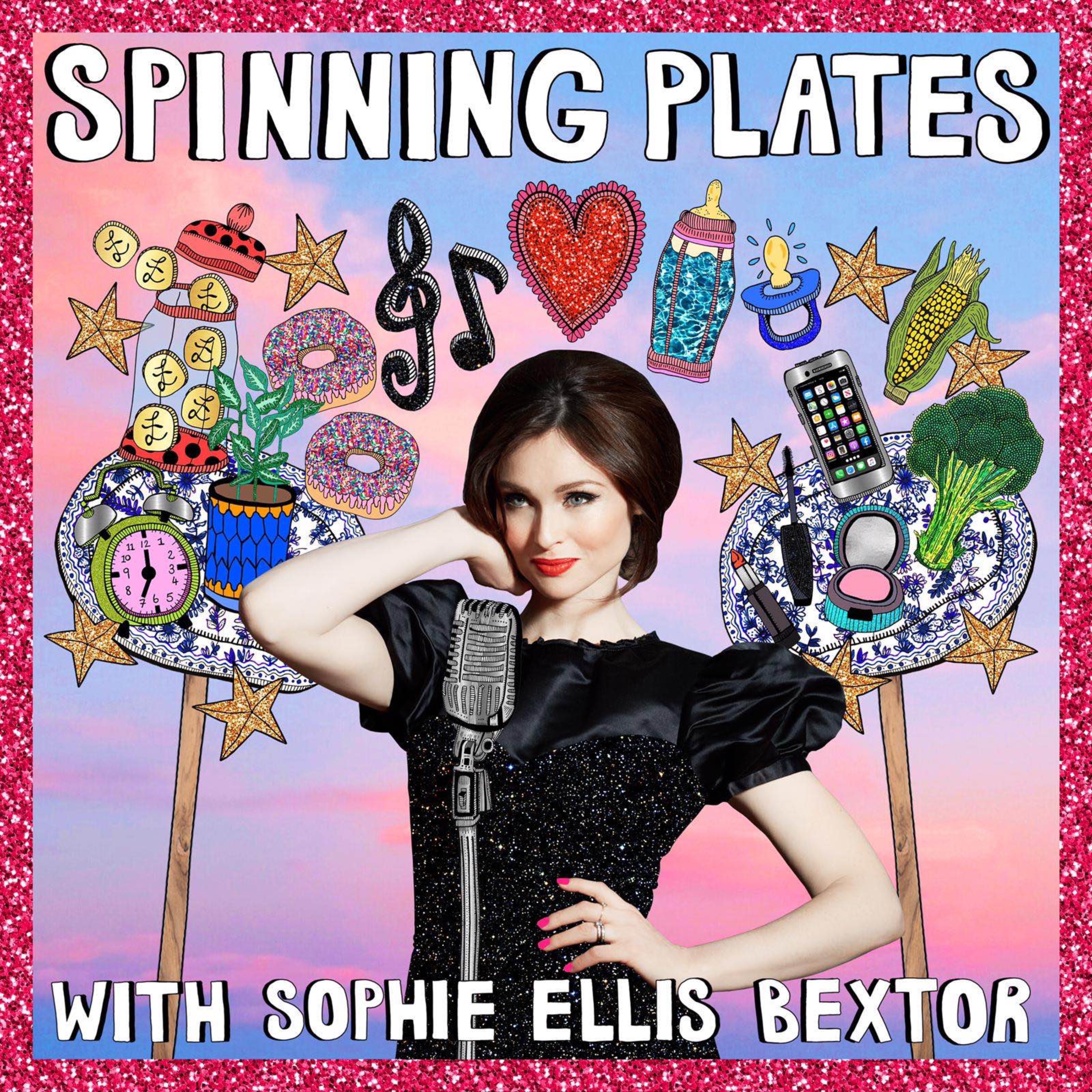

 Spinning Plates with Sophie Ellis-Bextor
26 Jan 2026 · 1h 18m · 46 chapters

In this episode, Sophie Ellis-Bextor interviews Dr. Eliza Filby, a generational historian, writer, and mother of two. They discuss Eliza's book, Inheritocracy: It’s Time to Talk About the Bank of Mum and Dad, and explore various topics including generational dependencies, the changing economic landscape, and the complexities of motherhood and elder care.
Written by AI. May contain mistakes.
Discussion about Dr. Eliza Filby's book and her insights on generational changes.
“I found one tiny pocket at the playground where there aren't too many parents in here because I just feel like a bit of a wally when I'm speaking to myself.”
Eliza shares her experiences and future plans including her consultancy work.
“Yeah, so apart from moving house, what other things have you got on at the moment?”
In-depth discussion on the societal implications of parental financial support.
“So next year, I'm actually starting a new book, which I'm sort of gradually sort of, should I say this year, actually?”
Discussion on the challenges faced by millennials and the shifting narrative around education and career.
“of mum and dad who by the way you know realize but potentially not very good at being honest about it but also those that don't and that divide that is inevitably sort of revealing itself within society.”
Explore the generational differences in educational values and expectations.
Discuss the declining interest in university education among millennial parents.
Evaluate the evolving landscape of careers and necessary skills in the AI age.
“But because of AI, is it as stable as it was?”
Examine alternative learning experiences outside traditional education systems.
“So I think we're asking different questions and we're definitely asking different questions of the education system.”
Analyze how parental expectations often mirror financial investment discussions.
Reflect on the selfless nature of parenting and expectations of return on investment.
Discuss the difficulties of raising self-sufficient children in today's society.
Explore how cultural values influence the rebellion of the younger generation.
Evaluate the impact of social media on modern parenting and family dynamics.
Discuss why more young adults are living at home compared to previous generations.
Analyze the decline of traditional alcohol consumption among younger generations.
Explore how technology influences the behavior of today’s youth.
“it has the potential to be filmed, uploaded and socially shame you.”
Investigate the benefits and challenges of multi-generational households.
“And you may be double screening at the same time, but more and more people are living in multi-generational households having those moments.”
Discuss the evolving responsibilities of parenting as societal needs shift.
Discussing the challenges of financially supporting adult children.
“their mental adulthood till their mid-20s.”
Exploring how societal changes have altered expectations of adulthood.
“I actually genuinely don't know how I'm supposed to do that.”
Examining how modern life affects resilience in younger generations.
Understanding how early experiences shape attitudes towards money.
Discussing parents' expectations to support children into their 30s.
Debating the balance between providing financial help and fostering independence.
Discussing how privilege affects perceptions of success and meritocracy.
Exploring the systemic issues that contribute to disparities in success.
“You kind of, I think, sometimes can make too many assumptions about certain, you know, certain families, certain individuals.”
Examining how parental financial support influences life outcomes.
Explore how parental financial support shapes opportunities and outcomes for young adults.
Discover the life events that influenced the speaker's personal and professional choices.
Understand the complexities of juggling significant life events like marriage, childbirth, and loss.
Learn how personal experiences can lead to a sense of urgency in making adult decisions.
“So I was studying the sort of history of the 1980s and the sort of political upheavals of the 1980s.”
Examine the reversal of care roles in families as children become caregivers for aging parents.
“And that was another, like I turned 40, my mother was living with us.”
Discuss the challenges faced by those caring for both children and aging parents simultaneously.
“And that care reversal process that naturally happens to, you know, with your parents is you start to parent the parents.”
Gain insights into the emotional and psychological challenges of caring for elderly parents.
“They can cry, but they don't answer you back.”
Explore the profound experience of caring for someone at the end of their life.
Understand the societal expectations and personal burdens associated with elder care.
“And I do think it's the last act of love.”
Explore the emotional complexities of caregiving within families as parents age.
“Does she want to stay at home for as long as possible?”
Understand the challenges and societal structures impacting elder care and midlife responsibilities.
“It's often, like you say, lots of things happen unsaid.”
Discuss how work structures ignore caregiving responsibilities and the need for flexibility.
“But you're the first person to properly ask about it, actually.”
Examine how expectations for future generations differ from past norms in careers and education.
Learn about the shift in financial planning from retirement to social care needs.
“You know, in the future, we can't be preoccupied with, you know, sending our kids to university, getting them on a career track, even buying a house.”
Discover the opportunities for young women in today's changing world despite challenges.
“He basically was retired longer than he worked.”
Address the social and domestic challenges young men face in modern society.
“So have you got a nugget of optimism for me there, please?”
Explore the evolving notions of masculinity and its importance in today's society.
“It's all I could think about after you said it.”
Reflecting on the insights from the discussion about masculinity.
Sophie shares her thoughts and experiences as she navigates her weekend and upcoming travel.
“It's good to remember that masculinity is not a dirty word.”

Get the gist, explore an idea or ask about something said.
 Claude
On Spinning Plates with Sophie Ellis-Bextor, what are the key points of this episode?
Searching your listeningAutomatic transcript. May contain errors.
0:04Hello, I'm Safiyah La Spexta and welcome to Spinning Plates, the podcast where I speak to busy working women who also happen to be mothers about how they make it all work. I'm a singer and I've released eight albums in between having my five sons aged between seven years old and nearly 22 so I spin a few plates myself. Being a mother can be the most amazing thing but it can also be hard to find time for yourself and your own ambitions. I want to be a little bit nosy and see how other people balance everything. Welcome to Spinning Plates. Hey, this is Risky and I have to be quick. I'm in a playground.
0:42I've got two of my children here. I'm visiting my sister and my baby niece. I found one tiny pocket at the playground where there aren't too many parents in here because I just feel like a bit of a wally when I'm speaking to myself. So yeah, I'm going to tell you about today's podcast and then maybe in the outro I'll time for a little bit more chat um dr eliza philby is my guest this week our chat was fascinating um eliza really knows our stuff and to be honest with you i felt like our conversation just scratched the surface of things that i think we could have spoken about in far more detail for longer but hey we have an hour together let's go so i started following um what eliza was up to when I heard about her book Inheritocracy, The Bank of Mum and Dad.
1:27Because I was really intrigued. First of all, I was like, what does that actually mean? Dr. Eliza Philby is a generational historian. She has two children. They are five and eight. And she took inspiration from her own life with her book. She had done all the things she felt like you were supposed to do, in inverted commas, you know, the education, the degree, the career trajectory. Just felt like she wasn't getting anywhere. why is this not leading to you know my first house and all the other tick boxes of the things I'm expecting to have around me by the time I get into my 30s and it made her think about the way that generationally things have changed so for the boomers they could expect more predictable outcome like that you know if you went through the ranks by the time you had your steady job at a certain point in that you'd be able to buy your first property you would sell that buy your second property just you know get yourself into all the expectations of adulthood with different nuances different fluctuations in economics and job expectation and how things run we're now not living in the same way and so it becomes about the people that can have parents who support them into adulthood that's what the thing that can make the difference to what opportunities you have we also spoke eliza and i are not massively dissimilar age and we spoke about how we are the sandwich generation raising our children into for longer the slower trajectory into adulthood the expectation that you will be financially involved in your child's life till they are mid-20s and beyond and the fact that your elderly parents are going to live for longer and there will be an expectation there about care and care homes and how we manage all of that financial spread that financial burden so it was really flipping interesting as i said eliza like she's super smart super well informed well researched uh so i was fascinated by our chat we recorded just before christmas and eliza was just in the middle of moving home so just sending a shout out to her and i hope everything has gone smoothly with your house move eliza and family yeah it's a really interesting chat and i've managed to do all this in the playground without anyone near me so i don't look like such an idiot all right thanks for finding us here enjoy the chat share in the midsons um how are you it's so nice to meet you thank you for coming over um so before we pressed record i was saying this got in january where you'll be the other side of your move, which is a nice thing to think about in the future when you've got to pass the other side of the stress from moving.
4:18Absolutely, absolutely. Yeah, so apart from moving house, what other things have you got on at the moment? What's going on in your work life? I know we're just about to slow down for a minute, but maybe what does next year hold for you? Yeah, it's been a really interesting year because the paperback of the book came out And actually the paperback got a lot more kind of press and coverage and conversations were had sort of publicly online and with various kind of various ways. It really felt like the book landed this year when actually it came out the year before last. So I've been doing a lot about the book this year.
4:55And I also I have my own business. You know, I hire five people and I run a consultancy business. And we've been doing a lot on kind of the future of work and doing a lot on kind of helping companies understand how the different generations are approaching work and career and how you fit life into that. So next year, I'm actually starting a new book, which I'm sort of gradually sort of, should I say this year, actually? This year. It's very professional. Yeah, this year I'm starting a new book and that's going to be really fun because my happy place is as a writer and burrowing away kind of thinking and researching and reading and constructing a narrative that people, you know, can digest and want to, you know, sort of spend time to read.
5:42And that's sort of where my focus is going to be on that kind of next year. Nice. So the book you're referring to, the paperback is Inheritocracy, The Bank of Mum and Dad. and I actually was reading it and then I read the acknowledgement at the end where you said that's where you start reading when you look at other people's books because they're lousy about their way they might write their books so I think it did give a little insight into this little space you create around yourself when you're in that mode of writing but I think well I suppose I'm trying to think where we should start because I think there's so many fascinating conversations we could have and I suppose I want to start with the book because in the idea of the bank of mum and dad we can straddle both things being the parent in the equation and the child in the equation as well so why don't we for people that aren't familiar with the idea of inheritocracy and your work as a generational historian let me just give a bit of an overview of what that actually means.
6:45Yeah, I sort of around the age of sort of 35 realised that I spent a lot of my time in education. I was the first person in my family to get a degree. I went right through, did a master's, then did a PhD, then became an academic. But I was hitting my mid-30s, not married, no kids, really hadn't done sort of the adulting much but I was very still dependent on my parents for a place to crash and live in London and I was like hang on a minute like literally I feel like I've done this sort of educational track and I thought we were living in a meritocracy where it's all about hard work and what you can build yourself but actually not just me but the story of most of my friends increasingly is of an economy where the ones that are sort of able to catapult into adulthood and do the adulting things are the ones that have had that step ladder or safety net or springboard from their parents.
7:47And we're not just talking about, you know, deposit for a house, because I think that's how people see the bank of mom and dad. There's lots of ways that the bank of mom and dad, not just my generation, but the next generation, and frankly, the generation after that, are helping their kids in a way that they themselves as parents probably never had. So obviously we're talking about help with education and just even the privilege of moving to a place where there are good schools is like part bank mum and dad in action. People are more likely to move for a good school now than a good job. You know, like you think about how the economy is so driven by providing, you know, that investment for your kids.
8:25And then we're talking about the rising costs of tertiary education. Then we talk about the rising costs of renting, particularly in big cities like London then we talk about how can you get on the housing ladder without the support of mum and dad um and then child care you know and and so I think what I wanted to do was essentially write a book which explained that like how did that happen because because you know it wasn't that long ago where people didn't need that to such a degree now I'm not naive in thinking there's never you know that there's the inheritance has never existed of course it always has right particularly in aristocratic classes but we are seeing the biggest transference of wealth in human history all of that money in property chiefly owned by the baby boomers baby boomers and also their pensions is cascading down the family tree at a time when the big ticket items in life childcare education housing have become ever more expensive so it's it's like a time when the markets become dysfunctional and the state you know there's no there's no council housing anywhere there once was there's no more free education in the way we once was at tertiary level the family have stepped up yeah and mum and dad have stepped up and now increasingly it's grandma and granddad are stepping up and so I wanted to write a book that was frankly honest about my own situation yeah because I realized very quickly that if I was going to write about this I had to be honest about my own help that I received um so it's part memoir but it's also part sociological explanation as to how that situation came about what does it how does it play out in different families yeah we can get into that because it's not just my story it's multiple stories that are told in the book and then also like how has that impacted how we now live and think about family think about you know the obligations that come with maybe elder of care um and just the complications of having so much dependency on our on our parents if we have it and then finally that divide that is now obviously there between those that have the bang of mum and dad who by the way you know realize but potentially not very good at being honest about it but also those that don't and that divide that is inevitably sort of revealing itself within society.
10:49I mean, it's absolutely fascinating because at first I was thinking, is this, you know, about when you are a young adult, but you still need financial support. But as you said, it's also to do with literally the way that our parents' generation would have prioritized what style of parenting, what became important, and also the shifts in what used to be the markers of wealth or what would be the things you'd aspire you know I don't know travel or um eating a broad range of food or even the clothes you wear compared to what then where the prices really went up so you could have the markers of that style of life you know you go to nice holidays um go out for brunch uh wear the clothes that you feel like you know but then you you're not actually necessarily able to afford the bits that you think hang on a minute where's the bit where I have the flats and then the small house and the bigger house and all the chain that our parents would have encouraged us to think was waiting for us.
11:51Yeah exactly and I think it's like it's not that it was really easy for the baby boomers I think it's there's a sort of a generational myth that they had it really easy and they bought houses you know every other you know every other year. It is true that it was more affordable to buy a house in the 1980s. My mum bought a five bedroom house in Teeting, South London for, you know, less than 30 grand. But the real story is that she held on to it, right? And it appreciated over time. And to such an extent that we have a shortage of housing and it's somewhat corrupted the market and it's become more and more, you know, unaffordable.
12:30But it's also the fact that there was a particular time in the 90s and the noughties where we were being told get educated particularly young women like I was a very conscientious girl like I was very much like okay if I do my homework and I get my exams and I get to university like I've made it right and you get on that professional track and and baby boomer women by the way did not have those opportunities to the same degree so it's really but they're very much different exactly and it is just that that sort of idea the education was the pasture opportunity And one of the things that we've seen in the last 30 years is more and more people going to university, the cost of that degree going up, but the value of that degree declining.
13:18You're so right. And so, but it's not that a degree is not worth it because, you know, I taught in higher education. It's absolutely worth it. And an education is a good thing for us all. But it's also about just like the narratives we were told as to the linear path of life are being upended. They're being upended in all sorts of ways. You know, the career structure, for example, was not built for mothers. so so there's all sorts of good ways that we're questioning those career paths but that truth of like get to university get on the housing ladder you know this sort of retirement even yeah the path of life yeah the the narrative we were sold in the 90s and noughties I think you know we have to start admitting is is is not possible in the same way that it was even if you do have the bank mom and dad frankly and I think I think it's it's a it's a reckoning um it's not about going you had it all easy you took all the opportunities it's a zero-sum game a war of the generations yeah it's it's actually just kind of going we're now 25 years into the 21st century trying to repeat what our parents did is not going to work yeah and actually also as parents maybe you're exactly emphasis you put on these these milestones these goals should just be like a conversation you just stop having actually because it's no longer relevant and when I'm listening to you speak I'm thinking you know even is the education system keeping up with the realities of what's going on and how it's all what it's moving so it's such a good question because I think inevitably you know I have an eight-year-old and a five-year-old and you know I'm at that stage in my life where I'm going okay what's gonna what's what's gonna sort of you know enhance their chances in life and it's it's I'm asking the same questions generations of parents have done and I think one of the the interesting things that I was when I was researching for the book I found that only 12 % of millennial parents want their kids to go to university now that's ridiculously low when you think nearly 50 % of people go to university so why is that it's not that they think their kids won't go or aren't bright enough to go it's because they do they're questioning the return on that investment now it is an investment because it's you know probably 20 grand a year if you want to support them it's nine thousand pounds a year tuition fees so people are with younger kids questioning in the age of ai what is the right education path is it that we to you know force our kids to become plumbers now you know no because you know we we shouldn't be swinging um from one extreme to the other but i think our generation of parents are having a very different thought process yeah than our parents did about us and it's also true that if you want to go into music industry if you want to become a writer it's very hard like it's harder now than it was 30 years ago it's harder for someone without a london base to to do it it's it's harder now um to do it without the support of your parents and so you have a sort of a kind of closed shop around certain professions you know it's not just you know life of a creative it's also you know things like going into the charity sector you know or even going into something like accountancy where it used to be like a really classic middle class profession.
16:57But because of AI, is it as stable as it was? So I think we're asking different questions and we're definitely asking different questions of the education system. And I think that was supercharged with COVID. I don't know about how your homeschooling was. So I was very fortunate not to have that moment with my kids, but I had it with some of my friends' kids and I saw it through different lenses. my nephews and nieces etc and I think a lot of us go when I'm like what education are they experiencing this is interesting this is a real insight into school that I didn't yeah didn't have before and so I think you're also sort of seeing parents going oh do you know what actually my kids learn just as much when they're traveling with us or my kids are learning just as much maybe through gaming you know or it's not that they have to be sitting in a classroom and that being the only space to learn because it's not anymore yeah that's so interesting because um oh wow there's so much to unpack with the whole aspect of it really it's like when you pull out a thread and then suddenly it's like everything goes huge huge conversations but I think some of what you're talking about really resonates when I see um I've got two men in my life who are much older than me they're both like one's 20 years one's 30 years and they've they had their children much later and they're quite wealthy these guys and they've as you said invested a lot in their children's education but I can see there's an expectation of what where this is all going to lead to right and it's interesting because firstly as someone younger but also as someone who's a creative where I sort of fell out of the expected trajectories of things a little while ago insofar as you know hitting the milestones of okay go to this uni and this is the expectation um i look on and i'm like it's wild to me that you would have these children and see that well if i put this much in and this much in it's going to equate to this and it's it's a strange thing i've kind of but it's you've highlighted such an important point there which is like we use the language of finance to talk about our kids yes investment what do you expect with an investment return i mean i mean i don't know about you but i i i find i'm pretty confident that they'll the whole point of motherhood is there's no return on that investment like it's a selfless act um and and and the whole point of parenthood is actually to um and i find it fascinating this whole process really is that you know when you have a child they are in you they're a parasite inside you basically stealing all the goodness of your food and then they come out and obviously now my fridge is empty now my fridge is empty right and then you know they they come out of you and you nurture them you know and you put you know you provide that nurturing environment and and then they learn to walk and then they learn to you know and then they go to school and then their peers become more important than their parents and then gradually the whole point of parenthood you know and this is mirrored in nature is to shove them out of um you know the nest yeah and i feel that a lot of modern parenting culture is almost like keep them in the nest keep them nurturing keep them nurture to keep them nurturing and and and actually not create self-sufficient individuals now the challenge of that of course is going back to the inheritocracies it's really hard to be self-sufficient you know what career now guarantees you um a route to independence from parental help yeah you know is it banking not so much law potentially law is one and private equity are the two that's kept to pace with house prices probably go back to the plumbing a little bit yeah but again it's like what's in 20 years time what what are those professions going to look like in the age of AI they're gonna you know they are going to be disrupted and so I find that whole idea of if I do this and this and this and this and this this is this is the path that my children are on and they yes and and you know the whole point of being young is basically to rebel against your parents right you know I mean I hope that right and you want them to just go no you're talking bollocks i'm doing it this way yes i think that's become harder actually it's a rebel yeah definitely because the generation gaps are smaller and actually but they're bigger because people having babies later that's true but i suppose in terms of our the cultures we can engage in there's a lot more the venn diagrams overlap a lot more than they used to and i agree that for some people they have that idea about the investment of their children but i think it's also to do with with these older older generation that for them when they hit the milestones also made them feel happy and like they were doing the right thing in society so I think it's like the idea of you want your children to be happy but understanding it doesn't have to be a happiness that is the same as what makes you happy so for them I think they think if my kids can do these things so I can talk to other people and say well they're now doing this job or this is happening it's like a it's like everything went right you know yeah yeah not inviting a misstep on the path yes i know it's actually now we don't as you say we don't live in the same way it's interesting about the rebelling as well well i think you're right about you know parenting as as posting you know that idea of of um and no judgment by the way you know we like we're all doing the best exactly and we like to express what our children are doing where our children have been what they're up to as expressions of an evidence of our good parenting and um you know social media does encourage us to do that and then flex that muscle by the way that's a human desire to to show pride in our offspring but i i do i i think the rebellion rebelling point is a really interesting one because if you look at sort of say for example the number of people in their 20s still living at home one of the reasons why that's possible now is because of the shift in values so you know my mom did not want to live with her mother in her 20s because my grandmother did not believe in sex before marriage right that was one of the many different cultural breaks that she could see with her parents and i didn't have that with my parents they had a pretty liberal attitude to all those things and people in their 20s now don't have those those some not all right depends on the sort of the the values of your family but like that obvious reason for leaving home has stopped yeah that's true so that's rebellion number one also things like um alcohol consumption amongst the young like traditionally a sort of area where the sort of exuberance of youth you know the medium through which it exhibited itself you know I spent most of my early to late teens drunk right so that culture of kind of Ladek culture of just that was your entry point into adulthood was just like drinking copious amounts of alcohol yeah that is gone I know I think we've put them off actually the younger generation I think I think a smartphone has though really because i think as well the fact that i mean i know i'd like i think i'm a couple of years older than you but we've celebrated the alcohol culture so much i think it's become like i can't bother with that i think it's also i think you're right i think there's some unedifying behaviors um but i think um i think like having a device in your hand from the age of like 13 and being a Gen Z who every bar you inhabit, every bed you sleep in, every time you are out of control and not quite in control, it has the potential to be filmed, uploaded and socially shame you.
25:07That regulates your behavior. And you stop wanting to be out of control. And that's where I feel like the sobering up of that generation sort of originates from. But I think you're right. Like we've totally said that. We've made it look really uncool. Yeah, that's great. Why don't you drink like your mother did? Come on.
25:31Yeah, because I think the drinking culture and maybe, you know, drugs to a certain extent as well. It fascinates me now how culture is now intergenerational. Like you think of Gogglebox, right? Gogglebox is so relatable and such brilliant TV because every other family is the same. You just you sit in a, you know, multi-generational setup, sofas critiquing and experiencing those, you know, shared moments, shared cultural moments. And you may be double screening at the same time, but more and more people are living in multi-generational households having those moments. and I think you know you think about you know the Kardashians you think about you know succession you think about um you know sort of dynasties of generations now actually like pepper our culture and dominate our culture in the way they didn't in the 60s or 70s you know and I think that to me is really interesting because it tells us we're living in this like sort of societal moment where the family is really important yeah that's true you know people now have multi-generational hen parties yeah you know and multi-generational holidays which makes total sense and as i said multi-generational housing and when you have um you know that inevitable care shift that happens in the family which i write about in the book is that when your parents have supported you there is if there's not already an obligation obviously to return that in kind when they need your care and support and one of the things that um came out of the book was this idea of um that moment when you start to parent your parents and and it it becomes um really really quite challenging for women because women tend to look after the elderly both their in-laws and um their blood relatives but it's it's also we're living in an aging society where we're going to have to that's going to be more and more part of our life so actually living in multi-generational household means that quite often you get that grandparents doing the child care and then you know the parents parenting the parents and sometimes the grandkids parent looking after and caring for the grandparents as well I wonder as well if some of this um the way that the the family economy is structured is also because we've got better awareness of neurology and the fact that people's we know that people are now not kind of reaching like their mental adulthood till their mid-20s.
28:07So the trajectory into adulthood is a slower expectation as well. And is it a problem? I mean, or should parents be just accepting that this is how it is and it's okay? Because I suppose it's a question I ask myself quite a lot. How much should I be prepared to be financially helping my kids? Like, is it always a good thing? Is there a bit where I should try and be, like, you're on your own now? I'm not really sure. I actually genuinely don't know how I'm supposed to do that. I think that's such a great question. I think the first point about how our brains are changing is really interesting because it used to be, you know, an adult in medieval times, like 13.
28:46Oh, you know, and then we invented this concept of teenagehood and adolescence, and that's a relatively recent social construction. But it's also, it's conditioned by what experiences, you know, if you go to war at 16 yeah your your brain is why being wired in a certain way as opposed to if you're doing just doing your gcse revision at 16 so um it's certainly you've seen um in recent years the decline of people working in their teenage years um you've seen the increasing obviously um emphasis on homework as the as the thing you should be paying attention to um declining numbers of young people passing their driving test um declining numbers of young people um kind of being socialized outside of the family or school um so the decline of church the decline of other forms of kind of youth associational culture that's for even my kids talk about actually the older ones i said there's nowhere really set up for them nowhere to go they can't they don't know how to meet so so how are you encountering right experience different people risk failure yeah right so we're not people talk about the decline of resilience in young people and and you could blame all sorts of things but one of the things i think is really important is you're not getting that evolution of the self in the same way certainly if if you're living a lot of your life on screen um but you're not encountering failure risk um you know in the same way that previous generations did at that age yes now that's modern life and you and you can do things to perhaps sort of encourage a certain amount of risk and allow for a certain amount of failure which i think is really important yeah you know um i've got friends who insist that their their child gets job you know as early as possible which is actually harder and harder because companies don't want to hire young people as much as they used to um i've got friends who um you know are very careful about what pocket money they give to like instill those habits around money and self-sufficiency really early on um but your critical question which was so important about like what is a good amount of money to give my kids so that they are how i mean my spouse should I expect to be doing that is that I know I actually don't genuinely I think it's haven't fathomed it a great question because I think um one's attitude towards money is shaped between the age of seven and 12 really early yeah that doesn't surprise me yeah so it's like it's an emotional thing it's an emotional thing and you see you know people around you how they are with money exactly and I also think I wonder if you've seen this in your kids that you're born with a bit of a bit like you're naturally someone who likes to sleep in late or go to bed early or whatever you are I think there's a similar thing whether you're a spender or a saver if you're you know if you like to consume if you if it burns a hole in your pocket if you can squirrel it away all my kids are quite different I think money is very much linked to personality and and you're absolutely right it's emotion first rather than and so as much as financial education in schools is great like i'd question um whether that's you know necessarily going to change the person and how they relate to money no but do you think having an awareness of how things work yeah oh totally totally stuff that everybody says they didn't get taught in school taxes i i completely agree i i really i think it's it's financial education is really important and i think actually genuinely one of the good things about social media and even chat gpt um as long you verify some of the information and misinformation is actually enables you to ask stupid questions or learn things that you maybe didn't get in school in a more entertaining way potentially than you might get in school but to get back to your point about like what how how should I be thinking about supporting my kids now if you look at the data the average UK parent expects to be funding their kids until the age of 30 right it's quite a long time isn't it like it's it's frightening the amount of time yeah but what do they mean by that what they mean is um education obviously um and now because of the amount of graduate debt the average graduate is carrying around with them yeah and carrying around with them is the right word because it's it's not actually a debt it's a tax that now lasts 40 years and really disproportionately affects women who have children because you you're just allowing that debt to increase um what do you do you do you want to kind of save them from that lifetime tax on their earnings so that's number question number one number two is um when do i stop paying their cost of living so like netflix subscription phone account you know all of these things that are really easy to set up and leave and i do appreciate as well that i'm coming at this is a very middle class question of me absolutely and i think it's really important because actually less than it i think we tend to think about the the bank of mom and dad in the context of of you know the middle class sort of um zone of how do i give my kids a leap up and actually there are an awful lot of young people that are supporting their parents yes and the money is going up the family tree not down the family yeah and I think I think I think you're right in that it's there's no like right okay cut the cord at 25 but I do think when the question that is really at stake is when is it advantageous to them for me to help in order for them to get somewhere where they want to be yeah and when are they just a leak a drain on me and it's become a dependency culture that's really destructive to their self-motivation yeah i think yeah context is everything you need all these things um having said that one of one of the key things that i really found interviewing people was how how for example um someone i interviewed who changed careers um she went from being on the corporate track to becoming a writer and she was like i'm surrounded by people writers who don't see this as a risk who don't work as hard as me because they're writers who can be writers without even thinking about i'm going to become a writer they've not had to sacrifice anything which is the motivation isn't the same their workload output isn't the same there but also their um the way they see this as a as a as a you know they don't see it as a gift or a privilege in the same way that i do so i think there's also about kind of like the privilege you have when you have the bank of mom and dad is quite often you can take risks but you don't actually quite often have the same sense of motivation and edge as someone who hasn't had that safety net and has no choice but to take the risk exactly and you kind of want the the latter because they're the people quite often frankly that are able to push themselves in the right way and succeed in in the way that they want it gives you a bit of grit and it also means that you've chosen it because it's the thing that makes sense to you in terms of like how your soul works rather than just oh this is treating me well the carpet's unfolding on I go you know you sort of I think it makes you not just a fair weather writer yeah and I think there's one guy in the book that whose dad had given a deposit for a house and he'd he'd had quite a wayward pass he'd he'd um fallen in with the wrong crowd and kind of moved to London and got into drugs and gone to rehab and he'd felt he'd tested his parents patience put it that way so when it came to buying a flat in London his dad gave him a deposit for the house um for the flat but it was a loan not a gift so and he charged interest so it was this really interesting he said to me um yeah my it is the bank of mom and dad literal bank it's a literal bank with interest and he said I cannot default on that every month well I guess I have to pay it because I have to sit around the dinner a table with them and my dad won't put up with it if I default yeah and it instills respect into the structure of it it gives some boundaries yes makes everybody behave like grown-ups yes but I suppose you're also um I think what you're really you know the answer you've given is to do with a lot of common sense about the personalities involved the context what kind of help you're talking about how you know I've had some really pivotal moments from in my life when I have come up against it where it's like oh I actually haven't got anywhere else to turn on I I think it stopped me being as ghastly as I would have been if everything had always just been all all spongy or soft edges everywhere you know I think grit is a really good word because I don't think life um for anyone frankly at any point of the income and wealth scale it it's not going to get any easier life is getting more complicated and um by socially psychologically you know physically i think we we are going to have to instill a sense of grit um in our kids yeah um but i but to return to the point about you saying this is a very middle-class conversation i think you're absolutely right and it's really important to be open about the privilege that you have had yeah and one of the things that really struck me writing the book and looking at some of the data was the ones that were least likely to talk about whether they'd had help from the bank mom and dad were men working in london on over 100k because the perception was that they could carry them there themselves and had earned their way and their place and i think we do still struggle with this idea of being self-made living in a meritocracy and actually we need to be much more open about the help that we've received and in many instances um in need of it the kind of subtitle of the book is we need to talk about the bank of mom and dad because i don't think we talk about it enough and i also think that help can come in many forms and families are very complicated so a family you may assume had a natural flow of money cascading down potentially doesn't yeah Because of divorce or blended families or because, you know, one sibling is favored over another or because actually, you know, dad lost it all in the crash of 2008, whatever it is.
39:48You kind of, I think, sometimes can make too many assumptions about certain, you know, certain families, certain individuals. But equally, there is no doubt, there is no doubt that there is a level of disadvantage that is becoming ever more pervasive in society where you are not making it, quote unquote, in the same way, having done all the things or not making it simply because you do not have that access to parental wealth. that someone of equal education um you know equal sort of status and in other areas of life that is the leg up that is increasingly defining opportunity and and i think that that has to be addressed in our economy and it's it's fueling a sense of despair it's fueling a sense of frankly national decline it's without getting too political it's it's fueling that sense of I can't make it here so I'm going to emigrate um you know I I think you know I've received so many messages in the wake of publishing the book from people who say you know gosh for so long I'd internalized a sense of failure I'd internalize internalized the sense of I hadn't quite made it or the system you know I hadn't I hadn't played the system well or I hadn't I hadn't sort of obtained the right opportunities and that was my fault and my failure and actually what the book tries to explain is is actually the systems let you down yeah it's not you that there's less let the system down which must be bring about a big sense of relief and something that people kind of could have an idea of but maybe hadn't articulated it or harnessed it in that way yeah and i think also it it's not just the bank of mom and dad it's also compounded by the fact we have an education system that is a sink or swim you know if you if you sink you're doing well in exams and you go this way and that's for you but what's left for those that don't do that frankly not a lot and we've spent 30 years allowing people to swim in an education system and not really provided anything in the place of those that haven't been able to to achieve in that way and so I think it's there's there's a really important sort of perspective for anyone under the age of 45 is to really think you know how how is the bank of mom and dad sort of played a role in my friendship group and and and I don't want to divide friendship groups here but I think it's really important to kind of go okay that sort of explains that okay but I'm working towards this countless number of people I interviewed him like yeah there's that it was weird like when I hit 30 literally house deposit would like literally falling from the sky because just parental wealth sort of yeah came in um to the equation whereas we'd all sort of been mucking along in our 20s and we're all sort of semi-equal in that sort of way we sort of knew who had parents with the big house and who didn't yeah suddenly the leap yeah happened then and of course if you get that gift early yeah you can then you know with with time sort of compound that wealth um independently of your parents if you only get you know an inheritance when your parents died there's a disparity there and if you get nothing throughout their life and and when they die then that's a huge disparity in in outcomes and opportunities and options is this were you sort of studying all of these things when you became a mother is this what you were working on at that time yeah I well I mean I became a mother when I was uh gosh so my husband and I met literally within eight months being together I I fell pregnant as they say complete accident and um but definitely the right time um and when i uh was pregnant my father was diagnosed with cancer and he fought it for for about a year and a half and then when my son was about eight months he passed away and for some mad reason i also decided to get married so literally there were three months in my life where i was organizing a christening for my son a funeral for my dad and a wedding for us like my algorithm on my phone was like hey what what what life moment are you organizing here because I was getting like adverts for baby rattles and and and sort of wedding DJs and uh and yeah I wonder if there's a reason why you did that though in some way just maybe it suited your I don't know emotions to be able to flit between all these spaces because they're all big things they're all it was all layered aren't they they are and I think I write about it in the book because I wanted to explain how I'd had this this period of my life in my 20s and mid and really up until my mid 30s where I was I described myself as a kiddo and I had a lot of fun I had a lot of freedom I so much more freedom than my mother or her her mother and I think one of the sort of wake-up calls was when my dad sat me down sort of I think it's my 34th birthday and was like you really probably need to start making some decisions because I'd like delayed all big life choices and options probably some of your friends had too it's not that unusual it's not that unusual but I think um it was it was quite interesting that I had the freedom to do that because I had yeah the bank of mom and dad right and it was partly because I hadn't met the person I wanted to build a family with of course of all of that but it was also because I wanted to like extend my adolescence for as long as I possibly could and indulge in a career the the academia that was really quite self-indulgent like I spent three years writing a PhD and another three years writing a book like my first book were you studying with your PhD?
46:16So I was studying the sort of history of the 1980s and the sort of political upheavals of the 1980s. Wow. So it was, you know, and I think that's a rich topic. The point I'm sort of getting to is that then I sort of fast forward big life things in a very short space of time because I was like, right, I'm ready for being an adult. And that's why I think I, you know got married had a kid and and lost my father and was at that point you know where you're facing birth and death yeah literally within months of each other and and it was you know one of the most profoundly difficult moments of my life of course it was but it also um it also created this sense of deeper prioritization um focus and and a sort of realization of okay what is it that I want to do what is it I want to write about what is it and and I think I think I don't know if you felt this but when I had my first child I was like okay this is what it's all about um I'm getting out that hospital and I'm really gonna get what I want to get yeah I definitely think it clarifies my brain a bit like that in terms of everything had gone before just felt like in the past it was like right everything I do now has to really count yeah it's a bit leaner yes with yes how I would approach things yes and I'm not I'm not suggesting that you know child free women don't go through this realization because I also think it's to do with age but I also think that if you are it's why it's maddening that that companies get get rid of or don't see the value rather of of of mothers in the workplace because there is a ruthless efficiency to being a mother that you just do not have um necessarily before so so that for me was like right get me out of this hospital I got shit to do so I built a business and and you know I built a home and I um and I yeah I eventually started writing this book and sort of postscript to all of that is that during COVID, my mother moved in with us.
48:40And that was another, like I turned 40, my mother was living with us. It was a sort of this multi-generational household where to a certain extent, I was caring for my mother. She would scream at me if I said that to her face. But what I meant was I could gradually see what was happening, which was my mother was a widow. I was now a mother. And that care reversal process that naturally happens to, you know, with your parents is you start to parent the parents. And I started to sort of go, okay. So all that period of my life where I was massively dependent, you know, on you and going around for Sunday dinners and stealing toilet roll because I couldn't afford it, you know, like all of that sort of like kid old years it's now in reverse and I have my mother living with me who is just wonderful and just refused to do anything domestic presumably just had a second baby then as well right so I had this like can you please yeah yeah no and it was brilliant because literally my hallway it was quite a narrow hallway anyway it was um it was her shopping trolley and um my daughter's pram and every morning I'd like clip my ankles on both of them and be like like screw my life and it was just like okay this is this is the care reversal process i am the sandwich yeah you're really seeing real time i'm in the sandwich sometimes in bruise and i think a lot of um i spoke about this on a podcast a couple of weeks ago is that sandwich generation of looking after kids and potentially well into their 20s right as we've spoken about but also looking after elderly parents who you know they are living longer they are living longer with complex illnesses there is a you know ever expensive care burden um not just in terms of finances um you know residential care is now more expensive than eaten you know but it's also you need a medical degree to to be a you know a good carer to to an elderly parent or relative it's a lot of the headspace as well right because you're thinking about i mean i've seen some people when they've gone through it with their elderly parents and sorting out the admin of moving them and their care needs and everything and it's a lot it takes over their brains and if you think about all the the admin you do with your kids and as you know women traditionally take the land share of their mental load so yeah adding in that as well um and i think there's something about you know when you think about um mummy influences and the evolution of the trad wife and the way that we now sort of romanticize on social media being a mother and the way we portray it you know there's not elder care influences right there's not there's not we're not romanticizing uh later life or end of life care even go up to when the kids stop being in like like past age of like eight with those things either it's all i don't know look at the christmas pajama social media content um it doesn't tend to feature in their teenagers so much does it or they do wow but I think there's such a romanticization of motherhood oh very much so and you think at the other end of the life cycle it's not romantic it's not romanticized no it's not something it's I describe this in the book as when you are you know feeding a baby looking after a baby you know cuddling a baby there is there is that hormonal sort of, you know, burst of joy, but also, you know, the agony and the ecstasy of early motherhood, right?
52:23And they can't answer you back. They can cry, but they don't answer you back. When you're doing end of life care, which, you know, I did with my father and me and my two sisters did it. He did answer us back. There was a lot of psychological complex emotions. It was really hard and it was hard and it was physical in a different way, but it was, it it it's it's the mental load it's the psychological complexity of your relationship with your parents which however good your relations is always challenging um and it's not glamorous and and yet i think it's one of the most profound life altering things i've ever done and without doubt and you know there is a great gift of doing that for someone you know death i describe in the book as is a humiliating experience for all involved frankly um death is the final humiliation right and to see someone through that in a dignified way is such an amazing and i don't mean to kind of like say that in a sort of sort of a wrong way i mean like genuinely the genuine definition of amazing experience other oh it's poignant other and other it's an other experience And I do think it's the last act of love.
53:44It's huge. It's huge. And actually that stops it being. I appreciate what you're saying about people needing the support that some people would really resist. But if they need extra medical care and losing control of themselves in that way is awful for people to go through. But it's very poignant to be with someone at the end of their life. And I think the thing, the rather tragic thing, two things that my dad said to me as he was nearing the end of his life. The first thing was, I'm going to make this quick. Now, he was ill, terminally ill in the hospice for six weeks. Ill, ill for about four months, which we all basically took time off work to care for him around the clock.
54:33now my sister is a doctor so we've considerably um you know privileged to have that medical knowledge in the family but one of the things that he was you know he also said which was also incredibly so my dad it was so sort of you know truthful and blunt was like i'm glad i had three daughters and not three sons and there is still the societal expectation that elder care is delivered by by women there's lots of women in their 50s leaving the workforce because of the this commitment of care which is overwhelming and and i think there is and has been tremendous advanced um sort of gains made in the last 20 years of fathers doing more fathering and more of the parental load we now need sons and i'm seeing it more and more actually and it's coming out in the data more and more sons to change as many catheters as nappies you know you know push as many wheelchairs as prams you know right and i think there's there's a there's a conversation there to be had but i i i think you know when i started interviewing people about elder care for the book one of the things that i spoke to this woman um who'd looked after her mother 14 years 14 years she'd she was and she had two siblings but the load had fallen on her i was gonna say sometimes be more it's never it's never equal it's never equal and she was because she was child free and because she had started to live with her mother for a certain point of her life the burden fell on her and she really you know she was honest with me she was like i really resented it i resented my siblings i resented my mother i you know and i couldn't i wasn't free until she died and when she died you know she finally was able to move to suffolk where her partner of over a decade had lived they'd had a long distance relationship because her mother was in in wales but really it was it was her whole changed her whole life she was in her 60s and she'd you know she called it her lost decade i mean i feel like i've heard that things like that similar things from you know anecdotally and people i know as well i think and it can go to huge tensions with the you know the adult children when the parents passed and how they feel what if they feel seen with all the things that they did and who sweeps in at the end to try and deal with admin.
57:04And I think it can be, I think those tensions actually, it's quite timely because my mum, who's now 70, did an article like the other day that I read through where it was all about having the conversations now with two siblings, with the three of us about what she would want when she gets older. Does she want to stay at home for as long as possible? have all the all these conversations actually yeah and to try and bring it into the part of what talking about now i'm not very good at that socially but no and i do think there's massive benefits to be had from that clarity of thought and what they want for themselves but also siblings the expectations yeah within that you know amongst the children yeah and that's very difficult if one sibling lives abroad or you know or different parts of the country and all manner of reasons And or just, you know, is dealing with perhaps other stuff in their family.
58:02It's often, like you say, lots of things happen unsaid. Lots of resentment builds. And these are very difficult conversations, as difficult as the ones we spoke about earlier about money. yeah and i think the the fact that we're gonna all have to face is that we're living in an aging society elder care could be you know a huge lengthy part of our midlife quite often our midlife it has to be said um and that has to be um sort of discussed but it also has to be sort of um allowed for right and that's really hard if you've got adult children that you're supporting or you've got a career in you know or or a job that doesn't allow flexibility for you to take mom to the doctors or to visit mom um and so that's where i'm like the structures of society are not built for this level of commitment in midlife for our elderly the Workplace is not built for it.
59:11Social services, adult social care, we know, is not built for it. The finances of midlife, when you're supposed to be funding your own retirement or you're potentially having to support adult kids, are not built for it. Why did I start this? No, this is really depressing. But you're the first person to properly ask about it, actually. And it's really good to talk about the bank of mum and dad. Of course it is. But it's also really important to talk about the other end of it. Oh, no, it's vital. It's vital. I feel like it's the next thing, though, because, you know, you mentioned earlier about the birth of the teenager, you know, with the boomers.
59:50And I feel like with life expectancy changing and the conversations about around particularly women in middle age, I feel like the next thing is this sort of second moment that happens for people when their kids have grown up and they are not the ones that need to be home at certain times and they can maybe retrain and they haven't got their parents in that stage where they're quite dealing with those things just yet. sort of between your I don't know sort of from sort of 40 to 60 being this new transitional phase because maybe a job you did for a really long time might be morphing into something else or you're thinking of retraining or you want to do something different so I feel with with that there will be some really new unexpected things I did want to ask with your consultancy business are these the sorts of conversations you're having with them about how to look at the workforce to support people's real 360 lives yes yeah yeah yeah because i think the architecture of life is changing yeah yeah it's all under control i don't need to worry about anymore but we work you know i work with with companies you know from law firms to hospitality to tech firms right through to accountants and and the the the career ladder and frankly the workplace for professionals and you know white collar blue collar gray collar whatever you want to call it all work is fundamentally built was fundamentally built for a man with no caring responsibilities right even frankly a male breadwinner right so and melinda gates you know once said we're sending our daughters into workplaces built for our grandfathers and they're still and i'm i don't want to just talk about white collar professional work because actually it's equally true for you know low skilled you know or manual labor so it's it's across the spectrum we have built a work culture that assumes you don't have kids and it assumes you don't have elderly parents to look after and remote working is an interesting sort of element into the mix here because for a lot of women that's provided the space um and the privilege to be able to have a bit more flex around the kids and certainly around elder care but that's not a privilege that is open to the majority of workers remote working um so i think i think it's you there's a like a two-tier system now as well but also tech in the workplace has meant we are never off you know if you are if you are working in a restaurant you possibly do have the luxury and it is now a luxury to come home and switch off if you are working in an office setting effectively you have always access to your email yeah and so that capacity to just you know going off the road going yeah is actually increasingly difficult so it's the blurring of work life balance actually not work life balance the blurring of work and home yeah because of tech means that actually it's ever harder to kind of be like okay these are my domestic duties and these are my work duties to be always always on communicate communicating with us yeah um well how how have you do you think about these things with your children or is this your work head and analysis and your book writing but when you're at home you're not really thinking too much about their future no I'm slightly obsessed with this um I wrote an article at Substack um because um career advice for my seven-year-old he was seven then and I am really fixated with this idea of not just not just my kids but the future generation we know the the narratives and the scripts of the late 20th century are not working in the 21st century and so what is the future of employment we know you know my mom worked for one company her entire life my nephew will probably have five different careers you know when I think about um my mom and dad were married and that was you know the key relationship throughout her entire life I lived with two different partners before I then married my husband you know we're moving and shifting to a world of multiple cohabitations not just you know meeting living marrying you know when I think of my kids have got a 50 % chance of living to 100 is it that high 50 percent living of living to 100 how many of those years though will be healthy years because increasingly you know gen x those born in the 19 you know mid 1960 70s will live 15 of their life in ill health managing illnesses you know so i'm sort of obsessed with this idea of how many just i think i'm like a year away from whatever that i always get muddled up my kids all talk about to each other about generations i've got two different generations of children yes you do you have gen z and gen alpha yeah yeah gen ipad as they call the small ones yeah yeah i think they'll be known as gen ai so i think that's and i think i think the point is is that we can't um and this is where i I have to really like stop myself as a mother, but also as a, as a writer is go, okay, I can't think what happened before will necessarily happen.
1:05:40You know, in the future, we can't be preoccupied with, you know, sending our kids to university, getting them on a career track, even buying a house. Like those rights of passage are changing. Yeah. You know, even passing a driving license. They might not even fancy it anyway. It might not be, why would they, Like, why would they want those things? Exactly. They're not as relevant. But also even things like retirement. Yeah. I don't really think. My mum retired at 61. That's young, isn't it? It is young. My husband's grandfather retired when he was 50 and lived to 95. He basically was retired longer than he worked.
1:06:20I mean, he was a farmer. So, you know, it's physical, hard labour. But so you're thinking that's got to shift because the economics doesn't make sense. Right. Right. So so do I need to not be saving for my retirement, but saving for my social care for when my mind and body stopped working? You know, because the whole sort of financial system is built on retirement and people people don't want to go on cruises to places they went to, you know, in their gap years necessarily. So that whole notion of how the life course is changing. And also, you know, people don't have the financial resilience to retire.
1:06:55so at the moment we look at the gig economy and we think that's a load of young workers very soon it could be the over 70s that are delivering yeah your or you know maybe drones later on but like so it's also about how there's a lot of financial instability in the midlife generation now who can't afford to retire so it's not just we want to do things differently it's also the finances of life are changing so this is what i'm obsessed with is this idea of of of the life I have led yeah let alone my mother's life is going to be so different to the ones my children lead and how can I not sort of steer them incorrectly by going you have to repeat you know or learn from my mistakes and do this so what does that to your son or your seven-year-old did it say whatever you do have enough saved by the time you're 50 because I'm going to be 95 yes and you're gonna have to look after me i'm gonna really need it i'm gonna really need you to yeah grow that pot for me um but this is a map to where i would like my house when i yeah yeah exactly right start building but it's it i think it's it's it's that whole premise of you know um my kids is education are going to be so disrupted by ai you know already my my nephew's using a personalized chatbot to do his revision with yeah totally now my parents paid for me to get a personal tutor my sister's not paying for a personal tutor for my nephew he doesn't need it because he's got ai so you know just like little things that are are different that will i think eventually lead to a very very different life and and I think there's as it's really important to be as much of an optimist as a cynic and I think it's very easy in this world to be quite cynical and quite depressed at the state of the world and actually there are some really important sort of ways that we can think you know there's never been more freedom and opportunity for women there's never been you know so much choice as a young woman and acceptance as a young woman I worry about young men but that's another conversation there's never been you know so much you know access to the world's information access to the world's marketplace you know the potential to grow your own business build your own wealth the capacity to do that has never been more you know available to you in the palm of your hand you not just have access to the marketplace in the UK but the global marketplace and there's never been such freedom of movement like you know I mean within reason that there are reasons to be cheerful and I think that's as important as you're all screwed if you don't you know have have the bank of mum and dad or you don't have this and you don't do this and you don't do this okay I do take your point and I would like to join you in this optimism but my brain is stuck on the I worry about young men as a mother of five sons.
1:10:00So have you got a nugget of optimism for me there, please? Do you know? It's all I could think about after you said it. It's not so optimistic for me. It's amazing, by the way, that you've got five sons and you're still standing. I think the thing I think about with young men is, number one, how domesticated they have to be because no woman's going to put up with a non-domesticated male right number one right because we're all in dual income households where we need men to step up domestically as much as right so number one the domesticated male as david attenborough would talk about um i think number two is the social the social skills that have been in decline really since the 2010s because of screens the ability to look people in the eye the ability to listen and read body language as much as project their own voice you know I went on a lot of dates in my 20s where a man would speak and not shut up and never asked me a question and guess what I never married them you know like it's the social the socialization of boys around girls is I think really really important but just generally in the workplace you know I think I think that's just the the capacity to to be to to have those social skills um and thirdly I think um to to be able to sort of feel be and project confident masculinity masculinity is not a dirty word is not a negative thing it's something that we should be championing um it's not something that's set it's not something that looks a certain way um and it's unique to the individual but it's something that you know it's about being confident and happy within yourself and not to project that in an overbearing way um or in a negative way and certainly not in a toxic way um and i think to recognize that you know i have a girl and a boy and women need men as much as men need women and at the moment i find a lot of the conversation between the genders really really negative and and we need to find a better way of having a conversation about how we need each other and i'm not just talking about partnerships i'm talking in the workplace coexisting coexisting listening to one another exactly yeah i agree with that and and i think that um and that's everybody's job to get exactly and we need to shed some of the traditional associations of masculinity that frankly are not an economic reality anymore yeah it sounds like there's a lot of traditional things that need to be shed for us to really face the future optimistic it's given me enough to build a dream on amazing i can leave you with the fact that one of my kids i said will you look after me when i'm old and he said yes but only for a day or two so i've still got some work a day or two not sure if i can second for that i'll do my best i feel like we should regroup in like 10 years and check in with each other about how we're getting on thank you so much pleasure absolute pleasure thank you so much for having me
1:13:31Thank you Eliza. Yeah, I agree with her actually. It's good to remember that masculinity is not a dirty word. So yes, hope for our sons. People raising sons up there. But also what a fascinating chat. It has made me think about things a bit. It really has. And it was so nice to speak to someone who knows their stuff so well I just as I said at the beginning I feel like there are loads of other stuff we could have spoken about as well but that is a nice feeling actually it makes it I know I've mentioned this before but being able to um sorry crossing road yep okay look both ways uh being able to uh have these really proper conversations through the podcast is literally my favorite thing um always feel better after the chats and so interesting yes nice to wake up some brain cells or challenge things as well uh so when i spoke to you at the beginning of this episode i was in sort of hackney way at a park with my sister and my baby niece and my youngest two i am now it's the next day now and I'm walking through the rain near my house on a Sunday morning.
1:14:56It's not even 9am and I've just dropped one of the kids off at a party. Honestly, it felt like we were getting up at like 4am this morning, even though we weren't. I had to really drag the little chap out of bed, get him dressed, and drop him off. He's off to a swim park. I think he'll have lots of fun, but it just felt quite amusing. It felt so early and dark. getting him up I don't know 7 45 or something um yeah Sunday today and I guess I better do some packing I'm very very unprepared for this trip that I'm doing on Wednesday where I fly away go to back to Australia and then on to New Zealand and all that and I'm just I can't wait for the gigs I'm really looking forward to seeing my band again I actually have missed the band we spend so much time together and i haven't seen them for about six weeks i miss miss them that'd be fun and all my crew obviously um but i also feel like oh it's been so nice to be home and i'm still so happy like sorting things and bothering and organizing and i kind of feel like i'm going to start this trip and then i'm going to blink and it's springtime because I've got quite a lot of travel after this but it's okay it's okay this is not a moan it's just a way to process what's about to occur while I'm feeling all sorts of hibernate-y yes it's definitely a word right well listen have a great week I hope uh for other Londoners like me that this weather lifts a little bit I'm walking in the rain it's just a bit sad isn't it I just miss the blue sky sunshine.
1:16:39Don't mind if it's cold. Just give me a little bit of something, something hopeful, please. And I'm back next week with another episode. Thank you to Richard Jones for editing the podcast. Thank you to Claire Jones for being such a brilliant cheerleader and producer. Thank you to Ella May for the gorgeous artwork. thank you above all else to well actually two people uh my guest this week so dr eliza philby thank you and obviously you you and your gorgeous ears thank you so much have a wonderful week and we'll see you again for another one soon
1:17:35Thank you.
Dr Eliza Filby is a writer, a generational historian and mum to two children aged 8 and 5.
I loved her book ‘Inheritocracy. It’s time to Talk about the Bank of Mum and Dad’ which came out in paperback last year which contains some fascinating stuff about money and the generations of today.
We talked about how children often rely on a financial springboard from their parents these days, and how that dependency can make the relationship rarther complicated going forward.
We acknowledged that the linear path we were sold in the ‘90s and Noughties - of education, university, buying a house, and then retiring - is now a lie.
We also talked about the sandwich generation - people who are looking after their children and their parents at the same time.
I shared with Dr Eliza that I once asked one of my sons if he would look after me when I get old. He replied: “Yes. But only for a day or two.”
Spinning Plates is presented by Sophie Ellis-Bextor, produced by Claire Jones and post-production by Richard Jones.
Hosted on Acast. See acast.com/privacy for more information.