Ask ChatGPT
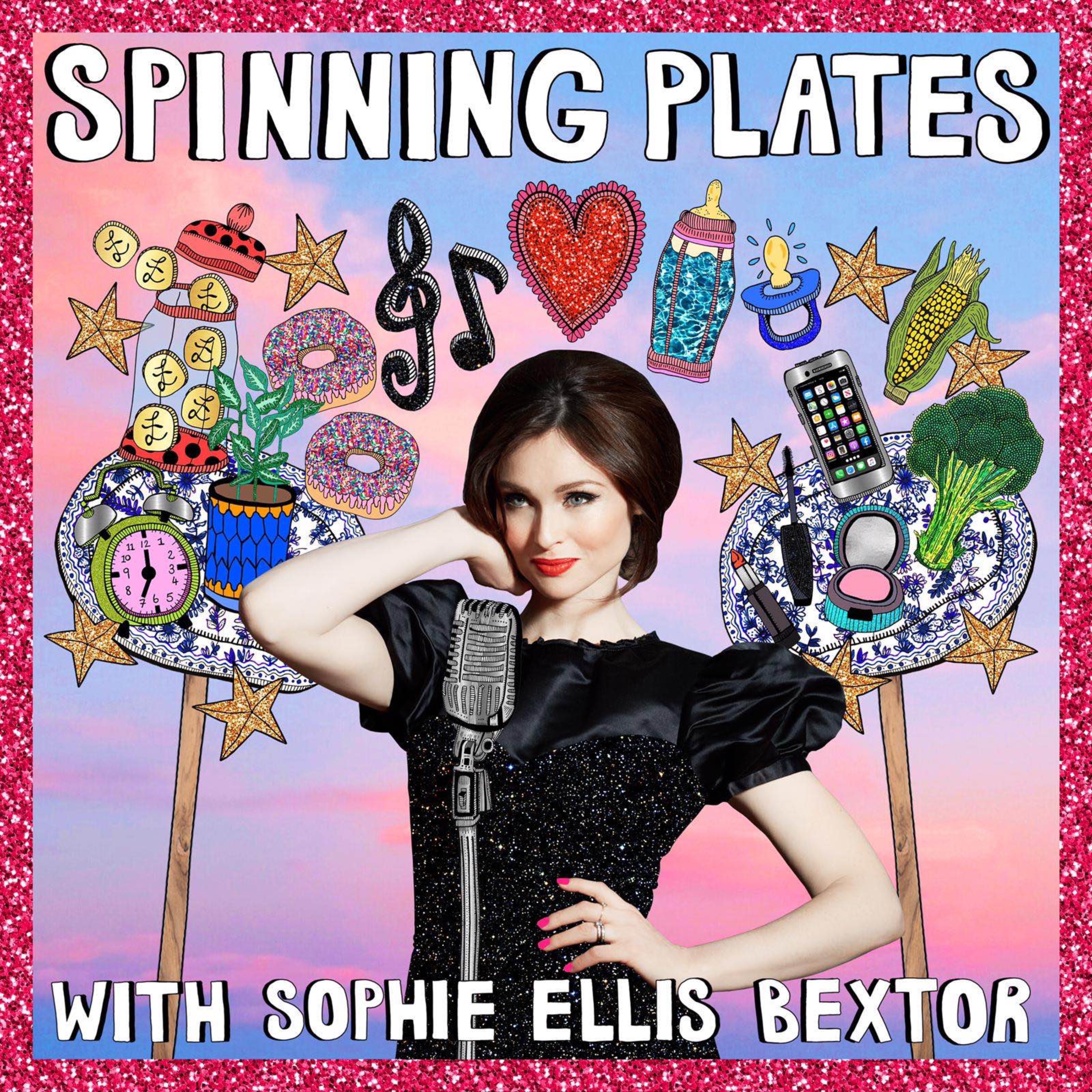


Host: Sophie Ellis-Bextor
Spinning Plates
This episode features Dawn Williams, a mother of three, an Olympic weightlifter, and a campaigner for exercising during cancer treatment.
Written by AI. May contain mistakes.
Sophie shares her experiences performing at the Australian Open and traveling in New Zealand.
“And I've got to admit, the warm bones I'm experiencing feel pretty good.”
Sophie recounts a chance meeting with Dawn, an Olympic weightlifter and breast cancer survivor.
“Last year when I was promoting Perimelopop, I did lots of signings in record shops up and down the country.”
Dawn discusses her cancer diagnosis, treatment, and the importance of exercise during recovery.
“And I'm chuckling a bit because we met on a train.”
Dawn reflects on how she navigated telling her children about her cancer diagnosis.
Learn about the emotional journey of coping with cancer and involving family.
Understand the critical nature of self-exams and seeking medical help.
“So when I got an appointment, what that was for, I think it really helps.”
Hear about the impactful moment with a sonographer who saved a life.
Explore the life lessons and experiences gained from being a paramedic.
“But it came back as unexpected breast cancer.”
Delve into the challenges and joys of motherhood after multiple miscarriages.
“I've obviously been out of it for quite a while.”
Inspiration on never giving up in the pursuit of having children.
Discussing the emotional challenges of pregnancy and IVF journeys.
Sharing insights on the IVF process and its emotional toll.
Exploring the transition into competitive weightlifting during lockdown.
“it was really difficult so i was one of those people that went and bought weights and decided that I was going to do that.”
Discussing the importance of weightlifting for women's health and bone density.
Examining the impact of diet on weightlifting performance and health.
“So, yeah, keep it in your body for as long as you possibly can.”
Discussing the role of exercise and competition during cancer treatment.
“I feel like I have so many things to learn.”
How to manage time for weightlifting alongside work and family.
“That's what he wants all women to do that have just been diagnosed.”
Learn how to integrate fitness into daily family routines.
Discover the importance of discussing health and fitness with children.
Explore how family history shapes attitudes towards sport and fitness.
Understand how exercise can impact recovery during cancer treatment.
Learn about the surprising benefits of exercise compared to medication.
Discover how maintaining control over fitness and diet can aid recovery.
Learn how to create a network of supportive friends during tough times.
Understand the importance of maintaining connections with healthcare personnel.
Discover the diverse and supportive nature of the weightlifting community.
“that's how often I went was every two weeks.”
Learn how to embrace future planning after a health scare.
Dawn discusses her newfound ability to plan for the future after her experiences with cancer.
Dawn provides advice on incorporating weightlifting into a healthy lifestyle.
“So I can snatch 45 kilos and clean and jerk 55.”
Sophie reflects on how Dawn's story inspires her to embrace weightlifting and its benefits.
“So I want to be able to clean and jerk 60 and snatch 50.”

Get the gist, explore an idea or ask about something said.
 Claude
On Spinning Plates with Sophie Ellis-Bextor, what are the key points of this episode?
Searching your listeningAutomatic transcript. May contain errors.
0:04Hello, I'm Sophia de Spexter and welcome to Spinning Plates, the podcast where I speak to busy working women who also happen to be mothers about how they make it all work. I'm a singer and I've released eight albums in between having my five sons aged between seven years old and nearly 22, so I spin a few plates myself. Being a mother can be the most amazing thing, but it can also be hard to find time for yourself and your own ambitions. I want to be a little bit nosy and see how other people balance everything. Welcome to Spinning Plates.
0:40I don't want to be too snuggled about this, but to those of you listening in Blighty, I'm in a very warm, very sunny blue sky in Melbourne. And I've got to admit, the warm bones I'm experiencing feel pretty good. I feel bloody miles away, though. I mean, I know that's obvious, but it's so unique to coming to this side of the planet from where I usually reside. I just feel so comically far away. I think it's to do with the fact that you're not only, you know, you've travelled the other side of the planet, but you also, the seasons flip, so winter to summer, the clock is absolutely backwards. So yeah, it took a little bit of getting used to, but I have actually been out in Australia, New Zealand, for a week now, so I feel properly acclimatised.
1:32I'd like to raise a imaginary toast to the half of my band who turned up on Monday to New Zealand ready to do our first gig on Tuesday and our second gig on Wednesday. They've coped very, very well. But Richard and I came out a week ago because last Sunday I sang at the tennis, the Australian Open men's single final. That's a bit of a reason. So that was really cool. Literally was on the court. and then I watched the final Djokovic in Alcaraz. It was really good. I was ringing for Alcaraz, so that's good. He won. He played... I mean, they both played so phenomenally. It's amazing watching people who are just that extraordinary at what they do.
2:15So that was pretty cool. And then through to New Zealand for my first ever band shows there. Never mind that. It was also the first time I've been there in 24 years. I went to Hamilton, which is a very sweet little town. travelled to Hobbiton to the set of the Hobbit in the Middle of the Rings which felt slightly incongruous but Pablo and Richard were very excited and I know it will mean something to my two teenagers back home and it's actually a very beautiful countryside it's well done and we played Christchurch last night really cool, I liked Christchurch a lot and now today I've got a day off in Melbourne, we've flown back here to Morigig Saturday, Sydney Sunday, Tasmanian Festival So lucky me.
2:57This is another little adventure I found myself on. I'm talking of adventures. Last year when I was promoting Perimelopop, I did lots of signings in record shops up and down the country. And to get in between them all, I was on the train a lot. And one time I was sat opposite a lady and we just got talking. And she looked kind of about my age, but dressed quite smartly in a suit. She had her laptop out. But she sort of said in passing, oh, I'm actually a weightlifter. I'm a British Olympic weightlifter. And my ears absolutely pricked up like, what? So she has a day job working in the healthcare sector, but she's also a weightlifter.
3:48She lifts incredible, impressive weights and has medals to her name. And she'd also been doing a little bit of promotion. Of course, it's got really windy. I've added to Richard, a.k.a. my husband, isn't too cross with me for talking to you, and a windy has just sort of walked into a wind tunnel. Anyway, as I got talking to this lady, she told me her name was Dawn. She has three children, 20-year-old twins who are 17. And she revealed that she'd actually was the other side of her breast cancer diagnosis and treatment happily was in remission cancer-free but that her oncologist and her had basically been so grateful to Dawn's fitness program and regime that she maintained throughout all of her treatment and they both so Dawn's been now talking oh gosh that's another noisy thing an advocate for keeping your okay sorry about this guys I'll get Richard to act and tell you
4:58Jesus Christ that was noisy basically if you do exercise during cancer treatment it has been proven there's research to support that you are 30 % less likely for the cancer to return. How phenomenal is that? That's something I did not know. So I thought Dawn was pretty impressive actually. And before we got off this train journey, I said right we must swap details, I would love to have you on the podcast. And thankfully that's exactly what's happened. I'm going to get off this noisy road and let you listen to a much more calm environment of Dawn and I speaking she came around to my house and uh she just is so articulate and open about a very traumatic experience but also testament to the relationship she has with her children and also with the people in her gym the weightlifting community her trainer all these people that gave her the support to get through something that she didn't know she'd be experiencing but she's the other side of and now is happy to speak about.
6:12So over to Dawn and her incredible story. And Sarah brought all the noise, guys. You're going to go into a very nice, quiet space. I promise I can. See you in the next one. Thank you so much, Dawn. It's so nice to see you again. And I'm chuckling a bit because we met on a train. We did. and um and so i remember we had this really relatively brief but really fascinating conversation and i'm so grateful you've come around because sometimes you'll say to someone in passing oh i'd love to see you again but look who you are it worked out yeah um and there were so many things that have got fascinated me i think so when i saw you on the train you were in your kind of day job attire very smartly put together a shirt and suit and your laptop and busy with things but I think what sparked my interest was when you mentioned that that weekend you were going to be taking part in a weightlifting competition because you're also Olympic weightlifter which I thought was amazing but that it didn't stop being interesting there because you also told me that in 2023 you'd had been diagnosed with breast cancer yeah and actually you've now I've been working with a charity to try and promote the fact that actually if you train during your treatments you're much less likely for the cancer to return yeah so in light of all of that where where should we start what about the here and now um what are you up to at the moment and how's life treating you and your three kids so um yeah mum of three um 20 year old man boy as I call him No, and 17-year-old twins, boy and a girl.
8:01So they're super busy with their education, and I am now back at work full-time after I was poorly. And I am really pleased that at the moment I'm touching wood, no evidence of disease. So that's the words that you want to hear when you've had cancer. And with regard to how am I, I am back lifting. I competed in the English Championships on the 6th of December. I won but I didn't just win I got a personal record so for me that was I'm definitely coming back back to Dawn who was before I got poorly and I think that's the one thing that impacts you both as a mum but as a woman with breast cancer you kind of lose your identity for a little while so I am really pleased to say that my identity is coming back to the old Dawn I feel more confident again I've got my hair back this is all of my hair um but it's those things that you don't realize when you're from the outside looking in that somebody who's previously been quite confident at work with the children um in sport um that it disappears for a little while so you have to fight to get it back well that's so much to go through and also I'm very aware that a lot of this is very recent times we're talking about um when did your treatment finish so i was diagnosed the 6th of october 2023 um managed to squeeze a weightlifting competition in before the british before i started my treatment in november 2023 so had eight rounds of chemotherapy every two weeks um and then in April 24 had my surgery so I made the radical decision to have a double mastectomy and reconstruction a lot of that was driven by me being a mom and trying to protect my future so I had that in April so that's when my surgery stopped and then not long after that I had scans to say that I was clear of disease and then my body then had to physically repair not just mentally but physically repair because I'd had quite big surgery yeah um yeah so so that was kind of my treatment journey but I was able to get back training after six weeks so I was six weeks lucky yeah I was super lucky I had an amazing surgeon um but also I didn't stop training throughout my chemotherapy so it kept me really strong um and because it kept me strong I was able to recover quickly so my muscles were strong my tissues repaired quickly and I guess this to your point um i really want women to feel confident that they can exercise that they should exercise that they need to look after themselves it doesn't have to be a little weight lifting that's probably a bit extreme for everybody but just any kind of exercise that keeps your body moving maintaining blood flow so the cells start to heal quickly i think it's such an amazing thing and i am working with breast cancer now i'm a volunteer um and when i when i go to the volunteer sessions that's one of the things I reinforce and I embed.
11:06So you're volunteering in what regard this is with the charity that you've been working with? With breast cancer now yeah so I'm super lucky that the organisation that I work for give me four days volunteering time so I've used all of that time to go and volunteer with breast cancer now so it's about moving forward so they do a really good programme called moving forward but when you've just been diagnosed with breast cancer gone through treatment you come out the other side you actually feel quite exposed because there's no regular check-ins there's no nurse conversations every week there's no scans there's you know you're you're kind of left feeling healthy-ish but dealing with what you've just been through so it's so important that the women get that support afterwards and it's not just for the six months or 12 months it's like two three four years afterwards um so that's what i do um i've got four more sessions in the new year as well so and I really enjoy that I really enjoy hearing people's stories but also just supporting them as well yeah because I was going to ask about the the after because I'd imagine that that almost needs a word of its own for what that that bit of the journey is like I know it's overused word journey but in terms of the the progress with you've got your diagnosis you're dealing with all this information you're trying to wrap your head around where you found yourself then your own personal treatment plan and all as you say the regularity of it the people you see the experience of that but then when you come out the other side I mean there's so much you've already explained I can really touch the corners of that the idea of getting back into yourself factoring in that you're now post that but actually letting it all percolate and acknowledging what you've been through how it affected you how affected other people and obviously for you you've got children at really crucial time in their lives but also a time when they're they're able to see you as a 360 person a bit more as well which has positives and negatives actually because they're more aware of um well of your what makes us mortal actually yeah and our vulnerabilities um i mean if we can go back to the time of your diagnosis how did you talk to your children about what was happening yeah it you are advised so i did ask the question of the breast cancer nurses oh how do i tell my that was the first as soon as i got told the first my first thought was oh my children my poor kids and just also for contact you told me just before we started recording that you'd also not long since been divorced and moved into your own place with them and they're with you all the time yeah so this whole brave new world already yeah new beginnings that were kind of put on pause that's how it that's that's how it felt um and it wasn't just a pause it was something quite significant that i had to get through but i couldn't do it on my own i needed i needed to tell them and i needed to share so my immediate response was I can't tell them yet because I needed to also process it myself um but I did tell them sat them down and I just said I will get through this I will get through this one way or another I will get through this because it's really difficult I um I was a paramedic in a previous life and the words that you cannot ever say to somebody is you're going to be fine because actually I don't know I didn't know that I was going to be fine but I did know that I was going to get through it whether that what that looked like at the other side I didn't know but those are words I could use that were more reassuring but also not untrue um so I just talked about the treatment plan I talked about what that would look like and they were they were really cute so um in my bedroom I'm on the third floor of our house I had a mini fridge and a snap box and all sorts of things that they pulled together for me so when I came back from chemo um they they were there to support me everything was ready they left me on my own and um I was on the end of the phone and they check in and message me so it it became their journey we've used that but it became their journey but they I think they became part of it but in a positive way that they could see that I was actually coping with it and it was it was okay and it was fine and it was nothing to be scared of because then I'd get up the next morning and I was okay so um they never came to the hospital appointments with me I didn't do that I didn't take my mom either um I did the bulk of them on my own but and people find that quite bizarre but I couldn't bear the thought of having to look at somebody going through the trauma that I was going through and I would have been more concerned about that than actually listening to what I was supposed to be listening to so we that's the way that I dealt with it and that there's no right or wrong and that's one thing I will say everybody will deal with it in a very very different way.
16:09But bringing my kids along with me and explaining every part. So when I got an appointment, what that was for, I think it really helps. I mean, they were 16 at the time. So they weren't small children anymore. You know, they were turning into adults. So I kind of, I owed it to them as well, to be honest with them, as honest as I could in this situation. So yeah, that's how I dealt with it and we we even did the race for life together in June after so I had my surgery in April we all did the race to life race for life together in June so that was almost like the closure for them as well that was moms at the end of the journey so we were we were a team we did work really closely together and and anybody that's going through it I would recommend having proper conversations with your children because I think it definitely helps yeah and also I think it's so wise what you said about not saying you'll be fine listening to get through it because you don't even know what the other side looks like at that point and it also allows all the conversation around that rather than what does what does fine look like anyway really and what if they're presenting of fine but underneath the surface there's all the other turmoil and the fears that they didn't want to address at the time or fears they're experiencing right then and there um just in so far as your your route to diagnosis had you always been good at checking yourself is this something that was coming out of you being prudent was it kind of more by accident I mean obviously if it's too personal I don't think you have to share it and actually it's a point I want to reinforce so I found um I started to go through a menopause went to the GP a year before and the GP found a lump I just thought it was menopause sore sore boobs a lot of a lot of us go through it he found a lump so I went through the system the first time and it came back that it wasn't cancerous fast forward 10 months later the lump is still there so I went back knowing I was starting my new life with the kids and I just wanted to be really clear so um mammogram was clear the ultrasound was clear but obviously i knew the lump was still there so they did a biopsy and it came back as being cancerous so for everyone out there please check yourself because a mammogram is not foolproof an ultrasound is not foolproof know your body inside out and back to front it's so important did you have to advocate then to say i think you need to check it out again or were they because i was back a year later um that's the procedure is it that they yeah the the sonographer insisted that I she insisted with a consultant that I had a had a scan and actually that lady I can't remember her name but I think she saved my life wow she saved my life because she was insistent and spent probably a good 45 minutes just double triple checking everything wow that's so impactful that's so she like that Yeah.
19:15And so I was really, really lucky. But it came back as unexpected breast cancer. I don't think anybody expected with the previous 12 months and the tests that it was going to be a breast cancer. So, but I kind of knew, I don't know, you get like a sixth sense. That's why I went back. But yeah, know your boobs, know them inside out and back to front. I think as well you just have that thing of um I remember years ago uh I was experiencing some discomfort on one side and so I went to my GP and very quickly got referred for a check at the hospital um and you sometimes you know you find yourself in the waiting room and there's all the other people and I was chatting a little bit to some of them and then you suddenly think it very much could be me i mean i've so far i've made it to this room and then i'll be in another room and then maybe that room i'll be going to that room so your brain is starting to kind of why why do i think it wouldn't be me that goes through to those different rooms and gets that diagnosis but i do yeah whoever the whoever that sonographer was um she she really did brilliant in her job that day.
20:28She really did save my life yeah she did do her job very well. And if we go back I want to talk a little bit more you said about being a paramedic. Yeah. So what was your how long were you doing that is that what you did when you first like left education? I dabbled in some part-time jobs but yeah at the age of 20 pretty much after education I was always intrigued by what was going on in the back of an ambulance for years even when I was younger yeah so I joined the ambulance service at the age of 20 and I was a paramedic at the age of 21 so had no fear had no expectation of life really at the age of 21 and I would say it was the best time for me to do it because there wasn't that you know the nervousness as you get older yeah and the anticipation well that's going to go wrong or this is going to go wrong I didn't I didn't worry about any of that I just dealt with what was thrown at me and so I did that job for seven years oh wow a long time I did it for seven years yeah and then I moved into the life sciences industry but I did I dislocated my knee quite badly so I was medically retired okay but you know I think seven years is a decent it's a decent stint I saw lots of things in my time there and it made me grow up really quickly it really did wow and taught me a lot of things about life there's no rhyme or reason behind why a lot of things that happened to a lot of people no only that's yeah in a way it's sort of uh well that's kind of the thing about life as you said but it's one of those things that we can kind of um soften the edges of when we want to but if you've actually been going into those situations and people are experiencing that moment where everything pivots literally in seconds in seconds yeah wow I think that was the biggest thing for me life changed in seconds whether it was somebody having a stroke that was just sat with their family then they have a stroke and then that's it their world's got turned upside down they can no longer speak and they can no longer walk road accidents some of the road accidents were pretty horrendous and they were life changing for families um and it was in split second decisions that people had made that impacted their life you know forever yeah and um how did you deal with the trauma of a lot of that I I was I was young and I was pretty resilient um so we we didn't really have counseling back in the day it was quite old school I'm not shocked it was quite old school it was right off to your next job so you'd clean the back of the ambulance and you'd be you'd be off to your next job I guess you're in a culture of doing it together you know yeah so at the time if I mean I've I've spoken to people from many walks of life and one of the things that always stay with me when I spoke to a forensic pathologist so you know doing autopsies and she said as well no no counseling no no help with how to you know if you're I don't know bring your family member in to identify body how how you might frame that how you might what you might take home how you might help yourself with that so have things changed is it better for paramedics now is there more resources for them to do you know I think it's a very different job now.
23:42I've obviously been out of it for quite a while. I think the actual jobs they go to are very different. There's a lot more routine work. They do get more support for sure. They do get more support. Yeah, because it was, I mean, I was still, I worked with five men in my shift group because we worked with the same people all the time, which was great because you got to really trust people. but I was with five men and a 22 year old blonde with five men in their 40s that was kind of how it worked but they supported me and we supported each other but I mean there were some amazing things you know I did save people's lives the people go into cardiac arrest and I'd resuscitate them and that I changed their family's life forever because I got their dad or their brother or their son back to life um babies born that's always quite exciting not as glamorous as I thought it probably was being on the other end but equally very special for people um not that you ever want to have a baby in the back of an ambulance but equally you're bringing a baby into the new human being into the world so that's very poignant yeah a hundred percent but it taught me so much and i on the odd occasion i did used to go to people i knew as well so that i felt quite privileged that i was supporting somebody when they really needed really needed help so I don't know whether they were so pleased that it was me that turned up when I felt privileged that I was supporting them.
25:05So it just taught me so much about just about life, actually. Yeah. It's an insight into so many things, isn't it? Because I guess it's a real, I mean, I don't want to sound trite, it's a real leveller that in that situation, everything else falls away. You just want to feel that you're in safe hands. That's it. That's all people want to know. Yeah. Yeah. and I think going into jobs afterwards I always say I had a real job before I started this job yeah that's what it feels like you know I had a real job that it impacted people's lives yeah if you made the wrong decision that was somebody's life so yeah and it's also it's gnarly you know for a lot of us we might never have to confront those things those situations yeah I have to say Dawn I feel incredibly safe in your presence I mean you're a trained paramedic you can lift heavy stuff you're very calm to listen to i'm feeling great i feel like anything could happen and you will take care of it hopefully fingers crossed let's not wish that um was it life sciences you were working when you had your babies then is that what was going on at that time yes yeah and that was you know that was probably a good move i don't think i could have worked the shifts with small children um so i was in life sciences um when i had all of them yeah So I was married at 30, first baby at 32, twins at 35.
26:30So I was moving into that older mom category. How did you find it having twins? Was that something, is it, are they, no, they're boy and girl, you said? Boy and girl. Yeah. So this is when there's just two eggs at the same time. They were IVF. So they were super, super precious. The other thing, I went through eight miscarriages. so um having children was super special it is for anybody but um you don't realize that you really want them until you can't have them that was that was what I was faced with so I had four miscarriages before I had my son my first son and then I miscarried four sets of twins before I had my twins you've been through so much so um but it became a kind of it sounds really awful but it came I knew what I wanted I knew that I wanted babies as long as my health was okay and my body could cope um I had one shot at IVF and I ended up with the twins so wow it worked and we were super lucky so yes they were two embryos that went back into two separate that's a boy and a girl they look and well they're both dark but they do look very different yeah but yeah I was I was 35 nearly 35 when I had them they've just had their 17th birthday wow very wanted babies they were all of them yeah they were but again I did quite a lot of work for Tommy's charity and did a few stories on women that had been through that process because you know there's so many similarities for everybody's journey you know you look at a scan and there's no heartbeat or you you know every time you get pregnant you're paranoid you spend 50 % of your time sat on the toilet for instance because you just don't know what's going to happen next so I did write some stories about my feelings how it made me feel but actually how do you pull yourself out of it what is the positive that you can take from it so yeah I and I hope that supported people but I my advice was never give up if children is what you really want they're so precious they change your life yeah um if it's what you want as long as you're keeping yourself safe then don't give up there's always a way yeah and there's also as you said many ways to have a family many ways to former family exactly so you might start off thinking with the traditional way of making a baby but actually the world is wide there's many ways to bring those people together and create what family means to you actually yeah and as you know when your children are here by whatever means they came to you you always feel like there was nobody else they were going to be it was always going to be those people yeah yeah but that's um I mean I suppose that's again like your it sounds like there's a thread of an instinct to bring into it people bring some light to the shadows of the bits what you know bring community around things that can be tricky for people and i suppose if you're having quite a medicalized approach to falling pregnant and then having a pregnancy supervised there's an energy around those meetings those appointments you know the care of you know checking everything's all right that can actually suppress sometimes the loneliness the fact that you're going through those things and what happens when you're out there so just so I heard you right was that your own only experience of IVF was the time you had them yeah so I was super lucky um that it worked the first time yeah but you know wonderful and you tend to go through this experience with a group of other people that are going through the same cycles of the same process but not everyone's a winner at the end of it and that's really difficult to deal with so there could be four of you there's lots of chats on facebook and different groups as well so everybody's starting positive you're waiting for your results but then there could be 50 that drop off and don't have a positive outcome yeah and that's really difficult to deal with yeah especially as well because most of your friends are getting pregnant yeah at the same time um it can also make be hard because you feel like you're sort of left slightly straddling to your communities because the people that are around you to give you support when you're going through the miscarriages and the longing that's you know we now know where to find other voices other people to to find the solidarity and the comfort but when you find yourself lucky enough to be having the baby and a new mum you're you can sometimes feel a bit like I can't speak to that community even though those people meant so much to me yeah yeah it's really difficult it's really difficult so yep three very precious children I have and when did the weightlifting start with it started in lockdown double buggy yes there is that um it started so i i've played netball the whole of my life i've always run um tough mudder any kind of sport i'll try everything i love it it's so good for your mind and for your body but in lockdown of course it was really difficult so i was one of those people that went and bought weights and decided that I was going to do that.
31:29So I ran, did HIIT classes online, but also started lifting weights. And then I kept putting more weight on the bar, more weight on the bar. And actually my coach said, you're really strong. So when we went back into the gym post lockdown, he just said, I think you could actually compete and do Olympic weightlifting. So Olympic weightlifting is basically throwing the bar over your head as opposed to just lifting it off the floor. Okay. So the bar always ends up above your head. So this is like the kind of push. snatch and then clean and jerk yeah that's a clean jerk you just demoed very well holding nothing I'm quite good at that one so I just started and then I think it was about six months later I competed six months yeah he's a super super coach I've got a shout out to him Sam my coach is amazing and is Sam still part of your world now Sam has been a massive part of my world wow so he adapted all of my um lifting so i lifted throughout my chemo he adapted my program um his brother died from cancer and his cousin had breast cancer so he was super passionate about pulling you know putting my program together but he got massive experience so yeah he encouraged me um and i competed and then the next big competition really was the british champs so i competed when i knew that I'd got breast cancer it kind of gave me a bit of fire in my belly and I so I won the British Champs two weeks before I started my chemo um yeah so I just a lot of sports you can like you run and you can think at the same time with weightlifting you can't think because if you're thinking about loads of other things you will drop the bar and you won't lift so you have to almost to have like that complete blankness in your brain before you can lift um and that's a really good thing it's a really really good thing to have because you completely switch off and had you had anything in your world that had given you that feeling before that no other sports nothing and this was lockdown so i'm trying to think with my maths how old the kids were so they're sort of uh so you said they're 16 and 20 now 17 and 20 now so they would have been 13 yeah 13 14 so then yeah I just started going to the gym competing and then I just became part of my training program and my running decreased and my weightlifting increased and what do you do you do any other sports to support the weightlifting or when you're doing weights does it become all about the weights and the technique of that so I did used to run as well I struggle to run now because unfortunately my breast cancer was estrogen fed so I have no estrogen in my body so my joints are a bit cranky these days um but I did used to run I have gone back to playing netball again um they're quite good in terms of complementing each other because it's a lot of strength in netball a lot of leg strength so it works um that but that's probably it I don't do as much cardio stuff but as you get older you don't need to do cardio if you're over 40 you should be lifting weights everybody should be lifting weight i've heard this so much about so let's talk about that a bit what are the benefits specifically maybe for women's bodies with weight lifting so you build your muscle and you build your bone so if your bone strength increases as you get older bone density particularly for me because i've got no estrogen building bone density is so important but it's not just for people that have had cancer it's for all women because your estrogen will diminish like everybody else is um and your bone density starts to be compromised so actually building muscle and bone density is so important so i i saw um two women walking down the street the other day they must have been in their 80s one lady was really sprightly and trotting along and then her friend was hunched over her back was all you could and so that to me that's you and me i'm going to sit up straight up you just projected us in the future that was it that's like the like two tales of fitness so obviously the one lady had looked after herself and then the other lady maybe hadn't done any exercise and yeah but that's how important it is you can live like much healthier and longer life if you look after yourself yes from the start lifting weights at the age of 40 don't have to lift a Olympic weights it's not about that but just getting stronger I think that is brilliant and also the satisfaction of feeling strong in yourself yeah feels great um so just with the estrogen how so does that mean that when you're sort of post-menopause that you have to have a very tailored um situation for that to support your health now and what you've been through and your weight lifting as well yeah so estrogen's my enemy unfortunately it's everybody's friend normally but it's my enemy so i'm i actually have my oestrogen blocked as well um so i i do take supplements so cod liver oil glucosamine all of the things that you probably heard of but they stay on the shelf but i have to take them in order to keep my my joints stronger but i have a high protein diet i was gonna say what's your diet like very Mediterranean um but protein is king so you know lots of chicken yeah lots of fish cottage cheese which is the devil's work according to a lot of people but it's amazing it's got so much protein in it um but I have no strong feelings about cottage cheese everybody I say I only use the cottage cheese like oh don't but it's so good no I think it's supposed to be my um 16 year old's got quite into those sorts of things and he's he's been educated me a bit yes yeah um so yeah my diet's completely changed but things like i used to have soya milk in my lattes can't have that anymore because soy has got estrogen um so i just have to be super careful about what i what i eat but i feel as though now i've got into a normal groove of what i can and can't eat um but yeah if estrogen is your friend you just need to keep it in your body for as long as you possibly can as well so that is taking things like soya milk is good for women that haven't gone through estrogen-fed breast cancer.
37:38So, yeah, keep it in your body for as long as you possibly can. I feel like I have so many things to learn. I do, but it's fascinating. And I think, wow, you've been so brilliant at integrating and actually being a good example of all the things you're supposed to be doing. And I find that very inspiring. so can we talk a bit more about the relationship of your exercise and your treatment because yeah it's unusual to have competed and you said the british championship between your diagnosis and your first chemotherapy was that what you did then yes yeah um at the time did that just feel very instinctive is this blank space that the weightlifting giving is that has that been a massive part of your yeah keeps your brain feeling healthy so I think my treatment was due to start mid-november I competed the end of October so it made it was a goal that I wanted to achieve before I started because I didn't really know where that journey was going to take me once you start chemo it's like the unknown um but the focus that weightlifting gave me prior to treatment to keep me strong so I have to train five times a week I'd obviously got competition so my diet was really good I literally gave myself the best I always talk about giving yourself the best chance when you go through chemo get you know you've got one shot to get this right give yourself the best opportunity um and then I just continued that thread so my diet was really healthy I even like put greens powders into my smoothies just to enhance It's everything that went into my body was nutritious, was a diet that would keep me strong.
39:26And then alongside my training, it became a routine and it was non-negotiable. I think that was the thing for me. And it all comes back to the philosophy of give yourself the best opportunity and the best chance. And is that when you say non-negotiable, is that a decision you've made solely with yourself or were there other people around you that you felt you had to sort of push back on? did some people say are you sure that's good for you know and not they're not gonna say don't be agreed but I mean with the with the training and the instinct you have obviously you've now have all the medical research that backs up your instincts yeah but during that time was that a resource you had or is this more self-motivated I think it was well it was research that I'd already done so I did a lot of research around exercise and I was I was really lucky that my oncologist was a national health trainer for cancer so he was but I mean I was a delight when And I turned up and said that I lift weights because that was, you know, for him, that's a holy grail.
40:20That's what he wants all women to do that have just been diagnosed. So I met not just not just women, but men. So a lot of my mom was, oh, no, I don't think you should be lifting. I don't think you should be doing that while you're going through the treatment. But it became a prescription for me. It was as important as my chemo. And now I am exactly the same. So I will go and train and it is a non-negotiable. for my kids they i'll say i can't do that until later i'm going to go and train and where do you do is this going to a gym or do you have things in the weightlifting club so um it just became part of it's just part of my life and don't get me wrong there are some days i haven't trained for three days so i'm gonna meet you to get back um to train because i've been away and i do take a break and i do get tired but i know that it's for my benefit in the longer term that i have to go and train it's like it like say it's like a prescription and how often if in an ideal week how much of your how are you figuring your training into because your your day job as well must be taking up is it sort of like a nine to five ish kind of ish yeah i work full time so sometimes it's early a slightly early morning start so i left the house at five o 'clock yesterday morning and i'll get back six o 'clock tonight so you know i'm in and out of the house um early and then late but it's monday to friday so i negotiate time around that either at the end of the day or the beginning of the day but actually sometimes um and i think other people should think about doing this when you've got a really super busy job you need to almost like cut in the middle of the day stop go and exercise and start again um and the organization i work for is really supportive of people getting timeouts and well-being time to support it so i embed it into my working week it's almost like my diary management is done and then I fit my my weightlifting slots around it so it just becomes a routine so I know exactly when I'm training at what time and ideally what you'd go every other day or five times a week five times a week yeah I train five times a week yeah so good yeah but but the kids have been great so they understand they know yeah that I have to go and train well how does it how how has it affected their relationship with their bodies and the conversations you might have around that I don't think anyone spoke to me about exercise in that way when I was growing up it wasn't really a conversation that was ever had actually yeah so we talk about it all of the time they I talk about their diet and the balance of protein and exercise there's the garage has been converted so I've got weightlifting area in the garage um my 17 year old son he plays a lot of sports so he's super tuned into it we do a protein shop every week together and we get quite excited about the different flavors of protein shake that you can buy so he's completely tuned into it he gets it um the other team not so much they know the importance of it but that doesn't mean to say they're going to do it does it but they understand that it's very important but i do try and train them to to eat differently and to you know actually go and exercise my daughter plays she plays netball she goes and plays netball it'll filter in any way though because I think you know when you get to your that age of your teenage especially 17 you're looking outside of the family home and it's about your friends and what's happening there but when you get older you sometimes then revert back to a lot of those patterns and conversations and I think even being able to navigate knowing what's good for you is really a really big advantage yeah um because I think I mean in our house as an example we we're quite traditional I think for me like our relationship with movement and food is more to do with um I don't know I suppose what I grew up with so home cooked meals and being active yes but not so much the structure or the components of what's on the plate whereas I feel like with the way my kids are accessing information my my 16 year old will come to me and say I want to now eat like this or I've been searching up these men these types of meals and recipes that will support what I want yeah which can be quite hard I mean even my 10 year old will say oh I want to feel healthier I want this than any other anything oh am I doing enough to I don't know we can't help I mean did you grow up with parents that were quite active then have you has any of this been taken from your childhood or is your relationship with sport and movement and body been more from yourself my mom played county netball oh the netball thing's the netball thing has gone through the family not that you could tell by my height but yeah um so my mom played a lot of sport as well my dad played football my granddad um he was a cricketer so it was kind of in the family and I just carried on myself and My brother played sport throughout our school years and then beyond that as well.
45:16So I just enjoy it. It just makes me smile. Like playing sport just makes me smile. No matter what it is, I just enjoy it. And going back to a time when you're going through your treatment, is there anything at that point, apart from you doing your own research and building it into what was happening, did it ever get, I mean, I suppose you had your oncologist who's very pro that, but is there generally a culture shift at the moment between about getting more people involved with that side of things for themselves to help themselves with the treatment yeah um i think my oncologist just recently went to a conference down in london and it was one of the key um areas that they discussed was exercise during chemo um and there's recently i say been a trial that's showed a 30 reduction in recurrence for people who have done strength training and exercise which is higher than the medication 30 yeah which is higher than the medication so it's when i say it's a prescription for me doing that is more important than me actually taking my medicine but i think combined it's amazing so you're 30 less likely to have recurrence and that's actually a higher rate than the medicine itself is giving the medicine alone if you if you throw an exercise and your medicine it's 30 it's madness right well I think it's yes it's pretty it's pretty well but I also think it's so encouraging and it just shows how firstly how you have to handle these things so holistically yeah and lifestyle choices but also I think that lends itself to a lot of optimism because it shows that you can actually for all that time when you're feeling so I would imagine lost and slightly at the mercy of it yeah to have something that you can actively build into your day that will firstly give you you know will actually benefit you but secondly will give you I think that thing of the blank space in your brain yeah not being able to think about stuff I mean that just having that pause that punctuation plus the life you're going to live afterwards yeah and the longevity um you know we we do now know that cancer is something you can live alongside you get through live past it will become part of the majority you know is it i think it's one in two now isn't it so one in two yeah so for 50 of us this will be something we experience but then you're much more likely for there to be a and after and how much better to be stronger fitter facing the future feeling better about all those things yeah absolutely and you made a really good point then about the control it was the one thing that I had control over planning my exercise planning what I eat that was that was for me to to look after that was my control within my gift to make sure that it was optimal um and again comes back to giving myself the best chance and I think everybody owes it to them but to me certainly to my kids and to my family I owed it to them to give myself the best chance of coming through this yeah um but that would be the same for everyone right it would be but I think it's brilliant because I said you've been so good about listening to that instinct and then actually acting on it and then you get to reap the rewards afterwards but talking about the more difficult aspects of your experience what advice would you have for people that are navigating this I mean I'm thinking of you as a single mum with these very you know your much wanted family you found yourself in this situation where I mean I think you said before we started recording you called your house team dawn yeah when did it become team dawn was that when you first moved into the house yeah yeah so that takes on extra significance as well when you're you know facing things that you've got to get through like that unexpected um experiences as a family but when things are tough and when the kids are asking when they're not filled with the strength to feel that what's the positivity how did you navigate that and what resource what was helpful for you then yeah and i think so i had a really good group of friends around me that i could be super honest with and they were my weightlifting community an eclectic mix of people fascinating mix of people um but the most supportive mix of people and alongside my family as well so whilst i didn't want to burden my family and i didn't talk to them because it was very close to them because i was a daughter or a sister or um or the mother um but the weightlifting community so evolution shout out to evolution weightlifting and were amazing they um they were there to support me how how much or how little so we had a pre-chemo night out and we talked about what it was going to look like when I went to train they made sure it was safe the environment was safe as well so everything was sanitized but I would I've been chat groups with them all the time um I lost my hair but nobody ever saw me without any hair so I had a very clever hair system um my daughter just couldn't cope with it but I I chatted to them the whole time about it and it was you know how you know how things are well I've had my new hair put on today and it just became a conversation without any judgment and I'm you know if you can find friends like that I'm not saying everybody's going to find an evolution weightlifting community but you've got friends find those friends that you can be super open and honest with um because that makes a difference that makes a real difference um because it's the honesty that keeps you true because if you bottle it all up then I think you would really struggle to cope with the day-to-day because you're just hiding everything and actually I think it's important that you talk about everything and my nurses the oncology nurses were amazing as well I go back and see those girls um at least once a month I go back and see them yeah um they were brilliant why do you think that's become an important thing to do I mean aside from the fact that you obviously like them as people but why do you think you need you feel like find it comforting to kind of I needed to keep going back so I could deal with the trauma so I could because when I first went back um it was it was for a routine appointment I'd pop in and see them but then I started going back when I didn't need to go there so but the first time I did it I found it quite traumatic I can't believe it was actually me that walked through this door and went through this treatment process but now I walk in and it's helped me it's helped me get over it so that it served you know I mean I love I love going to see them and I'm always taking bits and bobs in and quite often they'll drag me in to speak to a patient as well while I'm there which is which is brilliant um but part of it was me healing and getting over the trauma and actually going back to the same place that I had the treatment because every other Thursday when I was going through chemo, that's how often I went was every two weeks.
52:23So it gave me a shudder every time I woke up in the morning to go. But, yeah, so that's why I did. But, you know, anybody that's going through this, they know. You find out who your real friends are as well. I can imagine that. You do. You find out who your real friends are and you then stick with them, I think, for life now. I've kind of been through that process. Yeah. yeah finding people that can't judge you and that you can just be really honest with like my hair jokes were quite funny and I lost all my eyebrows as well and then my eyelashes but I could go and see them and feel safe whereas I wouldn't have gone to the gym on my own I wouldn't have gone to the main gym but I used to go to the weightlifting club I wonder as well with the going to see the nurses I mean you spoke at the beginning about how you feel your your dawn again and you kind of come, you lose your personality a bit.
53:12But by going to see them now, you're bringing your real self, not just the you that's putting on the brave face or compartmentalizing or going, you know, the patient you're now going in and sort of incorporating it into your world now. And it probably, I can find a sort of philosophy in that actually of not wanting to feel like you had to do that anymore. you can it empowers you it's my choice to go back exactly see them as drawn yeah I can absolutely understand that and for you to go in saying now I'm not a patient I'm here because I want to talk to you about all the other things I'm up to and yeah can we talk a little bit more about the weightlifting community because I want to know so you said they're a fascinating group of people so are these people from all ages all ages all walks of life so cool um so we've got an anesthetist surgeon um somebody who works in project management somebody works in IT police officers myself in the life sciences there's some people that are actually in sport and fitness um I'm going to miss people out and I don't want to do that but it's an eclectic mix of individuals so I think it goes up to 59 might is the oldest um but we've got youngsters now at the club as well so I think they're 12 10 12 the youngest lifters really yeah yeah so cool they're the children of some of the adult lifters but yeah it's I mean we we socialize together we do so much stuff together and you know when we all compete we're to have that support yeah and genuinely know you've got that support like we could be in tears when somebody competes and does really well we've gotten so close but it's a trust that I don't think can ever be broken and it's because we've been through so much stuff together um and yeah you can pick up the phone to any of them and they'll be there for you but Sam again he's developed that community because the club only opened two years ago oh right okay whilst he was coaching a normal gym uh he was coaching at a normal gym and he had a smaller unit where he could coach like two or three people at a time he opened his own weightlifting unit and to no it's only been 12 14 months so he's created an amazing community um and yeah if you can find a community like that yeah i can i can really get a sense of that and i really get a sense of what you give each other in that completely um non-judgmental pure you know foundation level support and wanting yeah 100 and you could sit in silence as well some days just drinking coffee and sat in silence so it's you know it's just a really nice environment to be in that's perfect and do you find you're good at looking to the future without you know can you allow yourself all of that I think probably over the last 12 months no six months I have yeah I have um so I've got holidays booked in I'm taking the kids to Barcelona I'm going to drag them around the city and they can see all the sites um always have a family holiday but well in advance um but you know I want to plan things whereas I was quite reluctant to do that to start with um I still get scansiety so I have a scan every May and probably for six weeks prior to that I'm quite nervy but I do feel I can plan more now I can I can really thinks the future so but I still every Christmas though because I was getting I I had chemotherapy on the 23rd of December and I thought is this going to be my last Christmas because you just don't know you just don't know yeah um but every Christmas I always make sure it's a good Christmas so I still have that a little bit in the back of my mind but yeah 100 % more positive I think you've got to be you've got to be um and you know I've been through this whole medicalized process and every inch of my body's been checked so I'm probably in a better position than a lot of other people um but yeah you have to you have to be positive you have to plan things yeah we just don't know what's around the corner anyway do we no so um I think we owe it to ourselves to live every day that's the one thing it's made me realize yeah it's just enjoy and live every day yeah and I can imagine that when you've had that thought about a last Christmas that's very hard to ever lose that completely it kind of becomes somewhere the you know all the visuals of it and the sounds of it kind of stays a little bit there but I mean how wonderful that not only you're here to tell the tale but you'll definitely be sharing something that will absolutely help other people with their experiences um i'm so glad that we met on the train i'm glad that uh i invited you to come over and talk to me and i'd like to finish with firstly if i'm thinking about the weight lifting as a woman in her mid-40s what would you recommend is a good way to make it part of my world get yourself a trainer a personal trainer learn how to do it properly you don't need a personal trainer forever but go learn how to do it properly don't injure yourself there's one thing i would definitely recommend yeah the paramedic in you don't do that and make it part of your life don't don't just make it a thing that you do every now and again make it part of your life and understand why it's part of your life good advice and can we finally end with what kind of thing what weight are you pressing what's what is the winning what what does it take How heavy are we talking?
59:00So I can snatch 45 kilos and clean and jerk 55. That was what I just recently did in front of the cameras on the BBC. Actually, I got a personal vest, so that was good. Yay. That's so good. Maybe filmed, maybe shown over the new year. So I actually did it on camera. That's incredible. But I've got new goals, new goals. So I want to be able to clean and jerk 60 and snatch 50. Amazing. so let's see if I can hit that by next year it's gonna happen oh Dawn here's to you and thank you for such wisdom and sharing with me thank you thanks so much
59:41wow what a captivating listen thank you so much to Dawn Williams for sharing her story with me uh isn't it incredible when you sit alongside people on the train walk past them in the street the stories people are holding. I mean, honestly, when I looked across her on the train, I would never have thought this woman was a, you know, weightlifter, let alone an Olympic British weightlifter, let alone a cancer survivor. And so recently, honestly, I think Dawn's an incredible spokesperson for her experience and the benefits of weightlifting. I mean as a woman in my mid-40s I'm aware that weight-bearing exercise is what I'm supposed to be doing anyway and it has inspired me actually I've been thinking to myself I've got to do more of that I want my joints to prepare me for the next bit please and I know producer Claire is feeling the same way so that's already two people that she's inspired but also I think it's incredibly impactful for the scientific research that supports the training you can do during cancer treatment and how it can stop you actually from having it recur.
1:01:04That's incredible. So thank you so much to her. I'm somewhere a little bit quieter now. I'm walking through a sort of botanical garden bit. It's just such a pretty day here. Melbourne can actually be really changeable. When I was here last weekend, it was actually flipping from warm to cold. But today has just been really nice and toasty. Sun-cream weather, so good. And tomorrow night, get to do my first ever headline show in Australia. And it's at a beautiful venue called The Forum, where I saw Confidence Man play a couple of years back. It's wicked. They were wicked. But it's also a wicked venue.
1:01:42Anyway, so thank you so much to Dawn Williams for talking to me. Thank you to Claire Jones for producing the chat. Richard for doing the edit. even one more on tour thank you darling Ella Mae for the gorgeous artwork and you for your ears you lovely lot thank you so much I have more gifts to bestow on you as the season continues more chats that I've already done I mean they're always eclectic but this is a really eclectic series in a brilliant way we're swinging all over the shop in a really good way it's exactly do you know what when I first started the podcast So I was like, I want to have voices.
1:02:20People might come for the voices and faces that they know, and they might stick around then to hear the stories of women they don't know. But I love it. I love it. I love it. Right, Okie Koki, thank you so much. Have a lovely, lovely week, whatever you're up to, and I will see you next week. And sending lots of love to Dawn and her family.
1:02:50Thank you.
Dawn Williams is a mum of three and an Olympic weightlifter. She is also a campaigner for exercising throughout cancer treatment to get the best possible chance of recovery. And this is all before we even touch on her full-time job in life sciences.
Dawn and I met by chance on a train when I was travelling to a gig. We got talking and I knew I wanted to share her amazing story with you.
In the podcast we talk about the way Dawn faced her breast cancer diagnosis, not long after becoming a single mum, how she talked to her children about having breast cancer, and how they supported her and kept a mini fridge and a snack box stocked in her room, for any time she needed to be on her own.
Dawn carried on training, and even became stronger throughout her treatment. She also told me about recent research which shows that carrying on exercising may reduce the risk of cancer coming back.
Dawn is now cancer-free and trains 5 times a week before coming home to the place she and her children call Team Dawn.
Was it the fact that she’s an ex-paramedic or that she has 5 gold medals and can snatch 45 kilos that made me feel very safe in her presence? Either way, I very much did!
Here's to more conversations on trains!
Spinning Plates is presented by Sophie Ellis-Bextor, produced by Claire Jones and post-production by Richard Jones.
Hosted on Acast. See acast.com/privacy for more information.