Ask ChatGPT
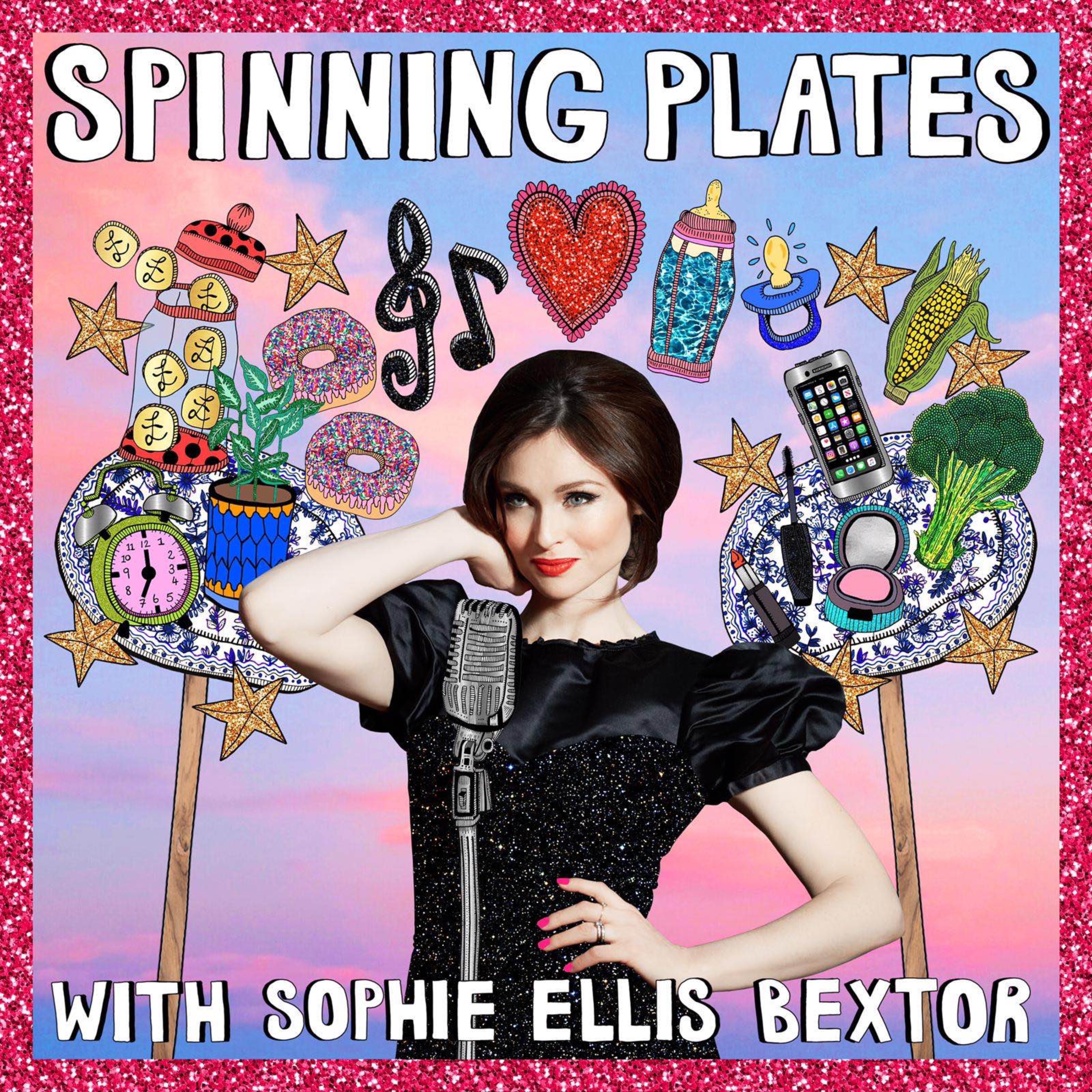

 Spinning Plates with Sophie Ellis-Bextor
8 Jun 2026 · 1h 15m · 31 chapters

Becky Barnicoat discusses becoming a cartoonist and mother, and how she processed IVF, pregnancy anxiety, and early parenthood through memoir-style drawings. The episode also covers parenting pressures (public judgment, “volume controls” for kids), memory loss in the baby stage, and how she uses drawing and mindset shifts to cope.
Becky Barnicoat is a British cartoonist and writer whose work has appeared in outlets including The New Yorker and The Guardian. She released the paperback memoir Cry When the Baby Cries. She previously worked in journalism/editing, including at The Guardian and BuzzFeed, and she studied literature after being discouraged from pursuing cartooning in art school. She had a long fertility journey involving IVF and now has two sons (ages six and eight).
She was told by teachers/art school figures that cartooning wasn’t acceptable, forcing her to rebuild her sense of self. During pregnancy after IVF, she “rewired” her thinking to choose enjoyment over fear. She recovered early memories using a downloaded WhatsApp group transcript from NCT-style classes. She argues that bedtime and other “hardest” parenting moments are universally brutal and rarely seen by others.
Her drawings of pre-baby vs post-baby appearance (haggard lines), the “bedtime abyss,” and her depiction of postpartum body changes. She also contrasts Spain’s playground culture (parents can socialize while kids play) with Britain’s more judgmental public spaces.
Written by AI. May contain mistakes.
Explore the pressures and stress that come with summer expectations.
“The pressure to have a summer worth posting about is real.”
Sophie shares her hectic week juggling career and family commitments.
“It is Sunday morning, nearly 11 o 'clock, and I'm having quite a crazy week.”
Sophie introduces guest Becky Barnicoat and discusses her cartooning journey.
“When I knew I was going to speak to you today, I had this idea that I would put next to the microphones some paper and pens so that we could draw while we spoke.”
Exploring the fears and vulnerabilities in sharing personal stories
The emotional impact of receiving heartfelt messages from readers
Discussing the complexities and challenges of new motherhood
How documenting experiences helps to recall motherhood memories
“But again, when I got asked to write it as a memoir, I had another panic, which was, oh, I don't remember anything.”
Creative methods to recall early motherhood moments through WhatsApp
“Okay, so you really were reaching back into, what helps you access it then?”
The difficulties and realities of parenting and bedtime challenges
“I don't think I even realised that was a thing.”
Discussing societal pressures and perceptions in parenting
“I mean, I'm terrible at bedtimes, and I've always felt like other houses are probably nailing it.”
Comparing parenting experiences in Spain versus Britain
Balancing societal expectations with children’s natural behavior
Addressing the pressures and expectations parents face in public
“you want to be doing or, you know, just be sort of generally socially very acceptable.”
Exploration of the pressures and expectations parents face in social settings.
“And I'm like, hang on, is that just always thinking about people pleasing?”
Discussion about the guest's career evolution leading up to motherhood.
“Availability and coverage vary by state and insurance plan.”
Reflections on the emotional journey of pregnancy following infertility challenges.
“I imagine that's like an ongoing, almost like a radio station in your head of like the days of the month, what's happening this cycle, you know, when does it start up again with the hormones and then the work thing.”
Learn how to embrace joy without guilt during challenging times.
“Yeah, and I think also if you've been in that, you know, within that sadness of trying to have a baby and it not work, I think that's, you're aware, aren't you, of all the people that are still staying in that world.”
Explore the contrast between office life and the freedom of motherhood.
“And it seemed like the expectation would be I would be in an office chair until I was 65 or 70 and then I'd retire.”
Discover how having children can liberate your creative self.
“It seems like such a thin protection between my impulse and my actual...”
Discuss the realities of postpartum bodies and societal expectations.
“I felt like it was the most freeing experience for me.”
Uncover the path to becoming a cartoonist amidst societal pressures.
“And I was grateful that I got to have a maternity leave.”
Explore how cartooning captures the nuanced experiences of motherhood.
Discuss the challenges and misconceptions of being a new parent.
“The baby that never just seemed to feed.”
Reflect on the differences in parenting approaches for first and second children.
“colleague project a new starter in the business of life.”
Examine the unique parenting experience during the pandemic and its challenges.
“when you've got those very small, small bubbers, you know, it's all hands on deck, isn't it?”
Discuss the difficulties of managing work while raising children.
“And I find I'm just scrabbling about trying to get that done and then pick up the kids and they come home by, you know, the school finishes at 3.20 and it's really difficult to work once they're back.”
Learn about the challenges of managing work and parenting simultaneously.
Discuss the impact of negative school experiences on creativity and self-esteem.
“Our year group, when we got to the last, you know, like the sixth form, like last day, that was a lot of wet knickers thrown around the school, which was also thrown into Miss Rudland's office.”
Explore how becoming a parent changes your view on childhood experiences.
Wrap up the conversation with thanks and reflections on future endeavors.
“This has been such a great chat, Sophie.”
Wrap up the conversation with thanks and reflections on future endeavors.
“And I want you to find your people here.”

Get the gist, explore an idea or ask about something said.
 Claude
On Spinning Plates with Sophie Ellis-Bextor, what are the key points of this episode?
Searching your listeningAutomatic transcript. May contain errors.
0:00The pressure to have a summer worth posting about is real. So is financial stress, social exhaustion, and the anxiety that sneaks in right when things are supposed to feel good. Grow Therapy can help with that. Whether it's your first time in therapy or your 50th, Grow makes it easier to find a therapist who fits you, not the other way around. They connect you with thousands of independent licensed therapists across the U.S., offering both virtual and in-person sessions nights and weekends. Whatever challenges you're facing, Grow Therapy is here to help. Grow accepts over 100 insurance plans. Sessions average about$21 with insurance, and some pay as little as$0, depending on their plan.
0:44Visit growtherapy.com slash ACAST today to get started. That's growtherapy.com slash ACAST. growtherapy.com slash ACAST. Availability and coverage vary by state and insurance plan. Get everything you need for your next project at Menards. Keep your gas-powered equipment running smooth with TruFuel. It's ethanol-free, ready to use, and extends the life of your equipment. Get a 110-ounce jug on sale now through June 14th. Shop our selection of True Fuel in-store. And check out our weekly flyer on Menards.com for more great deals happening this week. Save big money at Menards.
1:32ACAST powers the world's best podcasts. Here's a show that we recommend.
1:41Hello there, I'm James Richardson and I host the Totally Football Show. Now, this summer, the biggest sporting event in the world, the Football Men's World Cup, is heading to Canada, Mexico, and especially the United States. We're going to be there, too. We are packing up and heading to Los Angeles for the duration, which means that every day, straight after the last match has concluded, you can catch some hot takes, instant reaction, and insightful analysis from ourselves sat around the pool in L.A. Sounds like we're going to have a lot of fun doing it. I hope you're going to be joining us, too.
2:14It's from June the 10th all the way up to July the 19th, the day of the final. Just search for The Totally Football Show wherever you get your podcasts.
2:32ACAST helps creators launch, grow and monetize their podcasts everywhere. ACAST.com
2:43Hello, I'm Sophia de Spexter and welcome to Spinning Plates, the podcast where I speak to busy working women who also happen to be mothers about how they make it all work. I'm a singer and I've released eight albums in between having my five sons, aged between seven years old and nearly 22. So I spin a few plates myself. Being a mother can be the most amazing thing, but it can also be hard to find time for yourself and your own ambitions. I want to be a little bit nosy and see how other people balance everything. Welcome to Spinning Plates. It is Sunday morning, nearly 11 o 'clock, and I'm having quite a crazy week.
3:25I feel like I need a massage. I don't know about you, but I only get a massage maybe like once a year. I think I'm approaching it. I feel like my body is saying, why have you been doing so much travel and weird stuff this week? I started this time last week. I was already on my way to Emirates Stadium to DJ for the Arsenal team post-parade. I should say the teams, all the men's and women's team and all their friends and family. the Emirates Stadium that was a pretty wild Sunday then Monday took the kids to the circus went to see gorgeous Giffords who very sweetly and absolutely joyfully from my point of view have put freedom of the night into their show and I was just beaming because I love Giffords anyway we've been going for years as a family so I'm just making some tea for the teens and yeah what a joy to be included in their magnificent show and if it is coming if the circus is coming to your town, do go and see it.
4:35It's really good. It's really thoughtful. There's a live band. It's got a really good playlist. Obviously, star of the show is all the talent of all the performers. They are incredible. How do circus performers know they can do that stuff? Imagine the practicing when you're, like, flinging yourself into the air to land on two other people's shoulders. I don't know. Anyway. Tuesday, I did my radio because I had to pre-record it this week because of work commitments. so I then flew to Stockholm. Wednesday, staying in Stockholm, flew that night to Budapest. Thursday, a gig in Budapest. Friday, flew home, scooped up the kids into the car with Richard, went down to a campsite because it was the primary school camping weekend.
5:16I did one night at the campsite, then I left yesterday morning to drive for about four, four and a half hours to get to Western Supermare, where I was there for a gig and I was greeted by gale force wind. I mean, I'm talking my spidey sense was like is this safe um and eventually it was deemed unsafe so i was all ready i was in my sequence i was in my heels i was ready to go and then a guy came over and just said no one's going on that stage it's not safe so i missed my slots i couldn't perform so then turned around got back in the car drove another three hours back to london so in total yesterday i Spent approximately eight hours in the car, but actually, absolute hats off to my tour manager, Zop.
6:04He also drove himself an extra bit of time either side, so he probably spent... I'm actually thinking about it. He must have spent about 12 hours driving. Anyway, I think that's possibly why I've woken up with my neck a bit stiff. Rachel's now driving home from the campsite with the kids, and then today we're off to Southampton for another show, which will be lovely, but it's busy. Next week's really quiet, actually, so this is all me just riffing off a very silly week not every week is like this but this one was particularly kind of a lot of like wiggling around and how i make it work one thing that came out of the weekend though that was really lovely is when i got back last night my big boys so my two teenagers and sunny uh they waited for me and we all ate supper together so that was actually very sweet because i missed them too anyway how are you i hope you're doing well i hope you have had a really nice week uh i have such a gorgeous guest for you this week uh delightful becky barnacote who makes such beautiful drawings she's a cartoonist and i really love her work it's got a beautiful quality and also she tells stories through her drawings um she has a book that's just been released in paperback now called cry when the baby cries and i would absolutely recommend it as something you can give to someone who is entering parenthood because it sums up the the glory and the absolute crazy chaos and sleep deprivation that is new parenthood although actually her story um in the book starts a little before she came to mom because she was on round after round of ivf had a very uh long fertility journey which becky is very generous and open about when we talk.
7:51She now has two little boys who are six and eight and yeah I just found absolutely fascinating to hear how you become a cartoonist and develop your style and find your people. She writes and draws for all different manner of publications from the New Yorker to the Guardian but also how she was actually kind of deterred from embarking on that career path when she was young through some of the teachers at her school which for me I was very easy to imagine given that it was the same school I went to so we had some of the same teachers and uh isn't it amazing it's crazy isn't it and I'm sure you've got the same examples where the decades can roll by but something a teacher said to you that made you feel diminished it stays with you for life it's crazy I can still remember their faces of those teachers But yeah, poor Becky being told that.
8:48So she had to sort of rebuild her sense of self. And actually, she's been so successful. That must be gratifying, but also frustrating that, you know, she was told to back away from something that actually she's really good at. Anyway, it's a joy that she came over. It was really nice to chat to her. And yeah, there's lots of lovely bits to this story. I think one of my favorite things actually is something that Becky shared about how, you know, after all the desire to be a mother and all the years that went into that, as soon as she got found out she was pregnant, she gave herself permission to just completely enjoy being pregnant and let fall away the kind of what ifs and the worry.
9:31I thought that was really special. And I really sort of appreciate the fact that she made a mental decision for that to happen. Here we go. This is Becky and I. And I will see you on the other side. I'm going to go and wake up my teenage boys now because it's no longer than the end of the day.
9:54When I knew I was going to speak to you today, I had this idea that I would put next to the microphones some paper and pens so that we could draw while we spoke. Yeah. But then I thought it would probably be a bit annoying for producer Claire with the sounds. But if I was to see you in your... How often are you pen in hand? how much a part of you is drawing? How much part of me is my pen? I'm just infused with my body. Yeah, that's such a great question. I would say growing up, we were inseparable. And partly it's just school, isn't it? You have a pen in your hand, but I drew through every lesson.
10:29I just, if I have a pen, I'm drawing. And that's always been like a compulsion and just unstoppable. and it from that kind of developed this I don't know what came first the pen or the love of drawing but yeah I do remember picking up a pen as a kid and being like I want to do this for a living I want to be a cartoonist or draw children's books and I was very focused even from my very little age that that would be what I wanted um and so nowadays it's just having had kids it's all sorts of things in my hand but not always a pen so I think I did put the sort of 10 ,000 hours in before the kids came and so yeah I mean if I have a pen I'll be drawing with it.
11:18Yeah that's so lovely and what a little companion I imagine it is and it's also a pretty glorious word to say you're a cartoonist it's such a lovely word. I was actually looking at the derivation this morning because I didn't really know where it came from. No, I don't. So thank you. Please tell me. This might be my search engine failing me, but it said it came from an Italian word, cartone, which was for a large piece of quite thick paper that artists would use before they would do a fresco or any kind of drawing, actually. And then over time, it's morphed to mean doing little drawings that are often satirical or witty.
11:59But I thought it was interesting because I didn't know it came from something that was quite weighty, really. The idea of this sort of, you know, the masters using this cartoon. But I like the idea that that's before that being a master. That's outside of the master where it's sketching and trying things out and being a bit more free and having less rules. Yeah, exactly. So, yeah, that kind of does resonate. And it's funny you mentioned school as well, actually, because unlike a lot of people, I can actually picture school because we went to the same school. Not in the same year, I'm older than you.
12:30but um so when you say at school you were drawing I'm like I actually know the picture you know the uniform the rooms um but we should talk about the here and now because um what's brought us together is uh the paperback version of your book coming out earlier this year cry when the baby cries and it's so glorious Becky um I absolutely love it and it's made me laugh out loud which is no small feat I think when you're reading something because you process something a bit differently sometimes when you're reading to you know if someone says something to you but what's your relationship like with your book oh thank you so much I'm so glad that you enjoyed it it's been such a positive experience actually and when I I didn't set out to write a memoir that's not what I thought I would be writing I I pitched a book about parenting and I thought it'd be a collection of funny observational cartoons about parenting but maybe I would distance it a little bit from me and make it more generally relatable about you know just a typical parent um when I first sent my sort of pitch to the editor she went no this needs to be about you I want you to tell your story from beginning to end and I was like you know I've already signed the agreement and said I'm on board so I sort of nodded yeah oh fine that sounds so she was like more of a memoir and I'm like yeah okay absolutely fine we logged off the zoom call and then I kind of held my desk being like oh I have to write my story and reveal everything about what happened to me my body my family and so yeah I did have to take a minute to think is this going to be okay is that me am I okay to share so much and my partner my husband uh he was gonna be in it so I had to have a chat with him um so I'm gonna maybe write this thing it's like our whole life and I'll be like naked in most of it and we'll be doing some stuff that's like some people might call embarrassing how do you feel about that and he was just like just don't name me and it's fine um so yeah it was quite a little bit I was vulnerable I felt vulnerable you know it was quite scary um and I suppose I had lots of fears it being embarrassing or would people think it was too much of overshared or would I get it wrong and somehow offend somebody and you have all those worries but since it's come out I've had the nicest messages from parents um from mums and even dads who are some of them in the really early days of having had a baby I had a mum who messaged and she just had a c-section for twins and she was like I'm reading your book I'm two weeks in wow and it was so touching yeah you know you you don't imagine that that that point of writing a book where there's someone actually reading it at the it right in the deepest most confusing moment of parenthood um honestly just getting a message like that it made everything feel so worth it and I was so happy I couldn't have asked for more than that sort of response I think yeah and it's really um and I'm not surprised she felt that way I find it um a gorgeous uh tribute and acknowledgement of the sort of I don't know the spectrum of new motherhood and actually not just the new bit but as you know the years pass and the children grow too but your relationship this new version of yourself the sleep deprivation um actually what's very sweet about the mother with the twins is that probably someone gave that to her thinking this might be something that is a comfort to you now um and I can see why you would feel vulnerable because I can see objectively this is your story but what's so interesting is I realized when I was reading it that um it it could easily be my story too and when you say things are shocking and you know it's so extreme I felt I realized I didn't actually find a lot of it shocking because I think you're so numb to you sort of give yourself over to this experience what happens to your body or emotions this you know the early stages where you're so ragged um I just thought yeah I've been I've been through so much of this stuff I can relate to so much of it the extremity of it and I think in a way I was thinking you know I'm 22 years on from my first baby now and I thought gosh I wonder how it feels for you to have absolutely documented that early years and early months and early days of new motherhood because I think it is something that's quite hard to hold on to sometimes your brain and your memory does funny things yeah with those memories absolutely so when you look at it now can you see the value in just the fact that you've put it down for yourself as well I'm so so glad I did it I'm for that exact reason because even coming to have this chat with you now my kids are eight and six I was like can I remember do I do I maybe I need to read my book again to remember what was what it was like because I feel so different now as a mum to how I did in the early stages you forget really really fast and you just are constantly adapting and reforming yourself.
18:01So no, I'm so glad that I did it. But again, when I got asked to write it as a memoir, I had another panic, which was, oh, I don't remember anything. So I think the kids were maybe four and two or nearly five and three when I got the book commissioned. And even at that point, the baby stage felt far away. And I didn't keep any journals. I didn't draw at all. Oh, you didn't? I was going to ask you that. Okay, so you really were reaching back into, what helps you access it then? Yeah, I mean, at first I did think, I don't remember anything. So where I started was with any memory I did have. I would like jot down the things that came to the front, you know, you always have a few memories.
18:49And then I'd start with that memory and work out. And weirdly, there was a lot of memory there. I could remember it step by step from any given memory, things around that. I also had done a clever thing, which was to download the mum's WhatsApp group transcript. Ah, oh wow. And this was ages ago. I just had this, like years and years ago, I had this feeling that it would be a really brilliant resource or a really amazing stash of material about our very early moments and all our fears and worries. And is this like NCT mums? I did hypnoperthing and we had a little group in the local area really for the friends.
19:33You do these classes of groups and you're supposedly there to learn how to give birth, but you're really just building a WhatsApp group, a very expensive WhatsApp group. Premium. Just so you've got some other people in the same moment as you. But yeah, so I found out how to download a WhatsApp transcript as a text document and put it, saved it in a file and then that was brilliant. I went back to that and I could go right through and find our darkest moments, our funniest conversations. That was really useful. I don't think I even realised that was a thing. But actually, that's a really genius thing to say in any case.
20:16Because I think going back into that world, I mean, no wonder you can't remember it. Not only does nature probably help you forget it. yeah also you're in a state of mind where your brain is so frazzled that memory is kind of the last thing you're going to need to prioritize at that point right you're just yeah you're so in the in the trenches you are so that what i always say that phrase in the trenches it's a cliche but no but it really is i think that's what made me laugh what it's like that brilliant picture you've done of you and your partner us before babies and after these little smiling figures and then there's So like little haggardy lines under the eyes.
20:55And I remember looking at myself thinking, I look so old. My face, you're like a husk of a person with this new baby. And the new kids have got such lovely skins in all the photos. They look cherubic. And I'm like, oh, it's a withered thing behind them. They get more and more gorgeous. And you feel it's so visually obvious that they've drained their life from you. And you've given your life for them. My vitality. It's your turn now. The other one that really made me laugh out loud is I really relate to the bedtime. I mean, I'm terrible at bedtimes, and I've always felt like other houses are probably nailing it.
21:37Kids are asleep, they're done. Out by, you know, in time to go and sit down for your supper with your partner or whatever, watch TV or whatever it is you prioritize in the evenings. I'll come out, I'll emerge, having normally slumbered alongside my youngest. yeah and there's a picture you've done how long was i in there it's one of the most physically ravaging experiences i'd since the birth i would say it was bedtime bedtime was the next thing that made you like it stripped the skin from you it was so difficult because basically you're extremely sleep deprived and then you have to spend three hours in a dark room with but you're not going to sleep yourself ideally you stay awake you're trying to make everything as sleepy time as possible and you must survive you want to sleep so bad but if you go to sleep it's like an abyss you fall into you fall into a beautiful abyss but then you have to peel yourself out of it emerge into the blinking lights where you haven't sorted the things for the next day yeah kitchen full of dirty dishes and nappies and it's so hard but you what you just said is so it's such a toxic element of how we parent i think which is always thinking everyone else is doing it better than you or think they've all nailed it they all know something they've read a book or someone taught them how but we don't have a clue and we're doing it wrong and it's really hard that we never see each other do it I think that's one of the hardest thing of things about parenting the way we do in separate houses instead of all being more communal because we don't have any idea what goes on behind closed doors no and I think um I mean you've said it yourself and I've been listening to some other interviews you've done where you talk about the hardest bits of parenting are where often the things where you're trying to sort of wedge these free spirits and your own character as a family into these quite rigid forms of society I don't know whether it be um you know taking them to a cafe or trying to get them in school on time or being quiet in places where they want to run around and be loud um I I don't even know what the solution is but I think just acknowledging it is quite liberating in itself it definitely is and we just went we were just in Spain for a few days in Alicante and they have done a great job with putting play equipment absolutely everywhere in the city so every every few streets there was a beautiful square with lovely giant big trees and you know just a lovely place to sit the parents can have a coffee or a beer you know they're selling beer by playgrounds in Spain just very parent focused but there's play there and so you know there was wobbly benches or little mushroom houses and our kids had the best time they felt so welcome and it was so much easier for us and then they were meeting other kids and the parents were able to sit and chat about adult things but the kids were there so that's what's slightly missing isn't it in Britain so you think it's quite a British maybe because of the weather do you think that might have been a problem for the play equipment i think that and i think also uh this conversation i was having my mum not long ago about how the victorians have dictated so much about how we how we do things culturally yeah uh so whether it be everything from sort of how we grieve to education um it was a lot of it was set up by the victorians yeah and you know famously they weren't one for having kids run amok you know it was a kind of not heard exactly you know not heard was still a thing like when we were growing up in the 80s you still hear that from grandparents wouldn't you and parents jokingly yeah it's true and then you feel scruffy and messy and then you know just observing my own small people as they grow and how so much of growing is about encouraging what they should turn the volume up on and what they should turn the volume down on so you're not trying to ever change them but you're saying we don't do that here so that part of you that wants to kick back or rebel or shout or run or climb we are going to diminish that in this environment or within this group of people or at this time of day and then amplify other bits you know when you're polite or when you're smiley or when you know it's just it's sort of like these two volume controls i love how you think about that do you talk to the kids about the volume controls or is that just your I think it's more just um I probably maybe I should try I like that I'm gonna dial you uh up a little bit yes I think it's just a feeling as well of you know because every every kid is so different so the way you parent them is different and what you need to respond to is different and you start off I think feeling really uh encouraged by you know if you've got a child that, I don't know, can rub alongside, you know, the society of school easily or a slightly adult environment or can be polite and order things nicely when you're out in a restaurant or whatever you want to be doing or, you know, just be sort of generally socially very acceptable.
26:38And then you have the other one that's a bit more wild maybe and you think, oh, that's great in you, but not here. Yeah. And also, sorry, not there, there, there, there, or there. Sorry about that. Yeah, exactly. It's so typical, isn't it? And then as they get older, for me anyway, I would switch to being more concerned about the one that could fit in easier. Are you okay in there? Are you showing all of yourself? Have you made yourself this shape? Because it's nicer and it's more readily received. Is there people pleasing going on? So I think as a parent, you're swinging around between those two things.
27:15Because ultimately you want to be able to bump into people when you're out and about and hope that you know you seem like a nice family to be around you do you really do and that is that's again that can be quite a really intense pressure and I think especially when my kids were young and they were big strong characters you know and they would not necessarily always cope with a busy space or a fair or some sort of fun you know event that all the other families were joyfully enjoying and my kids maybe had a complete breakdown or a meltdown in public and that feeling of being watched and judged is so it's quite it's really unhelpful and I think I'd sometimes it would almost make me snap at the kids because yeah you're you're feeling embarrassed and then you're mad with them even though really I'd taken them into a place which wasn't right for them oh that's very stimulating a fairground you know there's lots of noise there's lots of sound yeah anything like that as well so it's just that always feeling that others someone else might be watching you and judging you as a parent I've really tried to silence that in a voice but it just doesn't it doesn't go away does it not a hundred percent and I think some of it's also what's passed down as well there's a thing again from my mum where she would say when we're out she would say to me look around you is anyone else behaving like you are here and I was like that's great thing I'm definitely going to use that and now I'm like actually maybe I'm teaching them like a sort of weird conformist shame-based control uh they think you're ridiculous right now I wouldn't say that you know what I mean like I'm encouraging them to always look around and think I must do what everybody else is doing is that really what I mean exactly I know and I I had the same thing I was trying to give my son advice about you know sharing and letting others others other people's ideas in and and saying that you know it's nice to make other people feel good.
29:09And I'm like, hang on, is that just always thinking about people pleasing? It's so hard to know. It is so hard. The pressure to have a summer worth posting about is real. So is financial stress, social exhaustion, and the anxiety that sneaks in right when things are supposed to feel good. Grow Therapy can help with that. Whether it's your first time in therapy or your 50th, Grow makes it easier to find a therapist who fits you, not the other way around. They connect you with thousands of independent licensed therapists across the U.S., offering both virtual and in-person sessions nights and weekends.
29:49Whatever challenges you're facing, Grow Therapy is here to help. Grow accepts over 100 insurance plans. Sessions average about$21 with insurance, and some pay as little as$0, depending on their plan. Visit growtherapy.com slash ACAST today to get started. That's growtherapy.com slash ACAST. growtherapy.com slash ACAST. Availability and coverage vary by state and insurance plan.
30:21Well, if we go back in time, what was going on in your work in the build-up to having a baby? Because I know that you've had a few different hats on. I mean now obviously cartoonist is your world and obviously that was always part of who you were but there were other versions of your work leading up to where you are now. So what was going on before you had a baby in terms of your career at that time? So I had kind of given up on the idea of cartooning. I'd tried to go to art school and cartooning was not a thing there. They were really like not into it. It was considered not acceptable for the art college and the head of the art college said, why are you here?
31:00You're not settling. What do you want to do? And I said, well, I'd really like to draw comics or be a cartoonist. And he went, oh, why are you in art school? That's not what we're for. Really? It was weird. I think that's weird. That is weird. I was like, I want to learn how to draw. You know, teach me perspectives. And you were at the school at this time. Yeah. And he was like, we don't really do that. It seemed like maybe, you know, conceptualism was more of what they were about. what a bizarre conversation for you actually learning technical skills wasn't a thing and so then I was like well where do you how do you learn that and I kind of started to just feel really tired of trying to do something that no one really seemed to want me to do so I went and studied literature um Leeds Uni in the end and then I went into journalism instead because I was like that is a career that's a job and I started out a Bliss magazine wow I remember Bliss yeah are completely different.
31:54I was a junior sub editor and junior writer and I would write the headlines for the problem pages. Oh amazing. Some really good pun material there. Love the pun. And then I also wrote the horoscopes at one point which was. Oh you must be a trained term. I was had to have some training yeah it was several years to become an astrologer but was actually quite upset when they asked me to do that because even though it's one of those things I knew wasn't real. It was like seeing behind the curtain and really upsetting. Oh, you do just make this up. Girls are literally living their lives based on this advice.
32:34Oh, no. The power. It was to me. I'd sit there being like, write a channel. Channel Mercury and Venus, what's going on? That's amazing. You could have, I mean, you had a lot of clout in that world. A lot of responsibility. if your name starts with an m oh don't go out on Thursday that's all I'm saying I tried to really feel it in my heart like I was genuine I was not taking the piss you know let it resonate yeah so I became an astrologer um and then I went to the I got a job at the Guardian and that's where I was for about about 10 years after that in junior editing and then working my way up and um um and then after that I it wasn't right it just wasn't what I wanted to do still in my heart I was like I need to draw I can't let this go so I just drew outside of work I'd wake up really early and draw in the morning um and I was terrible I was not good I always really want people to know that you know I it's I wasn't good at drawing I had I really worked at it it wasn't like I just naturally could just draw anything I I had to really just keep going through the bad stage until eventually I got better at it that's interesting I appreciate you saying that but also your drawing seems so effortless and it's so beautiful I can see every world that you create in your drawings so the idea that you work I mean I'm still imagining your version not being able to draw is better than my version of not able to draw I had been trying since I was about five so I'd had a lot of practice but yeah it was just like drawing constantly and just doing it and I'd wake up and do my hour or so of drawing every single morning and that became like a discipline that yeah it was really really hard but I somehow would force myself up to do it and gradually it got started to pitch cartoons to little zines and self-publish and print out my own little zine and no one would buy it um but eventually it led to a some proper jobs and when I got pregnant I was working at BuzzFeed which you know was so momentarily huge and um they advertised um a job for a cartoonist and writer which I just couldn't believe when I saw that come up yeah I was like a job for a cartoonist and writer it's my dream job yeah and I actually I remember being like you know getting goosebumps and being sort of terrified thinking if I don't get this this will never be advertised as a job again yeah it's so unusual yes I applied and was so glad to get it I put in so much effort um and so I was there for a couple of years and meanwhile we were going through loads of fertility problems and so that was my secret life and I didn't really tell people at work and it was I had to sort of split myself in in two really I had this hidden life at home which was very sad and dark and scary where I thought I'm not going to be able to have children I really wanted to and then I'd have to turn up at work as if everything was fine and I was in my early 30s and my colleagues were about 10 years younger so we were in such different like phases of our life so it just it was this really strange yeah secret and I think in a funny way when you have a kid it almost that divide it just becomes more pronounced maybe or between the front facing persona or maybe you actually stop being able to have a facade at all because the baby just breaks you open yeah and you can't hide it but yeah so for a few years we were going through IVF and then fortunately I did eventually work and I went on maternity leave from BuzzFeed to have my first and what I did was take a complete break from all work at that point I just I said I wouldn't do any work or draw anything for a whole year I just wanted to be a mum that was it right so I went from having you know just being career career career and work to just fully a parent.
36:48Wow. And I, yeah, I actually loved it. That's quite a lot though, isn't it? To take on, I mean, if you're living this life where you've spent years going through infertility, which is heartbreaking and lonely and has all these big emotions that you, as you say, you're almost dealing with this dual reality of that's what's the weight of that at home and thinking about that constant. I imagine that's like an ongoing, almost like a radio station in your head of like the days of the month, what's happening this cycle, you know, when does it start up again with the hormones and then the work thing.
37:26so when you find yourself going from that that whole community in that world into a world of new parent or impending parenthood is there any sort of support that can happen because that's quite a lot to sort of just is it expected do you feel that people are supposed to just almost put that away like oh that was the that was just the build-up or is there a space to acknowledge how that the character that that was in your life for so long because that's a lot I think yeah it was and I think it must be completely different for everyone yes and but for me I actually just when I got that pregnancy test like five in the morning and I was so sure it would be negative because I'd done so many tests and they were always negative and each time it was like this devastation like a collapse inside and an absolute kind of grief and then I saw the two lines and it was just the best feeling I'd ever known and I was like you know unbelievably elated and I couldn't believe it and I felt you know when you get good news and you literally feel like people say like you're walking on walking on air I just had that lightness and it almost felt like everything that had gone before just disappeared oh wow well that's lovely I obviously did have the fear that it wouldn't hold.
38:50And I had to get through those first few weeks thinking with a lot of fear, actually, in the early weeks. And I remember we got to about eight weeks and I was very fearful. And we'd gone on a little holiday that was pre-booked. And we went on a long walk. And I was like, oh, no, maybe this isn't good. And I was feeling terrified. Like, what if this doesn't last? I can't handle it. I can't cope with it. then we had an early scan you get that if you have IVF and we saw this little kidney bean and the heartbeat was and the the doctor was like the heartbeat's really strong and after that I remember having this moment where I had I felt okay you've got to make a decision you're either gonna live in fear and this pregnancy is going to be terrifying and if something happens all that fear won't have meant anything.
39:42It won't make it easier. It'll just mean you have more fear. Or you can decide to just have faith and trust and enjoy this moment of being pregnant, which I had never thought would happen to me. Enjoy it. And if something terrible happens, it will be terrible anyway. And so I just decided to enjoy it. And it doesn't seem likely that you can just flick a switch but it did actually happen for me I was like if this is the only time I'm pregnant I want to enjoy every second of it and I just did I I had you know morning sickness physically it's really uncomfortable but I loved and just was so grateful for every second of the pregnancy and that kind of carried on after the baby was born and it became this really useful it was a yeah a really useful way of thinking so eve at every point in the first hardest parts of it i was just enjoying it even when i was ravaged and physically you know i'd be cut open and i was like but this is amazing i never thought i'd get to do this i really love that becky and i think that's a very i think that is absolutely very like um clever clear way of thinking about things because actually we think we we can feel like worrying about things is somehow paving the way towards coping with that outcome if that's what happens and of course you're so right the the embedding in fear doesn't actually protect you or clear the path for how you will anticipate or receive that bad news or that bad outcome you've just spent the time that that was happening walking alongside this emotion that's a lot to carry the whole time so I think that that's a really lovely and not just for pregnancy but for so many things in life you know whether it me um I don't know the early bit where you're dating someone that you realize matters or spending time with someone you care about or going on a trip or actually I've used it casually when I've gone for trips away from the kids where I'll feel guilty and my husband will say don't waste the time when we're spending together doing this feeling guilty if you're gonna go like just just go and enjoy it and actually I think it can give you like just that little it can really help your mindset I think how we speak to each other to ourselves about those things can really help it does and it's it's it's so important and I think I felt that enjoying it would be almost like greedy or like you know too sort of you know I didn't deserve to enjoy it that it's the confidence that comes from just enjoying something that can feel quite scary.
42:31Like you look pleased with yourself. Yeah, and I think also if you've been in that, you know, within that sadness of trying to have a baby and it not work, I think that's, you're aware, aren't you, of all the people that are still staying in that world. So you can feel a sort of strange responsibility of carrying something alongside it. Like, I'm not feeling like this has gone really, wonderfully for me I'm still really worried that it won't work out yeah yeah that's so true but so how I looked at it was I thought I had to sort of view myself as a friend and have a little bit of distance and say you're allowed to be really happy and glad and be enjoy this that's a lovely thing it's not a it's not a greedy thing it's a selfish thing a vain thing to to love being pregnant just be happy it doesn't it doesn't you know mean bad things will happen just because you're enjoying yourself but yeah yeah it was very much like having to rewire my brain and it carried I carried that through actually yeah the whole the whole way I think that's a lovely thing and I think that's a really it's really lovely to articulate that because I think that's I think that's a helpful thing I feel like that's good advice that I can take as well for just being able to it can be a lot to give yourself a mission to just be in the moment and and liberate yourself of the what ifs i think especially when you're raising someone as well because you know if you stop to like allow in the the enormity of like how cracked open your heart is to all the what ifs it's i mean sometimes i feel like you'd never even leave the house in the morning you know just be like we're all just staying here today yeah it's just that thing you know i think is mindfulness i suppose is just grounding yourself in the moment being like right now this minute we're okay and we are allowed to enjoy this moment definitely and when you're drawing does that feel quite mindful as well oh yeah that's a good question yeah I suppose it's it's so it it does take over and I do get into a very intense flow state when I'm drawing and it's going well and I know what I'm doing and it is a real a really yeah pleasurable job but where I was at when I had my first was actually a really mixed relationship with work like mixed feelings place I and it was for quite physical reasons which was that I felt that I left uni and then I immediately went and sat on an office chair I got a job straight away I had like a few weeks off after uni and I went into an office and I sat on an office chair clicking a mouse and tapping on a keyboard for like 12 or 13 years or however long it had been to the point I had my became pregnant and I was so not sure that was how I wanted to live my life.
45:20And it seemed like the expectation would be I would be in an office chair until I was 65 or 70 and then I'd retire. And I was like, I'm not really loving sitting in an office. You know, there are aspects of the work that are enjoyable, but staring at a computer all day in a chair, in a very grey space with very harsh strip lighting and no sense of the weather or seasons or temperature you know it was like temperature controlled environment that was never the right temperature yeah you'd have like an icy air conditioned draft and it was all yeah like dry and I had this like really strong feeling from the minute I walked into an office that I wanted to run out and just run away into some sort of park and just be feral and then when I had a baby I could do that I spent you spend the entire first year in a park feral it's true that's that's kids like happy place well I was thinking when you said that I was like that's funny because that's kind of back to what we were talking about before with the volumes the volume control because office world is very much especially if you're a creative soul like you you're going to somewhere you're expected to shed quite a lot of yourself and be quite a homogenized version of yourself and I think I've always found those environments really painful I don't like not being able to bring a bit of my characters to something yeah really like I mean just doing I would like does I want to just like do a handstand or something weird like just use my body I'd have these like fantasies that when we were in morning meeting which was this really serious and incredible space at the at the Guardian where I worked where these you know intelligent journalists would share their stories and discuss ideas and it was very it was an amazing environment but I had this really strong feeling that at any minute I might just like jump in the air and go or like take all my clothes off and run around naked and I'd be sitting there being like don't do that don't do that but what would happen if I did do that who would be the first to grab me push me to the ground and drag me out or would they just watch me because it'd be so awkward that's the funny thing isn't it I mean even now I'll say to the kid what would you do if I just I think there's this like what is it if you have you have this part of your brain that likes the idea of slightly like absolutely flipping the table on any conformist sort of environment I even had this morning in the playground I was dropping the kids off and you know there's all the other parents and I don't know carers and everybody in the playground I could see the teachers and I thought what would they do if I just walk over and like just say something weird to one of the teachers or do you ever get on the play equipment um we there's not really equipment that would be I mean I'd have to really that would be like a little bit of a detour there is a small play area but I'd have to actually walk over that for me it's like ever since school I used to think about just standing up in assembly and just swearing or saying something and the idea that the only thing stopping those impulses is my sense of control is quite terrifying.
48:28It seems like such a thin protection between my impulse and my actual... It really is. ...what I'm actually doing. That's not enough. That membrane's thin. And the amazing thing about having a baby is that you've got this little companion and they are not judgmental at all. And I loved that. I felt like it was the most freeing experience for me. And I felt that as I was pregnant and approaching my maternity leave, I had this idea that it might be like that, that I could just be at home and I could do whatever I wanted in a way. And no one would fire me. I wouldn't be judged by anyone and no one would think I was weird.
49:05And I really did feel like that with my babies. I loved that they thought I was great. Yeah. And you can play and be silly. Yeah. And still now. You can do anything and they're like, that's normal. That's fine. Even with your six and eight year old, you can still be quite, you can still give over to some pretty fun times. I am, yeah, I'm still in that stage and I love it so much. And I am vaguely aware that at some point they're going to go, oh, don't do that. That's really embarrassing. And you've got a little while, I think. A couple of years probably, with your oldest. I am really loving that just like the home can be somewhere where you can be so free.
49:42Definitely. I didn't find the home like a claustrophobic trap in contrast to work, which a lot of my friends did. who they found leaving work and going to the home, really trapping. Oh, that's sad, isn't it? And that they were desperate to get out and live outside the house. Yeah, yeah. So I had quite an opposite experience. And with regard to your relationship with your work then, if you've now got this place where you're documenting your story and you've kind of shared every, you know, the good and the bad and the ugly of what all of this looked like and, you know, what your thoughts were. And it's been so warmly received.
50:23It must feel a bit like, you know, you're seeing all these buds blossom. Like, well, if I did that and that was okay, I can take this wherever I want to now. You mean with my work or with parenting? Well, I suppose both. But it's empowering, isn't it? Yeah. To be able to put it all out there and people say, that's great. I'm still, I'm absolutely here for it. Yeah. You know? It's been so, so great. And I remember drawing the book and some of the pages were really raw and personal. And it'd be like, I very much wanted to show my body, you know, after the birth and how it felt to me and how it looked, you know, the half deflated stomach that I didn't really know about.
51:05and the bruising and the scar and then, you know, these huge boobs that are like, whoa, you know, you've suddenly got these amazing boobs, but you know, you also have no sex drive anymore and you're just so fragile. And I felt as a, like having a woman's body that I'd never, I'd never seen reflected. I'd never seen a woman's body just after birth, really like that. And in the book, I draw Princess Kate, who famously stepped out of hospital. Little heels. In heels. Come on. And looking with makeup and a dress. And in a way, it looked like, okay, you can put heels on and a dress when you have a baby.
51:48That looks so hard, though. That doesn't look like a natural feeling. That looks like an option that I'm not even interested in taking that, really. No, but I think until I had the baby, I didn't really know what it would be like physically. It was all very abstract. No, you're right. Yeah, you suddenly think that it looks even more improbable. Oh, once you... The pressure she must have been under as well to present like that. As soon as I had the baby, I suddenly looked at the picture so differently and thought, you know, why do we make women do these photos? It's so unfair and having to hide away.
52:23And I was grateful that I got to have a maternity leave. I had a whole year to be this... Yeah, that must have felt like such a long time. Did you do that with your second as well? No, not with the second. The second was I started working again after six months, but by that point I'd been made redundant. So after the year was up, I was pretty much immediately made redundant, and actually I was okay with that. I was going to say, if you've had this time to reflect on your decade plus in an office world, you must have felt like, okay, it's time for something new. Yeah, I was like, oh, no, that's terrible news, and I've just had a baby.
52:58but secretly inside I was like yes I can go freelance and you know I got that little got some redundancy money to help me go freelance so and it's led you to put your work in loads of places which is lovely it did yeah it made it I started and through BuzzFeed which had been a brilliant job and I had loved it um more people had seen my cartoons and I got asked to pitch to the New Yorker and um that was you know brilliant breakthrough for me getting more exposure for my work and definitely yeah and it's just and how do you come up with the ideas for the satirical cartoons so yeah I also do a weekly political satirical cartoon for the new statesman um and I've always loved I feel like that whole thing started with like drawing my teachers sorry to them sorry not sorry exactly some of them not sorry um so I would always I would draw the teachers and I would draw little cartoons for my friends and I think it's very similar it was like skewering people in authority yes caricaturing them and then showing them as they really are so I was just I'd always been really into that like drawing grotesque versions of powerful people and then kind of trying to bring them down yeah you know it's a really fun way to respond to people you don't have that much power over.
54:19Yeah, that's true. And do they have ideas of what you need to cover or are you allowed a bit more free reign about what you're involving? It's really free and they're great. They really let me just go for it with my ideas there, which is a lovely way to work. Yeah. So you can, you know, I think that's when you're trying to be funny, you have to try things out. Not everything lands, but you need that. That freedom's brilliant. Definitely. to discover something unexpected or yeah and I was thinking back actually you're talking about what you were saying about the art school um and how they were saying oh you know what you want to be a cartoonist whether you come to art school but it's not like there's been cartoonists for so long why do you think it was such a side-on option for you do you think it was just bad luck with the people you were meeting along the way or because there must have been people that you'd scene that had inspired you whether that was having you growing up do you think yeah there definitely were and it's such a good question it isn't like a brand you are no I'm like you've got a radical idea guys I've got this crazy idea yeah exactly you're not gonna believe it it's called a cartoon drawings and it's a real British like you know tradition yeah that's what I'm thinking why why don't they why don't they teach it yeah and so many of my cartoonist friends are self-taught and that's pretty interesting that is interesting do you think it starts off quite um like just a person and their ideas and the paper and yeah and in their room and then it kind of i suppose some for some people they wouldn't even know where that would lead in terms of a public facing element but and yet i feel like i come into contact with cartoons a lot yeah and they have had a brilliant resurgence with the internet because it's such a visual space and when I was growing up I had hit my heroes were like Posey Simmons and Charles Adams Gary Larson and so there were a lot you know all these cartoonists but they maybe were it seemed like they had that moment was over somehow that newspapers weren't hiring cartoonists anymore newspaper budgets were shrinking they were making cuts and maybe the cartoonist isn't like was you know the first to go or there wasn't many jobs and people just kept saying you won't be able to be a cartoonist or they'd say oh do you want to make disney animations and i'd be like it's completely different
56:51because that was like an industry but yeah i do think a lot of cartoonists do just start with a notebook on their own maybe they are self-taught and although for years I thought that was a weakness and that it made held me back I think it does make you allow you to develop your own style which isn't a taught style maybe yeah so that people cartoonists can draw in quite different ways to each other and it can be quite straight you know they can draw in quite strange unusual individual specific style because it's just something that's emerged from their own well like any illustrator I suppose when you come to recognize their work yeah because you know the names you were mentioning I was like oh yeah I can see that in my mind's eye I know the sort of sort of thing you mean with that yeah so I think yeah it's it's definitely and I was actually thinking about this morning as well about because I was listening to you speak when you said that after you'd had your babies you didn't really look at social media and I thought I can see that and obviously we've become there are people who do share the not so perfect side of parenting but there's something about a cartoon that allows you I think you put your first I think there's a sort of soft tenderness to drawing that's intimate in a way that if any other shared medium doesn't quite hit in the same way and secondly I suppose because when you see someone's world even if they might say something that's relatable you can still see so much detail in it that you can see where the differences are but when it's a drawing I think you sort of you sort of color it in with your own character as well yeah does that make sense oh definitely I love hearing people talk about why they like cartoons as well because I've been thinking about why why do they work what are they and it's it somehow is hard to exactly pin down what it is but yeah I love I love that you break the idea down to a fewer lines and gestures that can convey you know certain things what I loved about drawing the early stage of parenting and why it seemed like the right medium was that so much of it was almost just like impossible to put into words or like beyond language and so many of the moments are silent you're at home alone with a baby they don't talk you might be talking to yourself but it's not really a word-based relationship it's body language and eye contact and facial expressions so cartooning was so perfect for trying to capture those moments of motherhood that you know would be me in a state of disarray or panic and you know the baby crying and you know you can create so much expression and movements using like these little cartoon lines so yeah it what it did feel like the ideal way to to tell the story definitely and I think there's you know there's one drawing where it's almost like this sort of never-ending day night cycle and you know completely oh my word I put it away a little bit I think you know I'm seven years on from my last baby and I think I sort of locked it away a little bit but I was like, oh, I'm right back in that moment.
1:00:07The baby that never just seemed to feed. I felt like a couple of them were just on me just for a couple of months. Yeah. Just stuck. Yes. This is me. I'm just feeding a baby, like, round the clock. Absolutely. Yeah. That happened to me, and it wasn't something that I'd ever been told would happen. No. So the midwives, doctors, no one said, and these books, these horrible baby books. Oh, the books with the timing. Gina Ford. Oh, I put that in the bin. So I, unfortunately, didn't put it in the bin. I lived by it like a bible really for a year this is the put your blinds up have one slice of toast then switch to the left side exactly it's so prescriptive 20 minutes place the baby down on a hard flat surface the baby will go to sleep for two hours well why it's not working the baby's screaming it made me feel like I hadn't given birth to a person but like a sort of colleague project a new starter in the business of life.
1:01:05Exactly. And they are not good. Fire them. With my first, I would end breastfeeding because Gina Ford told me it should only take 20 minutes. It's ridiculous. And I was on this cycle, this plan, timetable. So my poor first, who did latch straight away, kind of over a few weeks of me constantly taking him off, really forgot how to latch. And then it really, it just ruined breastfeeding. And I did doggedly try to keep going with it. and we managed a year, but we had to combi-feed with bottles. Well done. So he was really bottle-fed and the breastfeeding would be comforting. It's so hard, though.
1:01:42I think it's where you feel self-conscious and people come around to visit you and the new baby and you feel like they're going, wow, she's feeding a lot. Are they hungry again? Oh, definitely. You think, surely this one's fed now. And take them off and they cry again, like, oh, no. Maybe I was just being like a giant comfort thing. Maybe they weren't feeding. You're so confused. You're so confused. the first is the most confusing thing but then with the second everything somehow made much more sense and I I just because I had the toddler too and he was just had just turned two so really little and really needy I thought well what the only thing I can do with this baby is do what he wants to do I'm going to try that out I'm not doing books they all went to the charity shop and he wanted a feed like you say non-stop for two months it was about eight weeks yeah and he was never off the boob for eight weeks he slept in the bed with us because that's what he wanted to do yeah it was and then I slept so we did the side lying feeding and I would sleep and it was like the most incredible difference yeah oh my you know I and I was I recovered I healed from the c-section because I was resting and still just breastfeeding and it took off he loved it breastfeeding was great we managed to go to nearly two years but I did feel really sort of sad for my other one who'd had this weird time where I kept pushing him yeah but well he would not remember but I think for you it's stressful and it's it's just a really good example of how with that first one you don't know what you're doing you're looking outside yourself for advice and putting yourself under so much pressure to kind of I don't know fit into whatever it's supposed to look like how you're supposed to be doing it when really when you just let your own instinct take over it became a lot of a softer world for you and for your baby I think it did it I turned out that I I only I went with my instinct purely for just like practical reasons and it seemed like the easiest thing and I thought well I'm going to do if anything means he doesn't cry I'm going to go with that and it meant breastfeeding all the time and so I sat on a sofa and we we just did it so much better the second time my my husband had some paternity leave which was brilliant he he was he worked in kind of unlikely in a way he was working in a post room in a bank but they had the most incredible parental leave policy oh that's good very strange for every member of the office the dads could take six months oh if they wanted to yeah so how we I'm trying to remember it's all so long ago how we did it was we arranged for me to take because I was freelance just three months or something of or did we do it the other way around six months whatever we did basically he was off with me for the first few weeks and he got to help with the toddler and then the pandemic hit so whatever we'd planned was just like torpedoed yeah and he ended up staying off uh it was like nine months off furloughed all right well at least you're all together we were yeah you can when you've got those very small, small bubbers, you know, it's all hands on deck, isn't it?
1:04:55It really was. And it was, it was amazing having another adult there for the whole, but you know, nearly the whole first year, really. So needed, really. So needed. And it did make me think, oh, I started to have this like, oh, awakening. Oh, this is how I'm meant to parent. There's meant to be lots of adults around. So that if mum can breastfeed for literally 24 hours a day, if they need, she needs to, and rest and recover. And the other kid's not like falling down the stairs or climbing into the dishwasher. Exactly. So I was just thinking, how do people do this? How do people do this? And I look back now at my, when I, you know, had my kids when they were all much younger and I think, oh my God, that looks tiring.
1:05:37I found this really funny little video thing that one of them, he'd obviously tried to film a cooking thing and I was helping. And I had a baby in my arms, a three-year-old popping up, another one walking in and out. it's absolute chaos and so loud there's just shouting and talking and scrabbling and abate and I was looking at like whoa that looks very tiring did you feel like your that something had happened to your brain that helped that be okay for you I think I just got your nature anyway do you know I think in the time I was probably so in it and it's a bit like anything thing I do where I acknowledge that that time has passed where at the time I think I'm almost thriving a bit on the on the strange energy of it and I think I won't know what to do with myself when this has passed and then it passes and I look back and I go thank goodness I'm not doing that anymore it looks really nice you're like oh turns out sitting and staring into space is great actually things have filled the gap and I'm sure we're there at the time I think I'm sort of in in it and really enjoying it funnily enough the last time i remember having that feeling was actually post like during the pandemic when richard and i were doing kitchen discos which was these sort of instagram broadcasts with the kids love them well they were a big part of our lives for a long time and every week it would come around i would do this big build up and learn new songs and we'd sort of clear the room and i'd put on outfits and it was take up so much headspace and I remember when I was coming to an end and I thought I'm going to really miss it and the following week I just looked at this part of sequence and I was like I'm so glad I'm not doing that this week I'm actually fine with it it was amazing though it was good for it was definitely helpful at the time but yeah it was good for us chapters past we did the kitchen discos and it was so gorgeous but what a funny time such a funny time such a funny time to be So my baby, my second was three months old when we got locked down.
1:07:36And so it wasn't that different to just having a newborn. No, and also for you, you must have almost felt like, well, of course, this is how the world is. This suits me very well, thank you. Yeah. Can everything just calm down a bit for a while? So we just got locked down into this little bubble and we were in full parent, full parent, you know, world. And it was, yeah, it's a very different experience, I think, to if you're in your social phase of life and then suddenly you can't. yeah I think for me it was having the older kids I was just aware of what they weren't doing as well which is hard exactly if we go back to here and now though are you now more conscious of storing things up to put into your next book because surely there's a next installment of what happened I know I it's life just always gets in the way of of like sensible things like writing a diary that you so you remember everything but yes I do I must and I have got a sketchbook at the moment which is like my dedicated diary sketchbook and I'm trying to you know do more like day-to-day just diary cartoons of life because I think I might want to record this and you know I need to get it down and will my technique of having no records and just basing it all on memories work um but yeah I do I mean I'm doing two cartoon strips a week at the moment and that's a really intensive workload.
1:08:59And I find I'm just scrabbling about trying to get that done and then pick up the kids and they come home by, you know, the school finishes at 3.20 and it's really difficult to work once they're back. Oh, yeah, I can imagine. I've got a shed, a studio shed in the garden and they're just, you know, at the door. And if I'm not there parenting them, even if my husband's on dad duty, they want me and they know I'm there and they can't accept that it's very difficult it's yeah with the best intentions it can be really hard can't it and they they'll be fighting or crying and you know and you can hear them meet through the door even if they don't come and hammer on the door and tears and if I leave if I lock the door I feel evil and if I leave the door open they're in there and they're like getting all my pens out and they're drawing which is lovely but then they'll do they'll climb on something and they'll like pull all the where I work is also where we lock away all the toys that are just too much for the house and they'll be like oh my the duplo we haven't played with this for ages pulling it down like mummy's just trying to finish can I just have a few more minutes boys yeah trying to usher them out but yeah you do feel really guilty yeah but I totally relate to all of that we have our studios just off the kitchen and I can hear them before they even get to the door I can hear when they're just gonna tell mommy and I'm like oh no you can feel the time running out and you're quickly trying to finish something like no it's done it's over that's the end of the day I try to fit my work into after drop off and and then finish it pick up because it's just a lot easier to be with them yeah and plus that is a that's our time together and if I'm working and my husband's cooking or cleaning you know then they're just on their own and often they'll like put the telly on or yeah you know just sit there and it's not and that is how totally how I grew up we'd get home from school and watch telly same with my um husband he would come home and watch telly so it's fine we've turned out okay yes there's nothing wrong with it and no judgment I love telly but you do feel this sort of oh should I be getting them outside and playing a game or making it a bit more active somehow yeah and also if you wanted the flip from the office room this is this is what it looks like I guess oh um finally Becky I just wanted to acknowledge because I think I was hearing that you when you were at school our school they tried to deter you from doing GCSE art is that right and I was like that must have been the same art teachers I had why is it we had such grumpy horrible art teachers oh they were so they were really mean okay I'm glad it's not just me no no they were horrible like weird weirdly more horrible than all the other subjects it was so cross so cross furious they hated me but all the teachers hated me I think I was the naughtiest girl in school I cannot picture that I did some really really naughty things I was naughty in like even like an enid blighting on steroids kind of way like pranking really really i was so incongruous how you present now do you remember we were given like a sanitary package at some point with a big pair of like paper knickers in case we came on our periods were we and i probably was pretty off uh seeing a boyfriend that day i put a chocolate mousse in it and threw it into Miss Rudland's office.
1:12:30Oh. So now she knows that was me. Our year group, when we got to the last, you know, like the sixth form, like last day, that was a lot of wet knickers thrown around the school, which was also thrown into Miss Rudland's office. Blown up condoms. Yeah, all of that stuff. I didn't like school. I was actually miserable. I spent most of it. I was either having a fight with the teacher or I was not physical, but, you know, very verbal. And then, or I was just in the toilets crying. I just wasn't happy. But yeah, I obviously loved art. It was my passion and it's what I wanted to do. But my style was like very cartoon, you know, big bubble eyes and like cute bears and dogs, you know.
1:13:08I was 14. And I applied for art and they rejected me for GCSE. I didn't even know that they could. Imagine having the energy to reject children from their passion. That's an interesting choice. A horrible, horrible thing. A kid that's like wants to do something and you're like, Also a kid that's maybe struggling a bit with conforming in school, but has got this creative place to put it. That's exactly what you'd now be hoping for. How wonderful, you have something you love. Let's channel that lovely rebellion into the paper. Exactly. So they said no, and it was awful. That is awful. I was broken, and I felt so insecure about it.
1:13:49I wasn't good enough, and I definitely carried that with me. I'm not really good. I shouldn't be allowed to do art. I'm not, you know. And so I had to beg. They made me beg and I cried. And then eventually they relented after discussion as long as I made my style more traditionally artistic. I knew I didn't like them. I liked them even less. So I had to focus on still lives of fruit bowls and no cartooning. Wow. Well, I think you got the last laugh, but I don't know. I think that's pretty shoddy. Not cool. It's a shame, isn't it? it's actually outrageous but how i'm very happy that it didn't deter you from what you do and you can now share your gift well beyond that classroom thank you thank you to you and shame on them well once you become a mum and you have kids it gives you a whole different perspective on how you were treated as a kid definitely that's been amazing actually because i'm like oh my god i didn't deserve that i was only a kid and you see your child and you're like they're precious and they need to be encouraged and if they're struggling it might be for a reason and you look back to the 80s, which was a brutal time.
1:14:57Maybe I wasn't just a total reprobate. No, I think you had a point. Maybe I had a point, exactly. Well, thank you so much for today. It's been a joy to hang out with you. Oh, thank you. I'm here for whatever you do next. This has been such a great chat, Sophie. Thank you. Thank you.
1:15:19Thank you so much, Becky. And yes, you got the last laugh with your glorious career. And as I mentioned at the start, Becky's beautiful book, Cry When the Baby Cries, is out now in paperback. And it is genuinely so lovely. So yeah, if you've got any friends that are having a baby, it's a really good book to get for them because it takes them by the hand, makes them feel less alone. And for me, it made me laugh out loud several times over, as well as recognizing a lot of the situations that Becky so expertly cartoons. Can you say cartoons? I guess you can. To cartoon. Is it a verb? Is it an adjective?
1:15:59Whatever it is, I love it. I am now in Southampton, actually. At the beginning of the episode, I spoke to you from home in London. I've now driven to Southampton where I'm on stage in, oh, an hour. I should probably get on with it. I put my rollers on, they're heating up I've got my outfit ready I'm going to be doing a gig in one hour's time and it's in support of McFly who are headlining tonight, they're on at half eight I'm on at quarter to seven and I'm excited, I'm at St Mary's Stadium in Southampton it's a really cool venue, they're expecting I think they said over 10 ,000 people there tonight, so that should be cool and yeah, it's nice to be with the band and I've got Tina back on keys with me this week which is lovely because we haven't seen her for a while so it's yeah it's a really good reunion good vibes everybody's in good spirits and unlike yesterday at poor old western supermare it's actually a nice dry evening no wind no rain happy days um listen I hope you're going to have a really lovely week I'm actually recording not one not two but three podcast episodes for later in the series this week some really lovely people but for now thank you so much for joining me while I spoke to Becky I hope she's inspired you to have a little doodle but also to follow your instinct with your path and so thank you so much to her for being such a glorious guest thank you to my producer Claire for producing the podcast yet again she's so nice to work with a friend thank you so much to my husband Richard for editing the podcast thank you to Ella May for the beautiful artwork but biggest thank you of all to you for lending me your ears oh and thank you so much for your suggestions thank you for your reviews thank you for your suggestions i love reading your reviews because honestly this podcast means so much to me so if you're enjoying it and you bother to write about it on something it really really warms my heart so thank you and if you ever drop me a line with suggestions of future guests i love it you really challenge me and make me think about the whole podcast in a different way and also shape it to be what it is.
1:18:09And I want you to find your people here. I'm hoping that I speak to people where you're like, oh, I've always wondered what their inner story was when it comes to, you know, raising a family alongside building their career. So chuck me your suggestions. Test me, come on. All right, listen, have a wonderful week where you're getting up to. I'll be here again next week with another guest. So sending you lots and lots of love. Thanks for lending me ears and I'll see you soon. Bye-bye.
1:18:38I'm sorry.
1:19:07Out here, If you're doing nothing, you're doing everything right. Though on a cruise with Norwegian, even if you're doing nothing, you're still basking in the warm sun, enjoying the peaceful ocean waves. You're breathing. Don't forget about breathing. Definitely need to be breathing. So you get to do nothing or everything, but you still need to be breathing. It's like really important. Experience the difference with cruises to Alaska, the Caribbean, and Europe. Norwegian Cruise Line. It's different out here. Visit ncl.com, call your travel advisor or 1-888-NCL-CRUISE. Norwegian Cruise Line ships registered with Bahamas and USA.
1:19:39A-Cast powers the world's best podcasts. Here's a show that we recommend.
1:20:08straight after the last match has concluded, you can catch some hot takes, instant reaction, and insightful analysis from ourselves sat around the pool in LA. Sounds like we're going to have a lot of fun doing it. I hope you're going to be joining us too. It's from June the 10th all the way up to July the 19th, the day of the final. Just search for The Totally Football Show wherever you get your podcasts.
1:20:39a cast helps creators launch grow and monetize their podcasts everywhere a cast.com
Becky Barnicoat is a cartoonist who has recently published the paperback version of her memoir ‘Cry When The Baby Cries’. It’s a cartoon depiction of new motherhood and it makes me laugh out loud. Sleep deprivation; the tricky time-consuming bedtime routine; the body after birth with deflated stomach and huge boobs; and perky youthful-looking parents pre-birth compared to the same couple with their new baby, but now looking haggard and baggy-eyed. Brilliant obsevations!
Becky started out as a journalist writing horoscopes for Bliss magazine and then junior editing at The Guardian, but drawing cartoons was always her first love and she’d get up an hour early every day to draw before work.
Becky told me about her journey to motherhood, going through fertility problems, and then how she chose to enjoy every minute of her pregnancy rather than worry all the way through it. She now has two boys age 6 and 8.
Becky and I went to the same school and I’m pretty sure I know exactly which teachers she honed her cartoon skills on - and they very much deserved it in my opinion!
Spinning Plates is presented by Sophie Ellis-Bextor, produced by Claire Jones and post-production by Richard Jones.
Hosted on Acast. See acast.com/privacy for more information.