Ask ChatGPT
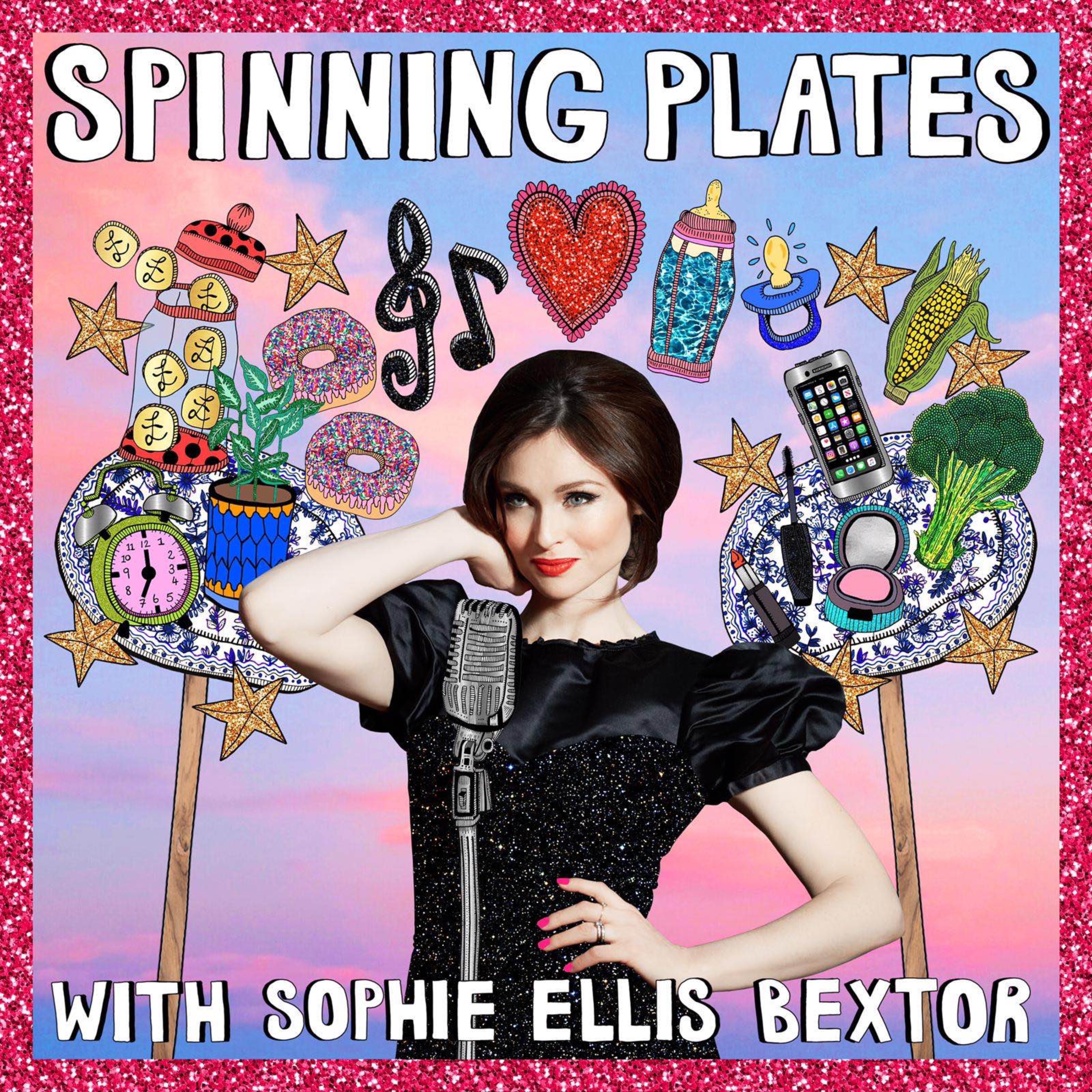

 Spinning Plates with Sophie Ellis-Bextor
29 Jun 2026 · 1h 13m · 24 chapters

Honey Spencer, a London-based sommelier and restaurateur, discusses how wine expertise intersects with hospitality, community, climate, natural wine, and motherhood—plus myths about sommeliers and how she navigated the wine industry as a woman.
Honey Spencer grew up in Berkshire (Sunningdale) and studied at Kingston, then moved to East London. She became a sommelier and later a restaurateur; she and her husband run the neighborhood restaurant Suna (and are planning a second, larger location). She also curated wine lists, wrote about wine, and worked on wine roles including choosing wines for Eurostar. She has two sons (ages mentioned: 1 and 6).
Sommeliers need empathy, emotional intelligence, and constant learning because wine regions change (e.g., Chablis). Vineyards can act as “canaries in the coal mine” for climate change. Natural wines can be healthier and leave people feeling better the next day. Many “sommelier rules” are myths (e.g., garlic/teeth). The wine industry has historically been male-dominated but is changing.
Hackney’s evolution since ~2012; local sourcing near Suna (coffee from nearby roasters, fishmonger/butcher). Pregnancy heightened her smell and taste; she once tasted ~150 bottles for Eurostar while nauseous and used ginger biscuits as a workaround. She describes maternity support in Denmark and later opening a restaurant in London during post-lockdown recovery.
Written by AI. May contain mistakes.
Sophia shares her morning routine of making pancakes and her recent experiences.
“Hello, I'm Sophia Despexter, and welcome to Spinning Plates, the podcast where I speak to busy working women, who also happen to be mothers, about how they make it all work.”
Sophia introduces her guest Honey Spencer, discussing her impressive background.
“They'll come here soon, and when Carolina replies, I'll let you know, and I've got a pancake in the pan already for you.”
Honey discusses her background, skills, and experiences in the wine industry.
“And then stepped a little bit closer into London for university, went to Kingston.”
Exploration of the cultural, historical, and environmental aspects of wine.
“How do you develop and trust your palate?”
Explore the complexities of being a sommelier and the impact of climate change on vineyards.
“And I was working in a restaurant and there were these sort of sommeliers and I was sort of looking at them and I was like, hang on.”
Discover the appeal of natural wines and their health benefits compared to conventional options.
“And so I have come to really be a bit of a staunch supporter of those styles of wines, both from an environmental perspective, but also just from a health perspective as well.”
Discuss the challenges and changes for women in the traditionally male-dominated wine industry.
Examine the cultural shifts in the wine industry, focusing on female leadership and modern practices.
“a few more women showing up in different departments.”
Explore the cultural significance of wine and personal experiences with alcohol.
Discussion on the challenges and experiences of balancing motherhood and a career.
“And in that sense, a huge amount of importance is placed on families.”
Insights on re-establishing professional identity after becoming a mother.
“And I had thought, okay, I don't think I can progress my career right now.”
Understanding how pregnancy affects taste and sensory perception.
Learn about the unexpected changes in taste and smell during pregnancy, and how it affected the guest's wine tasting experiences.
“It was just a bit, there was a little bit of a disconnect because I didn't want to drink all the wine because I was feeling so ill.”
Discover the motivations and considerations behind the decision to open a neighborhood restaurant post-lockdown.
“But because they were filming as a sort of like secret camera thing, I was just trying to pretend that it was all a bit confusing, a bit madcap.”
Explore how establishing a positive culture and a trusted team has been vital for the restaurant's success.
“You know, there's so many like concept driven restaurants where, you know, you go for a particular thing.”
Understand the challenges of balancing family life with running a restaurant and how the couple navigates parenting.
“Also I would regard that as a little bit of a perk for him I think.”
Explore the challenges and dynamics of parenting while managing a restaurant business.
Discuss the excitement and challenges of opening a new restaurant.
Understand the intricacies of sake and its cultural significance in Japan.
“And I was trying to learn, you know, you've got all these amazing like kanji symbols.”
Learn about the process and history of skin contact wine, also known as orange wine.
“in the same way that you can enjoy wine.”
Reflect on the struggles and joys of balancing motherhood and a career in the wine industry.
“Oh, that's such a lovely, like, romantic image I have in my head.”
Discussing Honey's engaging story and her passion for wine.
“I loved her story about the ginger biscuits and all those people laying out the ginger biscuits as part of the tasting process.”
Sharing personal anecdotes about anniversaries and life moments.
Expressing appreciation for the podcast team and their efforts.

Get the gist, explore an idea or ask about something said.
 Claude
On Spinning Plates with Sophie Ellis-Bextor, what are the key points of this episode?
Searching your listeningAutomatic transcript. May contain errors.
0:01ACAST powers the world's best podcasts. Here's a show that we recommend. I'm Monica Reinagle, nutritionist, author, and host of the Nutrition Diva podcast. We dig into the questions that you're actually asking. If it's okay to drink coffee on an empty stomach, whether it's possible to retrain your sweet tooth, which ultra-processed foods you might actually want to include in your diet. We take a closer look at diet trends, fat check, sketchy claims, and track down the science so that you can feel more confident about what's on your plate. New episodes are released every Wednesday. Find Nutrition Diva on Apple Podcasts, Spotify, or wherever you're listening, and be sure to follow or subscribe so you don't miss a single episode.
0:55Acast helps creators launch, grow, and monetize their podcasts everywhere. Acast.com
1:10Hello, I'm Sophia Despexter, and welcome to Spinning Plates, the podcast where I speak to busy working women, who also happen to be mothers, about how they make it all work. I'm a singer and I've released eight albums in between having my five sons aged between seven years old and nearly 22 So I spin a few plates myself Being a mother can be the most amazing thing But it can also be hard to find time for yourself and your own ambitions I want to be a little bit nosy and see how other people balance everything Welcome to Spinning Plates Morning I say morning, it's morning when I'm speaking to you, it's 9 o 'clock on Saturday and that little sound you can hear is me whisking batter because on Saturdays I make pancakes.
1:57So I'm in the kitchen making some pancakes and my adorable little cherub, Mickey, who is up, well, he's up at like eight, which you think, okay, that's not so bad, not so early. But then I realised he didn't go to sleep till about midnight last night. So I'm thinking, this kid is going to be tired. I let him step and wait for me because I hadn't really seen him this week. I'd been away since Tuesday. So briefly after school, well, I say after school time, schools have been shut, thanks to the heatwave, when I landed back home again. But then I went to the school with Richard. We went to a lovely party, actually, that they gave as a send off to the head who is leaving after 11 years.
2:41And yeah, there was a band full of our mates, actually, who did a bloody brilliant job and um the school looks so pretty and uh they had mexican food and cocktails that's the butter in the pan guys and um yeah i got up and sang a few songs uh i was asked i promise i'm not just like give it a microphone and yeah it was just really really cute it was a nice evening and i wonder what time they went on till because as soon as i'd finished singing I kind of did is it a French exit I always forget Irish whichever one where you leave fairly sharpish in a nice way I'd been there for a few hours and I'd seen lots of lovely people but I'd been away since I've been away since Tuesdays I just wanted to get back to the babies when you were waiting out for me and then it was just so hot and they were all so lively they ended up having kind of like a sort of second wind of family time and watching um a program together that Nicky really liked but yeah I remember being with him and the clock striking midnight and thinking I should probably be getting my seven-year-old to bed at some point but we're just so hot anyway um I hope you're coping all right if you are subjected to this heat wave this week I left Amsterdam yesterday morning lunchtime-ish uh it was 38 39 degrees and I'd gone for a little walk I really wanted to go and see Anne Frank's house again and my word it was um um it was so hot i was like what am i doing get back in the shade uh and yeah i know it's been really hard i just saw one of my cats lying outside i mean even though it's nine o 'clock it's already kind of i don't know 28 degrees or something crazy i'm sure the cats know what they're doing don't they i'm not gonna worry they can come in when they want to and we do have some cool spaces in the house anyway sorry i'm really rambling i guess i missed you i wanted to fill you in i've had a few gigs this week i had um yeah a gig in the south of france on tuesday which was lots of fun then on wednesday and thursday we did two shows full band shows in the netherlands one in a beautiful park with a little amphitheater called uh zada park and another one in um a festival called concert at sea which is literally on the coast and it's really cool european festivals are pretty pretty awesome actually they really know what they're doing so that was my last few days and then uh yeah i've got a relatively busy weekend but quite a nice one um anyway you're like when is she going to talk about the podcast now now guys so this week uh But this guest came to me an unexpected way, but a pretty cool way, actually, because a couple of seasons back, I interviewed the formidable former New Zealand Prime Minister, Jacinda Ardern.
5:40Hold on two seconds. Yep. When is my thing done? They'll come here soon, and when Carolina replies, I'll let you know, and I've got a pancake in the pan already for you. Look, let's flip it. I'm going to do two. I've just done one so far. I took off my t-shirt because I'm so blimmin' hot. I'm not naked. I just want to stay now. Oh, you're taking your top off too. Do it. Do it. I'm talking to anyone who's decided to listen to my podcast this week. Love you too, bugger. Anyway, so last year I interviewed Jacinda, who was incredible. And if you haven't listened to the episode, it's amazing. I mean, imagine being the youngest female prime minister and you're also only the second woman to give birth whilst in office, her and Ben Lezir Bootho.
6:31So have a listen to that. Anyway, I digress. I was asked after I did that podcast to host a little Q &A at a screening of Jacinda's documentary film, Prime Minister. And, sorry, that's more butter in the pan. and while we were having dinner while the film was screening, I was sat opposite one of the producers of the film and she started talking about how her daughter was training to be a sommelier under the wing of a really impressive sommelier called Honey Spencer and my ears pricked up because I thought, firstly, what a fascinating job. secondly I think of that as quite a when I think of a sommelier in my experience a few times I've been in a restaurant you know where they someone comes over to recommend wines it's invariably um a man in fact I think I've only ever had it be a man and so I was thinking that's you know what leads what led honey to that path and also she's done impressive things she chooses the wine for Eurostar.
7:39She and her husband have their own restaurant, which I must try because it sounds incredible. And they're looking to have a second location with a bigger spot and a bigger, more ambitious plan for the next round. So, you know, she's doing really cool things. Soon is the name of the restaurant. They have two little boys who are one and six. And yeah, she was absolutely brilliant and fascinating and i'm sorry not sorry you are going to want a glass of wine after you listen to this all right see you on the other side come on mickey see you in a bit this is honey spencer thank you
8:19it's so nice to meet you honey thank you for coming here um are you a londoner born and bred i was just trying to work that out no i grew up in berkshire so not a million miles away I grew up in Berkshire in Sunningdale, which is near Ascot. And then stepped a little bit closer into London for university, went to Kingston. My parents were about 45 minutes away and I just, I wanted to kind of be close-ish, but a little bit further into London. And then I moved to East London when I graduated. Yeah, now it feels like your home life and your work life is very entwined in that part of the city. Totally, yeah.
8:53Yeah, and it's such a vibrant area. and how has the area changed for you since you've had Suna, your restaurant? Because I imagine that would bring in this whole new community and purpose. Yeah, absolutely. And also thank you. You're probably the second person that has ever pronounced Suna correctly. Everyone says Suna, even people really close to the business. So thank you. It is just a wonderful kind of community in general. And I think when I first started working in East London around 2012, That was really when specifically kind of Hackney was taking off and kind of becoming more what it is now.
9:31Lots of people were moving to the area. There were lots of artists, lots of really cool talent. And I was working in this little wine bar and there just weren't wine bars in Hackney at that time. and then kind of being part of that kind of original kind of chapter of kind of food and wine in East London and then kind of seeing it now and actually our restaurant is just around the corner from the wine bar that I helped set up in 2012. And it's gorgeous. I mean, it's a complete neighbourhood restaurant and, you know, we use the coffee from Clemson's just down the road in the kind of market two blocks from us we use the fishmonger the butcher so it's very we try and keep things as close to the restaurant as possible and it's not just because the quality is you know world class it's also because we always wanted to foster those kind of relationships and always wanted to you know have people pass and wave out the window and it just feels really wholesome and really really right yeah i wonder as well if that sort of harks back to sort of i don't know the roots of London a bit actually because when you're talking about that I imagine there's been people that have embraced that localities yeah that's a way for like you know centuries you can definitely feel anonymous in London in in a good way and in a bad way I mean I've lived in neighborhoods where you can go to the same pub every Sunday and you'll just have someone look straight straight through you and I never wanted that I always wanted to feel like that what is the the saying about London that it's a thousand villages yeah I always wanted to feel like I was in a village in London and now I definitely am which is just it's heaven because I you know I want to be part of this beautiful community and kind of I want to know everyone not necessarily know everyone's business like I can I can stay out of people's business but I want to just you know be able to know the names of everyone that walks past you know their kids names and yeah and so you're primarily known as a wine expert you've worked in the hospitality it sounds like since you sort of started dabbling it when you were like teenager that's right um what are like the main skill sets you think you've needed to do what you do?
11:36I think yeah I mean I'm a sommelier by trade so I'm a wine expert and I in my sort of day-to-day role I have to do I have to know about the wines of the world which is an absolutely amazing job and I'm still so thrilled that I went down this path albeit fairly accidentally but I suppose I'm a hospitalitarian And I look after people I always have, you know, even from, you know, when I was very little, my mum used to throw these garden parties for like for elderly women, you know, these tea parties and I would be there serving. And I just love that. And I love I love looking after people. So I think that's kind of first and foremost, you know, you need to have this kind of want to serve and to kind of, yeah, to just to nourish people, I suppose.
12:24empathy and kind of emotional intelligence as well physical uh being able to move around a very very busy dining room without smashing stuff and dropping stuff I suppose on a very basic level that kind of thing uh which is hilarious because I was once a very clumsy person but there's something about stepping into a restaurant I just change just become this kind of almost ballerina it's very rare that I make any sort of physical mistakes now which I'm quite impressed with aggressive playing honey I like it uh and then there's the kind of the more intellectual side about the wine and you know various kind of freelance projects that I work on curating wine lists for restaurants or writing about wine in my book or in articles that's the kind of that's where the kind of more intellectual side of of my role my job kind of comes out so it's it's a nice kind of interplay of a lot of different things which I really enjoy yeah I mean the more I thought about the job of a sommelier, the sort of broader it got in my head, because I was first intrigued to speak to you because I thought, how does somebody become a sommelier?
13:31How do you develop and trust your palate? You know, how does the learning side of it go? But also, I started to really unfold it. And I thought, actually, it's to do with so many things, culture and history and travel and climate and I was thinking you know can you even be a sommelier if you're not also an environmentalist because you're you're so ingrained with the natural world and what resources have gone into the soil to get to the point where there's the great but I sort of hadn't that's what I started it was like the more I thought about it the sort of deeper it went yeah and also it must be permanently evolving totally and you can't I think you're you're so bang on And I think that's why I loved when I started kind of scratching the surface of being a sommelier, I thought I had a marketing degree since my early 20s.
14:23And I was working in a restaurant and there were these sort of sommeliers and I was sort of looking at them and I was like, hang on. So they get to do this amazing job where they're kind of swan around a restaurant identifying amazing wines for people. But they're also traveling and they're seeing these vineyards. but they also have an understanding by understanding wine you know sommeliers have this understanding of like you say like you know history culture um of course kind of environment sociology psychology um and it's just absolutely fascinating and you also need to stay in it because every year things are changing slightly you know like for example chablis had a bit of a rough time the last kind of five years and you know if you weren't you know if you don't have your finger on the pulse then you might miss what's going on you might miss the kind of broader uh broader changes in the world I mean certainly I mean there's a quote about how vineyards are like the canary in the coal mine of climate change because if a vineyard starts to change or things start to happen in a specific wine region it's it can be quite telling of what is happening in a broader sense in the environment wow that's actually a really impactful thing and i can totally understand why that's the case but it's also quite uh yeah i suppose you're very close to and you know seeing the changes and and watching how climate is affecting all these all these vines and also you know you go into a vineyard and especially in those certain areas where you can walk into a vineyard and the vineyard that you're visiting is like you know luscious and green and there's grass and it's easy to walk because it's not you know it's not kind of mangled by a load of tractors and it's just this kind of kind of picture perfect paradise viticultural paradise and then maybe the neighbor's vineyards next door and it's like you can see the contrast it can be quite barren it can be because you know the focus is just monocultured you know grow those grapes to make that wine and it is quite telling sometimes and And I think in terms of my own wine preferences, I mean, I love classic wines and I love fine wines, but I've become a bit of a champion of natural wines because you go into those vineyards and you see those grapes and the winemaker is telling you, like, I don't want to add a load of stuff into my wine.
16:45I want these grapes to express themselves and to express the place that they're from the best that they can. and I don't want to manipulate the process. And so you're like, of course, that makes complete sense. And then you try these wines and they're like, you know, they're often raw and wild and untamed and delicious. And you wake up the next day and you actually feel better, not worse. And so I have come to really be a bit of a staunch supporter of those styles of wines, both from an environmental perspective, but also just from a health perspective as well. Yeah, I was actually listening to you speak another interview and I heard you saying about how you tend to not get the same next day.
17:28They should start with that with the actual wine thing. I know, I know. Everyone's so scared about like kind of getting the science wrong and sticking their neck out. But I mean, you know when you've had a bottle of terrible rosé and a bottle of good wine. Like you can tell the difference the next day. Some wine tastes like a headache when you first drink it. And that usually is pub rosé, to be honest. so true yeah I mean I usually sometimes I think I can just get over myself if I'm in the sun and there's nothing else I'm like I'm just gonna maybe I've just this all in my head and then I'll have a bottle and I'll be like oh my again hungover by the time I've finished the first glass you can taste the hangover you can taste that kind of almost that ethanol that comes with a really bad rosé um but yeah so I it's definitely not in my head at all so with your it's funny I was talking to my band and crew last weekend about the fact I was going to speak to you and there were some I would say misconceptions thrown up about your work one person was saying oh if you're a sommelier you can't ever eat garlic or brush your teeth oh oh and I was thinking I've never heard those no I was thinking surely that's just if you're going to be tasting wine yeah yeah I mean usually the one that comes up is smoking because you know interrupt your palate okay no garlic I mean And certainly I wouldn't eat a clove of garlic and then go to a taste thing.
18:46Or, I mean, everyone knows what it feels like when you brush your teeth and then you taste something delicious and you're like, this just tastes like toothpaste. I realise you wouldn't do it just before. Yeah. Oh, I love that there are all these kind of these false myths about what the wine industry, that's so good. Well, I guess the biggest one is that you're pissed all the time. Yes, I'm sure that's one of the first things people might think. But I think also that one of the things I realise is a big skill set, and you've touched on it already, but is empathy, is the ability to read people. And from hearing you talk about your relationship with hospitality, it sounds like you get your battery quite charged up from those human interactions.
19:21Yeah, definitely. I mean, surprisingly, I'm actually a complete introvert. I charge my batteries by staring at a wall at home on my own, which is actually why having children, I find it quite hard. Because there's always a background noise. But certainly professionally, I think, you know, the original, I mean, I'm a restaurateur as well as a sommelier now. And I love that. And the original word restaurateur comes from the Latin to restore. And I always remind myself of that. You know, people, they walk into my restaurant and I want them to feel better than they could imagine when they leave. Or certainly better than they felt when they walked in through the door.
20:02so that's always kind of mine and and my team's number one priority and that's interesting with wine because wine is it's often quite I mean it's a fun job it's a it's a it's a kind of luxury job finding someone a bottle of wine to have with their dinner but you sometimes you want to challenge people to try something new or sometimes you've got to get guests who just wants to have what they've always had yeah or they pick something that wildly clashes with their food and you have to know when to go actually do you know why don't you try this I think you might really like it oh and you also have to know when to leave them alone you know or if there's some dynamic going on at a table you know there's a big alpha male who always orders the wine that kind of thing you know you kind of the emotional intelligence kicks in where you go okay I'm not going to disturb this dynamic I'm just going to leave it be they can have their Barolo with their oysters you know I'll just I'll let that happen um but yeah reading each guest and trying to figure out how to make their day better whether it be through a new discovery or just kind of quietly assisting in making their evening pleasant I think that's the that's the key yeah I mean well you mentioned your your small children we will come back to that because I do first just want to you mentioned about when you go to a table and there's a sort of alpha male choosing the wine and I think actually I did wonder to what extent because my first thought would being you know when you were you know starting out as young woman in that in wine world I'd imagine a lot of the wine is quite an old school quite old boys club element to it but then I thought maybe I'm wrong because obviously you've got there's always new people coming in to refresh things and but what's been your experience of of going into that world and to what extent is that true I mean certainly in the you know when I was becoming a sommelier where I was in my early 20s it was 2010 I was a first graduate um there were very very few women around um I mean we have a kind of industry matriarch her name is Jancis Robinson she is um she's the Anna Wintour of of wine I mean even sort of looks and sounds the same um sort of Anna Wintour meets like Joan Didion and she's absolutely epic but in between it looked to me when I was kind of looking at the wine industry from the outside it looked like if you're a man you could have a really senior cool role like a sommelier or a buyer or something like that and if you're a woman you were a kind of glorified secretary you worked in admin and actually if you look at wineries that setup the setup was almost identical you'd have the woman the the the bloke being like the winemaker the cool guy that traveled around and then the wife or the sister or the kind of female members of that family and business would all run the business kind of from the back office and maybe you know maybe I'm being a little bit too harsh and maybe that also was catering for kind of family dynamics collecting kids from school just kind of enabling women to have a little bit more flexibility but it was it was it was quite I found it quite unsavory um but I managed to navigate it I think really well I mean I'm I've just worked really really really hard um and I'm I'm for I fortunately didn't come up against any kind of very nasty people um which is quite I think it's actually probably quite an unusual um it's quite unusual that it didn't um but I worked ferociously hard.
23:40I also, I had, you know, I was with my husband for the entire time. So I think I actually managed to escape maybe a lot of attention that I might have otherwise got if I wasn't married. So that was always sort of a secret weapon. But actually, it has changed dramatically in the last 10 years, at least, you know, there are so many women, I mean, I make a habit of hiring women um but even looking at um wineries now so many winemakers daughters have stepped up and they've taken over and so that the whole you know this whole landscape has changed and some of my best friends are are um wine winemakers uh vignerants who are who are women and i'm connecting with those people and so the things are changing and actually if you look at london now i mean I was one of the first wine directors in London for this beautiful independent restaurant group in 2020 to 2023.
24:44And since then, if you look around, there are so many female wine directors in London now. And it's great. And I'm so proud of how the industry has evolved. But I think it's kind of, it's been like step by step, you know, a few more women showing up in different departments. And then before you know it, and then it's easier to hire women because it's not, you know, I always think, being an empath, I always think, you know, men get on with men. Like there's nothing wrong with that. But you need to let some women in to be able to kind of facilitate this kind of cultural change. And luckily that has happened.
25:21But there are still some very dark corners of the wine industry, certainly, where it's, you know, it's like the, we call it like the Red Trouser Brigade. um probably and probably you know it depends where you are in London I was gonna say I can't imagine there's too many of them no you are no they come for their hipster hipster night out I think you know it's a bit like going to Brooklyn and being like oh yeah it's Williamsburg um but yeah certainly certainly there's less um let's call it pomp in East London yeah kind of people doing their own their own thing not necessarily uh too worried about um what how should we call it like prestige or doing things a certain way or um and i think i think that's quite liberating and i think that's what that's what wine needs as well you know this is a very expensive product and a lot of the old uh a lot of the old-school ways of doing things or you know even wines that people used to like Bordeaux and it's all very expensive now and there's not enough people to drink them so wine does need to have a little bit of a rethink and a rebrand and a re-image so.
26:27Definitely and I think you're right incrementally I can see the change even we go quite a lot to the south of Italy in Puglia and a friend of ours whose husband runs a studio that my husband's band have used she did exactly what he described to her father had a vineyard called Claudio Quarta and then he passed it to her and she became like the youngest female or Italian vineyard owner when she was in her early 30s. Amazing. But she really knows her stuff. She's grown up around it. She probably has to know much more than her brotherhood. Exactly. Because she's constantly talking to people who go, oh, sorry, are you the wife?
27:01Exactly. Oh, you're the daughter. And I think when you say about you worked really hard so you know your stuff, it actually reminded me of Anna Hoare who I spoke to who works as a chef at the restaurant Myrtle and is now doing MasterChef. She's one of the judges. but she was like you know she's like five foot something and she was like I had to just try other techniques to assert myself in the kitchen so that all the sort of toxic elements they've been there for a while that no one's benefiting from could just dial it down in my kitchen I mean it's that thing isn't it about leadership you can either kind of try and be a man which I kind of feel like always happens like in politics like when there's a you know they have to kind of try and be quite masculine about it in order to deal with the image that they have or they're trying to shake off or whatever or to get what they want but i think in kitchens if you want to get or in kitchens in restaurants if you want to be done with the kind of that kind of that historic toxicity that we've had uh then you need to try something else and and you know it's it's it's tough because you know there are you know men respond to certain you know stimulus and and and aggression is one of them um certainly in you know the kind of old school old school sort of fashion of kitchens um yeah but i think it's when you were speaking about it and i was thinking actually like as well i think sometimes we when we're young we can a table a restaurant table i will often let like defer to the sort of older man to choose the wine because that's quite a traditional way to do it but actually i love i love knowing what i like and trying new things yeah so it's really it's lovely to be confident with exploring wine but also with women we're taught to be people pleasers and you know you you probably were thinking about you know whichever man you're with wanting to you know give him that little ego stroke or whatever it's like he does this and so you know and I'm not I'm not against you know I'm not the kind of person who would just want women to do everything I think there are certain certain things that are lovely about respect and wanting to make people happy but I think I think it's absolutely incredible that women can now know as much about as much as men about think amazing things like wine and take the list in a restaurant and order confidently and um even if you know what happens to me I suppose the little micro thing that happens to me every time especially if I'm abroad is if I order a bottle of wine and then it's presented to my father-in-law or my husband right like oh come on but that's you know that's yeah and the essence of it what is it about wine that has kept you so entranced I just love the taste that's enough I was thinking about this recently actually because I've actually you know I've uh my husband and I are not drinking anywhere near as much as we were a few months ago we just had to kind of hit this uh hit this wall I guess where we were just like let's just like let's just take a set back and like uh you know because it's it's you know when you work when you have a restaurant you know you're even if you're at work you're tasting wine and then your friends come and you have a glass and then you want to have a beer with your team when you sit down and then when it's your day off you're like oh of course I need a glass of wine it's my day off so it just it it becomes it's an occupational hazard but it's always nice every kind of once in a while to check yourself and be like remind yourself that alcohol is not the answer you know you can figure out you know you can make your life really joyful and fulfilling without it so but I was thinking like what is it about you know whenever you give something up you're obsessively thinking about it not necessarily wanting it but just like trying to you know understand the basis of of your enjoyment of it in the first place and and I think so it is is that the taste and how it works with food I think um and I think you know the alcohol industry is having a rough time at the moment because a lot of people are drinking much less uh but i think it's i think it's unfair to kind of group wine in with alcohol as such because wine is this beautiful historic product that has you know been going for millennia really um and um has been always been a very very important part of culture you know and it's it's an agricultural product that it's just you know it's just grapes essentially um and it has been served alongside food um and yeah compliments food beautifully so I think yeah certainly the taste but I think also just you know being able to what it signifies when you have a glass of wine with a friend yeah like I was gonna say and that's actually it's quite hard to not drink when you're meeting up with a friend because often your friends think oh I thought we were doing this together you know having this it's like breaking bread you're kind of you're on the same level if you have a glass of wine with someone it's yeah it's it's not exactly the same if someone says oh I just have a diet coke you're like god I wanted to tell you about my yeah my day and how shit my job is you're like you can't you know you feel a bit let down if someone's kind of just yeah yeah not on the same it's so true I mean I I really enjoy wine I don't really drink any other alcohols these days apart from wine and for me it's punctuation that's what I think it's like a signifier of like right now that part of the day is done and I can shift into this so I never drink before work I would never have a drink before I have a gig but it's a way of saying right we've switched off from that yeah so it's like a comma or a dash into something else yeah and I really love that feeling yeah but I was thinking you know if we're thinking of it as as that punctuation what was going on in your working life when you had your first baby and how did it impact on your working world?
32:48Yeah I mean I was living I lived in Denmark for five years with my husband we lived in Copenhagen and I was working for an amazing wine importer called Suna and we actually named the restaurant after him and Charlie was working at Noma and I found out I was pregnant and I had just just taken a new job um working for this really cool um really cool restaurant company in in Copenhagen and I found out that I was pregnant it was a complete surprise to to me and to everyone like wow this is okay this is happening and um I mean being in Denmark I mean it's it was just wonderful it felt very very it's a very very family centric society so after I kind of got over the initial hurdle of you know telling my bosses sorry I know it started last week but I'm pregnant you know after after that it was all very calm and very exciting so I'm very grateful that I was in Denmark in that moment because you know I was able to get maternity leave I was gonna say they have much better yeah maternity and paternity regulations don't they practically a year fully paid I mean it's yeah I mean it makes you cry I think it's one of the best in the world actually I think they're in Norway maybe they have just yeah exceptional it does make you want to cry if you haven't yeah if you if you come from that but then I love Denmark full stop and whenever I go there I'm like they've just they've just sort of sorted this they have they've just thought holistically about individuals and everybody looks really healthy and well and thank god they must look over at us and just think what are you guys doing what a mess what a scruffy life have you given this no thought yeah they're like sorry what But it is, it's a very, I mean, all of Scandinavia is very, it's about the society as a whole rather than the individual as such, you know.
34:40And in that sense, a huge amount of importance is placed on families. I think even when your kids are sick, you know, you don't have to use a sick day, you know, because your kids are different. There's a huge amount of kind of understanding and compassion around kind of family life in Denmark, which is wonderful. It is. So anyway, I felt very, very held. and that was a really nice experience but the when Leonard my first was born he was born in the hospital there on the radio this was New Year's Eve 2019 on the radio there was something about Wuhan and I was like oh that's weird I've never heard that you know of that place before and then very very quickly the world kind of started to uh to unravel um all of the I remember I look back on this now I think it's so hilarious all of the the Noma front of house all lost their sense of taste and smell and it was kind of at the time it's like oh no one can you know I just think it was only it was a very short amount of time but now of course I look back and I'm like wow of course everyone must have had COVID yeah and no one got you know I don't think anyone got that ill but um it was just one of those things that you think oh right that's that's what that was um and so it was actually quite and you know we talk about like matricons like becoming a mother and I you know when you when you have your first child when you have a child or any number of children you know you your life kind of stops your world stops spinning you know your identity is maybe on hold and I felt quite lucky that as my world stopped spinning the world stopped spinning so I kind of felt selfishly like weirdly like wow everybody's really it was kind of like losing kind of sense of gravity.
36:18I'm like, ah, everyone's floating. It's not just me. And I was in this lovely bubble of feeling, not feeling too petrified about it. Like I, I mean, certainly if I had run, if I had my restaurant now, and it was 2020, I would have had a very different experience. That would have been utterly terrifying. So I'm very, very grateful that I was in a very strong country. You know, I was able to just have this incredible maternity situation. And actually Charlie was off the entire time. I think he must have had something like seven months you know just with our you know just just together which was really really lucky um but certainly we moved back to London when when Leonard was seven months old um it was in between lockdown one and lockdown two and we just weren't really sure what was going on you know one really was and I felt the need to be close to my parents um both sets of our parents and so we decided that we were gonna leave this amazing utopia and go back to London and eventually try and open a restaurant which is kind of a crazy thing to have even been thinking at that time um given the kind of given what was happening across you know the world and and specifically in hospitality everything was closed but that was always but that had always been the wider dream for us so we moved home and uh I had thought I wasn't really sure what I was going to do Charlie had got this job working as a general manager for a really nice Michelin-style restaurant in East London.
37:43And I had thought, okay, I don't think I can progress my career right now. I'm probably going to have to take one or two steps back working as a waitress part-time. But I got a message asking if I wanted to be a wine director for this incredible restaurant group. And so I was like, you know, I'd only, until that point, I'd been a head sommelier of a restaurant. This was probably two steps up. I couldn't believe it I was like oh wow this is such a this is such an opportunity so uh I remember going but I remember they said you want to meet and I remember going oh they don't know I've got a kid and like so I had to go and meet them and in my in my head I thought I'm not going to take the job I'm going to maybe just meet them because I really like the restaurants and maybe I can introduce them to someone that they might you know want to want to work with and uh so I I guess I kind of went into this interview feeling just a bit detached from it but actually it's that's often quite helpful in interviews because you come across quite confident I suppose and so I was just saying oh yeah this is what I'm doing and it's how I feel about certain things and wine and and they said oh when can you start and I said I've got a baby actually and they said no no we know about that how many hours do you want to do and I was like wow this is incredible so I ended up taking this this job and actually I think it I think it saved me from having a proper identity crisis because I'd had this lovely first chapter um with Leonard and and and kind of being quite safe in Copenhagen and then suddenly I you know it's presented this very very profound opportunity um to to to manage an entire uh and it's I think there was seven six six kind of restaurant wine bars I was looking after all of those and it was just great and it was I mean it was all in Soho so I was commuting into Soho I think the thing that I the less the less glamorous part of that chapter was the child care we didn't ever really have any proper child care so it was this kind of hodgepodge of uh one of us would have the baby and the other one would be working a shift in the restaurant and then the and then my parents would take Leonard for over Wednesday Thursday and I remember I was living in deep dark east London at that point on the central line place called Leighton and every Wednesday I would commute through central London down to Waterloo down to Woking where I passed my baby to my dad on a train platform who and then I would commute back in go to Soho I'd work a double shift so that's more or less that's like a 10 a.m we were opening a restaurant at the time called Evelyn's Table which was a very very ambitious 10-seater restaurant which was you know mission and aspiring at the time and I would work a double shift and then I would get the last train home back down to my parents so I could breastfeed Leonard at you know two in the morning and then I get back up and basically do the same thing again oh my gosh and I look back on that and I'm like how on earth did we do that but there was such I was so determined to make it work in my role and also there's a you know a lot of women in hospitality who think that they have to graduate out of the industry in order to have a family and I've always been really determined to to prove that that's not you know it doesn't have to be like that you know you just have to kind of it's not certainly not as linear as I've sort of just outlined but it is possible to make it work and um so I was just so determined to kind of be this almost role model to other women I mean it's not very it wasn't very glamorous the weeks but you know and then things change they open up and you can afford a bit of childcare or you know things always kind of tend to evolve a little bit anyway um so I just kind of kept going and I was enjoying my job so much and and I was really enjoying finding my identity refinding my identity and and and you know because I so much of I guess so much of my self-worth is wrapped up in in my career and I'm really proud of you know how hard I've worked and and and the things that you know we've been able to achieve so just just kept going yes it's funny isn't it when you look back and you think that looks exhausting to me now I did that for ages like running on empty running on empty and how did it affect your palate pregnancy and new motherhood because were you at all worried about that your ability you know your relationship with flavors well actually pregnancy it heightens your sense of flavor so I actually was tasting wines especially with my second pregnancy uh I was tasting wine better than I ever have I mean I was picking up on notes that I I yeah it was it It was really amazing.
42:12It was just a bit, there was a little bit of a disconnect because I didn't want to drink all the wine because I was feeling so ill. But I was like, wow, just very, very hypersensitive. So I guess I lost a bit of the love for the, you know, kind of swallowing any wine that I really liked. But certainly from a tasting perspective, I felt like I was a bit of a kind of, yeah, a bit of a tasting superhero at the time. Unlocked new level. Wow. Wow, and I suppose your sense of smell as well can be really heightened as well. Absolutely. Absolutely. I mean, it really is. When you were pregnant, do you remember smelling someone's breath and their breath was pretty bad and you'd be like, oh my God, that just is so foul because it's so accentuated.
42:57I think for me things like if someone had like a black coffee or a whiskey near me, I'd be like, I cannot even. Yeah. It's too strong. Stay away, here it is. Yeah. Yeah, but also for me, not with every baby, but with some, I couldn't even drink tea. Like it just tasted really wrong to me, which was very insulting because I love tea. Yeah, that's hard work, isn't it? I quite like the idea of you feeling almost quite superhero about it. All unfolds like an accordion, all these new levels unlocked. Well, we had to, when I, so with my second pregnancy with Ernest, I became the wine director of Eurostar at the same time.
43:37So we got the restaurant and I think my book had come out the year, got the restaurant and then I published my book about natural wine. And then the year after that, I became the wine director, head sommelier for Eurostar. And part of my role was essentially fielding or tasting all of these wines at home. So I was sent something like, oh, God, it must be 150 bottles of wine to my house, which sounds like a dream to anyone. The delivery person must have been like, all right, love it.
44:11And, you know, my amazing, I've got two friends who used to be my sommeliers in my old job, and they came over and helped me taste all of these. But I had the worst morning sickness at the time, and I didn't have told anyone about it. and I just remember just being like this is absolutely horrendous and some of the wines are quite bad so you had to but I had to taste through all of them and then my and then my role was to taste them and then make a sort of short list and then take those wines to go and present to Eurostar and then we taste them all again and I remember doing this more or less it was over 24 hours because I'd try and bunched I just thought okay if I'm gonna have this hellish period I might as well just make it over one day instead of over and so i remember presenting all of these wines in a room where there was uh no i think there was no air con it was a really hot day there were no windows and tasting these wines and i bought these ginger biscuits with me um because i felt so ill and everyone had picked up on these ginger biscuits that i just got out of my the old thing we must have ginger biscuits in between the wines so this is i've never i haven't told them ever about this and they're going to find out obviously now if this gets part of the podcast but I told them it was a wine it was a hack and being able to taste and actually my my best mate had looked it up and she then I I got back home so everyone had one everyone's like oh we need to have so I said I was giving my ginger biscuits I love that and I said oh no my just ginger biscuits are now gone I still feel horrendous and I got back home and I told my best friend Tegan and she she looked it up on chat gbt and and it said it said something like you know there was a reason why you could eat ginger biscuits i was like this is legit okay i got away with this and i forgot about it and then we did the same process the next years and they brought ginger biscuits
46:03they've got all of this really nice like you know the typical thing to have when you're tasting wine it's like water crackers something with no flavor and then they got the selection of different ginger biscuits and one of the someone it was someone really high up at Eurostar had come to be part of the tasting and he hadn't been a part of this original process so then I had to explain to him I was like why ginger biscuits that doesn't really make any sense so and it was it was did you keep up like I can't remember I really I yeah I I think I did I I didn't lie but I think I tried to move the conversation on quite quickly oh so don't you I know I feel like it might be this thing that's just carried forward and we're going to be seeing them at kind of national tastings now i think that's brilliant maybe they'll serve them on the euro style yeah yeah must must have accompaniment a complimentary side of ginger biscuits for all but we do funny things don't we when we're when we're those early stages of pregnancy when you feel you're most horrific but you're not really telling anyone and you're you know and also you don't you know you feel very kind of fragile and very vulnerable you're just trying to get through the day and it's just a bit where actually it'd be the most helpful to just say oh can I just tell you what's going on yeah but you're just thinking I can't I've just got to push on I had a very very very weird thing happen to me in that exact same sort of time you know I must have been about I don't know eight or nine weeks or something and I went to do a tv program in the Netherlands where I I actually think it's been, it might have been banned now because it was really un-PC.
47:40The host pretended that she was a Japanese presenter. Oh, right. Yeah. Sorry, sorry. I'm embarrassed for her. This is about, it's about 10 years ago. Okay. And I luckily knew it was a spoof, but I wasn't supposed to know. It was supposed to be like a surprise. Right. And so I was in this room with her with this sort of terrible, bad, pretend Japanese accent. And like fake teeth and stuff. And then she got spliffs and got really stoned and was trying to give it to me. So I was trapped in this hotel room for over an hour of filming as the room got thicker and thicker with smoke. And I was thinking, I don't want to be in here.
48:24But because they were filming as a sort of like secret camera thing, I was just trying to pretend that it was all a bit confusing, a bit madcap. but here I am I was thinking this is awful I just don't want to be and of course they didn't know no oh they would have felt horrendous if they knew I wonder if any of that footage still exists let's dig it out I for one would like to see that I honestly don't think that program's still running can you imagine no I can't I can't it's like it's really bizarre yeah if Little Britain's not running then that's definitely not running yeah yeah I know yeah um but it's so plotting the best way i love both your boys names they're really sweet um but you were saying so you had your your first baby and then you have this sort of year of like the you know the lockdown emerging into this amazing job what then made the next bit the right time to open your restaurant and i as i understand you and your husband charlie like even spoke about on like your first date yeah which i think is amazing like all those years later and you're like doing it but how did it feel how did you know it's the right time how do you know to take the plunge with opening a restaurant because it's a big deal yeah it's a really big deal and and it's it felt certainly like a lot of kind of let's call it like consumer confidence was kind of uh coming back to restaurants people were eating out a little bit more there was certainly everyone had ditched the masks and it felt like everything was recovering quite nicely certainly in neighborhood restaurants there was still a lot of people working from home and I guess that's one of the the upsides of of lockdown and COVID is that people put an enormous amount of investment back into their neighborhoods you know I think you know back you back in the day if you if you lived in this lovely neighborhood like we are here and then you commute into into London or into the center of town for work you know you'd probably stay in the in center of town and then you'd just come home to sleep or whatever and maybe you go to your neighborhood restaurants on the weekends but I think everyone really realized that they had an opportunity to you know really kind of like put money and put love into the areas that they lived in and so neighborhood restaurants were really thriving and we had been doing this this big sort of not big commute but this commute from East London into Soho every day and thought okay we want to do something where we are and there was a really really gorgeous neighborhood restaurant around the corner from us called bright and and that closed and they they were great there they were sort of it was an australian led restaurant and it was just it was wonderful and the hospitality was amazing and that was at the other end of broadway market and that when that closed it was like okay we need to open a restaurant because there's a there's a there's a gulf now there's of of really good hospitality um in in in that exact kind of neighborhood and we we knew we wanted to be around Broadway market because it's such a lovely bustling part of London and this site came up and so I think we were just looking at this site and Charlie and I would you know we don't really we agree on lots but in terms of kind of you know where should we live or like you know looking at flats a few years before and stuff we really didn't agree on anything until we found the one and then we both knew straight away and it's really similar for looking for a restaurant site you know Charlie is I mean my husband he's such an amazing person he's very very optimistic and he's a big dreamer and I by default have to assume the role of quite pessimistic quite you know because otherwise you know I good goodness knows what would happen and so I was always the one being like oh no I'm picking you know picking these options apart and actually when we saw this site we both thought my god this is amazing this is at the mouth of broadway market it's a beautiful site flooded with light we could just see it and it was this really it was it was quite a naff japanese restaurant the kind of the kind of japanese restaurant or the kind of restaurant that has a laminated menu and like a thousand things on the menu how do you cook that from your tiny kitchen yeah and what do you actually do well because it can't be all these things and it had sticky floors and like you know it was a bit ramshackled but we just completely saw the potential in it and so we just decided to to hit go and it just felt instinctively like that was the right yeah and I guess both of you had so much experience at that point you kind of already had probably unfolded a lot of it in your mind of like yeah sort of ambiance and what you're trying to create and I really love the idea of also knowing that I didn't actually know that restaurant come from a store that's such a nice that's such a perfect um words to to serve what you hope to experience as a customer.
53:10And we forget that now as well. You know, there's so many like concept driven restaurants where, you know, you go for a particular thing. You're like, oh, let's go out for a bow tonight. And you're not thinking about, you're not necessarily thinking about having this lovely nourishing experience service wise. But for us, it was always about that. It was not about, we always wanted to, you know, be able to serve absolutely delicious world class food. But it was so much for us about looking after people and making people feel really good. So the early years were so much focused on establishing, you know, the vibe in the room, you know, everything from like the playlist to the music to, of course, the service.
53:46We're really lucky that we've had more or less the same front of house team since we opened. That must be a pretty key when you've got your personnel. Yes. But it's practically unheard of. I was going to say, because the turnover is normally very quick. And also, from the little I know about running your own restaurant, it can be the case that if it's not the two of you there present, it just doesn't have... No, of course not. Knowing that you can trust the people that are there to maintain it, keep it consistent. I mean, we've been very, very lucky to find some seriously like-minded people. A lot of the people that work with us, we've worked with in previous jobs as well.
54:24So our general manager used to be the general manager of the Barbary, which is one of the restaurants that I was looking after as wine director. And my bar manager was bar manager of the Palomar, which is one of the other restaurants. So when we opened sooner, they both kind of came along and said, hey, what's up? You're like, oh, yes, come on, let's make this work. So that synergy there is lovely. And you already know that you have shared values and you can work together. But definitely one of us is there because it is important. and people come to see you and I think we're lucky that we live so close often when we have people come to visit on the rare chance that Charlie and I both of will usually just get in the cargo bike with the kids and just go and say hi I was going to say do the kids have it as part of their world too totally oh that's totally and they're growing yeah they're growing up in it and it is lovely to see I think my oldest is a little bit cocky he'll come in because we did this this flatbread it's amazing but he'll come in at you know in between services and go up to the kitchen and be like I joke and I have a flatbread you're like no poor chef he's just trying to like get ready for the next service so I am quite wary of that but I'm also kind of proud that he's got these social skills you know with people of all ages.
55:33Also I would regard that as a little bit of a perk for him I think. Definitely flatbreads on demand exactly. Yeah and what a nice thing I mean do you so do you have sort of rules about how you make sure you have time for each other as well? not really i mean not really it's just like an amorphous the week just flows and see how you're doing i mean certainly the last couple of months i mean with ernie our youngest he's very very clingy and that has been a different experience altogether you know our first was so leonard even now he's very he's very serene he's quite stoic he's you know things can happen to him and he just he won't he's not bothered he's just really cool about stuff um and you could just sort of pass him around even as baby but this this baby is very different and I think my mum always says that if you had the second child first you wouldn't have more I don't know you I don't know how you feel about that because you've got five
56:33well actually I am the second child so I'll try not to take offense of that um but it's definitely true in my case like god this is a bit of a handful so in terms of prioritizing each other no we haven't been very good at that but we are getting we are getting better you know now we've we've you know persuaded a few people to babysit and stuff and when you go to restaurants for fun is it like when i go to a gig we are like picking up and everything yeah i like that i might try that that doesn't work don't do that what do they call it a bus man's holiday yeah kind of um it depends if we're going if we're going to i mean we know an increasing amount of restaurant owners so if you go to support their restaurants you're kind of like you kind of always feel like a bit like you're in work mode but I often love going somewhere where I don't know anyone and just sit in the corner and like you know just not be not be seen or you know just take it easy up to you and be like oh hi but just let someone else look after you for a minute exactly yeah and not worry too much about you know what you look like or you know yeah yeah that's what it should be like get into a heated conversation exactly and do you guys have have like dreams to sort of keep building or is it more like just sort of putting one foot in front of the other we um we've always known that we needed to grow actually we i mean sooner is a is a what is it 38 seat restaurant in a neighborhood um and we also have we're actually three business partners um and we've always known that we needed to to grow growth has always been sort of part of our uh of our plan so we're actually we're opening somewhere later this year which is hugely exciting a big 6 000 square foot um sort of multi restaurant venue slightly further into london um which we're hugely hugely excited about which we are going to announce any minute now um so yes we've known we needed to do something else and ideally something in a slightly different part of town with a different clientele just to make ourselves a little bit more kind of robust um so yes that's hugely exciting but I just have no idea how that's gonna work I mean we definitely need child care now I think I think I've kind of kind of we've held off for long enough um but certainly yeah we're gonna need to figure it out yeah but I guess everything you're doing is like laying like pathway to the future anyway yeah part of it all they're entwined aren't they yeah I keep saying the only way out is through I don't know if you've ever had an experience like that like i have to get through this and the only way the only way of coming out or by the only way of being successful in restaurants is by having a few of them i think um and so we have to this is the process that we're going through but it's actually very this one this time around it's actually very exciting i think with sooner it was all of our own effort all of our own money we did everything on a shoestring and it's all very very very personal and you're doing everything i mean even now charlie's waking up at seven in the morning and answering all of the emails and um so it is very it's a very family run but it's all consuming and I think with this this this place it's it's because of its scale yeah the next one will be a different vibe a different vibe you know being able to you know hire people to you know yeah you know lend out their amazing skill set so you're not doing everything I think it's been in in some ways it's already a much more enjoyable experience because you know you can and rely on other people to do things and outsource to incredible talent instead of like trying to figure out how to design a website at 5 30 in the morning as was for the case well I'm excited for you I think it sounds really glorious and I definitely want to visit Zuna as well please please do I have two well I really want to talk to you about your experience with Saki as well because I understand you've trained with Saki so maybe I'll ask you a couple of things about that and then have one natural wine question um with Saki how did you find that different to your experience with I don't know what you call traditional wines yeah well sake is interesting because I mean I got into sake because uh this uh restaurant that I was helping to set up in 2020 2020 2021 Evelyn's table which was a microscopic it is a microscopic restaurant it's a 10-seater restaurant at the bottom of a pub in Soho and the the chefs were they're called the Selby brothers they're absolutely three gorgeous brothers and one of them the the head chef Luke Selby had won the Rue scholarship and gone to Japan so a lot of his food was very you know it had these definite kind of accents Japanese accents in them and we'd started pouring sake and the general manager or the manager for the restaurant that I had hired Aiden was a complete Japanophile and mad about sake and then I hired a head sommelier to go into the the Mulray which is a wine bar on the the floor above the pub so on the first floor and she had level three understanding or level three qualifications in sake so I found myself being their boss with absolutely no idea what they were talking about and I thought okay I need to I need to learn about sake so we I remember I did this crash course in sake at in the in the wine and spirit education uh trust buildings in London Bridge over a week and I sent Leonard and Charlie down to Charlie's parents for a week.
1:01:52And I was trying to learn, you know, you've got all these amazing like kanji symbols. And it was almost like Homeland, you know, when Claire Danes has all these like mad links and like, you know, post-it notes all over the wall and trying to, it was a bit like that. I was like, I need to kind of get into this. Like a crash court, I can get it into my brain. And I think you can, certainly you can enjoy sake in the same way that you can enjoy wine. But I think it's less about, it's less about terroir, which is quite interesting. and it's a lot more about kind of production methods so I mean people some people will say it's about like the great the kind of good the rice type or about the the water but actually it's it's not so much about that and I I found that quite hard to get my head around because especially with if you most familiars if you really really love wine it is so much about like the earth and the ground and stuff and the kind of removing yourself from that is was a little bit kind of challenging for me but i actually really enjoyed learning about this you know because japan had just got this absolutely gorgeous way of doing things that whole like you know you find your they call it a key guy like your kind of reason to be and raise on that train you like you know you you work at it you work at it you work at it and i think that the way that sake is made it's so much more about that the the hands of the people that make it and their kind of decisions and things like that to make this beautiful product so I just kind of yeah it gave me a respect for process I suppose that's very Japanese isn't it very Japanese yeah I really respect that yeah it's a very different way of living totally and it's so delicious and in terms of food like uh yeah Aiden said to me right at the beginning he said he sees wine is like a how was it wine is like a like something you add to food like kind of a condiment yeah whereas sake is more like you know you add like a pinch of salt or like a bit of msg or it just brings out different flavors in food and i found that really interesting we said we've always had three sakes on at sooner and you know the uptake isn't massive but people really engage with it it's really really nice we do you know a few different events during the year and it's just such a it's such a gorgeous category quite a nice thing to just have on the menu as well just make them think a bit differently about their choices which i like and it's a really fun drunk as well if you're drunk on sake there's something about it I get really I get really thirsty for sake when I'm drinking it I can drink it quite fast and then I'm like god I need to go home but it's a really nice it's a nice buzz for anyone that's listening that wants it I concur okay my second thing was about natural wine I heard you speaking about it on another podcast and skin contact was mentioned a lot and I never quite understood what that meant yeah so So skin contact is actually probably the most ancient way of making wine, funnily enough.
1:04:38So in Georgia, Georgia is the birthplace of wine. They've done 8 ,000 vintages or something like that. I actually didn't know that about Georgia. Absolutely extraordinary wine history. They've got 525 native varieties that have never really been taken out of Georgia and put anywhere else, which is fascinating. Am I right? It's a place people allow heading for wines now. like yeah it's becoming quite fashionable totally and now there's a direct flight path that's only been established over the last year from from london to um to tiblizy um so there's a lot yeah a lot of people going there now um but uh in the kind of uh there's like an ancient artifact i guess they call it now um of an old animal hide and in it there would there was this kind of resin and it was a white grape skin um and pips which kind of show that this sort of skin contact was the first wine but what it is essentially is you use the same um grapes as you would if you're making a white wine so it can be any any um grape that you choose any variety that you choose and instead of just pressing the grapes and throwing away the skins and just vinifying the juice left over as you would to make white wine you actually leave the grapes into they leave the skins and the stems and pips and stuff to macerate with the wine it's like making a cup of tea it's you know if you were those kind of people that you know you just you you put your tea bag in and you take it out straight away that's white wine and then if you leave it in five minutes or you have a nap on the sofa and then it's left in for an hour that's that's skin macerated wine orange wine but the original way of of of naming that was was amber wine that's how the Georgians call it oh that's really interesting so it's a really interesting category and so many people especially kind of like the baby boomer generation they'll always be like oh this new orange wine it's just a fad and i'm like it's not a fad man it's like the first ever one actually historic a really really historic but the flavors are very different and i always encourage people to people trying orange wine for the first time skin skin contact wine is to just detach a little bit dissociate uh your experience from your your experience of drinking other categories of wine because it doesn't skin contact wine doesn't taste like a rosé or white or red it tastes like something completely different a lot of the flavors are a little bit more savory uh more kind of herbal notes more kind of almost like tea leaf notes um and so if you're trying to liken it to something that you've already tried you're not gonna you're not gonna be able to enjoy the experience of what it is i always just say just it's it kind of experience it like it's this new category of drink altogether it's very beguiling but so beguiling but it's there's a huge range of them and I always just say just keep trying like if you if there's a place that you go to that you're you know that you really vibe with a sommelier or bartender or waitress you know just always ask to try them because it's going to be one that you like yeah but actually I remember I mean speaking of motherhood we went to I curated the wine list for this gorgeous new opening in Mayfair that opened this year and I had to as part of my sort of research and development went over to Georgia last July with my three-month-old for a week driving all around this amazing sort of ancient land trying like countless skin contacts while my baby was in these wineries and like learning to almost I think he was kind of rolling over at that point um so I will always look at skin contact really fondly because that's you know it was incredible opportunity to go to the birthplace of wine and again just be like well I have to take my kid I was breastfeeding so So it was, yeah, it was extraordinary.
1:08:13Oh, that's such a lovely, like, romantic image I have in my head. Yeah. The vineyards and the sun setting. Yes, it was kind of like that, apart from an absolutely hellish four-hour trip on a, we had to get back to, I think we come from the countryside in the west and had to get back to Tbilisi by the evening. And it was just four hours of just chaotic crying. I know. No, I know. I'm sorry, I've shattered that image for you. But, you know, I... you know okay it's not all you know there's not all kind of sunshine and rainbows there are these moments of motherhood where you're like what the fuck am I doing why have I what am I doing like why there's a reason that people don't do this yeah this is why I definitely I definitely emerged from the car with like I've got this kind of streak of gray that's appearing on the left side of my head and it's just kind of like hair by hair and I'm now it's almost this quite profound streak and I think that that car journey is sort of like that was the turning of the tide like just yeah we're going great I know you look back at these moments as well you're like what was that yeah spread so thin yeah and trying to like do it all but we want to have it all and I think that's I think that's a really delightful thing and I think if you love what you do in your job you you you have to push through and you have to make it work and I yeah um I I'd never wanted to be one of those people that you know couldn't uh you had to give up what i was doing yeah i just wanted to i selfishly wanted to have it all and sometimes there are these pinched moments where you just go that was a bit of a mistake i shouldn't have tried that but then you've got to try it sometimes you find yourself and everybody's eating ginger biscuits thank you so much
1:10:03Yay, honey. What a hoot. I loved her story about the ginger biscuits and all those people laying out the ginger biscuits as part of the tasting process. And I think also my favourite thing might have been when I said, you know, what keeps you so, you know, what was it, like enchanted by working as a sommelier? And she's like, the taste. I just love wine. Cheers to that, honey. And I fully plan on visiting sooner and also trying more of those delicious wines that she was talking about, because I really I like wine, too. And I am also intrigued by the idea of it not really giving as much of a hangover.
1:10:47I mean, I don't really drink enough for a hangover these days, but still anything that's a little bit cleaner for your body sounds good to me. anyway the pancakes have been served and uh in the gap I realized I had a couple of cute things just to drop into our little chit chat our little catch-up one which is that I Richard and I celebrated our 21st wedding anniversary this week and we managed to finish the gig that we were doing in the Netherlands by six and we got into a car drove about an hour and a half to Amsterdam actually I think we left later than that because we didn't get there to about eight ish and then we stayed in a hotel and had supper there and a little bit of a wand around the streets and I'm just really glad we did that and I was thinking this morning I wish I'd taken a picture of Richard across the table from me at every anniversary we've had since we started I'd have it would have been really cute to see like the passing of time but um maybe I could start now but yeah I uh I do feel very lucky that we have so much fun together and I saw when I posted a little picture about our anniversary I saw a lot of other people saying that they had their anniversaries around now so if that's you then sending you congratulations too and the other thing was that uh when we did this gig last night Richard hopped up and played bass when I was doing murder and dance floor at the school and this morning one of the mums had very thoughtfully sent me a little video of us on stage and I didn't have the sound on so what I had was like the little visuals and I was thinking Richard looks great when he's playing bass guitar see normally when I'm on stage I can't see him he's like to my left and also I'm looking out at the crowd or whatever I'm doing but I was like oh that's cool anyway those are just two asides I thought I'd share um I guess I'm just in that kind of mood today um I hope wherever you are you are staying cool I want to say a big thank you to Richard for editing my podcast he has another two gigs this weekend so thank you darling I know that you'd probably rather just be um chilling watching your iPad as you travel rather than sitting on your laptop in a car but thank you thank you uh thank you to Claire Jones who has done a brilliant job with her production even though she's been having her own things going on she's got family projects coming up next week and i think her bedroom leaked during the week as well thanks to a bit of bad building on her neighbor's side so thank you to you i'm sure you would sometimes be rather than getting your bedroom back to normal thank you thank you to ella may who also she has as i gather bridesmaid duties this week so thank you to her for still getting the artwork done even though she's had other things going on and also have beautiful Bubba and thank you to you for lending me eyes and fitting me into whatever is happening in your world as well and everybody leads busy lives and I'm very grateful to be a little part of yours so sending lots of love out there and yeah the podcast continues I think we've got another is it two or three weeks and some lovely guests waiting in the wings so thank you thank you thank you thank you honey thank you to you
1:14:03Thank you.
1:14:34Acast powers the world's best podcasts. Here's a show that we recommend. I'm Monica Reinagle, nutritionist, author, and host of the Nutrition Diva podcast. We dig into the questions that you're actually asking. If it's okay to drink coffee on an empty stomach, whether it's possible to retrain your sweet tooth, which ultra-processed foods you might actually want to include in your diet. We take a closer look at diet trends, fact-check, sketchy claims, and track down the science so that you can feel more confident about what's on your plate. New episodes are released every Wednesday. Find Nutrition Diva on Apple Podcasts, Spotify, or wherever you're listening, and be sure to follow or subscribe so you don't miss a single episode.
1:15:28Acast helps creators launch, grow, and monetize their podcasts everywhere. Acast.com.
Honey Spencer is a wine expert who has two little boys aged 6 and 1.
She and her husband Charlie run a neighbourhood restaurant called ‘Sune’ in Hackney in East London, which she describes as feeling ‘wholesome and right’.
Honey told me that Georgia is the birthplace of wine, and how she is a fan of ‘skin contact’ wine. She also described how vineyards are like the ‘canary in the coal mine’ of climate change.
Honey has written a book about natural (organic) wines and is the wine director of Eurostar. She told me how pregnancy gave her a superhero palate, and we debated the wisdom of eating ginger biscuits during wine tasting… Listen to the podcast to come to your own conclusion!
Spinning Plates is presented by Sophie Ellis-Bextor, produced by Claire Jones and post-production by Richard Jones.
Hosted on Acast. See acast.com/privacy for more information.